Board Game Sets
Looking to bring some fun and excitement into your game nights? Dive into the world of board games with our diverse selection of board game sets. Whether you're a strategy enthusiast, trivia buff, or just looking for a way to bond with family and friends, we have something for everyone. From classic favorites to modern twists, our board game sets offer hours of entertainment and friendly competition. Get ready to roll the dice, draw cards, and strategize your way to victory with our collection of engaging board games.
Sort
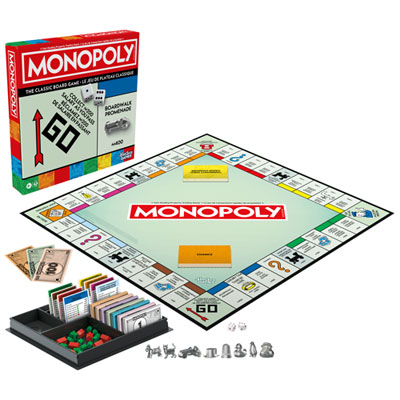
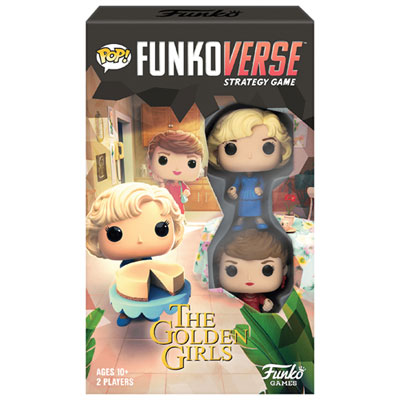
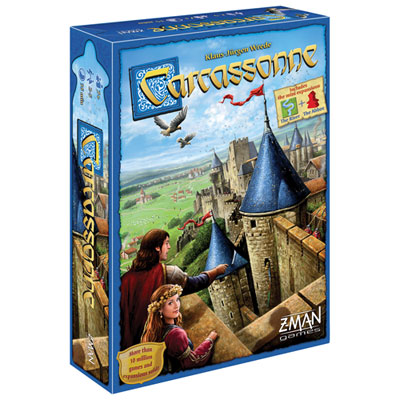
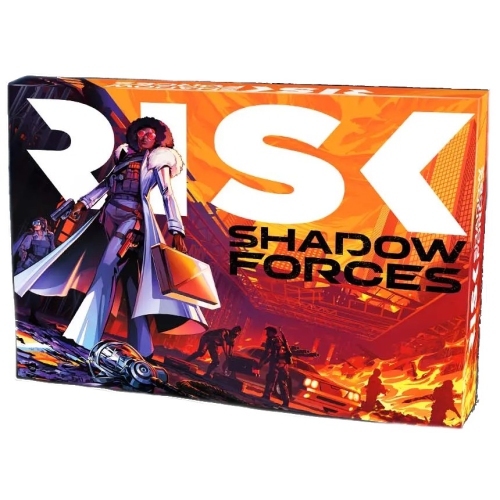
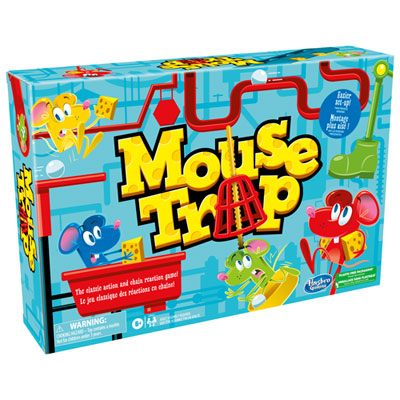
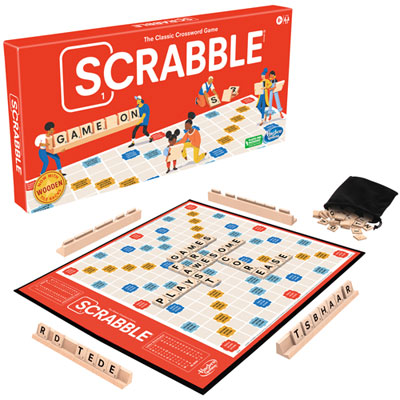
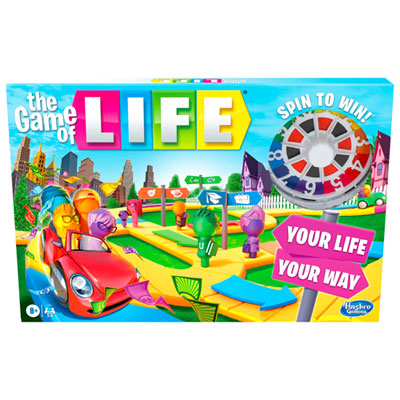
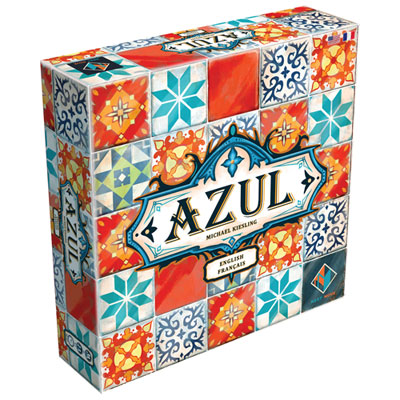
![SAS CREATIVE Carthage - The Deckbuilding Board Game [Board Game, 1-5 Players]](https://multimedia.bbycastatic.ca/multimedia/products/500x500/151/15158/15158860.jpeg)
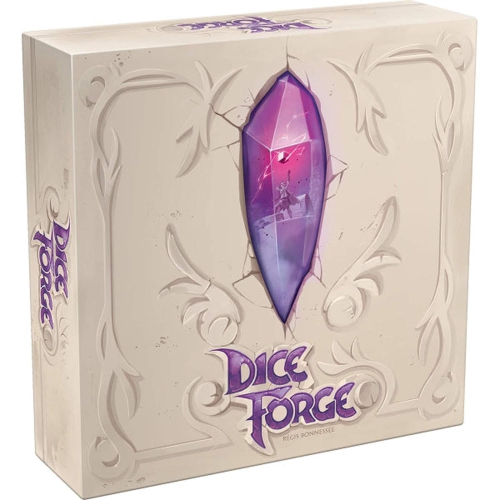
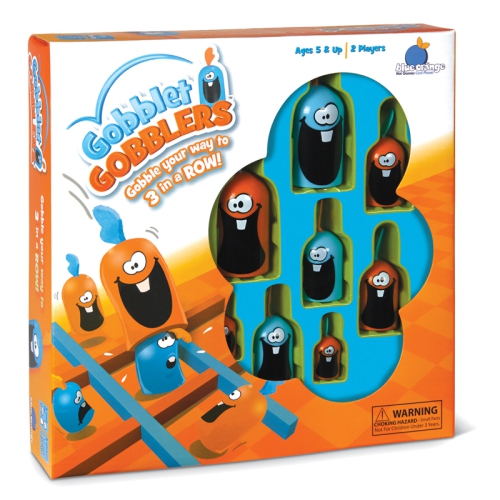
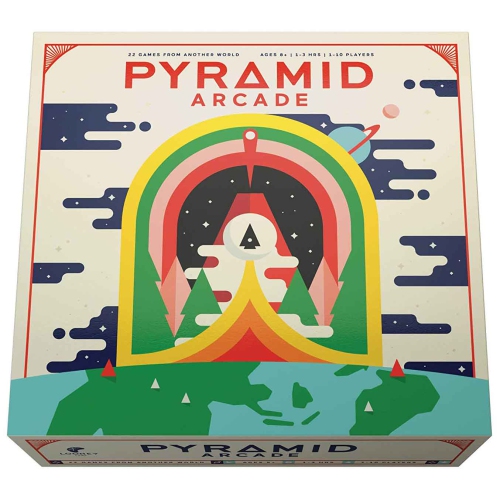
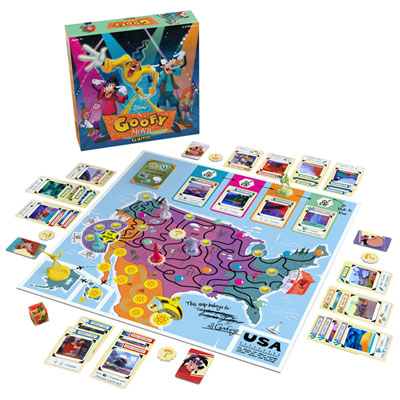
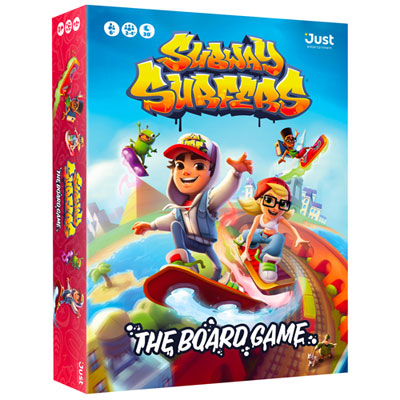
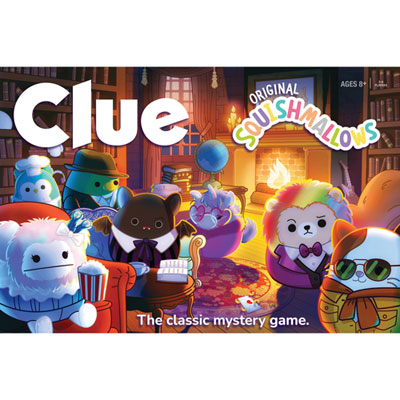
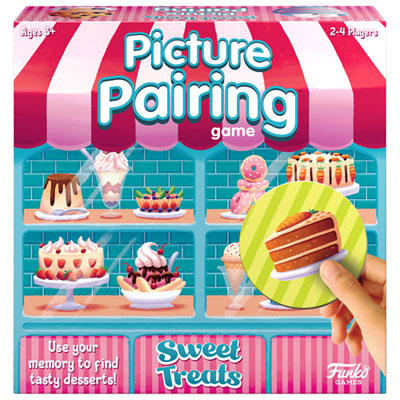
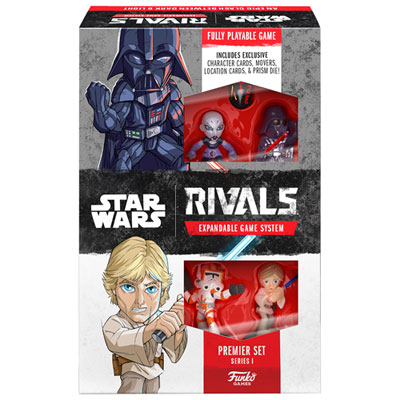

![PAIZO INC. Pathfinder Arena: Core Set [Board Game, 2 - 4 Players]](https://multimedia.bbycastatic.ca/multimedia/products/500x500/199/19911/19911480.jpeg)
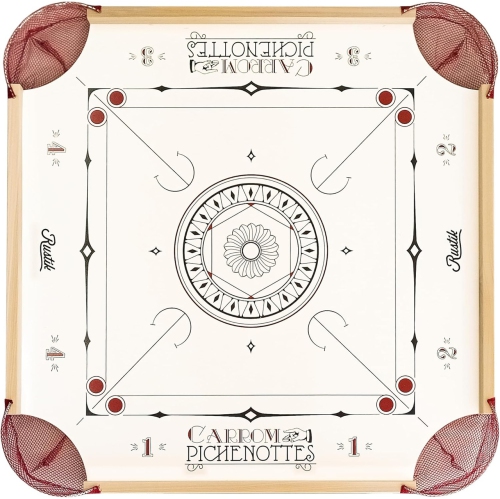
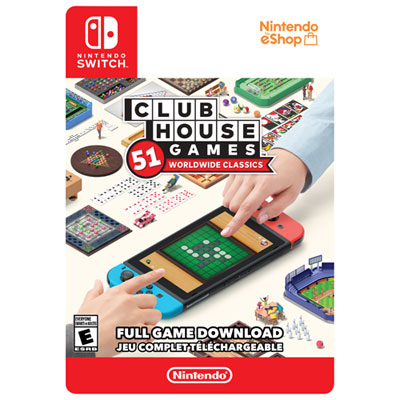
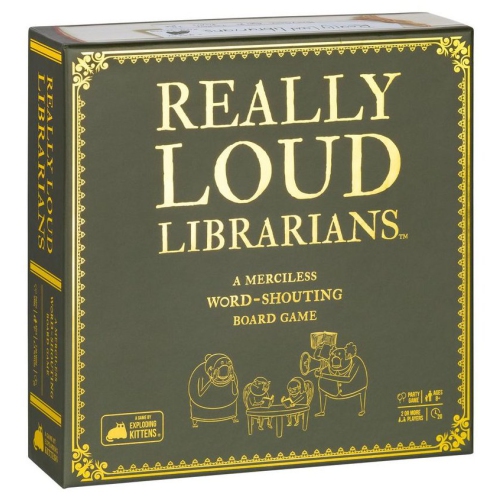
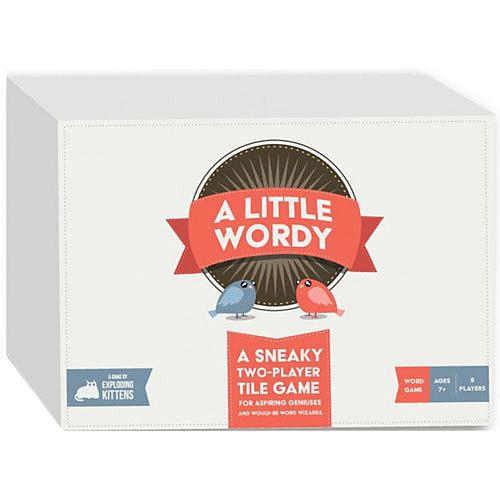
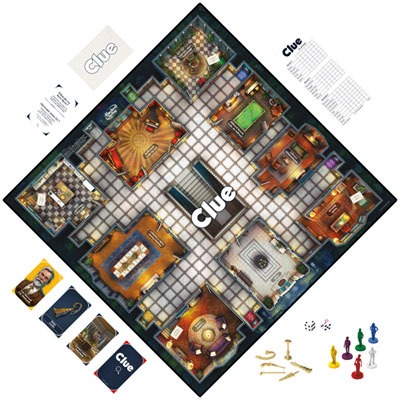
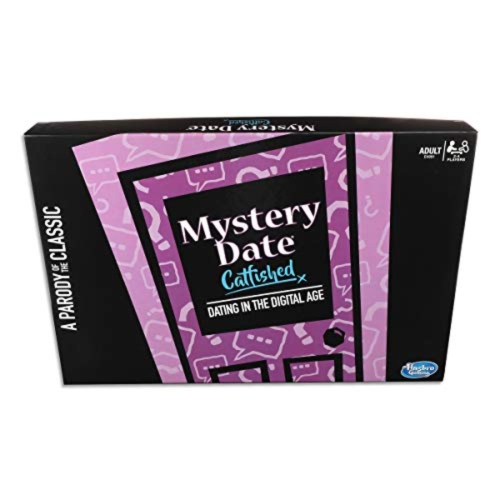
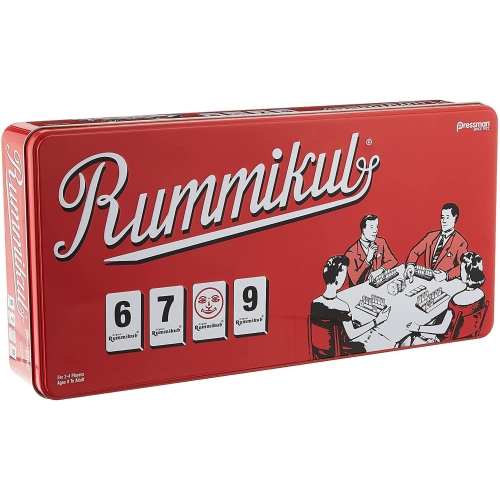
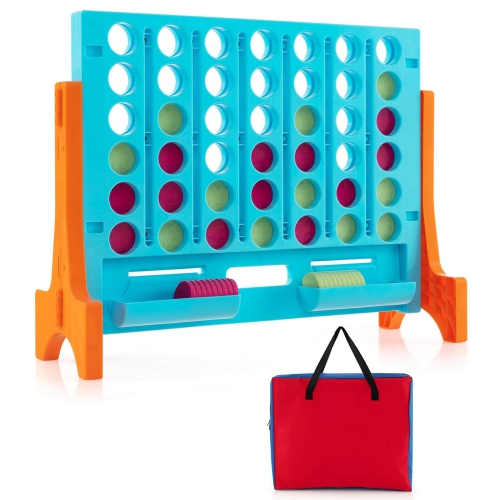
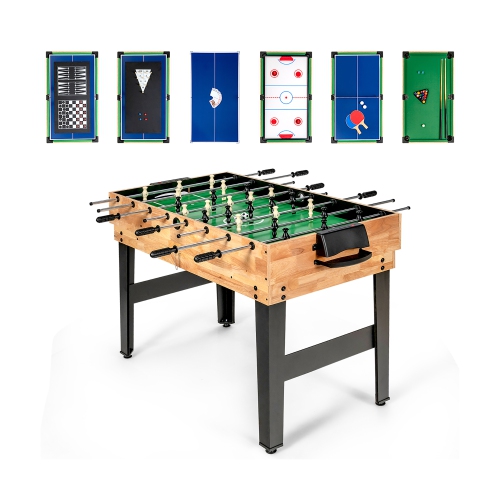
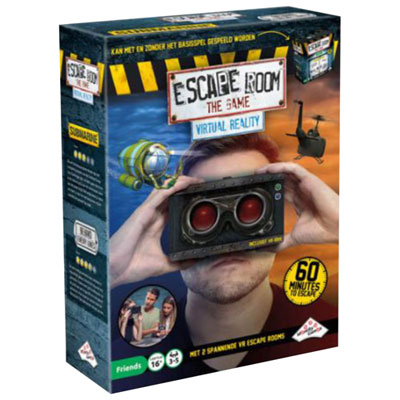
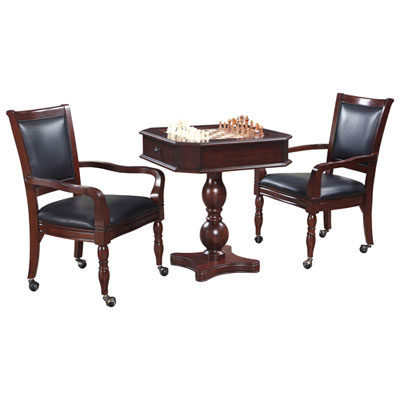
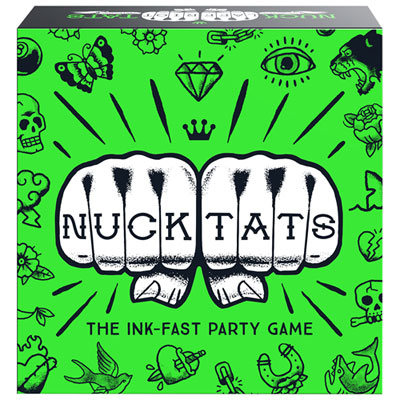

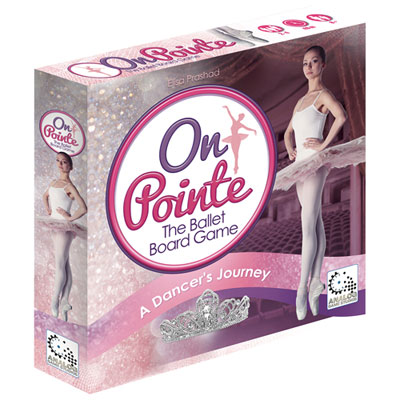
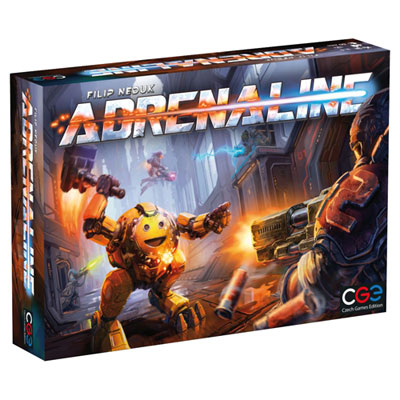
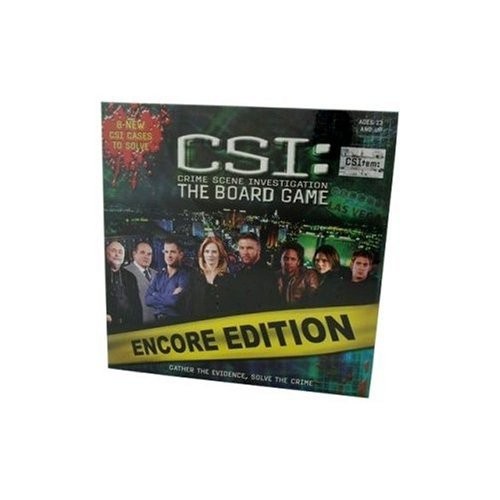
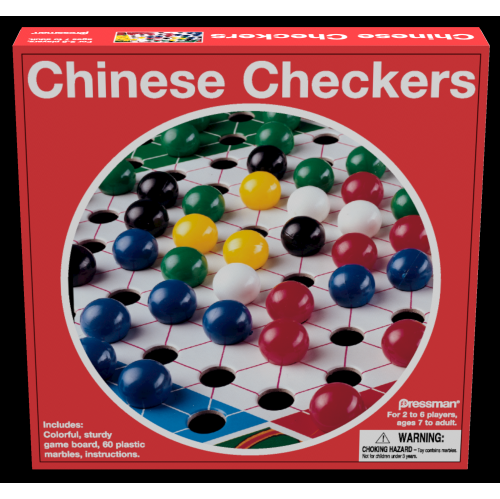


![STEAMFORGED GAMES Dark Souls: The Board Game - Characters Expansion [Board Game, 1-4 Players]](https://multimedia.bbycastatic.ca/multimedia/products/500x500/193/19383/19383501.jpeg)

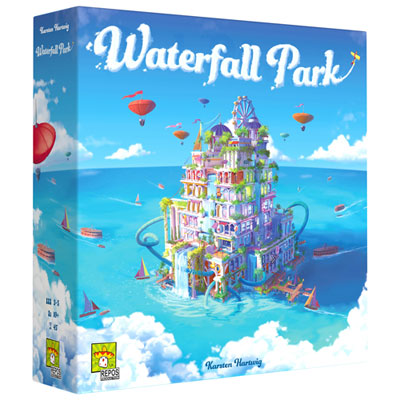
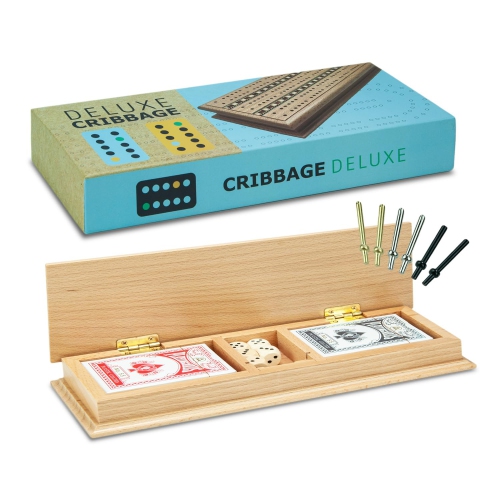
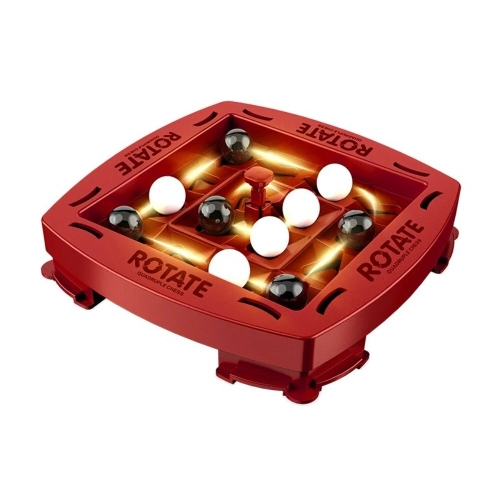
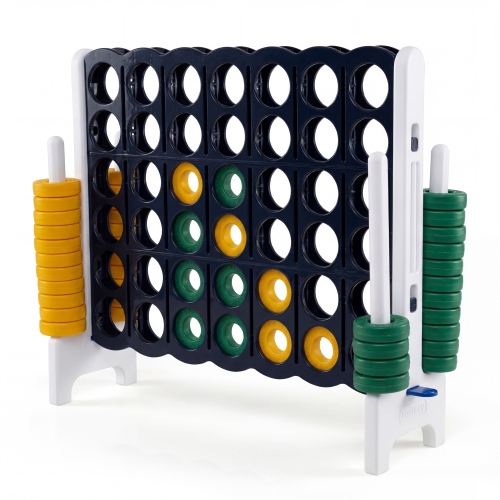
More games in one box isn't the whole story
Board game sets bring a playing surface, matching pieces, and rules together for tabletop play, with formats ranging from a single traditional game to a collection of games in one box. Multi-game sets offer variety for family game nights and casual gatherings, often combining familiar games such as chess, checkers, and backgammon through reversible boards, interchangeable panels, or shared playing pieces. The number of games included is only part of what makes a set useful: the mix of games, the size of the board, and the way the components are organized all shape the experience. A collection with several quick, easy-to-learn games can suit a household where children and adults take turns choosing what to play, while a smaller selection of strategy games may be a better match for regular two-player sessions. Many traditional board games are designed for two people, so a multi-game label does not necessarily mean that a whole group can play the same game at once. Player counts, suggested ages, and typical playing times help distinguish a set for a quiet match across the coffee table from one intended for a lively evening with friends. A short game can fill the gap between dinner and another activity, while a longer match gives players room to settle in, plan ahead, and enjoy a little friendly rivalry. Sets that pair luck-based games with more strategic options also give mixed-experience groups different ways to participate. Dice can introduce an element of surprise, while games built around movement and positioning reward practice and careful observation. For players drawn to traditional two-player formats, chess and backgammon sets focus on games with distinct rhythms: deliberate positional play in chess and a blend of dice rolls and tactical choices in backgammon. Whether a set contains one game or several, clear rules and a complete, easy-to-sort collection of pieces make it simpler to move from opening the box to enjoying the first turn.
Materials and construction affect how a board game set feels in use, how easily it travels, and how well it stands up to repeated handling. Solid wood, wood veneer, moulded plastic, and printed paperboard each have different characteristics, and the finish and assembly matter as much as the material itself. A wooden board can have a substantial feel on the table, while a folding paperboard design is often lighter and easier to tuck onto a shelf. Plastic pieces may be practical for frequent handling, although their weight, shape, and surface texture influence how comfortably they can be picked up and moved. Smooth edges, clearly marked spaces, and pieces that sit flat help keep attention on the game rather than on awkward components. On a folding board, a level centre seam is especially useful when pieces must slide or move across the playing surface. Hinges, latches, and removable panels should also suit the intended use; a set that is carried between households faces different demands from one that stays on a dedicated games table. Size is another practical consideration. The open board needs enough room for play, with space beside it for captured pieces, dice, or other accessories. A compact board may fit a small side table neatly, but smaller squares and playing pieces can be harder to handle for someone with limited dexterity. Strong colour contrast, distinct piece shapes, and readable markings can make play more comfortable, particularly when several players are learning together. Travel-oriented sets may use magnetic pieces or recessed spaces to help limit accidental movement, but those features vary by design and do not replace a secure closure for carrying. Storage details make a difference at home, too. Separate compartments, fitted trays, or small component bags help prevent pieces from mixing and make missing parts easier to notice before the next game. A combination set is most convenient when switching games does not require emptying every accessory onto the table or searching through a pile of nearly identical pieces.
Board game sets can suit a wide range of ages and occasions, from a child's first experience following turn-based rules to an adult's familiar weekly match with a friend. For younger players, the stated age range and any small-parts warnings matter more than how simple a game appears. Small counters, dice, and playing pieces need to be kept away from children who might put them in their mouths, and any set containing magnets requires particular attention to its safety information. Beyond age suitability, the best fit depends on reading demands, the length of a turn, and how much help a new player needs to get started. A clearly illustrated rule booklet can ease the first few games, especially in a multi-game collection where each board has a different purpose. Familiar games can give grandparents and grandchildren a shared activity, while less familiar formats offer friends something new to learn together. Board game sets also make thoughtful birthday, housewarming, or host gifts when the format reflects the recipient's habits. A compact collection may suit someone with limited storage, while a larger board with comfortable pieces may appeal to a player who leaves a game set up between sessions. For shared spaces, such as a family room or recreation area, sturdy components and straightforward storage help keep the set ready for repeated use. Routine care is usually uncomplicated, but it should follow the manufacturer's directions for the materials and finish. Dry hands and a clear playing area help protect printed surfaces, and drinks placed away from the board reduce the chance of spills damaging cards, paperboard, or wood. Dust can often be removed with a soft, dry cloth; soaking components or applying household cleaners without checking the care instructions can damage finishes or markings. Counting pieces before putting the set away, keeping rules with the board, and storing everything in a dry place away from direct sunlight help preserve its condition. These small habits keep setup manageable and allow a well-chosen board game set to remain part of everyday visits, relaxed evenings, and regular get-togethers.
Materials and construction affect how a board game set feels in use, how easily it travels, and how well it stands up to repeated handling. Solid wood, wood veneer, moulded plastic, and printed paperboard each have different characteristics, and the finish and assembly matter as much as the material itself. A wooden board can have a substantial feel on the table, while a folding paperboard design is often lighter and easier to tuck onto a shelf. Plastic pieces may be practical for frequent handling, although their weight, shape, and surface texture influence how comfortably they can be picked up and moved. Smooth edges, clearly marked spaces, and pieces that sit flat help keep attention on the game rather than on awkward components. On a folding board, a level centre seam is especially useful when pieces must slide or move across the playing surface. Hinges, latches, and removable panels should also suit the intended use; a set that is carried between households faces different demands from one that stays on a dedicated games table. Size is another practical consideration. The open board needs enough room for play, with space beside it for captured pieces, dice, or other accessories. A compact board may fit a small side table neatly, but smaller squares and playing pieces can be harder to handle for someone with limited dexterity. Strong colour contrast, distinct piece shapes, and readable markings can make play more comfortable, particularly when several players are learning together. Travel-oriented sets may use magnetic pieces or recessed spaces to help limit accidental movement, but those features vary by design and do not replace a secure closure for carrying. Storage details make a difference at home, too. Separate compartments, fitted trays, or small component bags help prevent pieces from mixing and make missing parts easier to notice before the next game. A combination set is most convenient when switching games does not require emptying every accessory onto the table or searching through a pile of nearly identical pieces.
Board game sets can suit a wide range of ages and occasions, from a child's first experience following turn-based rules to an adult's familiar weekly match with a friend. For younger players, the stated age range and any small-parts warnings matter more than how simple a game appears. Small counters, dice, and playing pieces need to be kept away from children who might put them in their mouths, and any set containing magnets requires particular attention to its safety information. Beyond age suitability, the best fit depends on reading demands, the length of a turn, and how much help a new player needs to get started. A clearly illustrated rule booklet can ease the first few games, especially in a multi-game collection where each board has a different purpose. Familiar games can give grandparents and grandchildren a shared activity, while less familiar formats offer friends something new to learn together. Board game sets also make thoughtful birthday, housewarming, or host gifts when the format reflects the recipient's habits. A compact collection may suit someone with limited storage, while a larger board with comfortable pieces may appeal to a player who leaves a game set up between sessions. For shared spaces, such as a family room or recreation area, sturdy components and straightforward storage help keep the set ready for repeated use. Routine care is usually uncomplicated, but it should follow the manufacturer's directions for the materials and finish. Dry hands and a clear playing area help protect printed surfaces, and drinks placed away from the board reduce the chance of spills damaging cards, paperboard, or wood. Dust can often be removed with a soft, dry cloth; soaking components or applying household cleaners without checking the care instructions can damage finishes or markings. Counting pieces before putting the set away, keeping rules with the board, and storing everything in a dry place away from direct sunlight help preserve its condition. These small habits keep setup manageable and allow a well-chosen board game set to remain part of everyday visits, relaxed evenings, and regular get-togethers.
Top selling and popular products
-
 Your price for this item is $14.99
 -
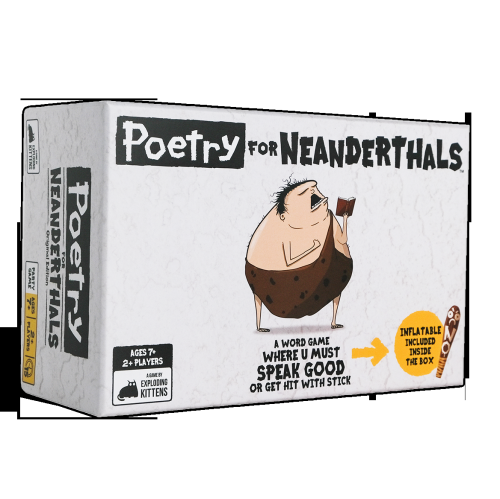 Your price for this item is $34.99
 -
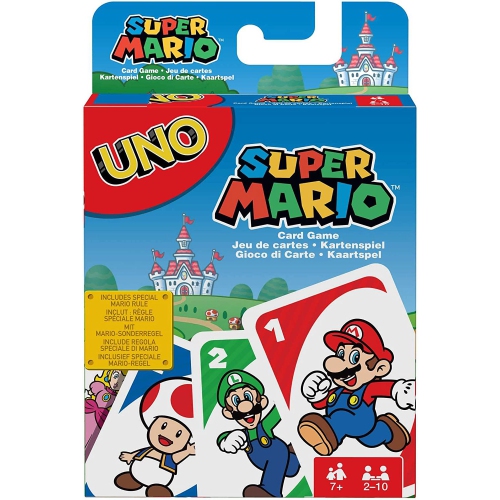 Your price for this item is $15
 -
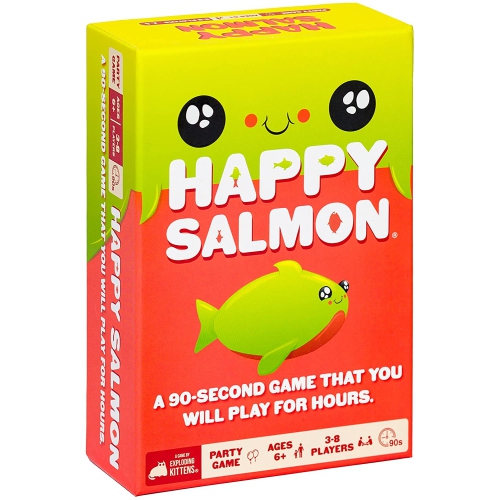 Your price for this item is $21.99
 -
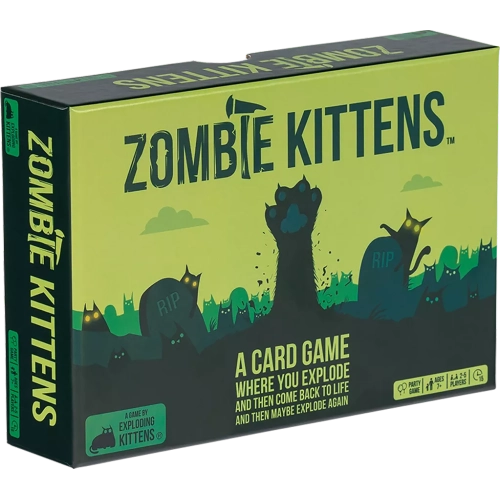 Your price for this item is $34.99
 -
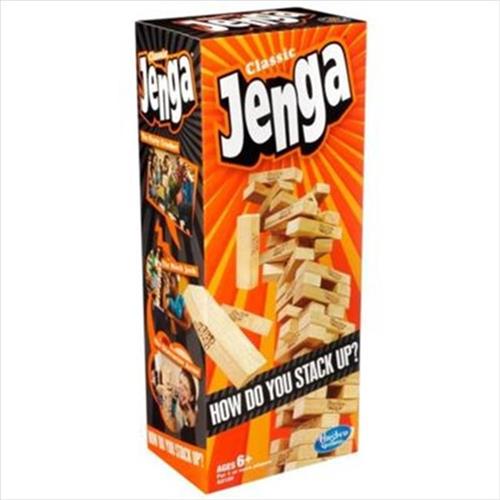 Your price for this item is $35.59
 -
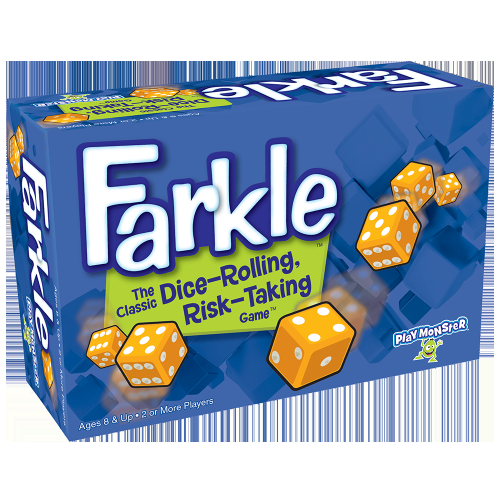 Your price for this item is $20.93
 -
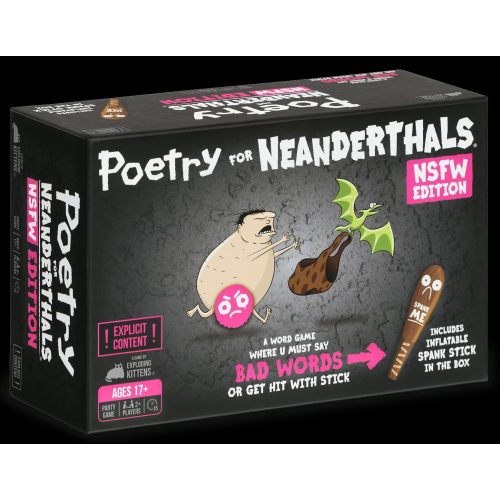 Your price for this item is $31.99
Discover more categories related to Board Game Sets
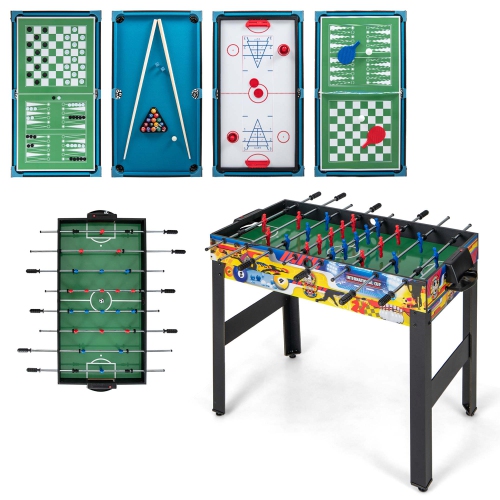
Top Collections:
Pokemon Centers, Kindle Devices, Best Budget Office Chairs, Apple iPhones 16, Best Laptops for Writers, iPhone 15 Apple, Canon G7X Cameras, Refurbished Apple Laptops, Alarm Clock, Motorola Razr Phones
Some products may be subject to Environmental Handling Fees
(EHF) depending on your province.
Learn more about EHFs.