Card Game Playmats
Elevate your card game experience with our selection of card game playmats, designed to enhance every match with style and functionality. Whether you're a casual player or a competitive enthusiast, these playmats provide the perfect surface for your cards, adding a touch of personal flair to your gaming sessions. Explore a variety of designs and materials that cater to all tastes, ensuring that each game is as enjoyable as it is aesthetically pleasing. Discover the ideal card game playmat to suit your gaming needs and make every play unforgettable.
Sort
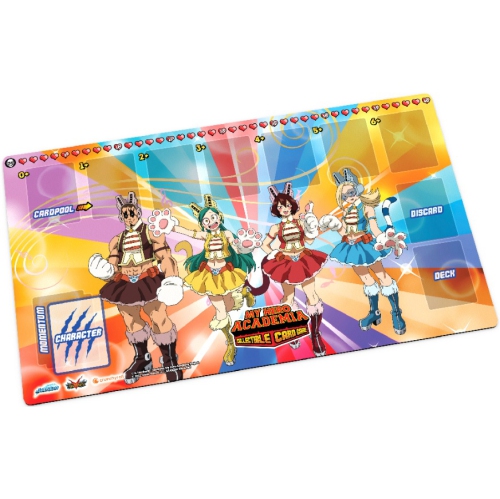
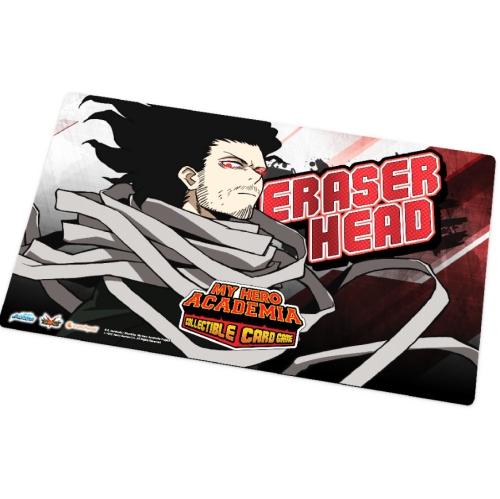

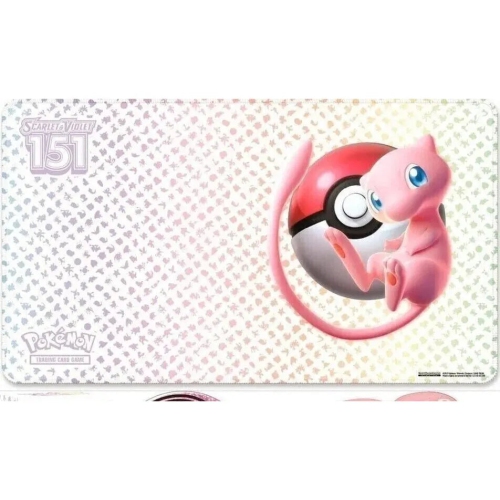
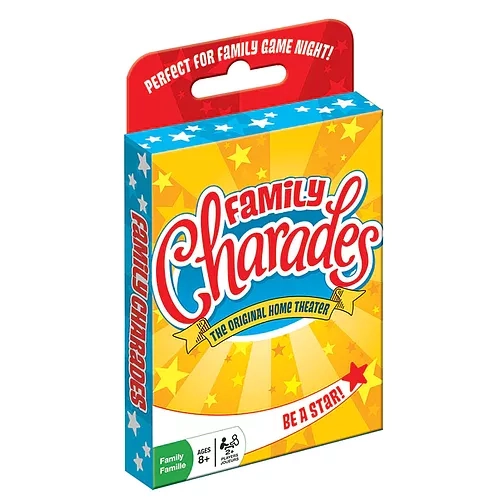

![POKEMON Tcg: Xy Evolutions Booster Pack [Card Game, 2 Players]](https://multimedia.bbycastatic.ca/multimedia/products/500x500/153/15332/15332255.jpeg)


![BANDAI Digimon Card Game: Battle Of Omni (Bt05) Booster Box - 24 Packs [Card Game, 2 Players]](https://multimedia.bbycastatic.ca/multimedia/products/500x500/165/16590/16590636.jpeg)

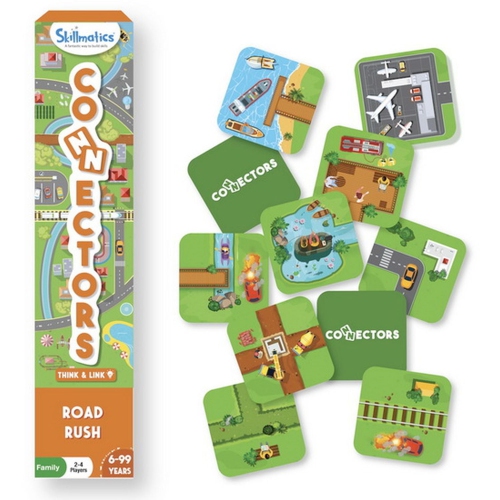
Smoother card handling starts with the right surface
Card game playmats create a defined playing surface for trading card games, deck-building games, and traditional card games, helping keep cards away from dust, crumbs, and rough tabletop finishes. A typical playmat pairs a smooth fabric top with a grippy backing, giving players a comfortable place to arrange a hand, draw from a deck, and manage discard piles. The slightly cushioned surface can make it easier to lift a card from the table without catching a fingernail beneath its edge, while the backing helps limit movement as cards are placed or gathered. Many single-player mats measure approximately 24 inches wide by 14 inches deep, although dimensions vary and larger formats serve different layouts. That familiar rectangular shape usually leaves room for a deck, active cards, and a few counters without taking over an entire table. The best fit depends on how a game uses space: a compact layout may need only a few distinct piles, while a game with expanding rows of cards can benefit from more width. At a shared table, the space needed for each opponent matters just as much as the size of an individual mat. A playmat that fits comfortably at home may leave little room for a deck box or drink on a narrower event table. For family game nights, a larger shared mat can give several players a consistent surface, provided it leaves enough room for common draw piles and other components. Individual mats suit players who want to keep their own play area clearly defined. Beyond their practical role, card game playmats add a personal touch through colour, artwork, and layout. A quiet, solid-colour surface keeps attention on the cards, while illustrated designs can make a familiar gaming setup feel distinctly personal. Players who frequently read small card text may appreciate a less busy background, especially when several cards, tokens, and counters are in play at once. Clear visual separation between the cards and the mat can make a crowded turn easier to follow.
Materials and construction influence how a card game playmat feels during play and how well it stands up to repeated use. Fabric-topped mats commonly use rubber or neoprene-style backing to combine a smooth playing surface with cushioning and grip. The top should allow cards and sleeves to move without excessive drag, but the ideal feel is not necessarily the slickest one: very slippery surfaces can make a carefully arranged row easier to disturb. Backing performance also depends on the table beneath it, so even a grippy mat works best on a clean, dry surface. Thickness affects comfort, portability, and storage. A thicker mat can feel softer beneath wrists and soften the impact of small counters, while a thinner mat generally rolls into a smaller bundle for a game bag. Neither thickness alone nor weight guarantees durability; the bond between layers, the quality of the fabric, and the edge finish all matter. Stitched edges can help limit fraying where the fabric meets the backing, particularly on mats that are rolled and carried often. A low, even seam is less likely to catch a sleeve or feel distracting beneath a forearm. Unstitched edges offer a flatter transition from table to mat, though they still need careful handling to avoid wear or separation. Printed play zones provide designated spaces for decks, discard piles, and active cards, which can be useful for newer players learning a layout. Those markings should match the intended game and its rules, since an unrelated arrangement can create confusion rather than clarity. Unmarked mats offer more flexibility for households that rotate between different card games. Surface protection also works alongside individual card protection: Board Game Card Sleeves help shield cards during handling and shuffling, while a playmat separates them from the tabletop. Neither replaces careful handling, and a mat does not prevent bent corners, spills, or damage from debris trapped beneath a card. Together, suitable sleeves and a clean playing surface support smoother handling through repeated rounds.
Care and storage help a playmat stay flat, clean, and pleasant to use. Before setting up a game, clearing the table of crumbs and checking the underside of the mat can keep grit from transferring between surfaces. Loose debris on the fabric should be removed gently rather than rubbed into the weave. Cleaning methods vary with the materials, printing, and edge construction, so the manufacturer’s care directions should determine whether a mat can be hand-washed, machine-washed, or spot-cleaned only. For mats that permit spot cleaning, a soft cloth and an appropriate mild cleaner can address small marks without aggressive scrubbing. Excess moisture, harsh cleaners, and rough brushes may affect the fabric, print, or adhesive layers. A mat should be completely dry before it is rolled or enclosed in a case. Rolling rather than folding generally helps avoid sharp creases, and a storage tube or fitted carry bag can keep the surface from rubbing against deck boxes, zippers, and loose accessories in transit. The carrier should accommodate the mat’s rolled dimensions without forcing it into a tight fit. At home, storing a mat flat is another option when there is enough clear space and nothing heavy pressing unevenly on it. These details are especially useful for players who move between a kitchen table, a friend’s house, and organized play events, where the same mat may be unpacked several times in a day. For event use, checking the organizer’s requirements for dimensions, artwork, and printed markings can help ensure the mat suits the setting. As a gift, a card game playmat can suit a regular trading card player, a board game enthusiast, or someone building a first tabletop setup. Knowing the recipient’s usual game, table space, and preference for artwork is more useful than choosing by appearance alone. A flexible, unmarked layout can suit varied gaming habits, while clearly labelled zones may appeal to someone who mainly plays one game. The most useful mat feels like a natural part of the session: enough space for the cards, a comfortable surface for handling them, and a format that is easy to pack away when play ends.
Materials and construction influence how a card game playmat feels during play and how well it stands up to repeated use. Fabric-topped mats commonly use rubber or neoprene-style backing to combine a smooth playing surface with cushioning and grip. The top should allow cards and sleeves to move without excessive drag, but the ideal feel is not necessarily the slickest one: very slippery surfaces can make a carefully arranged row easier to disturb. Backing performance also depends on the table beneath it, so even a grippy mat works best on a clean, dry surface. Thickness affects comfort, portability, and storage. A thicker mat can feel softer beneath wrists and soften the impact of small counters, while a thinner mat generally rolls into a smaller bundle for a game bag. Neither thickness alone nor weight guarantees durability; the bond between layers, the quality of the fabric, and the edge finish all matter. Stitched edges can help limit fraying where the fabric meets the backing, particularly on mats that are rolled and carried often. A low, even seam is less likely to catch a sleeve or feel distracting beneath a forearm. Unstitched edges offer a flatter transition from table to mat, though they still need careful handling to avoid wear or separation. Printed play zones provide designated spaces for decks, discard piles, and active cards, which can be useful for newer players learning a layout. Those markings should match the intended game and its rules, since an unrelated arrangement can create confusion rather than clarity. Unmarked mats offer more flexibility for households that rotate between different card games. Surface protection also works alongside individual card protection: Board Game Card Sleeves help shield cards during handling and shuffling, while a playmat separates them from the tabletop. Neither replaces careful handling, and a mat does not prevent bent corners, spills, or damage from debris trapped beneath a card. Together, suitable sleeves and a clean playing surface support smoother handling through repeated rounds.
Care and storage help a playmat stay flat, clean, and pleasant to use. Before setting up a game, clearing the table of crumbs and checking the underside of the mat can keep grit from transferring between surfaces. Loose debris on the fabric should be removed gently rather than rubbed into the weave. Cleaning methods vary with the materials, printing, and edge construction, so the manufacturer’s care directions should determine whether a mat can be hand-washed, machine-washed, or spot-cleaned only. For mats that permit spot cleaning, a soft cloth and an appropriate mild cleaner can address small marks without aggressive scrubbing. Excess moisture, harsh cleaners, and rough brushes may affect the fabric, print, or adhesive layers. A mat should be completely dry before it is rolled or enclosed in a case. Rolling rather than folding generally helps avoid sharp creases, and a storage tube or fitted carry bag can keep the surface from rubbing against deck boxes, zippers, and loose accessories in transit. The carrier should accommodate the mat’s rolled dimensions without forcing it into a tight fit. At home, storing a mat flat is another option when there is enough clear space and nothing heavy pressing unevenly on it. These details are especially useful for players who move between a kitchen table, a friend’s house, and organized play events, where the same mat may be unpacked several times in a day. For event use, checking the organizer’s requirements for dimensions, artwork, and printed markings can help ensure the mat suits the setting. As a gift, a card game playmat can suit a regular trading card player, a board game enthusiast, or someone building a first tabletop setup. Knowing the recipient’s usual game, table space, and preference for artwork is more useful than choosing by appearance alone. A flexible, unmarked layout can suit varied gaming habits, while clearly labelled zones may appeal to someone who mainly plays one game. The most useful mat feels like a natural part of the session: enough space for the cards, a comfortable surface for handling them, and a format that is easy to pack away when play ends.
Top selling and popular products
-
 Your price for this item is $43.95
 -
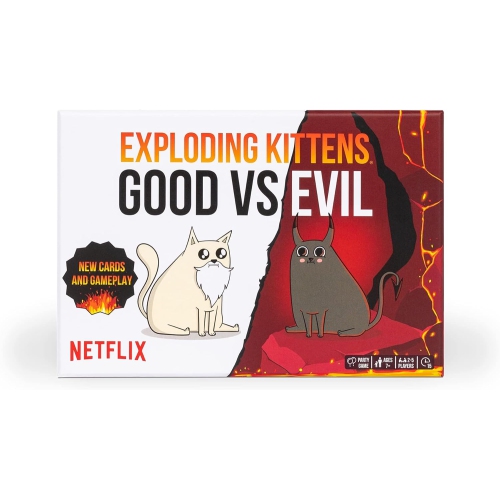 Your price for this item is $34.99
 -
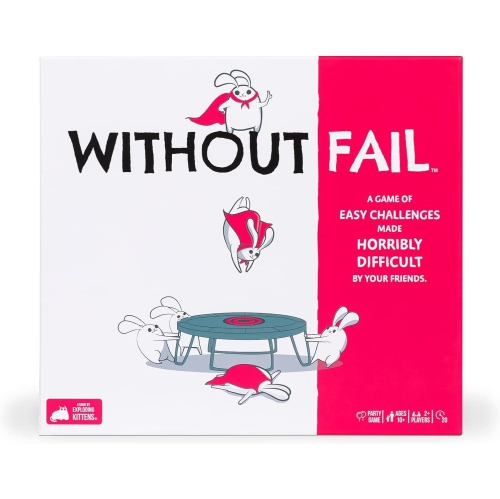 Your price for this item is $19.99
 -
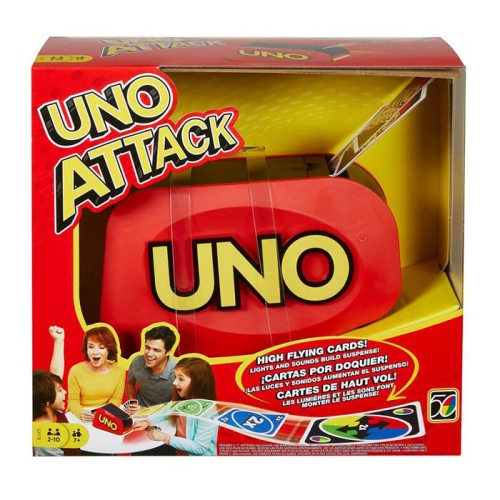 Your price for this item is $43.99
 -
 Your price for this item is $7.98
 -
 Your price for this item is $17.19
 -
 Your price for this item is $40
 -
 Your price for this item is $20.69
Discover more categories related to Card Game Playmats

Top Collections:
Pokemon Centers, Kindle Devices, Best Budget Office Chairs, Apple iPhones 16, Best Laptops for Writers, iPhone 15 Apple, Canon G7X Cameras, Refurbished Apple Laptops, Alarm Clock, Motorola Razr Phones
Some products may be subject to Environmental Handling Fees
(EHF) depending on your province.
Learn more about EHFs.