Foldable Playmats
Looking for a versatile and practical solution to create a safe and comfortable play area for your little one? Our collection of foldable playmats offers the perfect balance of functionality and convenience. Whether you need a soft surface for tummy time, a cushioned space for crawling adventures, or a portable mat for outdoor play, these foldable playmats are designed to meet your parenting needs. With easy-to-clean materials, compact storage options, and vibrant patterns to stimulate your child's imagination, these playmats are a must-have addition to any nursery or playroom.
Sort

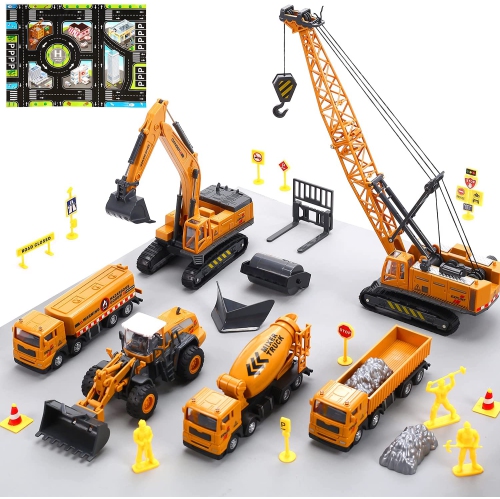
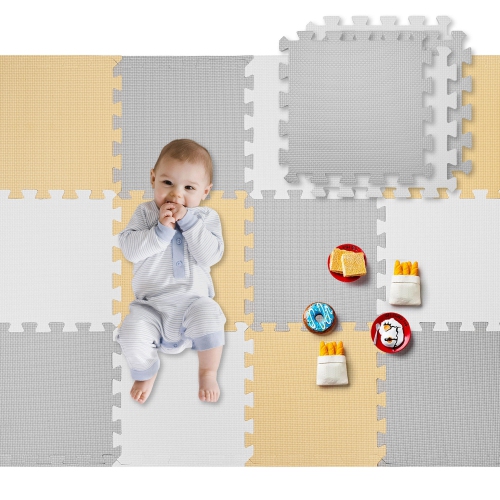
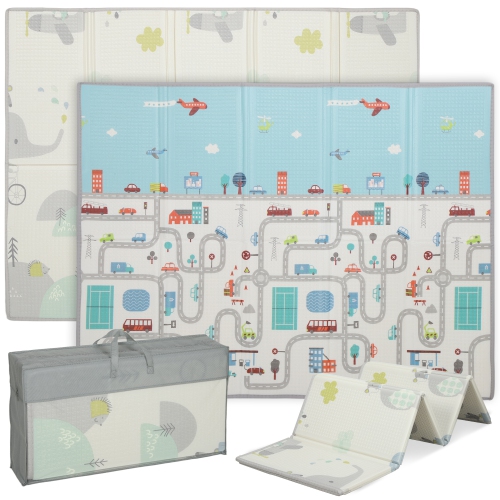
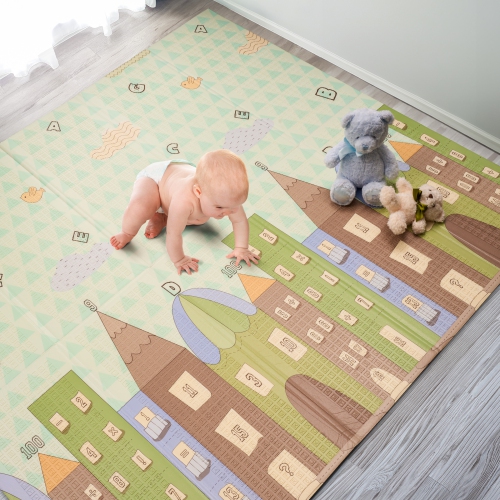
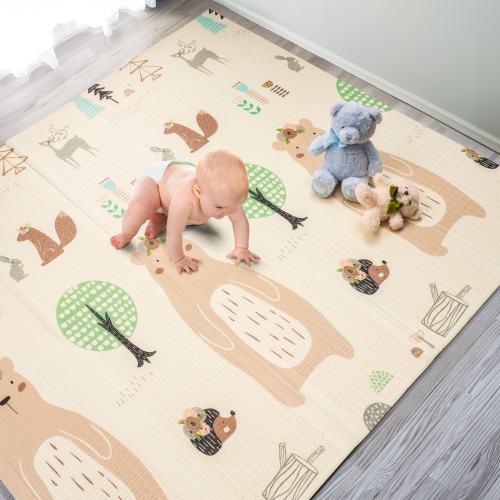
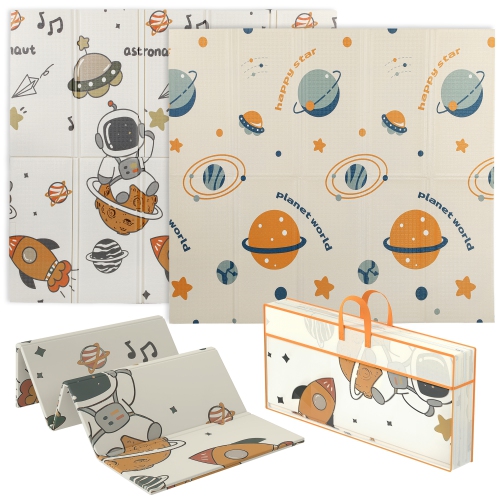
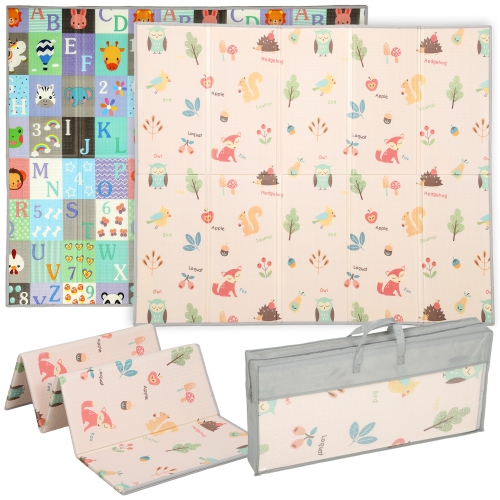
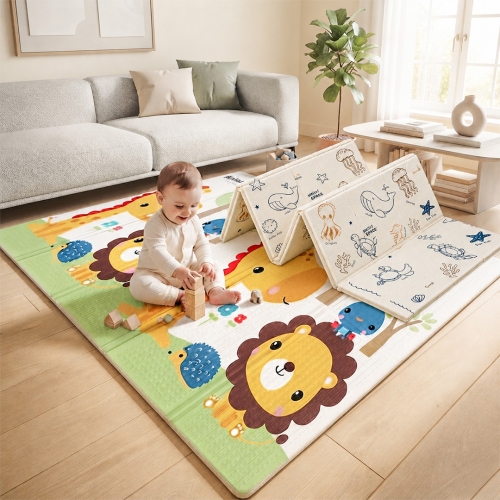
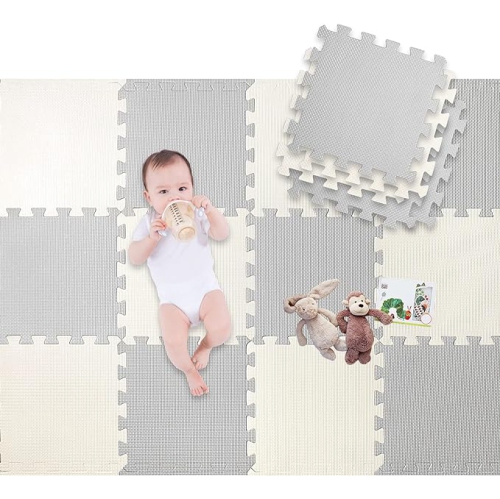
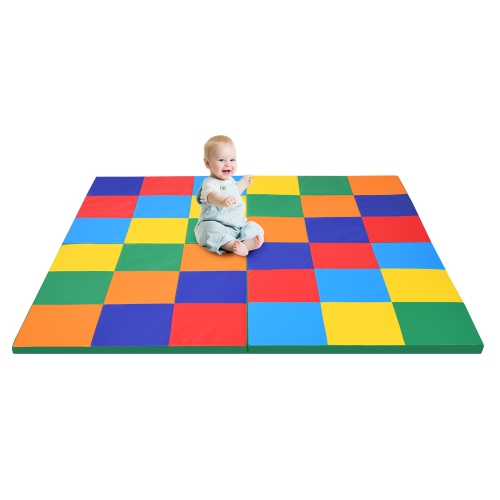
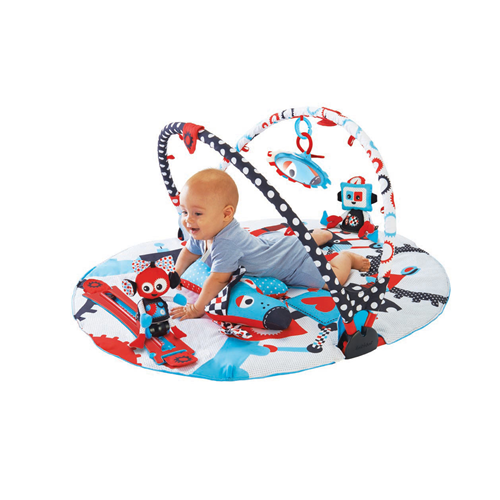
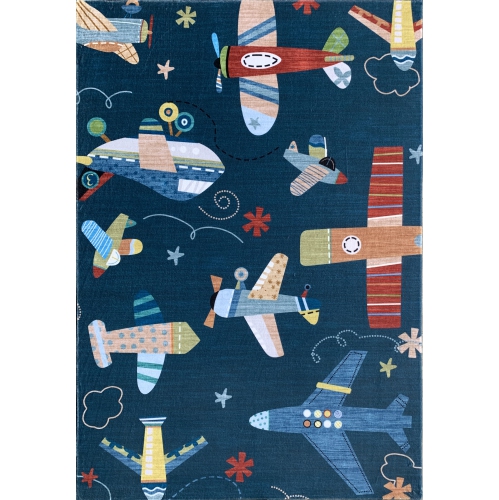
Cushioning, easy cleaning, and portability for everyday floor play
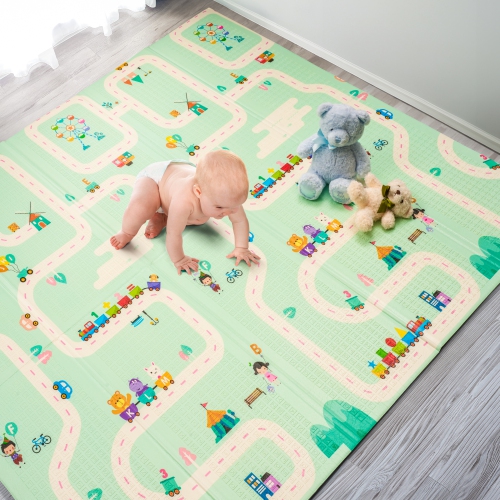
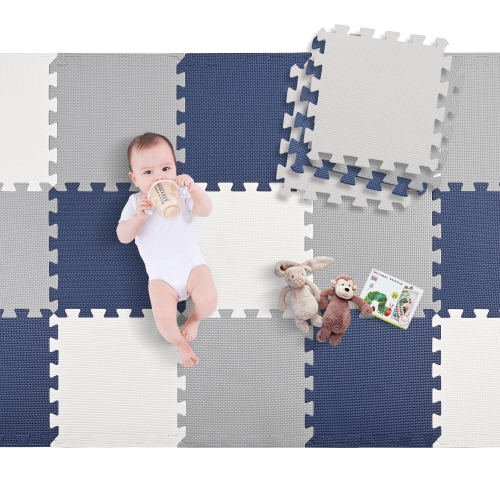
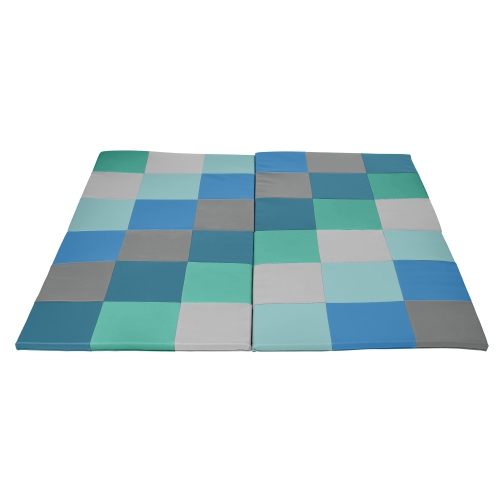
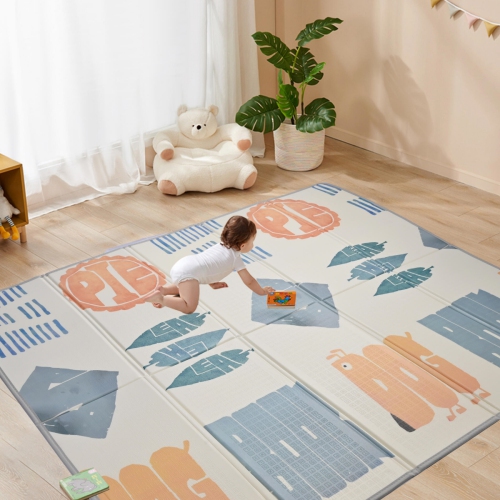
Foldable playmats create a soft, defined space for babies and toddlers to move, explore, and play at floor level. They are commonly used for tummy time, rolling, crawling, sitting, pulling up, and early walking practice, while also giving caregivers a more comfortable surface for joining in. A cushioned mat can make a difference on hard flooring, especially when little knees, hands, and elbows are still finding their balance. Many foldable playmats are made with foam and covered in a smooth, water-resistant or waterproof surface that can be wiped clean after snack crumbs, spit-up, spilled drinks, or muddy socks make their way indoors. Their portable design is particularly useful in homes where the play area needs to change throughout the day: a mat can be opened in a living room for supervised play, folded away before guests arrive, and stored behind a sofa, beneath a bed, or in a closet when the floor needs to be clear. Some models fold into sections, while others roll or collapse into a compact shape for transport. This makes them practical for visits to family, trips to the cottage, or keeping in a vehicle for playtime away from home. Foldable playmats can also be a thoughtful gift for new parents, grandparents setting up a child-friendly space, or families preparing a nursery or playroom. Their neutral, functional appeal suits many stages of early childhood, and a generously sized mat can continue to be useful as a child moves from floor play to building blocks, pretend play, puzzles, and toy vehicles.
When comparing foldable playmats, start with the available floor space and the way the mat will be used. Compact square designs can suit an apartment, nursery, or corner of a family room, while extra-large rectangular styles offer more room for siblings, caregivers, or a wider selection of toys. Checking the unfolded dimensions is important because a mat that looks compact when stored may cover a substantial area once opened. Thickness is another practical consideration. Options around 0.4 to 0.6 inch, or roughly 1.0 to 1.5 centimetres, can provide a useful balance of cushioning and firmness for floor play, crawling, and early standing. A surface that is excessively soft may feel unstable under small feet, while a thin mat may provide less separation from a hard floor. Look for a flat, even base that sits securely and does not shift easily during ordinary use. Fold-up edges or raised borders may help define the play area and keep a few toys from travelling across the room, although they are not a substitute for active supervision. Reversible designs can add variety without taking up additional storage space; one side may feature simple shapes, letters, animals, or roads for imaginative play, while the other side offers a quieter pattern that blends more easily with the room. For children who enjoy toy cars, blocks, or animal figures, printed scenes can encourage open-ended play. For babies, a less visually busy surface may make it easier to focus on faces, toys, and movement. Consider the mat’s folded size and weight as carefully as its open dimensions, particularly if it will be moved regularly. Handles, sectioned folding, and a slim stored profile can make everyday use much more convenient.
Materials and maintenance deserve close attention because playmats are used close to the floor and often become part of a child’s daily routine. Look for clear material information and, where available, labels indicating BPA-free and phthalate-free construction. XPE foam and other soft foam materials are common choices for cushioned play surfaces, but the outer finish, seams, and edge construction also affect how easily the mat can be cleaned and how it holds up to repeated folding. A wipeable waterproof outer layer is helpful for managing everyday messes with a damp cloth and mild cleaner, while textured surfaces may offer additional grip but can require more attention around seams and creases. Always follow the care instructions provided with the mat, allow cleaning products and moisture to dry fully, and inspect the surface periodically for tears, peeling, or damaged edges. Keep the mat on a clean, level floor and use it only as intended, with an adult nearby for babies and young children. During cooler months, a foldable playmat can make a warm indoor corner feel more inviting, providing a dedicated place for books, sensory toys, stacking cups, and floor games when outdoor time is limited. In warmer weather, its portability makes it easy to move between rooms or take along for supervised play in a suitable sheltered area. Families looking for more room to spread out can also explore Large Playmats for additional sizing options. With the right dimensions, cushioning, cleanable surface, and storage format, a foldable playmat can become a dependable part of a child’s play space from the early crawling stage through the years of building, drawing, and imaginative floor play.
When comparing foldable playmats, start with the available floor space and the way the mat will be used. Compact square designs can suit an apartment, nursery, or corner of a family room, while extra-large rectangular styles offer more room for siblings, caregivers, or a wider selection of toys. Checking the unfolded dimensions is important because a mat that looks compact when stored may cover a substantial area once opened. Thickness is another practical consideration. Options around 0.4 to 0.6 inch, or roughly 1.0 to 1.5 centimetres, can provide a useful balance of cushioning and firmness for floor play, crawling, and early standing. A surface that is excessively soft may feel unstable under small feet, while a thin mat may provide less separation from a hard floor. Look for a flat, even base that sits securely and does not shift easily during ordinary use. Fold-up edges or raised borders may help define the play area and keep a few toys from travelling across the room, although they are not a substitute for active supervision. Reversible designs can add variety without taking up additional storage space; one side may feature simple shapes, letters, animals, or roads for imaginative play, while the other side offers a quieter pattern that blends more easily with the room. For children who enjoy toy cars, blocks, or animal figures, printed scenes can encourage open-ended play. For babies, a less visually busy surface may make it easier to focus on faces, toys, and movement. Consider the mat’s folded size and weight as carefully as its open dimensions, particularly if it will be moved regularly. Handles, sectioned folding, and a slim stored profile can make everyday use much more convenient.
Materials and maintenance deserve close attention because playmats are used close to the floor and often become part of a child’s daily routine. Look for clear material information and, where available, labels indicating BPA-free and phthalate-free construction. XPE foam and other soft foam materials are common choices for cushioned play surfaces, but the outer finish, seams, and edge construction also affect how easily the mat can be cleaned and how it holds up to repeated folding. A wipeable waterproof outer layer is helpful for managing everyday messes with a damp cloth and mild cleaner, while textured surfaces may offer additional grip but can require more attention around seams and creases. Always follow the care instructions provided with the mat, allow cleaning products and moisture to dry fully, and inspect the surface periodically for tears, peeling, or damaged edges. Keep the mat on a clean, level floor and use it only as intended, with an adult nearby for babies and young children. During cooler months, a foldable playmat can make a warm indoor corner feel more inviting, providing a dedicated place for books, sensory toys, stacking cups, and floor games when outdoor time is limited. In warmer weather, its portability makes it easy to move between rooms or take along for supervised play in a suitable sheltered area. Families looking for more room to spread out can also explore Large Playmats for additional sizing options. With the right dimensions, cushioning, cleanable surface, and storage format, a foldable playmat can become a dependable part of a child’s play space from the early crawling stage through the years of building, drawing, and imaginative floor play.
Top selling and popular products
-
 Your price for this item is $152
 -
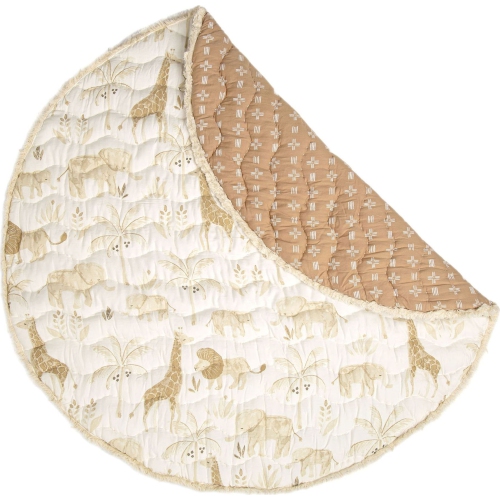 Your price for this item is $118
 -
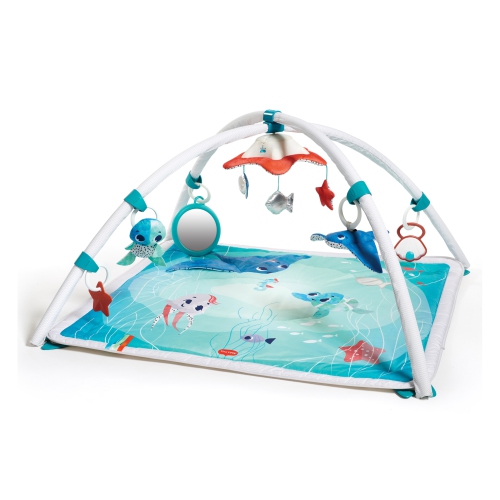 Your price for this item is $109.99
 -
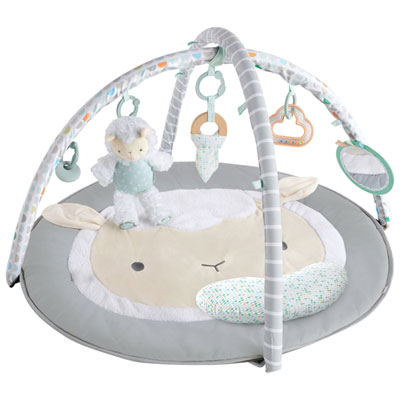 Your price for this item is $69.99
 -
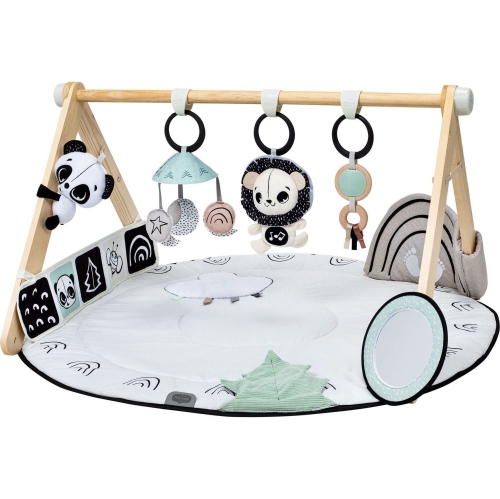 Your price for this item is $149.99
 -
 Your price for this item is $88.99
 -
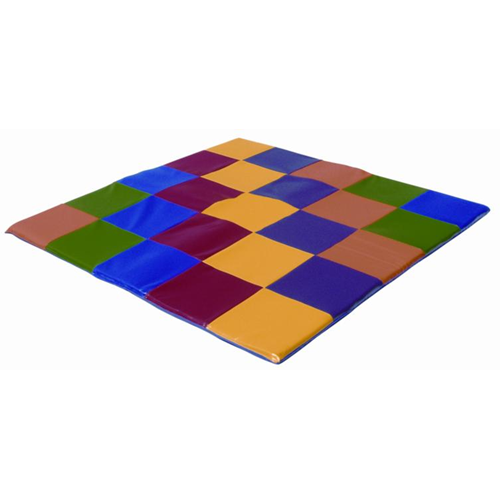 Your price for this item is $199.99
 -
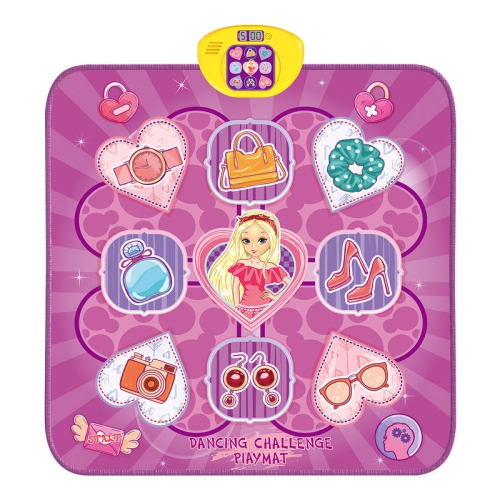 Your price for this item is $83.99
Discover more categories related to Foldable Playmats
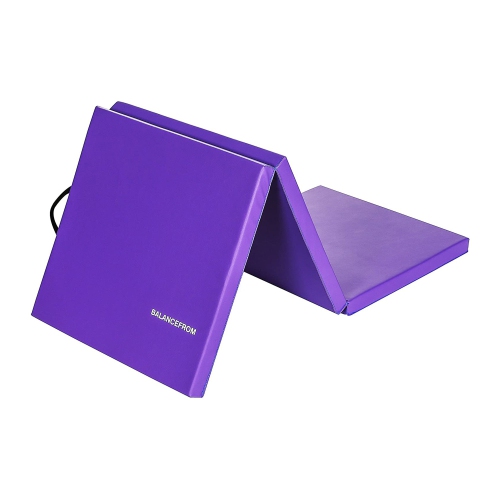
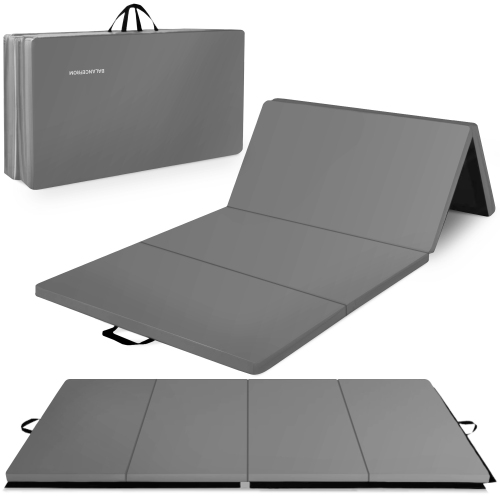
Top Collections:
Best Laptops for Video Editing, Pokemon Centers, Samsung Z Fold, Kindle Devices, Best Cell Phones Under $300, Best Laptops for Writers, Best Budget Office Chairs, Best Cell Phones Under $500, Best Laptop Computers for Students, iPhone 15 Apple
Some products may be subject to Environmental Handling Fees
(EHF) depending on your province.
Learn more about EHFs.