Horse Toys
Gallop into a world of fun and creativity with our diverse selection of horse toys, perfect for sparking the imagination of your little equestrian. Whether you're looking to inspire a budding horse enthusiast or simply want to add a touch of adventure to playtime, these toys offer endless opportunities for imaginative play. From realistic models that capture the beauty and grace of horses to interactive sets that encourage storytelling and role-play, there's something here for every young rider. Explore our collection today and discover how horse toys can bring joy and excitement to any playroom or backyard adventure.
Sort


From miniature stables to make-believe riding adventures
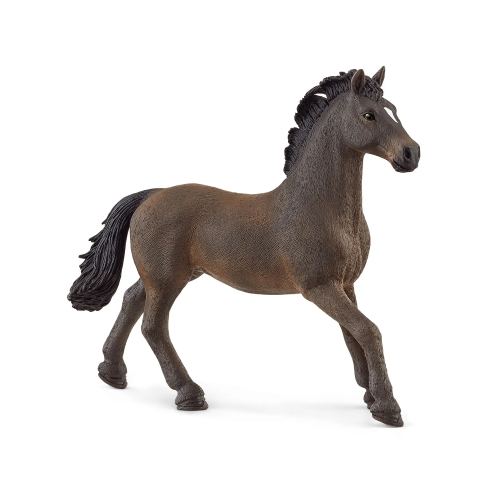
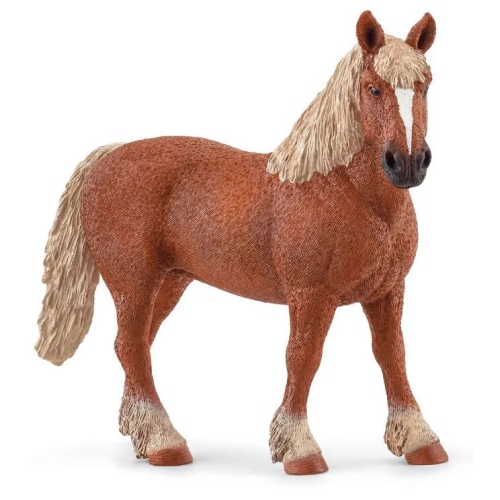
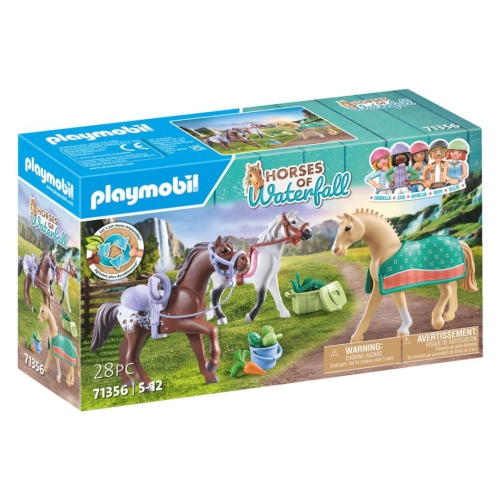
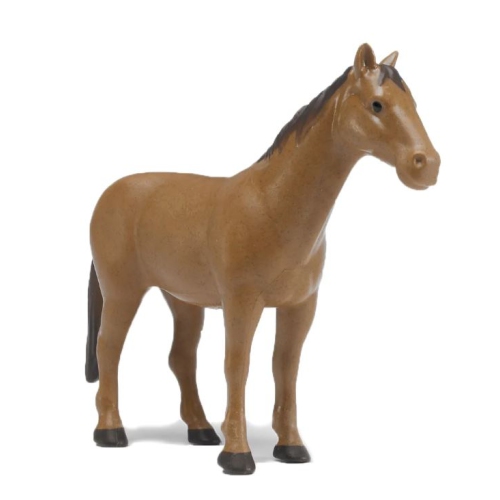
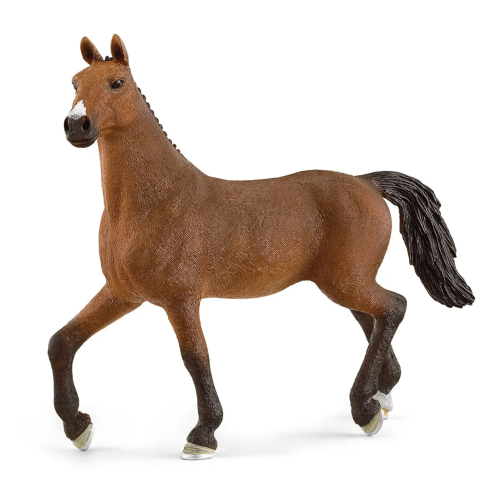
Horse toys bring the appeal of ponies, riding stables, and open-field adventures into everyday play. The category includes realistic horse figurines, miniature stable playsets, soft stuffed animals, hobby horses, rocking horses, and ride-on toys, with different formats suited to storytelling, collecting, cuddling, or active play. A small model can become the centre of an elaborate riding lesson, while a stable with opening doors gives children a place to feed, groom, and settle their imaginary herd. For children interested in horses, familiar details such as braided manes, feathered legs, spotted coats, and shaped saddles can make a miniature feel especially convincing. Realistic models also give older children and adult collectors a way to explore the appearance of different breeds without needing a large display space. Materials affect how these toys feel and hold up to handling. Moulded plastic is common in detailed figures because it can capture facial features, muscles, and coat texture, while wooden designs often favour simpler shapes and a substantial feel. Painted details add character, although projecting ears, narrow legs, and delicate accessories may need gentler handling than chunky pieces intended for younger users. Age recommendations matter more than appearance alone: a small, realistic horse may look appealing to a preschooler but include parts intended for an older child. Scale is another practical detail when figures are used alongside barns, fences, trailers, or riders. A horse that fits through a stable doorway and stands comfortably inside a stall makes the scene easier to use, while mismatched sizes can interrupt the story. Matching dimensions is especially helpful when adding to an existing collection. Open-ended pieces leave room for changing interests, from a pretend veterinary visit to a jumping course made with toy fences. Accessories that children can arrange themselves often support more varied play than a scene with every element fixed in place, particularly when siblings or friends are building stories together.
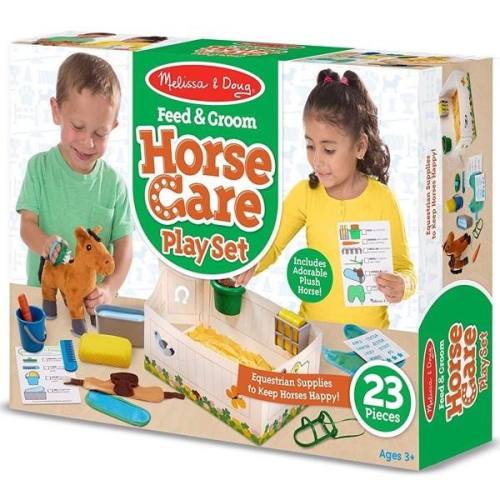
For a softer approach, plush horses offer animal companionship without the small equipment associated with miniature stables. A stuffed pony might join a reading corner, travel in a child’s backpack, or take the starring role in a pretend grooming session. Size makes a noticeable difference to everyday use: a compact plush is easier to carry, while a larger horse needs more room on a chair, shelf, or bed. Fabric texture, filling, and construction also shape the experience. Short plush can show coat markings clearly, longer pile gives a shaggy pony effect, and yarn manes provide a different texture for gentle pretend styling. Secure seams and firmly attached features are useful qualities for toys that will be carried frequently. For younger children, embroidered facial details may be preferable to hard attachments, but the manufacturer’s age label remains the reference for suitability. Features such as weighted filling, sound components, or removable accessories need their own age and care checks rather than being treated as interchangeable with a simple stuffed animal. Cleaning requirements deserve attention before a plush becomes a constant companion. Some fabrics and fillings tolerate machine washing according to their care labels, while others require surface cleaning; electronic components can introduce additional restrictions. Thorough drying as directed helps keep the toy ready for its next outing. Plush horses can make thoughtful birthday gifts for children who love animals but are not yet interested in intricate models, and they can also appeal to older horse enthusiasts as a decorative keepsake. A familiar coat colour or a mane that resembles a favourite riding-school pony adds a personal connection without needing an exact replica. Gift suitability depends on the recipient’s preferences as much as age: some children want a soft friend to carry everywhere, while others are more absorbed by arranging riders, tack, and stalls into a detailed scene.
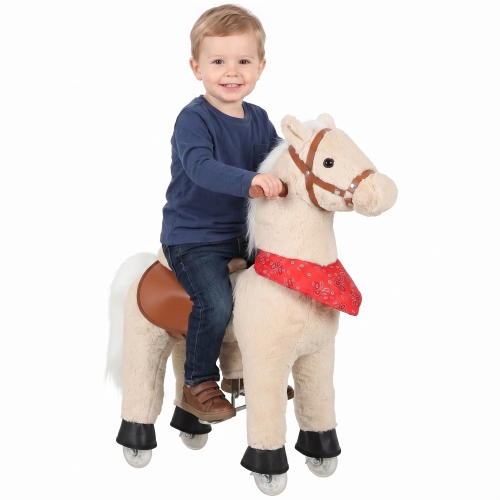
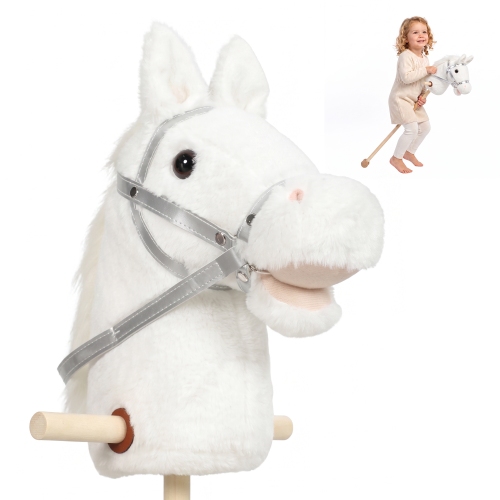
Horse toys designed for movement bring a different set of practical considerations. A hobby horse encourages children to invent their own pace and route, often turning an uncluttered play area into a pretend arena with little additional equipment. Rocking horses provide a stationary riding motion, while wheeled or mechanically operated ride-ons need enough clear space for their intended movement. These formats are not interchangeable, so the stated age range, maximum rider weight, seat height, and operating instructions are important parts of the fit. A child should be able to use the toy in the position described by its manufacturer, rather than stretching to reach supports or trying to balance on a seat that is too high. Stable construction, secure handholds, and intact foot supports matter for repeated use, and moving parts should be checked for wear or loosened fasteners according to the care instructions. Ride-on toys belong on the surfaces specified for them, with adult supervision and space away from stairs, traffic, and obstacles. For a smaller home, overall dimensions and storage needs may matter just as much as the look of the horse; a long hobby-horse handle or broad rocking base needs room even when play has finished. Everyday care across the category is usually straightforward but varies by material. Hard figures may need gentle wiping rather than soaking, painted surfaces can be damaged by abrasive cleaning, and wooden parts should be cleaned and dried as directed. Keeping miniature tack and grooming tools together in a suitable container makes it easier to return to a half-finished story and helps separate small accessories from toys used by younger siblings. The most useful horse toy is one that fits the recipient’s way of playing: arranging a miniature paddock, caring for a plush pony, displaying detailed models, or acting out a ride. That connection gives a simple horse-shaped toy room to become part of a much larger imaginary world.
Top selling and popular products
-
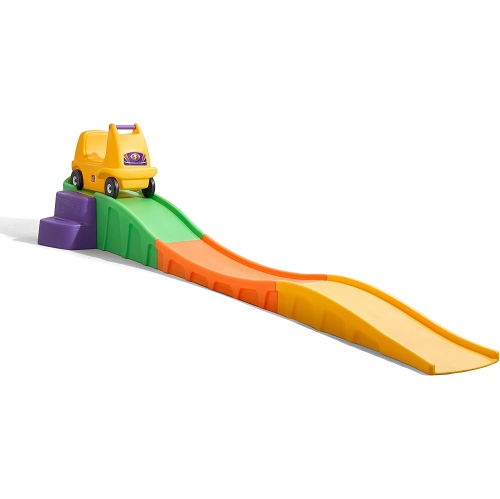 Your price for this item is $549.99
-
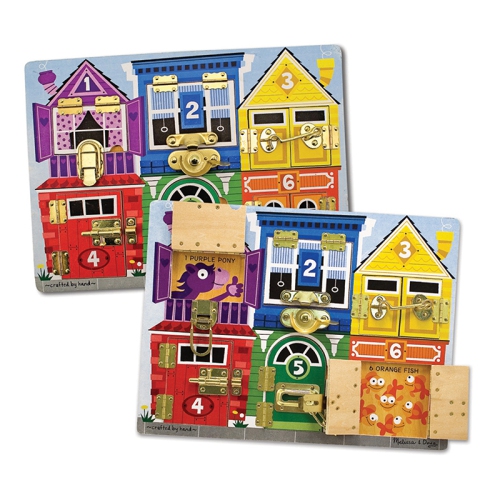 Your price for this item is $58.99
-
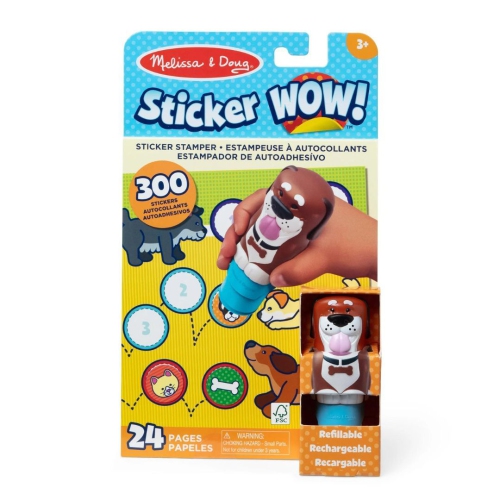 Your price for this item is $32.79
-
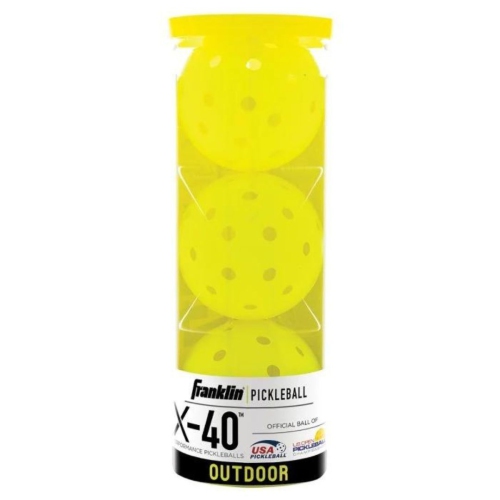 Your price for this item is $29.19
-
 Your price for this item is $41.19
-
 Your price for this item is $76.99
-
 Your price for this item is $105.99
-
 Your price for this item is $44.79
Discover more categories related to Horse Toys
Top Collections:
Best Black Friday Deals This Year, Best Black Friday Deals On Electronics, Kindle Devices, Dyson Airwrap, Best Cameras for Sports Photography, Best Budget Office Chairs, Canon G7X Cameras, PS5 Pro Consoles, Best Black Friday Deals On Apple Products, XBOX One S Consoles
Some products may be subject to Environmental Handling Fees
(EHF) depending on your province.
Learn more about EHFs.