Metal Model Kits
Discover the intricate and rewarding world of metal model kits at Best Buy Canada. Perfect for hobbyists and collectors alike, these detailed models offer a unique and engaging way to bring your favorite vehicles, landmarks, and more to life. Whether you're looking to challenge your building skills or searching for a thoughtful gift, our selection of metal model kits provides endless hours of creative enjoyment. Explore our range today and find the perfect kit to add to your collection or start a new hobby.
Sort
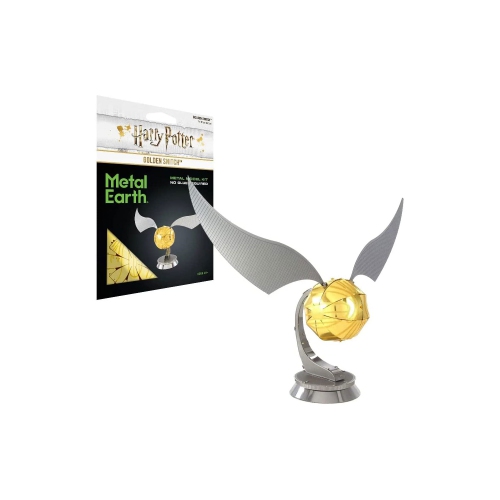
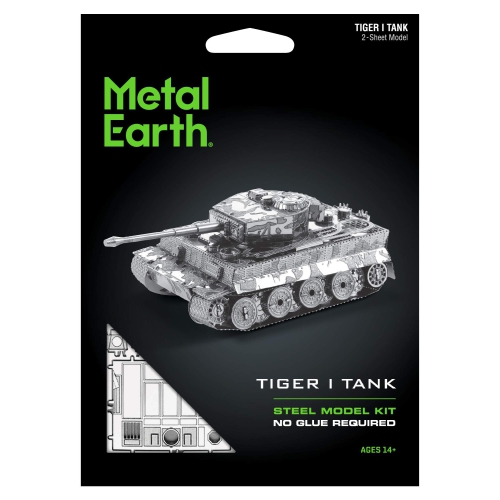
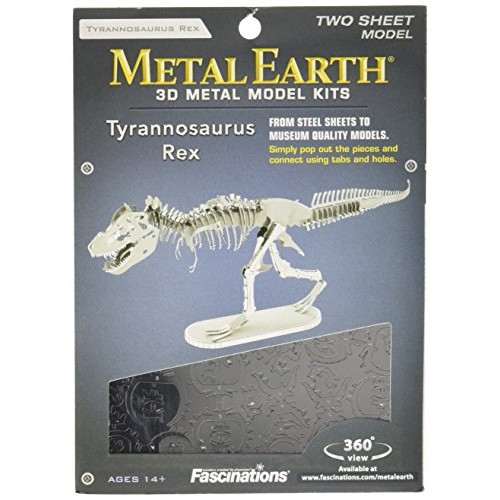
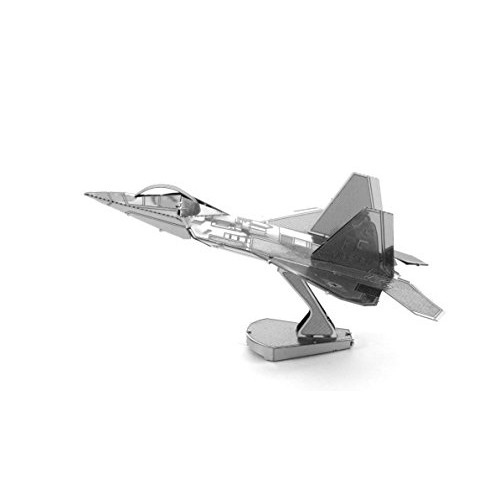

![TAMIYA 15 Well Palette [5 Pieces] (87125) Plastic Model Kit Accessory](https://multimedia.bbycastatic.ca/multimedia/products/500x500/160/16097/16097778.jpeg)
![GENERIC [8 Pack] Magnetic Car Mount Holder Metal Plate, 40MM Round Universal Replacement Mount Metal Plate Kit](https://multimedia.bbycastatic.ca/multimedia/products/500x500/199/19950/19950936.jpeg)
How flat metal sheets become intricate display pieces
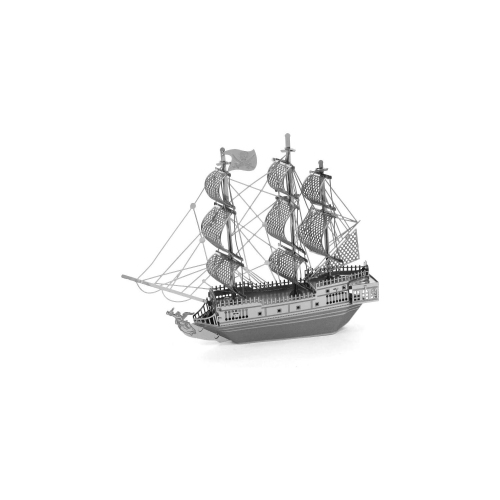
Metal model kits turn thin sheets of metal into detailed three-dimensional objects, combining the precision of a puzzle with the satisfaction of building something worth displaying. Part of their appeal lies in the transformation: a flat panel becomes a curved surface, a tiny folded piece adds depth, and a series of carefully joined sections gradually takes on a recognizable shape. Many kits use etched or laser-cut components that remain attached to a metal sheet until assembly. Stainless steel is common, while some designs use brass or coloured finishes to create different visual effects. Bare metal catches light along edges and engraved lines, giving even a small finished model a striking presence on a bookshelf or desk. Printed and coloured surfaces can highlight details without requiring separate painting, although the finish and assembly method vary by kit. Many sheet-metal designs connect through small tabs and slots rather than glue, while other metal construction kits may use screws or additional fasteners. That distinction matters for anyone who enjoys a particular style of building: folding tiny tabs calls for a different touch than tightening miniature hardware. The finished objects are generally intended for display, not repeated handling or active play, and their appeal often centres on realistic proportions, intricate surface detail, or the character of the subject. Compared with some other Scale Model Kits, sheet-metal versions often place more emphasis on shaping and joining prefinished pieces than on sanding, painting, and adhesive work. For hobbyists who enjoy seeing how individual components fit together, that process can be just as rewarding as the result. A compact footprint also makes many metal models suitable for a personal display area where space is limited, though the assembled dimensions deserve attention. A model that looks small in a photograph may have broad wings, an extended base, or delicate projections that need extra clearance. Scale describes the relationship to the original subject; it does not, by itself, indicate the finished size or the difficulty of the build.
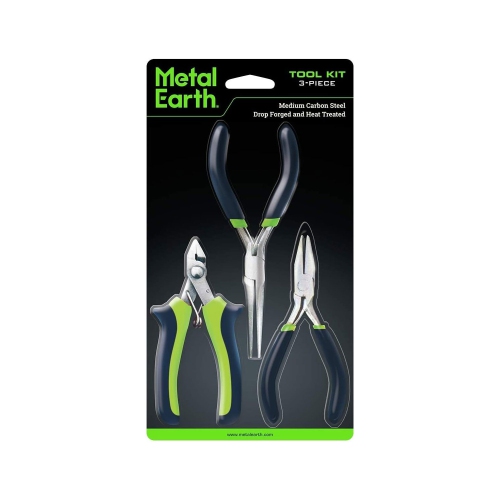
The most useful differences between metal model kits are often found in the construction details rather than the appearance of the completed model. Piece count offers a starting point, but it tells only part of the story. A design with fewer components can still be demanding if it includes tight curves, very small connection points, or tabs that become difficult to reach once neighbouring sections are attached. Larger parts with straightforward folds tend to be easier to handle than narrow strips or closely spaced details. Clear diagrams, an identifiable parts layout, and a stated difficulty level help set expectations, especially for someone moving from simpler construction toys into more precise hobby work. The fit of each connection depends on careful shaping: a tab should line up with its slot without needing enough force to bend the surrounding panel. Following the assembly sequence matters because a section that seems convenient to attach early may block access to another connection later. Tool requirements vary, but fine-tip tweezers, small needle-nose pliers, and cutters suitable for the specified metal can make handling and separation more controlled. A rounded shaping tool may help form smooth curves where the instructions call for them. Tools are not necessarily included, so package contents and manufacturer guidance are worth checking before choosing a kit as a first project or a gift. A clear, well-lit work surface and a shallow tray for loose components can make the experience more comfortable; a tiny silver piece is much easier to find there than on a patterned carpet. Good hand control and patience matter more than speed. Repeatedly bending a metal tab back and forth can weaken it, so small, deliberate adjustments are preferable to forcing a connection. Cut edges and detached parts may be sharp, and small components present a choking hazard. The stated age recommendation, any supervision requirements, and the builder’s experience should all inform suitability. These are projects for people comfortable working carefully with small parts, rather than a substitute for robust toys designed for young children.
A well-chosen metal model kit can suit an experienced collector, a patient beginner, or someone who enjoys hands-on projects away from a screen. Subject matter gives a gift a personal connection, whether the recipient is drawn to engineering, architecture, transportation, or imaginative designs. Building experience deserves equal weight: an intricate display piece may look impressive, but a manageable first project is more likely to leave a new builder eager to try another. For birthdays, graduations, or other personal milestones, the appeal is both the time spent assembling the kit and the finished object that remains afterwards. Some builders prefer to complete a project in a focused sitting; others enjoy working through a few sections at a time, keeping unfinished components organized between sessions. A small storage container can keep loose parts separate from the instructions and protect them from being misplaced, while an undisturbed work area helps preserve progress. Once assembled, durability depends on the design as much as the material. Metal can hold crisp detail well, but thin panels, projecting features, and tiny joints can still bend if squeezed or dropped. Finished models are best lifted by a stable base or a sturdy central section rather than a delicate outer detail. A level display surface with room around the model reduces accidental contact, and a display case can limit dust and handling. Care is usually simple but should follow the manufacturer’s instructions, particularly for coloured, plated, or printed finishes. A soft, dry brush can lift dust from recesses without snagging small components; abrasive cleaners and vigorous rubbing may scratch surfaces or remove detail. Keeping the model dry and avoiding unnecessary handling can also help preserve its finish. Before choosing a place for the completed build, consider how its details will be seen: etched lines and layered sections often show best against an uncluttered background with light falling across the surface. With an appropriate level of challenge and enough space for display, metal model kits offer a satisfying balance of precise construction, visual detail, and a finished piece that reflects the care put into making it.
The most useful differences between metal model kits are often found in the construction details rather than the appearance of the completed model. Piece count offers a starting point, but it tells only part of the story. A design with fewer components can still be demanding if it includes tight curves, very small connection points, or tabs that become difficult to reach once neighbouring sections are attached. Larger parts with straightforward folds tend to be easier to handle than narrow strips or closely spaced details. Clear diagrams, an identifiable parts layout, and a stated difficulty level help set expectations, especially for someone moving from simpler construction toys into more precise hobby work. The fit of each connection depends on careful shaping: a tab should line up with its slot without needing enough force to bend the surrounding panel. Following the assembly sequence matters because a section that seems convenient to attach early may block access to another connection later. Tool requirements vary, but fine-tip tweezers, small needle-nose pliers, and cutters suitable for the specified metal can make handling and separation more controlled. A rounded shaping tool may help form smooth curves where the instructions call for them. Tools are not necessarily included, so package contents and manufacturer guidance are worth checking before choosing a kit as a first project or a gift. A clear, well-lit work surface and a shallow tray for loose components can make the experience more comfortable; a tiny silver piece is much easier to find there than on a patterned carpet. Good hand control and patience matter more than speed. Repeatedly bending a metal tab back and forth can weaken it, so small, deliberate adjustments are preferable to forcing a connection. Cut edges and detached parts may be sharp, and small components present a choking hazard. The stated age recommendation, any supervision requirements, and the builder’s experience should all inform suitability. These are projects for people comfortable working carefully with small parts, rather than a substitute for robust toys designed for young children.
A well-chosen metal model kit can suit an experienced collector, a patient beginner, or someone who enjoys hands-on projects away from a screen. Subject matter gives a gift a personal connection, whether the recipient is drawn to engineering, architecture, transportation, or imaginative designs. Building experience deserves equal weight: an intricate display piece may look impressive, but a manageable first project is more likely to leave a new builder eager to try another. For birthdays, graduations, or other personal milestones, the appeal is both the time spent assembling the kit and the finished object that remains afterwards. Some builders prefer to complete a project in a focused sitting; others enjoy working through a few sections at a time, keeping unfinished components organized between sessions. A small storage container can keep loose parts separate from the instructions and protect them from being misplaced, while an undisturbed work area helps preserve progress. Once assembled, durability depends on the design as much as the material. Metal can hold crisp detail well, but thin panels, projecting features, and tiny joints can still bend if squeezed or dropped. Finished models are best lifted by a stable base or a sturdy central section rather than a delicate outer detail. A level display surface with room around the model reduces accidental contact, and a display case can limit dust and handling. Care is usually simple but should follow the manufacturer’s instructions, particularly for coloured, plated, or printed finishes. A soft, dry brush can lift dust from recesses without snagging small components; abrasive cleaners and vigorous rubbing may scratch surfaces or remove detail. Keeping the model dry and avoiding unnecessary handling can also help preserve its finish. Before choosing a place for the completed build, consider how its details will be seen: etched lines and layered sections often show best against an uncluttered background with light falling across the surface. With an appropriate level of challenge and enough space for display, metal model kits offer a satisfying balance of precise construction, visual detail, and a finished piece that reflects the care put into making it.
Top selling and popular products
-
 Your price for this item is $119.99
 -
 Your price for this item is $103.49
 -
 Your price for this item is $59.99
 -
 Your price for this item is $6
 -
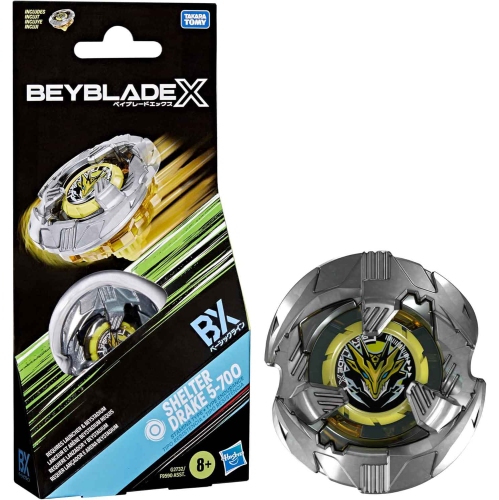 Your price for this item is $13.79
 -
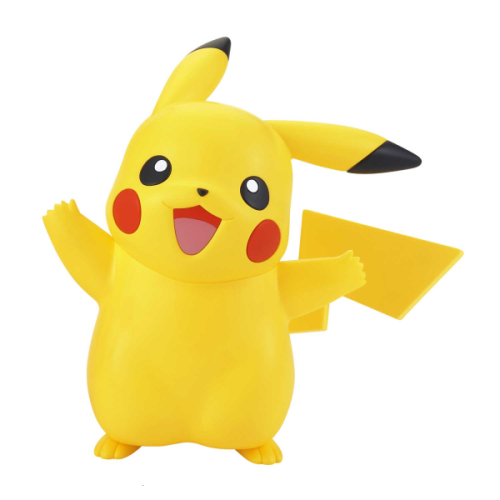 Your price for this item is $16
 -
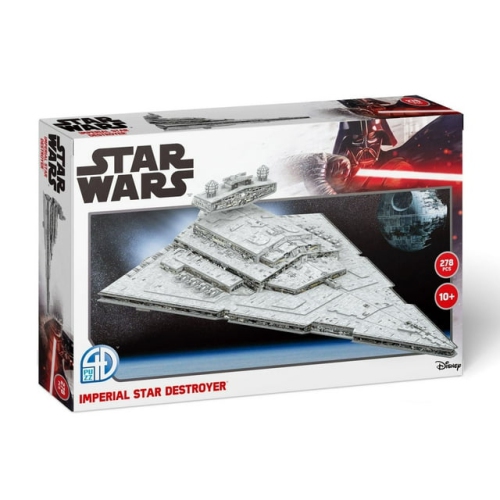 Your price for this item is $69.99
 -
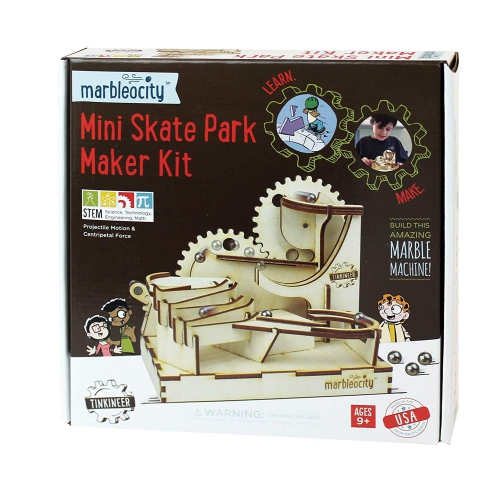 Your price for this item is $38.21
Discover more categories related to Metal Model Kits

Top Collections:
Pokemon Centers, Kindle Devices, Best Budget Office Chairs, Apple iPhones 16, Best Laptops for Writers, iPhone 15 Apple, Canon G7X Cameras, Refurbished Apple Laptops, Alarm Clock, Motorola Razr Phones
Some products may be subject to Environmental Handling Fees
(EHF) depending on your province.
Learn more about EHFs.