Plastic Model Kits
Looking to unleash your creativity and bring your favorite models to life? Look no further than our extensive collection of plastic model kits. Whether you're an experienced hobbyist or just starting out, these kits offer endless possibilities for building and customizing your own masterpieces. From classic cars to airplanes and ships, we have a wide range of options to suit every interest. Get ready to dive into the world of modeling and let your imagination soar with our selection of quality plastic model kits.
Sort
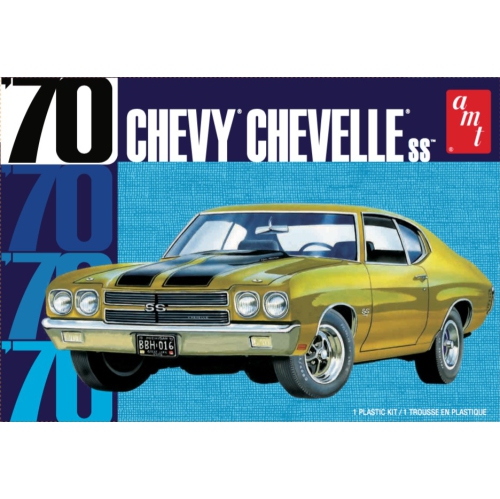

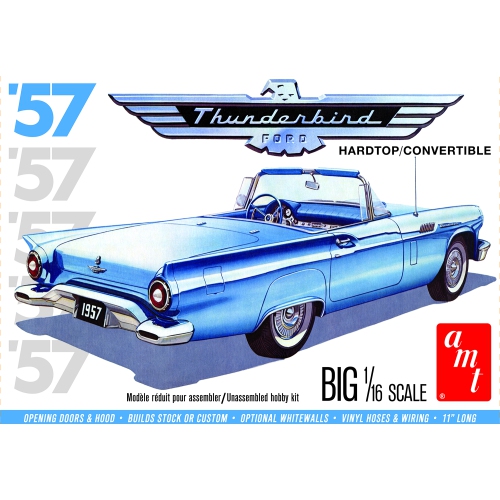
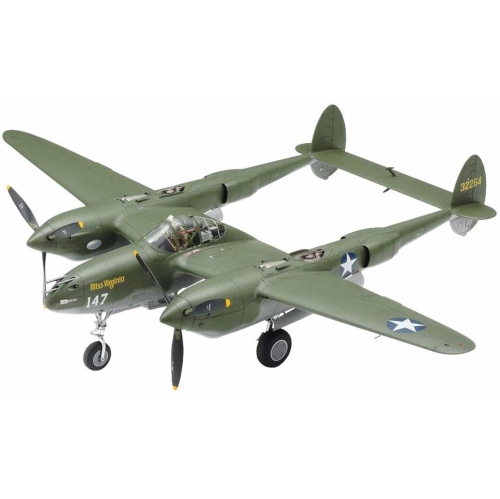
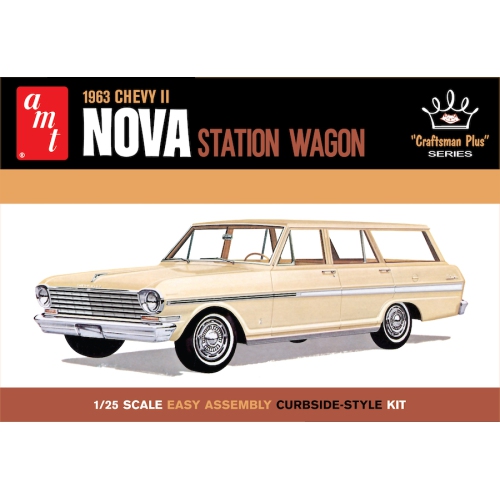
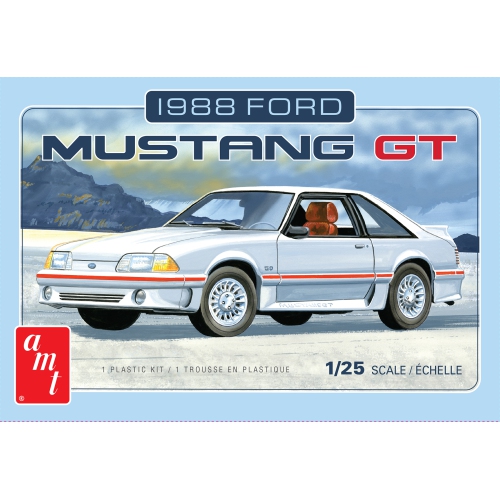
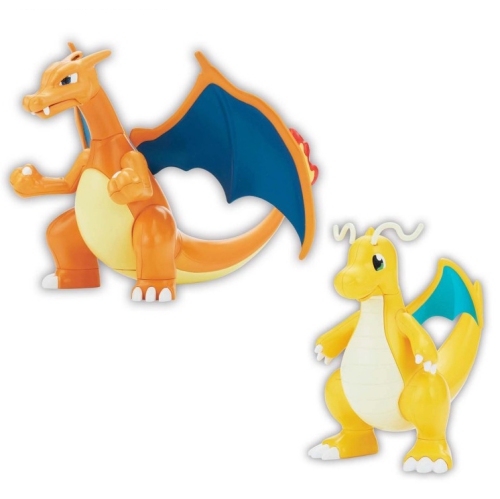
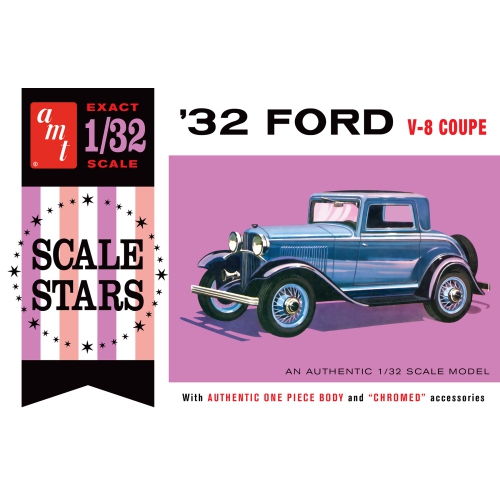
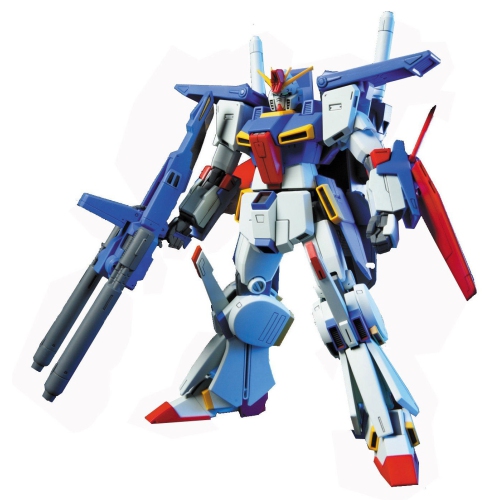
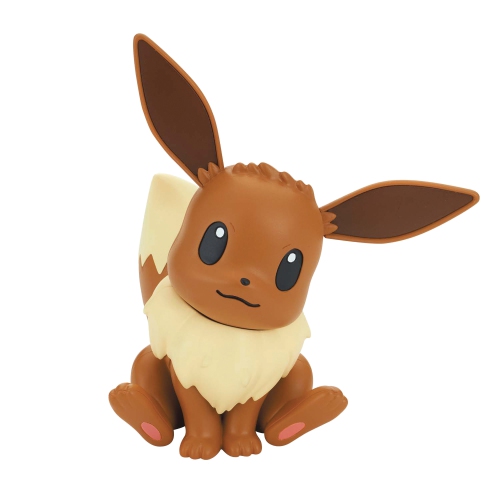
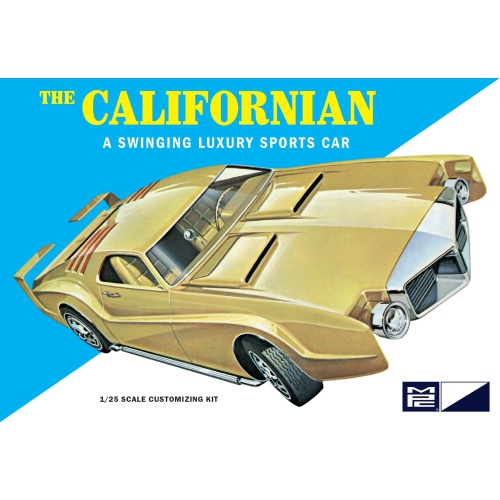
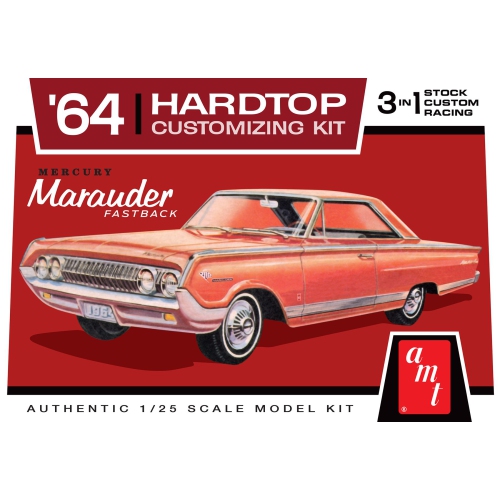
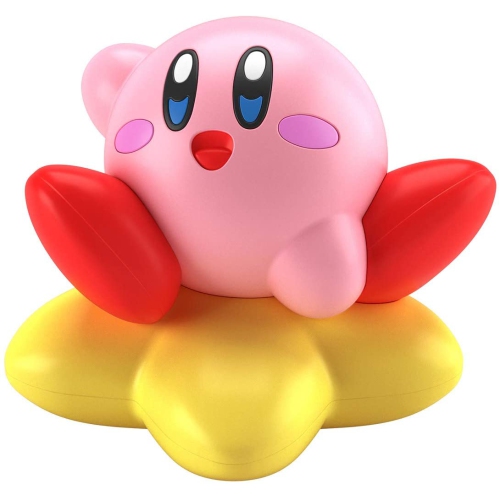

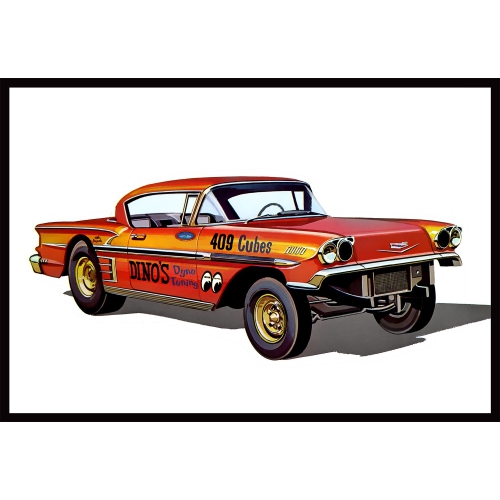
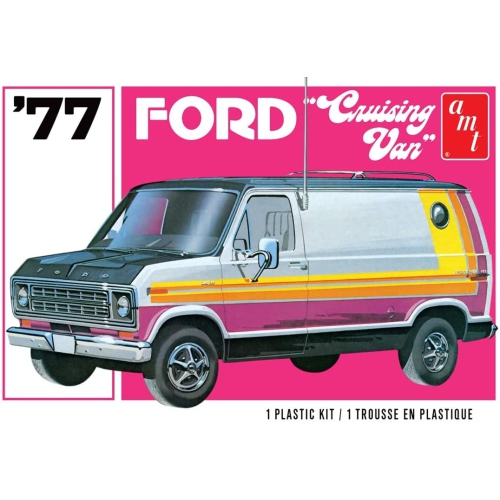
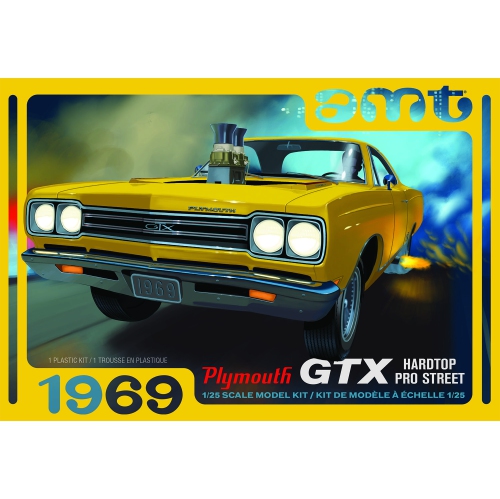
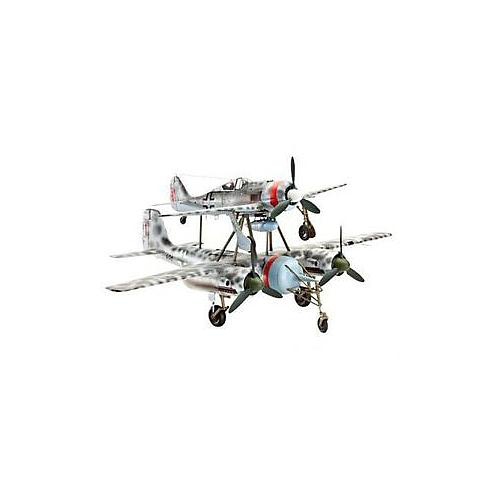


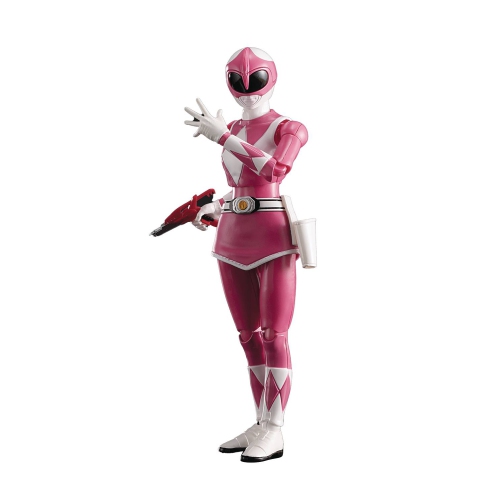
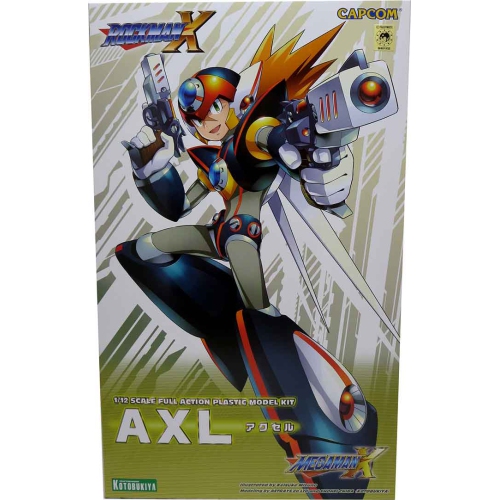

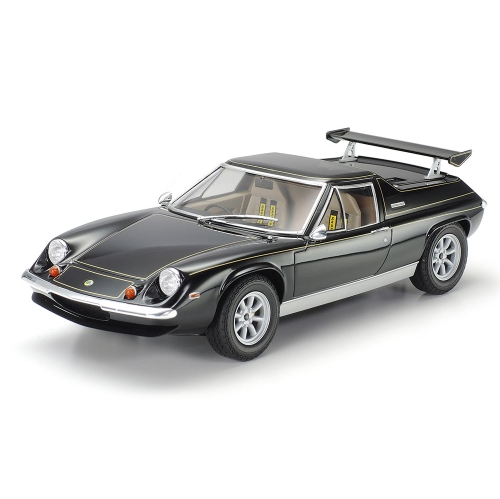
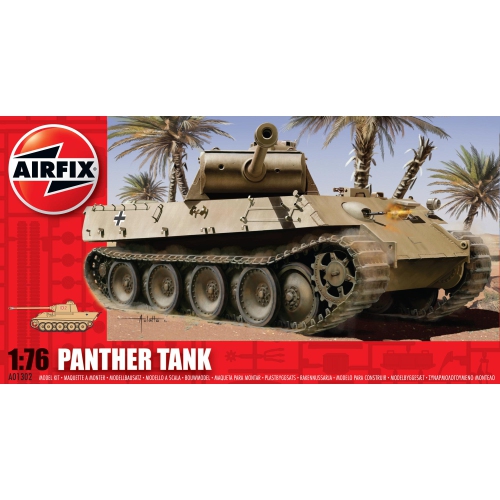
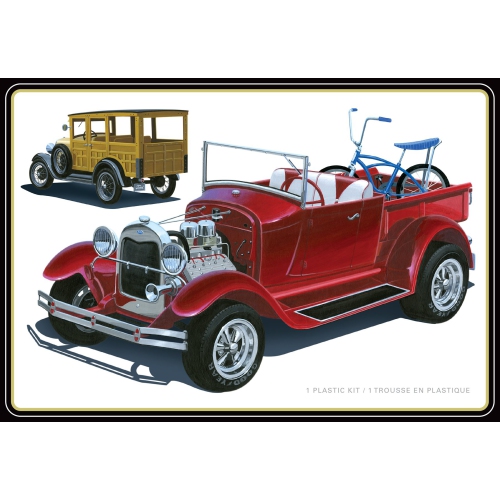
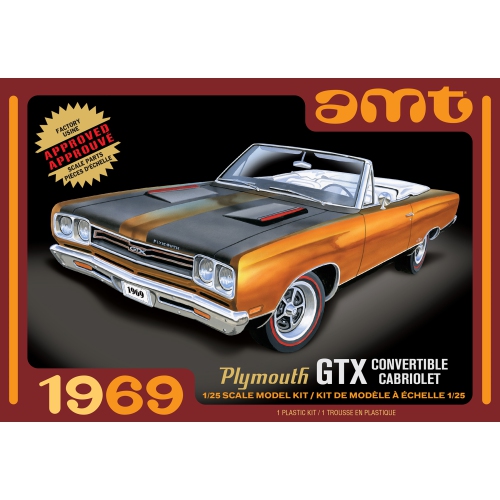

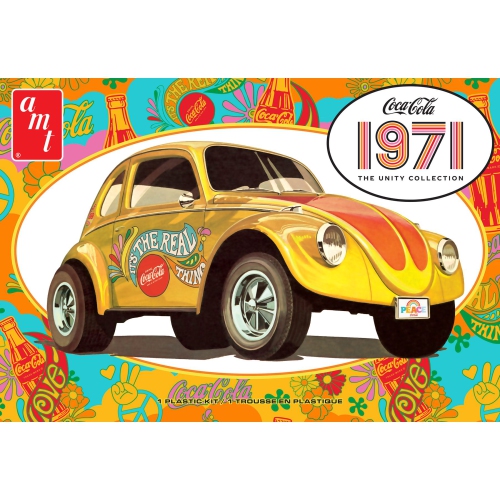

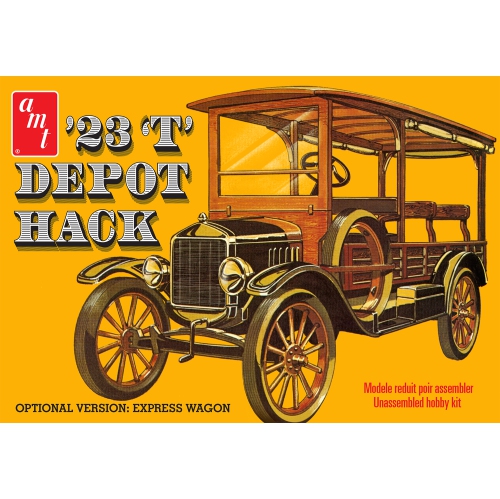
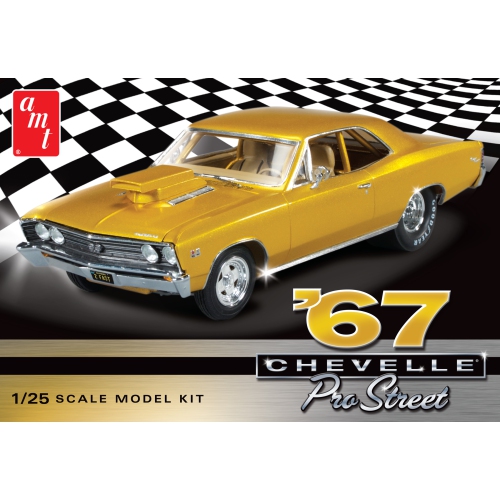


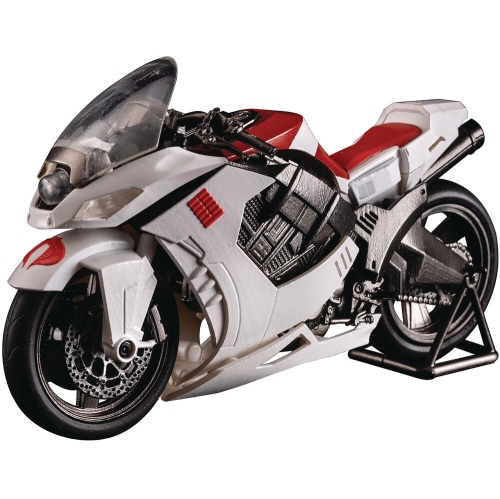
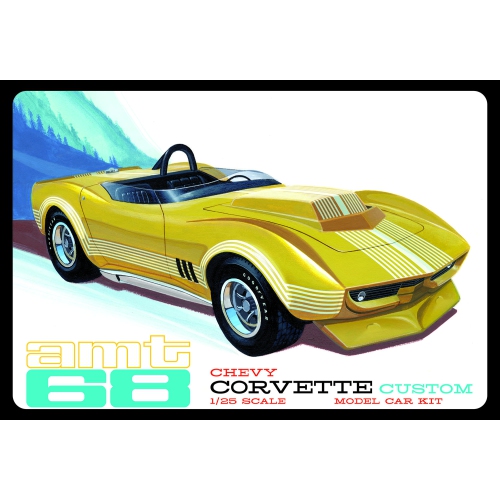
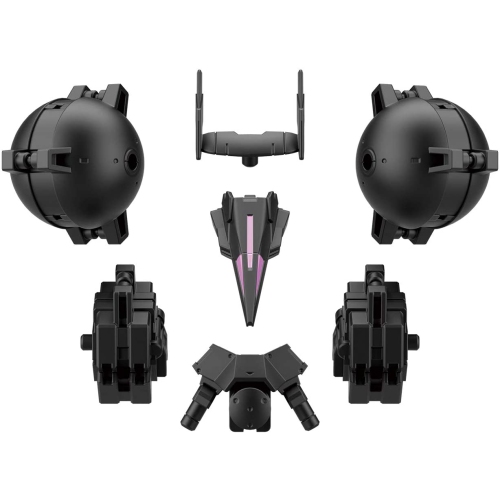
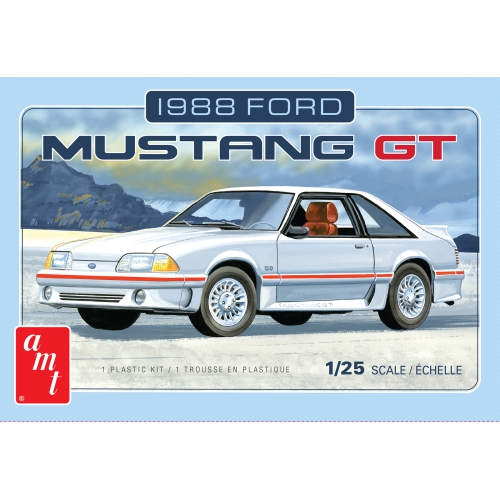
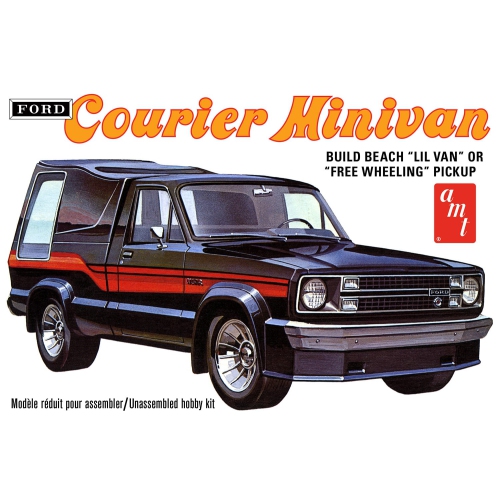
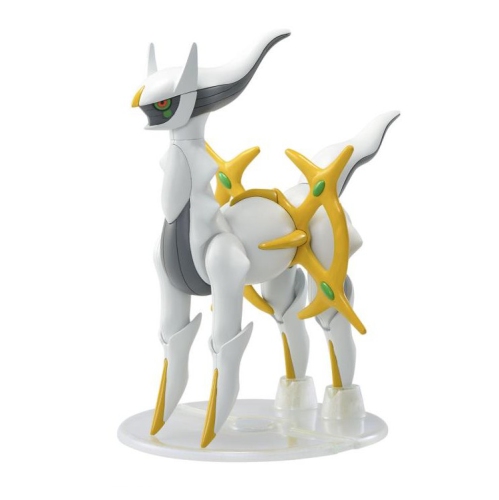
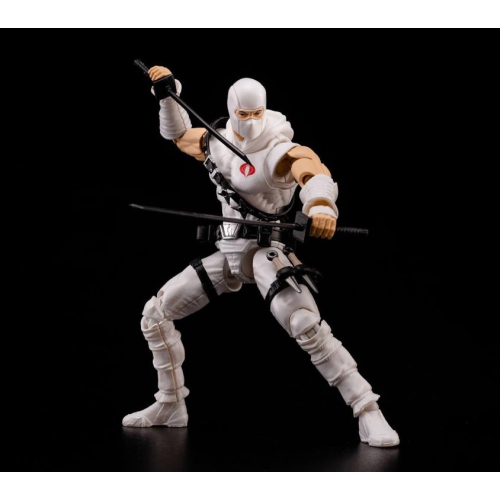
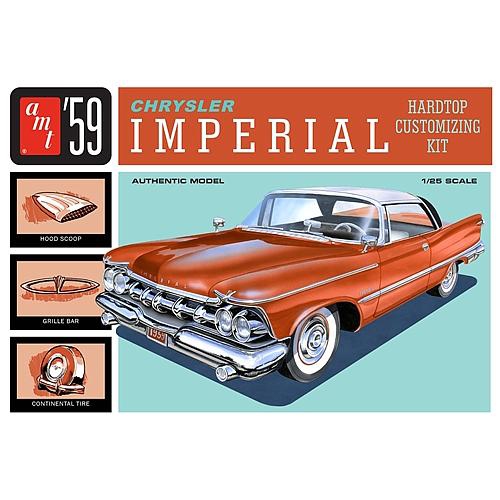

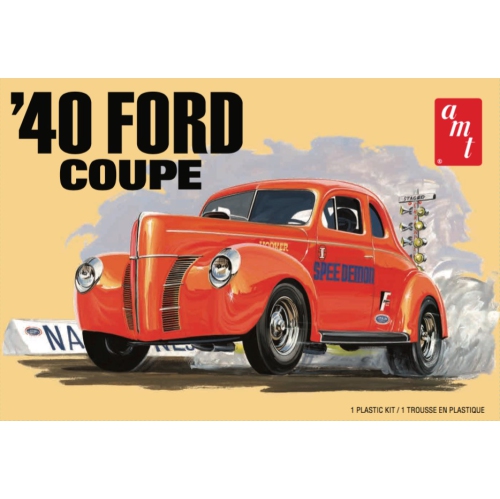
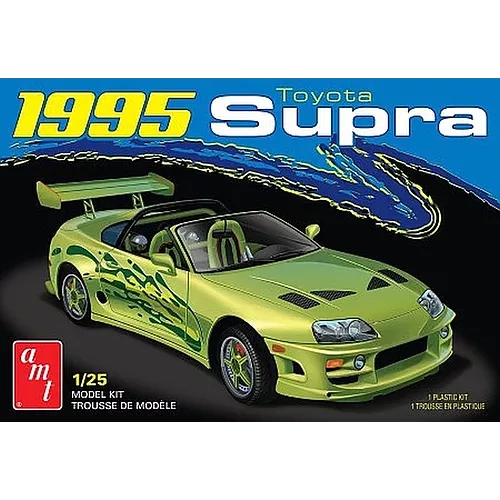
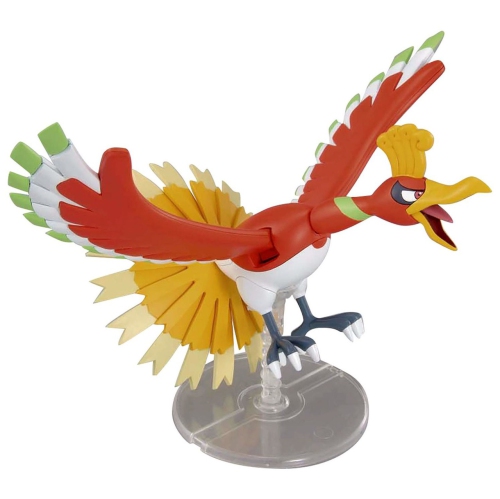

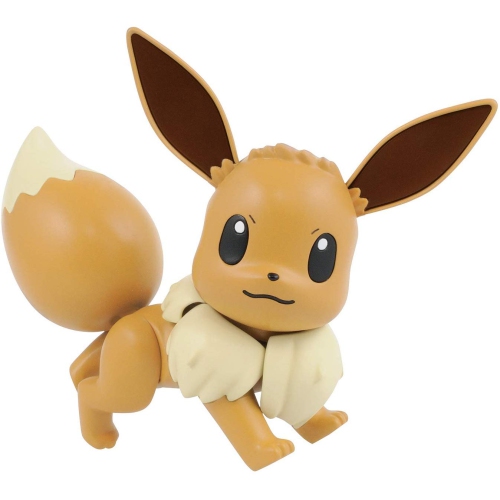
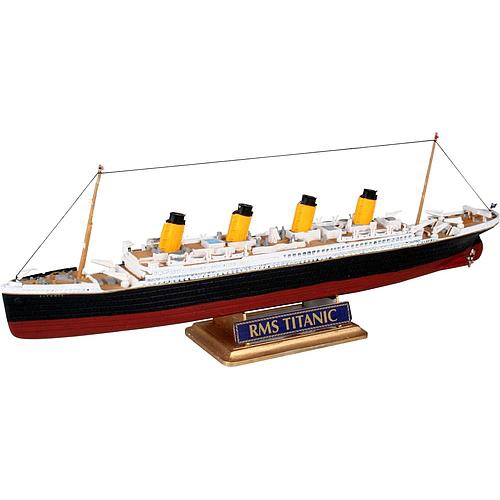
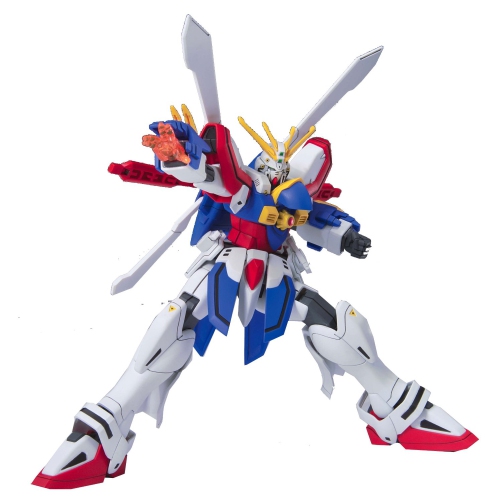
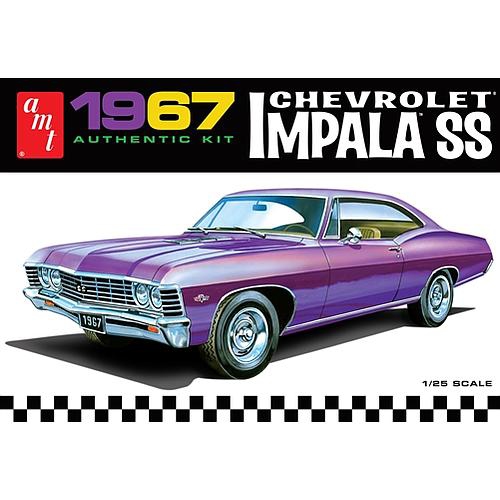
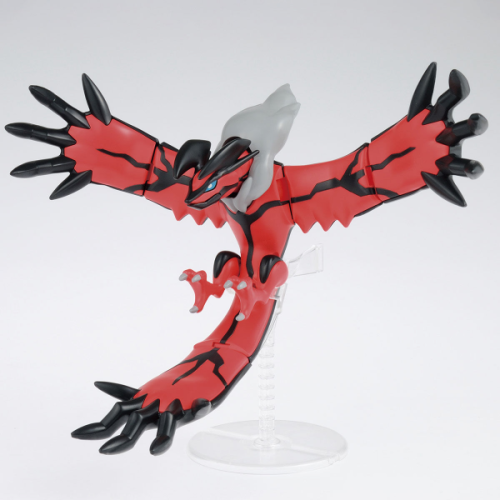
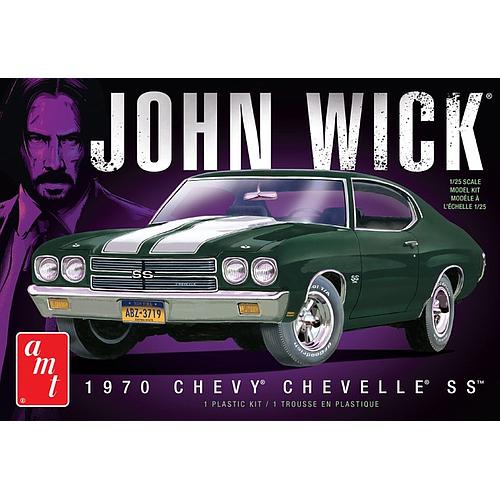

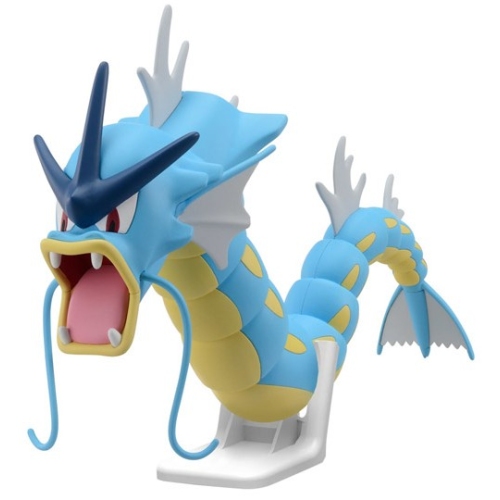
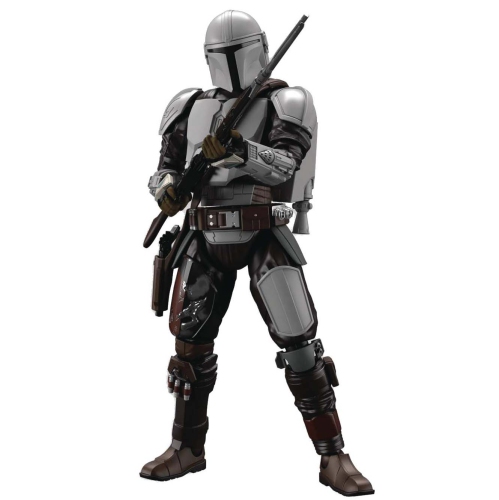
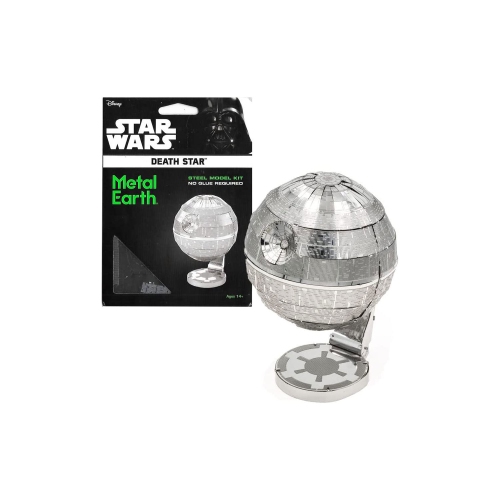
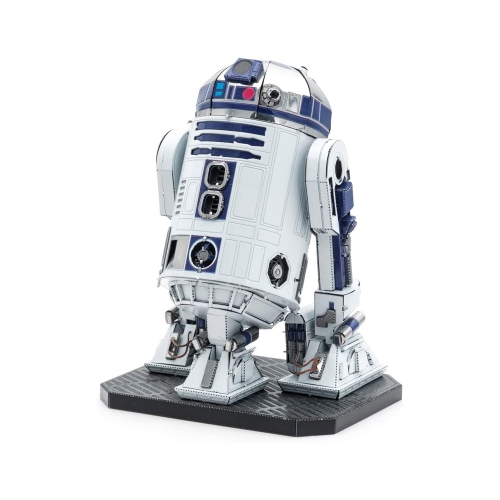
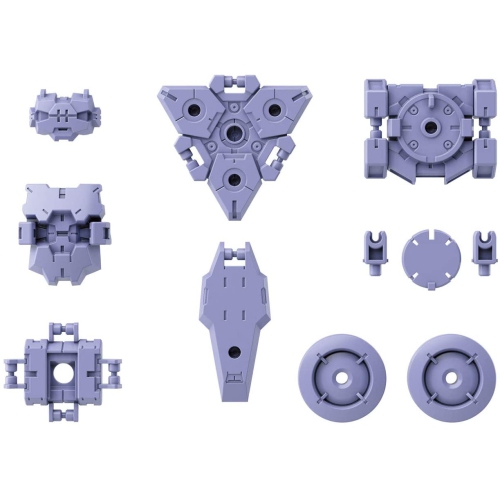
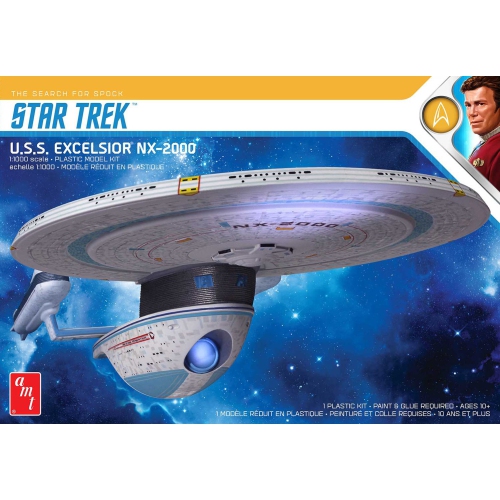
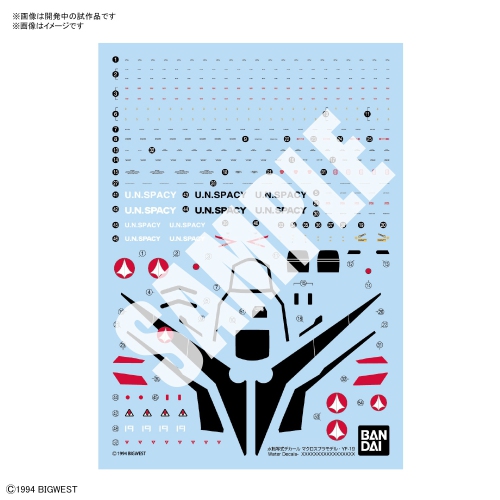
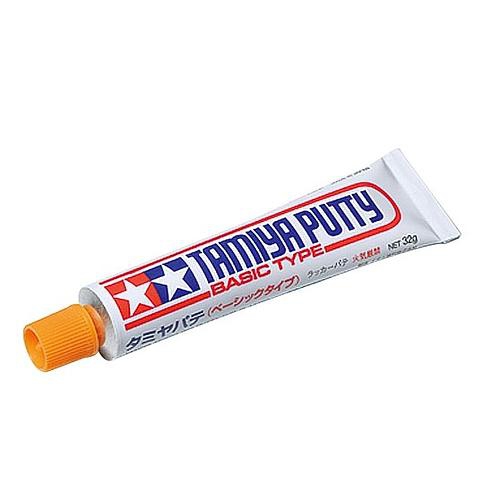

From first parts to a detailed display piece
Plastic model kits offer a hands-on way to explore vehicles, aircraft, ships, science-fiction subjects, historical scenes, and other detailed designs. Each kit brings together moulded plastic parts that can be assembled, finished, and displayed, making the experience feel different from simply taking a completed toy out of its packaging. For some builders, the appeal is the careful process: sorting parts across a work surface, studying the instructions, pressing pieces together, and gradually seeing a recognizable shape emerge. For others, the finished model is the main attraction, offering a detailed display piece for a shelf, desk, bookcase, or hobby room. Kits are available in a range of sizes and complexity levels, so it is worth considering the builder’s experience before choosing one. Simpler kits with fewer parts can be a comfortable introduction for children, teens, or adults who are new to the hobby, while more advanced kits can provide a rewarding long-term project for experienced modellers. Anyone shopping for a gift may want to think about the recipient’s interests as well as their patience and available space. A person who enjoys transportation, history, engineering, fantasy, or film-inspired subjects may appreciate a kit that reflects a favourite theme, while someone who prefers quiet, focused activities may enjoy the steady rhythm of construction regardless of the final subject. During the cooler months, model building can be an inviting indoor pastime, especially when a creative project is welcome after school, work, or a busy day.
When comparing plastic model kits, look at the recommended age range, approximate part count, scale, and stated difficulty level. The scale indicates how the completed model relates to the original subject, but the overall dimensions can still vary significantly, so checking the finished size is useful if the model will be displayed in a particular location. Part count can provide a general sense of the project’s scope, although the shape and size of the parts matter just as much. A kit with many small components may require more time and concentration than one with larger, simpler pieces. Beginners often benefit from clear, well-organized instructions and parts that are designed to fit together with minimal adjustment. More experienced builders may look for fine surface details, moving components, interior sections, or a larger number of parts that allow for additional finishing work. It is also important to check what is included and what may need to be purchased separately. Some kits are intended to be assembled with basic tools, while others may be easier to work on with hobby cutters, small files, tweezers, adhesive, paint, and brushes. Protective equipment and good ventilation are sensible when using hobby supplies, and children should work with age-appropriate materials under adult supervision. A clean, well-lit table makes a noticeable difference: small parts are easier to find, instructions are easier to follow, and there is less chance of disturbing an unfinished section. Keeping pieces in a shallow tray or divided container can also make the process feel more manageable. For a broader selection of related building projects, browse Scale Model Kits.
The finished model can be enjoyed in several ways, depending on the builder’s style and the space available. Some people prefer a straightforward assembly that highlights the original shape and moulded detail, while others enjoy sanding seams, adding colour, applying decals, and creating a display that suggests movement, age, or a particular setting. Painting is not always necessary, but it can bring out recessed lines, raised textures, windows, controls, and other small features that might otherwise blend together. Patience is often more valuable than speed; allowing adhesive or paint to dry before handling a section can help prevent fingerprints, loose parts, and uneven finishes. It can be helpful to build in stages, taking breaks between major sections and keeping the instruction booklet nearby until the final checks are complete. This makes plastic model kits suitable for a wide range of routines, from a few minutes of work at a time to longer weekend sessions shared with family or friends. They can also become a thoughtful gift for a hobbyist who enjoys collecting finished models, a student interested in design and construction, or an adult looking for a creative activity that rewards attention to detail. Parents and gift-givers should consider age guidance, small parts, and the need for supervision, particularly for younger builders. Once completed, a model can mark a personal achievement and serve as a reminder of the time spent creating it, whether it is placed prominently on a shelf or kept as part of a growing collection. With the right subject, complexity, and accessories, a plastic model kit can provide an engaging project from the first inspection of the parts to the final detail added to the display.
When comparing plastic model kits, look at the recommended age range, approximate part count, scale, and stated difficulty level. The scale indicates how the completed model relates to the original subject, but the overall dimensions can still vary significantly, so checking the finished size is useful if the model will be displayed in a particular location. Part count can provide a general sense of the project’s scope, although the shape and size of the parts matter just as much. A kit with many small components may require more time and concentration than one with larger, simpler pieces. Beginners often benefit from clear, well-organized instructions and parts that are designed to fit together with minimal adjustment. More experienced builders may look for fine surface details, moving components, interior sections, or a larger number of parts that allow for additional finishing work. It is also important to check what is included and what may need to be purchased separately. Some kits are intended to be assembled with basic tools, while others may be easier to work on with hobby cutters, small files, tweezers, adhesive, paint, and brushes. Protective equipment and good ventilation are sensible when using hobby supplies, and children should work with age-appropriate materials under adult supervision. A clean, well-lit table makes a noticeable difference: small parts are easier to find, instructions are easier to follow, and there is less chance of disturbing an unfinished section. Keeping pieces in a shallow tray or divided container can also make the process feel more manageable. For a broader selection of related building projects, browse Scale Model Kits.
The finished model can be enjoyed in several ways, depending on the builder’s style and the space available. Some people prefer a straightforward assembly that highlights the original shape and moulded detail, while others enjoy sanding seams, adding colour, applying decals, and creating a display that suggests movement, age, or a particular setting. Painting is not always necessary, but it can bring out recessed lines, raised textures, windows, controls, and other small features that might otherwise blend together. Patience is often more valuable than speed; allowing adhesive or paint to dry before handling a section can help prevent fingerprints, loose parts, and uneven finishes. It can be helpful to build in stages, taking breaks between major sections and keeping the instruction booklet nearby until the final checks are complete. This makes plastic model kits suitable for a wide range of routines, from a few minutes of work at a time to longer weekend sessions shared with family or friends. They can also become a thoughtful gift for a hobbyist who enjoys collecting finished models, a student interested in design and construction, or an adult looking for a creative activity that rewards attention to detail. Parents and gift-givers should consider age guidance, small parts, and the need for supervision, particularly for younger builders. Once completed, a model can mark a personal achievement and serve as a reminder of the time spent creating it, whether it is placed prominently on a shelf or kept as part of a growing collection. With the right subject, complexity, and accessories, a plastic model kit can provide an engaging project from the first inspection of the parts to the final detail added to the display.
Top selling and popular products
-
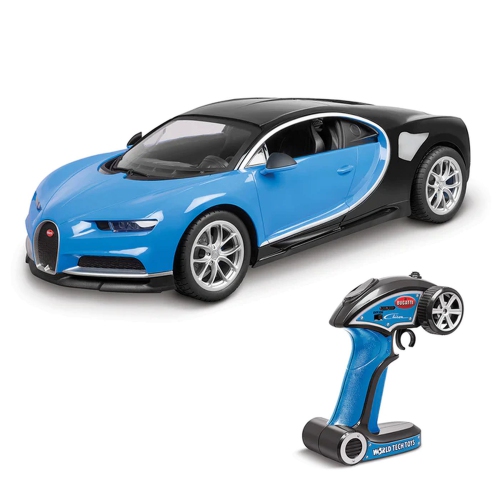 Your price for this item is $119.99
 -
 Your price for this item is $103.49
 -
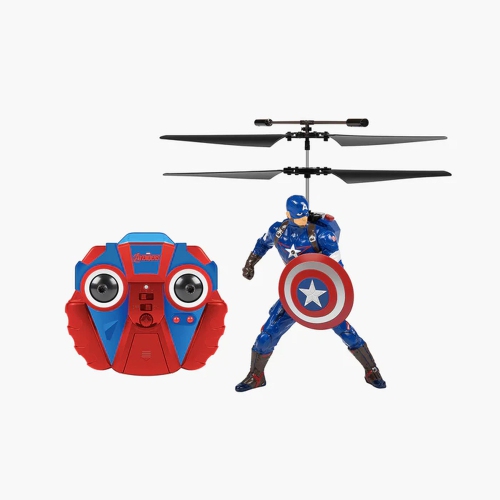 Your price for this item is $59.99
 -
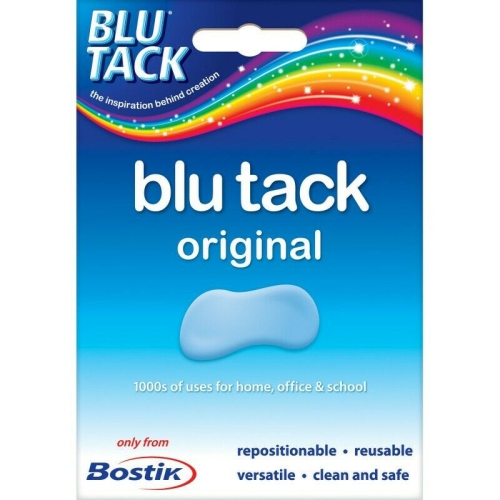 Your price for this item is $6
 -
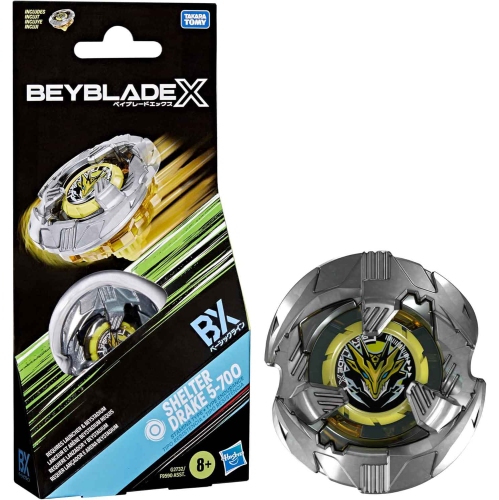 Your price for this item is $13.79
 -
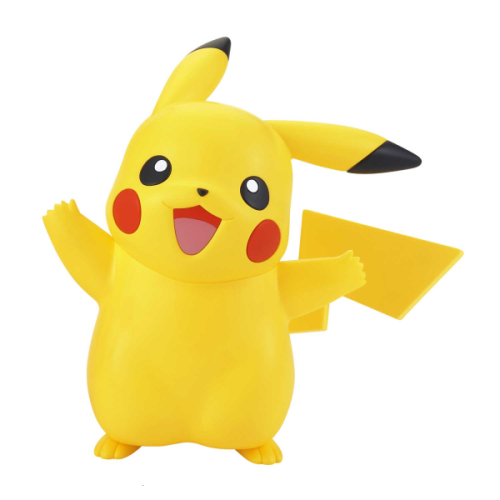 Your price for this item is $16
 -
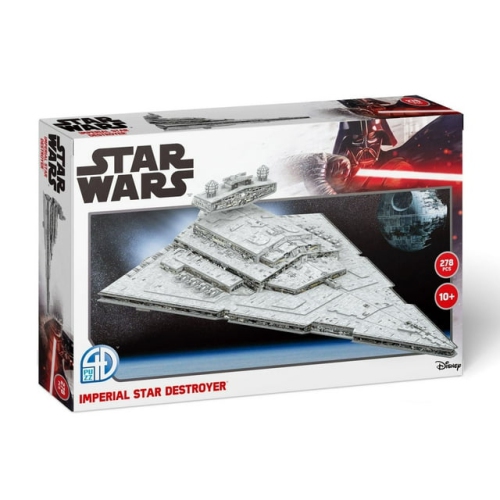 Your price for this item is $69.99
 -
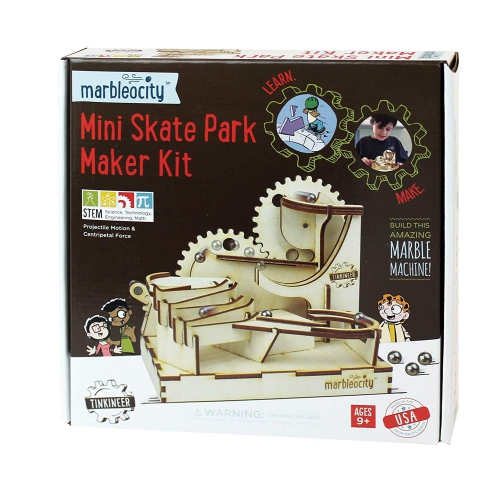 Your price for this item is $38.21
Discover more categories related to Plastic Model Kits
Top Collections:
Pokemon Centers, Kindle Devices, Best Budget Office Chairs, Apple iPhones 16, Best Laptops for Writers, iPhone 15 Apple, Canon G7X Cameras, Refurbished Apple Laptops, Alarm Clock, Motorola Razr Phones
Some products may be subject to Environmental Handling Fees
(EHF) depending on your province.
Learn more about EHFs.