Sandbox Covers
Sandbox covers are essential for keeping your child's play area clean and safe, shielding it from unwanted debris, animals, and weather conditions. At Best Buy Canada, our selection of sandbox covers offers a variety of options to suit different sizes and styles of sandboxes, ensuring you find the perfect fit for your backyard setup. Designed to enhance the longevity of your sandbox while providing peace of mind, these covers are both practical and easy to use. Explore our range to discover durable solutions that will help maintain a tidy and inviting play space for endless hours of fun.
Sort
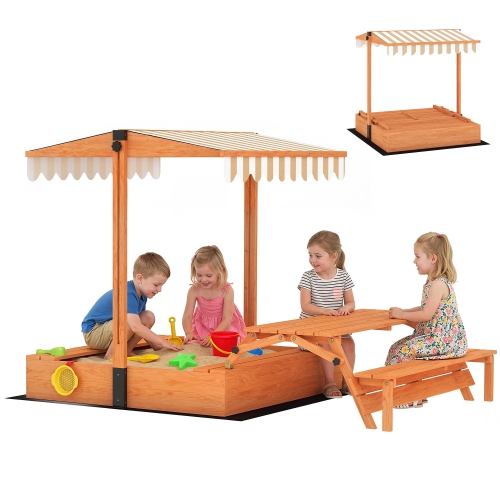
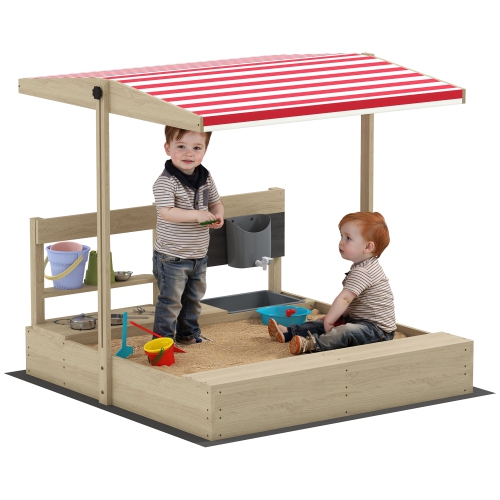
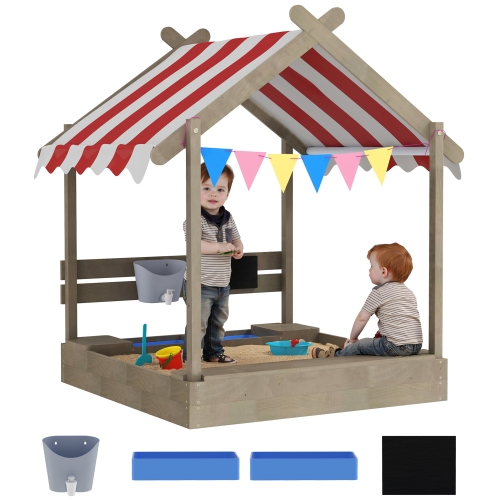
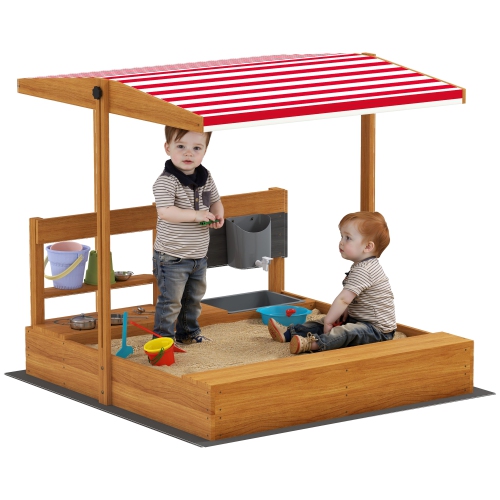
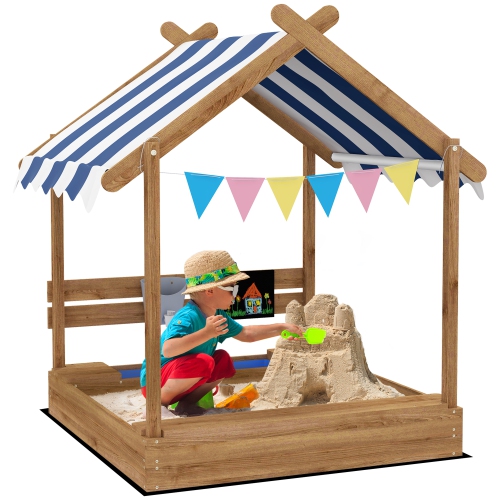
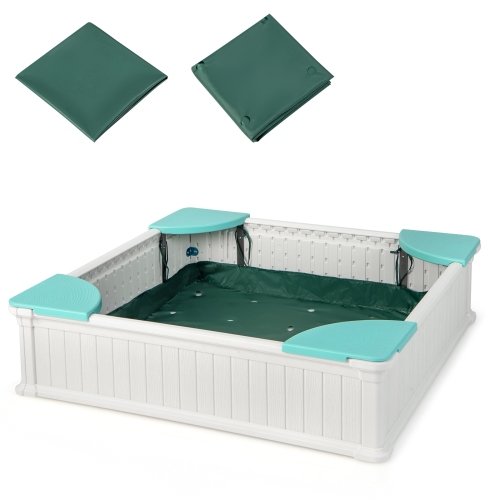
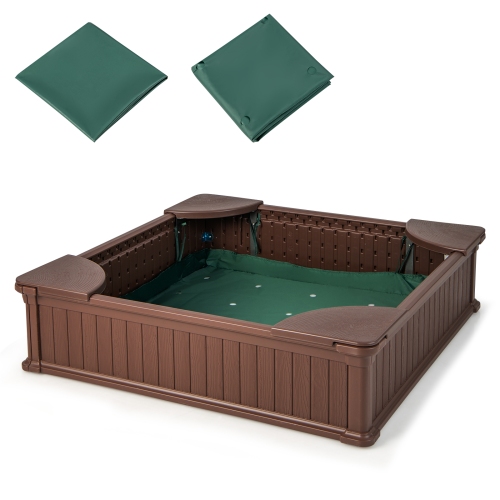
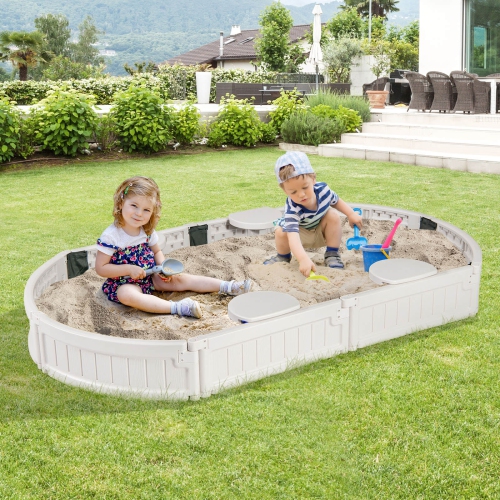
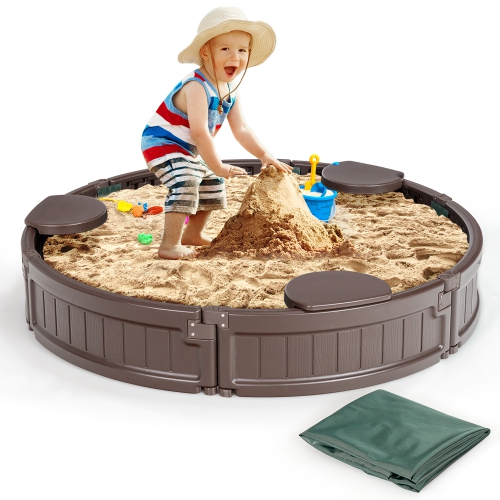
Cleaner, drier sand between outdoor play sessions
Sandbox covers help keep a children’s play area cleaner, drier, and ready for the next afternoon of digging, building, and imaginative play. A well-fitted cover can help keep rain, fallen leaves, twigs, and curious neighbourhood animals out of the sand, reducing the amount of tidying needed before play begins. It can also provide a practical layer of protection when the sandbox is not being used for several days, such as during rainy stretches or the cooler months when outdoor play becomes less frequent. Covers are available in a range of shapes, sizes, and materials, so the best choice depends on the sandbox itself, the space around it, and the way your family uses the play area. Lightweight fabric covers are easy to lift, fold, and store, making them convenient for households where the sandbox is used often and needs to be uncovered quickly. Heavier weather-resistant covers may offer a more secure feel for exposed yards, shared outdoor spaces, or locations where wind and debris are common. Some designs use elastic edging for a close fit, while others rely on drawstrings, corner straps, buckles, snaps, or other fasteners to hold the cover in place. These details matter: a cover that simply rests on top may shift during a gust, while a properly secured design is more likely to stay in position and protect the sand between play sessions. Before choosing a cover, measure the sandbox carefully rather than relying only on its advertised size. Record the full length and width, check the height of the sides, and note whether the corners are square, rounded, or irregular. For a sandbox with a raised rim, benches, or a distinctive frame, include those features in your measurements so the cover can sit over the entire structure without pulling tightly at the seams. A little extra coverage may be useful, but an oversized cover can collect water, flap in the wind, or become awkward to secure. A snug fit usually offers a better balance of protection, access, and appearance.
Material is another important consideration when comparing sandbox covers. Waterproof polyester and Oxford fabric are popular choices because they are generally light enough to handle easily while offering protection from rain and damp conditions. A coated fabric surface can help water bead and run off, and reinforced edges or stitched attachment points may improve durability when the cover is removed regularly. Vinyl and other solid plastic-style materials can provide a strong barrier against moisture and debris, but they may be heavier and can trap condensation if air cannot circulate underneath. Breathable or mesh sections may help maintain airflow, especially when the sand is slightly damp after rain. Good ventilation does not replace proper drying, however, and it is still sensible to uncover the sandbox from time to time so moisture can escape. Avoid placing a cover over visibly wet sand for an extended period, and follow the care instructions for cleaning and storage. Dirt, leaves, and small bits of grass can usually be brushed or rinsed away, while stubborn marks may require gentle cleaning with mild soap and water. Allow the cover to dry fully before folding it away, since storing damp fabric can lead to musty odours and may affect the material over time. During early fall and the transition into winter, a cover can be especially useful as leaves begin to collect and outdoor surfaces stay damp for longer. When colder weather limits sandbox use, clean and dry the cover before storing it in a protected place, and check the sandbox itself for standing water, packed debris, or damaged edges. If the cover remains outdoors, inspect fasteners after windy weather and remove accumulated water or snow rather than allowing excess weight to strain the fabric. A simple routine of measuring, securing, cleaning, and checking the cover can make outdoor play equipment easier to maintain throughout changing weather.
Sandbox covers are useful for families with toddlers, preschoolers, and young children who enjoy sensory play, as well as daycares, community play areas, cottages, and homes with compact patios or backyards. Sand play can turn an ordinary afternoon into a miniature construction site, bakery, beach, or castle kingdom, but the experience is much more enjoyable when the sand is free from leaves and unwanted debris. A cover also helps create a clear boundary between playtime and storage, which can be helpful when an outdoor space serves several purposes. Families with pets may appreciate a secure cover that helps limit access to the sand when children are not present, while households in windy locations may prefer a design with multiple tie-down points or stronger edge support. If the sandbox is used by more than one child, look for a cover that one adult can remove without struggling, especially when it is stored on a porch or beside other outdoor equipment. For a more integrated setup, consider browsing Sandboxes With Lid, where the cover or lid is designed as part of the sandbox structure. This can be convenient for households that prefer a coordinated fit or a built-in way to close the play area after use. Whether the cover is fabric, mesh, vinyl, or a structured lid, check the product dimensions and closure style against your sandbox before ordering. Think about where it will be kept, how often it will be removed, and whether one person can fasten it securely. The right cover should fit the play area, suit the local weather, and make everyday cleanup feel manageable, leaving more time for the small moments that make sandbox play memorable: a carefully levelled road, a bucket filled with damp sand, or a handful of bright moulded shapes waiting for the next creation.
Top selling and popular products
-
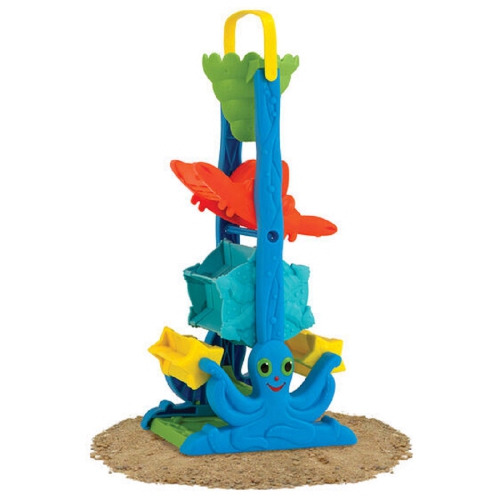 Your price for this item is $39.99
-
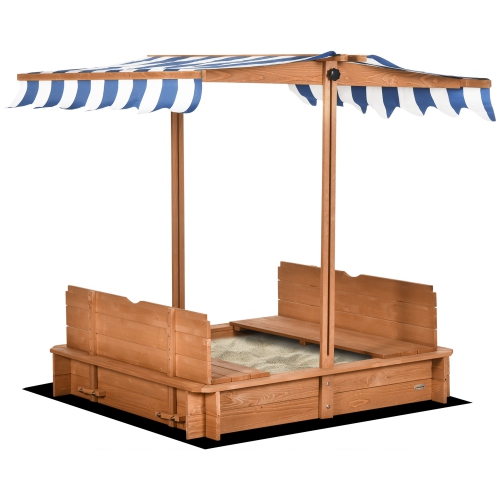 Your price for this item is $124.99
-
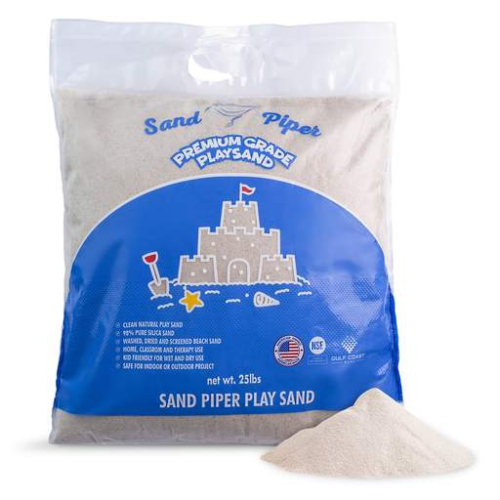 Your price for this item is $80.99
-
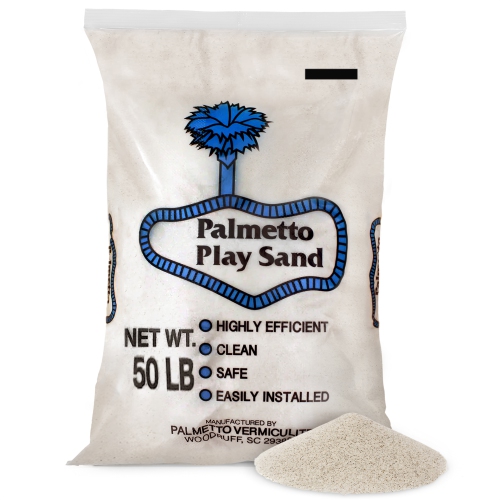 Your price for this item is $109.99
-
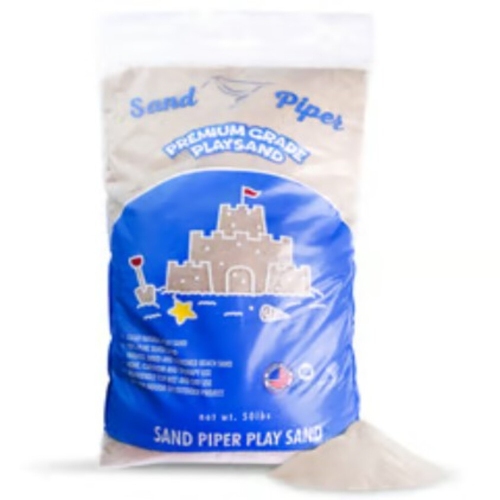 Your price for this item is $111.99
-
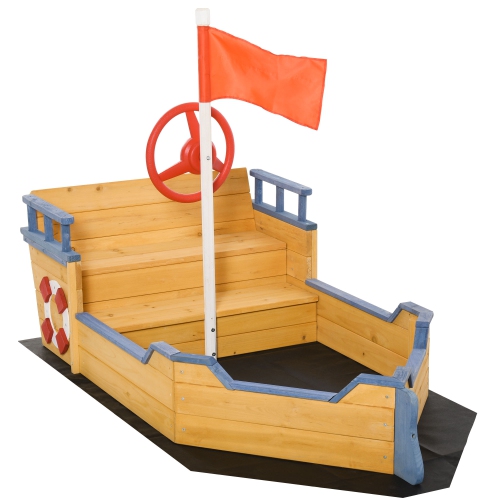 Your price for this item is $119.99
-
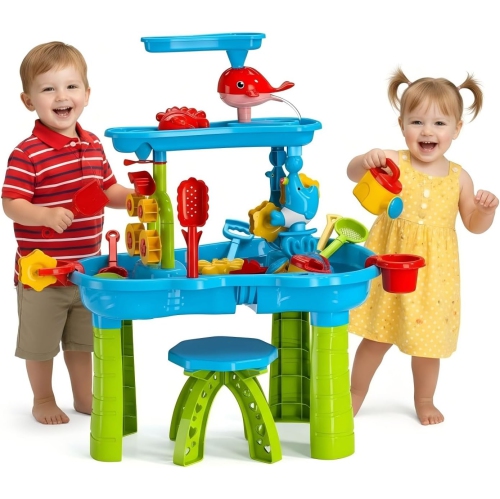 Your price for this item is $114.99
-
 Your price for this item is $134.99
Discover more categories related to Sandbox Covers


Top Collections:
Pokemon Centers, Kindle Devices, Best Budget Office Chairs, Canon G7X Cameras, Apple iPhones 16, Samsung Galaxy Phones, Refurbished Apple Laptops, Laptops for Students, iPhone 15 Apple, Budget Smartphones
Some products may be subject to Environmental Handling Fees
(EHF) depending on your province.
Learn more about EHFs.