Sandboxes With Lid
Transform your backyard into a playtime paradise with a sandbox featuring a convenient lid. Perfect for sparking creativity and endless fun, sandboxes provide a safe and engaging environment for children to explore their imaginations. The addition of a lid ensures that the sand remains clean and protected from the elements, making it easy to maintain and ready for play at any time. Whether you're looking to enhance outdoor play or create a dedicated space for sensory development, a sandbox with a lid is an excellent choice for families seeking both functionality and entertainment in their outdoor spaces. Explore options that fit seamlessly into your backyard while providing hours of joy for your little ones.

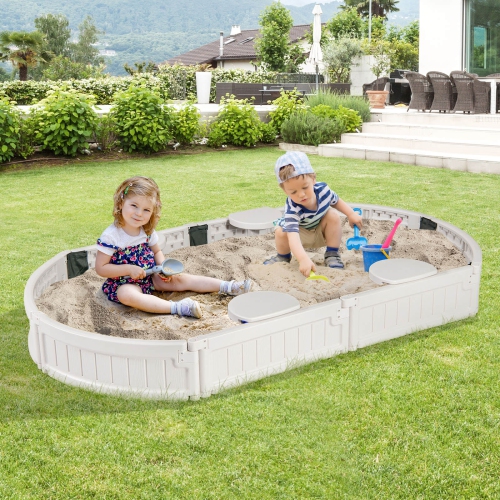
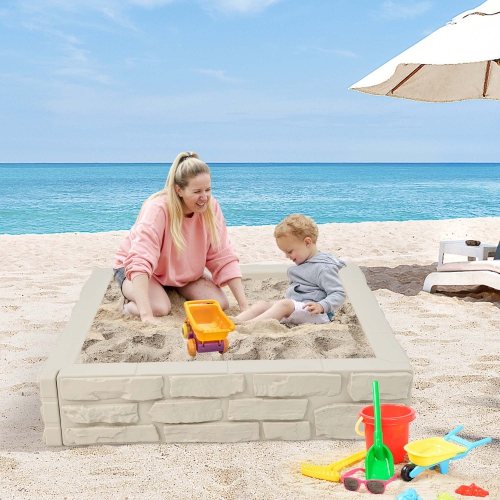


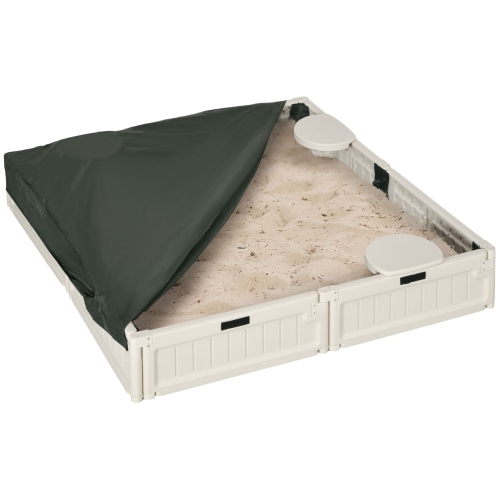
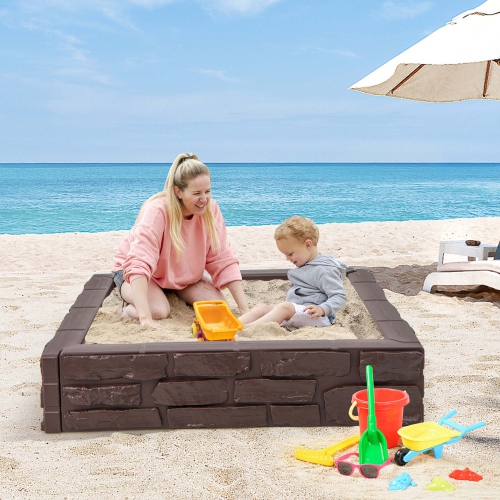
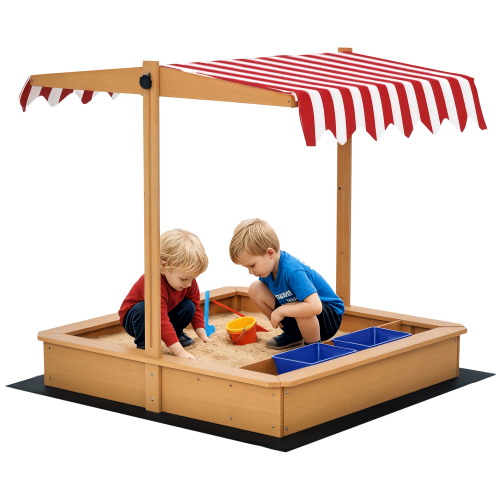
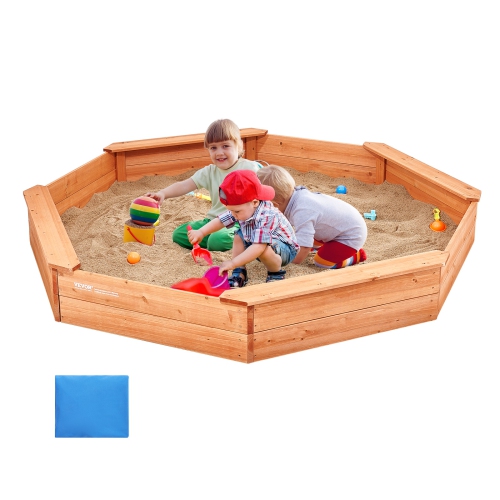
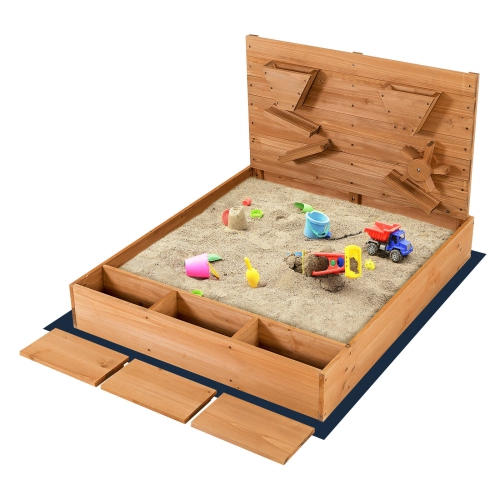
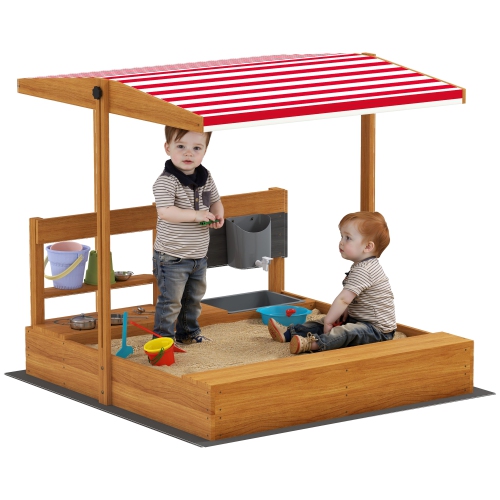
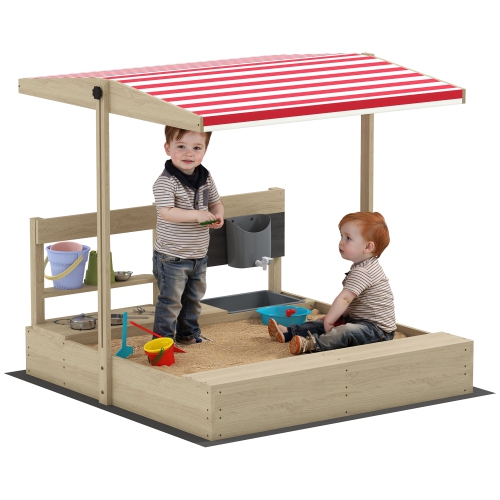
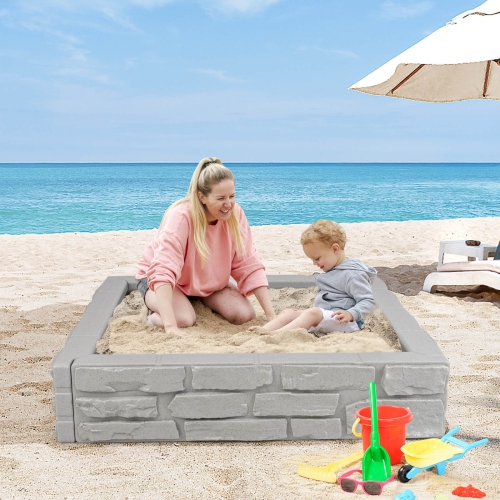
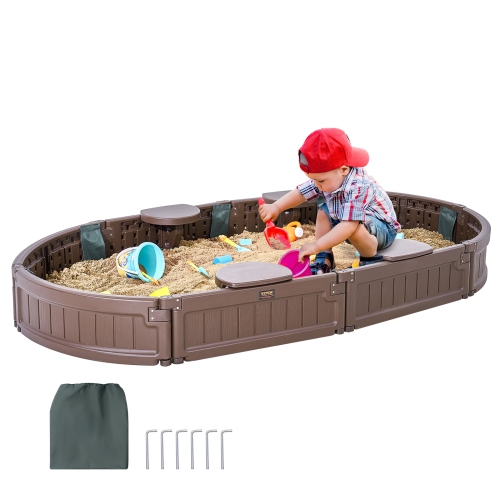
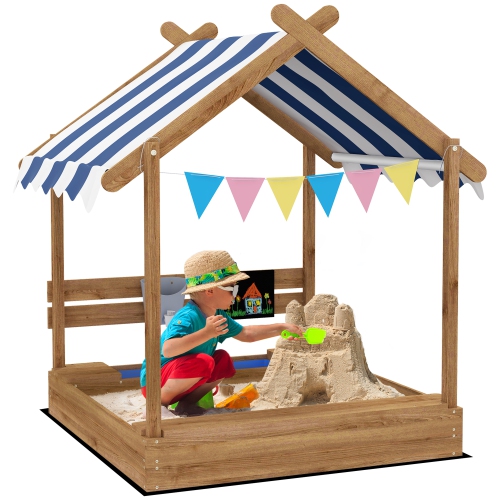
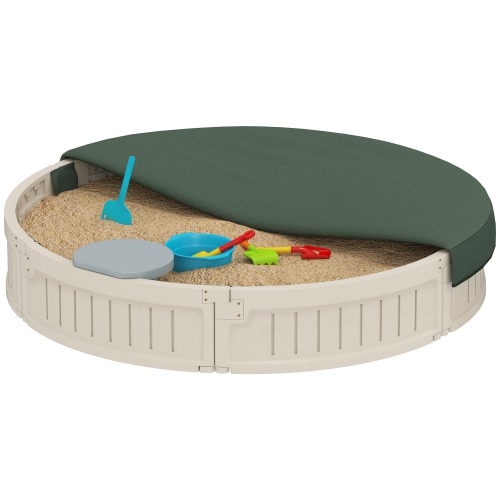
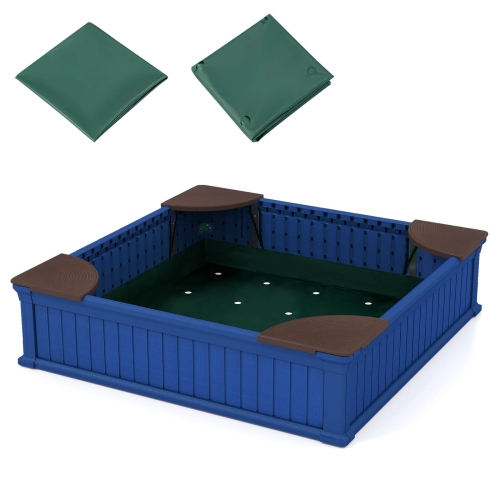
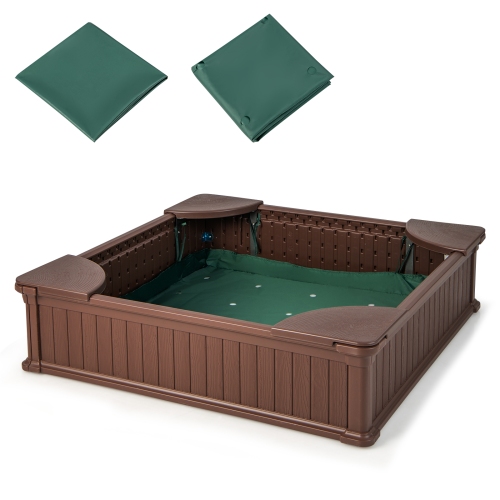
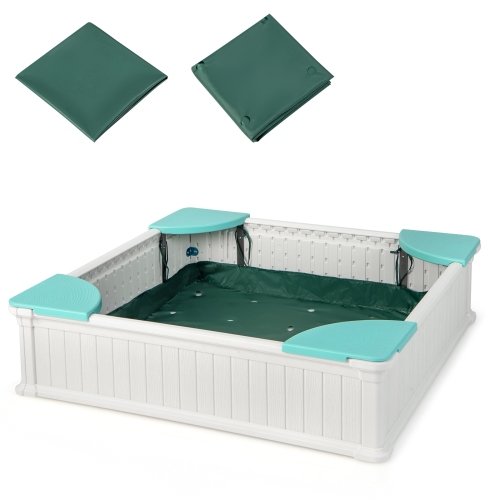
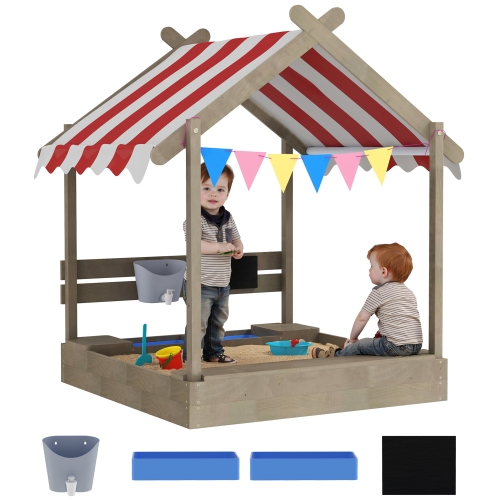
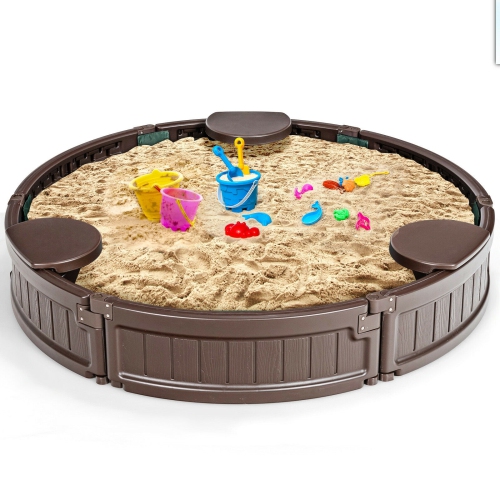
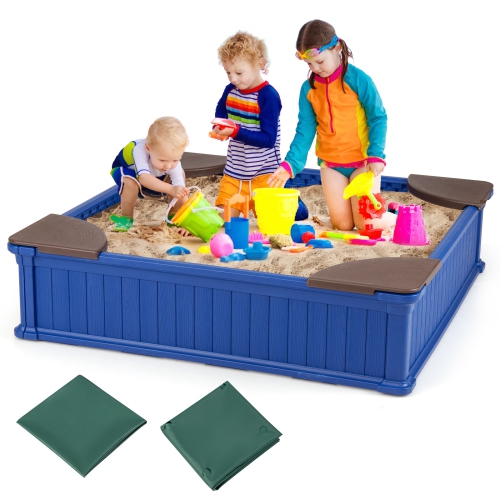
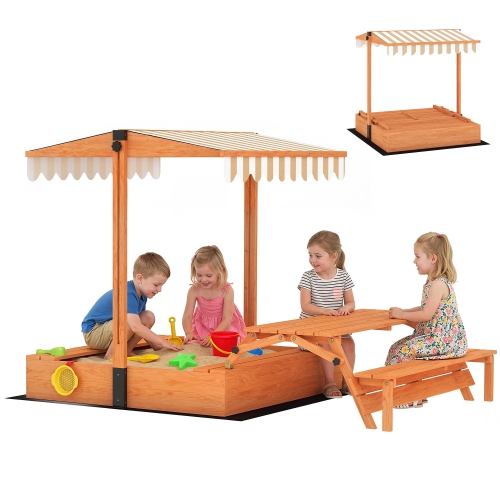
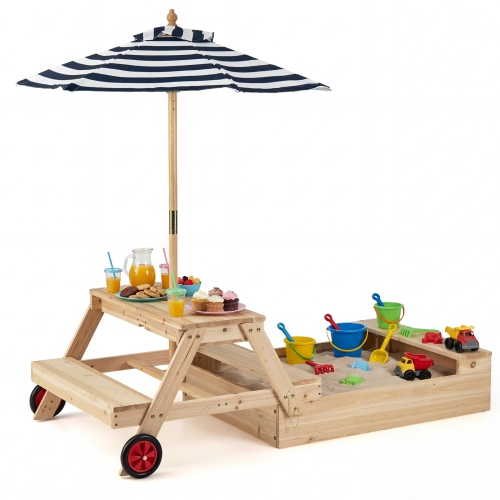
Sandcastle adventures with less debris between play sessions
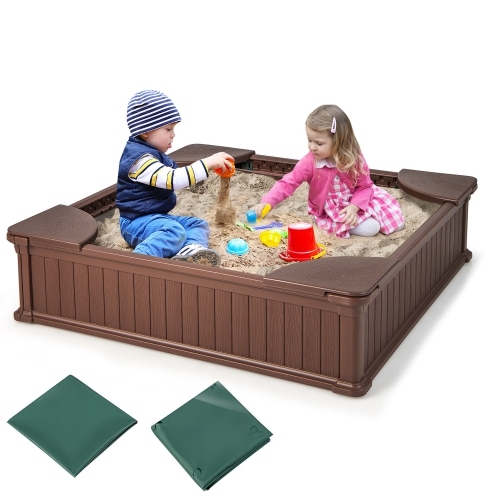
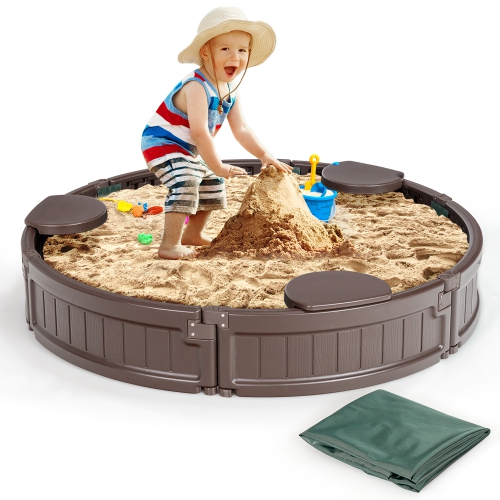
Materials influence how a sandbox feels, how it holds up, and how much care it needs. Moulded plastic sandboxes generally have smooth surfaces that are straightforward to wipe clean, and their shells can be relatively easy to reposition before sand is added. Rounded edges and integrated seats are common design features, although seating capacity and weight limits vary. Plastic intended for outdoor use may offer resistance to fading, but prolonged exposure and rough handling can still affect its appearance and condition. Wooden sandboxes have a more substantial frame and often provide broad edges or bench seating where children can sit while working with the sand. Wood requires periodic checks for splinters, loose fasteners, cracked boards, and wear to its finish. Any treatment or refinishing should follow the manufacturer’s instructions and be suitable for the intended children’s play use. Fabric-sided designs offer another approach, sometimes allowing the empty structure to fold for storage, though seams, supports, and the condition of the base deserve attention. The lid material matters just as much as the sandbox walls. A removable rigid lid needs somewhere clean to rest during play and may require an adult to lift or secure it. Hinged wooden lids can fold into benches on some designs, combining seating and coverage without a separate panel to store. Hinges should move as intended, and children’s fingers need to stay clear of folding sections. Flexible covers may fasten with ties, elastic, or other closures; their fit and attachment points determine how securely they stay in place. Loose cords should remain out of children’s reach. Slatted bench lids can help block larger debris but may still allow water and fine particles through. A waterproof cover material does not necessarily mean the complete sandbox is sealed against rain. Unless a lid is specifically designed and rated as a play or seating surface, it should not be treated as one. This distinction is particularly important where a closed sandbox might look like a low platform to a child.
A sandbox’s stated dimensions tell only part of the story, because the usable sand area may be smaller than the outside footprint. Wide rims, corner seats, and folding benches all take up space, while an opening lid may need clearance beyond the frame. For a family fitting a sandbox beside a patio or along a garden path, that extra room can determine whether adults can comfortably help with play and close the lid afterwards. A level, stable location away from vehicle access, standing water, and other hazards supports everyday use. The intended base also deserves attention: some sandboxes have a solid bottom, while others use an open-bottom frame with a separate liner. A suitable liner can help separate play sand from the ground, but it should match the manufacturer’s drainage requirements rather than trap water underneath. Play sand labelled for children’s sandboxes is the appropriate filling material; construction sand and materials of uncertain cleanliness are not interchangeable substitutes. The amount required depends on the interior dimensions and recommended fill depth, and filling too high can interfere with seating, lid operation, or keeping sand inside the walls. Once filled, even a small sandbox can be very heavy, so choosing its position before adding sand avoids a difficult move later. Routine care includes checking the sand before play, removing debris, keeping food out of the play area, and washing hands afterwards. A lid helps reduce contamination, but it cannot guarantee clean sand, and animal waste requires more than simply picking out the visible material. Contaminated sand should be kept away from children and replaced as needed, with the sandbox cleaned according to its care instructions. Covers also need occasional cleaning, especially along edges and folds where dirt collects. Any pooled water on top should be removed before the cover is lifted so it does not spill into the play area. Buckets, spades, and moulds can be stored separately unless there is enough clearance beneath the lid for them without straining it. With a secure cover, suitable materials, and manageable proportions, a sandbox can support repeated rounds of imaginative play while keeping the everyday tasks of opening, tidying, and closing straightforward.
Top selling and popular products
-
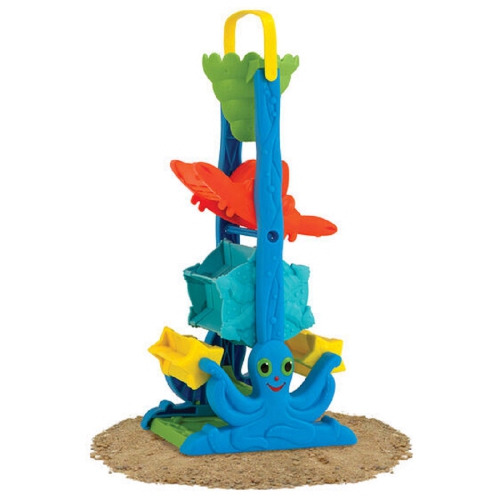 Your price for this item is $39.99
-
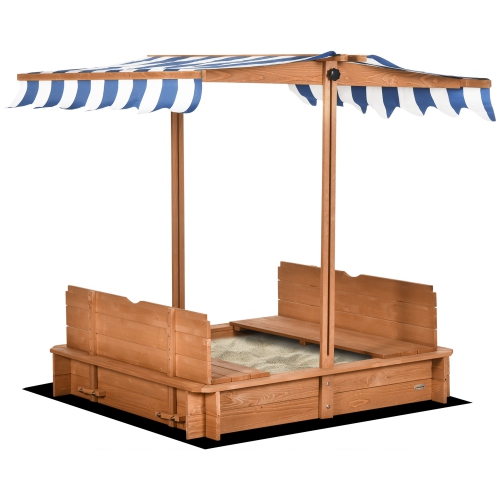 Your price for this item is $124.99
-
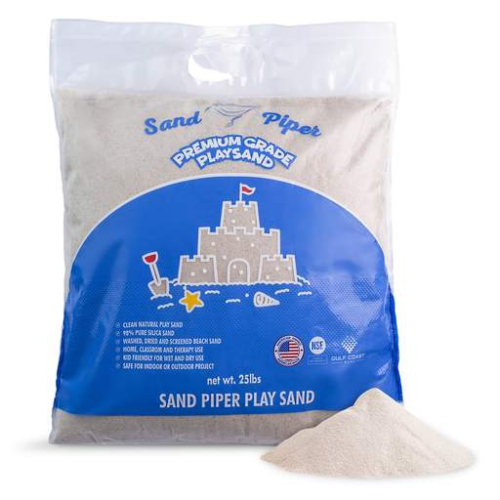 Your price for this item is $80.99
-
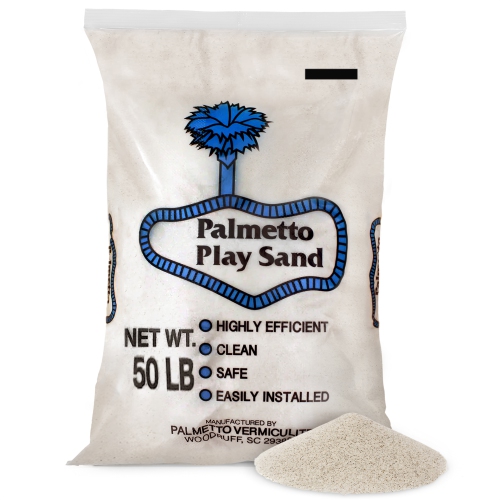 Your price for this item is $109.99
-
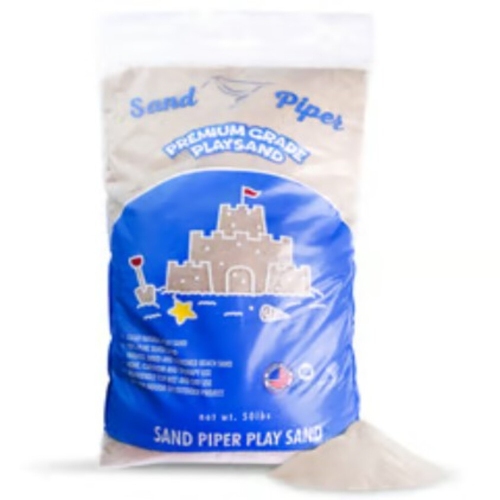 Your price for this item is $111.99
-
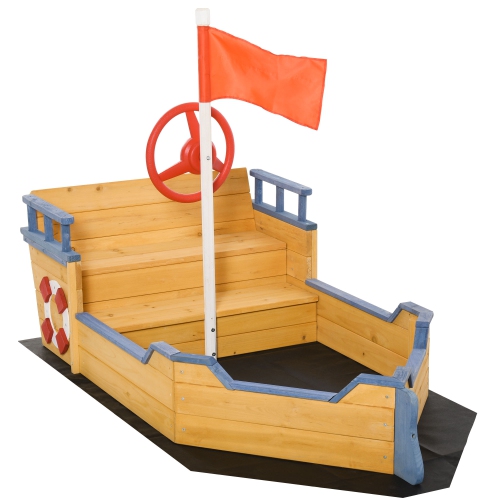 Your price for this item is $119.99
-
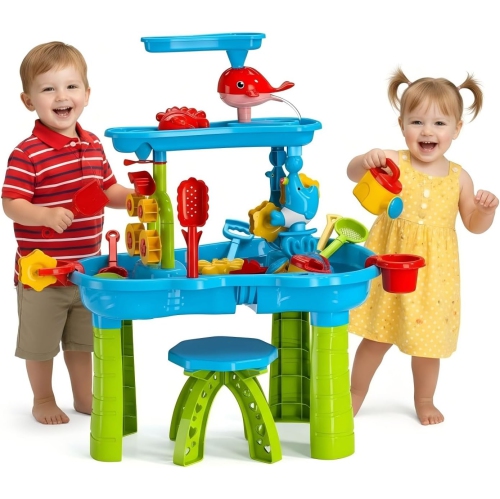 Your price for this item is $114.99
-
 Your price for this item is $134.99