1 144 Scale Gundam Model Kits
Discover the exciting world of 1 144 Scale Gundam Model Kits, perfect for collectors and hobbyists looking to build their own impressive displays. These model kits offer a wide variety of designs and styles, making it easy to find the perfect addition to your collection. Whether you're a seasoned builder or just starting out, 1 144 Scale Gundam Model Kits provide an engaging experience for all skill levels. Explore the latest releases and timeless favorites to bring your favorite mechs to life.
Sort
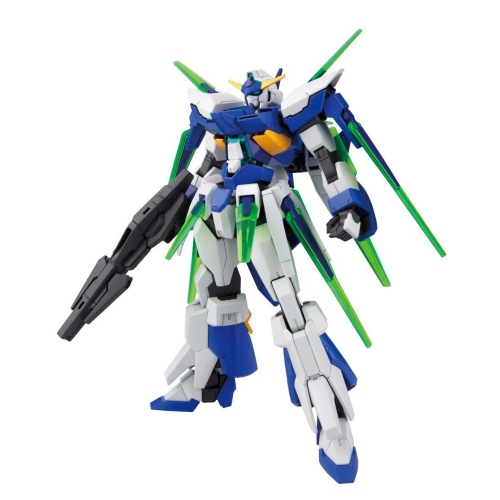
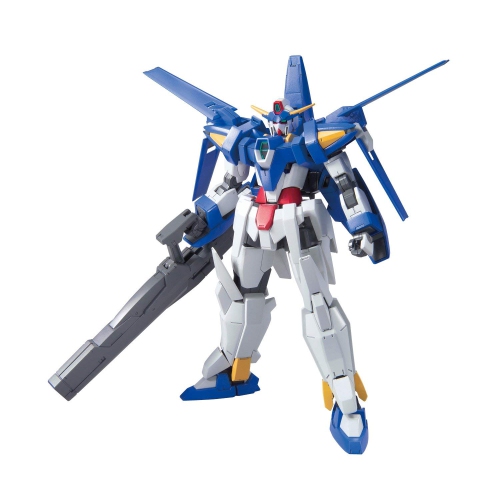
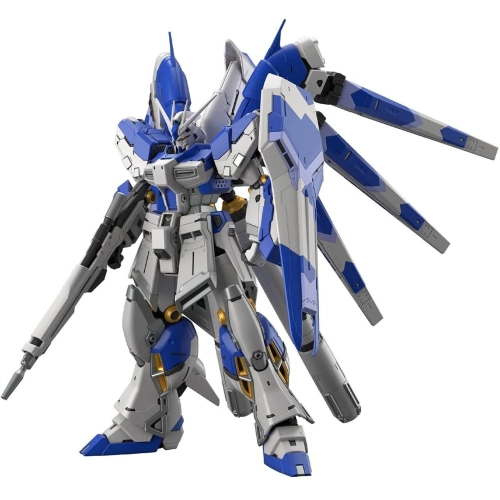
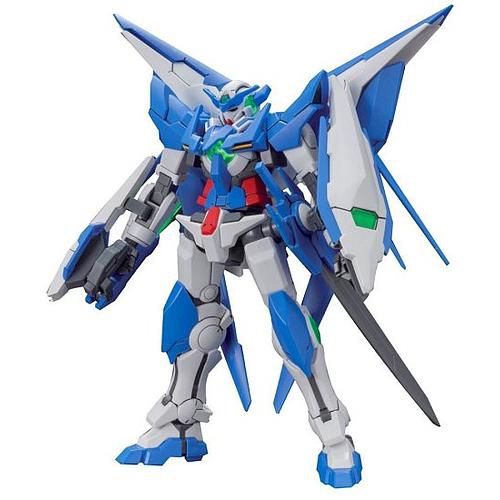
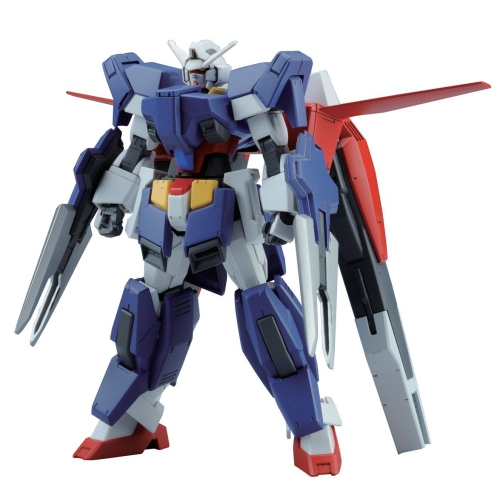
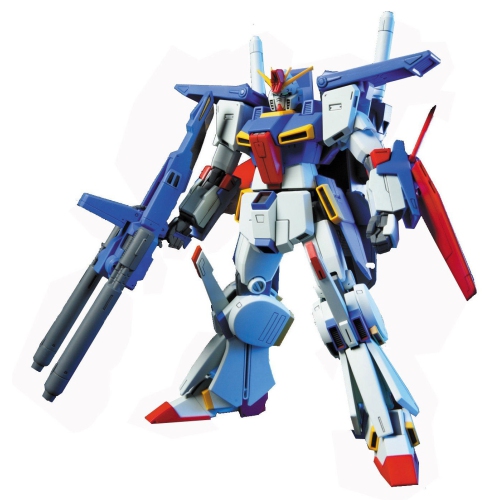
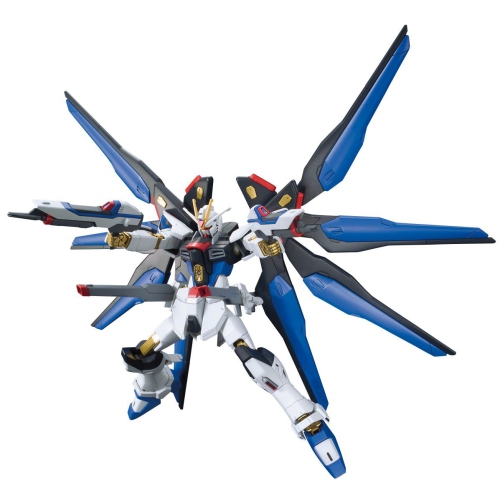
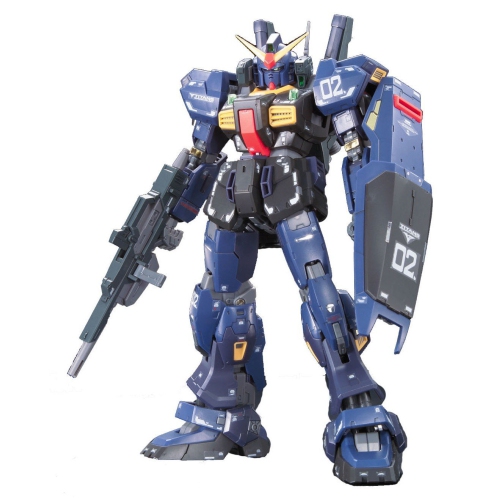
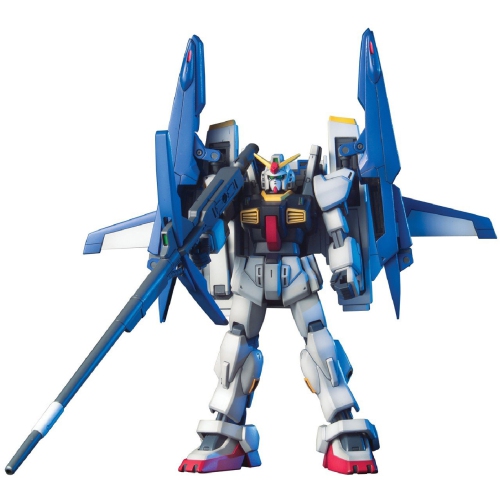
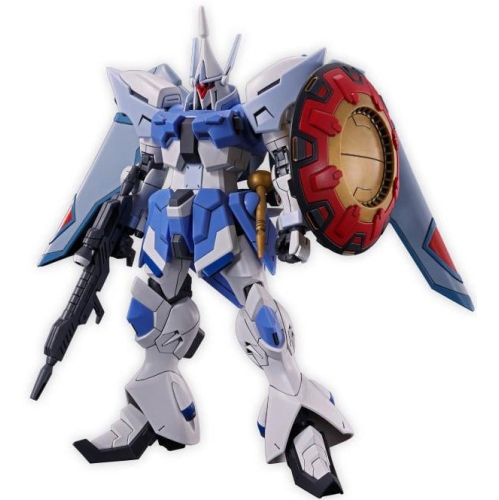
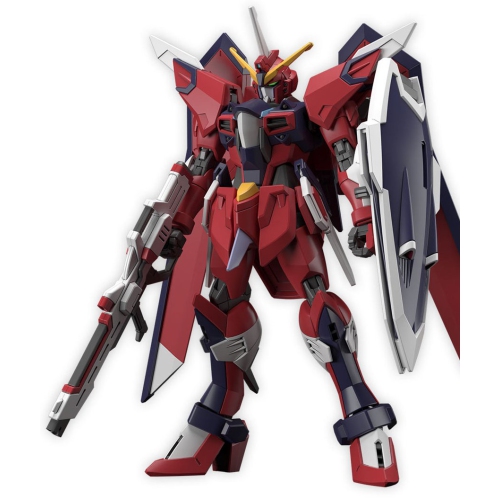
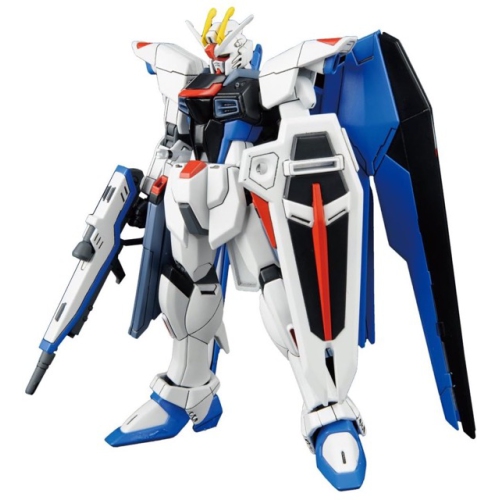
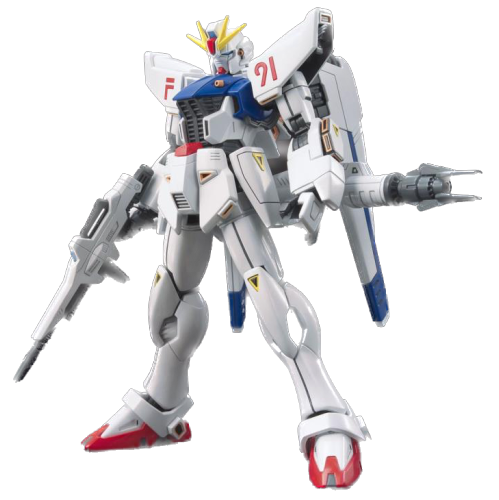

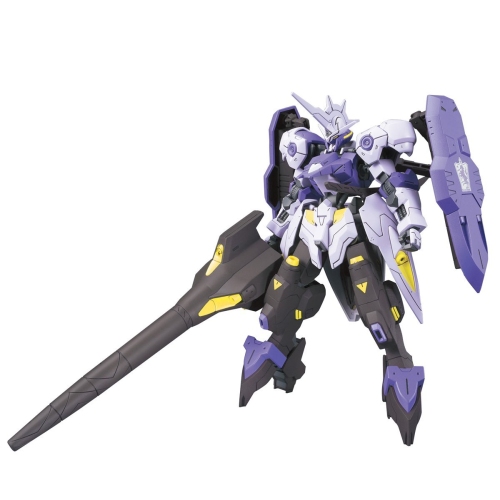
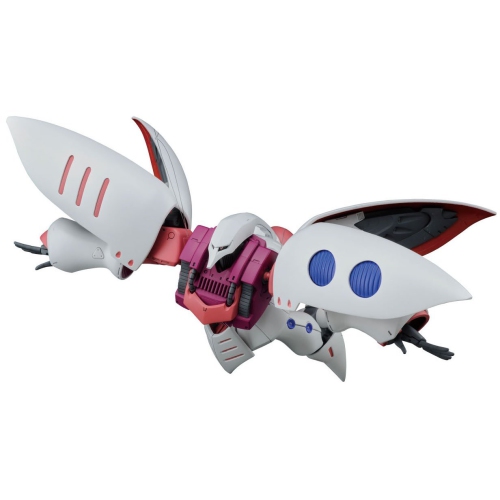
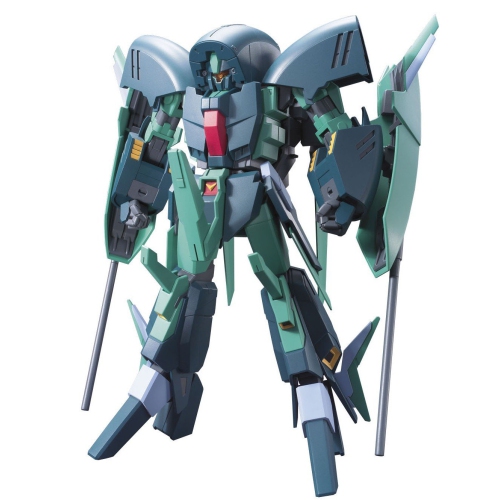
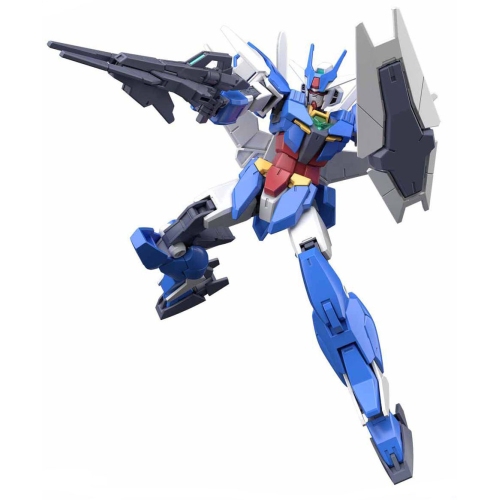
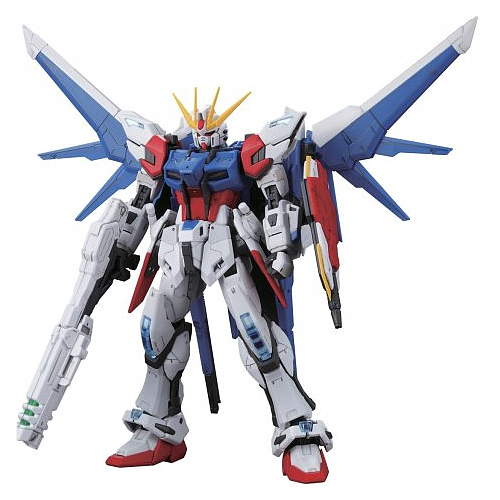
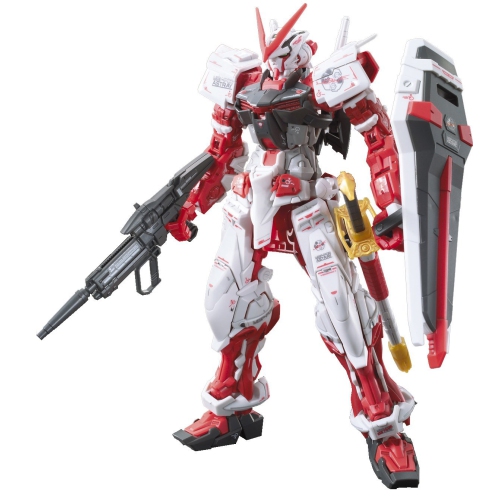
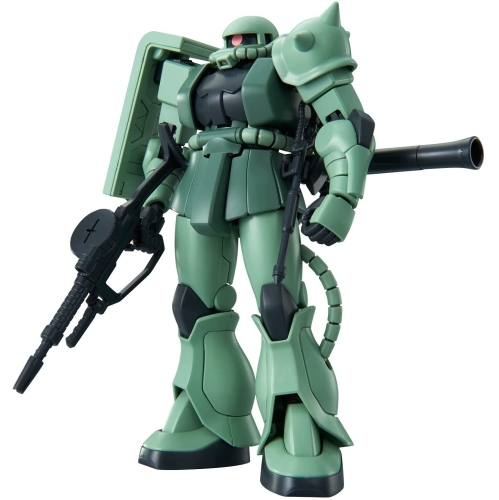
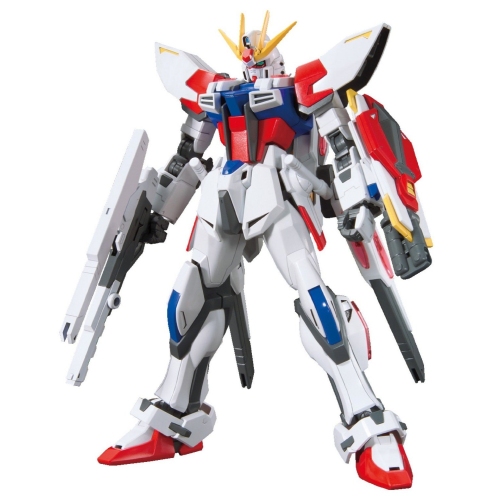
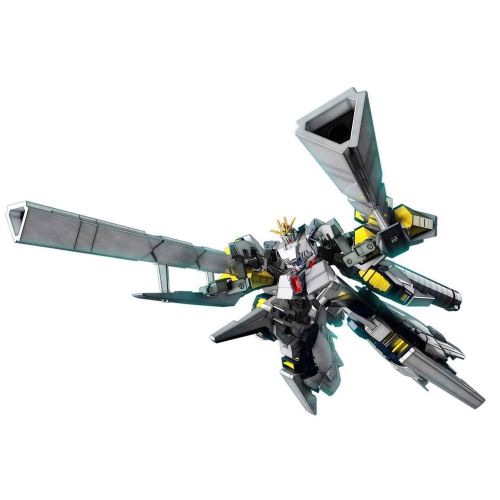
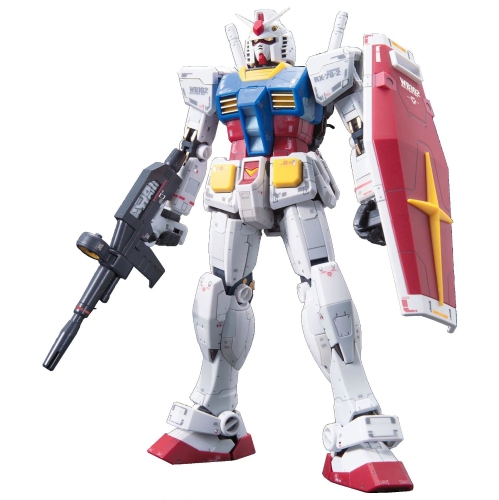
From snap-fit parts to detailed mobile suit displays
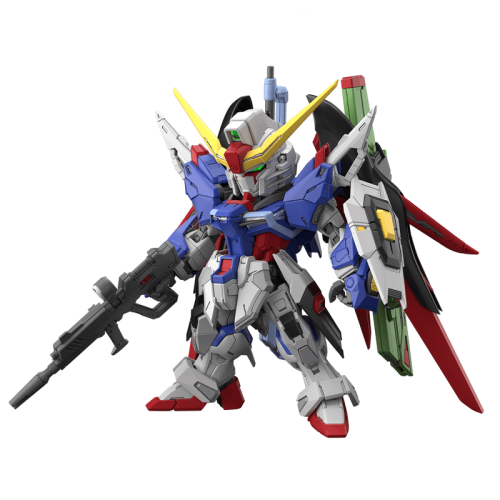
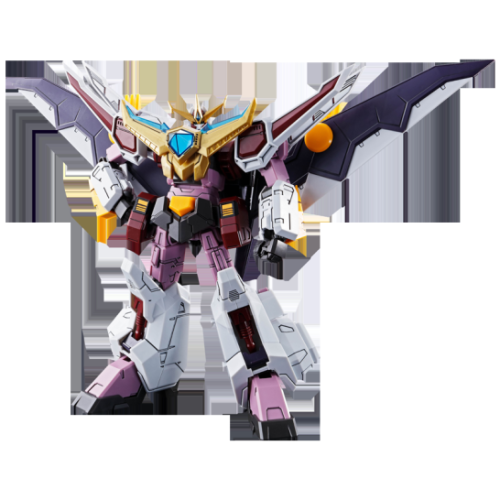
1/144 scale Gundam model kits are miniature plastic construction kits that recreate fictional mobile suits at one hundred and forty-fourth of their imagined full size. Often called Gunpla, these models combine hands-on assembly with the appeal of articulated figures, detailed mechanical shapes, and personal display. A mobile suit described as 18 metres tall would stand approximately 12.5 centimetres high at this scale, although finished dimensions vary with the design, backpack, wings, and accessories. That compact size makes 1/144 scale well suited to a bookshelf, desk display, or collection arranged inside a cabinet. Most modern kits use snap-fit assembly and parts moulded in multiple colours, so glue and paint are generally not needed for the basic build; the package details remain the best reference for individual requirements. Pieces arrive attached to plastic frames called runners, with numbered parts matched to diagrams in the assembly manual. As the torso, head, arms, and legs come together, the model gradually takes on the distinctive silhouette of its on-screen counterpart. The appeal is as much in that building process as in the finished figure: a shoulder assembly that slides neatly into place, a tiny faceplate framed by armour, or a joint that lets the model settle into a convincing stance. Within the broader range of Gundam Models, 1/144 scale offers a compact format for exploring different mobile suit designs without needing the display space of much larger builds. It can suit someone assembling a first model, a fan drawn to a particular story, or an experienced builder interested in painting and fine detailing. The shared scale also helps create a coherent collection, while differences in the fictional machines’ proportions give each finished model its own presence. Scale alone does not determine difficulty, however: two kits of similar height can have very different part counts, joint structures, and assembly demands.
Construction style is an important consideration when choosing between 1/144 scale Gundam model kits. High Grade kits typically emphasize approachable assembly, colour separation, and poseable construction, making them a common starting point for builders who want a detailed result without an especially intricate internal structure. Real Grade kits generally introduce smaller components, more layered assemblies, and finer mechanical detail at the same scale, often requiring greater patience and careful handling. These are broad distinctions rather than guarantees, since engineering and articulation vary between designs and releases. Finished-model photographs can help show how armour sections overlap, how far elbows and knees bend, and whether a large backpack or handheld accessory might affect balance. Most parts are moulded plastic, commonly polystyrene, while some kits use other plastics for joints or structural components. Material markings on the runners and information in the manual matter if paint, adhesive, or detailing products will be used, because compatibility is not universal. For a clean basic build, plastic model nippers offer better control than household scissors when removing pieces from their runners. Leaving a small amount of the attachment point for a separate trimming pass can help limit gouges and pale stress marks on visible armour. A fine sanding tool can smooth remaining marks, though sanding may change the sheen of an unpainted surface. Part fit should feel deliberate rather than forced: if two halves resist joining, a misplaced connector, an untrimmed attachment point, or a reversed component may be the cause. Checking the diagram before pressing harder helps protect small pegs and narrow edges. A shallow tray provides a practical place for tiny parts, while keeping runners organized by their letter labels makes assembly easier to follow. Builders with limited hand dexterity or difficulty seeing very small components may prefer simpler construction, clear lighting, and a work surface with strong contrast. For children, the stated age rating and adult supervision are important considerations, particularly when cutting tools and small parts are involved.
Once assembled, a 1/144 scale Gundam model is generally best treated as a display model that can be repositioned carefully, rather than as a toy intended for rough play. Durability depends on the design, the thickness of individual components, and how the joints are handled. Thin antennae, projecting armour, and small accessory connectors deserve particular care. Supporting a limb close to its joint while adjusting a pose puts less strain on neighbouring parts than pulling from the hand or foot. A balanced standing pose may work well on a level shelf, while aerial poses or top-heavy configurations may benefit from a compatible display stand. Stand connections differ, and an adapter or base is not necessarily included, so the kit’s listed contents and mounting details are worth checking. Extra hands, weapons, and unused components can be kept in a labelled container alongside the manual for later adjustments. Routine care is straightforward: a soft brush can lift dust from panel lines and narrow gaps, and a covered display case can reduce how often the model needs handling. Prolonged direct sunlight may affect plastic colours, while harsh cleaners can damage surfaces or applied finishes. Any painted or marked areas should be cleaned according to the finishing material’s care directions. For builders who enjoy customization, panel lining can emphasize recessed mechanical details, and carefully applied markings can add visual depth without changing the overall colour scheme. Stickers and waterslide decals require different application methods, so identifying the included marking type helps prevent frustration. These kits also make thoughtful gifts for people who enjoy miniature construction, science-fiction design, or focused creative projects. A simpler build may be a better match for someone new to the hobby, while a more intricate kit can appeal to a recipient who already enjoys working with small assemblies. The most satisfying choice balances the mobile suit’s appearance with the builder’s comfort level, preferred amount of detail, and intended display space. Whether left in its moulded colours or finished with careful painting, a completed model brings together the character of the original design and the individual attention given to its assembly.
Construction style is an important consideration when choosing between 1/144 scale Gundam model kits. High Grade kits typically emphasize approachable assembly, colour separation, and poseable construction, making them a common starting point for builders who want a detailed result without an especially intricate internal structure. Real Grade kits generally introduce smaller components, more layered assemblies, and finer mechanical detail at the same scale, often requiring greater patience and careful handling. These are broad distinctions rather than guarantees, since engineering and articulation vary between designs and releases. Finished-model photographs can help show how armour sections overlap, how far elbows and knees bend, and whether a large backpack or handheld accessory might affect balance. Most parts are moulded plastic, commonly polystyrene, while some kits use other plastics for joints or structural components. Material markings on the runners and information in the manual matter if paint, adhesive, or detailing products will be used, because compatibility is not universal. For a clean basic build, plastic model nippers offer better control than household scissors when removing pieces from their runners. Leaving a small amount of the attachment point for a separate trimming pass can help limit gouges and pale stress marks on visible armour. A fine sanding tool can smooth remaining marks, though sanding may change the sheen of an unpainted surface. Part fit should feel deliberate rather than forced: if two halves resist joining, a misplaced connector, an untrimmed attachment point, or a reversed component may be the cause. Checking the diagram before pressing harder helps protect small pegs and narrow edges. A shallow tray provides a practical place for tiny parts, while keeping runners organized by their letter labels makes assembly easier to follow. Builders with limited hand dexterity or difficulty seeing very small components may prefer simpler construction, clear lighting, and a work surface with strong contrast. For children, the stated age rating and adult supervision are important considerations, particularly when cutting tools and small parts are involved.
Once assembled, a 1/144 scale Gundam model is generally best treated as a display model that can be repositioned carefully, rather than as a toy intended for rough play. Durability depends on the design, the thickness of individual components, and how the joints are handled. Thin antennae, projecting armour, and small accessory connectors deserve particular care. Supporting a limb close to its joint while adjusting a pose puts less strain on neighbouring parts than pulling from the hand or foot. A balanced standing pose may work well on a level shelf, while aerial poses or top-heavy configurations may benefit from a compatible display stand. Stand connections differ, and an adapter or base is not necessarily included, so the kit’s listed contents and mounting details are worth checking. Extra hands, weapons, and unused components can be kept in a labelled container alongside the manual for later adjustments. Routine care is straightforward: a soft brush can lift dust from panel lines and narrow gaps, and a covered display case can reduce how often the model needs handling. Prolonged direct sunlight may affect plastic colours, while harsh cleaners can damage surfaces or applied finishes. Any painted or marked areas should be cleaned according to the finishing material’s care directions. For builders who enjoy customization, panel lining can emphasize recessed mechanical details, and carefully applied markings can add visual depth without changing the overall colour scheme. Stickers and waterslide decals require different application methods, so identifying the included marking type helps prevent frustration. These kits also make thoughtful gifts for people who enjoy miniature construction, science-fiction design, or focused creative projects. A simpler build may be a better match for someone new to the hobby, while a more intricate kit can appeal to a recipient who already enjoys working with small assemblies. The most satisfying choice balances the mobile suit’s appearance with the builder’s comfort level, preferred amount of detail, and intended display space. Whether left in its moulded colours or finished with careful painting, a completed model brings together the character of the original design and the individual attention given to its assembly.
Top selling and popular products
-
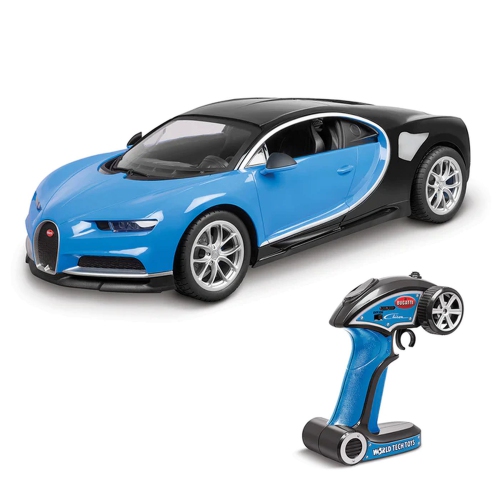 Your price for this item is $119.99
 -
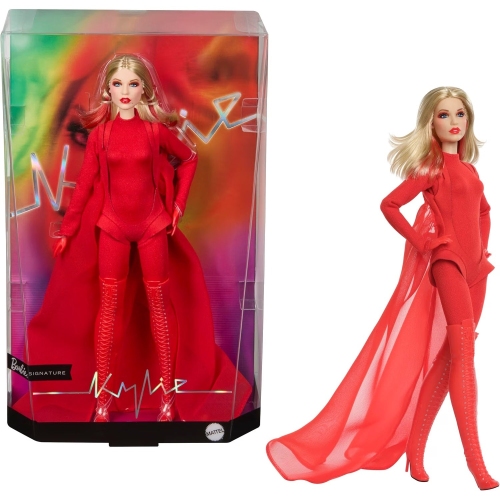 Your price for this item is $103.49
 -
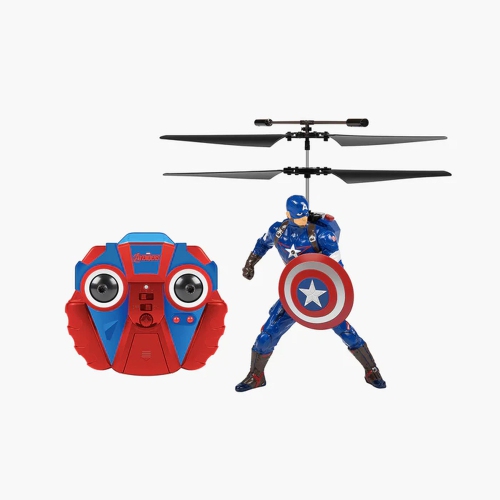 Your price for this item is $59.99
 -
 Your price for this item is $6
 -
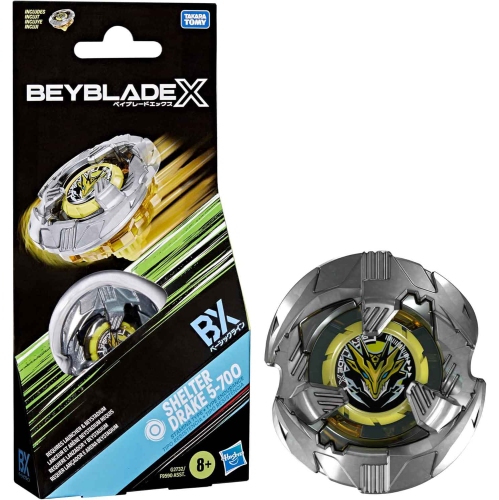 Your price for this item is $13.79
 -
 Your price for this item is $16
 -
 Your price for this item is $69.99
 -
 Your price for this item is $38.21
Discover more categories related to 1 144 Scale Gundam Model Kits
Top Collections:
Pokemon Centers, Kindle Devices, Best Budget Office Chairs, Apple iPhones 16, Best Laptops for Writers, iPhone 15 Apple, Canon G7X Cameras, Refurbished Apple Laptops, Alarm Clock, Motorola Razr Phones
Some products may be subject to Environmental Handling Fees
(EHF) depending on your province.
Learn more about EHFs.