Plastic Gundam Model Kits
Plastic Gundam Model Kits offer an exciting way to bring your favorite mecha designs to life. Perfect for hobbyists and collectors alike, these kits provide endless opportunities for creativity and customization. Whether you’re a seasoned builder or just starting out, you’ll find a wide selection of Plastic Gundam Model Kits to suit every skill level and style. Dive into the world of model building and enjoy hours of engaging, hands-on fun.
Sort
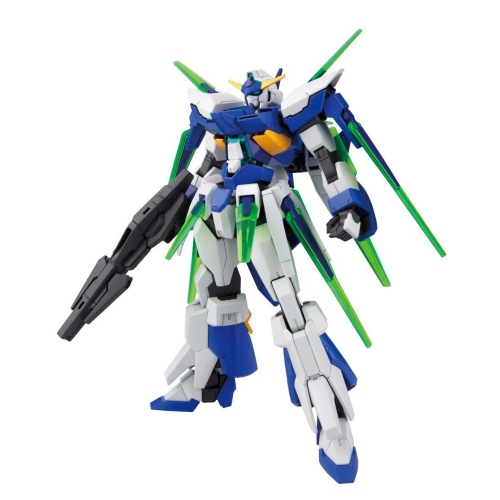
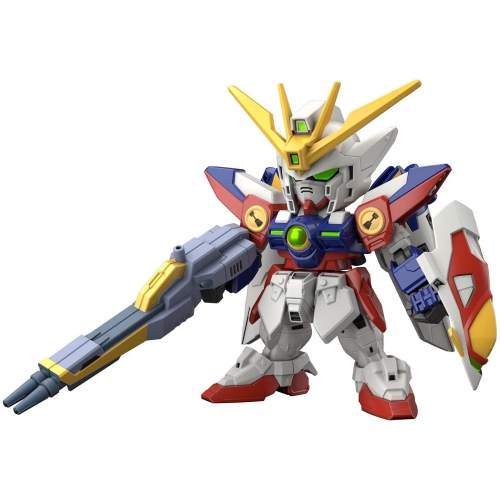
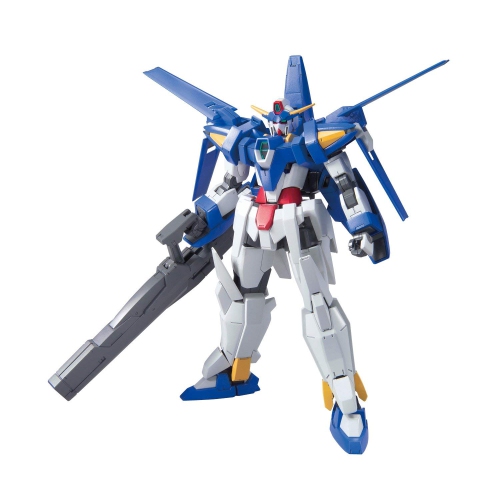

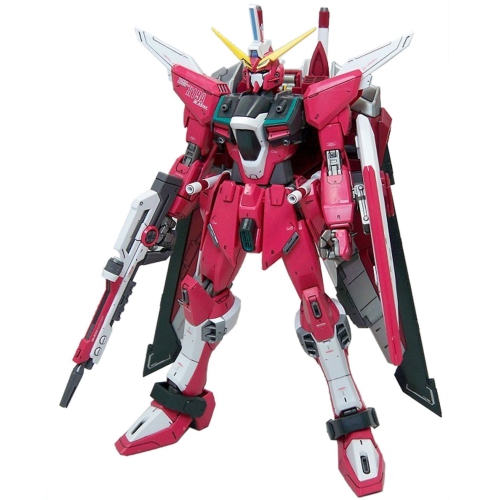
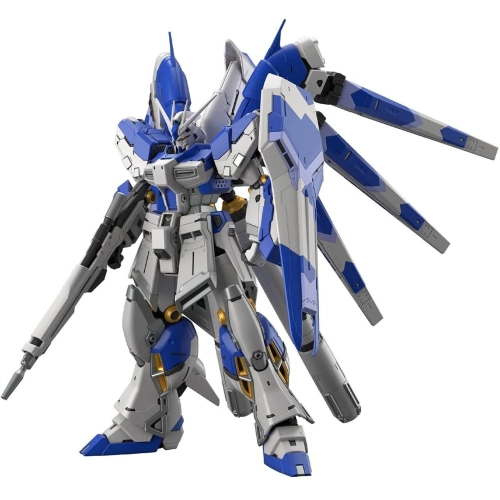
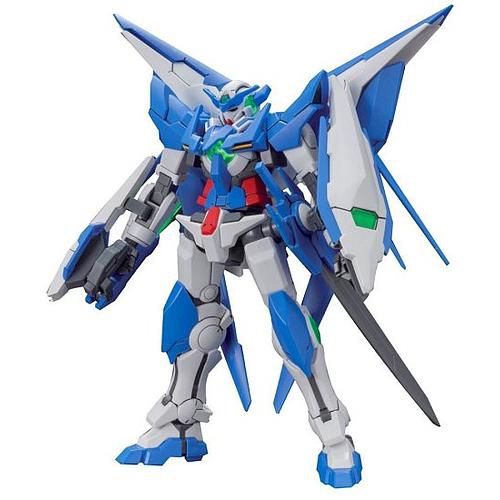
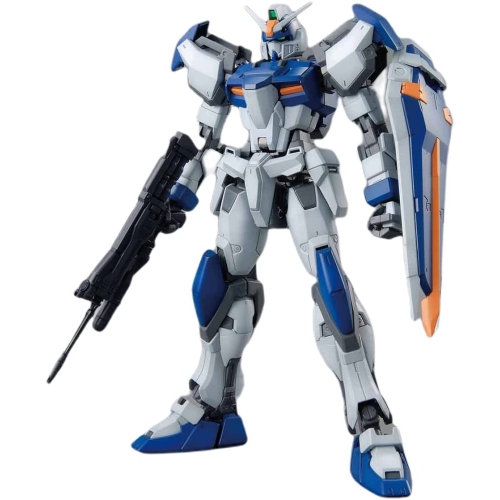
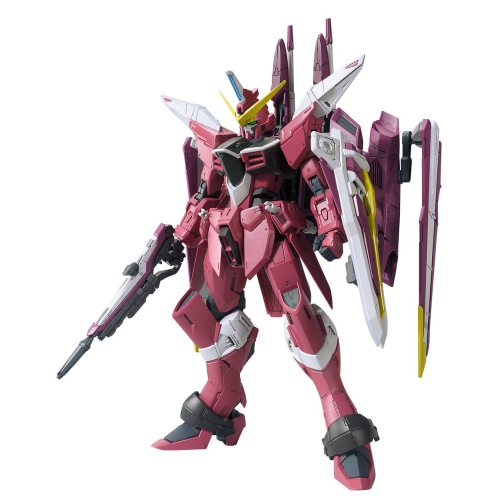

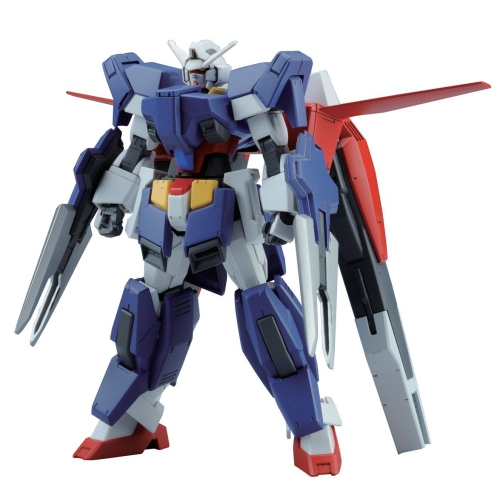
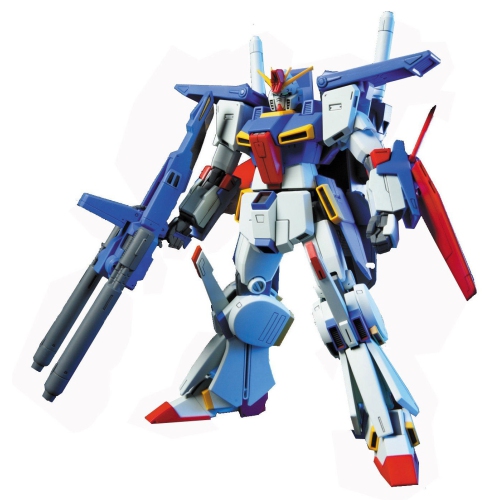
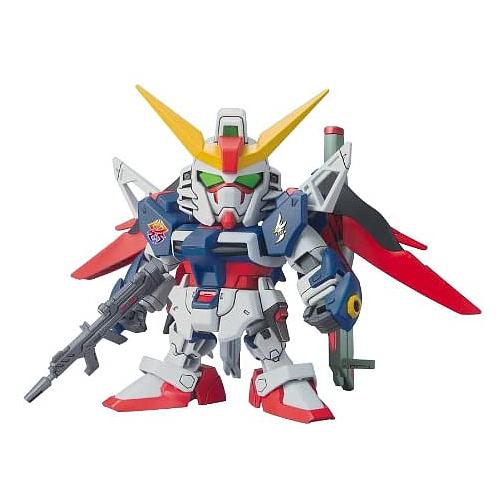

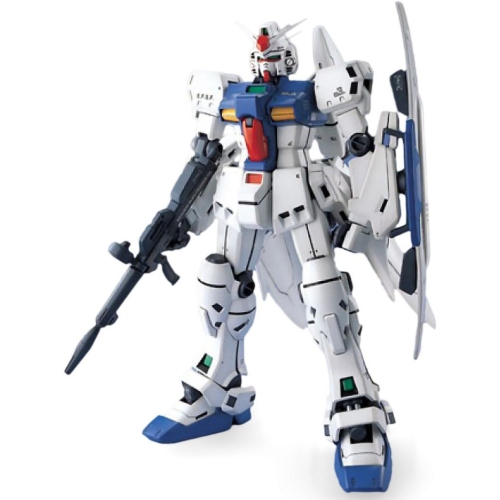
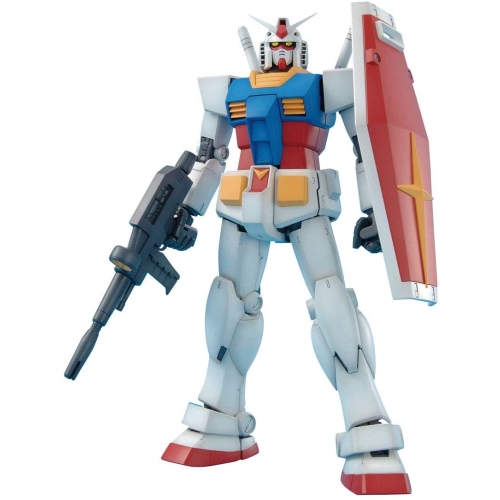
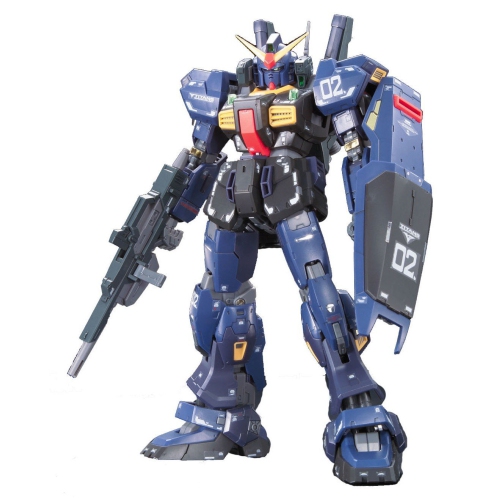
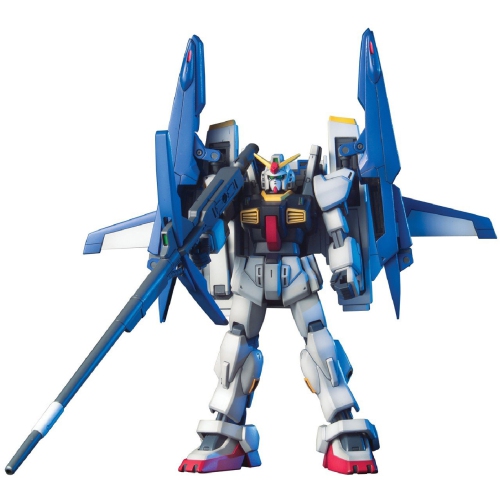
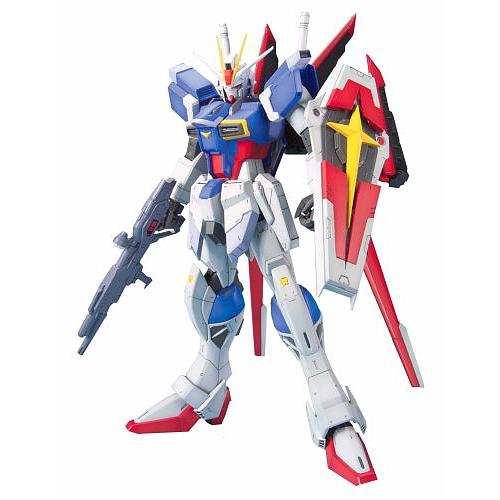

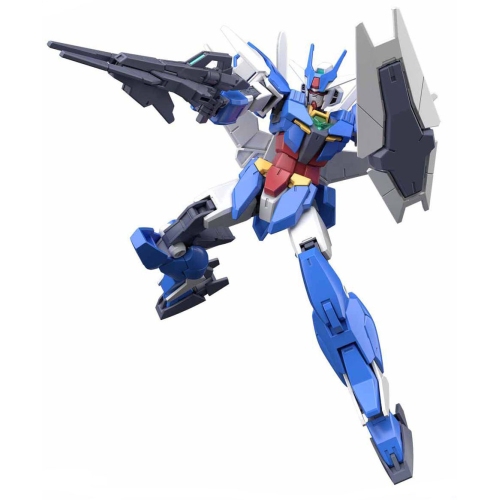
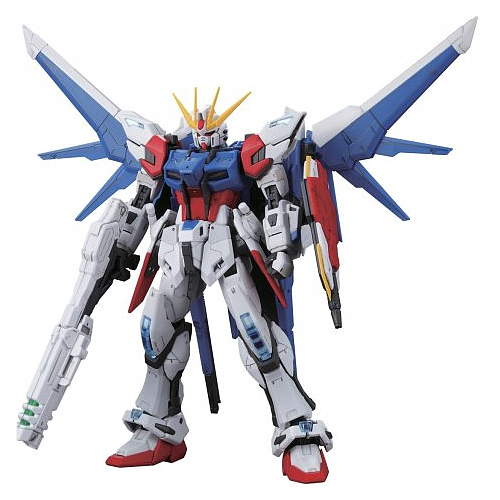
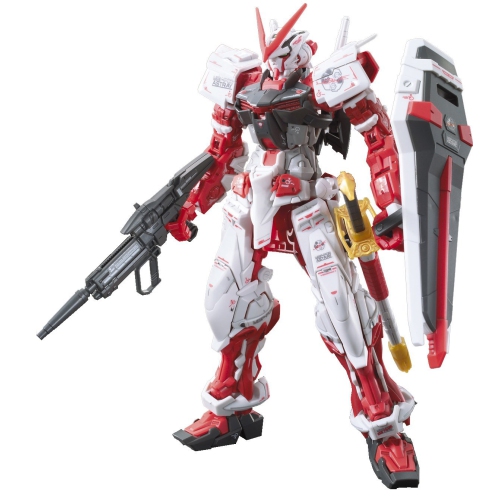
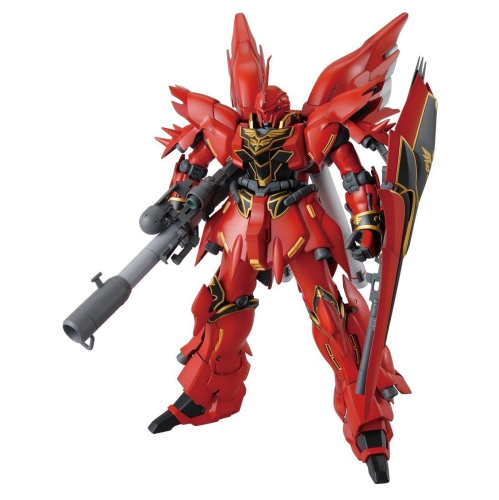
From snap-fit parts to a pose worth displaying
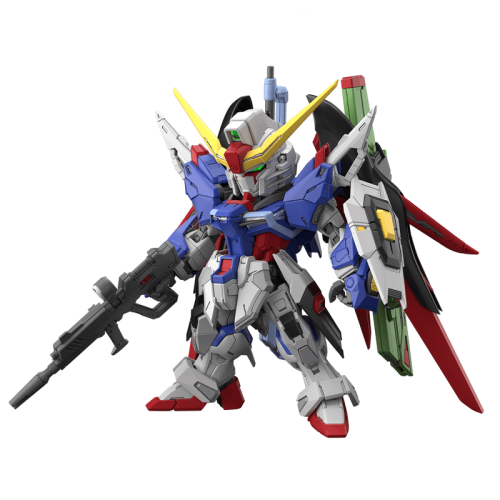
Plastic Gundam model kits are buildable robot models based on the mobile suits of the Gundam animated franchise. Often called Gunpla, they combine moulded plastic components, mechanical detailing, and articulated joints to create miniature figures intended for assembly, posing, and display. Most modern kits use snap-fit construction and colour-separated parts, so glue and paint are generally unnecessary for a standard build, though assembly requirements vary by kit. The pieces arrive attached to plastic frames called runners, with instructions showing how individual parts form the torso, head, limbs, weapons, and other accessories. Part of their appeal is seeing a collection of small shapes turn into a recognisable machine: layered shoulder armour, a sharply outlined face, or a shield that sits neatly against an articulated arm. The broader selection of Gundam Models provides context for collectors exploring different sizes, silhouettes, and levels of construction detail. Some builders enjoy a straightforward assembly that shows off the original moulded colours, while others treat the plastic surfaces as a starting point for panel lining, painting, and weathered finishes. Common materials include polystyrene for many exterior components, with other plastics sometimes used for structural parts or flexible joints. Material markings matter when adding paint or detailing supplies, since not every thinner, adhesive, or coating is compatible with every plastic. These kits suit animation fans, miniature enthusiasts, and people who enjoy careful, hands-on projects with a tangible result. Familiarity with the story is not essential; the engineering and visual character can be just as appealing as the fictional background. During the cooler months, a model can become a relaxed indoor project spread across several sessions, with a completed limb or backpack marking a satisfying stopping point. Unlike a finished action figure, the experience includes the construction itself, from matching parts to the instructions to finding a balanced pose for the assembled model.
Size and construction complexity are two of the most useful distinctions within plastic Gundam model kits. Scale describes the model’s size relative to its fictional full-size counterpart, rather than its difficulty: a 1/144 scale model is smaller than a 1/100 scale version of the same design. Actual finished height varies with the mobile suit, and large wings, weapons, or backpacks can take up considerably more shelf space than the body alone. Grades describe different approaches to detail and assembly, although engineering and features can vary between releases within a grade. Entry Grade kits typically favour accessible construction and a manageable number of parts, with many designs allowing pieces to be removed without cutting tools. High Grade kits commonly use 1/144 scale and offer a broad range of designs with articulated limbs and separate accessories. Real Grade kits also generally use 1/144 scale, combining a compact footprint with intricate colour separation, layered construction, and internal frame detailing. Master Grade kits are generally 1/100 scale, offering larger components and room for more extensive inner structures; opening panels and other mechanisms depend on the design. Perfect Grade kits are generally 1/60 scale and involve substantial assemblies with elaborate internal detail, while lighting compatibility is specific to the kit rather than a universal feature. A larger model is not automatically easier to build, and a small model can contain very fine pieces that require patience and precise handling. For a first project, clear assembly, fewer runners, and sturdy proportions may be more comfortable than a dense arrangement of tiny armour sections. Experienced builders may prefer a longer build with visible frame elements or numerous points of articulation. Display plans matter just as much as construction preferences: a standing pose may fit a narrow bookcase, while a spread-wing or airborne pose needs extra clearance and possibly a compatible support stand. Stands, connection adapters, and optional accessories are not always included, making package contents and dimensions useful details when comparing kits.
The fit and finish of a plastic model depend partly on its design and partly on how cleanly the components are prepared. For kits that require cutting tools, hobby nippers help separate pieces from their runners without the twisting force that can damage an edge or leave a pale stress mark. Small attachment remnants, often called nubs, can affect how closely two armour panels sit together; careful trimming or light sanding can improve the seam without changing the intended shape. Snap-fit parts should meet in the orientation shown in the instructions, rather than needing excessive pressure. A joint that resists movement may have a limited range or an interfering armour piece, so forcing a dramatic pose can put unnecessary strain on a peg or hinge. Although many assembled kits are highly articulated, they are generally better suited to deliberate posing and display than rough play. Thin antennae, projecting fins, and small hand-held accessories need particular care during handling. Dust can be lifted with a soft brush, while prolonged direct sunlight and excessive heat are best avoided to help protect the plastic and any applied finishes. Painted surfaces, stickers, and water-slide decals may need gentler cleaning than bare moulded parts. Optional panel lining brings out recessed mechanical features, and compatible clear finishes can change the surface sheen, but neither is essential to enjoying a completed model. Any finishing supplies should match the plastic and be used according to their safety directions, including ventilation requirements. A tray for loose parts and storage for spare hands or accessories also make it easier to keep a project together between sessions. As gifts, these kits can suit teenagers and adults who enjoy puzzles, construction hobbies, or character collectibles, provided the age rating and complexity match the recipient. Small parts and sharp assembly tools call for appropriate supervision where younger builders are involved. A manageable kit can offer an approachable introduction to the hobby, while an intricate build gives a patient collector more time to appreciate the layered construction before the finished model takes its place on a shelf.
Size and construction complexity are two of the most useful distinctions within plastic Gundam model kits. Scale describes the model’s size relative to its fictional full-size counterpart, rather than its difficulty: a 1/144 scale model is smaller than a 1/100 scale version of the same design. Actual finished height varies with the mobile suit, and large wings, weapons, or backpacks can take up considerably more shelf space than the body alone. Grades describe different approaches to detail and assembly, although engineering and features can vary between releases within a grade. Entry Grade kits typically favour accessible construction and a manageable number of parts, with many designs allowing pieces to be removed without cutting tools. High Grade kits commonly use 1/144 scale and offer a broad range of designs with articulated limbs and separate accessories. Real Grade kits also generally use 1/144 scale, combining a compact footprint with intricate colour separation, layered construction, and internal frame detailing. Master Grade kits are generally 1/100 scale, offering larger components and room for more extensive inner structures; opening panels and other mechanisms depend on the design. Perfect Grade kits are generally 1/60 scale and involve substantial assemblies with elaborate internal detail, while lighting compatibility is specific to the kit rather than a universal feature. A larger model is not automatically easier to build, and a small model can contain very fine pieces that require patience and precise handling. For a first project, clear assembly, fewer runners, and sturdy proportions may be more comfortable than a dense arrangement of tiny armour sections. Experienced builders may prefer a longer build with visible frame elements or numerous points of articulation. Display plans matter just as much as construction preferences: a standing pose may fit a narrow bookcase, while a spread-wing or airborne pose needs extra clearance and possibly a compatible support stand. Stands, connection adapters, and optional accessories are not always included, making package contents and dimensions useful details when comparing kits.
The fit and finish of a plastic model depend partly on its design and partly on how cleanly the components are prepared. For kits that require cutting tools, hobby nippers help separate pieces from their runners without the twisting force that can damage an edge or leave a pale stress mark. Small attachment remnants, often called nubs, can affect how closely two armour panels sit together; careful trimming or light sanding can improve the seam without changing the intended shape. Snap-fit parts should meet in the orientation shown in the instructions, rather than needing excessive pressure. A joint that resists movement may have a limited range or an interfering armour piece, so forcing a dramatic pose can put unnecessary strain on a peg or hinge. Although many assembled kits are highly articulated, they are generally better suited to deliberate posing and display than rough play. Thin antennae, projecting fins, and small hand-held accessories need particular care during handling. Dust can be lifted with a soft brush, while prolonged direct sunlight and excessive heat are best avoided to help protect the plastic and any applied finishes. Painted surfaces, stickers, and water-slide decals may need gentler cleaning than bare moulded parts. Optional panel lining brings out recessed mechanical features, and compatible clear finishes can change the surface sheen, but neither is essential to enjoying a completed model. Any finishing supplies should match the plastic and be used according to their safety directions, including ventilation requirements. A tray for loose parts and storage for spare hands or accessories also make it easier to keep a project together between sessions. As gifts, these kits can suit teenagers and adults who enjoy puzzles, construction hobbies, or character collectibles, provided the age rating and complexity match the recipient. Small parts and sharp assembly tools call for appropriate supervision where younger builders are involved. A manageable kit can offer an approachable introduction to the hobby, while an intricate build gives a patient collector more time to appreciate the layered construction before the finished model takes its place on a shelf.
Top selling and popular products
-
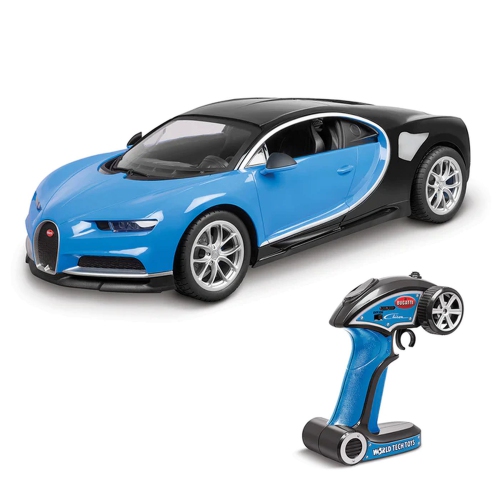 Your price for this item is $119.99
 -
 Your price for this item is $103.49
 -
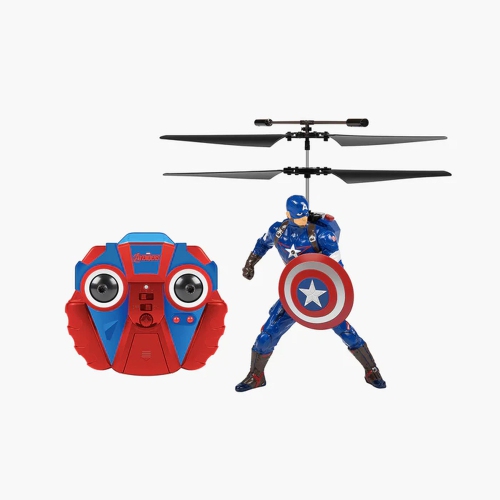 Your price for this item is $59.99
 -
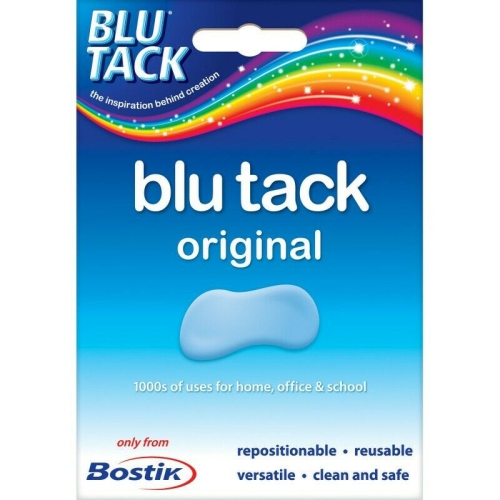 Your price for this item is $6
 -
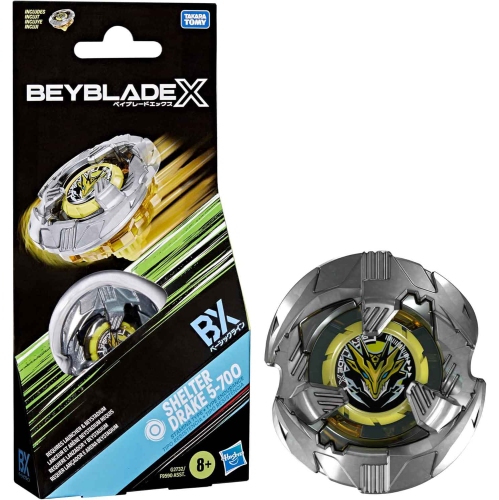 Your price for this item is $13.79
 -
 Your price for this item is $16
 -
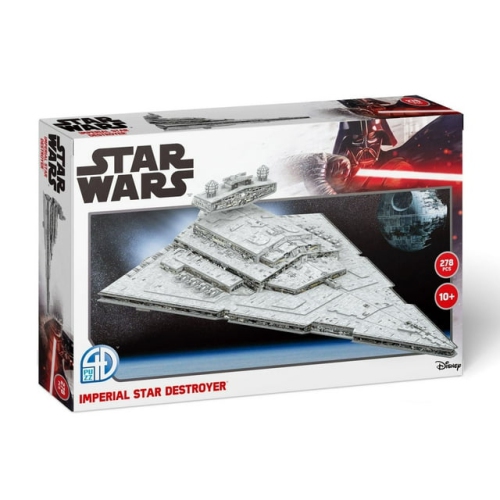 Your price for this item is $69.99
 -
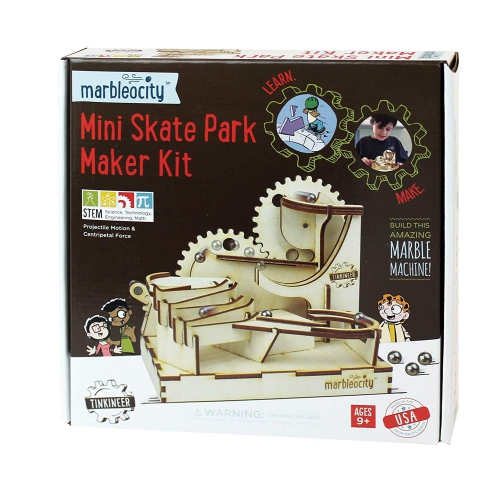 Your price for this item is $38.21
Discover more categories related to Plastic Gundam Model Kits
Top Collections:
Pokemon Centers, Kindle Devices, Best Budget Office Chairs, Apple iPhones 16, Best Laptops for Writers, iPhone 15 Apple, Canon G7X Cameras, Refurbished Apple Laptops, Alarm Clock, Motorola Razr Phones
Some products may be subject to Environmental Handling Fees
(EHF) depending on your province.
Learn more about EHFs.