1000 To 1500 Piece Puzzles
Delve into the captivating world of 1000 to 1500 piece puzzles, where each intricate piece brings you closer to a masterpiece of your own making. Perfect for puzzle enthusiasts seeking a rewarding challenge, these puzzles offer hours of entertainment and a sense of accomplishment once completed. Whether you’re piecing together breathtaking landscapes, iconic art, or whimsical designs, these puzzles provide a perfect blend of relaxation and mental stimulation. Explore our diverse selection to find the perfect puzzle that will not only test your skills but also provide a delightful escape from the everyday hustle and bustle.
Sort
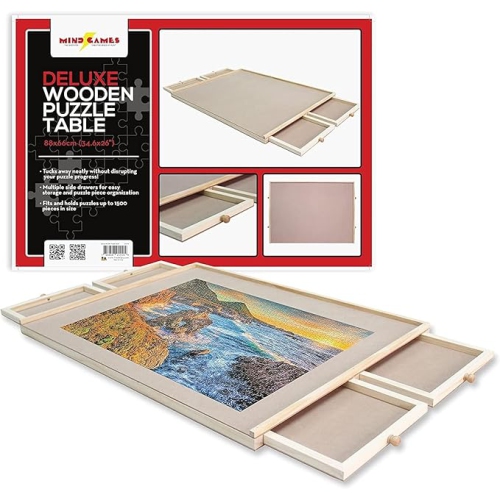
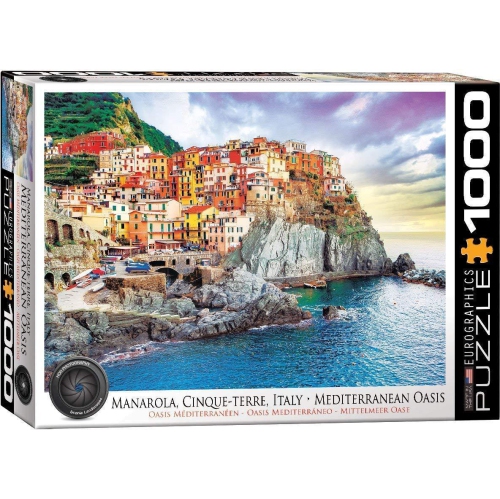
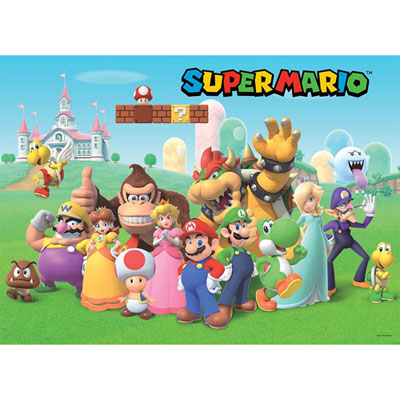
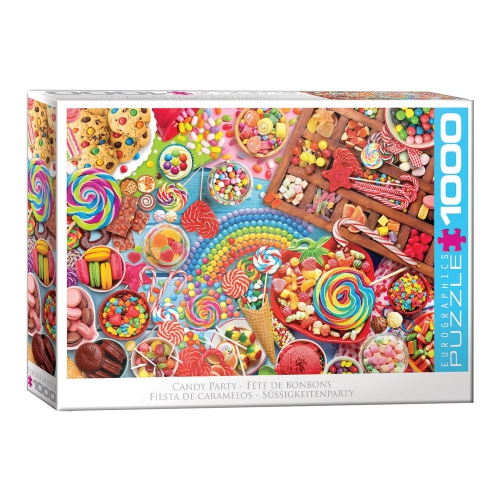
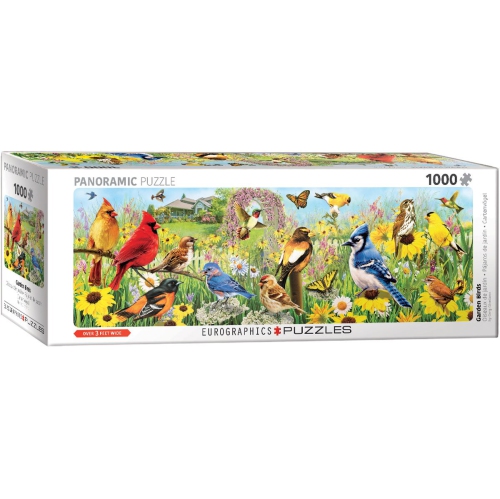


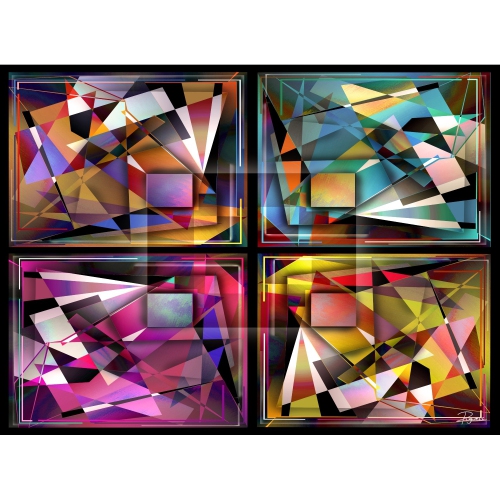

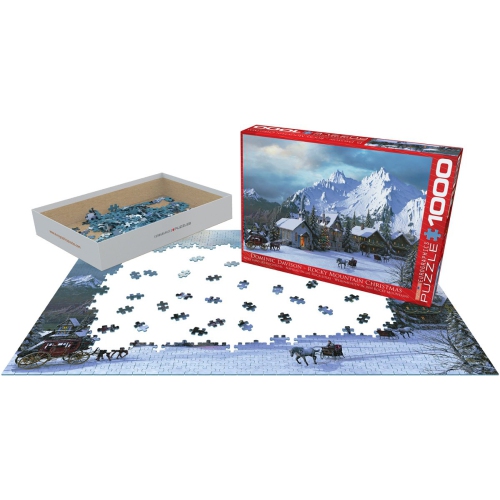
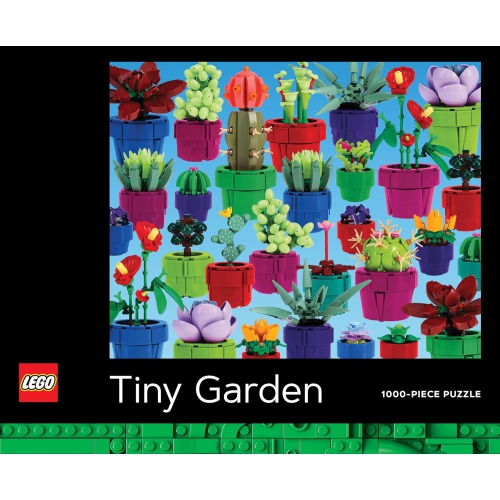


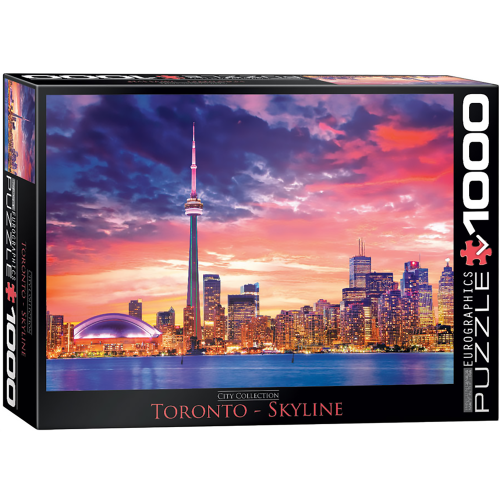
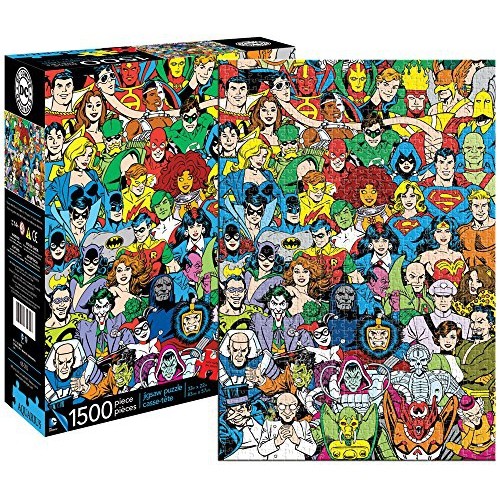
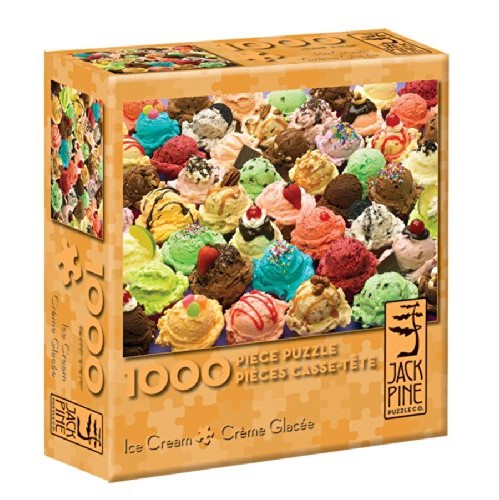

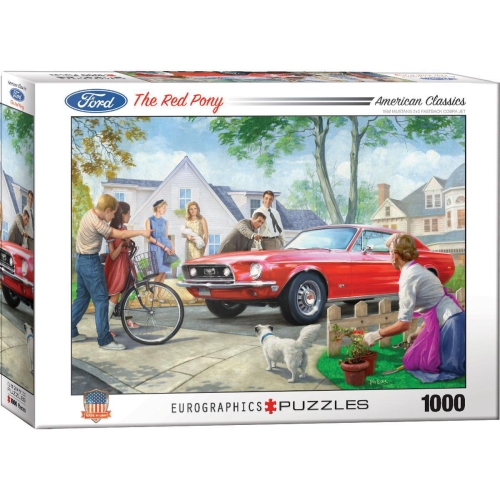
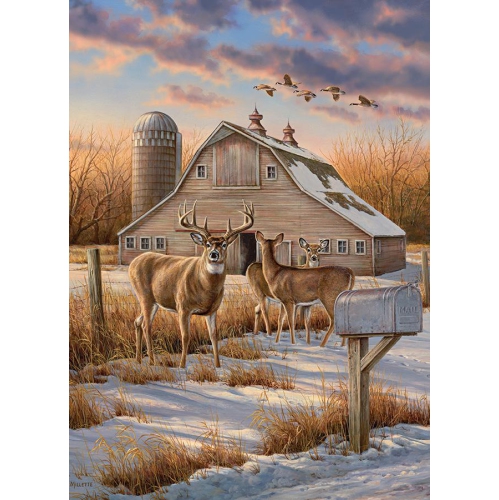
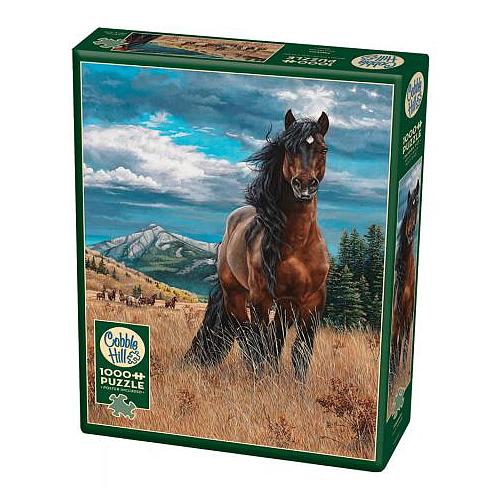
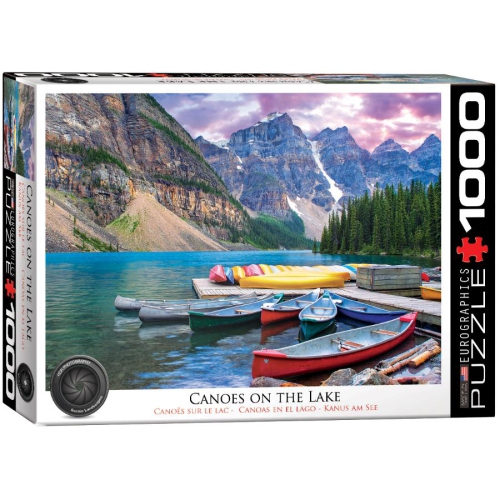
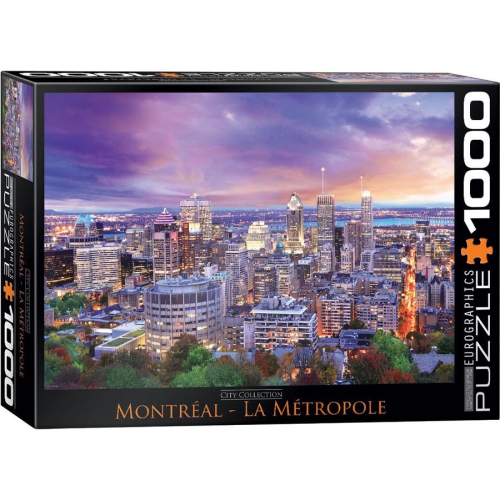
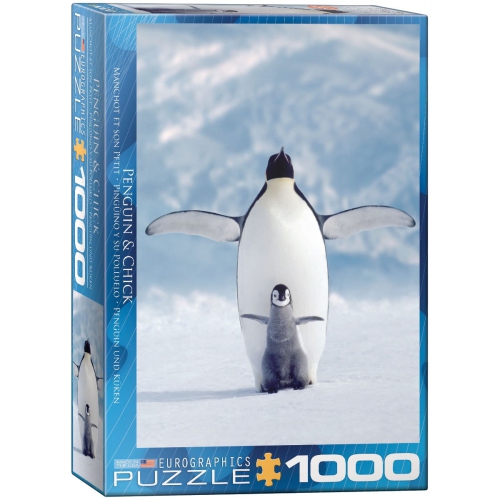
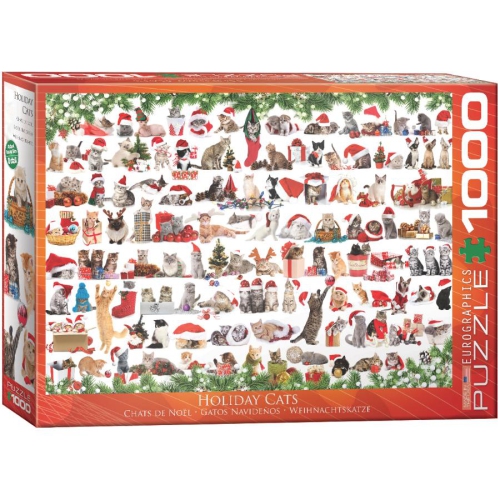

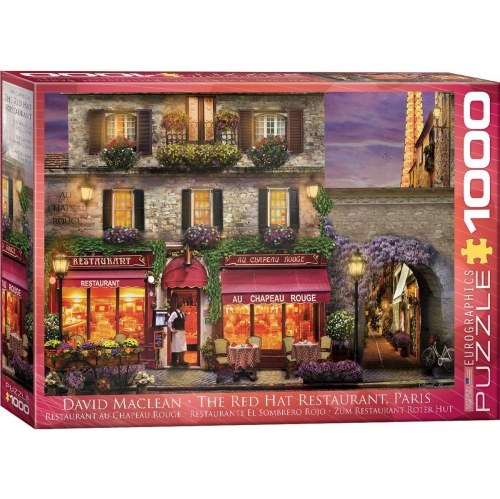
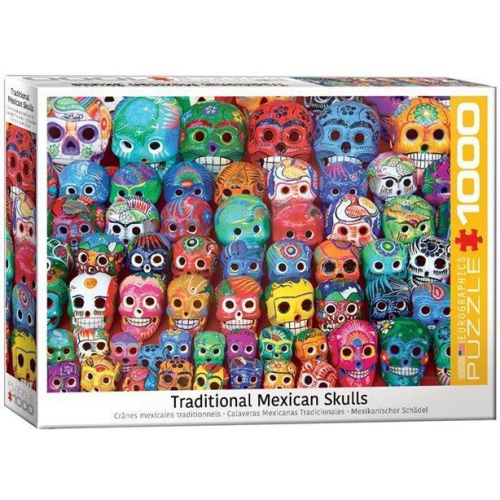
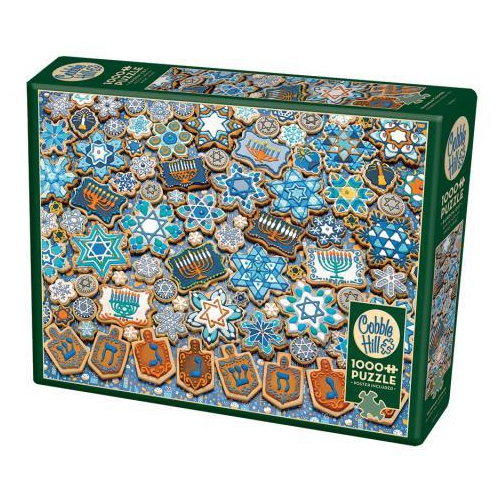
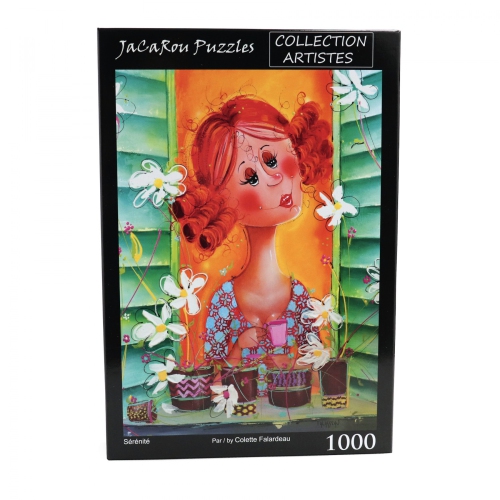
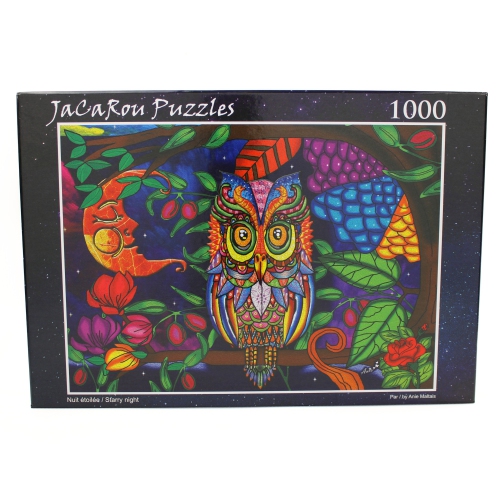
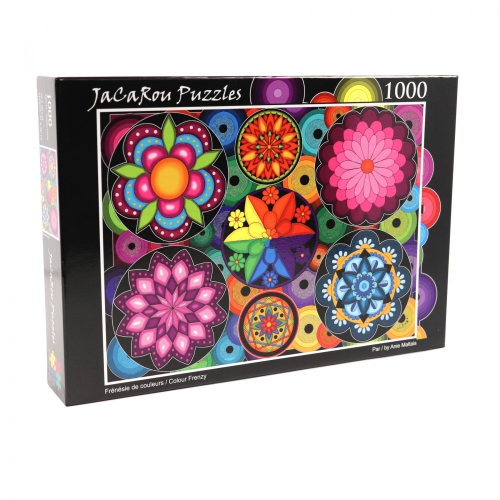
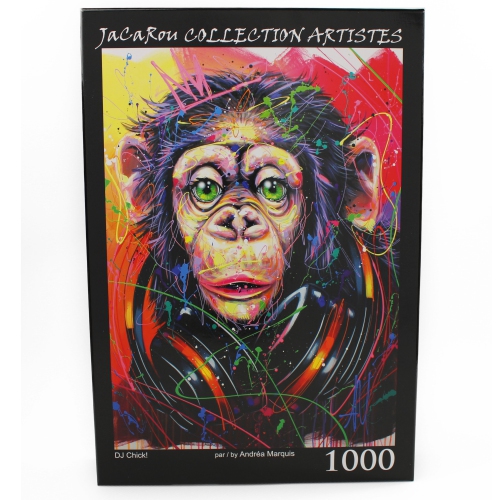
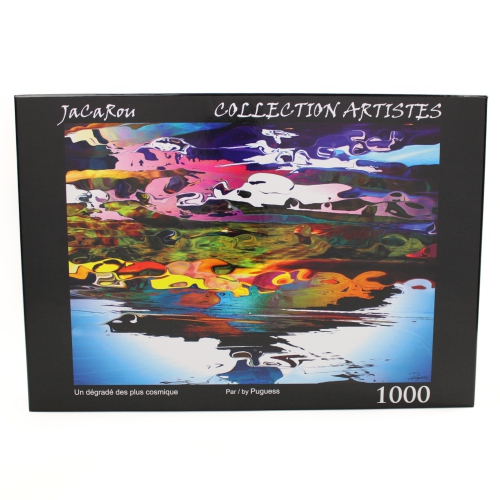
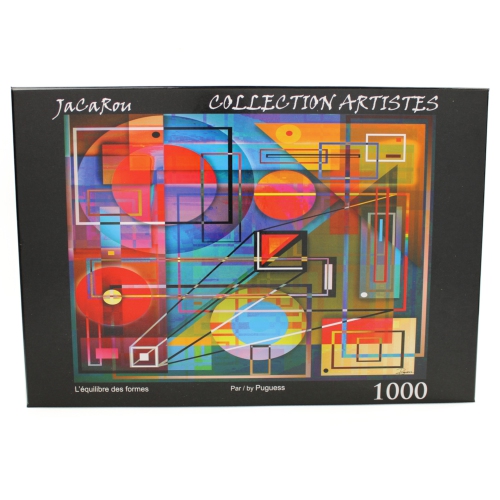
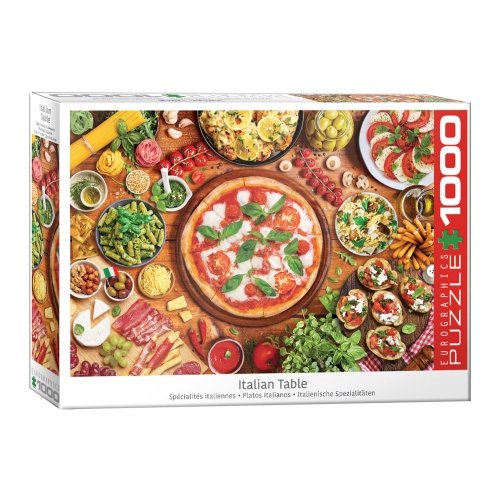
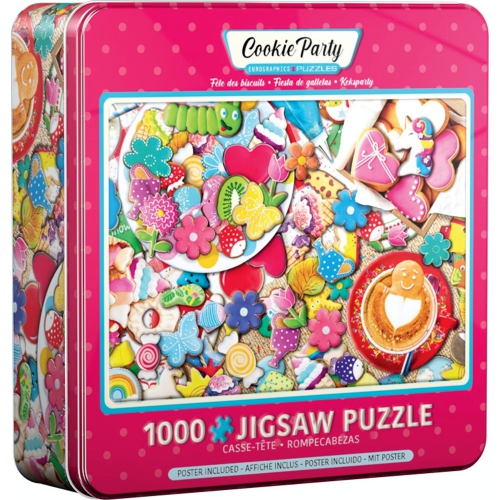
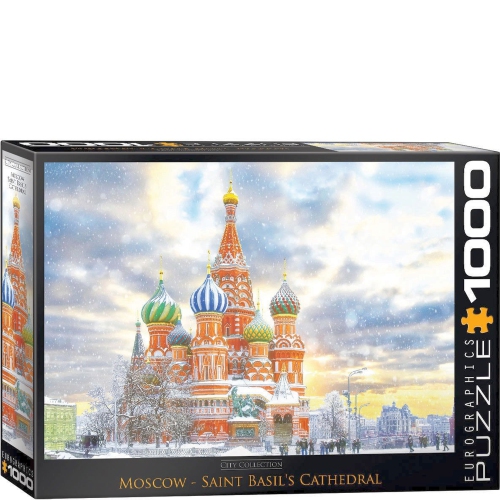
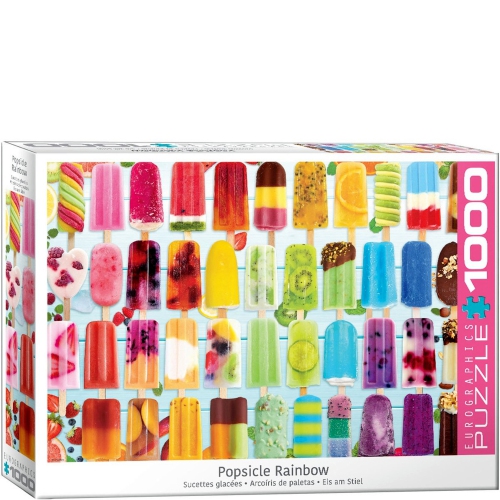
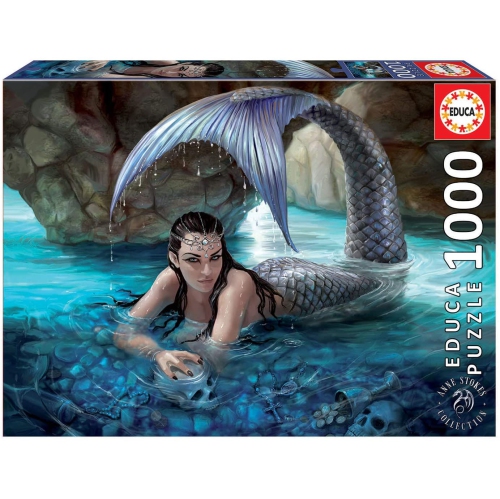
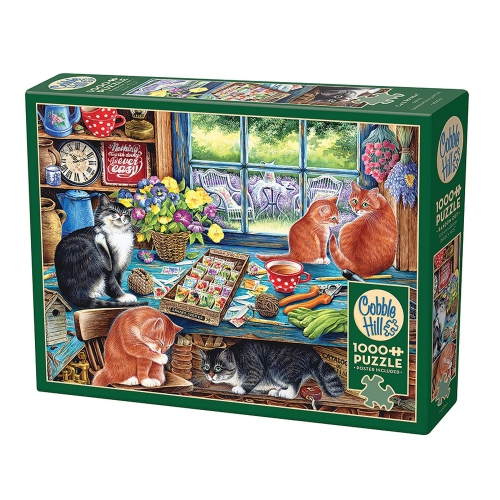
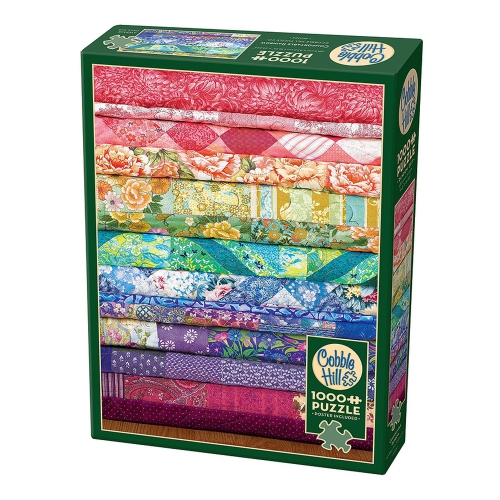
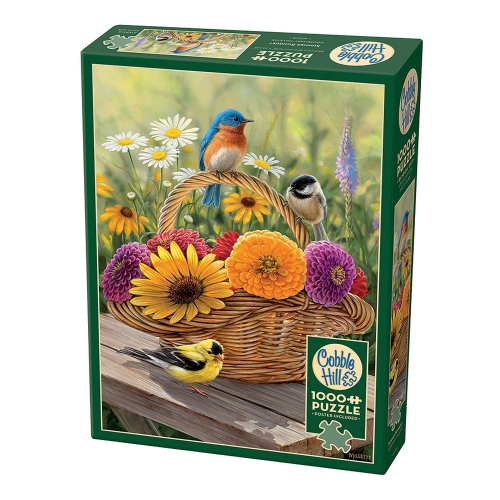
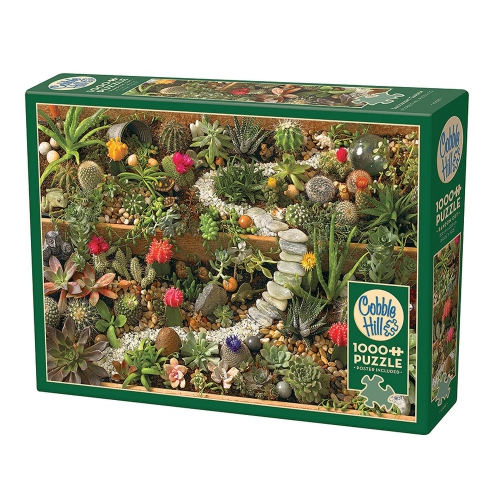
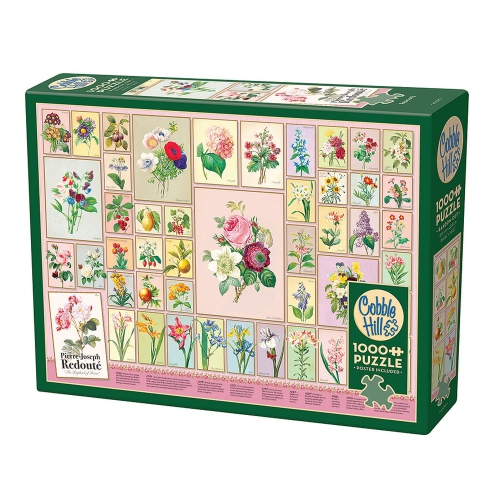

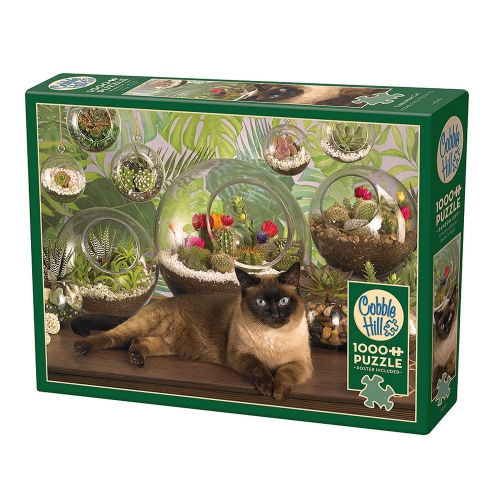
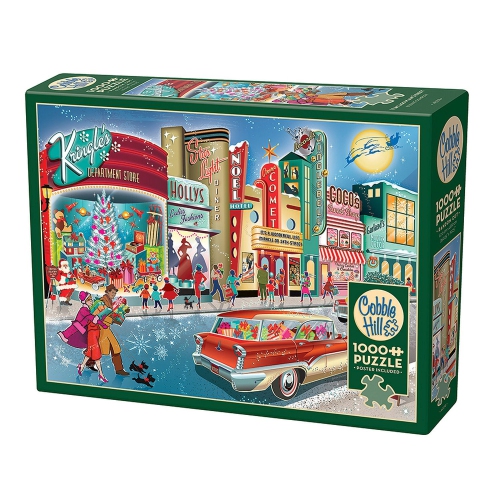
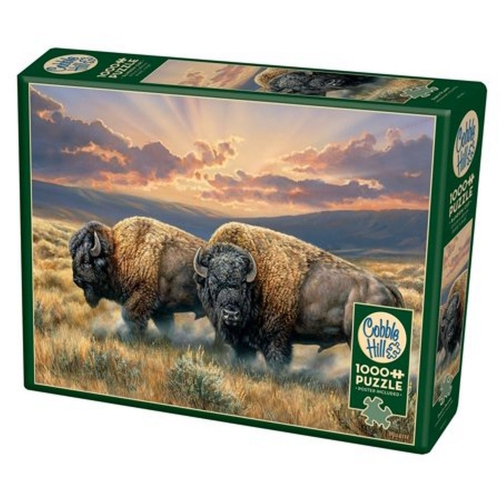
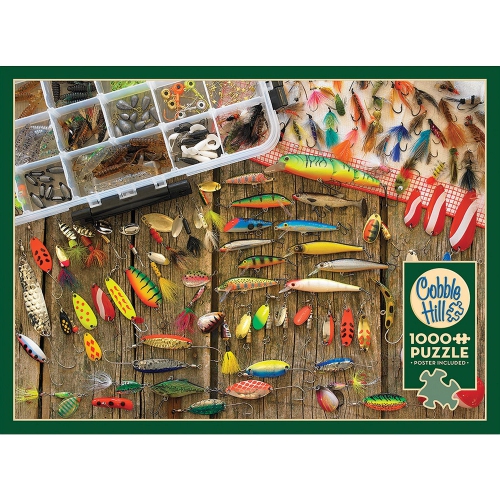
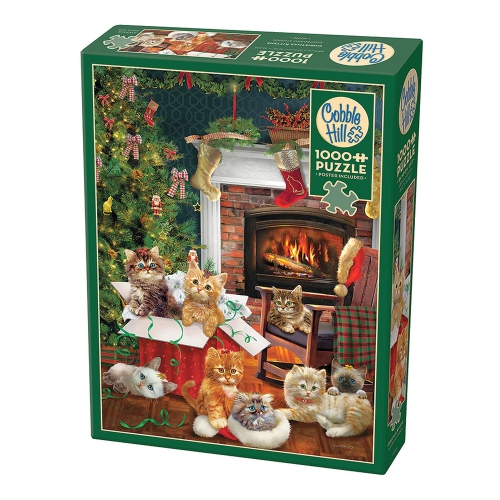
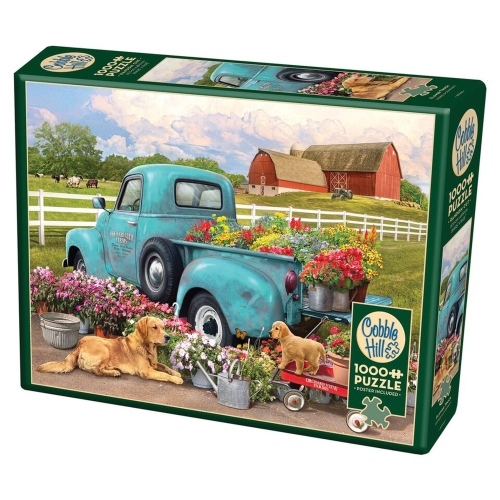
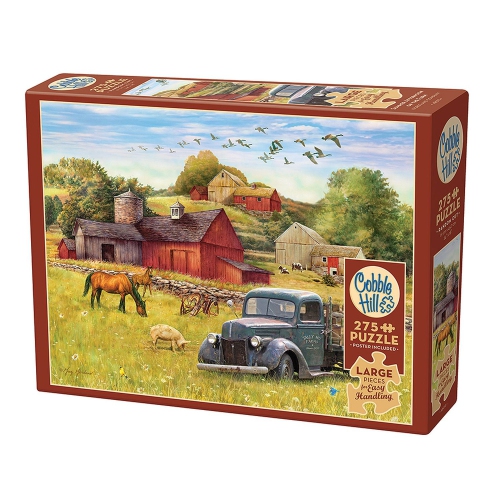
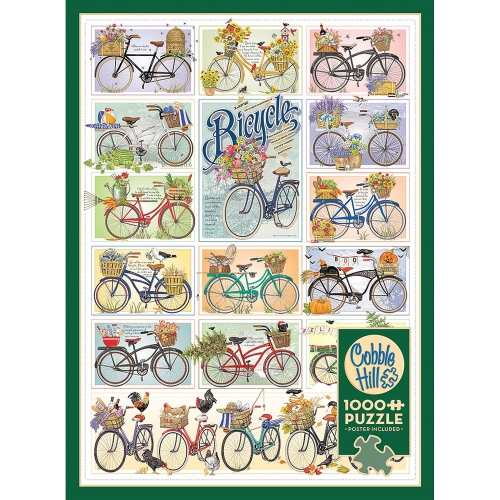
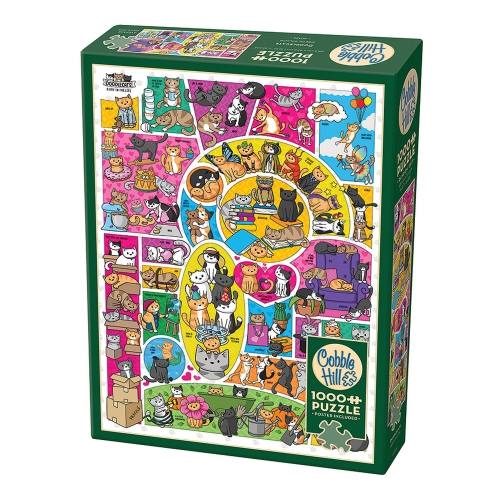
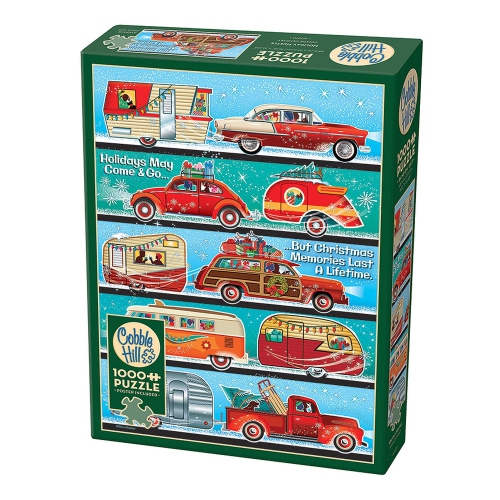
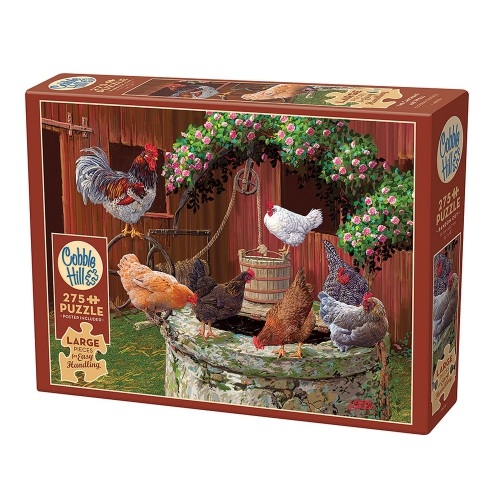
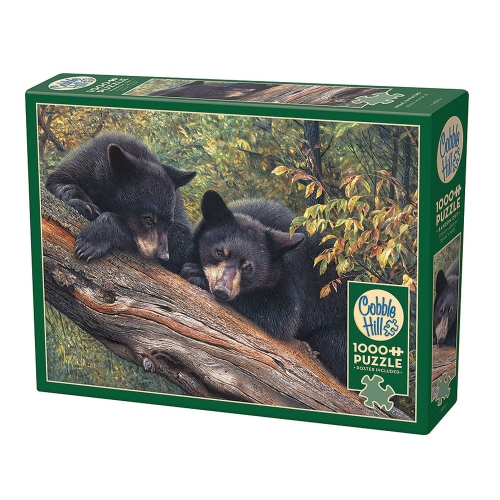
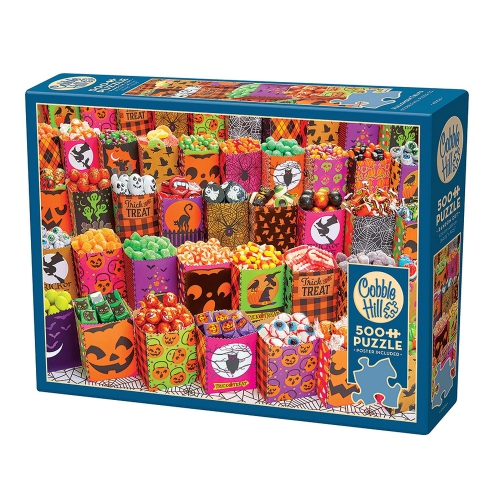

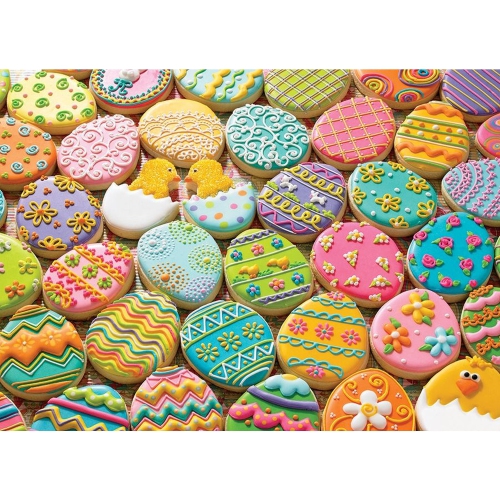
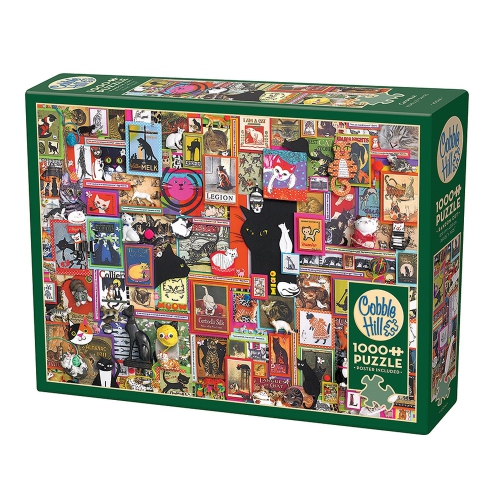
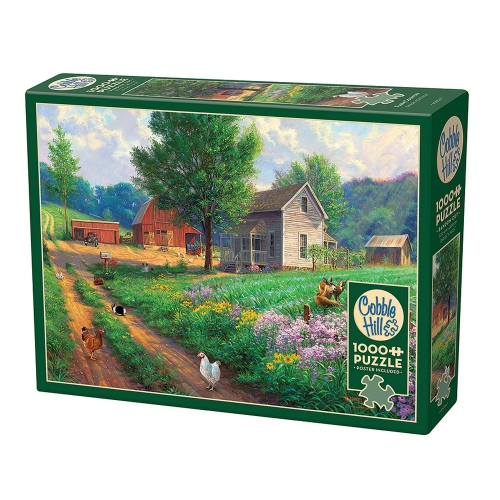
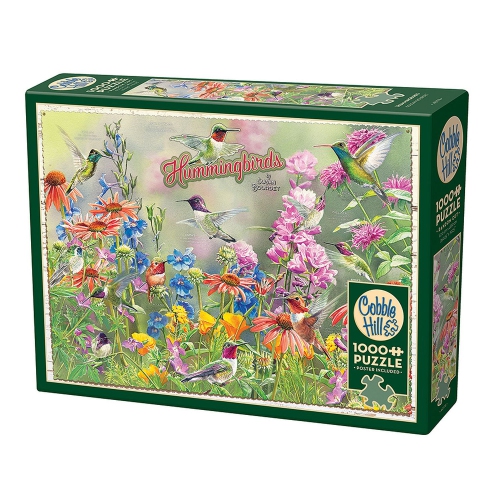
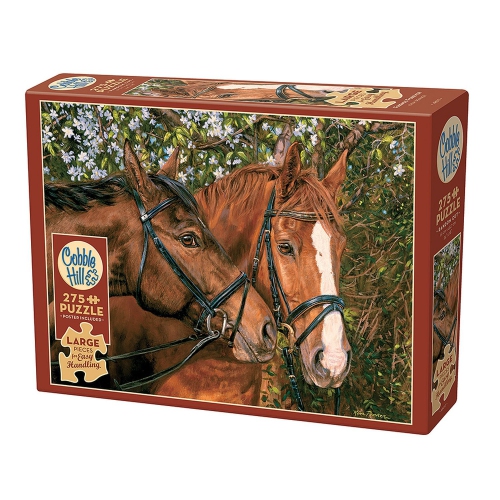
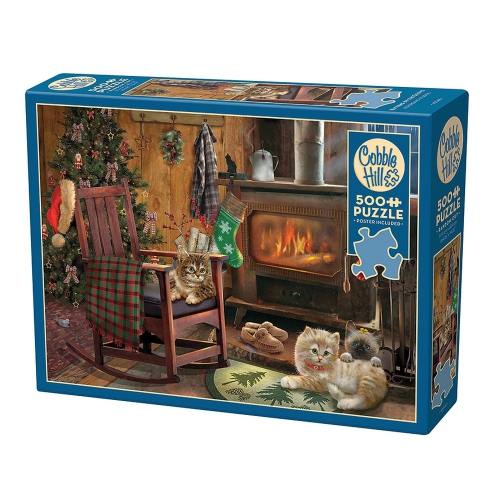
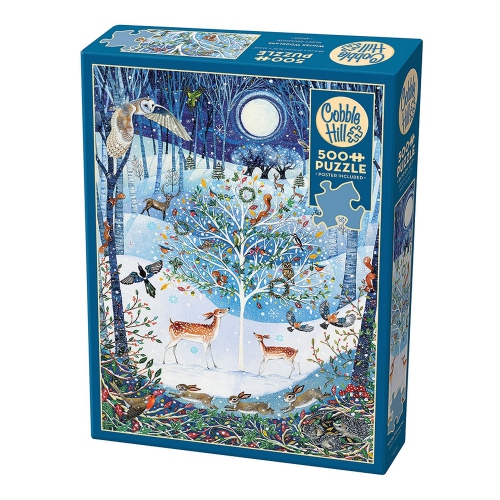
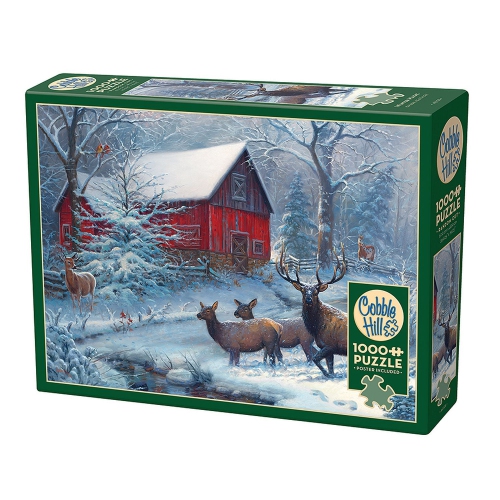
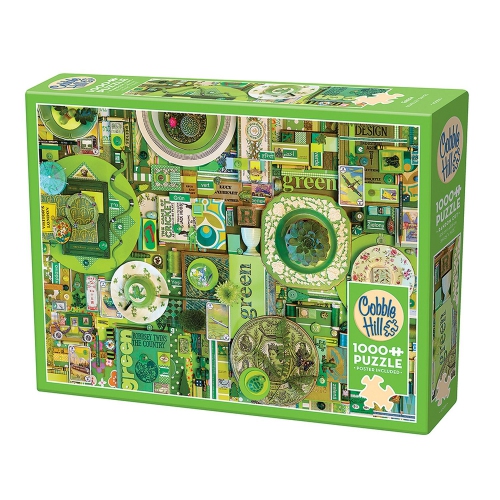
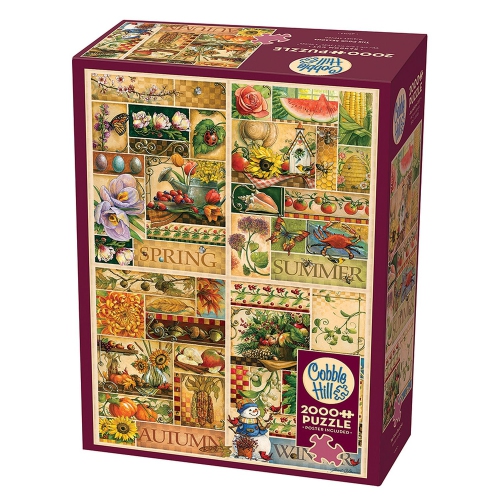
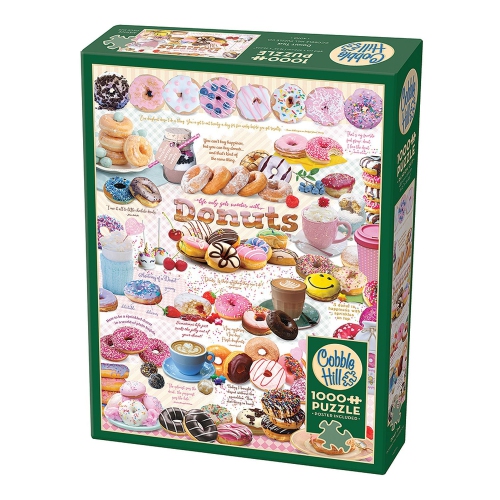
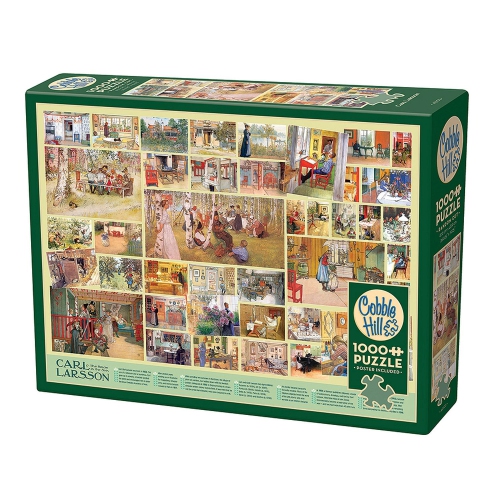
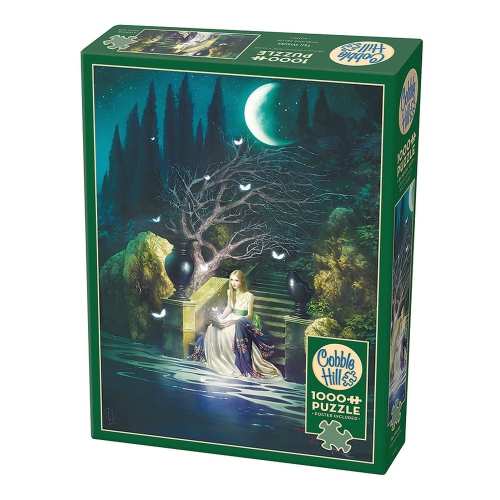
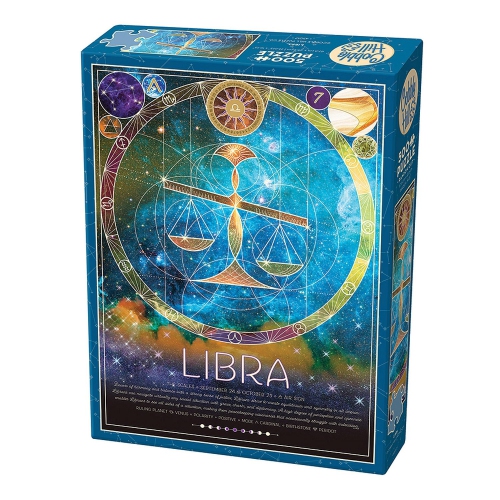
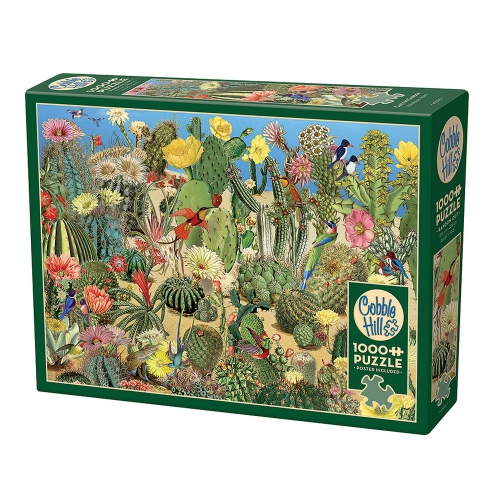
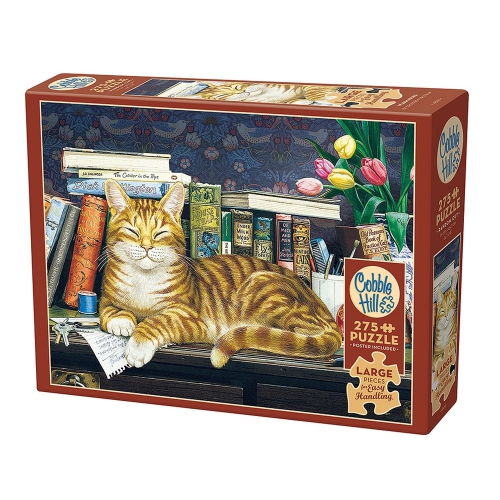
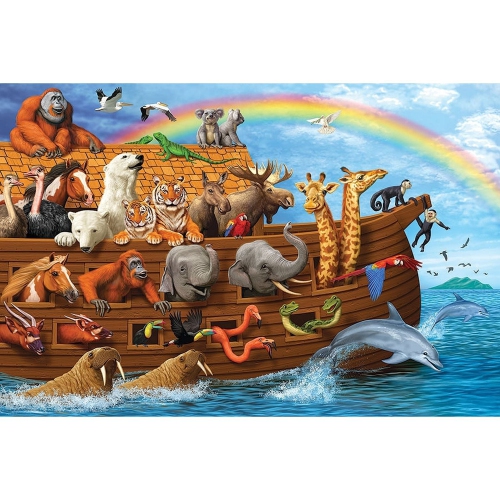
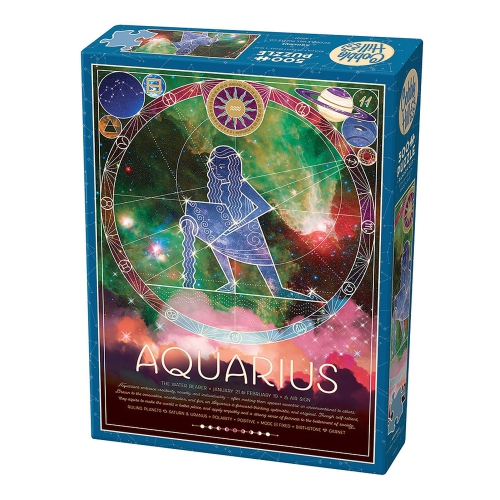
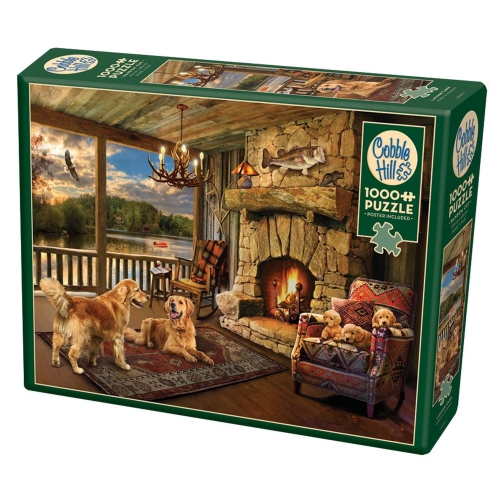
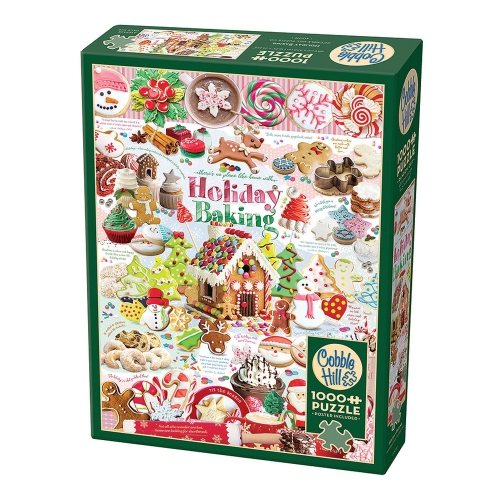
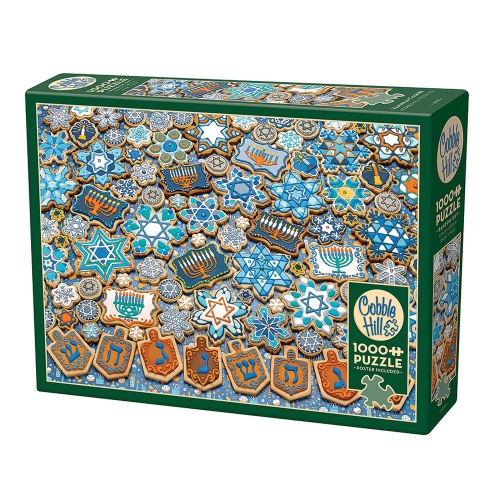


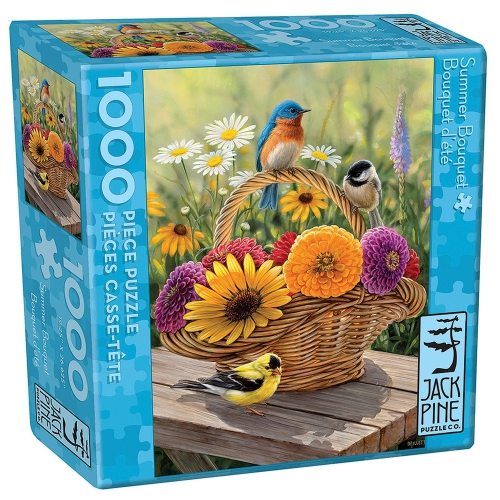
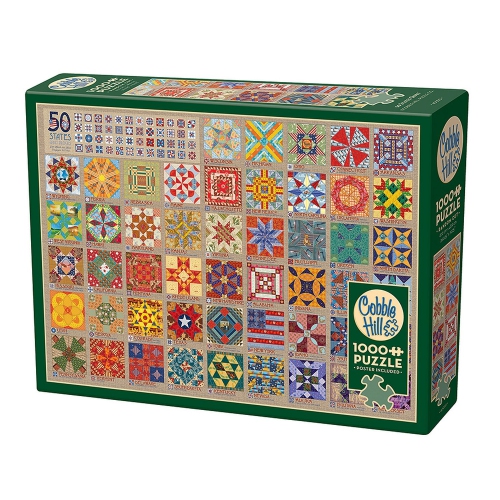
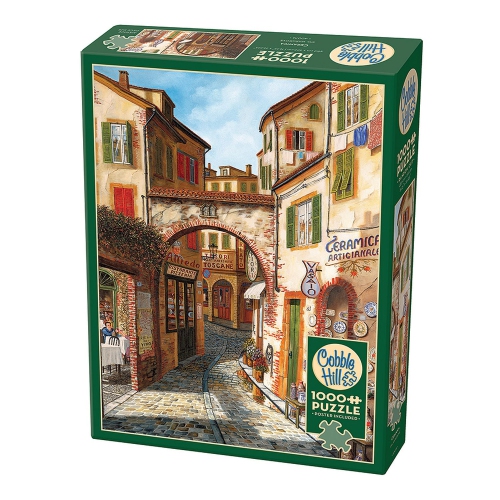
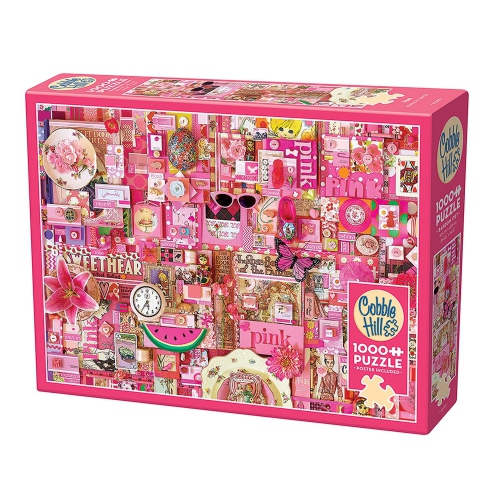
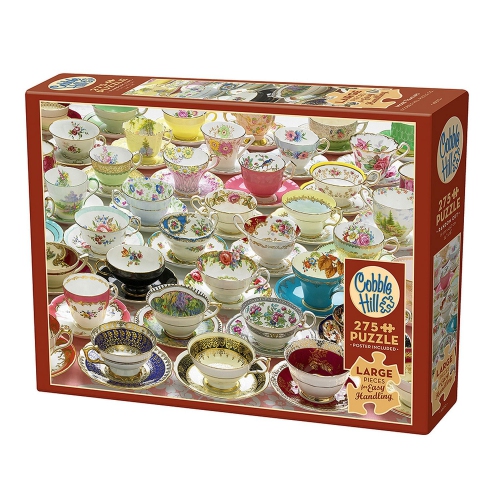
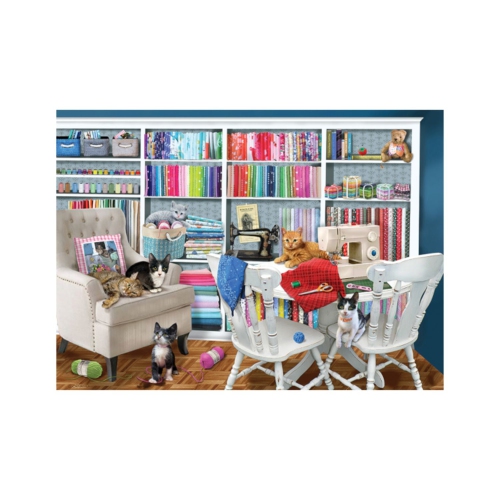
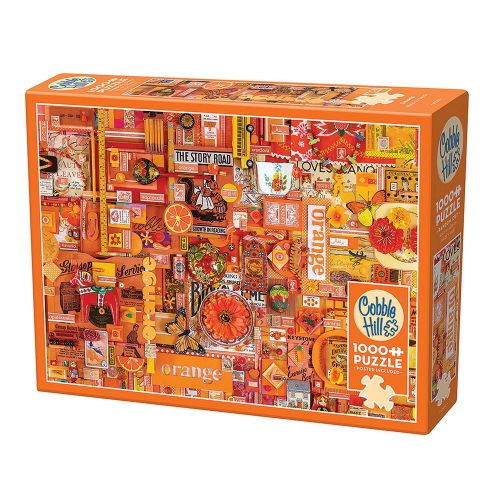
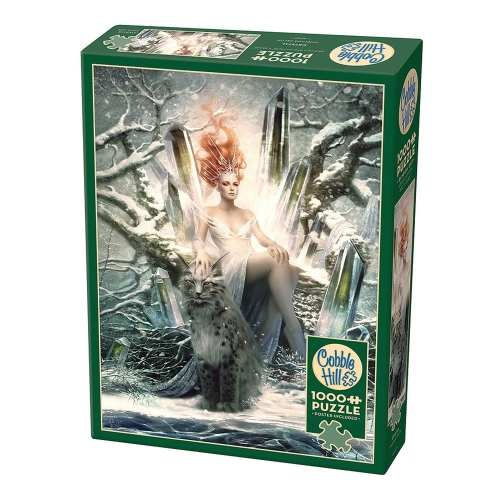
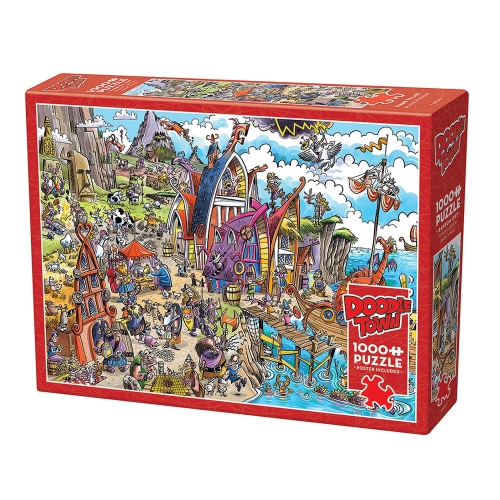
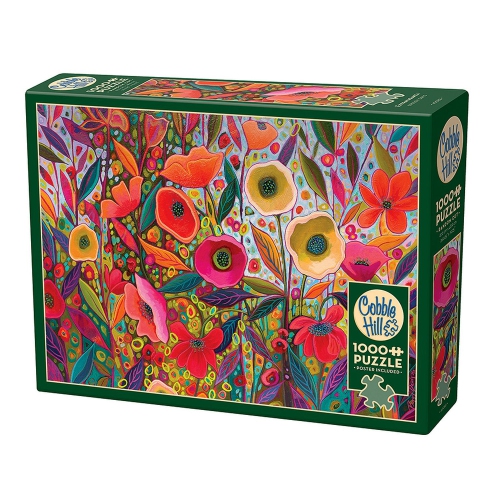
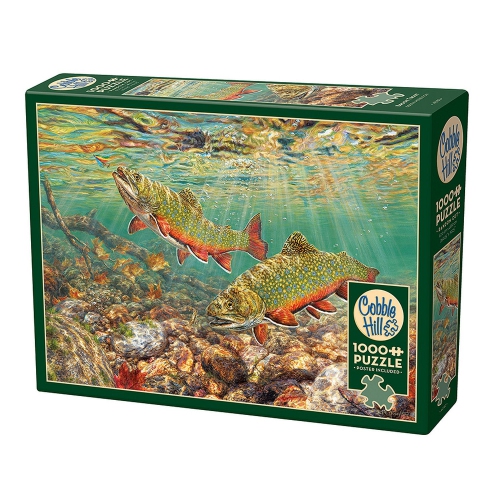
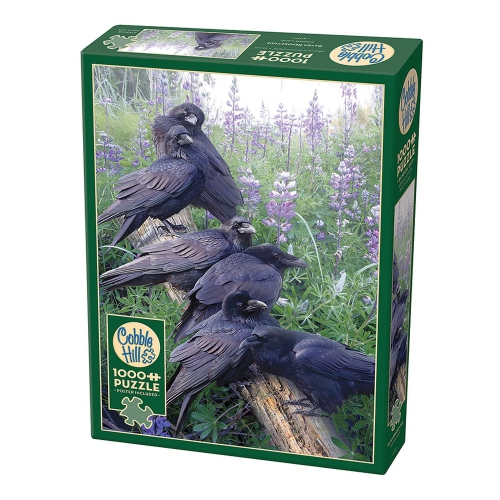
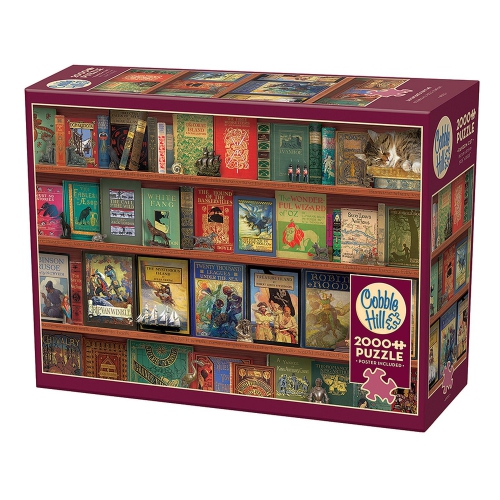
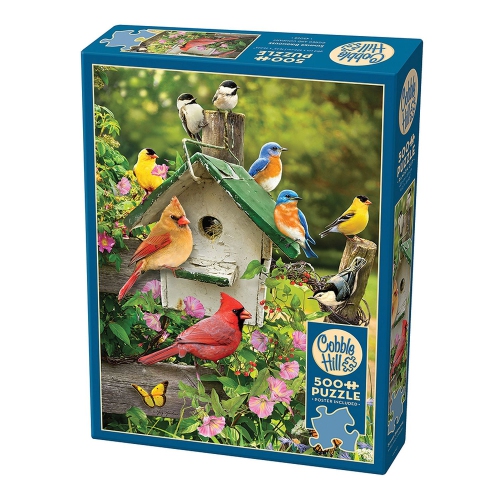
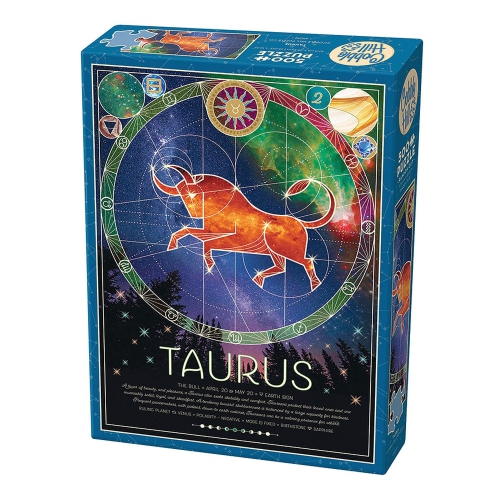
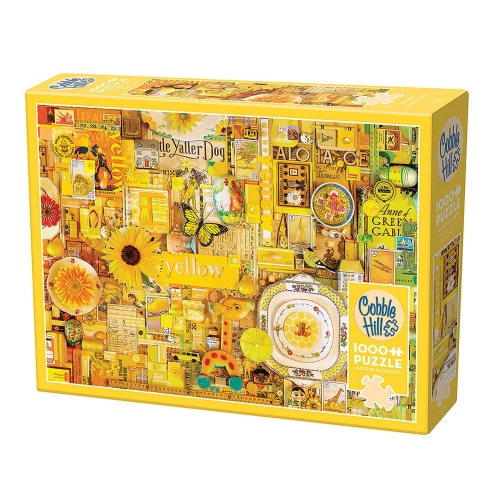
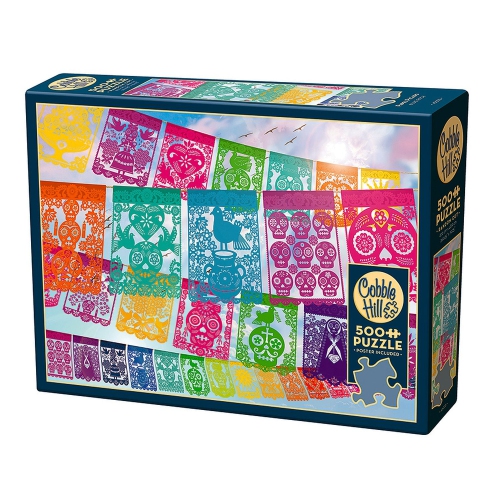
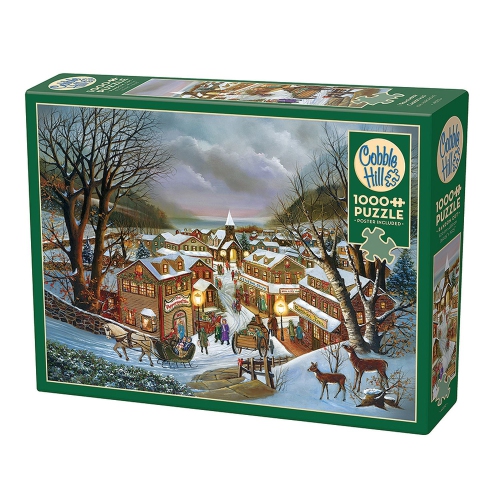
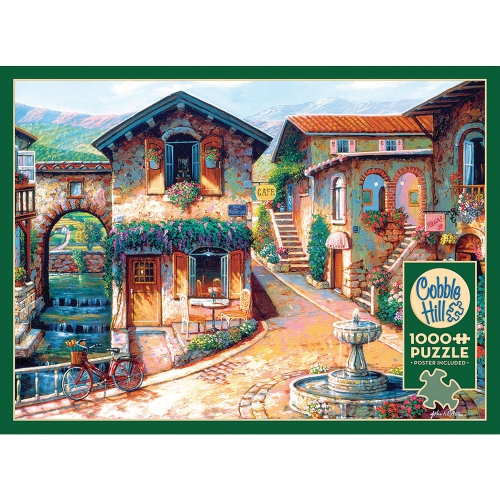
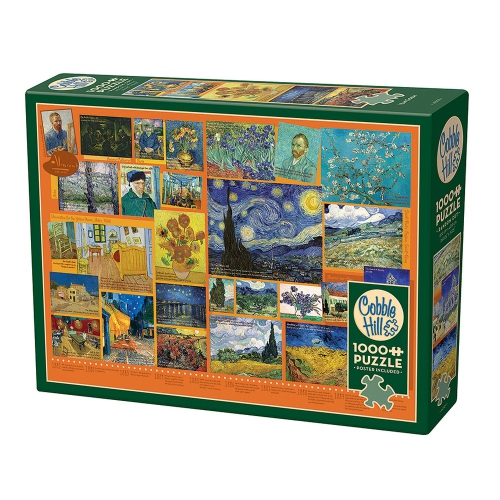
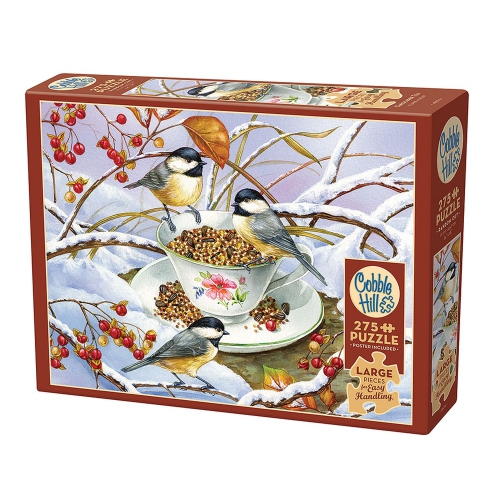


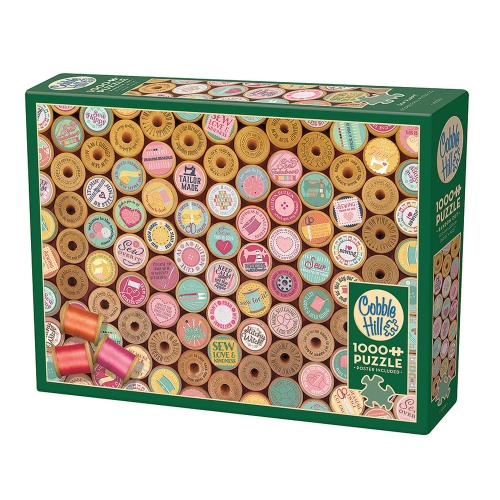
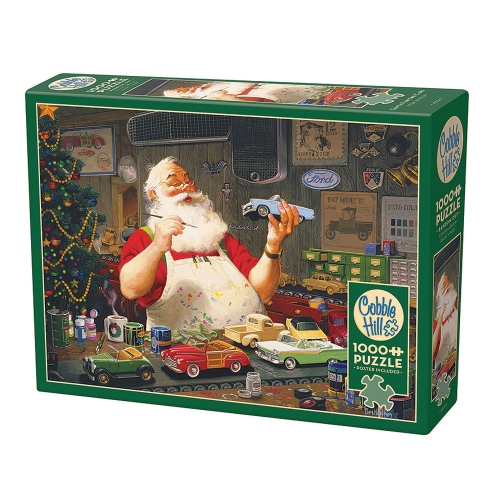
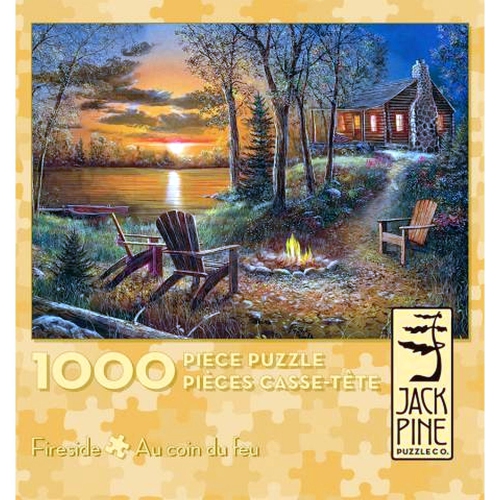
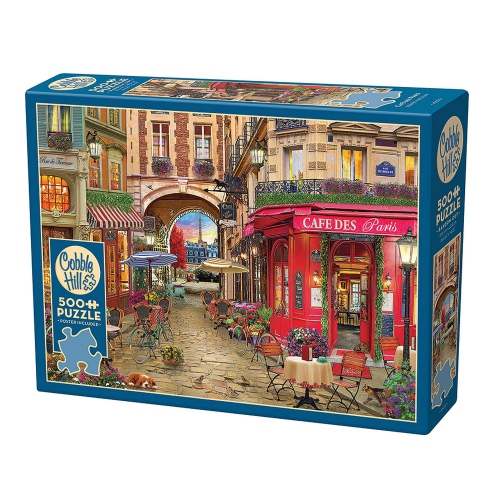
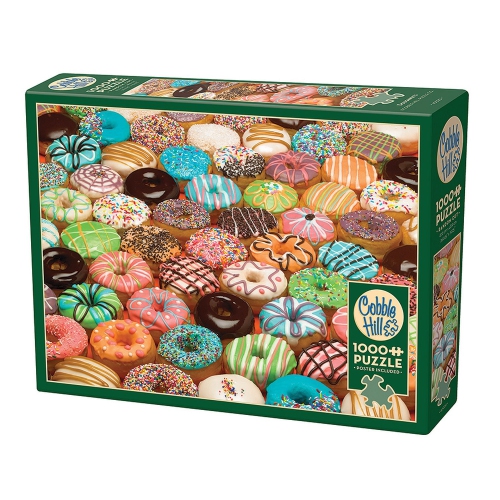
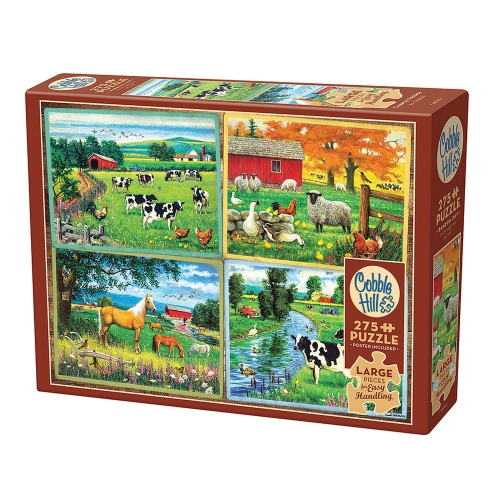
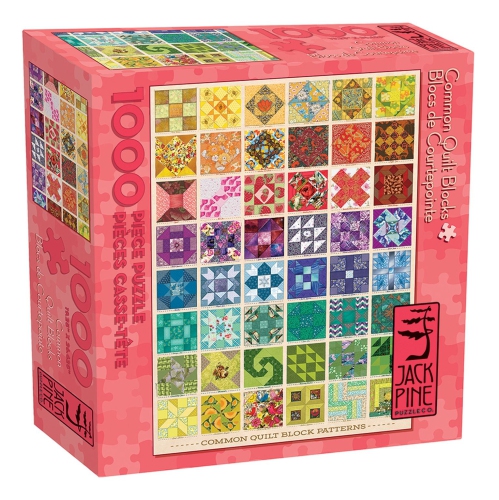
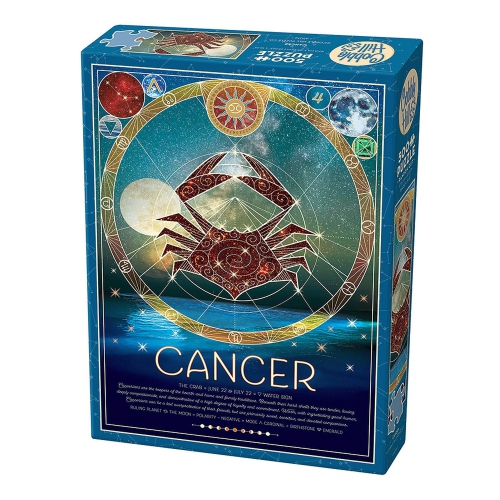
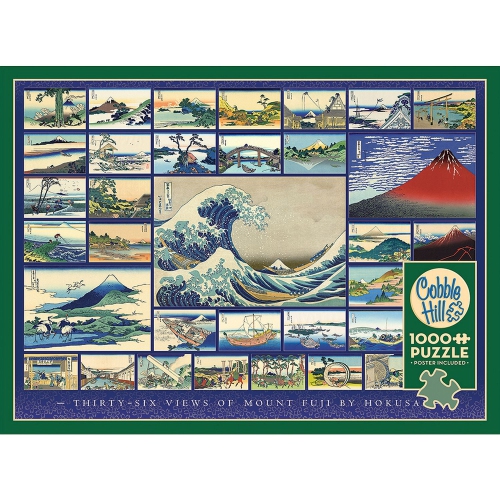
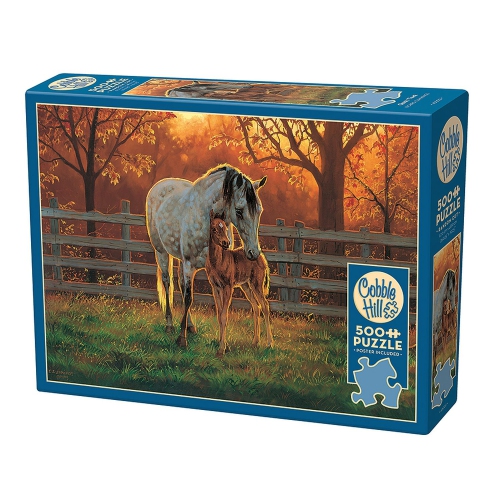
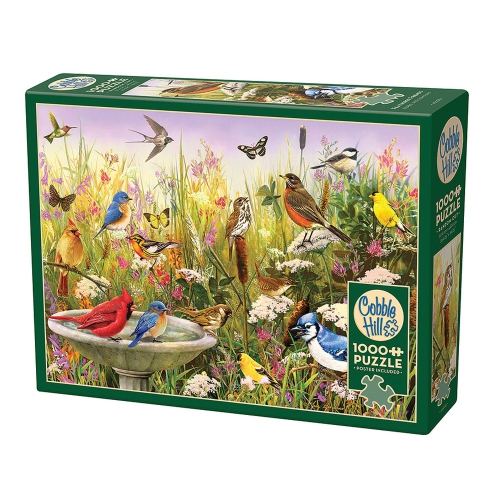
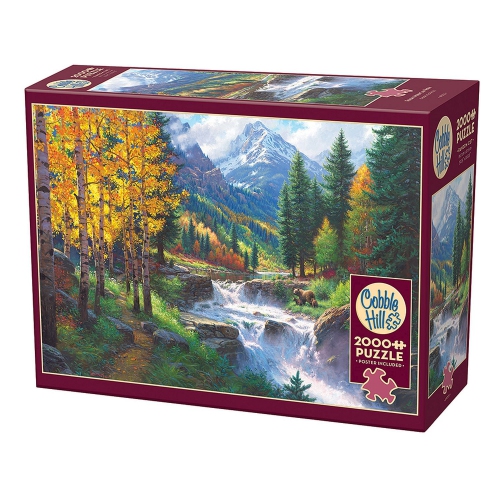
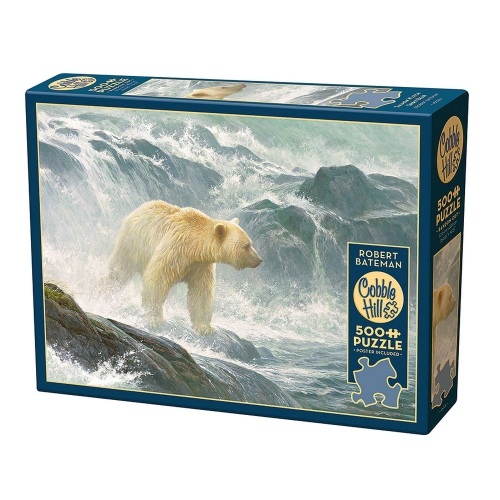
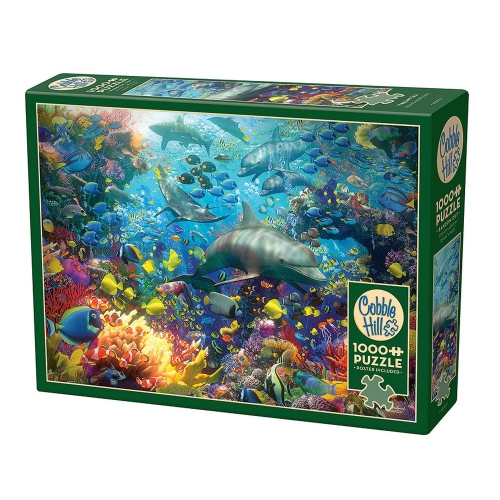
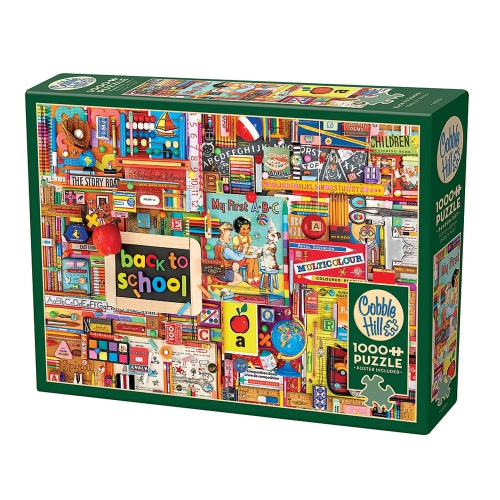
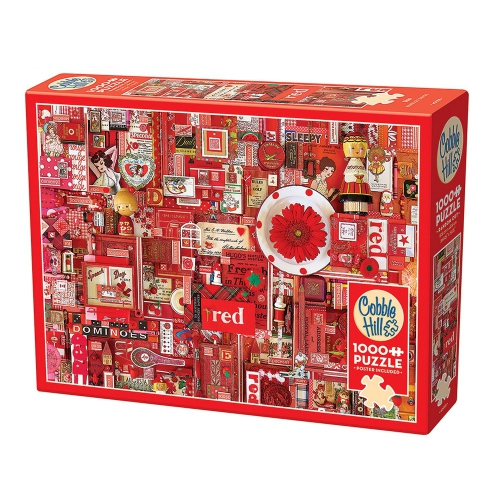
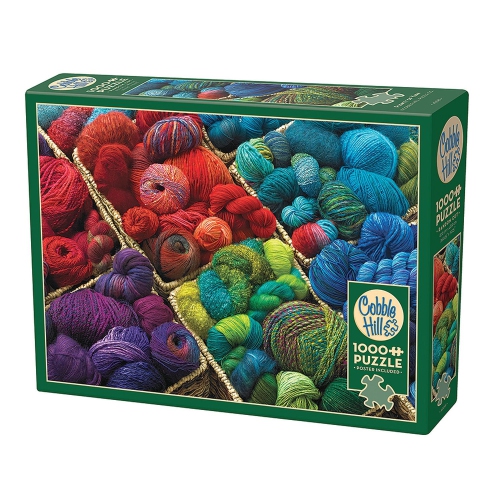
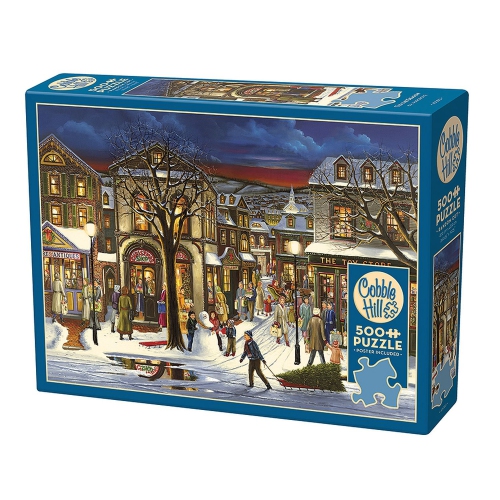
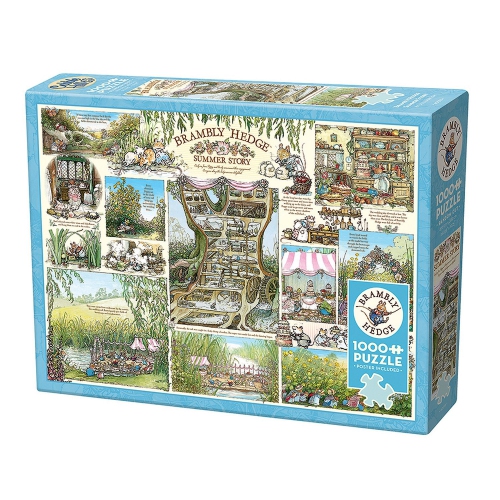
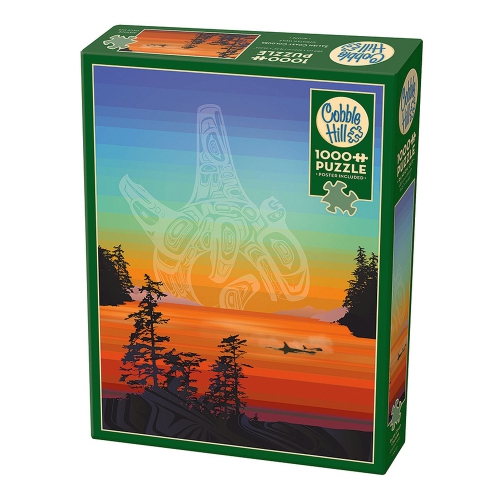
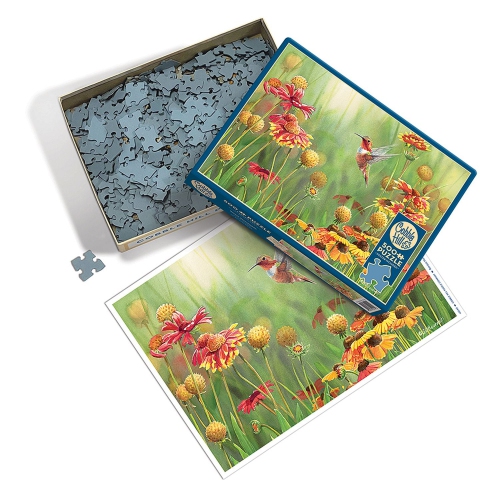
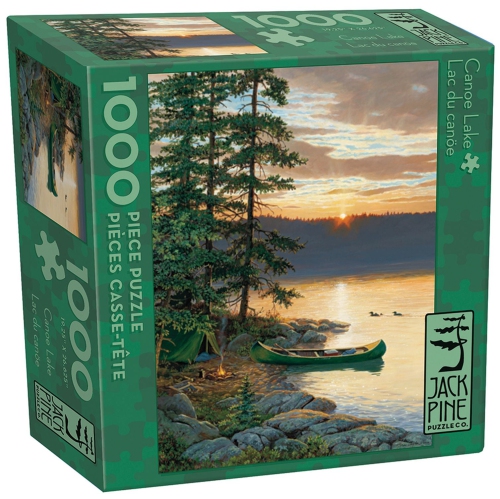
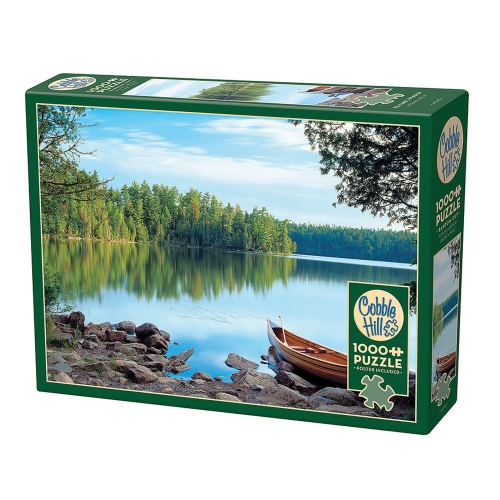
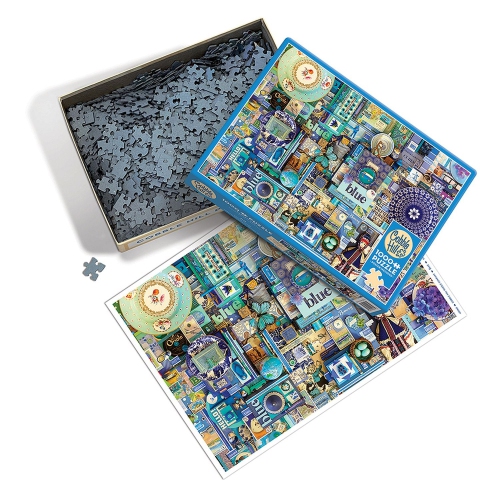
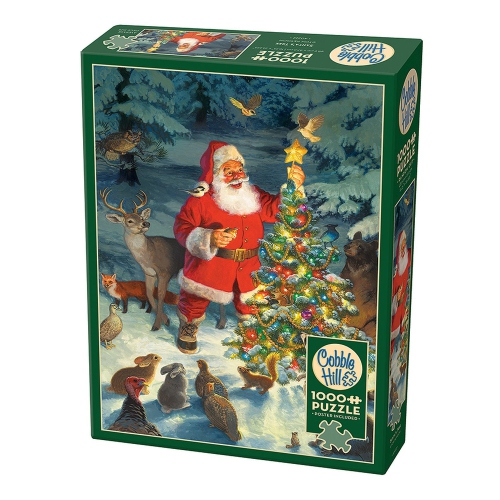
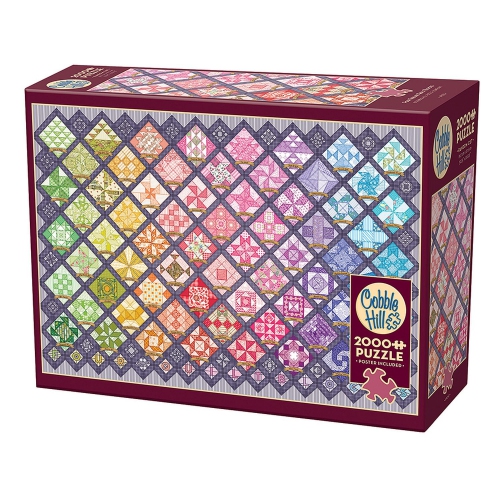
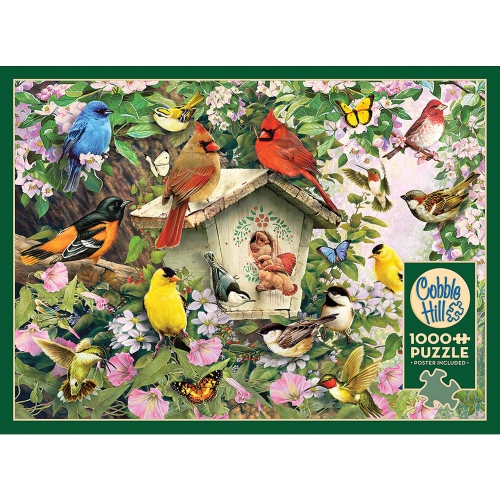

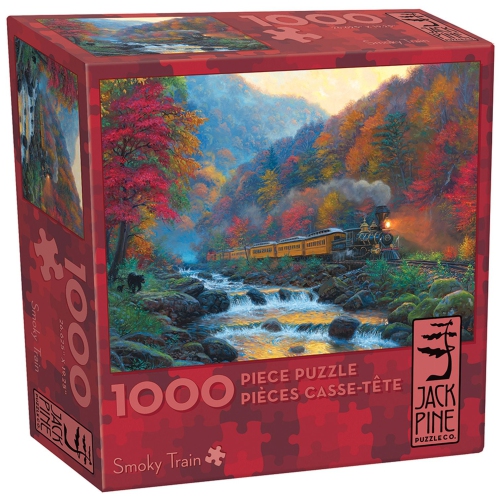
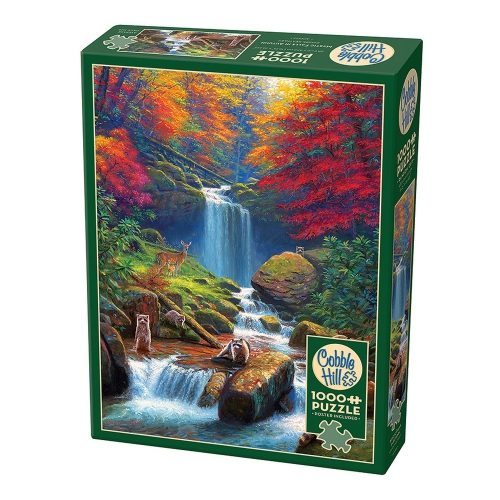
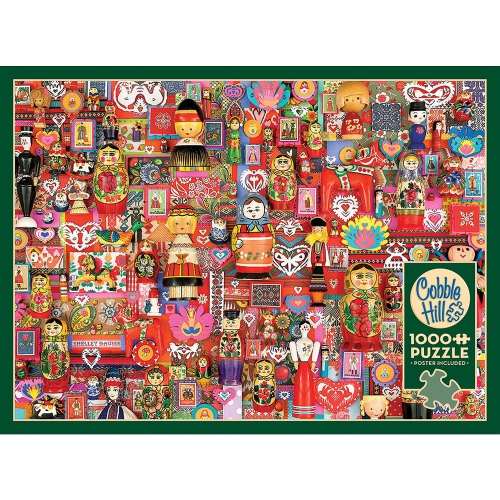
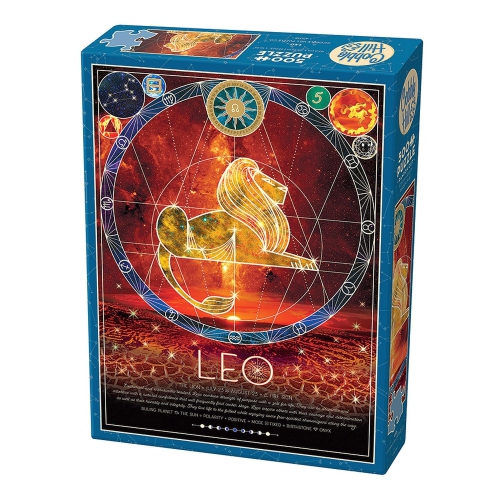
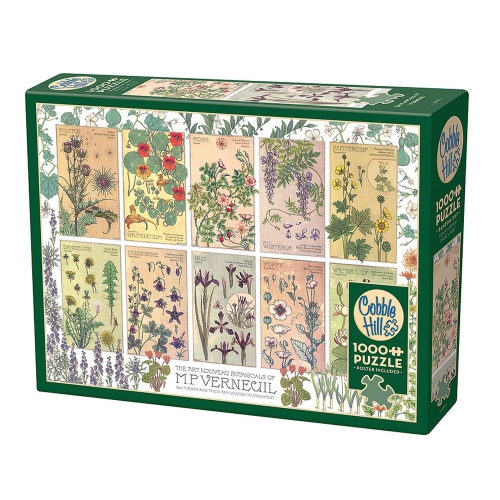
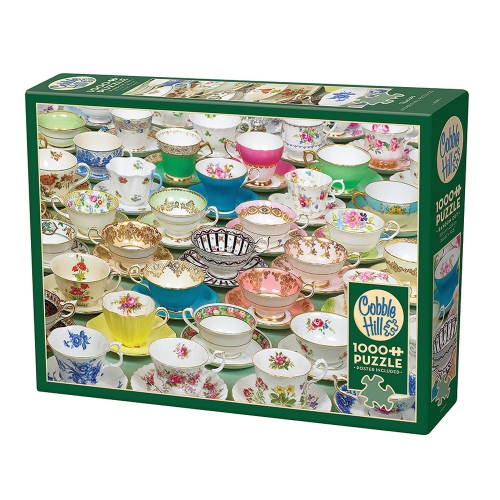
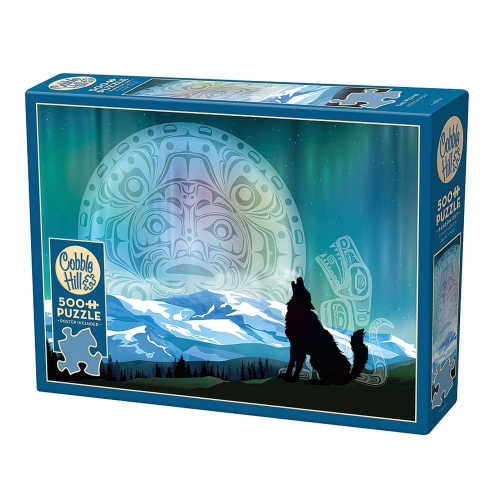
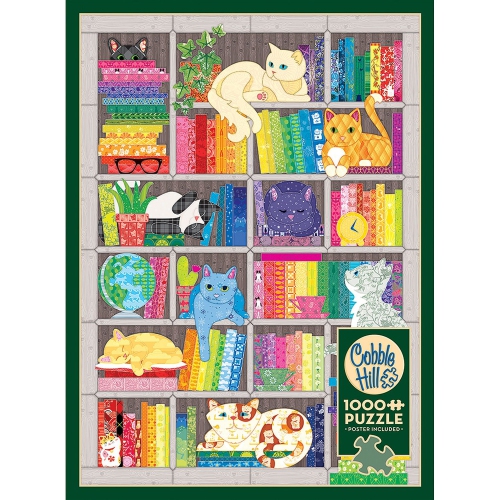
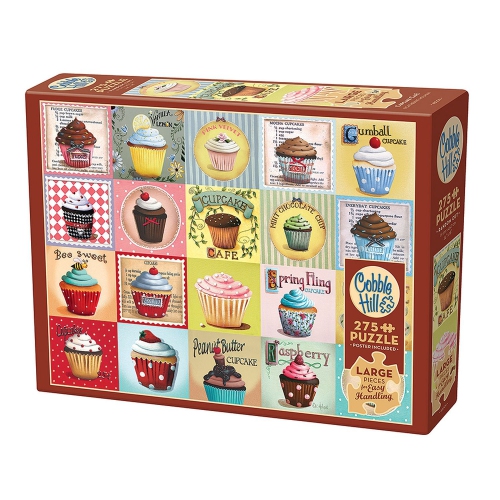
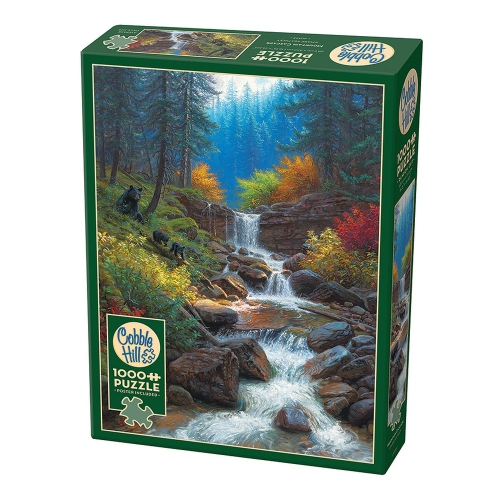
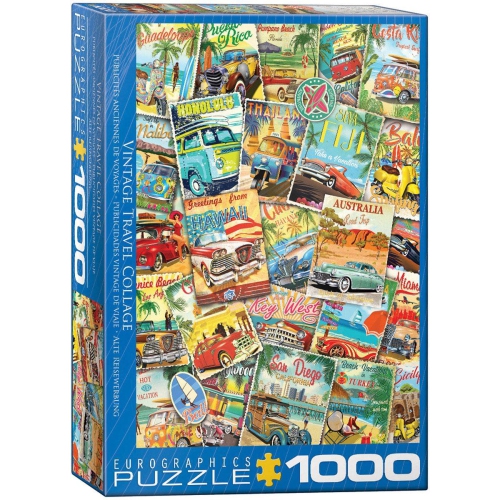
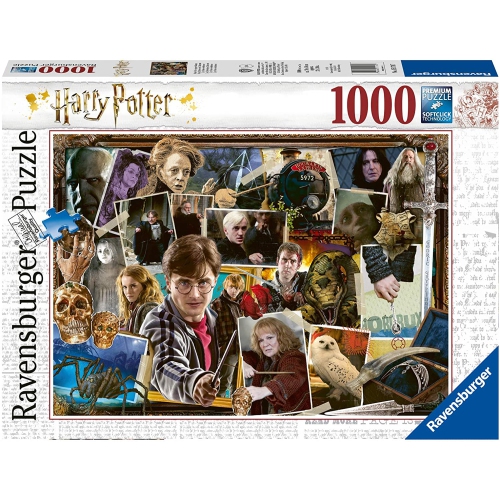
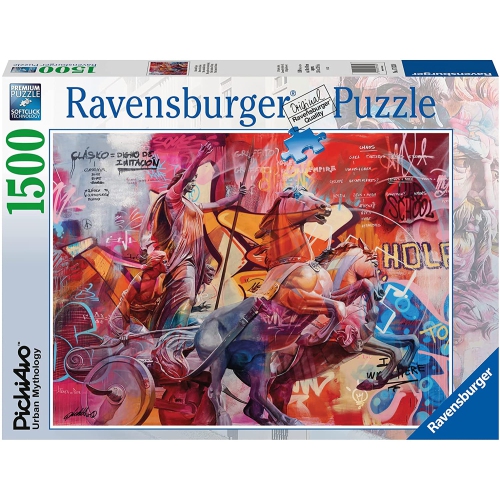
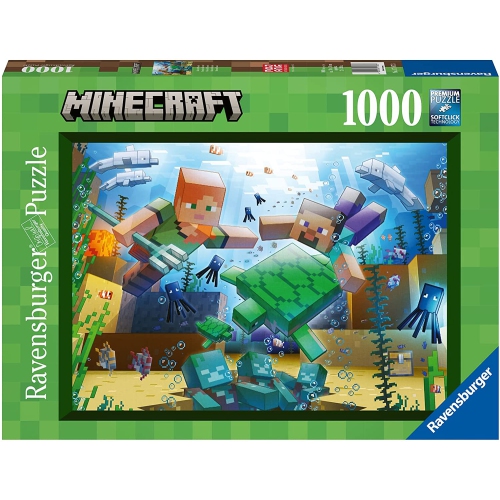
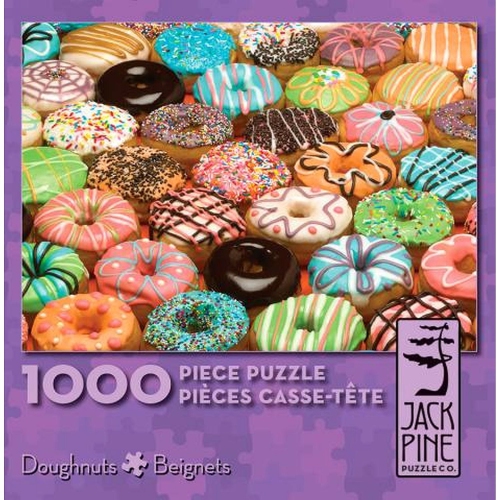
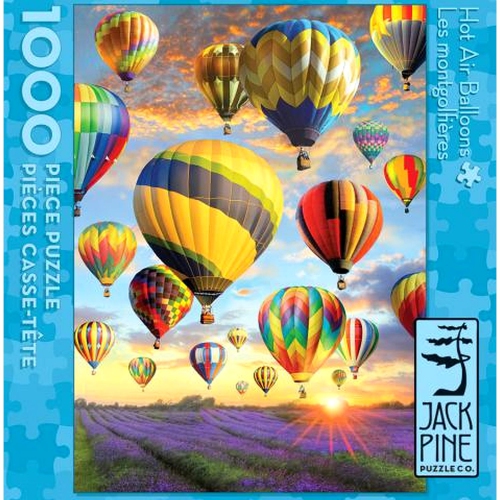
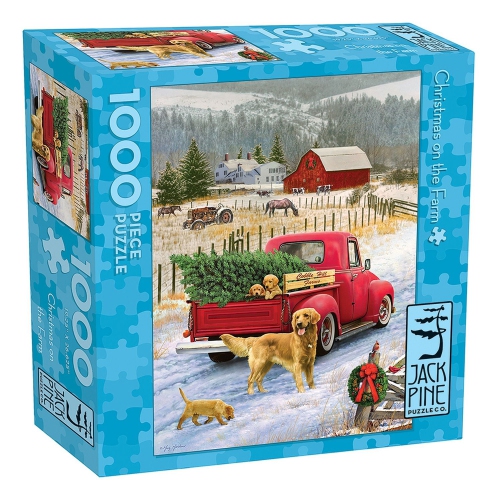
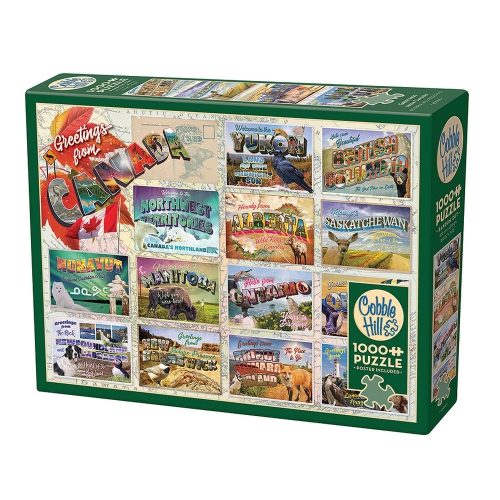
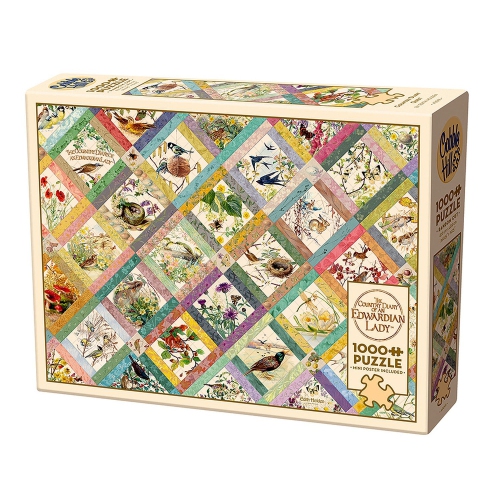
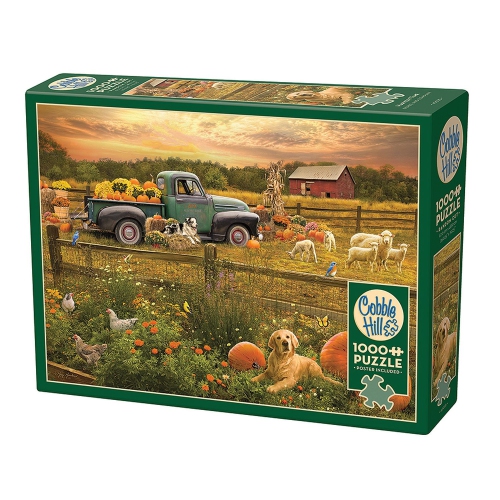
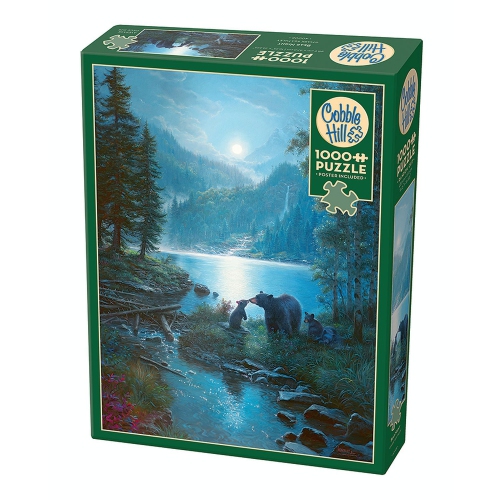
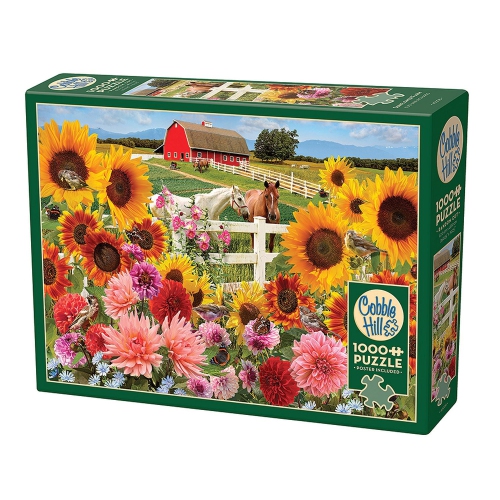
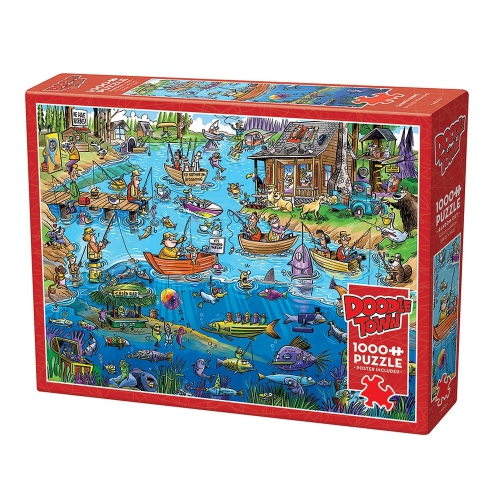
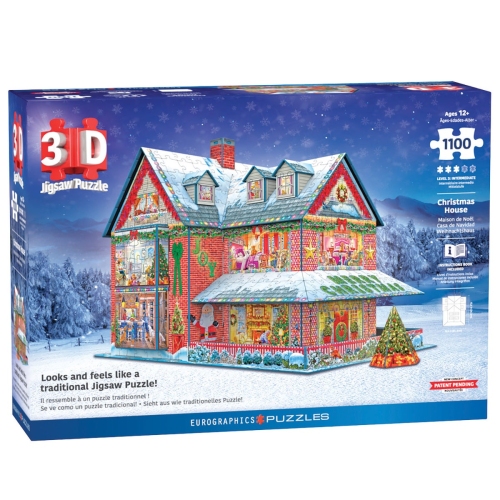
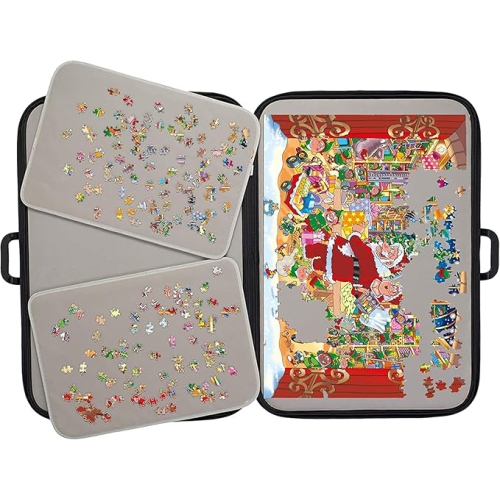
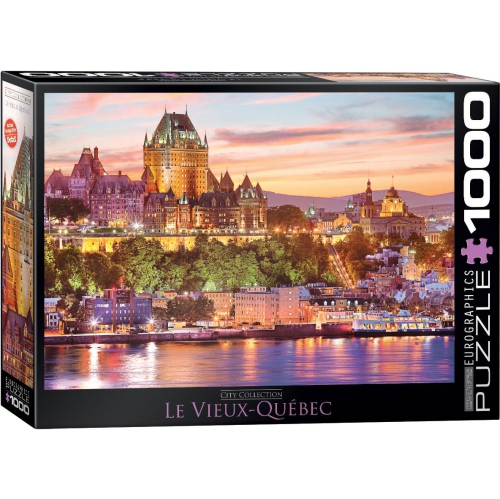
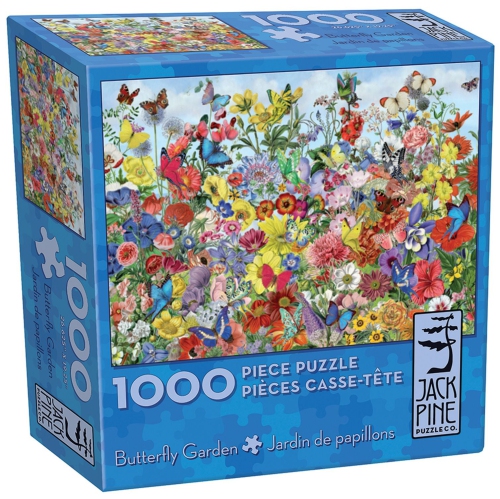
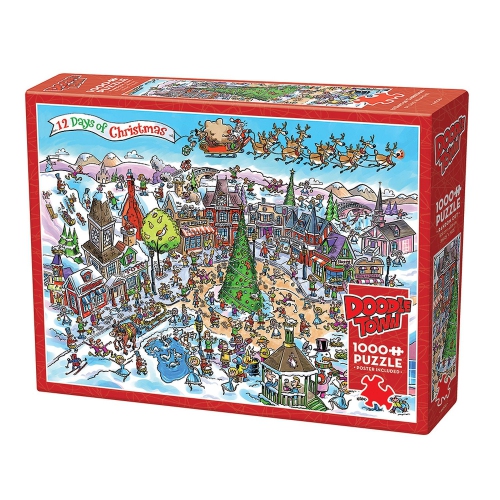
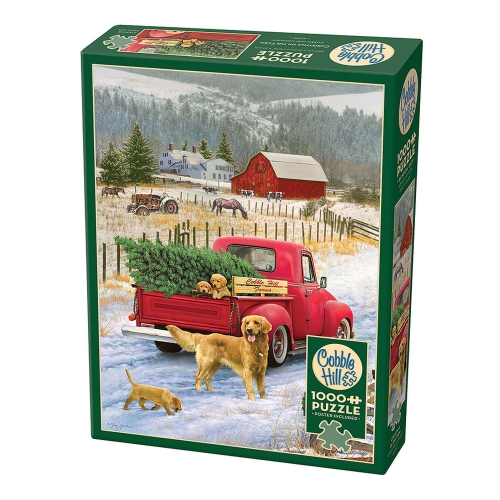
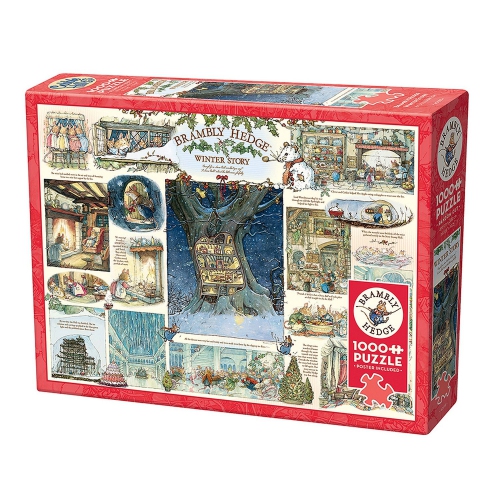
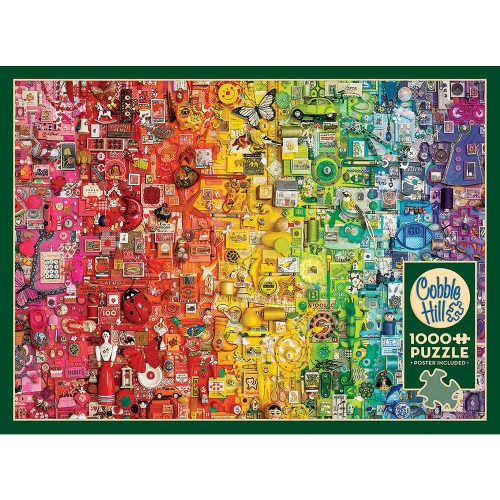
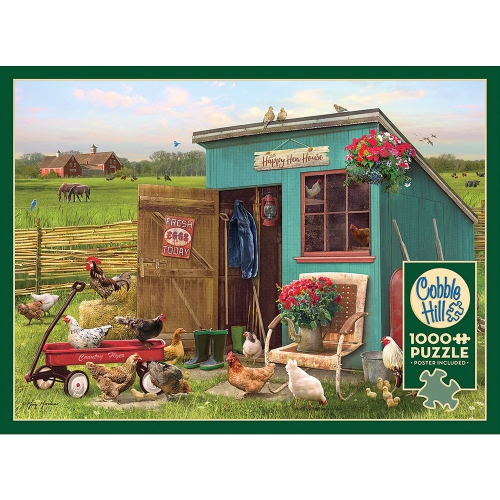
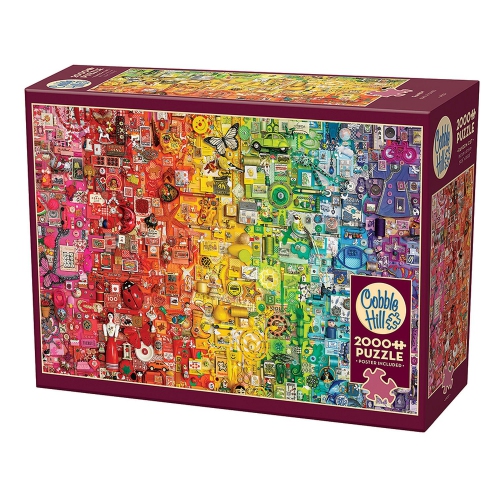
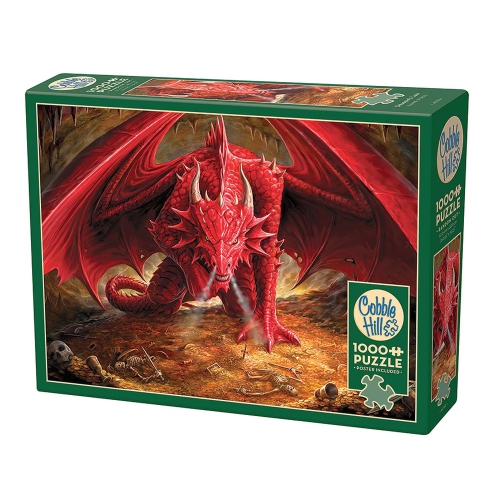
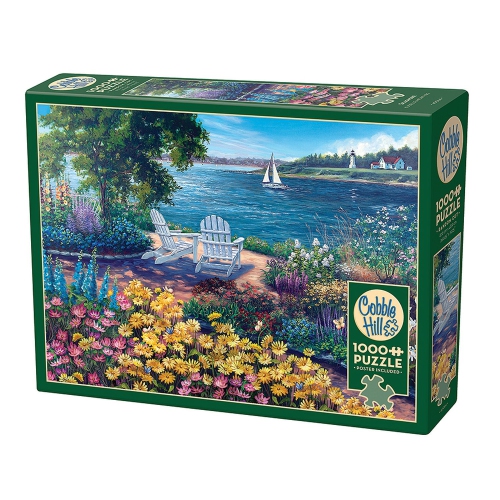
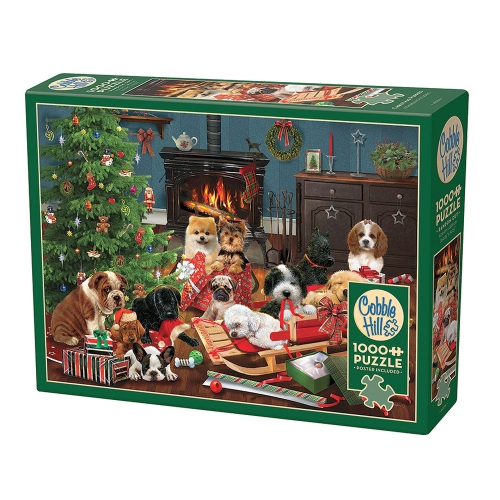
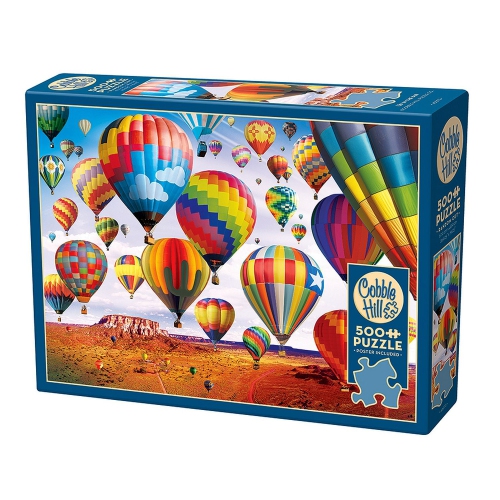
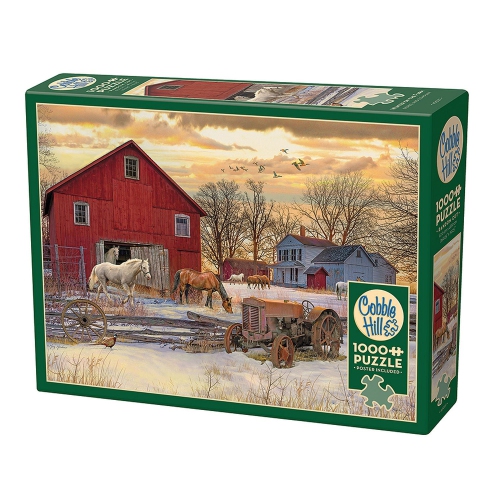
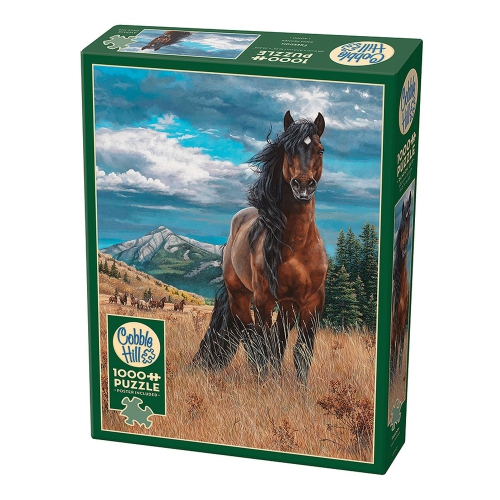
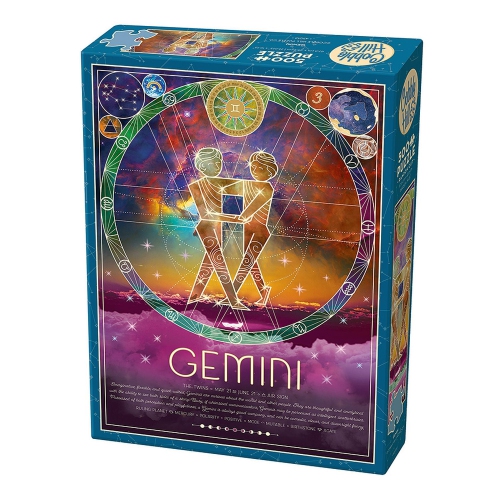
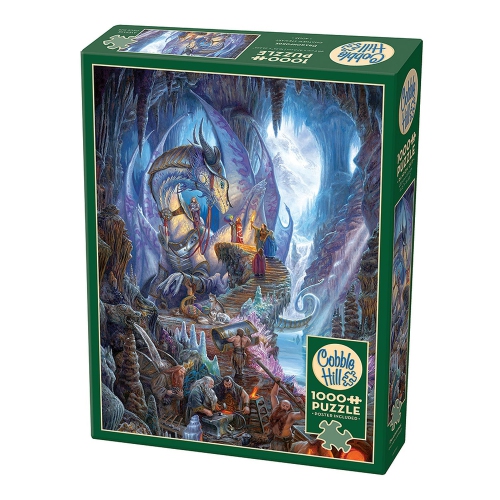
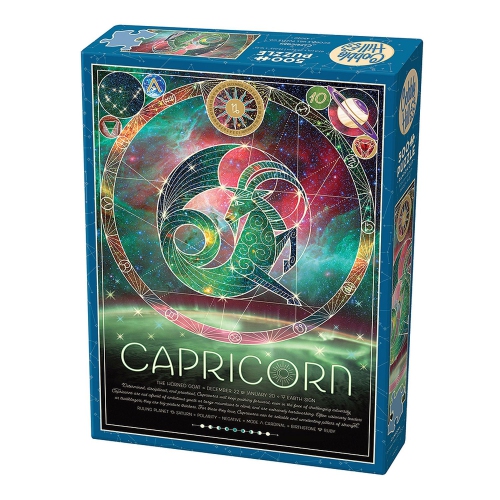
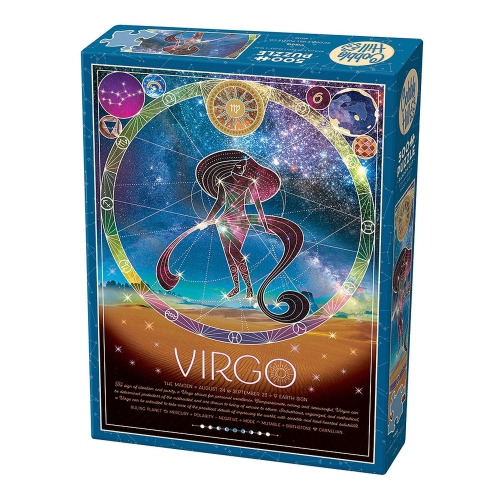
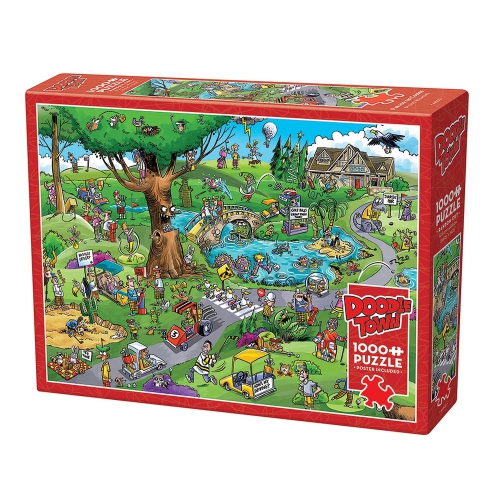
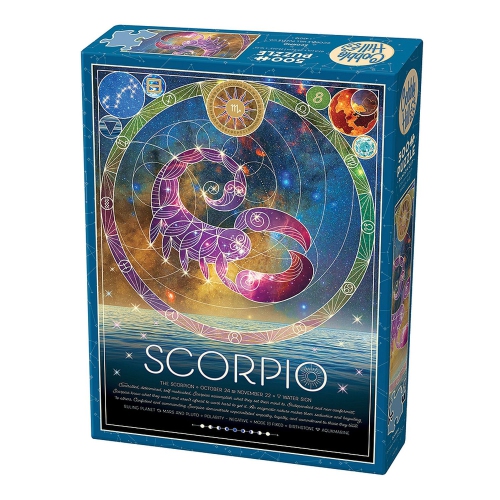
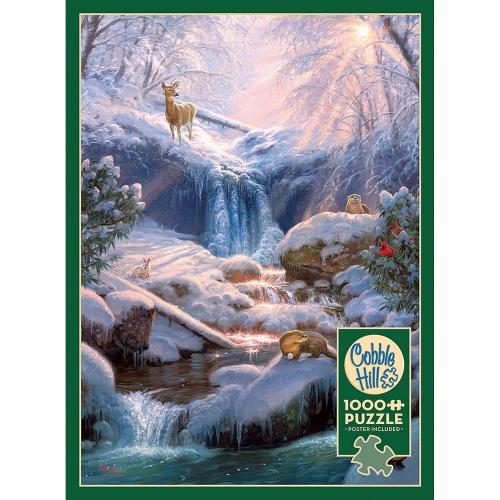
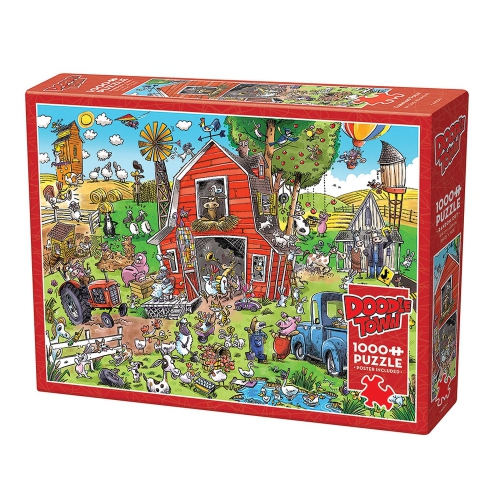
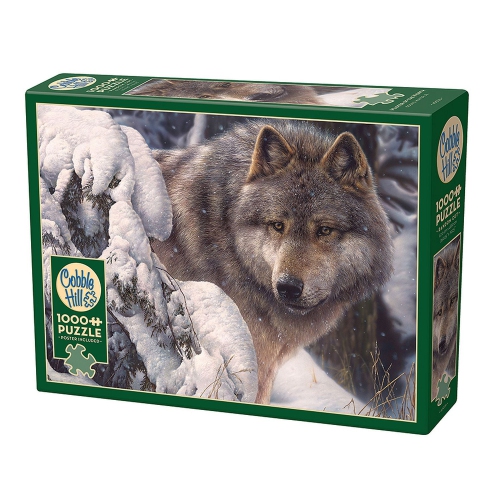
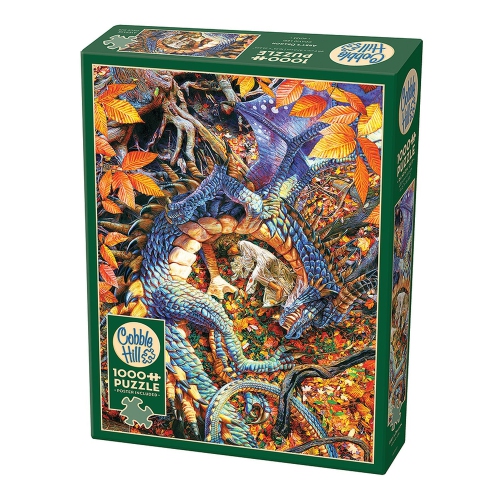
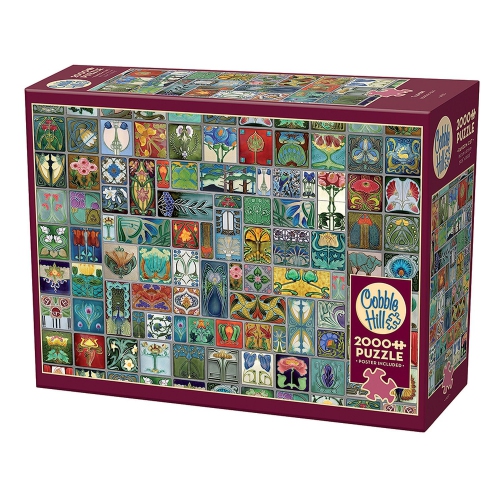
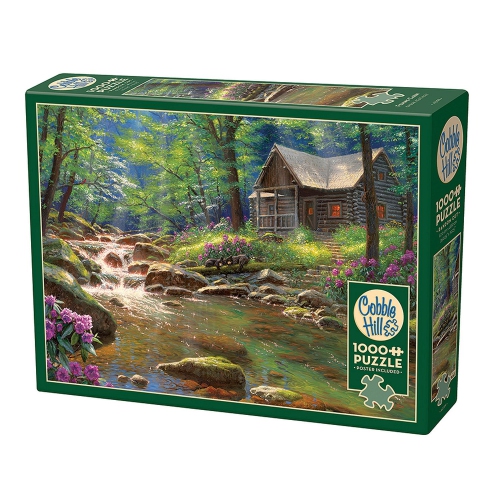
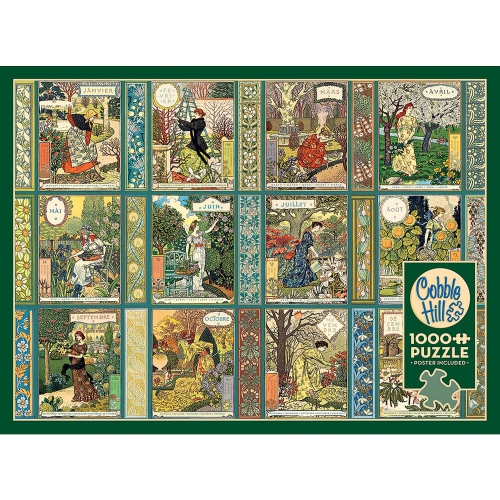
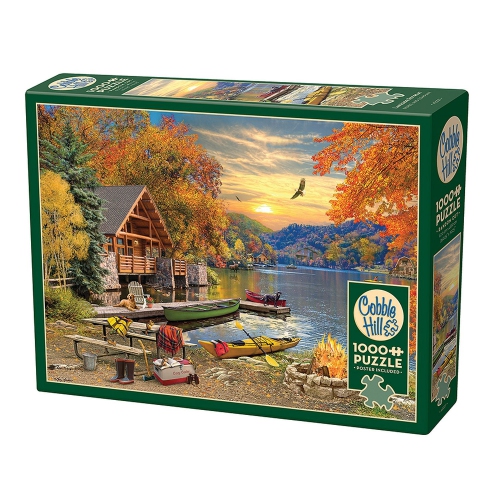
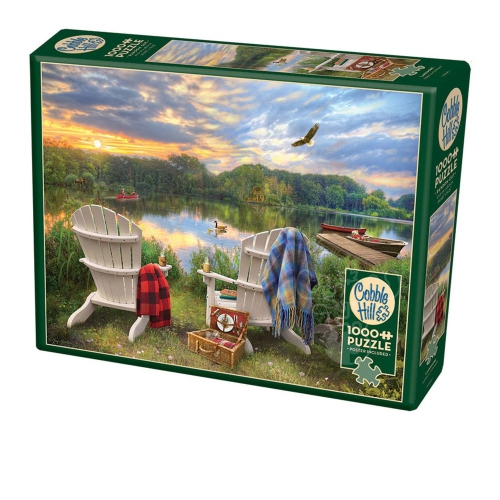
The picture shapes the challenge beyond piece count
Puzzles with 1,000 to 1,500 pieces offer a substantial jigsaw challenge, with enough detail to keep a scene unfolding over several sessions. This piece-count range suits adults, teens, and experienced puzzlers who enjoy settling into a project rather than finishing everything in one sitting. A 1,000-piece puzzle can provide a satisfying balance of complexity and manageable table space, while a 1,500-piece puzzle often adds more sorting and a larger completed image. Piece count alone does not determine difficulty, though. A busy illustration with distinct shopfronts, patterned clothing, and clearly separated colours may be easier to navigate than a photograph filled with similar shades of blue. Broad skies, reflections, repeated windows, and subtle gradients require close attention to both the printed image and the shape of each piece. Landscapes, animals, architecture, fine art, maps, and illustrated collages each bring a different rhythm to the experience. Some reward searching for tiny details; others invite the slow assembly of broad bands of colour. For someone who prefers recognizable sections and frequent small milestones, a scene with varied textures and well-defined objects can feel particularly satisfying. Those who enjoy a tougher challenge may gravitate towards limited colour palettes or repeating patterns. The 1000 Piece Jigsaw Puzzles collection offers a more focused starting point for shoppers who prefer that piece count. Across the wider 1,000 to 1,500-piece range, the image should be something the puzzler will enjoy examining closely, whether that means tracing a mountain ridge, matching the lettering on an illustrated sign, or spotting a familiar animal among detailed foliage. A picture that holds personal interest gives the finished project meaning beyond its difficulty and makes returning to an unfinished section more inviting. For shared puzzling, images with several distinct areas let each person work on a different part before bringing the sections together. One person might assemble a building while another sorts flowers, creating an easy activity to share without everyone reaching for the same pieces.
Materials and construction influence how a puzzle feels throughout the build, from the first sort to placing the final piece. Many jigsaw puzzles in this range use paperboard with a printed surface, while some use wood; the material, thickness, and cutting method all affect handling. Firm pieces that lie flat are easier to move into position, and cleanly cut edges help distinguish a correct connection from one that only looks close. A good fit should feel secure without needing pressure. Forcing a connection can bend a tab or damage the printed edge, especially when several neighbouring pieces have similar shapes. Cut styles vary as well. Ribbon-cut puzzles generally have pieces arranged in recognizable rows and columns, while random-cut designs use a less regular arrangement that can add another layer of shape-based problem-solving. Neither style is automatically easier: image detail, piece variety, and fit work together to shape the challenge. Surface finish also matters during longer sessions. A matte finish can reduce distracting reflections under a lamp, while other finishes may catch more light depending on the viewing angle. Clear printing helps preserve small clues such as brushstrokes, brickwork, and fine outlines. A separate reference image, when included, can make it easier to inspect those clues without keeping the box lid upright beside the workspace. Finished dimensions deserve as much attention as piece count because two puzzles with the same number of pieces may occupy different amounts of space. Individual piece size can vary, too, affecting how easily pieces can be picked up and details identified. The stated finished measurements should fit comfortably on the intended table or puzzle board, with extra room for loose pieces and partially assembled sections. A puzzle that technically fits edge to edge may still be awkward to work on. For a shared dining table, a movable board or suitable storage system can help keep the project intact between sessions, provided it supports the full completed dimensions.
Everyday use and care are worth considering when choosing a 1,000 to 1,500-piece puzzle, particularly if it will be assembled repeatedly or shared among several people. A flat, dry surface gives pieces consistent support, and shallow sorting trays can separate edge pieces, dominant colours, or small details without spreading everything across the room. Good lighting makes subtle colour differences easier to see; moving a lamp to the side can sometimes reveal printed detail that disappears in a reflection. Food and drinks are best kept away from the working area, since moisture can swell paperboard and spills may permanently mark the image. Handling pieces with clean, dry hands helps protect the surface, while lifting joined sections with support underneath reduces strain on narrow tabs. For routine care, follow any supplied instructions and avoid wet cleaning unless the maker specifically permits it. Before putting an unfinished puzzle away, check that the chosen storage method suits its material and thickness. A flexible roll-up mat and a rigid puzzle board handle pieces differently, and neither should be assumed suitable for every design. Once the puzzle is complete, gently separating pieces rather than pulling large connected sections apart helps preserve their edges for another build. Keeping loose pieces in a closed bag inside the box can reduce the chance of losing one during storage, and retaining the reference image makes future assembly more convenient. These puzzles can be thoughtful gifts for people who enjoy detailed artwork, quiet hobbies, or activities shared around a table. Matching the subject to the recipient’s interests often matters more than choosing the highest piece count: an architecture enthusiast may appreciate intricate streetscapes, while an animal lover may enjoy a richly illustrated wildlife scene. Comfort with small pieces, access to a suitable workspace, and patience for a longer project also influence how well the gift will suit its recipient. For households with young children or pets, a workspace that can be covered or moved out of reach helps protect both the unfinished picture and its many small pieces.
Materials and construction influence how a puzzle feels throughout the build, from the first sort to placing the final piece. Many jigsaw puzzles in this range use paperboard with a printed surface, while some use wood; the material, thickness, and cutting method all affect handling. Firm pieces that lie flat are easier to move into position, and cleanly cut edges help distinguish a correct connection from one that only looks close. A good fit should feel secure without needing pressure. Forcing a connection can bend a tab or damage the printed edge, especially when several neighbouring pieces have similar shapes. Cut styles vary as well. Ribbon-cut puzzles generally have pieces arranged in recognizable rows and columns, while random-cut designs use a less regular arrangement that can add another layer of shape-based problem-solving. Neither style is automatically easier: image detail, piece variety, and fit work together to shape the challenge. Surface finish also matters during longer sessions. A matte finish can reduce distracting reflections under a lamp, while other finishes may catch more light depending on the viewing angle. Clear printing helps preserve small clues such as brushstrokes, brickwork, and fine outlines. A separate reference image, when included, can make it easier to inspect those clues without keeping the box lid upright beside the workspace. Finished dimensions deserve as much attention as piece count because two puzzles with the same number of pieces may occupy different amounts of space. Individual piece size can vary, too, affecting how easily pieces can be picked up and details identified. The stated finished measurements should fit comfortably on the intended table or puzzle board, with extra room for loose pieces and partially assembled sections. A puzzle that technically fits edge to edge may still be awkward to work on. For a shared dining table, a movable board or suitable storage system can help keep the project intact between sessions, provided it supports the full completed dimensions.
Everyday use and care are worth considering when choosing a 1,000 to 1,500-piece puzzle, particularly if it will be assembled repeatedly or shared among several people. A flat, dry surface gives pieces consistent support, and shallow sorting trays can separate edge pieces, dominant colours, or small details without spreading everything across the room. Good lighting makes subtle colour differences easier to see; moving a lamp to the side can sometimes reveal printed detail that disappears in a reflection. Food and drinks are best kept away from the working area, since moisture can swell paperboard and spills may permanently mark the image. Handling pieces with clean, dry hands helps protect the surface, while lifting joined sections with support underneath reduces strain on narrow tabs. For routine care, follow any supplied instructions and avoid wet cleaning unless the maker specifically permits it. Before putting an unfinished puzzle away, check that the chosen storage method suits its material and thickness. A flexible roll-up mat and a rigid puzzle board handle pieces differently, and neither should be assumed suitable for every design. Once the puzzle is complete, gently separating pieces rather than pulling large connected sections apart helps preserve their edges for another build. Keeping loose pieces in a closed bag inside the box can reduce the chance of losing one during storage, and retaining the reference image makes future assembly more convenient. These puzzles can be thoughtful gifts for people who enjoy detailed artwork, quiet hobbies, or activities shared around a table. Matching the subject to the recipient’s interests often matters more than choosing the highest piece count: an architecture enthusiast may appreciate intricate streetscapes, while an animal lover may enjoy a richly illustrated wildlife scene. Comfort with small pieces, access to a suitable workspace, and patience for a longer project also influence how well the gift will suit its recipient. For households with young children or pets, a workspace that can be covered or moved out of reach helps protect both the unfinished picture and its many small pieces.
Top selling and popular products
-
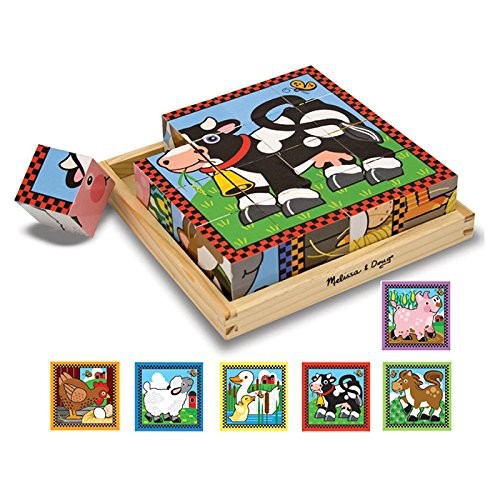 Your price for this item is $32.99
 -
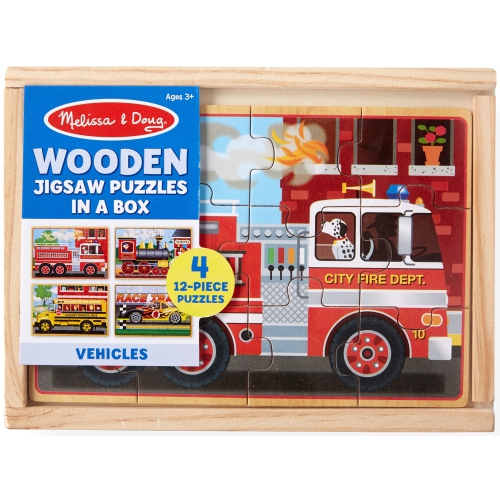 Your price for this item is $35.99
 -
 Your price for this item is $30.99
 -
 Your price for this item is $29.99
 -
 Your price for this item is $36.99
 -
 Your price for this item is $34.9
 -
 Your price for this item is $17.95
 -
 Your price for this item is $349.99
Discover more categories related to 1000 To 1500 Piece Puzzles
Top Collections:
Pokemon Centers, Budget 4K TVs, Kindle Devices, Canon G7X Cameras, Apple iPhones 16, iPhone 15 Apple, Laptops for Business Work, Flip Phones, Xiaomi Phones, Refurbished Apple Laptops
Some products may be subject to Environmental Handling Fees
(EHF) depending on your province.
Learn more about EHFs.