3D Puzzle Models
Get ready to dive into the world of creativity and problem-solving with our collection of 3D puzzle models. These mind-bending puzzles offer a unique and engaging way to challenge yourself while creating stunning miniature replicas of famous landmarks, vehicles, animals, and more. Whether you're a seasoned puzzle enthusiast or just starting out, our selection of 3D puzzle models has something for everyone. From intricate architectural wonders to adorable animal companions, these puzzles will keep you entertained for hours on end. So grab your thinking cap and let the adventure begin!
Sort

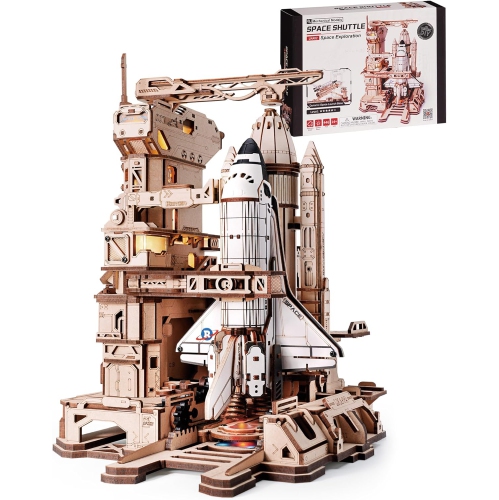
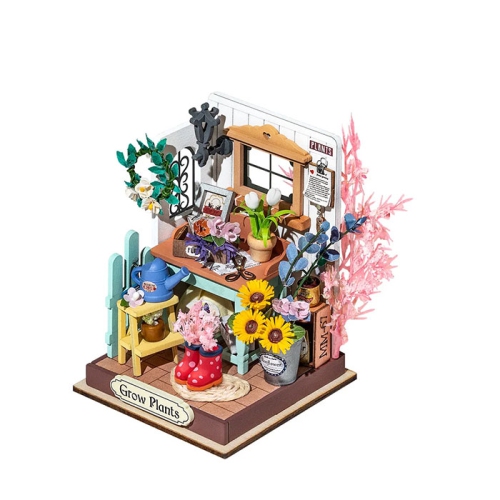
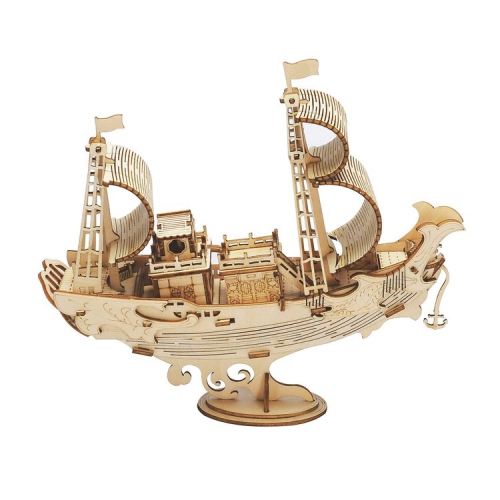
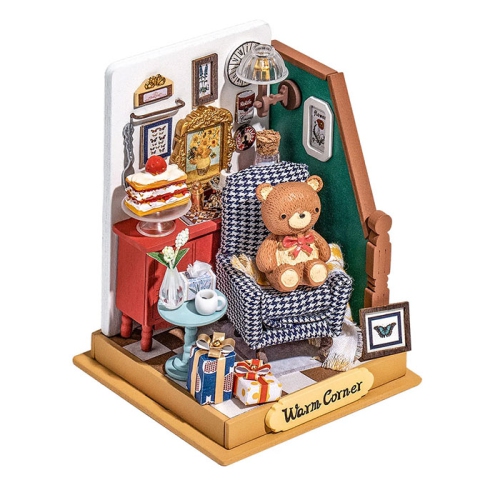
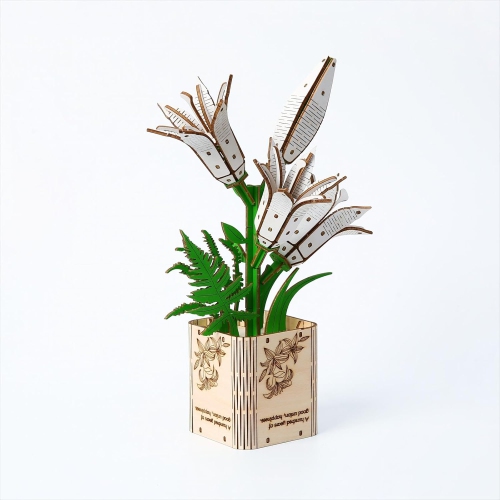
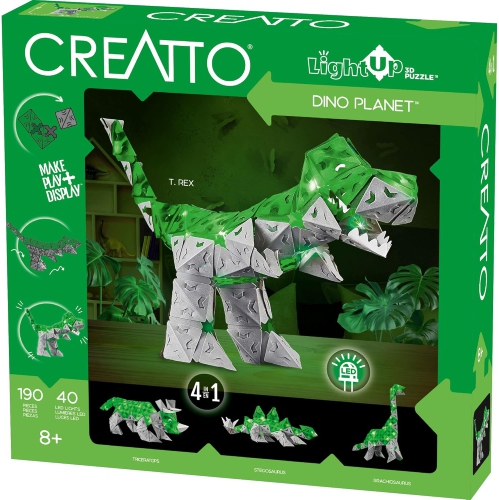
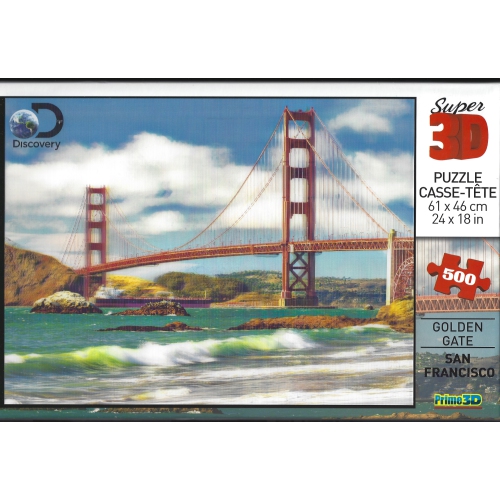
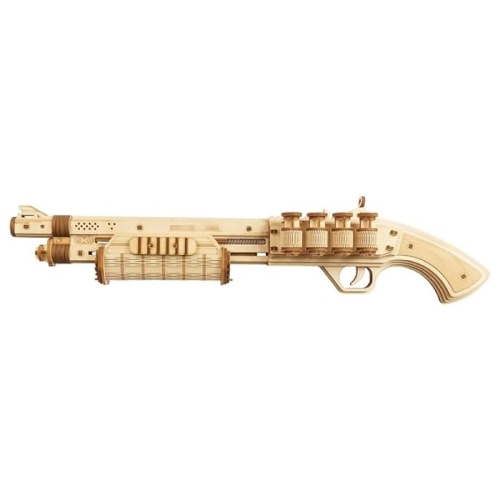
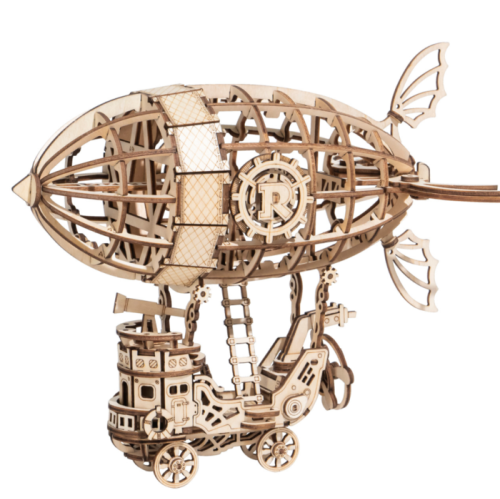
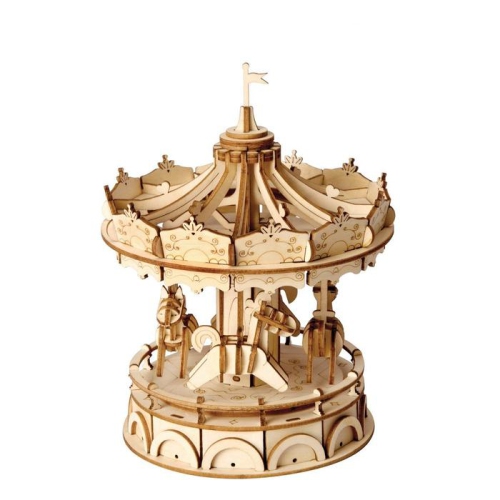
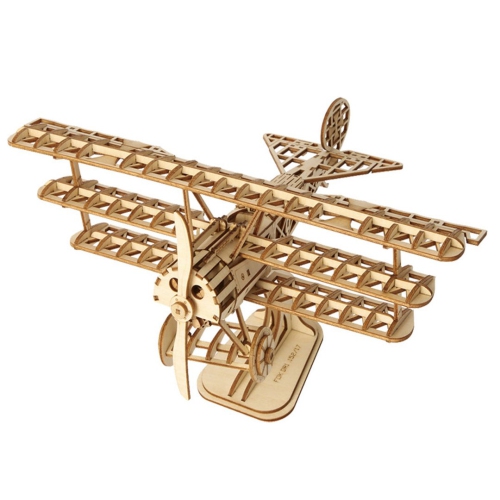

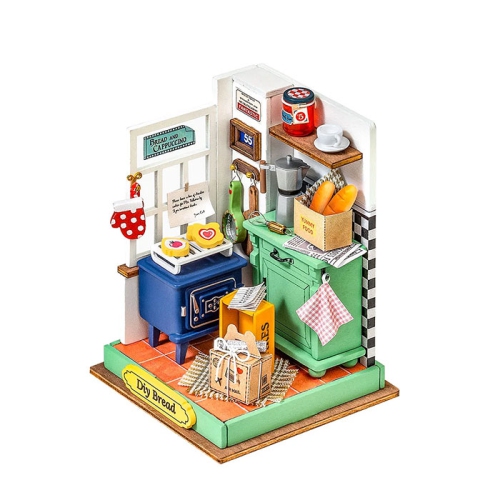
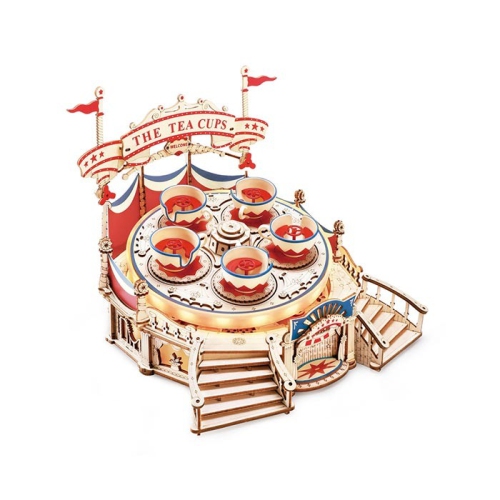
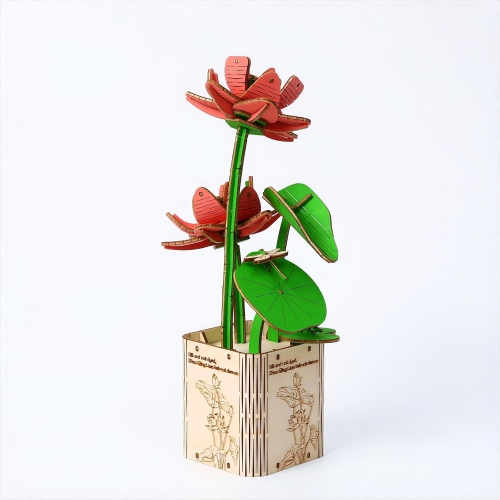
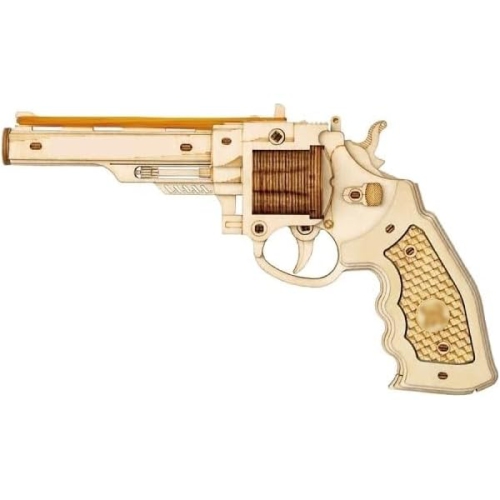

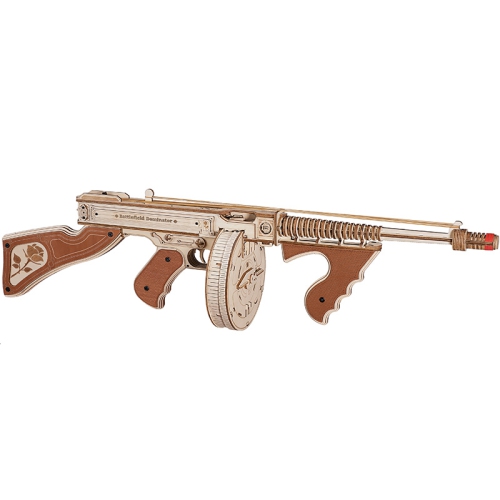

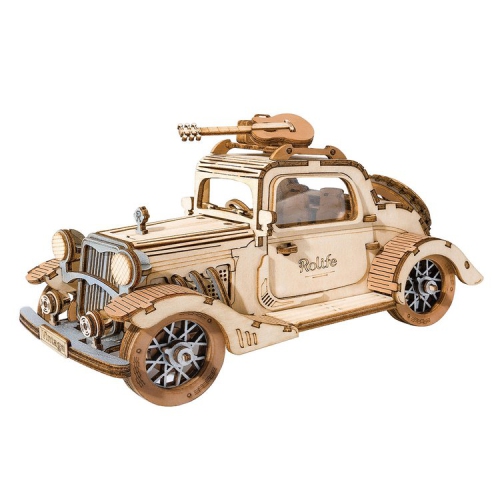

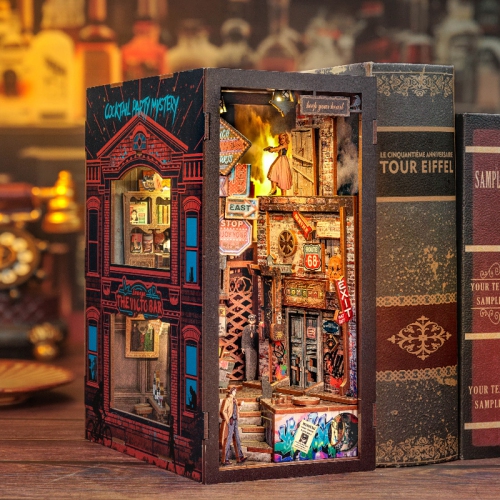


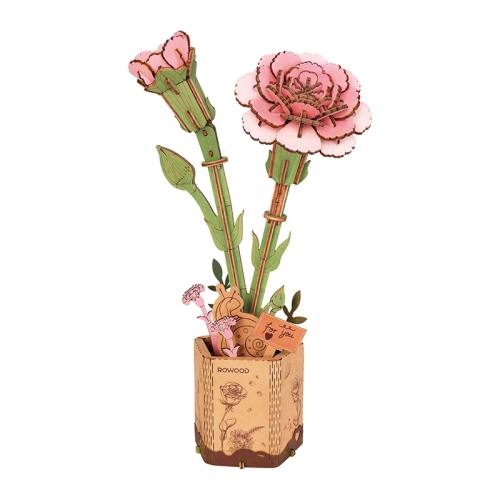


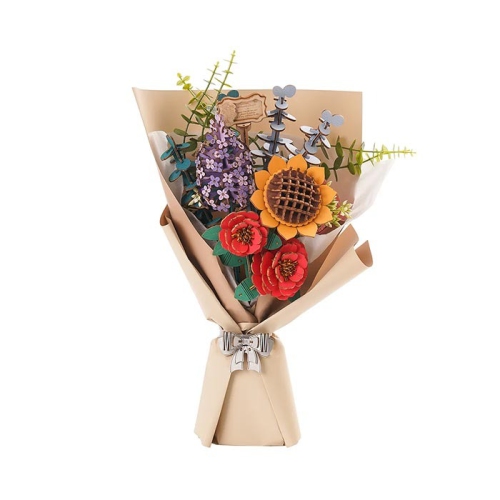

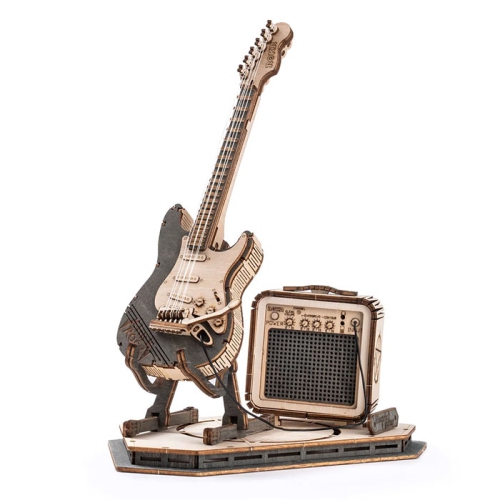
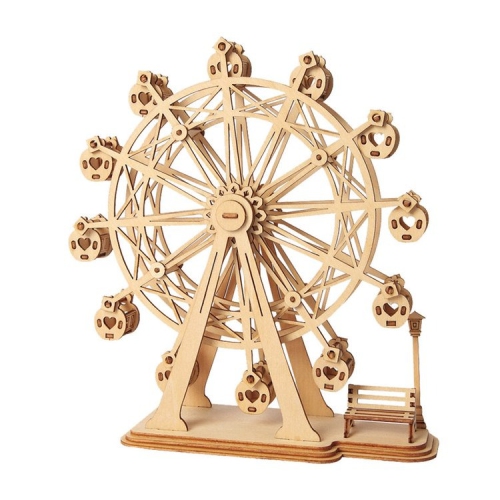

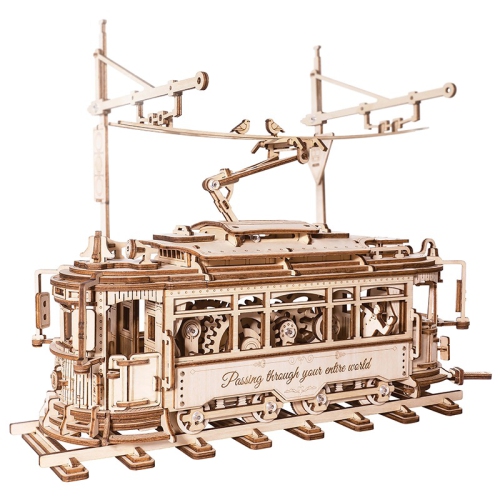
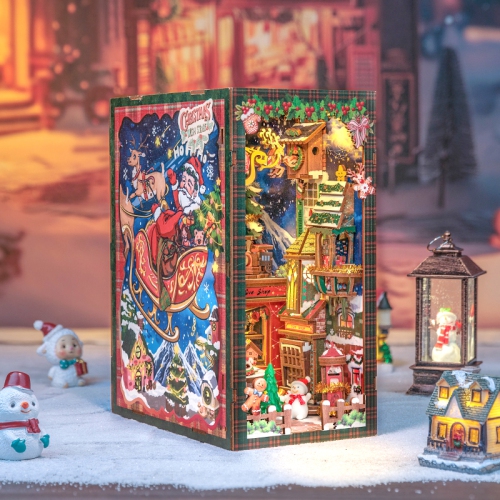
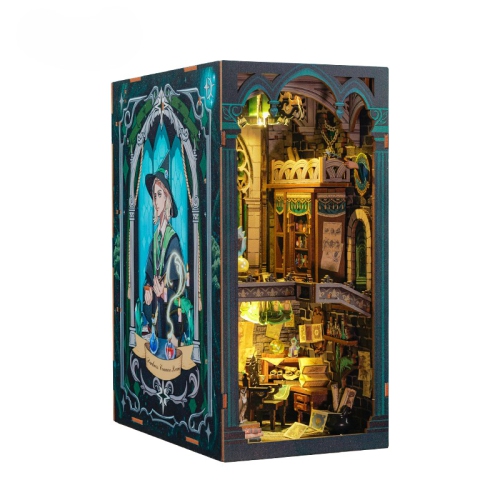
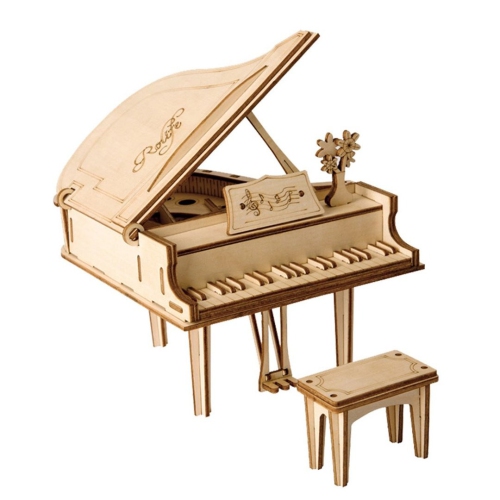

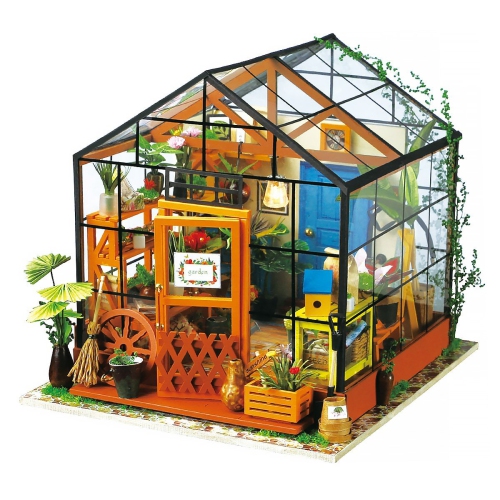
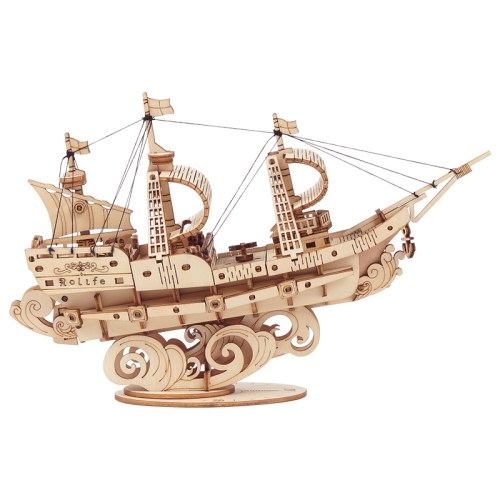
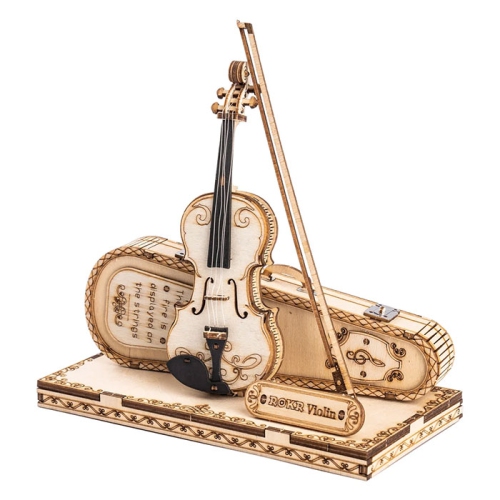

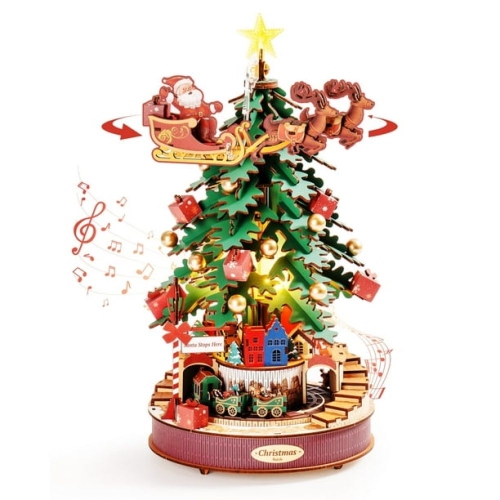


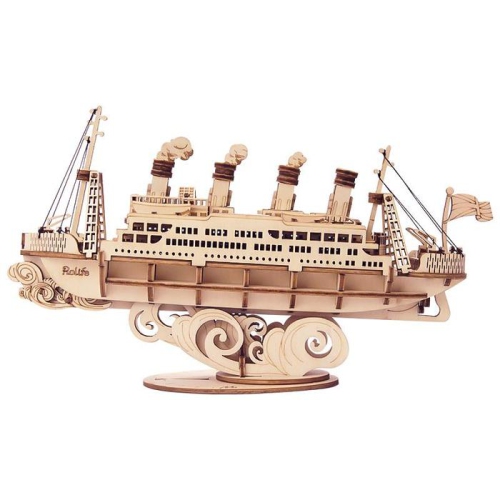
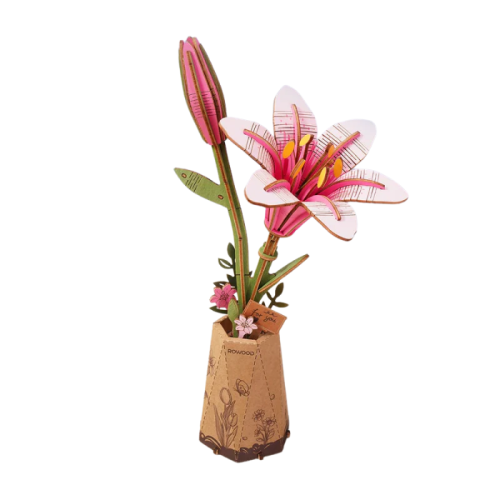
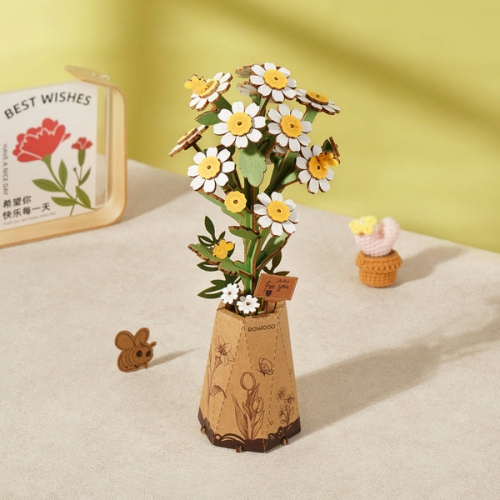

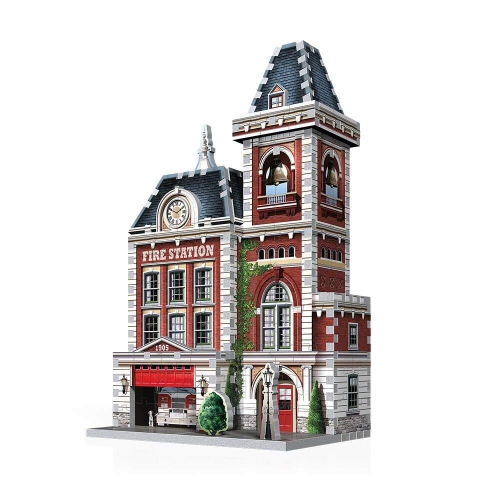
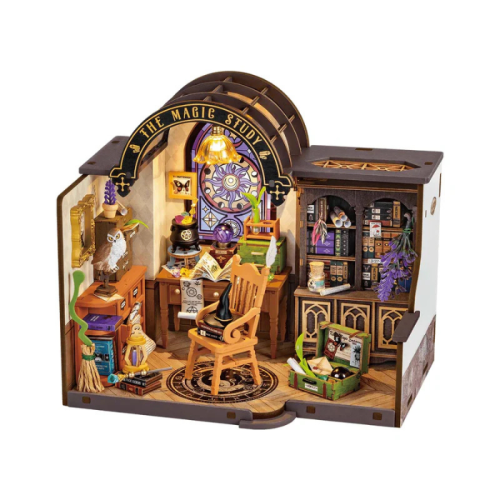
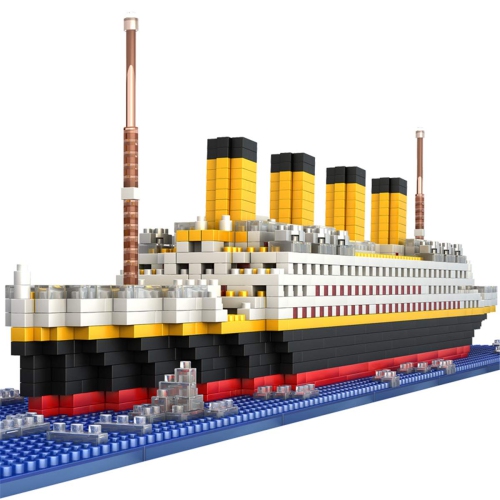

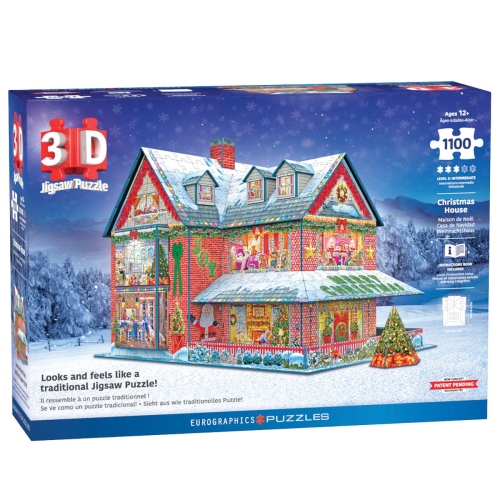
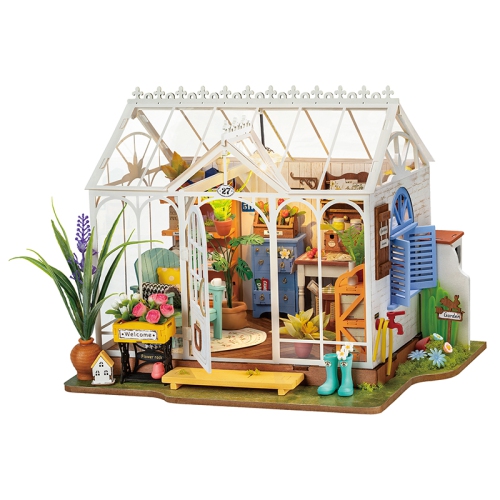


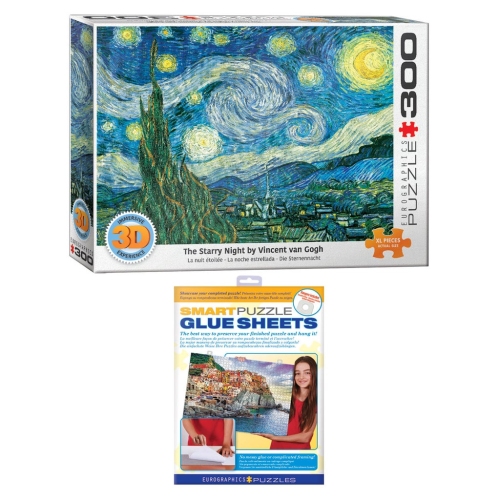

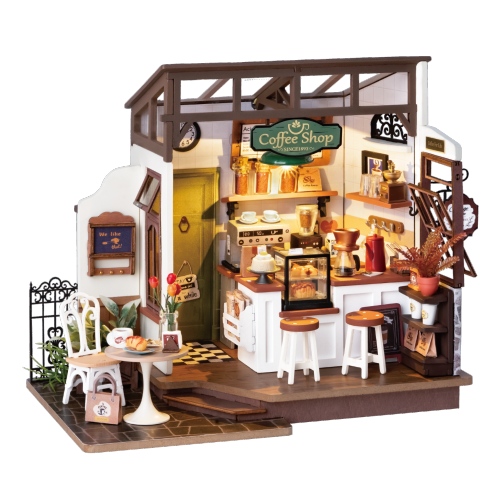

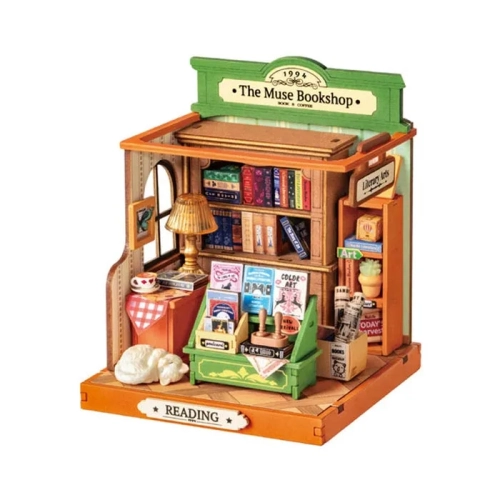
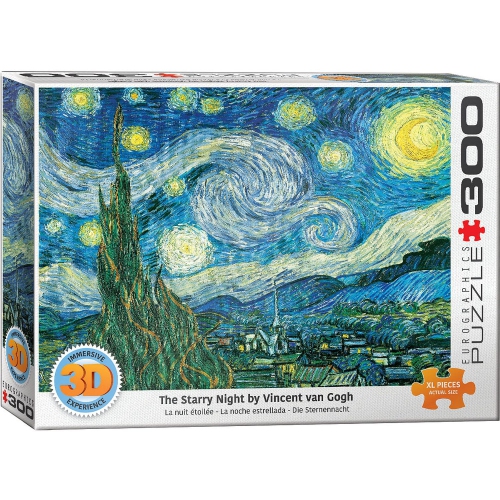
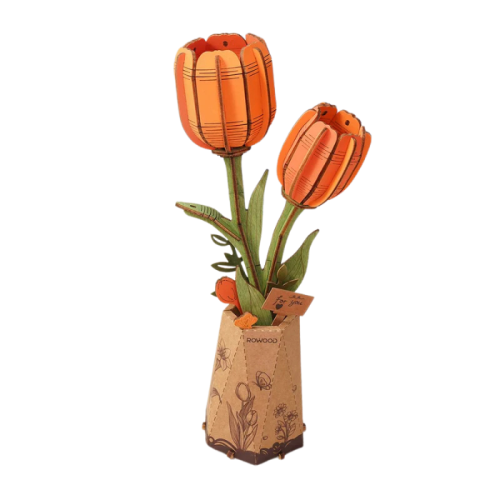

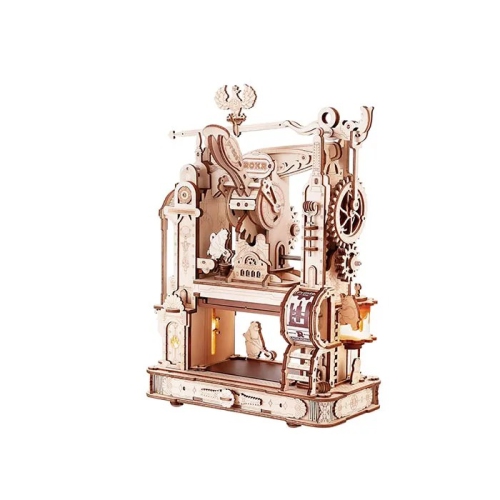


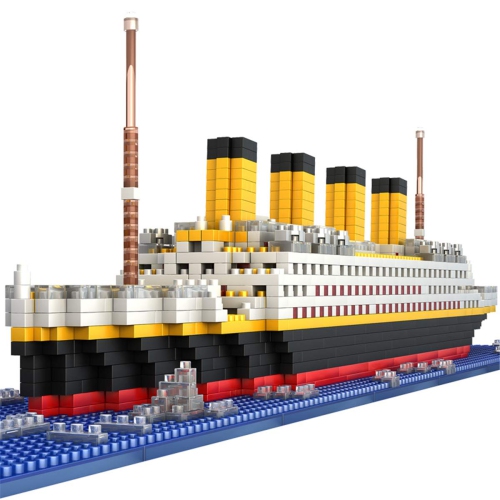
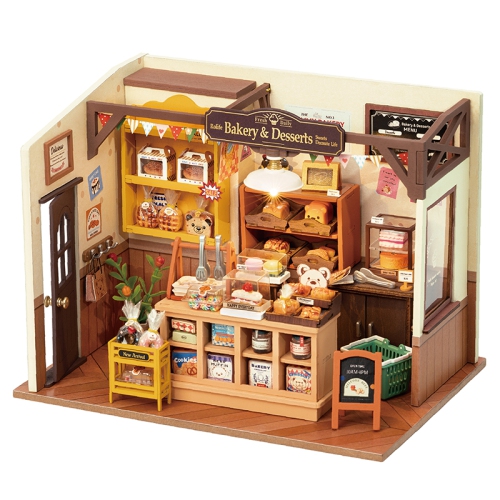

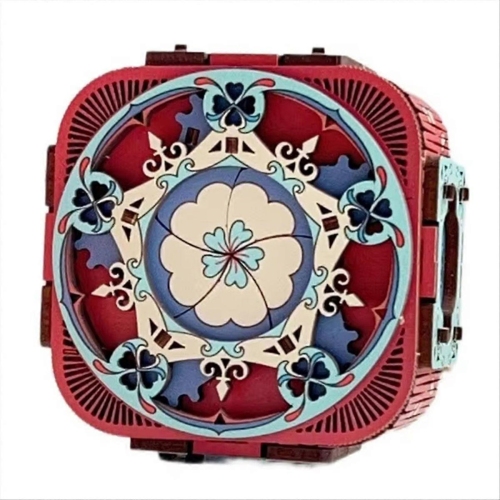
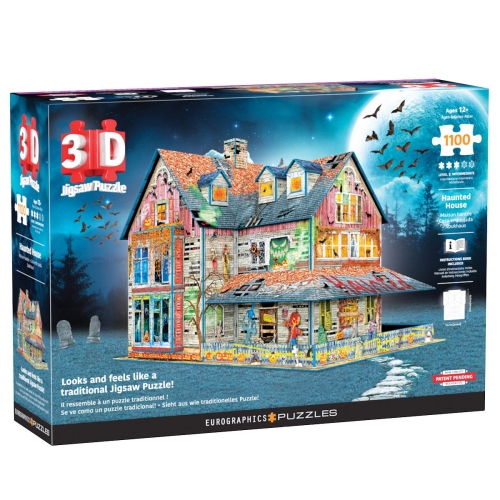

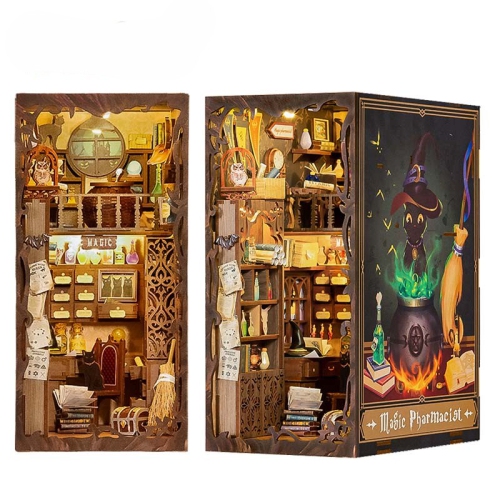


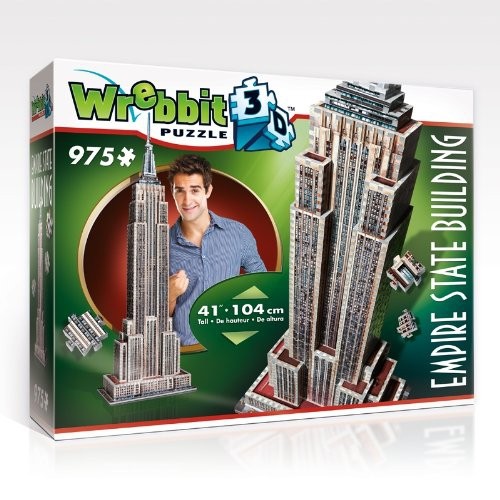
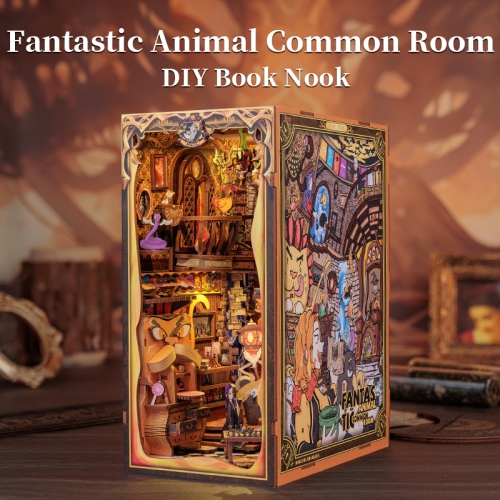
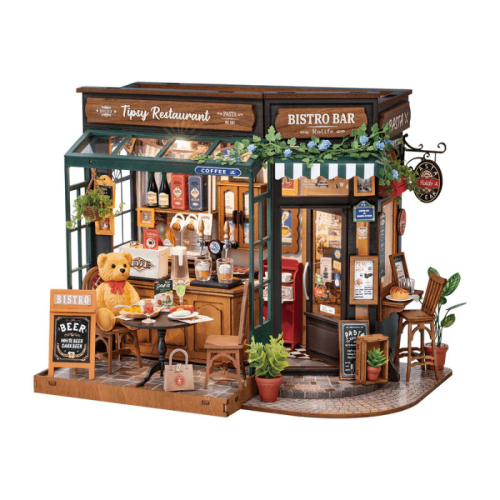
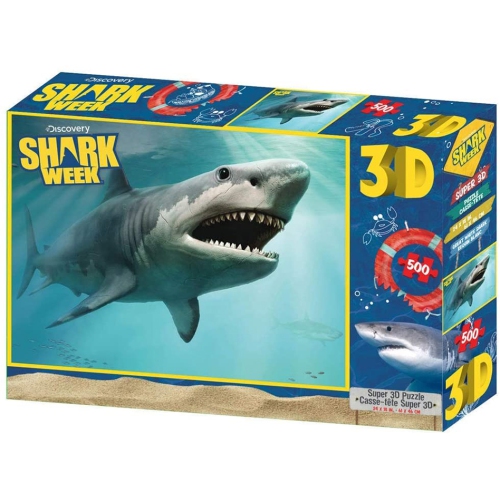
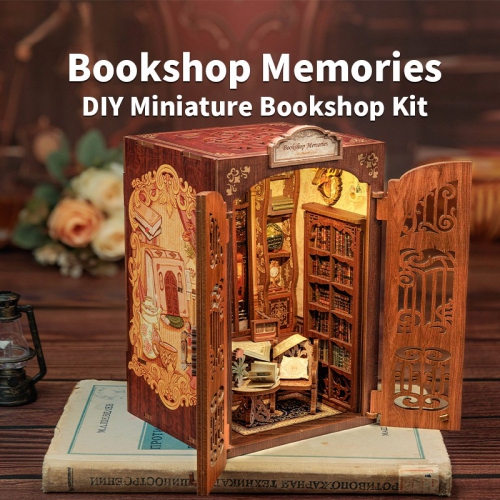
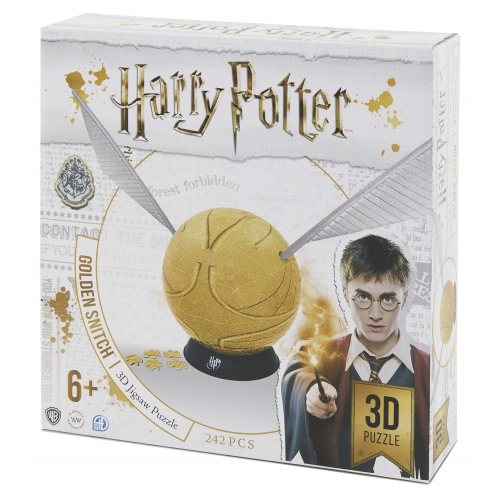

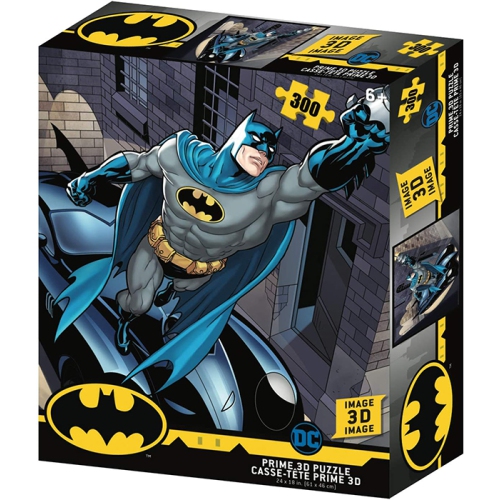
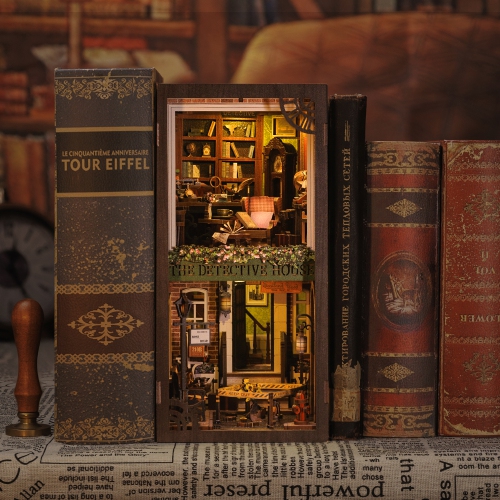
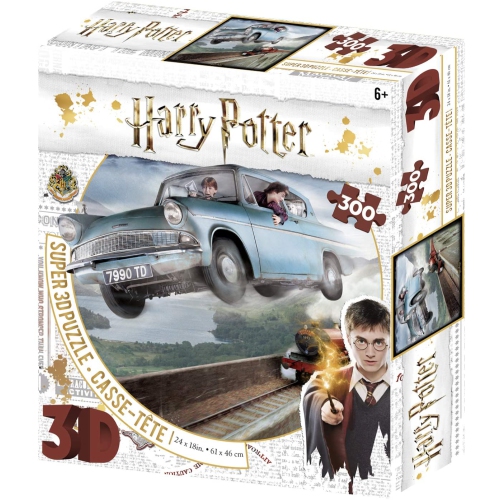


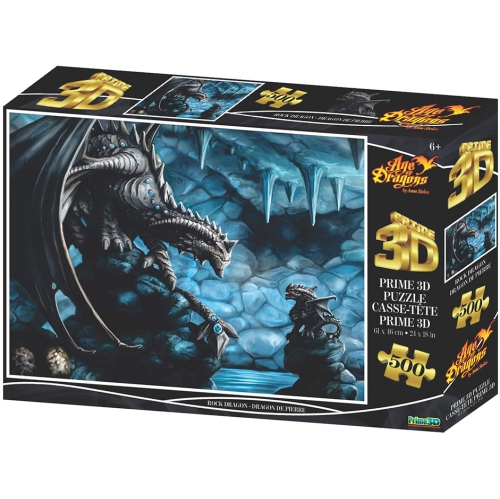
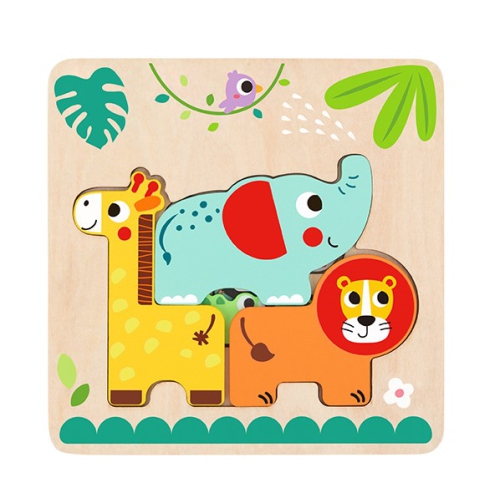
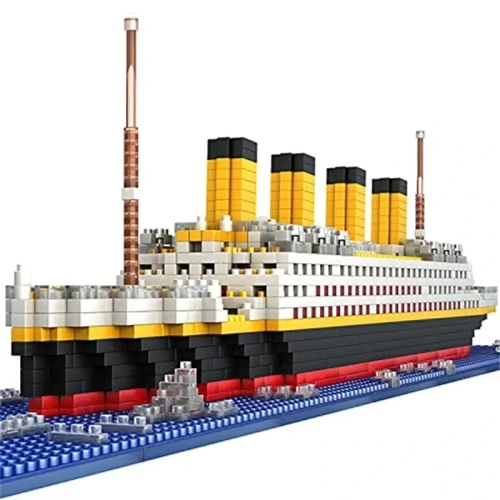


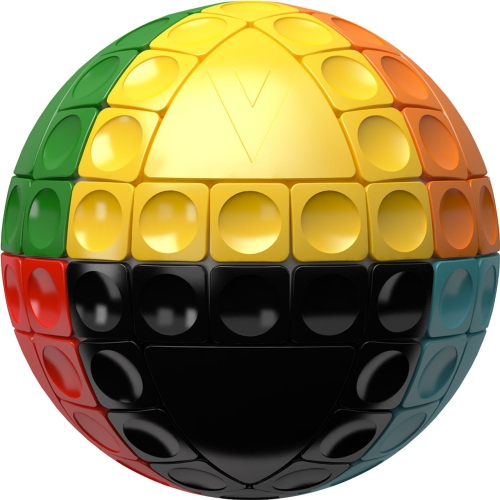

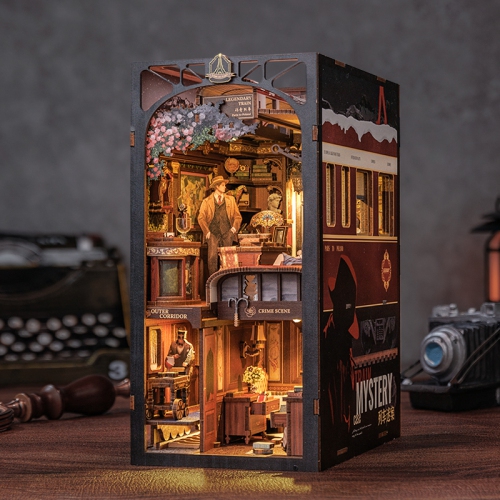
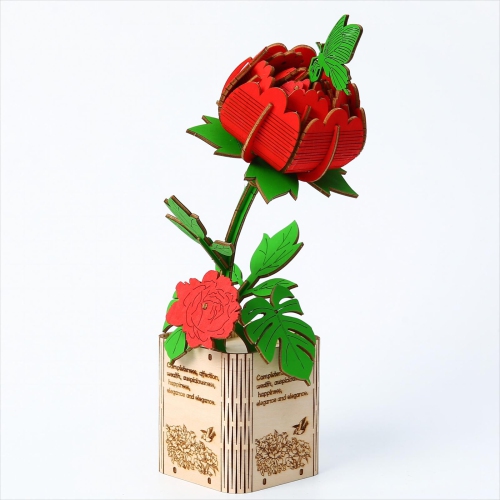
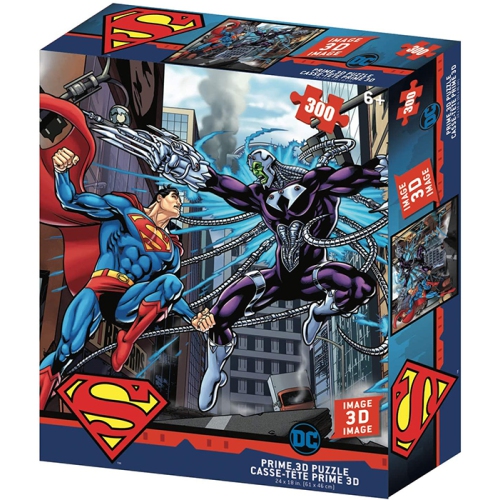
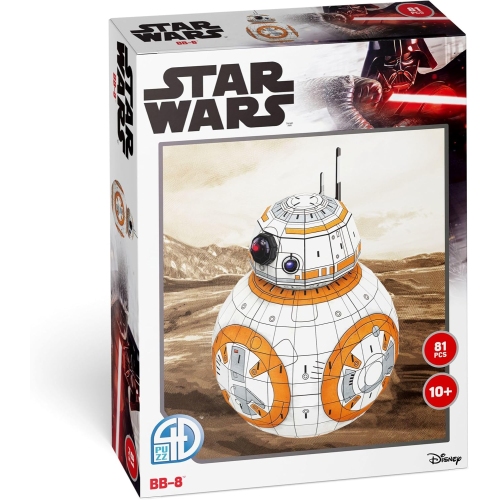


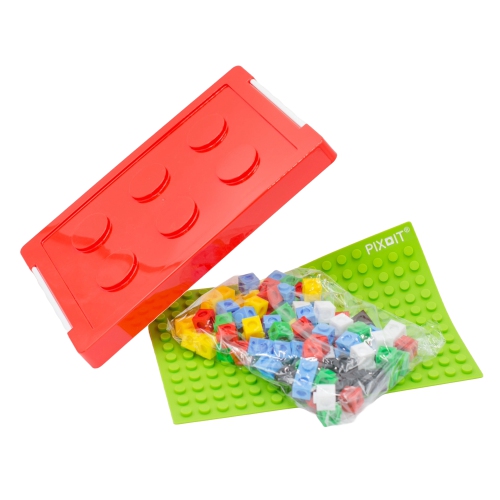
How flat pieces become freestanding structures worth displaying
3D puzzle models turn flat pieces into freestanding structures, combining the satisfaction of a jigsaw with the detail of a miniature model. Rather than forming a single picture on a tabletop, the pieces connect at different angles to create depth, height, and shape. Common themes include architecture, vehicles, animals, fantasy settings, and mechanical designs with moving parts. A building model might take shape floor by floor, while a vehicle puzzle may begin with an internal frame before its outer panels are attached. Some designs focus on the finished silhouette; others reveal their construction through exposed supports, interlocking ribs, or visible gears. That variety makes three-dimensional puzzles appealing to casual puzzlers, model-building enthusiasts, and people who enjoy a hands-on activity with a displayable result. Materials play a large part in the experience. Wooden puzzles often use precisely cut tabs and slots to form layered structures, with natural grain adding character to the finished surface. Paperboard and foam-backed puzzles tend to be lightweight and can feature printed colours, brickwork, windows, or other details that establish the model’s appearance as it comes together. Plastic designs may use shaped, numbered pieces that lock into a rigid shell, while metal versions can involve bending small tabs and joining thin components with suitable tools. These are different building experiences, not simply different looks. A lightweight architectural puzzle may emphasize matching printed sections, whereas a wooden mechanism can require careful attention to axle placement and gear alignment. Many kits fit together without adhesive, but glue-free assembly is not universal, and some designs require additional supplies or finishing steps. The connection method, recommended age, and assembly requirements help distinguish a straightforward tabletop project from a more involved model. Across these styles, the central appeal remains the same: individual parts gradually become something with a recognizable form, ready to be viewed from every side.
The right level of complexity depends on more than the number of pieces. Piece size, the clarity of the instructions, the amount of repeated detail, and the precision needed at each connection all affect how a 3D puzzle model feels to build. A model with broad, clearly marked panels can be more approachable than a smaller kit filled with tiny, nearly identical components. For a beginner, a stable base and a clear assembly sequence can make progress easier to follow. Experienced builders may enjoy intricate frameworks, layered interiors, or working mechanisms that need several subassemblies to line up correctly. Mechanical and kinetic puzzles add another dimension through features such as turning gears, moving linkages, or tracks that carry marbles. Movement is specific to the design: some mechanisms operate by hand, while others may use a wind-up system or a separate power source. Smooth operation depends on accurate assembly, and moving parts should never need to be forced. For builders drawn to visible joinery and wood grain, the 3D Wooden Puzzle collection offers a related focus within this broader hobby. Whatever the material, a comfortable workspace makes a difference. A firm, level table gives the growing structure support, and a shallow tray helps keep small connectors from disappearing between sessions. Good lighting is especially useful when matching subtle printed details or reading the markings on a component. Parts generally fit best when aligned in the direction shown rather than pressed into place at an angle. Thin tabs, narrow wooden sections, and folded metal connections can be damaged by repeated bending or unnecessary force. Some kits include tools or other assembly aids, while others call for separate supplies, so the listed contents matter. Estimated build times are best treated as approximate: sorting pieces carefully, pausing between stages, and checking a mechanism can all extend the project without making the experience any less enjoyable.
A finished 3D puzzle model can be a display piece, a conversation starter, or, where the design allows, an object with a small interactive feature. Intended use matters because a model that resembles a toy is not necessarily made for active play. Delicate towers, projecting wings, exposed gears, and intricate railings may be better suited to a shelf than frequent handling. For children, the manufacturer’s age rating and supervision recommendations are more useful than the subject alone; a cheerful animal design can still contain small parts or demand considerable dexterity. Small components must be kept away from young children and pets, and kits involving sharp edges or tools need appropriate care. Shared builds can give an adult and child distinct roles, such as finding numbered pieces and joining larger sections, provided the kit is suitable for the child’s age. Teens and adults may appreciate a more independent project that rewards close observation, patience, and spatial reasoning. As gifts, 3D model puzzles feel especially personal when their theme connects with the recipient’s interests, whether that is architecture, transport, natural history, or the way machines work. The recipient’s available space is worth considering alongside the subject. Finished dimensions can be much larger than the flat sheets suggest, and tall or wide models need a display surface with enough clearance to protect protruding details. A dedicated board can help support a partly completed build, though the model should be moved only when its structure is secure. Long-term care varies by material and finish. A soft brush can lift dust from narrow gaps without soaking printed paperboard or unfinished wood, while any cleaning of plastic or metal should follow the manufacturer’s directions. Excess moisture may warp some components, and prolonged direct sunlight can fade printed surfaces. Mechanical models may have their own maintenance requirements, so oils, waxes, or other treatments should be used only when specified. Keeping the instructions and any spare parts together also makes later adjustments easier. With suitable handling and a stable display spot, the completed structure can remain an enjoyable reminder of the time and attention that went into building it.
Top selling and popular products
-
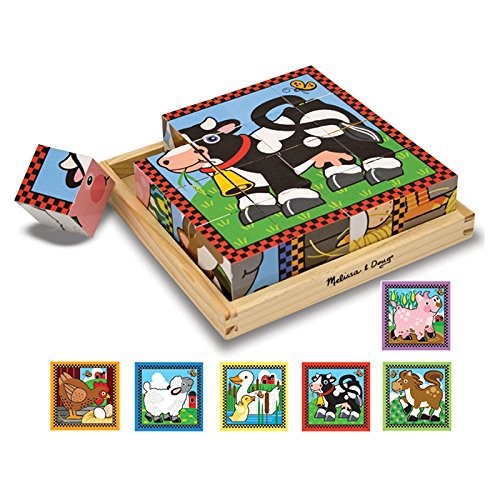 Your price for this item is $32.99
-
 Your price for this item is $35.99
-
 Your price for this item is $30.99
-
 Your price for this item is $26.93
-
 Your price for this item is $29.99
-
 Your price for this item is $36.99
-
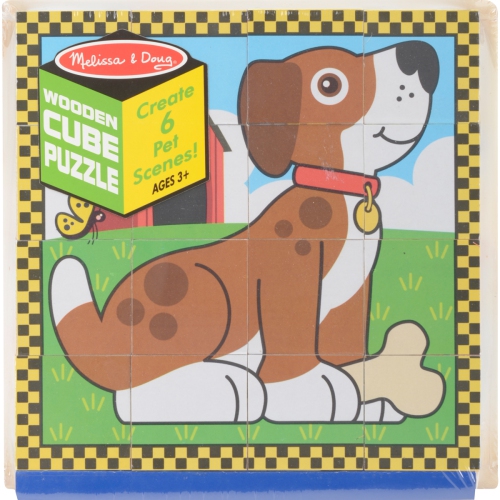 Your price for this item is $32.99
-
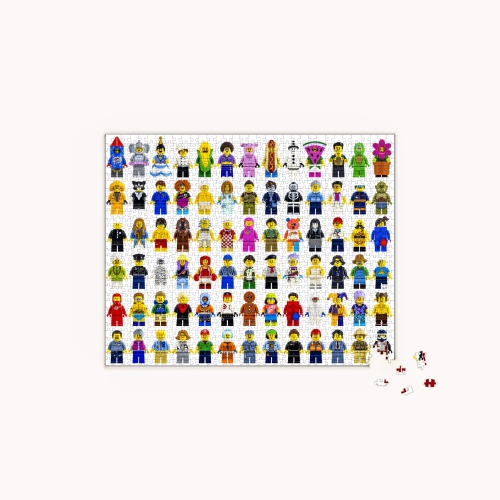 Your price for this item is $34.9
Discover more categories related to 3D Puzzle Models
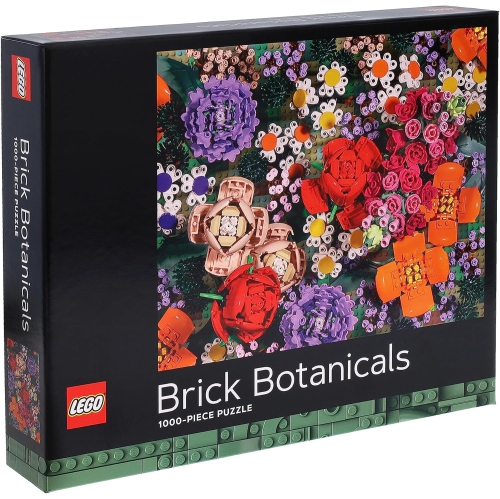
Top Collections:
Pokemon Centers, Best Cameras for Sports Photography, Kindle Devices, Samsung Galaxy Phones, Canon G7X Cameras, Pokémon 30th Celebration Cards, Refurbished Apple Laptops, iPhone 15 Apple, Laptops for Students, Budget Smartphones
Some products may be subject to Environmental Handling Fees
(EHF) depending on your province.
Learn more about EHFs.