Action Figures With Interchangeable Parts
Action Figures With Interchangeable Parts offer endless possibilities for play and display, letting collectors and fans customize their favorite characters in unique ways. Whether you’re building an imaginative scene or expanding your collection, these versatile figures make it easy to mix and match accessories, outfits, and more. Find the perfect addition to your lineup and enjoy hours of creative fun with Action Figures With Interchangeable Parts.
Sort

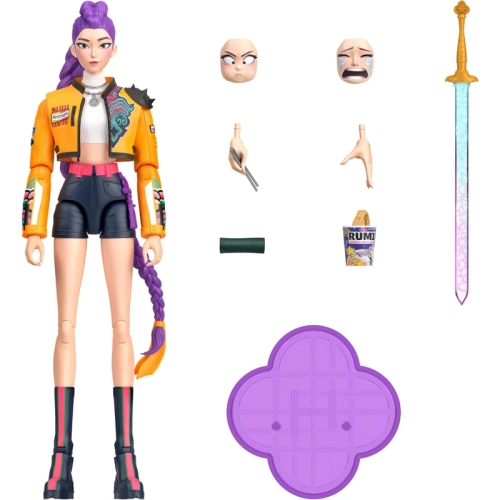
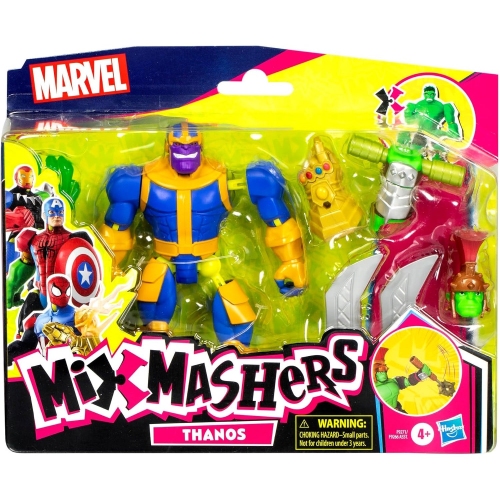
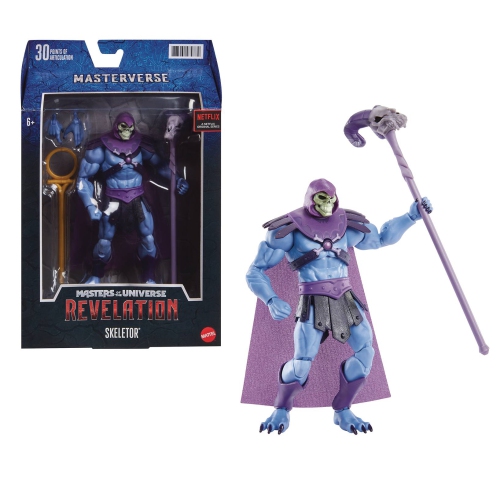

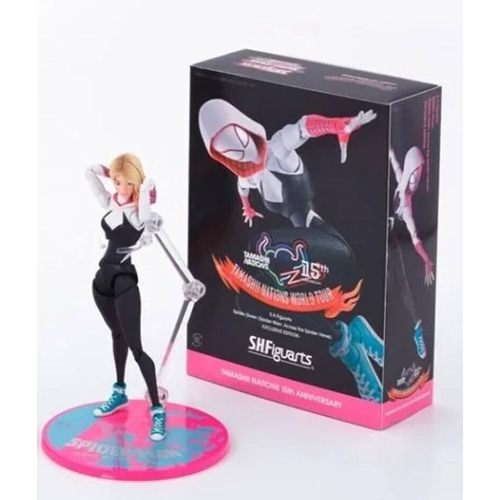


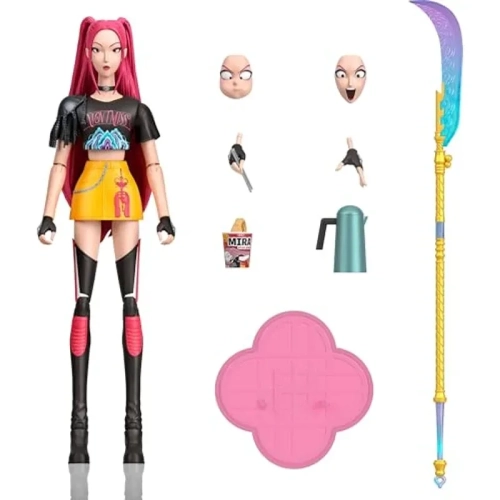


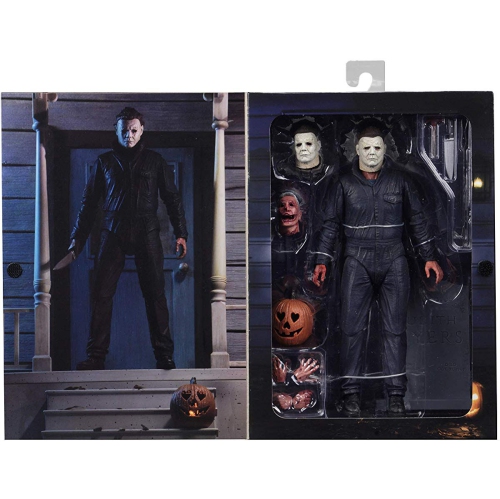


Swappable hands and faces add character to every pose
Action figures with interchangeable parts are poseable figures with components designed to be removed and replaced, allowing changes to a character’s appearance, expression, equipment, or stance. Depending on the design, those components may include heads, faces, hands, limbs, armour panels, and accessories. A relaxed hand can give a character a casual pose, while a gripping hand can hold a prop securely; an alternate face can turn the same figure from a calm portrait into the centre of an action scene. This flexibility makes interchangeable figures appealing for imaginative play, shelf displays, toy photography, and character collections. Interchangeable does not automatically mean universal, however. Parts generally need to match the figure’s intended connection system, and compatibility may be limited to a particular design or collection. Two figures of a similar height can have different wrist pegs, neck sockets, or attachment points, so appearance alone is not a reliable indication that their components will fit together. Scale also affects how convincing a combination looks. A head or accessory may connect physically yet look too large or too small beside the rest of the figure. For a cohesive display, body proportions, sculpting style, paint finish, and accessory size all matter alongside the stated scale. Some figures focus on subtle expression changes, while others offer more extensive customization through removable limbs or layered equipment. The distinction is useful for anyone who enjoys a character’s familiar appearance but wants several display options, as well as those who prefer building new combinations. Articulation adds another dimension: a rotating shoulder, bending elbow, or adjustable ankle can help an alternate part feel like a natural element of the pose rather than an attachment. The result can be as simple as a figure standing at ease with open hands or as elaborate as a balanced scene with several characters interacting. For younger users, that variety can support storytelling; for collectors, it provides room to refresh a display without changing its overall theme.
Materials and construction influence how these figures feel in the hand and how well their removable components handle repeated use. Rigid plastics can support sharply defined details and firm connection points, while more flexible plastics may be used for hands, clothing details, or other pieces that need a little give. Some designs combine different materials to balance sculpted detail with movement. A soft cape may drape around a pose, for example, while a rigid armour panel holds a more precise shape. Neither approach guarantees greater durability on its own; the thickness of a part, the design of its connector, and the way it is handled also matter. Thin pegs, narrow straps, and small decorative projections need more care than broad body sections. A well-matched removable part should attach securely using the method intended for that figure, without requiring excessive pressure. Resistance, looseness, or a visible gap can indicate an incompatible part or an incorrectly aligned connection. Twisting a delicate component to force it into place can damage the peg, socket, or painted surface. Painted details also benefit from gentle handling, particularly where armour overlaps a joint or an accessory rubs against a gripping hand. Routine care usually starts with removing dust using a soft, dry cloth or a clean, soft brush, with any further cleaning following the maker’s care directions. Solvents, abrasive cleaners, and prolonged soaking can harm finishes or affect materials, so they are not a substitute for appropriate care. Direct sunlight and sustained heat can also affect colour and shape over time. Storage deserves attention because interchangeable figures often come with pieces that are easy to misplace. Separate compartments or labelled containers keep matching hands, faces, and connectors together and reduce contact between painted surfaces. Keeping spare parts beside their corresponding figure makes it easier to change a pose later without guessing which attachment belongs where.
Intended use helps distinguish the features that matter most. For hands-on play, secure attachments, manageable part sizes, and straightforward swapping can be more useful than a large number of delicate accessories. For display, expressive faces, clean paintwork, convincing proportions, and joints that hold a pose may carry more weight. Toy photographers may value hands that grip props naturally, faces that suit different scenes, and enough articulation to suggest movement without an awkward gap at a joint. A low crouch, an outstretched arm, or a slight turn of the head can make a scene feel more believable, but an ambitious pose still needs stable footing or a suitable support. Included stands and compatible display bases, where specified, can help support arrangements that would otherwise tip over. Equipment offers another way to establish a character’s role, and Action Figures With Weapons may be relevant for displays built around battle-ready poses and coordinated accessories. These miniature accessories are intended for figure play or display, with suitability determined by the age rating and safety information. Small detachable pieces can present a choking hazard and should be kept away from young children. Collectible figures may also have fragile components or handling requirements that make them better suited to older users than to active play. As gifts, action figures with interchangeable parts can suit someone who enjoys character-based storytelling, arranging a collection, or experimenting with miniature scenes. Familiarity with the recipient’s preferred characters, display scale, and existing collection helps make the choice more personal, while confirmed compatibility matters when the intention is to add parts to figures they already own. A recipient who likes changing expressions may appreciate alternate faces more than extra equipment; someone who enjoys posing may place greater value on varied hands and a useful range of joint movement. Those details give customization a practical purpose, allowing each figure to reflect how its owner likes to play, photograph, or display it.
Top selling and popular products
-
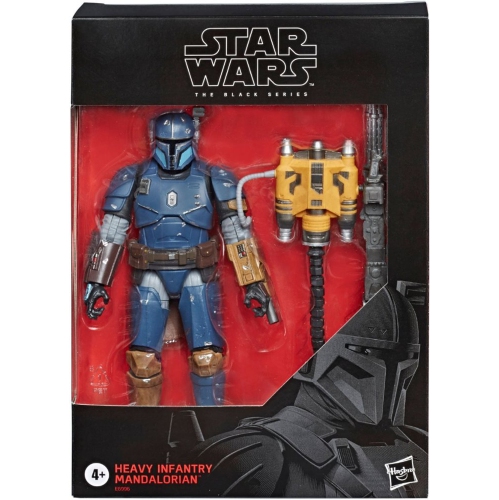 Your price for this item is $35.64
-
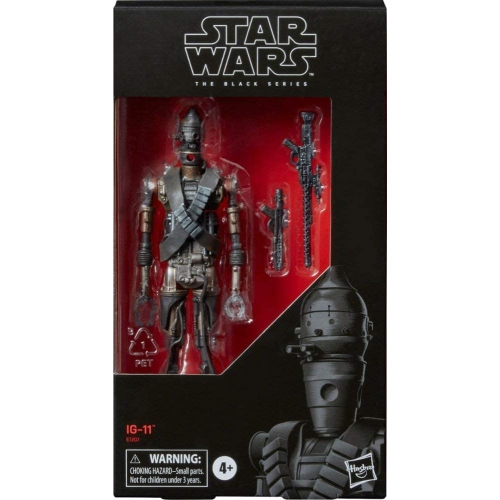 Your price for this item is $42
-
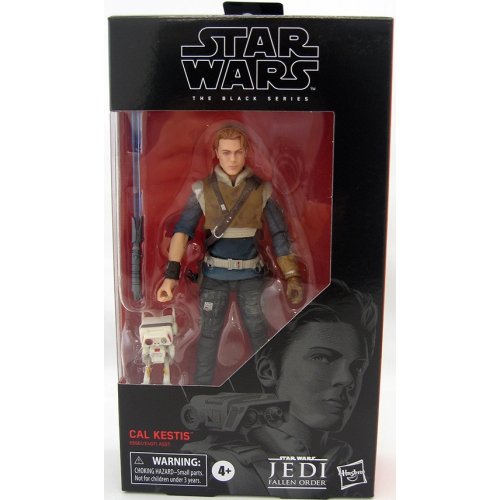 Your price for this item is $41.39
-
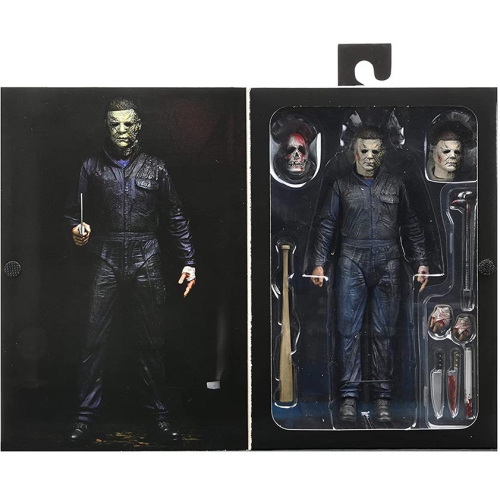 Your price for this item is $81
-
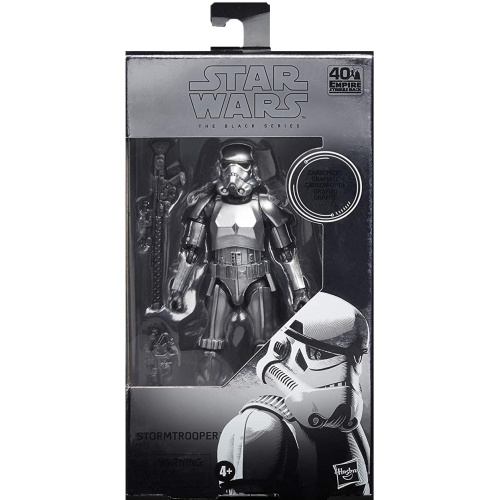 Your price for this item is $46
-
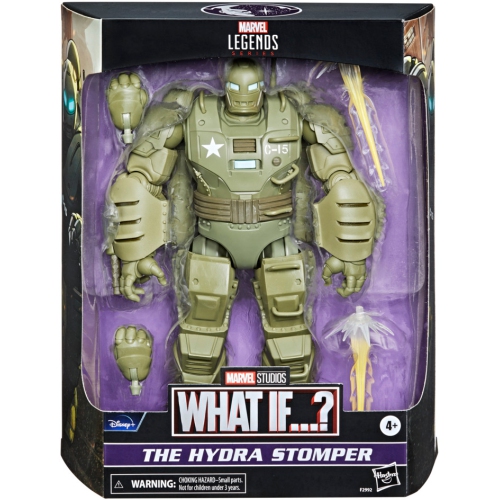 Your price for this item is $73.59
-
 Your price for this item is $46
-
 Your price for this item is $36.79
Discover more categories related to Action Figures With Interchangeable Parts



Top Collections:
Pokemon Centers, Kindle Devices, Best Black Friday Deals This Year, Pokémon 30th Celebration Cards, Best Black Friday Deals On Electronics, Best Cameras for Sports Photography, Best Black Friday Deals On Apple Products, Canon G7X Cameras, iPhone 15 Apple, Candle Warmer Lights
Some products may be subject to Environmental Handling Fees
(EHF) depending on your province.
Learn more about EHFs.