Ancient Games
Dive into the world of timeless entertainment with our collection of ancient games, where tradition meets modern enjoyment. These classic pastimes have captivated minds and hearts for centuries, offering a perfect blend of strategy, skill, and fun. Whether you're a history enthusiast or simply looking to explore new hobbies, these games provide a unique opportunity to connect with the past while enjoying quality time with family and friends. Discover the rich heritage behind each game and experience the joy of playing timeless classics that have stood the test of time.
Sort
![EIDOS Rise Of The Tomb Raider [Xbox 360]](https://multimedia.bbycastatic.ca/multimedia/products/500x500/193/19384/19384080.jpeg)
![SUPER RARE GAMES Tabs: Totally Accurate Battle Simulator: Srg#92 [Nintendo Switch]](https://multimedia.bbycastatic.ca/multimedia/products/500x500/193/19382/19382880.png)
![KOEI TECMO Dynasty Warriors 9 Empires [Xbox One / Series X]](https://multimedia.bbycastatic.ca/multimedia/products/500x500/193/19384/19384102.jpeg)
![PREMIUM EDITION Raji: An Ancient Epic Enhanced - Shopville Exclusive [ Games Series 5] [Nintendo Switch] [Limited to 1500 Copies]](https://multimedia.bbycastatic.ca/multimedia/products/500x500/197/19776/19776655.jpeg)
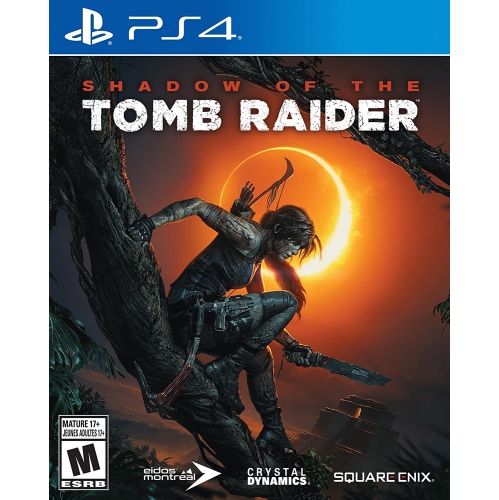
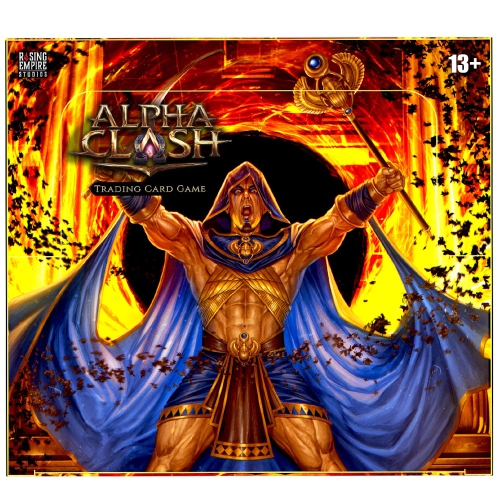

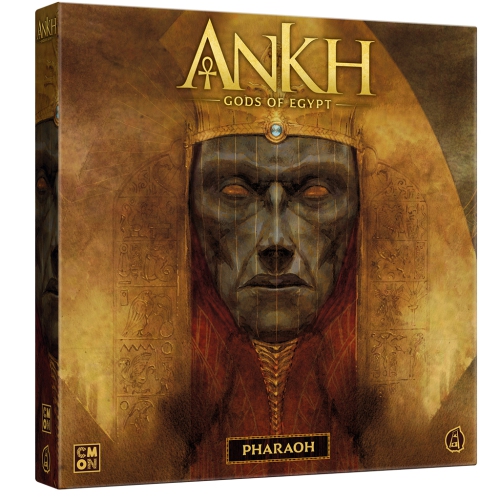
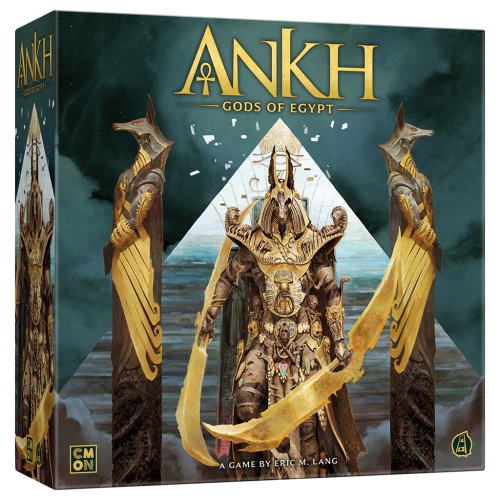
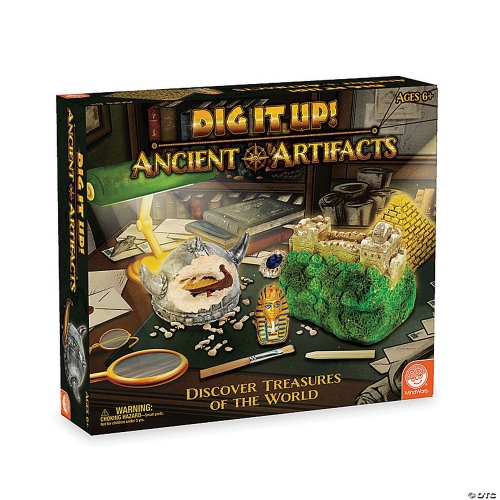
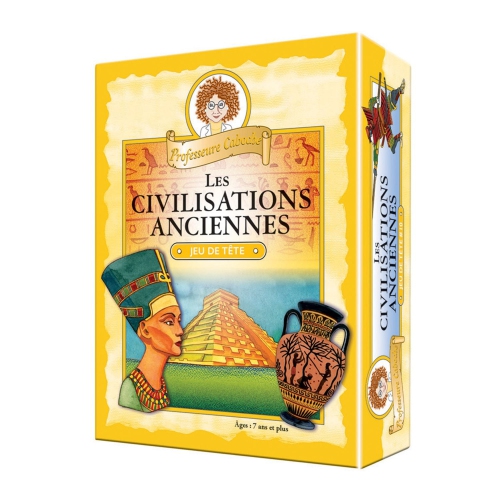
Where history, strategy, and chance meet tabletop play
Ancient games bring the atmosphere of early cities, royal courts and travelling camps to the tabletop, turning play into a hands-on connection with the past. Long before today’s familiar board games, people used boards, marked spaces, counters, sticks, stones and dice to create contests built around racing, counting, tactics and chance. The Royal Game of Ur, discovered in Mesopotamia and generally dated to around 2500 BCE, is recognised as a two-player race game in which players advance pieces across a board with the help of tetrahedral dice. Senet, associated with ancient Egypt, uses a 30-square grid and combines lucky throws with decisions about how pieces move. Hounds and Jackals, also known as the 58 Holes game, is another race-style game linked with Egypt and Southwest Asia, while mancala describes a broad family of counting-and-sowing games with deep roots in Africa and the Middle East. These games are especially appealing to anyone who enjoys learning through play, collecting historical recreations or exploring the origins of familiar tabletop mechanics. Their rules can be simple enough for a relaxed family game, yet the choices made during each turn often reward careful observation and planning. As the weather cools and indoor gatherings become more inviting, an ancient games collection can give a kitchen table, games room or classroom a distinctive focal point, with each board offering a story as well as a way to play.
When choosing an ancient game, start with the experience you want to create. A race game is a good fit for players who enjoy quick turns, changing fortunes and the excitement of moving a piece closer to the finish, while a tactical game may appeal more to people who like to anticipate an opponent’s plans several moves ahead. Counting-and-sowing formats can be absorbing for younger players developing number sense, as well as for adults who appreciate a calm, rhythmic style of play. Check the recommended age range, number of players and approximate play time, particularly if the game is intended for family use or shared with someone who is new to historical games. Clear instructions are important because some ancient rules have been reconstructed from archaeological evidence, written references or comparisons with related traditions; a thoughtful modern edition may include background notes, diagrams and an accessible explanation of setup and movement. Consider the size and construction of the board, too. A compact format is convenient for travel, small living spaces and visits to friends, while a larger board with easy-to-handle pieces may be more comfortable during longer sessions. Storage matters when a game includes many counters, sticks, dice or small components, especially in a busy household. For a gift, think about the recipient’s interests: history enthusiasts may value cultural context, strategy players may look for depth and replayability, and families may prefer straightforward rules that encourage everyone to join in. Ancient games also make thoughtful gifts for students, teachers, grandparents and hosts who enjoy an activity that can be brought out after dinner and revisited over time.
The ancient world was home to many distinct gaming traditions, so the cultural setting can be just as meaningful as the mechanics. Games associated with Mesopotamia can open a conversation about early cities and trade, Egyptian games can introduce the design of grids, tracks and symbolic pieces, and African and Middle Eastern counting games can show how a handful of pits and movable counters can support surprisingly rich decisions. Roman history enthusiasts may also enjoy exploring Roman Empire Games, particularly when they want to compare different approaches to tactical play. Ludus Latrunculorum, often described as a Roman military-style strategy game, is frequently discussed in relation to later games that use formations, captures and positional planning. While the exact rules of some historical games remain uncertain, recreated versions provide an engaging way to experience the ideas that have survived: racing toward a goal, blocking an opponent, protecting valuable pieces, counting resources and taking a calculated chance. They work well for a quiet afternoon during the cooler months, a family gathering, a school activity or a themed evening with friends. Before purchasing, consider whether the recipient prefers a competitive head-to-head contest or a gentler game that can be taught in a few minutes, and look for editions that balance historical detail with practical playability. A well-chosen ancient game can become part of a regular routine, stored on a shelf until someone brings it out, spreads the board across the table and begins explaining the first move.
When choosing an ancient game, start with the experience you want to create. A race game is a good fit for players who enjoy quick turns, changing fortunes and the excitement of moving a piece closer to the finish, while a tactical game may appeal more to people who like to anticipate an opponent’s plans several moves ahead. Counting-and-sowing formats can be absorbing for younger players developing number sense, as well as for adults who appreciate a calm, rhythmic style of play. Check the recommended age range, number of players and approximate play time, particularly if the game is intended for family use or shared with someone who is new to historical games. Clear instructions are important because some ancient rules have been reconstructed from archaeological evidence, written references or comparisons with related traditions; a thoughtful modern edition may include background notes, diagrams and an accessible explanation of setup and movement. Consider the size and construction of the board, too. A compact format is convenient for travel, small living spaces and visits to friends, while a larger board with easy-to-handle pieces may be more comfortable during longer sessions. Storage matters when a game includes many counters, sticks, dice or small components, especially in a busy household. For a gift, think about the recipient’s interests: history enthusiasts may value cultural context, strategy players may look for depth and replayability, and families may prefer straightforward rules that encourage everyone to join in. Ancient games also make thoughtful gifts for students, teachers, grandparents and hosts who enjoy an activity that can be brought out after dinner and revisited over time.
The ancient world was home to many distinct gaming traditions, so the cultural setting can be just as meaningful as the mechanics. Games associated with Mesopotamia can open a conversation about early cities and trade, Egyptian games can introduce the design of grids, tracks and symbolic pieces, and African and Middle Eastern counting games can show how a handful of pits and movable counters can support surprisingly rich decisions. Roman history enthusiasts may also enjoy exploring Roman Empire Games, particularly when they want to compare different approaches to tactical play. Ludus Latrunculorum, often described as a Roman military-style strategy game, is frequently discussed in relation to later games that use formations, captures and positional planning. While the exact rules of some historical games remain uncertain, recreated versions provide an engaging way to experience the ideas that have survived: racing toward a goal, blocking an opponent, protecting valuable pieces, counting resources and taking a calculated chance. They work well for a quiet afternoon during the cooler months, a family gathering, a school activity or a themed evening with friends. Before purchasing, consider whether the recipient prefers a competitive head-to-head contest or a gentler game that can be taught in a few minutes, and look for editions that balance historical detail with practical playability. A well-chosen ancient game can become part of a regular routine, stored on a shelf until someone brings it out, spreads the board across the table and begins explaining the first move.
Top selling and popular products
-
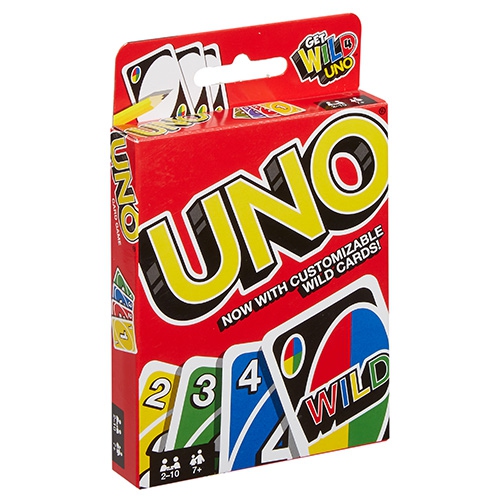 Your price for this item is $14.99
 -
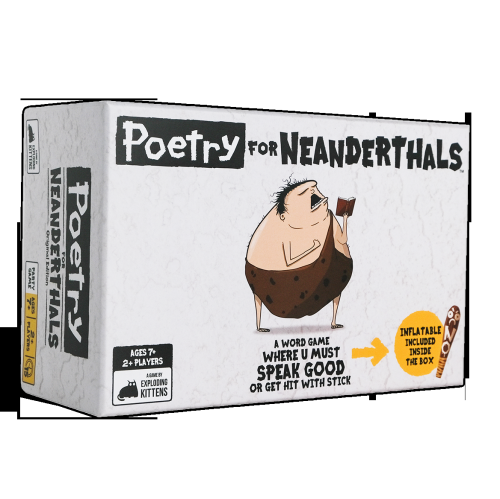 Your price for this item is $34.99
 -
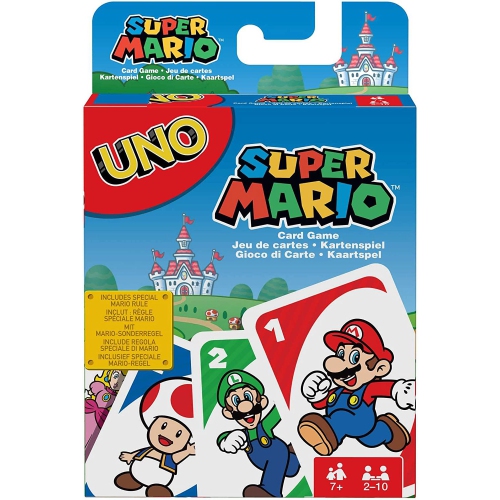 Your price for this item is $15
 -
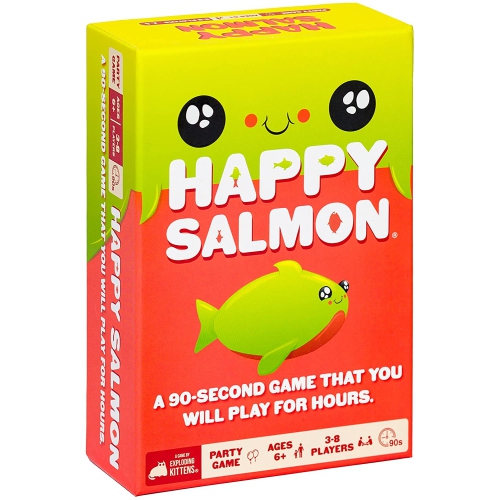 Your price for this item is $21.99
 -
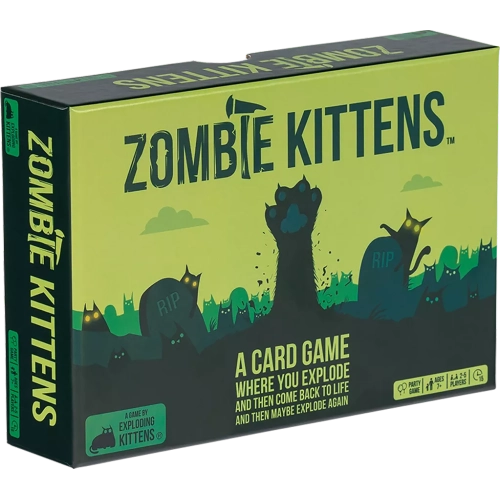 Your price for this item is $34.99
 -
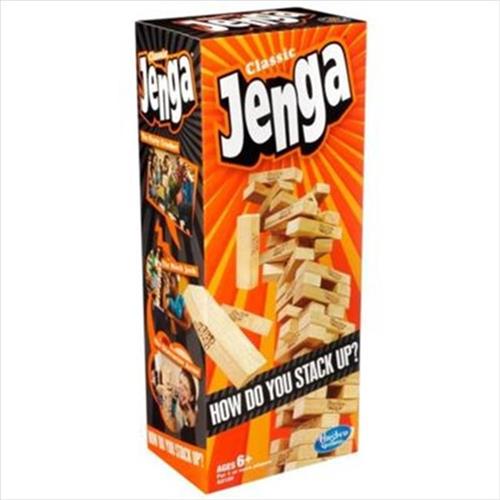 Your price for this item is $35.59
 -
 Your price for this item is $20.93
 -
 Your price for this item is $31.99
Discover more categories related to Ancient Games
Top Collections:
Pokemon Centers, Kindle Devices, Best Budget Office Chairs, Apple iPhones 16, Best Laptops for Writers, iPhone 15 Apple, Canon G7X Cameras, Refurbished Apple Laptops, Alarm Clock, Motorola Razr Phones
Some products may be subject to Environmental Handling Fees
(EHF) depending on your province.
Learn more about EHFs.