Classic Games
Step back in time and rediscover the joy of timeless entertainment with our collection of classic games. From nostalgic board games to retro gaming consoles, immerse yourself in the simplicity and fun of these beloved pastimes. Whether you're looking to challenge friends and family or enjoy a solo gaming session, our selection of classic games is sure to bring back fond memories and create new moments of excitement. Browse through our range of traditional favorites and modern twists on iconic games to find the perfect addition to your game night repertoire.
Sort

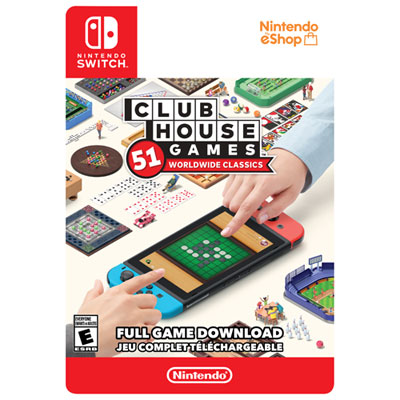




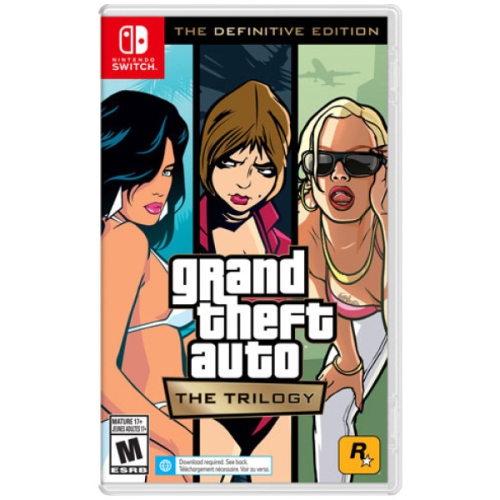
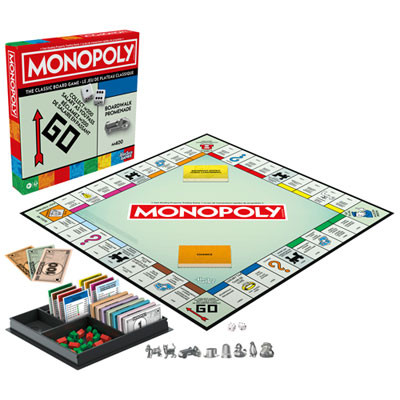
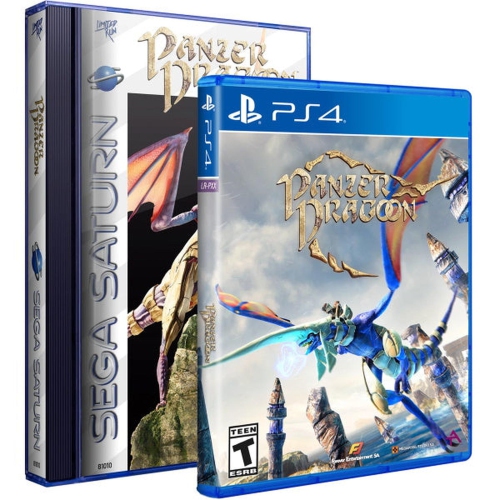
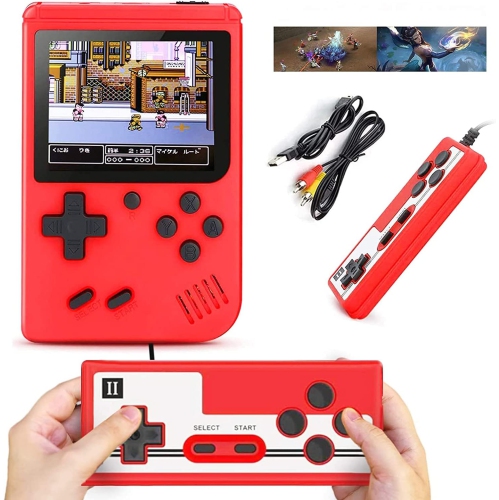


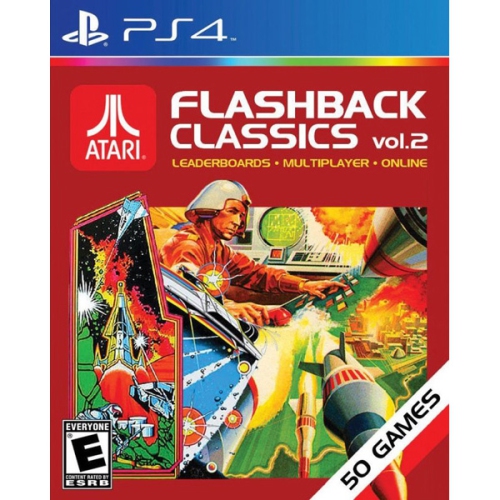


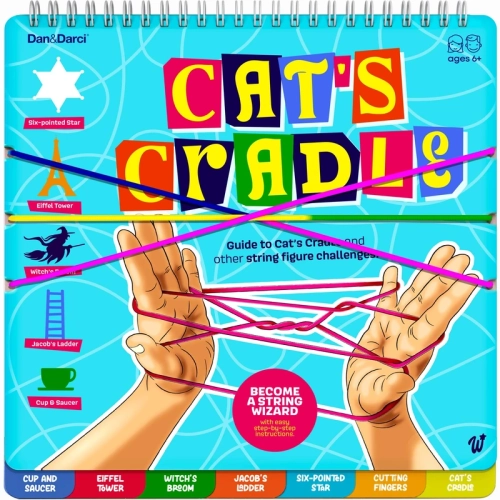



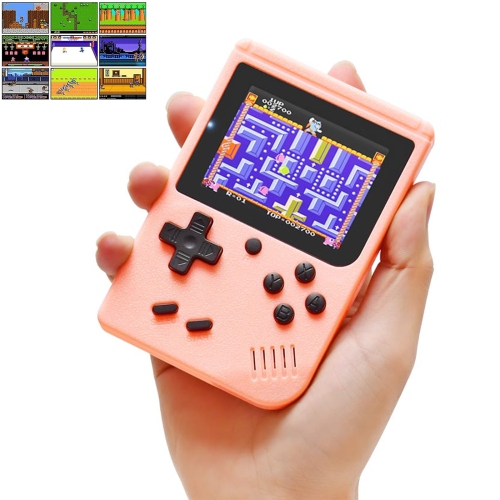
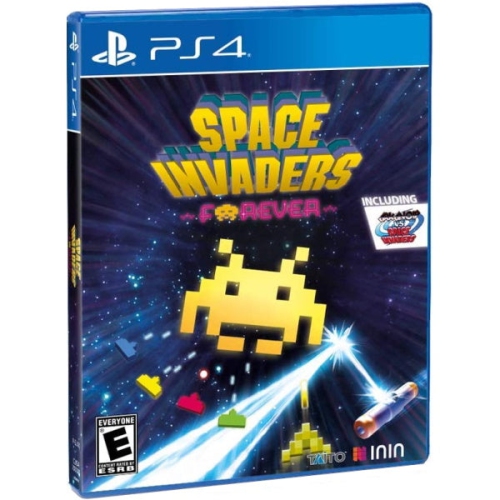
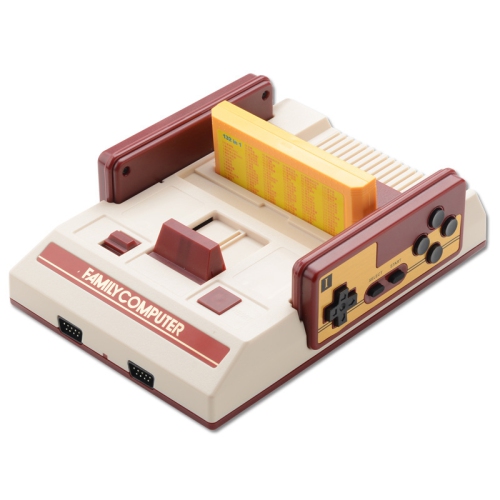


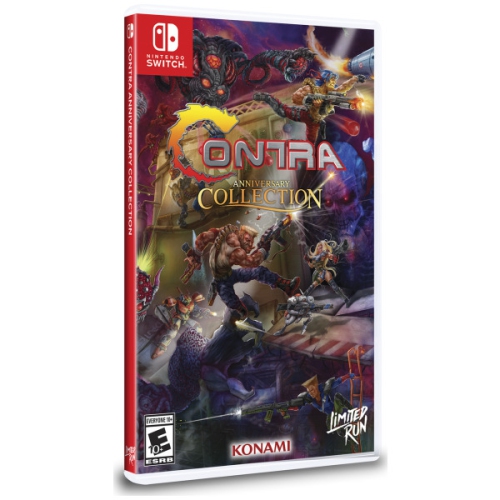
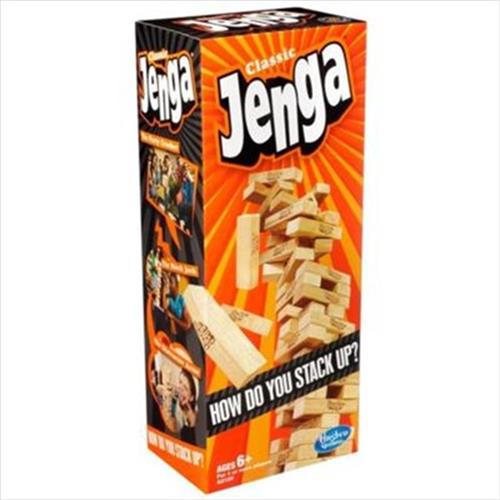
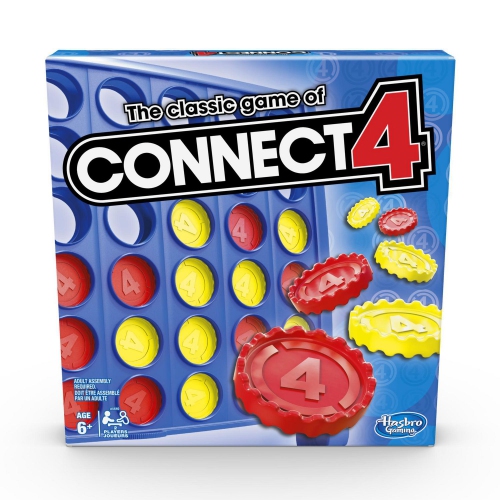
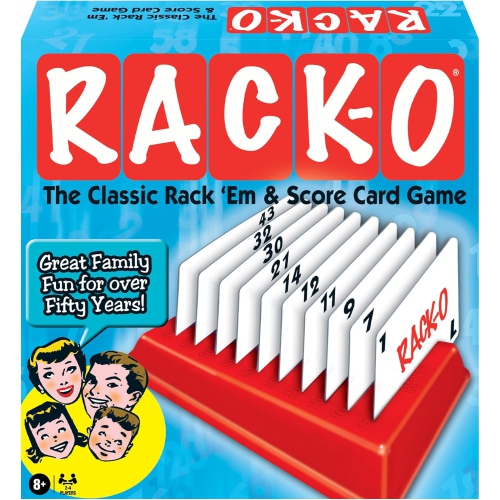
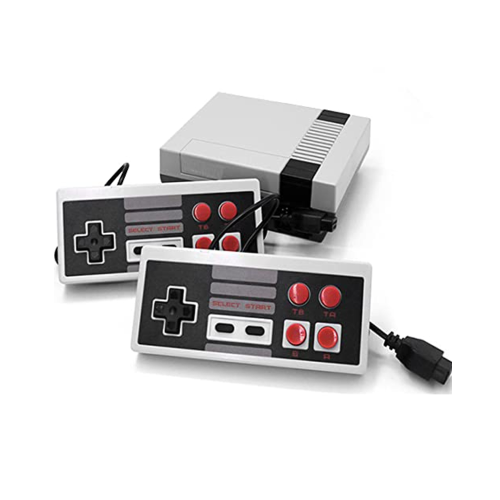
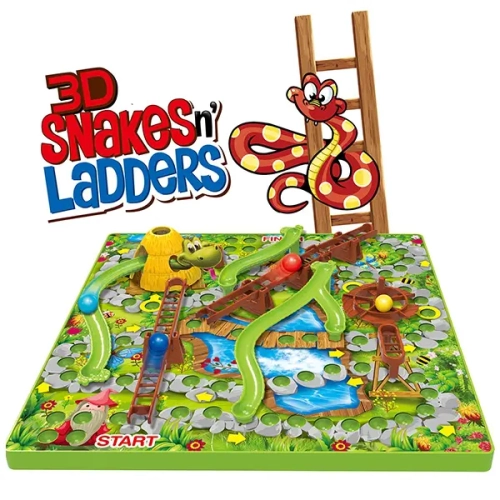


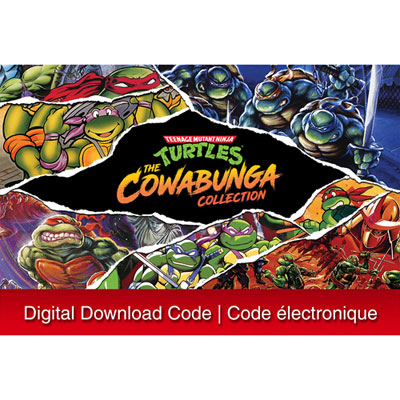

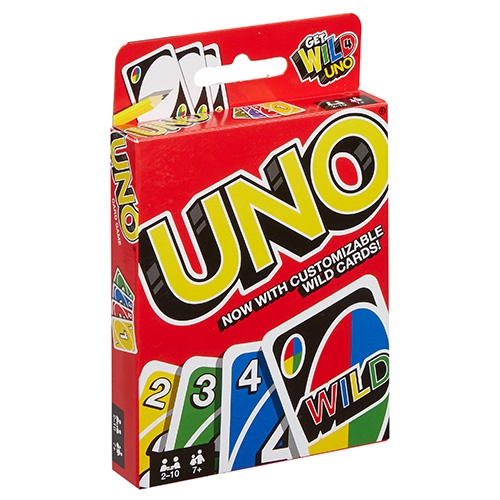
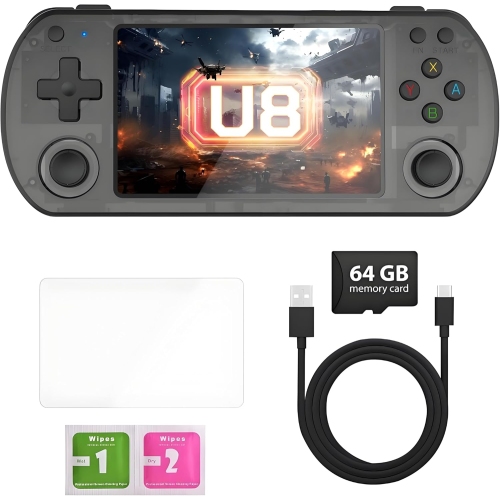

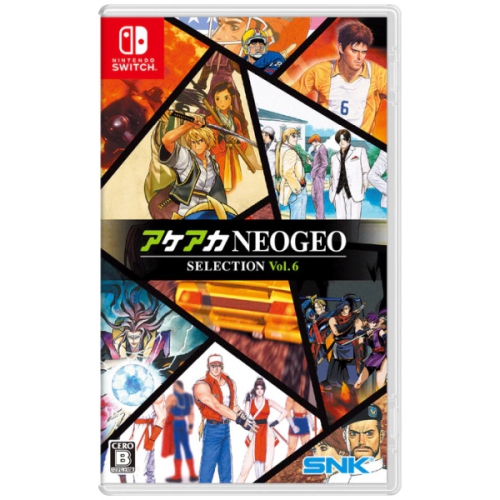
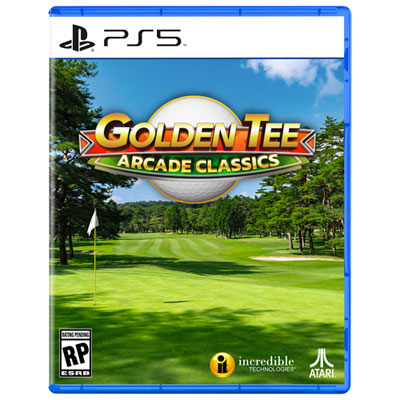
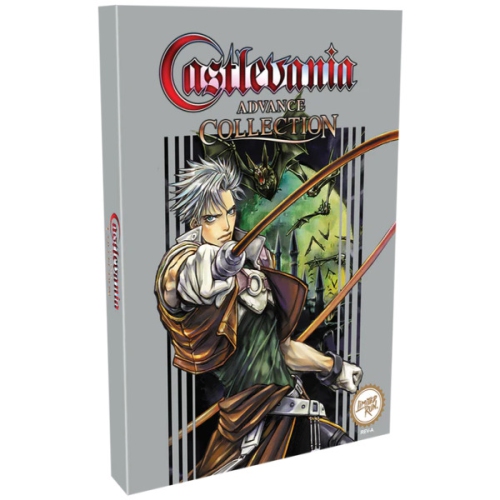

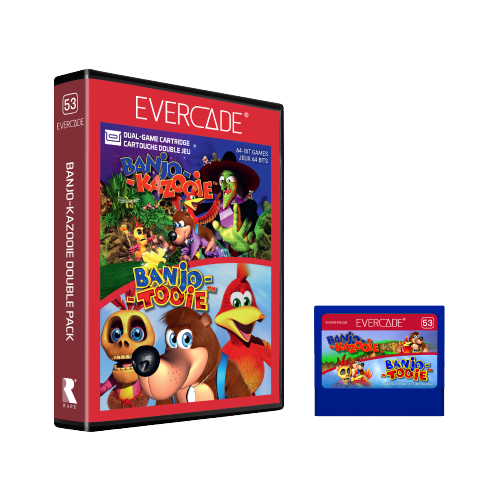
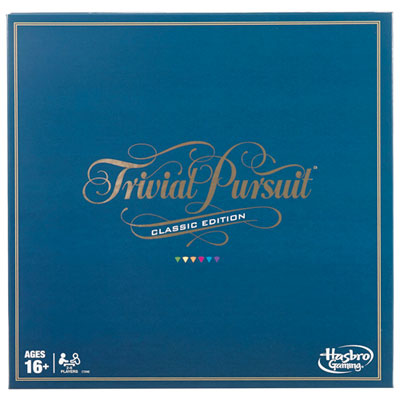
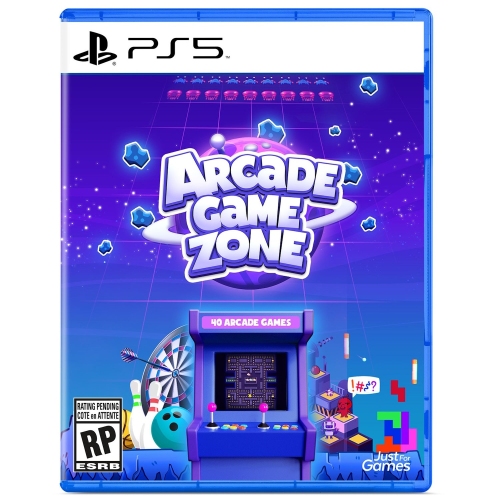
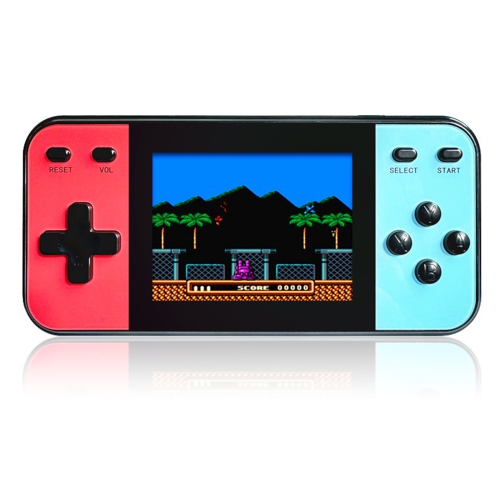
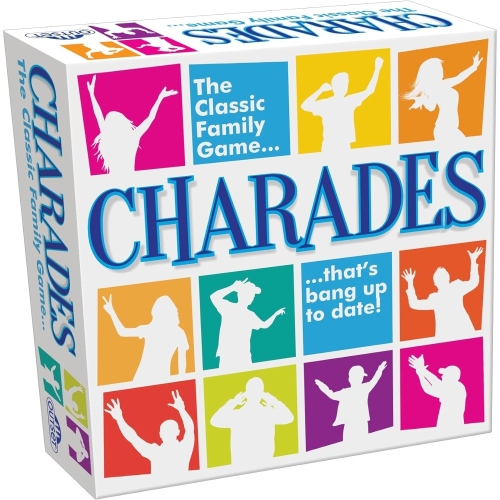
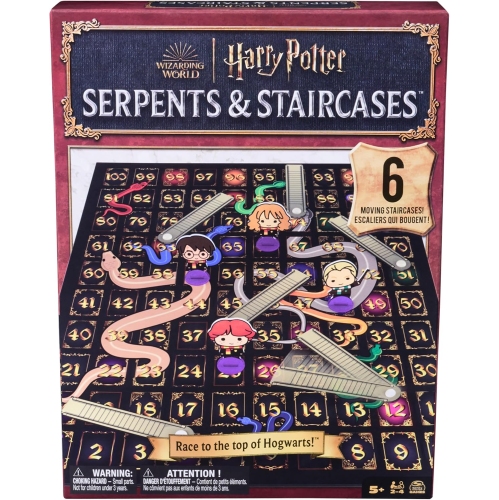

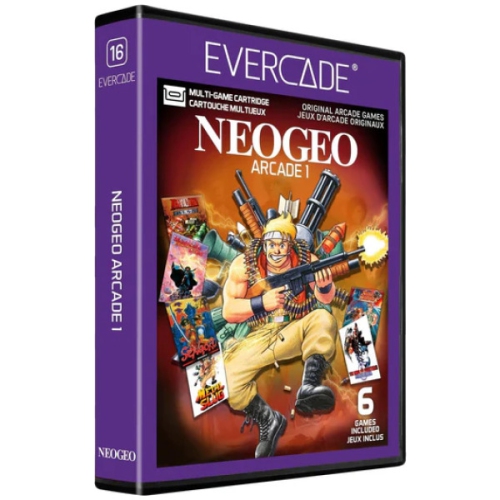
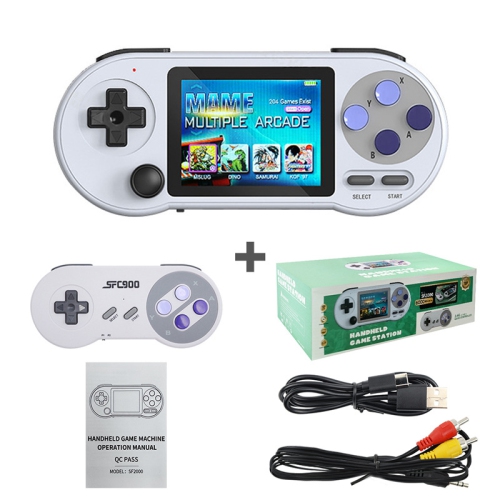
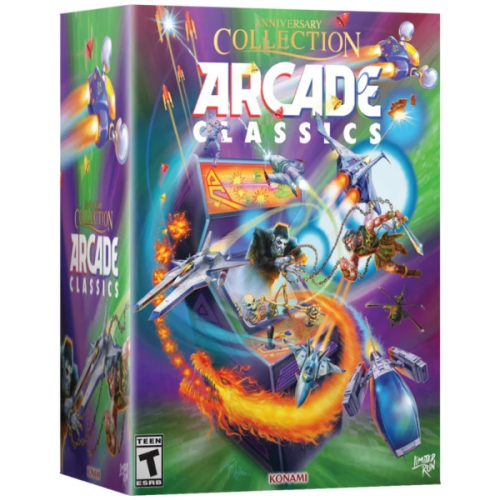
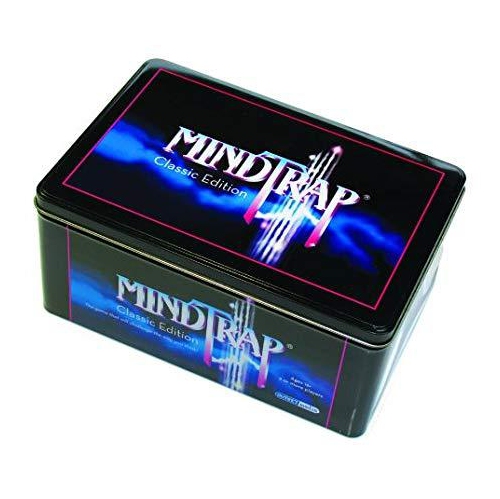
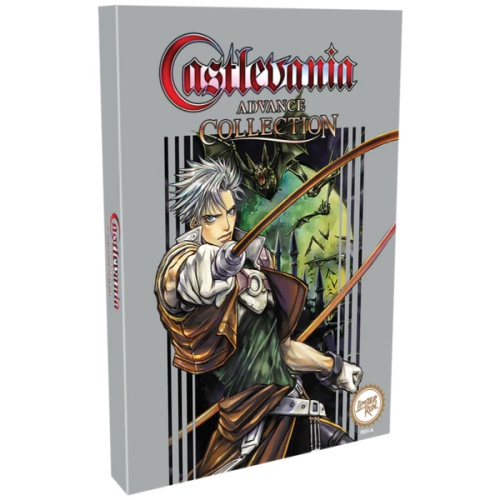
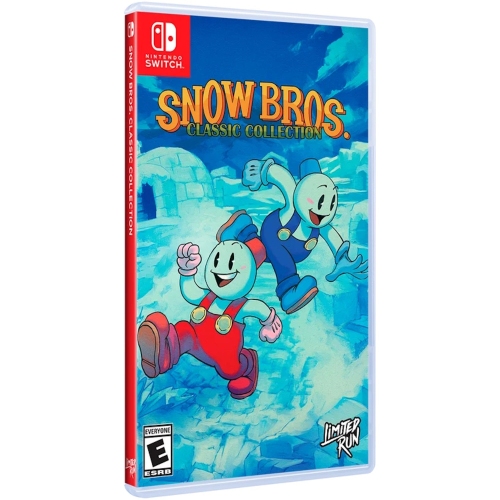
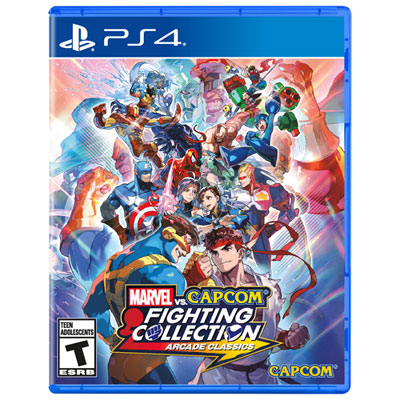
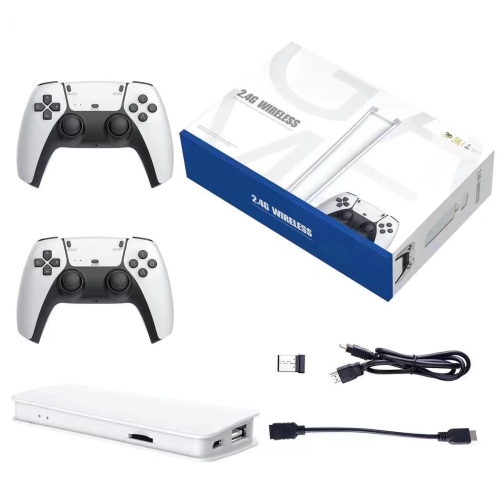
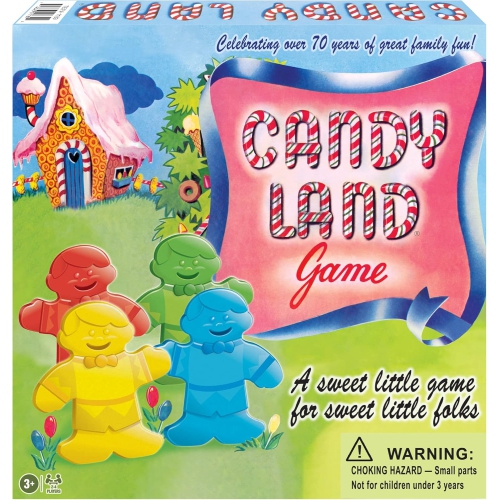
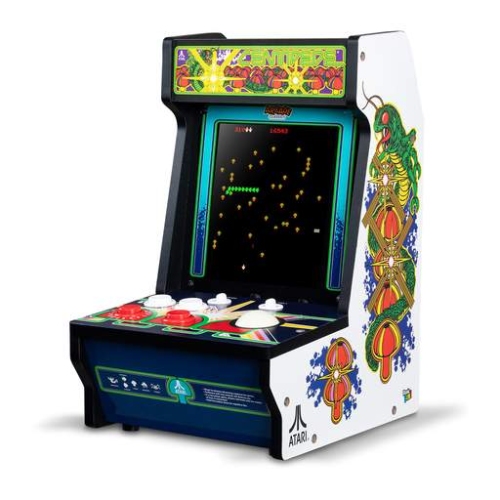
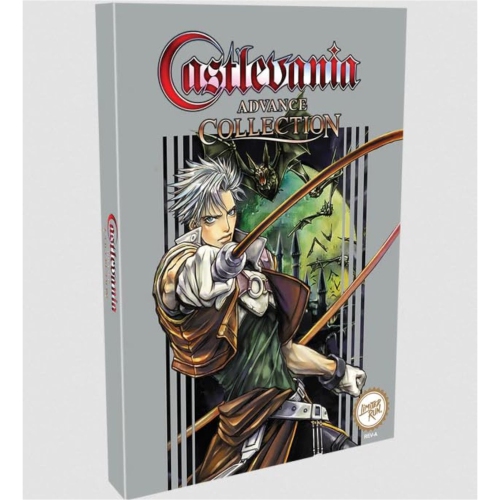

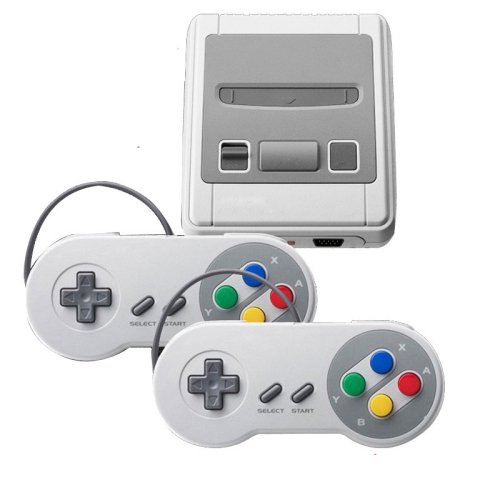
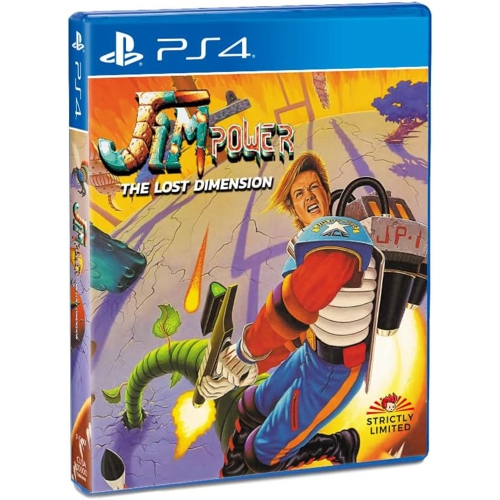
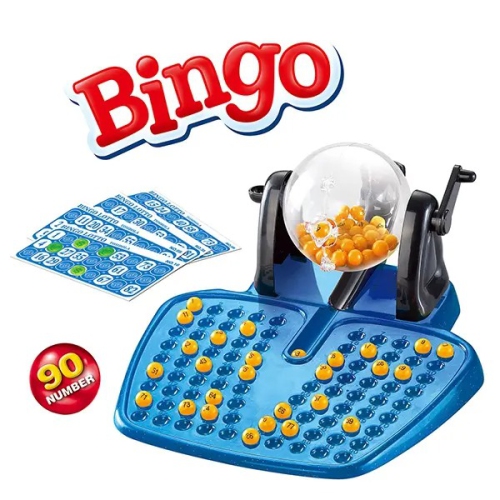

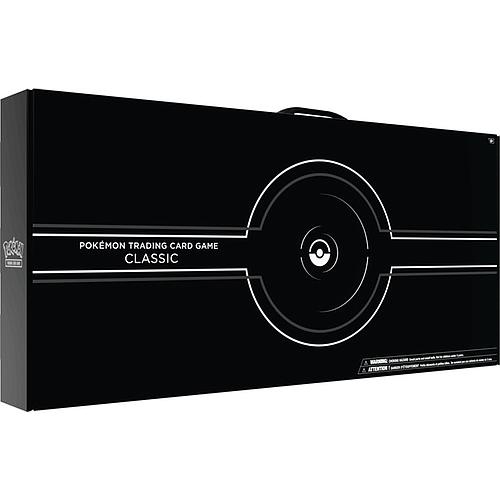
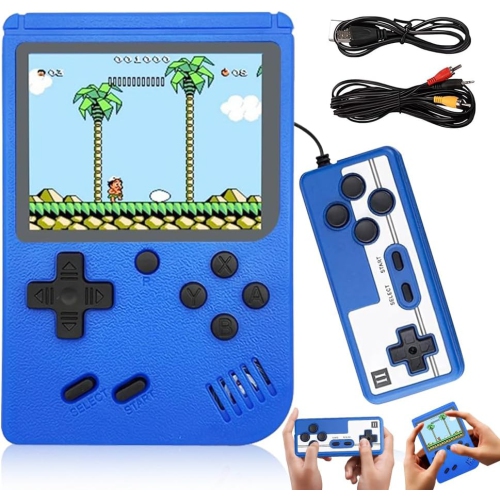
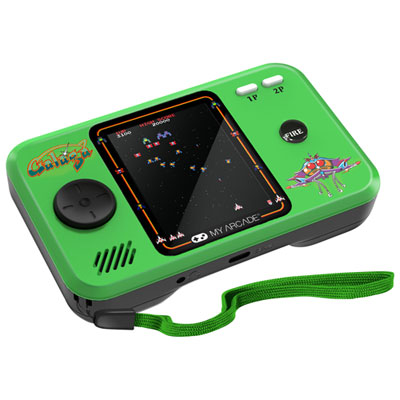
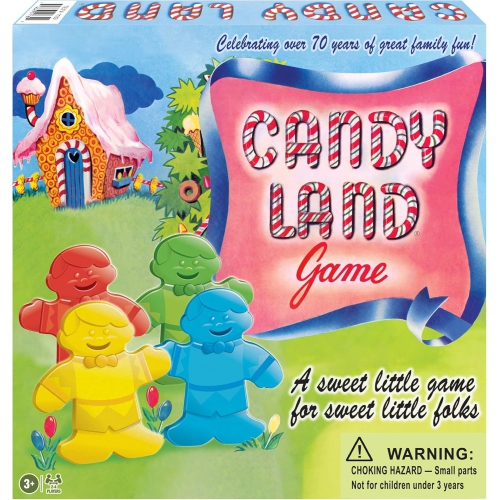
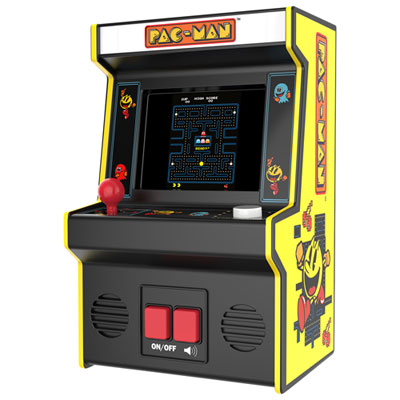

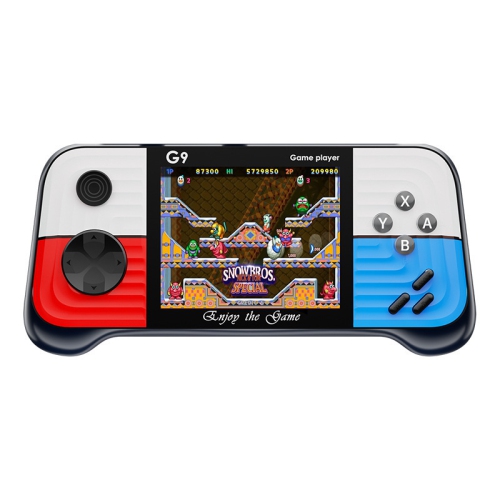
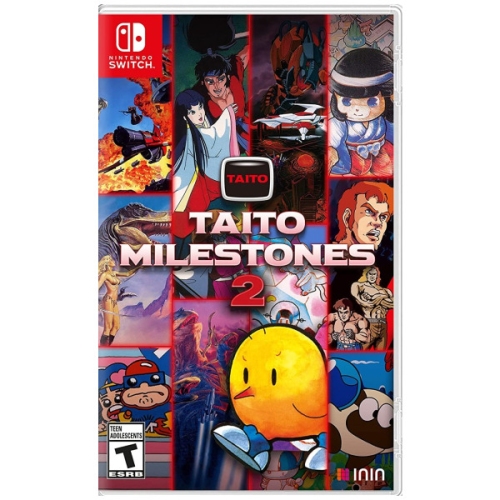
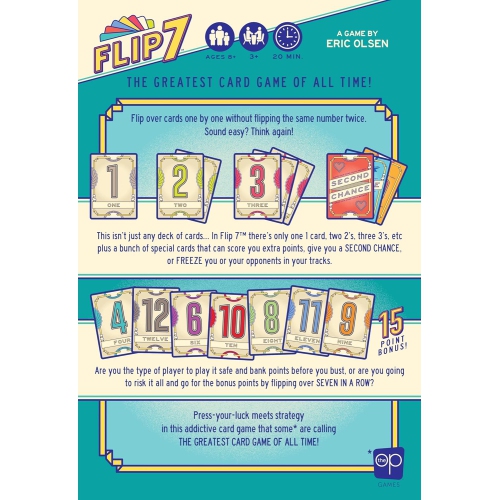
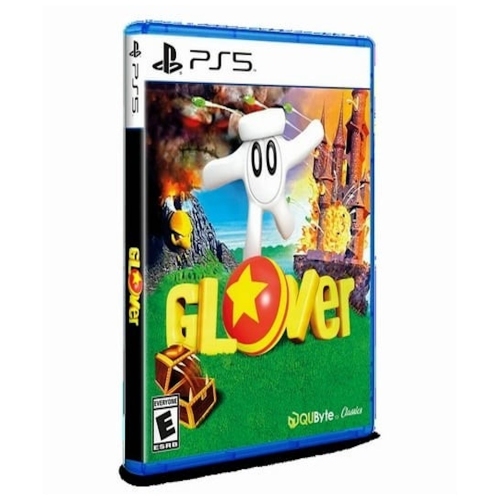
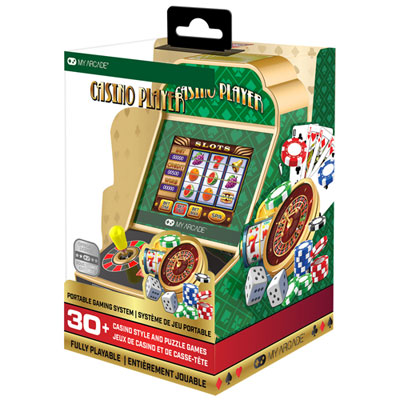


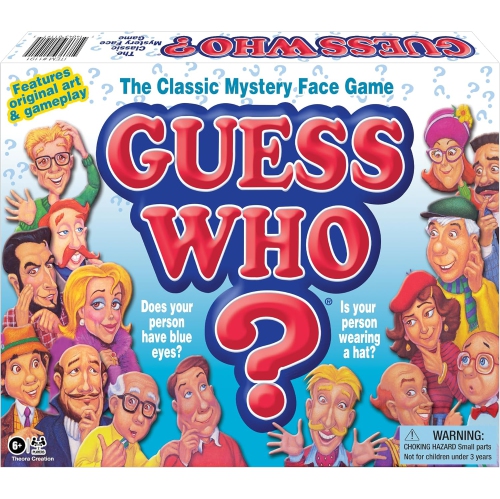
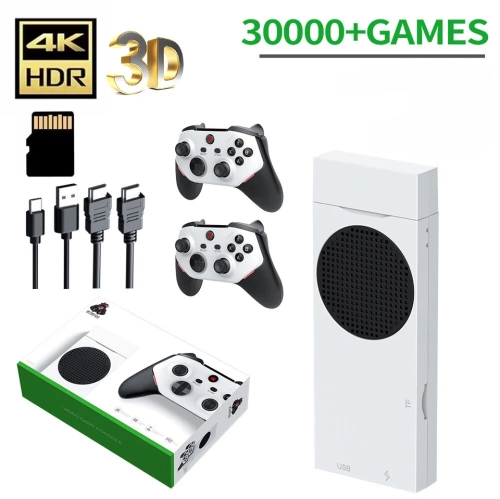
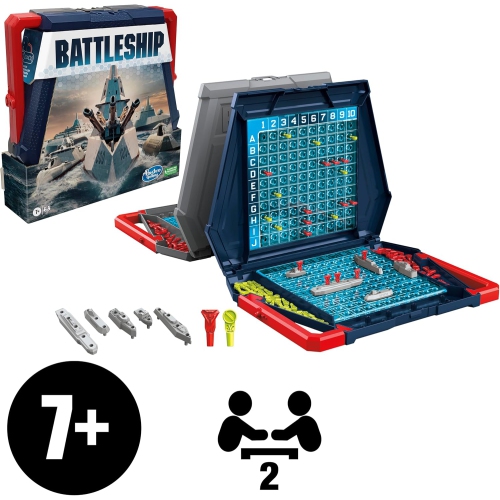
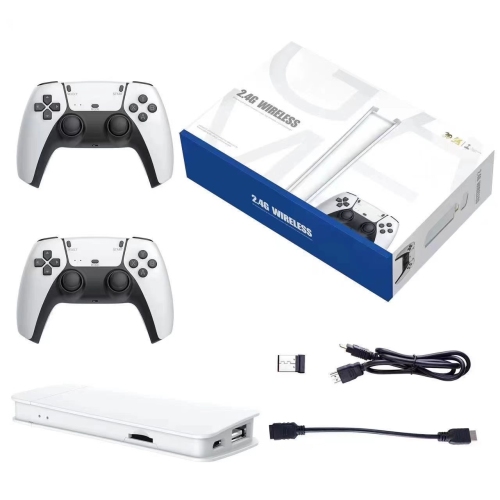

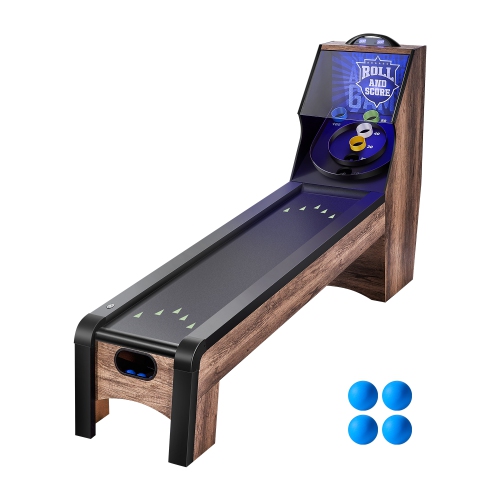
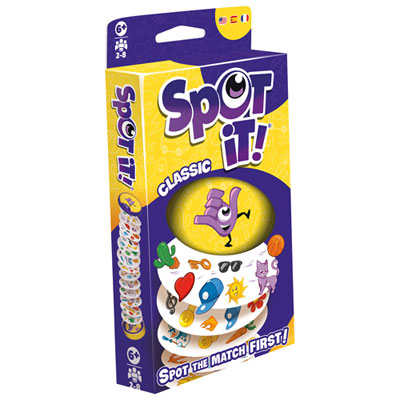
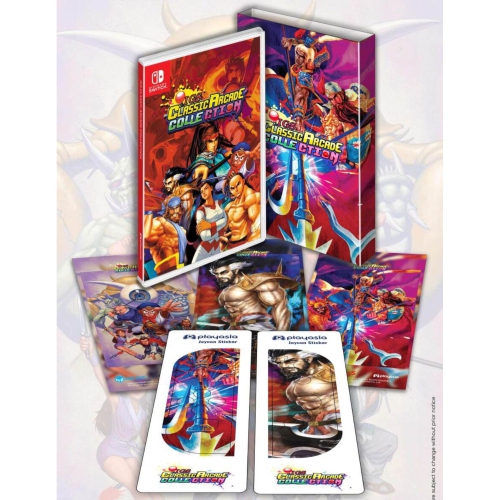
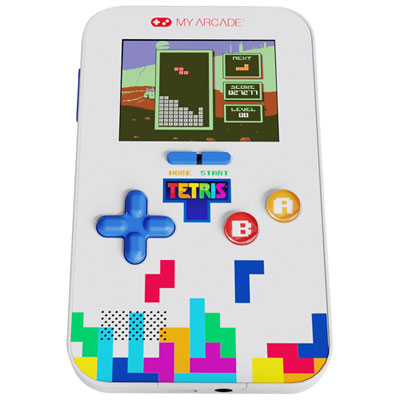


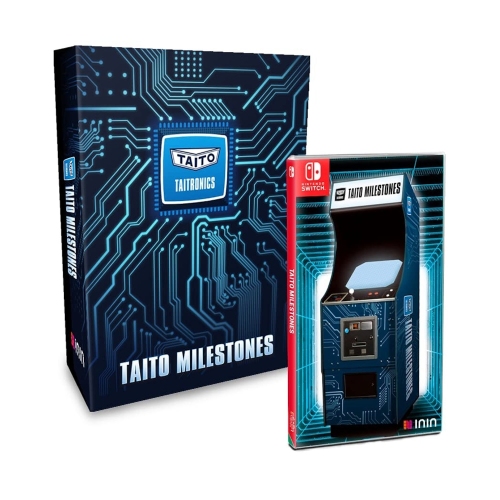
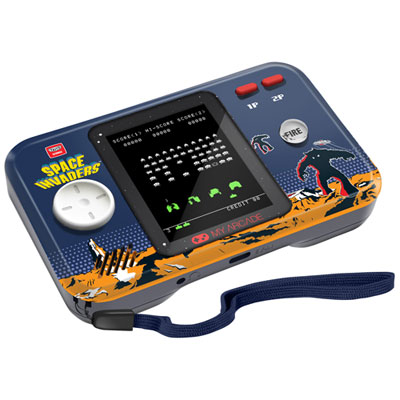
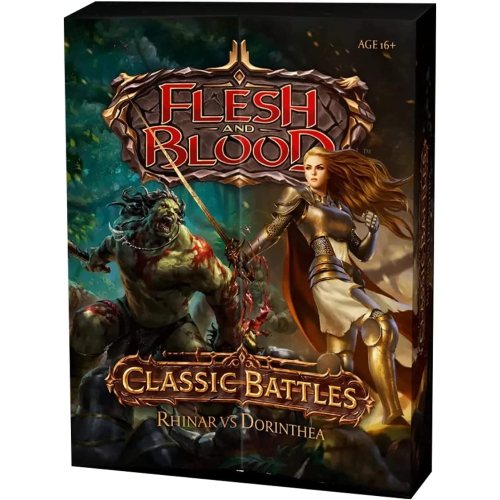
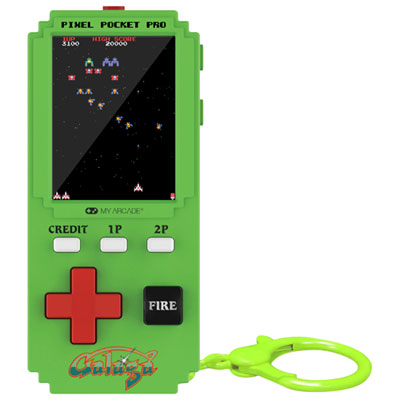
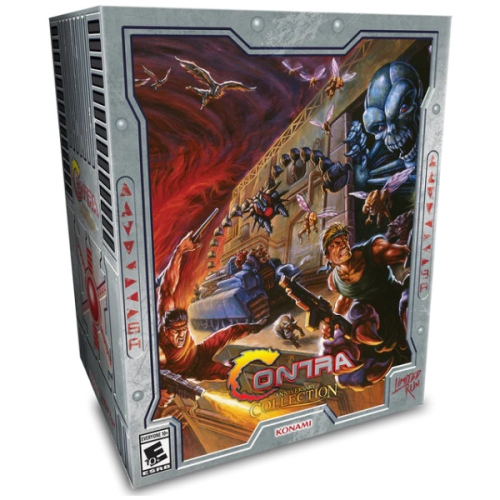
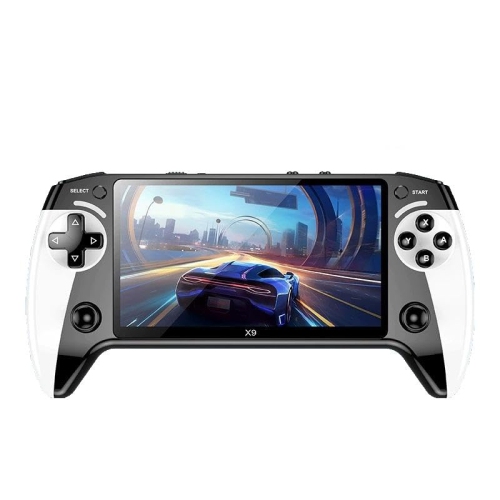
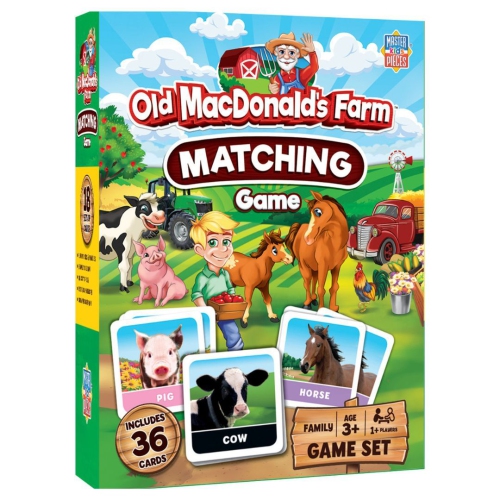
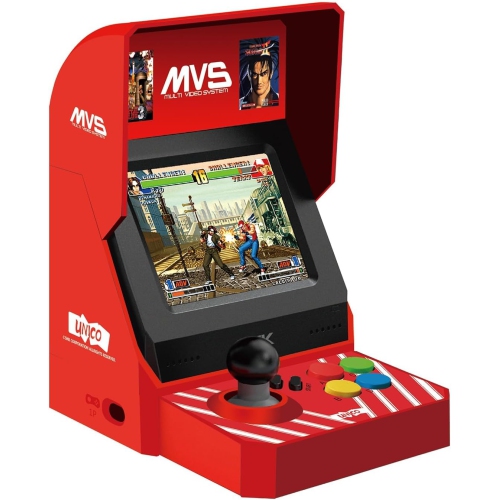

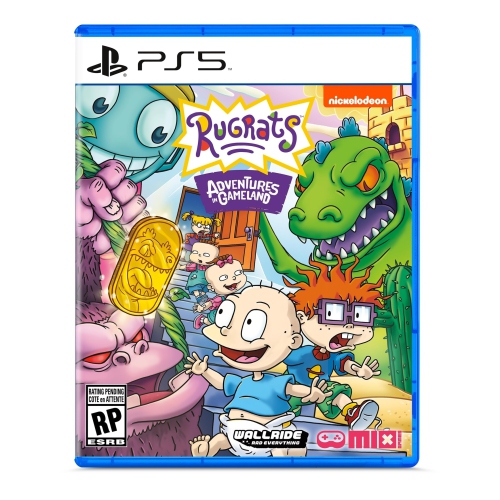

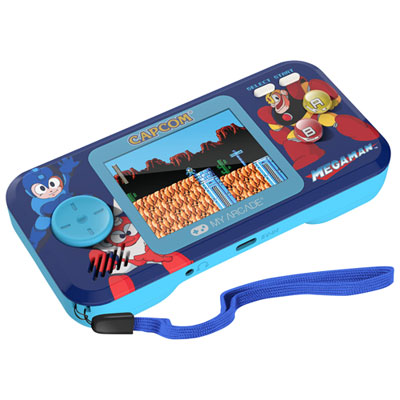
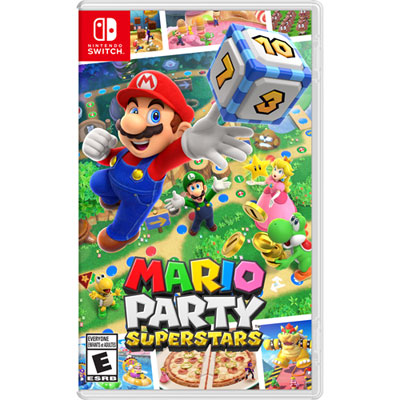
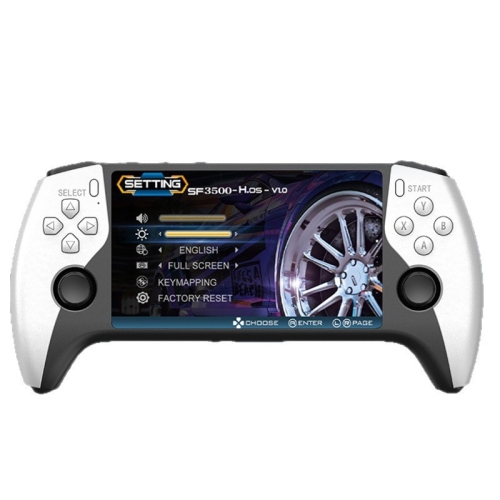
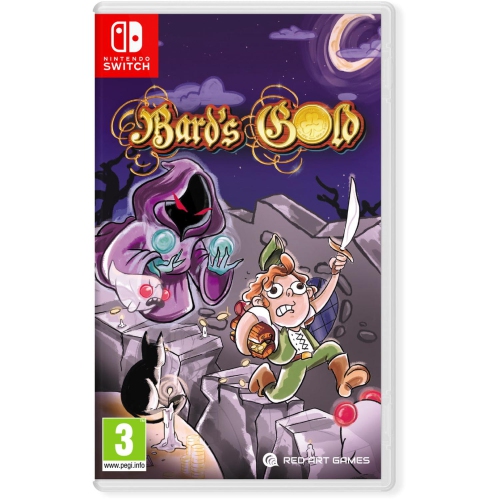
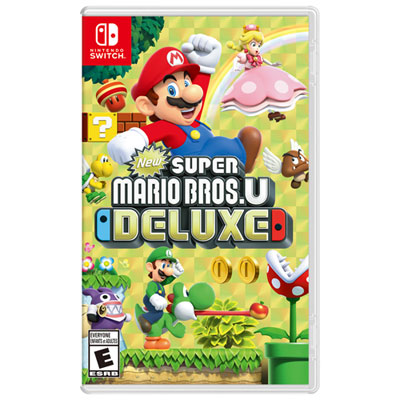
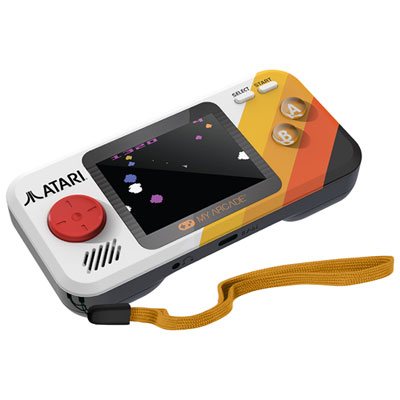
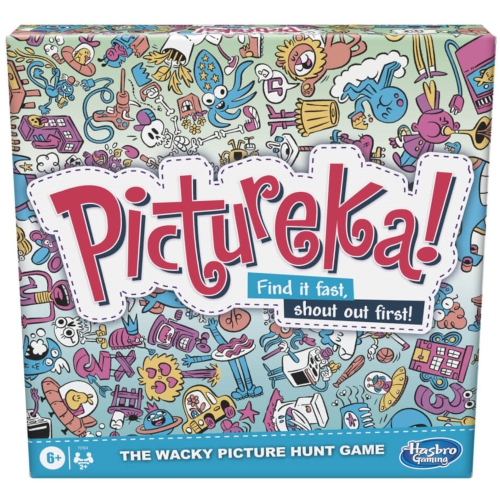







Why familiar games still offer fresh challenges
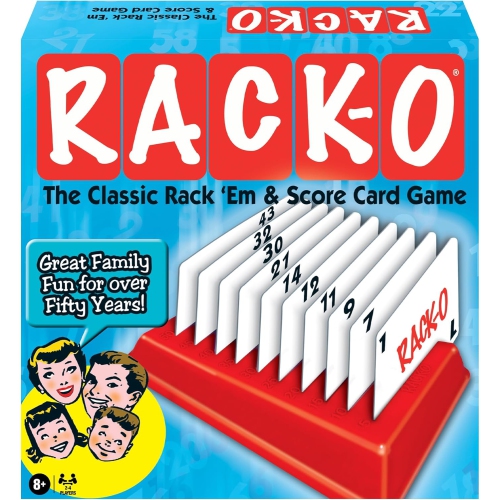
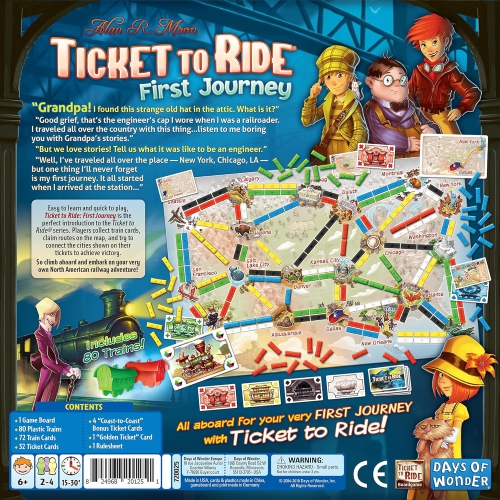
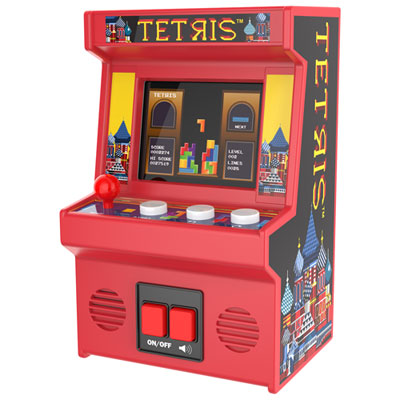
Classic games are video games and traditional tabletop games that remain enjoyable long after their original release, often because their rules are memorable, their challenges are satisfying, and their appeal carries across generations. In video gaming, the term commonly describes earlier console, computer, and arcade experiences, along with later editions that preserve their distinctive play. Platform adventures, falling-block puzzles, turn-based strategy, and lap-by-lap racing all show how a straightforward idea can support hours of enjoyment. Some classic video games reward precise timing and quick reactions; others leave room to think through a move or explore an unfamiliar map. Their lasting appeal is not limited to nostalgia. A newcomer can appreciate responsive controls and a clever level without having played the original, while a returning player may remember the music before the opening screen has finished loading. Traditional board and card games share that staying power through familiar patterns of competition, chance, and strategy. Around a table, the entertainment comes partly from the rules and partly from the people playing: a carefully concealed hand, an unexpected roll, or a move that changes the balance of the game. Across both digital and tabletop formats, classic games suit different kinds of downtime. A short puzzle round fits between other activities, while a longer adventure or strategy session gives players something to return to over several evenings. Player count matters as much as genre. A solo challenge offers a different experience from taking turns on one controller, playing side by side, or gathering several people around a board. Clear rules can make a game approachable, but simple presentation does not always mean an easy challenge. Many enduring games reveal their depth gradually, giving beginners a clear starting point and experienced players room to refine their decisions. That combination helps explain why familiar game styles continue to appeal to children, adults, occasional players, and dedicated enthusiasts.
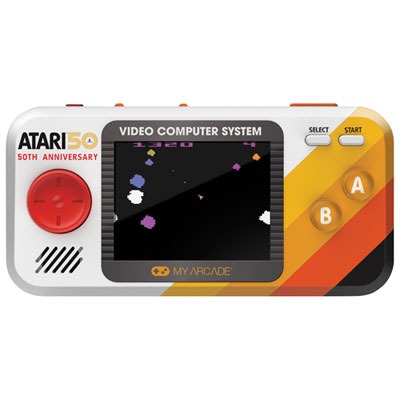
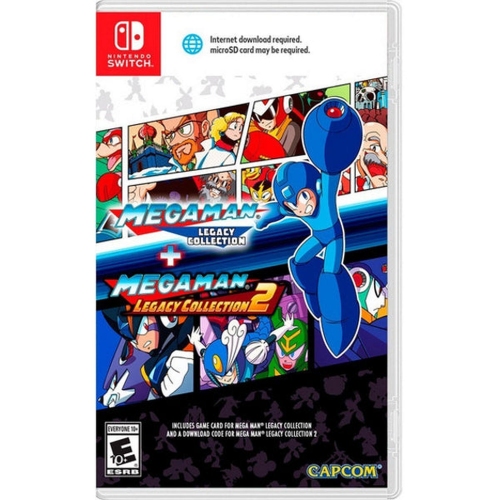
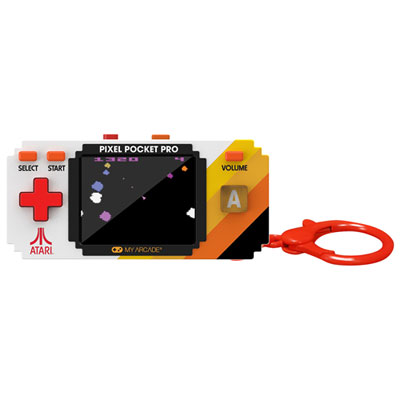
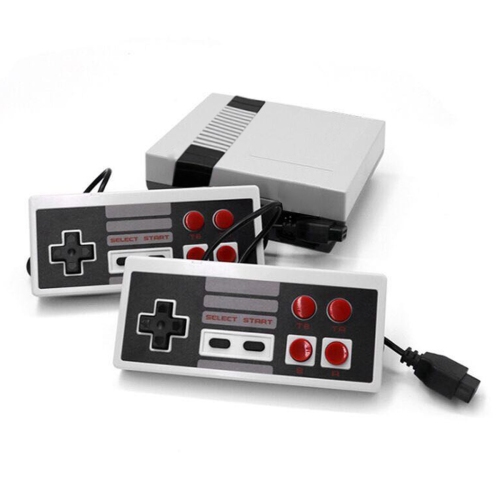
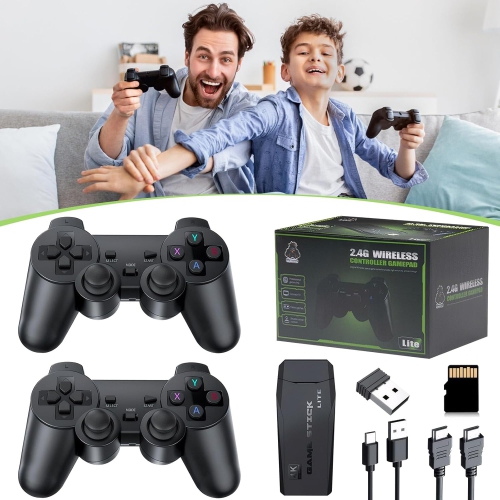
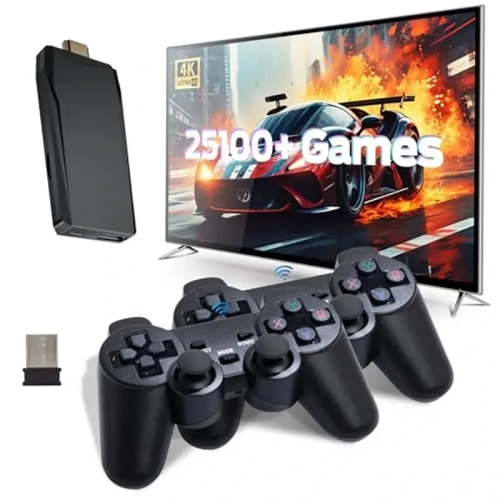
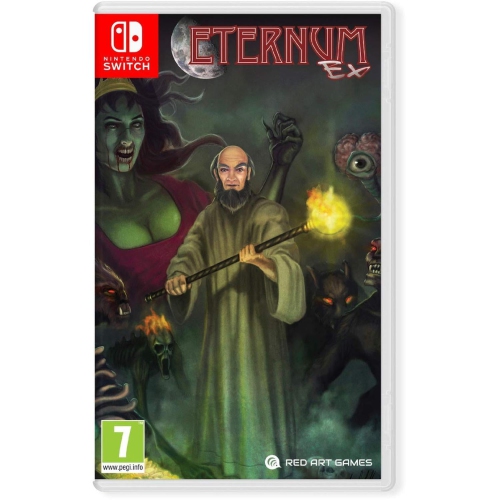
For classic video games, the edition and intended hardware are important parts of the experience. An original physical release, a downloadable edition, and a modern compilation may feature related gameplay without being interchangeable. Compatibility depends on the console or computer, the supported software version, and sometimes the region of the release. A disc or cartridge designed for an earlier machine does not automatically work with a newer one, even when the hardware comes from the same console family. Digital editions also have platform and account requirements, and some features may depend on an internet connection or a separate membership. Interest in a particular console generation can also lead players to Legacy Games, especially when familiar controls and original formats are part of the appeal. How a classic game looks and feels can vary between editions. Original releases may retain older screen proportions, sparse instructions, and limited save opportunities, while some later versions add adjustable display settings, clearer menus, or more flexible saving. Those differences can matter during everyday play. Being able to pause or save between short sessions may suit a busy household, whereas an uninterrupted run can preserve the tension of the original challenge. Display connections deserve similar attention: older hardware may use outputs that a newer television cannot accept directly, and an adapter may affect picture quality or responsiveness. Controller layout, button size, cable length, and wireless support influence comfort, particularly when several people share a screen. Small hands may find a compact controller easier to hold, while some adults prefer a fuller grip for longer sessions. Local multiplayer also depends on the specific edition, supported controllers, and number of players. A game remembered as a shared experience might involve alternating turns rather than simultaneous play. These practical distinctions help connect the appeal of a familiar game with the way it will actually be enjoyed at home.
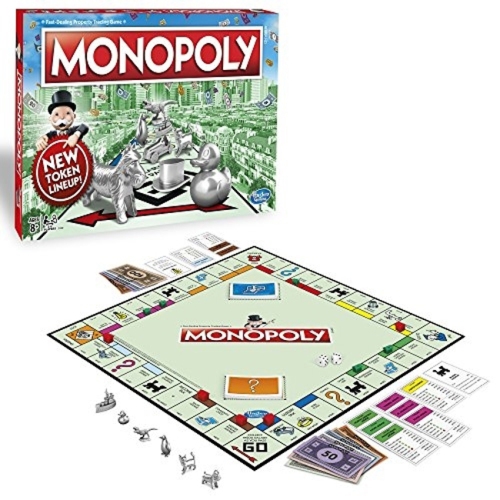
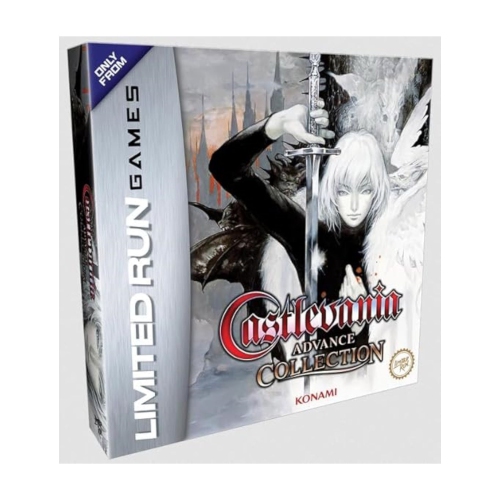
Physical construction, storage, and care are relevant whether classic games arrive in a case or unfold across a table. For disc-based games, scratches and damaged cases can affect long-term use, while cartridge contacts and connectors benefit from careful handling and dry storage. Protective cases keep media separated from loose cables and other objects that could mark their surfaces. Cleaning methods depend on the material and manufacturer’s directions; abrasive cloths, excess moisture, and unsuitable cleaners can cause damage rather than improve performance. Tabletop games have different wear points. Frequently shuffled cards need to withstand repeated handling, folding boards need sound hinges, and regularly moved pieces should feel comfortable to pick up. Wooden components offer a different texture and weight from moulded plastic, while printed cardboard can provide clear artwork and lightweight storage. No single material guarantees durability: finish, thickness, construction, and handling all contribute. A board that lies flat, readable symbols, and pieces that contrast clearly with the playing surface can make play more comfortable. Fit matters here too, since a game needs enough space for its board, cards, player areas, and any pieces set aside during play. Compact formats can suit smaller tables or travel, although reduced-size components may be harder for some players to handle. Storage compartments and secure closures help keep a set complete between sessions, especially in homes where games move between rooms. As gifts, classic games can connect with a recipient’s interests without requiring a shared history. A familiar style of puzzle may appeal to someone who enjoys quiet concentration, while a social strategy game can suit a household that likes friendly competition. For children, suitable age guidance, manageable rules, and awareness of small parts are important considerations. For returning players, the exact format and compatible hardware can matter more than the name alone. The strongest match is a game whose pace, controls, playing space, and level of challenge fit the person who will use it.
Top selling and popular products
-
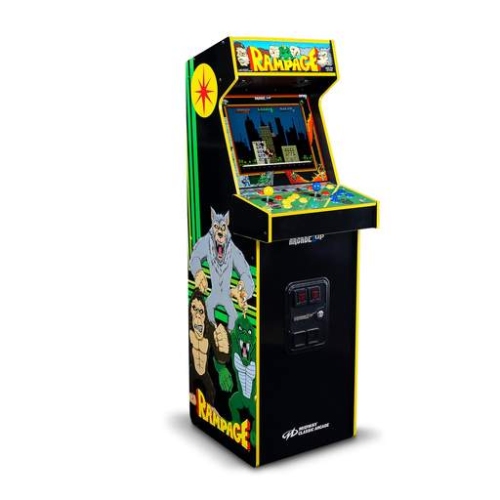 Your price for this item is $897.99
-
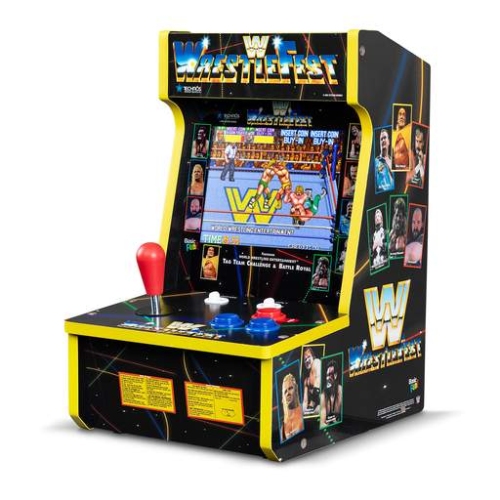 Your price for this item is $249.99
-
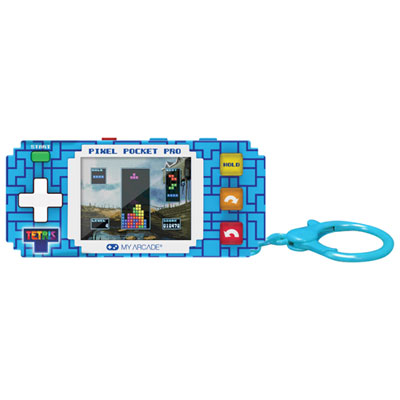 Your price for this item is $39.99
-
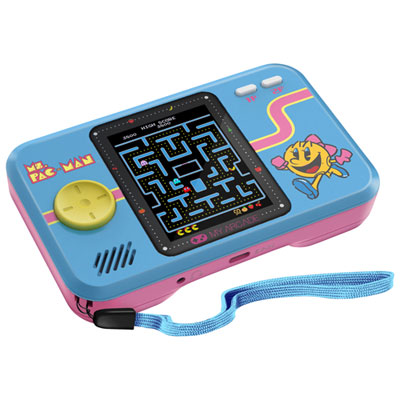 Your price for this item is $54.99
-
 Your price for this item is $29.99
-
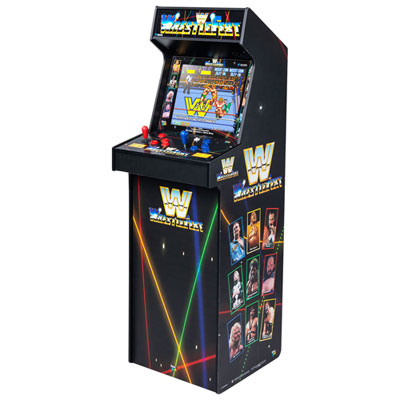 Your price for this item is $699.99
-
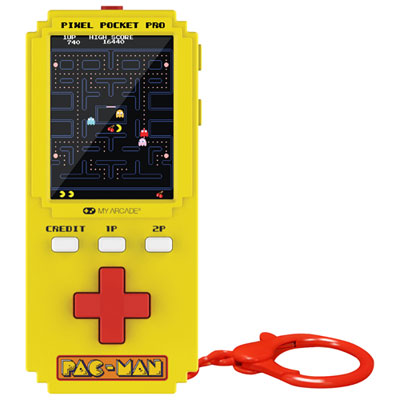 Your price for this item is $39.99
-
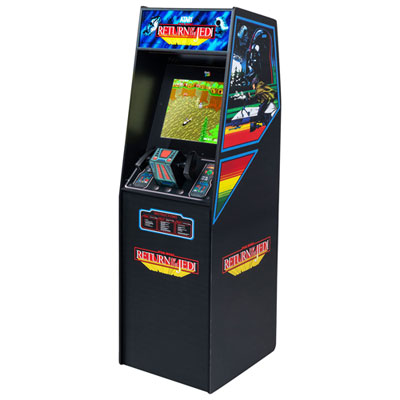 Your price for this item is $699.99
Discover more categories related to Classic Games

Top Collections:
Best Black Friday Deals This Year, Best Black Friday Deals On Electronics, Kindle Devices, Pokemon Centers, Best Black Friday Deals On Apple Products, Best Cameras for Sports Photography, Dyson Airwrap, Pokémon 30th Celebration Cards, Apple iPhone 17 Pro, Canon G7X Cameras
Some products may be subject to Environmental Handling Fees
(EHF) depending on your province.
Learn more about EHFs.