Art Paints
Unleash your creativity with our diverse selection of art paints, perfect for artists of all levels. Whether you're a seasoned painter or just starting out, our range of high-quality paints offers vibrant colors, smooth textures, and excellent coverage to bring your artistic visions to life. From acrylics to watercolors, oils to gouache, explore a spectrum of possibilities to elevate your artwork to new heights. Let your imagination run wild as you dive into a world of color and expression with our premium art paints.
Sort
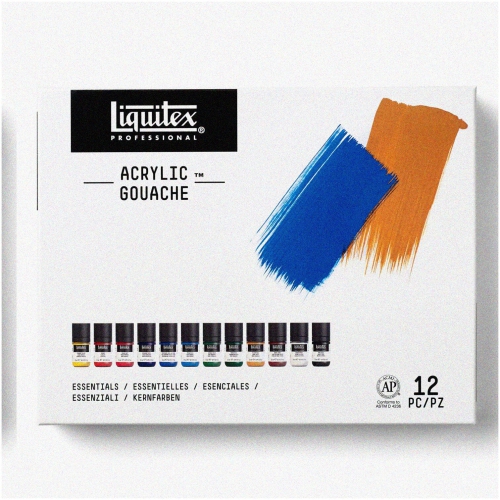
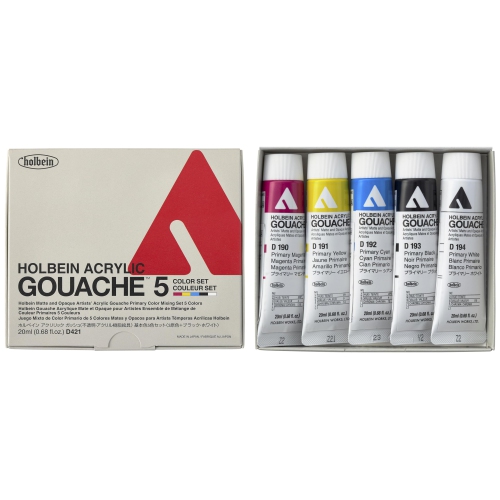
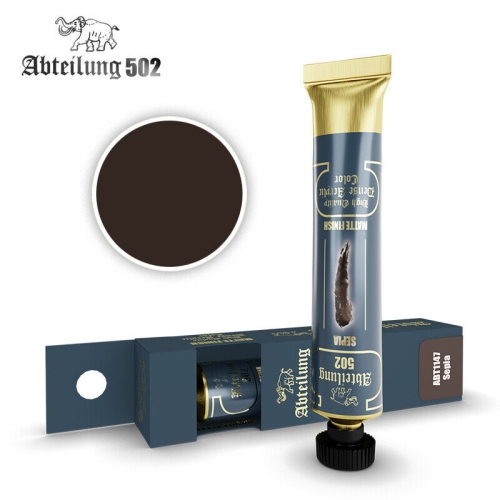
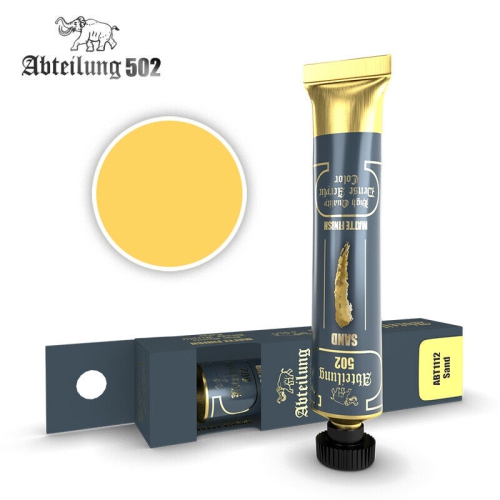
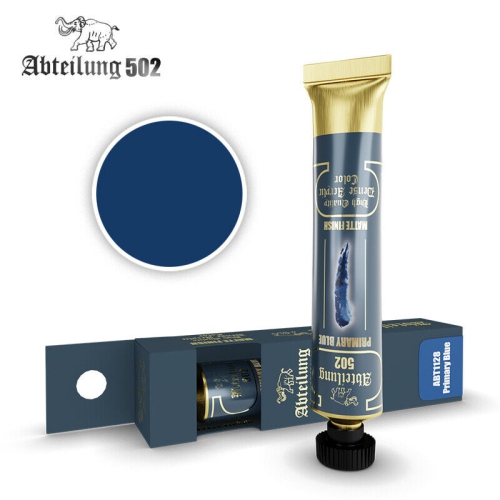
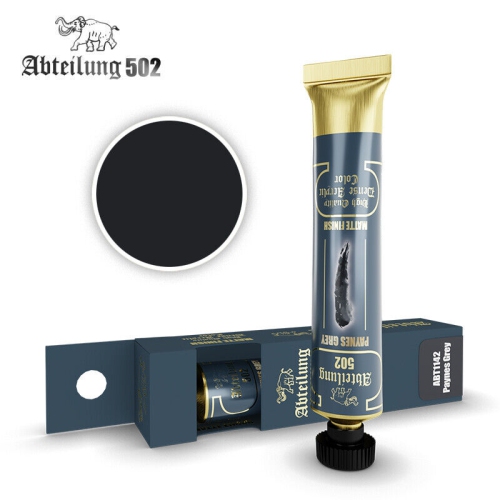
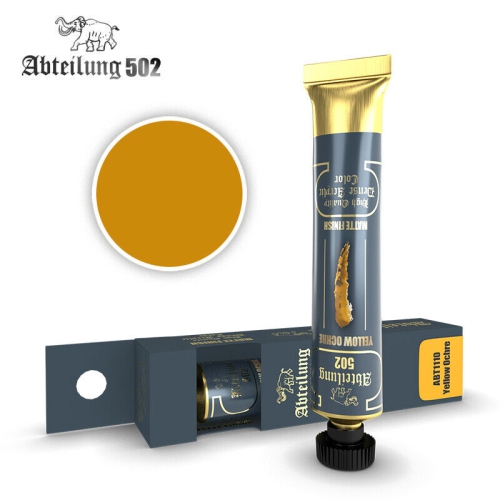
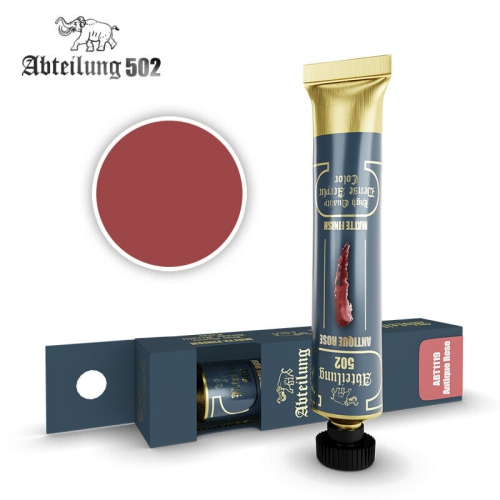
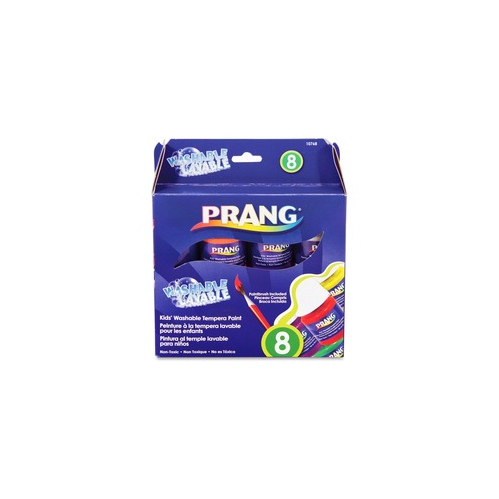

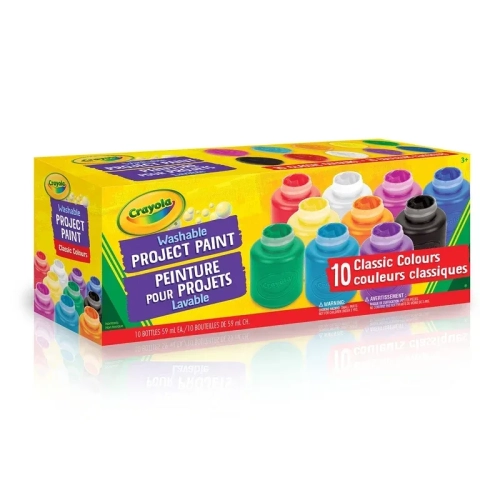
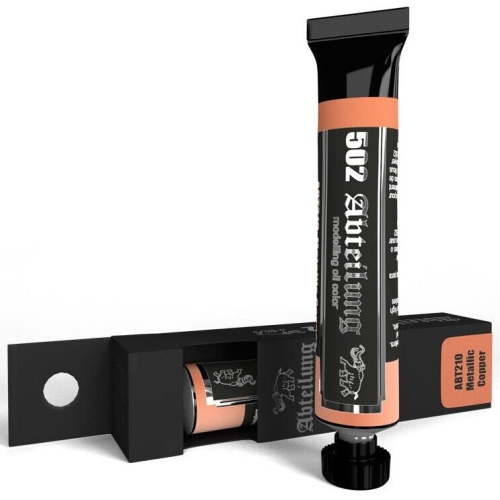
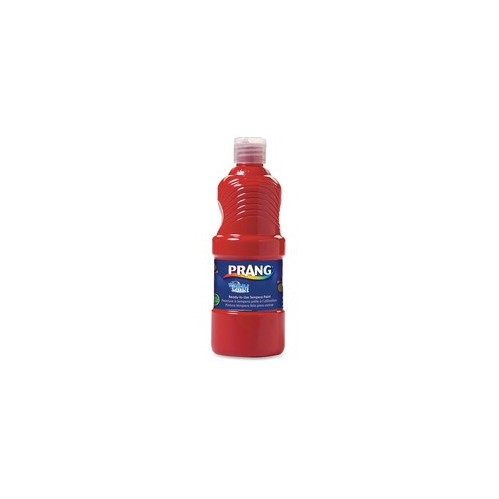





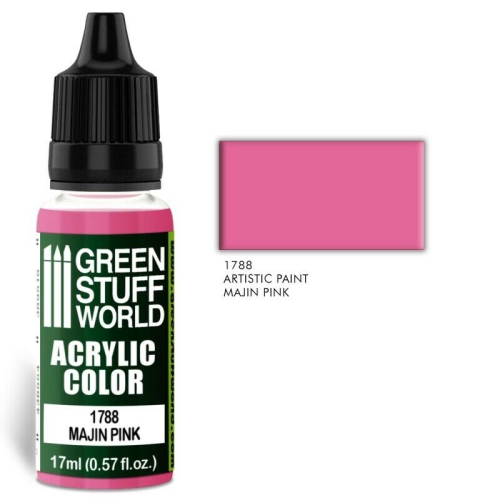
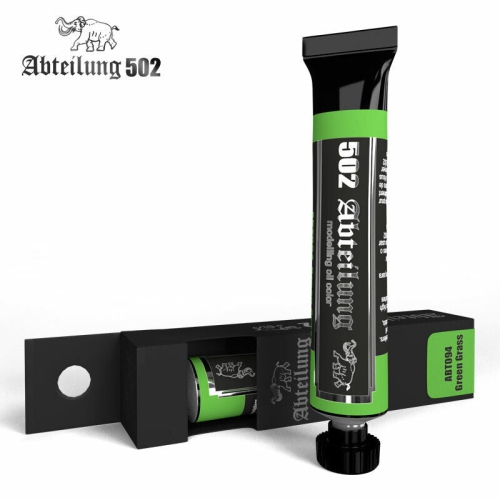
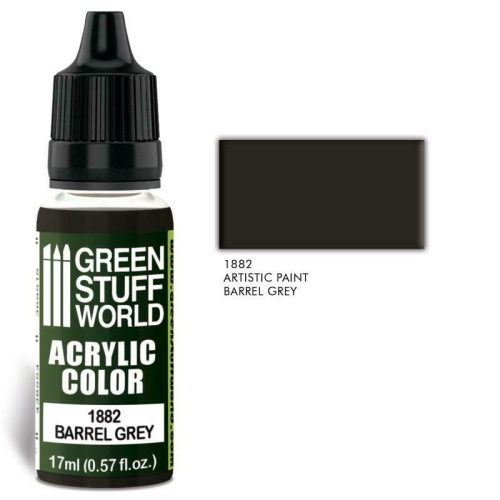



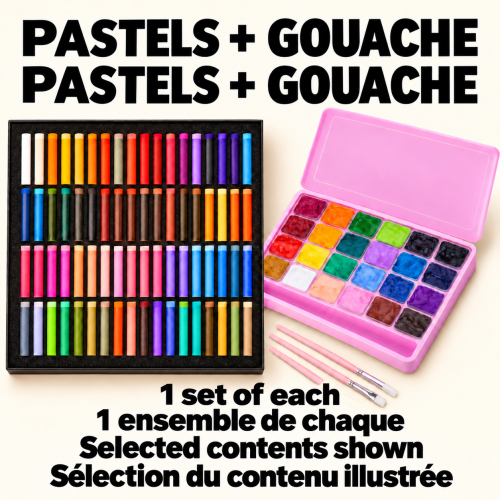
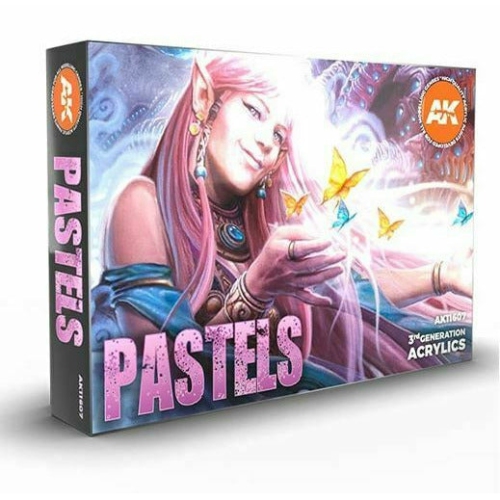
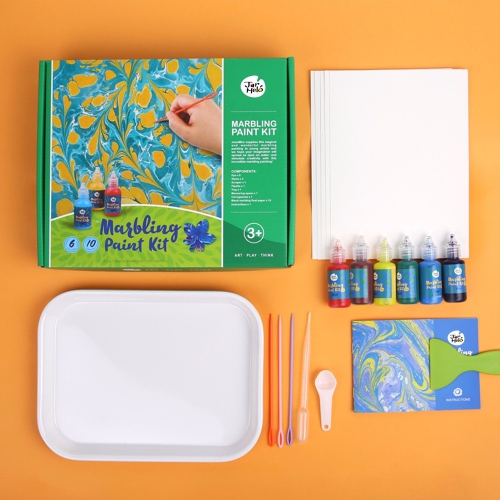
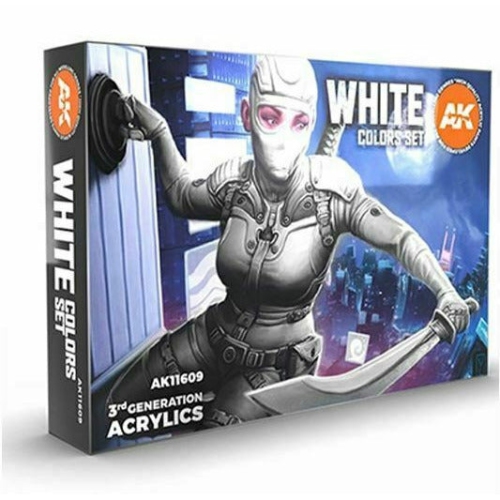


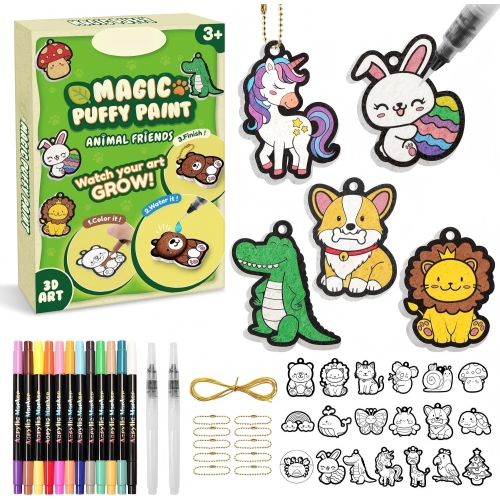
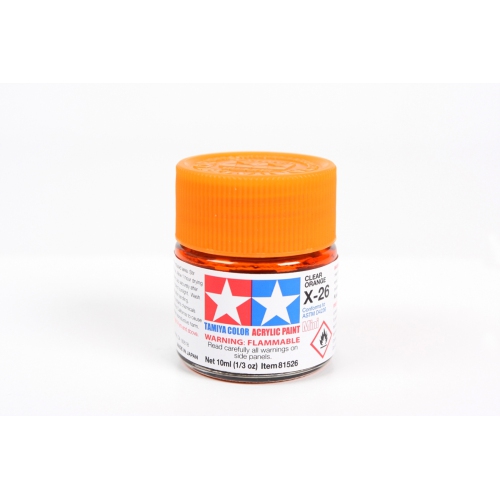
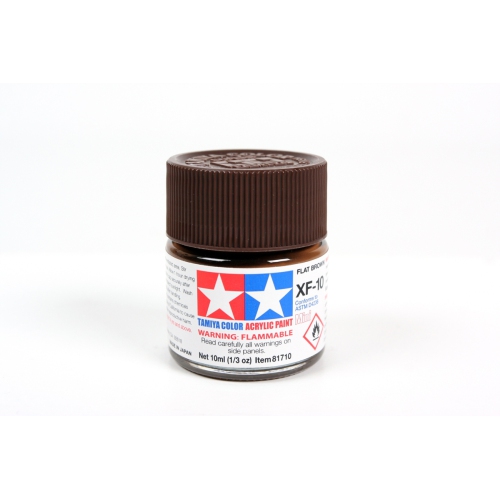
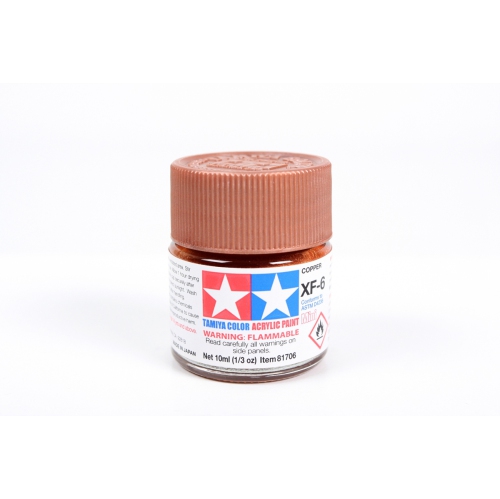

How paint types shape blending and texture
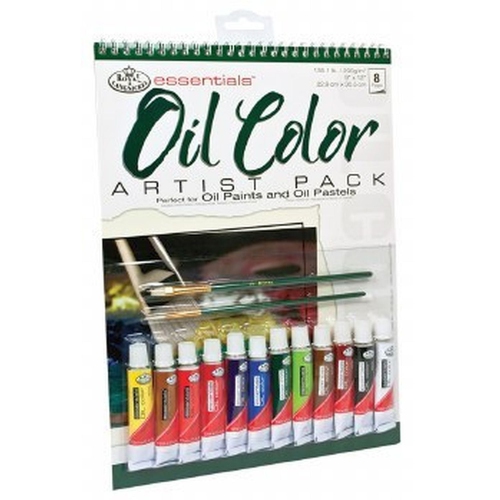
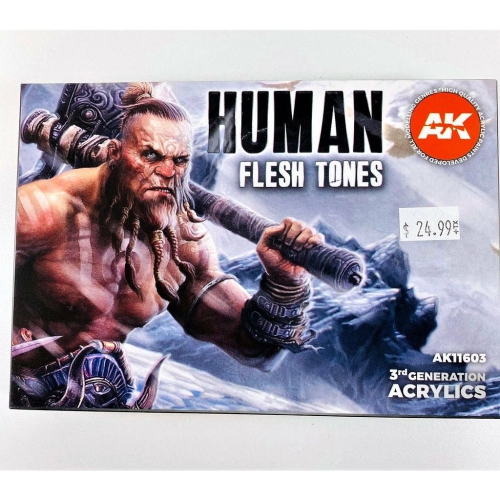
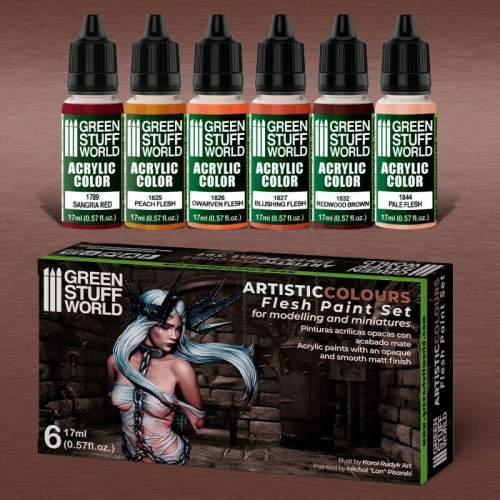
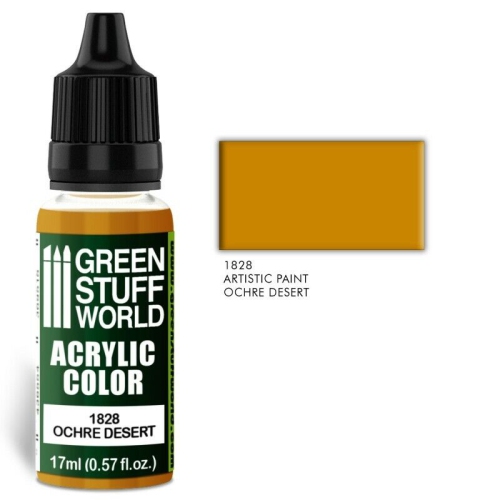
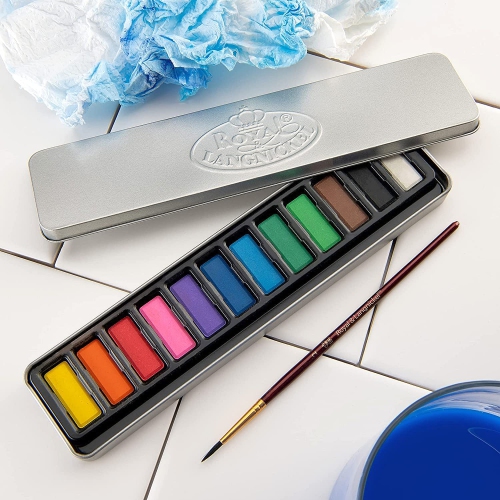
Art paints bring colour, texture, and depth to work on paper, canvas, wood, and other suitable surfaces. The main types include acrylic, oil, watercolour, and gouache, each with a different binder, consistency, and drying behaviour. Acrylic paint uses an acrylic polymer binder and is generally water-thinnable while wet, becoming water-resistant once dry. Its relatively quick drying time suits layered compositions, bold graphic shapes, and projects where one colour needs to sit cleanly over another. Thick acrylics can hold brush marks and palette-knife ridges, while fluid formulations flow more readily for fine lines, smooth coverage, or poured effects when used with appropriate mediums. Oil paint combines pigment with a drying oil, offering a longer working time for blending soft transitions, adjusting edges, and developing rich colour. A portrait with gently shaded skin or a still life with subtle reflections benefits from that extended blending window. Oil layers dry at different rates depending on the pigment, thickness, and medium, and a surface that feels dry may still need considerable curing time. Watercolour is valued for transparent washes that allow the brightness of the paper to contribute to the image. It suits loose landscapes, delicate botanical studies, travel sketches, and paintings built from overlapping veils of colour. Traditional gouache is also water-based but typically offers more opaque coverage, making it useful for illustration, lettering, and flat areas of colour with a matte appearance. Dried traditional gouache can usually be reactivated with water, whereas acrylic gouache generally dries to a more water-resistant film. These differences affect how easily colours blend, how sharply edges can be defined, and whether an earlier layer will move when painted over. Paint format also shapes the experience: tubes dispense colour for mixing on a palette, pans offer a compact approach to watercolour, and jars or bottles can suit broader coverage. The best fit depends on the intended surface, the scale of the work, and whether the desired result is a transparent wash, an even block of colour, or a visibly textured stroke.
Colour selection involves more than choosing shades that look appealing together. Pigment strength, opacity, consistency, and lightfastness all influence how art paints behave and how a finished piece holds up over time. A transparent colour allows underlying marks to remain visible, while an opaque colour can cover them more fully; both have a place in layered artwork. Lightfastness describes resistance to fading from light exposure and matters particularly for paintings intended for display. Ratings and pigment information on the packaging help distinguish colours suited to lasting artwork from those better used for practice or temporary projects. Student and artist formulations can differ in pigment concentration, the range of pigments used, and handling characteristics, although these qualities vary between paint ranges. A higher pigment concentration may produce stronger mixtures with less paint, while a simpler formulation can be comfortable for practising brush control and experimenting with compositions. A broad colour set gives beginners room to explore, but a focused palette can be just as useful for learning how colours interact. Warm and cool versions of primary colours, together with suitable neutrals, offer flexibility without requiring a separate tube for every possible shade. In monochrome artwork, Black Paints can establish silhouettes, deepen shadows, or provide crisp contrast against a pale ground. Different black pigments may have warmer or cooler undertones, and their transparency can affect whether a dark passage feels flat or layered. White also behaves differently across media: opaque white is often central to acrylic, oil, and gouache mixtures, while traditional transparent watercolour commonly relies on unpainted paper for its lightest areas. Consistency matters alongside colour. Paint that holds its shape suits raised marks and expressive texture, whereas a smoother, thinner paint can be better suited to small details. Added water or painting mediums can change flow, transparency, and finish, but compatibility matters because thinning beyond the formulation’s limits can weaken coverage or adhesion.
The surface beneath the paint plays a large part in the finished result. Stretched canvas offers a springy painting surface, rigid panels provide firm support for precise marks, and suitably prepared wood can work well for painted objects or artwork. Priming helps create a consistent painting ground and can prevent an absorbent surface from drawing too much binder out of the paint. Oil painting generally requires an appropriate barrier between the paint and absorbent supports, while acrylics also benefit from a clean, compatible ground. Watercolour paper is designed to handle wet washes more effectively than ordinary sketch paper; its weight and texture influence buckling, detail, and the appearance of brushwork. A smooth surface supports crisp illustration, while a more pronounced paper texture can catch pigment and add character to washes. For craft projects, adhesion to glass, metal, plastic, or fabric depends on the paint formulation and any specified preparation or finishing requirements. Not every art paint is suitable for every material, and a painted decorative object should not be assumed safe for food contact or repeated washing. Care begins with keeping lids secure and container rims clean so paint does not dry out unnecessarily. Brushes used with water-based paints are easier to clean before the paint dries; oil-paint tools need a cleaning method suited to the paint and medium. Finished artwork may require protection from handling, moisture, and strong light, with glazing or a compatible varnish chosen according to the medium. Art paints can make thoughtful gifts for sketchbook enthusiasts, hobby painters, illustrators, and artists returning to a familiar pastime. A recipient’s preferred medium and working scale are useful clues: someone painting miniature details has different needs from someone covering large canvases. For children, age suitability, clear safety labelling, and the distinction between washable activity paints and permanent artist paints matter more than an impressive colour count. The most useful choice supports the kind of work the painter enjoys and the surfaces they use.
Top selling and popular products
-
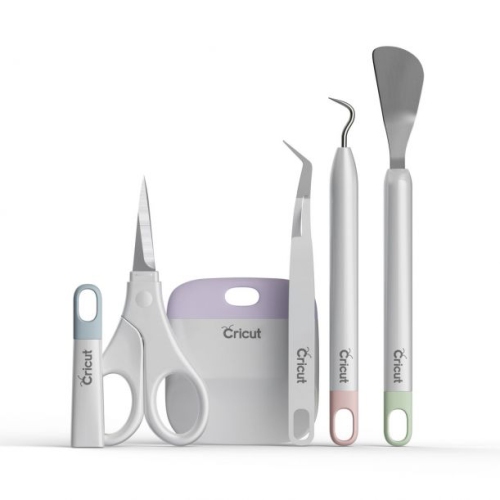 Your price for this item is $40.99
-
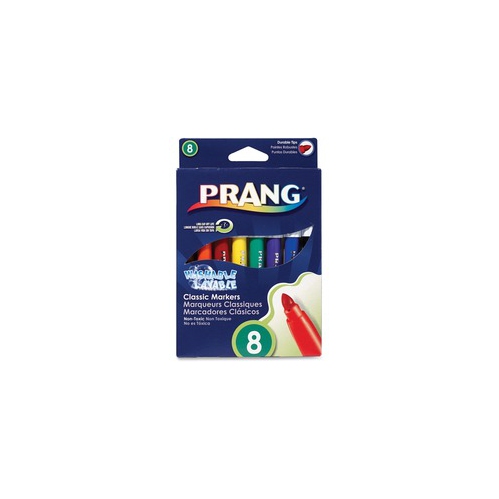 Your price for this item is $4.99
-
 Your price for this item is $5.99
-
 Your price for this item is $4.99
-
 Your price for this item is $7.99
-
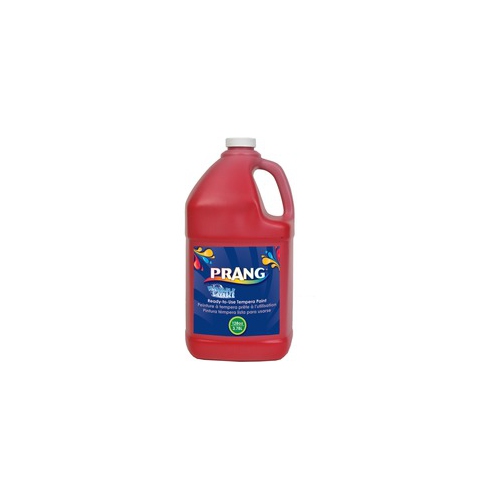 Your price for this item is $17.99
-
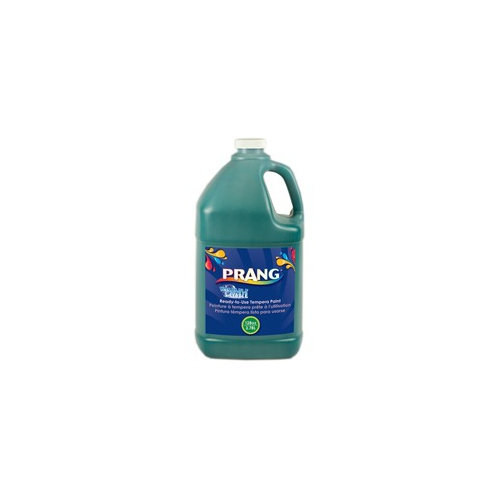 Your price for this item is $17.99
-
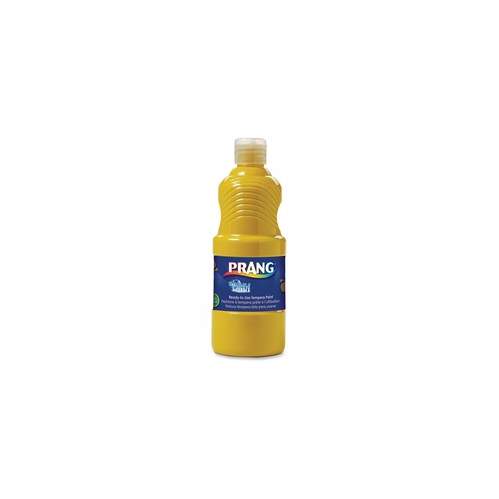 Your price for this item is $4.99
Discover more categories related to Art Paints
Top Collections:
Best Black Friday Deals This Year, Best Black Friday Deals On Electronics, Kindle Devices, Pokemon Centers, Best Black Friday Deals On Apple Products, Best Cameras for Sports Photography, Dyson Airwrap, Pokémon 30th Celebration Cards, Apple iPhone 17 Pro, Canon G7X Cameras
Some products may be subject to Environmental Handling Fees
(EHF) depending on your province.
Learn more about EHFs.