Baby Books
Explore the captivating realm of baby books, where each page presents a fresh journey awaiting exploration. Perfect for nurturing young minds, these delightful reads are crafted to capture the imagination and spark curiosity in little ones. Whether you're looking for bedtime stories that create cherished memories or educational tales that introduce foundational concepts, our collection is designed to support early development and foster a lifelong love of reading. Explore a variety of themes and styles that cater to every stage of your child's growth, ensuring that storytime is always an engaging and joyful experience.
Sort
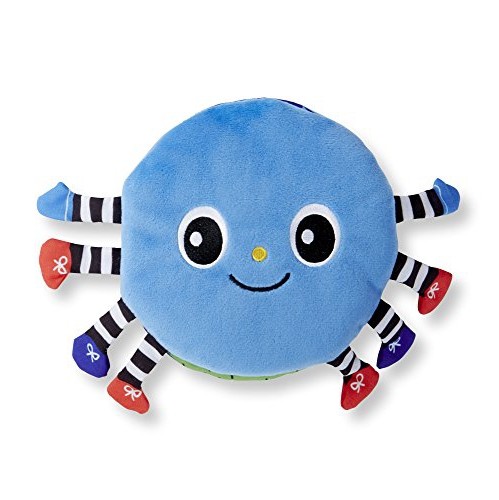


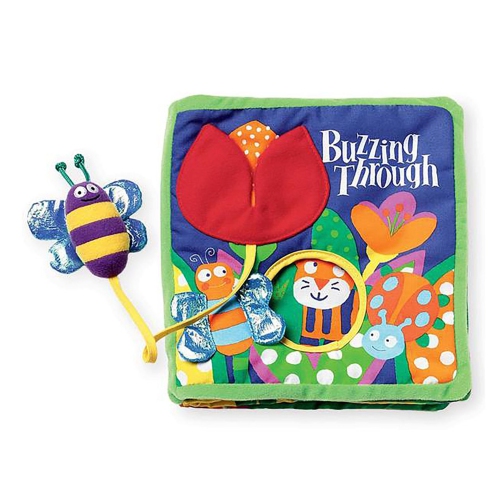
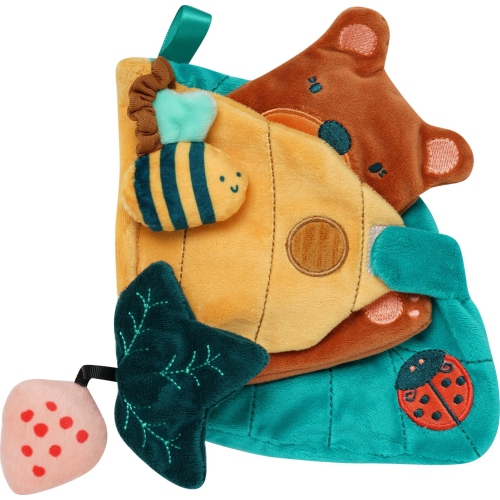
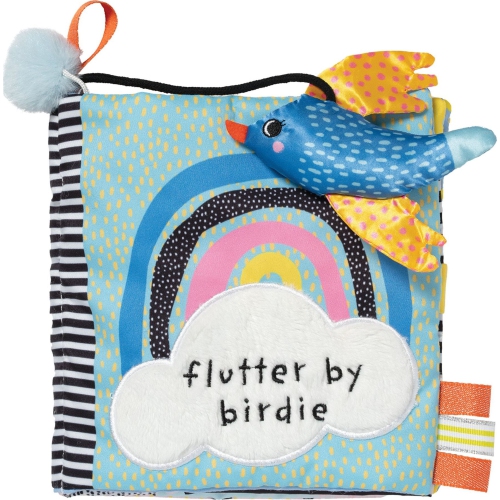


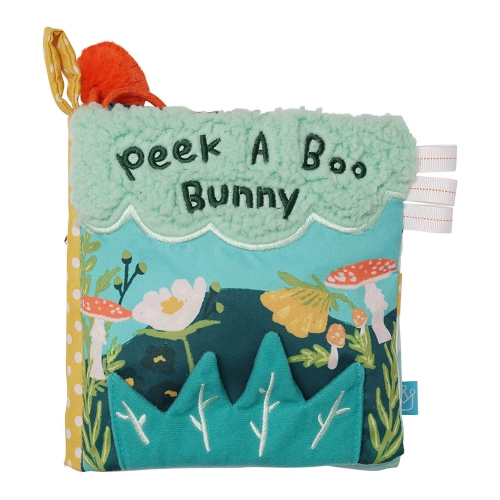
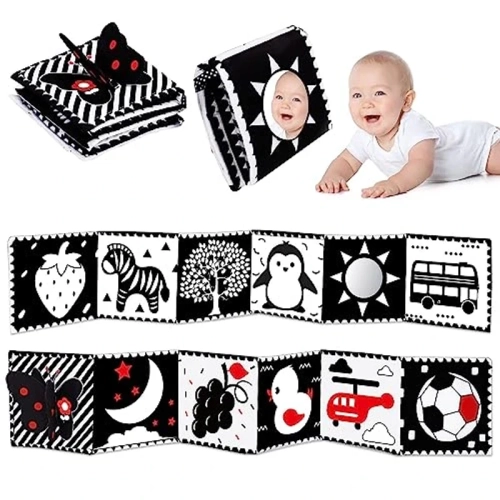
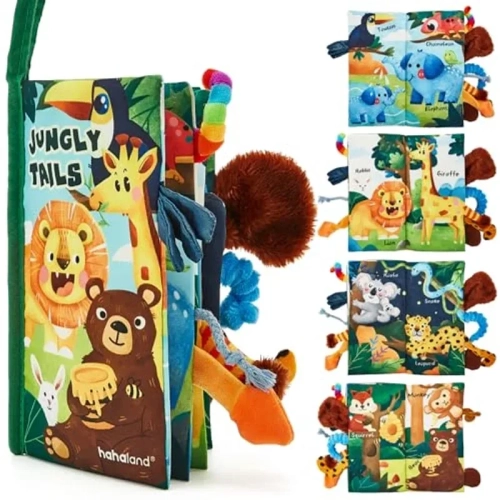


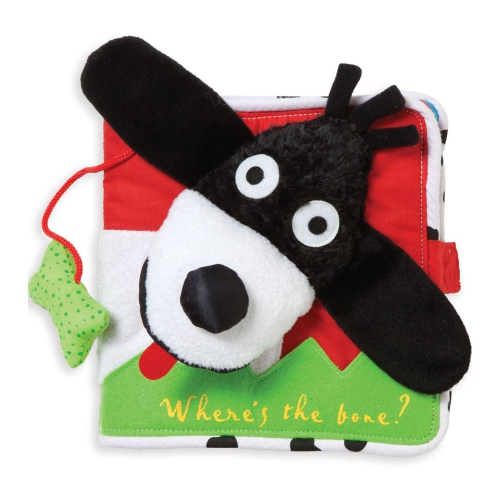
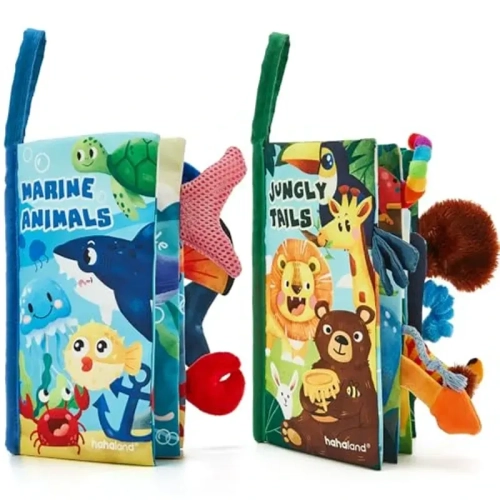
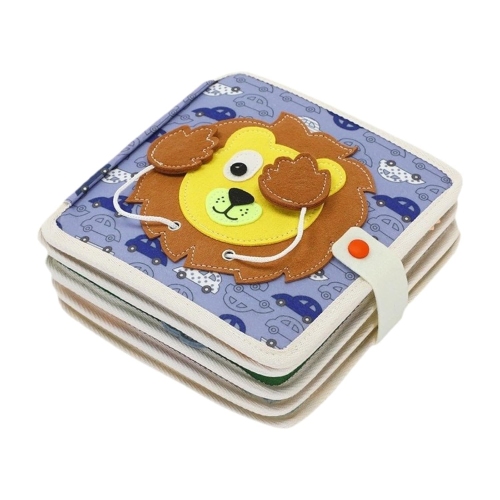
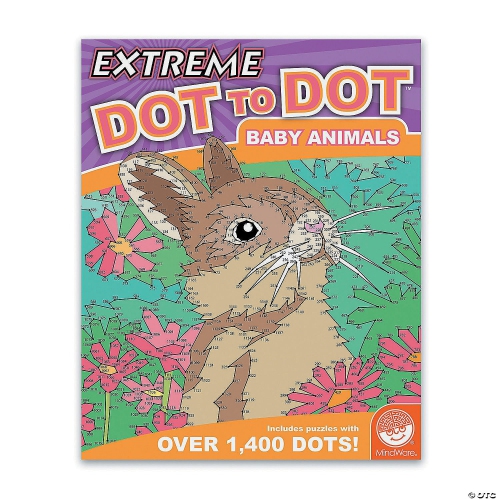


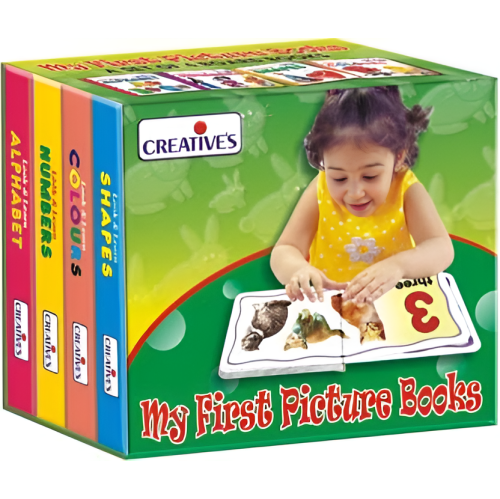

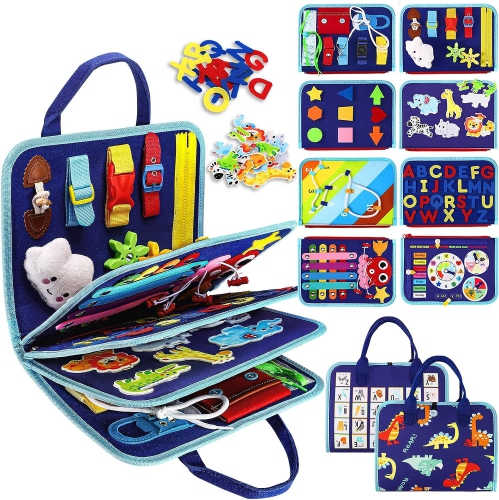
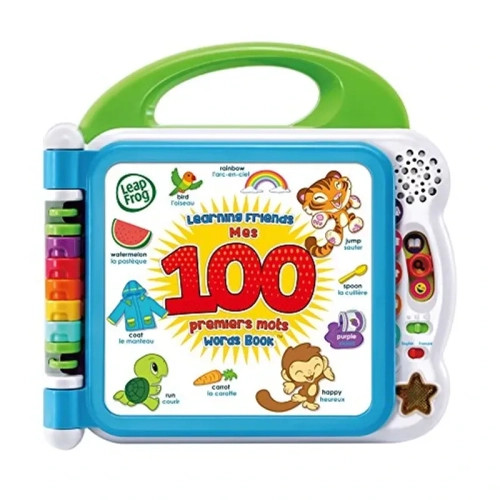

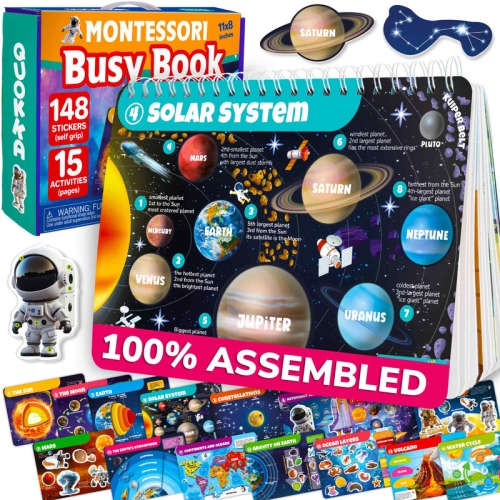
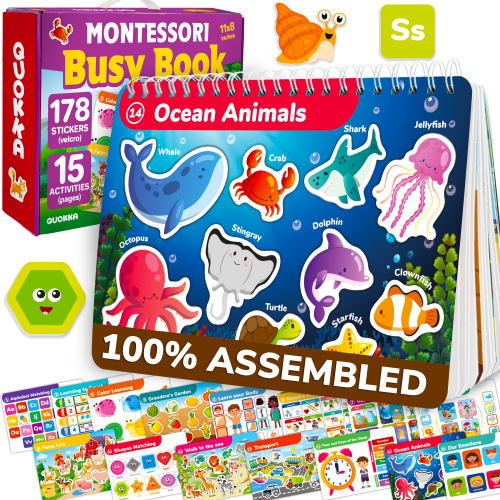

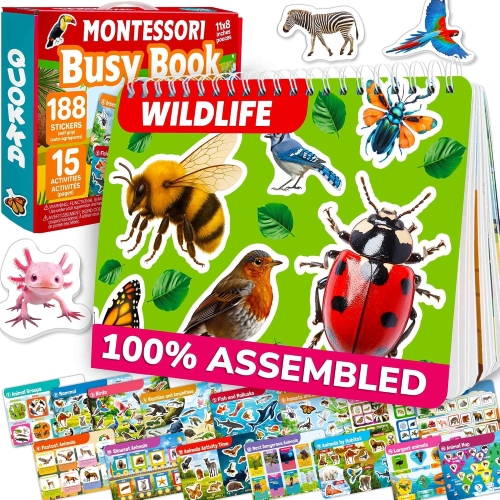
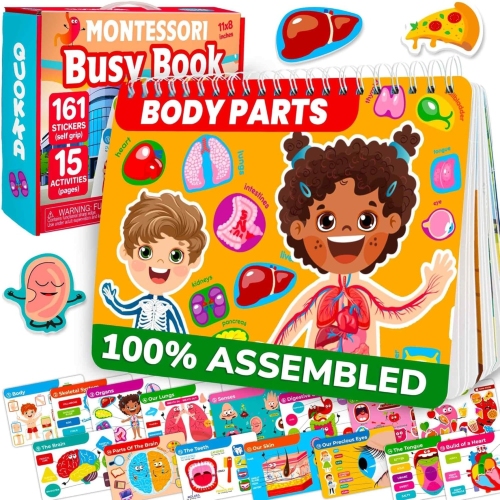
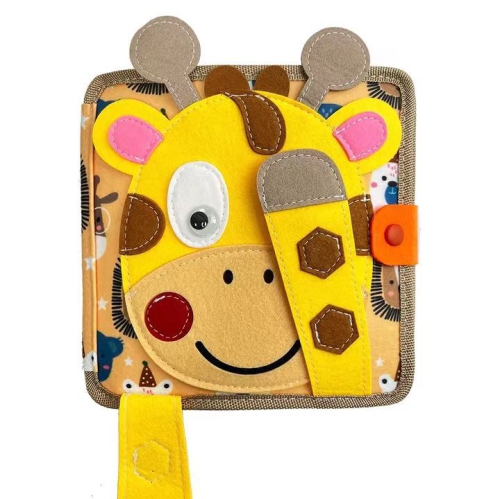


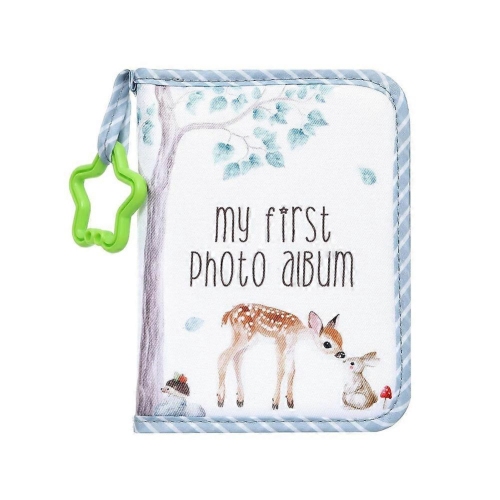


Sturdy pages and simple stories for shared reading
Baby books bring simple stories, familiar pictures, and playful sounds into the everyday moments shared by babies and their caregivers. Books for this age group are usually designed for short, repeated reading sessions, with sturdy formats that suit little hands and pages that offer something clear to look at or explore. Board books, cloth books, and interactive baby books each have a different role in a growing home library. Thick board pages are easier to grasp than thin paper and stand up well to frequent turning, while soft fabric pages offer a lightweight option for supervised play. High-contrast illustrations can be easier for young babies to notice as their vision develops, especially when a page has a bold shape against a simple background. As babies grow, photographs of faces, animals, food, and household objects give adults plenty to name and talk about. First-word books keep that connection straightforward: a clear picture, a familiar word, and time for a baby to look, point, or respond with a sound. Rhyming stories and repeated phrases add rhythm to reading aloud without requiring a child to follow a complicated plot. A few lines read slowly during a cuddle can be just as enjoyable as finishing a whole story. Older babies and toddlers may prefer pages with more detail, simple actions to copy, or a familiar character moving through daily routines such as getting dressed or settling down for bed. Age labels are useful starting points, but a child’s interest and ability to handle the book matter too. A baby who enjoys staring at faces may return to the same picture spread again and again, while a toddler may want to turn every page independently. A small mix of visual, language-focused, and gently interactive books leaves room for both kinds of reading, without making every session feel like a lesson.
Materials and construction make a noticeable difference to how baby books feel in use and how well they hold up over time. Board books are generally made with thick paperboard pages, often with a smooth surface that tolerates everyday handling better than ordinary paper. They are durable, but not necessarily waterproof or suitable for chewing; moisture can soften edges or cause layers to separate. Rounded corners and a manageable size can make a book more comfortable to handle, particularly when a child is learning to open and close it alone. Compact books fit neatly into a changing bag, while larger formats leave more space for illustrations during reading on an adult’s lap. Weight matters as much as dimensions: a substantial board book may work well for shared reading but feel awkward for a baby to lift. Cloth books commonly use fabric pages with stitched edges and may include textured panels or crinkly sections. Their cleaning needs vary, so washable construction should only be assumed when the care label confirms it. Bath books made for water play have different care requirements again, including thorough drying according to the manufacturer’s directions. No book replaces close supervision around water. Touch-and-feel books invite babies to explore contrasts such as smooth and fuzzy surfaces, while lift-the-flap books give older babies and toddlers a simple way to reveal a hidden picture. Those features also introduce areas that deserve regular inspection. Flaps can tear, seams can loosen, and textured inserts can wear with repeated pulling. Books with sound features should have secure battery compartments, and any damaged book with exposed batteries or loose components should be removed from use. Follow the stated age suitability and cleaning instructions rather than treating all baby books alike. Wiping a board cover, washing a fabric book, and drying a bath book are not interchangeable tasks. Let cleaned books dry fully before storing them, and check corners, bindings, and attachments as part of normal care. Keeping a tougher book for outings and a more delicate interactive book for shared reading can help each format last longer.
The most useful baby books often fit naturally into the routines a family already has. A short animal book can fill a quiet moment before a feed, a familiar rhyme can accompany an afternoon cuddle, and a gentle bedtime story can help mark the shift from active play to settling down. During the cooler months, a comfortable chair and a small stack of well-loved books can make an inviting spot for time indoors. Reading together does not need a polished performance. Naming a picture, pausing for a babble, or repeating a favourite sound gives a baby a chance to take part. Books featuring different families, everyday experiences, and a range of faces can also create openings for conversation as children grow. For multilingual households, books in the languages spoken at home give parents, grandparents, and other caregivers a way to share familiar words and expressions. Matching the language and subject matter to the household makes a thoughtful difference when choosing baby books as gifts. A sturdy first-word book, a soft book suited to the baby’s age, or a story with an easy read-aloud rhythm can be a meaningful choice for a baby shower, a new arrival, or a first birthday. Gift choices are especially useful when they consider both the child and the adult who will read aloud: clear illustrations, comfortable page sizes, and phrases that remain pleasant after many readings all count. At home, keeping books visible and within an adult’s easy reach makes spontaneous reading simpler. As a child becomes mobile, low, accessible storage can support supervised choosing and tidying. Baby Book Shelves can help organize a reading corner, with furniture secured according to the manufacturer’s instructions and heavier books stored low. Books belong outside an infant’s sleep space, ready for reading before sleep rather than left in the crib. Rotating a few books at a time keeps the selection manageable while leaving favourite stories close at hand. Over time, those familiar pages become part of a shared routine, whether reading lasts for one picture, one rhyme, or the whole book.
Top selling and popular products
-
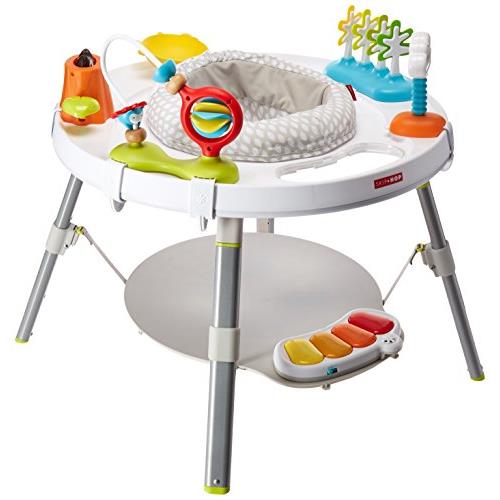 Your price for this item is $299.13
-
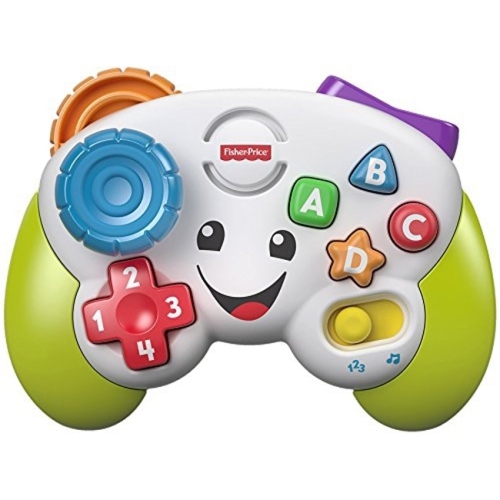 Your price for this item is $24.28
-
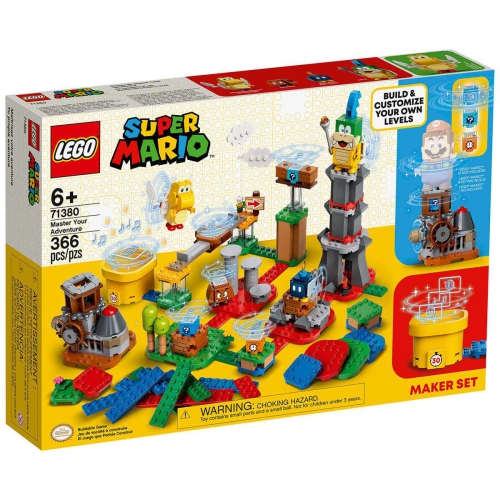 Your price for this item is $103.27
-
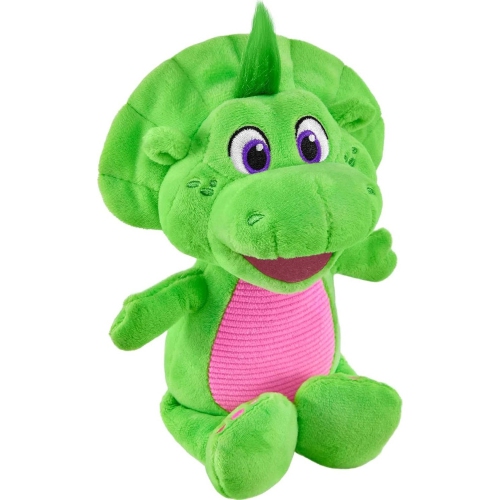 Your price for this item is $17.24
-
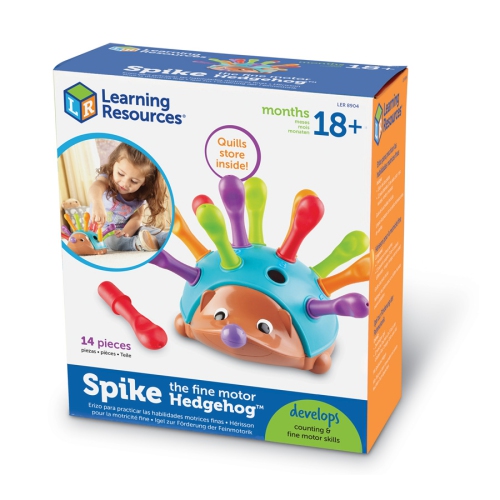 Your price for this item is $56.13
-
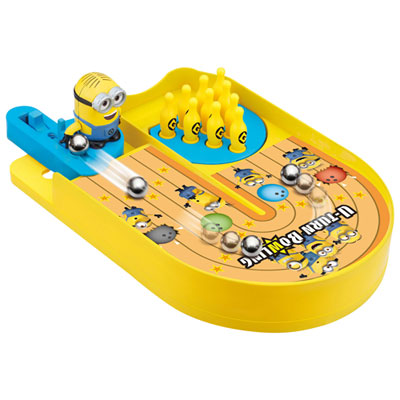 Your price for this item is $19.99
-
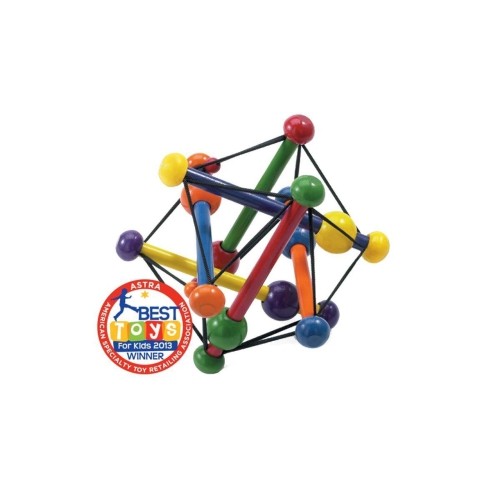 Your price for this item is $29.99
-
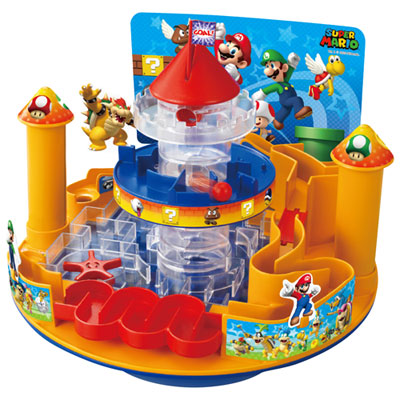 Your price for this item is $39.99
Discover more categories related to Baby Books

Top Collections:
Pokemon Centers, Best Cameras for Sports Photography, Kindle Devices, Samsung Galaxy Phones, Canon G7X Cameras, Pokémon 30th Celebration Cards, Refurbished Apple Laptops, iPhone 15 Apple, Laptops for Students, Budget Smartphones
Some products may be subject to Environmental Handling Fees
(EHF) depending on your province.
Learn more about EHFs.