Baby Slide
If you're looking to add some fun and excitement to your little one's playtime, this selection of baby slides is perfect for keeping your child entertained while helping them develop their motor skills and coordination. Whether you're setting up a play area in the backyard or looking for an engaging indoor activity, these baby slides are designed with safety and enjoyment in mind. Explore this range of colorful and sturdy options that are sure to bring endless smiles and laughter to your child's day.
Sort
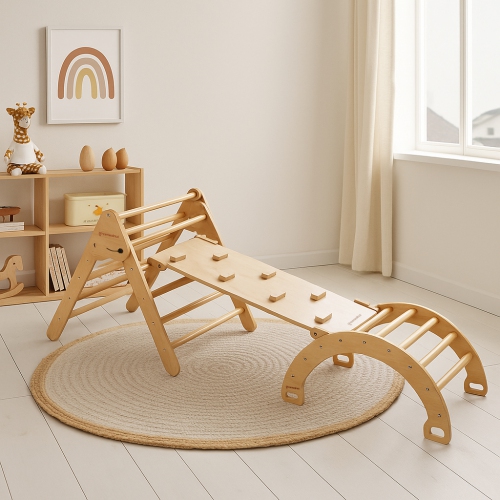
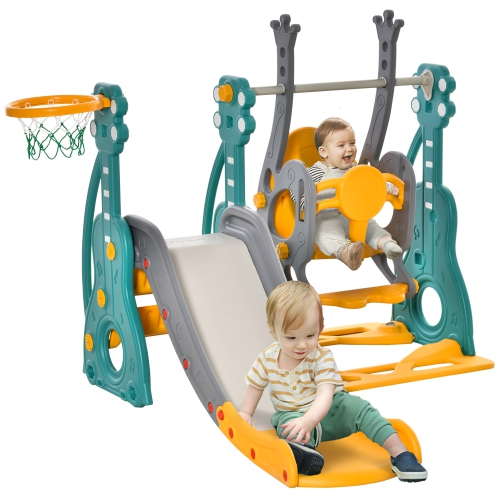
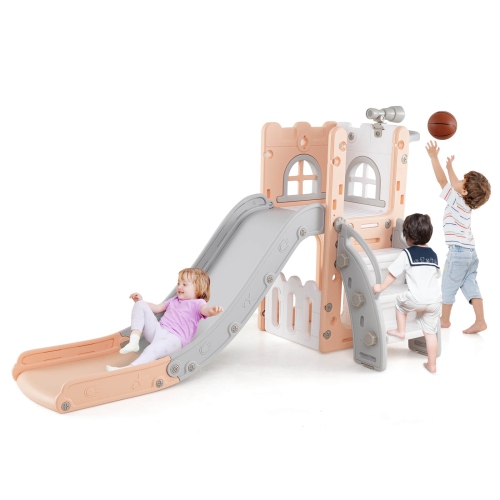
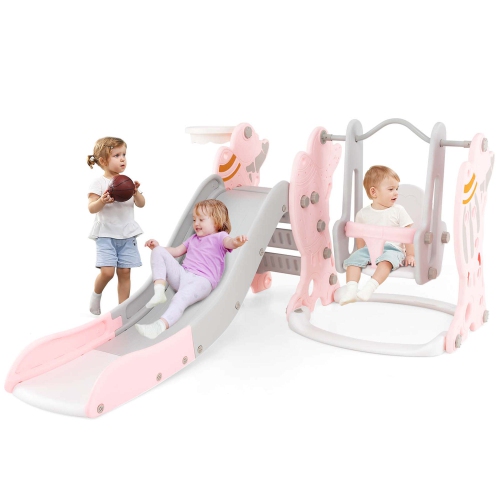
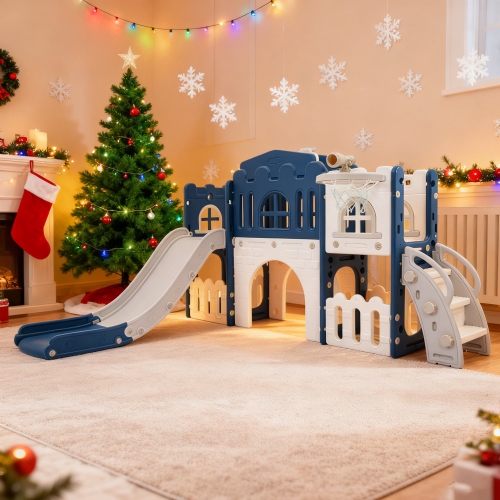
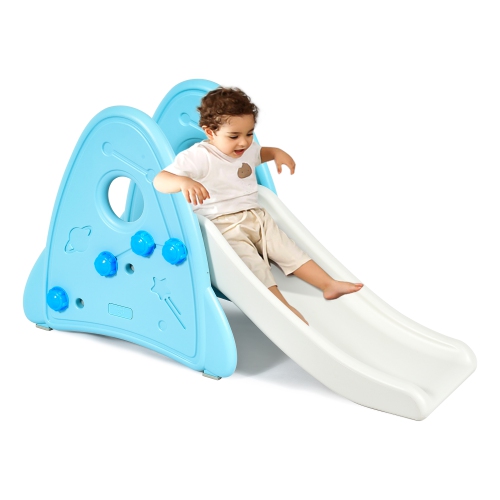

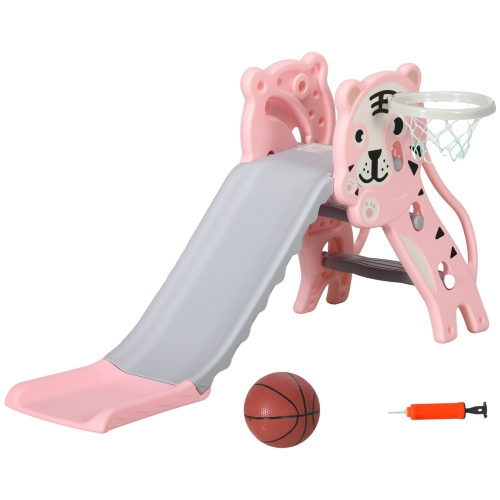
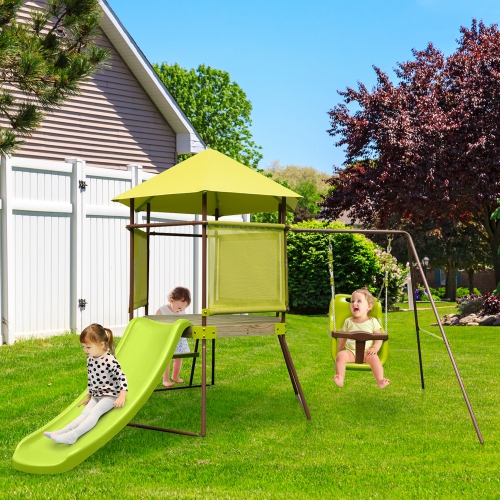
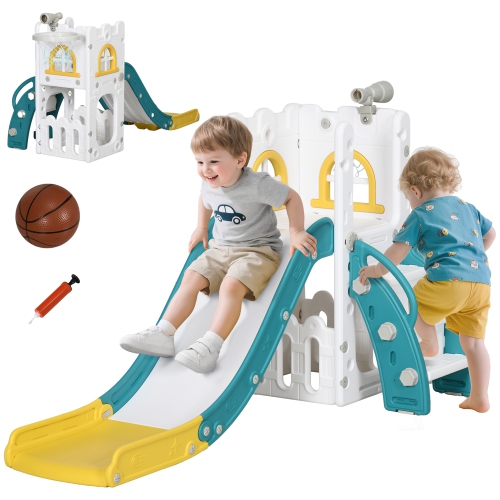
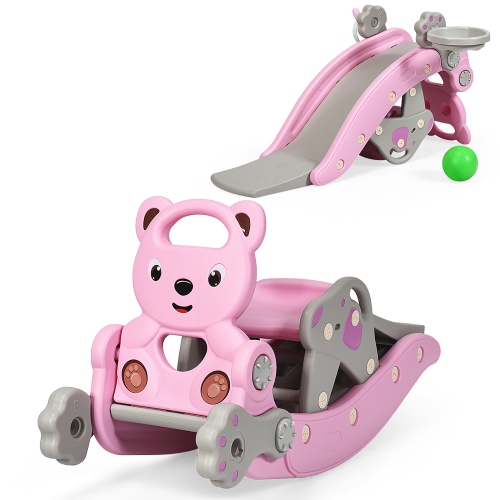
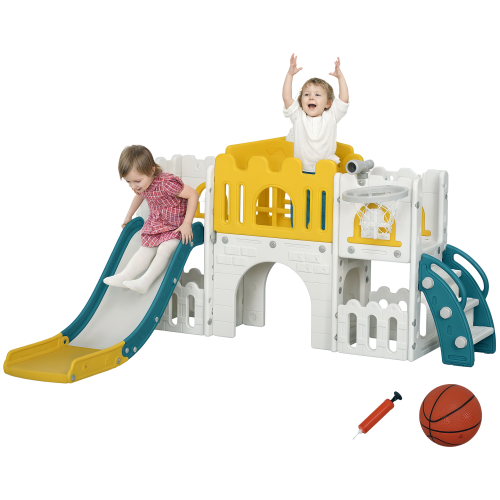
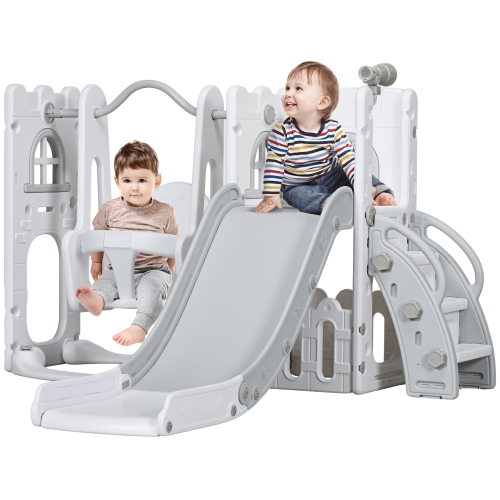
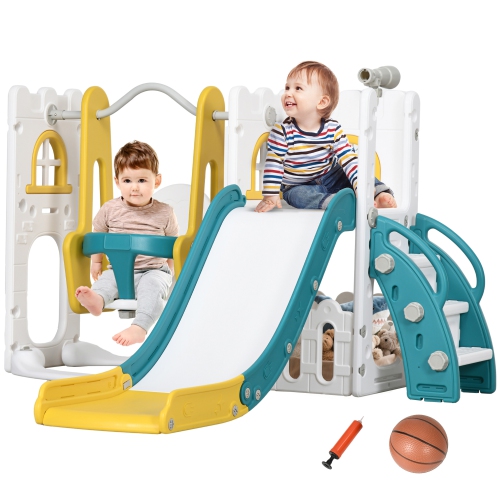
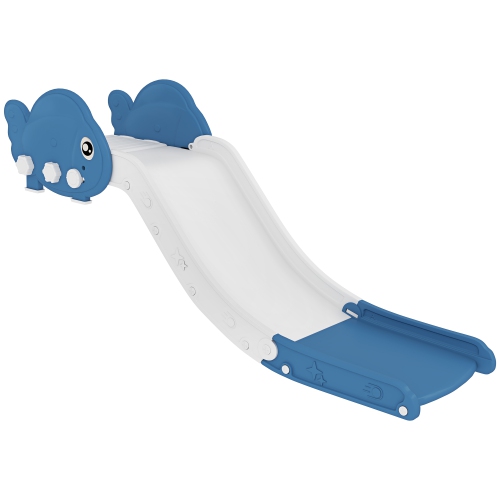
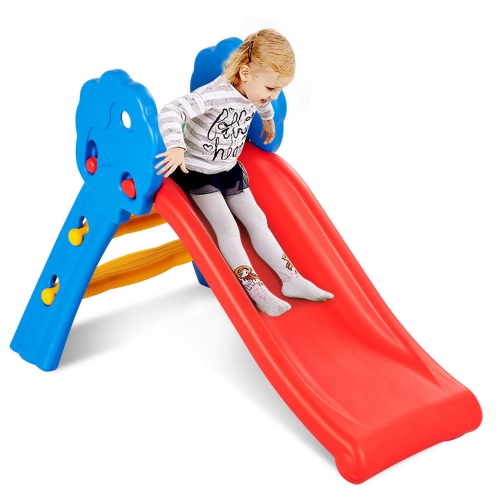
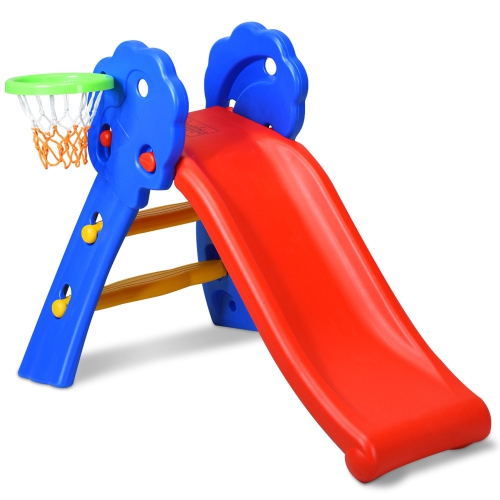
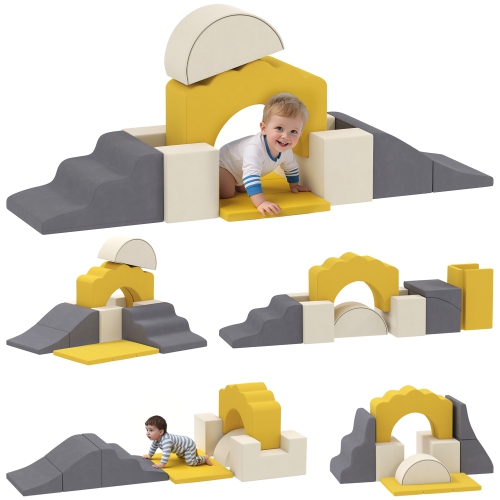
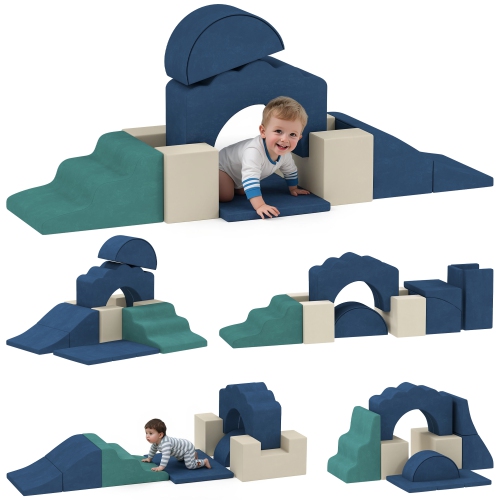
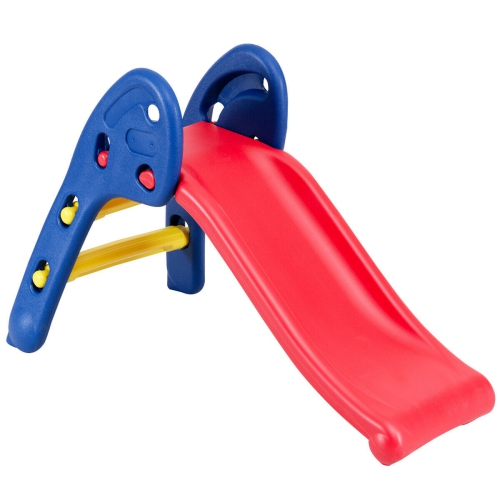
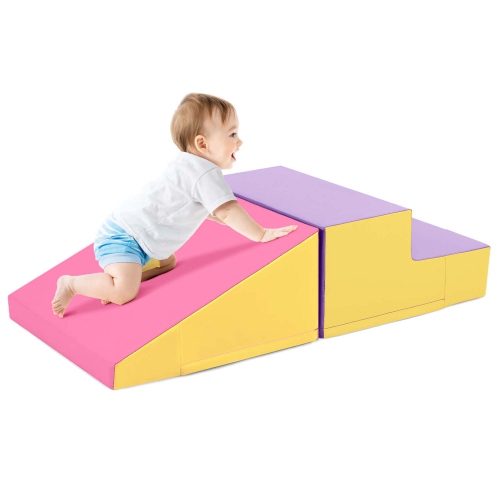
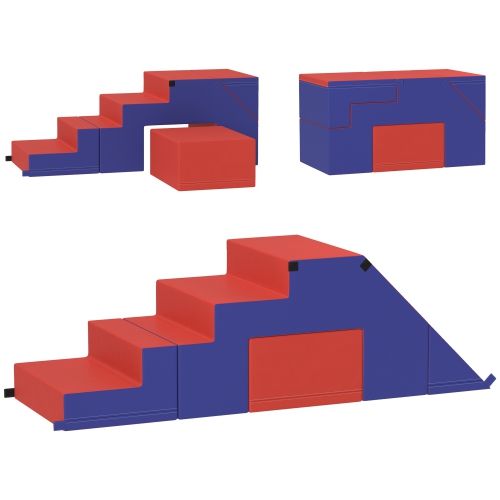
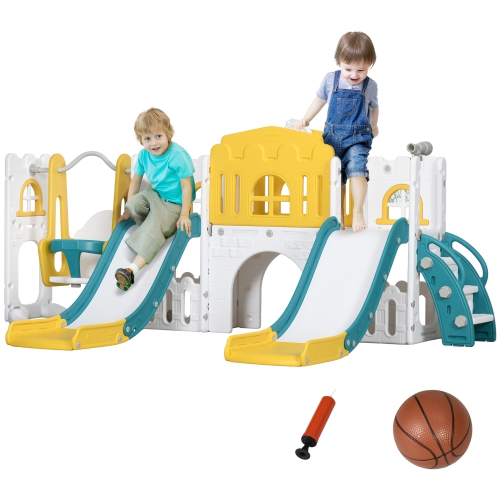
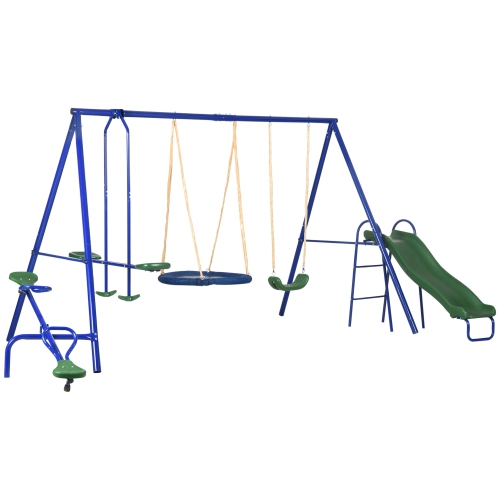
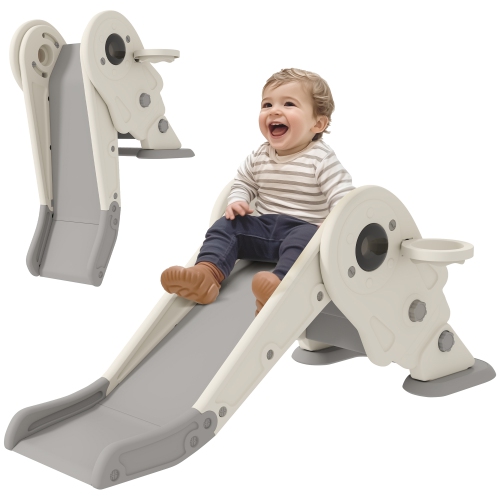
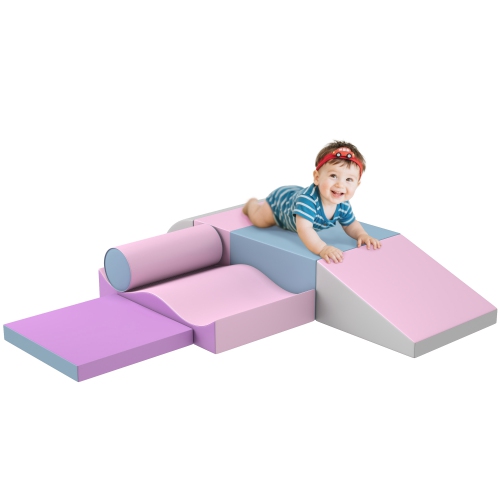
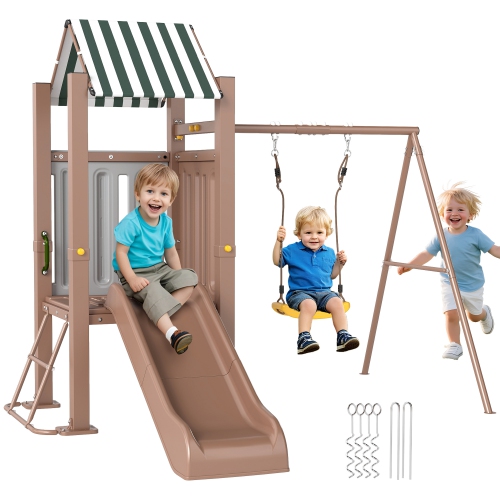
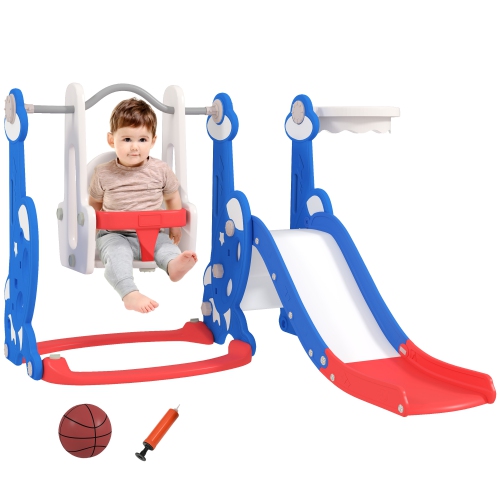

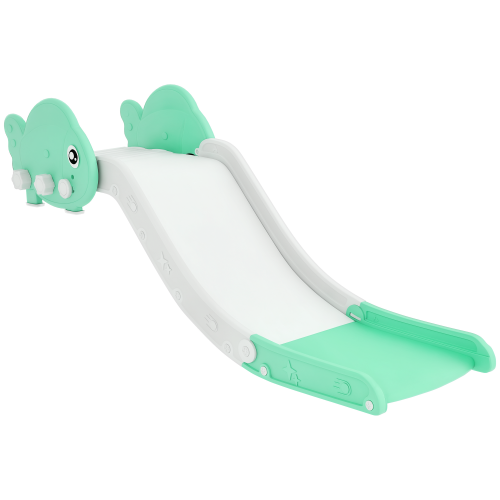
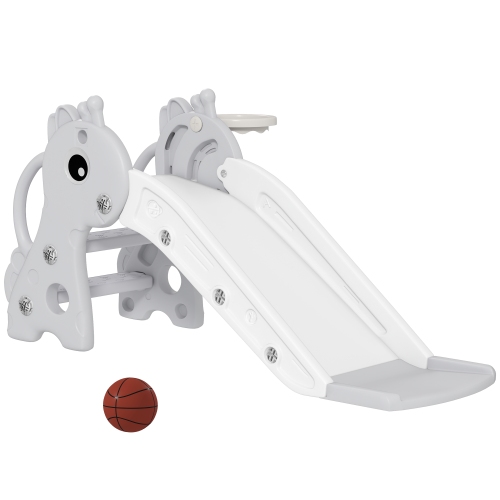
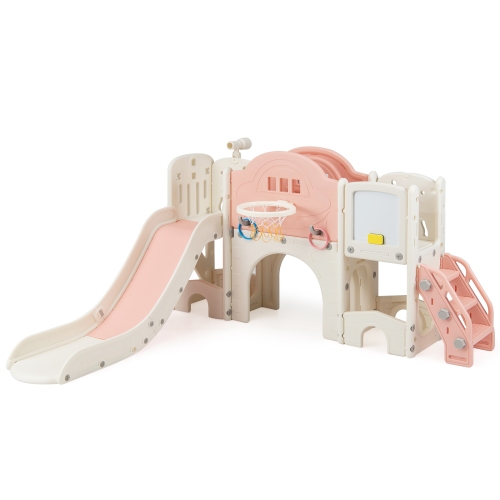
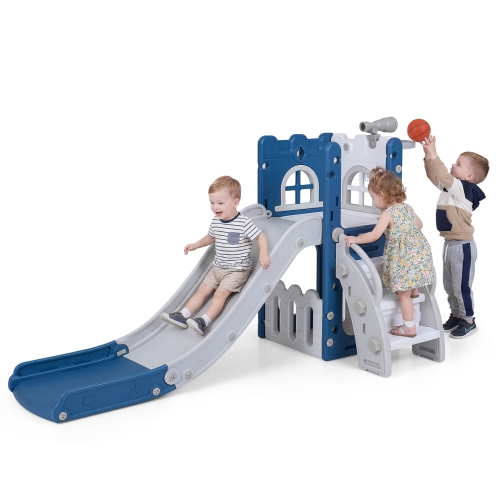
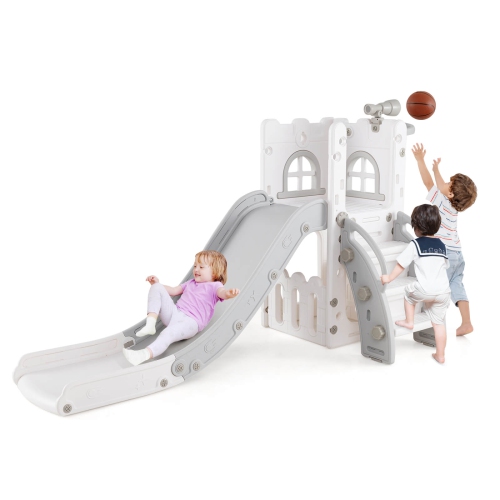
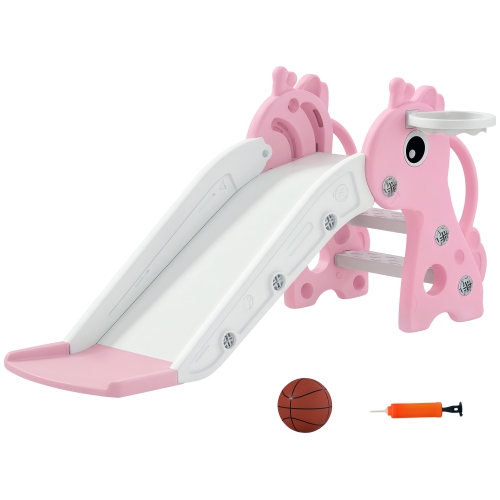
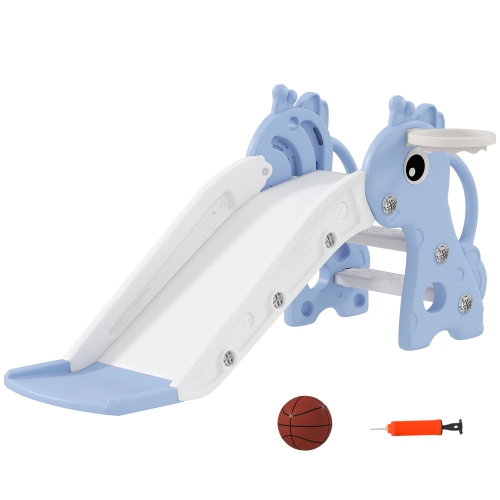
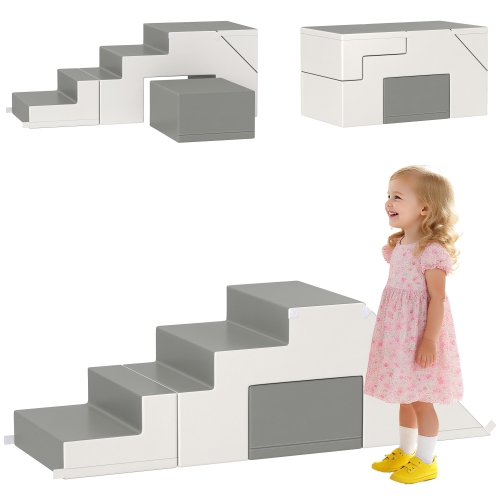
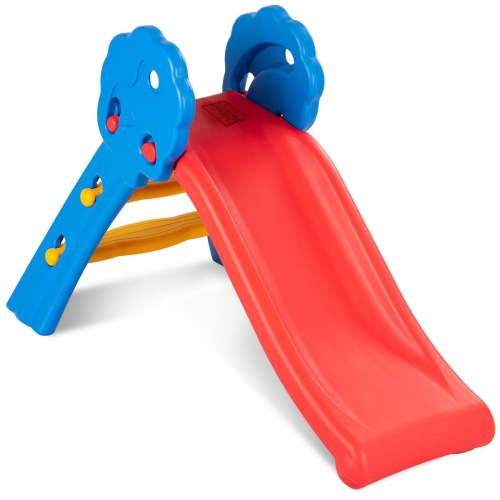
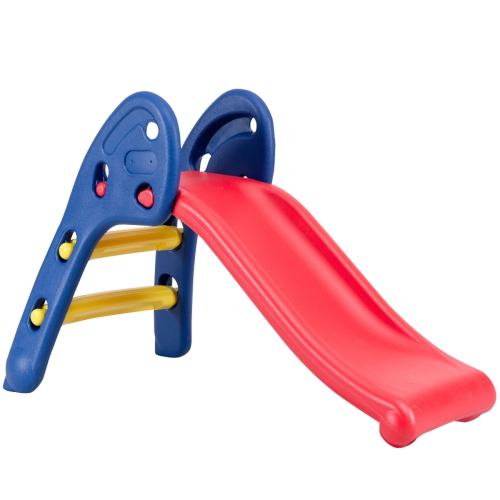
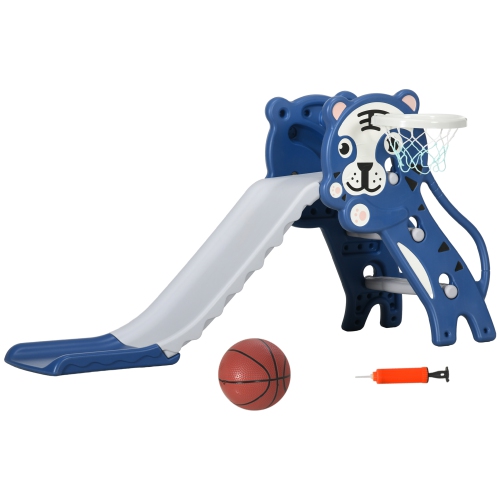
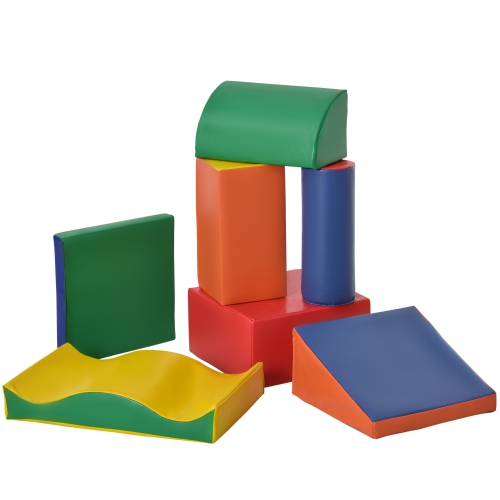

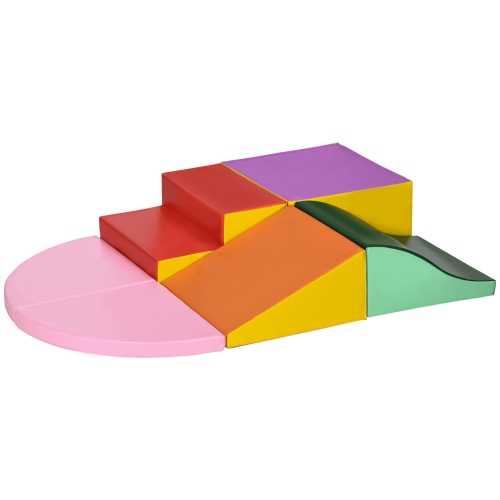
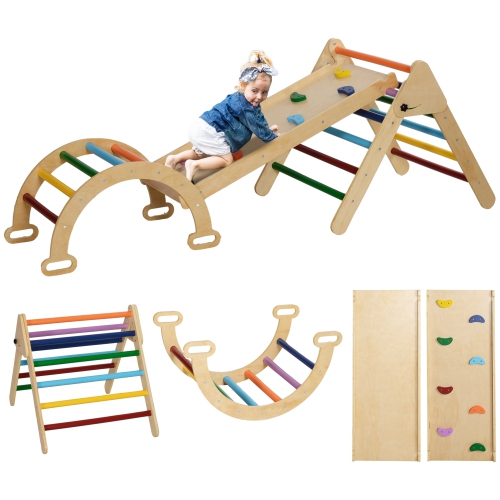
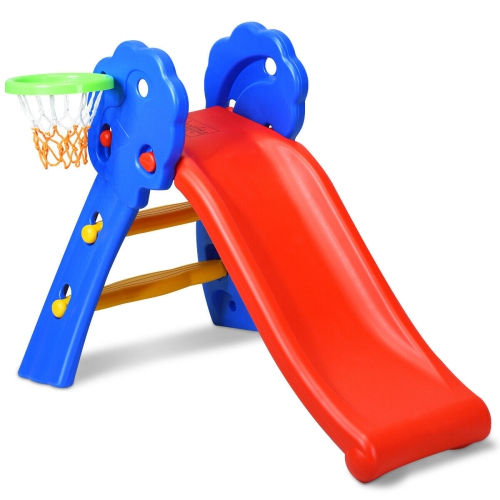
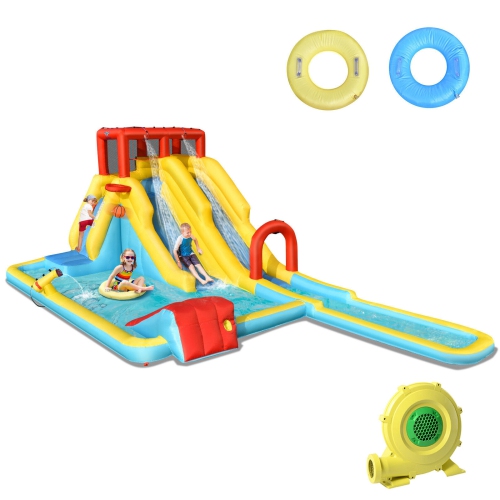
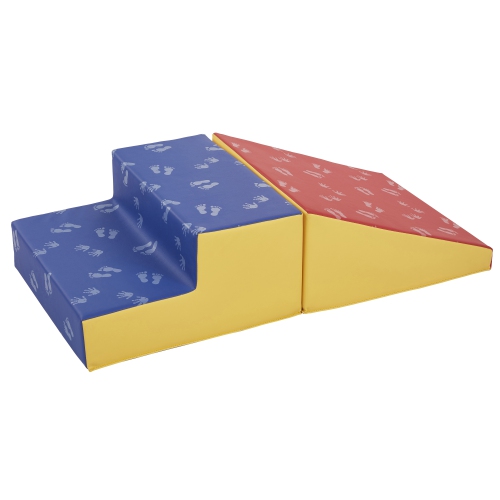
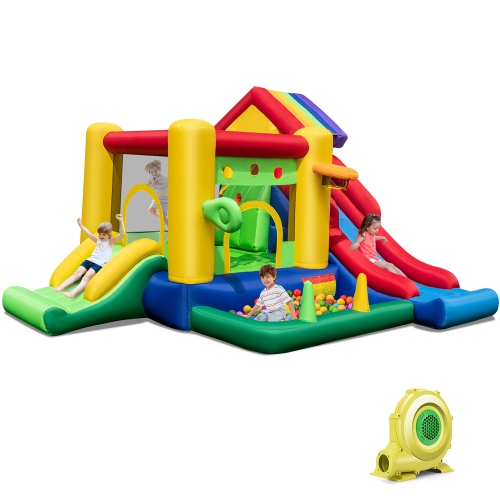
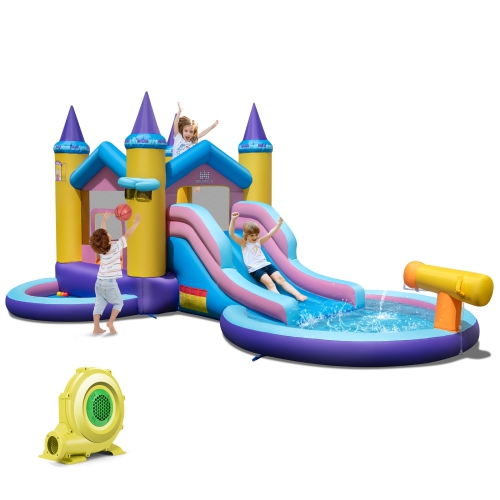
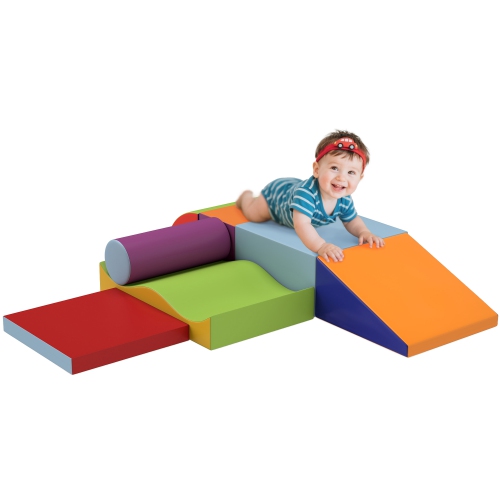
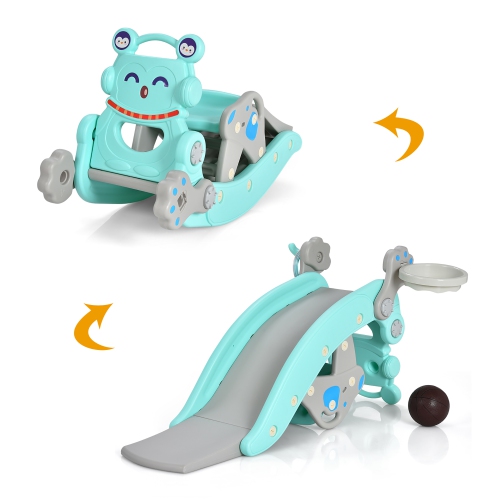
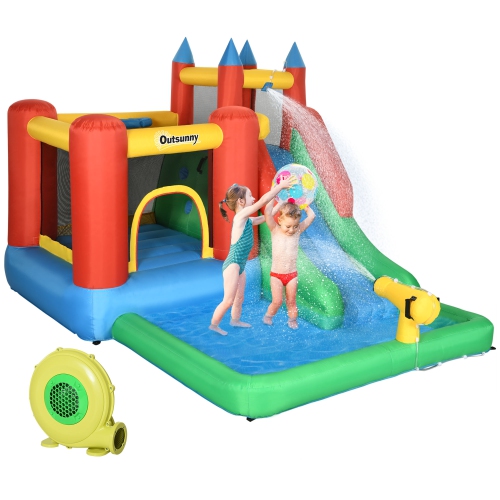
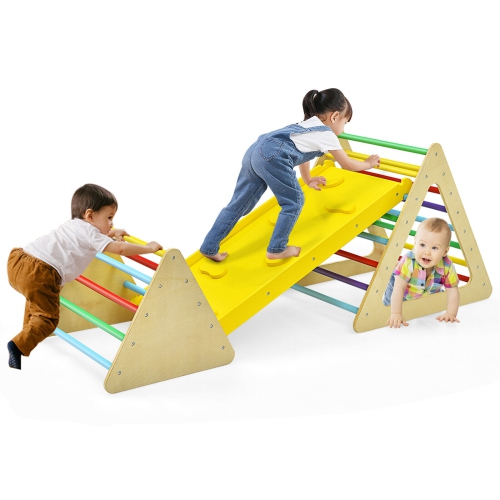
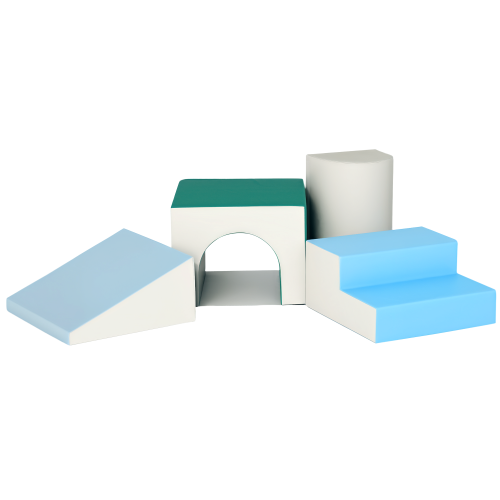
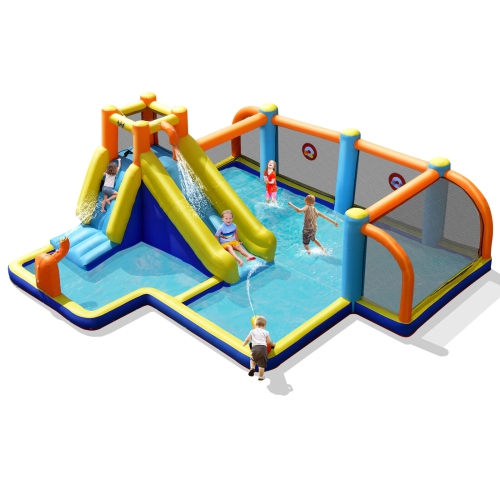
Little slides work best when readiness comes first
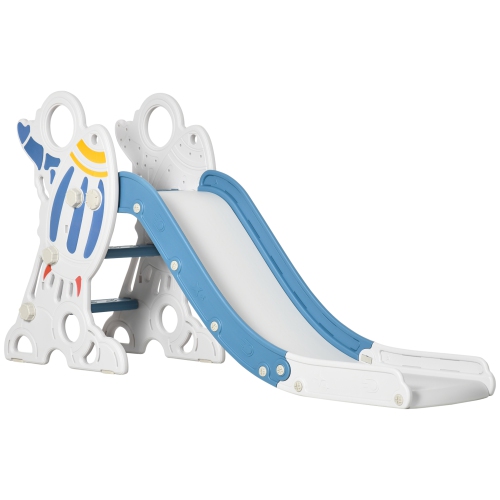
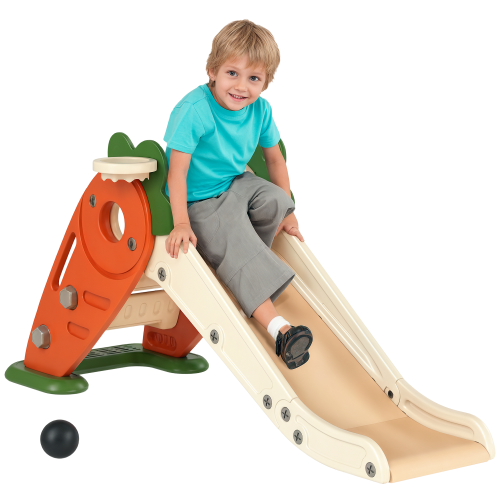
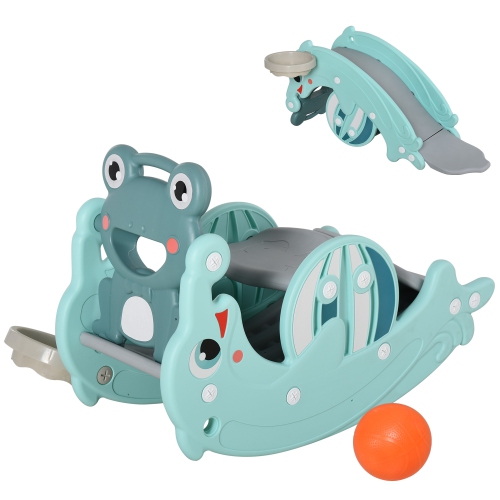
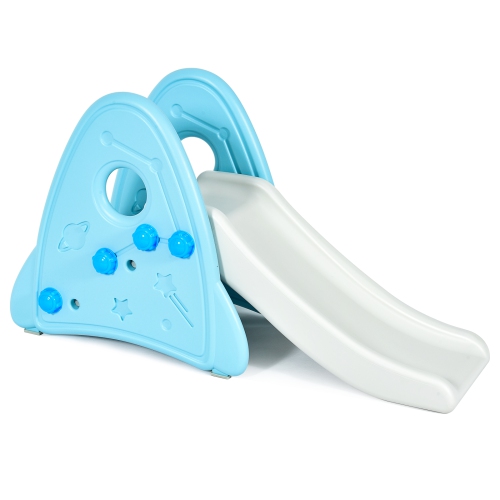
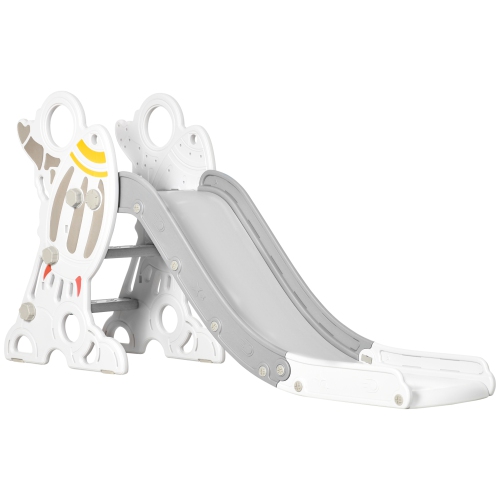
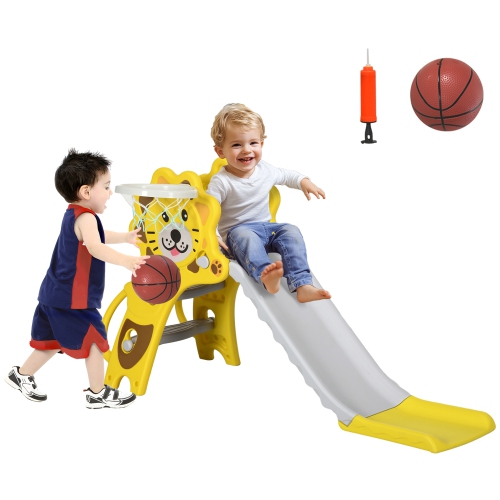
A baby slide is a small play structure designed to give young children a short climb and a gentle sliding experience, with age suitability determined by the manufacturer. The term often refers to slides for toddlers rather than infants, so the stated age range, weight limit, and required physical abilities matter more than the category name alone. A child needs to be ready for the particular structure; being able to sit does not, by itself, mean a baby is ready to use a slide. These compact play structures bring a familiar playground activity into a smaller space, with designs ranging from simple standalone slides to activity sets that combine sliding with other forms of play. A low platform, manageable steps, easy-to-reach handholds, and raised sides along the chute are useful features to compare, although no single feature replaces attentive adult supervision. For a young child, the appeal can be wonderfully straightforward: climbing up, settling into position, sliding down, and walking around to try again. That repeated sequence offers opportunities to practise balance, coordination, and moving through a series of actions. It can also introduce taking turns when siblings or friends play together, provided the structure is used within its stated limits. The most suitable baby slides match the child's stage of development without making the climb or descent unnecessarily challenging. A longer chute or taller platform is not automatically a better fit, and choosing a larger structure solely to allow room for growth can leave a child with equipment they are not ready to use. Families comparing a toddler slide can look closely at those same details, especially the distance between steps, the platform layout, and the space at the bottom. For children who enjoy familiar, repeatable activities, a straightforward slide can be as engaging as a more elaborate playset.
Materials and construction affect how a baby slide feels in use, how easily it can be moved, and how much care it needs. Moulded plastic is common in small children's slides because it allows rounded shapes and smooth, wipeable surfaces, though the quality of the finished edges, joints, and supports still deserves attention. A smooth chute should be free of rough seams or damage that could catch clothing or scratch skin. Steps with a textured surface may help with footing, while handholds should be shaped and positioned so the intended user can grasp them comfortably. Wooden designs bring a different look and feel, with care needs that depend on the finish and construction; their surfaces need regular checks for splinters, worn finishes, and loose connections. Regardless of material, a stable base and correctly assembled supports are essential. Lightweight construction may make a slide easier for an adult to relocate, but weight alone does not establish stability or durability. Foldable designs can suit shared living spaces where a play area needs to be cleared after use, provided their locking mechanisms are fully engaged whenever the slide is set up. Folding and unfolding should be handled by an adult with children kept clear of moving joints. Indoor use also calls for attention to the floor and the surrounding space. A slide that physically fits beside a sofa may still leave too little room for the child to exit safely or for an adult to assist. Follow the manufacturer's requirements for placement and any protective surfacing rather than assuming a rug or foam mat makes every location suitable. Only slides specifically designated for outdoor use should be used outside. For routine cleaning, follow the care instructions, remove spills and dirt, and leave sliding surfaces and steps clean and dry before play. Regular checks of fasteners, joints, folding locks, and the chute can reveal wear before it interferes with use. Cracked components, missing hardware, or damaged supports are reasons to stop using the structure until the issue has been properly addressed.
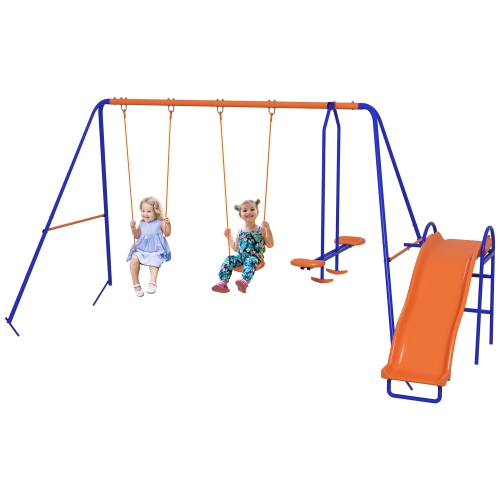
The right fit involves the household as much as the child. A compact standalone baby slide can work well for a family that wants one clearly defined activity, while a larger playset may appeal to children who like moving between a slide and attached games. Extra activities also mean a larger footprint, more components to inspect, and potentially different age requirements for individual features. Small accessories need particular care around younger children who still put objects in their mouths. Product dimensions should account for the fully assembled structure, not just the length of the sliding surface, and storage dimensions matter separately for designs that fold. There needs to be clear space at the approach, around the climbing section, and beyond the landing area, following the manufacturer's specified clearances. Placement away from stairs, windows, furniture edges, cords, and busy walkways helps keep the play area separate from household hazards. In a shared room, it is worth picturing the whole activity: a child circling back to the steps, an adult standing alongside, and another child waiting without blocking the exit. Close supervision remains necessary even when a child knows the routine. Feet-first sliding while seated, keeping the chute clear, and following the stated user limit help establish consistent play habits. Clothing should allow comfortable movement without loose drawstrings or accessories that could catch on the structure. For grandparents or other caregivers, clear assembly instructions and an easy-to-check setup can be especially useful when the slide is stored between visits. A baby slide can also be a thoughtful birthday gift when the recipient's age, abilities, available space, and caregivers' preferences are known. Confirming those details beforehand is more useful than choosing by colour or appearance alone. Whether the goal is a dedicated playroom activity or a structure that can be put away after supervised play, the strongest match is one that suits the child today, fits the space properly, and remains straightforward for adults to maintain.
Materials and construction affect how a baby slide feels in use, how easily it can be moved, and how much care it needs. Moulded plastic is common in small children's slides because it allows rounded shapes and smooth, wipeable surfaces, though the quality of the finished edges, joints, and supports still deserves attention. A smooth chute should be free of rough seams or damage that could catch clothing or scratch skin. Steps with a textured surface may help with footing, while handholds should be shaped and positioned so the intended user can grasp them comfortably. Wooden designs bring a different look and feel, with care needs that depend on the finish and construction; their surfaces need regular checks for splinters, worn finishes, and loose connections. Regardless of material, a stable base and correctly assembled supports are essential. Lightweight construction may make a slide easier for an adult to relocate, but weight alone does not establish stability or durability. Foldable designs can suit shared living spaces where a play area needs to be cleared after use, provided their locking mechanisms are fully engaged whenever the slide is set up. Folding and unfolding should be handled by an adult with children kept clear of moving joints. Indoor use also calls for attention to the floor and the surrounding space. A slide that physically fits beside a sofa may still leave too little room for the child to exit safely or for an adult to assist. Follow the manufacturer's requirements for placement and any protective surfacing rather than assuming a rug or foam mat makes every location suitable. Only slides specifically designated for outdoor use should be used outside. For routine cleaning, follow the care instructions, remove spills and dirt, and leave sliding surfaces and steps clean and dry before play. Regular checks of fasteners, joints, folding locks, and the chute can reveal wear before it interferes with use. Cracked components, missing hardware, or damaged supports are reasons to stop using the structure until the issue has been properly addressed.
The right fit involves the household as much as the child. A compact standalone baby slide can work well for a family that wants one clearly defined activity, while a larger playset may appeal to children who like moving between a slide and attached games. Extra activities also mean a larger footprint, more components to inspect, and potentially different age requirements for individual features. Small accessories need particular care around younger children who still put objects in their mouths. Product dimensions should account for the fully assembled structure, not just the length of the sliding surface, and storage dimensions matter separately for designs that fold. There needs to be clear space at the approach, around the climbing section, and beyond the landing area, following the manufacturer's specified clearances. Placement away from stairs, windows, furniture edges, cords, and busy walkways helps keep the play area separate from household hazards. In a shared room, it is worth picturing the whole activity: a child circling back to the steps, an adult standing alongside, and another child waiting without blocking the exit. Close supervision remains necessary even when a child knows the routine. Feet-first sliding while seated, keeping the chute clear, and following the stated user limit help establish consistent play habits. Clothing should allow comfortable movement without loose drawstrings or accessories that could catch on the structure. For grandparents or other caregivers, clear assembly instructions and an easy-to-check setup can be especially useful when the slide is stored between visits. A baby slide can also be a thoughtful birthday gift when the recipient's age, abilities, available space, and caregivers' preferences are known. Confirming those details beforehand is more useful than choosing by colour or appearance alone. Whether the goal is a dedicated playroom activity or a structure that can be put away after supervised play, the strongest match is one that suits the child today, fits the space properly, and remains straightforward for adults to maintain.
Top selling and popular products
-
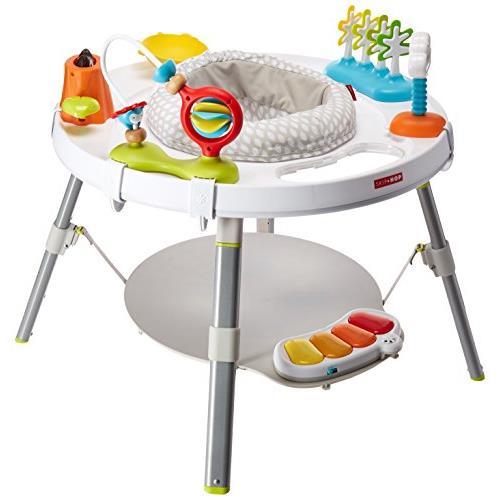 Your price for this item is $299.13
 -
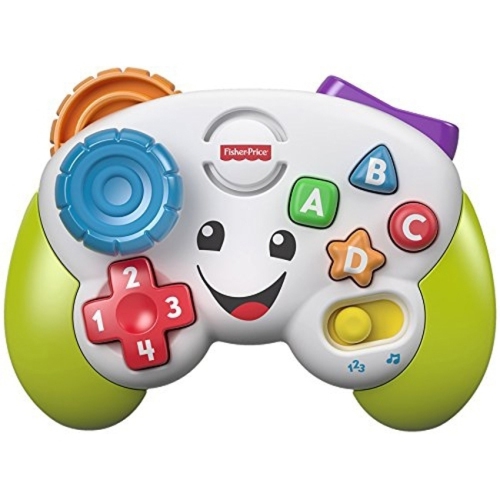 Your price for this item is $24.28
 -
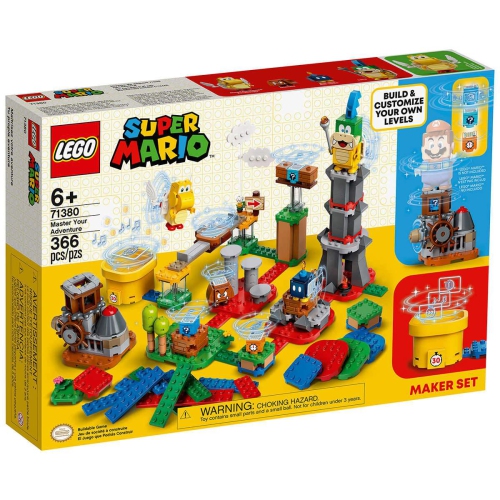 Your price for this item is $103.27
 -
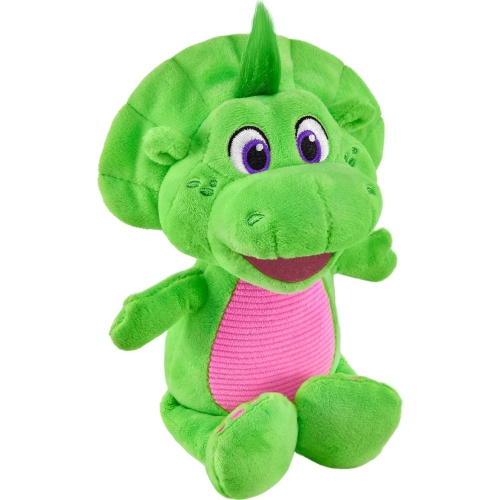 Your price for this item is $17.24
 -
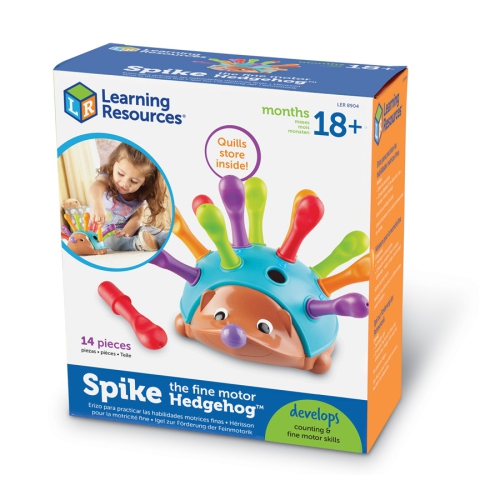 Your price for this item is $56.13
 -
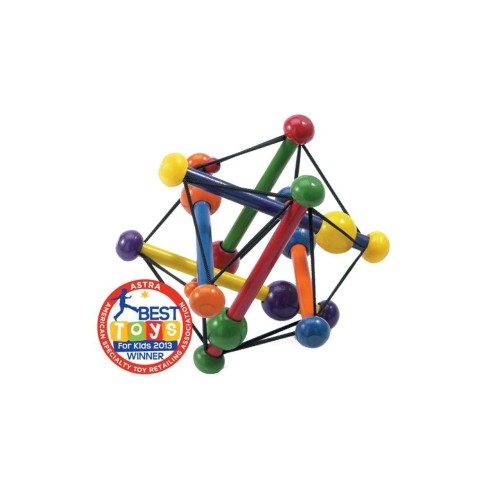 Your price for this item is $29.99
 -
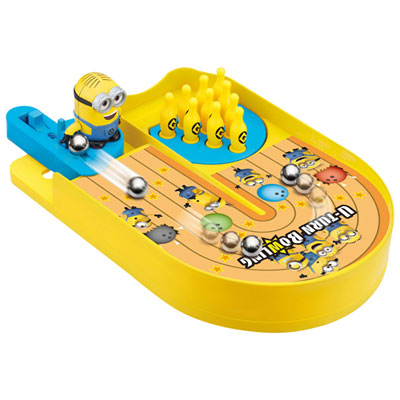 Your price for this item is $19.99
 -
 Your price for this item is $39.99
Discover more categories related to Baby Slide
Top Collections:
Pokemon Centers, Kindle Devices, Best Budget Office Chairs, Apple iPhones 16, Best Laptops for Writers, iPhone 15 Apple, Canon G7X Cameras, Refurbished Apple Laptops, Alarm Clock, Motorola Razr Phones
Some products may be subject to Environmental Handling Fees
(EHF) depending on your province.
Learn more about EHFs.