Balance Toys
Looking for a playful and educational way to engage your little one? Discover our collection of balanced toys that are designed to keep your child entertained while enhancing their motor skills and coordination. From rocking horses to balance boards, these toys are not only fun but also help children develop a sense of balance and stability. Whether your child is just starting to walk or is already a seasoned explorer, balance toys offer something for every age and stage.
Sort
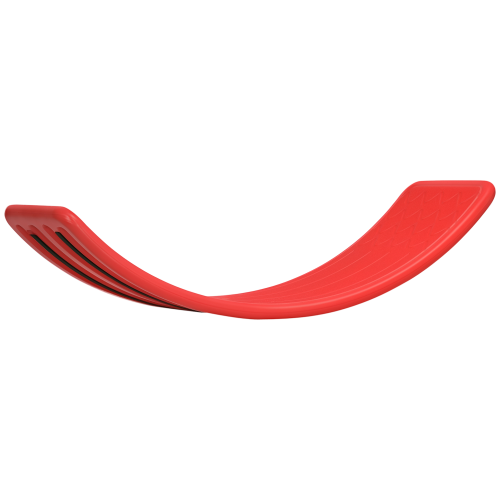
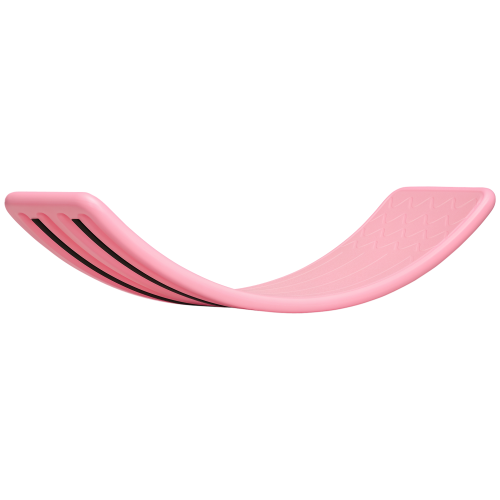
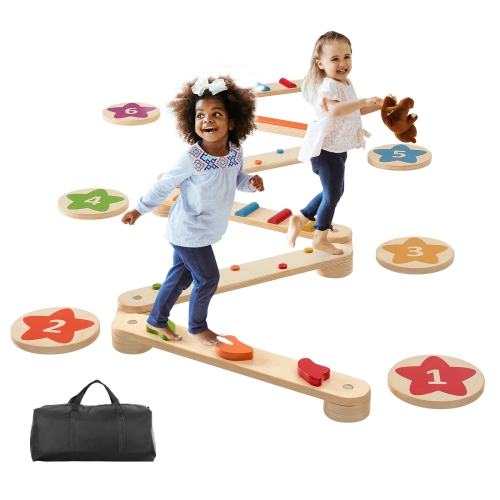
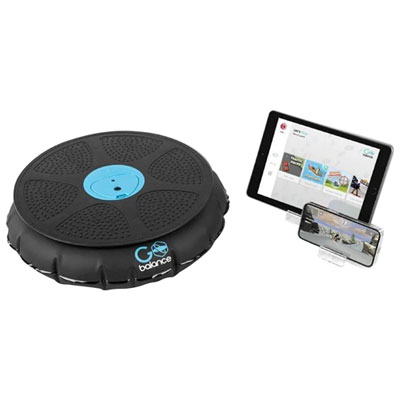
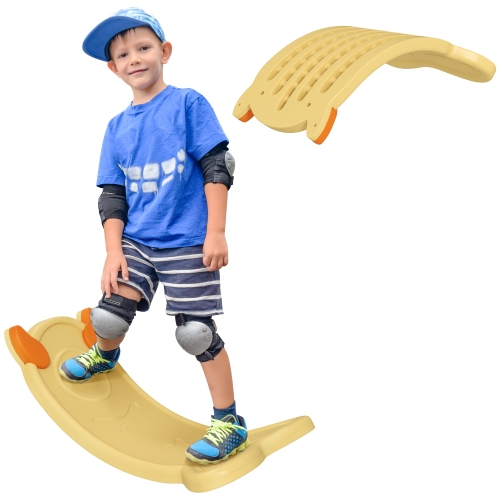
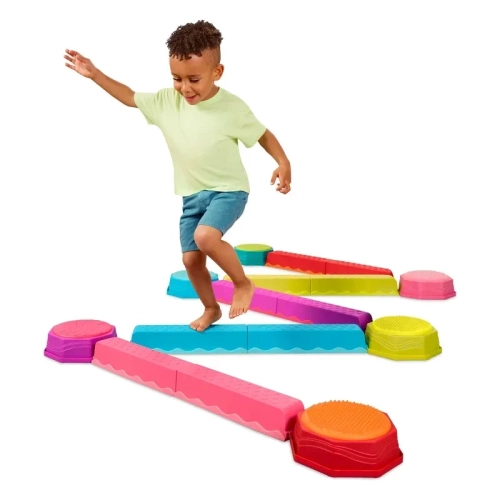
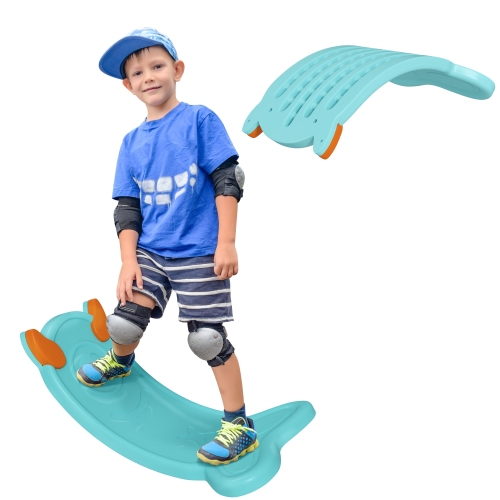
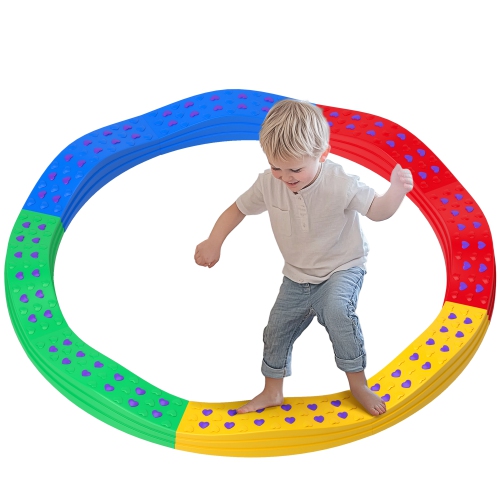
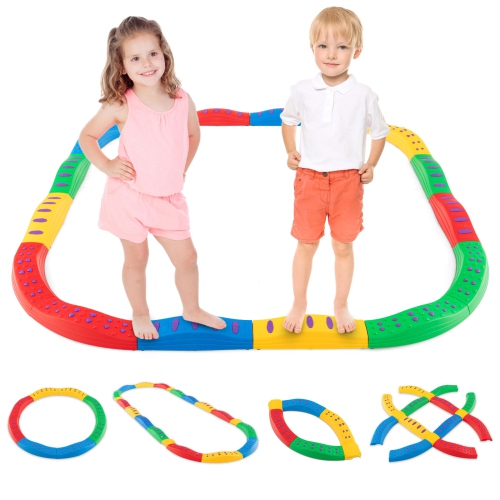
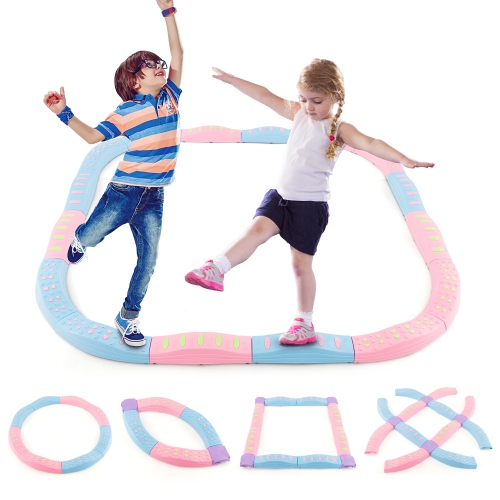
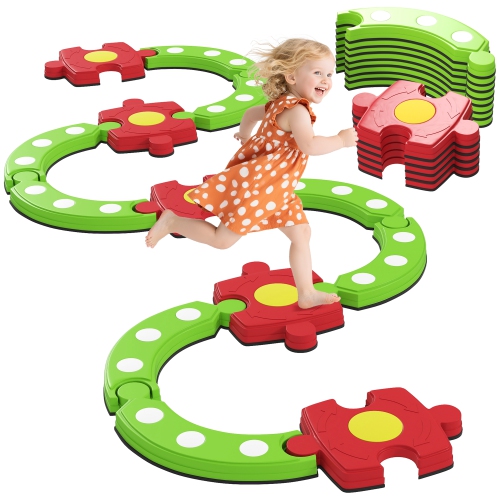

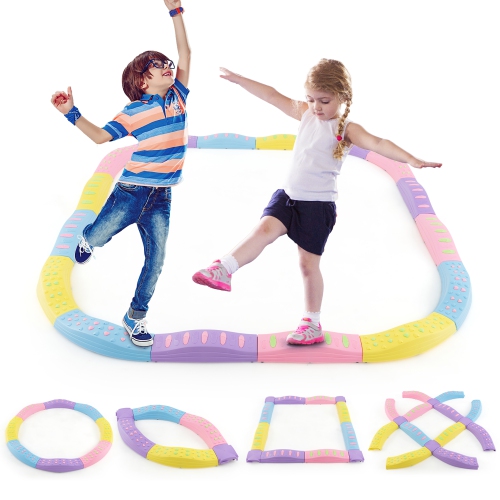

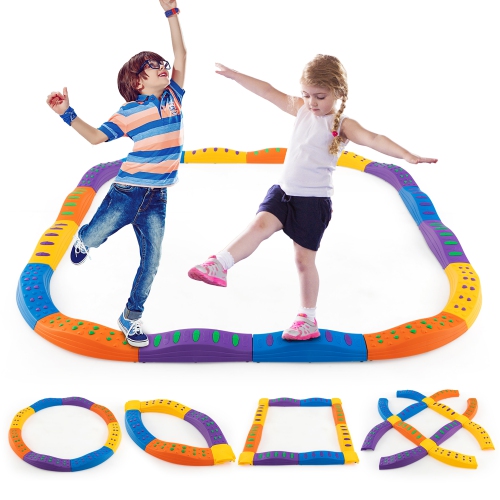
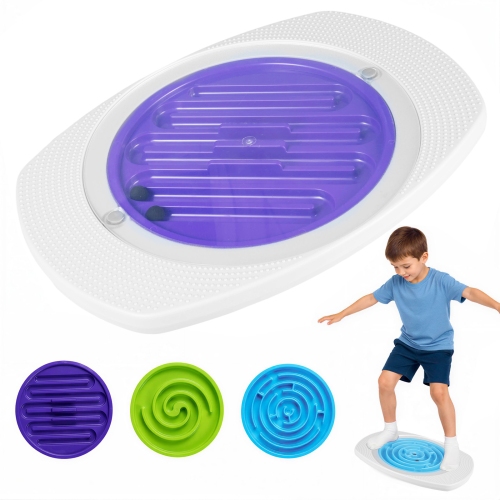
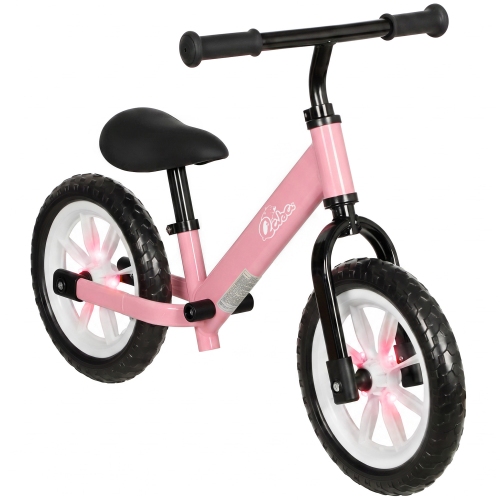
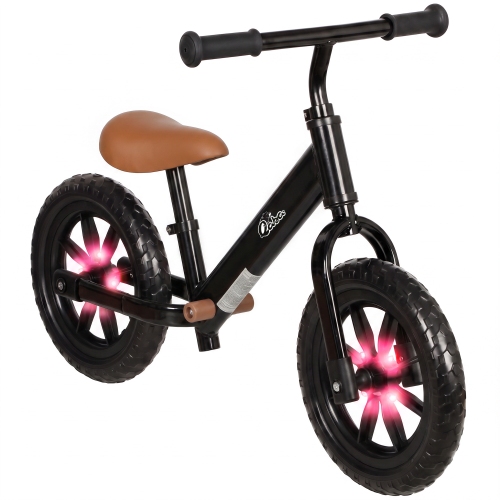
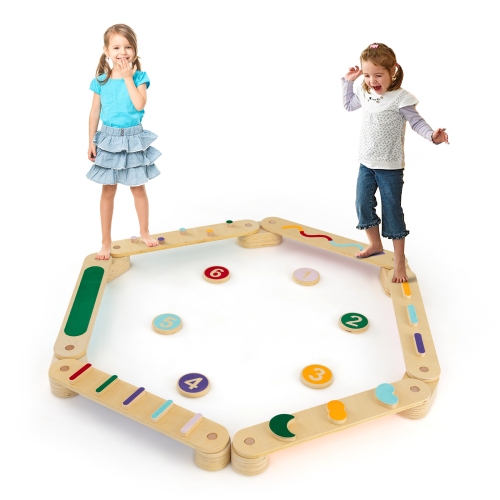
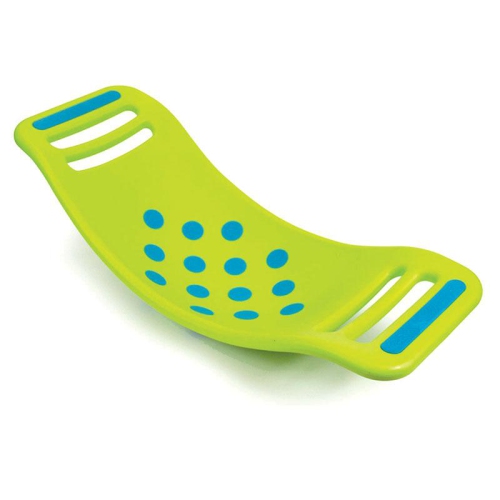


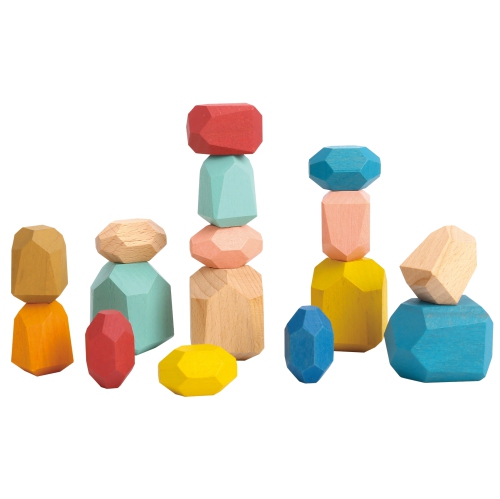

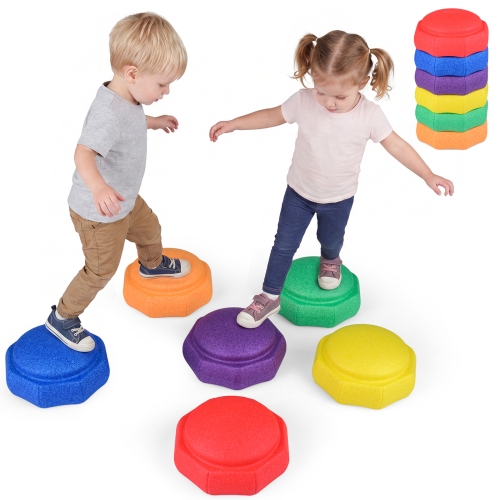

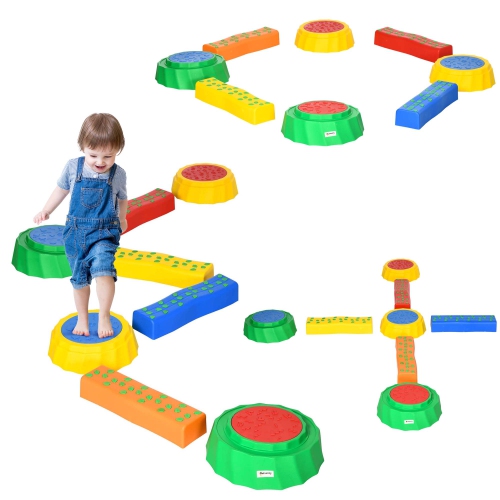
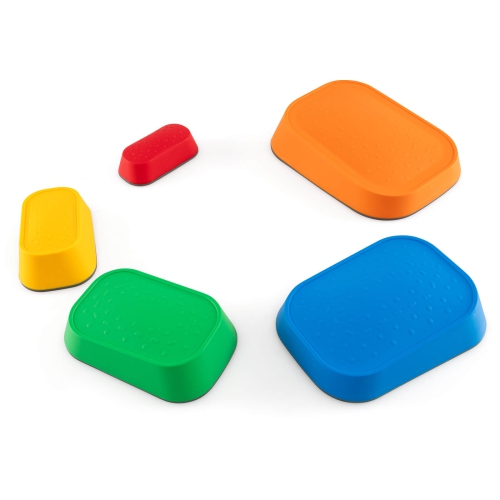
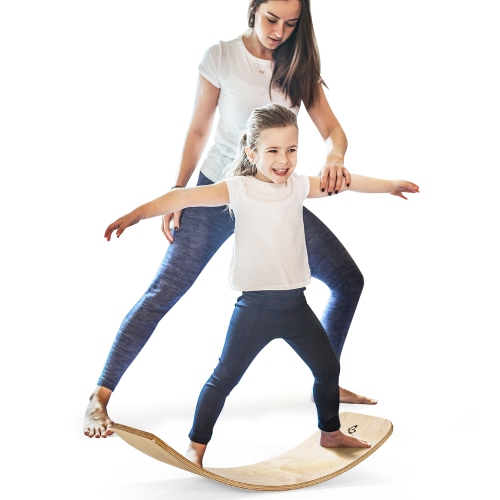
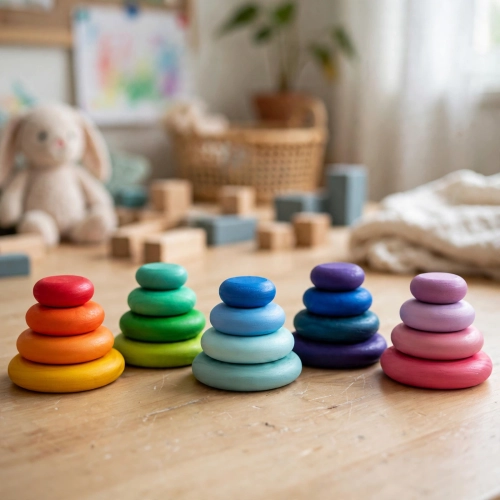
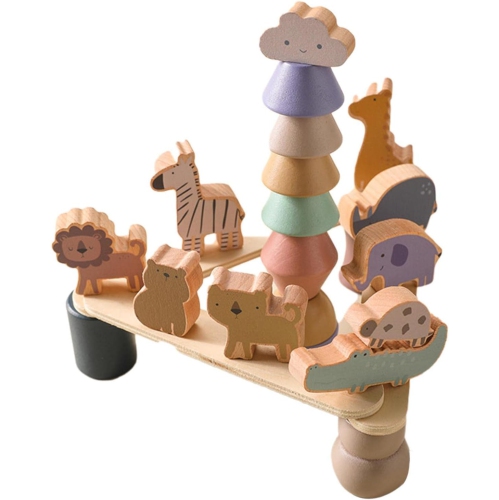

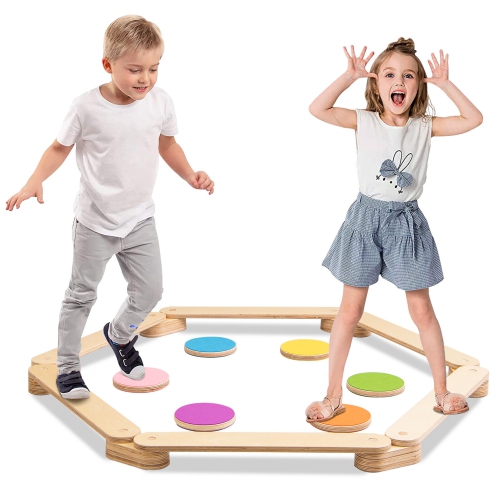
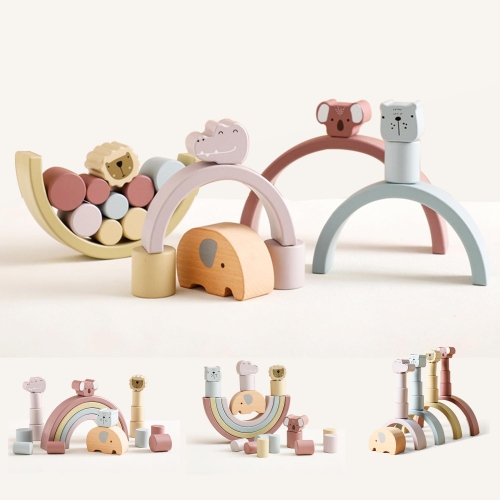
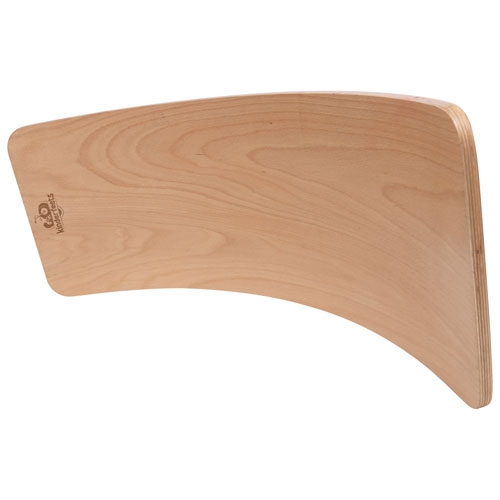
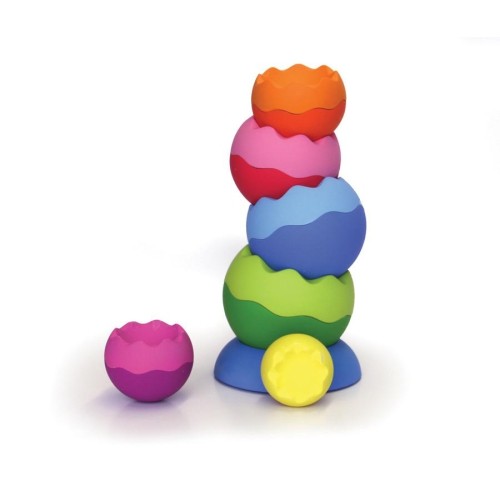


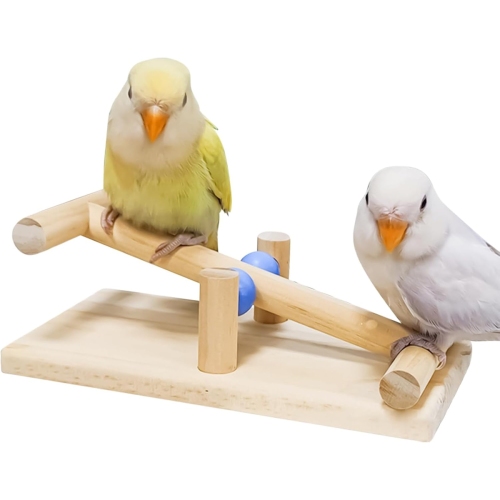
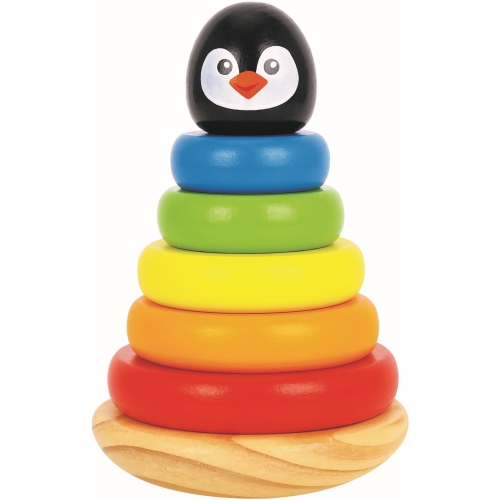
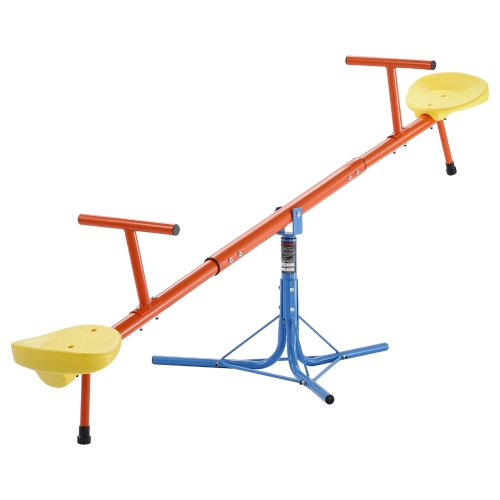


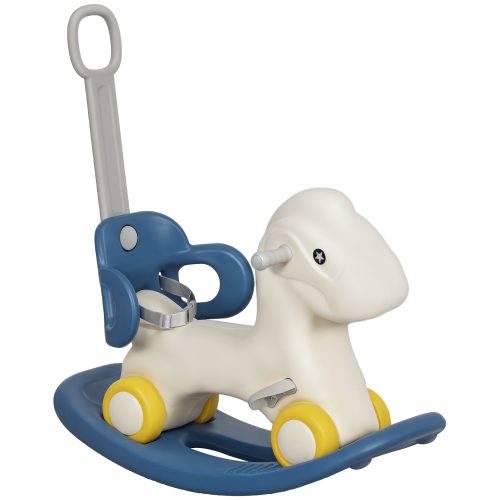

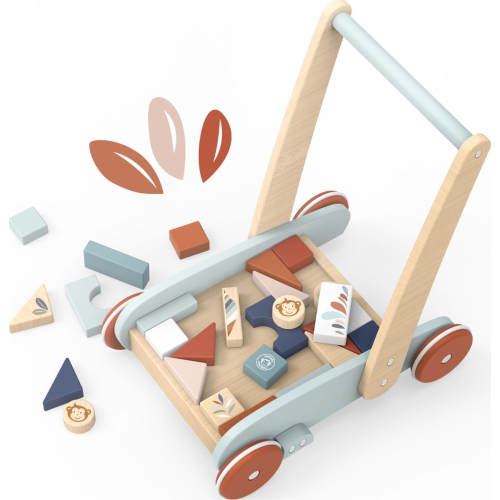
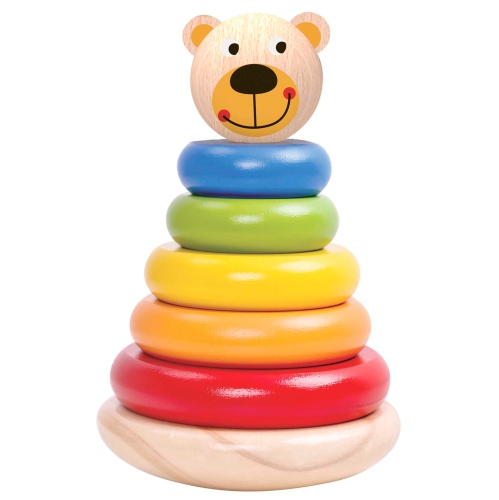

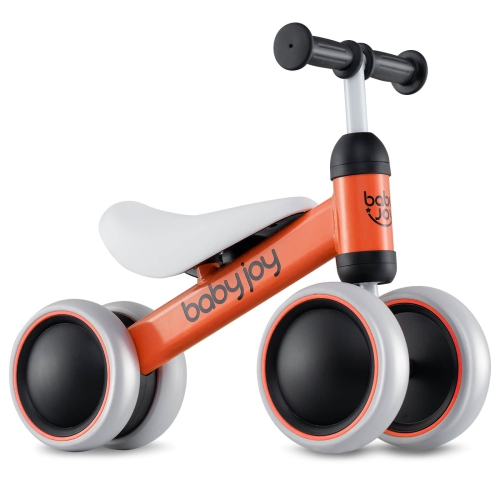
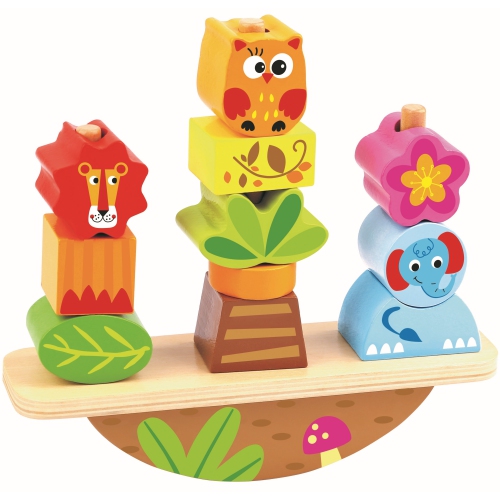


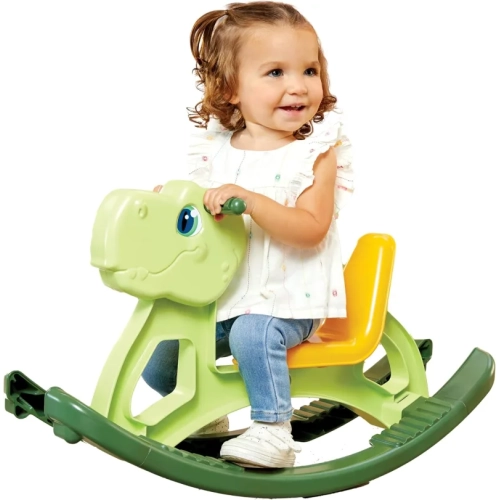
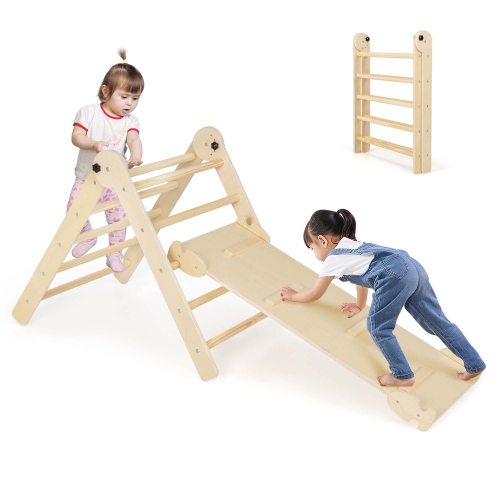


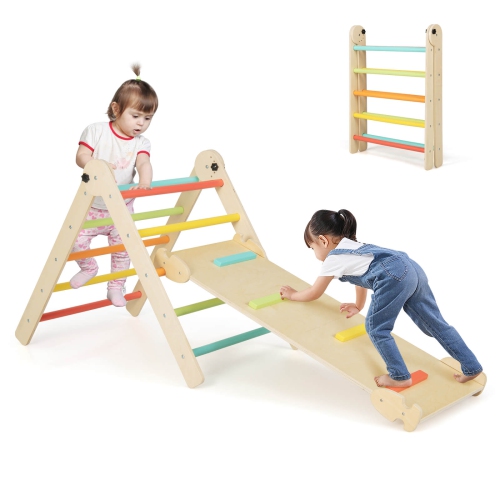

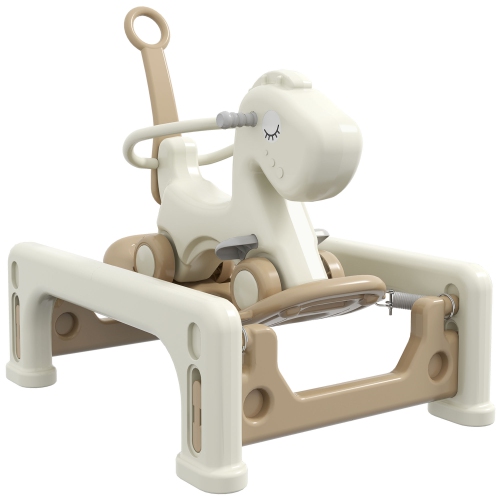


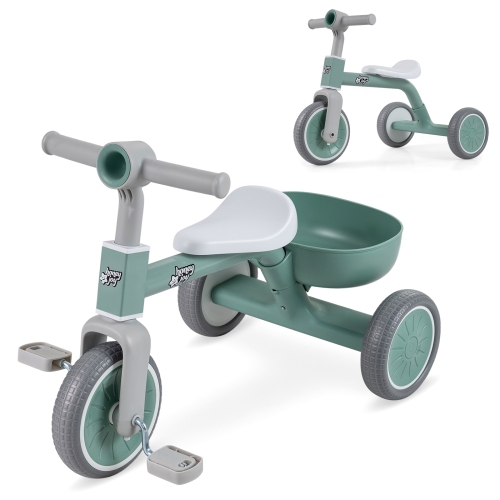
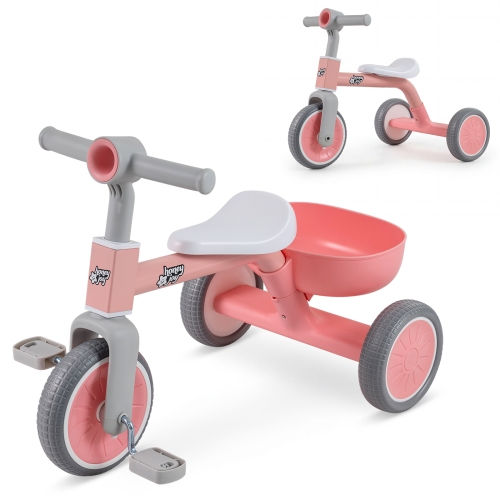
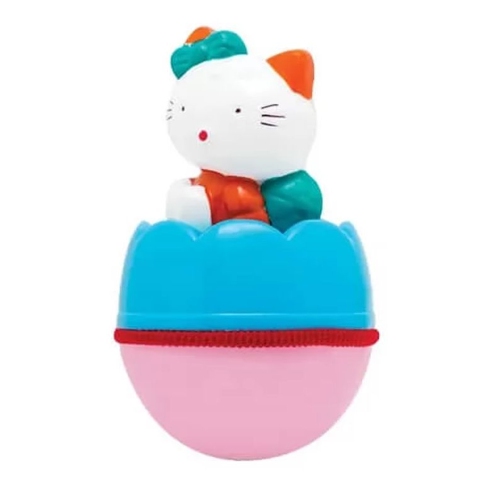
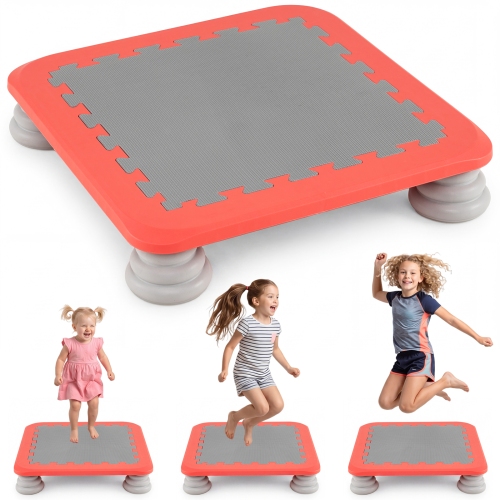
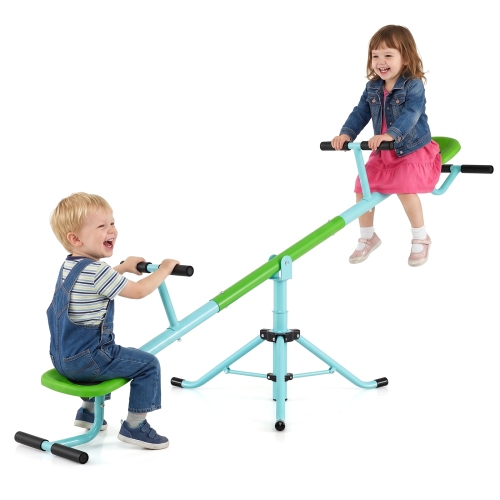
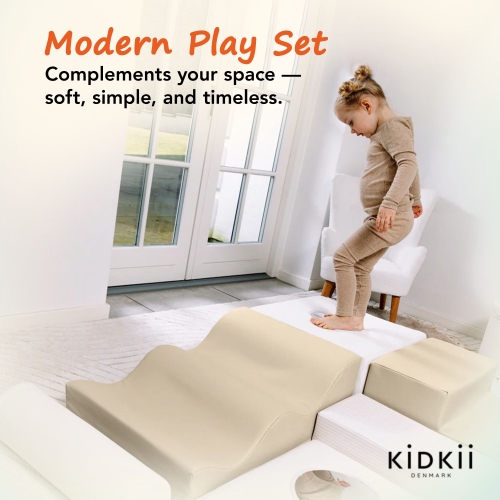
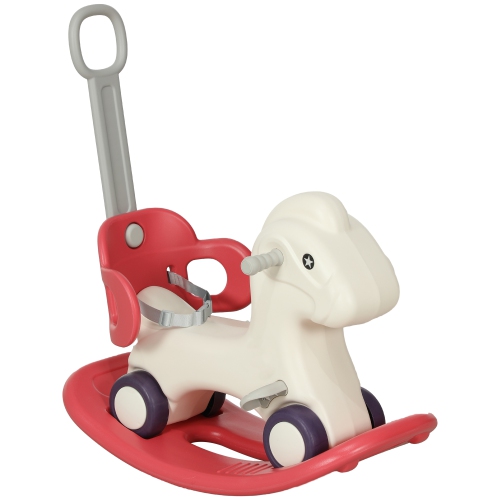
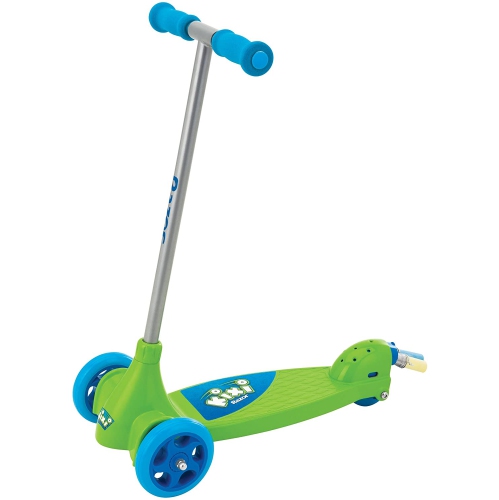

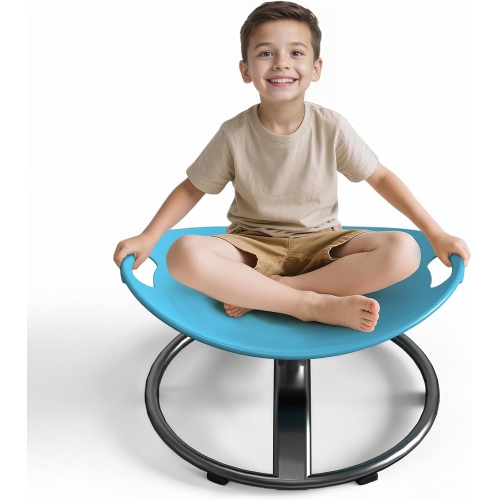
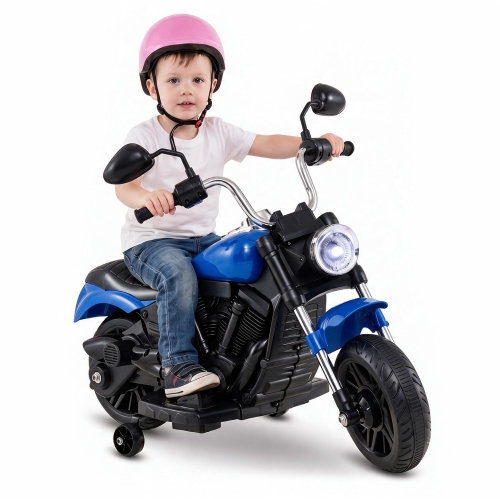
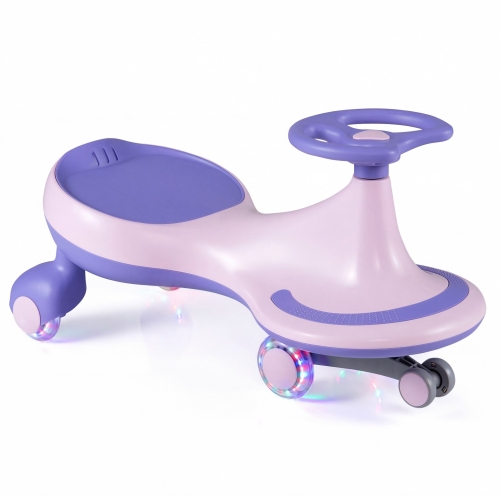


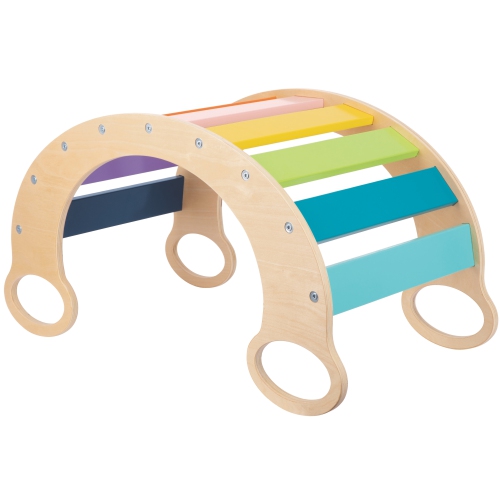
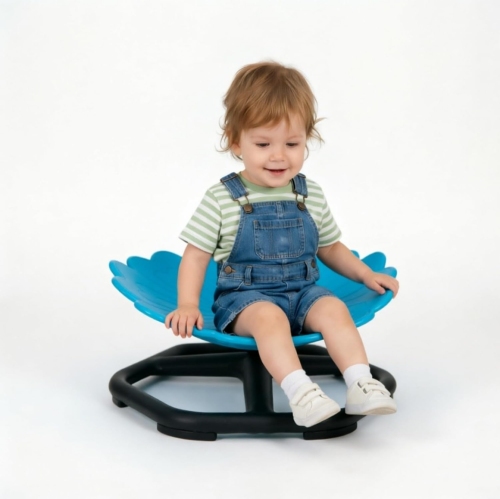
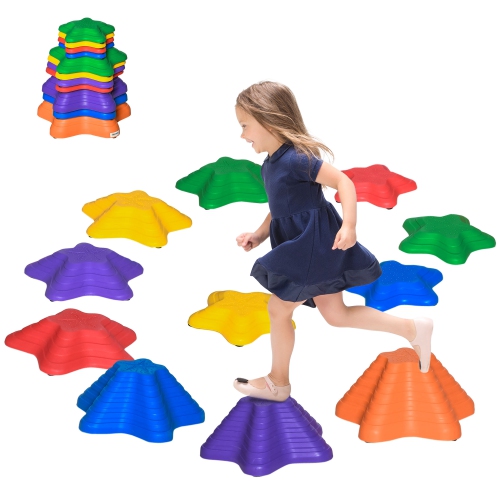
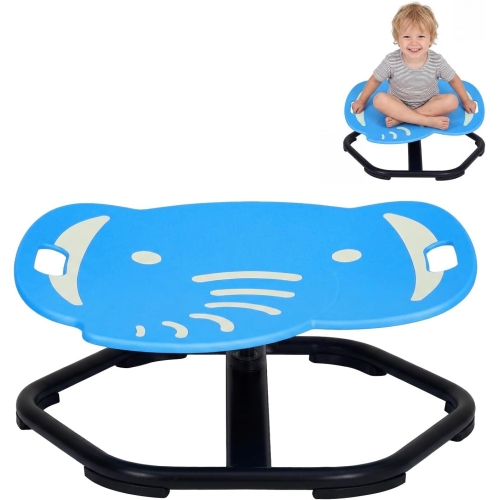
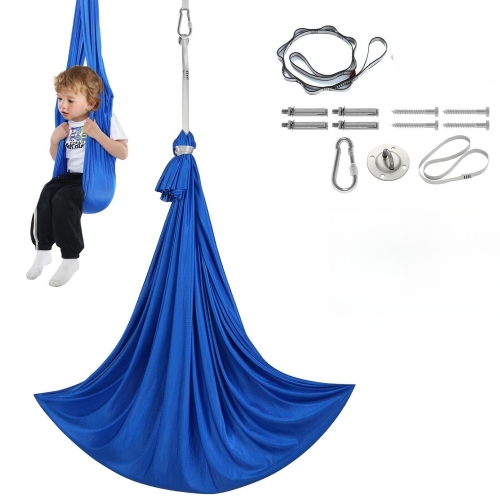
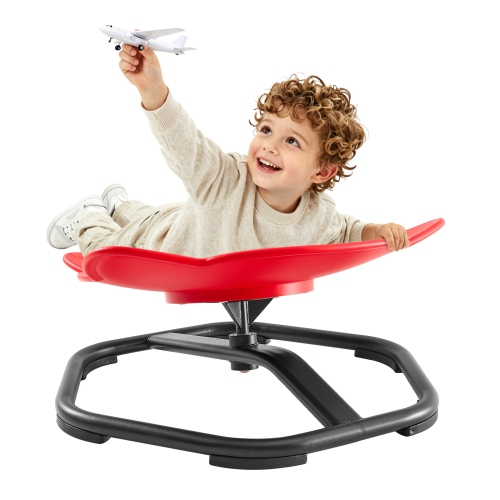
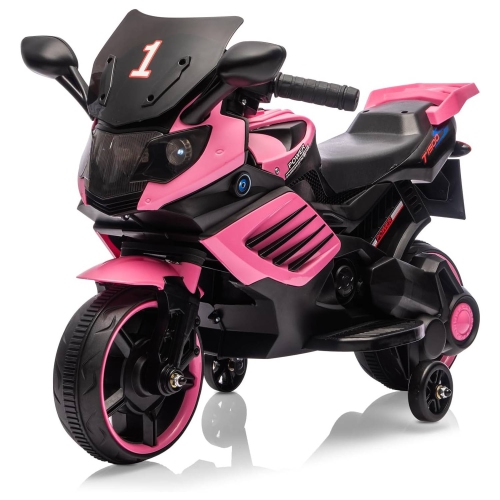
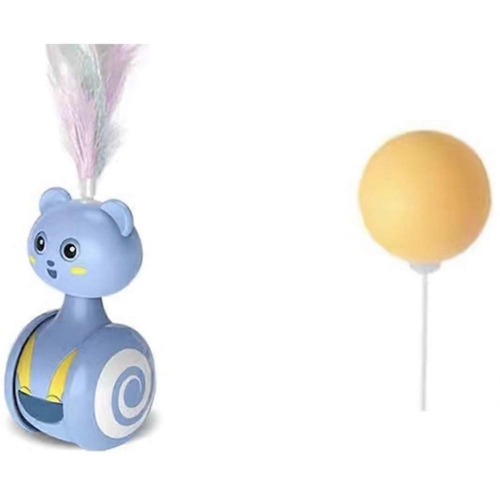
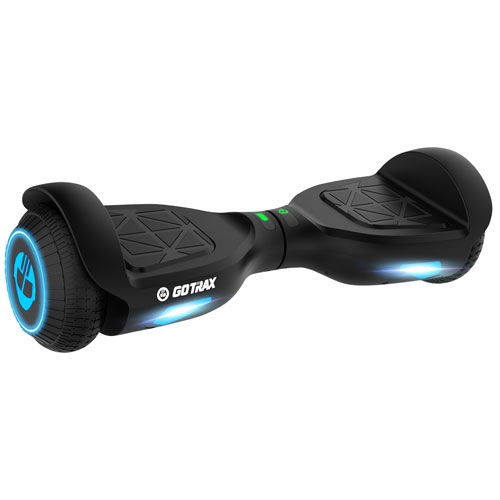
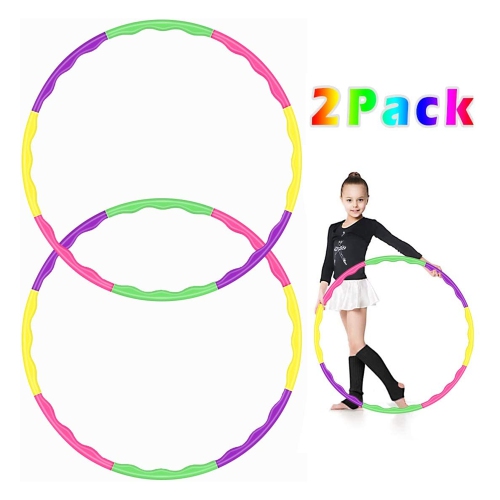
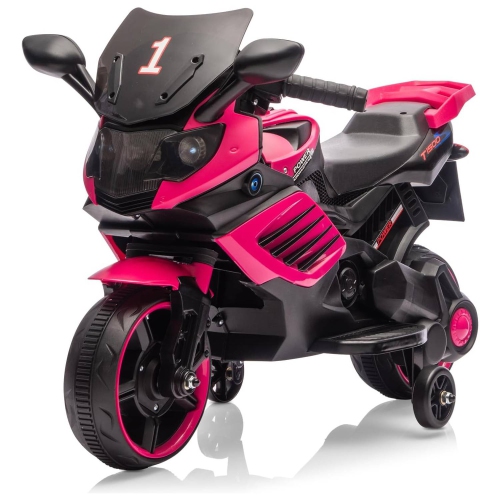
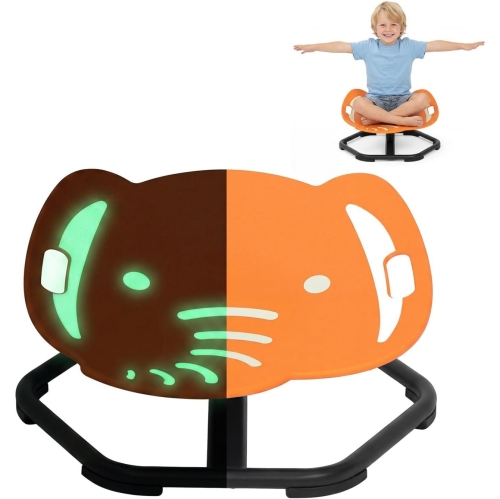
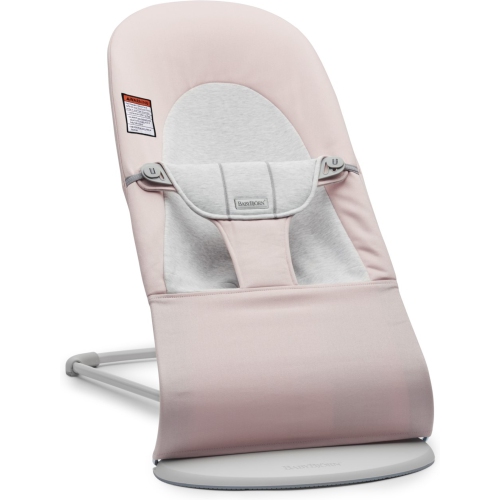
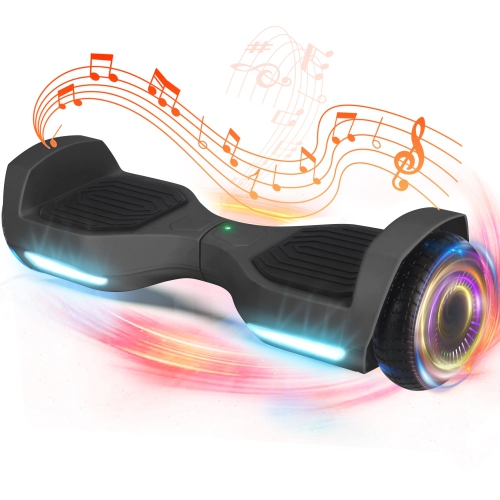
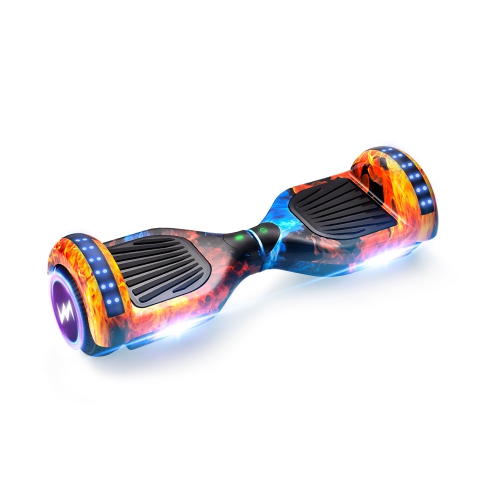
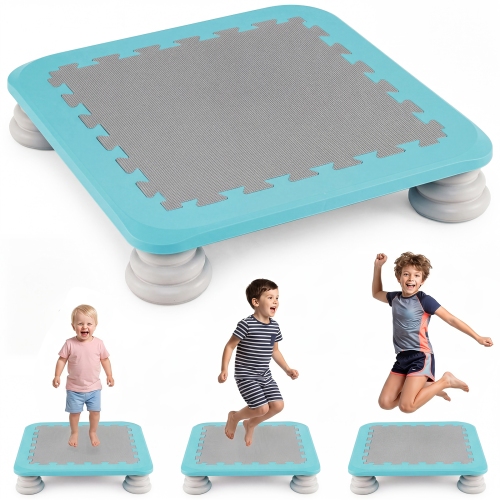
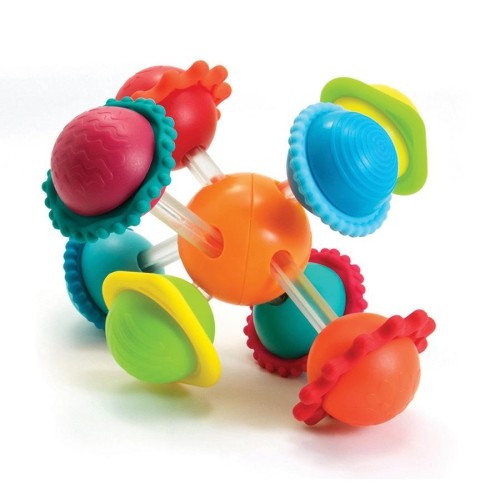

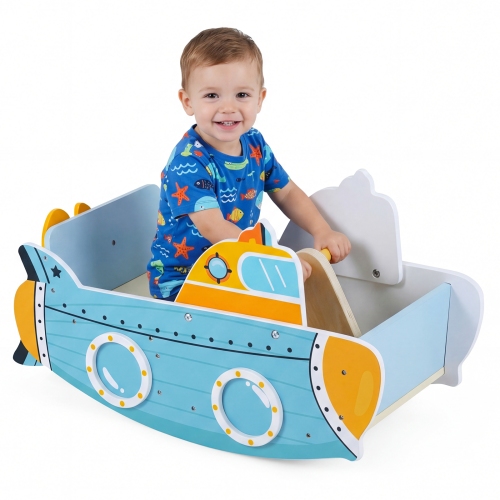
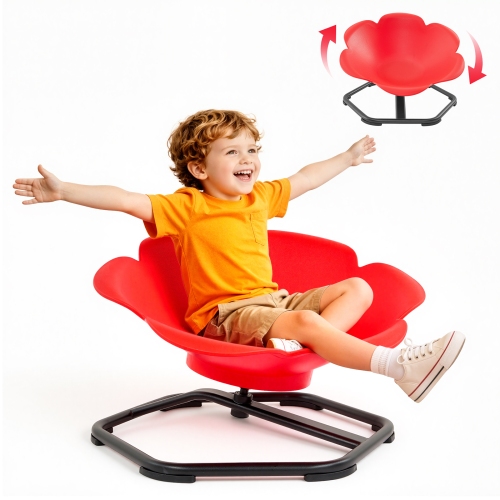
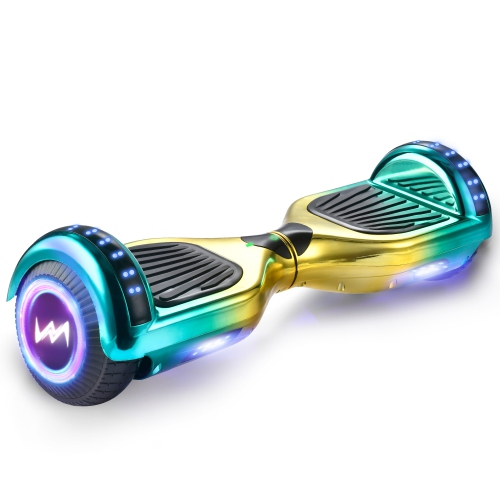
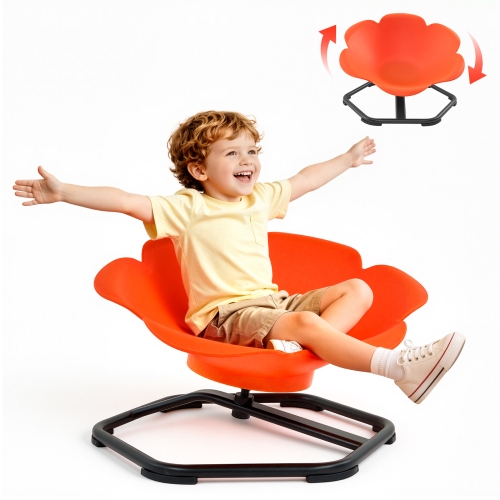
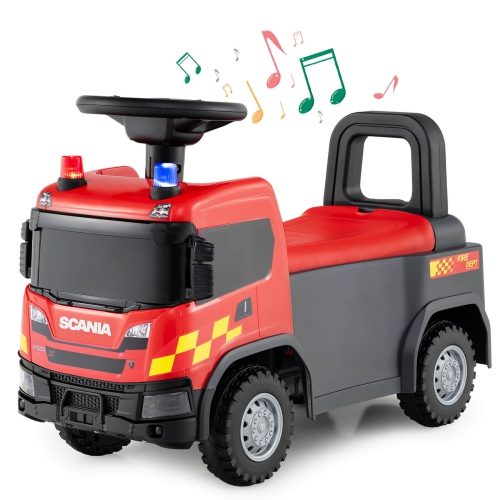
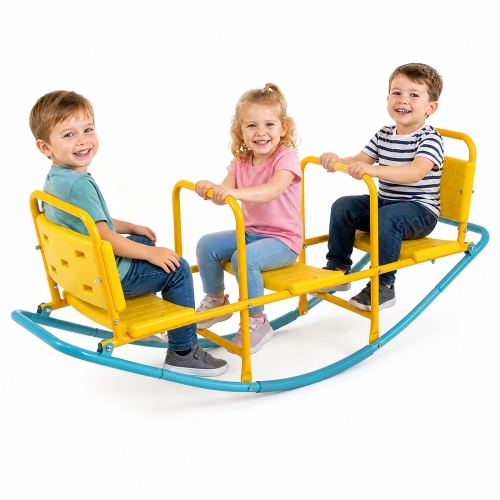
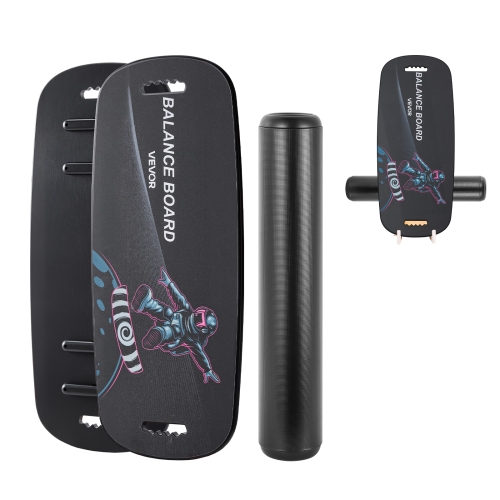

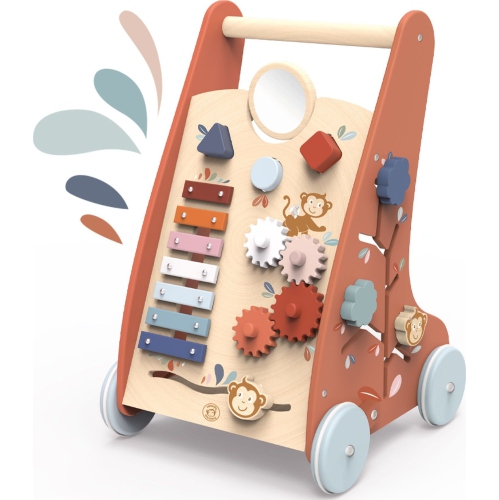

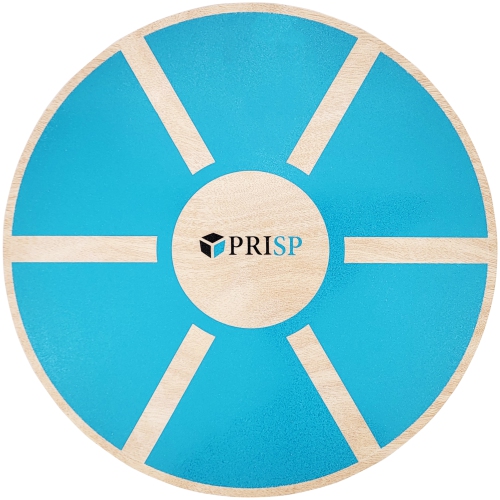

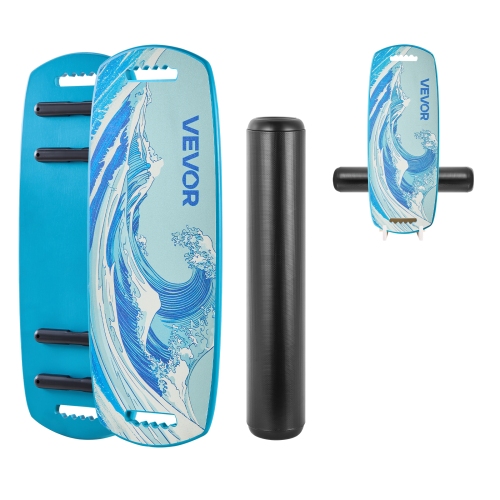
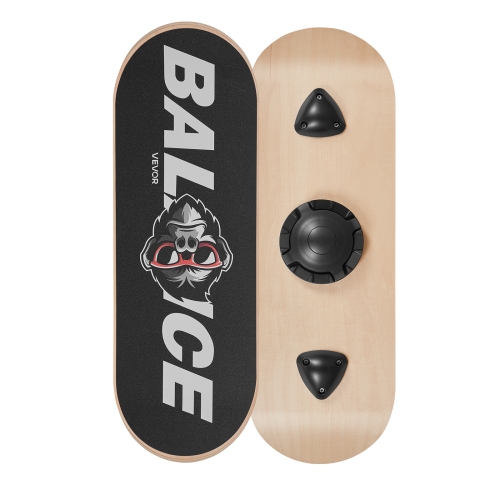

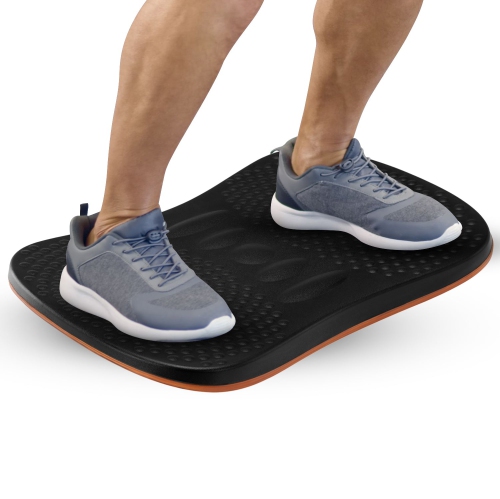
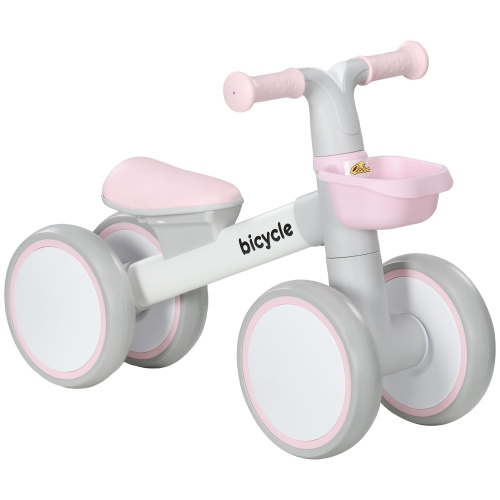
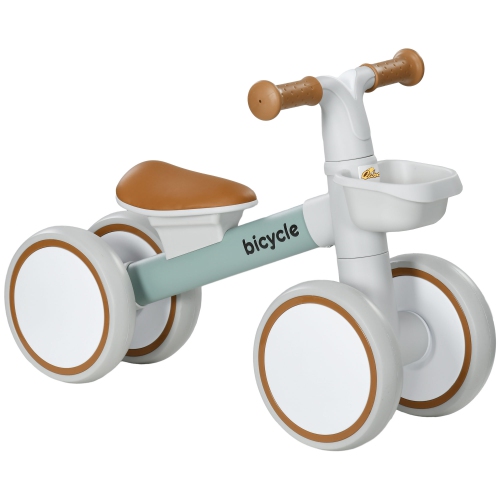
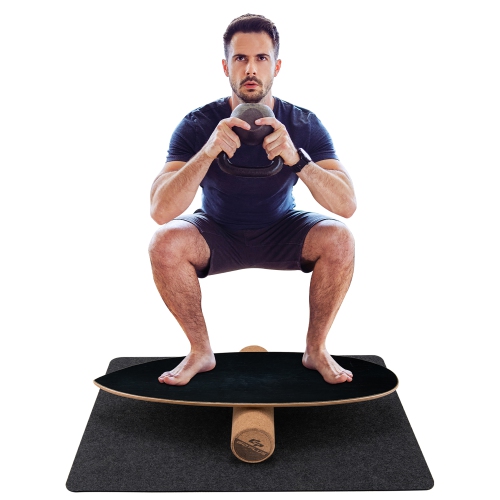
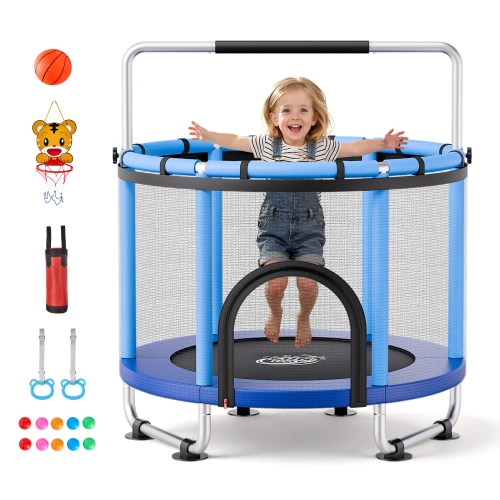

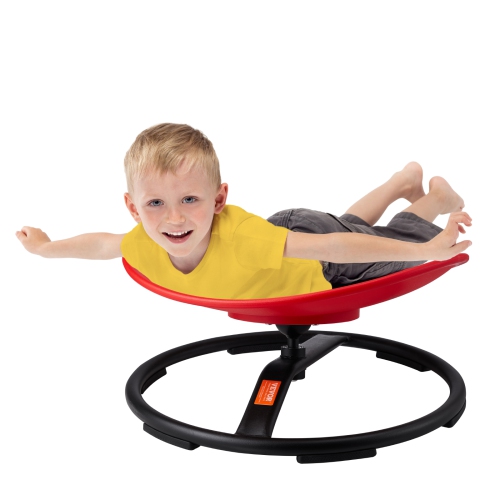
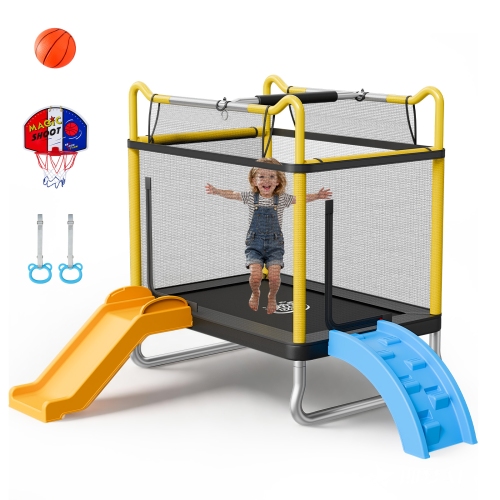
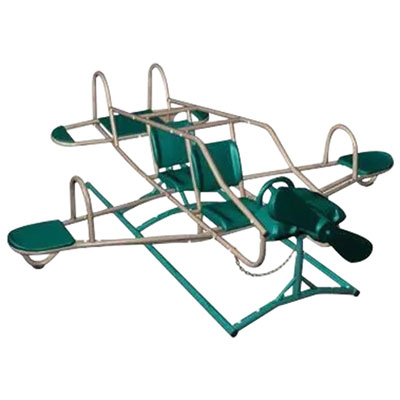
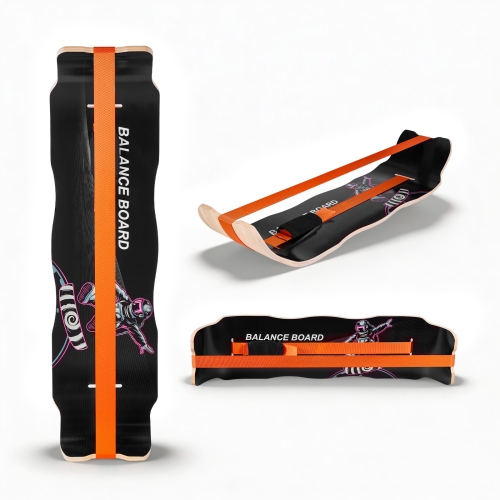
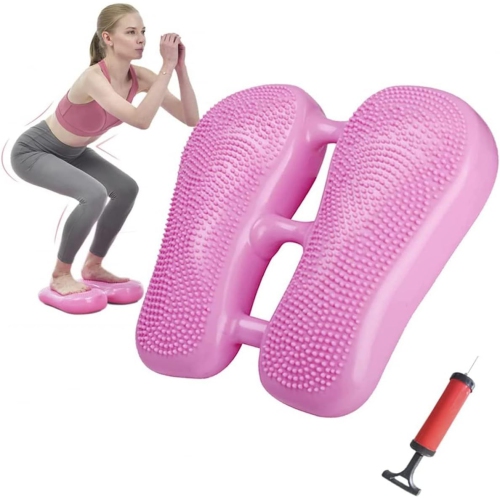

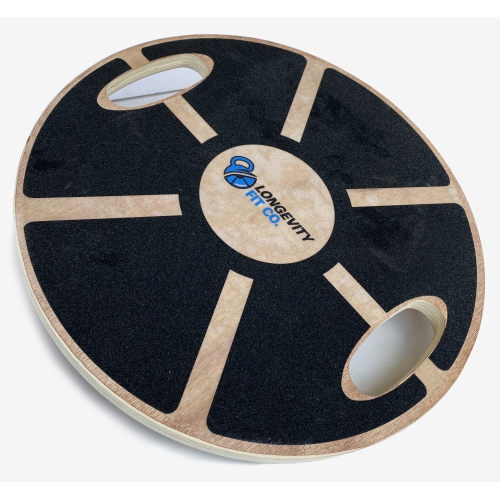

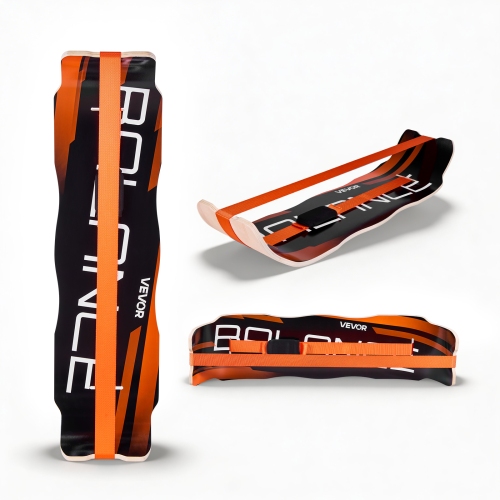
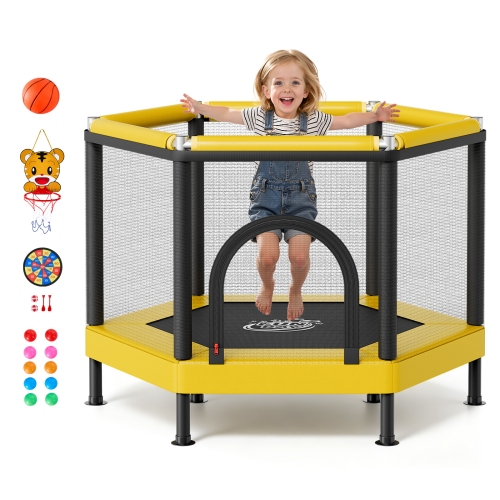
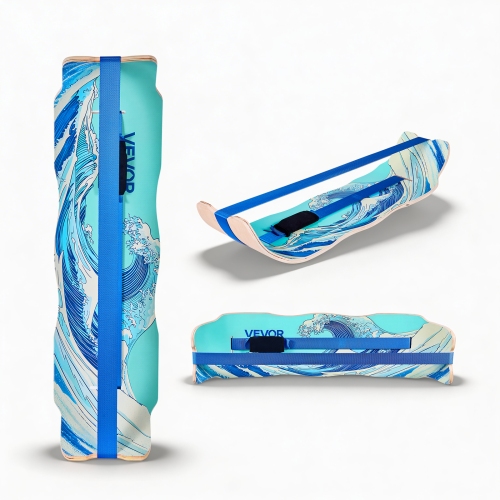
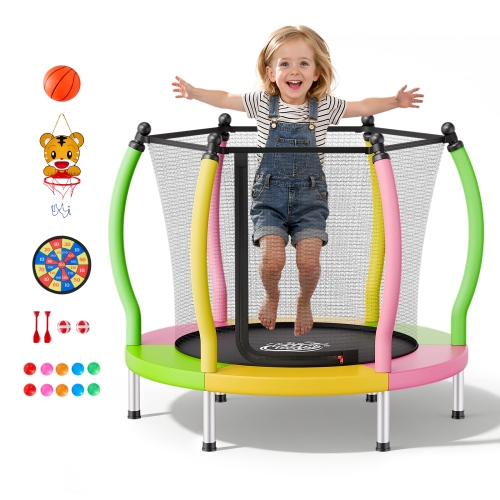
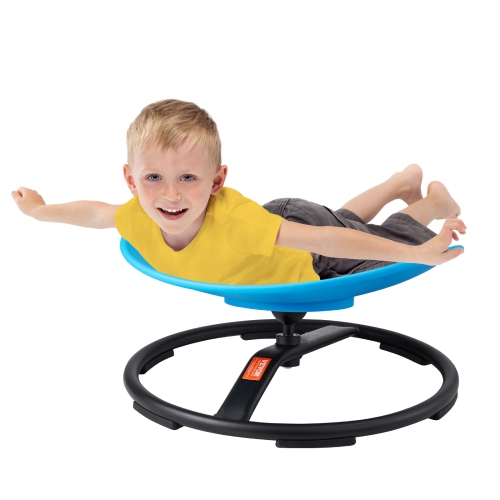
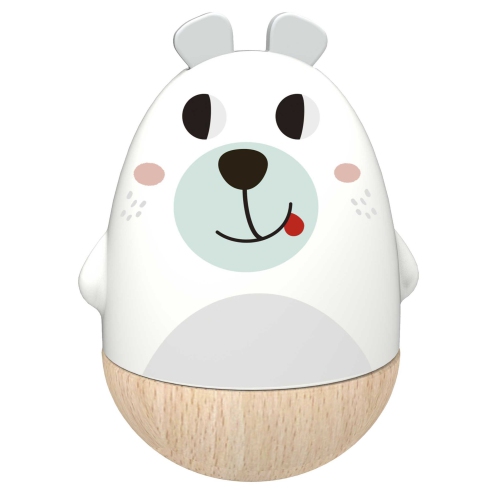
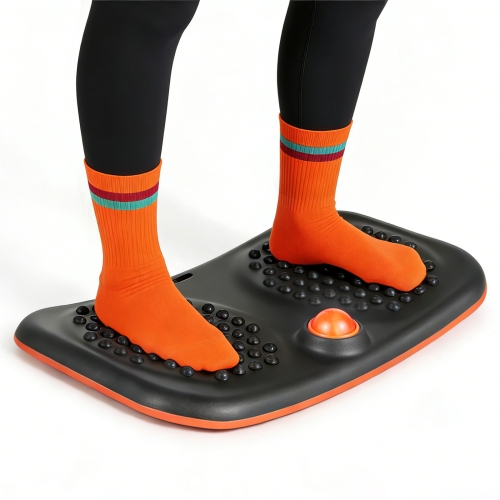


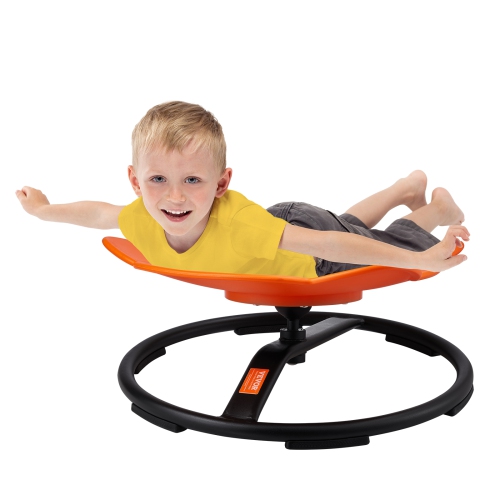
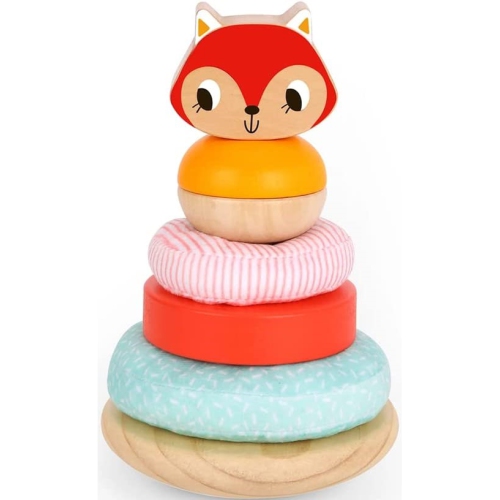
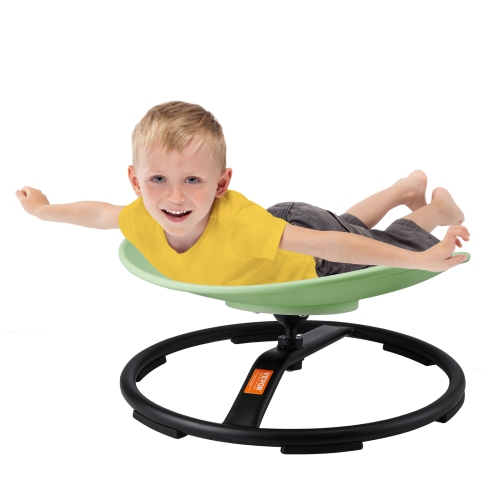
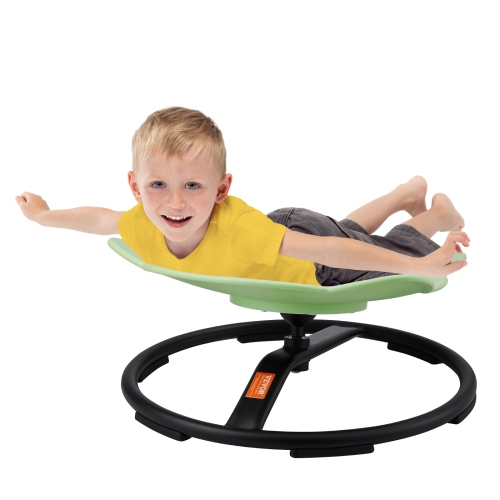
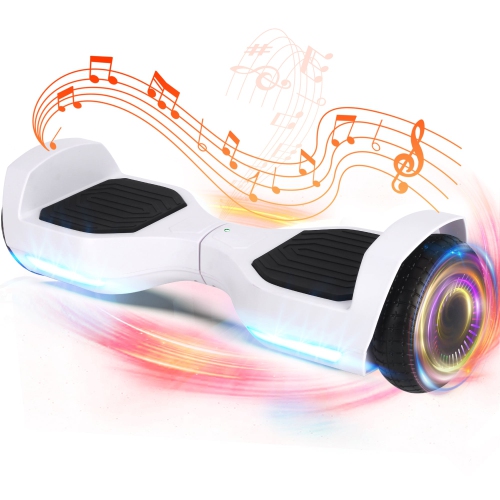
Movement, coordination, and creativity for active everyday play
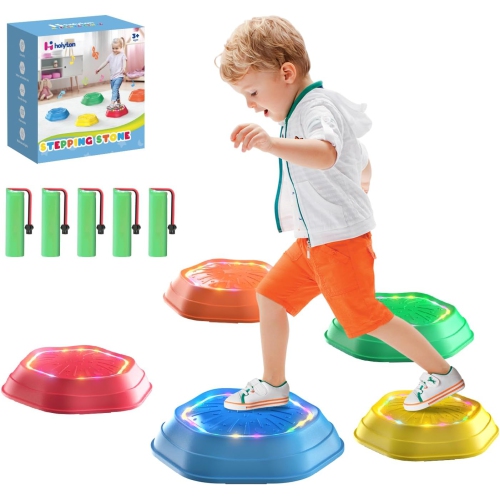
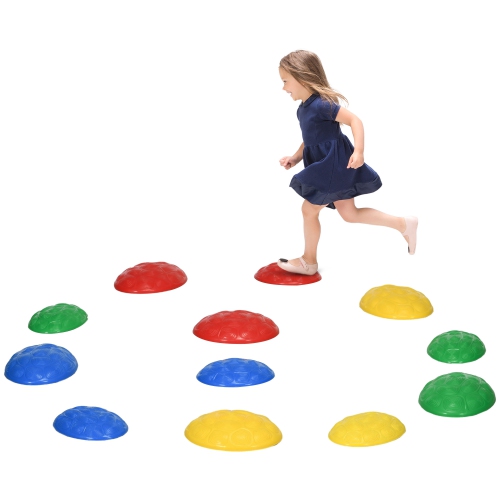
Balance toys bring movement, coordination, and playful problem-solving together in a way that can make everyday activity feel like an adventure. Designed to encourage children to shift their weight, steady their bodies, and adjust their movements, these toys can support the development of balance, spatial awareness, core strength, and gross motor skills through open-ended play. A child might step carefully from one surface to another, pause with arms stretched wide, or experiment with a gentle rocking motion before trying again. The appeal is often found in that sense of discovery: there may be no single right way to play, and each attempt can feel a little different. Balance toys can be used indoors in a clear play area or outdoors when the weather is comfortable, making them a flexible option for active play during the cooler months. They can also complement other hands-on activities, including building, sorting, and imaginative play with Shape Toys. When choosing one, consider the child’s age, size, coordination, and confidence level, as well as the recommended weight range and intended play surface. Younger children may benefit from simple, low-to-the-ground designs that allow them to practise stepping and standing with a caregiver close by, while older children may enjoy more challenging arrangements that involve planning a route or holding a pose. A stable base, smooth edges, comfortable surfaces, and easy-to-understand instructions can all contribute to a more positive play experience. It is also useful to think about storage: a balance toy that can be moved easily or tucked away after play may be more likely to become part of a regular routine rather than an occasional activity.
These toys can suit families looking for ways to add movement to the day without relying on screens or structured lessons. In a living room with a cleared coffee table, a playroom with a soft mat, or a quiet corner of a classroom, balance activities can create a small course that changes as children grow more comfortable. A child who initially takes tiny, cautious steps may soon be making a path across the room, turning around, and inviting a sibling to try the same challenge. That kind of play can encourage patience and persistence because balance is rarely mastered in a single attempt. Children learn to notice how their feet are placed, how their arms help them steady themselves, and how small adjustments can make a big difference. Balance toys can also support cooperative play when children take turns creating routes, cheering one another on, or inventing stories around an imaginary river, mountain trail, or spaceship landing zone. For caregivers, the best choices are often those that match the available space and the child’s interests. Look for materials that are easy to wipe clean, construction that feels secure during ordinary play, and surfaces that provide suitable traction without being uncomfortable. Always follow the manufacturer’s guidance for assembly, placement, supervision, and use. A clear, uncluttered area is especially important, and younger children should be supervised as they explore new movements. During indoor play, rugs, furniture, pets, and hard corners can create unexpected obstacles, so setting up a defined space before play begins can help children focus on the activity. Outdoor use may offer more room for creative courses, but the ground should be checked for uneven areas, moisture, loose objects, or other hazards before children begin.
Balance toys can make thoughtful gifts for birthdays, family celebrations, or children who enjoy active, imaginative play. They are especially appealing for households that want toys with more than one use, since a single piece can become part of a stepping course, a pretend landscape, a quiet concentration activity, or a friendly challenge between siblings. They can also be a useful addition to a home play space for children who like to move while they think and learn. When selecting a gift, it helps to consider whether the child prefers independent activities or shared games, and whether the family has room for a larger setup or would appreciate something compact and easy to store. A child who loves pretending might use balance pieces as islands in an ocean adventure, while another may prefer arranging them into patterns and testing different paths. Adults can extend the play by offering simple prompts, such as asking a child to move slowly, carry a soft toy along the route, or create a path with different levels of challenge. The aim is not to turn play into a test, but to provide an inviting opportunity to practise control, coordination, and confidence at the child’s own pace. As the weather changes and outdoor time becomes less predictable, balance toys can help keep active play engaging indoors, while still leaving room for creativity and movement. With the right fit, a safe setup, and plenty of encouragement, they can become a familiar part of family play: something children return to after school, bring out when friends visit, or rediscover as their abilities and imaginations develop.
Top selling and popular products
-
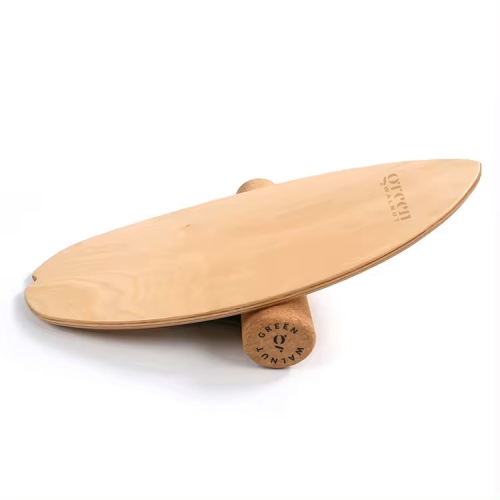 Your price for this item is $109.99
-
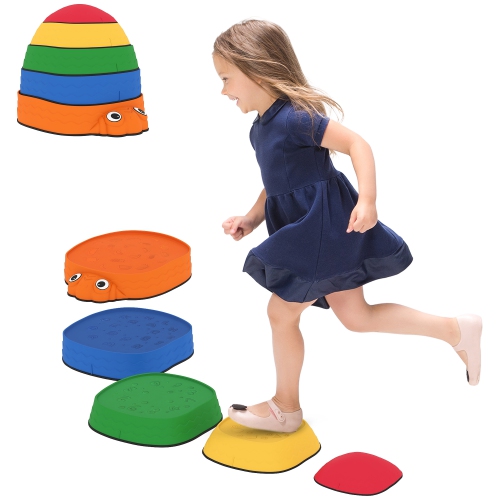 Your price for this item is $26.99
-
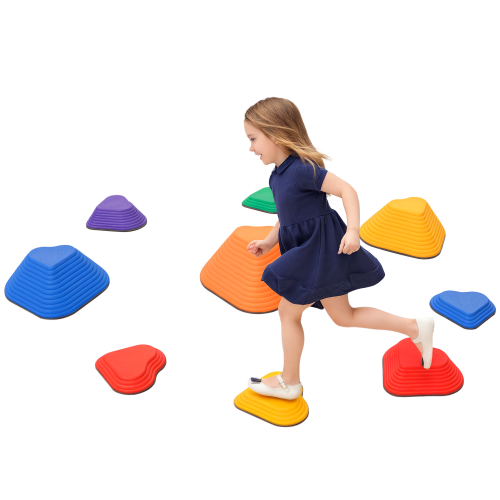 Your price for this item is $39.99
-
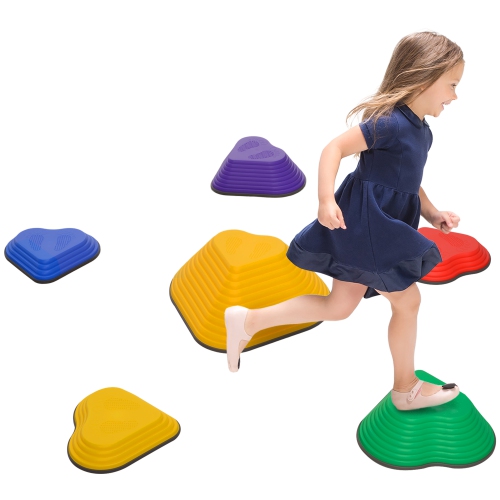 Your price for this item is $29.99
-
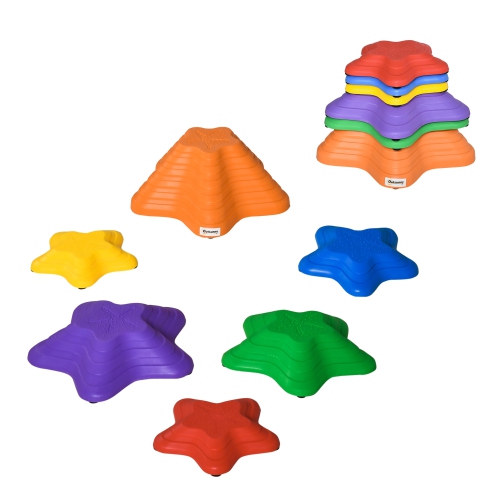 Your price for this item is $33.99
-
 Your price for this item is $99.99
-
 Your price for this item is $36.45
-
 Your price for this item is $36.99
Discover more categories related to Balance Toys

Top Collections:
Pokemon Centers, Kindle Devices, Best Budget Office Chairs, Canon G7X Cameras, Apple iPhones 16, Samsung Galaxy Phones, Refurbished Apple Laptops, Laptops for Students, iPhone 15 Apple, Budget Smartphones
Some products may be subject to Environmental Handling Fees
(EHF) depending on your province.
Learn more about EHFs.