Balance Boards
Looking to enhance your fitness routine and improve your balance? Look no further than our collection of balance boards. These versatile fitness tools are designed to challenge your stability and engage your core muscles, making them a great addition to any workout regimen. Whether you're a beginner looking to build strength or an experienced athlete wanting to take your training to the next level, our range of balance boards has something for everyone. Explore our selection today and discover the perfect balance board to help you achieve your fitness goals.
Sort

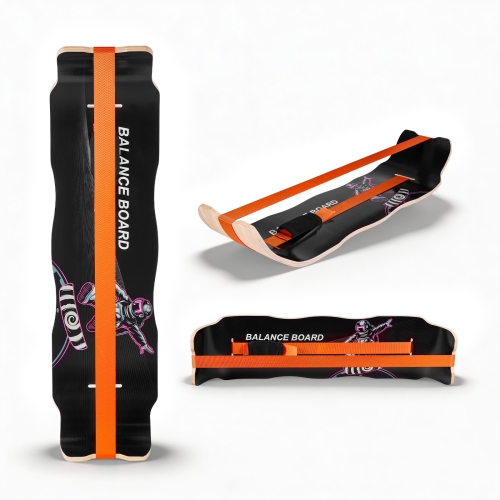
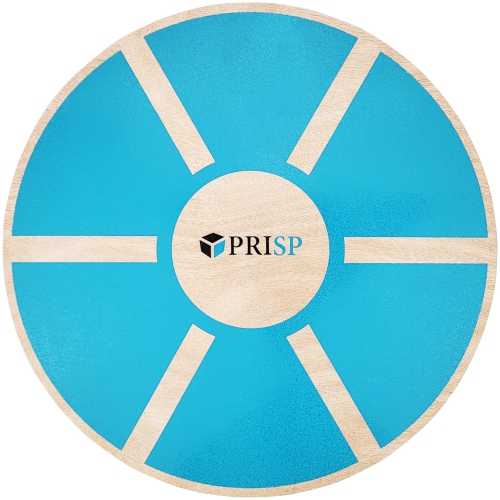
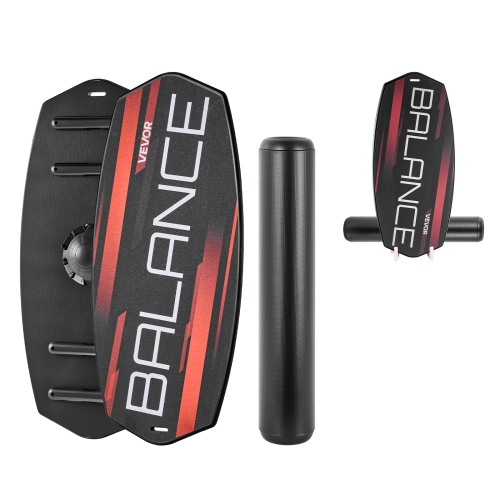
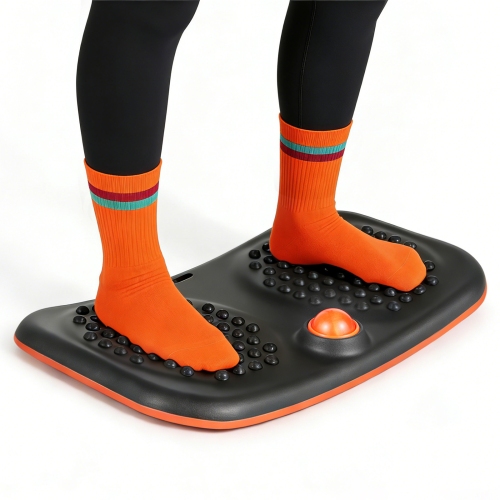


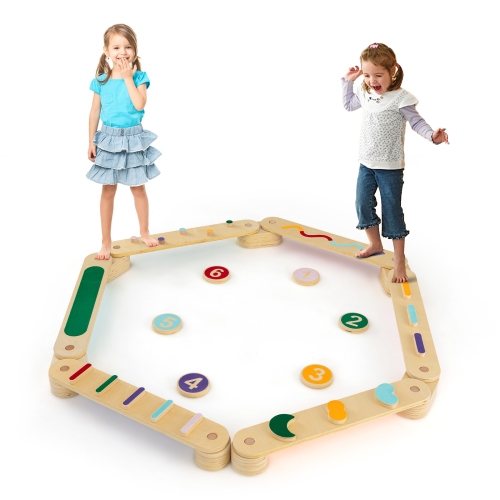
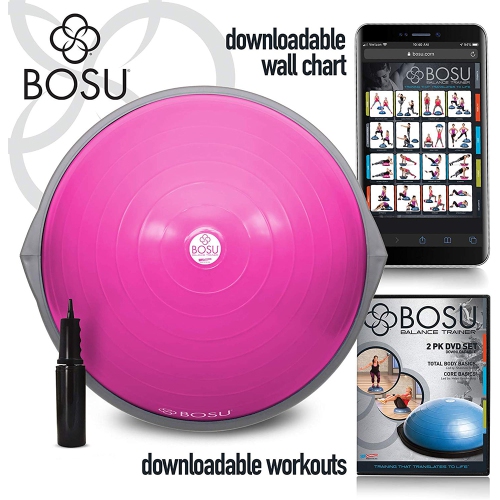
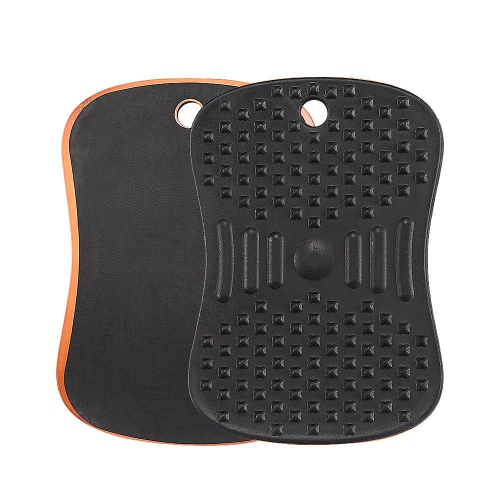
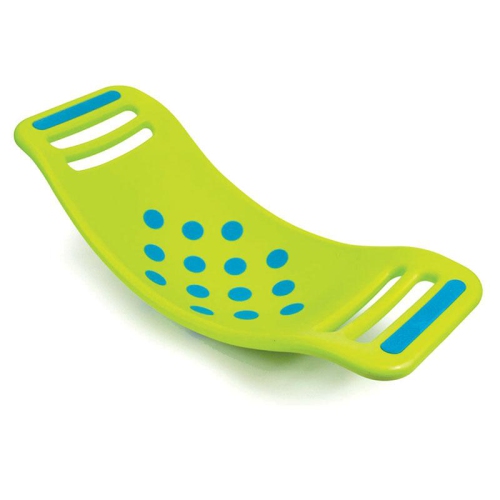
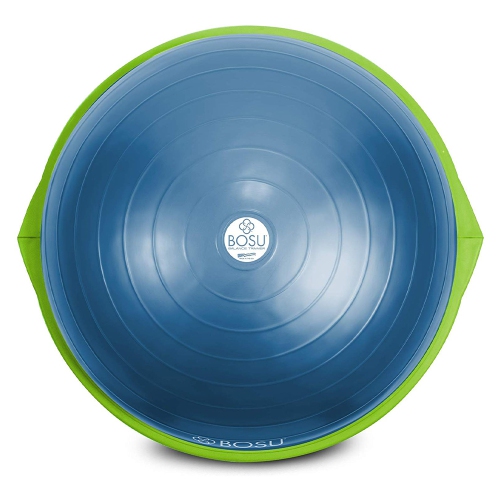
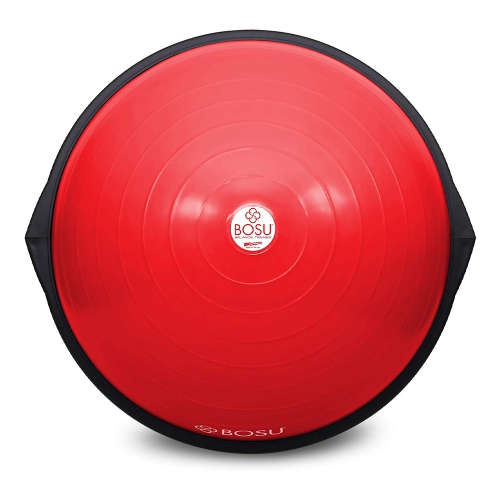
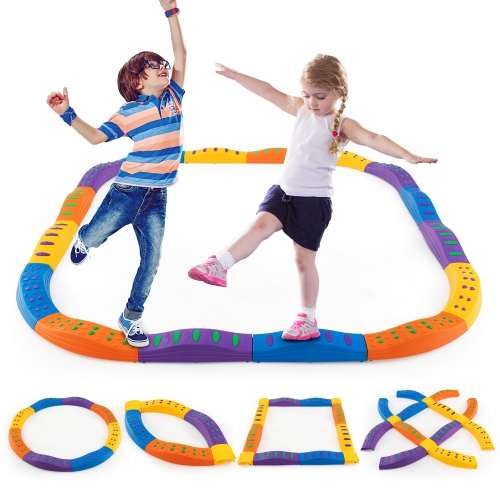
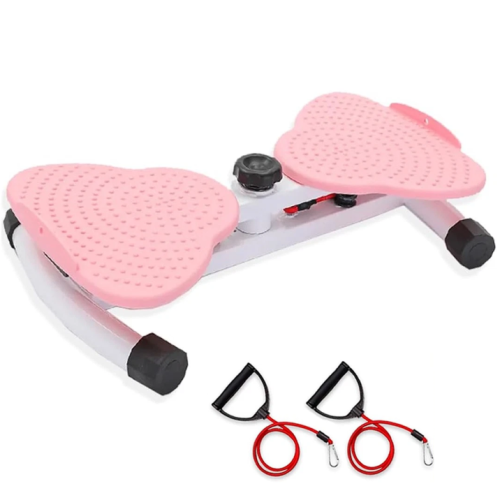
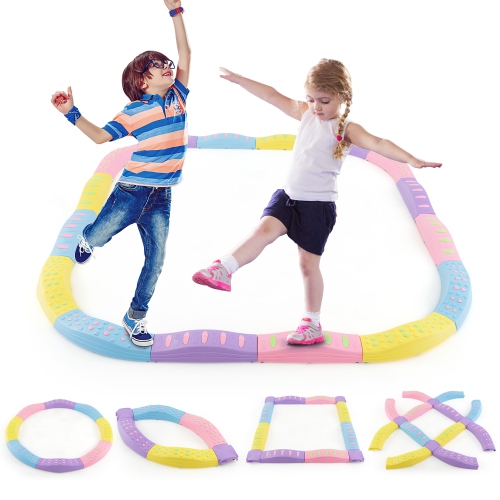
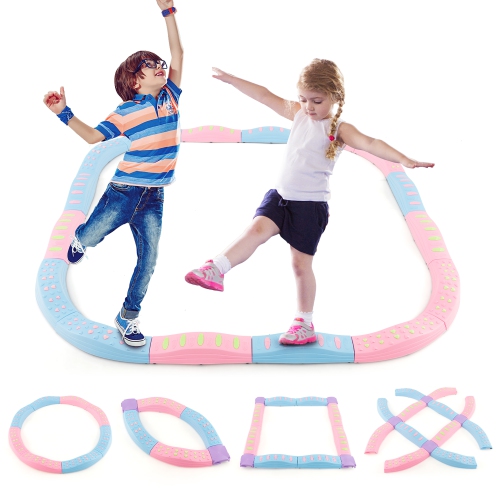
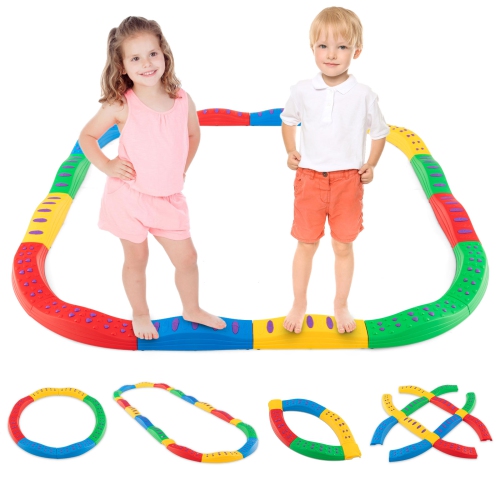
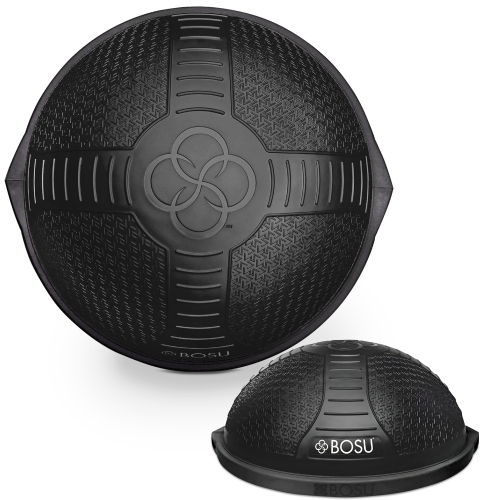
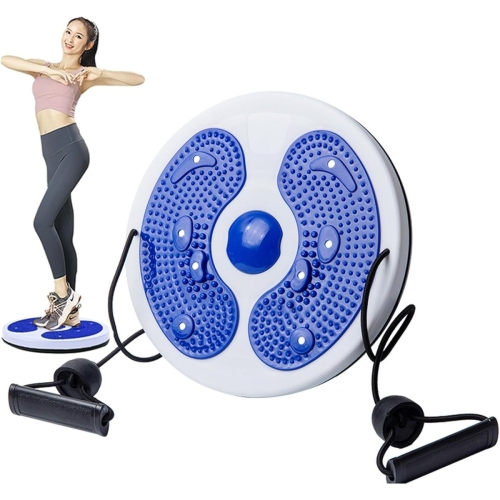
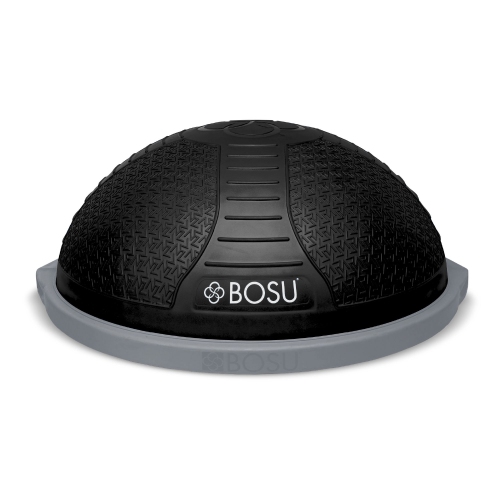
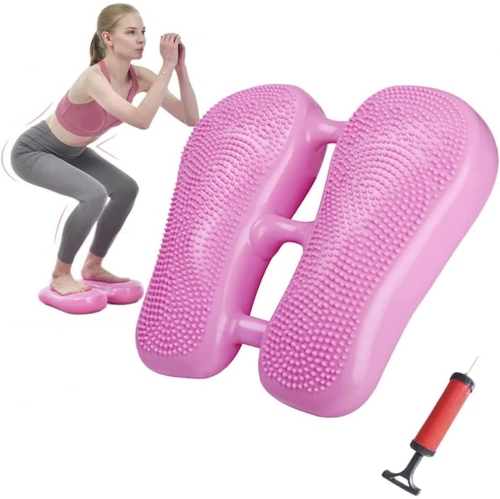
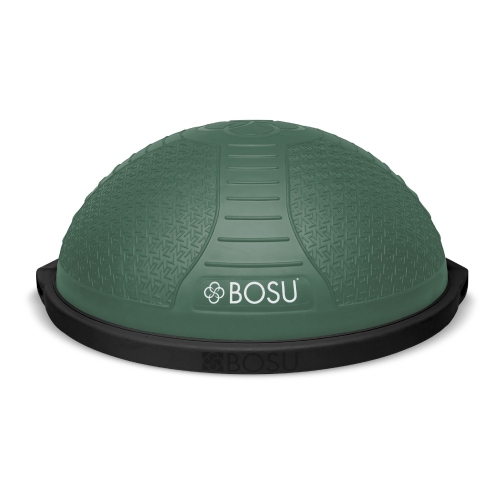
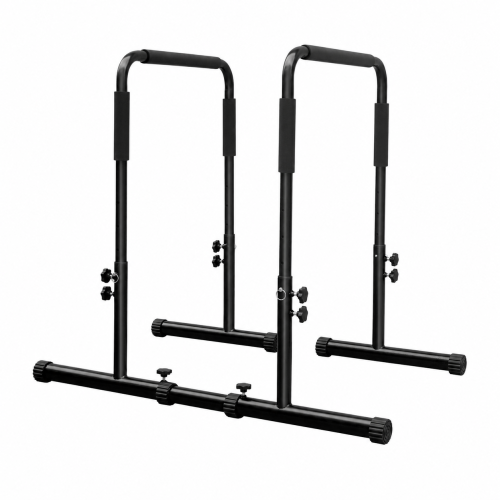
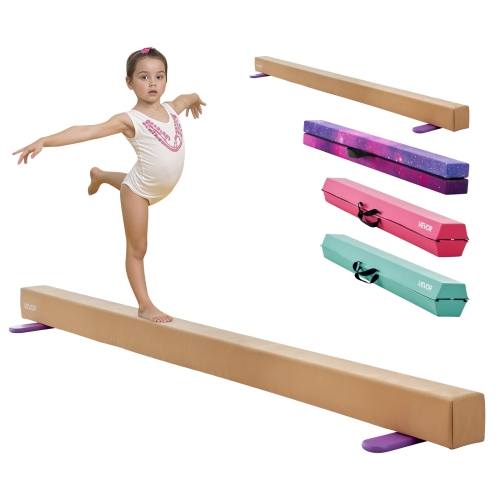
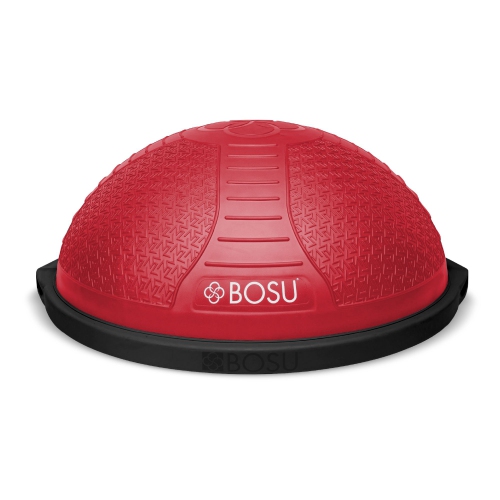
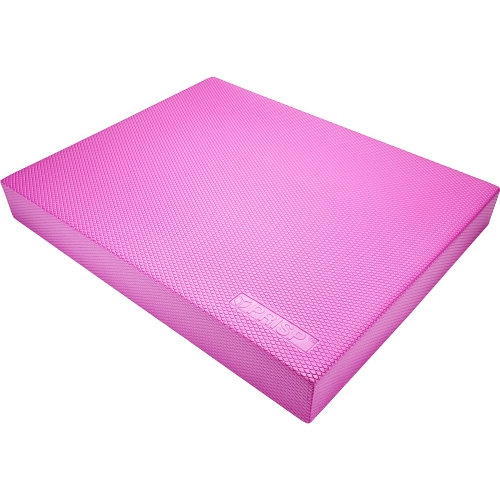
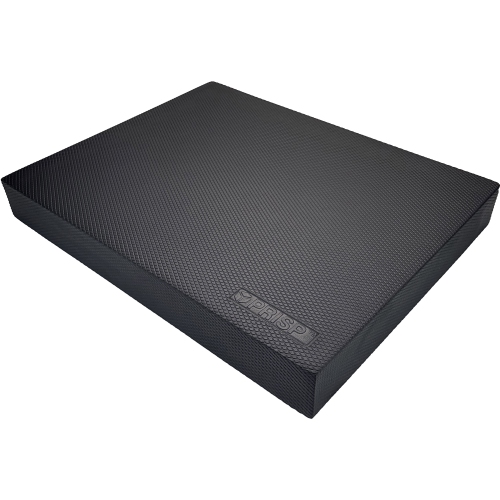
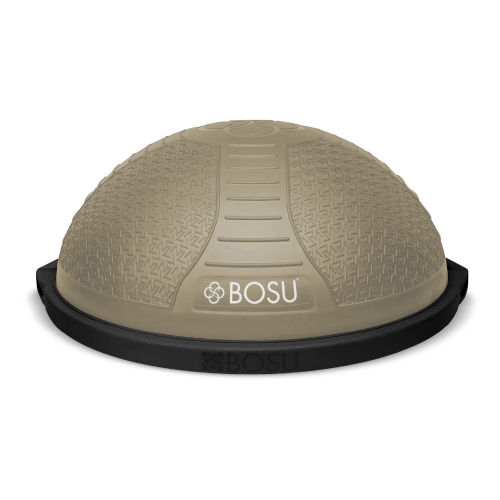
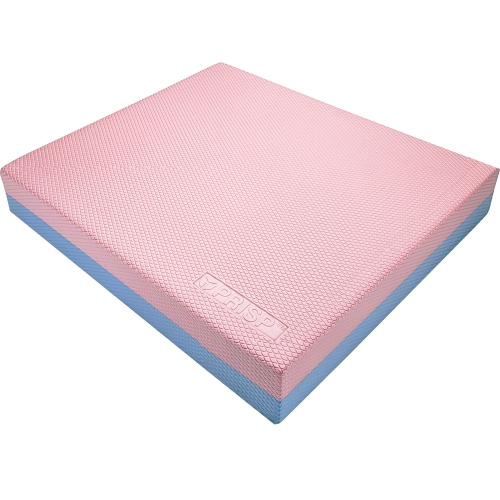
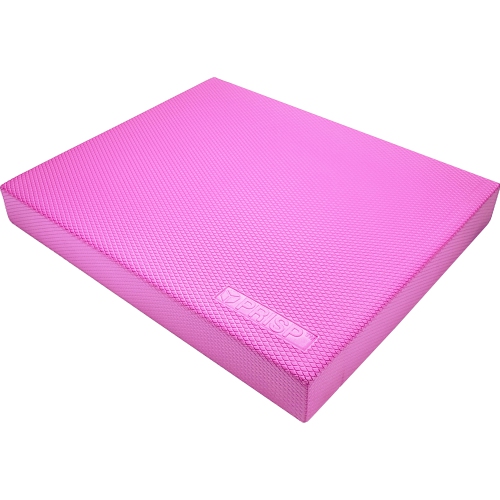
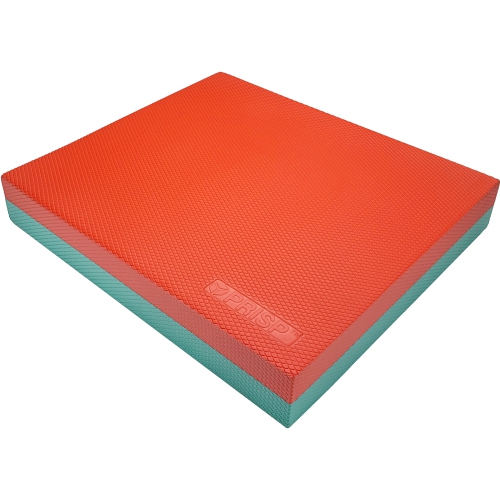
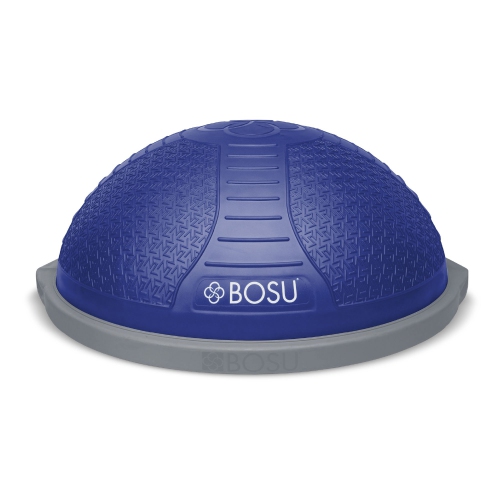
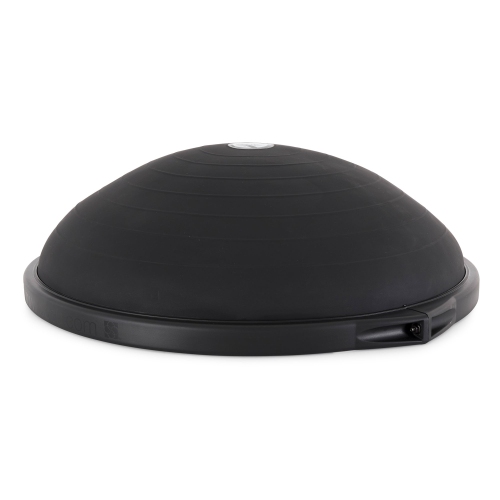
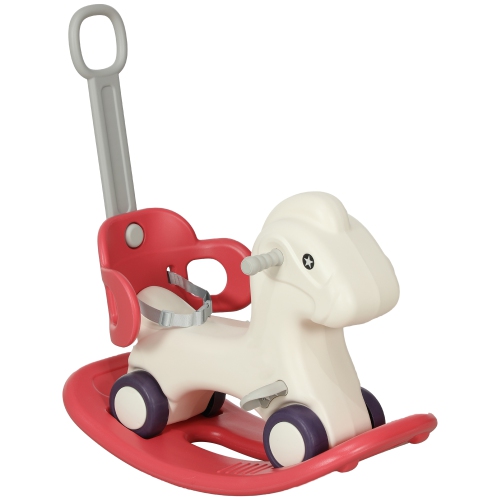
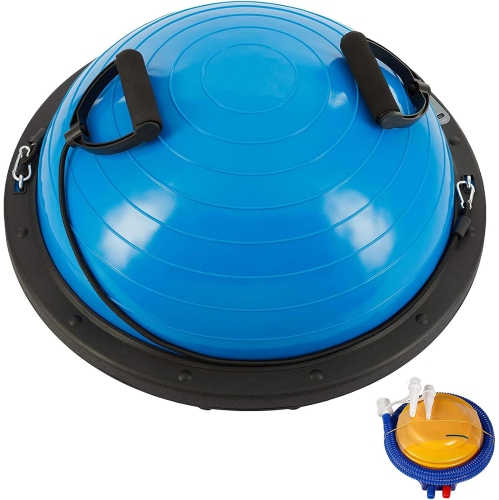
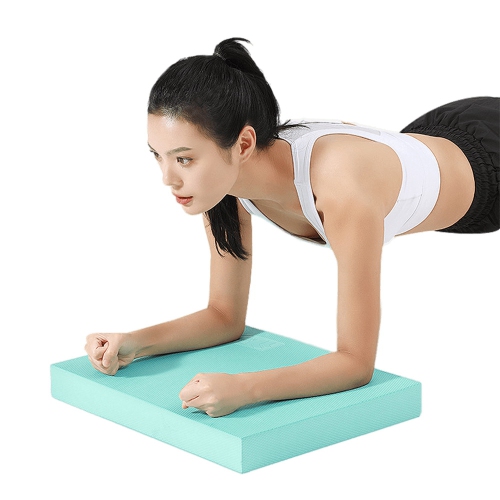
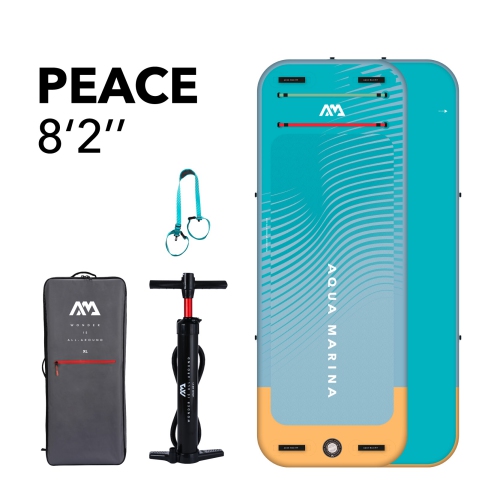
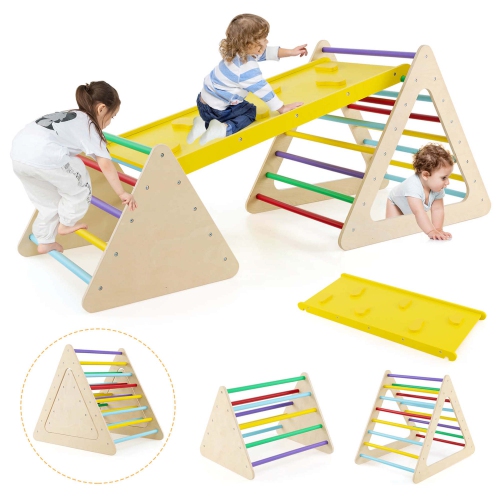
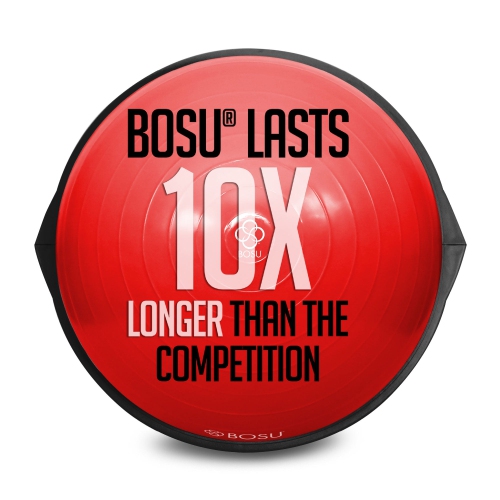
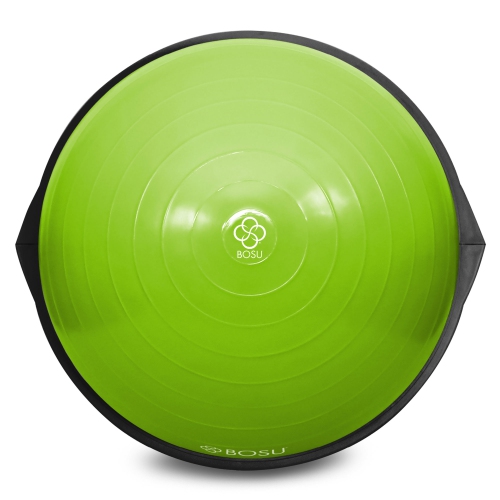
Training balance through controlled movement and gradual progression
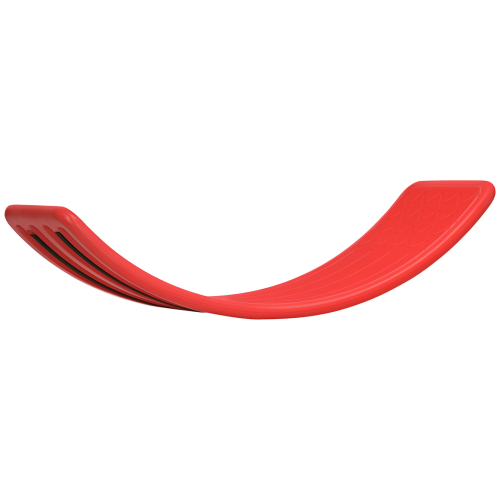
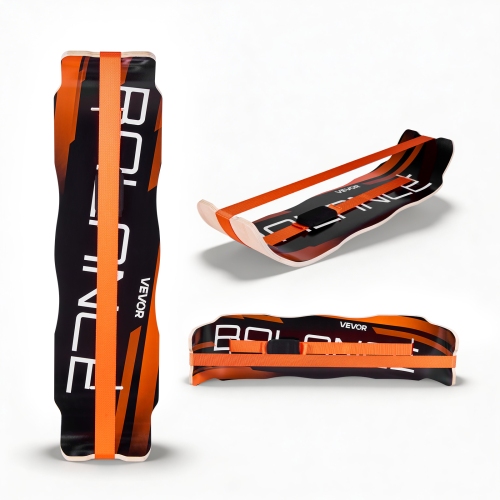
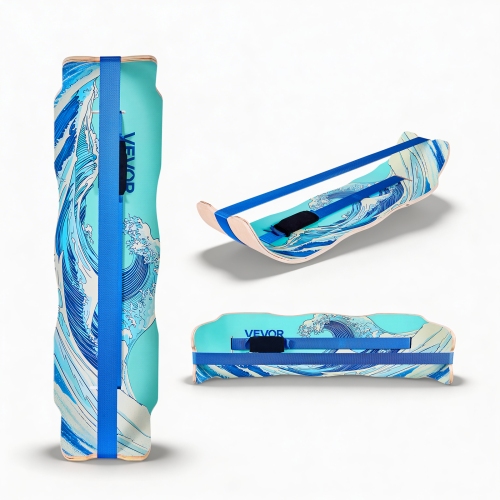
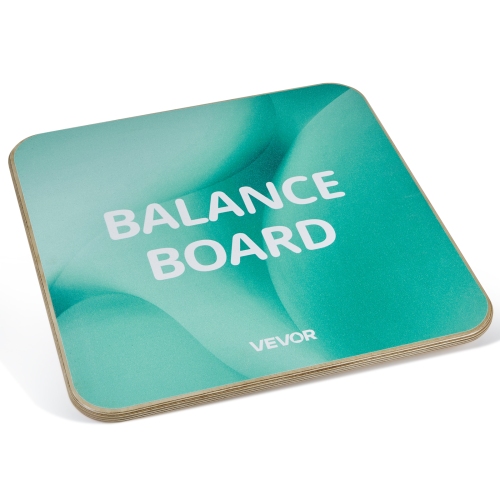
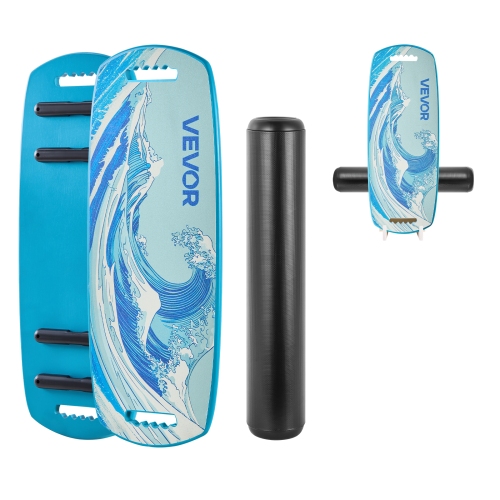
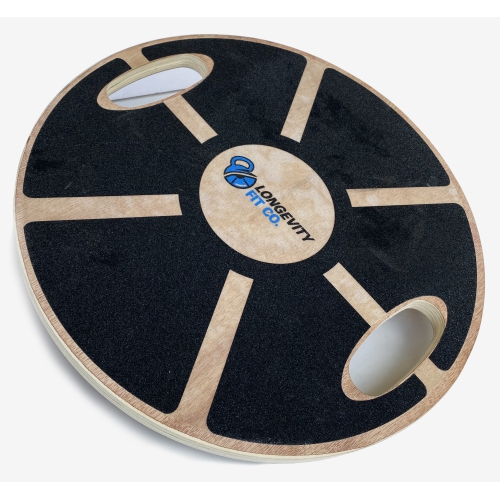
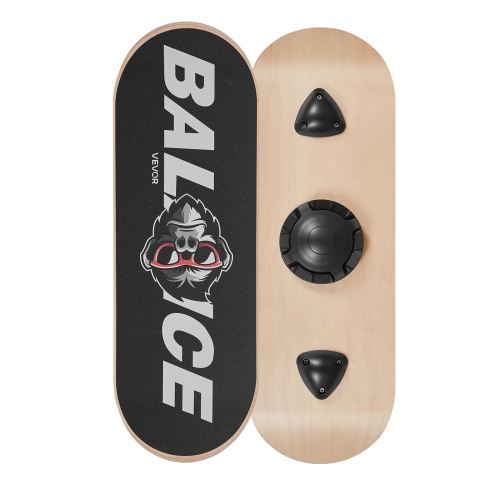
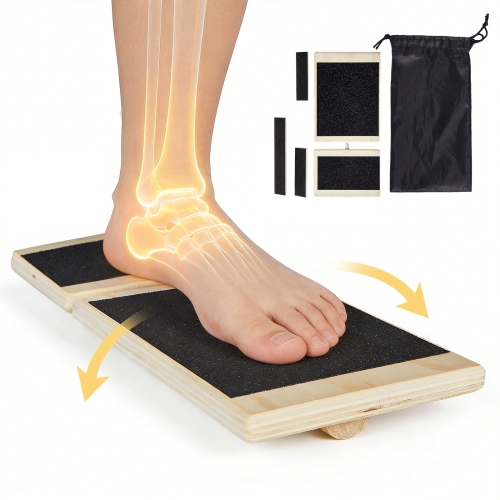
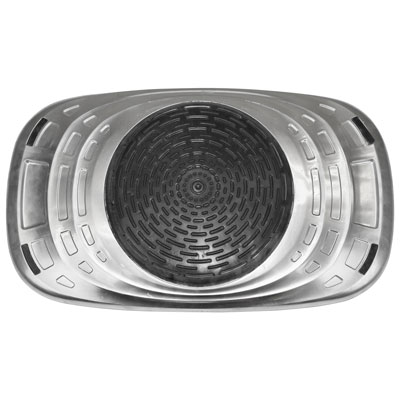
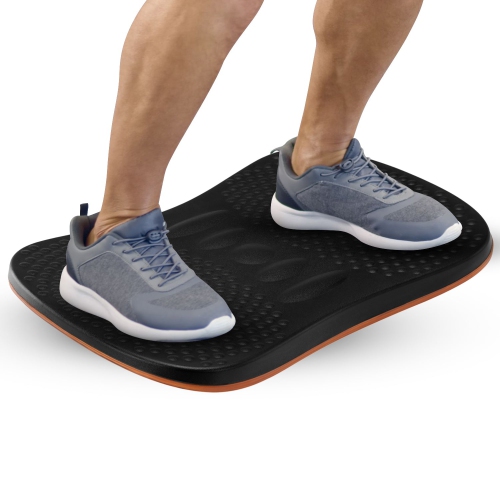
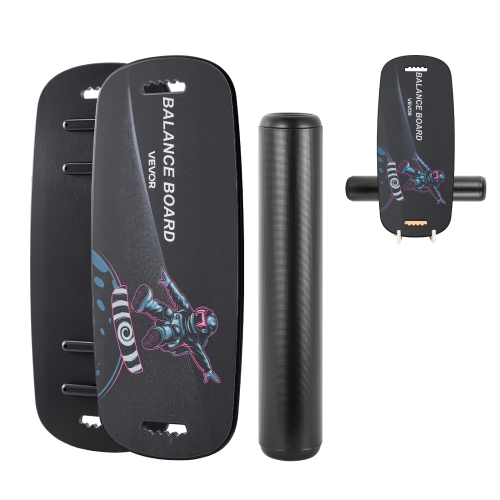
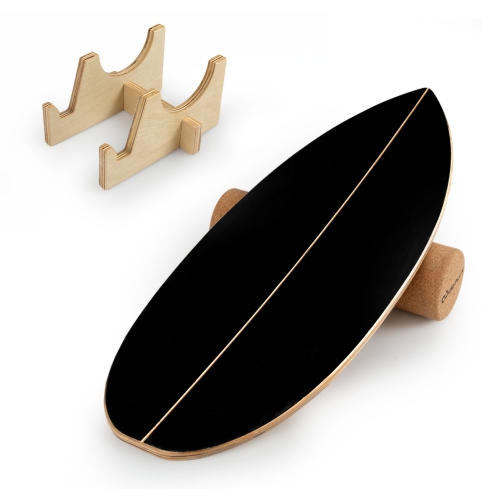
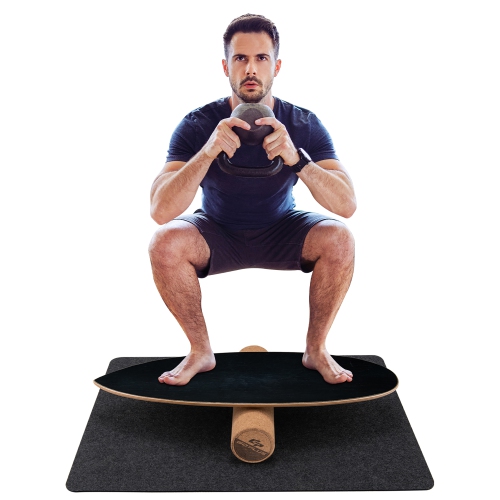
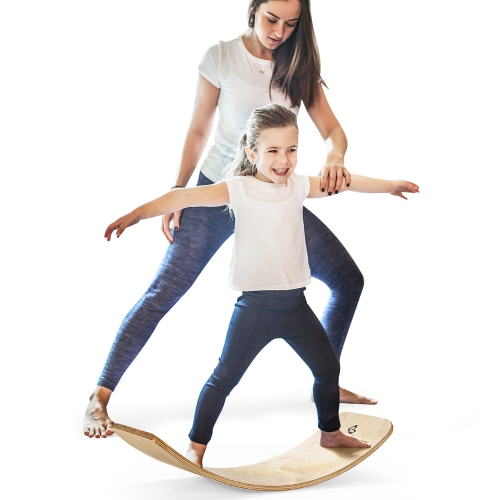
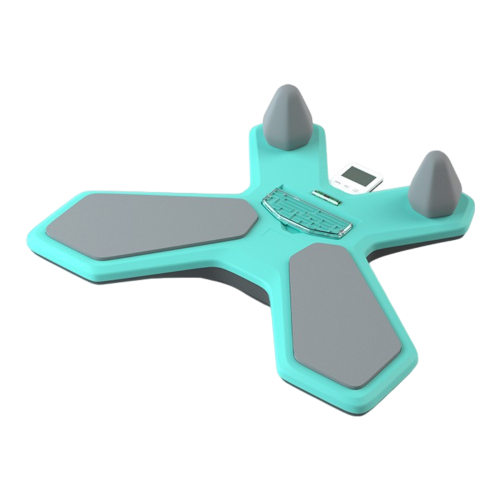
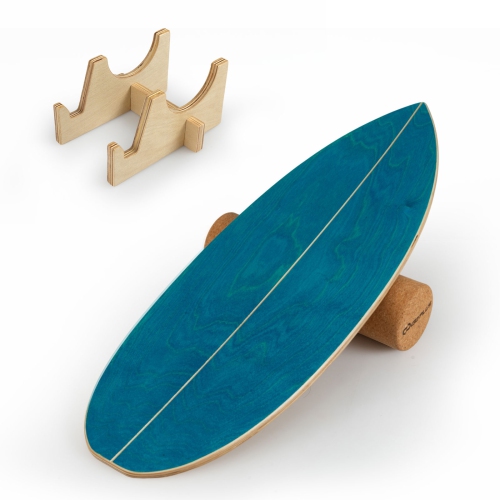
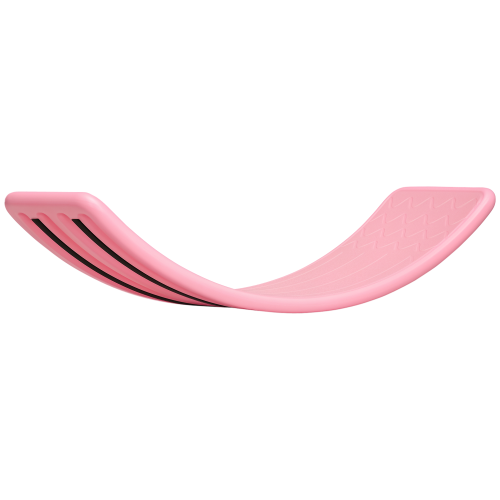
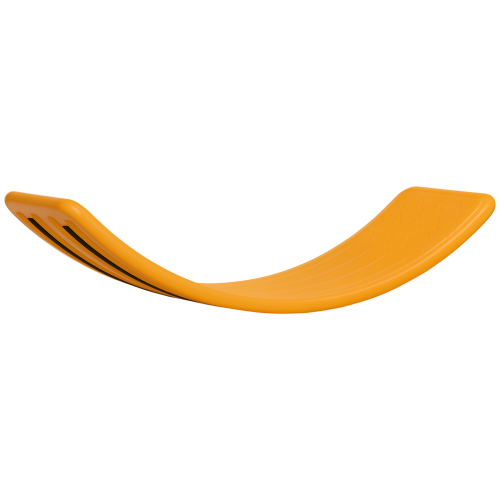
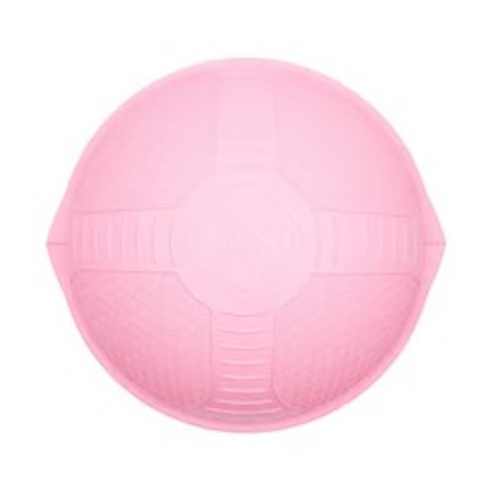
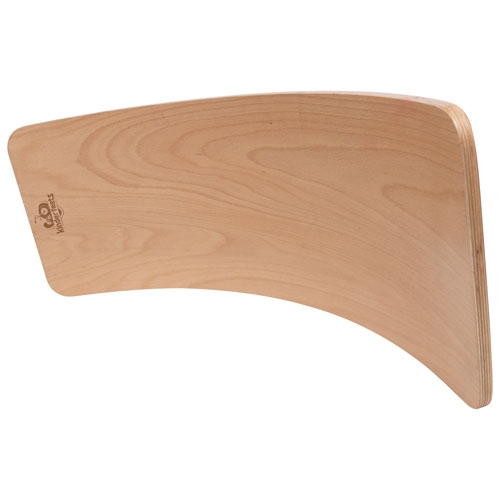
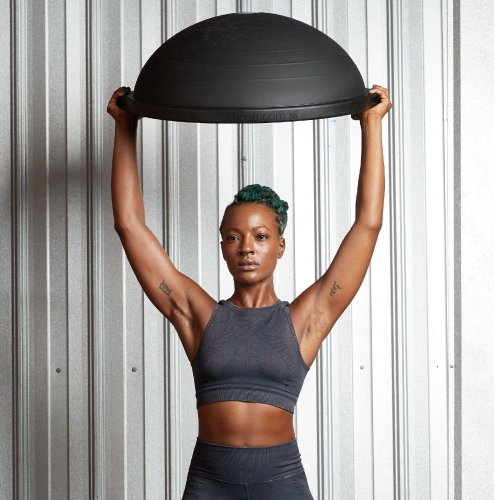
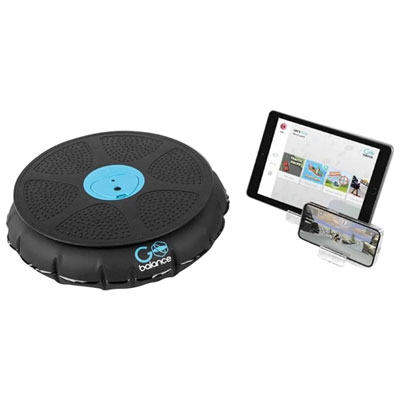
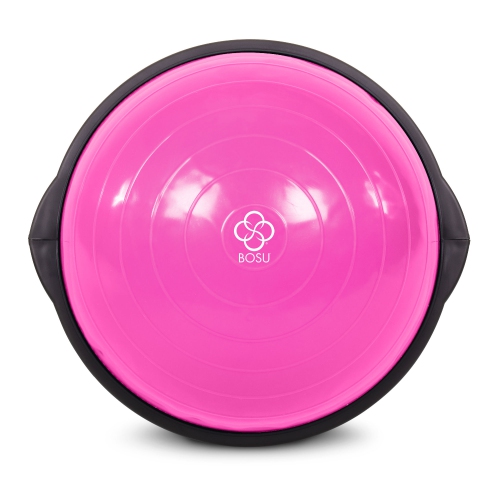
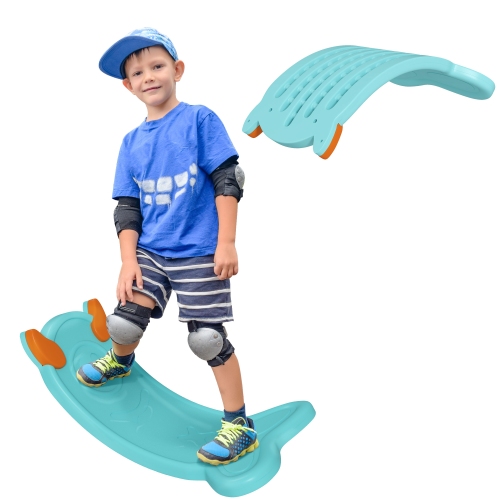
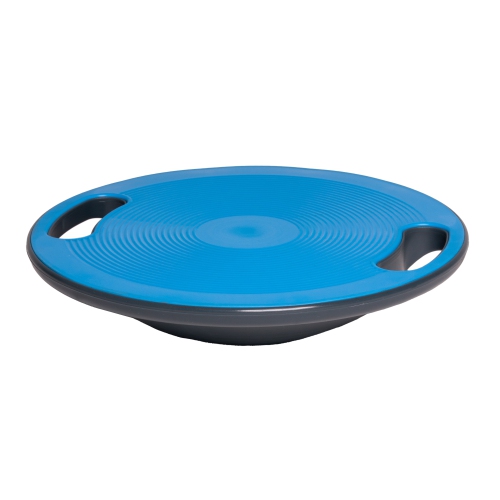
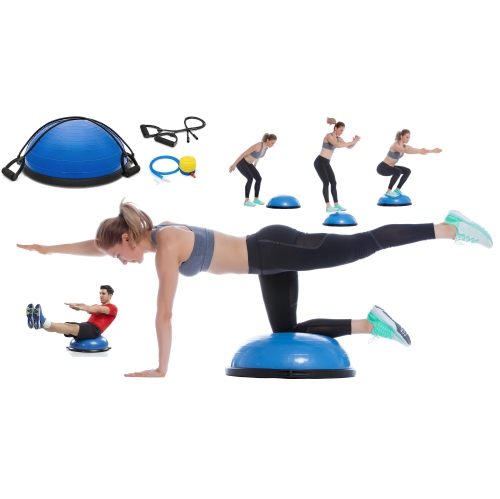
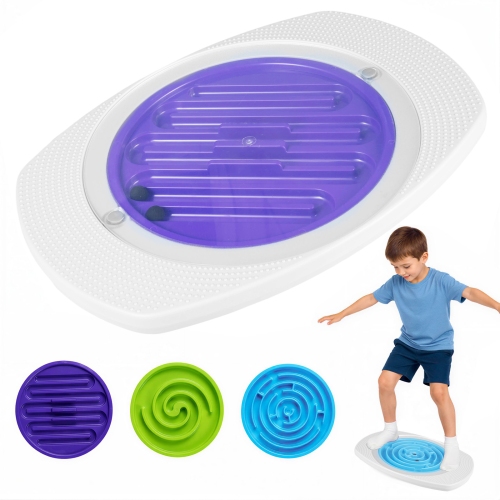
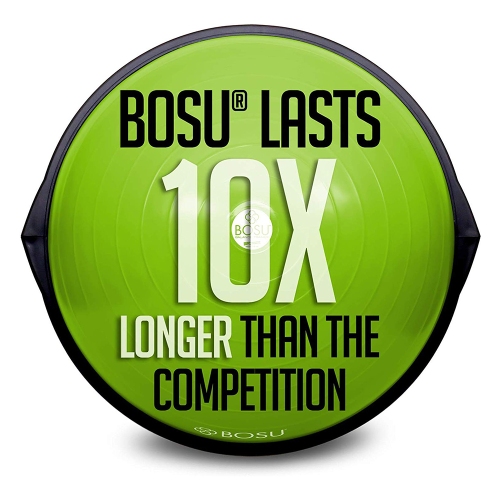
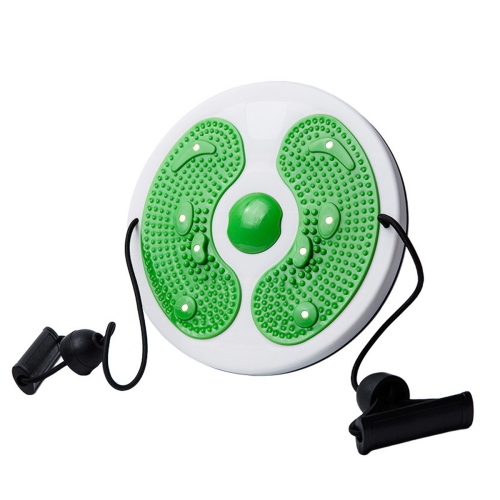
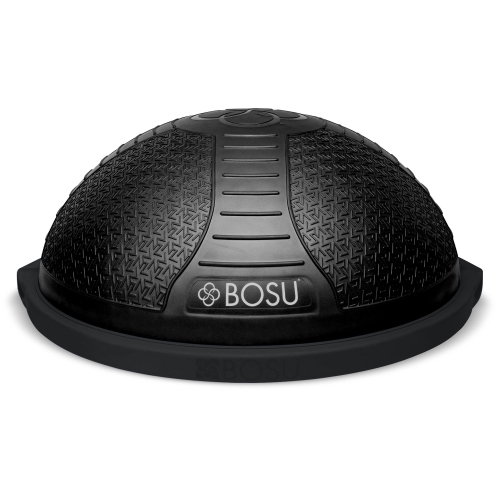
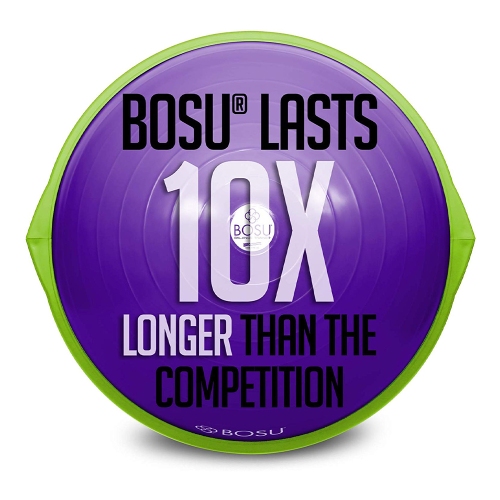
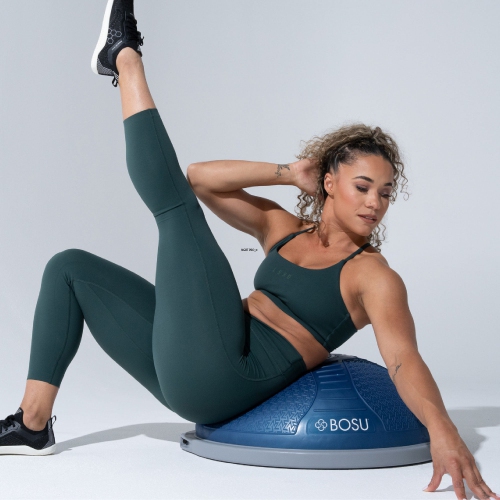
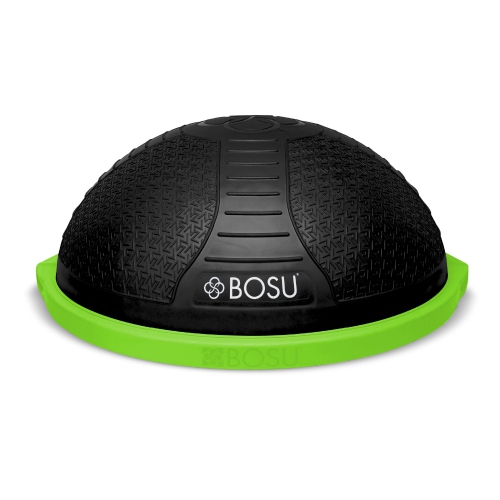
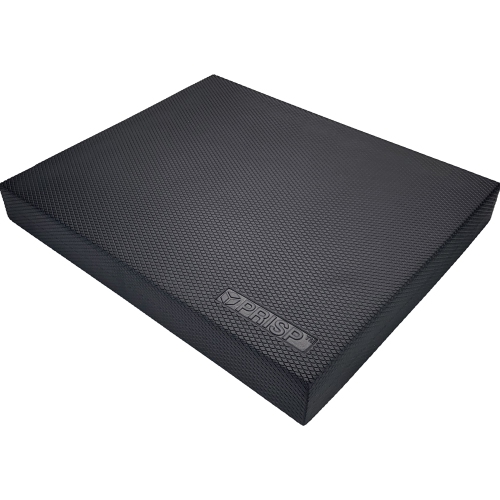
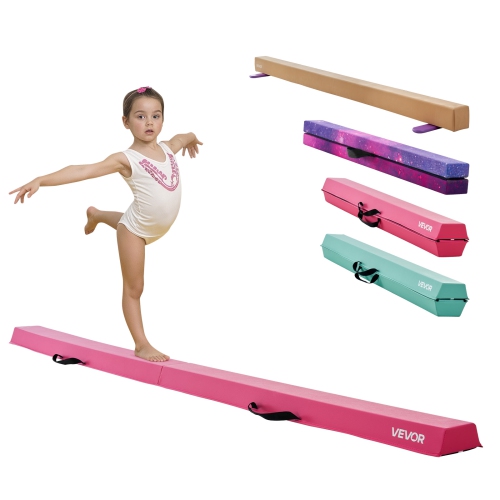
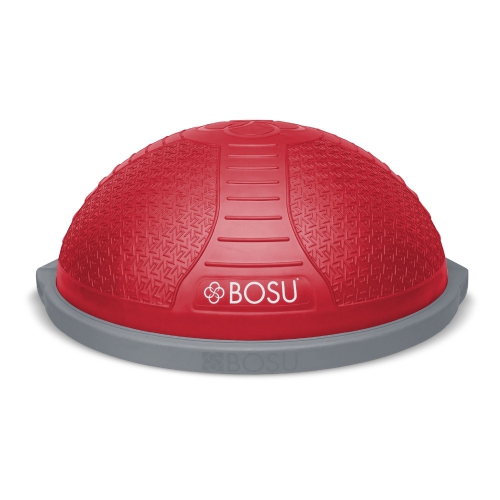
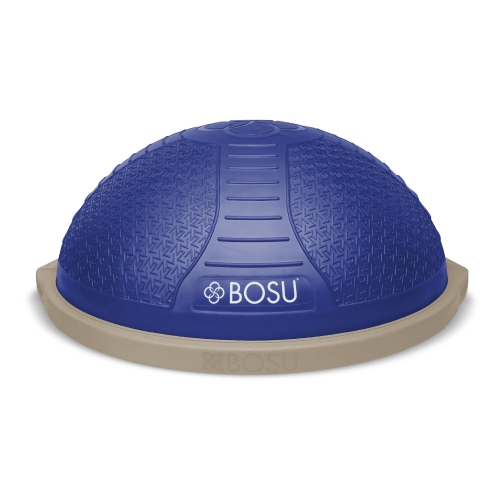
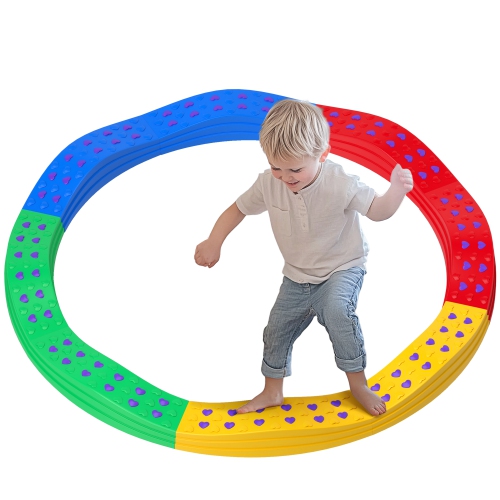
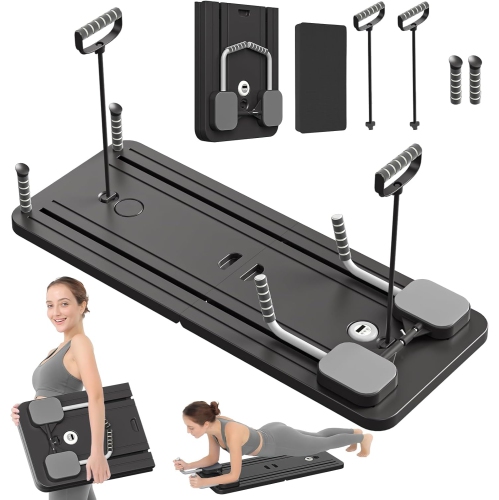
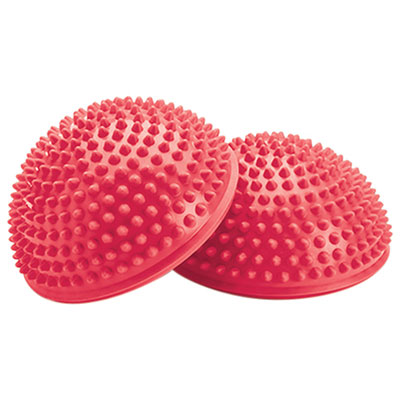
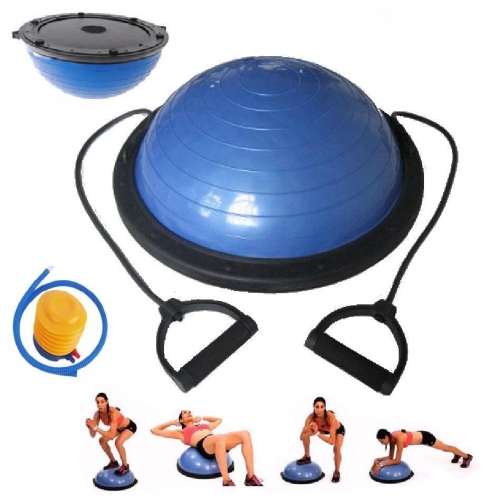
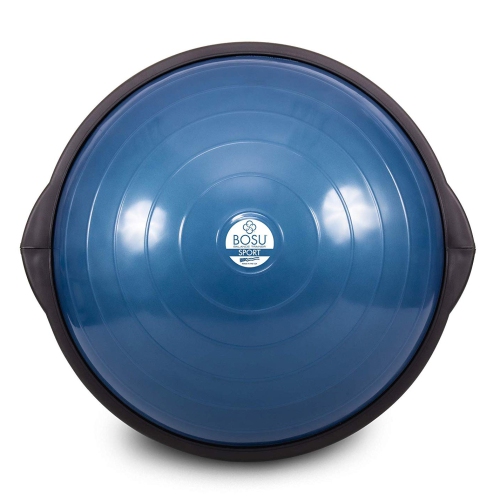
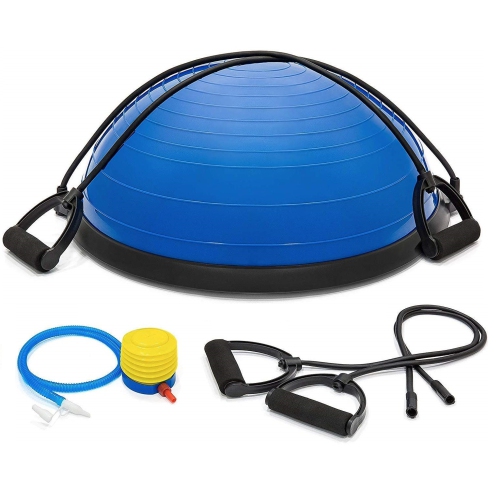
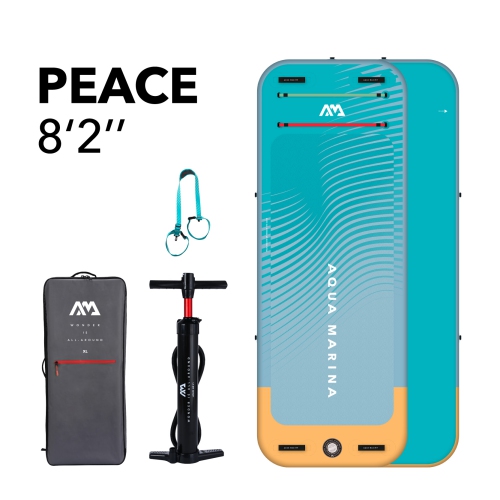
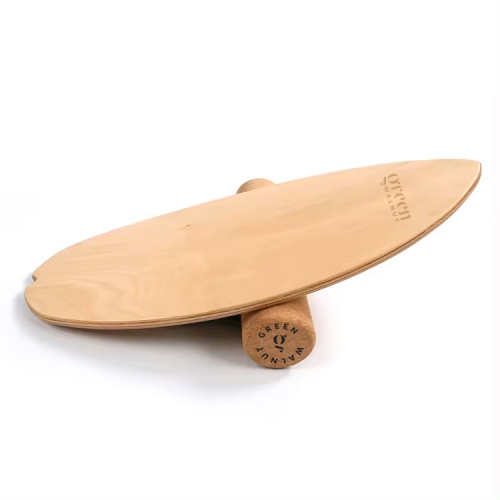
Balance boards are versatile training and recreation tools designed to make ordinary movements more challenging by introducing controlled instability. Most feature a platform that shifts over a pivot, roller, curved base, or inflatable support, encouraging your body to make constant small adjustments to stay centred. Those adjustments can engage the ankles, calves, knees, hips and core, while also developing coordination and proprioception—the ability to sense where your body is positioned in space. Balance boards can be used for fitness, physical therapy exercises, board-sport preparation and active play, making them a practical addition to a home gym, workout area or recreation space. The style of board has a significant effect on how it feels to use. Wobble boards generally have a rounded platform mounted on a central pivot and can tilt in several directions, including a full 360-degree range on some designs. Rocker boards usually move from side to side or front to back, offering a more predictable starting point for beginners. Roller boards use a separate deck and a rolling cylinder or tube, creating a more dynamic challenge that calls for careful weight shifting and quick reactions. Inflatable stability cushions or air-filled balance pads provide a gentler, continuously moving surface and can be suitable for seated balance work, standing drills or introductory exercises. When comparing balance boards, consider the user’s experience level, the available floor space, the type of movement they want to practise and how often the board will be used. A wider platform and limited range of motion may feel more approachable for someone learning the basics, while a narrower deck, rounded base or rolling element can offer a more demanding workout for experienced users. Check the board’s recommended weight capacity, surface texture, construction and storage requirements before making a selection. A grippy standing surface can help feet stay in place, and a compact design may be easier to store beside other fitness equipment or in a closet during the cooler months.
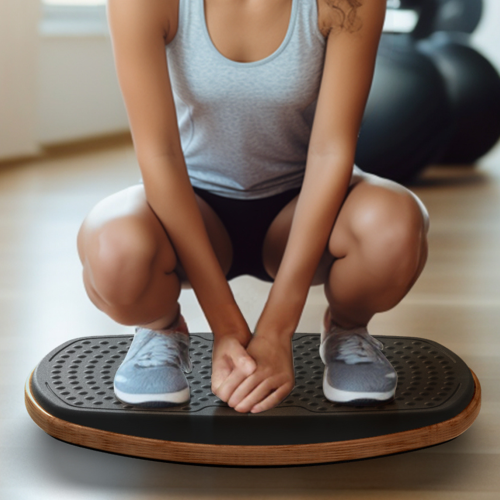
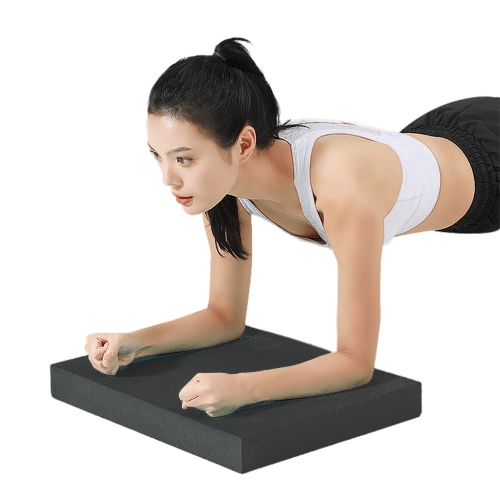
Balance boards can support a range of simple exercises, although they should be introduced gradually and performed with control. To practise basic balance, place the board on a clear, level surface, stand with your feet about shoulder-width apart and keep your knees softly bent rather than locked. Hold a wall, sturdy chair or countertop at first, then release your grip as confidence improves. The aim is to make smooth, measured adjustments while keeping the board from repeatedly striking the floor, not to move as quickly as possible. Once standing feels comfortable, gentle weight shifts can train control from side to side or front to back. On a wobble board, a slow circular movement around the edges can develop awareness of how each direction feels. Other exercises may include supported squats, controlled calf raises, glute bridges with the feet resting on the platform, or modified planks and push-ups with the hands placed on a stable balance surface. These movements can add an extra stability demand to familiar exercises, but they are not a substitute for sound technique, appropriate progression or professional rehabilitation advice. Anyone recovering from an ankle, knee, hip or lower-leg injury should follow guidance from a physician or physical therapist before using a balance board, particularly when pain, swelling or reduced weight-bearing ability is present. Keep the first sessions short, use a clear area away from sharp furniture and avoid placing a board on slippery flooring. Bare feet or well-fitting athletic shoes may provide better control depending on the surface and the manufacturer’s instructions. Children should use balance equipment suited to their age and abilities with close adult supervision, and all users should stop if they feel pain, dizziness or loss of control. A nearby support point, a soft landing area and an uncluttered room can make practice more comfortable, especially when learning on a roller-style board. Balance work can complement strength, mobility and cardiovascular activity, but progress is usually more useful when it is steady and repeatable rather than rushed.
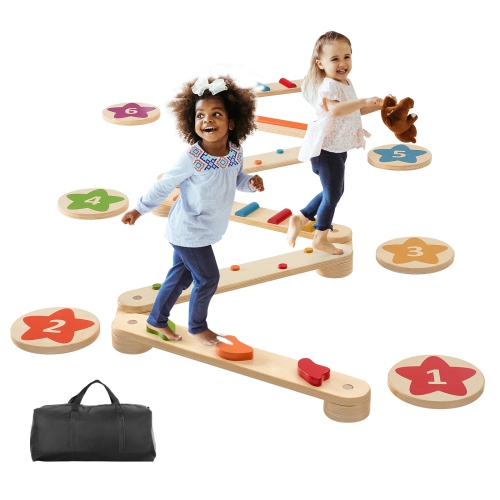
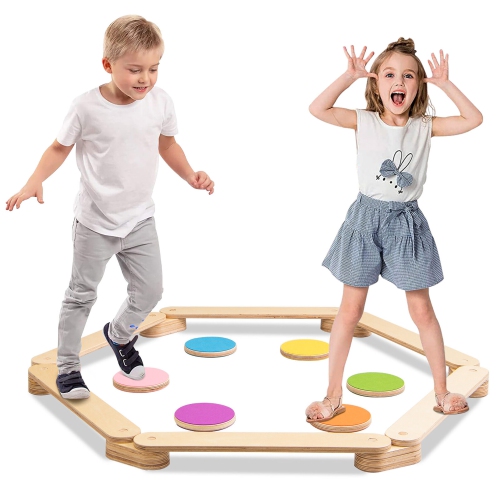
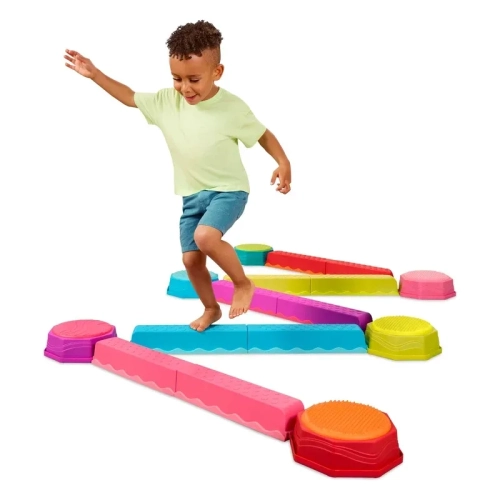
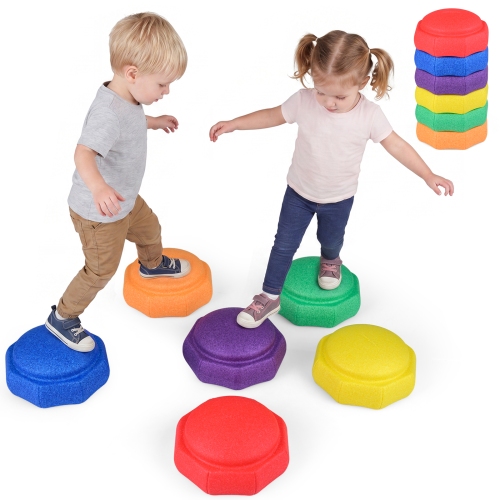
For many people, a balance board is appealing because it turns short pockets of free time into an opportunity to move. A few controlled minutes before a workout can help bring attention to foot placement and posture, while a longer session can be combined with squats, bridges or other bodyweight movements. Board-sport enthusiasts may use one to rehearse weight transfers and body awareness relevant to surfing, snowboarding, skateboarding or similar activities, although a balance board cannot reproduce every condition found on snow, water or pavement. Athletes may appreciate the focused challenge to lower-leg stabilizers, while office workers and people who spend much of the day seated may enjoy using an inflatable pad for brief standing drills or supported movement breaks. It can also be a thoughtful gift for someone setting up a home fitness area, beginning a new training routine or looking for an engaging way to practise coordination indoors as the weather changes. For younger users, balance-focused play can offer an active alternative to screen time when paired with age-appropriate equipment and supervision; families exploring related movement-based toys can also browse Balance Toys. Before choosing, think about whether the recipient would prefer a predictable side-to-side motion, a responsive multi-directional wobble, a rolling challenge or a softer air-filled surface. Consider where it will be used, who will supervise it, whether several people will share it and how easily it can be stored between sessions. A board that matches the user’s ability and intended activity is more likely to become part of a regular routine than one chosen solely for its most advanced features. With sensible precautions, a clear practice area and gradual progression, balance boards can bring focused movement, playful challenge and useful coordination practice to homes throughout the warmer and cooler seasons.
Balance boards can support a range of simple exercises, although they should be introduced gradually and performed with control. To practise basic balance, place the board on a clear, level surface, stand with your feet about shoulder-width apart and keep your knees softly bent rather than locked. Hold a wall, sturdy chair or countertop at first, then release your grip as confidence improves. The aim is to make smooth, measured adjustments while keeping the board from repeatedly striking the floor, not to move as quickly as possible. Once standing feels comfortable, gentle weight shifts can train control from side to side or front to back. On a wobble board, a slow circular movement around the edges can develop awareness of how each direction feels. Other exercises may include supported squats, controlled calf raises, glute bridges with the feet resting on the platform, or modified planks and push-ups with the hands placed on a stable balance surface. These movements can add an extra stability demand to familiar exercises, but they are not a substitute for sound technique, appropriate progression or professional rehabilitation advice. Anyone recovering from an ankle, knee, hip or lower-leg injury should follow guidance from a physician or physical therapist before using a balance board, particularly when pain, swelling or reduced weight-bearing ability is present. Keep the first sessions short, use a clear area away from sharp furniture and avoid placing a board on slippery flooring. Bare feet or well-fitting athletic shoes may provide better control depending on the surface and the manufacturer’s instructions. Children should use balance equipment suited to their age and abilities with close adult supervision, and all users should stop if they feel pain, dizziness or loss of control. A nearby support point, a soft landing area and an uncluttered room can make practice more comfortable, especially when learning on a roller-style board. Balance work can complement strength, mobility and cardiovascular activity, but progress is usually more useful when it is steady and repeatable rather than rushed.
For many people, a balance board is appealing because it turns short pockets of free time into an opportunity to move. A few controlled minutes before a workout can help bring attention to foot placement and posture, while a longer session can be combined with squats, bridges or other bodyweight movements. Board-sport enthusiasts may use one to rehearse weight transfers and body awareness relevant to surfing, snowboarding, skateboarding or similar activities, although a balance board cannot reproduce every condition found on snow, water or pavement. Athletes may appreciate the focused challenge to lower-leg stabilizers, while office workers and people who spend much of the day seated may enjoy using an inflatable pad for brief standing drills or supported movement breaks. It can also be a thoughtful gift for someone setting up a home fitness area, beginning a new training routine or looking for an engaging way to practise coordination indoors as the weather changes. For younger users, balance-focused play can offer an active alternative to screen time when paired with age-appropriate equipment and supervision; families exploring related movement-based toys can also browse Balance Toys. Before choosing, think about whether the recipient would prefer a predictable side-to-side motion, a responsive multi-directional wobble, a rolling challenge or a softer air-filled surface. Consider where it will be used, who will supervise it, whether several people will share it and how easily it can be stored between sessions. A board that matches the user’s ability and intended activity is more likely to become part of a regular routine than one chosen solely for its most advanced features. With sensible precautions, a clear practice area and gradual progression, balance boards can bring focused movement, playful challenge and useful coordination practice to homes throughout the warmer and cooler seasons.
Top selling and popular products
-
 Your price for this item is $109.99
 -
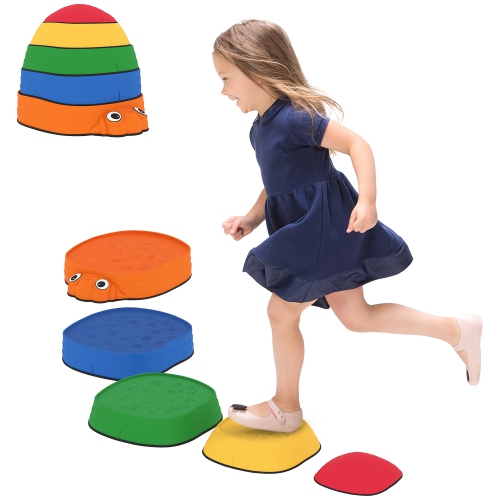 Your price for this item is $26.99
 -
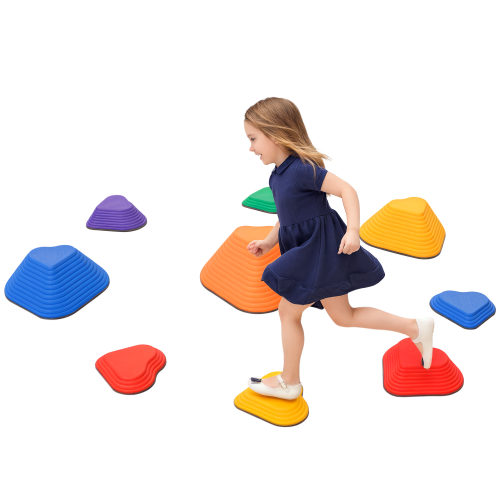 Your price for this item is $39.99
 -
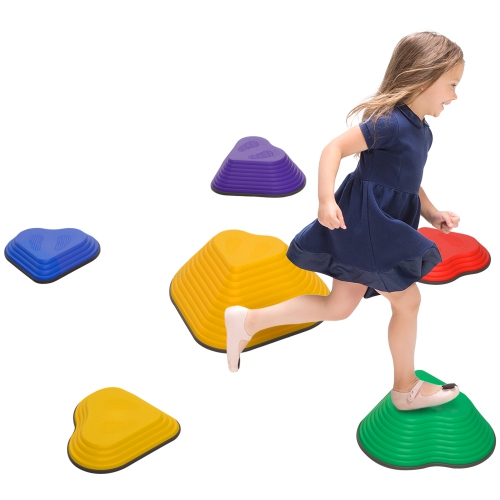 Your price for this item is $29.99
 -
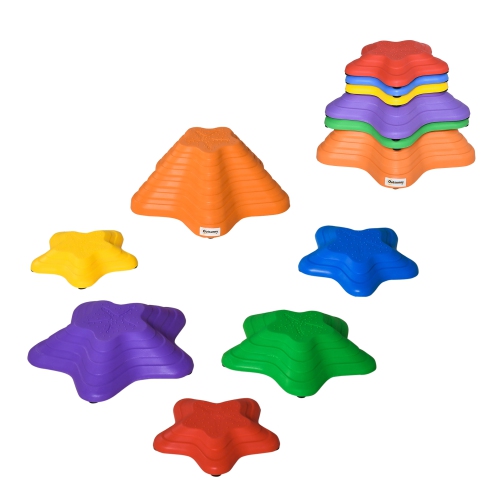 Your price for this item is $33.99
 -
 Your price for this item is $99.99
 -
 Your price for this item is $36.45
 -
 Your price for this item is $36.99
Discover more categories related to Balance Boards
Top Collections:
Pokemon Centers, Kindle Devices, Best Budget Office Chairs, Canon G7X Cameras, Apple iPhones 16, Samsung Galaxy Phones, Refurbished Apple Laptops, Laptops for Students, iPhone 15 Apple, Budget Smartphones
Some products may be subject to Environmental Handling Fees
(EHF) depending on your province.
Learn more about EHFs.