Brain Teasers
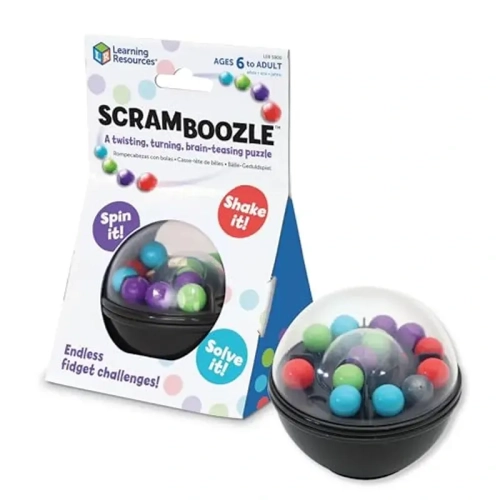
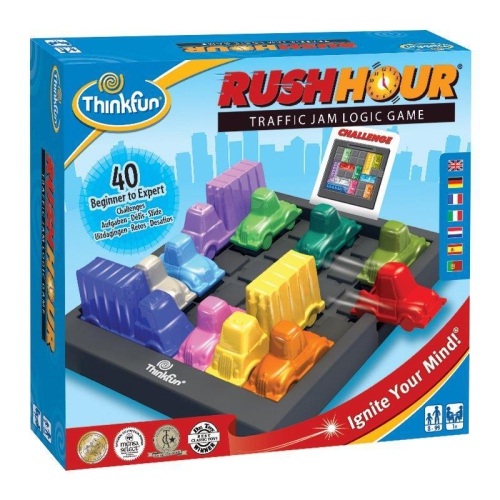
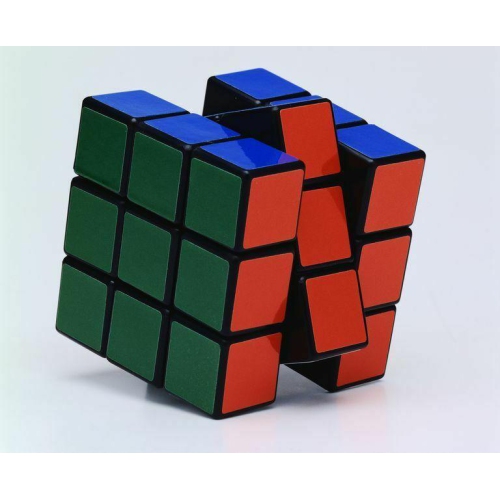
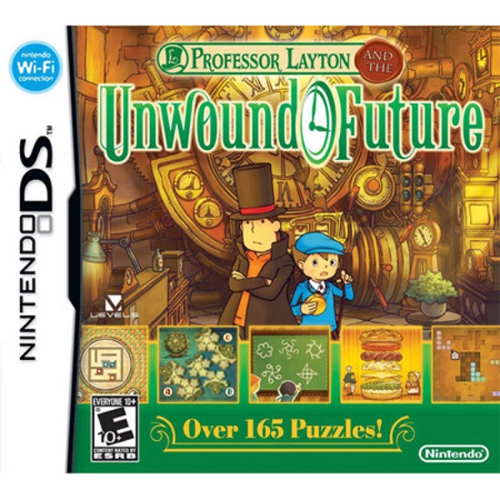
Looking to challenge your mind and have some fun at the same time? Our collection of brain teasers is sure to provide hours of entertainment for all ages. From classic puzzles to mind-bending riddles, these brain teasers are perfect for solo play or enjoying with friends and family. Sharpen your problem-solving skills, boost your memory, and unleash your creativity with our diverse selection of brain teasers. Whether you're a puzzle enthusiast or just looking for a new mental challenge, you'll find something to pique your interest in our range of brain teasers.
Sort
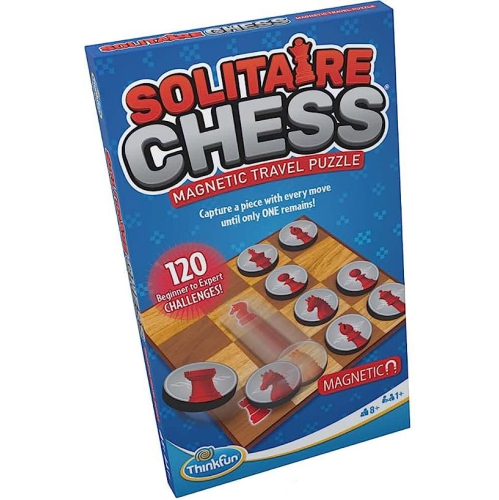
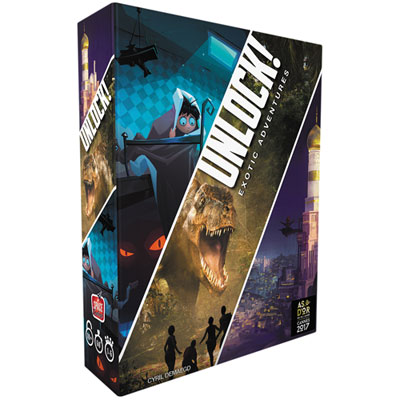
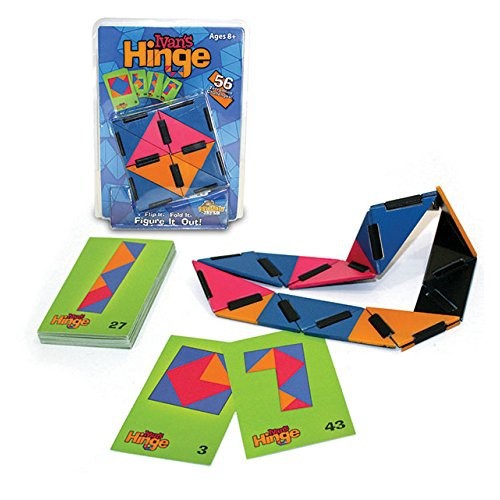
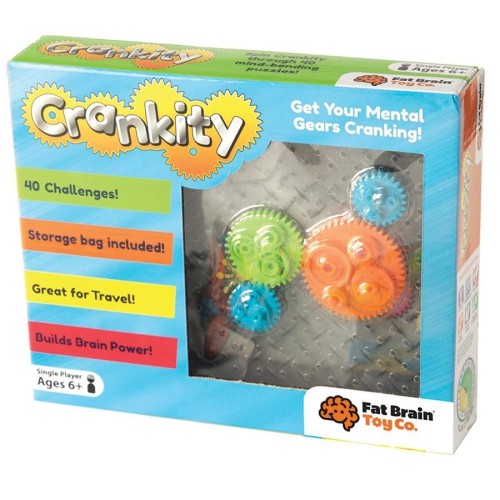

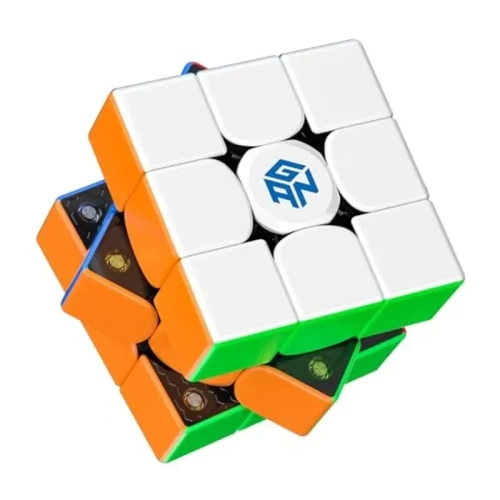
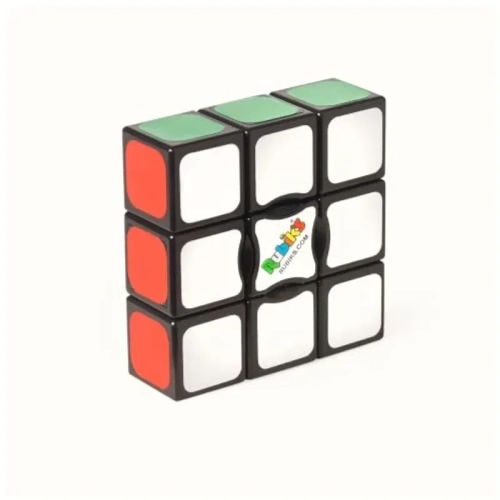
![CITY INTERACTIVE Logic Machines [Nintendo Ds Dsi]](https://multimedia.bbycastatic.ca/multimedia/products/500x500/193/19382/19382554.jpeg)
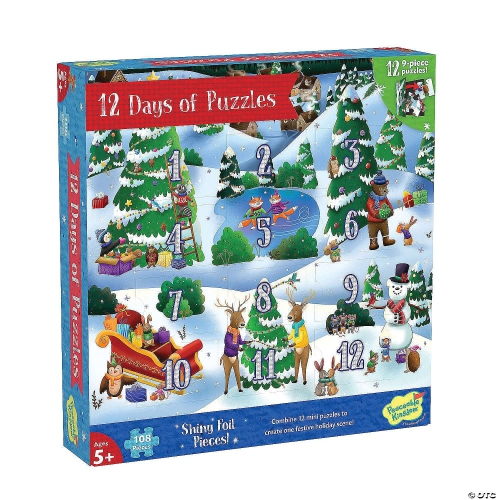
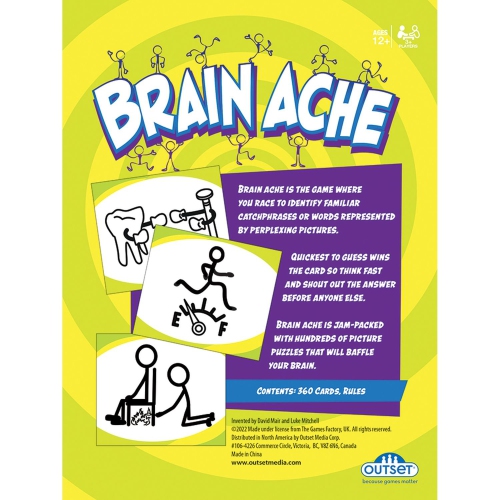
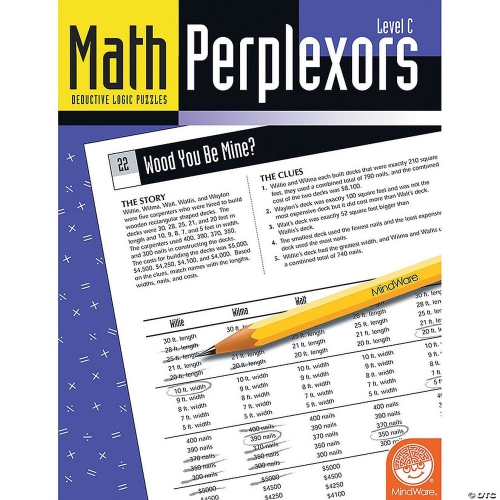
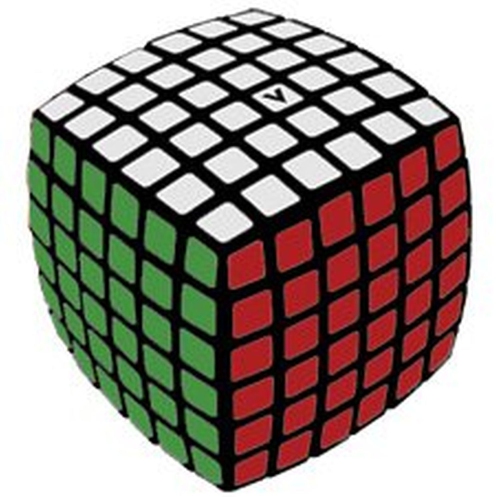
![CLEAR RIVER GAMES Q.u.b.e. - 10Th Anniversary [Nintendo Switch]](https://multimedia.bbycastatic.ca/multimedia/products/500x500/192/19284/19284303.jpeg)
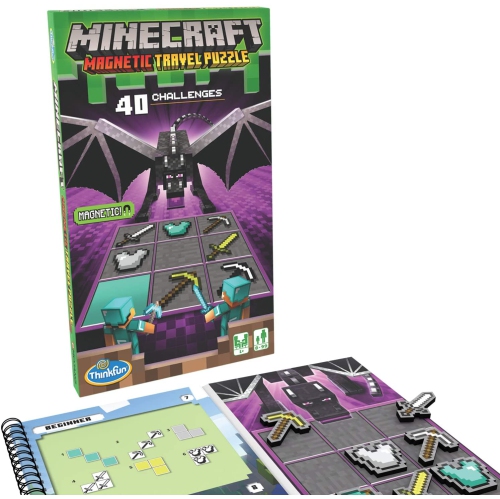
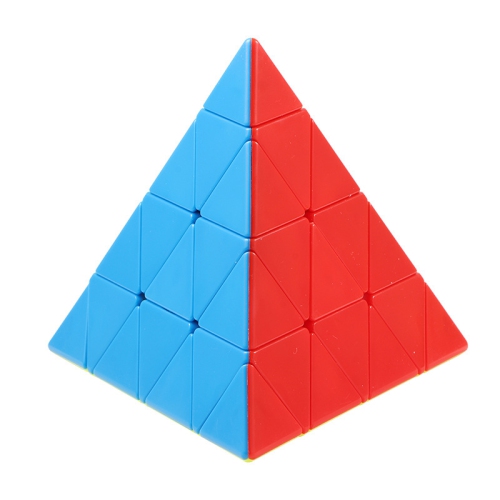
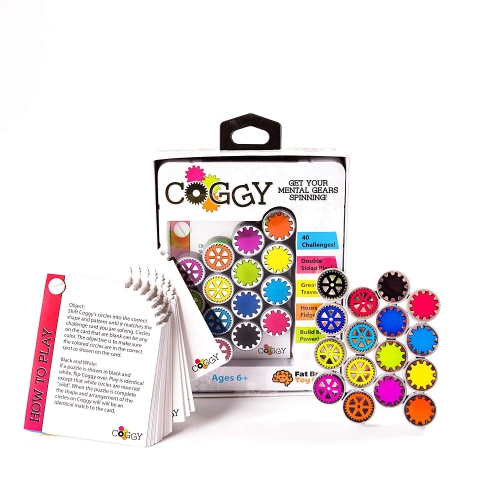

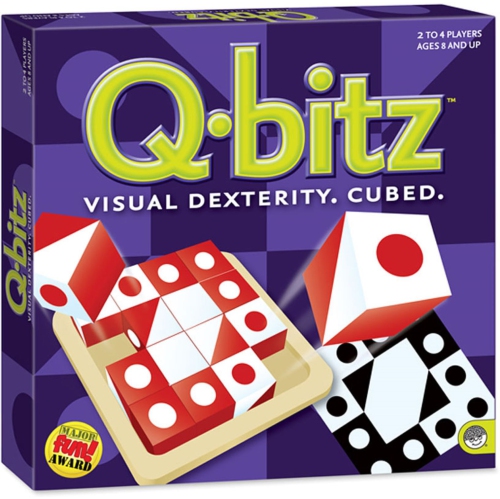
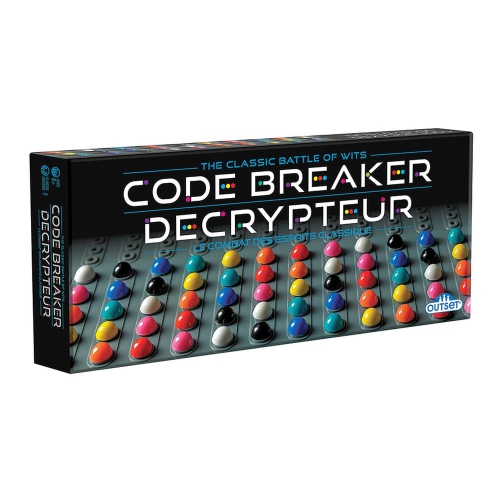
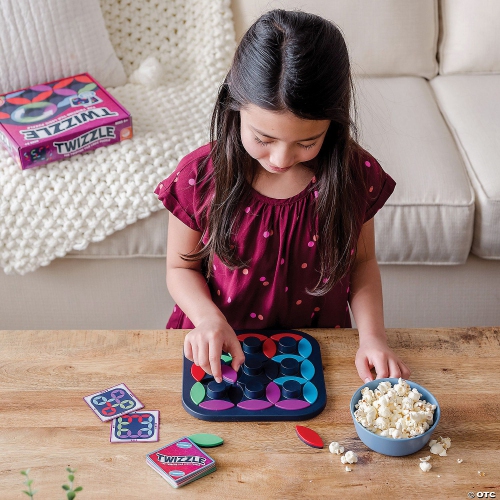
![LIMITED RUN GAMES Q.u.b.e. 10Th Anniversary - Limited Run #506 [Playstation 4]](https://multimedia.bbycastatic.ca/multimedia/products/500x500/192/19284/19284271.jpeg)
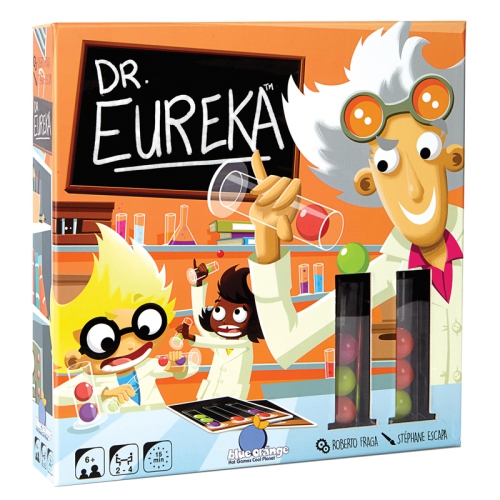
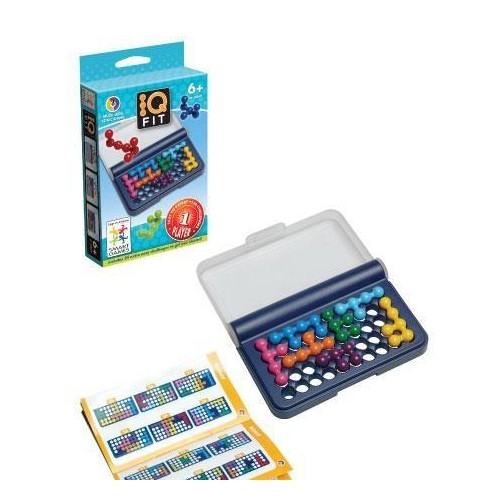
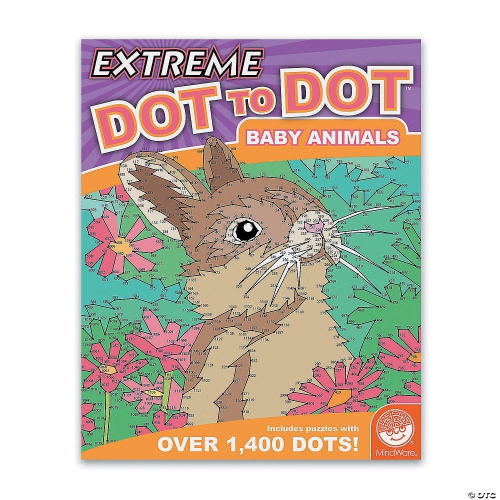
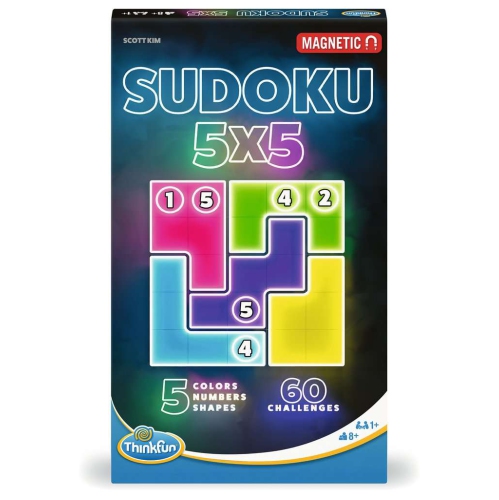
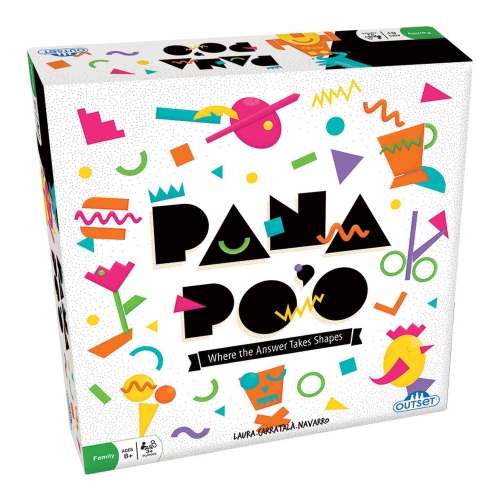
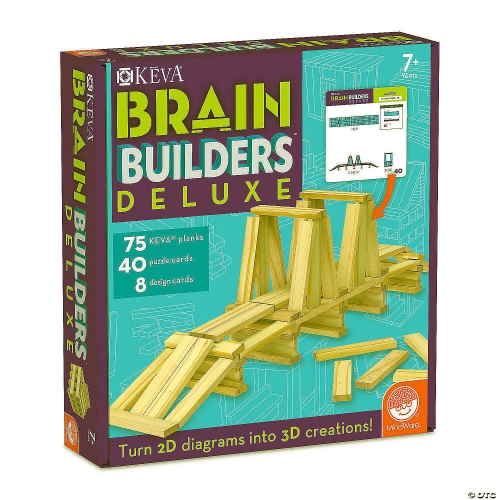
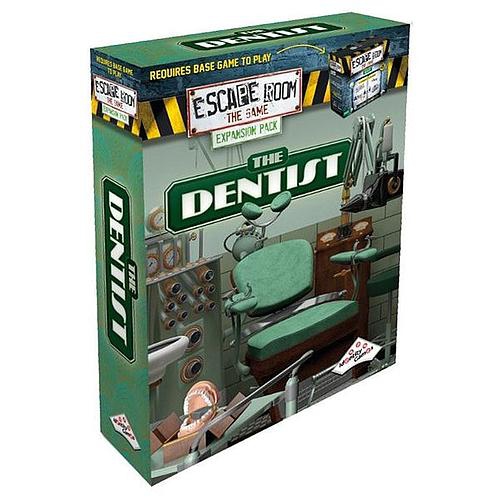
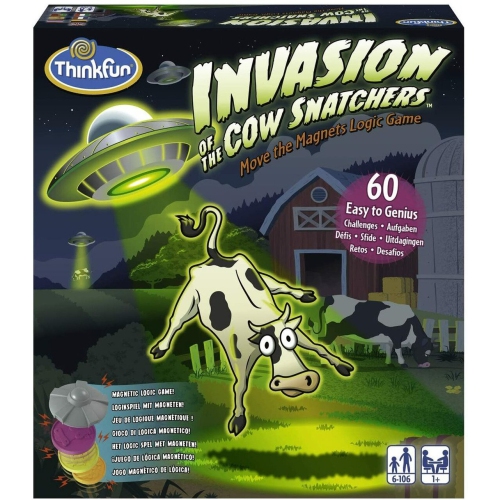

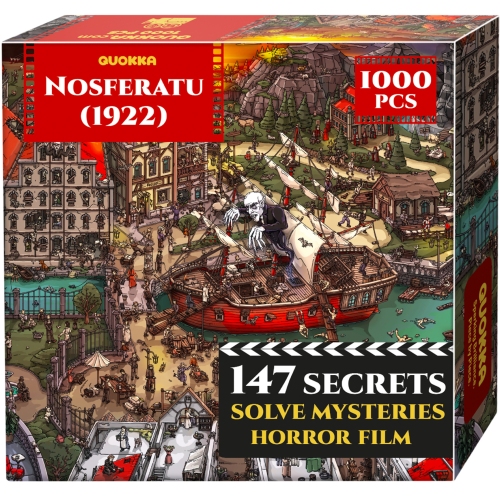
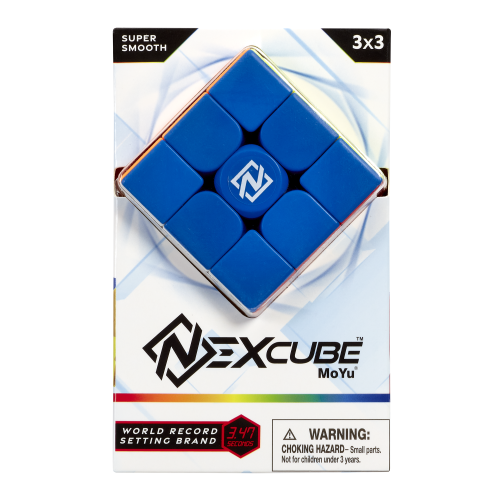
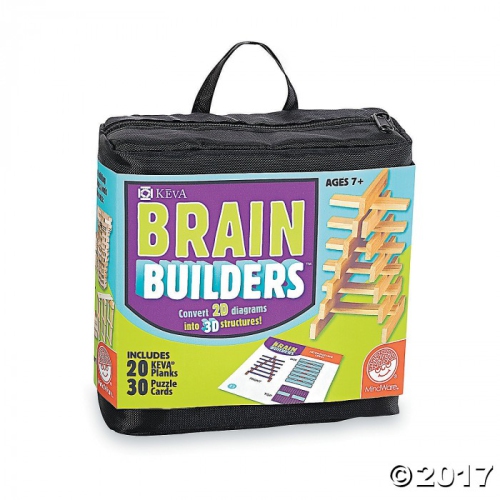
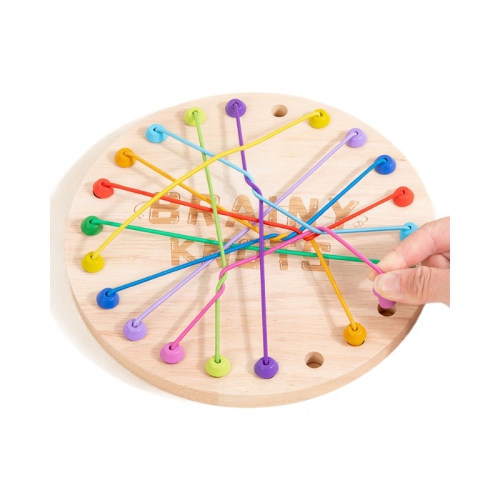
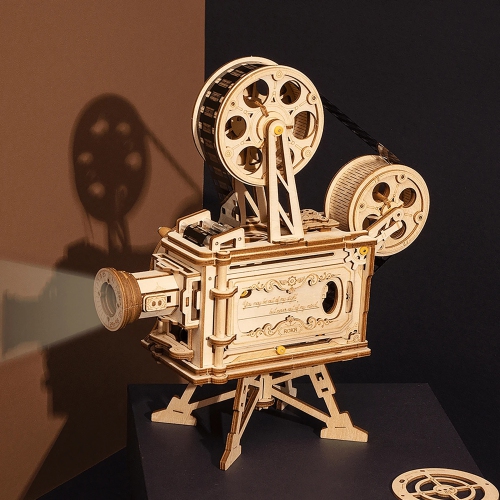
![LIMITED RUN GAMES Q.u.b.e. 10Th Anniversary - Limited Run #055 [Playstation 5]](https://multimedia.bbycastatic.ca/multimedia/products/500x500/192/19284/19284189.jpeg)
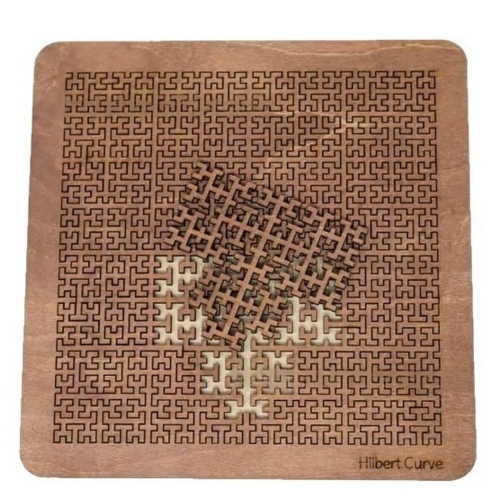
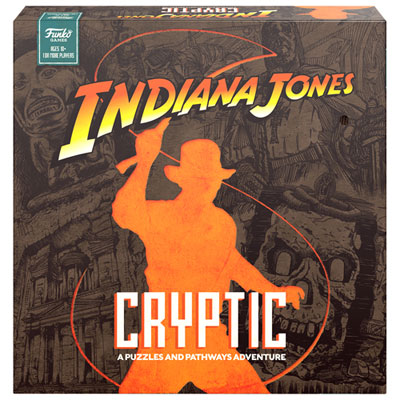
![BRAIN GAMES Deductio [Board Game, 2-4 Players]](https://multimedia.bbycastatic.ca/multimedia/products/500x500/198/19814/19814650.jpeg)
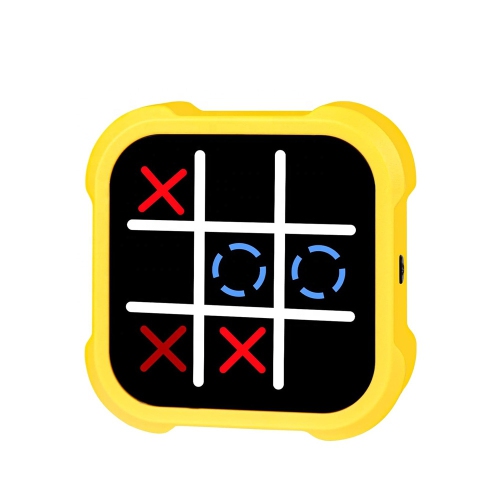
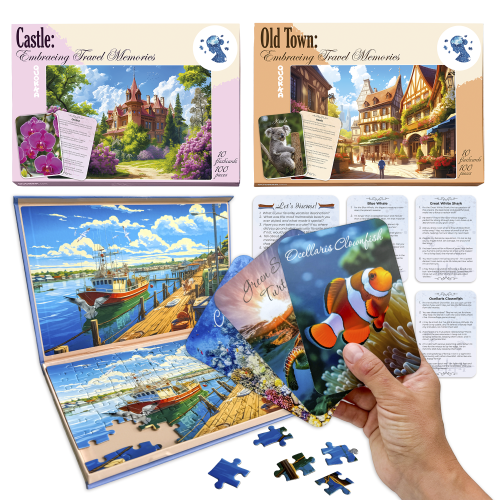
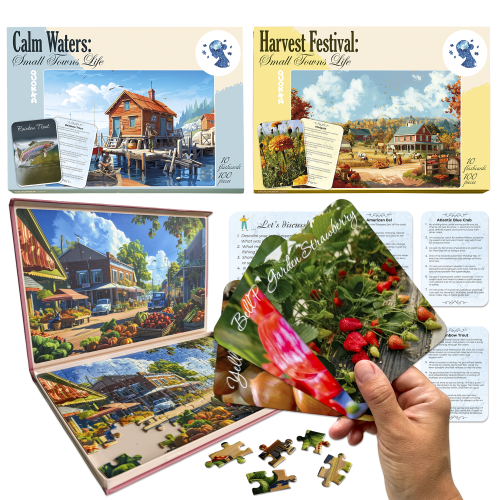
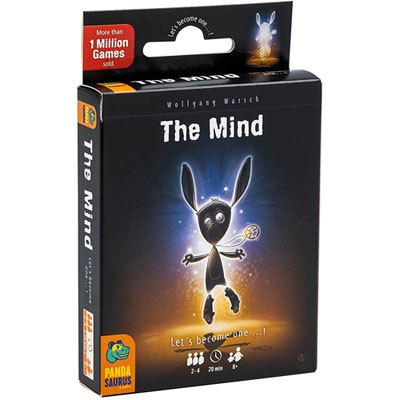
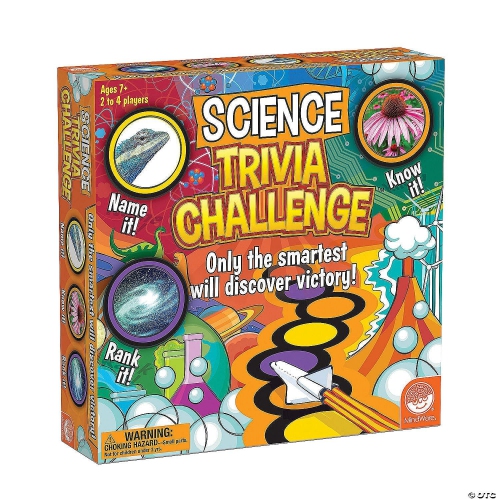
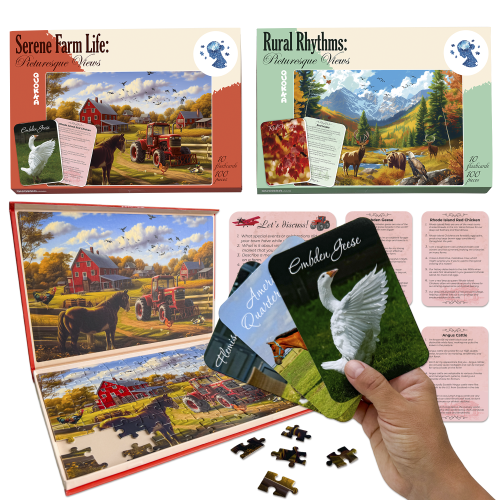
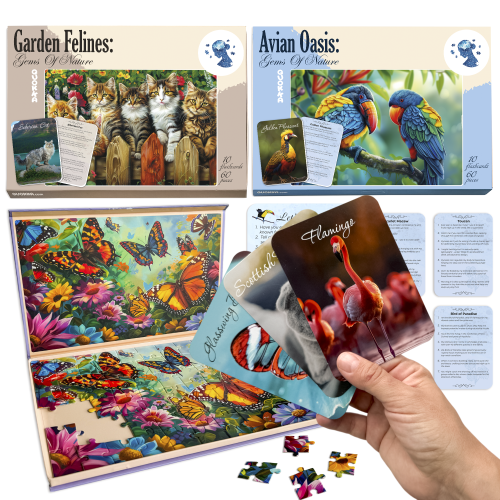
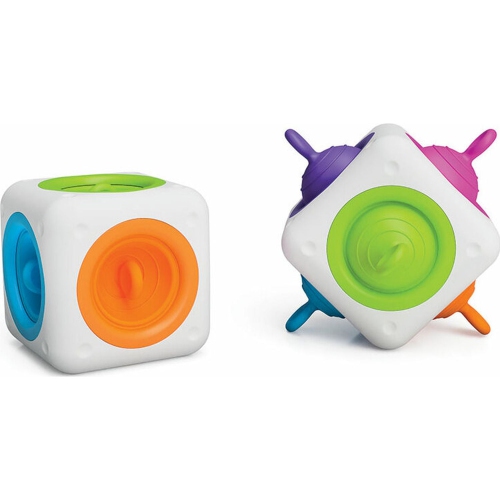
![TESURA GAMES Baobabs Mausoleum: Country Of Woods & Creepy Tales [Nintendo Switch]](https://multimedia.bbycastatic.ca/multimedia/products/500x500/197/19776/19776617.jpeg)
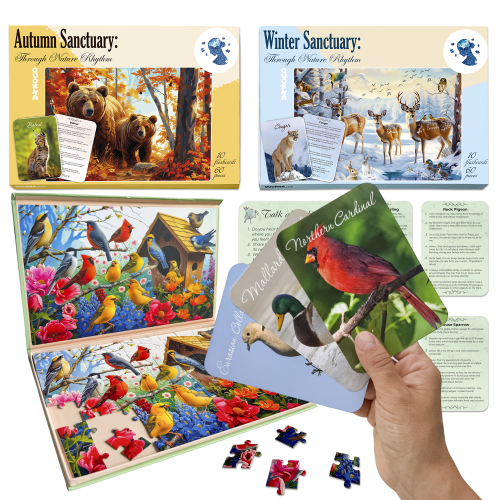
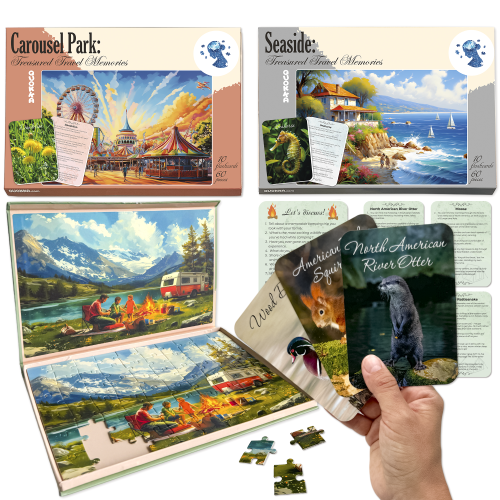
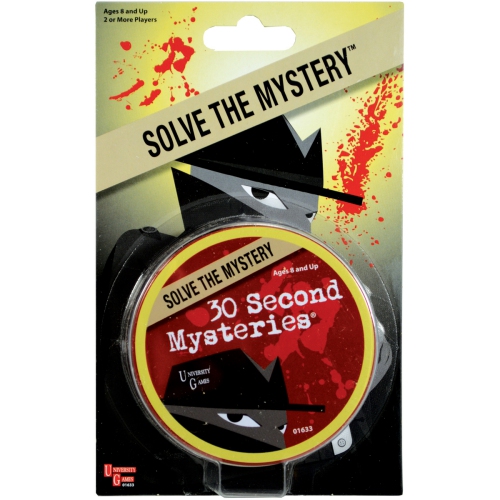
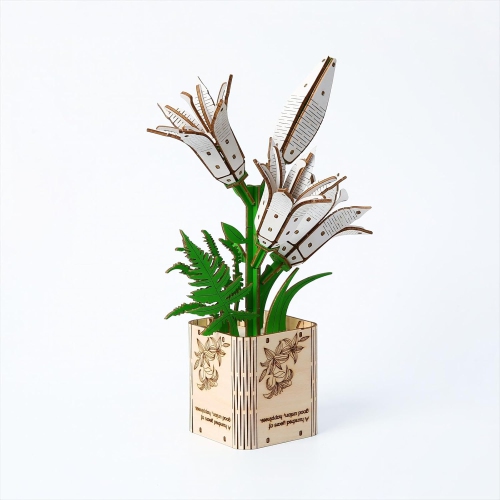
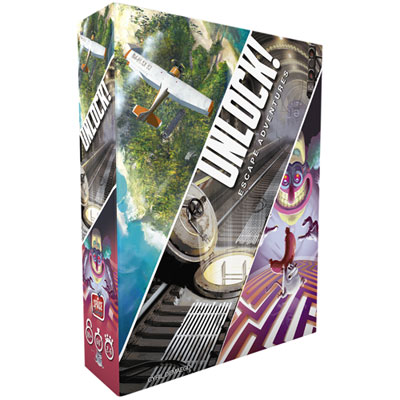
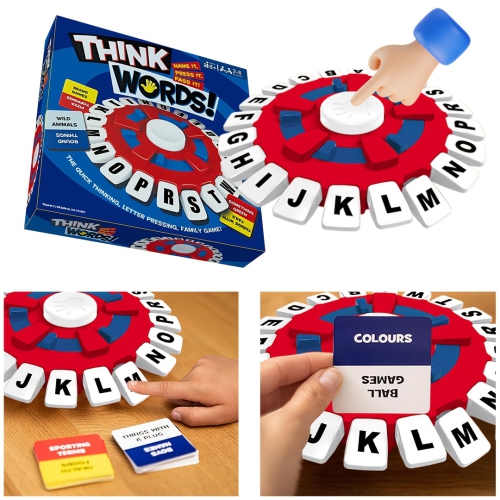
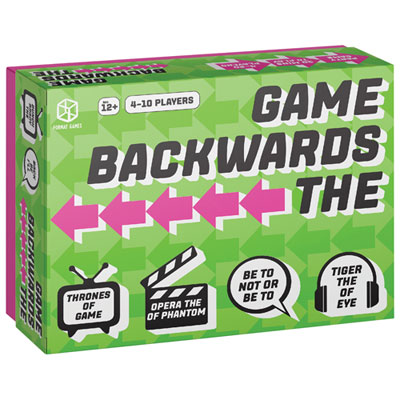
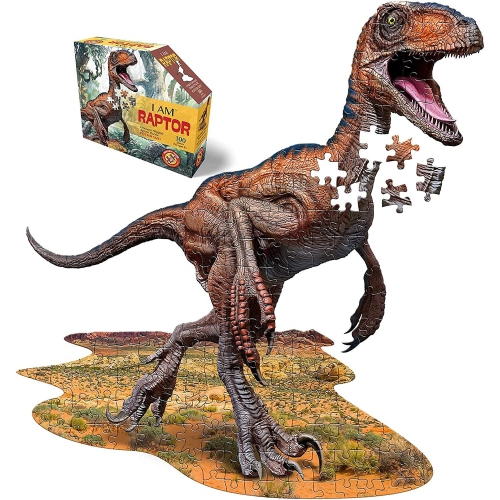
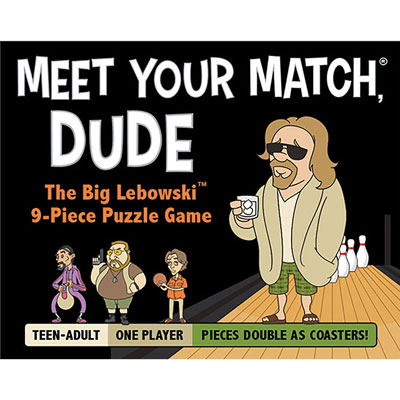
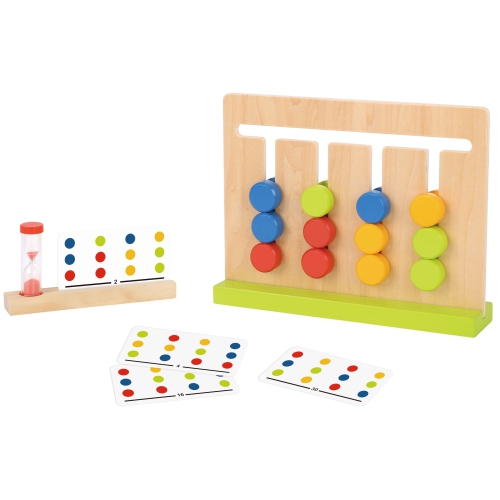
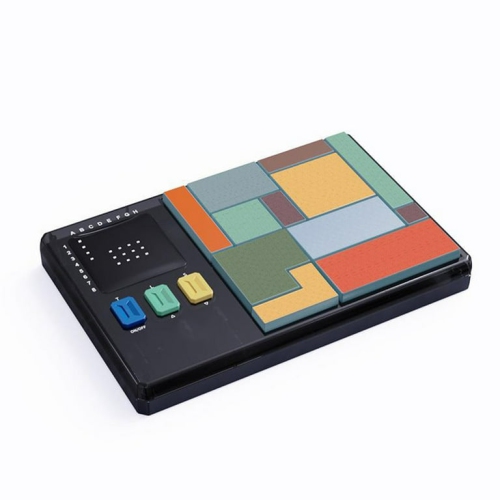
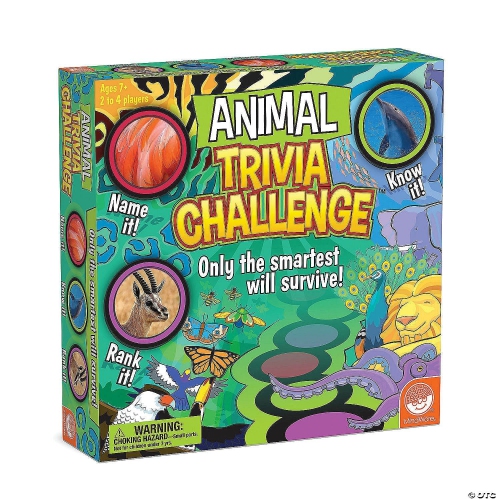
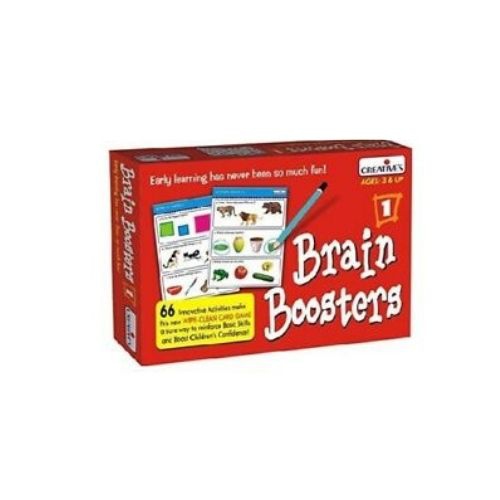
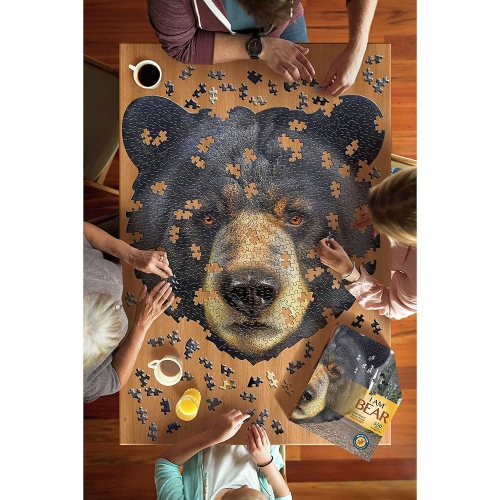
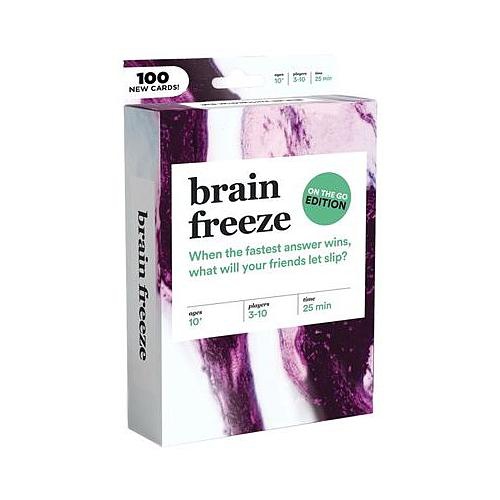
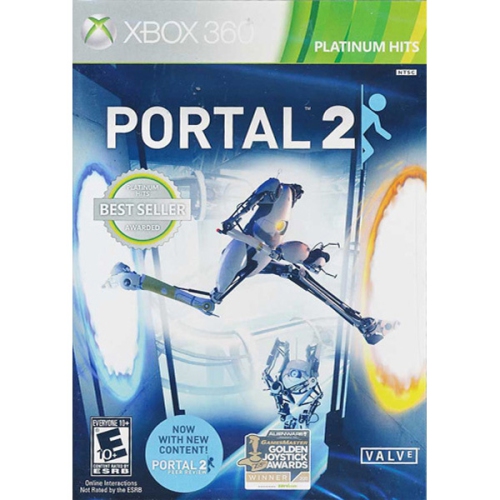
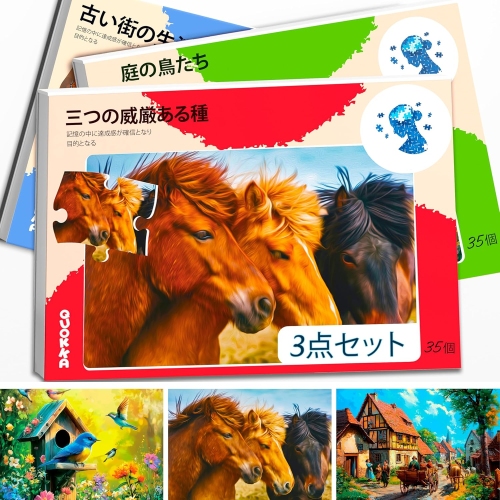
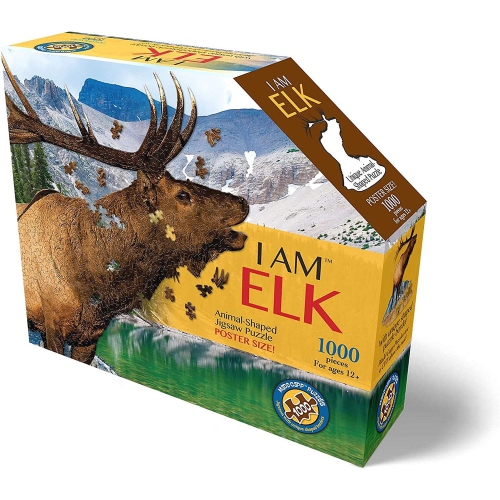
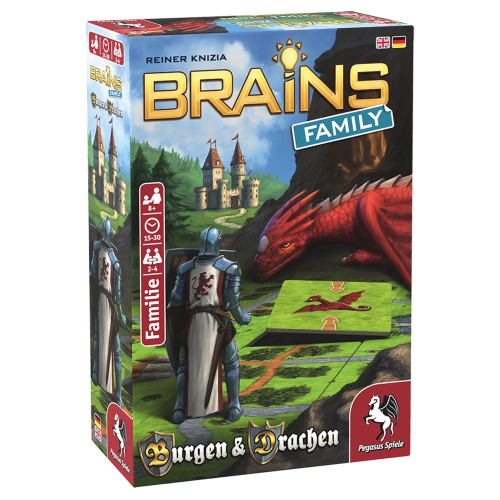
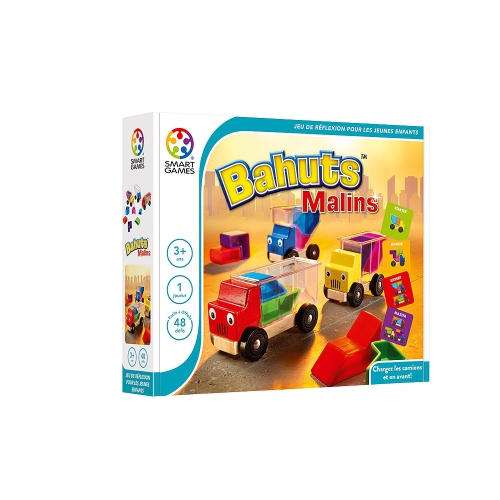
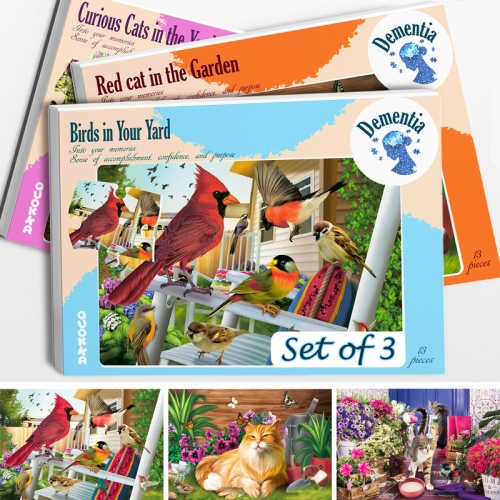
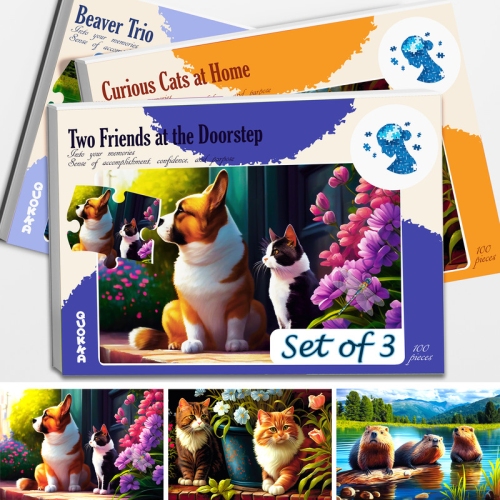
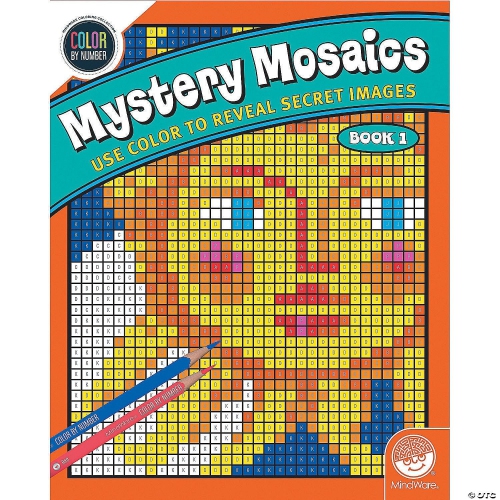
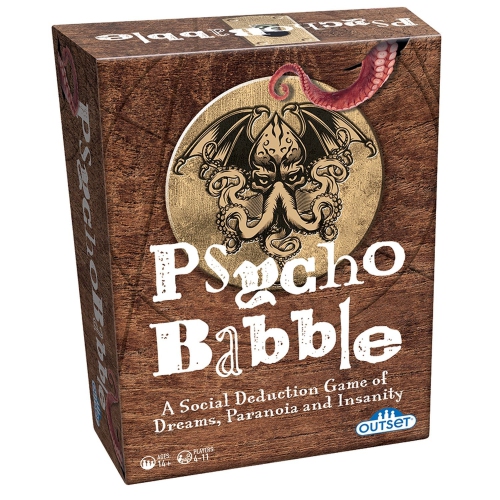
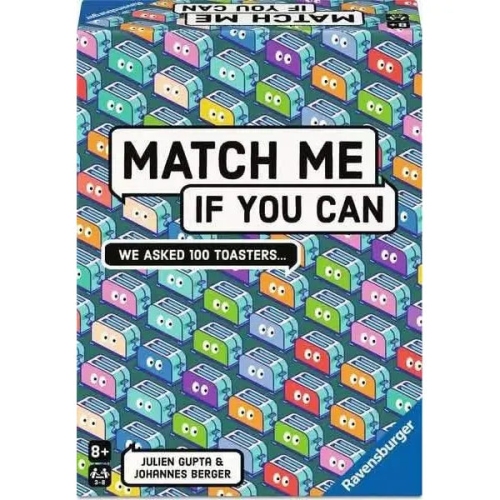
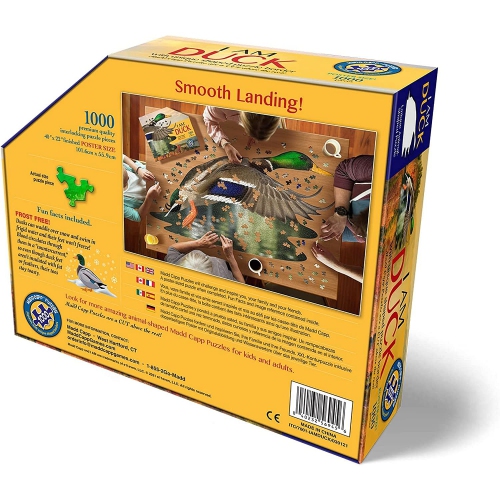
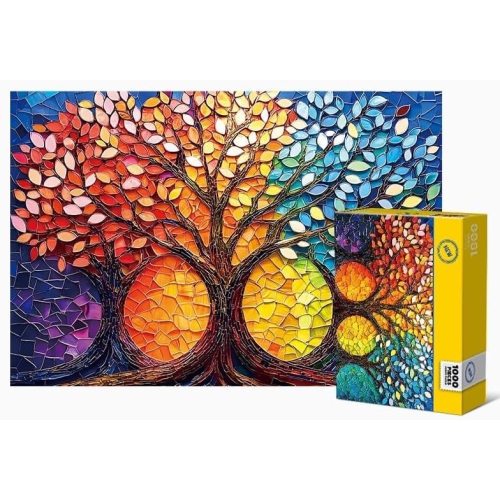
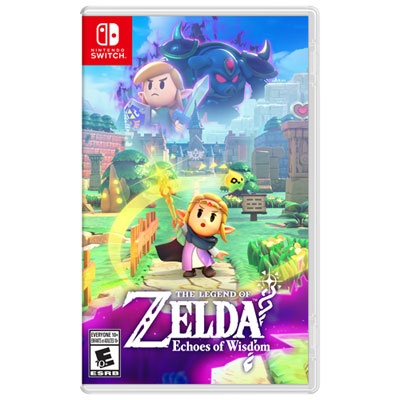
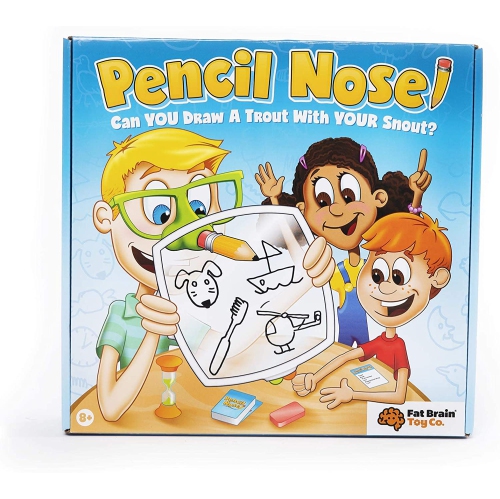
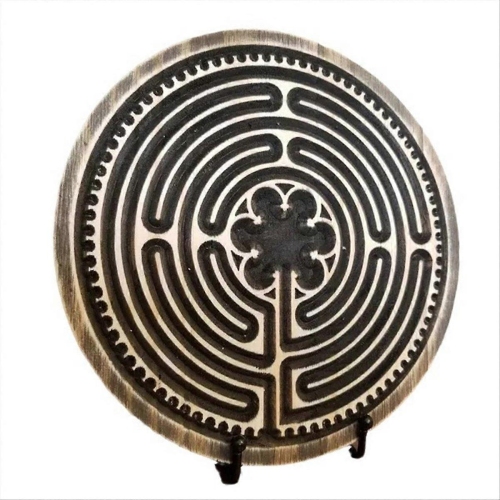

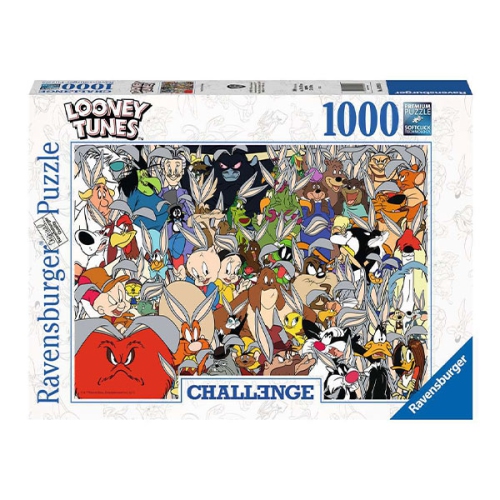
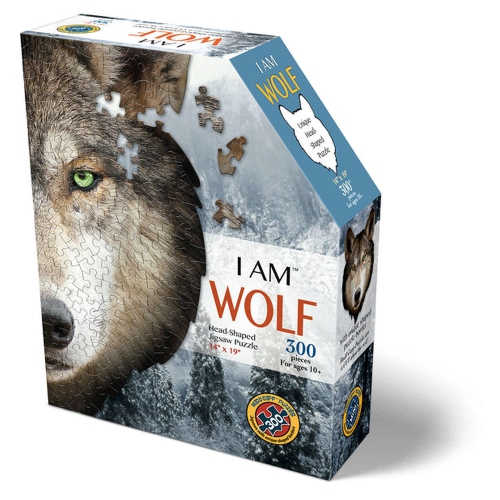
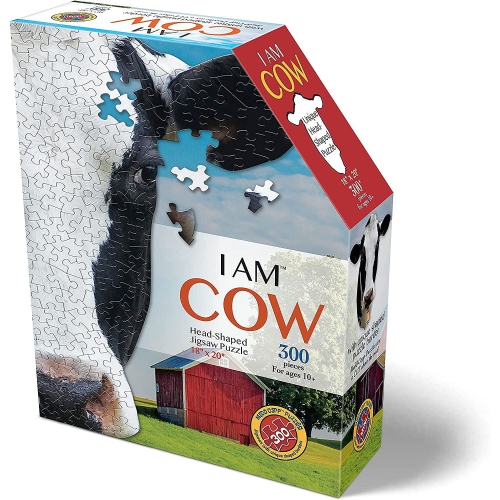
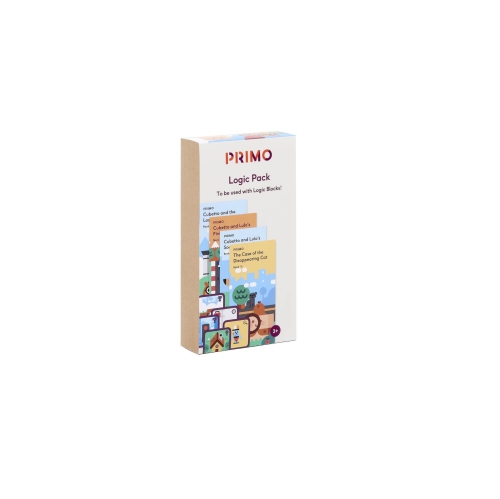
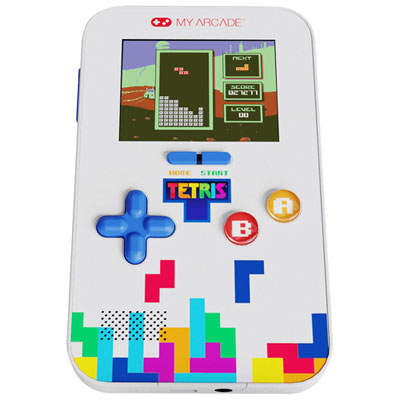
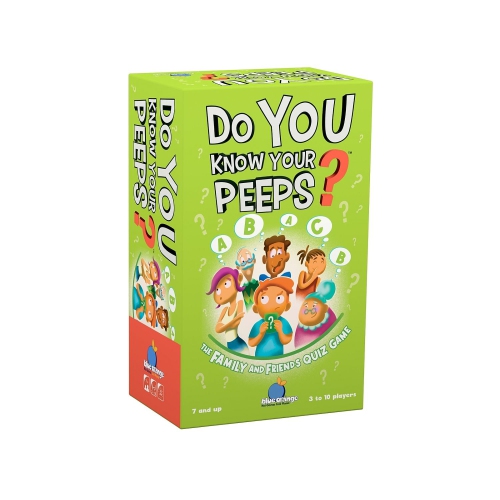
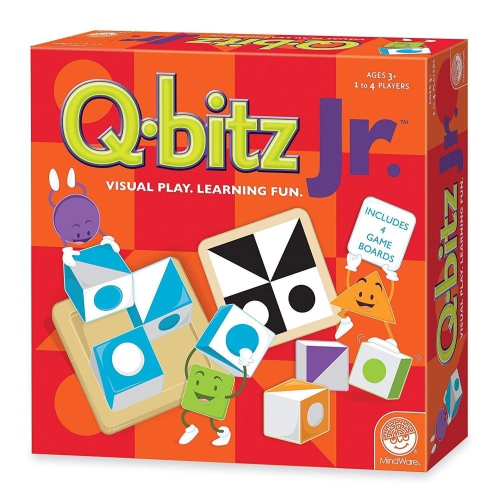



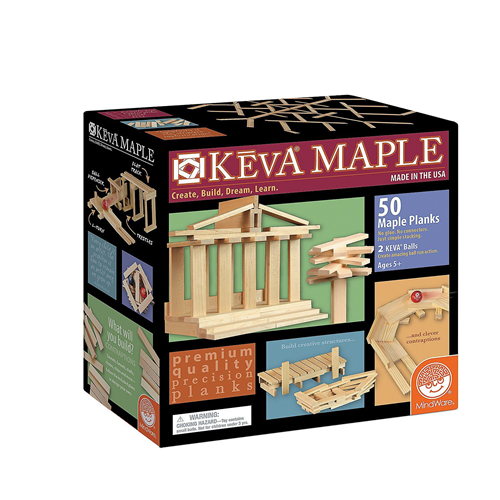

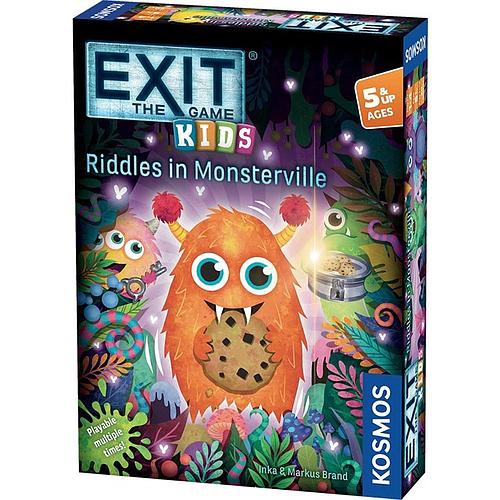
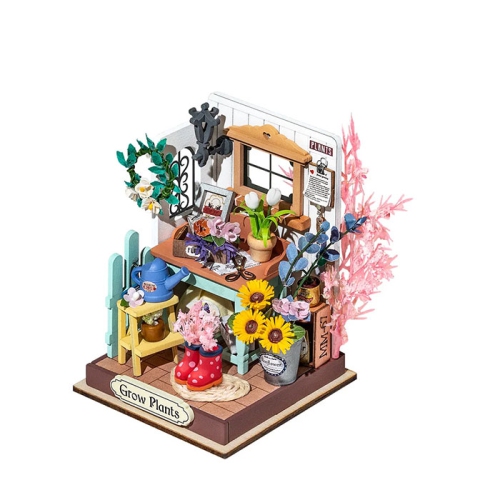
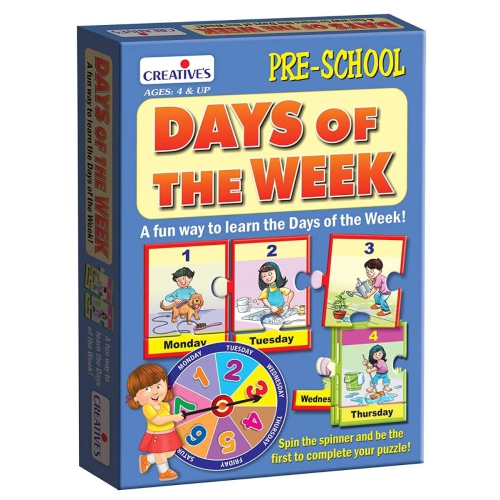
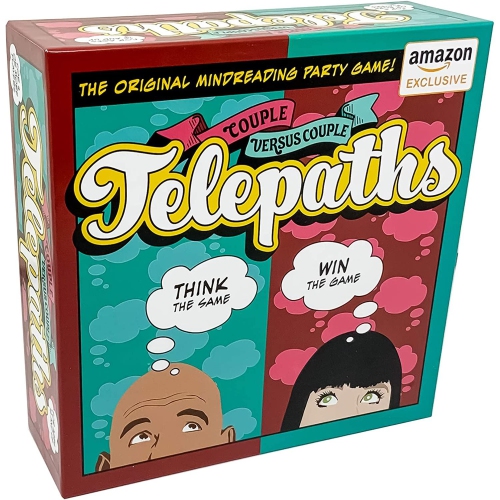
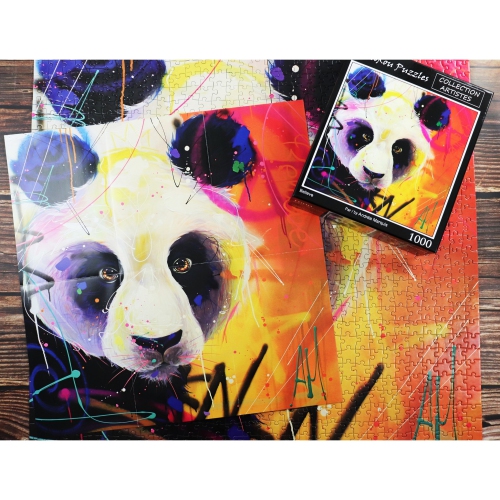
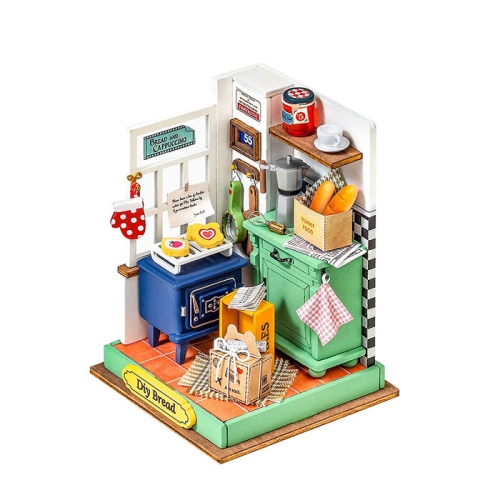
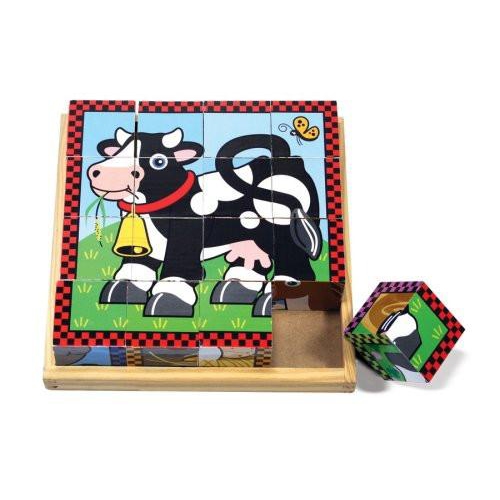
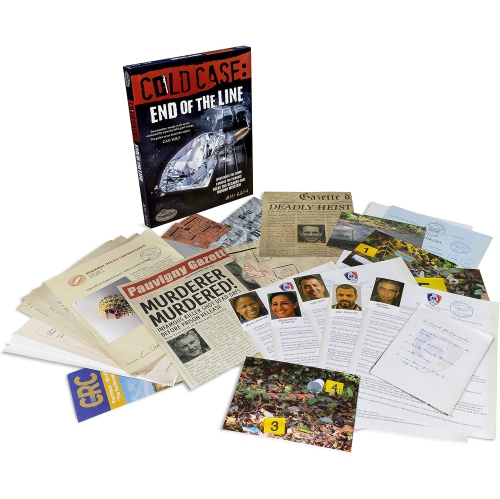



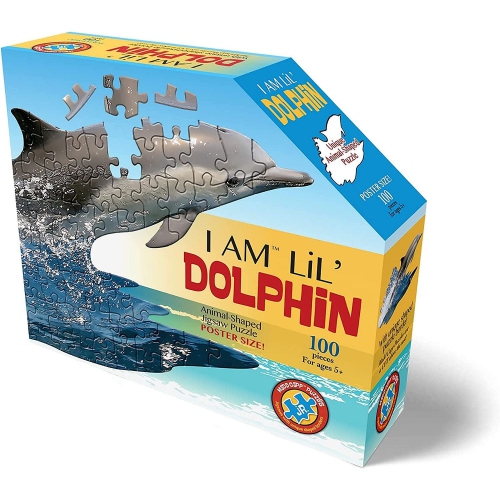
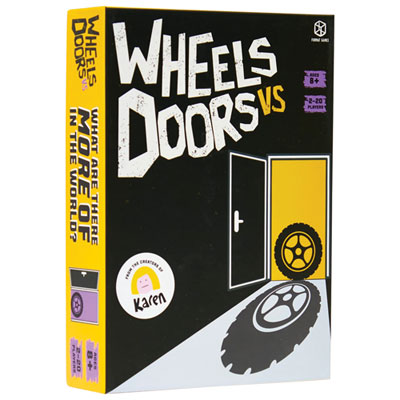
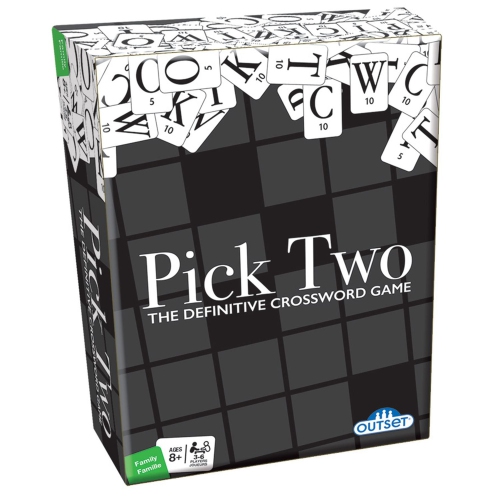
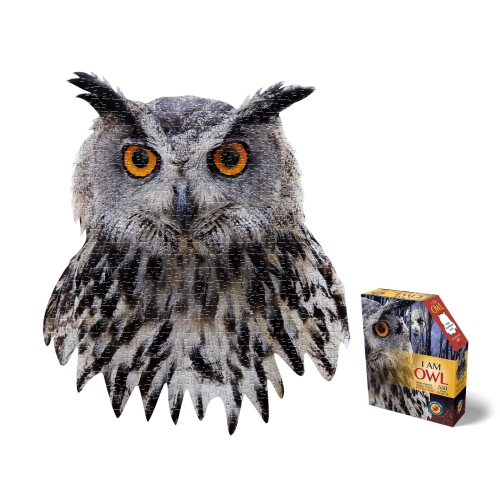
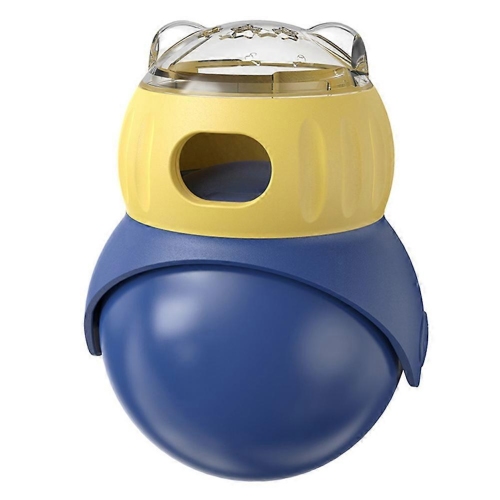
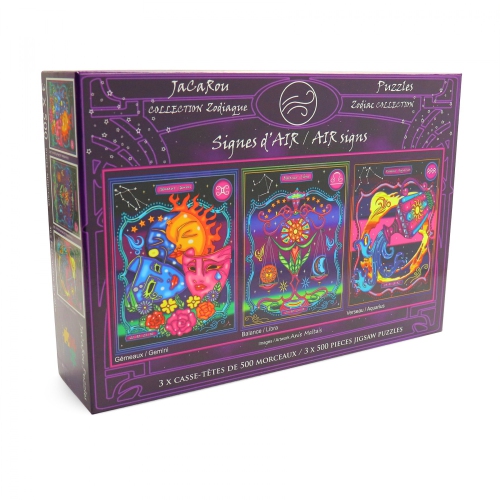
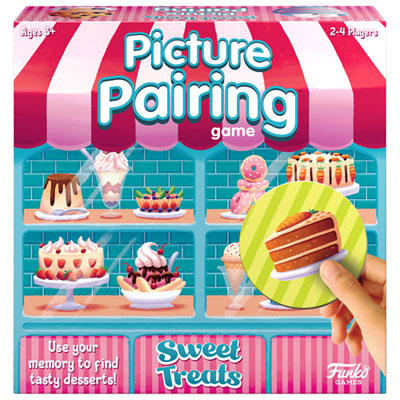
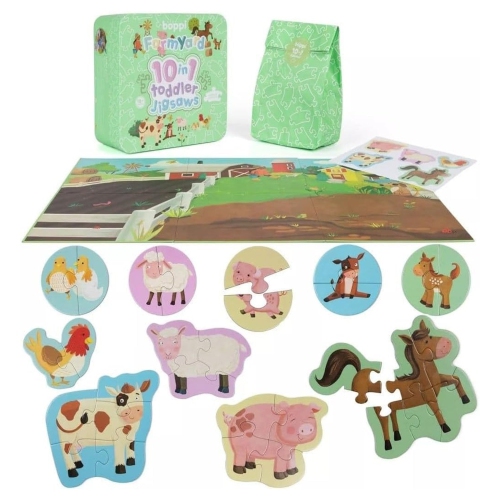
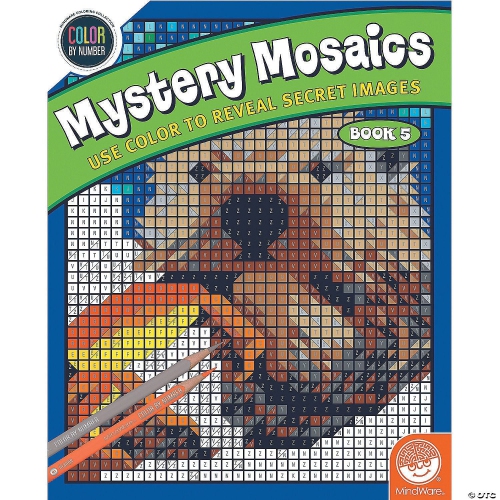
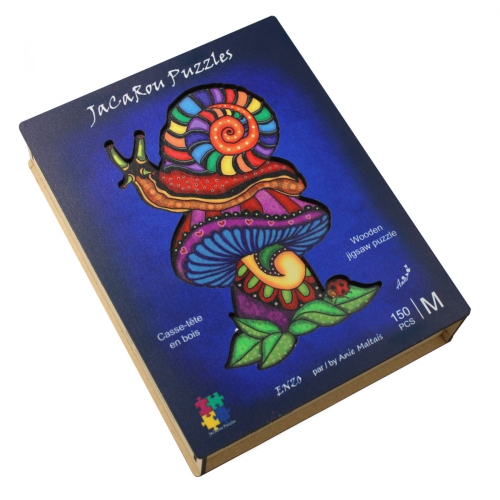
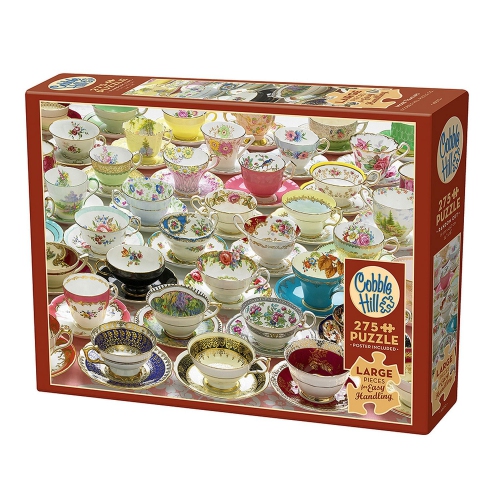
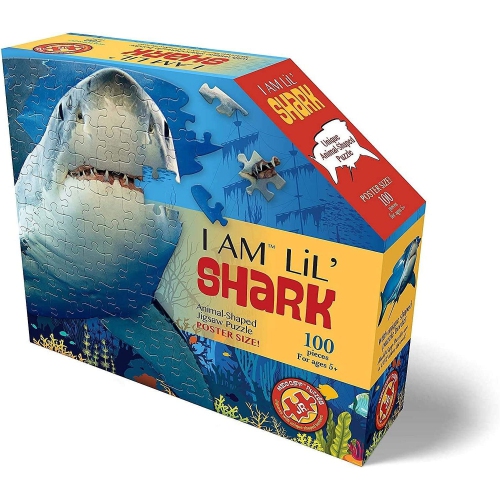
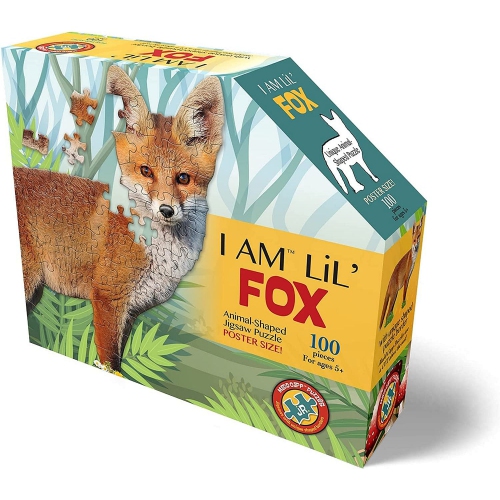
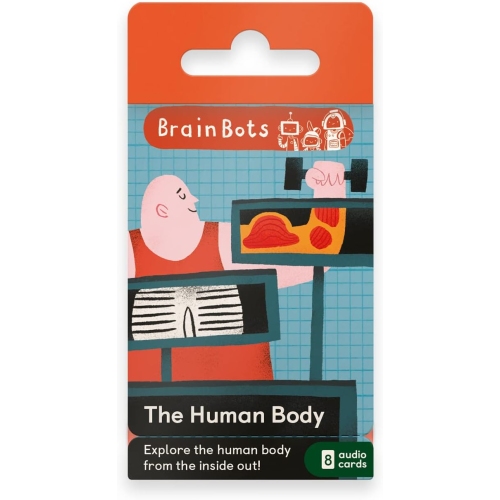
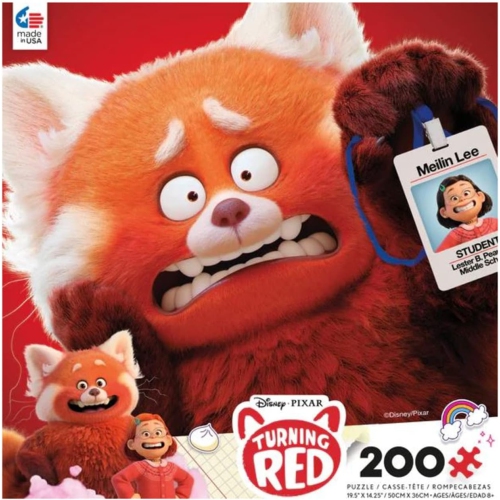
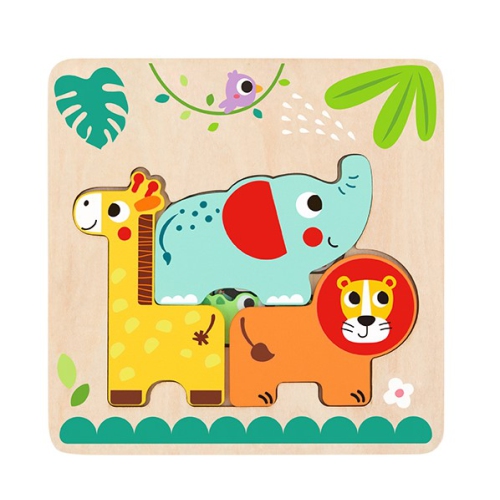


![WISH STUDIOS That's You [Playstation 4] Great game](https://multimedia.bbycastatic.ca/multimedia/products/500x500/152/15263/15263554.jpeg)
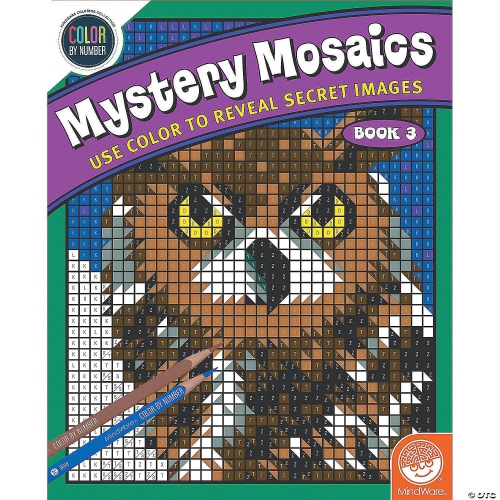

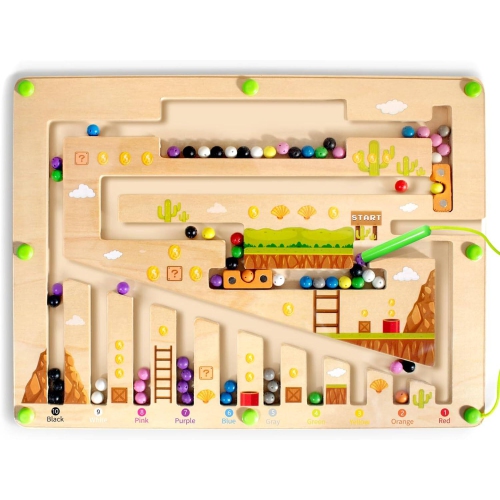
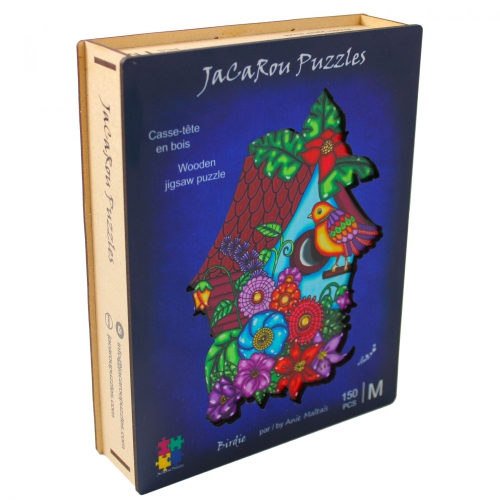
The right challenge can turn spare time into play
Brain teasers are puzzles designed to make ordinary information feel pleasantly unfamiliar. Instead of relying only on memory or speed, they invite lateral thinking, logic, pattern recognition and creative problem-solving. A clue may seem to point in one direction before a small change in wording reveals the intended answer, while a number sequence may require the solver to look for a relationship rather than simply calculate. Common types include riddles with hidden meanings, wordplay challenges, math puzzles, visual puzzles, sequencing problems and deduction-based games. Some ask for a clever answer to a short scenario; others unfold over several steps as players compare clues, eliminate possibilities and test different solutions. This variety makes brain teasers suitable for quiet solo play, shared problem-solving and friendly competition. They can bring a welcome change of pace to a desk, kitchen table or living room, especially during cooler months when people spend more time indoors. A short puzzle can fill a few spare minutes between tasks, while a more involved challenge can become an evening activity with family or friends. For shoppers choosing among brain teasers, the format is an important starting point. Puzzle books and card-based formats are easy to pick up for a quick challenge, while tabletop sets and multi-stage activities may provide a longer session for a group. Digital formats can be convenient for portable play, whereas physical puzzles offer a screen-free option that can be shared at home, on a trip or during a casual gathering.
Difficulty should match the intended solver without removing the opportunity to grow. Beginner-friendly brain teasers often use familiar words, straightforward patterns and clues that offer a clear route towards the answer. Intermediate challenges may combine several clues, include misleading details or require the solver to shift perspective. Advanced puzzles can involve multiple conditions, abstract patterns or solutions that are difficult to see until the final step falls into place. A collection with varied difficulty can work well in a household where several people have different experience levels, allowing younger players, occasional puzzlers and dedicated enthusiasts to find a suitable challenge. Age guidance is also worth checking, particularly when a puzzle includes small pieces, reading-heavy instructions or concepts that depend on more developed numeracy and reasoning skills. For children, look for activities that encourage observation, vocabulary, counting and flexible thinking without making every challenge feel like schoolwork. For teens and adults, word riddles, logic grids, lateral-thinking scenarios and visual problems can offer a more complex mental workout. Players who prefer numbers may enjoy sequences, equations and mathematical reasoning, while those who like language may gravitate towards anagrams, hidden words, double meanings and carefully phrased clues. Visual thinkers may prefer rotation challenges, image-based patterns and optical puzzles. A helpful option for anyone who enjoys deduction is a selection of Logical Puzzles, where each clue contributes to a solution that becomes clearer as possibilities are ruled out.
Brain teasers can also make thoughtful gifts because they are centred on an experience rather than a single use. They suit curious children building confidence with problem-solving, students looking for a break from routine, adults who enjoy keeping their minds active and families who appreciate activities that bring everyone to the same table. When selecting one as a gift, consider the recipient’s interests, patience and preferred social style. Someone who enjoys quiet concentration may appreciate a substantial solo challenge with a range of puzzles to complete at their own pace. A person who likes lively gatherings may prefer a format with short rounds, shared clues or a competitive scoring element. For a household gift, check the suggested player count and whether the activity works equally well with two people or a larger group. Clear instructions, included answer keys and solutions that explain the reasoning can make a real difference, particularly when a puzzle uses a trick interpretation rather than a conventional answer. Storage matters too: compact boxes, bound pages and pieces that stay organized are practical for shelves, drawers, travel bags and occasional use. During the transition from warmer days to cooler weather, brain teasers can be packed for a weekend away, kept on a coffee table for visiting guests or brought out after dinner when conversation naturally turns to games. They also work well as low-pressure activities for mixed-age groups, with one person reading a clue aloud and everyone offering ideas before the answer is revealed. The best choice is one that fits the solver’s interests, available time and preferred level of challenge, while leaving room for that satisfying moment when an unexpected connection finally makes sense.
Difficulty should match the intended solver without removing the opportunity to grow. Beginner-friendly brain teasers often use familiar words, straightforward patterns and clues that offer a clear route towards the answer. Intermediate challenges may combine several clues, include misleading details or require the solver to shift perspective. Advanced puzzles can involve multiple conditions, abstract patterns or solutions that are difficult to see until the final step falls into place. A collection with varied difficulty can work well in a household where several people have different experience levels, allowing younger players, occasional puzzlers and dedicated enthusiasts to find a suitable challenge. Age guidance is also worth checking, particularly when a puzzle includes small pieces, reading-heavy instructions or concepts that depend on more developed numeracy and reasoning skills. For children, look for activities that encourage observation, vocabulary, counting and flexible thinking without making every challenge feel like schoolwork. For teens and adults, word riddles, logic grids, lateral-thinking scenarios and visual problems can offer a more complex mental workout. Players who prefer numbers may enjoy sequences, equations and mathematical reasoning, while those who like language may gravitate towards anagrams, hidden words, double meanings and carefully phrased clues. Visual thinkers may prefer rotation challenges, image-based patterns and optical puzzles. A helpful option for anyone who enjoys deduction is a selection of Logical Puzzles, where each clue contributes to a solution that becomes clearer as possibilities are ruled out.
Brain teasers can also make thoughtful gifts because they are centred on an experience rather than a single use. They suit curious children building confidence with problem-solving, students looking for a break from routine, adults who enjoy keeping their minds active and families who appreciate activities that bring everyone to the same table. When selecting one as a gift, consider the recipient’s interests, patience and preferred social style. Someone who enjoys quiet concentration may appreciate a substantial solo challenge with a range of puzzles to complete at their own pace. A person who likes lively gatherings may prefer a format with short rounds, shared clues or a competitive scoring element. For a household gift, check the suggested player count and whether the activity works equally well with two people or a larger group. Clear instructions, included answer keys and solutions that explain the reasoning can make a real difference, particularly when a puzzle uses a trick interpretation rather than a conventional answer. Storage matters too: compact boxes, bound pages and pieces that stay organized are practical for shelves, drawers, travel bags and occasional use. During the transition from warmer days to cooler weather, brain teasers can be packed for a weekend away, kept on a coffee table for visiting guests or brought out after dinner when conversation naturally turns to games. They also work well as low-pressure activities for mixed-age groups, with one person reading a clue aloud and everyone offering ideas before the answer is revealed. The best choice is one that fits the solver’s interests, available time and preferred level of challenge, while leaving room for that satisfying moment when an unexpected connection finally makes sense.
Top selling and popular products
-
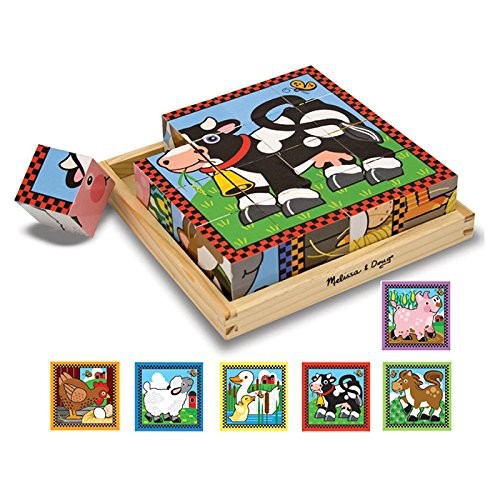 Your price for this item is $32.99
 -
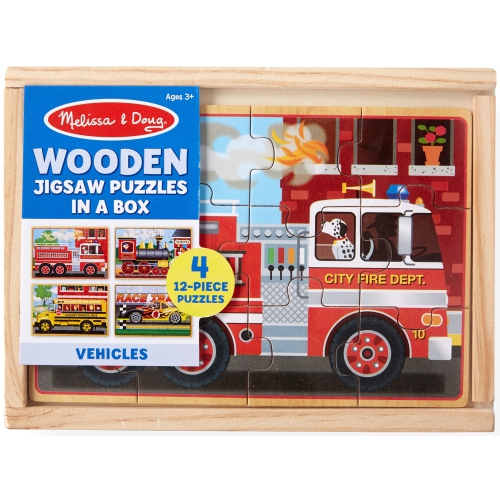 Your price for this item is $35.99
 -
 Your price for this item is $30.99
 -
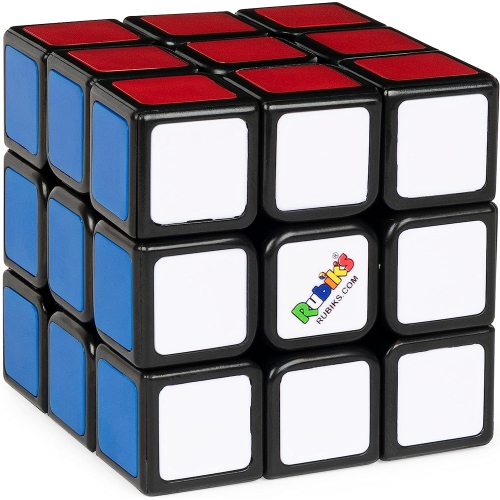 Your price for this item is $26.93
 -
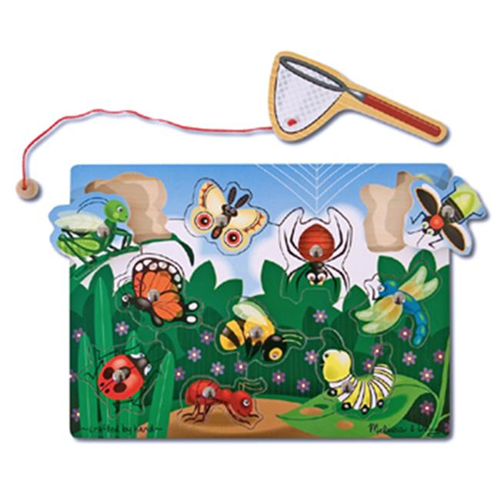 Your price for this item is $29.99
 -
 Your price for this item is $36.99
 -
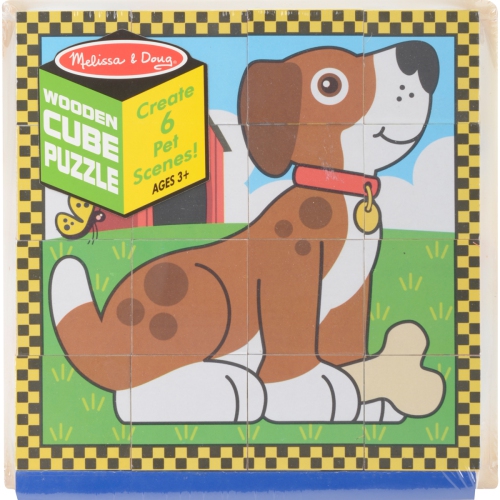 Your price for this item is $32.99
 -
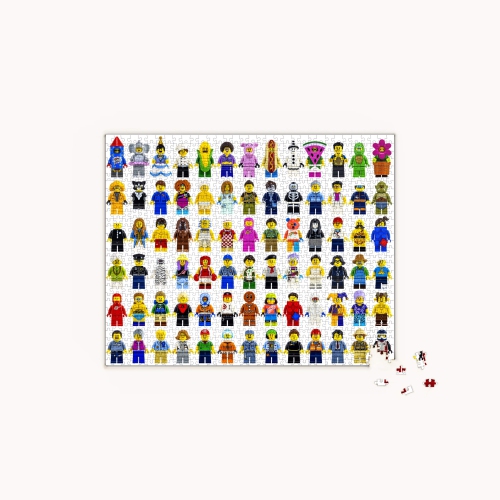 Your price for this item is $34.9
Discover more categories related to Brain Teasers
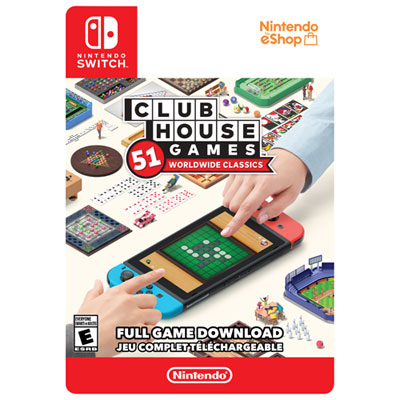
Top Collections:
Pokemon Centers, Kindle Devices, Best Budget Office Chairs, Canon G7X Cameras, Apple iPhones 16, Samsung Galaxy Phones, Refurbished Apple Laptops, Laptops for Students, iPhone 15 Apple, Budget Smartphones
Some products may be subject to Environmental Handling Fees
(EHF) depending on your province.
Learn more about EHFs.