Riddle Puzzles
Unlock a world of mystery and mental exercise with an intriguing selection of riddle puzzles. Perfect for sharpening your mind and providing hours of entertainment, these puzzles are designed to challenge and delight puzzle enthusiasts of all ages. Whether you're looking to test your problem-solving skills or simply enjoy a fun brain workout, you'll find a variety of riddles that cater to every level of expertise. Dive into the captivating realm of riddles and experience the satisfaction of unraveling each enigma, making them an ideal choice for solo challenges or group fun.
Sort
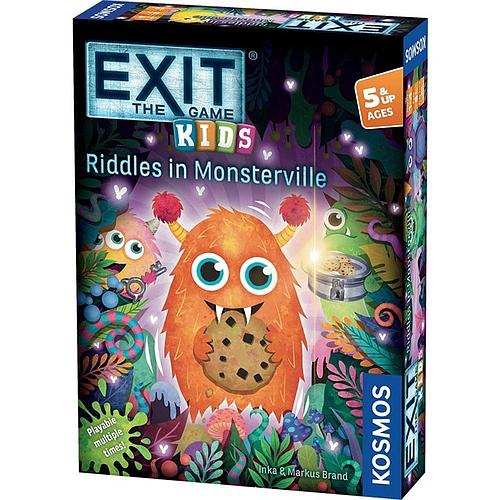
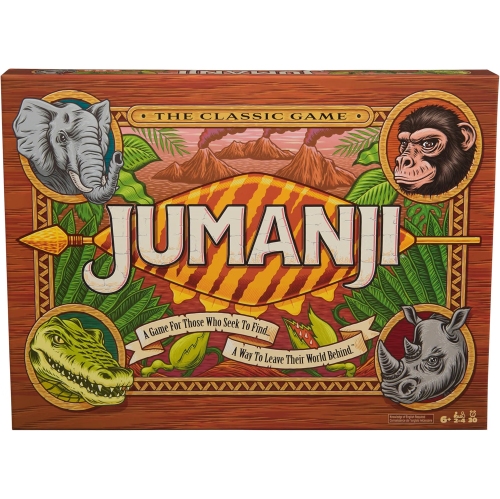
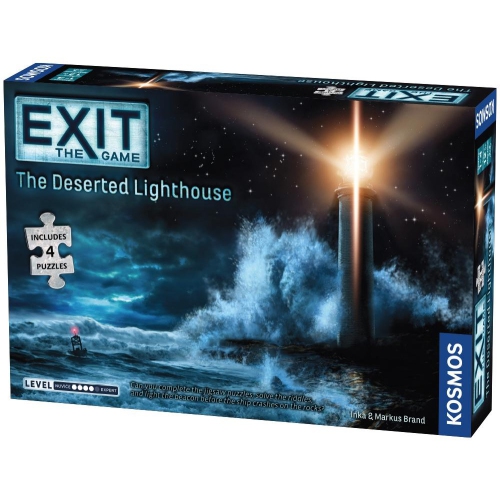
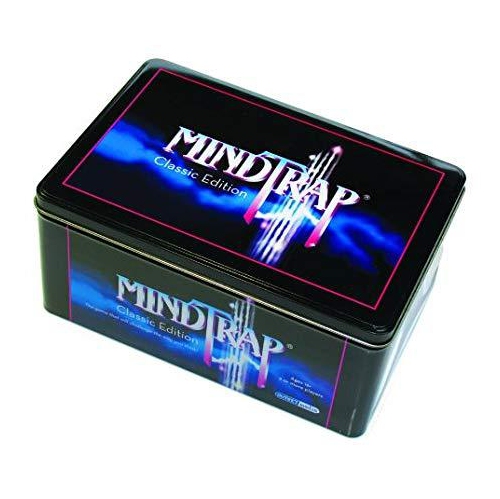

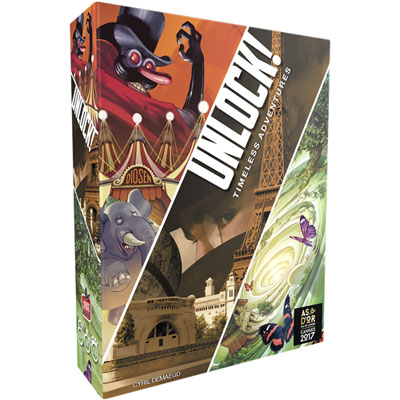
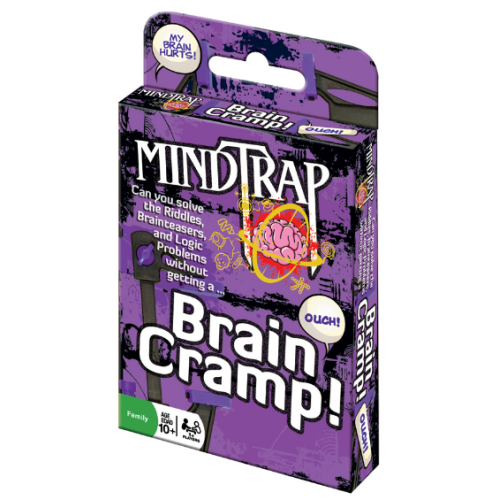
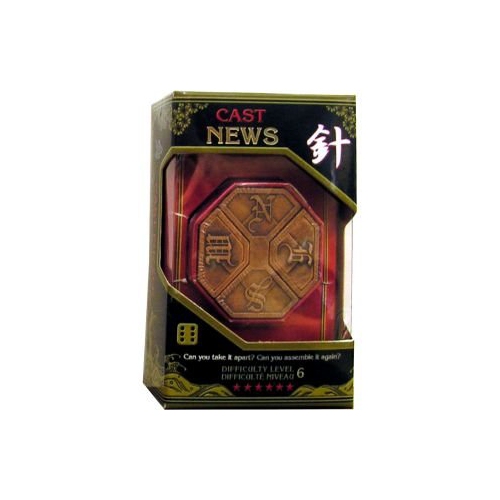
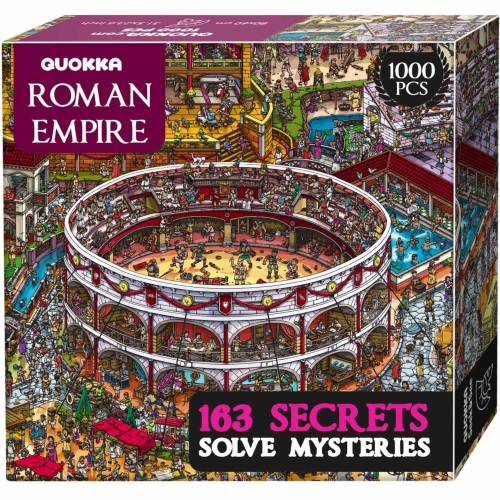
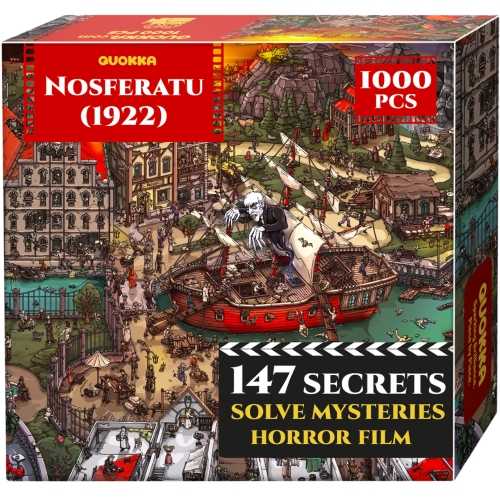
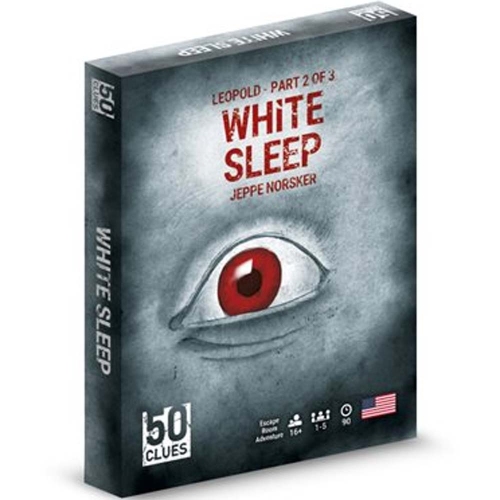
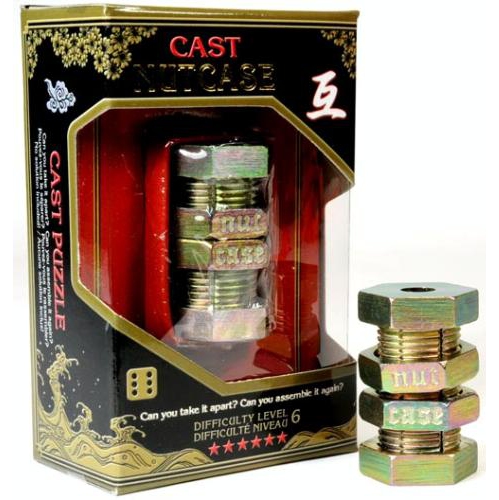
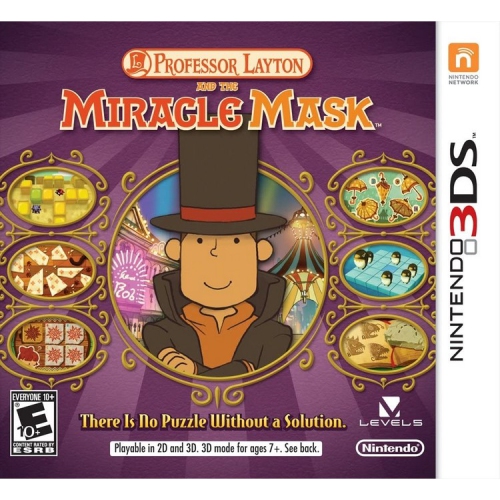
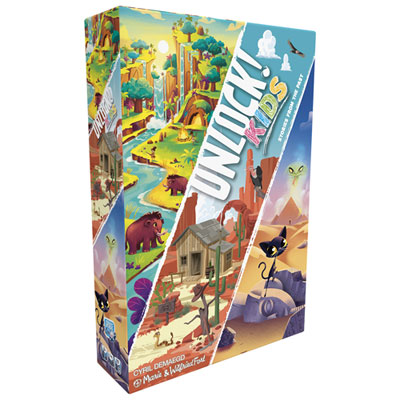
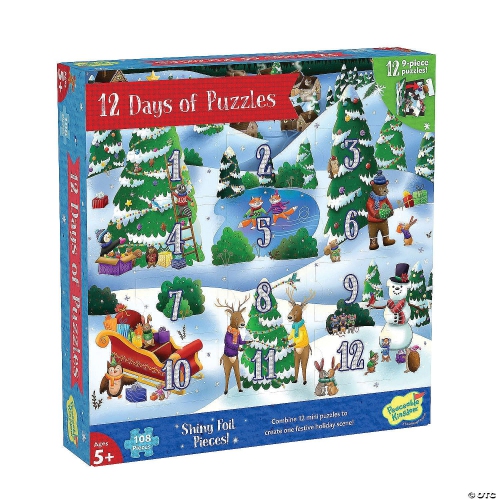
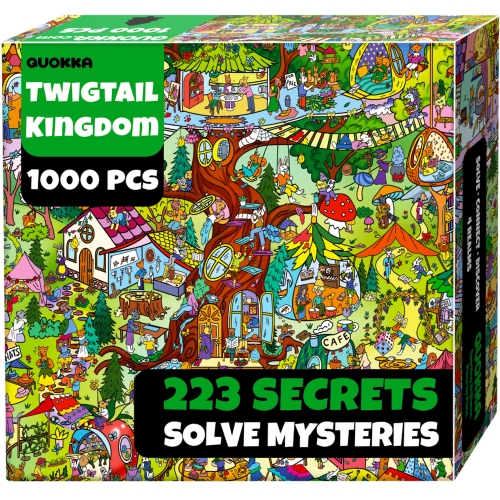
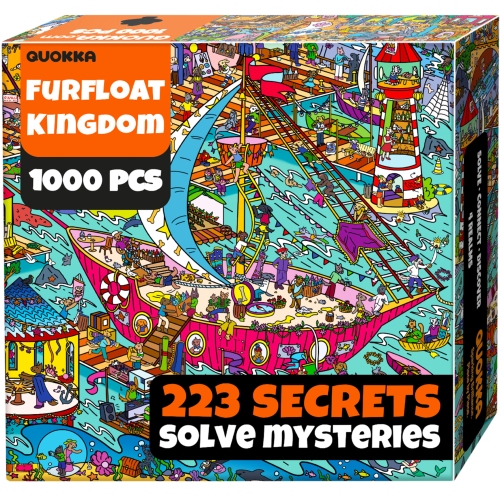

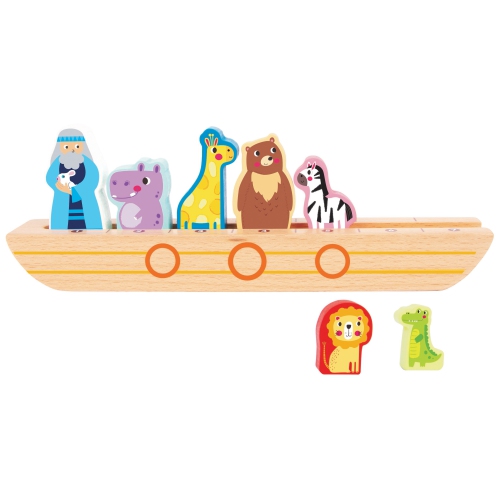
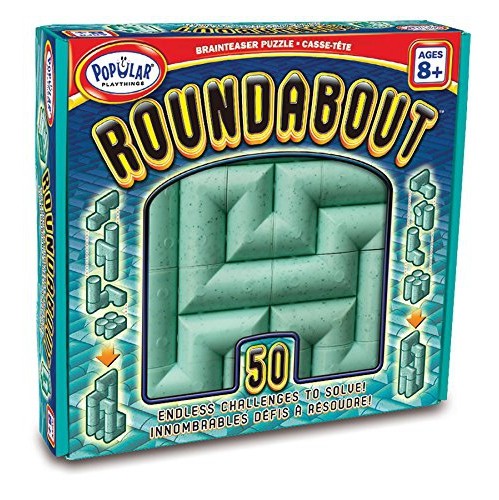

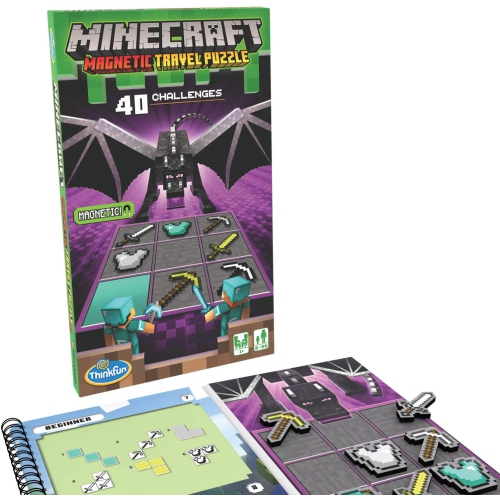
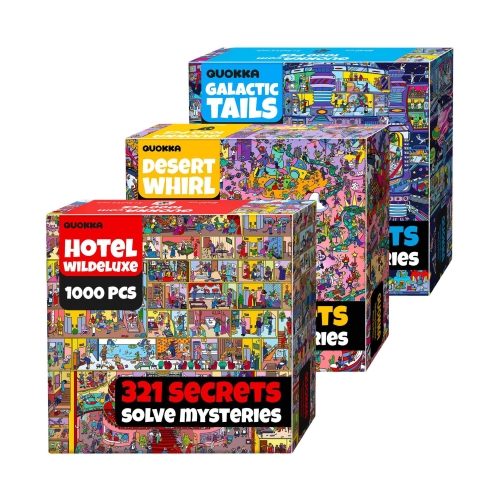
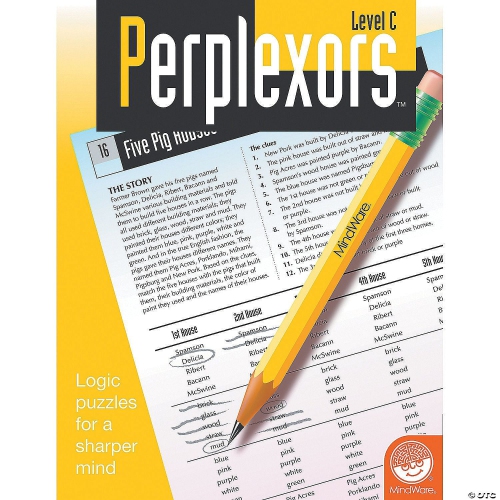
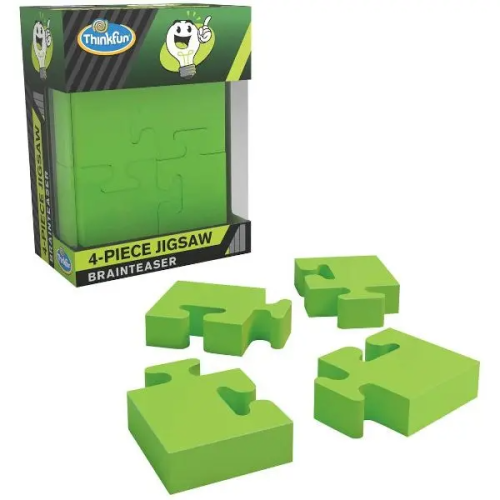

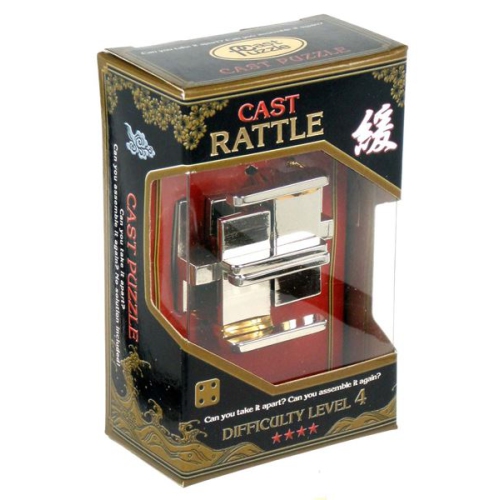
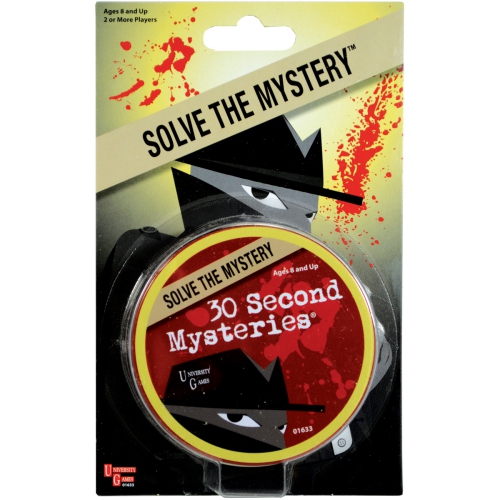
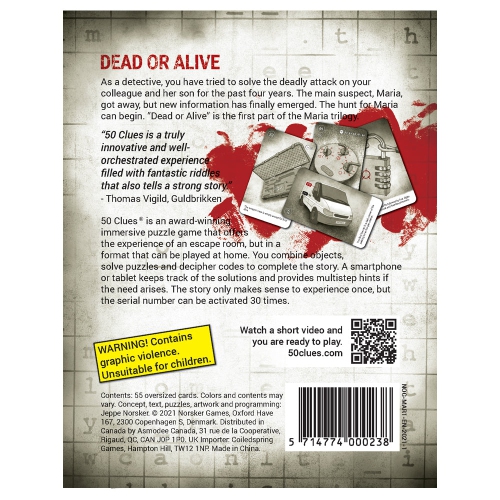
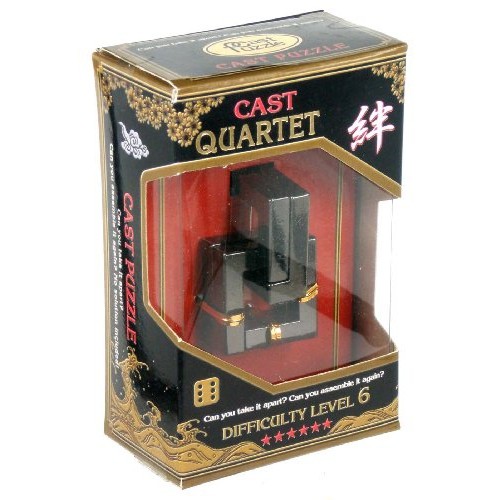
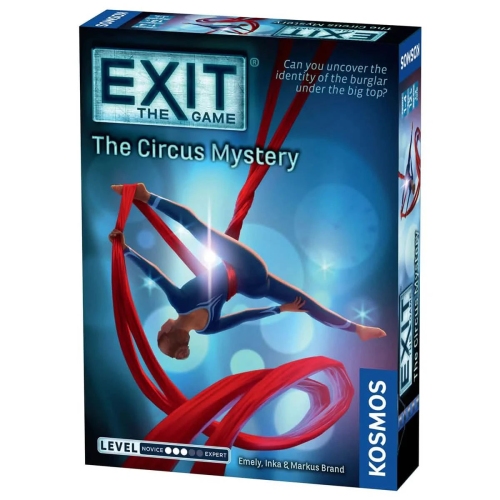

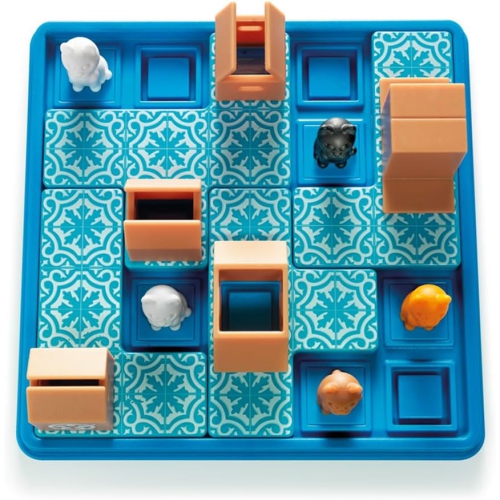
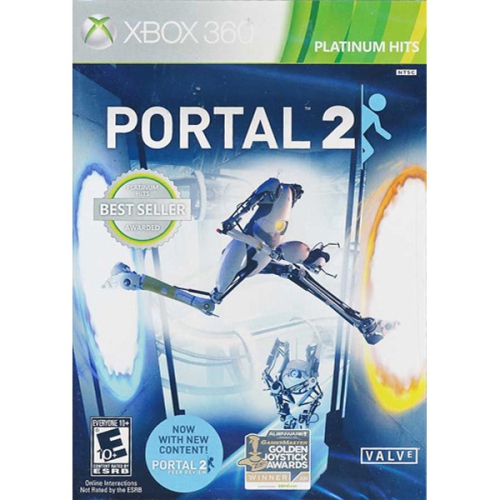
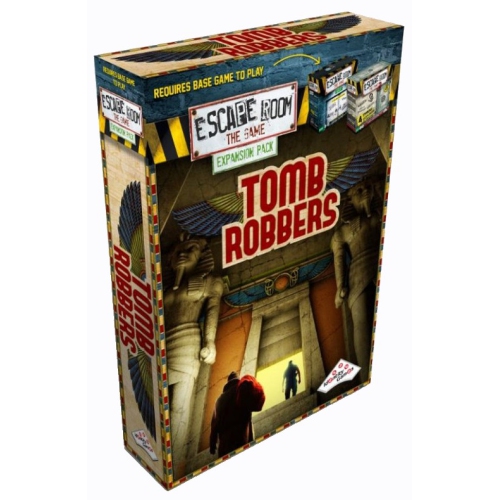
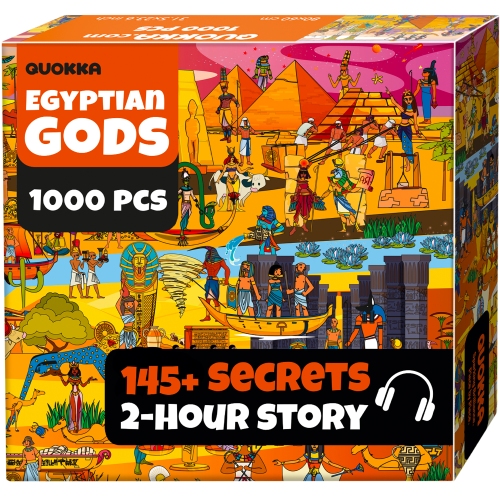
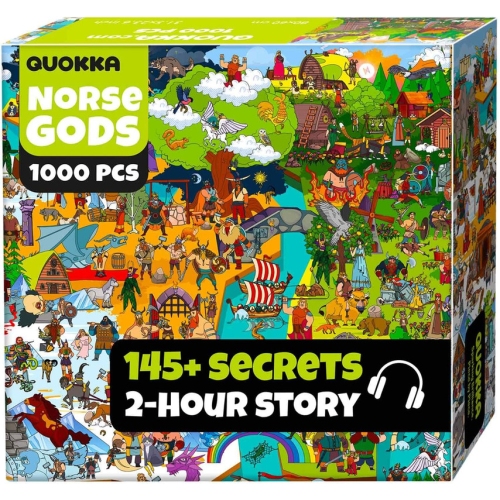

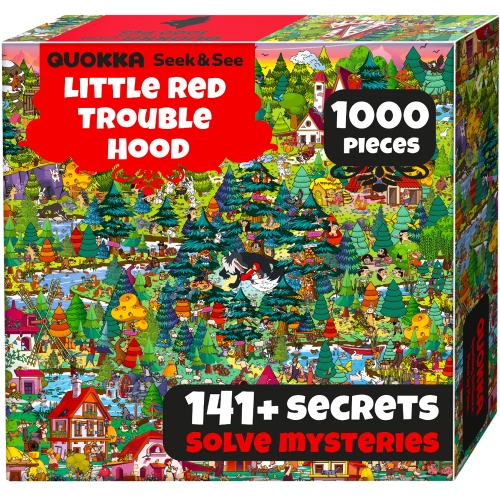
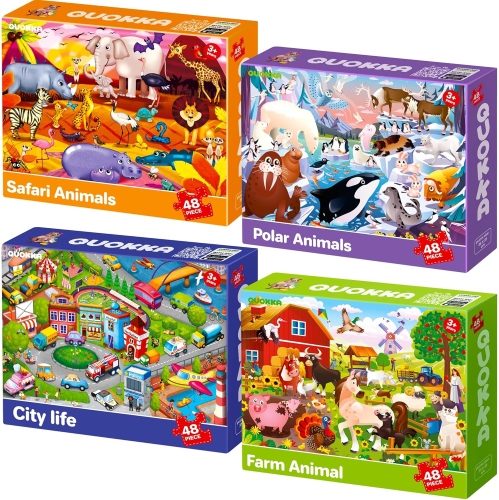
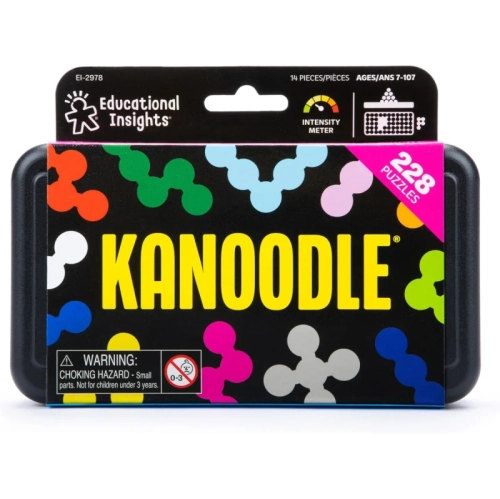
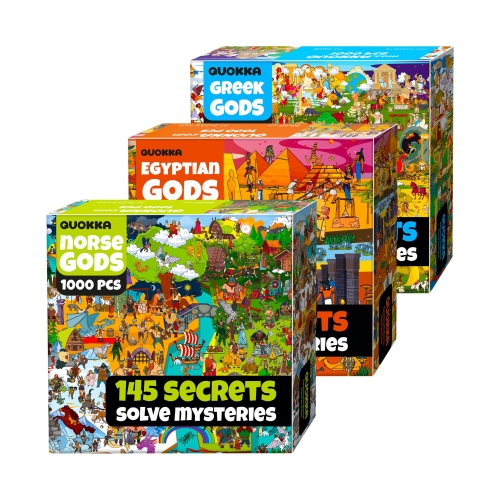
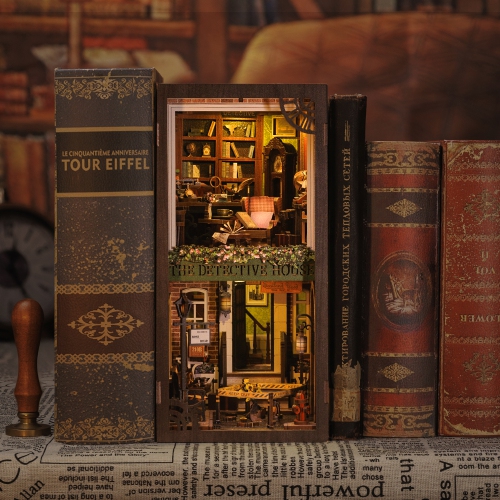
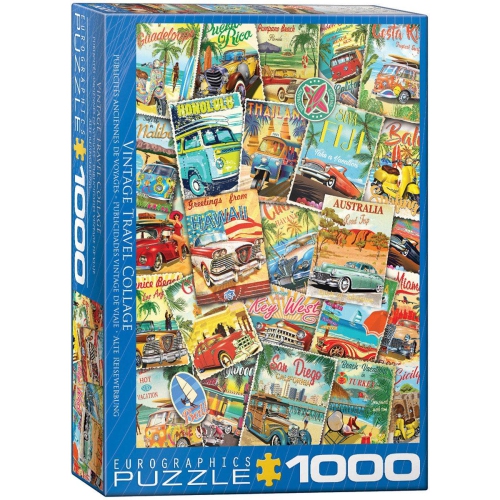
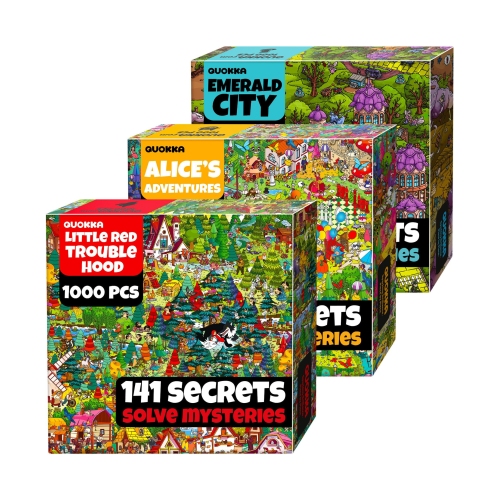
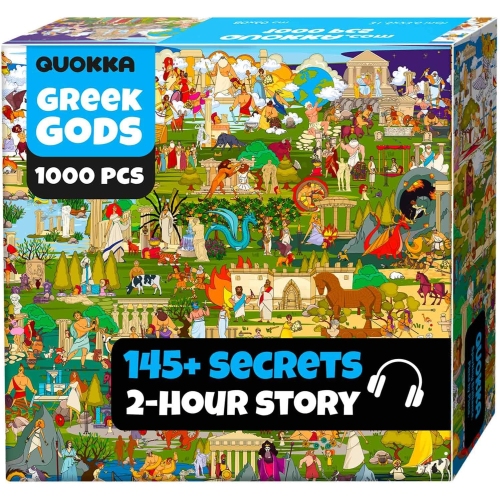
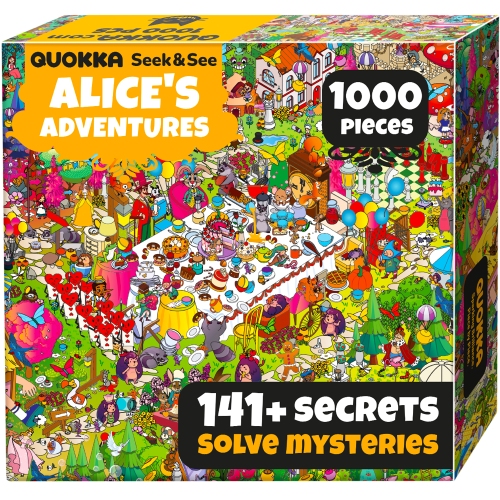
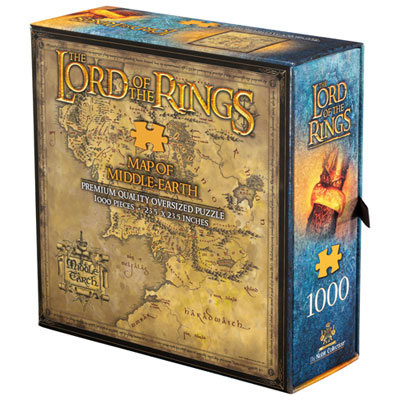
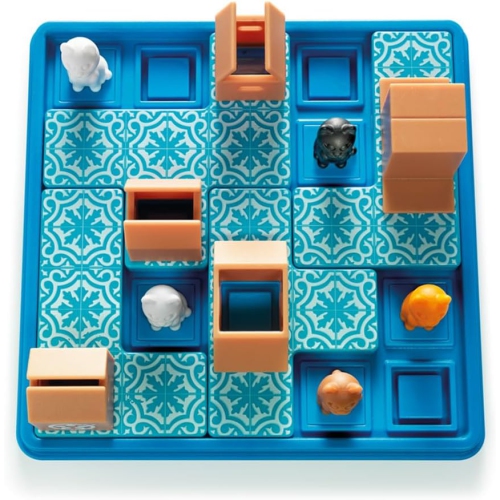
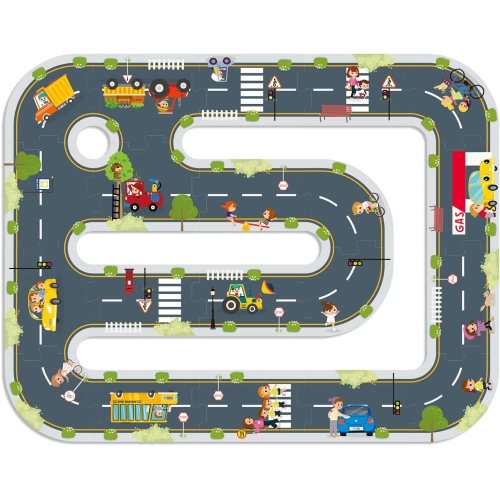

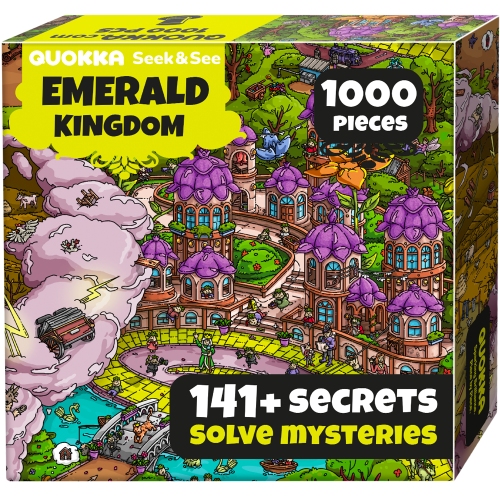
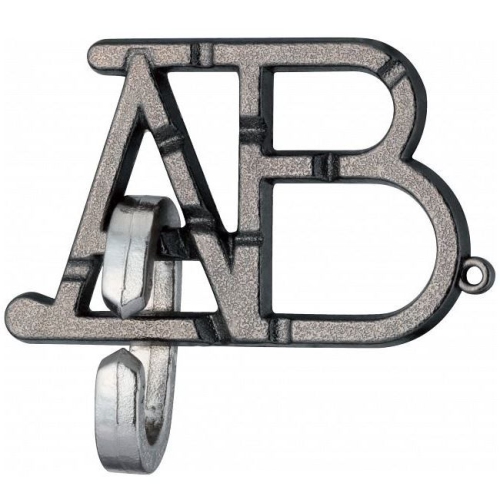

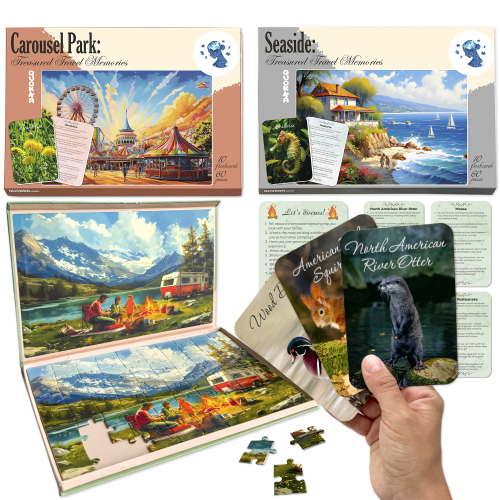
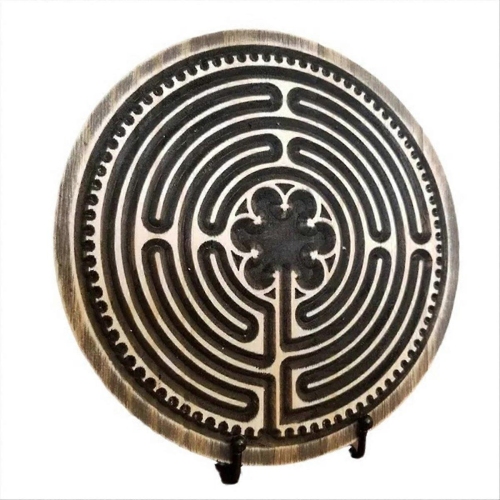
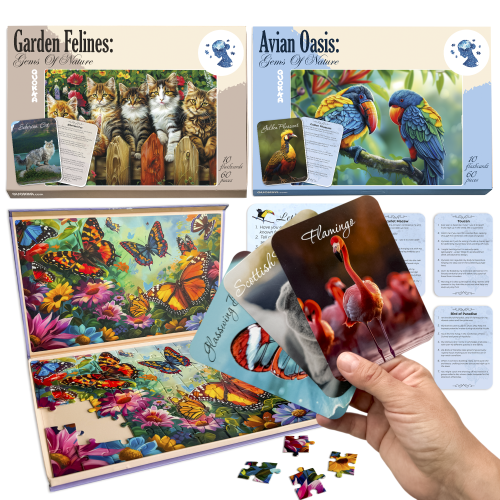
A shift in perspective turns clues into answers
Riddle puzzles are word-based brain teasers that ask a solver to identify an object, explain a situation, or uncover an answer from carefully chosen clues. Their challenge often comes from a double meaning, a hidden assumption, or an ordinary detail viewed from an unexpected angle. Unlike a trivia question, a well-crafted riddle usually gives the reader enough information to reach an answer without needing specialist knowledge. The pleasure lies in that small shift of perspective: a sentence that seems impossible at first suddenly makes sense when one word takes on a different meaning. Riddle puzzle books, card-based games, and story-driven puzzle sets bring this style of play into formats suited to quiet concentration or shared conversation. Some focus on short, self-contained questions that take only a few minutes to explore, while others connect several clues into a longer mystery. Wordplay riddles reward attention to language; mathematical riddles involve quantities and relationships; lateral-thinking riddles encourage solvers to question what a statement actually says rather than what it appears to imply. Visual elements can add another layer, with illustrations, symbols, or arrangements of letters carrying part of the clue. For shoppers interested in closely related challenges, Logical Puzzles offer another way to explore patterns, deductions, and the relationships between pieces of information. The distinction is useful: a riddle may hinge on an unexpected interpretation, whereas a deduction puzzle often asks the solver to apply a series of stated rules. Many puzzle collections combine these approaches, giving players a change of pace between quick discoveries and more methodical reasoning. Clear wording and a satisfying explanation matter as much as difficulty. An answer should make sense when revealed, with the clues supporting it rather than relying on a detail the solver could never reasonably have guessed. That balance helps keep the experience enjoyable, whether a single person is puzzling over a page or several players are offering competing explanations around a table.
The format of a riddle puzzle makes a practical difference to how it fits into everyday play. A compact book can suit a commute or a few uninterrupted minutes in a waiting room, while cards make it easy for one person to read a clue aloud without exposing the answer to everyone else. Larger story-based sets may need a table where clue sheets, illustrations, and notes can remain spread out for the duration of a session. Intended age ranges are a helpful starting point, but reading level, vocabulary, subject matter, and the number of reasoning steps deserve attention too. A short riddle built around an unfamiliar expression can be harder for a child than a longer puzzle with straightforward language. For mixed-age groups, varied difficulty and optional hints allow more people to contribute without making every challenge feel the same. A younger player might notice a detail in a picture while an adult connects it to a phrase elsewhere on the page. Cooperative formats suit groups that enjoy discussing possibilities; competitive formats may appeal to players who like taking turns, keeping score, or working within a time limit. Clear player counts and expected session lengths help distinguish a quick conversation starter from an activity that needs a longer stretch of attention. The way answers are presented matters as well. Separate answer sections, concealed solutions, and gradual hints can prevent an accidental glance from spoiling the next challenge. Explanations that describe the reasoning behind a solution offer more value than an answer alone, especially when a group has arrived at another plausible interpretation. Replay value depends on the structure: once a riddle’s answer is remembered, its original surprise is difficult to repeat. A broad collection can extend the experience, while a host-led format lets someone who knows the answers share the challenges with new players. Writable sheets, cut-out clues, or other consumable components may also affect whether a set can be enjoyed again or passed along intact.
Materials and construction become especially important when riddle puzzles are handled frequently or shared among several people. Firm card stock is easier to hold and less likely to crease during repeated rounds, while a protective finish can help cards withstand routine handling. A sturdy box or fitted storage tray keeps clues together and makes it easier to notice a missing component before the next session. For books, readable type, clear contrast, and enough space between clues can make extended reading more comfortable. Binding also affects use: a book that stays open readily is convenient when a solver wants to jot down possibilities on separate paper. Compact dimensions are useful for carrying, but very small print or tightly packed illustrations may be less suitable for players who need larger text. Paper and cardboard components are generally best kept dry, handled with clean hands, and returned to their packaging after play. Any cleaning should follow the maker’s care directions, since moisture and cleaning solutions can damage printed surfaces or adhesive layers. Where a puzzle includes physical pieces, those pieces should be appropriate for the intended users, with age labels and small-parts warnings checked before children take part. Riddle puzzles can make thoughtful gifts for readers, word-game fans, mystery enthusiasts, and people who enjoy an activity that does not require a screen. The strongest match comes from the recipient’s interests and habits rather than difficulty alone. Someone who likes sharing a clever clue over lunch may appreciate brief, standalone riddles more than an intricate mystery that takes an evening to complete. A family that enjoys talking through ideas may prefer collaborative challenges with hints, while an experienced solo solver may enjoy layered clues and detailed answer explanations. These puzzles also offer occasions to practise reading closely, explaining an idea, listening to another interpretation, and revising an assumption when it no longer fits. Their appeal does not depend on solving every challenge immediately. Often, the most memorable moment is hearing an unlikely suggestion, looking back at the wording, and realizing that the answer had been hiding in plain sight.
Top selling and popular products
-
 Your price for this item is $32.99
-
 Your price for this item is $35.99
-
 Your price for this item is $30.99
-
 Your price for this item is $26.93
-
 Your price for this item is $29.99
-
 Your price for this item is $36.99
-
 Your price for this item is $32.99
-
 Your price for this item is $34.9
Discover more categories related to Riddle Puzzles
Top Collections:
Pokemon Centers, Best Cameras for Sports Photography, Kindle Devices, Samsung Galaxy Phones, Canon G7X Cameras, Pokémon 30th Celebration Cards, Refurbished Apple Laptops, iPhone 15 Apple, Laptops for Students, Budget Smartphones
Some products may be subject to Environmental Handling Fees
(EHF) depending on your province.
Learn more about EHFs.