Calming Sensory Toys
Looking for a way to provide relaxation and comfort to yourself or your loved ones? Our collection of calming sensory toys offers a wide range of options to help you unwind, destress, and find inner peace. Whether you're looking for stress relief tools, fidget toys, or soothing sensory items, we have something for everyone. From soft textures to gentle sounds, these toys are designed to engage your senses and promote a sense of tranquility.
Sort
![EVEREST Heart Push Pop Bubble Fidget Toy [Sensory Kids Adults Anxiety Stress Relief] In Purple](https://multimedia.bbycastatic.ca/multimedia/products/500x500/154/15463/15463942.jpeg)
![EVEREST Dinosaur Push Pop Bubble Fidget Toy [Sensory Kids Adults Anxiety Stress Relief] In Blue](https://multimedia.bbycastatic.ca/multimedia/products/500x500/154/15460/15460940.jpeg)

![EVEREST Unicorn Push Pop Bubble Fidget Toy [Sensory Kids Adults Anxiety Stress Relief] In Pink](https://multimedia.bbycastatic.ca/multimedia/products/500x500/154/15460/15460939.jpeg)
![EVEREST Rainbow Square Push Pop Bubble Fidget Toy [Sensory Kids Adults Anxiety Stress Relief]](https://multimedia.bbycastatic.ca/multimedia/products/500x500/154/15460/15460938.jpeg)
![EVEREST Pineapple Push Pop Bubble Fidget Toy [Sensory Kids Adults Anxiety Stress Relief]](https://multimedia.bbycastatic.ca/multimedia/products/500x500/154/15460/15460937.jpeg)
![EVEREST Rainbow Circle Push Pop Bubble Fidget Toy [Sensory Kids Adults Anxiety Stress Relief]](https://multimedia.bbycastatic.ca/multimedia/products/500x500/154/15460/15460936.jpeg)
![EVEREST Star Push Pop Bubble Fidget Toy [Sensory Kids Adults Anxiety Stress Relief] In Yellow](https://multimedia.bbycastatic.ca/multimedia/products/500x500/154/15463/15463939.jpeg)
![EVEREST Cactus Push Pop Bubble Fidget Toy [Sensory Kids Adults Anxiety Stress Relief] In Green](https://multimedia.bbycastatic.ca/multimedia/products/500x500/154/15463/15463941.jpeg)
![EVEREST Octagon Push Pop Bubble Fidget Toy [Sensory Kids Adults Anxiety Stress Relief] In Teal](https://multimedia.bbycastatic.ca/multimedia/products/500x500/154/15463/15463944.jpeg)
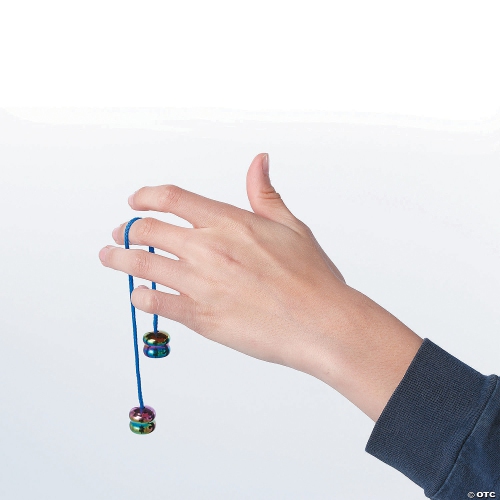
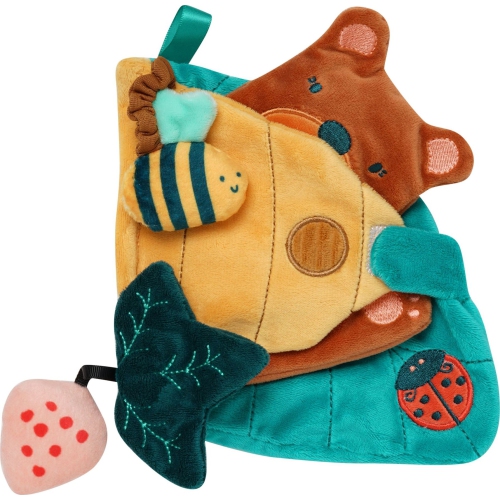
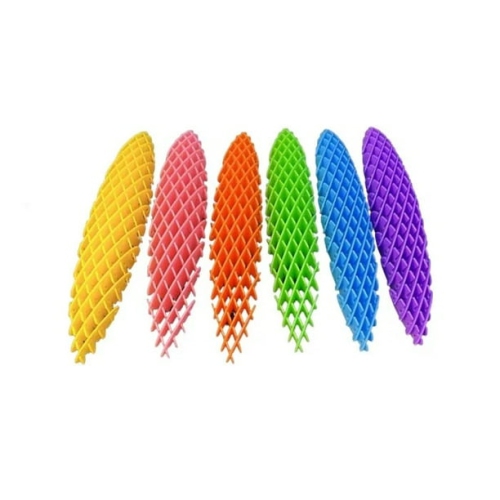
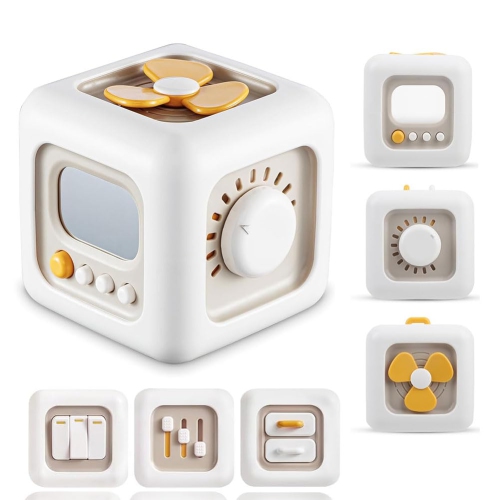
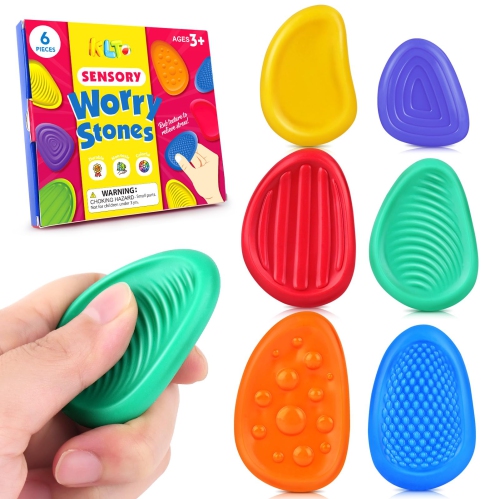
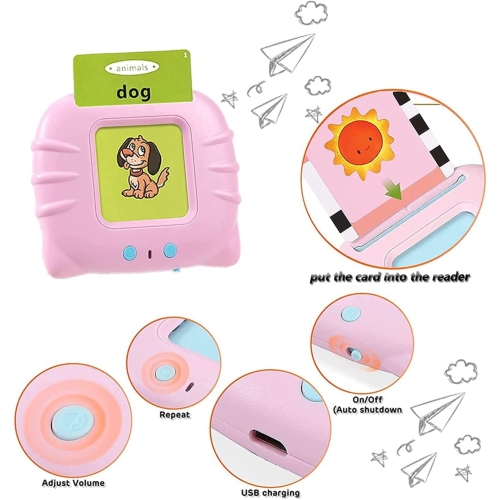
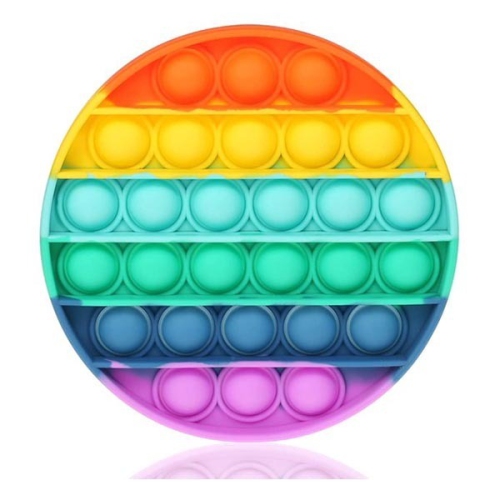
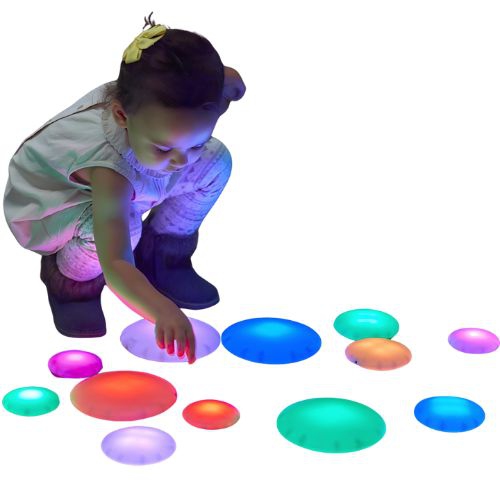
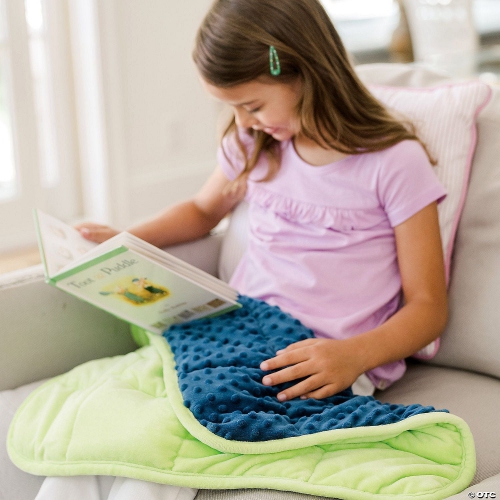
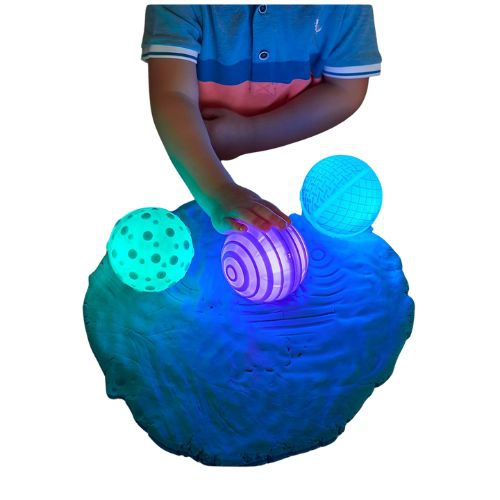
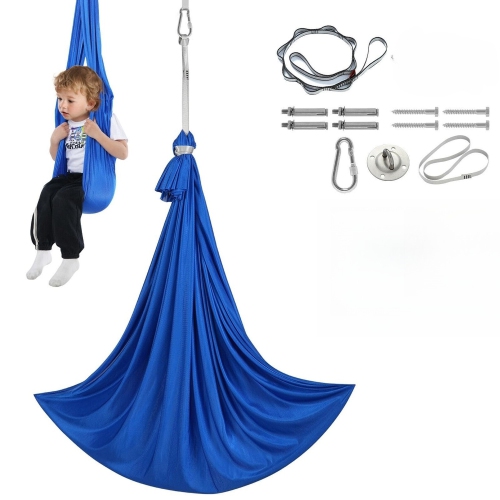
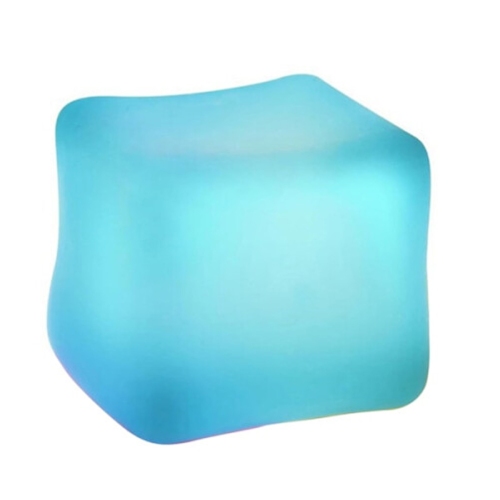
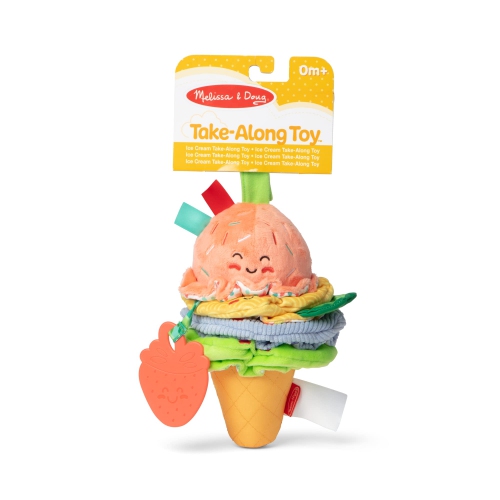
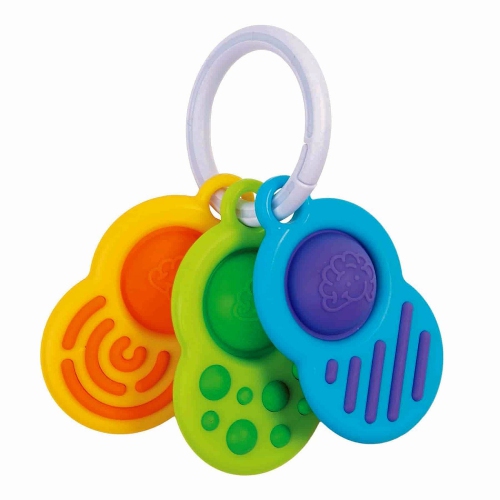
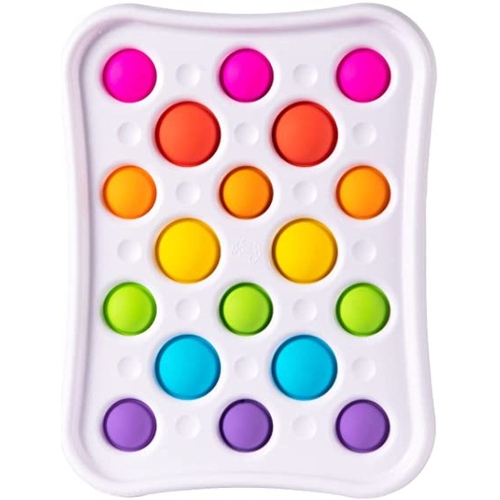
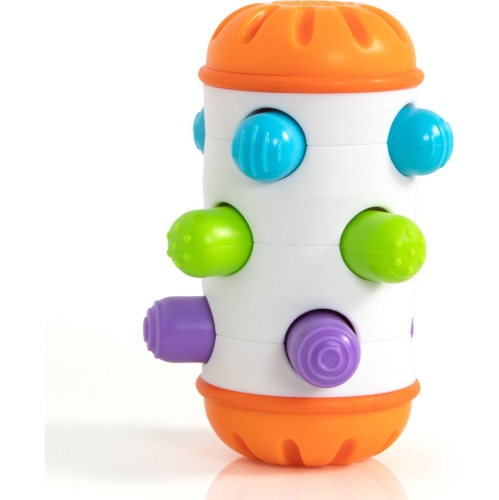
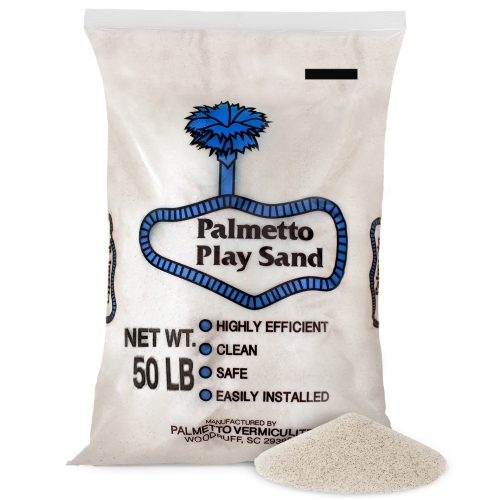
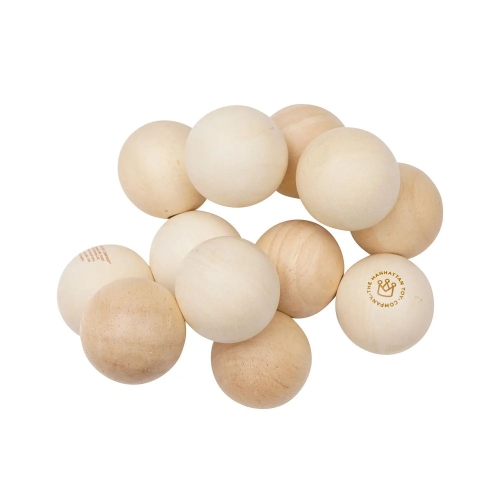
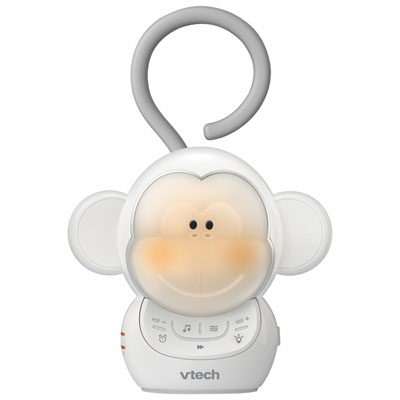
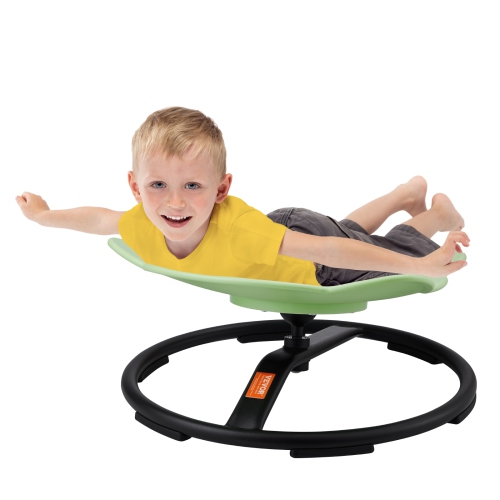
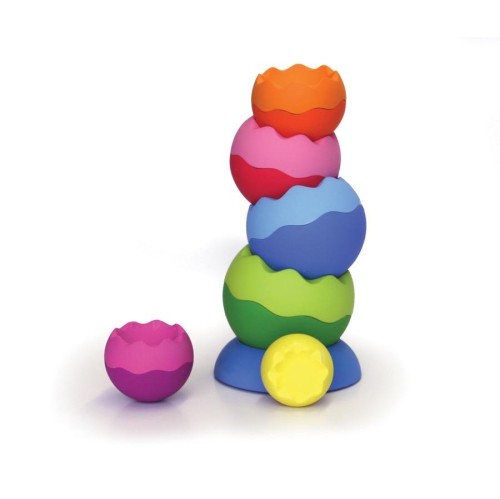
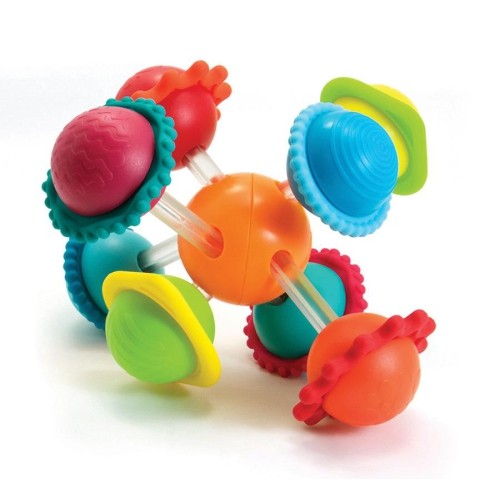
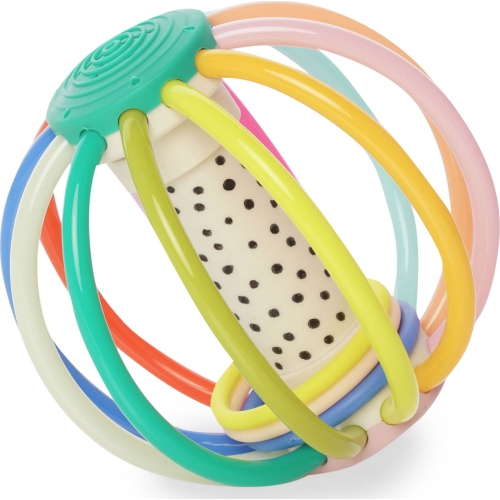
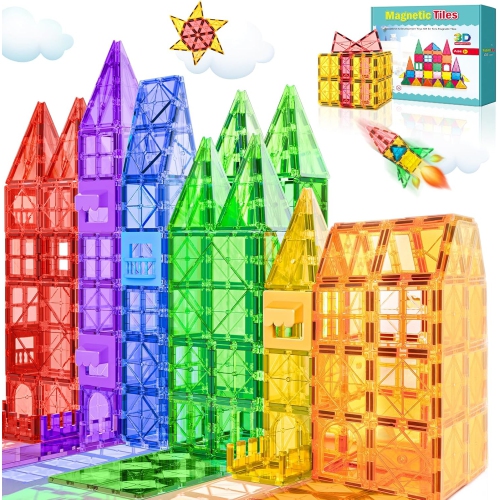
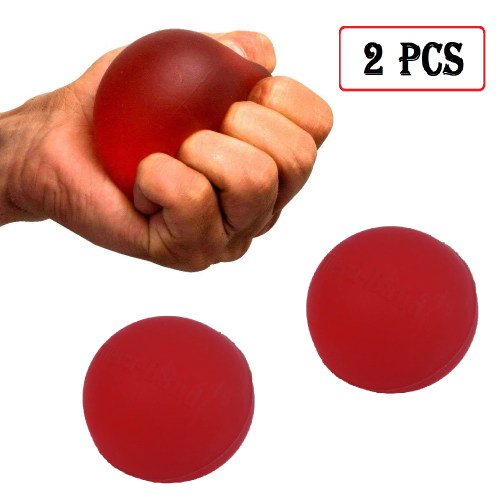
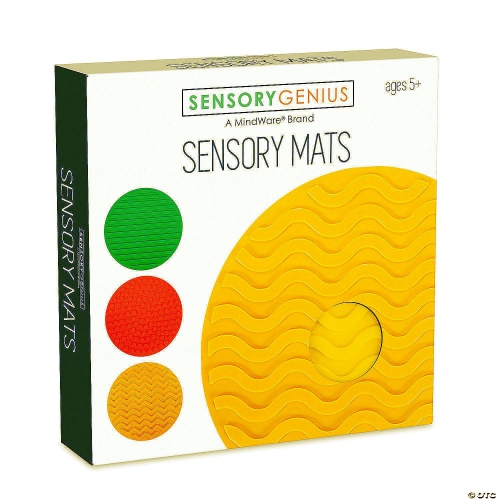
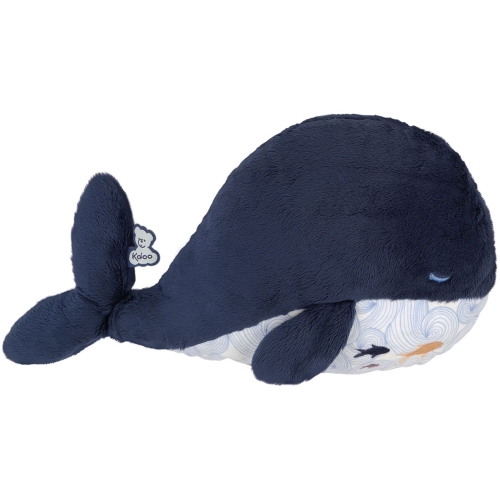
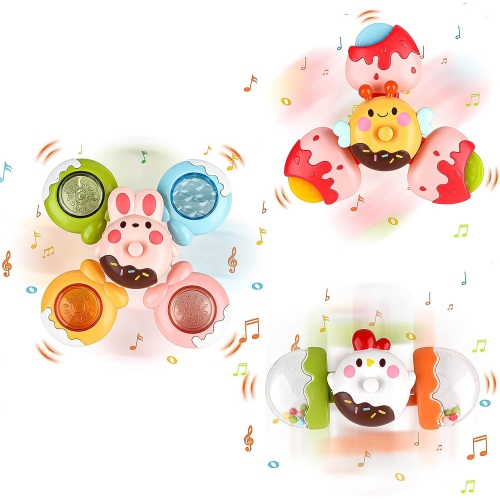
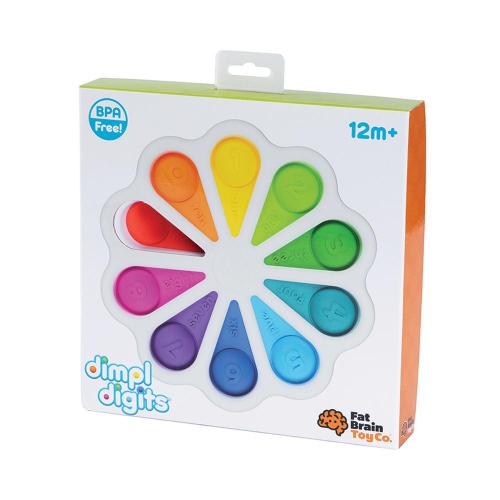
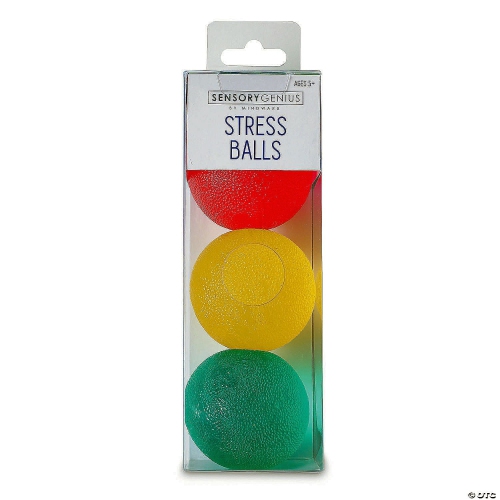
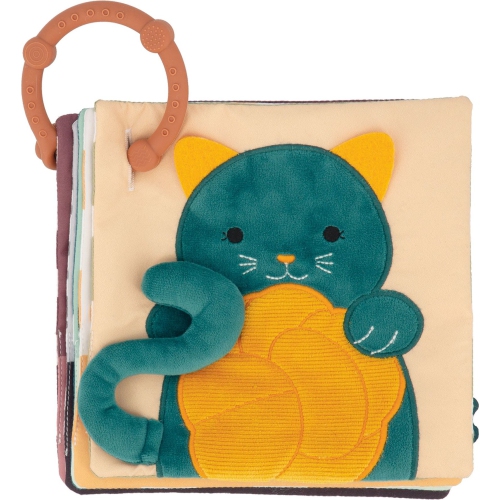
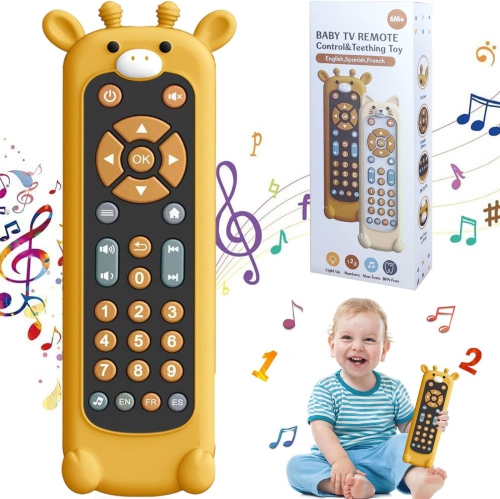
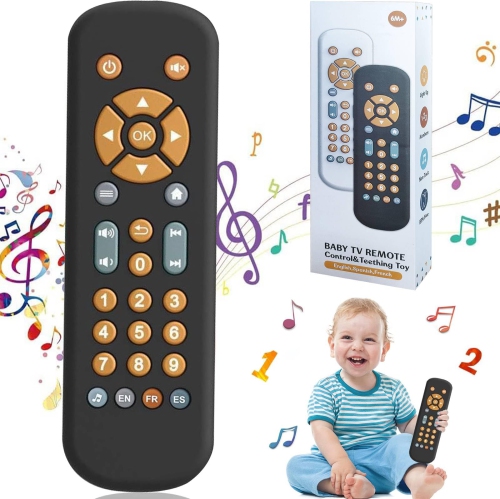
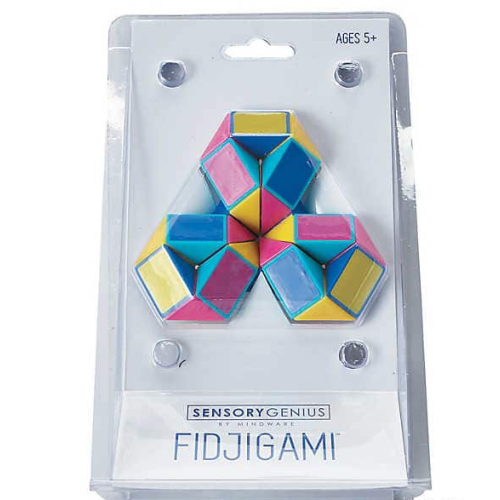
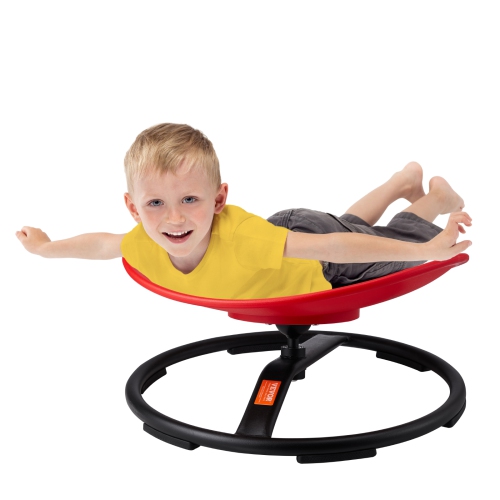
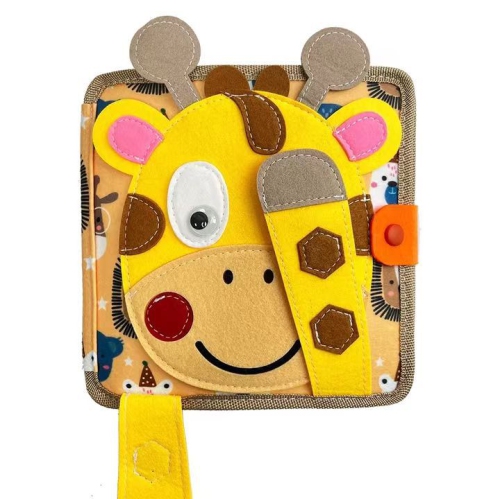
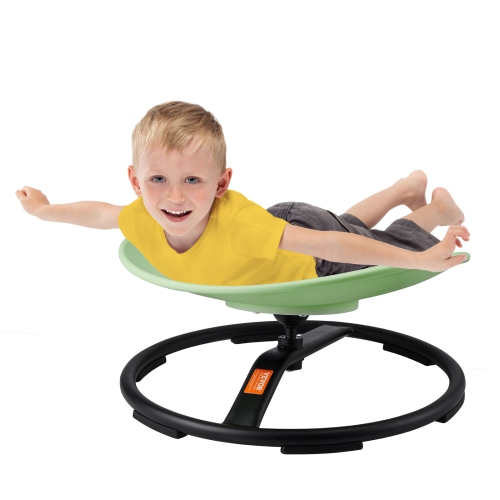
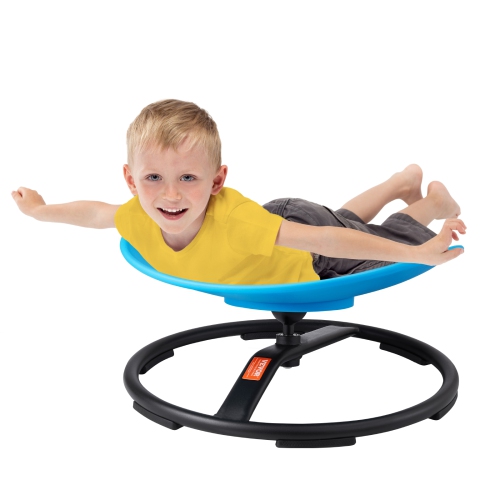

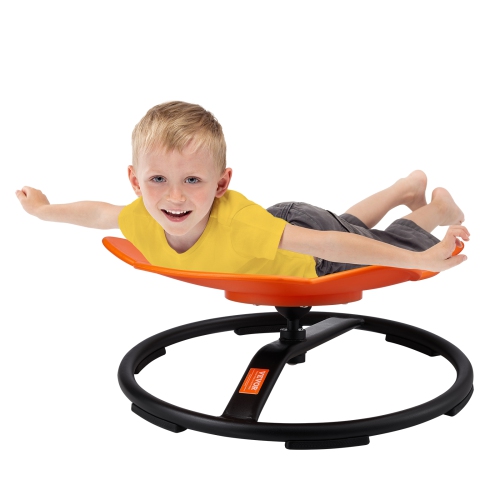

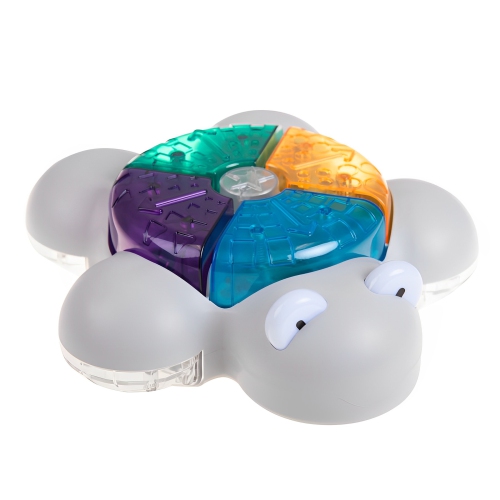
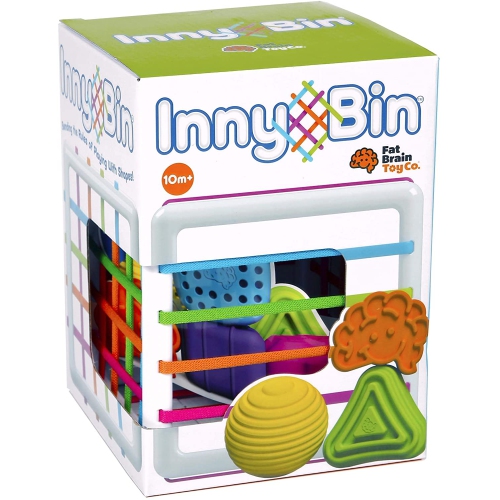
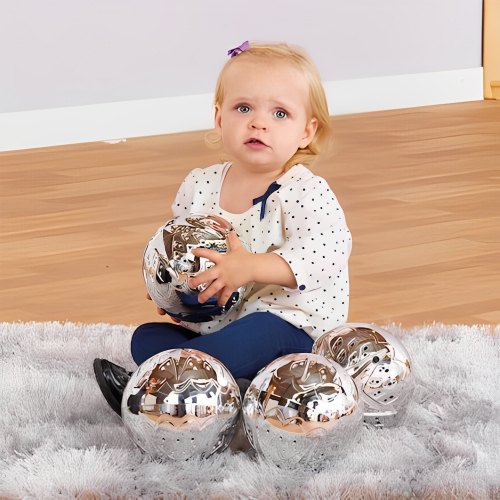
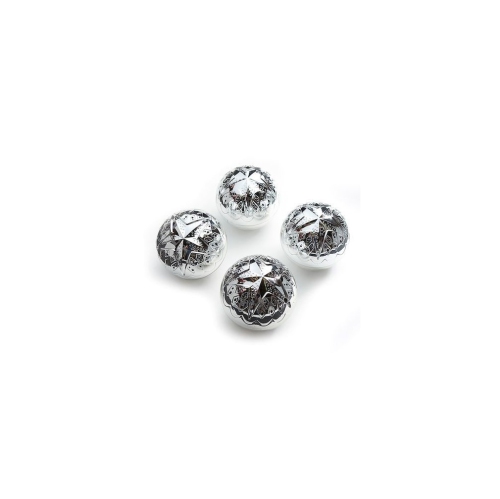
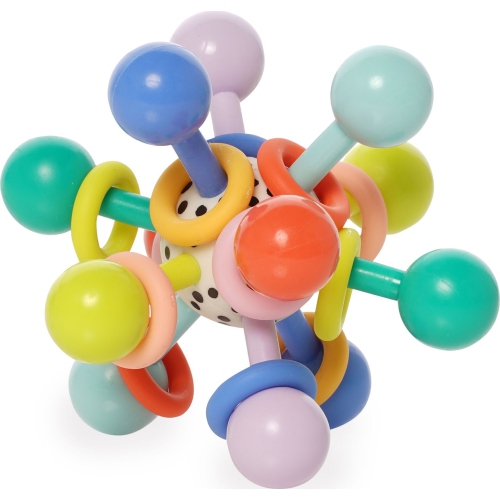
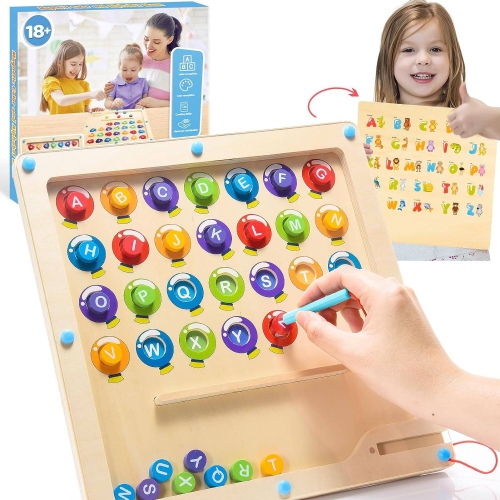
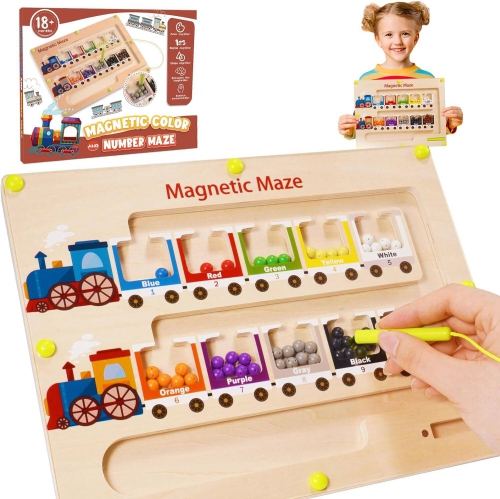

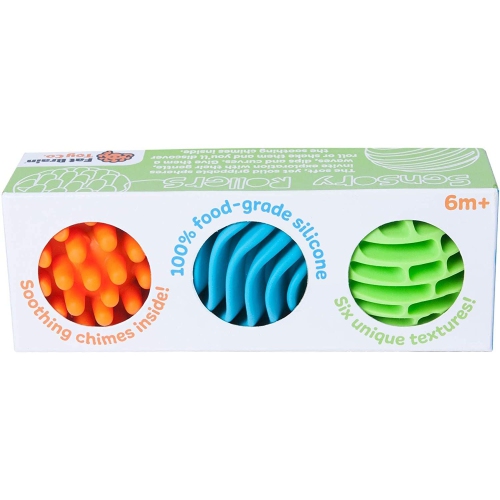
Gentle sensory input for focus, comfort, and self-regulation
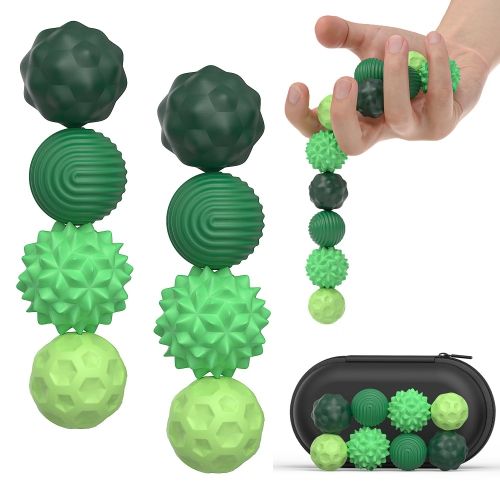
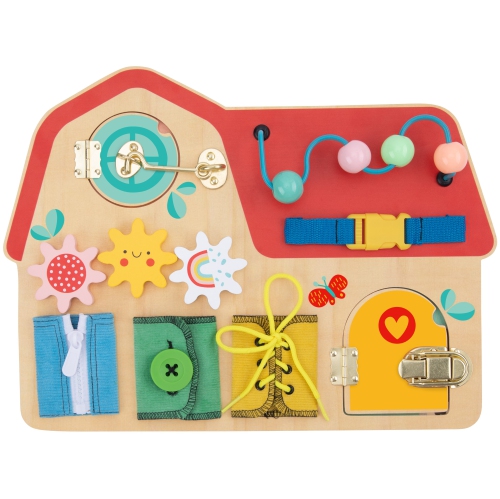
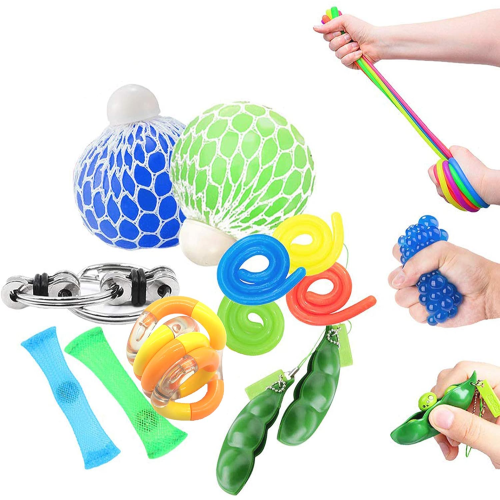
Calming sensory toys are designed to offer a gentle, predictable way to engage the senses during moments of restlessness, frustration, worry, or mental overload. Some invite quiet visual focus through slow-moving liquid, floating shapes, glitter, or changing colours; others provide tactile feedback through soft surfaces, ridges, flexible materials, buttons, sliders, or gentle resistance. A few combine several forms of sensory input, such as touch and movement, so the user can choose what feels most comfortable in the moment. These toys can be useful for children developing emotional awareness, students who need a quiet activity between demanding tasks, and adults looking for a simple way to occupy their hands while concentrating, travelling, or unwinding. They may also be helpful in a calm-down area at home, in a classroom, at a childcare setting, or in a counselling environment, where a familiar sensory activity can create a soothing pause. Sensory toys are not a substitute for professional medical or mental health care, but they can be a practical part of an everyday routine that supports comfort and self-regulation. A child may watch a slow stream of coloured drops settle at the bottom of a timer after a difficult transition, while an adult might roll a textured object between their fingers during a long phone call. The best choice depends on the person’s preferences and the type of sensory input they find reassuring rather than distracting. For a broader selection of compact options that are easy to keep close at hand, explore Small Sensory Toys.
When choosing a calming sensory toy, consider how it feels, sounds, moves, and fits into the intended setting. Tactile designs can be a good match for someone who enjoys active hand movement, with squeezable, twistable, stretchy, or textured surfaces that provide a safe outlet for nervous energy. Look for materials with a comfortable finish and a size that is easy to hold without causing hand fatigue. Visual toys are often a thoughtful option for quiet spaces because their slow, repeatable movement can give the eyes something gentle to follow. Check whether the colours and motion are subtle or highly stimulating, particularly if the recipient is sensitive to bright light, flashing effects, or busy patterns. Auditory toys should be considered with equal care; soft, quiet sounds may be comforting, while clicking, rattling, or louder features may not suit a shared room, library, classroom, or bedtime routine. For younger children, age guidance, sturdy construction, secure components, and easy-to-clean surfaces are important considerations. Small pieces may present a choking risk, so always follow the manufacturer’s recommended age range and supervise children when appropriate. It is also worth thinking about portability. A compact design can slip into a backpack, desk drawer, bedside table, or travel bag, while a larger item may be better suited to a designated calm-down corner. If the toy will be shared by siblings, classmates, or visitors, durable construction and simple cleaning instructions can make it easier to include in daily routines. For a gift, calming sensory toys can be a considerate choice for a child who enjoys hands-on play, a student preparing for a new school routine, or an adult who appreciates small tools for focus and relaxation. Choose neutral, versatile features when you are unsure of the recipient’s preferences, or select a toy based on a known interest such as colour, motion, animals, building, or imaginative play.
Sensory toys can be introduced in an unhurried, personal way rather than presented as something that must be used during distress. Keep one nearby during homework, quiet reading, craft time, car journeys, or transitions between activities, and let the user decide when it feels helpful. A visual timer can provide a calm focal point while waiting, changing tasks, or practising slow breathing. A textured or squeezable toy can keep hands occupied during a conversation, lesson, appointment, or screen-free break. A soft weighted item may offer a comforting sense of pressure when used according to its instructions, with attention to the user’s comfort and safety. Some families create a small basket with a few different sensory experiences so children can choose between watching, touching, moving, or listening. That choice matters: one person may find the steady motion of a liquid-filled toy absorbing, while another may prefer the quiet resistance of a hand-held fidget. Notice whether the toy helps the person settle, stay engaged, or return to an activity, and put it away if it becomes frustrating or overstimulating. During the cooler months and busier stretches of the year, a familiar sensory activity can bring a little consistency to evenings indoors, travel days, homework routines, and shared family spaces. The most effective calming sensory toy is not necessarily the most elaborate one; it is the option that feels pleasant, predictable, appropriately sized, and easy to use whenever a quiet moment of focus or comfort is needed.
When choosing a calming sensory toy, consider how it feels, sounds, moves, and fits into the intended setting. Tactile designs can be a good match for someone who enjoys active hand movement, with squeezable, twistable, stretchy, or textured surfaces that provide a safe outlet for nervous energy. Look for materials with a comfortable finish and a size that is easy to hold without causing hand fatigue. Visual toys are often a thoughtful option for quiet spaces because their slow, repeatable movement can give the eyes something gentle to follow. Check whether the colours and motion are subtle or highly stimulating, particularly if the recipient is sensitive to bright light, flashing effects, or busy patterns. Auditory toys should be considered with equal care; soft, quiet sounds may be comforting, while clicking, rattling, or louder features may not suit a shared room, library, classroom, or bedtime routine. For younger children, age guidance, sturdy construction, secure components, and easy-to-clean surfaces are important considerations. Small pieces may present a choking risk, so always follow the manufacturer’s recommended age range and supervise children when appropriate. It is also worth thinking about portability. A compact design can slip into a backpack, desk drawer, bedside table, or travel bag, while a larger item may be better suited to a designated calm-down corner. If the toy will be shared by siblings, classmates, or visitors, durable construction and simple cleaning instructions can make it easier to include in daily routines. For a gift, calming sensory toys can be a considerate choice for a child who enjoys hands-on play, a student preparing for a new school routine, or an adult who appreciates small tools for focus and relaxation. Choose neutral, versatile features when you are unsure of the recipient’s preferences, or select a toy based on a known interest such as colour, motion, animals, building, or imaginative play.
Sensory toys can be introduced in an unhurried, personal way rather than presented as something that must be used during distress. Keep one nearby during homework, quiet reading, craft time, car journeys, or transitions between activities, and let the user decide when it feels helpful. A visual timer can provide a calm focal point while waiting, changing tasks, or practising slow breathing. A textured or squeezable toy can keep hands occupied during a conversation, lesson, appointment, or screen-free break. A soft weighted item may offer a comforting sense of pressure when used according to its instructions, with attention to the user’s comfort and safety. Some families create a small basket with a few different sensory experiences so children can choose between watching, touching, moving, or listening. That choice matters: one person may find the steady motion of a liquid-filled toy absorbing, while another may prefer the quiet resistance of a hand-held fidget. Notice whether the toy helps the person settle, stay engaged, or return to an activity, and put it away if it becomes frustrating or overstimulating. During the cooler months and busier stretches of the year, a familiar sensory activity can bring a little consistency to evenings indoors, travel days, homework routines, and shared family spaces. The most effective calming sensory toy is not necessarily the most elaborate one; it is the option that feels pleasant, predictable, appropriately sized, and easy to use whenever a quiet moment of focus or comfort is needed.
Top selling and popular products
-
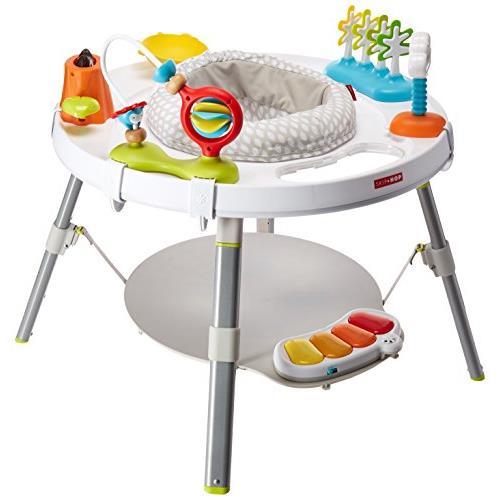 Your price for this item is $299.13
 -
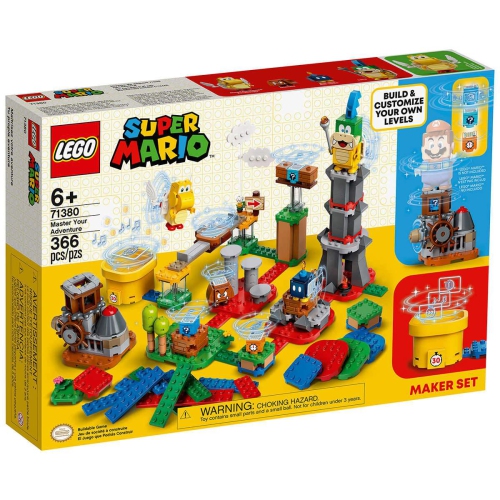 Your price for this item is $103.27
 -
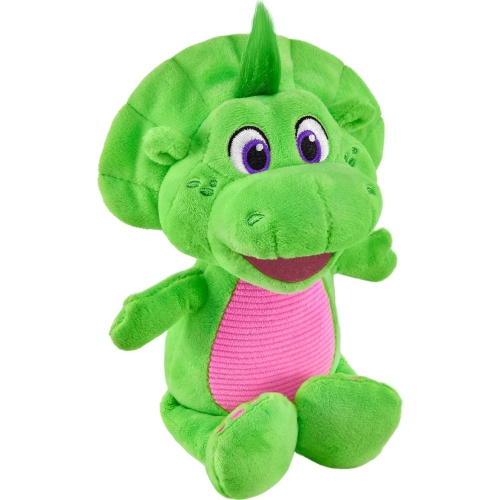 Your price for this item is $17.24
 -
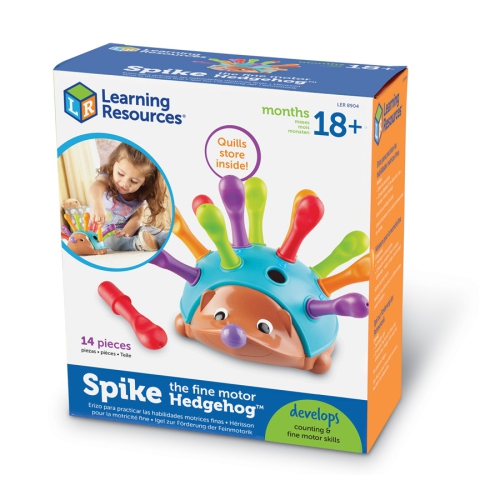 Your price for this item is $56.13
 -
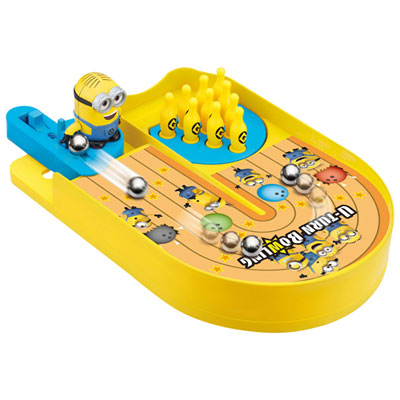 Your price for this item is $19.99
 -
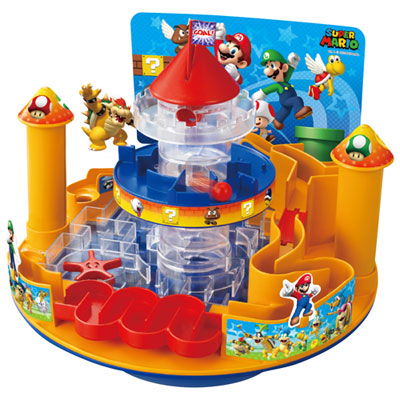 Your price for this item is $39.99
 -
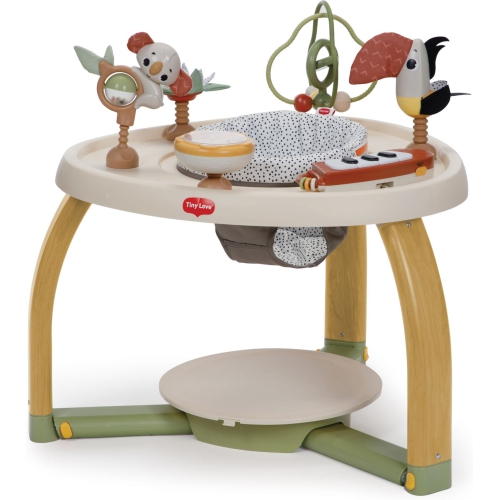 Your price for this item is $229.99
 -
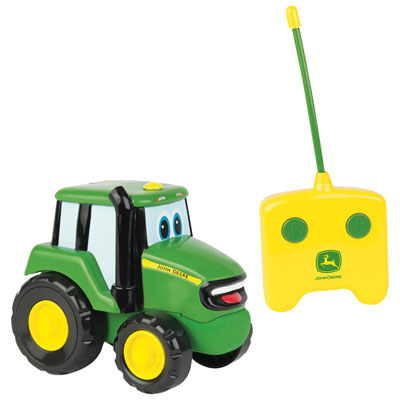 Your price for this item is $49.99
Discover more categories related to Calming Sensory Toys
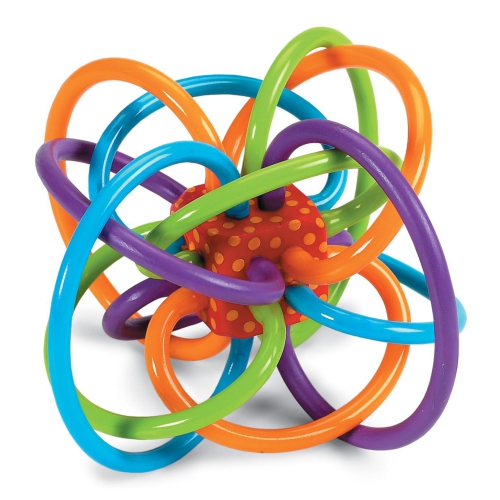
Top Collections:
Pokemon Centers, Budget 4K TVs, Kindle Devices, Canon G7X Cameras, Apple iPhones 16, iPhone 15 Apple, Laptops for Business Work, Flip Phones, Xiaomi Phones, Refurbished Apple Laptops
Some products may be subject to Environmental Handling Fees
(EHF) depending on your province.
Learn more about EHFs.