Canvas Panels
Transform your creative visions into reality with our diverse selection of canvas panels. Ideal for artists of all skill levels, these versatile surfaces provide the perfect foundation for painting, sketching, and mixed media projects. Whether you're a seasoned artist or just starting your creative journey, canvas panels offer a durable and portable option that adapts to your unique style. Explore a variety of sizes and textures to find the perfect match for your artistic needs, and let your imagination run wild on a high-quality canvas that supports every brushstroke and bold idea.
Sort
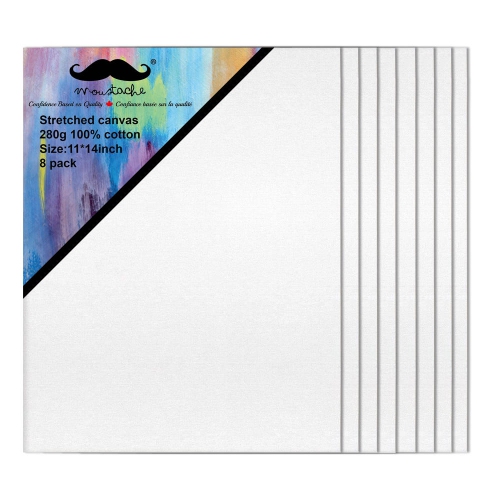
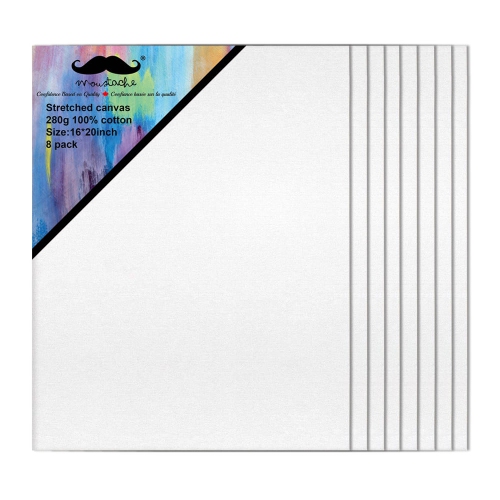
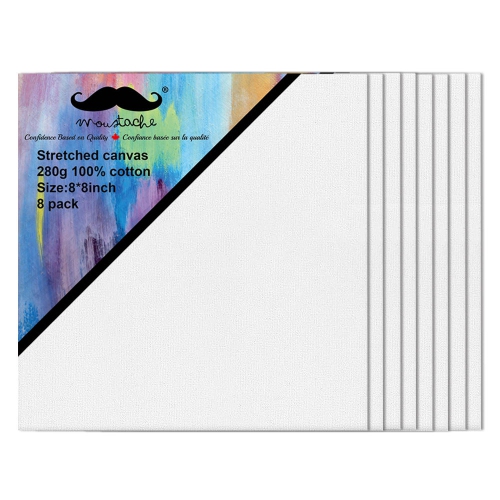
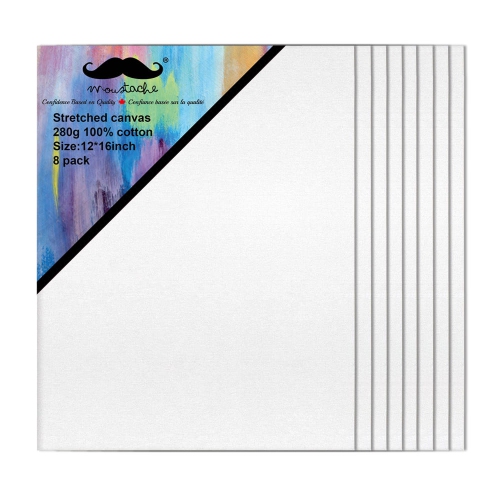
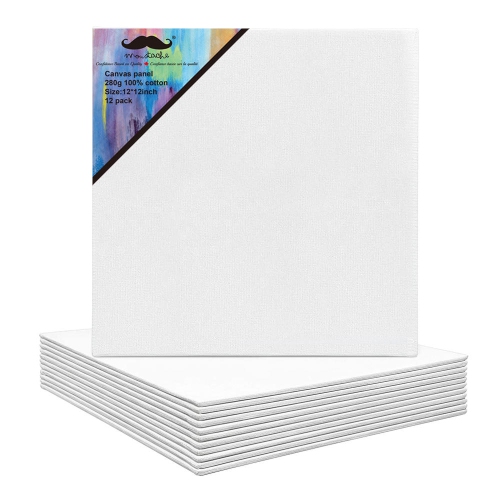
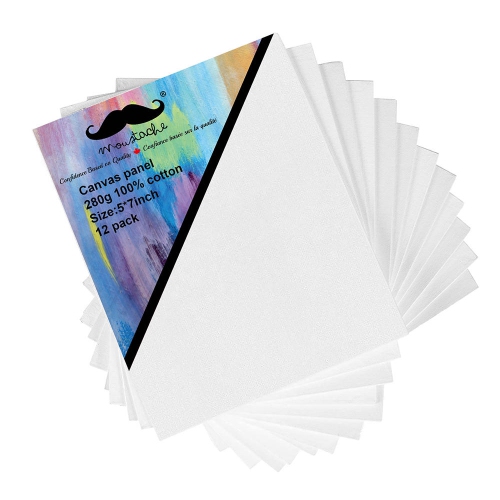



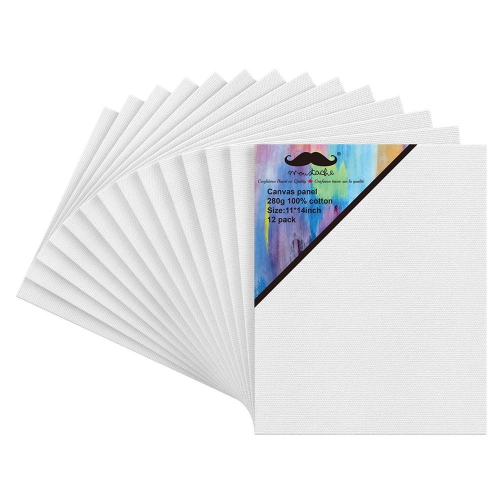
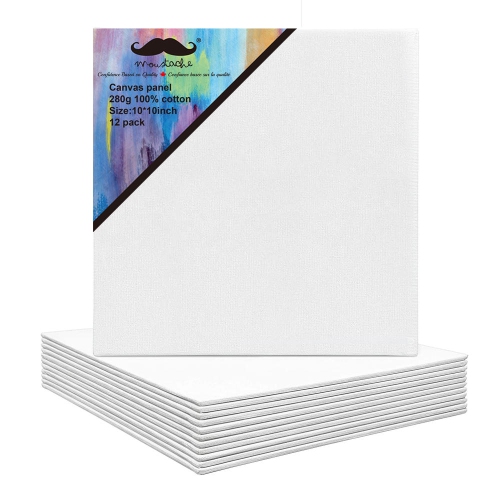
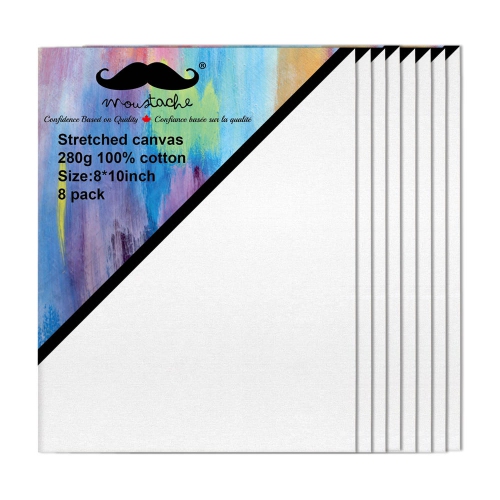
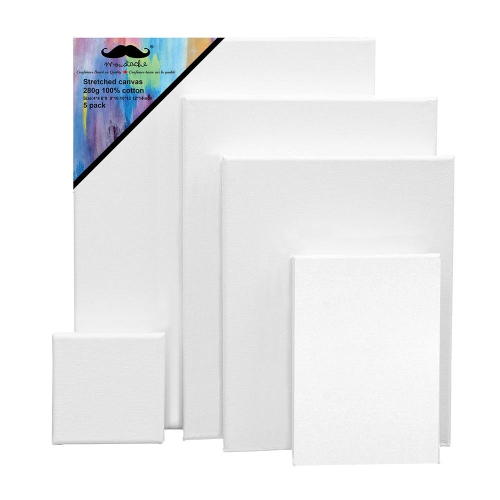

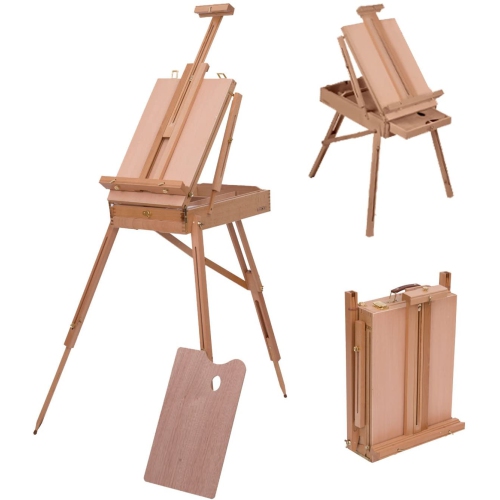



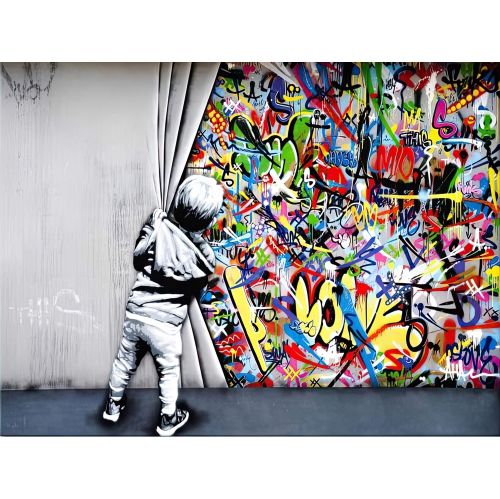
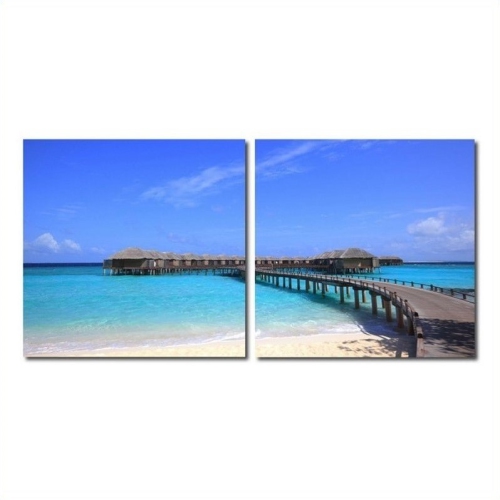
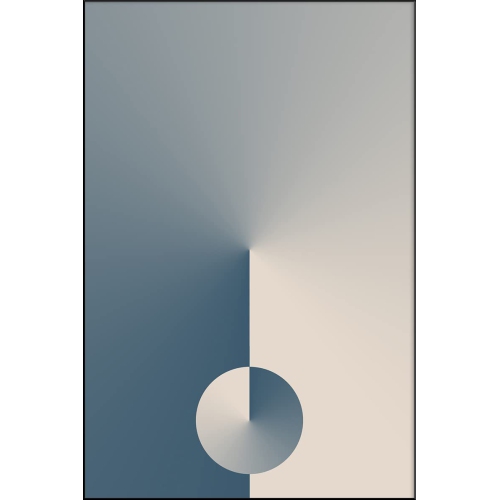
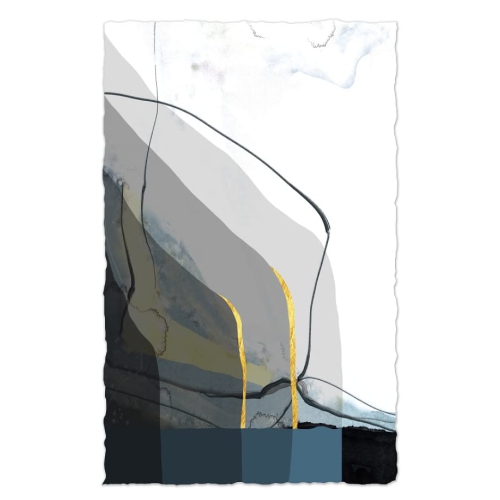
Familiar canvas texture with firm support beneath every brushstroke
Canvas panels are flat, rigid painting surfaces made by bonding canvas fabric to a firm backing, such as paperboard, fibreboard, or wood. They give artists the familiar texture of canvas without the depth or spring of fabric stretched over a wooden frame. That difference is noticeable when painting a crisp architectural edge, pressing a loaded brush into a patch of colour, or building a small still-life study with a palette knife: the surface feels supported beneath the hand. Cotton canvas is a common choice for everyday painting, while linen offers a different weave and fibre structure that some artists prefer for detailed or finished work. The backing, fabric, adhesive, and primer all contribute to how a panel handles paint and how well it holds its shape over time. Many canvas boards arrive primed, often with an acrylic ground, but the stated medium compatibility matters more than the colour or appearance of the coating. A white surface is not necessarily ready for every type of paint. Panels labelled for acrylics provide a starting point for quick colour studies, layered illustrations, and expressive brushwork; those intended for oils need a suitable barrier between the oil paint and the canvas fibres. Traditional watercolour generally needs a specially prepared absorbent surface rather than ordinary primed canvas. Within the broader range of Art Canvases, panels suit painters who want a slim format for practice, finished artwork, or a series of related images. Their shallow profile makes them practical for carrying to a class, arranging across a worktable, or storing in a portfolio once the paint is dry. They are useful for beginners learning brush control, students completing assignments, and experienced artists testing a composition before committing to a larger painting. A row of small panels can also hold separate colour studies, letting an artist compare changes in shadow, contrast, and focal point side by side.
Choosing canvas panels involves more than matching the outside dimensions to a planned picture. Surface texture, often described as tooth, affects how paint catches on the weave. A more pronounced texture can leave broken marks when a lightly loaded brush passes across it, which works well for rough stone, foliage, or loosely painted backgrounds. A finer texture gives small lettering, delicate lines, and smooth transitions a less interrupted surface, although the primer and painting technique also influence the result. Panel size and shape help set the composition: a square can frame a close-up of a flower, a tall rectangle can emphasize a standing figure, and a wide rectangle leaves room for a sweeping landscape. Smaller formats are manageable for short painting sessions and repeated exercises, while larger boards provide more room for broad gestures but need adequate backing strength to stay flat. Rigidity varies with the material and thickness, so not every canvas panel responds equally to firm pressure or heavy layers. Paperboard-backed panels are light and convenient, but excess moisture can cause swelling or warping. Wood-based supports can feel sturdier, though their weight, construction, and suitability for the chosen medium still deserve attention. For mixed-media work, the ground and backing should support the intended combination of paint, drawing materials, adhesive, and collage. Thick texture pastes or substantial attached objects call for a support designed to carry that load. Primed panels may be ready to paint as supplied; adding another compatible ground is an option when a different texture or absorbency is wanted, not an automatic requirement. For painting classes or shared creative sessions, panels of matching dimensions make it easier to organize workstations and compare exercises. For an artist who enjoys experimenting, varied shapes create room to explore different compositions. As a gift, canvas panels make the most sense when their size and paint compatibility match the recipient’s habits, whether that means compact acrylic studies at a kitchen table or carefully developed oil portraits in a dedicated studio.
The slim construction of canvas panels makes handling straightforward, but the painted surface and exposed edges still need care. Before use, boards should be kept flat in a clean, dry space, with protection against bent corners, spills, and pressure from unevenly stacked supplies. A panel that slides easily into a bag can still suffer damage if its edges rub against tools or its face rests against something abrasive. During painting, a tabletop easel, drawing board, or suitable panel holder can keep the support steady; checking the holder’s grip is especially helpful with thin boards that may not sit securely in hardware designed for deeper stretched canvas. Avoid soaking a panel or leaving wet materials against its backing, particularly when the core is paper-based. Once a painting is finished, drying and curing time depend on the medium and the thickness of the paint. Acrylic may feel dry at the surface before thicker passages have fully set, and oil paint can remain vulnerable to marking long after a painting session ends. Finished faces should not be stacked directly against one another, and transport is safer with a carrier or spacers that keep packaging away from the paint. Varnishing, when appropriate, should follow the paint and varnish manufacturers’ directions rather than a fixed timetable. For display, many canvas panels can be fitted into picture frames, but the frame opening, panel thickness, and depth of the painted texture all affect the fit. Secure backing and suitable retaining hardware help keep the board in place without forcing it. Glazing is not always needed for acrylic or oil paintings; if it is used, a spacer should keep it from touching the artwork. A framed panel can give a small study a finished presence on a wall, while several matching panels can form a cohesive group of portraits, abstract shapes, or scenes from a favourite place. With a suitable surface, supportive construction, and careful handling, canvas boards serve both the everyday work of learning to paint and the satisfaction of displaying a finished piece.
Choosing canvas panels involves more than matching the outside dimensions to a planned picture. Surface texture, often described as tooth, affects how paint catches on the weave. A more pronounced texture can leave broken marks when a lightly loaded brush passes across it, which works well for rough stone, foliage, or loosely painted backgrounds. A finer texture gives small lettering, delicate lines, and smooth transitions a less interrupted surface, although the primer and painting technique also influence the result. Panel size and shape help set the composition: a square can frame a close-up of a flower, a tall rectangle can emphasize a standing figure, and a wide rectangle leaves room for a sweeping landscape. Smaller formats are manageable for short painting sessions and repeated exercises, while larger boards provide more room for broad gestures but need adequate backing strength to stay flat. Rigidity varies with the material and thickness, so not every canvas panel responds equally to firm pressure or heavy layers. Paperboard-backed panels are light and convenient, but excess moisture can cause swelling or warping. Wood-based supports can feel sturdier, though their weight, construction, and suitability for the chosen medium still deserve attention. For mixed-media work, the ground and backing should support the intended combination of paint, drawing materials, adhesive, and collage. Thick texture pastes or substantial attached objects call for a support designed to carry that load. Primed panels may be ready to paint as supplied; adding another compatible ground is an option when a different texture or absorbency is wanted, not an automatic requirement. For painting classes or shared creative sessions, panels of matching dimensions make it easier to organize workstations and compare exercises. For an artist who enjoys experimenting, varied shapes create room to explore different compositions. As a gift, canvas panels make the most sense when their size and paint compatibility match the recipient’s habits, whether that means compact acrylic studies at a kitchen table or carefully developed oil portraits in a dedicated studio.
The slim construction of canvas panels makes handling straightforward, but the painted surface and exposed edges still need care. Before use, boards should be kept flat in a clean, dry space, with protection against bent corners, spills, and pressure from unevenly stacked supplies. A panel that slides easily into a bag can still suffer damage if its edges rub against tools or its face rests against something abrasive. During painting, a tabletop easel, drawing board, or suitable panel holder can keep the support steady; checking the holder’s grip is especially helpful with thin boards that may not sit securely in hardware designed for deeper stretched canvas. Avoid soaking a panel or leaving wet materials against its backing, particularly when the core is paper-based. Once a painting is finished, drying and curing time depend on the medium and the thickness of the paint. Acrylic may feel dry at the surface before thicker passages have fully set, and oil paint can remain vulnerable to marking long after a painting session ends. Finished faces should not be stacked directly against one another, and transport is safer with a carrier or spacers that keep packaging away from the paint. Varnishing, when appropriate, should follow the paint and varnish manufacturers’ directions rather than a fixed timetable. For display, many canvas panels can be fitted into picture frames, but the frame opening, panel thickness, and depth of the painted texture all affect the fit. Secure backing and suitable retaining hardware help keep the board in place without forcing it. Glazing is not always needed for acrylic or oil paintings; if it is used, a spacer should keep it from touching the artwork. A framed panel can give a small study a finished presence on a wall, while several matching panels can form a cohesive group of portraits, abstract shapes, or scenes from a favourite place. With a suitable surface, supportive construction, and careful handling, canvas boards serve both the everyday work of learning to paint and the satisfaction of displaying a finished piece.
Top selling and popular products
-
 Your price for this item is $24.99
 -
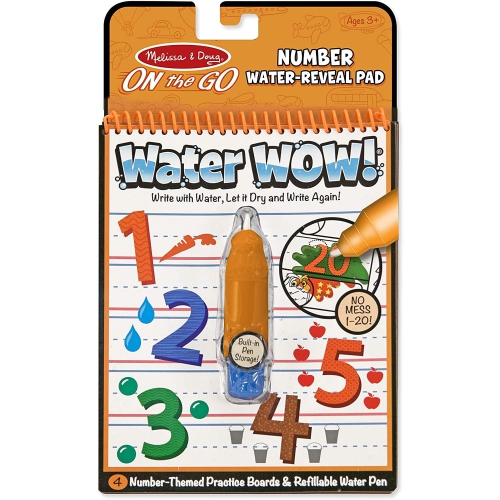 Your price for this item is $24.99
 -
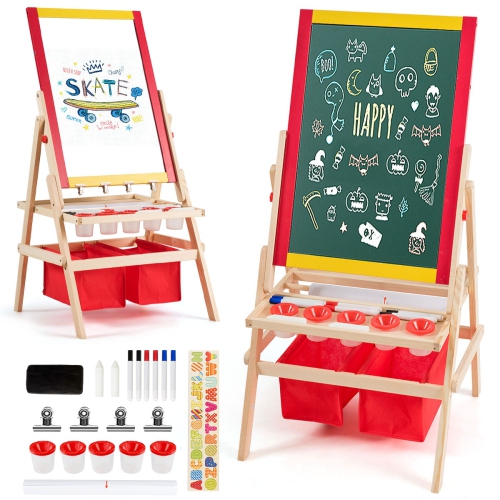 Your price for this item is $94.99
 -
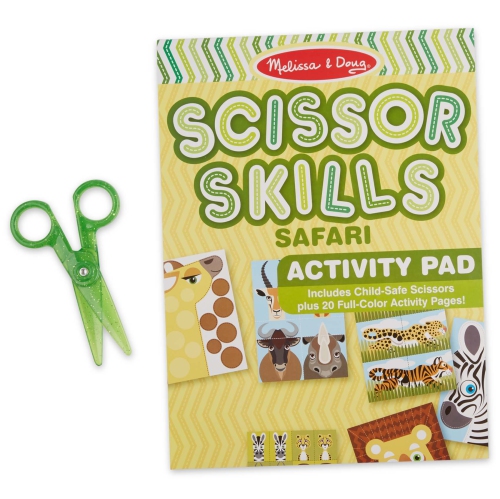 Your price for this item is $24.99
 -
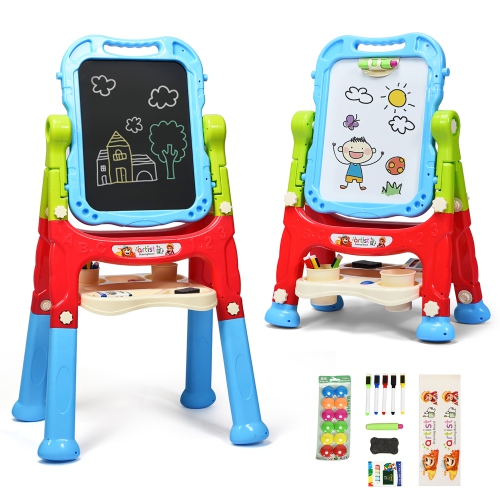 Your price for this item is $84.99
 -
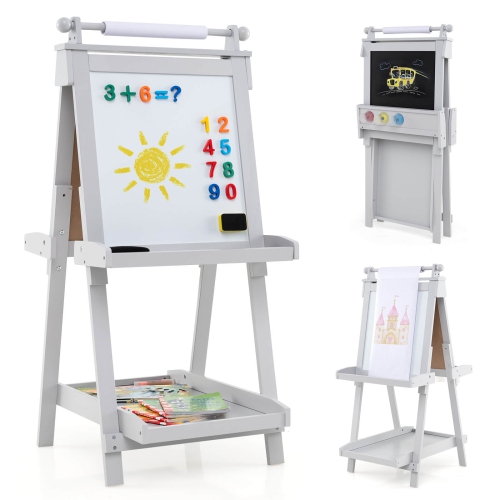 Your price for this item is $115.99
 -
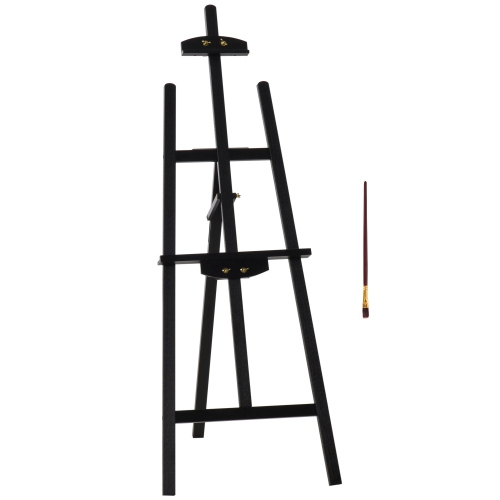 Your price for this item is $58.99
 -
 Your price for this item is $90
Discover more categories related to Canvas Panels

Top Collections:
Pokemon Centers, Kindle Devices, Best Budget Office Chairs, Apple iPhones 16, Canon G7X Cameras, iPhone 15 Apple, Alarm Clock, Refurbished Apple Laptops, Flip Phones, Best Laptops for Writers
Some products may be subject to Environmental Handling Fees
(EHF) depending on your province.
Learn more about EHFs.