Large Canvases
Elevate your space with our collection of large canvases, perfect for adding a touch of personality and style to any room. Whether you're looking to create a statement wall or showcase your favorite artwork, these oversized canvases provide the perfect canvas for your creativity to shine. With a variety of sizes and designs to choose from, you'll find the ideal piece to enhance your home decor and make a lasting impression.
Sort
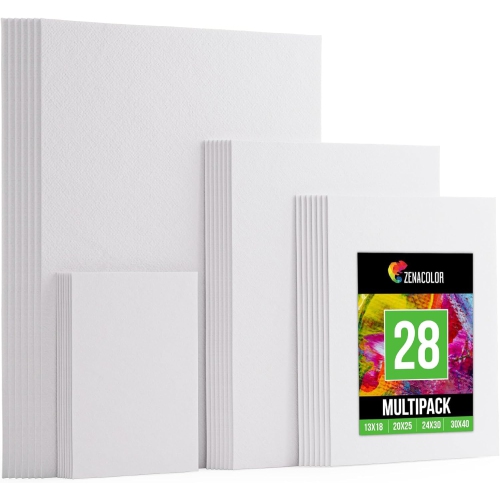
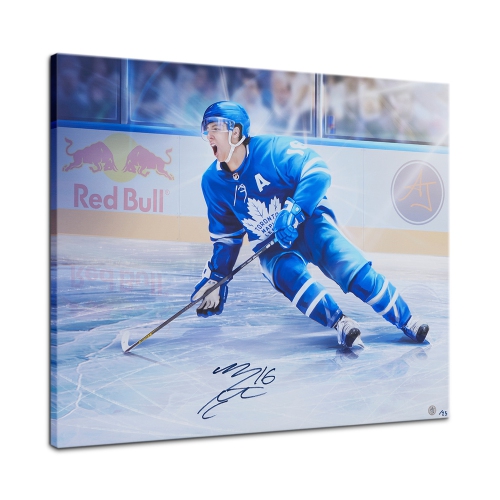
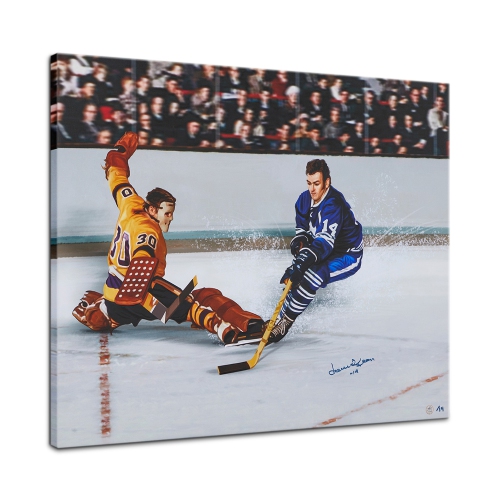

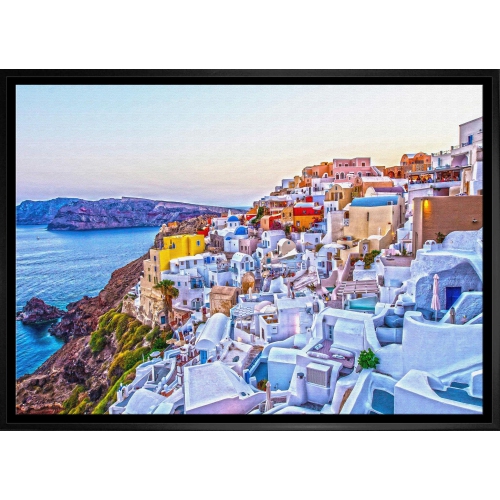


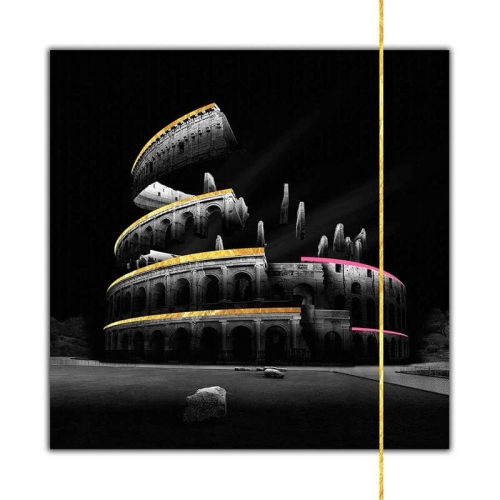
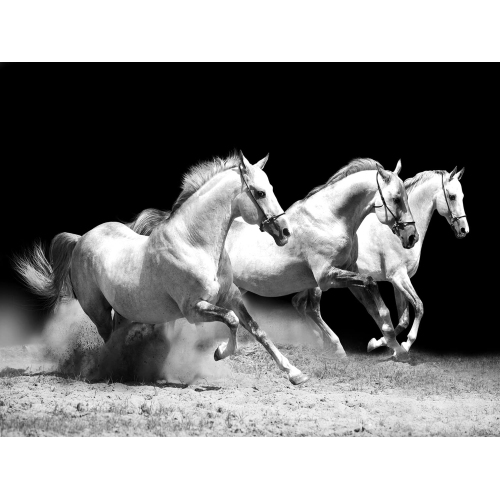
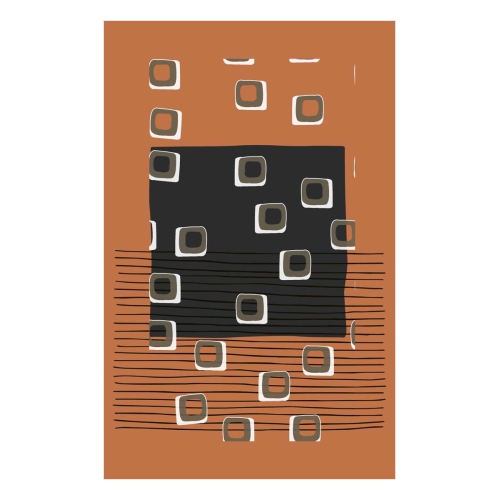
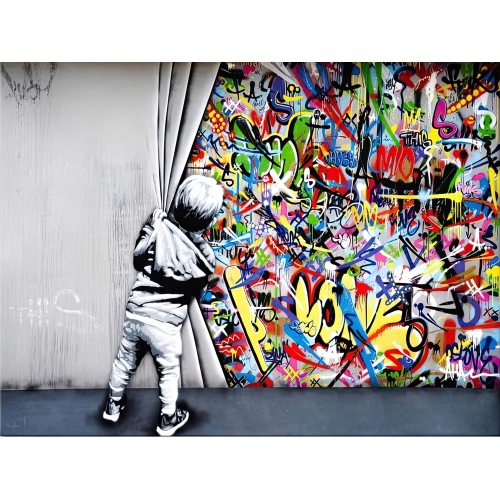
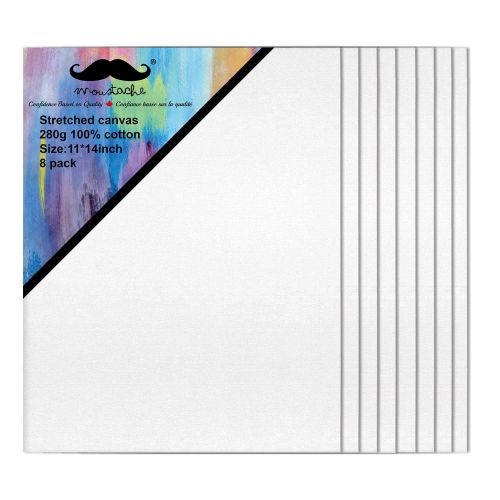
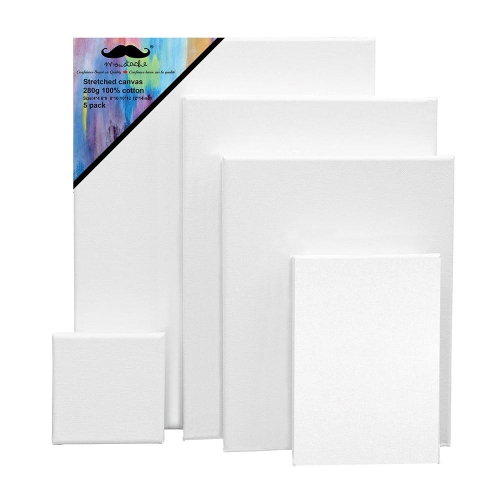
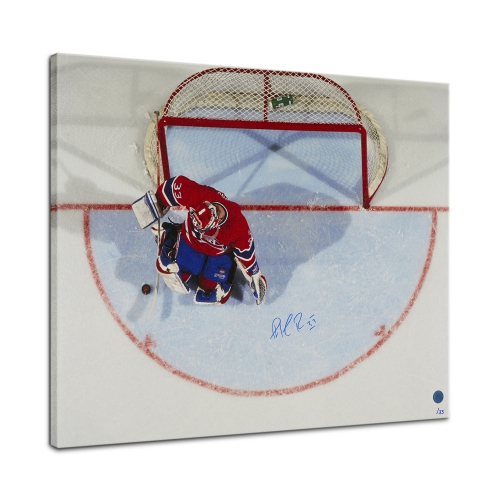
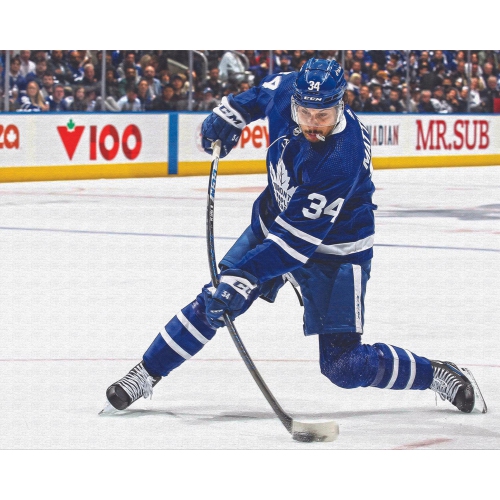
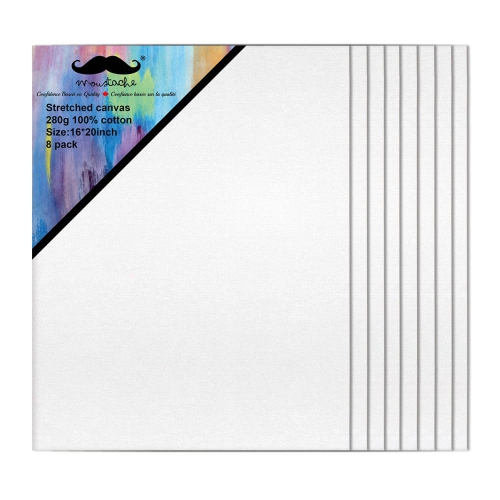
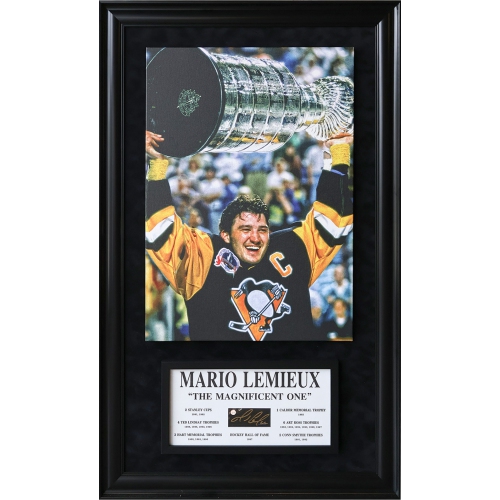

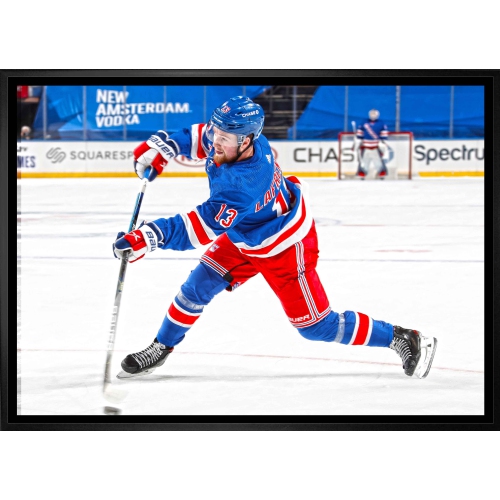
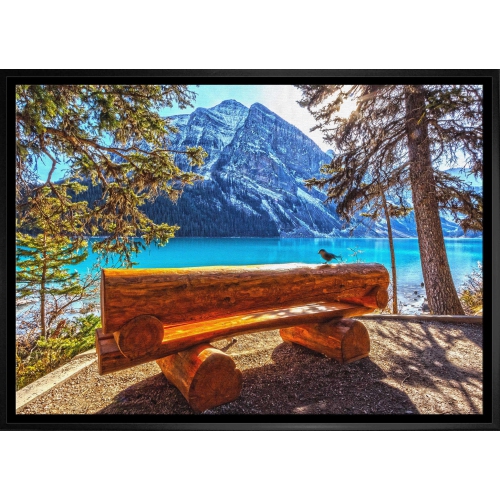
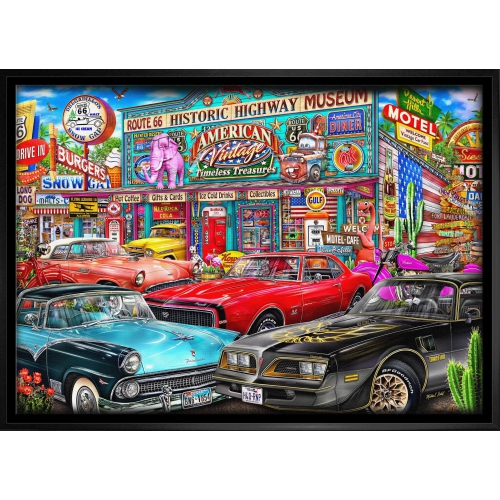
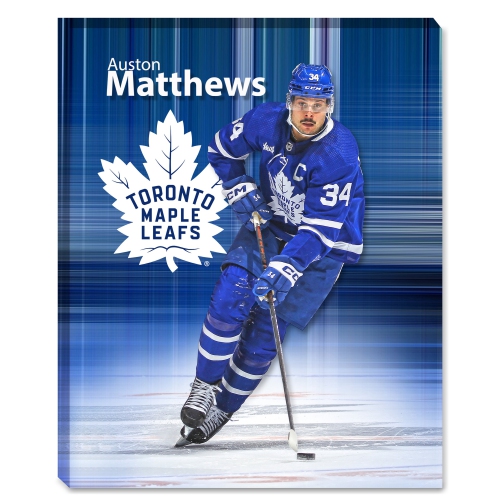


Room for bold brushwork and statement wall art
Large canvases are oversized fabric surfaces used for painting, displaying printed images or creating statement wall art, often measuring 36 by 48 inches or more. There is no universal size threshold, so the actual width and height are more useful than a size label alone. Their generous proportions give artists room for broad gestures, layered textures and detailed compositions that would feel crowded on a smaller surface. In a room, a single large canvas can anchor the space above a sofa, fill a tall stairwell wall or bring a focal point to an open dining area. Blank painting canvases and finished canvas prints serve different purposes: one provides a surface for original work, while the other arrives with an image already applied. Across the Art Canvas category, understanding that distinction helps connect the format to its intended use. Pre-stretched canvas consists of fabric secured over wooden stretcher bars, creating a supported surface that can be painted without building a frame first. Rolled canvas offers flexibility for artists who stretch their own supports or need an unusual proportion, although it requires additional materials and preparation before painting or display. Rectangular, square and panoramic shapes each create a different effect: a wide landscape can echo the length of a sideboard, while a tall composition can suit a narrow wall with generous ceiling height. Measurements also need to account for the canvas depth and any outer frame. A large surface may fit its intended wall but still be difficult to carry around a tight landing or through a doorway. For studio use, the footprint includes space to step back, move around the edges and reach the centre comfortably. These practical details matter just as much as the finished dimensions, especially when the canvas will move between a workspace, a vehicle and its eventual display location.
The material beneath the paint influences how a large canvas feels to work on and how it responds to handling. Cotton is a familiar choice for painting supports, with a woven texture that can suit anything from expressive acrylic strokes to carefully built layers. Linen has its own distinctive weave and is valued by many painters for its strength and working qualities, though the feel varies with the fabric, preparation and tension. Fibre alone does not determine quality; the weight of the cloth, consistency of the weave, sturdiness of the stretcher bars and care taken during assembly all contribute. A coarse surface can become part of a bold composition, catching paint on the raised threads, while a finer texture may be better suited to small lettering, precise edges or detailed portrait work. Priming is equally important. Many painting canvases have an acrylic ground, often called gesso, that creates a receptive surface, but suitability for acrylics, oils or other media should come from the stated specifications. Oil paint needs an appropriately prepared barrier rather than direct contact with raw fabric. Unprimed canvas leaves preparation to the artist and may need sizing and a compatible ground before use. Watercolour generally calls for a specially prepared canvas surface rather than an ordinary painting canvas. On a larger support, even tension and a well-built frame help limit distracting movement while brushing or working with a palette knife. Cross-bracing can add support to wider stretcher frames, depending on their construction. Canvas depth also changes the finished appearance: deeper edges create a more pronounced profile on the wall and leave room for a painted continuation around the sides. Thin washes, heavy texture and collage place different demands on the support, so compatibility with the intended technique matters more than assuming every blank canvas will behave the same way. For vigorous scraping or particularly heavy applications, a rigid painting panel may be more suitable than stretched fabric.
Large canvases suit experienced painters developing a substantial piece, students experimenting beyond a sketchbook and hobbyists who enjoy having room to spread out a composition. A family portrait, an abstract study in a favourite colour palette or a landscape inspired by a memorable trip can all benefit from the sense of scale. For finished printed canvases, the image itself needs to hold up at the intended viewing distance. Fine detail, sharpness and tonal transitions become more noticeable as an image grows, and enlarging a small digital file does not create detail that was missing from the original. The treatment of the edges matters too: an image wrapped around the stretcher bars can lose important details at the sides, so faces, lettering and key features need enough space within the front-facing area. In shared rooms, scale works best alongside the furniture rather than competing with it. A broad canvas above a low cabinet can establish a clear visual centre, while a quieter composition may suit a bedroom or reading corner. Hanging needs depend on the finished weight, frame construction, wall material and supplied hardware; a large footprint does not reliably indicate how heavy a piece will be. Blank canvases can make thoughtful gifts for painters when the recipient’s preferred medium, surface texture and available working space are known. Finished canvas art can mark a housewarming or anniversary, particularly when its subject has a personal connection. Care should reflect whether the surface is unpainted, painted or printed, as finishes do not all tolerate the same cleaning methods. Keeping canvas away from direct sunlight, persistent dampness and splashes helps protect both the fabric and its image or paint layers. When moving a stretched canvas, holding the frame rather than pressing against the fabric helps prevent dents and distortion. Protective wrapping should not press into delicate texture, and cleaning should follow the maker’s directions rather than relying on household sprays. With suitable support, thoughtful placement and careful handling, a large canvas can remain a lasting part of a creative practice or a room’s character.
Top selling and popular products
-
 Your price for this item is $356.99
-
 Your price for this item is $379.99
-
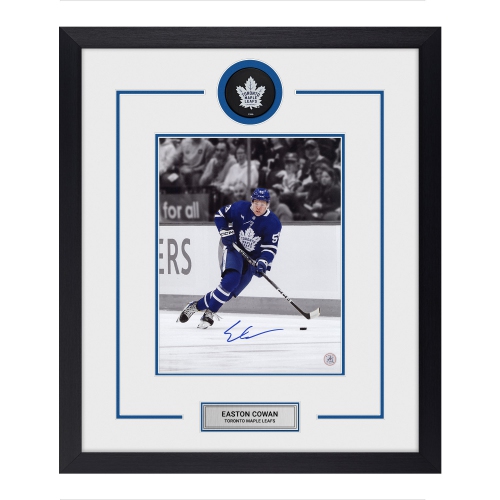 Your price for this item is $319.99
-
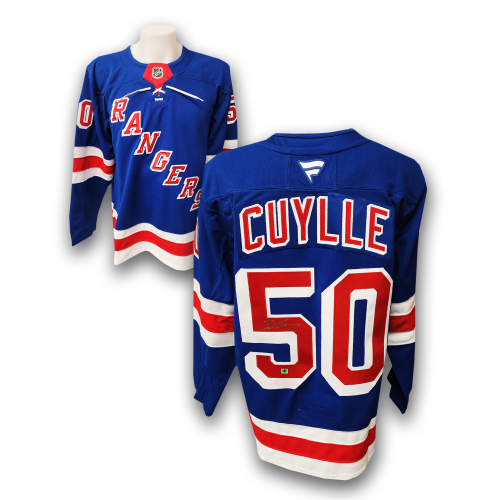 Your price for this item is $447
-
 Your price for this item is $56
-
 Your price for this item is $67
-
 Your price for this item is $299
-
 Your price for this item is $499
Discover more categories related to Large Canvases
Top Collections:
Best Black Friday Deals This Year, Best Black Friday Deals On Electronics, Kindle Devices, Dyson Airwrap, Best Cameras for Sports Photography, Best Black Friday Deals On Apple Products, PS5 Pro Consoles, Portable Snow Blowers, Canon G7X Cameras, Pokémon 30th Celebration Cards
Some products may be subject to Environmental Handling Fees
(EHF) depending on your province.
Learn more about EHFs.