Car Toys
Rev up your car entertainment with our selection of car toys that will take your driving experience to the next level. From cutting-edge audio systems to innovative tech gadgets designed for on-the-go convenience, we have everything you need to transform your vehicle into a mobile entertainment hub. Whether you're a music enthusiast, a tech-savvy driver, or simply looking to enhance your daily commute, our range of car toys offers something for everyone. Explore our collection and discover the latest in automotive entertainment technology to elevate your time on the road.
Sort

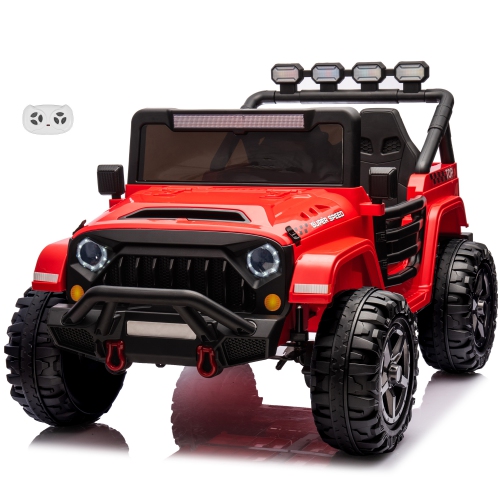
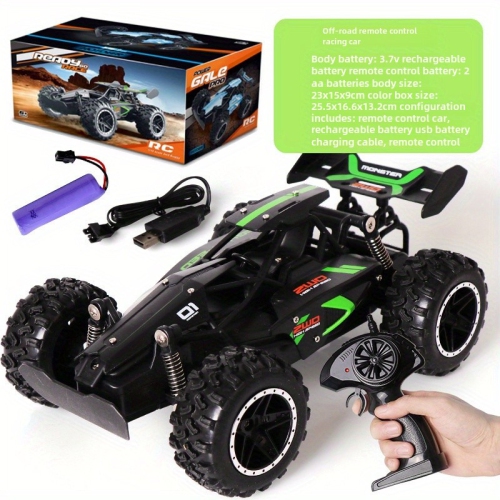
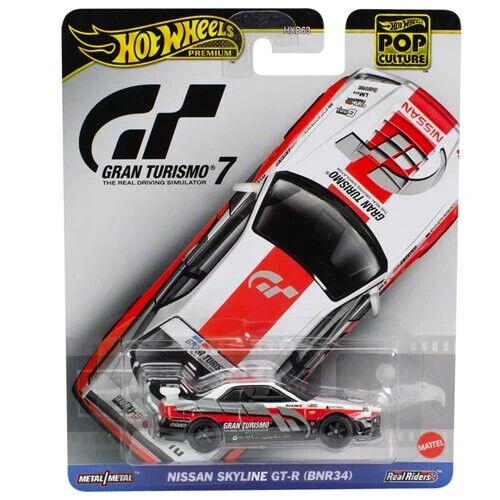
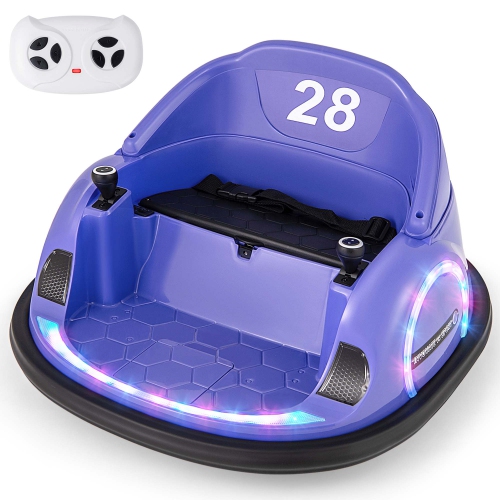
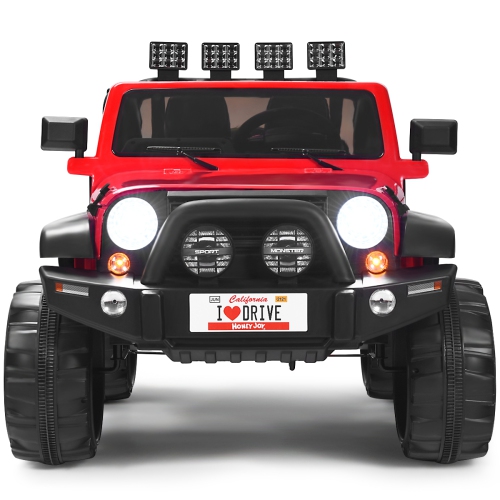
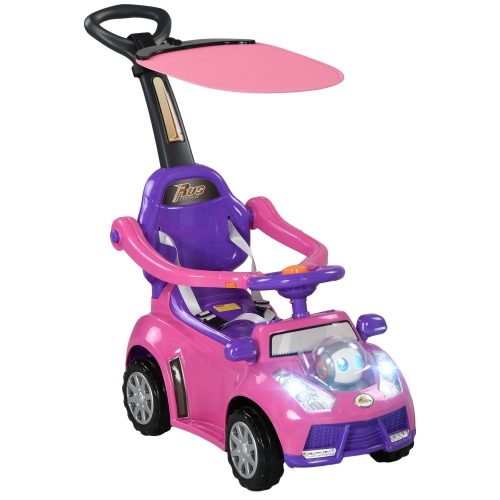
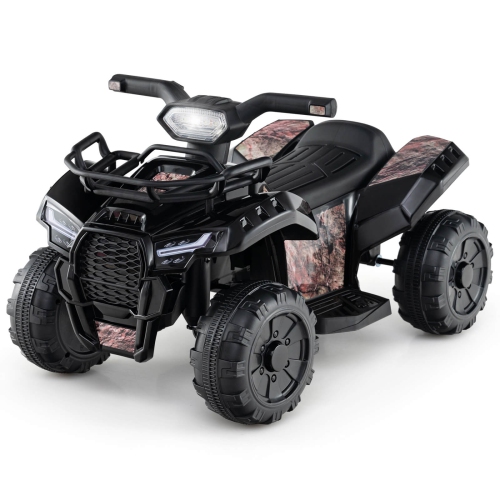
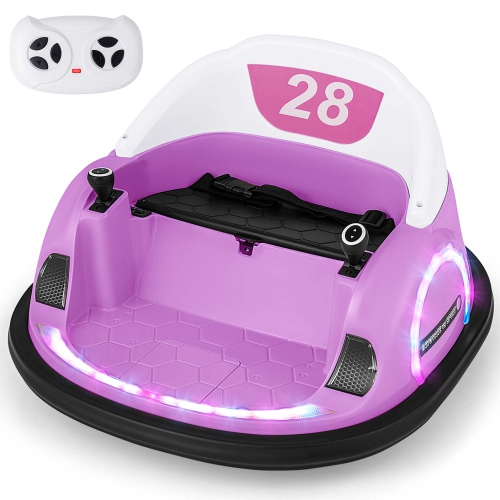
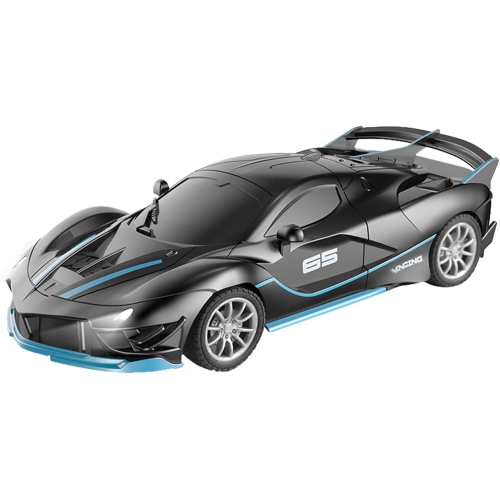
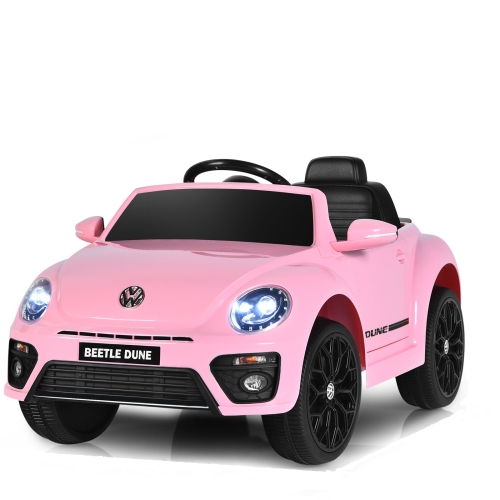
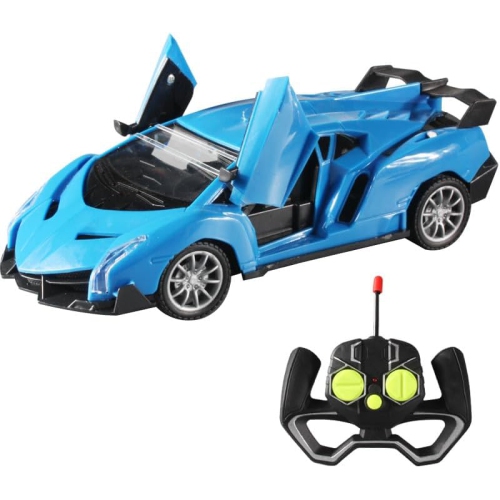
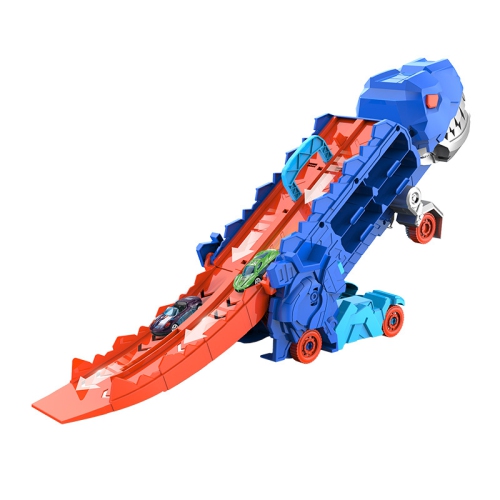
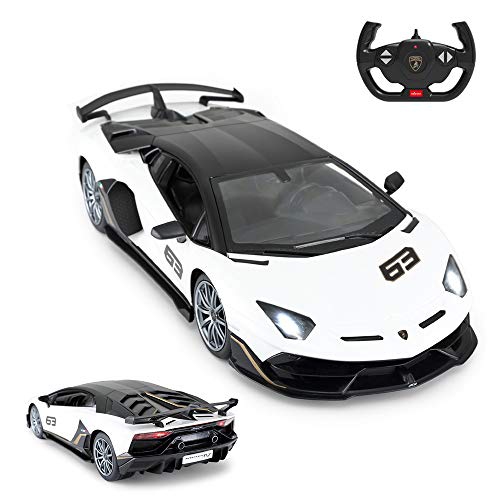
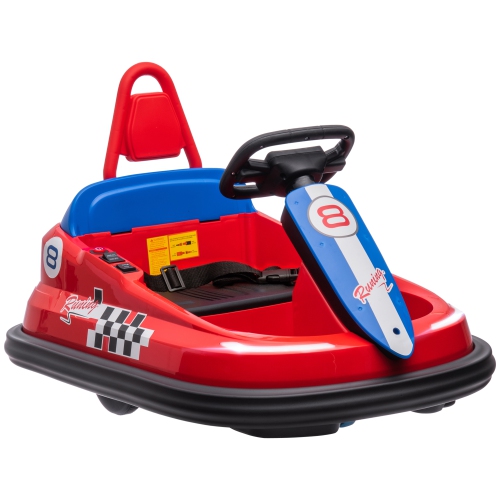
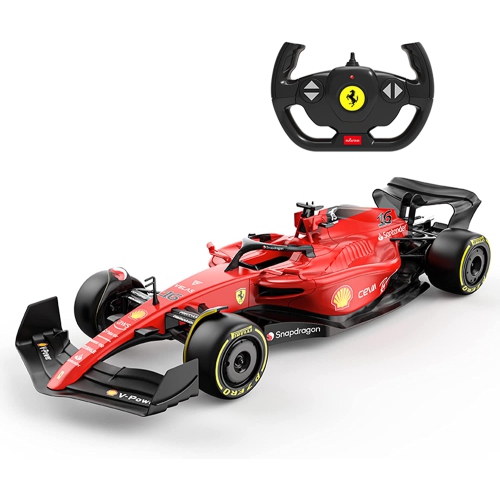
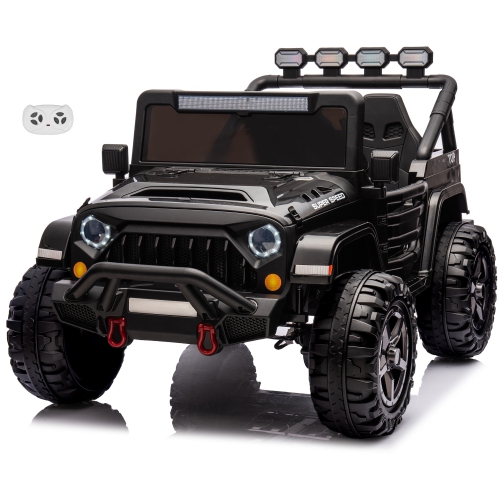
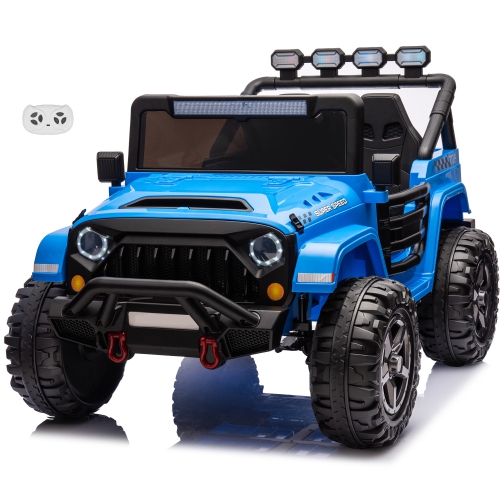
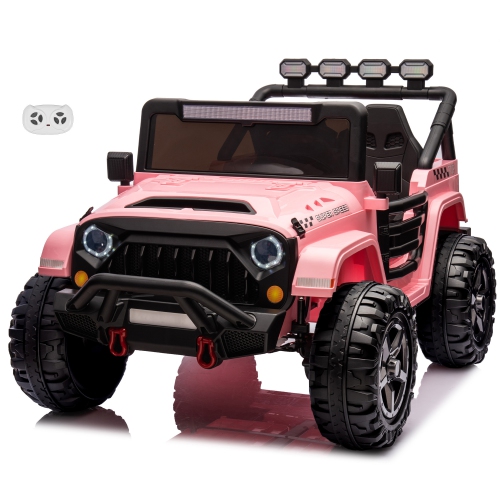
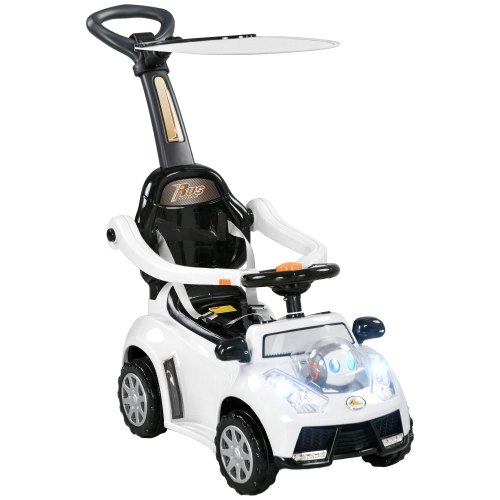
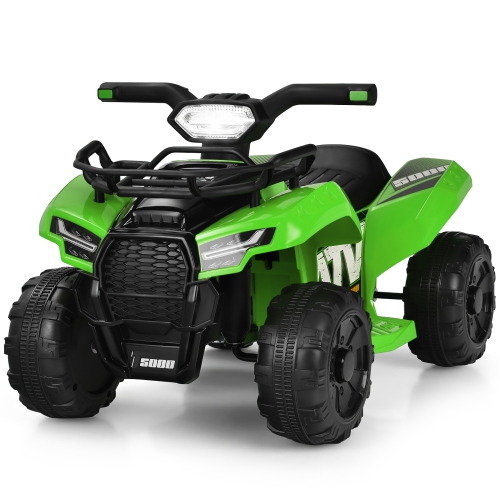
![GREEN SCENIC Wireless Remote Control Car Sports Car Electric Rc Car Wireless Remote Control Children 2.4Ghz Kids Car Toy (Blue [Rechargeable])](https://multimedia.bbycastatic.ca/multimedia/products/500x500/193/19307/19307502.jpeg)
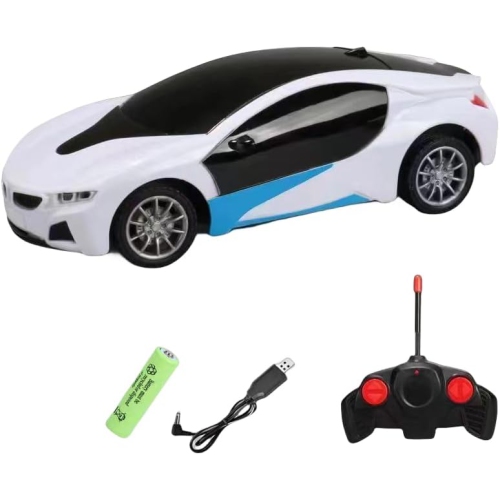
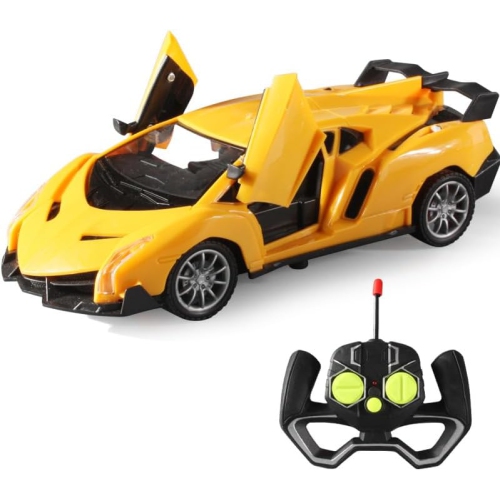
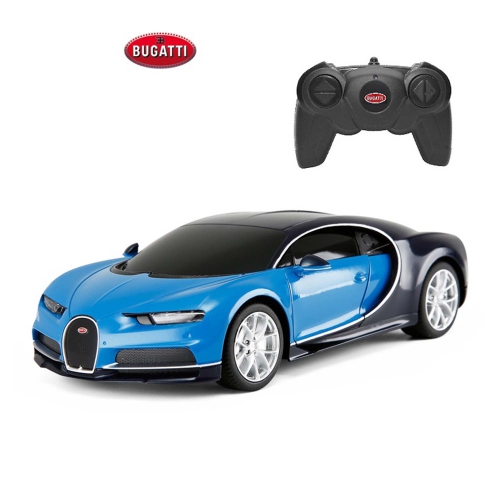
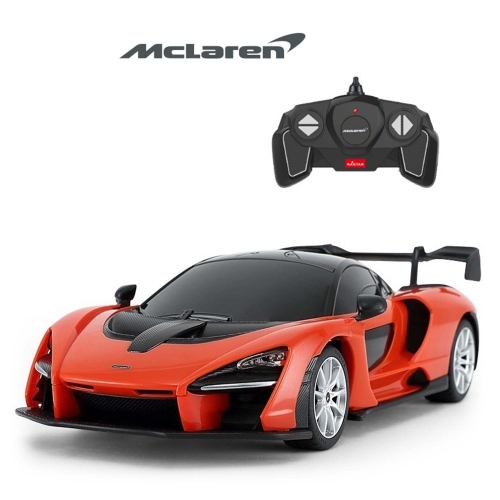
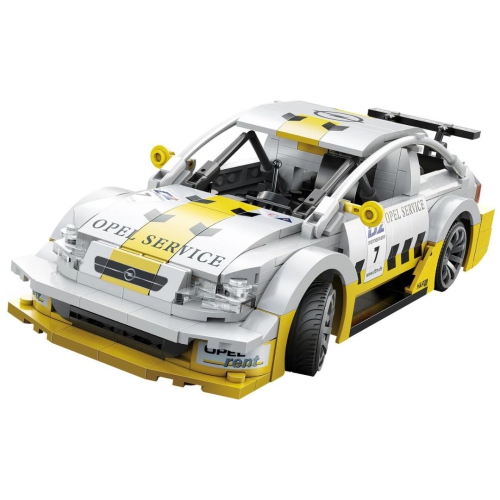

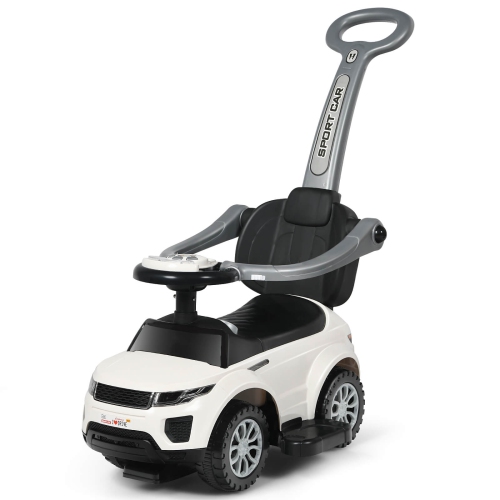
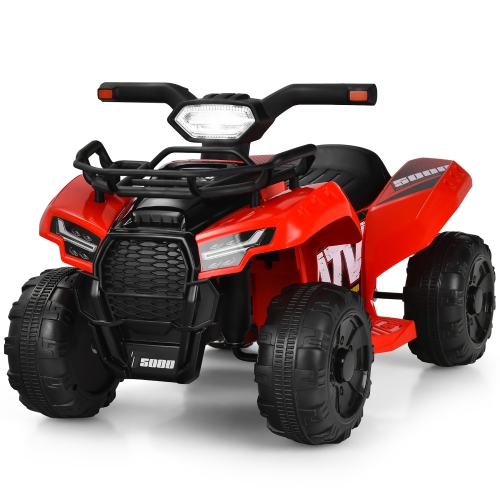
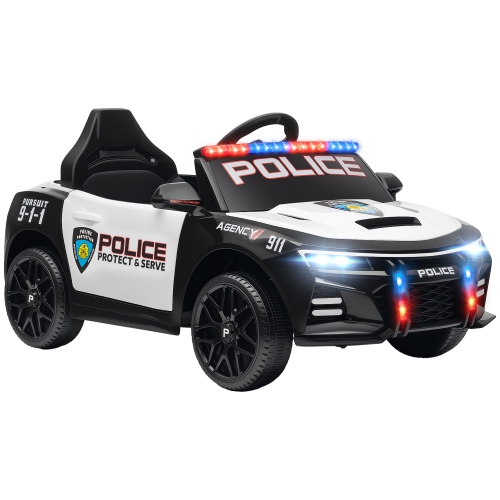
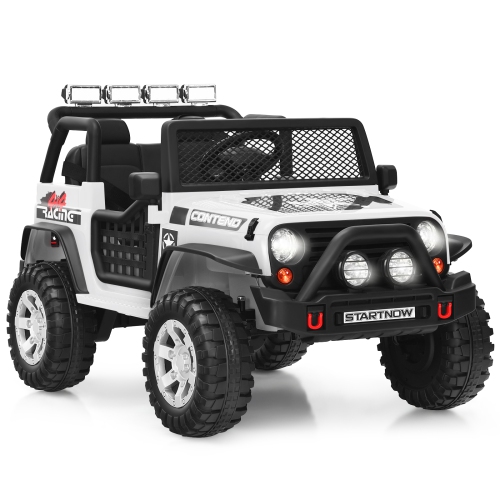
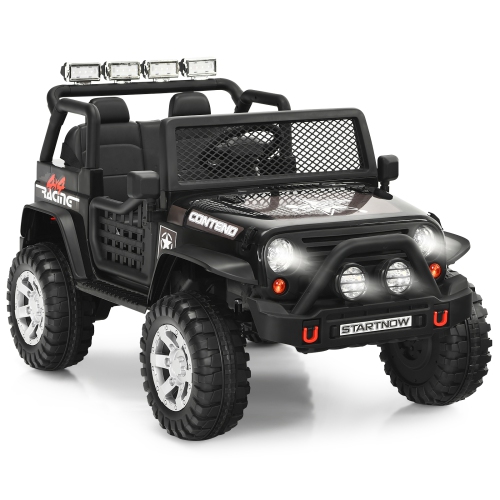
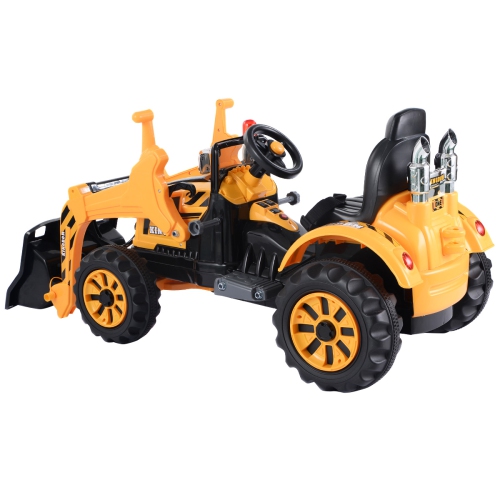
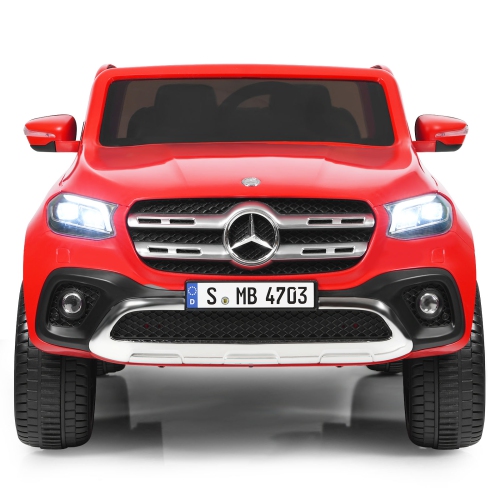
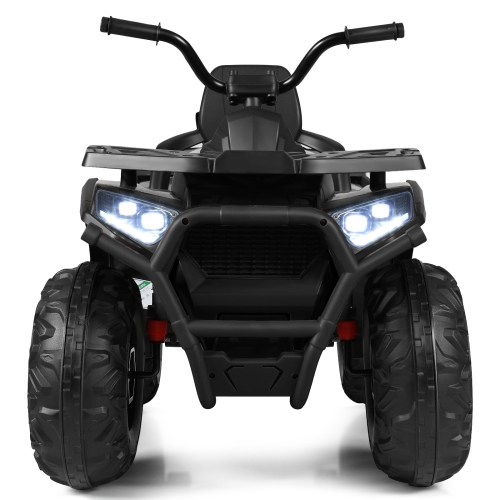

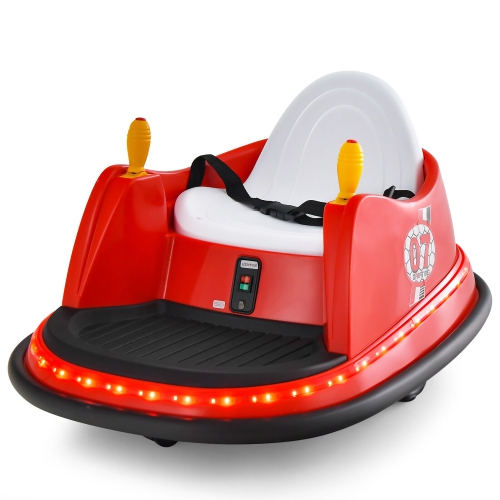
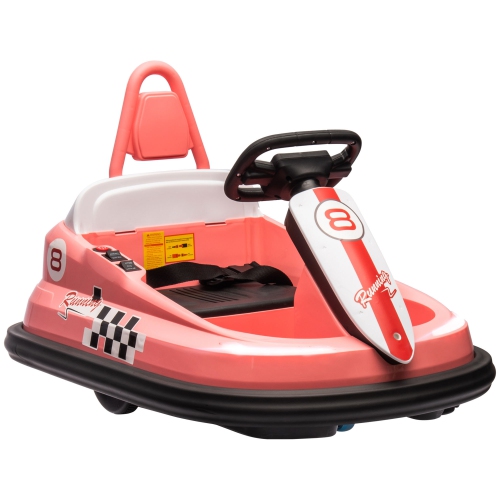
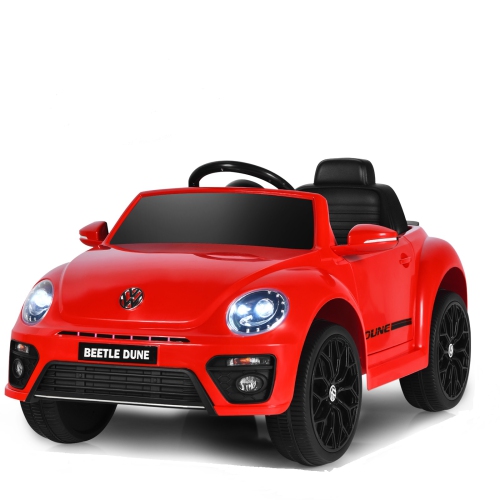
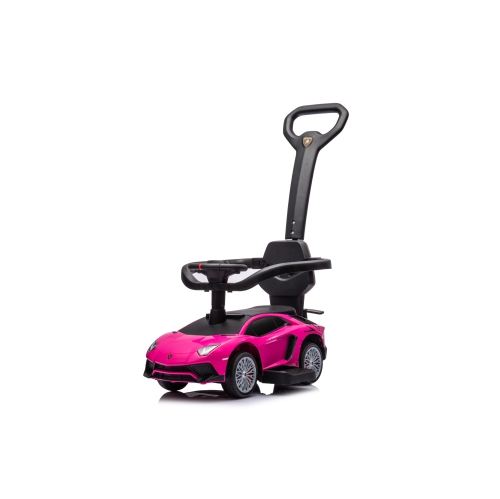
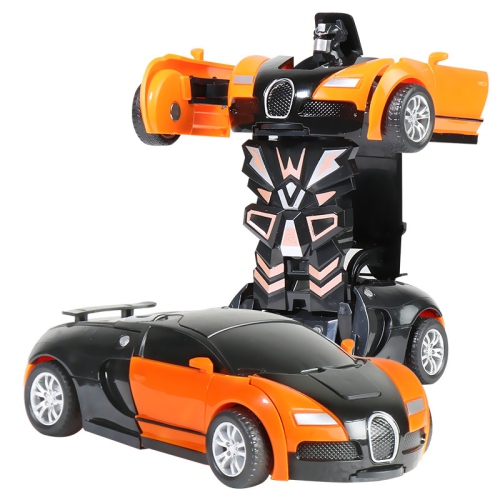
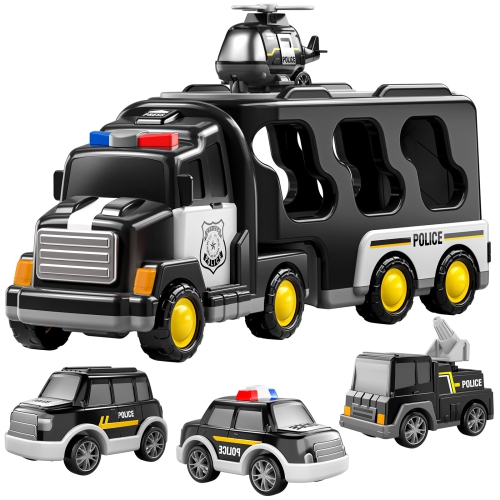
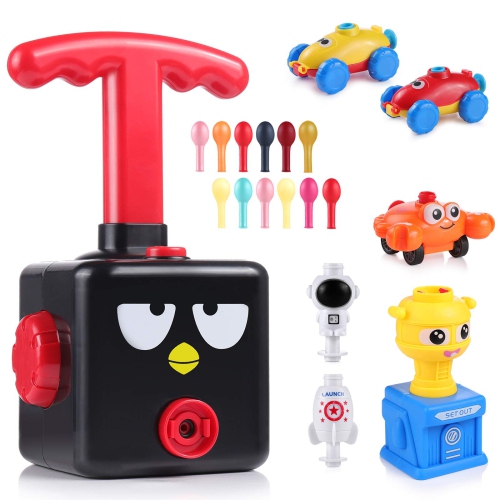
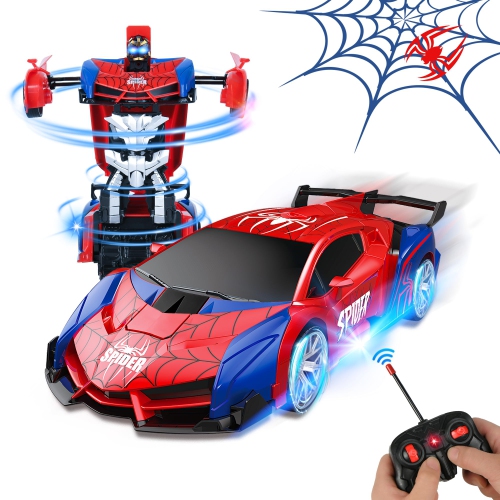
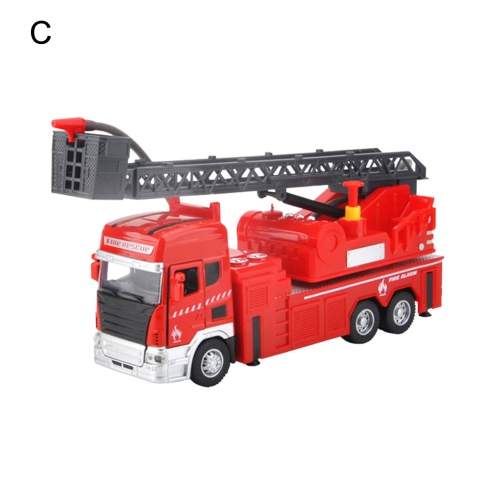
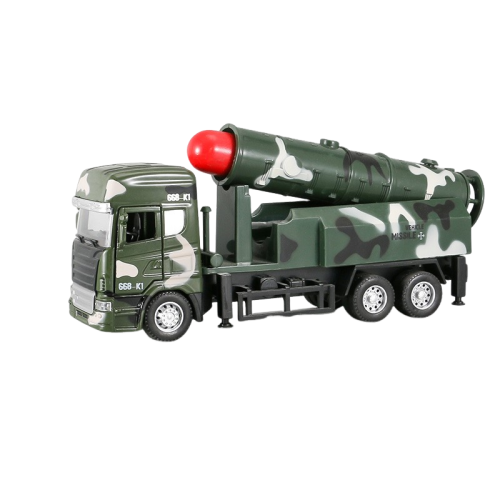
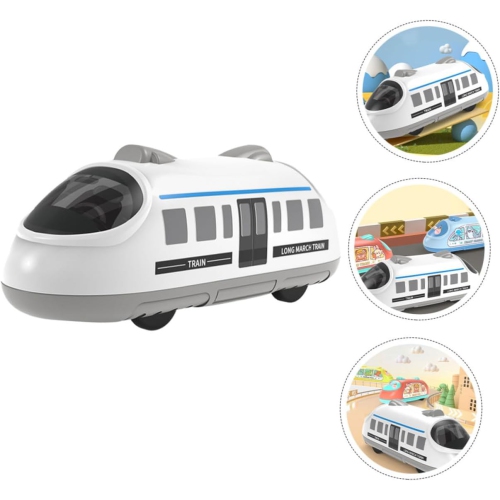
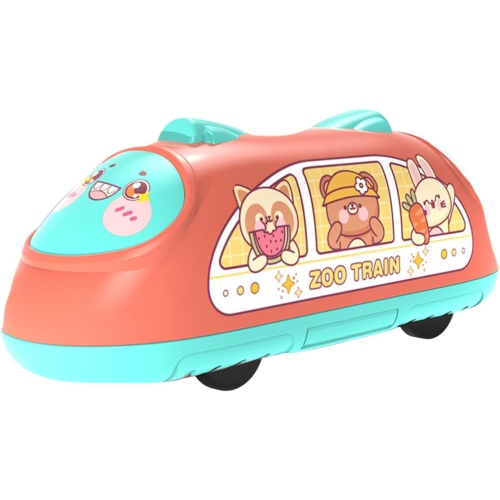
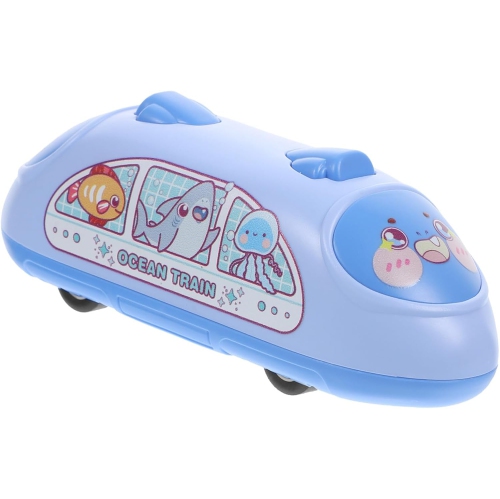

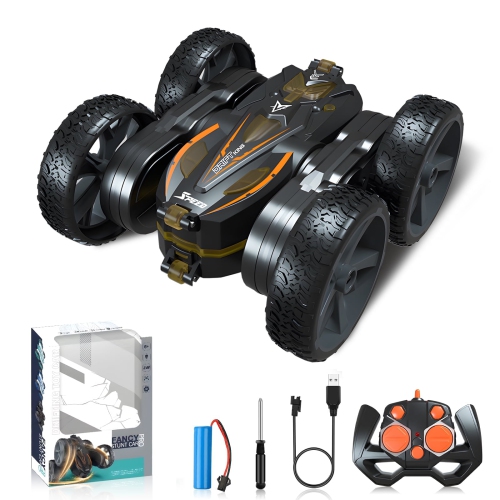
![GREEN SCENIC Wireless Remote Control Car Sports Car Electric Rc Car Wireless Remote Control Children 2.4Ghz Kids Car Toy (Red [Rechargeable])](https://multimedia.bbycastatic.ca/multimedia/products/500x500/193/19307/19307530.jpeg)
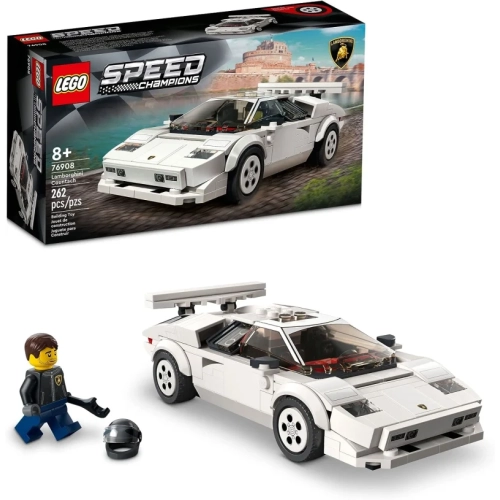
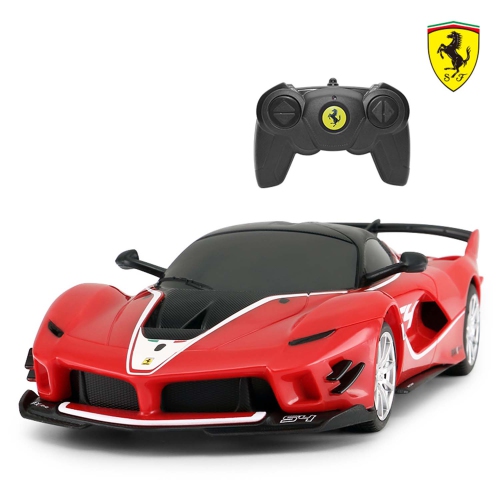
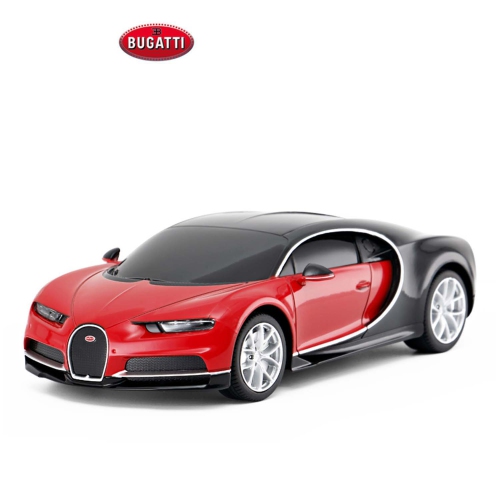
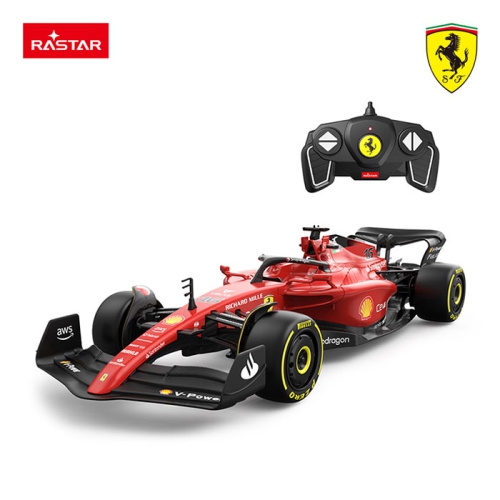
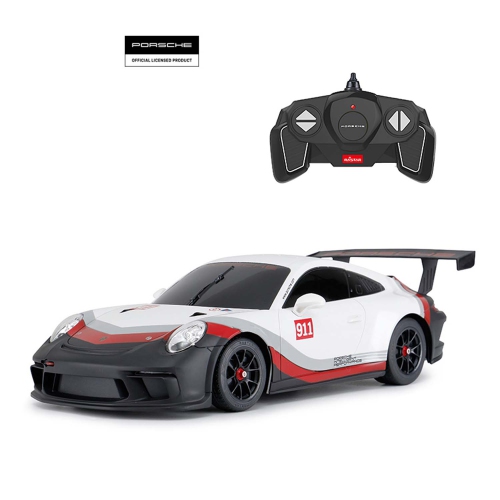
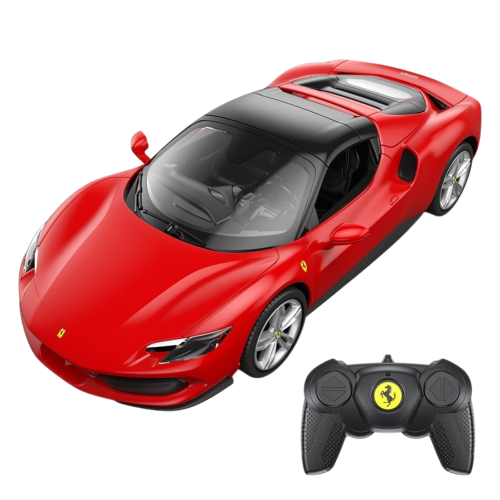
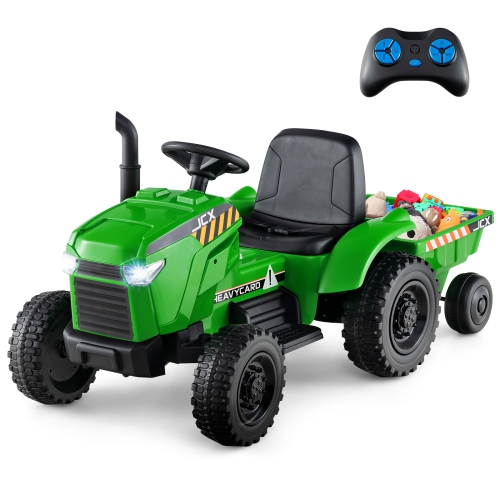
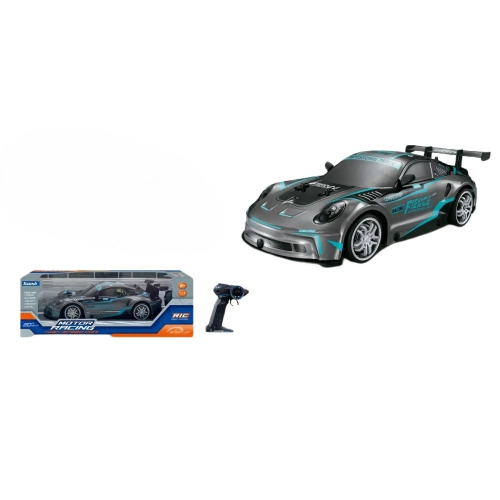
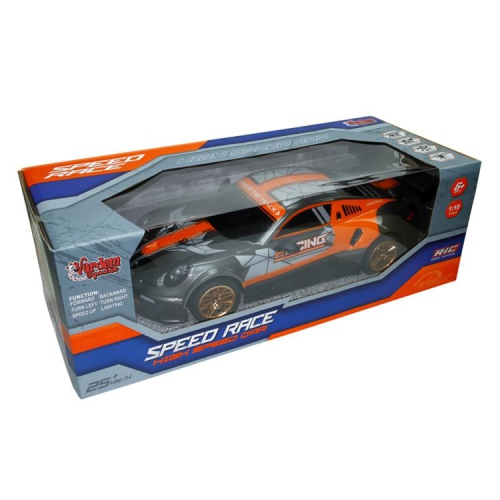
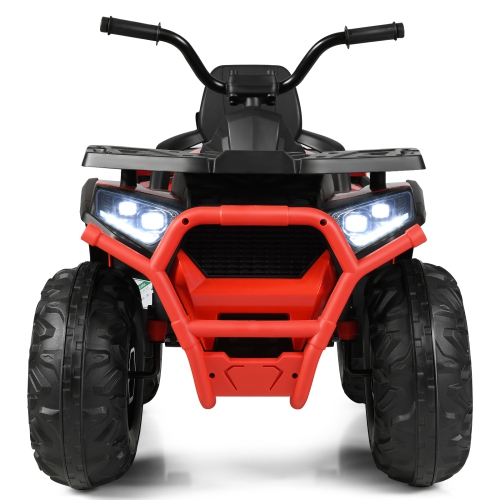
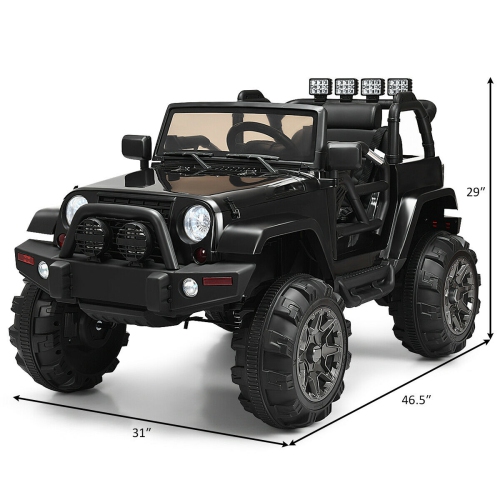
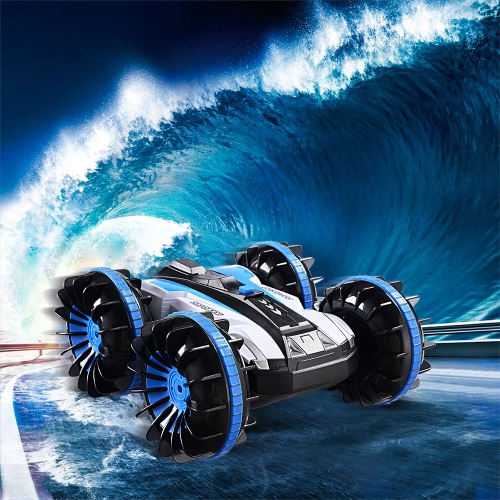
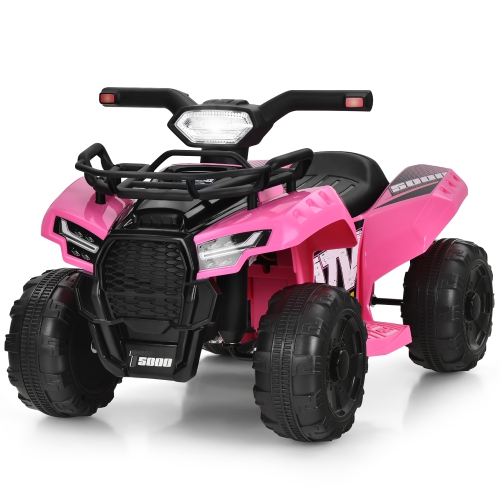
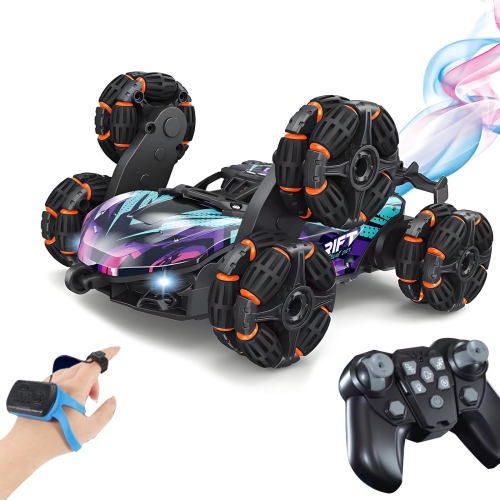
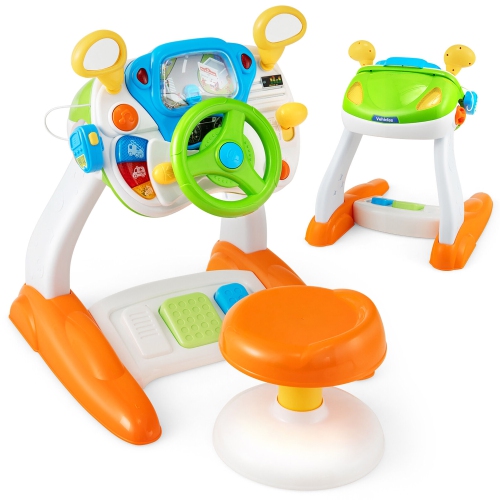
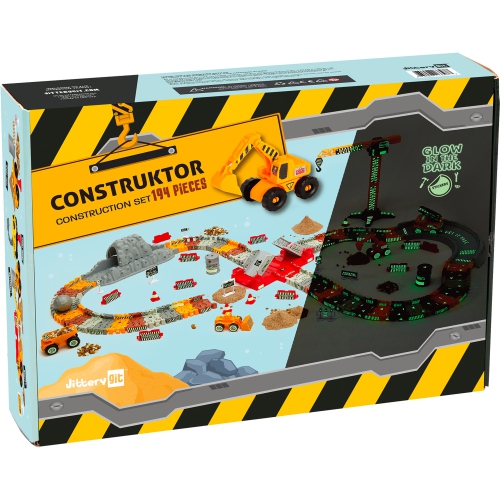
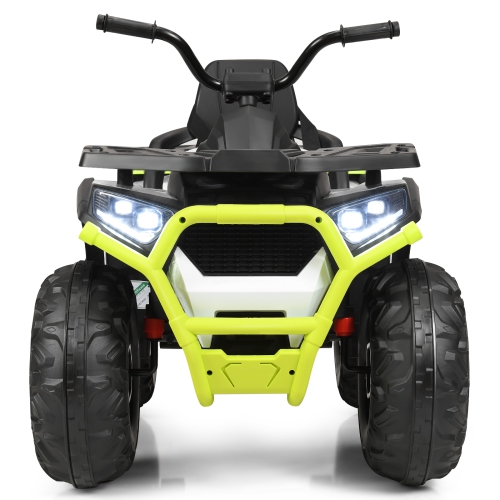
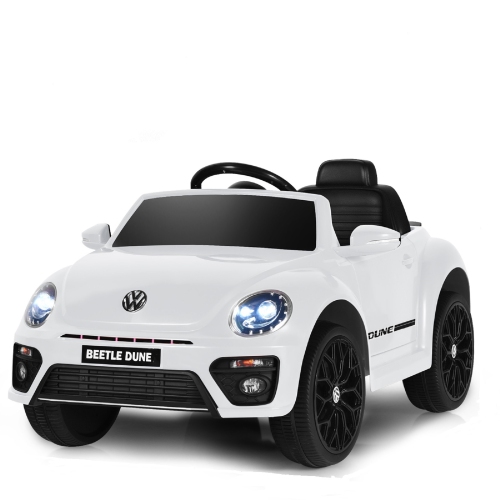
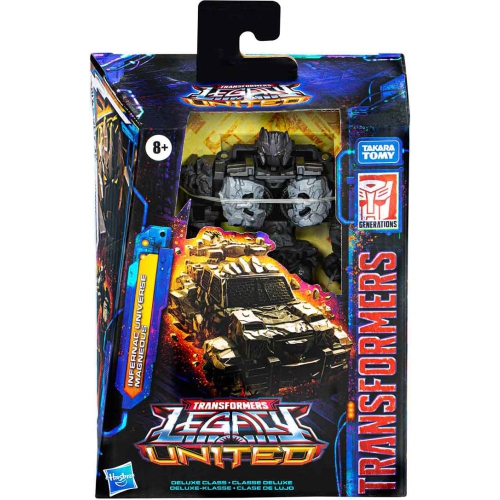
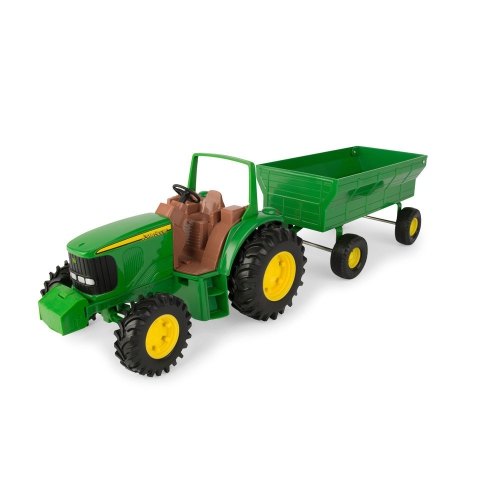
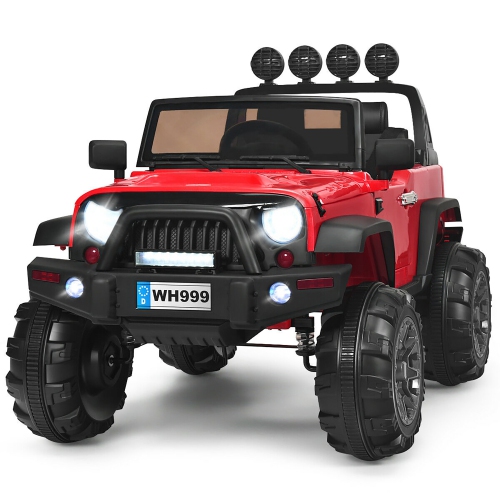
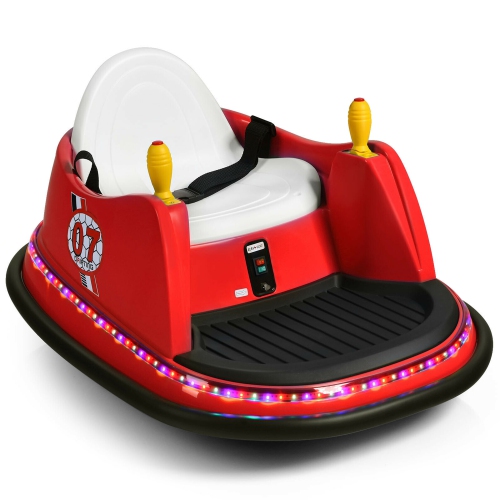
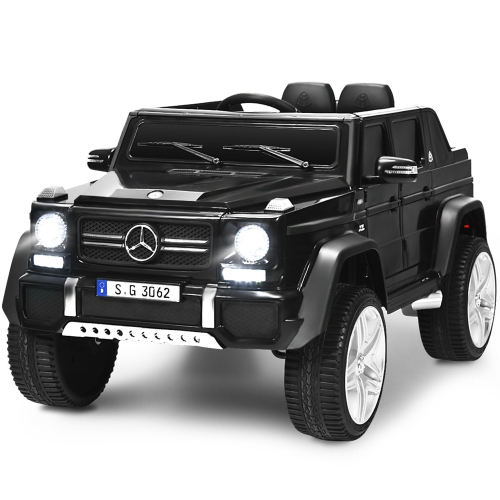
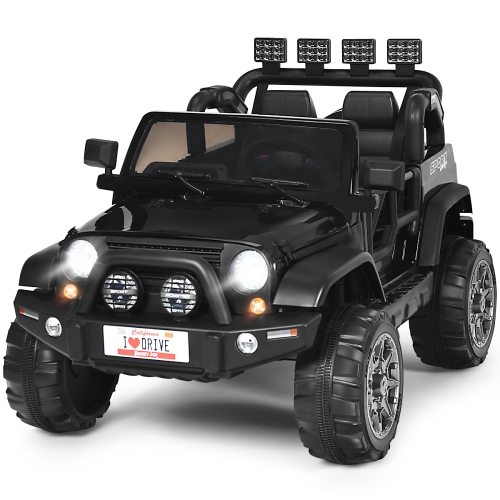
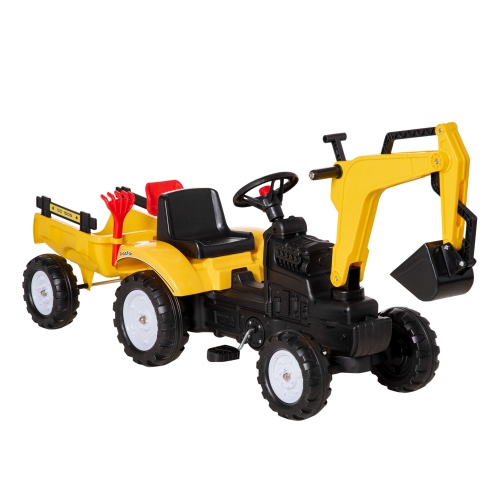
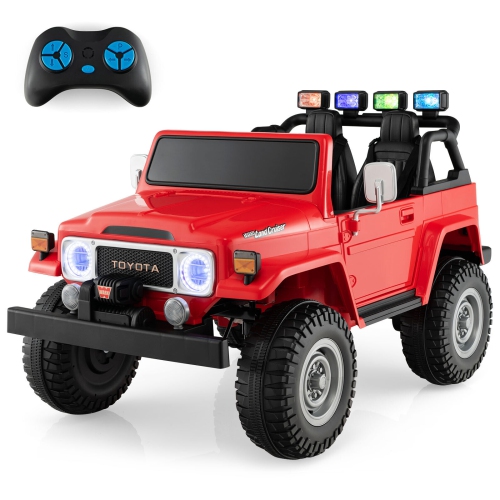
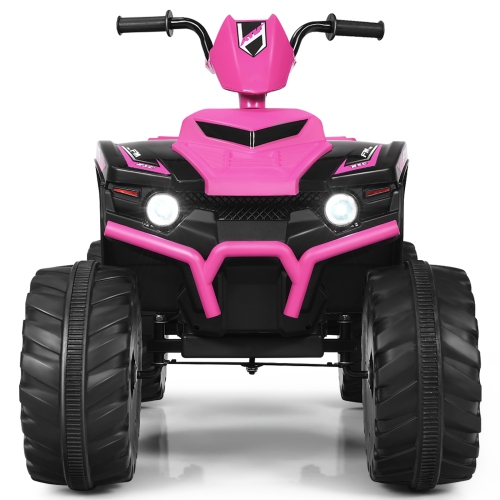
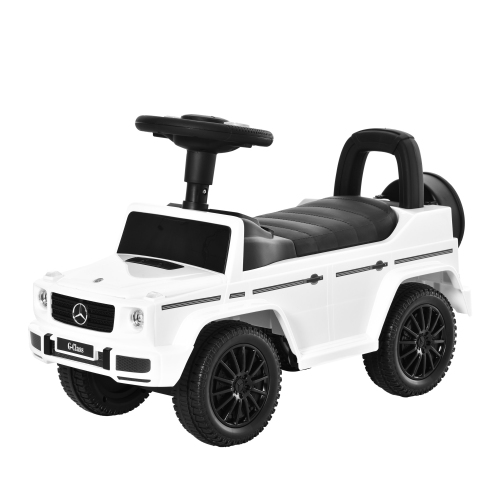

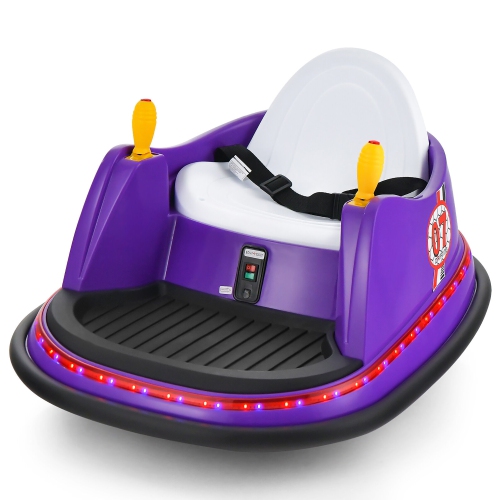
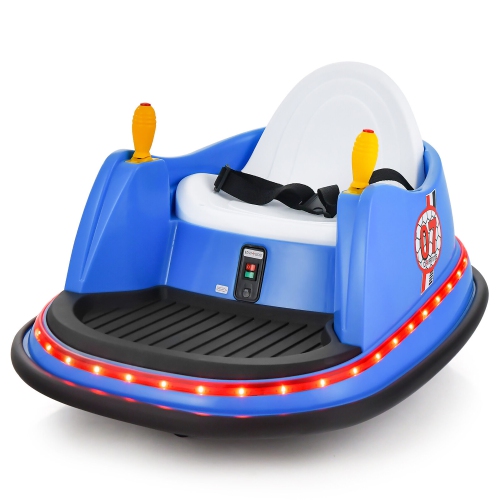
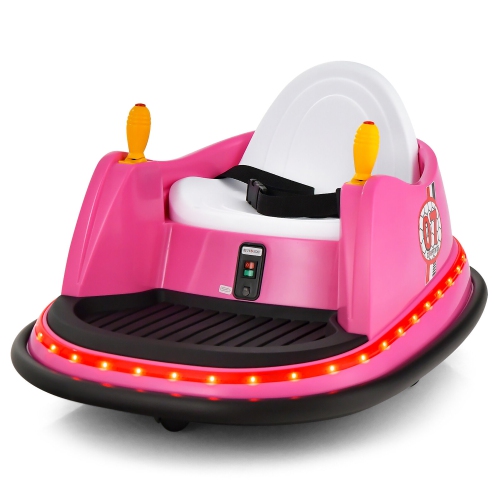
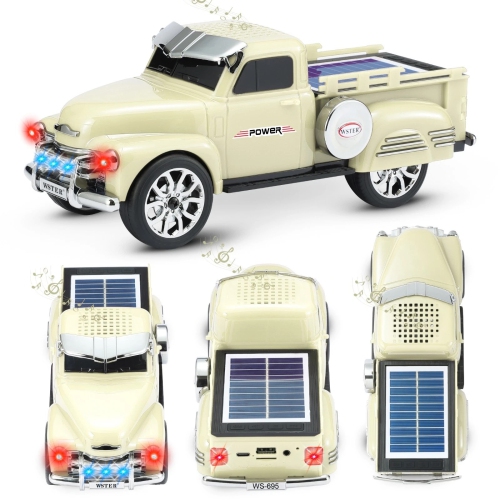
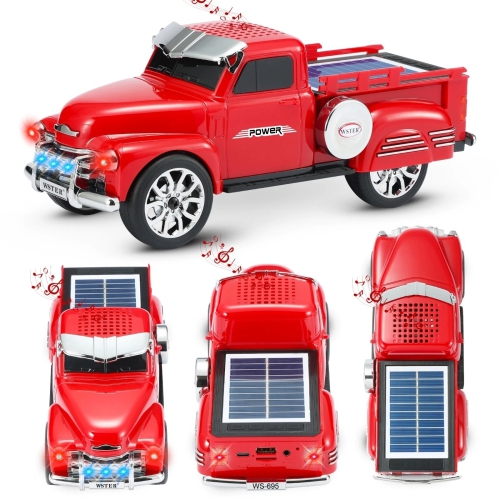
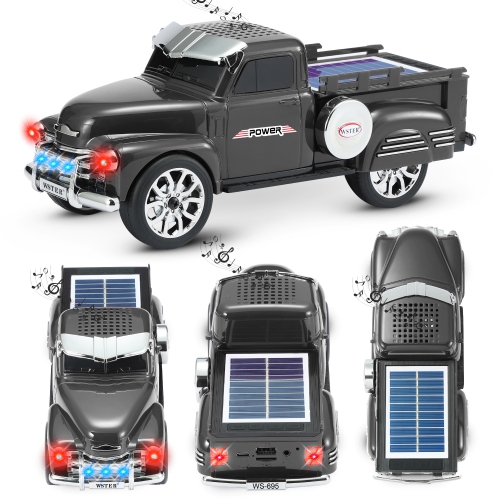
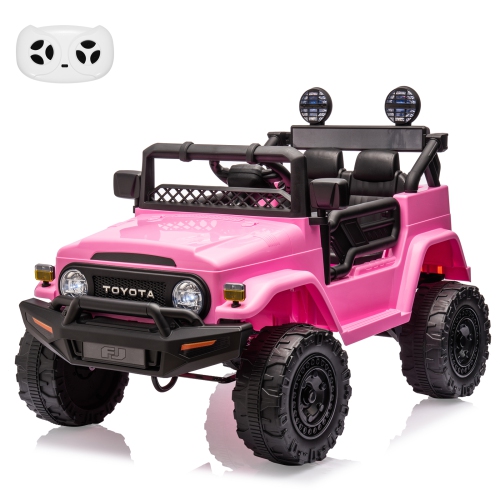

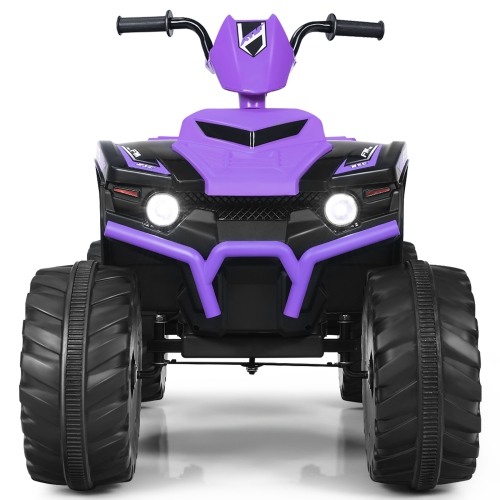
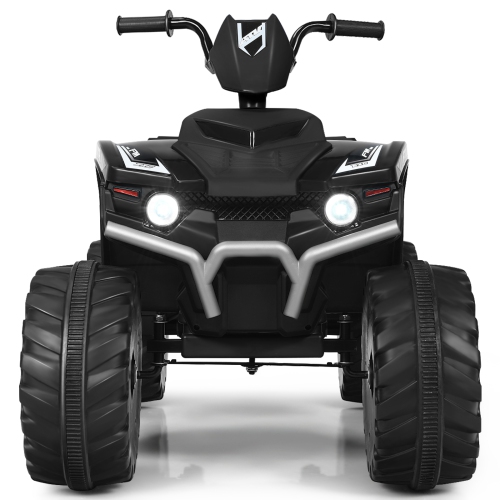
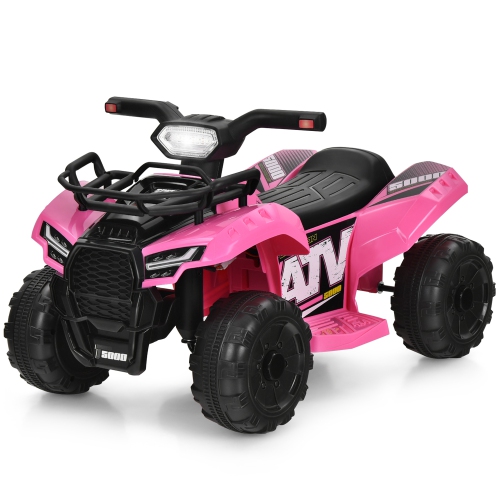
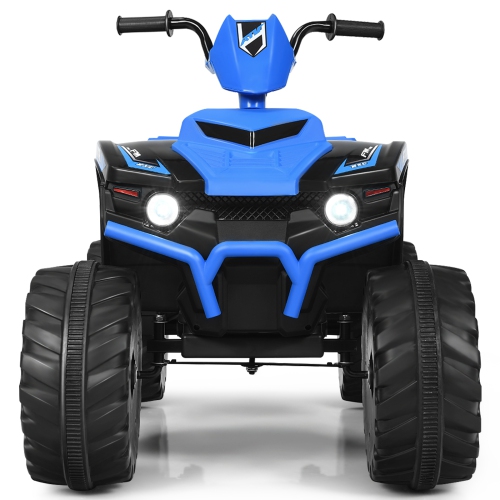
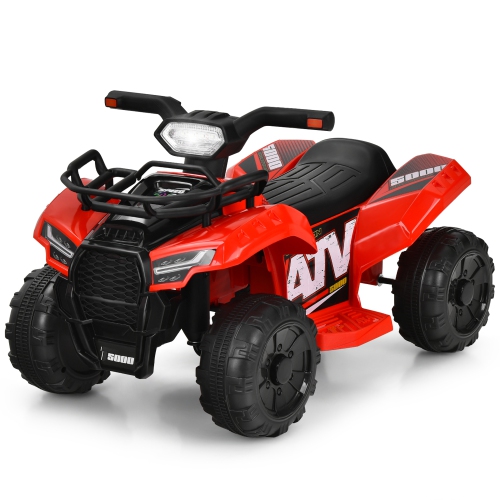
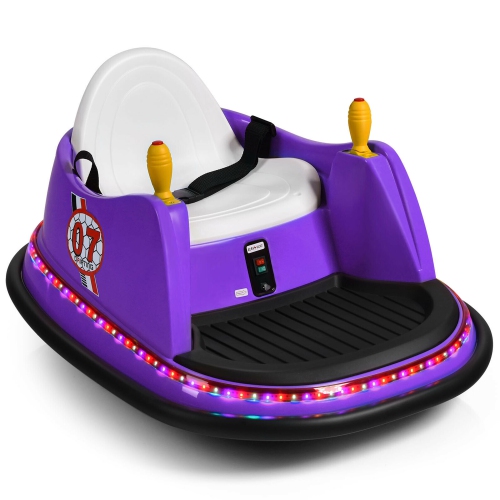
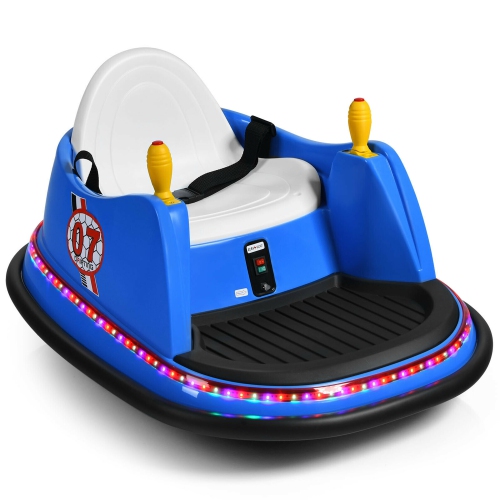
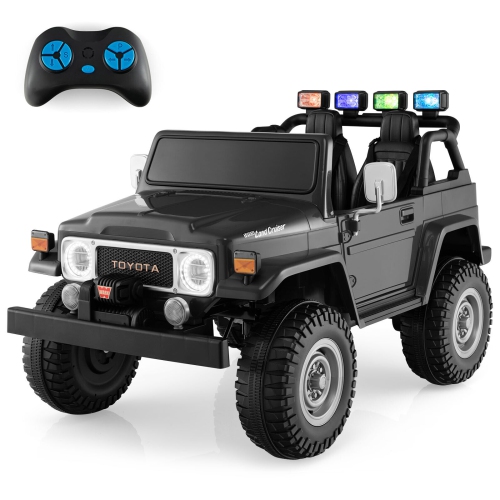
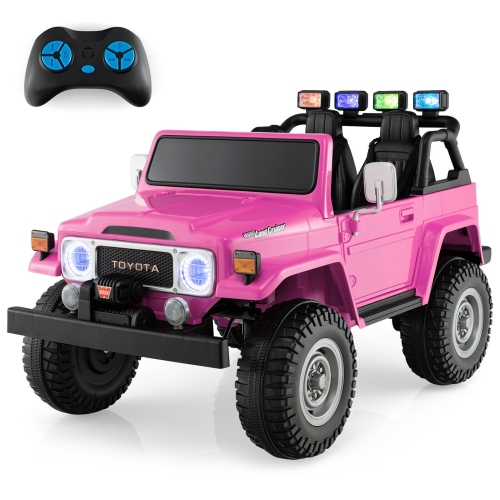
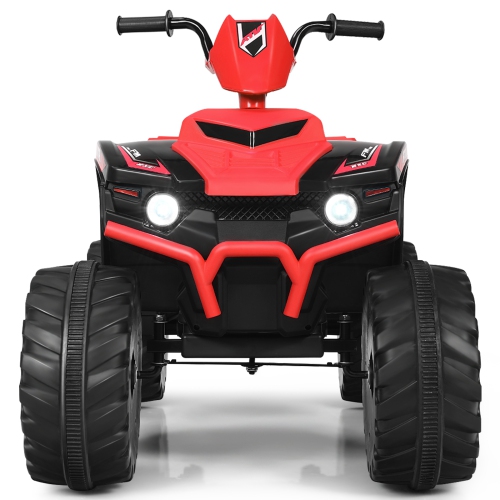

From push-along adventures to detailed miniature collections
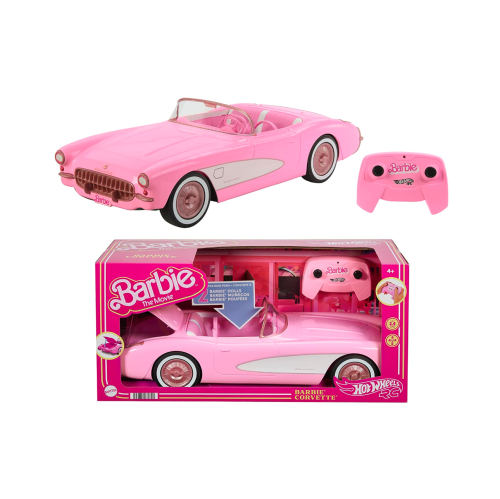
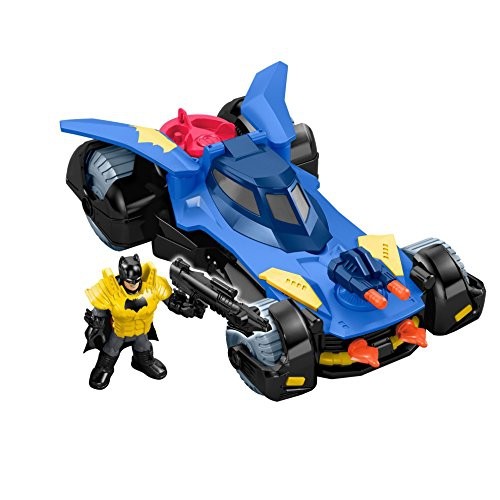
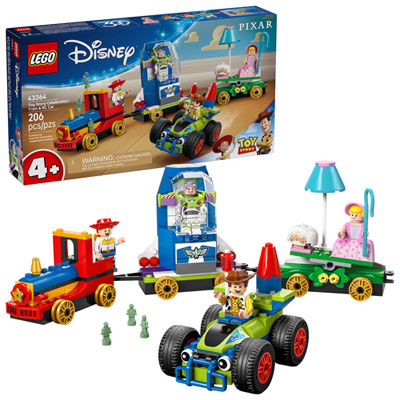
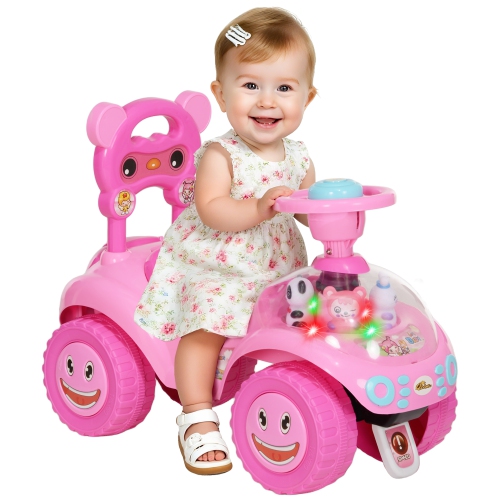
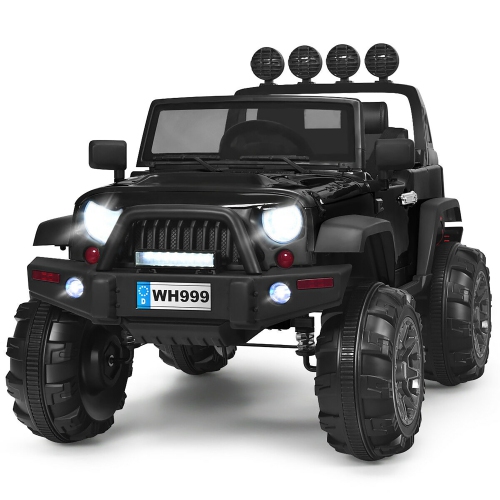
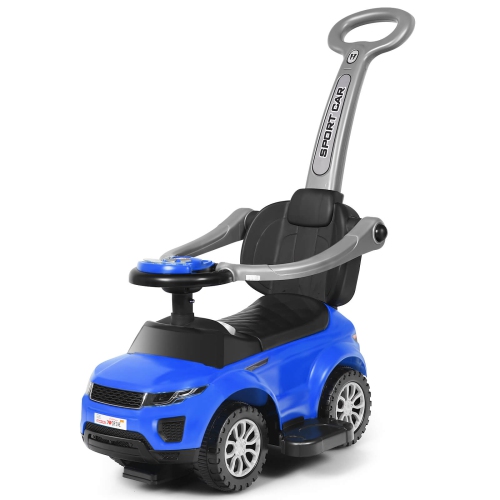
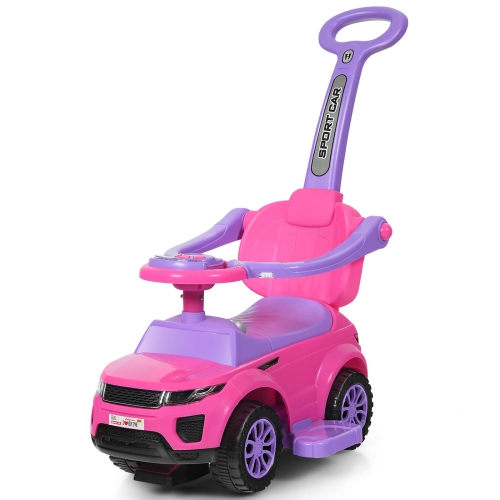
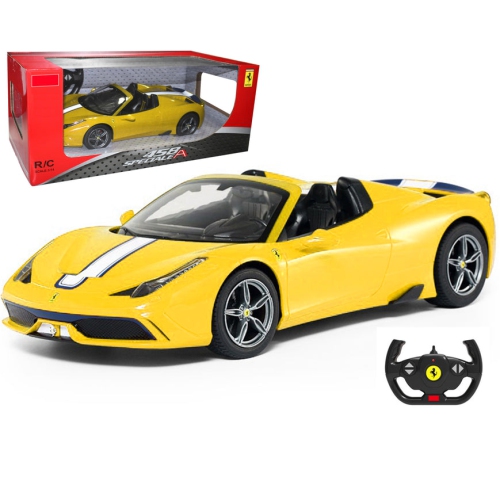
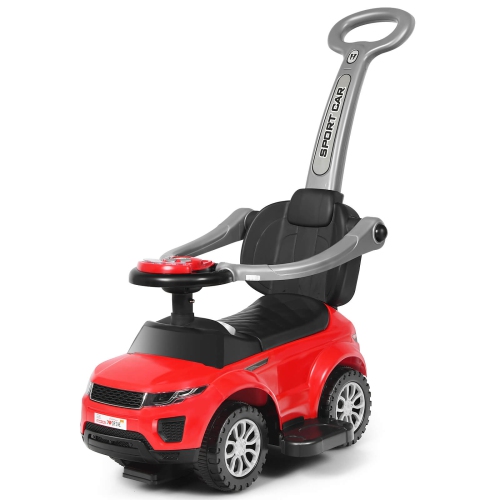
Car toys bring familiar roads, busy garages, and imagined racetracks into everyday play. The category spans free-wheeling toy cars, die-cast vehicles, pull-back cars, remote-controlled cars, and track-based playsets, with different designs suited to toddlers, older children, and adult collectors. A simple push-along car invites a young child to roll, stop, and steer by hand, while a connected track adds bends, ramps, and destinations to explore. Pull-back mechanisms turn a short backward motion into a forward run, without requiring a separate controller. Remote-controlled models introduce another kind of interaction, letting the driver practise steering and judging distance from across a room or a suitable outdoor surface. Each format creates a different play experience: a handful of miniature cars can become a traffic jam beneath a dining chair, while a garage playset gives pretend drivers somewhere to park, refuel, or head out on a rescue mission. For younger children, moving vehicles through these small scenes can provide opportunities to practise hand movements, describe actions, and take turns. Older children may enjoy comparing body styles, arranging a race, or experimenting with how a ramp’s height changes a car’s run. Detailed miniature vehicles also appeal to collectors who appreciate recognisable silhouettes, carefully finished wheels, and a consistent display scale. As gifts, car toys can suit a child fascinated by anything with wheels, a sibling pair who enjoy shared storytelling, or an enthusiast building a miniature collection. The recipient’s interests matter as much as the vehicle’s appearance. A child who loves constructing layouts may spend more time with modular roads than with a display-focused model, while someone who enjoys direct control may prefer steering to setting a car loose on a track. Age ratings remain important across these styles because similar-looking vehicles can differ considerably in their small parts, mechanisms, and intended handling.
Materials, proportions, and construction shape how toy cars feel and function. Moulded plastic allows for lightweight bodies, rounded forms, and larger features that can be easier for small hands to grasp. Die-cast metal adds weight and can support crisp body details, although metal-bodied vehicles often also contain plastic components. Wooden cars offer a different feel, with straightforward shapes and finishes whose condition should be checked as the toy wears. No single material guarantees durability; axle attachment, wheel alignment, joint strength, and the quality of moving parts all influence how well a vehicle stands up to repeated play. Opening doors and bonnets can add realism, but their hinges need more gentle handling than a solid-bodied push-along design. Smooth edges, firmly attached wheels, and an appropriate size are especially important for toys used by younger children, and vehicles with small detachable pieces should remain out of reach of children under three. Scale helps describe a model’s size relative to the vehicle it represents. A 1:64 scale car is a familiar compact format, while a 1:43 or 1:24 scale model is generally larger when representing the same full-size vehicle. Scale alone does not establish compatibility with a track or garage, however. Body width, wheel spacing, ride height, and the shape of the track can determine whether a car clears a tunnel, stays within a lane, or rolls through a curve. Track connectors also vary, so sets that look similar may not join together. Play space makes a practical difference: a compact parking garage can concentrate activity in one area, whereas a sprawling race layout needs clear floor space for its turns and run-off areas. Low-pile rugs, thick carpet, and hard floors can produce noticeably different results with the same wheels. Small, low-clearance cars often roll most freely on smooth surfaces; larger wheels may cope better with uneven textures, depending on their design. Stable ramps and level track joints help keep the action focused on the intended route rather than repeated derailments.
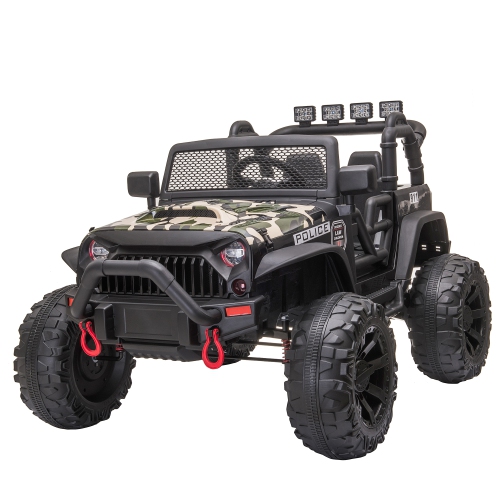
Powered car toys add considerations around controls, charging, and everyday care. A straightforward controller with clearly separated forward, reverse, and steering functions may be easier for a beginner to understand than a more complex layout. Responsive handling and a manageable speed can be more useful in a small play area than outright pace. Remote-controlled cars intended for indoor use should not be assumed suitable for gravel, puddles, or rough ground; the manufacturer’s stated use and water-resistance information are the relevant references. Battery requirements can differ between the car and its controller, and a rechargeable vehicle may still use replaceable batteries in the handset. Manufacturer-specified batteries and charging equipment, secure battery compartments, and adult oversight where directed are important parts of using powered toys as intended. When several children want to drive together, the control system’s support for simultaneous use matters too, since not every setup handles multiple vehicles the same way. Sound and light features can make pretend journeys more engaging, while an accessible off switch or volume control can make shared spaces more comfortable. After play, simple care helps preserve both motion and appearance. Hair and threads can wind around axles, crumbs can lodge in track joints, and dust can settle around moving doors. Cleaning should follow the toy’s care instructions; many surfaces can be wiped with a soft cloth, but powered components and exposed metal mechanisms should not be immersed unless expressly permitted. Cars stored in divided trays are less likely to rub against each other, and track pieces kept together are easier to assemble without searching for a missing connector. Display models benefit from stable shelving beyond the reach of younger children, particularly when they have delicate mirrors or other small details. For families whose interest in vehicles extends beyond miniature roads, Car Accessories covers practical additions for full-size vehicles rather than toys. Within a toy collection, the most lasting appeal often comes from a good match between design and use: sturdy vehicles for repeated hands-on play, compatible pieces for expanding layouts, or detailed models meant to be appreciated up close.
Materials, proportions, and construction shape how toy cars feel and function. Moulded plastic allows for lightweight bodies, rounded forms, and larger features that can be easier for small hands to grasp. Die-cast metal adds weight and can support crisp body details, although metal-bodied vehicles often also contain plastic components. Wooden cars offer a different feel, with straightforward shapes and finishes whose condition should be checked as the toy wears. No single material guarantees durability; axle attachment, wheel alignment, joint strength, and the quality of moving parts all influence how well a vehicle stands up to repeated play. Opening doors and bonnets can add realism, but their hinges need more gentle handling than a solid-bodied push-along design. Smooth edges, firmly attached wheels, and an appropriate size are especially important for toys used by younger children, and vehicles with small detachable pieces should remain out of reach of children under three. Scale helps describe a model’s size relative to the vehicle it represents. A 1:64 scale car is a familiar compact format, while a 1:43 or 1:24 scale model is generally larger when representing the same full-size vehicle. Scale alone does not establish compatibility with a track or garage, however. Body width, wheel spacing, ride height, and the shape of the track can determine whether a car clears a tunnel, stays within a lane, or rolls through a curve. Track connectors also vary, so sets that look similar may not join together. Play space makes a practical difference: a compact parking garage can concentrate activity in one area, whereas a sprawling race layout needs clear floor space for its turns and run-off areas. Low-pile rugs, thick carpet, and hard floors can produce noticeably different results with the same wheels. Small, low-clearance cars often roll most freely on smooth surfaces; larger wheels may cope better with uneven textures, depending on their design. Stable ramps and level track joints help keep the action focused on the intended route rather than repeated derailments.
Powered car toys add considerations around controls, charging, and everyday care. A straightforward controller with clearly separated forward, reverse, and steering functions may be easier for a beginner to understand than a more complex layout. Responsive handling and a manageable speed can be more useful in a small play area than outright pace. Remote-controlled cars intended for indoor use should not be assumed suitable for gravel, puddles, or rough ground; the manufacturer’s stated use and water-resistance information are the relevant references. Battery requirements can differ between the car and its controller, and a rechargeable vehicle may still use replaceable batteries in the handset. Manufacturer-specified batteries and charging equipment, secure battery compartments, and adult oversight where directed are important parts of using powered toys as intended. When several children want to drive together, the control system’s support for simultaneous use matters too, since not every setup handles multiple vehicles the same way. Sound and light features can make pretend journeys more engaging, while an accessible off switch or volume control can make shared spaces more comfortable. After play, simple care helps preserve both motion and appearance. Hair and threads can wind around axles, crumbs can lodge in track joints, and dust can settle around moving doors. Cleaning should follow the toy’s care instructions; many surfaces can be wiped with a soft cloth, but powered components and exposed metal mechanisms should not be immersed unless expressly permitted. Cars stored in divided trays are less likely to rub against each other, and track pieces kept together are easier to assemble without searching for a missing connector. Display models benefit from stable shelving beyond the reach of younger children, particularly when they have delicate mirrors or other small details. For families whose interest in vehicles extends beyond miniature roads, Car Accessories covers practical additions for full-size vehicles rather than toys. Within a toy collection, the most lasting appeal often comes from a good match between design and use: sturdy vehicles for repeated hands-on play, compatible pieces for expanding layouts, or detailed models meant to be appreciated up close.
Top selling and popular products
-
 Your price for this item is $160.99
 -
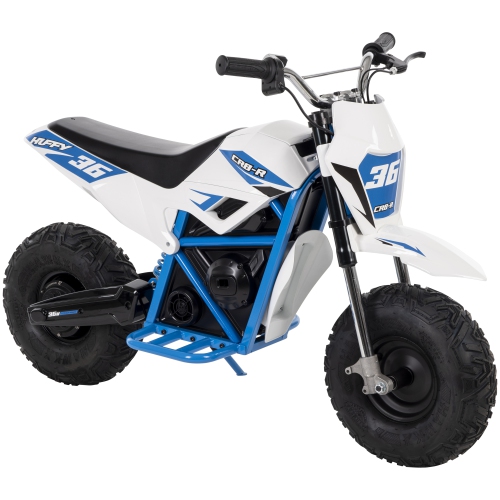 Your price for this item is $799.99
 -
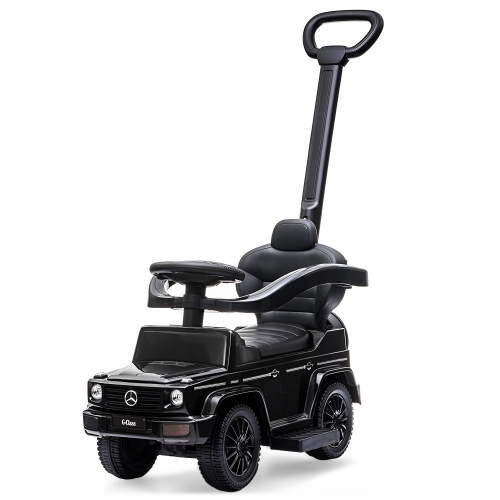 Your price for this item is $128.99
 -
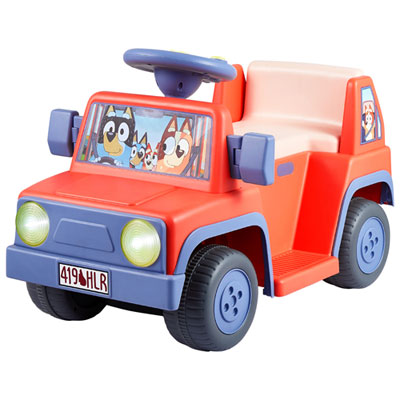 Your price for this item is $199.99
 -
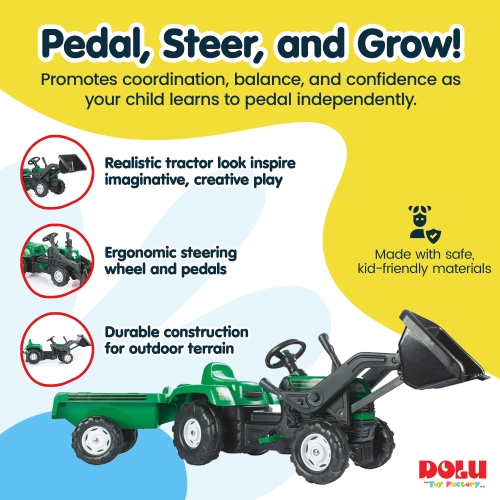 Your price for this item is $206.99
 -
 Your price for this item is $99.99
 -
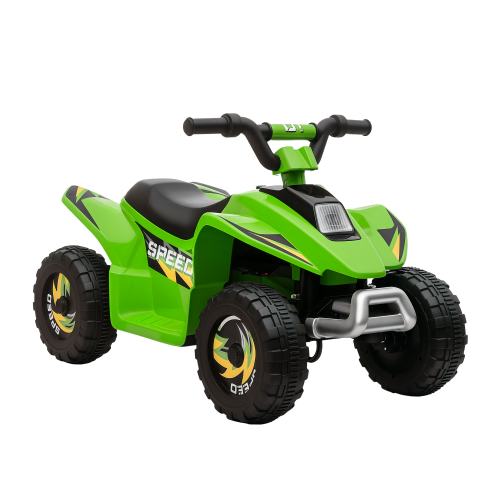 Your price for this item is $89.99
 -
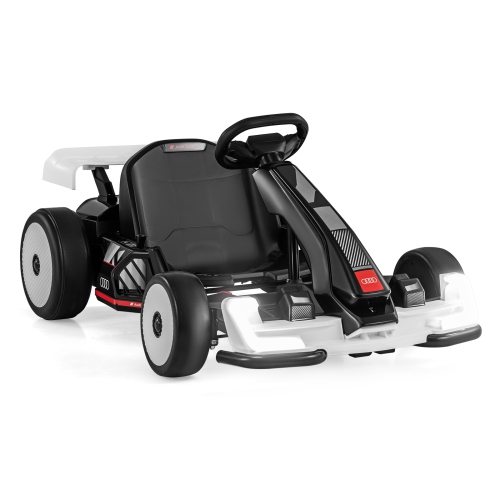 Your price for this item is $449.99
Discover more categories related to Car Toys
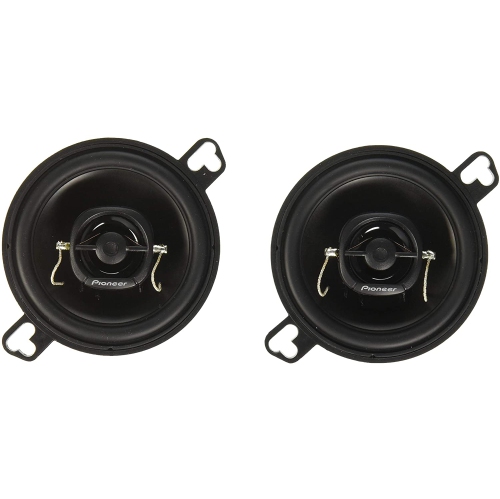
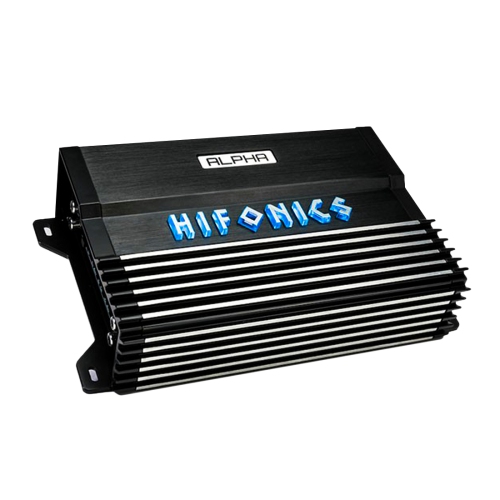
Top Collections:
Pokemon Centers, Kindle Devices, Best Budget Office Chairs, Apple iPhones 16, Best Laptops for Writers, iPhone 15 Apple, Canon G7X Cameras, Refurbished Apple Laptops, Alarm Clock, Motorola Razr Phones
Some products may be subject to Environmental Handling Fees
(EHF) depending on your province.
Learn more about EHFs.