Car Equipment
Rev up your driving experience with our extensive selection of car equipment, designed to enhance every journey. Whether you're looking to boost your vehicle's performance, improve safety, or add a touch of convenience, you'll find everything you need right here. From essential maintenance tools to the latest tech gadgets, our Car Equipment collection is tailored to meet the diverse needs of every driver. Explore our range and discover how easy it is to upgrade your ride with high-quality products that cater to all aspects of car care and enhancement.
Sort





















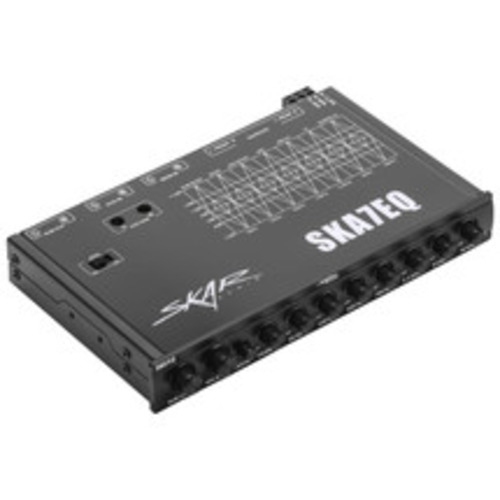


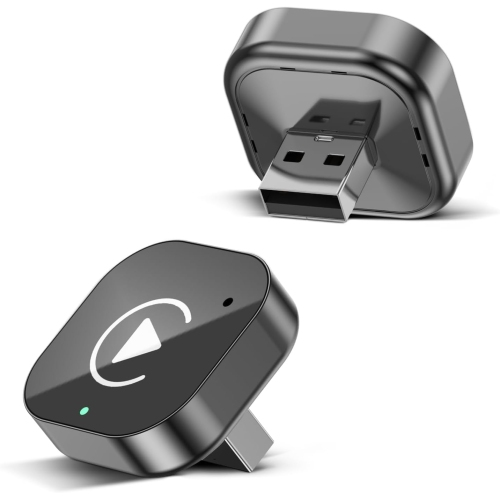
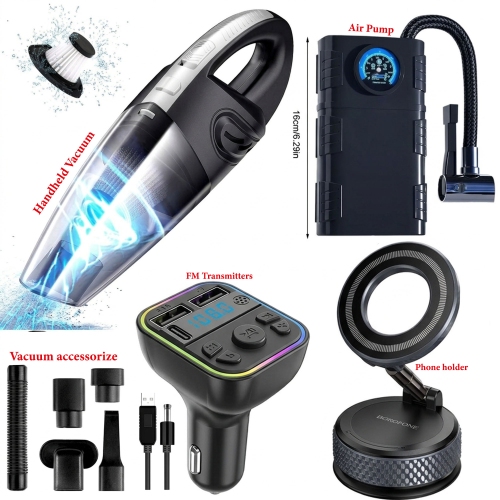
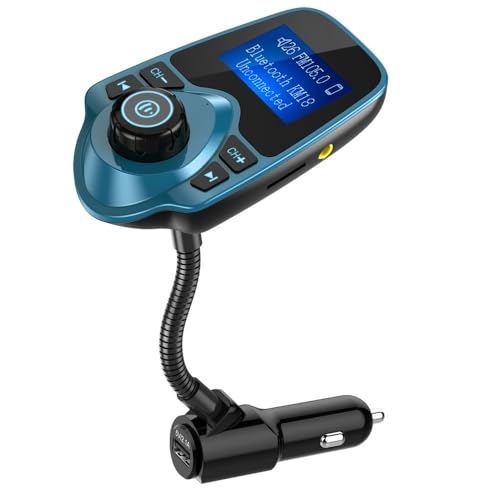










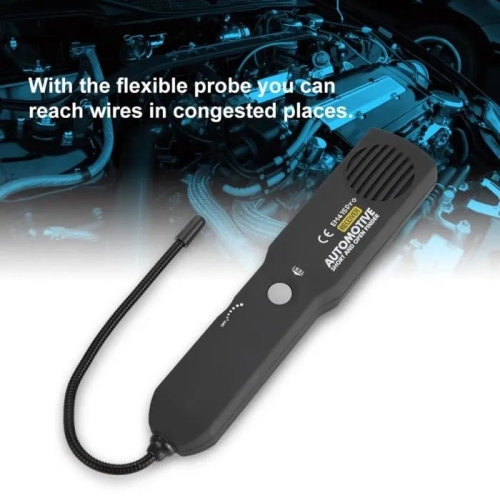


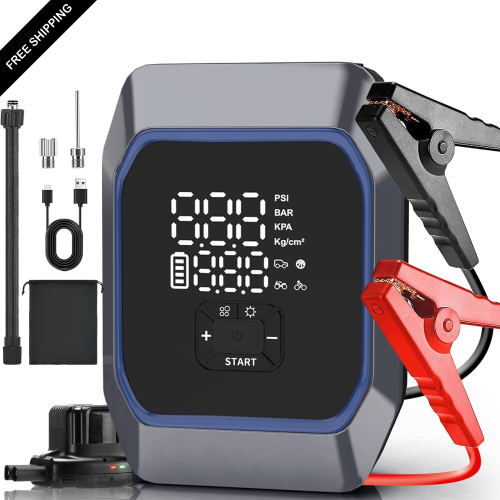



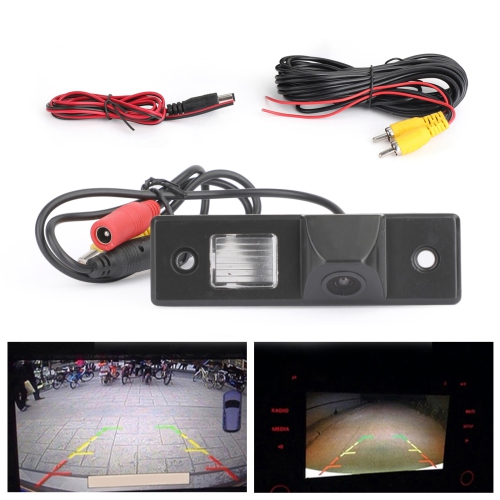











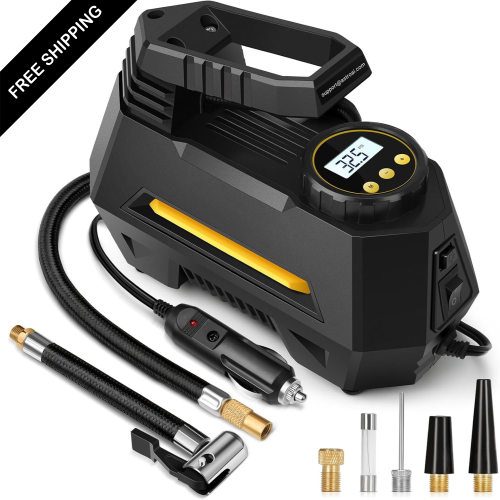


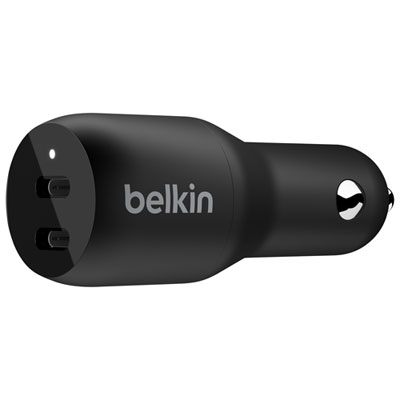

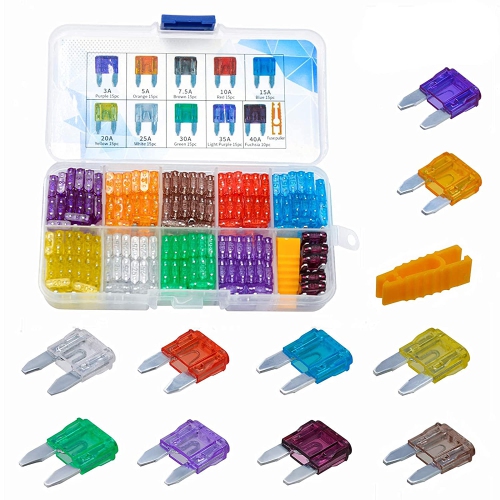


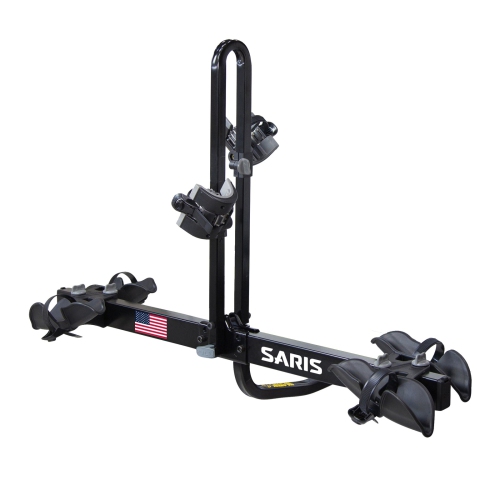
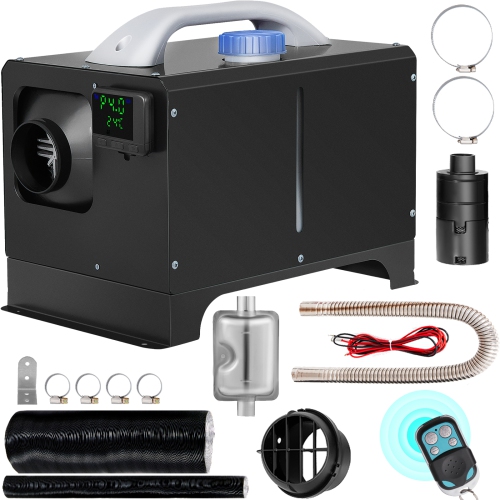
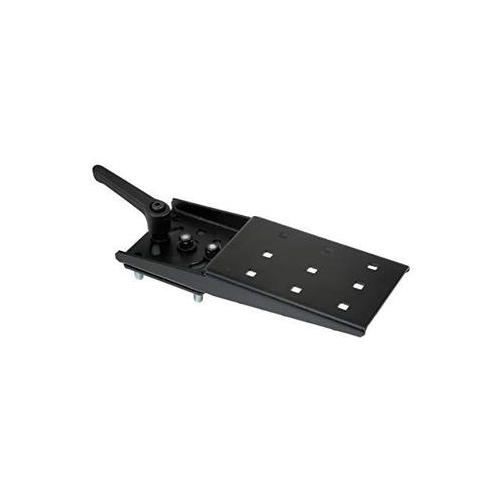
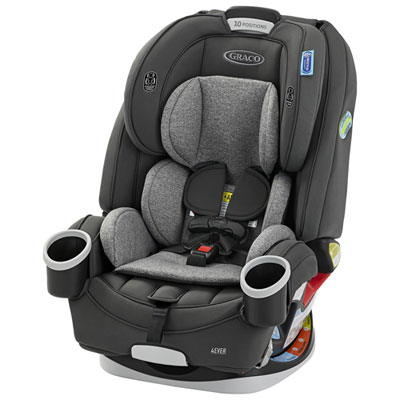


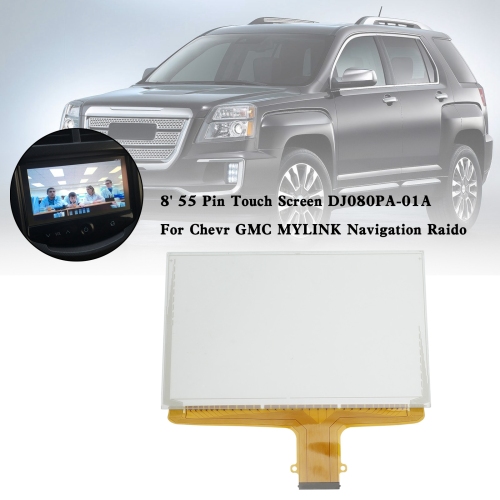
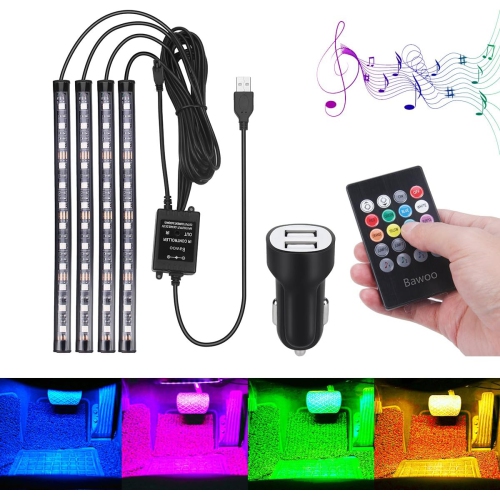
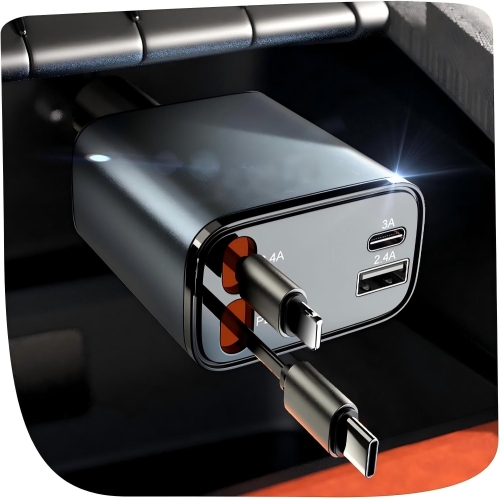

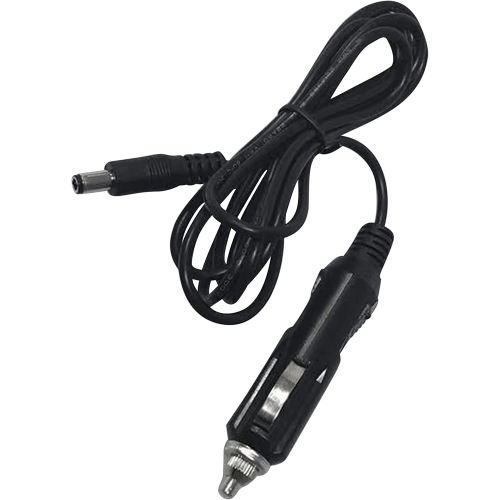

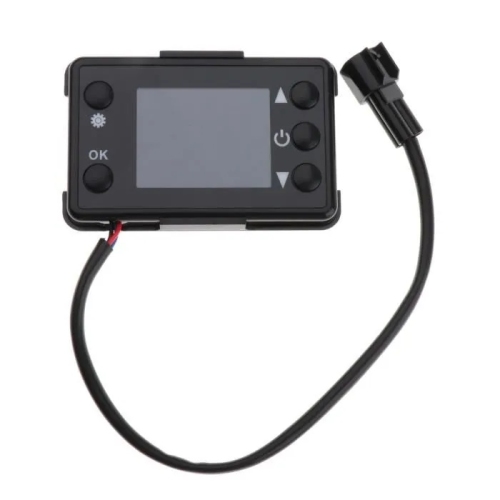








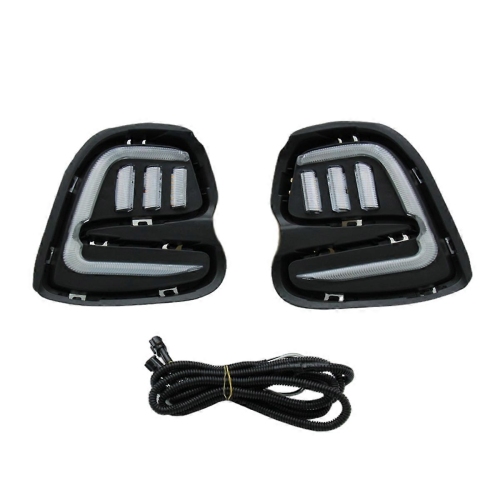


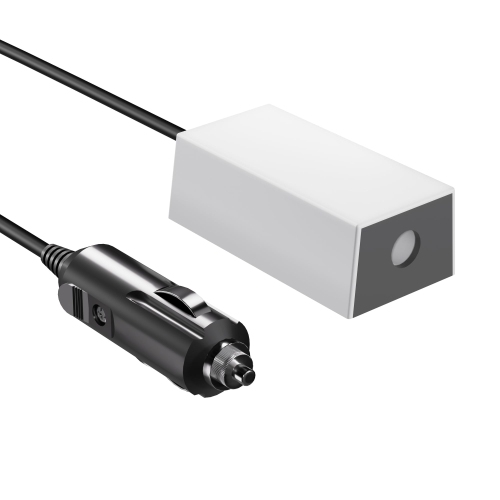

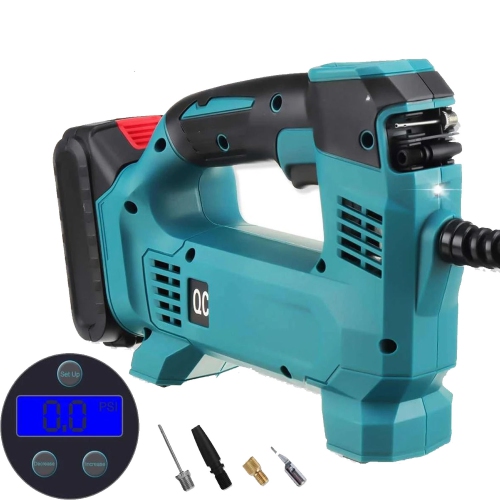
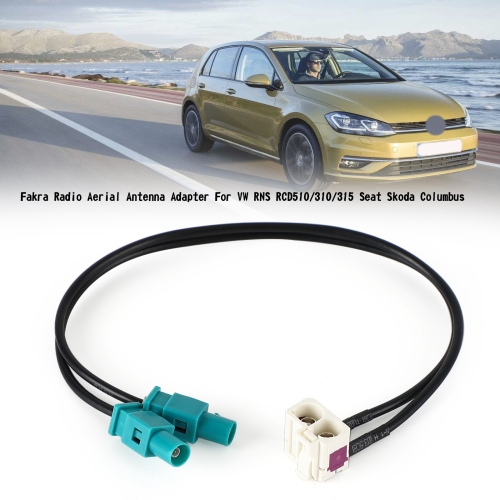




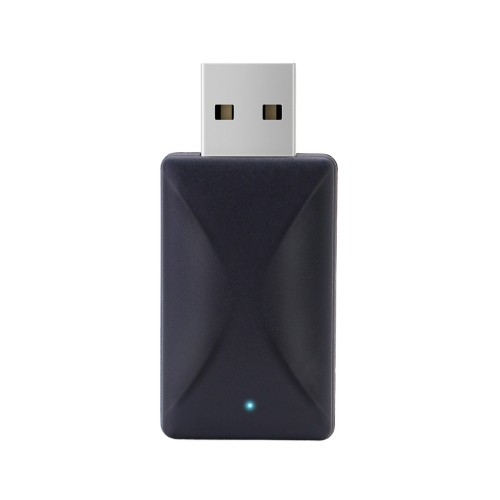
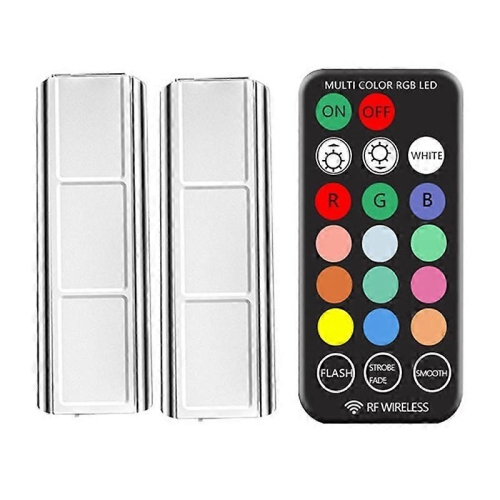
The right gear for routine checks and roadside surprises
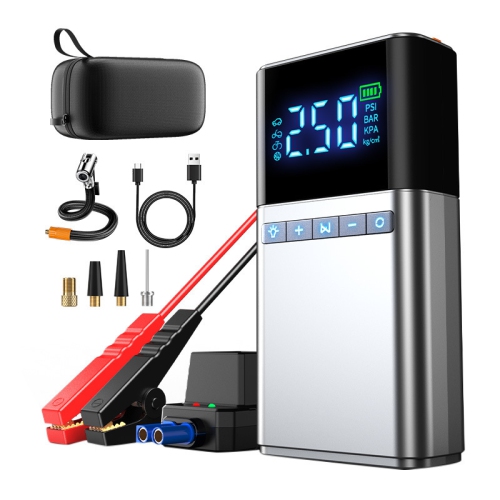
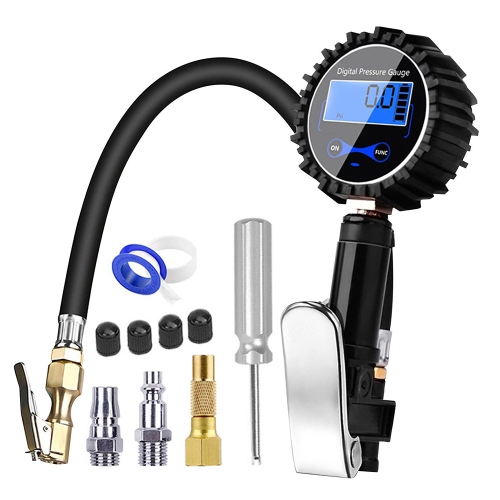
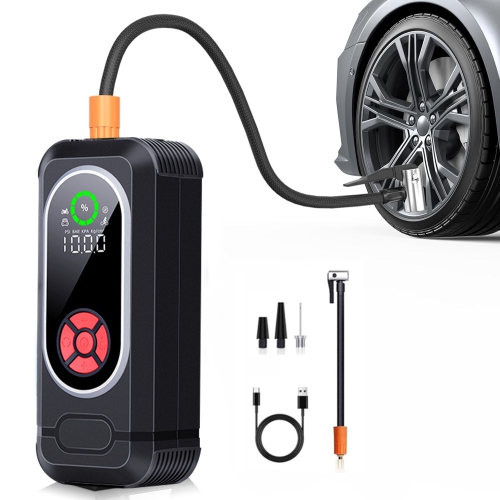
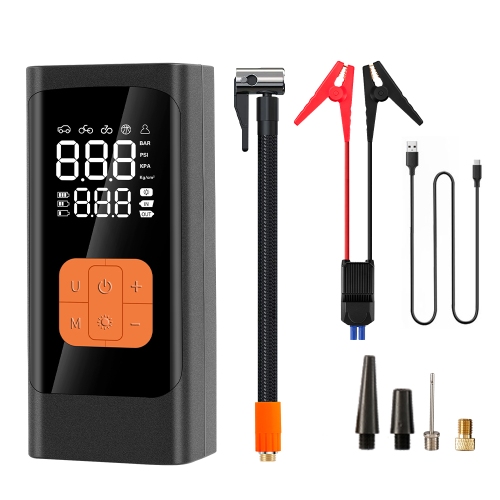
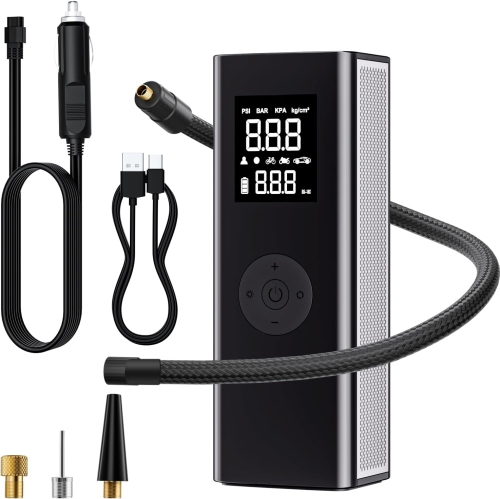
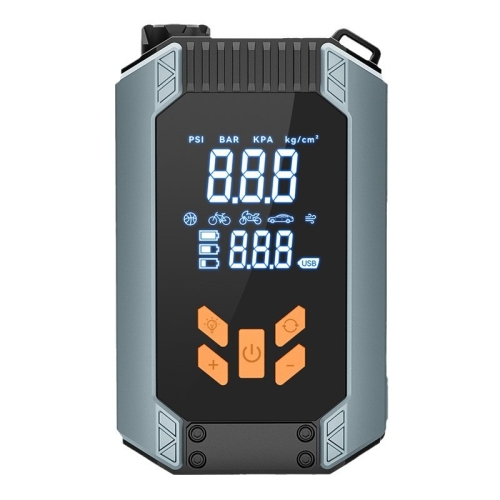
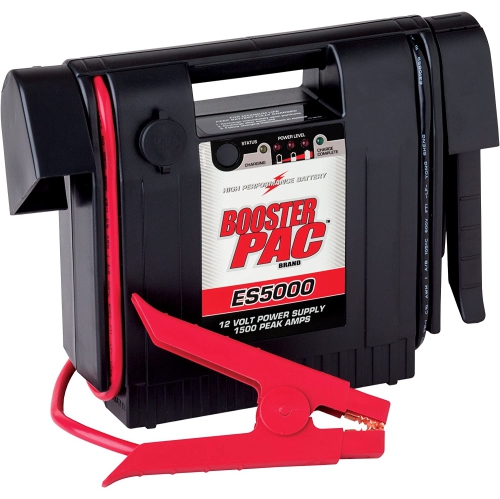
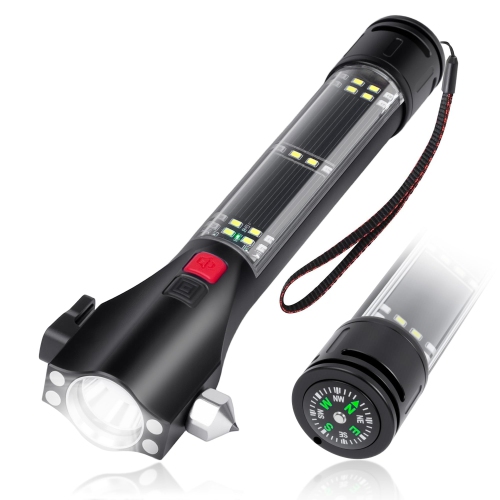
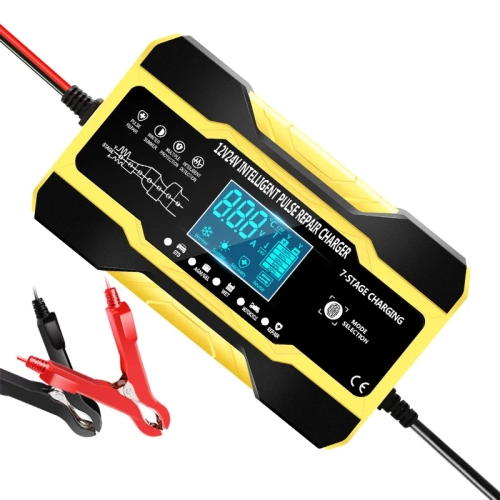
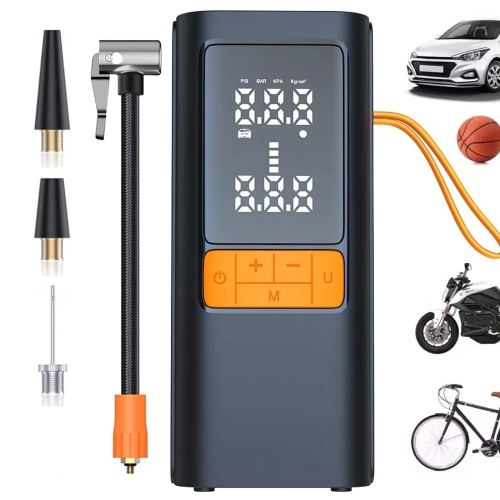
Car equipment includes the tools, accessories, and electronics used to support vehicle maintenance, roadside preparedness, organization, and everyday driving. It can be as simple as a pressure gauge kept in the glove compartment or as substantial as garage equipment designed for regular repair work. For a commuter, practical equipment often means having a way to charge a phone, check tire pressure, and deal with an unexpected battery problem. For someone who travels longer distances, a securely packed roadside kit can keep essential supplies together rather than scattered beneath seats or buried under luggage. Jumper cables and portable battery boosters serve different needs: cables require a suitable power source, while a charged booster can provide starting assistance without another vehicle. Compatibility depends on the vehicle’s electrical system, battery type, engine requirements, and the equipment manufacturer’s instructions, not simply the size of the carrying case. Cable length, clamp construction, insulation, and clearly marked connections all affect handling. A tire pressure gauge provides a useful reading before a journey or during routine checks, while a portable inflator can help adjust pressure to the vehicle manufacturer’s specification. That specification is usually found on the driver’s door placard or in the owner’s manual; the number printed on a tire’s sidewall is not the recommended everyday setting for the vehicle. Inflator hose length, power connection, pressure range, and permitted running time matter, particularly when reaching all four wheels. A flashlight makes it easier to inspect a loose connection or locate equipment after dark, and a first aid kit keeps basic supplies in one place. Batteries, dressings, and other dated supplies need periodic attention. Storage matters, too: a latched case or secured bag helps keep equipment accessible without allowing heavy objects to move around the cabin. Roadside equipment supports preparedness, but it does not make every roadside location suitable for a repair; a safe stopping place and professional assistance may be more appropriate than attempting work beside moving traffic.
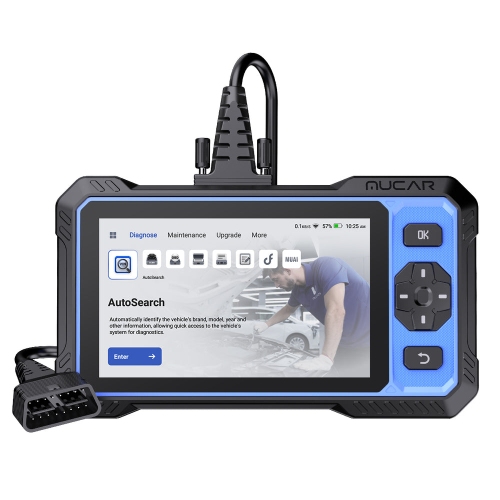
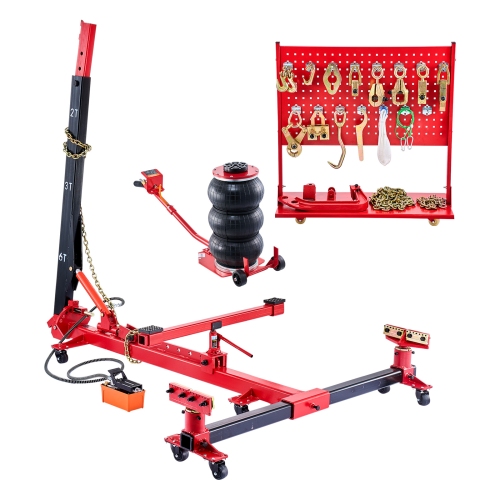
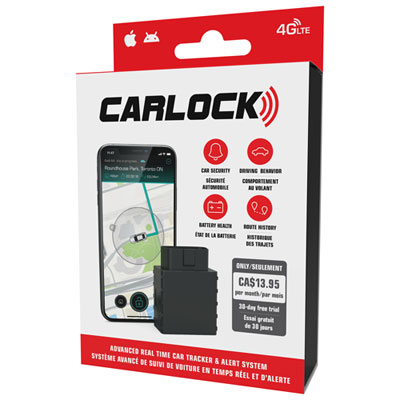
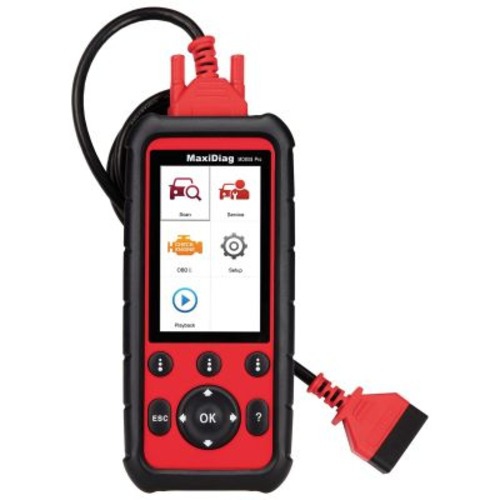
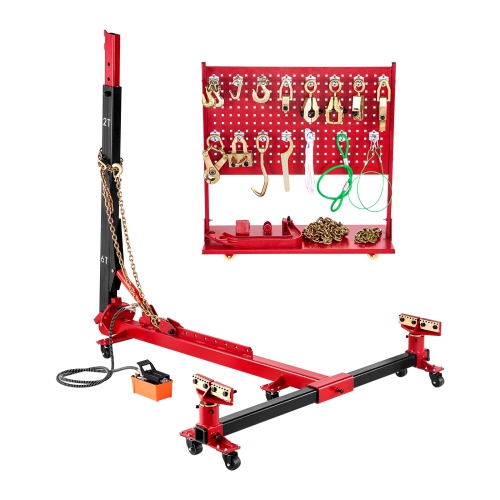
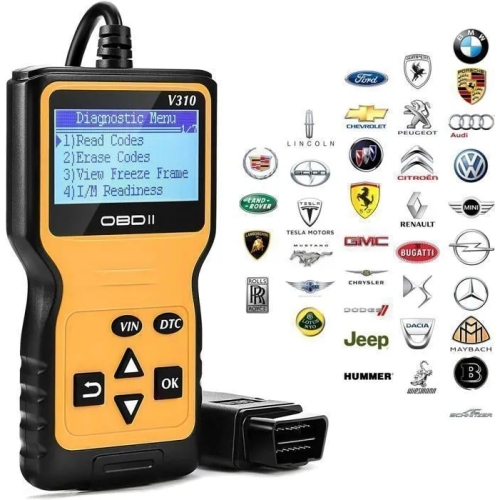
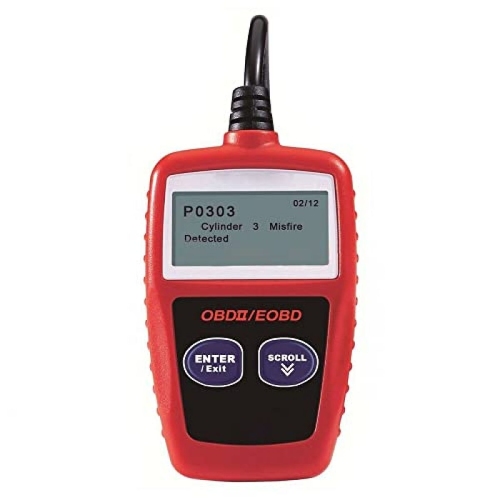
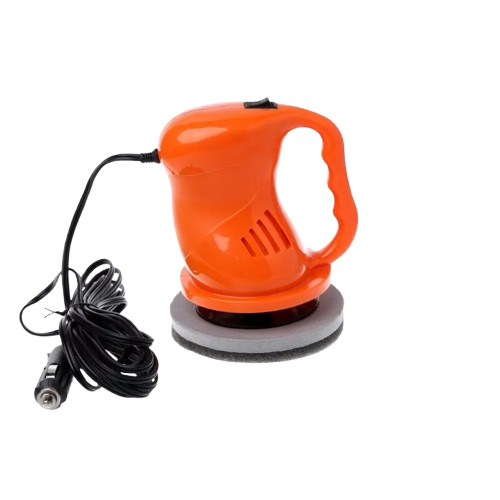
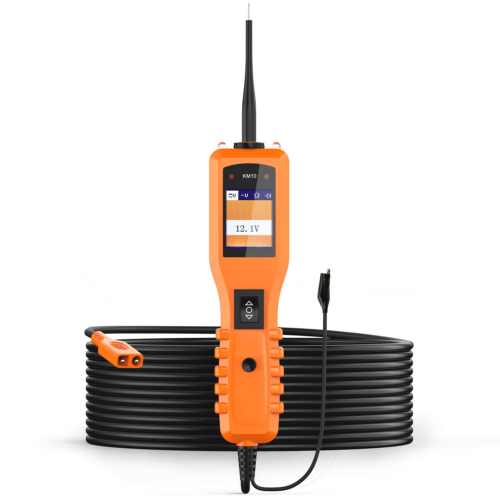
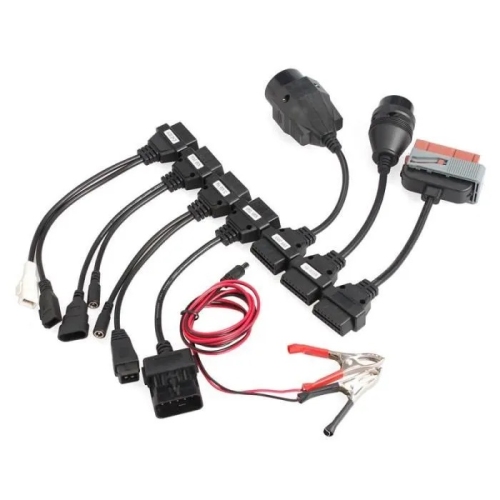
Garage and maintenance equipment is designed for a different pace of use, from occasional checks in a driveway to repeated tasks at a dedicated workbench. Socket sets, ratchets, wrenches, and screwdrivers are useful for accessible fasteners, provided their sizes and profiles match the job. Metric sizing is common on vehicles, but the correct fit should always be confirmed rather than forcing a nearly matching tool onto a bolt. Alloy steel construction, protective finishes, comfortable handles, and secure storage can contribute to durability, although a tool’s intended application remains more important than appearance. Hand-tool sockets and impact-rated sockets are not interchangeable for every task, and tightening critical fasteners requires the specified torque rather than guesswork. A torque wrench is especially relevant where a vehicle manufacturer sets a precise tightening value. Lifting equipment also needs a close match to the vehicle. Rated capacity, lift range, approved lifting points, and sufficient clearance are central considerations for jacks and support stands. A jack raises a vehicle; appropriately rated stands support it during suitable maintenance work. No one should work beneath a vehicle supported only by a jack. Wheel chocks and a firm, level working surface are part of a stable setup, while the owner’s manual identifies procedures specific to the vehicle. Diagnostic equipment can help retrieve fault codes and, depending on its capabilities, display selected operating data. A code points to a condition that needs investigation rather than proving that a particular component must be replaced. Vehicle compatibility and supported functions can vary, especially for systems beyond basic engine diagnostics. Care extends the useful life of equipment: wiping tools clean, keeping connectors dry, inspecting damaged cables, and returning small parts to fitted compartments can prevent avoidable wear and loss. Fluids and cleaning agents should be kept in their labelled containers, separate from passenger belongings. For drivers who prefer routine checks over mechanical repairs, compact inspection tools and well-organized storage may be more useful than equipment intended for advanced servicing.
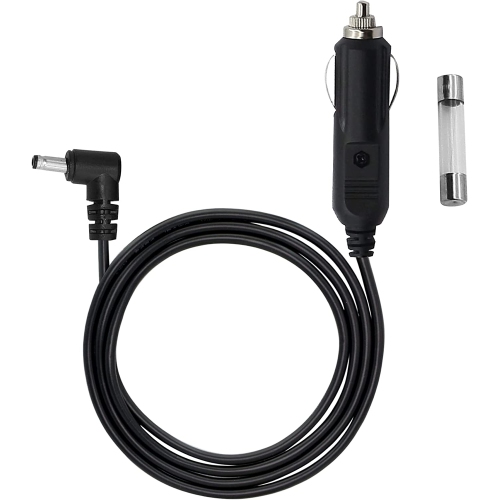
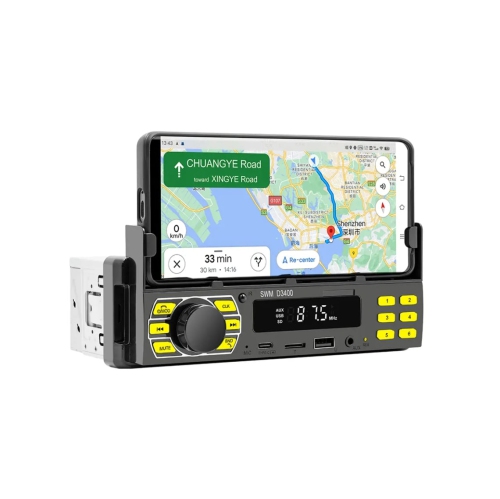
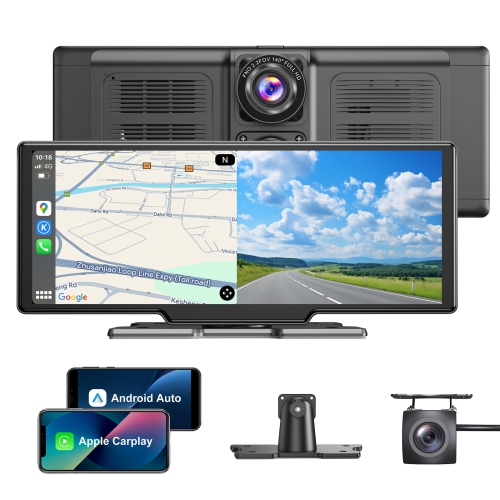
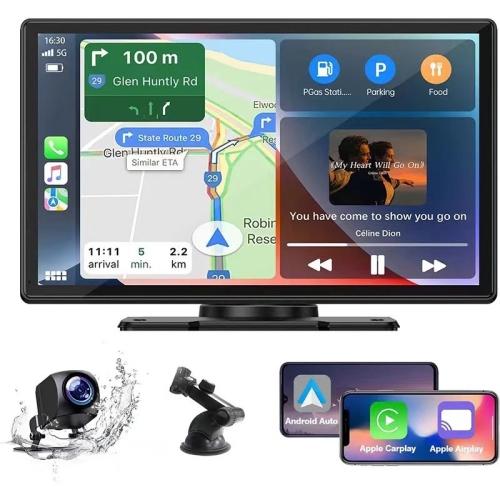
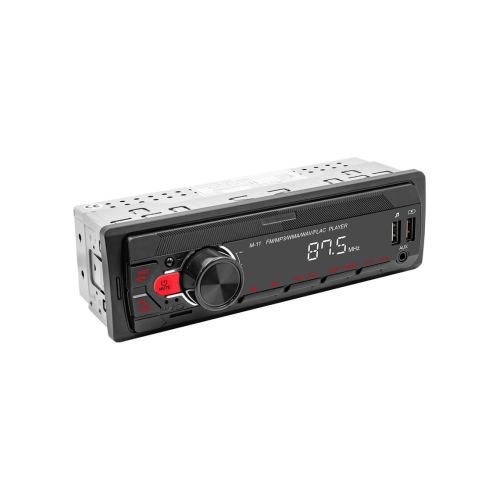
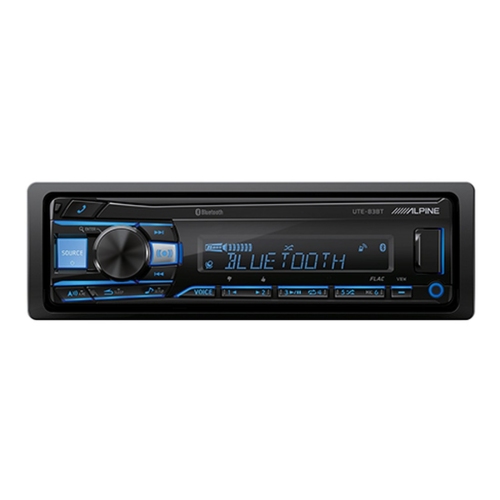
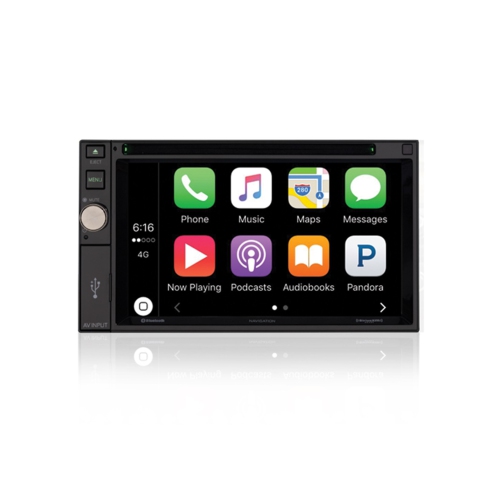
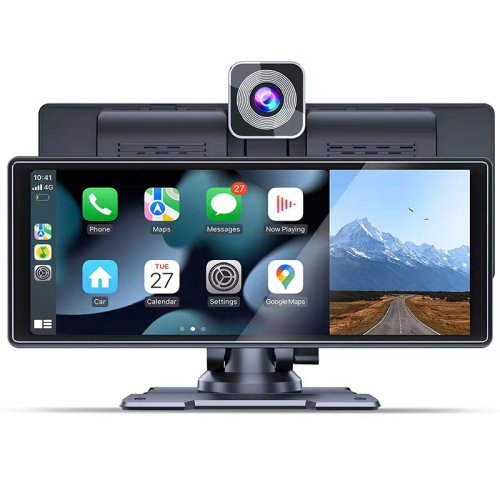
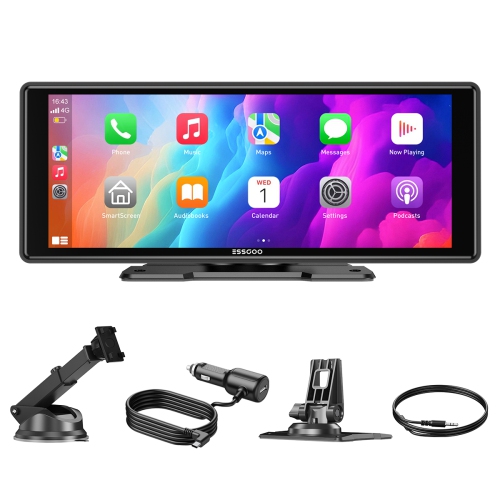
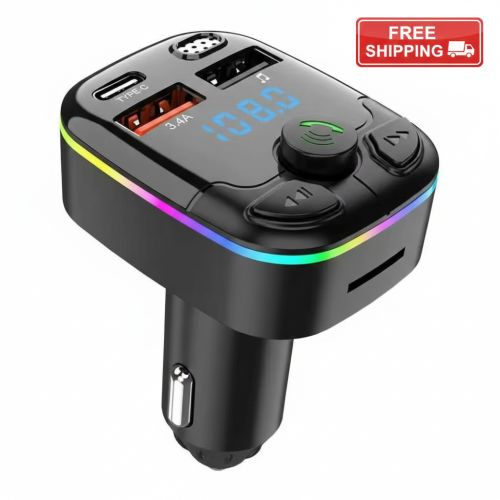
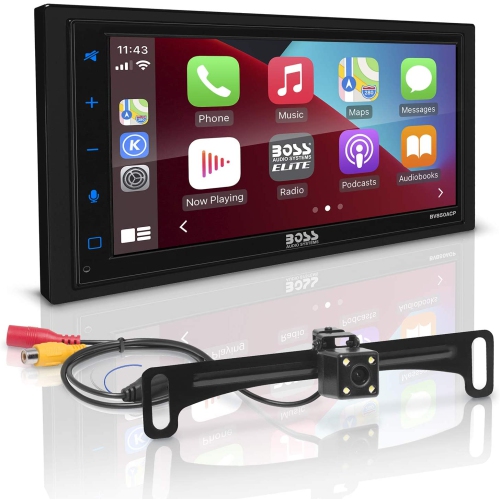
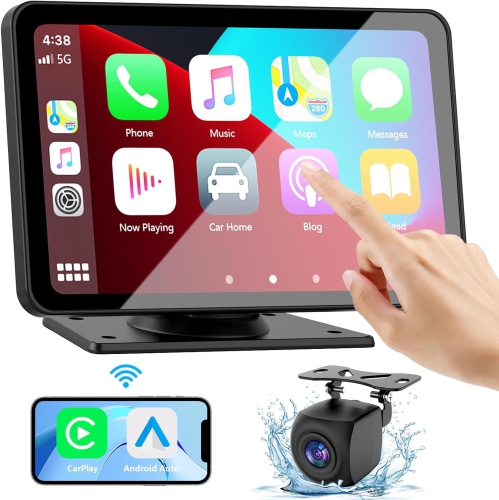
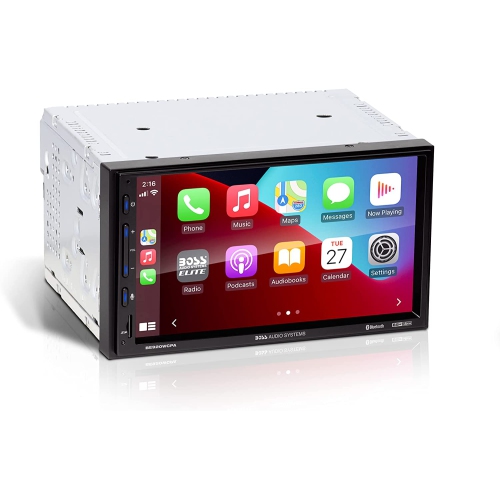
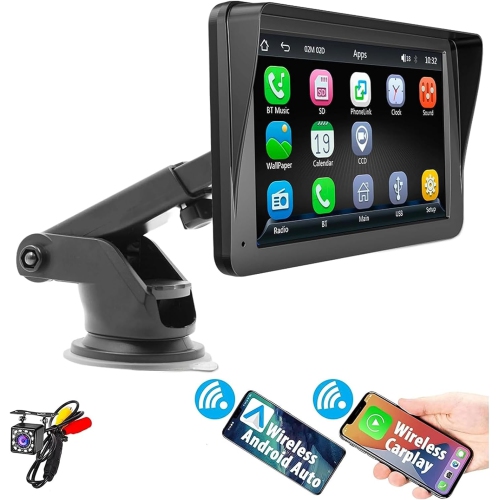
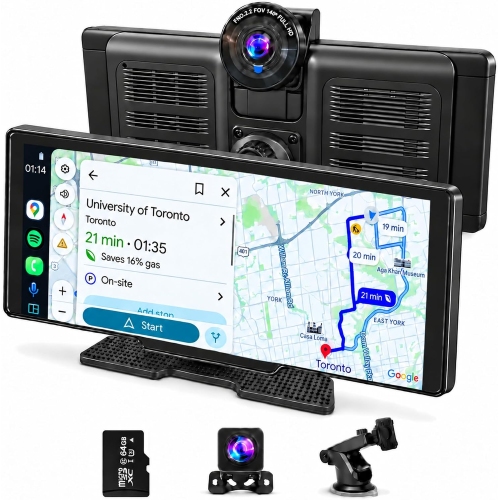
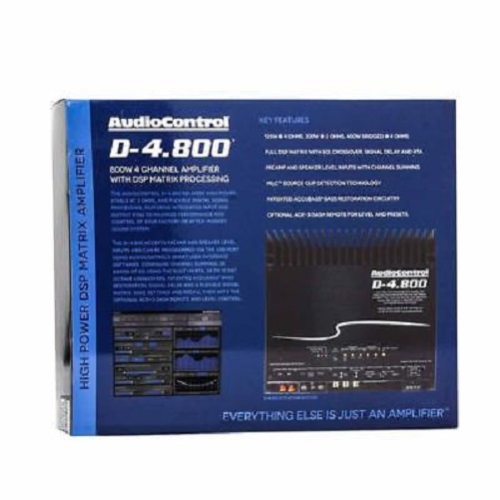
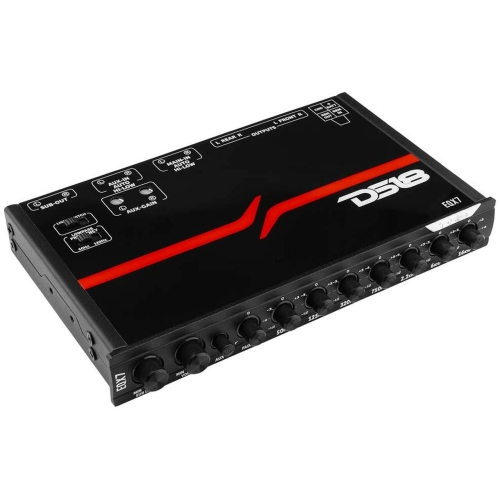
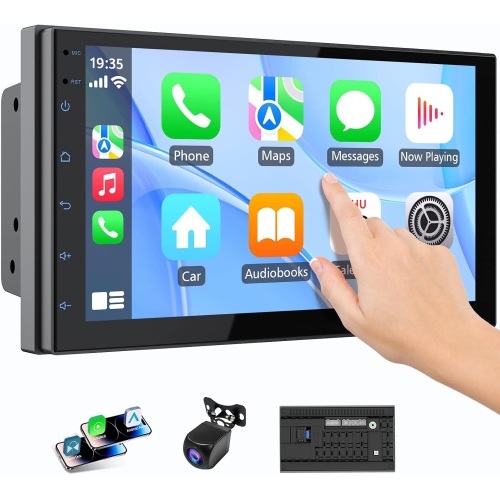
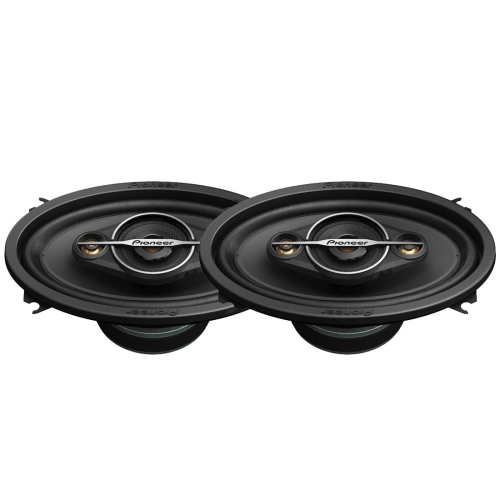
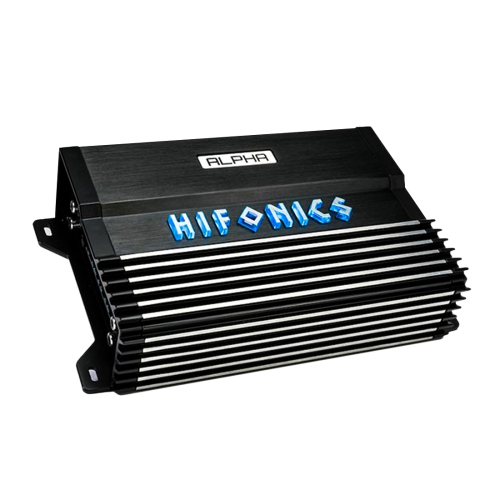
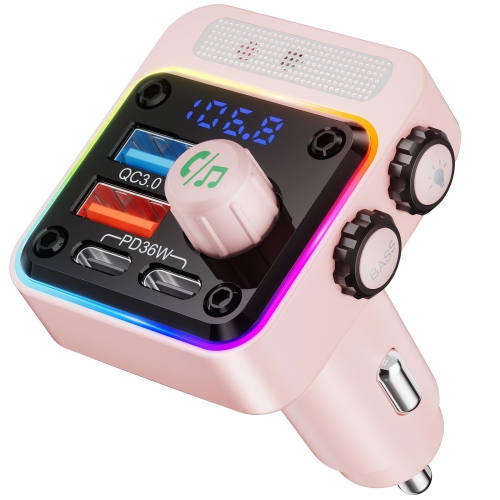
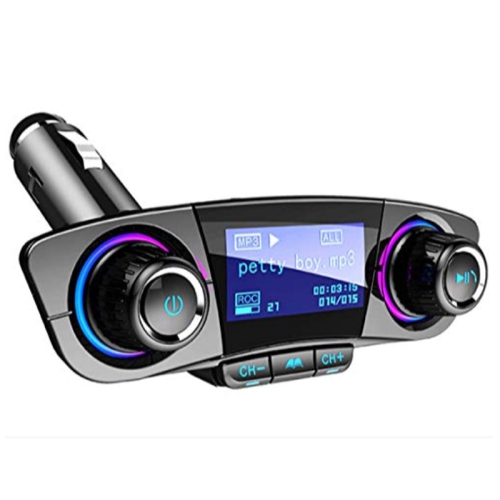
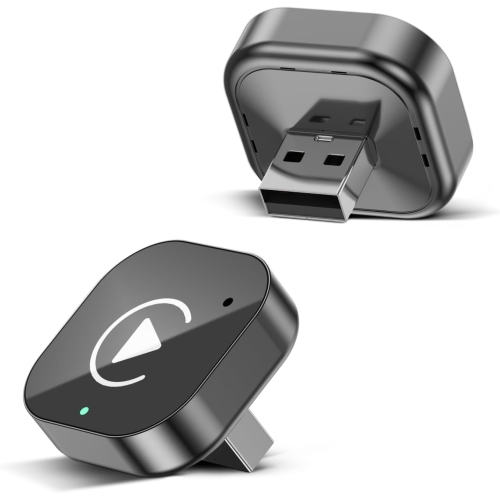
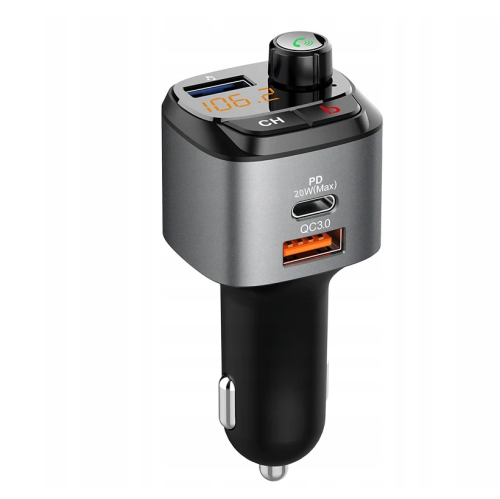
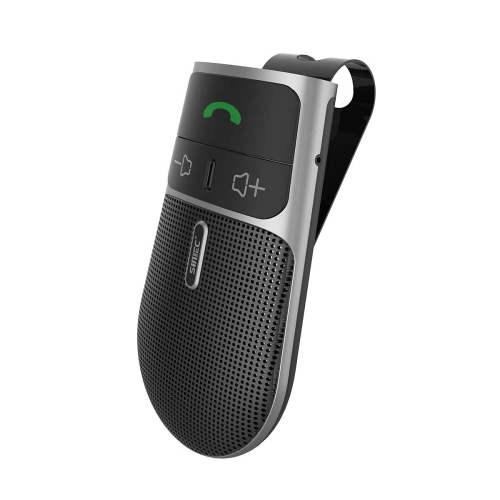
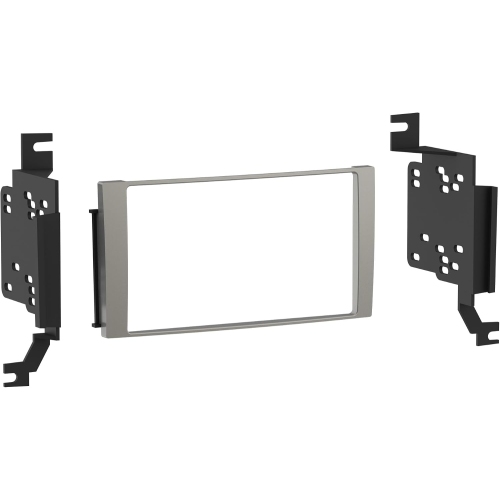
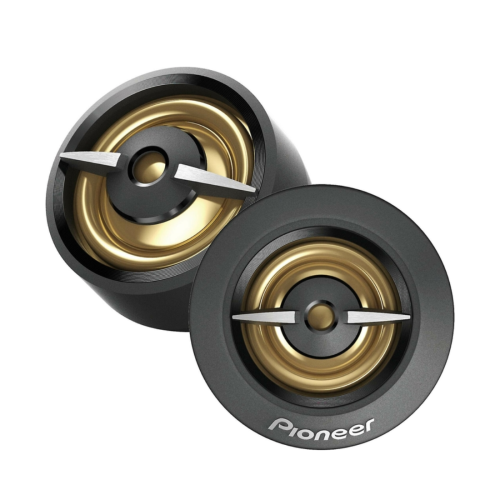
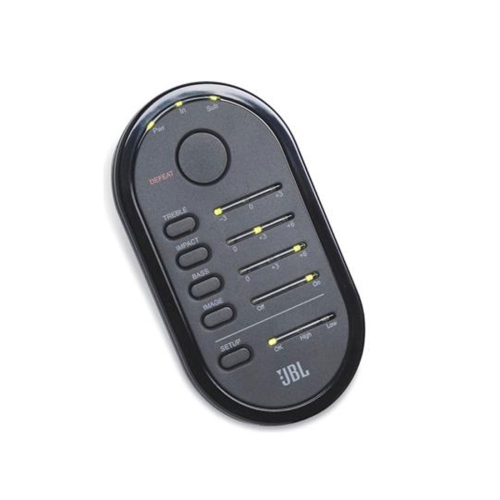
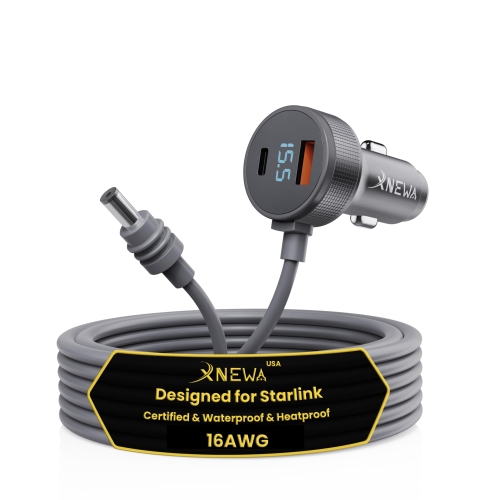
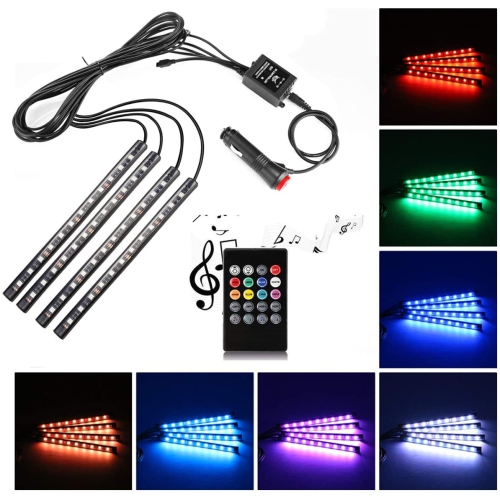
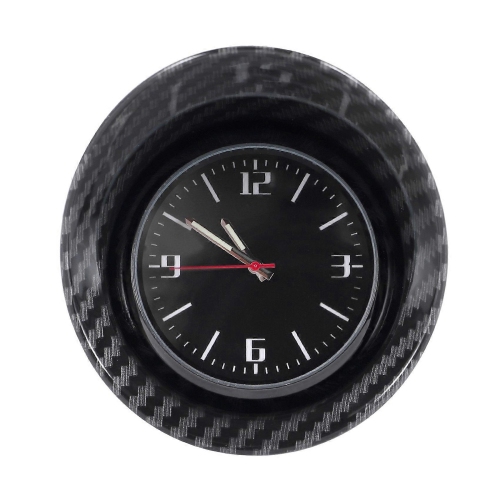
In-car electronics and interior accessories focus on how a vehicle is used between maintenance tasks. Dash cameras can document a journey, navigation equipment can help with route planning, and charging accessories can keep compatible devices powered without a tangle of loose cables. Camera placement should preserve the driver’s view, and wiring should stay clear of pedals, controls, and airbag deployment areas. Recording resolution is only one consideration for a dash camera: mounting stability, storage requirements, power arrangements, and the clarity of captured details also affect everyday usefulness. Parking-related recording may require a suitable hardwired connection and battery protection, depending on the system. For navigation and phone mounts, a stable fit and an easy-to-read position matter more than an oversized display that blocks the windscreen. Connections need equal attention, since a matching plug does not necessarily guarantee the charging speed or data functions a device requires. Sound-system upgrades have their own compatibility requirements, and Car Audio Equipment brings together the category associated with in-car listening. Receiver dimensions, speaker fit, electrical connections, and integration with existing steering-wheel controls can determine whether an installation is straightforward or requires additional components and professional work. Interior organization is equally practical for a family vehicle, a shared car, or a vehicle used for work. Seat-back storage, cargo organizers, and protective liners need to fit the available space without interfering with seat adjustment, seat belts, or access to child-seat anchors. Durable fabric, reinforced seams, wipe-clean surfaces, and removable sections can make everyday care easier, while rubber or moulded plastic components should sit securely rather than slide beneath a driver’s feet. Measurements are useful when judging fit; a compact accessory in a photograph may occupy more console or cargo space than expected. Car equipment can also make a thoughtful gift for a new driver, a hands-on vehicle owner, or someone who spends substantial time on the road, especially when it suits a known vehicle and an actual routine. The most useful choices solve a familiar problem: keeping charging cables contained, making routine checks simpler, or putting essential equipment within easy reach.
Top selling and popular products
-
 Your price for this item is $52.61
-
 Your price for this item is $39.86
-
 Your price for this item is $73.67
-
 Your price for this item is $30.99
-
 Your price for this item is $42.89
-
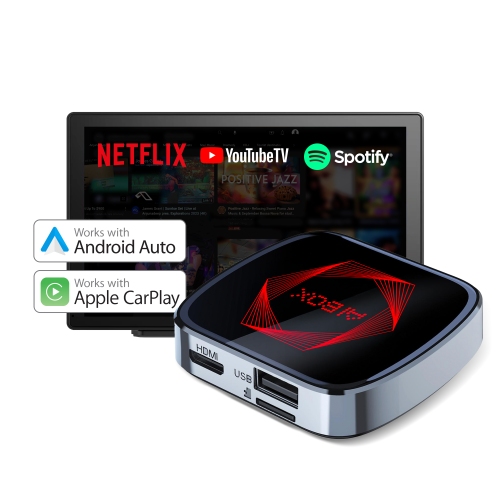 Your price for this item is $159.99
-
 Your price for this item is $42.08
-
 Your price for this item is $62.86
Discover more categories related to Car Equipment



Top Collections:
Best Black Friday Deals This Year, Best Black Friday Deals On Electronics, Kindle Devices, Pokemon Centers, Best Black Friday Deals On Apple Products, Best Cameras for Sports Photography, Dyson Airwrap, Pokémon 30th Celebration Cards, Apple iPhone 17 Pro, Canon G7X Cameras
Some products may be subject to Environmental Handling Fees
(EHF) depending on your province.
Learn more about EHFs.