Card And Dice Games
Dive into the world of card and dice games, where strategy meets chance and endless fun awaits. Whether you're a seasoned player or new to the table, these games offer a perfect blend of excitement and challenge for gatherings with family and friends. From quick rounds to epic sessions, there's something for everyone in this diverse collection. Enhance your game nights with options that cater to all ages and skill levels, ensuring memorable moments filled with laughter and friendly competition. Discover the joy of classic gameplay reimagined for modern times, and find the perfect addition to your entertainment repertoire.
Sort
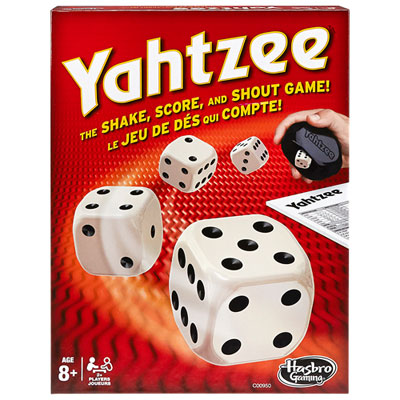
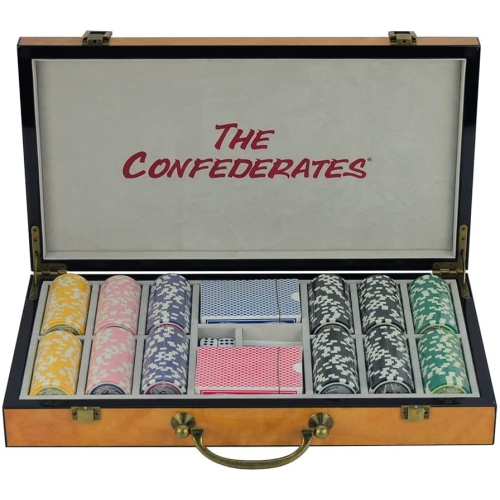
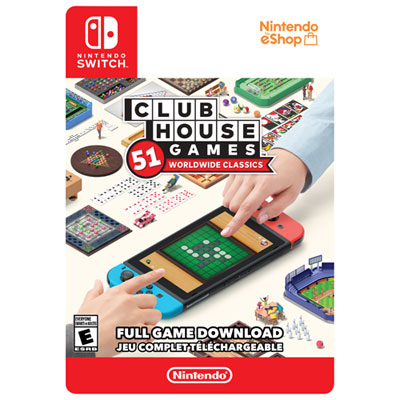
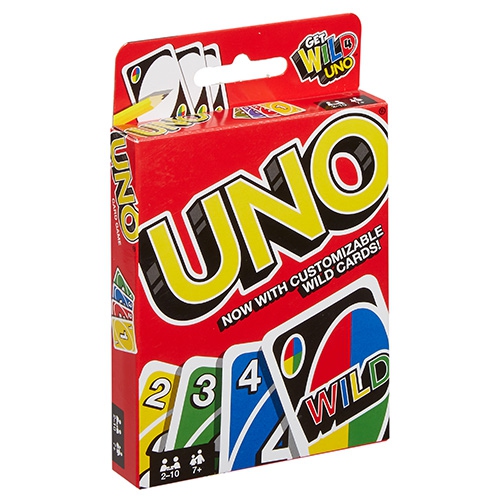
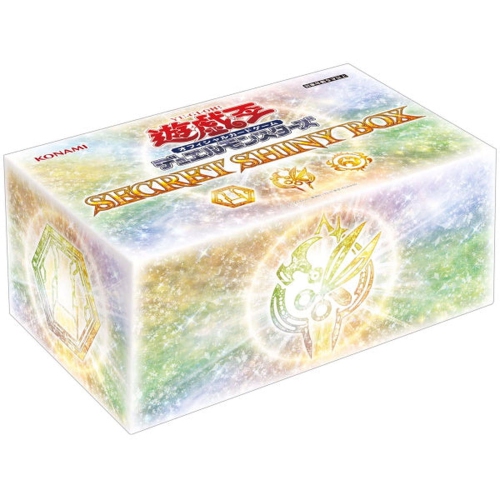
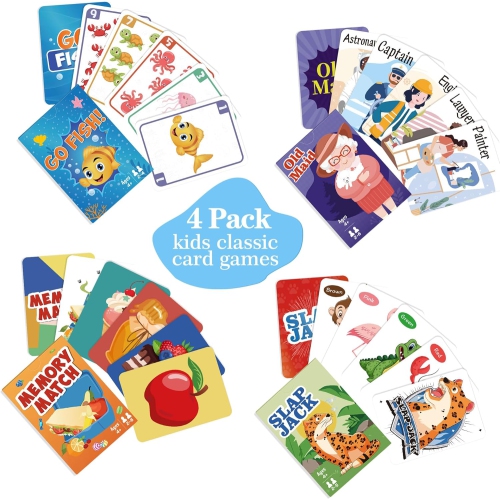
![KONAMI Yu-Gi-Oh Trading Card Game: Ghosts From The Past Box [Card Game, 2 Players]](https://multimedia.bbycastatic.ca/multimedia/products/500x500/155/15554/15554663.jpeg)
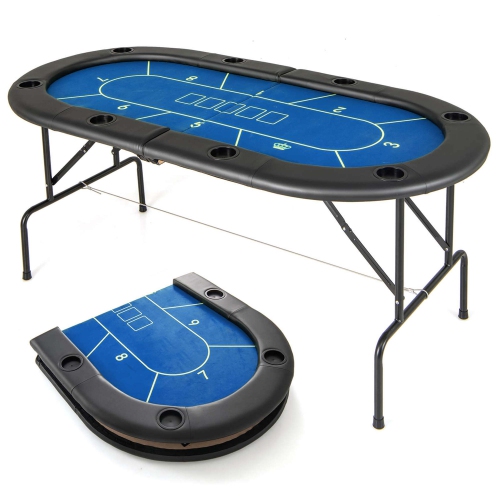
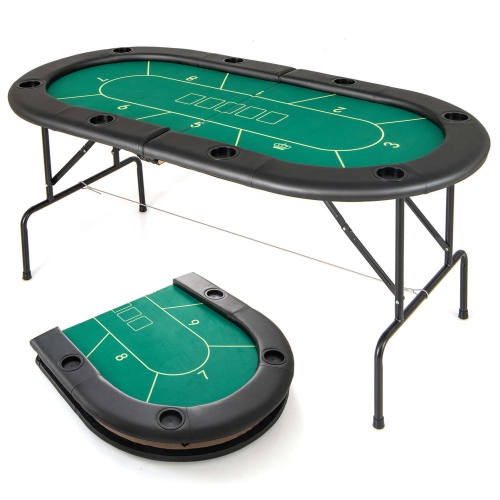

![BANDAI Digimon Card Game: Battle Of Omni (Bt05) Booster Box - 24 Packs [Card Game, 2 Players]](https://multimedia.bbycastatic.ca/multimedia/products/500x500/165/16590/16590636.jpeg)
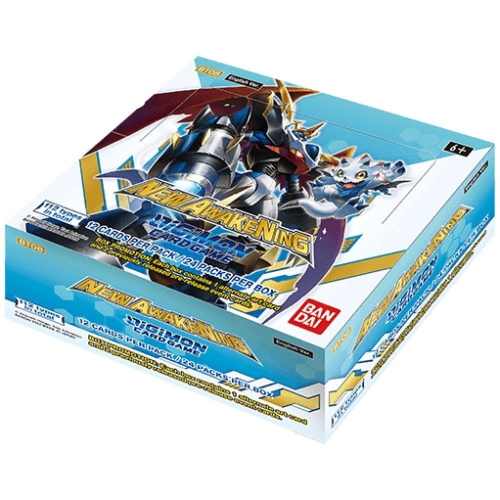

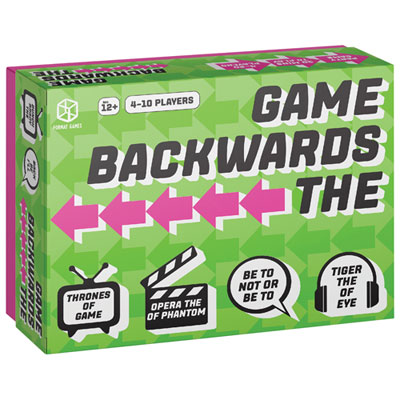
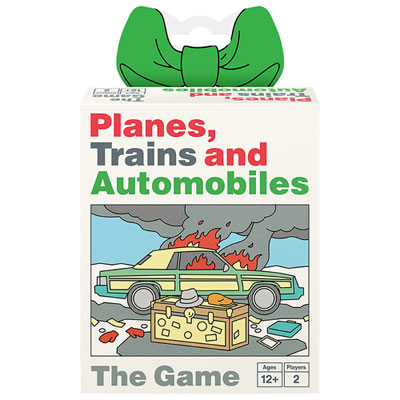
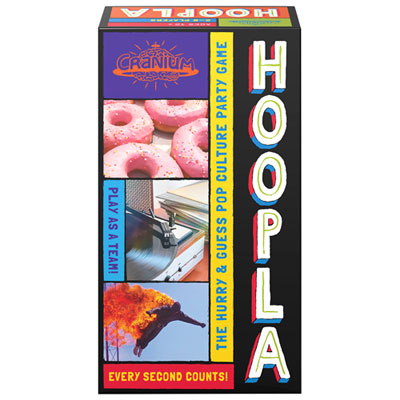
Where lucky rolls meet carefully played cards
Card and dice games bring together two familiar tabletop experiences: the choices involved in drawing, playing, and managing cards, and the uncertainty of a dice roll. The category includes games centred on cards, games built around dice, and designs that combine both in a single set of rules. In a combined card and dice game, a roll might determine which cards a player can claim, which actions are possible, or how many points a turn earns. Cards can give those rolls meaning by setting targets, introducing special abilities, or offering different ways to score. Some formats ask players to match dice results to symbols or numbers on shared cards; others use cards to adjust a roll, protect a score, or change another player’s options. That balance between chance and decision-making is a large part of the appeal. A lucky roll can open a promising opportunity, but choosing whether to take a modest score or risk another throw gives players something to weigh. Not every game uses both components, and the amount of strategy varies widely. Quick matching games tend to emphasize observation and pace, while hand-management games reward timing and careful use of limited options. Push-your-luck formats build suspense around the decision to stop or keep rolling, often with the possibility of losing points earned during that turn. Cooperative formats give players a shared objective, while competitive games may involve direct challenges or a quieter race towards a target score. For players who enjoy familiar deck-based play, Classic Card Games offers a related category rooted in dealing, matching, collecting, and taking tricks. Across these styles, the attraction is easy to picture: a few cards spread across the table, dice waiting beside them, and a choice that can change the direction of the next turn.
The best fit for a household or gaming group depends on more than the theme printed on the box. Player count, suggested age, typical playing time, and reading requirements all shape how a game feels in use. A game for two can make a comfortable choice for a quiet evening together, whereas a larger group needs enough participation to keep people involved between turns. Simultaneous rolling or choosing can reduce waiting, while turn-based play gives each person more space to consider a decision. Short rounds suit a brief break or several rematches; longer formats make room for developing a plan and responding as the scores change. Published playing times are useful estimates, though learning the rules and helping new players will usually add time to the first session. Age recommendations are a starting point rather than a complete description of difficulty. A game with little text may still require planning, while one with straightforward choices may rely on reading instructions from individual cards. For children, matching symbols, counting totals, and sorting cards can provide opportunities to practise foundational skills through play, without making every session feel like a lesson. Adults joining a family game may appreciate choices that remain interesting after the rules become familiar. Clear numerals, readable text, and strong contrast make the table easier to follow; symbols used alongside colours can also help players distinguish different actions or scoring groups. Physical fit matters as well. Smaller hands may find a large hand of cards awkward to hold, and oversized cards need more space when laid out. A compact box does not always mean a compact playing area, particularly when a game builds rows of cards or uses a shared scoring display. For travel or visits with friends, a modest table footprint, few loose pieces, and a straightforward reset between rounds can be more useful than box size alone. For regular gatherings, varied scoring opportunities and changing card layouts can help familiar rules remain engaging over repeated sessions.
Materials and construction affect how card and dice games handle everyday use, from frequent shuffling to being packed away after a lively family session. Cards may be made from coated paperboard or plastic, with finishes that influence their feel, flexibility, and how easily they slide against one another. A textured surface can make cards comfortable to handle, while a smooth finish may produce a different shuffling feel; neither alone establishes how long a deck will last. Card thickness, edge quality, and careful handling all contribute to durability. Paper-based cards can crease or absorb moisture, and plastic cards can still scratch or bend, so drinks are best kept away from the playing area. Clean, dry hands and a gentle shuffle help protect printed surfaces and corners. Protective sleeves can limit wear when they match the card dimensions, although sleeved cards may no longer fit the original insert. Dice are commonly made from plastic resin, wood, or metal, with differences in weight, sound, and surface feel. Lightweight dice are convenient to carry, wooden dice may show natural grain, and heavier metal dice benefit from a suitable rolling surface that helps protect the table. Clearly marked faces are especially useful when results need to be read across a shared space. A tray or soft mat can keep rolls contained and soften the clatter, particularly on a hard tabletop. Care should follow the maker’s directions: cards generally should not be soaked, and dice with painted markings or special finishes may need gentler cleaning than their base material suggests. Keeping decks flat, separating small components, and returning everything to a secure box helps prevent bent cards and missing pieces. Small dice and tokens also need to stay out of reach of children below the stated age range. As gifts, card and dice games can suit families, friends, couples, and regular game-night hosts when the format matches their interests. An approachable ruleset can welcome occasional players, while layered scoring and meaningful decisions may appeal to someone who already enjoys tabletop strategy. The most useful match is a game that fits the recipient’s usual group, available table space, and preferred pace of play.
The best fit for a household or gaming group depends on more than the theme printed on the box. Player count, suggested age, typical playing time, and reading requirements all shape how a game feels in use. A game for two can make a comfortable choice for a quiet evening together, whereas a larger group needs enough participation to keep people involved between turns. Simultaneous rolling or choosing can reduce waiting, while turn-based play gives each person more space to consider a decision. Short rounds suit a brief break or several rematches; longer formats make room for developing a plan and responding as the scores change. Published playing times are useful estimates, though learning the rules and helping new players will usually add time to the first session. Age recommendations are a starting point rather than a complete description of difficulty. A game with little text may still require planning, while one with straightforward choices may rely on reading instructions from individual cards. For children, matching symbols, counting totals, and sorting cards can provide opportunities to practise foundational skills through play, without making every session feel like a lesson. Adults joining a family game may appreciate choices that remain interesting after the rules become familiar. Clear numerals, readable text, and strong contrast make the table easier to follow; symbols used alongside colours can also help players distinguish different actions or scoring groups. Physical fit matters as well. Smaller hands may find a large hand of cards awkward to hold, and oversized cards need more space when laid out. A compact box does not always mean a compact playing area, particularly when a game builds rows of cards or uses a shared scoring display. For travel or visits with friends, a modest table footprint, few loose pieces, and a straightforward reset between rounds can be more useful than box size alone. For regular gatherings, varied scoring opportunities and changing card layouts can help familiar rules remain engaging over repeated sessions.
Materials and construction affect how card and dice games handle everyday use, from frequent shuffling to being packed away after a lively family session. Cards may be made from coated paperboard or plastic, with finishes that influence their feel, flexibility, and how easily they slide against one another. A textured surface can make cards comfortable to handle, while a smooth finish may produce a different shuffling feel; neither alone establishes how long a deck will last. Card thickness, edge quality, and careful handling all contribute to durability. Paper-based cards can crease or absorb moisture, and plastic cards can still scratch or bend, so drinks are best kept away from the playing area. Clean, dry hands and a gentle shuffle help protect printed surfaces and corners. Protective sleeves can limit wear when they match the card dimensions, although sleeved cards may no longer fit the original insert. Dice are commonly made from plastic resin, wood, or metal, with differences in weight, sound, and surface feel. Lightweight dice are convenient to carry, wooden dice may show natural grain, and heavier metal dice benefit from a suitable rolling surface that helps protect the table. Clearly marked faces are especially useful when results need to be read across a shared space. A tray or soft mat can keep rolls contained and soften the clatter, particularly on a hard tabletop. Care should follow the maker’s directions: cards generally should not be soaked, and dice with painted markings or special finishes may need gentler cleaning than their base material suggests. Keeping decks flat, separating small components, and returning everything to a secure box helps prevent bent cards and missing pieces. Small dice and tokens also need to stay out of reach of children below the stated age range. As gifts, card and dice games can suit families, friends, couples, and regular game-night hosts when the format matches their interests. An approachable ruleset can welcome occasional players, while layered scoring and meaningful decisions may appeal to someone who already enjoys tabletop strategy. The most useful match is a game that fits the recipient’s usual group, available table space, and preferred pace of play.
Top selling and popular products
-
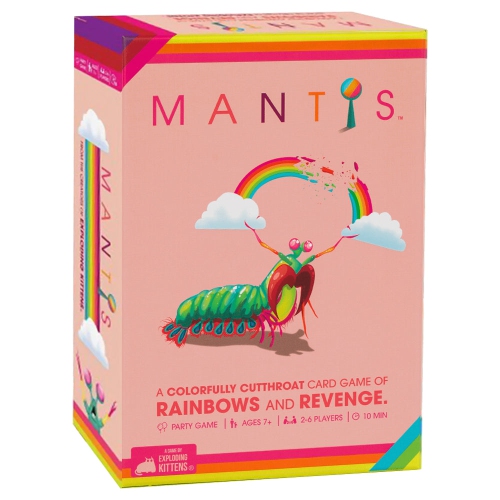 Your price for this item is $43.95
 -
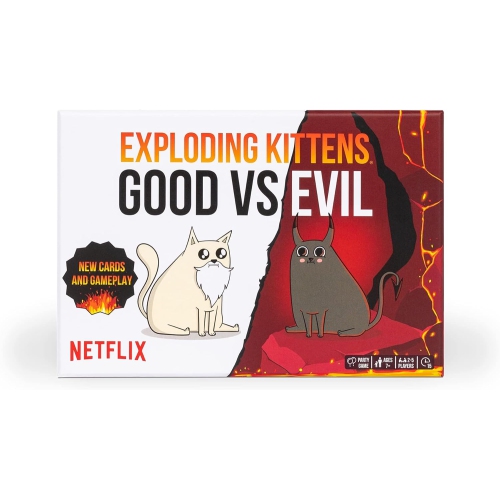 Your price for this item is $34.99
 -
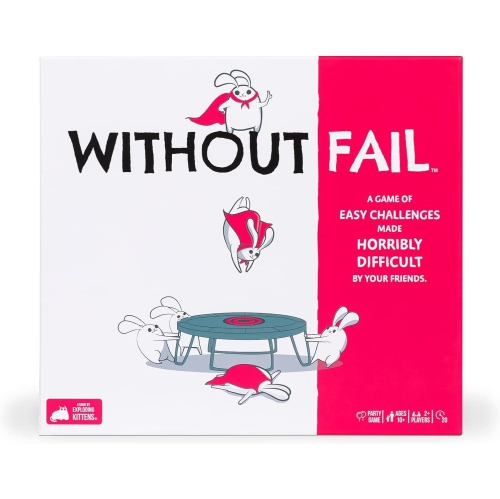 Your price for this item is $19.99
 -
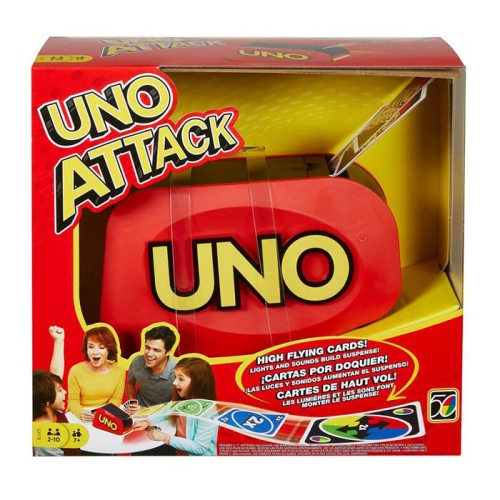 Your price for this item is $43.99
 -
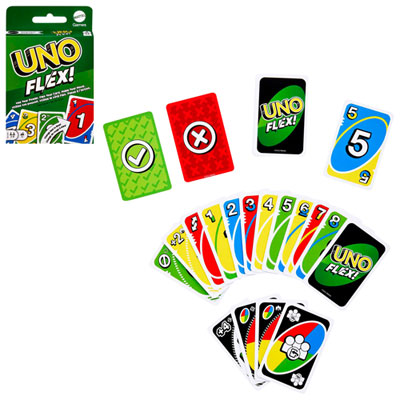 Your price for this item is $7.98
 -
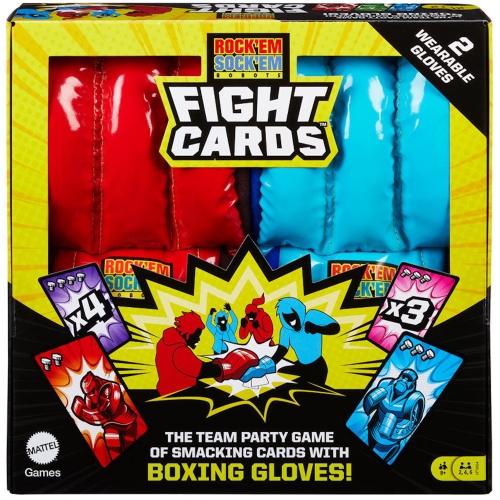 Your price for this item is $17.19
 -
 Your price for this item is $40
 -
 Your price for this item is $20.69
Discover more categories related to Card And Dice Games

Top Collections:
Pokemon Centers, Kindle Devices, Best Budget Office Chairs, Apple iPhones 16, Best Laptops for Writers, iPhone 15 Apple, Canon G7X Cameras, Refurbished Apple Laptops, Alarm Clock, Motorola Razr Phones
Some products may be subject to Environmental Handling Fees
(EHF) depending on your province.
Learn more about EHFs.