Card Making Supplies
For crafting enthusiasts looking to add a personal touch to their greetings, our collection of card-making supplies offers everything you need to create unique and heartfelt cards for any occasion. From colorful cardstock and decorative embellishments to essential tools like adhesive tape and scissors, explore our wide range of high-quality materials that will inspire your creativity and help you craft beautiful, handmade cards that will surely impress your loved ones. Let your imagination run wild as you browse through our selection of supplies designed to elevate your card-making projects to the next level.
Sort


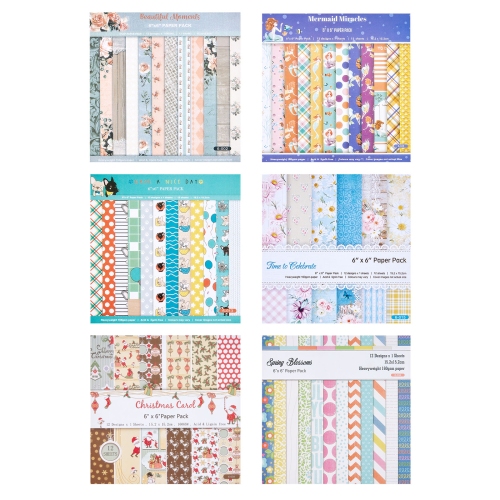
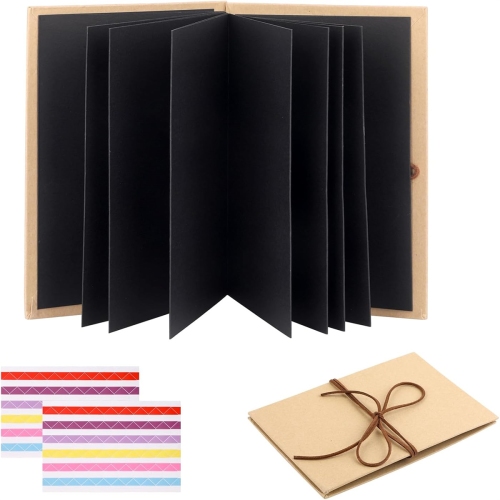

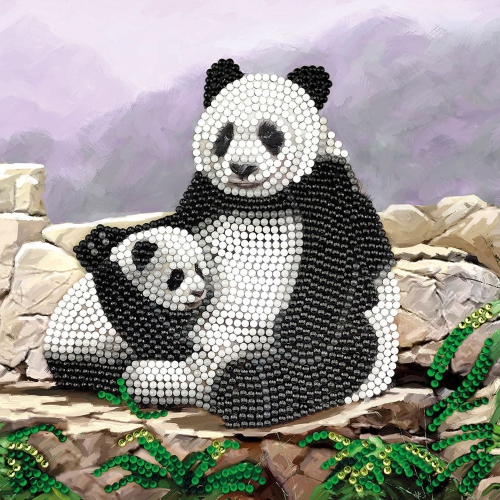

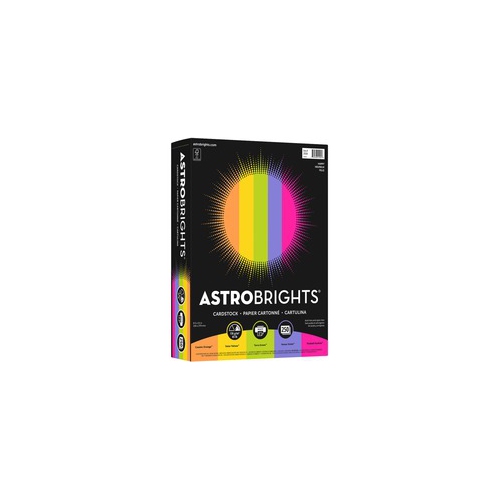

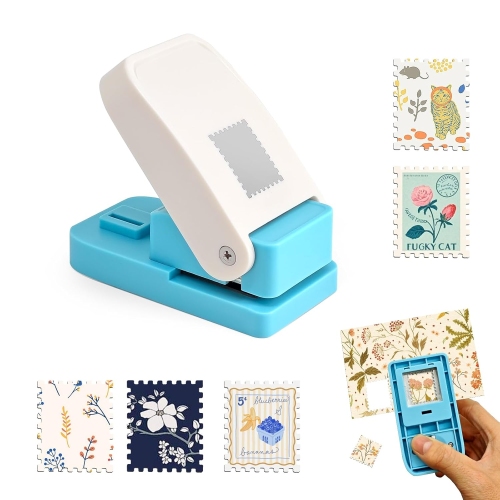
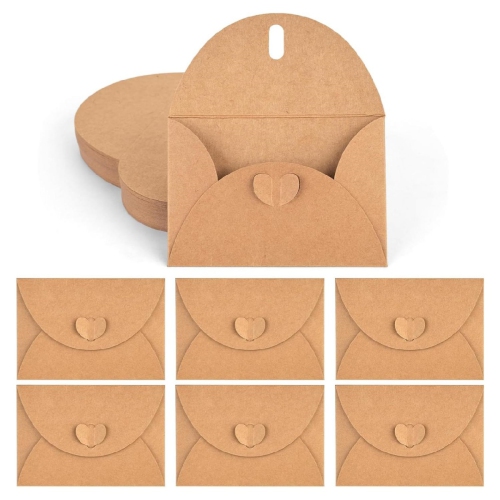

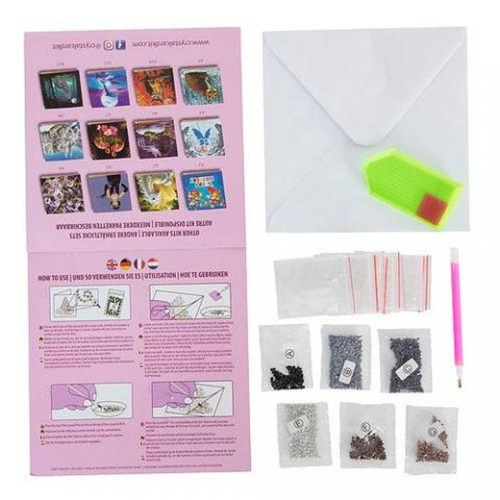
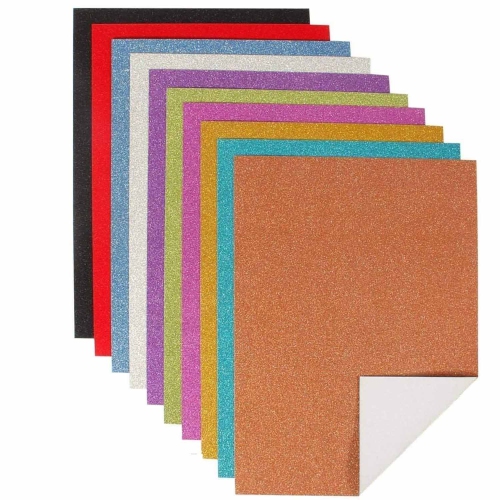
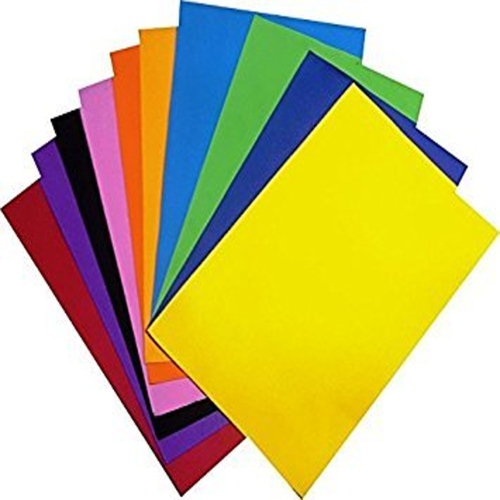
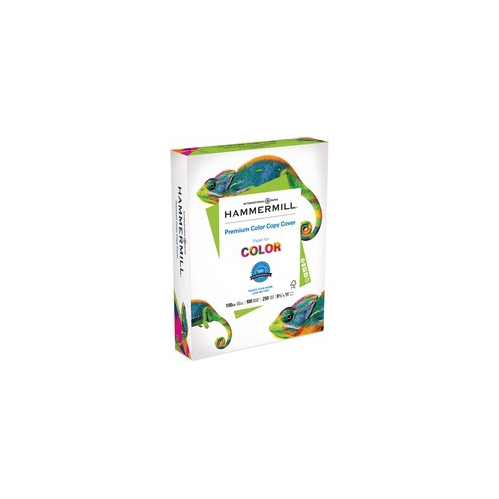
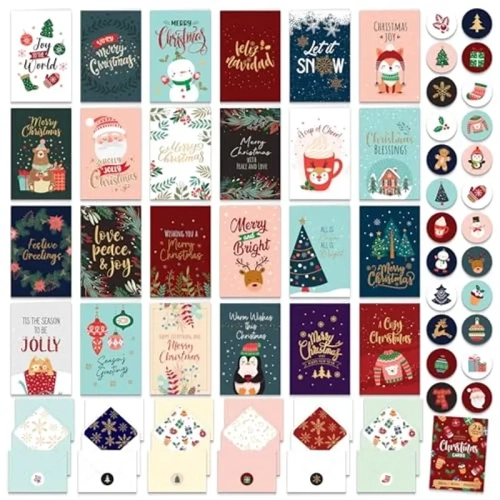
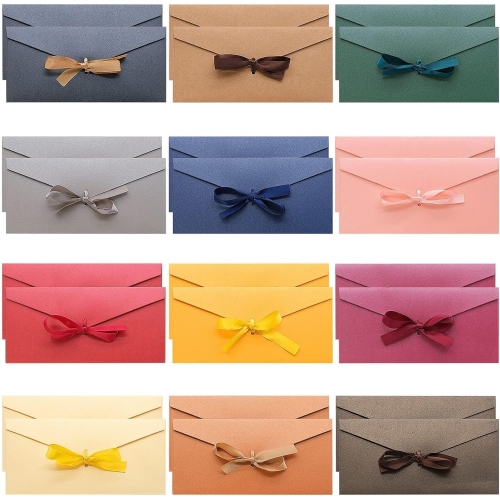
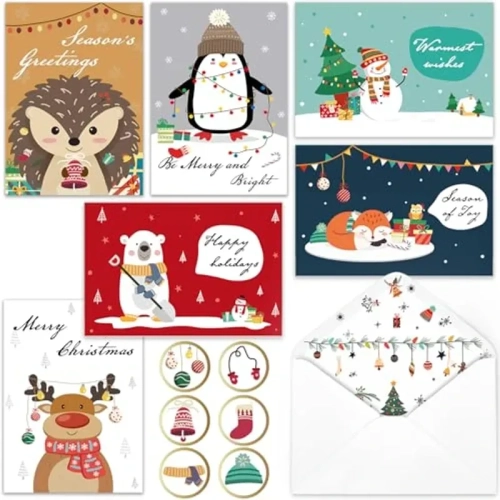
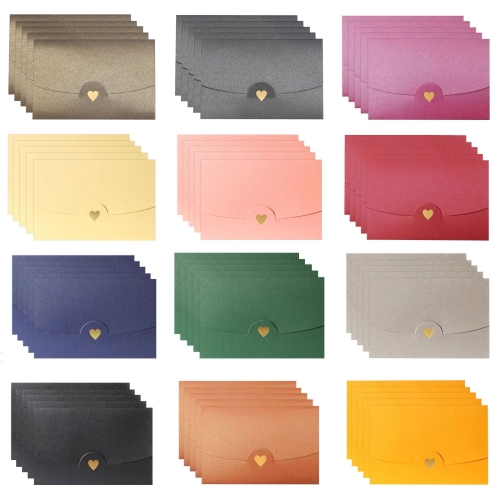

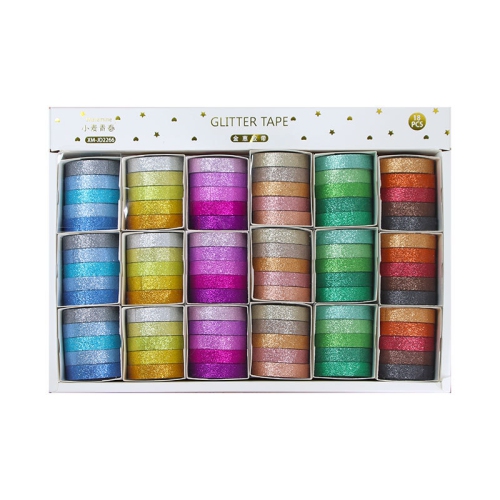
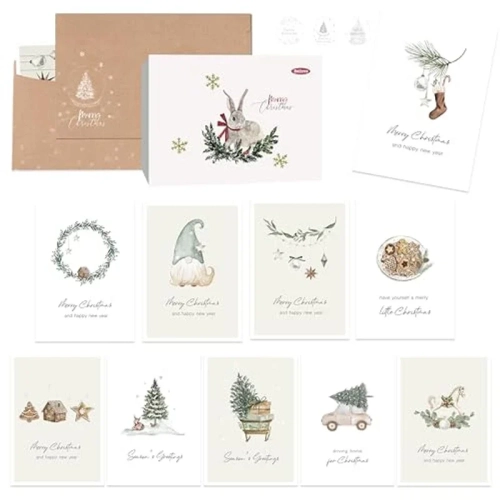
The details that give handmade cards a polished finish
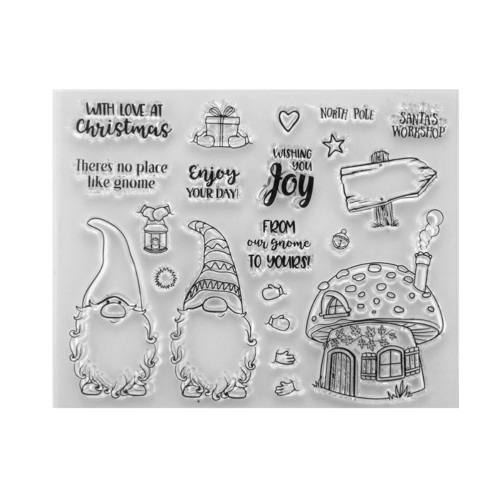
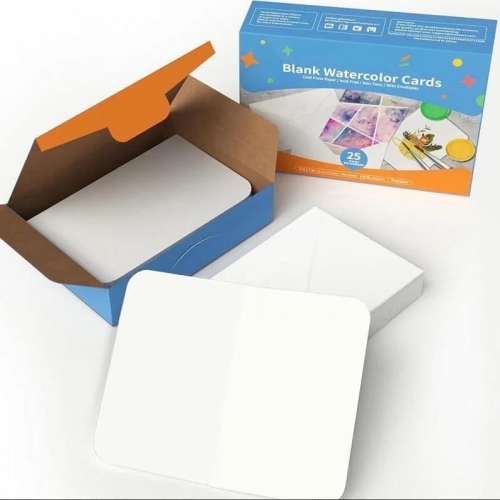
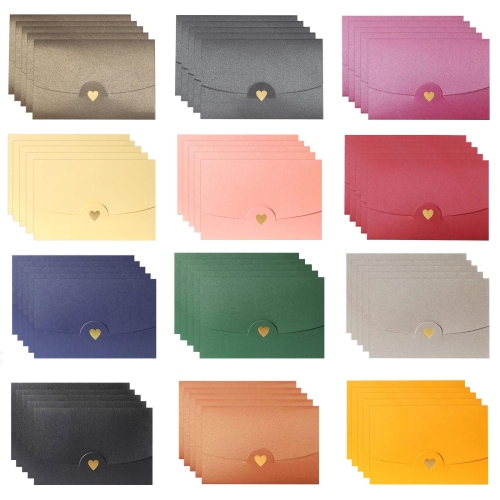
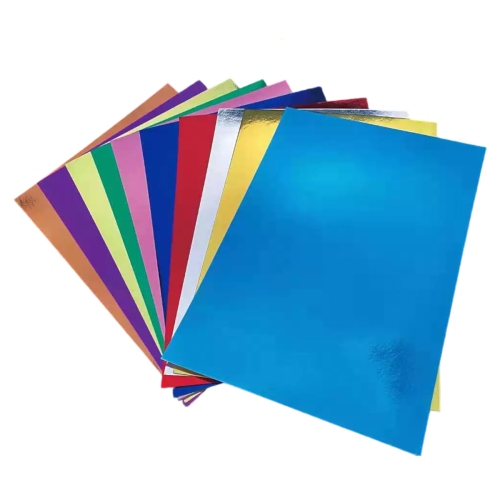
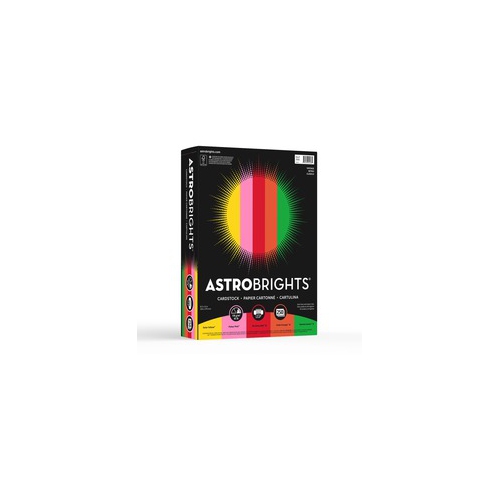
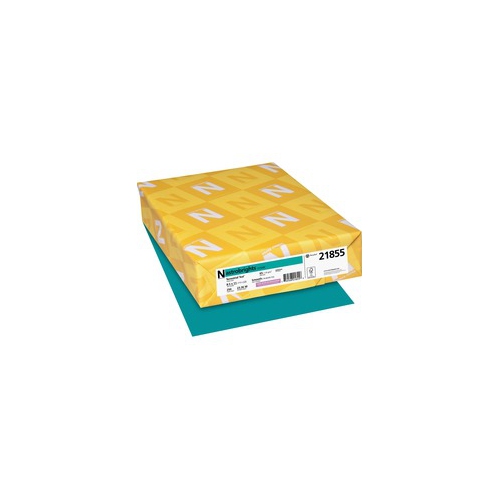
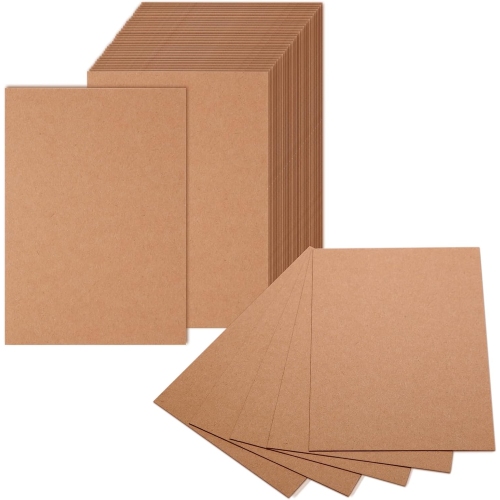
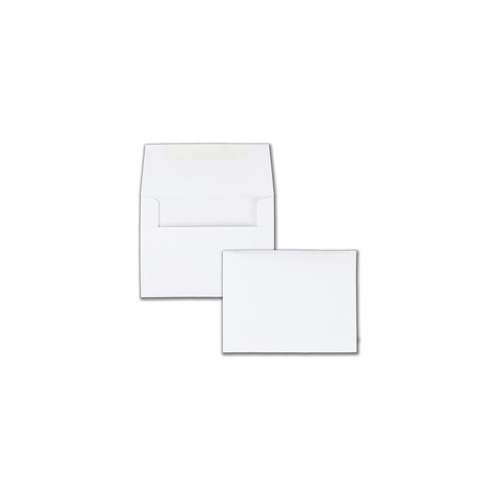
Card making supplies include the paper, cutting tools, adhesives, stamps and decorative materials used to create handmade greeting cards, invitations and personal notes. A basic collection often starts with sturdy cardstock, a paper trimmer, fine-tip scissors, a scoring tool or bone folder, adhesive and envelopes. Together, these materials support everything from a simple thank-you card with a handwritten message to a layered birthday design with patterned paper and raised lettering. Cardstock provides the structure, with cover weights of approximately 80 to 110 lb commonly used for card bases. Heavier cardstock, particularly around 100 to 110 lb cover weight, can support additional layers and embellishments, while lighter papers work well for decorative panels and inserts. Paper weight alone does not tell the whole story: thickness, surface finish and stiffness also affect how a sheet cuts, folds and accepts ink. Smooth cardstock suits crisp stamped images and detailed colouring, while textured paper adds character to designs with fewer elements. A clean, scored fold helps a heavier card base close neatly without a rough or cracked edge. White, cream and neutral shades provide versatile backgrounds, while coloured cardstock and patterned paper can establish a coordinated palette for a celebration or personal message. Acid-free paper is worth considering for cards intended to become keepsakes, although storage conditions and the other materials used also affect their longevity. Size matters when matching a finished card to an envelope. A common A2 folded card measures 4.25 by 5.5 inches, but envelope sizing should always be checked against the finished dimensions and any added thickness. Flat designs slip easily into an envelope, while layered flowers, bows or raised accents need extra room. Blank interiors leave space for personal messages, and a lighter insert can make handwriting easier to read against a dark card base. These practical details help the finished card feel considered, whether it accompanies a gift, marks an anniversary or carries a few thoughtful words to someone far away.
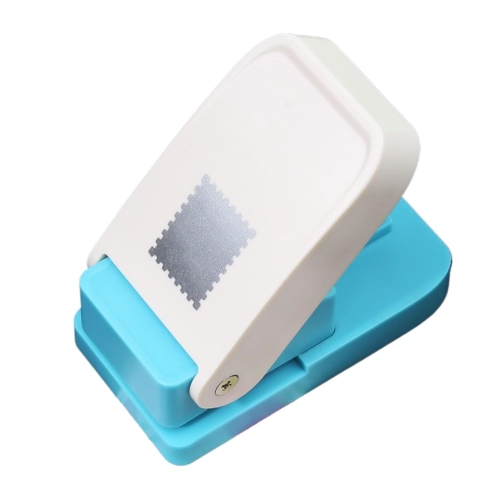
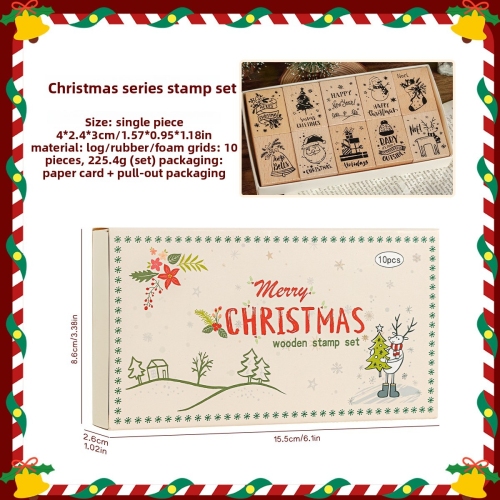
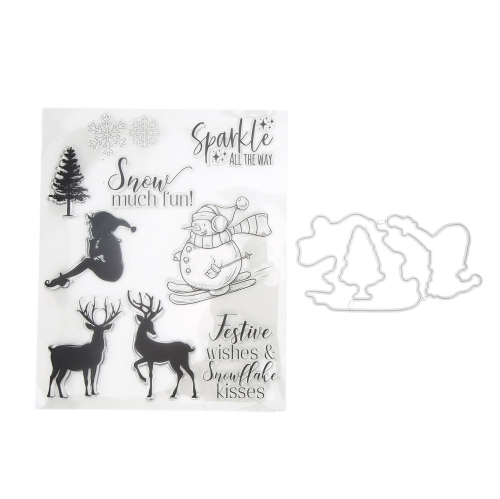
Cutting, scoring and adhesive supplies influence both the appearance and durability of a handmade card. A paper trimmer produces straight edges for bases, borders and rectangular layers, while fine-tip scissors offer control around small stamped shapes or intricate paper details. A scoring board helps establish consistent fold lines, and a bone folder presses those folds flat for a tidy finish. Tool capacity matters with heavier cardstock: a trimmer designed for thin paper may not handle several thick sheets equally well, and clean blades are important for avoiding ragged edges. Adhesives serve different purposes rather than acting as direct substitutes. Double-sided tape and tape runners provide a relatively flat bond for paper layers, liquid craft glue allows some adjustment before setting, and foam tape or adhesive dots lift elements away from the background. That raised effect can make a greeting stand out, but it also increases the finished card’s thickness. Too much liquid adhesive may cause thinner paper to ripple, while textured surfaces and heavier embellishments may need a stronger bond. Card making also pairs naturally with Stamping Supplies, including image stamps, sentiment stamps, ink pads and mounting tools. Clear stamps mounted on an acrylic block make placement visible, while a compatible stamping platform helps align repeated impressions when several cards share the same layout. Dye and pigment inks behave differently depending on the paper surface, so drying time, coverage and compatibility with colouring materials deserve attention. Water-based colouring can disturb an ink that is not water-resistant, while alcohol-based markers require a compatible stamped outline and may bleed through some papers. A spare piece of the same cardstock offers a useful way to check an ink-and-paper combination before it becomes part of a finished design. Blending brushes, pencils and markers create different effects, from a soft wash behind a greeting to precise shading on a small illustration. Heat-embossing materials add raised detail when paired with suitable tools and heat-safe working conditions. The best combinations suit the intended finish without making a card difficult to handle, write in or send.
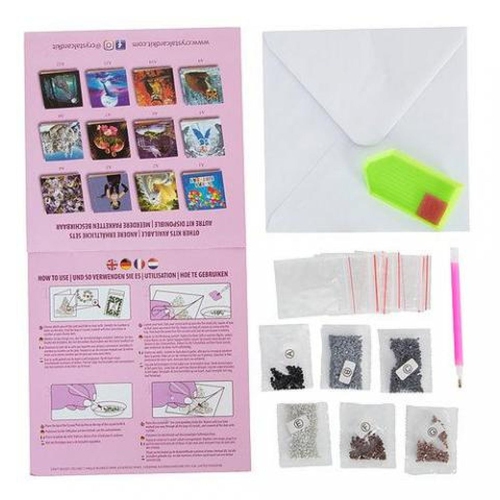
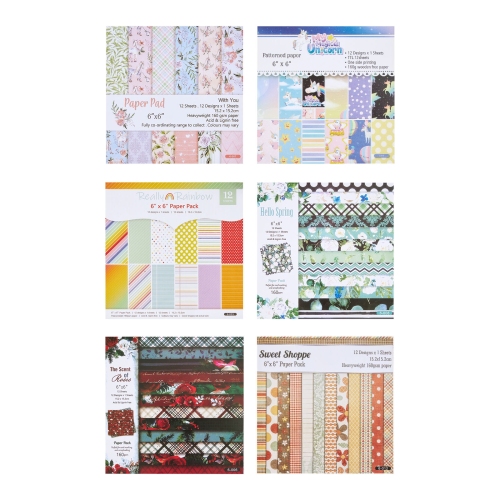
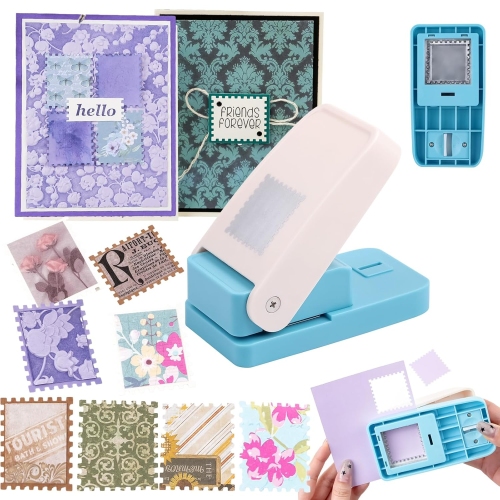
The decorative side of card making can be as restrained or expressive as the occasion calls for. Patterned paper, die-cut shapes, stickers, ribbons and small embellishments provide ways to add detail without drawing every element by hand. A narrow paper border and a single sentiment can suit a professional thank-you, while bright colours and playful shapes can make a birthday card feel personal. For wedding congratulations or a sympathy note, a quieter palette and generous blank space may let the message take priority. Coordinated card making kits can be useful for beginners, shared craft sessions or anyone who prefers materials that already work together; their contents vary, so included card bases, envelopes, adhesives and tools affect how complete they are. More experienced makers may prefer separate supplies that give greater control over dimensions, textures and techniques. Dies and embossing folders also need to fit the intended machine and its working width, making compatibility an important consideration alongside the design itself. Workspace and storage affect how comfortably these materials can be used. A compact work surface benefits from tools that are easy to put away, while labelled organizers help keep small embellishments, ink pads and paper offcuts accessible. Flat storage protects cardstock from bent corners, and keeping paper away from moisture and direct sunlight helps preserve its shape and colour. Closing ink pads securely, cleaning stamps with a suitable cleaner and removing adhesive residue from tools can help maintain reliable results over repeated projects. Card making supplies can also be a thoughtful gift for someone who enjoys paper crafts, scrapbooking, lettering or adding a personal touch to celebrations. A selection built around their preferred colours and techniques is often more useful than a large assortment of unrelated materials. Whether the finished cards are displayed, tucked into a keepsake box or sent through the mail, well-matched supplies give personal messages a neat, durable and distinctive presentation.
Top selling and popular products
-
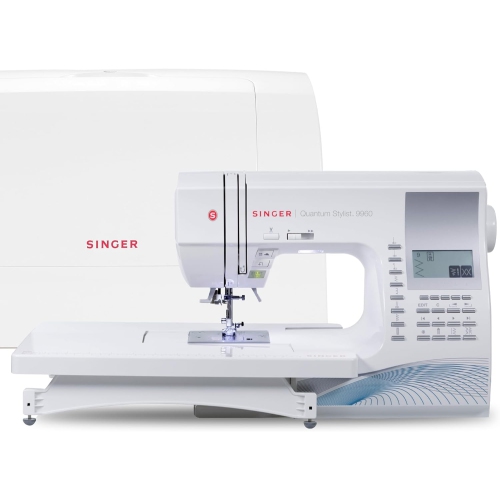 Your price for this item is $911.05
-
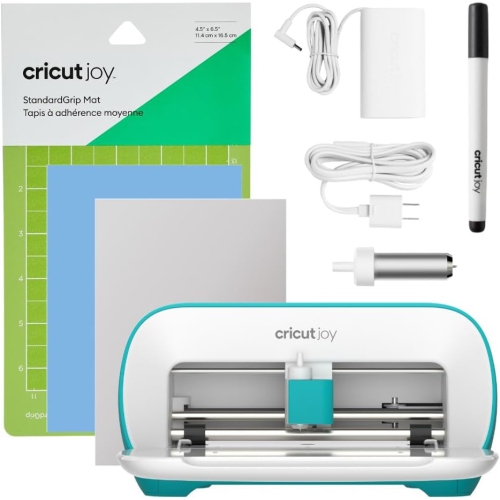 Your price for this item is $238.44
-
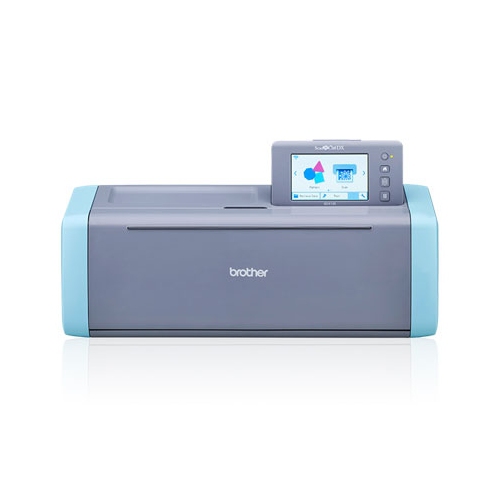 Your price for this item is $685.99
-
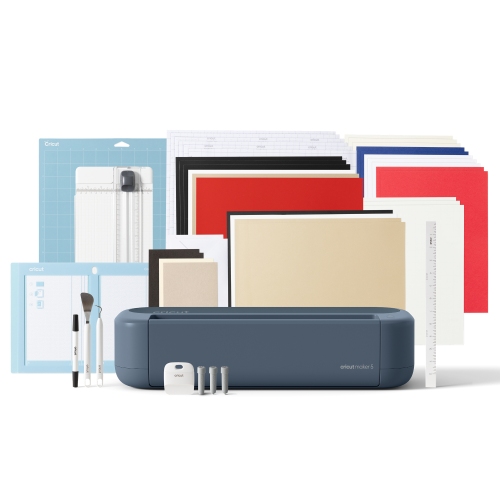 Your price for this item is $549
-
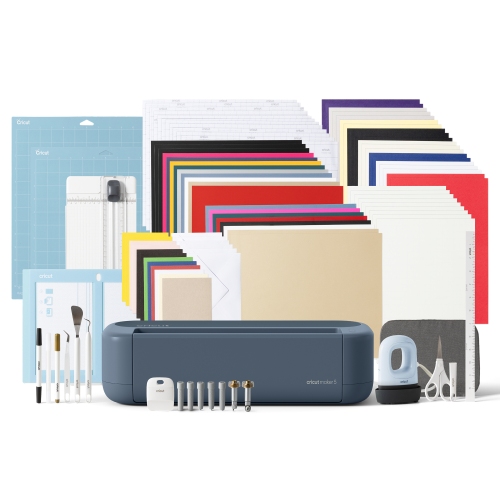 Your price for this item is $679
-
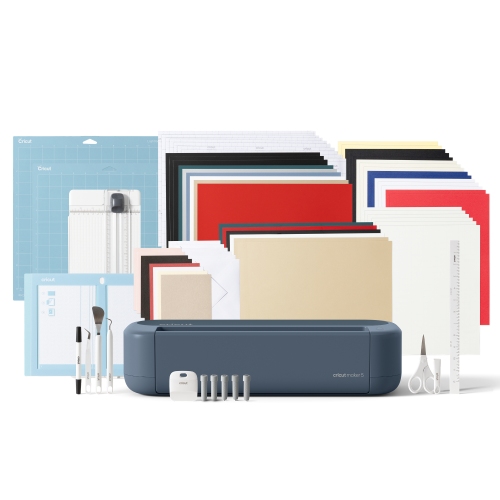 Your price for this item is $599
-
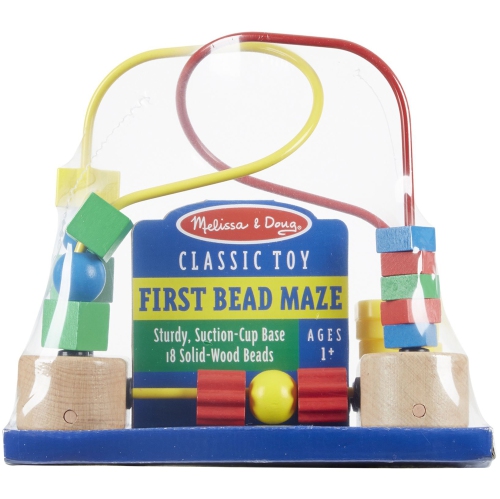 Your price for this item is $39.99
-
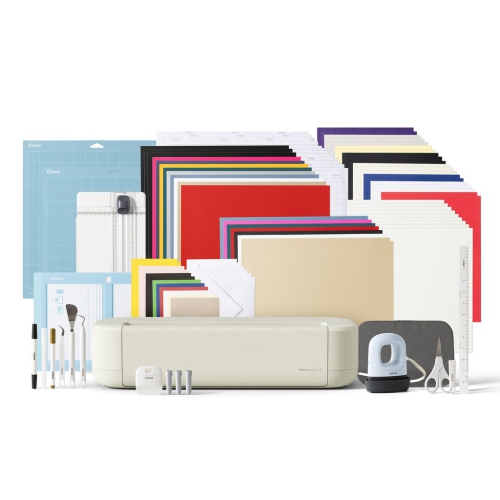 Your price for this item is $429
Discover more categories related to Card Making Supplies

Top Collections:
Best Black Friday Deals This Year, Best Black Friday Deals On Electronics, Kindle Devices, Pokemon Centers, Best Black Friday Deals On Apple Products, Best Cameras for Sports Photography, Dyson Airwrap, Pokémon 30th Celebration Cards, Apple iPhone 17 Pro, Canon G7X Cameras
Some products may be subject to Environmental Handling Fees
(EHF) depending on your province.
Learn more about EHFs.