Ceramic Bowls
Elevate your dining experience with our selection of ceramic bowls, designed to add a touch of elegance and functionality to your table setting. Whether you're serving up a cozy meal for one or hosting a dinner party for friends and family, these versatile bowls are perfect for a variety of dishes, from soups and salads to pasta and desserts. Crafted from high-quality ceramic materials, each bowl is not only stylish but also durable, making them ideal for everyday use. Explore our range of sizes, shapes, and designs to find the perfect ceramic bowls that suit your personal style and meet your dining needs.
Sort



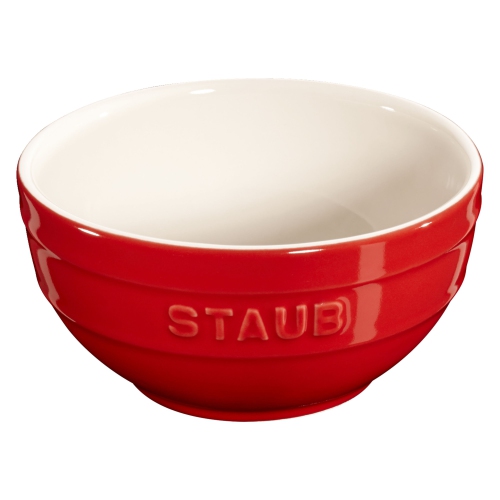
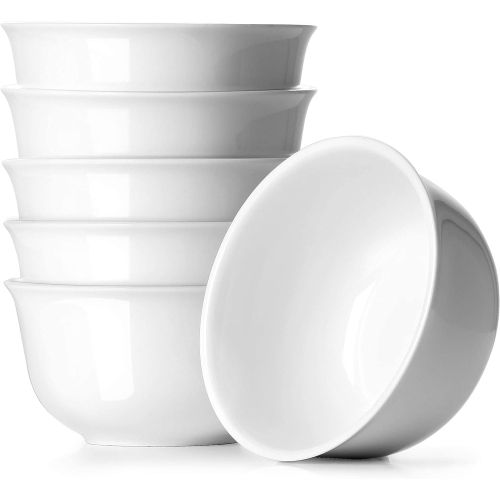
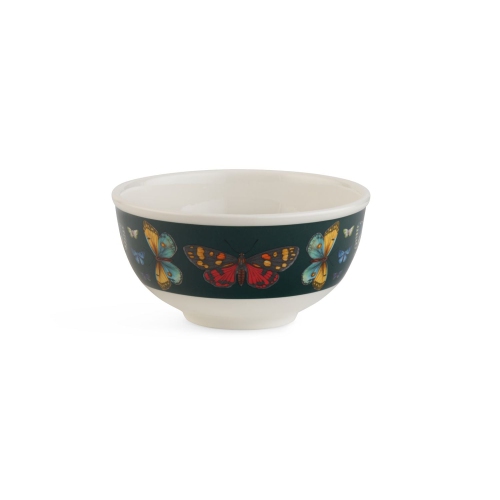
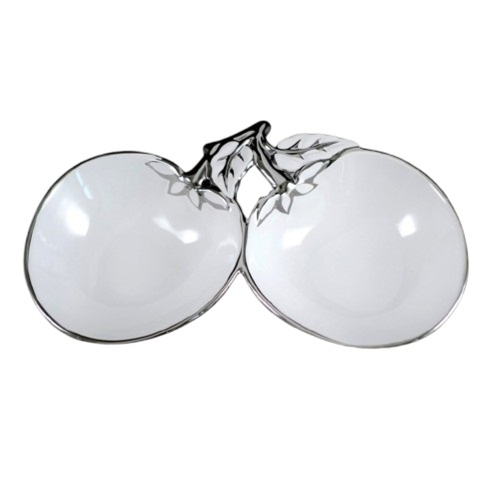
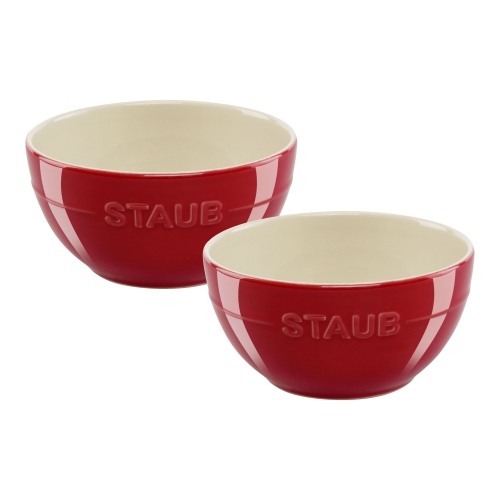
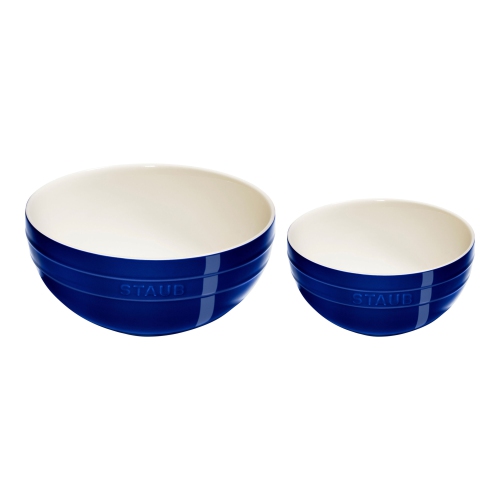
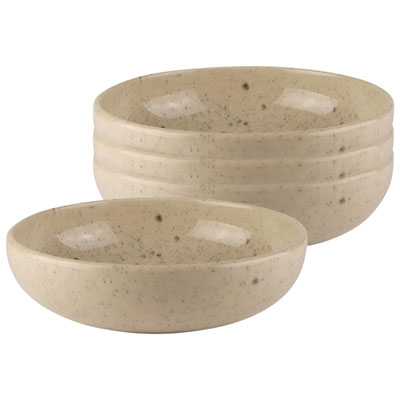
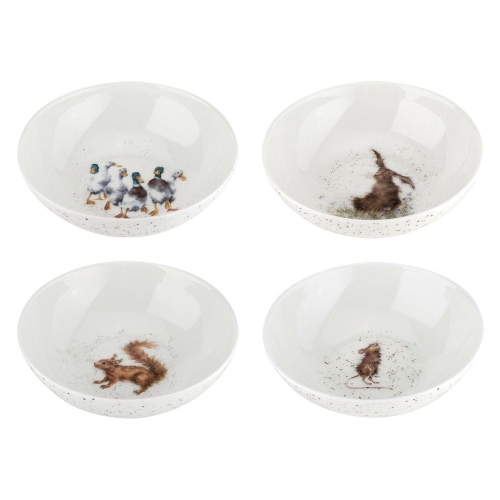
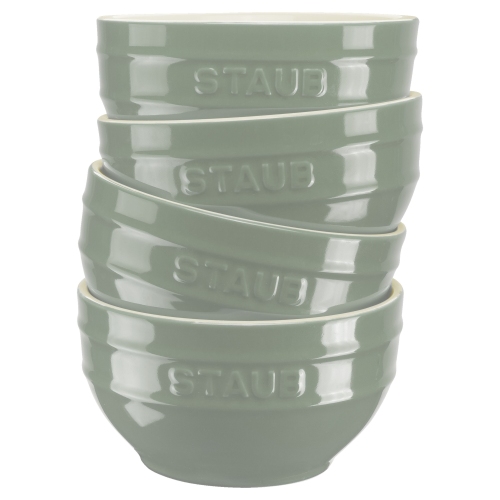
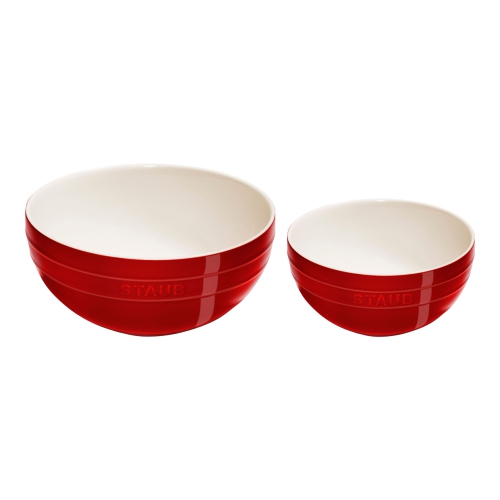
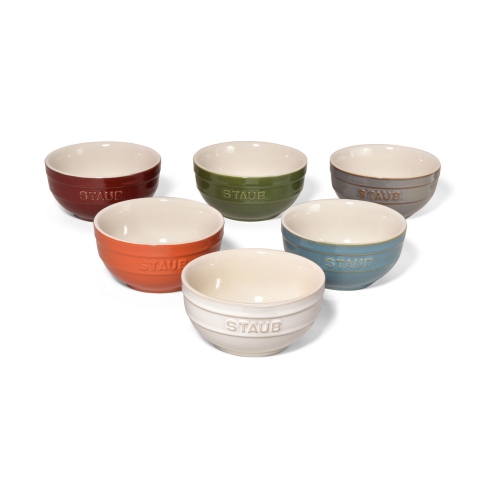
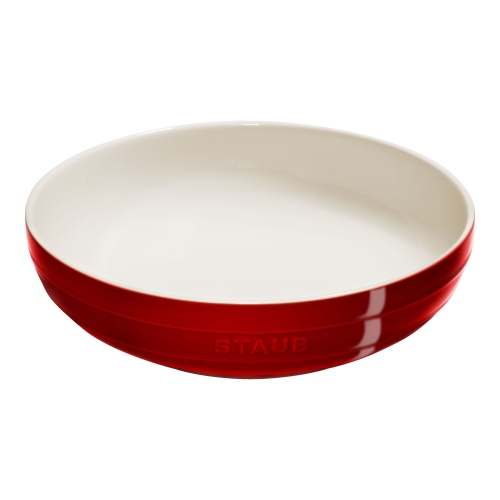

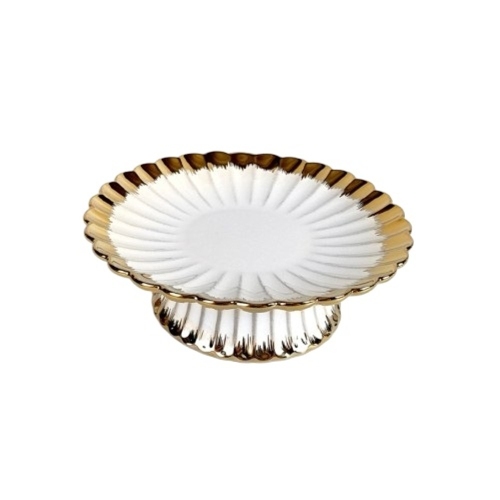
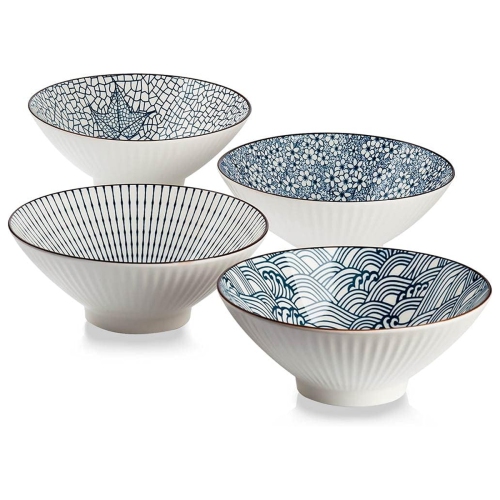
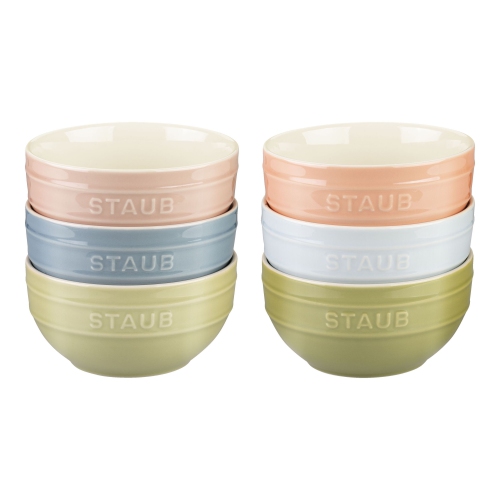
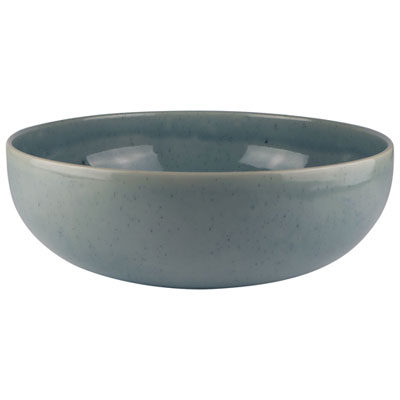

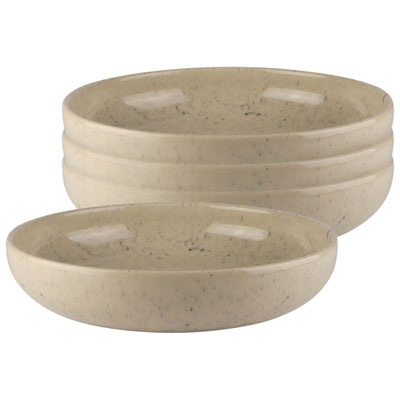

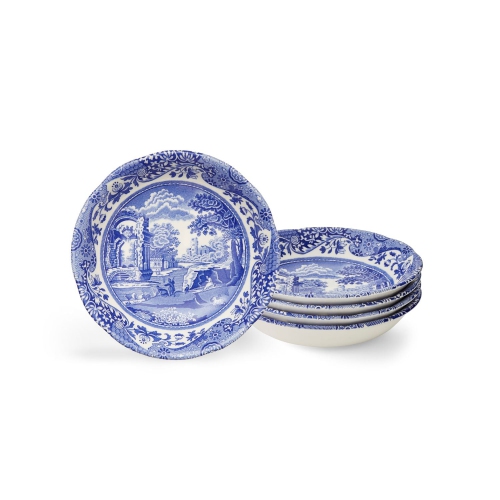
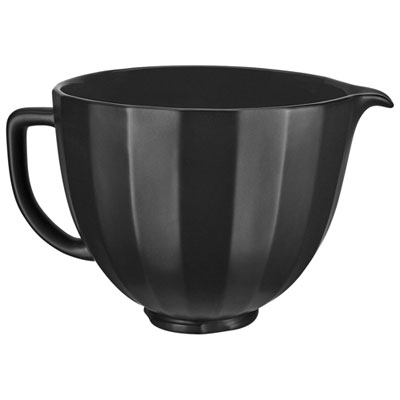
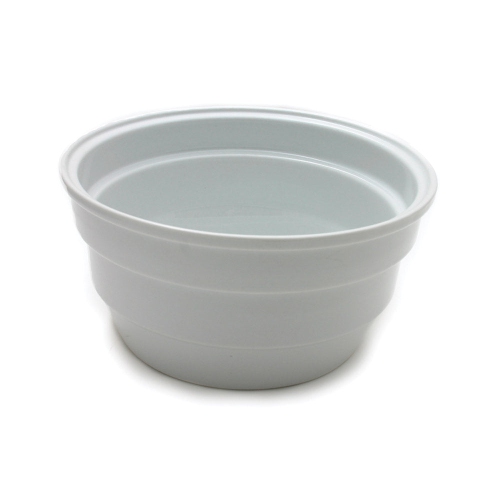
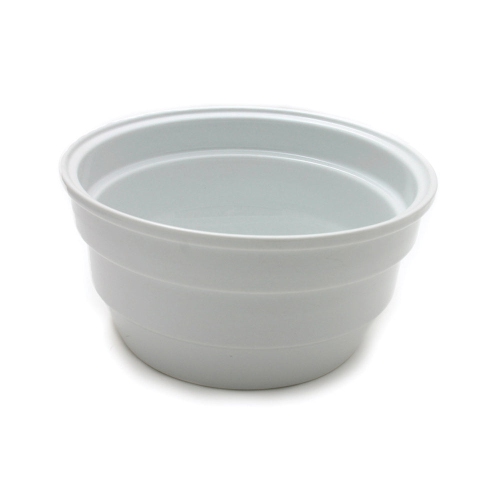
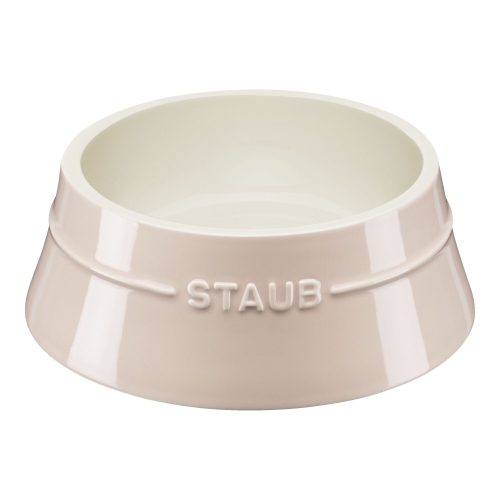
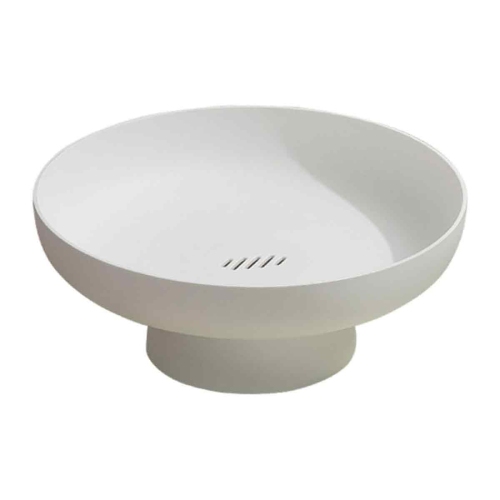
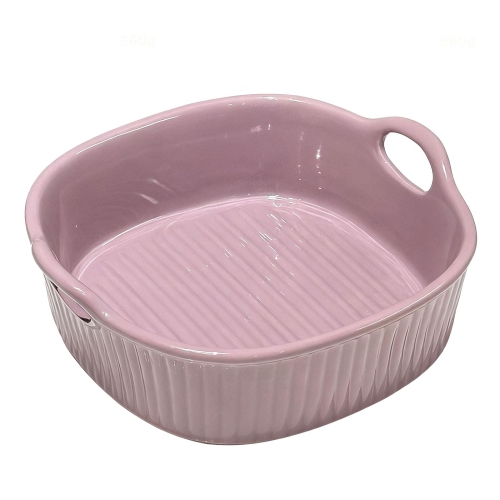
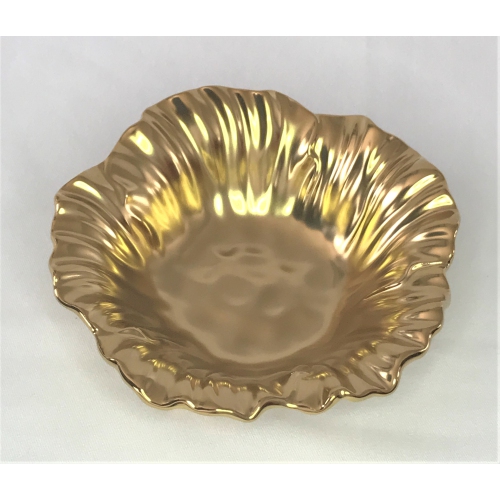
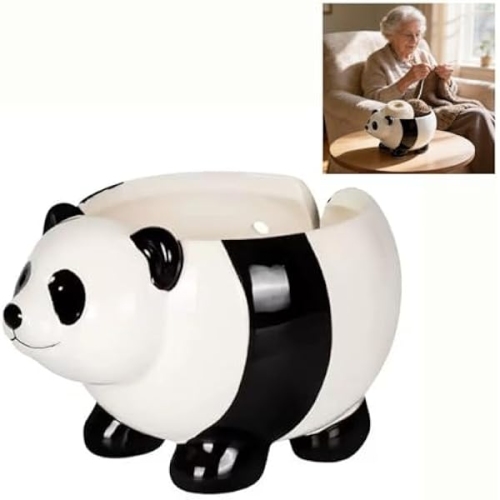
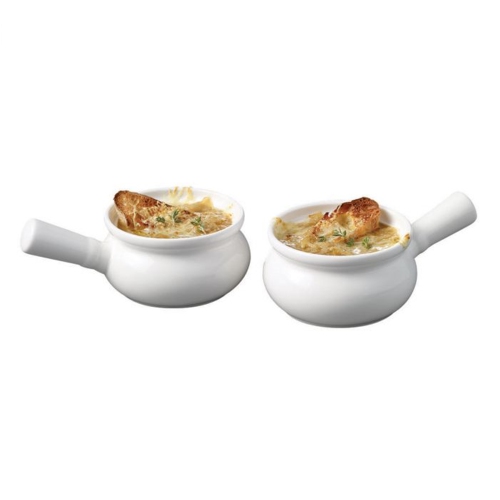
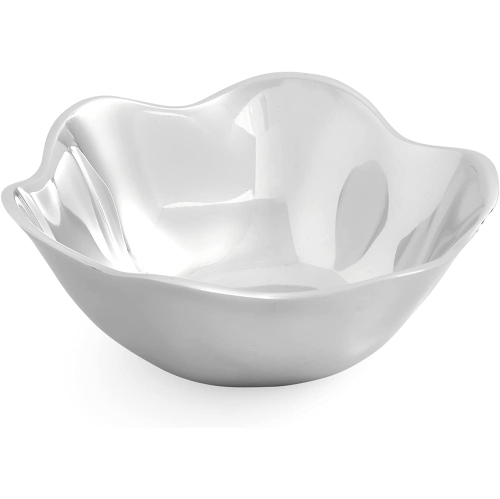
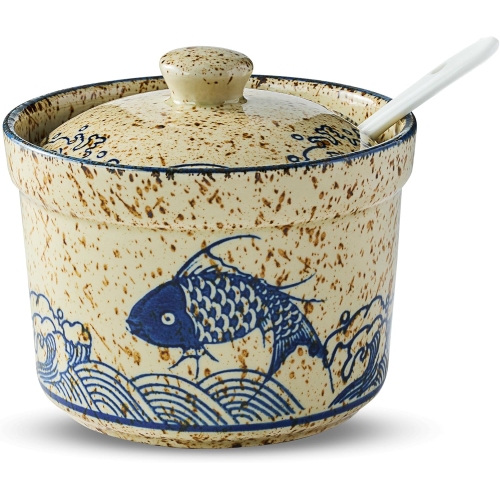
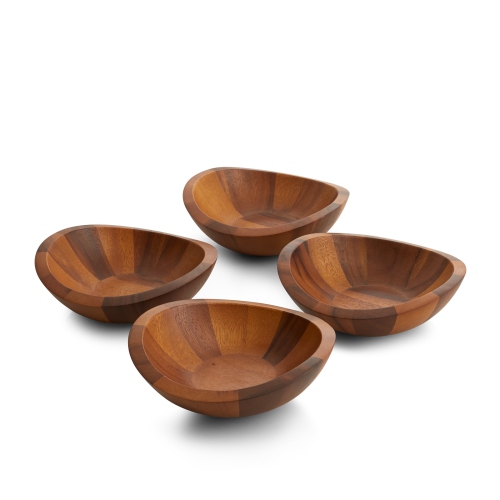
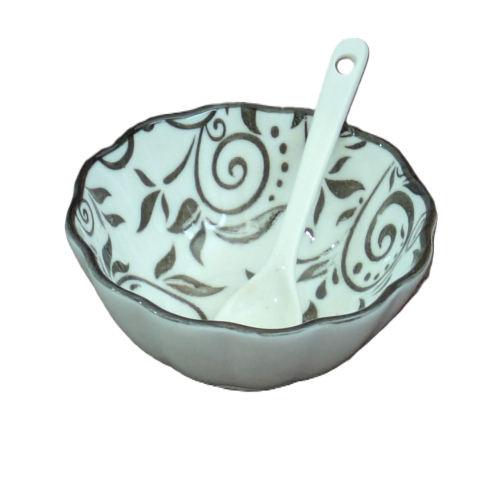
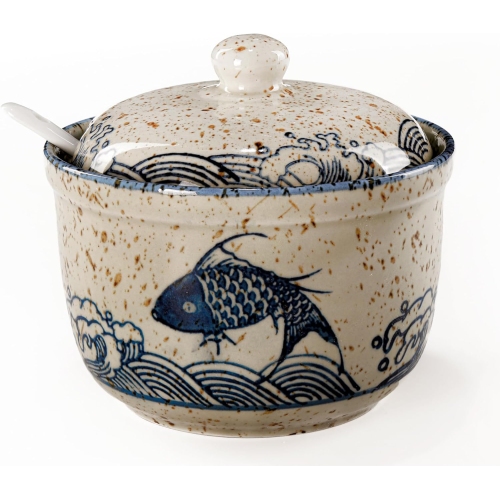
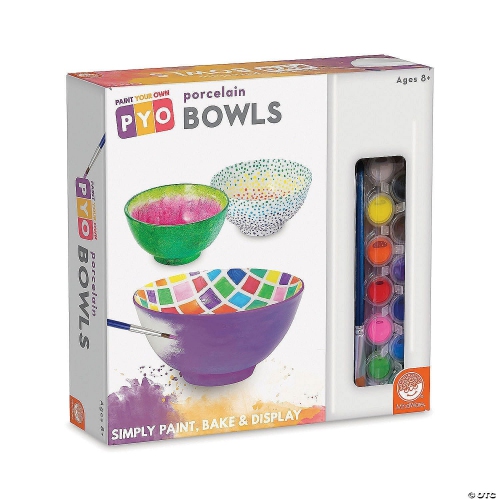
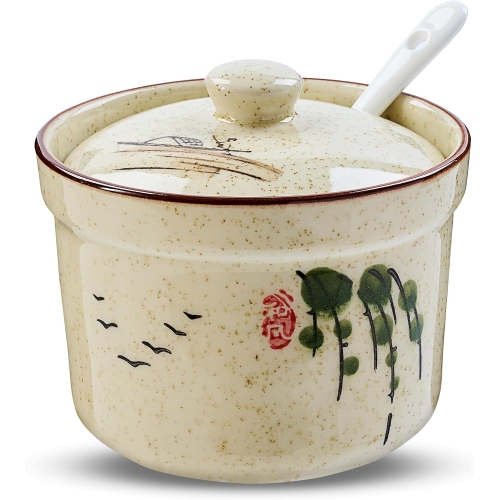

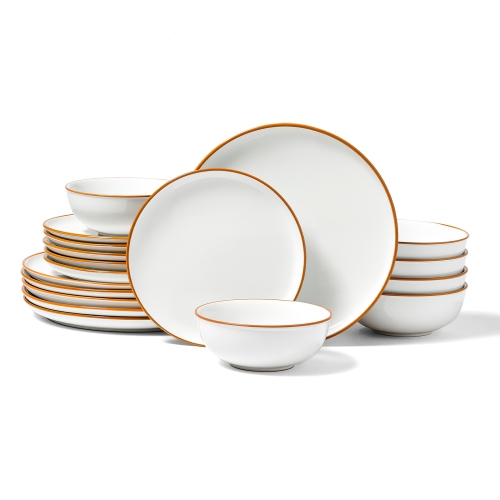
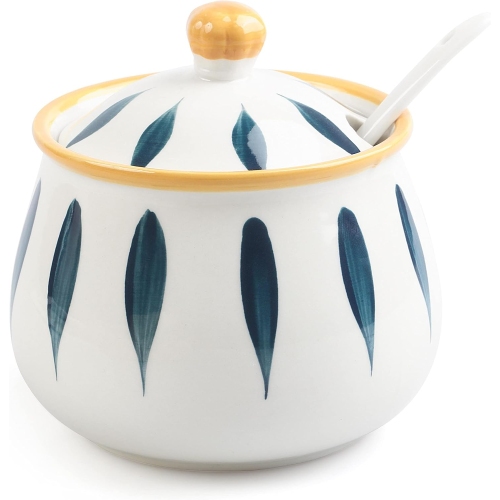







Why shape and glaze matter at every meal
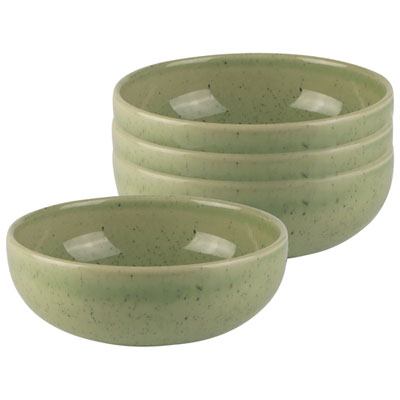
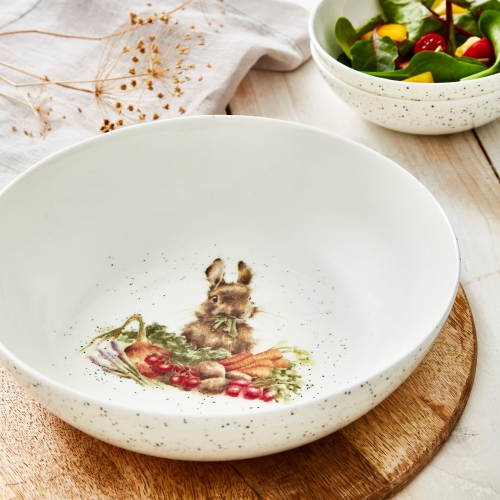
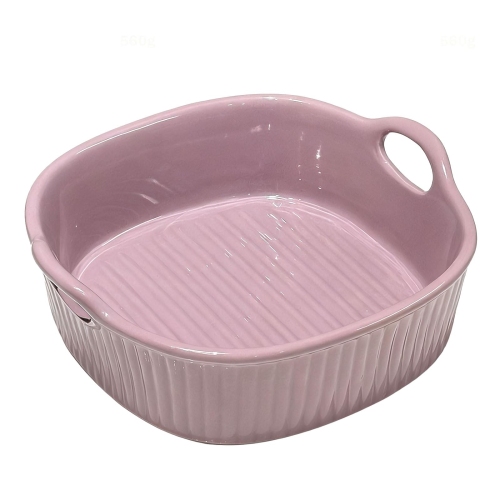
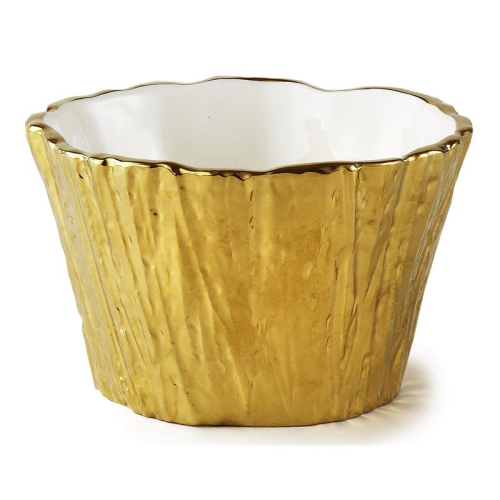
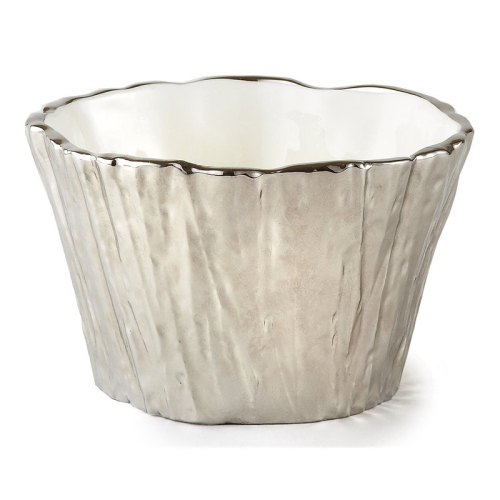
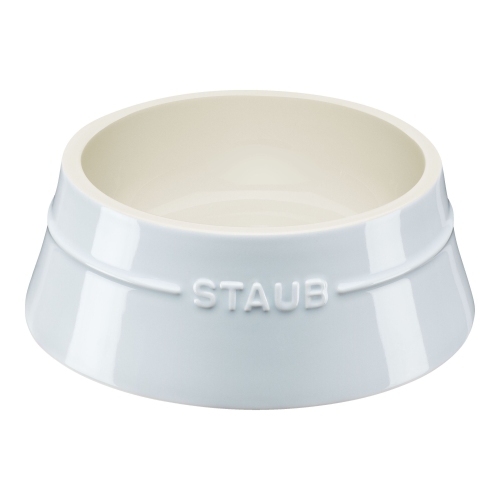
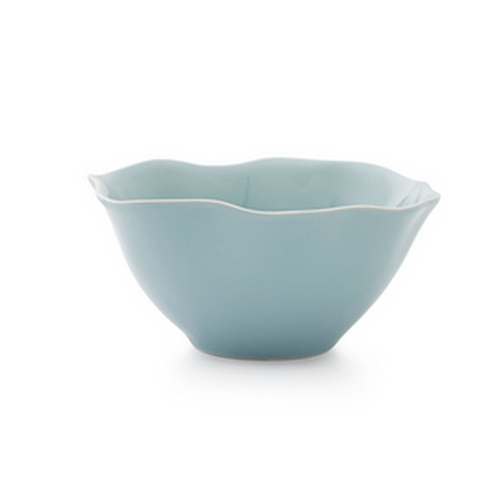
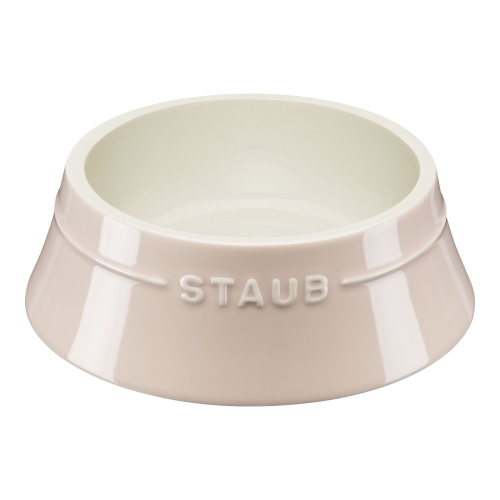
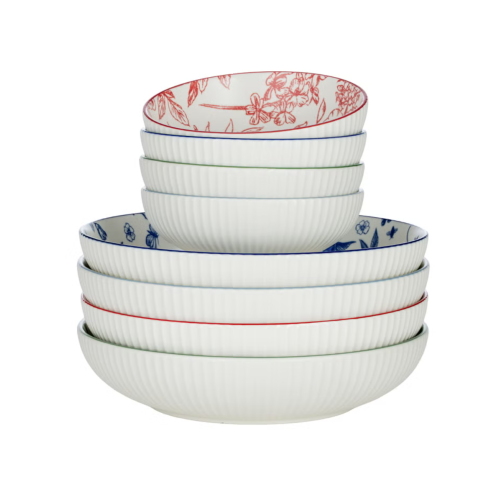
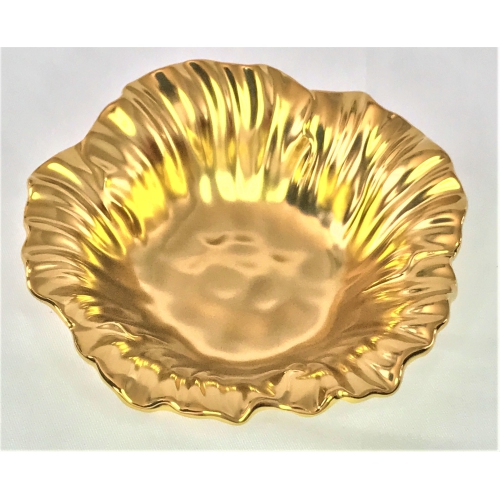
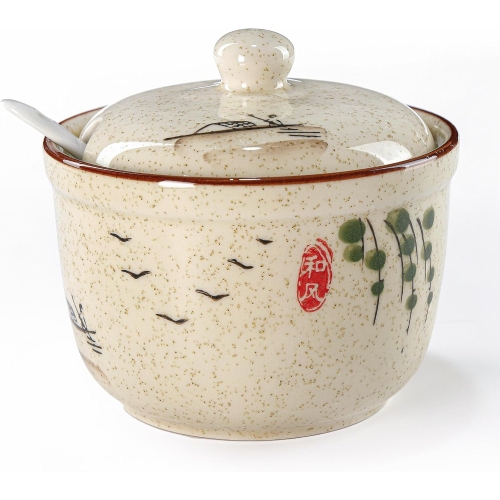
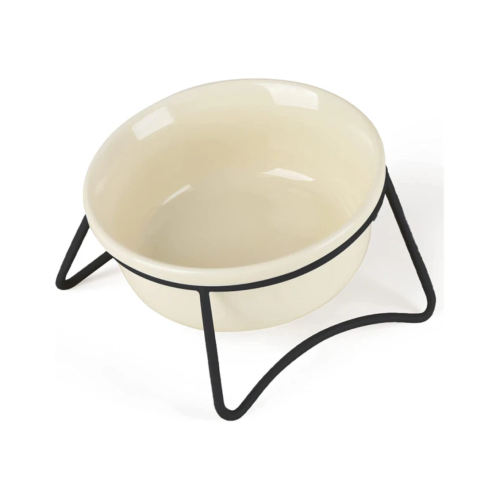
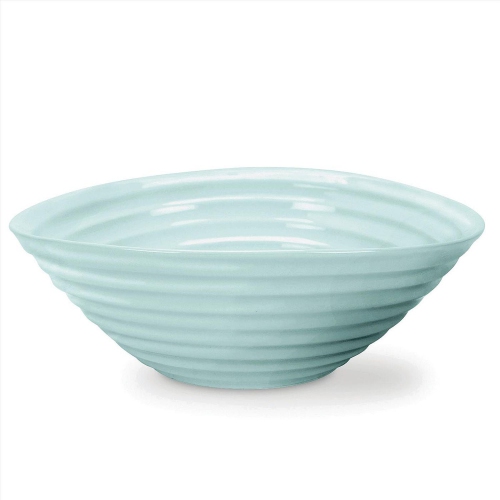
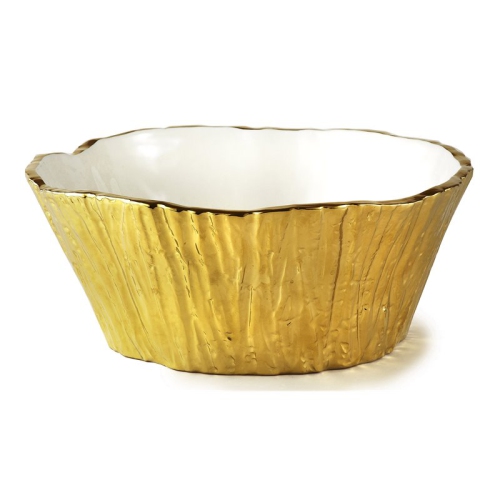
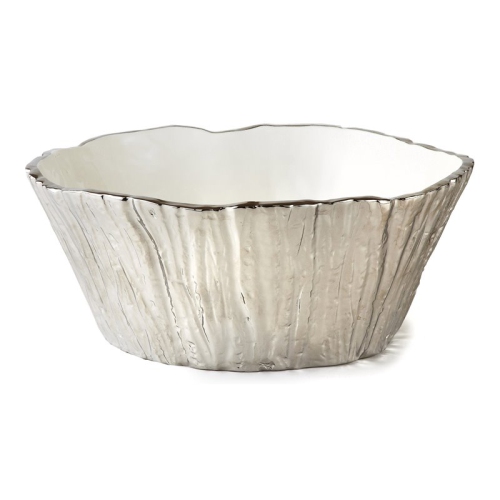
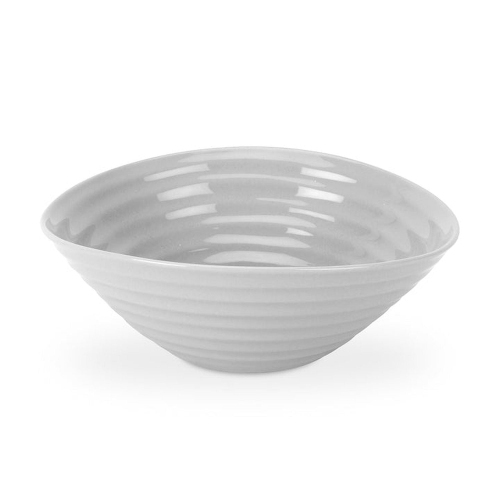
Ceramic bowls bring shape, texture, and colour to everyday meals, whether they hold morning cereal, a generous serving of noodle soup, or a salad shared across the table. Ceramic is a broad term for clay-based materials hardened through firing, and it includes stoneware, porcelain, and earthenware. These materials can have noticeably different characteristics in the hand and on the table. Stoneware often has a substantial feel and a dense body, making it a familiar choice for everyday dinnerware. Porcelain can be made with thinner walls while retaining strength, giving bowls a lighter, more refined appearance without necessarily limiting them to special occasions. Earthenware generally has a more porous body beneath its glaze, so its suitability for repeated soaking, dishwashing, or heating depends on how it has been made and finished. A glaze adds colour and surface texture and, when properly formulated and fired, can create a smooth surface suited to contact with food. Glossy finishes catch the light and show off the colour of ingredients, while matte finishes offer a softer look and a different feel against cutlery. Neither appearance alone confirms how a bowl should be washed or whether it can go in an appliance; those details come from the manufacturer’s care information. White and cream bowls keep the focus on the meal and coordinate easily with existing plates, while blue, green, and warm earth tones can add character to a simple place setting. Patterned interiors become more visible as a meal is eaten, and contrasting rims can give a set a defined look even when the table is otherwise understated. Small differences in glaze or shape may be part of the appeal of handmade ceramics, although pieces intended for everyday use still need a stable base and a comfortable rim. For dining and food preparation, ceramic bowls should be identified as suitable for food contact rather than treated as interchangeable with decorative pottery.
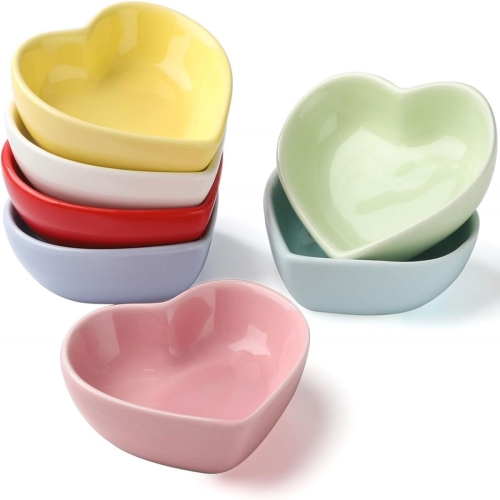
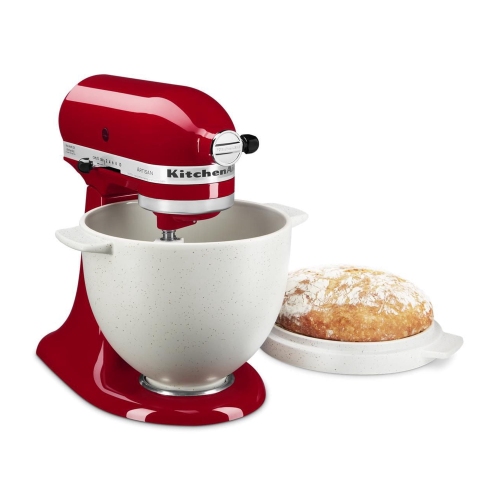
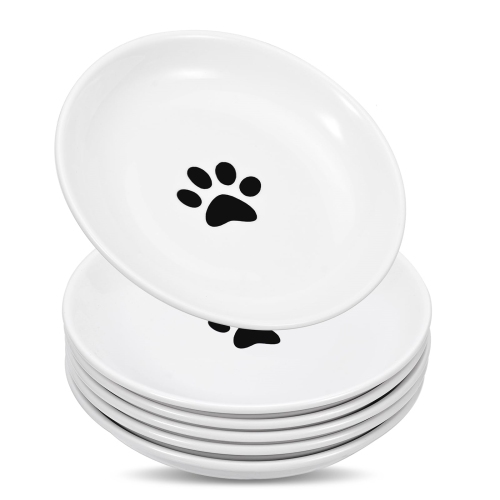
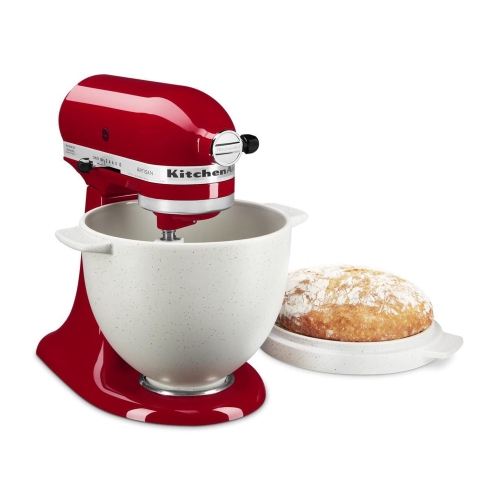
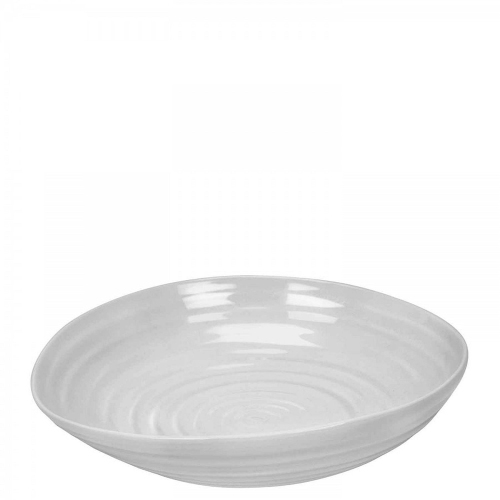
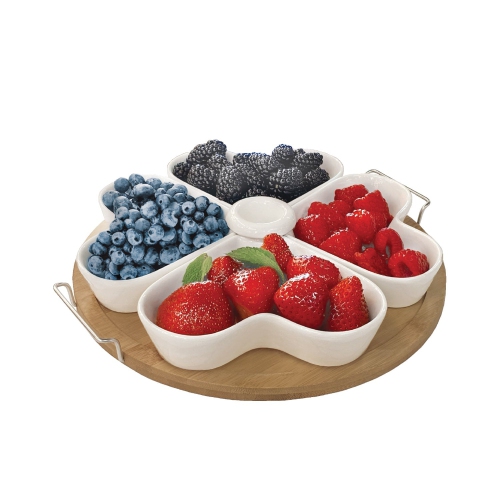
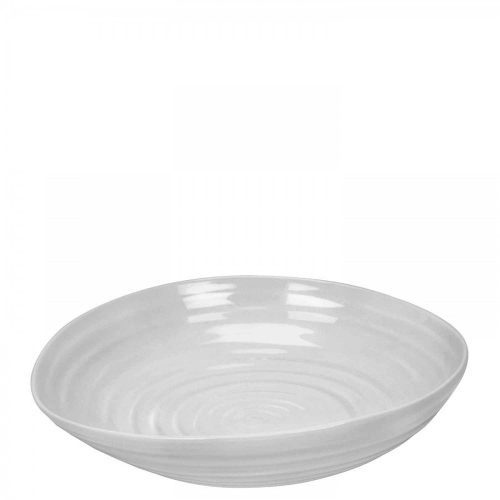
The most useful bowl shape depends on what goes into it and how it moves through the kitchen. Deep ceramic cereal bowls leave room for milk, fruit, or yoghurt without requiring an oversized place setting. Soup bowls benefit from enough capacity to hold broth with space below the rim, especially when carried from the counter to the table. A wide, shallow pasta bowl gives sauce and toppings room to spread and makes it easier to twirl noodles or cut larger ingredients. That same shape works well for grain bowls and composed salads, where rice, vegetables, and other toppings can sit alongside one another rather than disappear into a narrow opening. Smaller bowls suit dips, nuts, condiments, and ingredients measured out before cooking, while larger ceramic serving bowls provide space for tossed salads, vegetables, or dishes passed around the table. Diameter and capacity describe different aspects of fit: two bowls with similar widths can hold quite different amounts if one has steep sides and the other has a shallow curve. Leaving some room above the food makes stirring and carrying more comfortable. Weight matters, too. A substantial mixing bowl may stay steady while ingredients are stirred, but it can become awkward to lift once full. For someone who prefers lighter tableware or has difficulty gripping heavier dishes, a thinner-walled bowl with a manageable size may be a better everyday fit. The base should sit evenly, and a rim that is easy to hold can make serving less cumbersome. Storage deserves the same attention as table use. Bowls that stack neatly can make better use of cupboard space, provided their rims and glazed surfaces are not forced tightly together. Deep foot rings, pronounced handles, or irregular silhouettes can change how well a stack fits on a shelf or in a dishwasher rack. Ceramic styles are part of the broader range of Kitchen Bowls, with their particular appeal coming from the combination of functional shapes and a finished appearance that moves naturally from preparation to serving.
Care and durability are closely linked to the ceramic body, the glaze, and the way a bowl is used. A dishwasher-safe designation is useful for households where bowls are washed frequently, but it should be confirmed rather than assumed from the material alone. When dishwasher cleaning is permitted, spacing pieces so they do not knock against one another helps protect their rims. Handwashing with a soft sponge and a suitable dish detergent can be appropriate for finishes that require gentler treatment, and allowing bowls to dry fully before stacking helps prevent moisture from lingering around unglazed bases. Ceramic can be durable in routine use, but it is not unbreakable: an impact against a sink edge or a hard countertop can chip a rim even when the rest of the bowl looks intact. Chips and cracks on food-contact surfaces warrant setting the bowl aside, particularly where damage leaves a sharp edge or makes cleaning difficult. Fine lines in the glaze, often called crazing, are also worth checking against the manufacturer’s guidance. Microwave use requires an explicit microwave-safe designation, and metallic decoration may make a bowl unsuitable for that appliance. Oven use needs its own confirmation; microwave-safe does not mean oven-safe, and a serving bowl should not be treated as bakeware without the appropriate instructions. Sudden changes in heat can stress ceramic, so a chilled bowl should not be moved straight into a hot oven unless that use is specifically supported. A heated bowl may also be hot to the touch and need an oven mitt or a protective surface beneath it. These details matter for households reheating meals, preparing ingredients ahead of time, or serving food directly from suitable cookware. As gifts, ceramic bowls can be practical for a housewarming or wedding, particularly when their size and colour complement the recipient’s existing dinnerware. A coordinated set suits regular shared meals, while a distinctive serving bowl can have a useful place at family gatherings. The strongest fit is a design that feels comfortable to handle, stores easily, and suits the meals it will hold.
Top selling and popular products
-
 Your price for this item is $99.99
-
 Your price for this item is $34.99
-
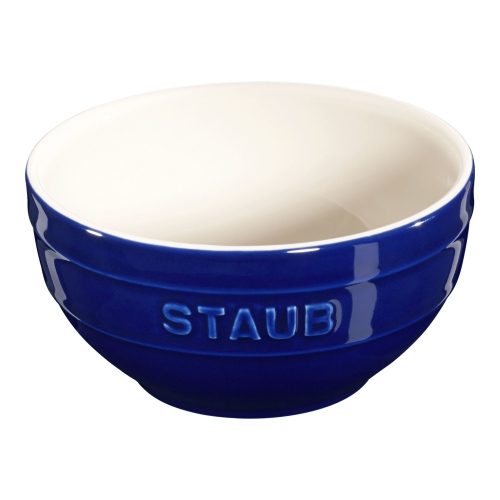 Your price for this item is $19.99
-
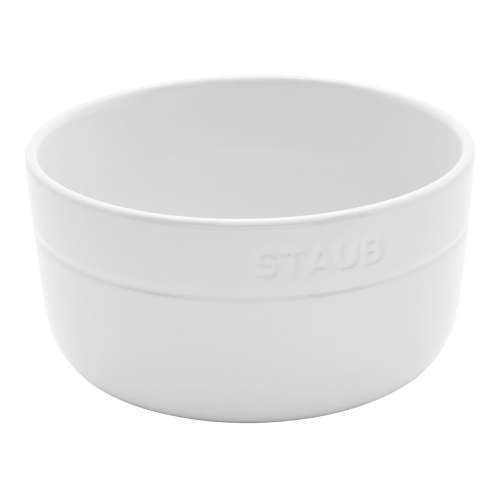 Your price for this item is $79.99
-
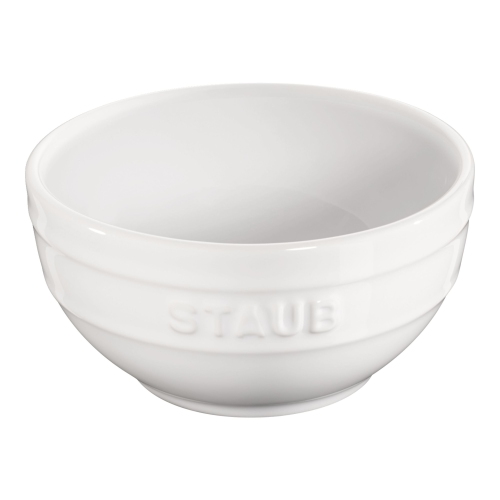 Your price for this item is $19.99
-
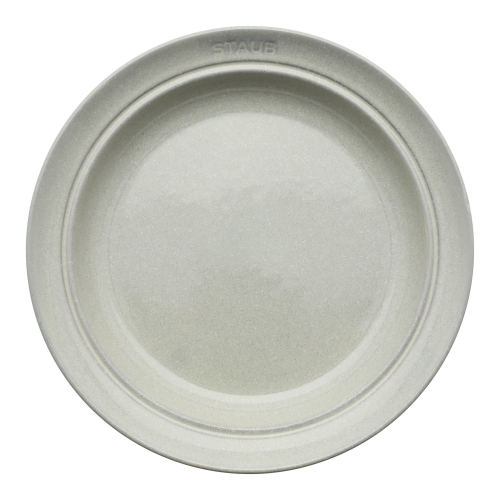 Your price for this item is $119.99
-
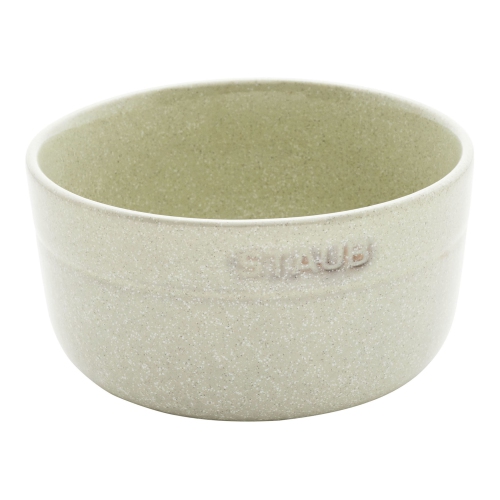 Your price for this item is $79.99
-
 Your price for this item is $29.99
Discover more categories related to Ceramic Bowls
Top Collections:
Best Black Friday Deals This Year, Best Black Friday Deals On Electronics, Kindle Devices, Pokemon Centers, Best Black Friday Deals On Apple Products, Best Cameras for Sports Photography, Dyson Airwrap, Pokémon 30th Celebration Cards, Apple iPhone 17 Pro, Canon G7X Cameras
Some products may be subject to Environmental Handling Fees
(EHF) depending on your province.
Learn more about EHFs.