Clay Tools
Clay tools open up endless possibilities for creativity, whether you’re sculpting intricate designs or shaping functional pieces. With the right clay tools, artists and hobbyists can refine their techniques and bring their visions to life with precision. Explore a wide selection designed to support your projects, from beginner creations to advanced works of art. Find the perfect clay tools to help enhance your crafting experience and unlock new artistic potential.
Sort


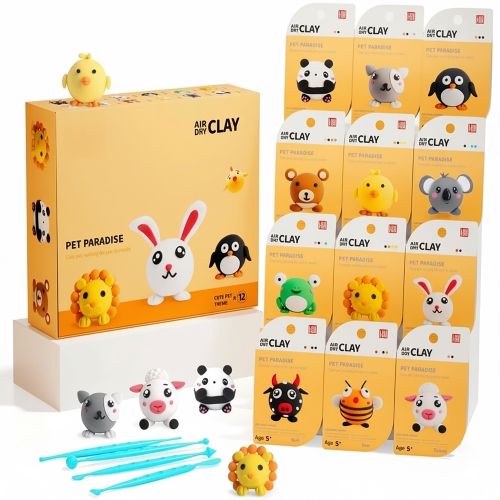
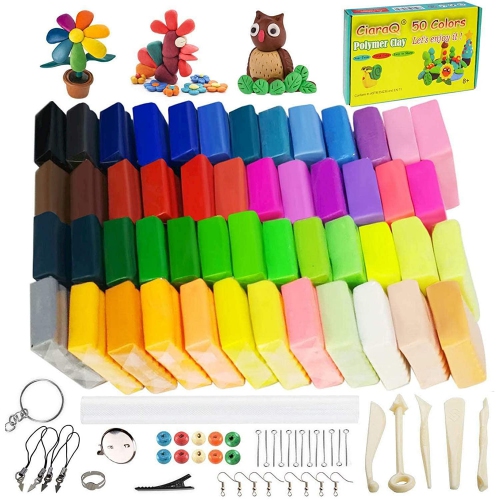
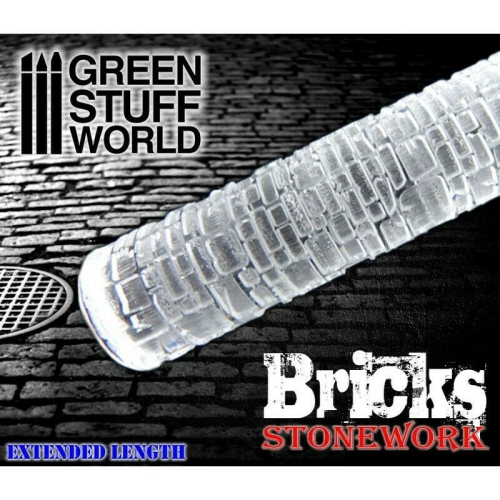
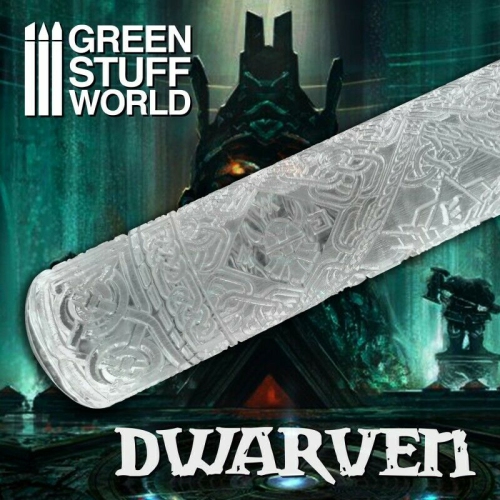



Why tool shape matters for every clay project
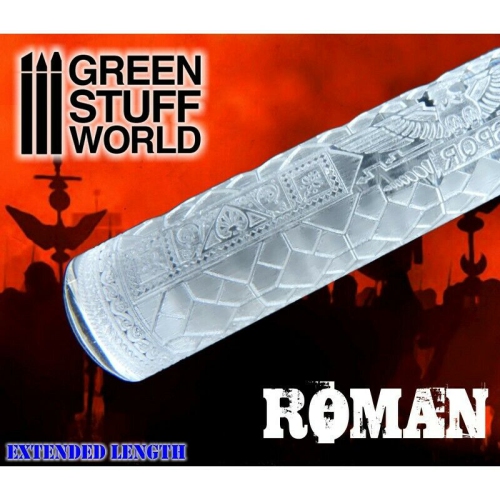
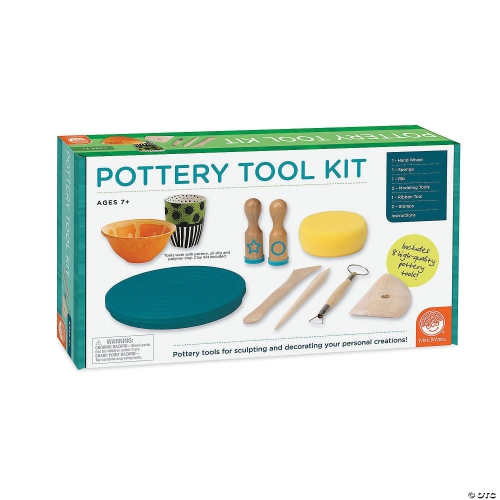
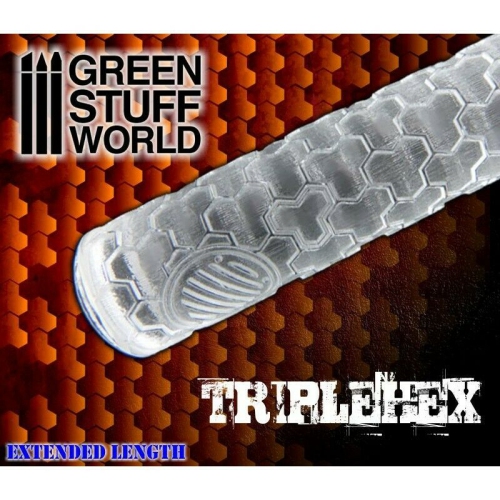
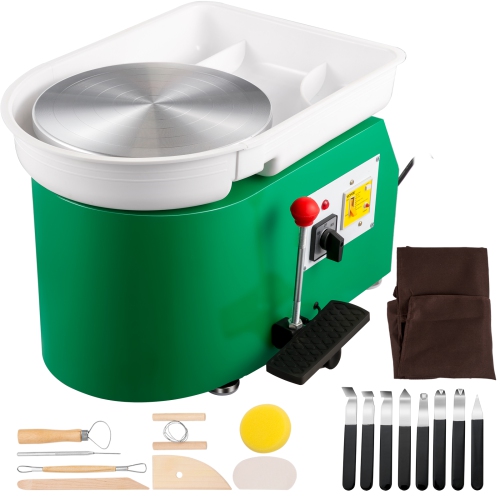
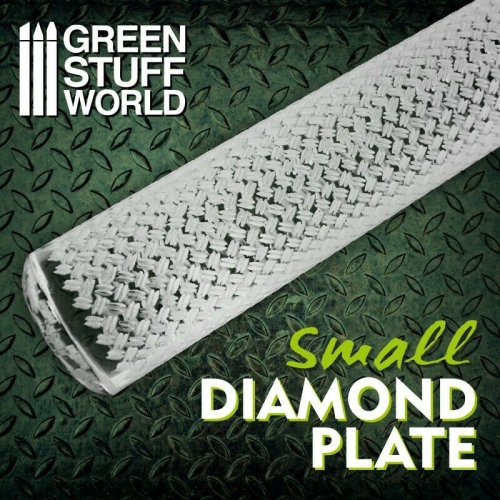
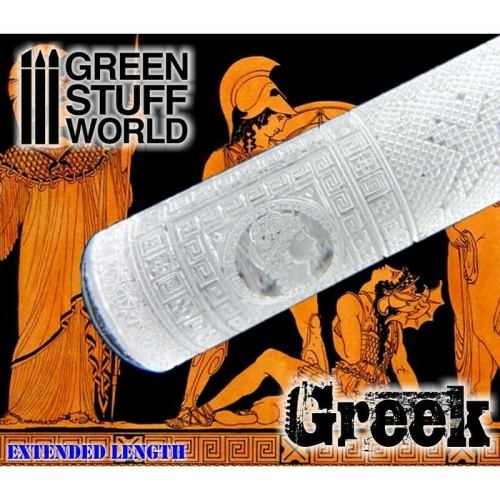
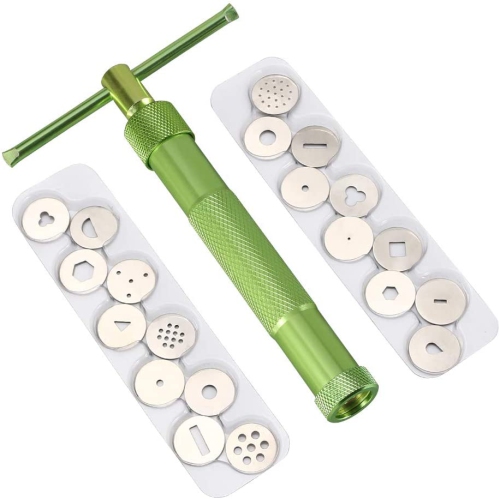
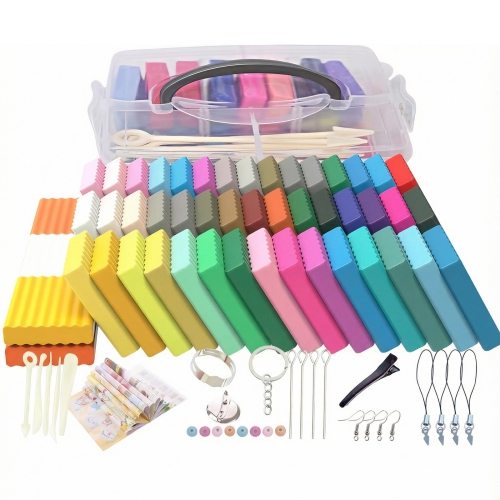
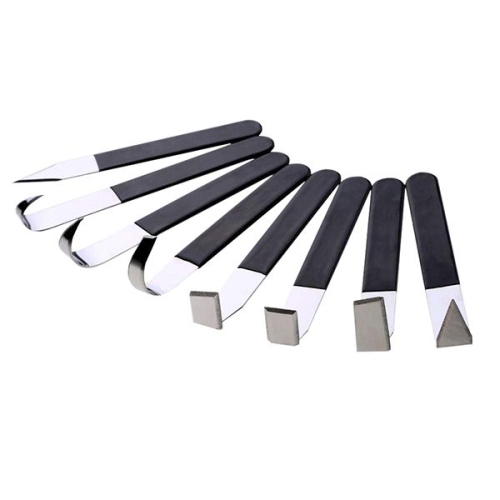
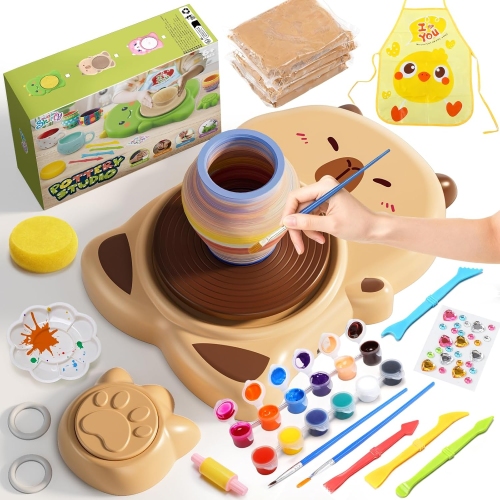
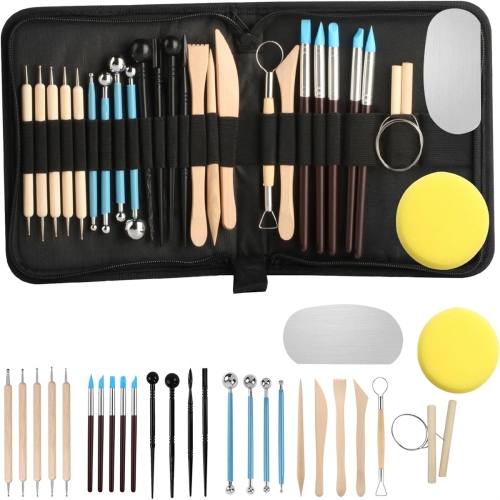
Clay tools help shape, cut, join, texture, and finish clay, turning a soft lump into anything from a small figurine to a hand-built bowl. Different tool shapes serve distinct purposes: needle tools pierce holes, mark outlines, and score joining surfaces; loop and ribbon tools remove clay through controlled scraping or carving; and wooden modelling tools shape curves, blend seams, and reach into narrow spaces. Ribs smooth and refine broader surfaces, while sponges help manage moisture and soften marks on ceramic clay. Rollers flatten clay into sheets, cutters create repeatable shapes, and texture tools leave impressions that can resemble woven fabric, wood grain, or tiny overlapping scales. For someone making miniature food, a fine point and a small rounded tip offer control over details such as a bread crust or the rim of a tiny cup. A person building larger sculptural forms may need wider shaping ends and sturdier loops that remove material without leaving deep, unintended grooves. The type of modelling clay matters as much as the shape of the tool. Polymer clay benefits from smooth working surfaces, clean cutting edges, and tools that resist transferring colour between pieces. Air-dry clay often calls for gentle seam blending and surface refinement while it remains workable, with moisture used according to the clay maker’s directions. Ceramic clay supports techniques such as slab building, coiling, wheel throwing, and trimming, each with its own demands on tool size and rigidity. Clay tool sets can bring several of these functions together, while individual tools suit makers who already know the shapes they reach for most often. A useful assortment covers the stages of a project rather than simply repeating similar tips: dividing and rolling the clay, establishing the form, joining parts, adding details, and refining the surface before the appropriate drying or curing process.
Material and construction influence how clay sculpting tools feel in the hand and how they behave against the surface. Stainless steel ends generally offer firm control for cutting, scraping, and defining crisp details, although thin points and delicate loops still need protection from bending. Wooden tools have a different feel, with shaped edges that are useful for moving and blending clay without the same cutting action as metal. Their finish matters: a smooth handle is comfortable to hold, and a well-maintained working end is less likely to catch or drag. Plastic tools are lightweight and can suit broad shaping tasks, while flexible silicone tips are useful for nudging small amounts of clay, blending joins, and smoothing areas where fingerprints would be noticeable. Flexibility is not always an advantage, however. A soft tip may glide over a delicate curve but struggle to remove firm material; a rigid tip can define an edge yet leave a mark if pressed too hard. Ribs also vary in stiffness, allowing different approaches to compressing a slab, refining a vessel’s profile, or following a rounded form. Handle length, thickness, balance, and grip become especially noticeable during detailed work. Someone adding individual strands to a sculpted hairstyle may prefer a slim tool held close to the tip, while broader handles can feel steadier for sustained shaping. Double-ended tools place two profiles within reach, though the unused end needs attention when the tool is held or stored. For cutters and rollers, consistent edges and an even working surface help produce pieces that fit together neatly. Spacers can support uniform slab thickness when making tiles, ornaments, or repeated components. Durability also depends on secure connections between handles and working ends, resistance to corrosion where moisture is involved, and a shape suited to the task. A fine needle is made for piercing and detail, not levering apart hardened clay, and a trimming loop lasts longer when it is not forced through material that has become too firm.
Everyday care makes clay tools more pleasant to use and helps preserve the details they are intended to create. Residue left on a roller can press an unwanted ridge into the next sheet, while a speck of dark clay on a silicone tip can streak a pale surface. Cleaning between colours and before moving from rough shaping to finishing helps keep those surprises out of the work. Remove clay while it is still workable where practical, then follow the tool maker’s cleaning directions for the material and finish. Wooden handles generally benefit from brief cleaning rather than prolonged soaking, followed by thorough drying. Metal parts should also be dried before storage, particularly around joints where moisture can collect. For ceramic clay, damp cleanup helps limit airborne dust; dry sweeping and sanding can release fine particles that should not be breathed in. Clay slurry should be collected rather than washed straight down household drains, where it can settle and cause blockages. A washable work mat or suitable dedicated surface keeps shaping and cleanup contained, and tools used for craft clay should remain separate from utensils used to prepare food. Storage is worth considering alongside the tools themselves. Dividers, protective sleeves, or a roll-up holder can keep sharp points covered, prevent delicate loops from being crushed, and make it easier to spot the right profile during a project. For children, age suitability and supervision matter more than the number of pieces in a set; rounded shaping tools serve a different purpose from sharp needles, blades, and wire cutters. Adult beginners may appreciate a manageable selection with clearly different functions, while experienced potters and miniature makers often value a particular curve, edge, or grip that suits their established technique. As a gift, clay tools are most useful when matched to the recipient’s preferred clay and scale of work. Broad tools suit substantial hand-built forms, whereas precise tips support jewellery components, small sculptures, and detailed finishing. That match gives each tool a clear role at the worktable, from the first rolled slab to the last carefully blended seam.
Material and construction influence how clay sculpting tools feel in the hand and how they behave against the surface. Stainless steel ends generally offer firm control for cutting, scraping, and defining crisp details, although thin points and delicate loops still need protection from bending. Wooden tools have a different feel, with shaped edges that are useful for moving and blending clay without the same cutting action as metal. Their finish matters: a smooth handle is comfortable to hold, and a well-maintained working end is less likely to catch or drag. Plastic tools are lightweight and can suit broad shaping tasks, while flexible silicone tips are useful for nudging small amounts of clay, blending joins, and smoothing areas where fingerprints would be noticeable. Flexibility is not always an advantage, however. A soft tip may glide over a delicate curve but struggle to remove firm material; a rigid tip can define an edge yet leave a mark if pressed too hard. Ribs also vary in stiffness, allowing different approaches to compressing a slab, refining a vessel’s profile, or following a rounded form. Handle length, thickness, balance, and grip become especially noticeable during detailed work. Someone adding individual strands to a sculpted hairstyle may prefer a slim tool held close to the tip, while broader handles can feel steadier for sustained shaping. Double-ended tools place two profiles within reach, though the unused end needs attention when the tool is held or stored. For cutters and rollers, consistent edges and an even working surface help produce pieces that fit together neatly. Spacers can support uniform slab thickness when making tiles, ornaments, or repeated components. Durability also depends on secure connections between handles and working ends, resistance to corrosion where moisture is involved, and a shape suited to the task. A fine needle is made for piercing and detail, not levering apart hardened clay, and a trimming loop lasts longer when it is not forced through material that has become too firm.
Everyday care makes clay tools more pleasant to use and helps preserve the details they are intended to create. Residue left on a roller can press an unwanted ridge into the next sheet, while a speck of dark clay on a silicone tip can streak a pale surface. Cleaning between colours and before moving from rough shaping to finishing helps keep those surprises out of the work. Remove clay while it is still workable where practical, then follow the tool maker’s cleaning directions for the material and finish. Wooden handles generally benefit from brief cleaning rather than prolonged soaking, followed by thorough drying. Metal parts should also be dried before storage, particularly around joints where moisture can collect. For ceramic clay, damp cleanup helps limit airborne dust; dry sweeping and sanding can release fine particles that should not be breathed in. Clay slurry should be collected rather than washed straight down household drains, where it can settle and cause blockages. A washable work mat or suitable dedicated surface keeps shaping and cleanup contained, and tools used for craft clay should remain separate from utensils used to prepare food. Storage is worth considering alongside the tools themselves. Dividers, protective sleeves, or a roll-up holder can keep sharp points covered, prevent delicate loops from being crushed, and make it easier to spot the right profile during a project. For children, age suitability and supervision matter more than the number of pieces in a set; rounded shaping tools serve a different purpose from sharp needles, blades, and wire cutters. Adult beginners may appreciate a manageable selection with clearly different functions, while experienced potters and miniature makers often value a particular curve, edge, or grip that suits their established technique. As a gift, clay tools are most useful when matched to the recipient’s preferred clay and scale of work. Broad tools suit substantial hand-built forms, whereas precise tips support jewellery components, small sculptures, and detailed finishing. That match gives each tool a clear role at the worktable, from the first rolled slab to the last carefully blended seam.
Top selling and popular products
-
 Your price for this item is $119.99
 -
 Your price for this item is $103.49
 -
 Your price for this item is $59.99
 -
 Your price for this item is $6
 -
 Your price for this item is $13.79
 -
 Your price for this item is $16
 -
 Your price for this item is $69.99
 -
 Your price for this item is $38.21
Discover more categories related to Clay Tools
Top Collections:
Pokemon Centers, Kindle Devices, Best Budget Office Chairs, Apple iPhones 16, Canon G7X Cameras, iPhone 15 Apple, Alarm Clock, Refurbished Apple Laptops, Flip Phones, Best Laptops for Writers
Some products may be subject to Environmental Handling Fees
(EHF) depending on your province.
Learn more about EHFs.