Modeling Clay
Dive into the world of creativity with our extensive selection of modeling clay, perfect for artists of all ages and skill levels. Whether you're a professional sculptor or just starting your artistic journey, modeling clay offers endless possibilities to bring your imagination to life. Discover vibrant colors and versatile textures that make shaping and molding a delightful experience. Ideal for crafting intricate details or larger-than-life creations, modeling clay is an essential tool for anyone looking to explore their artistic potential. Embrace the tactile joy and therapeutic benefits of working with clay, and let your creativity soar.
Sort
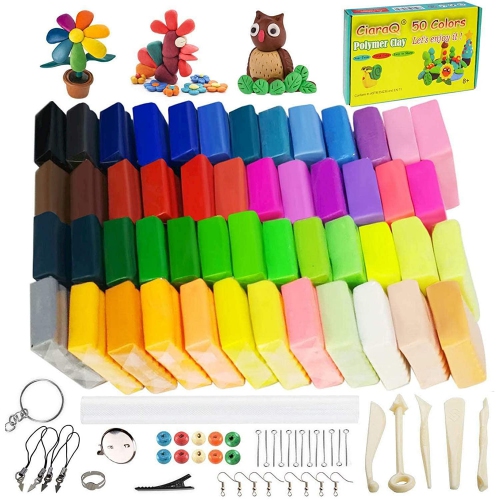
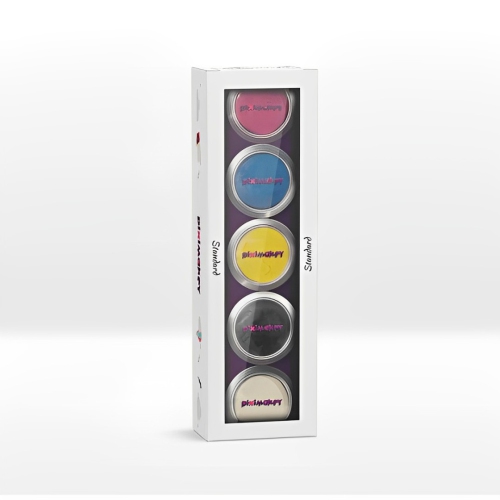
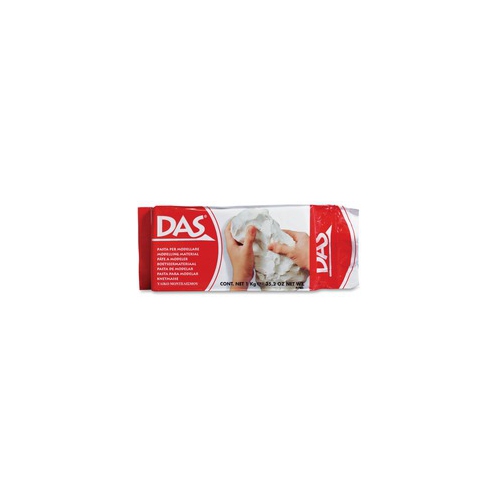
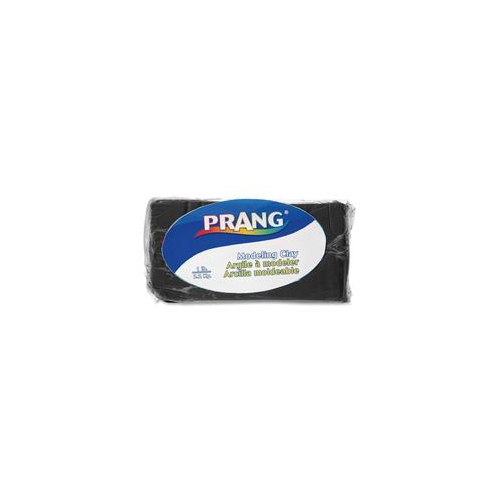
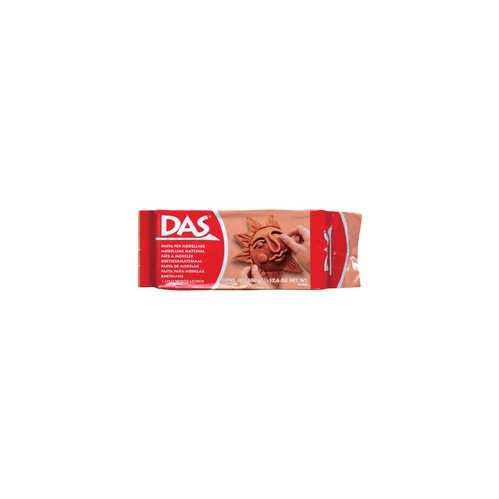
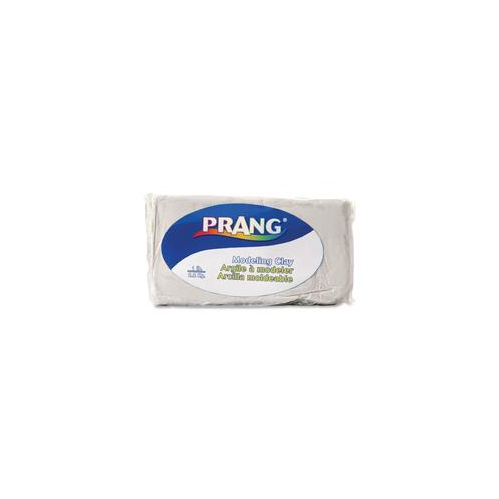
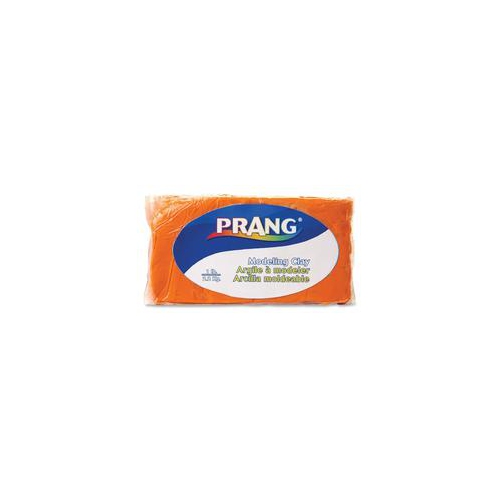
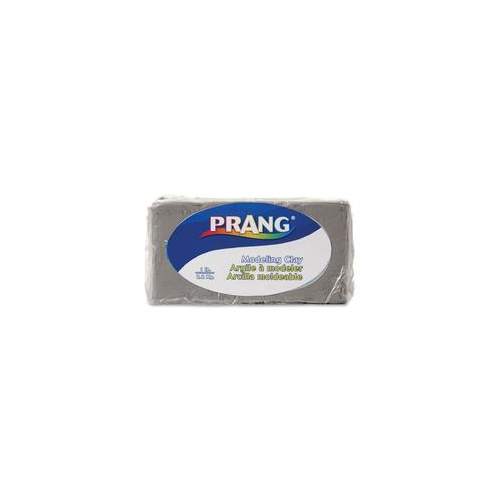
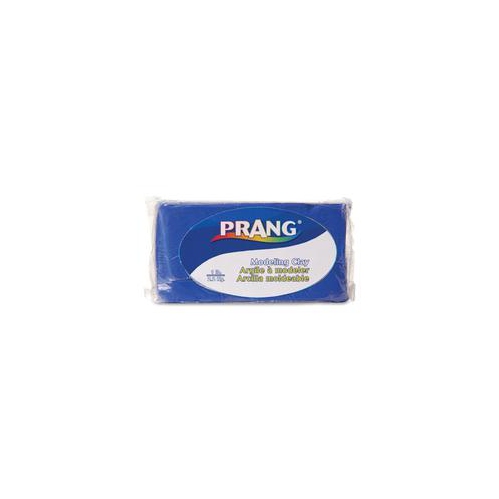
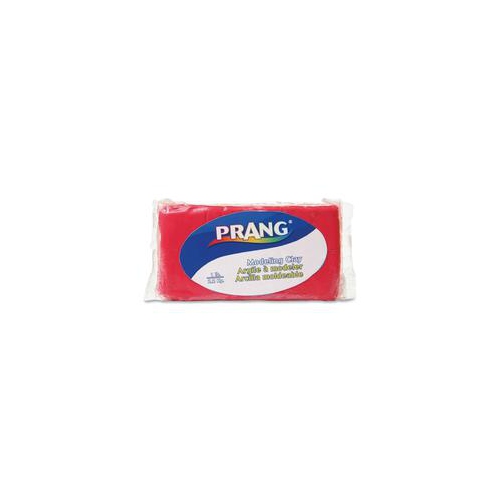
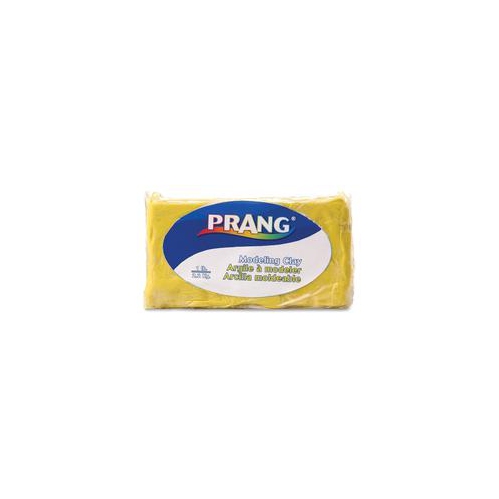
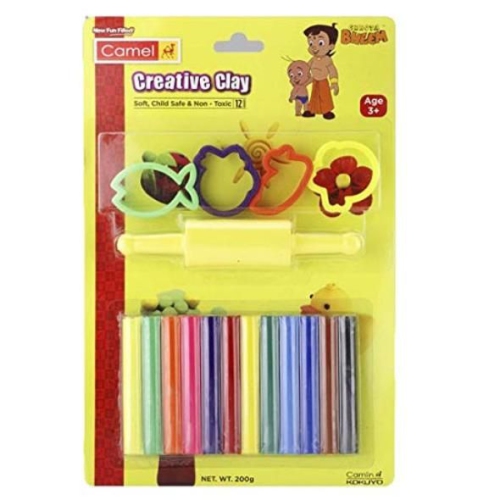
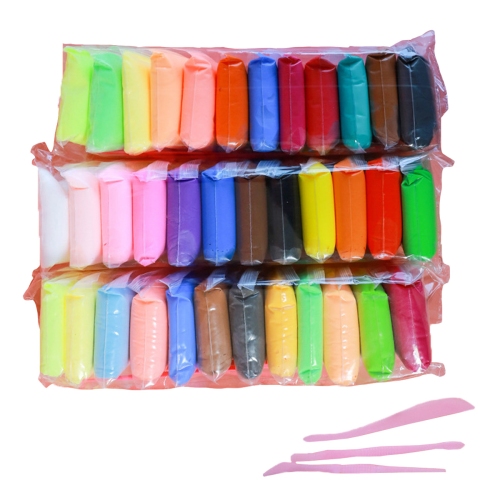
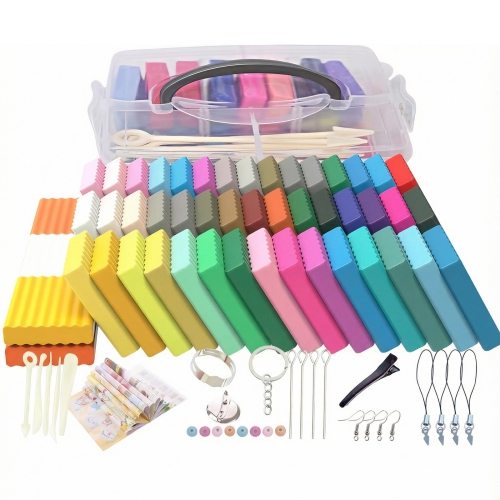
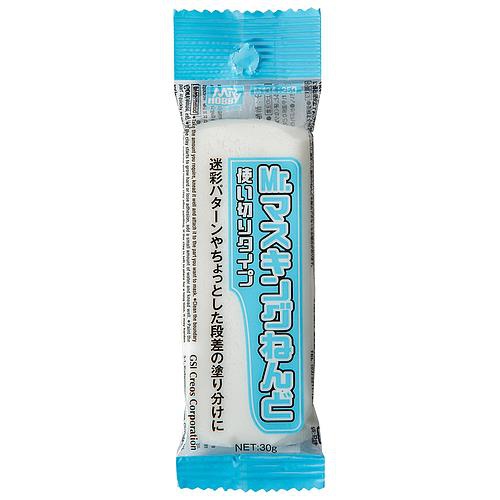
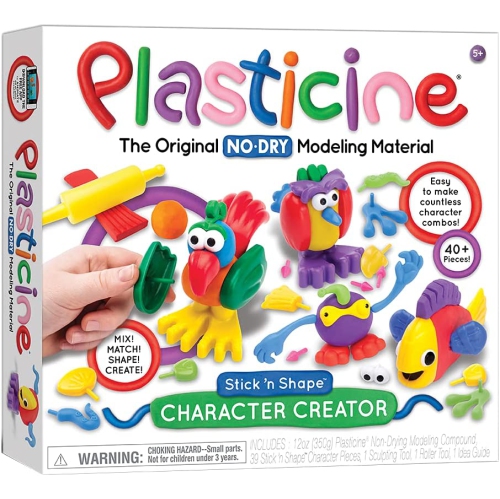
From sensory play to detailed sculpture, clay adapts beautifully
Modeling clay is a versatile material for sculpting, crafting, imaginative play, and hands-on learning. Its soft, workable texture makes it easy to shape into figures, animals, miniature food, ornaments, props, and abstract forms, whether the project is a quick afternoon activity or a carefully planned sculpture. Children can use it to build fine-motor skills as they pinch, roll, flatten, twist, and join pieces together, while older students, hobbyists, and experienced makers can use it to explore proportion, texture, character design, and three-dimensional form. Modeling clay is also a popular choice for stop-motion animation, where small figures can be posed and adjusted frame by frame, as well as for school assignments, sensory play, tabletop scenes, and early product or industrial design prototypes. The right clay depends largely on how the finished piece should behave. Non-drying clay, sometimes called plasticine, remains soft and reusable because it is made with oil and wax rather than water. This makes it well suited to repeated modelling, temporary displays, animation, classroom activities, and projects where the form may change several times. Air-dry clay hardens naturally when left exposed to air, generally over a period ranging from about 24 to 72 hours depending on the thickness, moisture, and surrounding conditions. It is a practical option for ornaments, small sculptures, keepsakes, and crafts that need to become firm without an oven. Polymer clay stays workable until it is cured in a regular kitchen oven according to the package directions, making it useful for detailed miniatures, charms, jewellery, decorative pieces, and durable small-scale creations. Dough-style modelling compounds are soft and easy for young children to manipulate, and are often chosen for simple play, colour mixing, and first sculpting experiences; they may dry out or crumble if they are not returned to an airtight container after use. Comparing these properties before purchasing helps ensure that the clay matches the maker’s age, skill level, workspace, and intended result.
When choosing modeling clay, consider the project from the beginning through to cleanup and storage. A child making pretend cupcakes or colourful creatures may value a soft texture and several bright colours more than a material that dries hard, while someone creating a miniature face, textured leaf, or tiny architectural model may prefer clay that holds crisp details without becoming brittle during handling. Colour variety can encourage open-ended creativity, but a smaller palette may be enough for sculptors who enjoy blending their own shades. Neutral colours can be useful for figures and prototypes, while metallic, translucent, or vivid shades can add character to decorative work. Check whether the clay is intended for air drying, baking, or continued reuse, and follow age guidance and handling instructions carefully. Young children benefit from close supervision, especially when working with small pieces, sculpting tools, or materials that are not intended for eating. A washable work surface, craft mat, rolling pin, plastic knife, cookie cutters used only for crafting, and a few household texture tools can turn a kitchen table into a capable studio, although tools should be selected with the maker’s age and comfort in mind. To create a clean join, lightly score the two surfaces, press them together, and smooth the seam with a fingertip or modelling tool. For a smoother finish, warm a small amount between the hands before shaping; for sharper details, allow the clay to cool slightly or use a pointed tool with gentle pressure. Air-dry pieces should be placed on a level surface and turned occasionally if the instructions recommend it, while polymer clay should be cured only at the stated temperature and time. Keeping unused material sealed away from heat, dust, and direct sunlight helps preserve its texture. Non-drying clay can often be separated by colour and returned to individual containers, while air-dry and dough-style materials require especially careful sealing to slow moisture loss. Families may appreciate a starter assortment as a birthday or rainy-day gift, and older children, teens, art students, and craft-minded adults may enjoy receiving a larger selection suited to character design, miniatures, jewellery, or decorative sculpture.
Modeling clay can become part of a quiet solo routine, a shared family activity, or a structured classroom project. During the warmer part of the year, it is easy to carry a sealed selection to a cottage, playroom, or outdoor table, while cooler months create natural opportunities for indoor making, storytelling, and collaborative projects. A simple scene can begin with a handful of clay and grow into an entire miniature world: a child may shape a small animal and its surroundings, friends may build characters for a homemade animation, or a maker may recreate the colours and textures of a favourite room in miniature. For a more organised activity, choose a theme such as woodland creatures, space vehicles, food, fantasy characters, or seasonal decorations, then set out a limited number of tools and colours so the project feels approachable rather than overwhelming. Clay is particularly rewarding for children who learn through touch and movement, and it can offer a low-pressure way to practise patience when a shape needs to be rebuilt or a detail does not turn out as expected. Adults may use it to sketch ideas in three dimensions before committing to another material, test the proportions of a display piece, or make one-of-a-kind gifts with a personal touch. Makers working on costumes, character presentations, or theatrical creations may also find related inspiration through Modeling Makeup. Whether the goal is temporary play or a finished keepsake, look for clay that suits the intended age, finish, working time, and storage requirements. A well-matched material gives every project a more comfortable start and leaves room for experimentation, revisions, and the small details that make a handmade creation feel truly individual.
When choosing modeling clay, consider the project from the beginning through to cleanup and storage. A child making pretend cupcakes or colourful creatures may value a soft texture and several bright colours more than a material that dries hard, while someone creating a miniature face, textured leaf, or tiny architectural model may prefer clay that holds crisp details without becoming brittle during handling. Colour variety can encourage open-ended creativity, but a smaller palette may be enough for sculptors who enjoy blending their own shades. Neutral colours can be useful for figures and prototypes, while metallic, translucent, or vivid shades can add character to decorative work. Check whether the clay is intended for air drying, baking, or continued reuse, and follow age guidance and handling instructions carefully. Young children benefit from close supervision, especially when working with small pieces, sculpting tools, or materials that are not intended for eating. A washable work surface, craft mat, rolling pin, plastic knife, cookie cutters used only for crafting, and a few household texture tools can turn a kitchen table into a capable studio, although tools should be selected with the maker’s age and comfort in mind. To create a clean join, lightly score the two surfaces, press them together, and smooth the seam with a fingertip or modelling tool. For a smoother finish, warm a small amount between the hands before shaping; for sharper details, allow the clay to cool slightly or use a pointed tool with gentle pressure. Air-dry pieces should be placed on a level surface and turned occasionally if the instructions recommend it, while polymer clay should be cured only at the stated temperature and time. Keeping unused material sealed away from heat, dust, and direct sunlight helps preserve its texture. Non-drying clay can often be separated by colour and returned to individual containers, while air-dry and dough-style materials require especially careful sealing to slow moisture loss. Families may appreciate a starter assortment as a birthday or rainy-day gift, and older children, teens, art students, and craft-minded adults may enjoy receiving a larger selection suited to character design, miniatures, jewellery, or decorative sculpture.
Modeling clay can become part of a quiet solo routine, a shared family activity, or a structured classroom project. During the warmer part of the year, it is easy to carry a sealed selection to a cottage, playroom, or outdoor table, while cooler months create natural opportunities for indoor making, storytelling, and collaborative projects. A simple scene can begin with a handful of clay and grow into an entire miniature world: a child may shape a small animal and its surroundings, friends may build characters for a homemade animation, or a maker may recreate the colours and textures of a favourite room in miniature. For a more organised activity, choose a theme such as woodland creatures, space vehicles, food, fantasy characters, or seasonal decorations, then set out a limited number of tools and colours so the project feels approachable rather than overwhelming. Clay is particularly rewarding for children who learn through touch and movement, and it can offer a low-pressure way to practise patience when a shape needs to be rebuilt or a detail does not turn out as expected. Adults may use it to sketch ideas in three dimensions before committing to another material, test the proportions of a display piece, or make one-of-a-kind gifts with a personal touch. Makers working on costumes, character presentations, or theatrical creations may also find related inspiration through Modeling Makeup. Whether the goal is temporary play or a finished keepsake, look for clay that suits the intended age, finish, working time, and storage requirements. A well-matched material gives every project a more comfortable start and leaves room for experimentation, revisions, and the small details that make a handmade creation feel truly individual.
Top selling and popular products
-
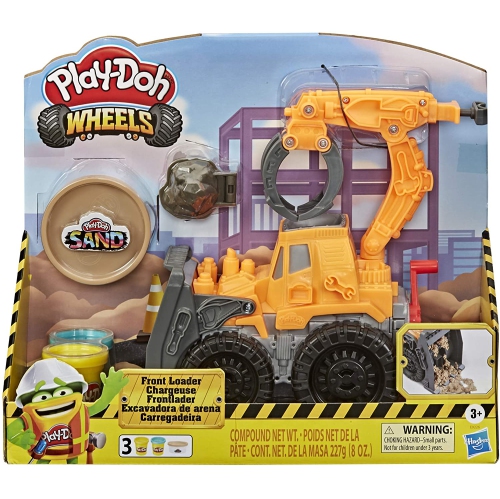 Your price for this item is $89.99
 -
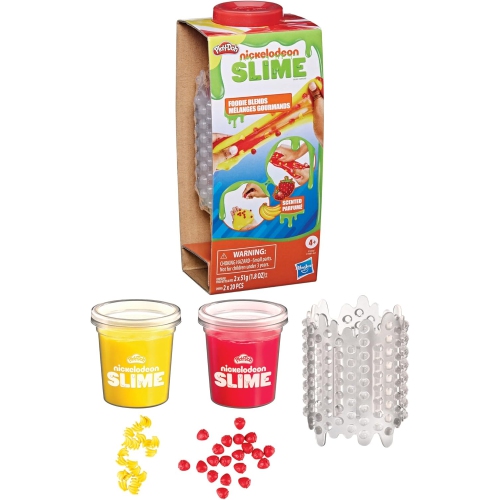 Your price for this item is $27.99
 -
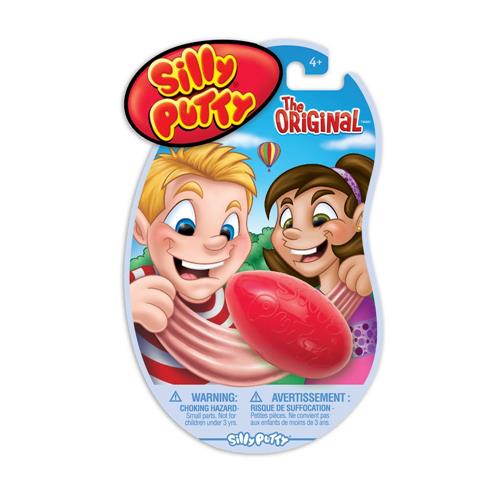 Your price for this item is $21.22
 -
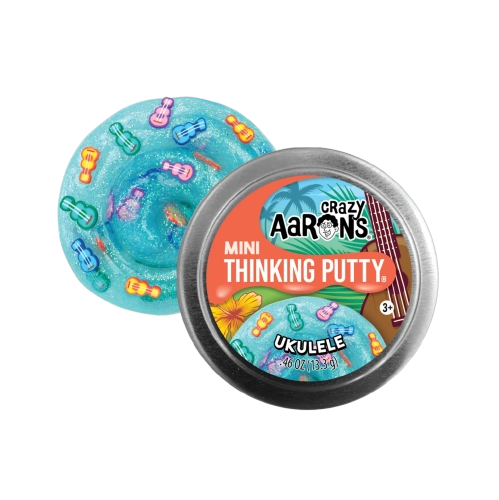 Your price for this item is $24.99
 -
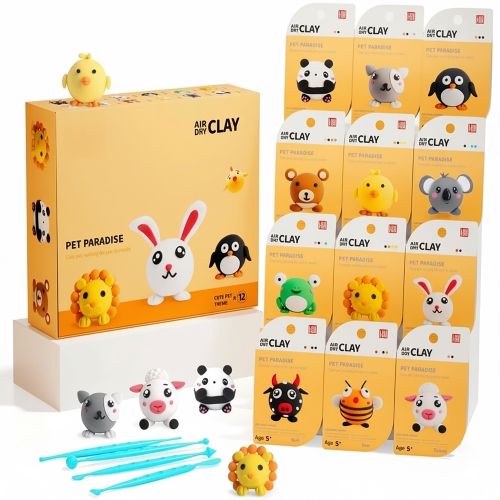 Your price for this item is $12.99
 -
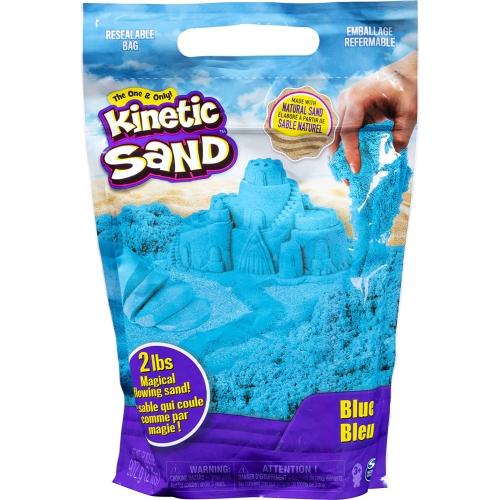 Your price for this item is $31.95
 -
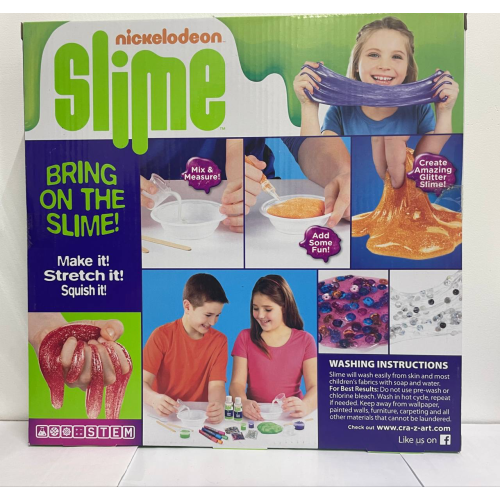 Your price for this item is $25
 -
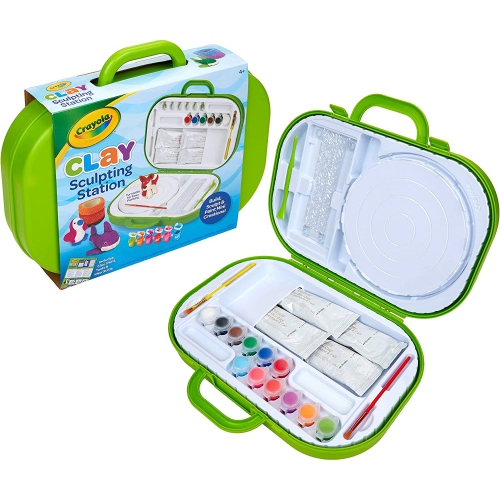 Your price for this item is $31.45
Discover more categories related to Modeling Clay

Top Collections:
Pokemon Centers, Kindle Devices, Best Budget Office Chairs, Apple iPhones 16, Canon G7X Cameras, iPhone 15 Apple, Alarm Clock, Refurbished Apple Laptops, Flip Phones, Best Laptops for Writers
Some products may be subject to Environmental Handling Fees
(EHF) depending on your province.
Learn more about EHFs.