Colorful Puzzles for Adults
Colorful Puzzles For Adults offer a vibrant and engaging way to unwind, challenge your mind, and enjoy creative downtime. Featuring an array of eye-catching designs and lively hues, these puzzles are perfect for anyone looking to add a splash of color to their leisure activities. Whether you’re searching for a relaxing solo pastime or a fun group activity, Colorful Puzzles For Adults provide hours of entertainment and visual delight. Explore the collection to find the perfect puzzle that matches your style and skill level.
Sort
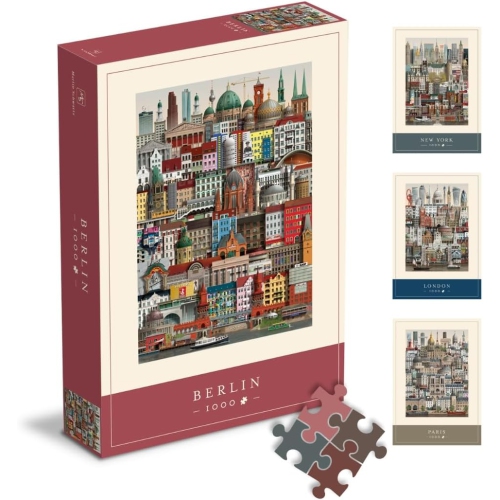
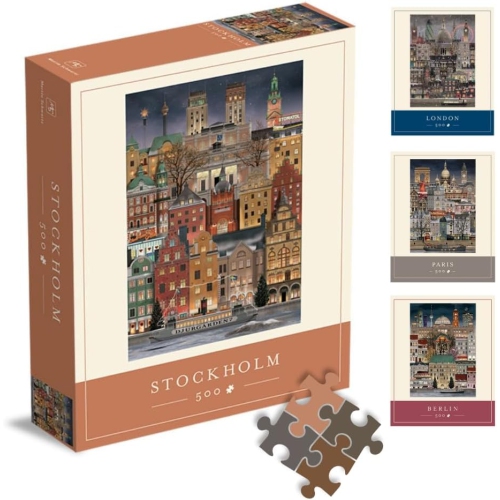
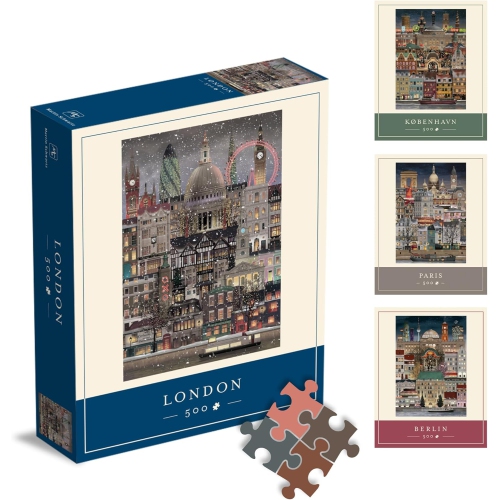
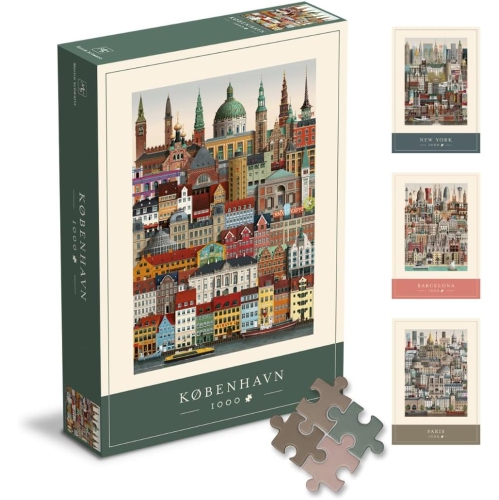
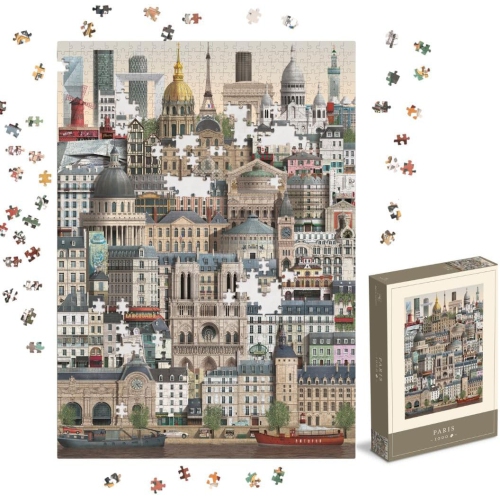
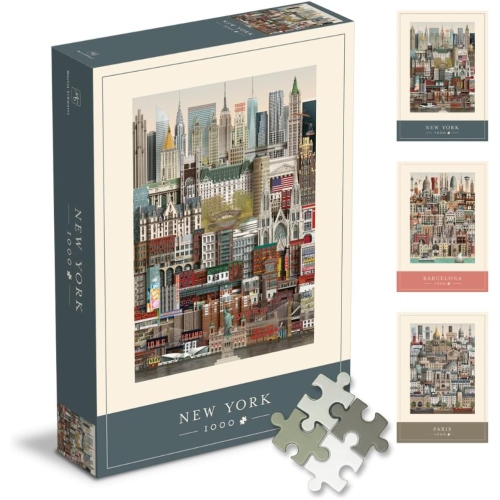
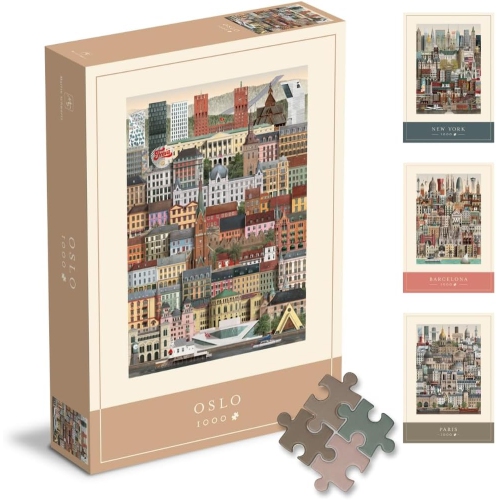
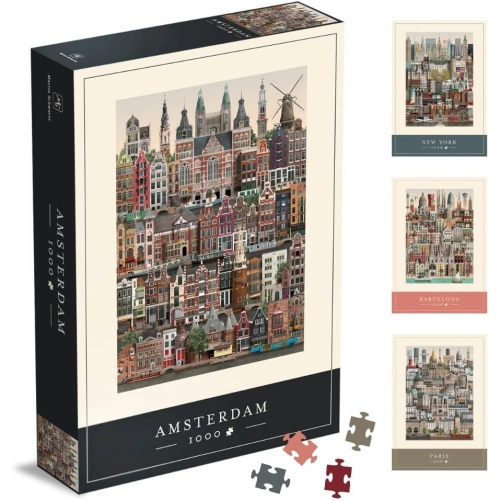
How colour shapes the challenge beyond piece count
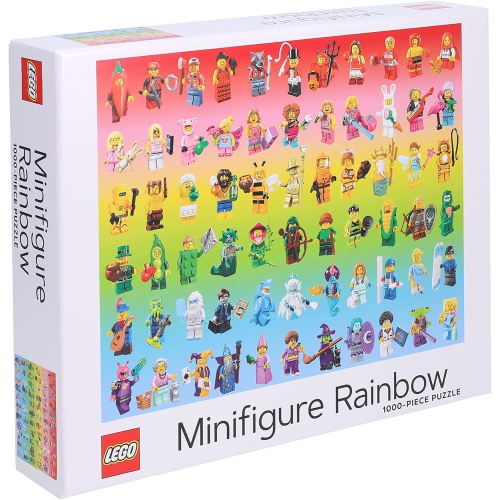
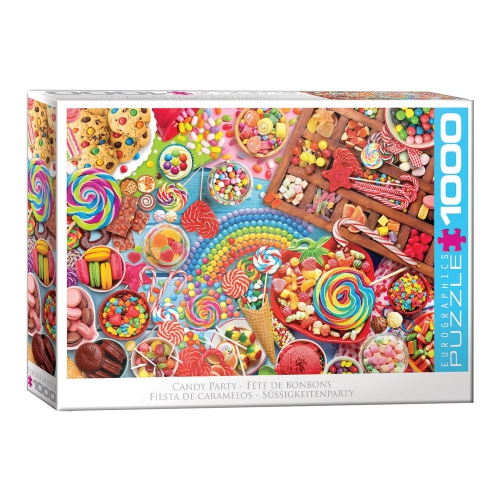
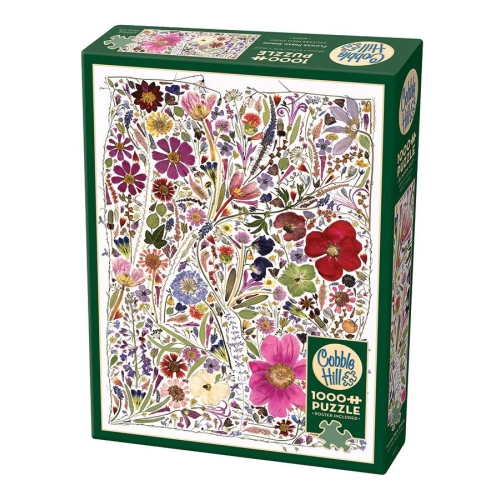
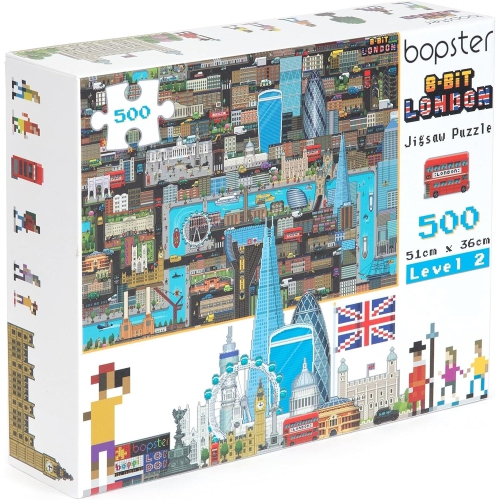
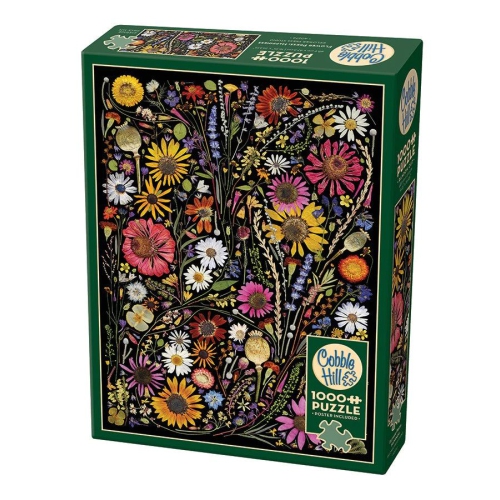
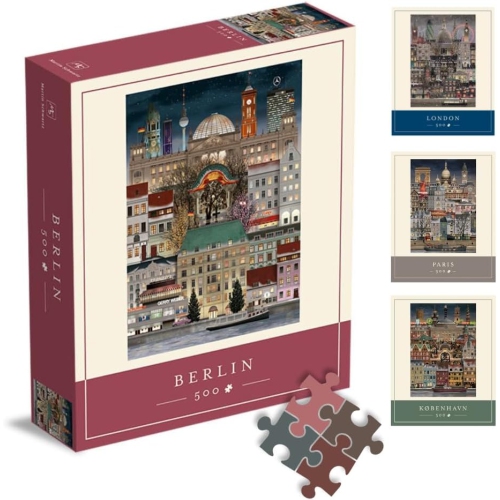
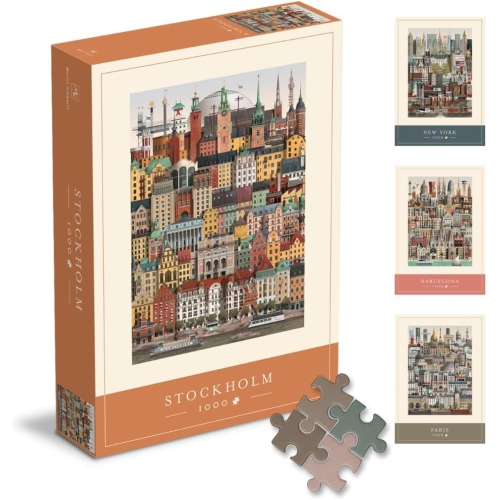
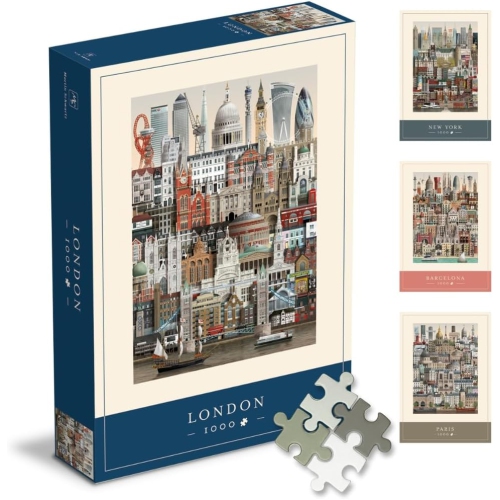
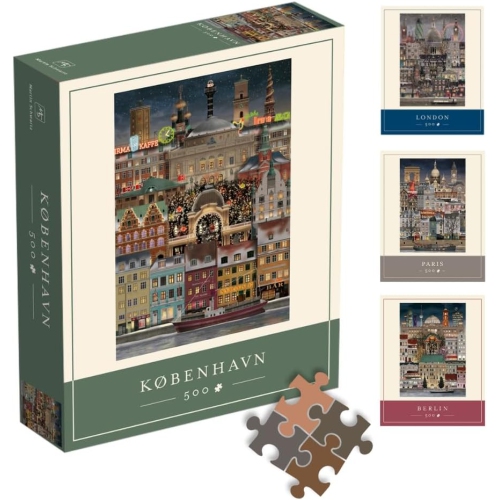
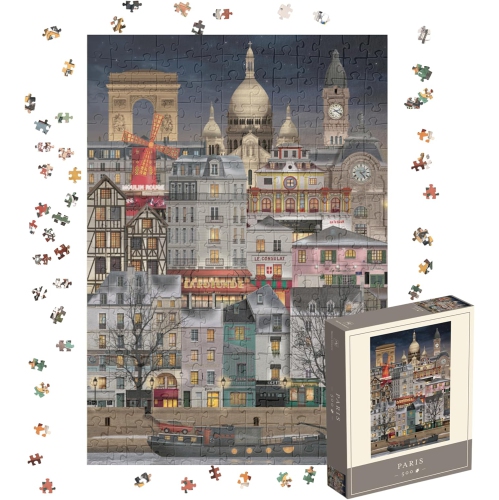
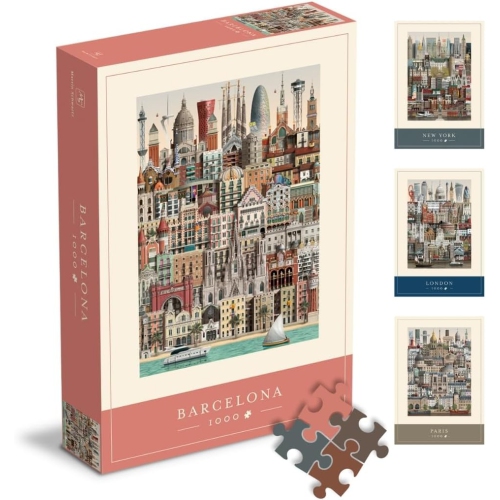
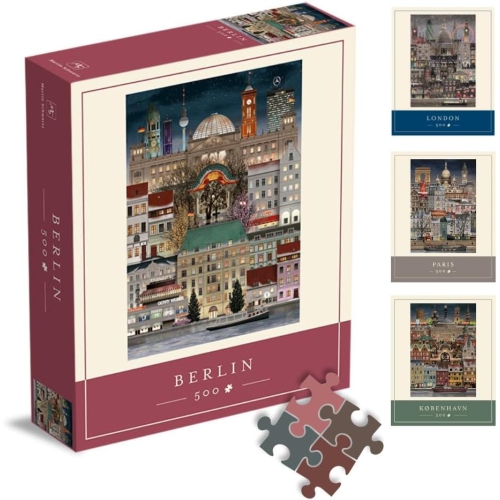
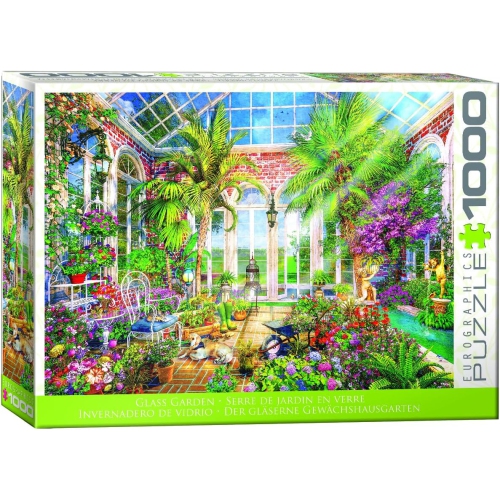
Colourful puzzles for adults pair vivid artwork with the hands-on challenge of assembling a picture one piece at a time. Rainbow gradients, botanical illustrations, bustling street scenes, animal portraits, and abstract patterns each offer a different kind of puzzling experience. A gradient might move smoothly from deep violet through turquoise and yellow, making small differences in shade the main clue to placement. An illustrated flower market provides more distinct landmarks: striped awnings, clusters of petals, handwritten signs, and patterned pots. These visual details affect more than the finished appearance. High-contrast artwork with clearly separated objects can make it easier to identify where pieces belong, while repeating motifs and broad areas of similar colour often require closer attention to shape. Piece count is another part of the challenge, though it does not tell the whole story. A 500-piece puzzle with nearly identical swirls can demand more concentration than a 1,000-piece puzzle divided into recognizable scenes. Puzzles with 500 pieces can suit a smaller project, while 1,000-piece formats offer more sections to explore and often lend themselves to several sittings. Larger counts, such as 1,500 or 2,000 pieces, generally require more working space and a longer commitment. For someone who enjoys sorting by colour, a spectrum of clearly defined hues can be particularly satisfying. Someone drawn to storytelling may prefer a richly illustrated scene where tiny details emerge during assembly, from a cat perched in a window to a stack of books beside a chair. The most appealing image is often one that remains interesting both in scattered pieces and as a complete picture. Bright artwork does not necessarily mean an easy puzzle, and an adult puzzle does not need thousands of pieces to feel rewarding. The combination of colour, composition, piece size, and cut determines how the challenge unfolds, whether the intended use is a quiet solo activity or a shared project spread across a table.
Materials and construction influence how a jigsaw puzzle feels throughout assembly, especially when pieces are sorted, moved, and fitted repeatedly. Many puzzles use printed artwork mounted on paperboard, while wooden puzzles offer a firmer feel and may feature intricate cuts or shaped pieces. For paperboard puzzles, thickness and rigidity help pieces retain their shape during ordinary handling. Cleanly cut edges make it easier to distinguish a correct fit from a piece that merely looks close, and a well-fitting connection should sit flat without being forced. Print clarity matters just as much for colourful designs: crisp lines and visible differences between neighbouring shades preserve the clues within the artwork. A matte finish can reduce distracting reflections under a lamp, while a glossy surface may catch more light depending on the viewing angle. No finish replaces good lighting, particularly when distinguishing navy from purple or sorting subtle changes within a green gradient. Piece dimensions also deserve attention. Larger pieces may be easier to see and handle, while smaller pieces can pack an intricate image into a more compact finished format. The completed dimensions, rather than the piece count alone, determine whether a puzzle fits comfortably on a desk, dining table, or puzzle board. Extra room around the edges allows for loose pieces and sorted groups without crowding the picture itself. A reference image or included poster, where provided, can help reveal details that are difficult to see on a small box lid. For shared assembly, access from more than one side of the table makes it easier for each person to work on a different section. Durability also depends on care between sessions. A clean, dry surface helps protect printed faces, and drinks kept away from the work area reduce the risk of swollen paperboard or stained pieces. Gentle separation after completion helps prevent bent tabs and lifted layers. Keeping pieces together in a closed bag inside the original box preserves the reference artwork and makes the puzzle easier to return to later.
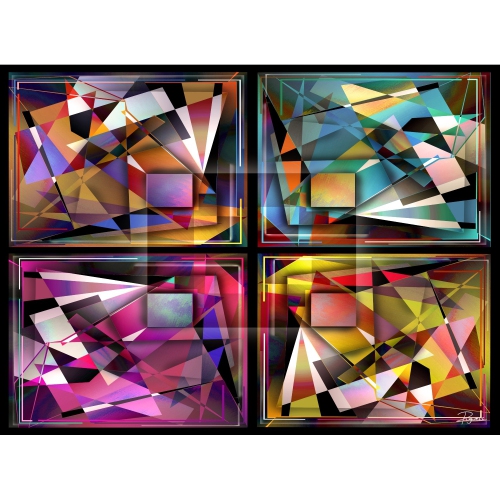
As an everyday activity, a colourful adult jigsaw puzzle offers a clear task without requiring a screen, a score, or a fixed pace. One person might enjoy completing the border and organizing colour groups before filling in the centre; another may begin with a bright red bicycle or a cluster of yellow flowers and build outward. Artwork with several distinct areas can work well for couples, friends, or family members sharing a project because each person has a section to follow. Repeated patterns and subtle gradients can encourage more collaborative searching, with pieces passed around as different people notice useful details. For gifting, the recipient’s interests provide a more personal starting point than piece count alone. A keen gardener may appreciate detailed foliage and blossoms, an art enthusiast may enjoy expressive brushwork or geometric compositions, and someone who loves travel may be drawn to illustrated city streets or vivid landscapes. The amount of space they can dedicate to a puzzle matters, too. A manageable format can be a thoughtful choice for someone working at a small table, while an experienced puzzler with a dedicated surface may welcome a larger, more intricate image. Comfortable handling and readable details are useful considerations for any recipient, without assuming that age alone determines the appropriate challenge. Adult jigsaw puzzles often contain small pieces, so the labelled age guidance matters whenever children may join in. For younger puzzlers, colourful puzzles for children offer a related place to explore designs intended for their age group. Once an adult puzzle is complete, it can be taken apart for another session, passed along to a fellow enthusiast, or preserved for display using materials suited to its construction. Framing requires attention to the finished measurements and the depth of the assembled pieces. Whether the pleasure comes from finding one elusive match or seeing hundreds of scattered colours form a single scene, the artwork and physical design together shape an activity that can be enjoyed at an individual pace.
Materials and construction influence how a jigsaw puzzle feels throughout assembly, especially when pieces are sorted, moved, and fitted repeatedly. Many puzzles use printed artwork mounted on paperboard, while wooden puzzles offer a firmer feel and may feature intricate cuts or shaped pieces. For paperboard puzzles, thickness and rigidity help pieces retain their shape during ordinary handling. Cleanly cut edges make it easier to distinguish a correct fit from a piece that merely looks close, and a well-fitting connection should sit flat without being forced. Print clarity matters just as much for colourful designs: crisp lines and visible differences between neighbouring shades preserve the clues within the artwork. A matte finish can reduce distracting reflections under a lamp, while a glossy surface may catch more light depending on the viewing angle. No finish replaces good lighting, particularly when distinguishing navy from purple or sorting subtle changes within a green gradient. Piece dimensions also deserve attention. Larger pieces may be easier to see and handle, while smaller pieces can pack an intricate image into a more compact finished format. The completed dimensions, rather than the piece count alone, determine whether a puzzle fits comfortably on a desk, dining table, or puzzle board. Extra room around the edges allows for loose pieces and sorted groups without crowding the picture itself. A reference image or included poster, where provided, can help reveal details that are difficult to see on a small box lid. For shared assembly, access from more than one side of the table makes it easier for each person to work on a different section. Durability also depends on care between sessions. A clean, dry surface helps protect printed faces, and drinks kept away from the work area reduce the risk of swollen paperboard or stained pieces. Gentle separation after completion helps prevent bent tabs and lifted layers. Keeping pieces together in a closed bag inside the original box preserves the reference artwork and makes the puzzle easier to return to later.
As an everyday activity, a colourful adult jigsaw puzzle offers a clear task without requiring a screen, a score, or a fixed pace. One person might enjoy completing the border and organizing colour groups before filling in the centre; another may begin with a bright red bicycle or a cluster of yellow flowers and build outward. Artwork with several distinct areas can work well for couples, friends, or family members sharing a project because each person has a section to follow. Repeated patterns and subtle gradients can encourage more collaborative searching, with pieces passed around as different people notice useful details. For gifting, the recipient’s interests provide a more personal starting point than piece count alone. A keen gardener may appreciate detailed foliage and blossoms, an art enthusiast may enjoy expressive brushwork or geometric compositions, and someone who loves travel may be drawn to illustrated city streets or vivid landscapes. The amount of space they can dedicate to a puzzle matters, too. A manageable format can be a thoughtful choice for someone working at a small table, while an experienced puzzler with a dedicated surface may welcome a larger, more intricate image. Comfortable handling and readable details are useful considerations for any recipient, without assuming that age alone determines the appropriate challenge. Adult jigsaw puzzles often contain small pieces, so the labelled age guidance matters whenever children may join in. For younger puzzlers, colourful puzzles for children offer a related place to explore designs intended for their age group. Once an adult puzzle is complete, it can be taken apart for another session, passed along to a fellow enthusiast, or preserved for display using materials suited to its construction. Framing requires attention to the finished measurements and the depth of the assembled pieces. Whether the pleasure comes from finding one elusive match or seeing hundreds of scattered colours form a single scene, the artwork and physical design together shape an activity that can be enjoyed at an individual pace.
Top selling and popular products
-
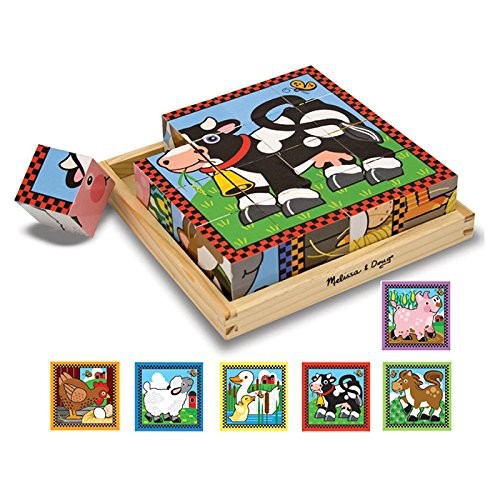 Your price for this item is $32.99
 -
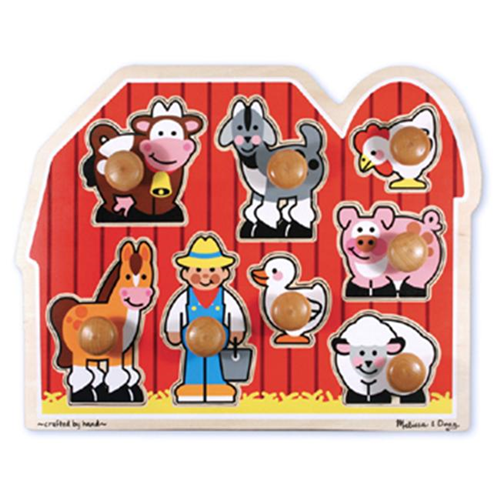 Your price for this item is $46.99
 -
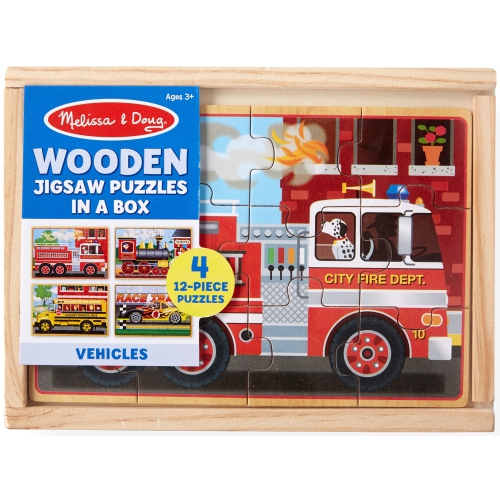 Your price for this item is $35.99
 -
 Your price for this item is $30.99
 -
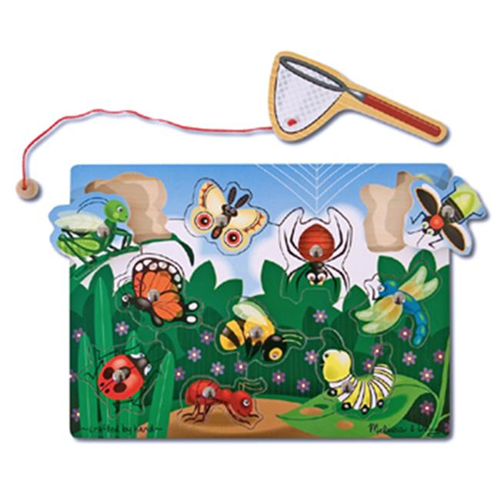 Your price for this item is $29.99
 -
 Your price for this item is $36.99
 -
 Your price for this item is $34.9
 -
 Your price for this item is $17.95
Discover more categories related to Colorful Puzzles for Adults
Top Collections:
Pokemon Centers, Budget 4K TVs, Best Budget Office Chairs, Kindle Devices, Canon G7X Cameras, Apple iPhones 16, iPhone 15 Apple, Laptops for Business Work, Xiaomi Phones, Flip Phones
Some products may be subject to Environmental Handling Fees
(EHF) depending on your province.
Learn more about EHFs.