Whimsical Puzzles for Adults
Whimsical Puzzles For Adults offer a delightful way to unwind and spark creativity with every piece. Perfect for solo relaxation or group gatherings, these puzzles add a playful twist to your leisure time. Explore a variety of imaginative designs and captivating themes that turn puzzle-solving into an engaging adventure. Whether you’re searching for a unique gift or looking to challenge yourself, Whimsical Puzzles For Adults bring joy and fascination to every puzzling session.
Sort
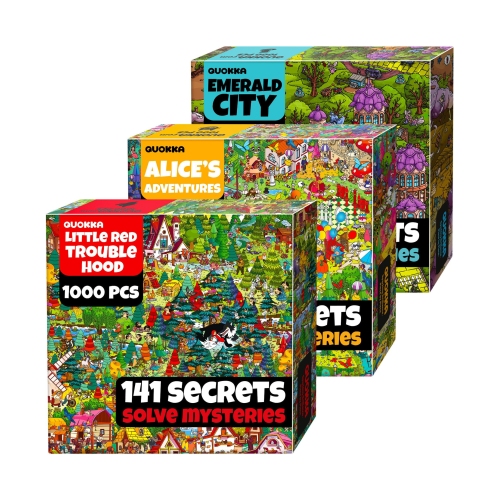
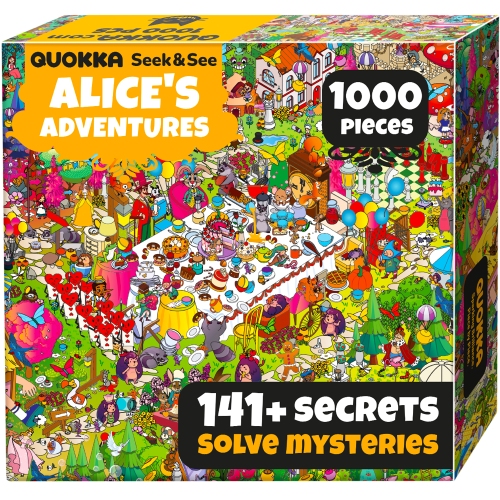
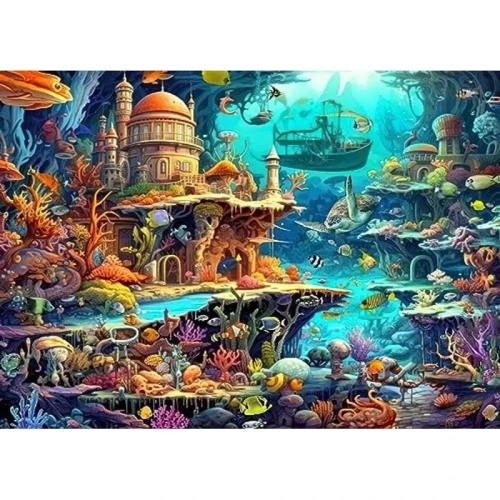
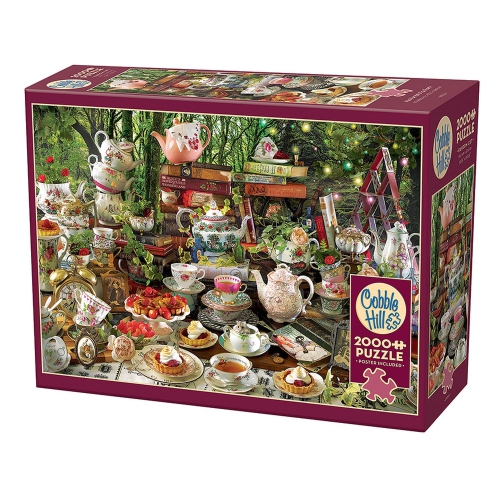

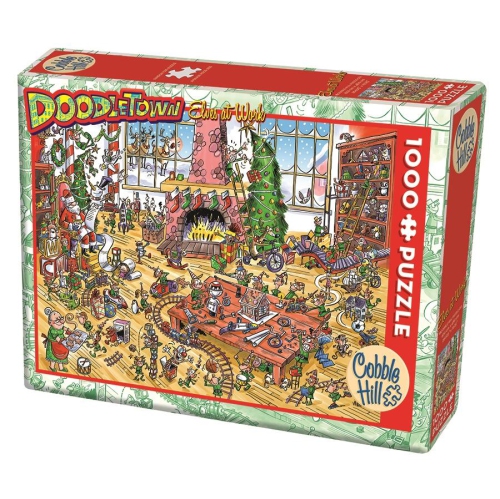
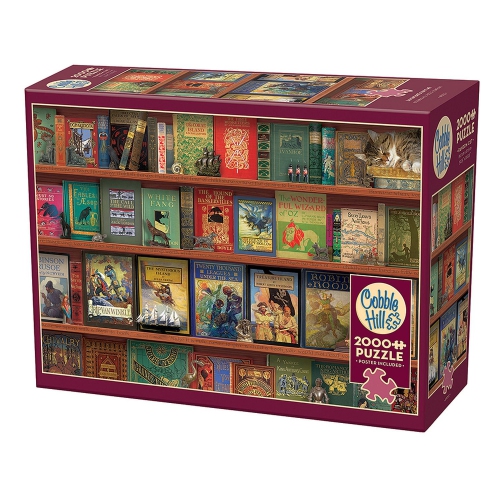
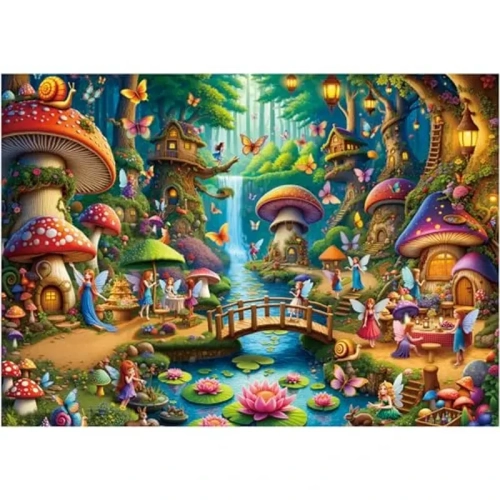
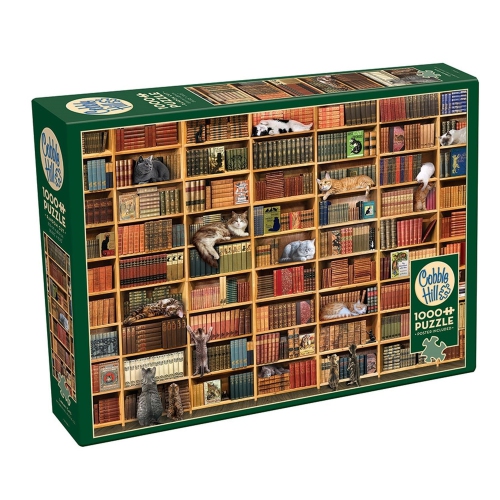
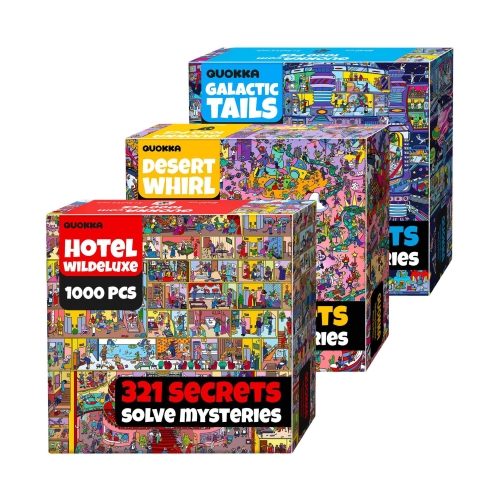
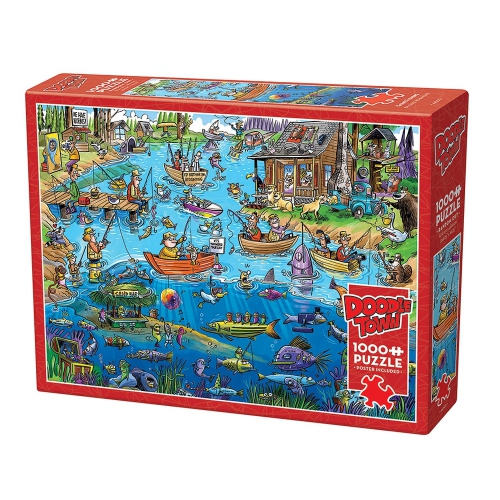
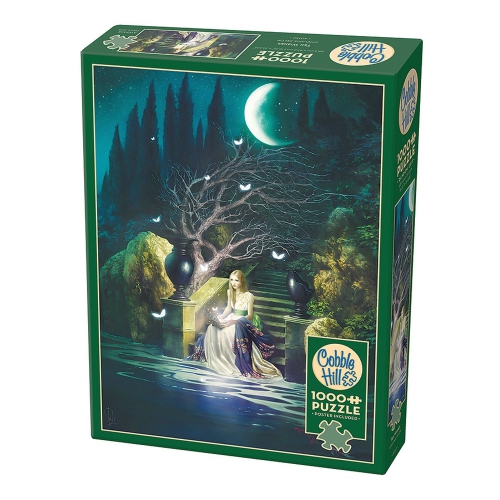
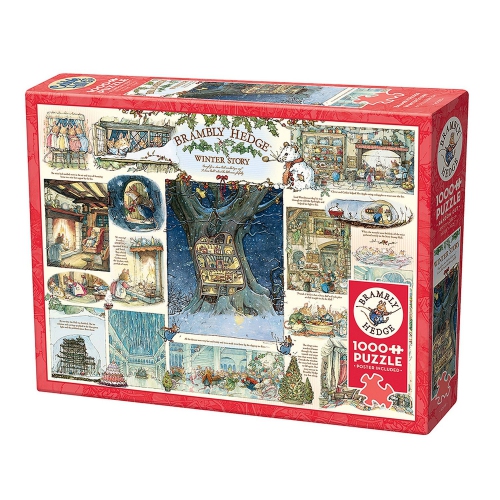
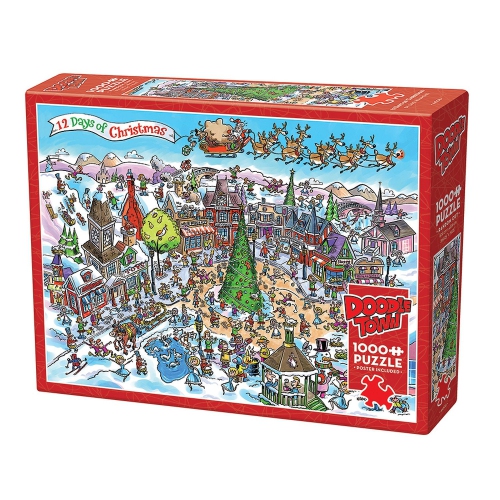

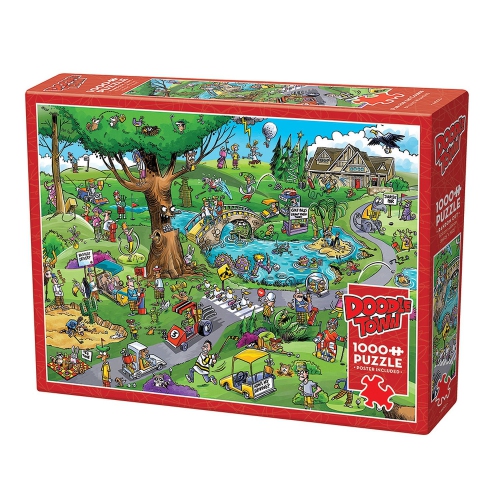
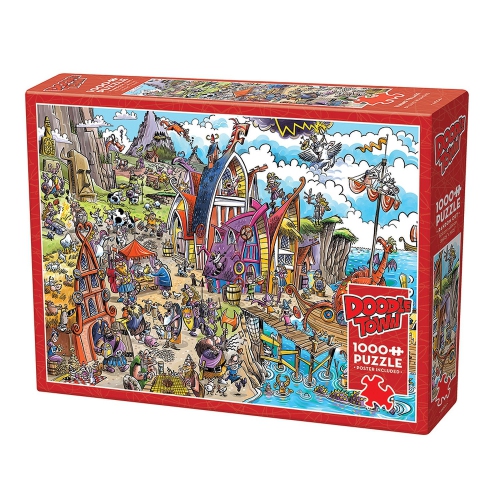
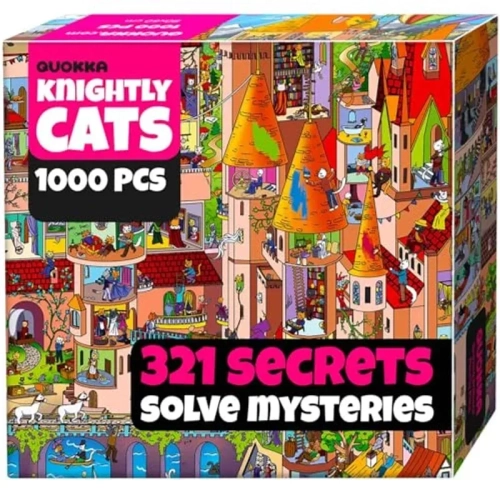
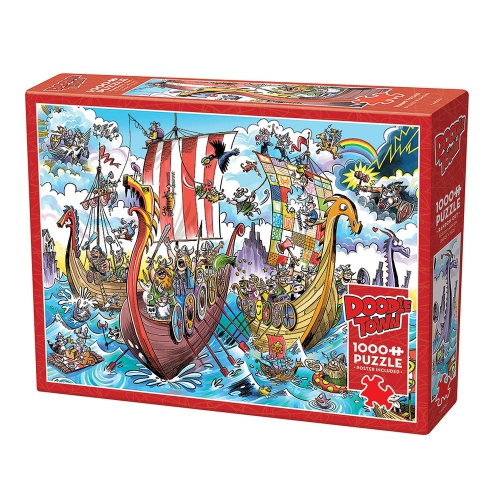
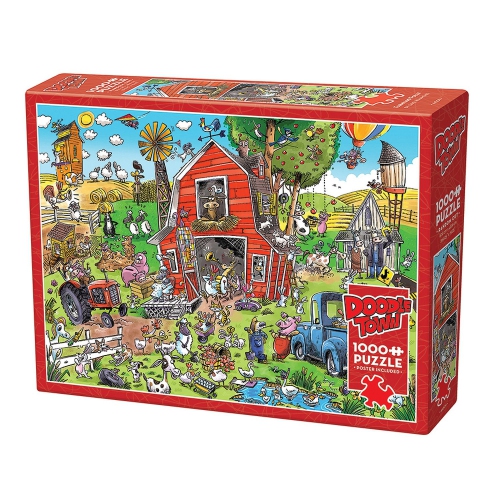
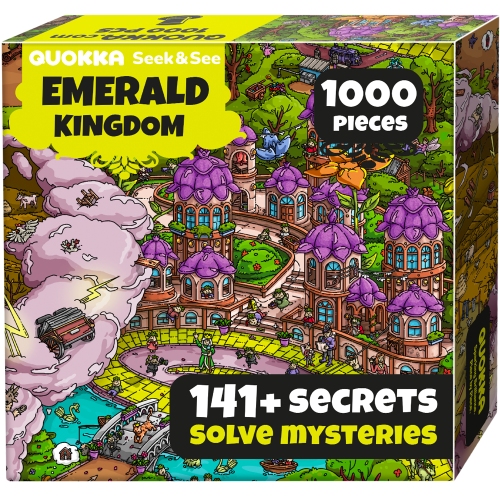
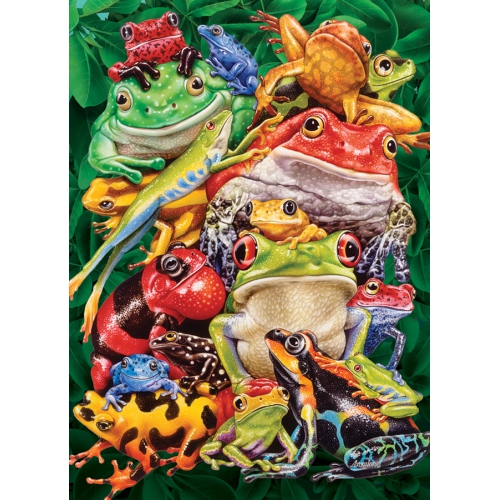
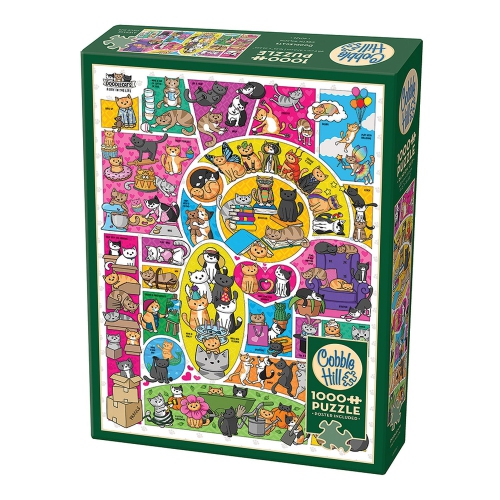
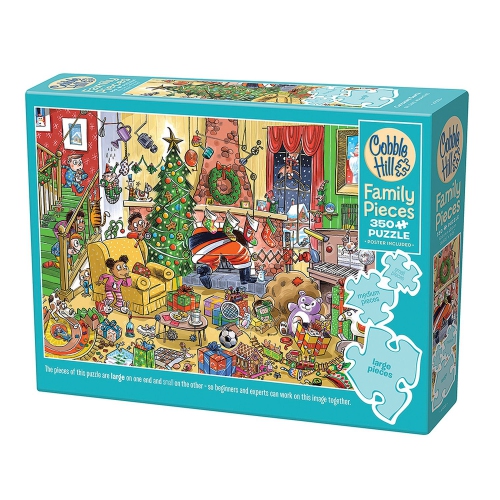
Imaginative artwork rewards a closer look, piece by piece
Whimsical puzzles for adults are jigsaw puzzles with imaginative, dreamlike, or humorous artwork, sometimes paired with specially shaped pieces that add another layer of discovery. Their appeal comes from the balance between an engaging puzzle and a picture worth spending time with: a village of crooked houses, animals dressed for a dinner party, or a fantastical library with tiny stories unfolding on every shelf. Illustrations may draw on fairy tales, surrealism, vintage collage, folk art, or playful scenes from everyday life. Some are richly detailed, rewarding a closer look with hidden characters and visual jokes; others use bold colours and simpler compositions to create a cheerful, graphic image. Whimsical describes the artwork and character of the puzzle, not a fixed difficulty level. A lighthearted picture can still offer a demanding assembly, especially when its colours repeat or its shapes follow an unusual pattern. Certain puzzles also contain whimsy pieces: individual pieces cut into recognizable silhouettes, such as birds, flowers, stars, or teacups, rather than conventional jigsaw shapes. These shapes often relate to the illustration, making them small discoveries within the larger picture. Not every whimsical puzzle includes them, so the artwork and the piece design are separate features to consider. For adults who enjoy illustration, storytelling, or hands-on pastimes, these puzzles offer a way to engage with a picture gradually instead of taking it in at a glance. They suit solo puzzling at a quiet table, a shared project with a partner, or an informal gathering where everyone can contribute a few pieces. As gifts, they can feel personal without needing to match someone's clothing size or home furnishings. A scene featuring books, gardens, music, or mischievous pets can reflect a recipient's interests, while an unexpected detail gives the finished image its own personality.
The right level of challenge depends on more than the number printed on the box. Piece count matters, but colour distribution, illustration detail, cutting style, and finished dimensions all affect the experience. A 500-piece puzzle with distinct characters and clearly separated areas may be easier to organize than a smaller puzzle filled with nearly identical clouds or repeating wallpaper. Conversely, a detailed 1,000-piece scene can offer plenty of useful clues if every shopfront, costume, and window has a different pattern. Standard grid-cut pieces generally form regular rows, while random-cut pieces have more varied outlines that can make familiar assembly habits less useful. Whimsy pieces add recognizable shapes, but their neighbouring pieces may be unusual, so finding a bird-shaped piece does not necessarily reveal exactly where it belongs. Puzzles with irregular borders can also change the usual starting point, particularly when there is no straightforward rectangular edge to assemble first. For shoppers who enjoy intricate artwork and a longer project, Challenging Puzzles for Adults offers a related theme to explore. Materials are another important consideration. Paperboard puzzles typically combine a printed image with a layered board backing; thickness, cutting precision, and the bond between those layers influence how the pieces handle repeated use. Wooden puzzles provide a firmer feel and may use laser-cut or other precision-cut shapes, including elaborate whimsy pieces. Neither material alone determines quality, and pieces should fit without being forced. A matte surface can reduce distracting reflections under a lamp, while a glossy finish may catch more light. Decorative foil or glitter, where included, adds texture or shine but can change how colours appear from different angles. Check the finished dimensions as well as the piece count: a puzzle needs enough room for the assembled image and a practical margin for sorting. Larger pieces may be easier to grasp and inspect, whereas smaller pieces create a compact, more intricate working area. The best fit is a puzzle whose image, handling, and challenge suit the person who will assemble it.
A comfortable setup makes it easier to enjoy the details that distinguish whimsical artwork. A flat table with even lighting helps reveal subtle colour changes, printed textures, and the difference between similar-looking pieces. Before starting, separate pieces by useful visual clues rather than relying on colour alone. In a busy illustrated town, signs and lettering might form one group, patterned rooftops another, and faces or clothing a third. A small completed section, such as a striped awning or an animal's jacket, can become an anchor for the surrounding scene. With random-cut designs, it can help to look at the contour of an opening alongside the image printed on the piece; matching only the colour may lead to a fit that looks plausible but is not correct. Sorting trays keep groups manageable, and a puzzle board or suitable storage mat can help preserve progress when the table is needed for something else. Check that any storage accessory accommodates the puzzle's finished dimensions and piece thickness, particularly for wooden designs. Care is mostly about keeping pieces clean, dry, and protected from bending or abrasion. Handle paperboard pieces with dry hands, avoid food and drinks over the working area, and resist pressing a stubborn connection into place. Wooden pieces also need protection from moisture, which can affect the material or printed surface; follow the maker's care directions rather than washing or soaking them. When taking a puzzle apart, separate connected sections gently and return loose pieces to a secure bag or box so small details are not lost between sessions. Keeping the reference image with the pieces makes the puzzle easier to revisit or pass along. For a gift, consider whether the recipient enjoys a quick, satisfying finish or a project that stays on the table over several sessions. Shared puzzlers may appreciate a scene with several distinct areas to work on, while an illustration enthusiast may be drawn to expressive characters and intricate backgrounds. Whether assembled once, revisited, or displayed using an appropriate mounting method, a whimsical puzzle brings together playful art, tactile detail, and the pleasure of seeing an unlikely little world take shape.
Top selling and popular products
-
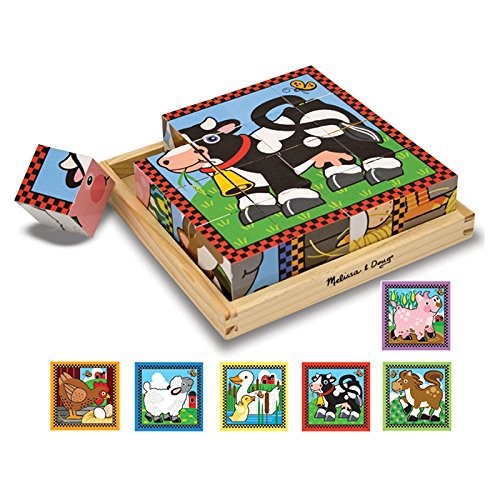 Your price for this item is $32.99
-
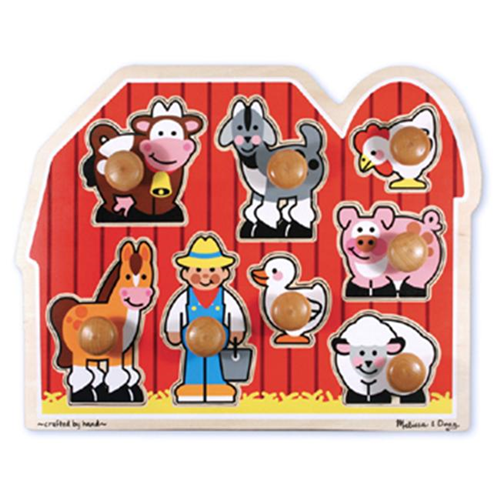 Your price for this item is $46.99
-
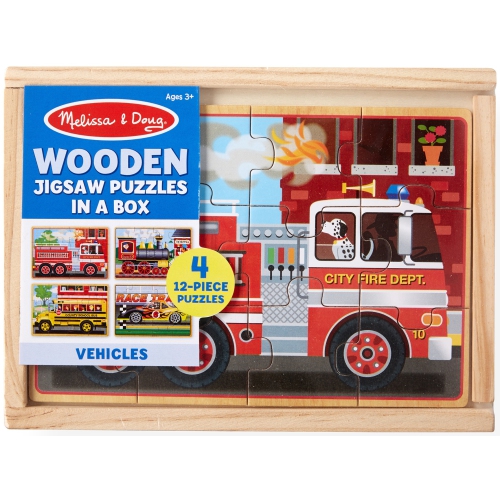 Your price for this item is $35.99
-
 Your price for this item is $30.99
-
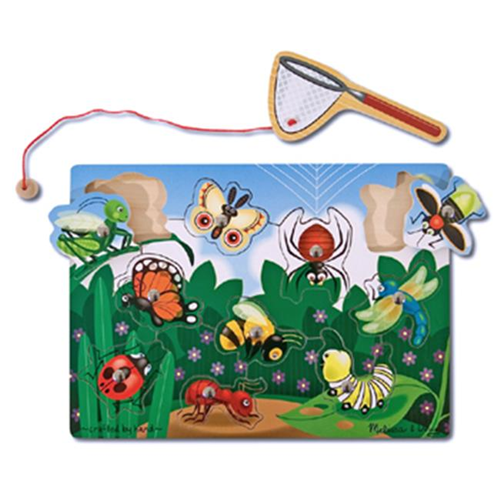 Your price for this item is $29.99
-
 Your price for this item is $36.99
-
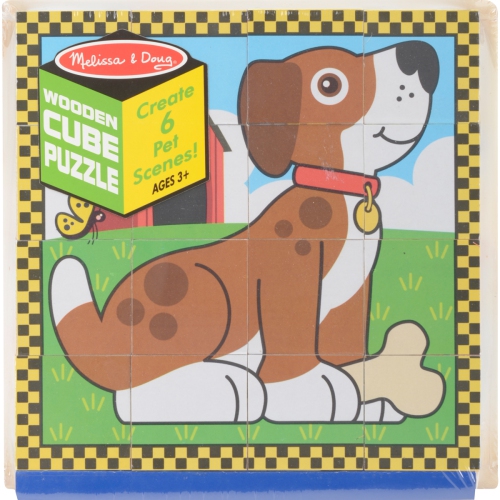 Your price for this item is $32.99
-
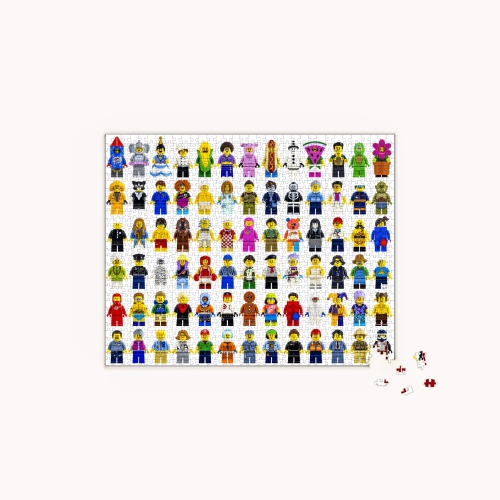 Your price for this item is $34.9
Discover more categories related to Whimsical Puzzles for Adults

Top Collections:
Best Black Friday Deals This Year, Best Black Friday Deals On Electronics, Kindle Devices, Pokemon Centers, Best Black Friday Deals On Apple Products, Best Cameras for Sports Photography, Dyson Airwrap, Pokémon 30th Celebration Cards, Apple iPhone 17 Pro, Canon G7X Cameras
Some products may be subject to Environmental Handling Fees
(EHF) depending on your province.
Learn more about EHFs.