Construction Vehicle Toys
Get ready to rev up your little one's imagination with our collection of construction vehicle toys. Whether they dream of building towering skyscrapers or digging deep into the ground, these toys are sure to provide hours of entertainment. From dump trucks and bulldozers to excavators and cranes, our selection features a wide variety of construction vehicles that are designed to be durable, safe, and fun. Let your child explore the world of construction and create their own mini construction site with these engaging and interactive toys.
Sort
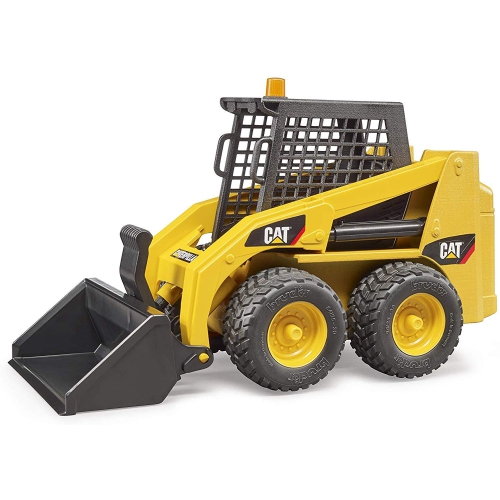
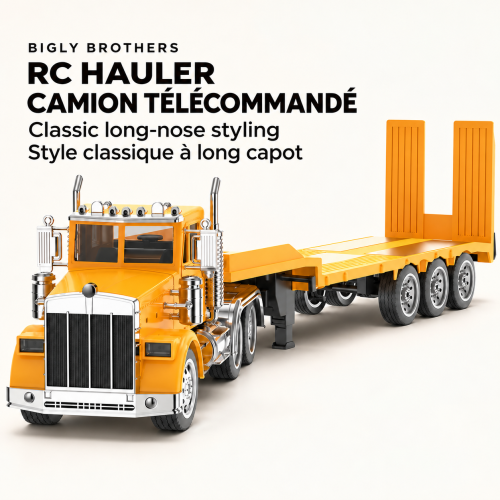
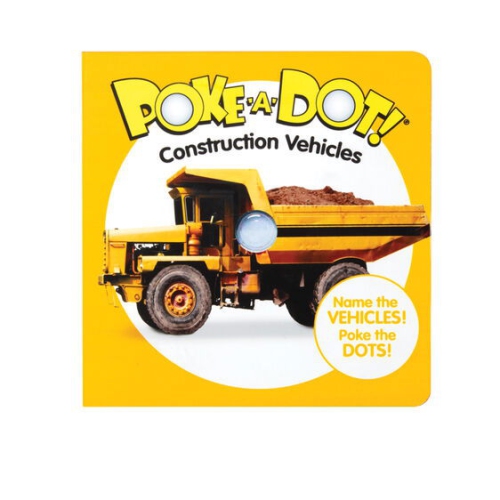
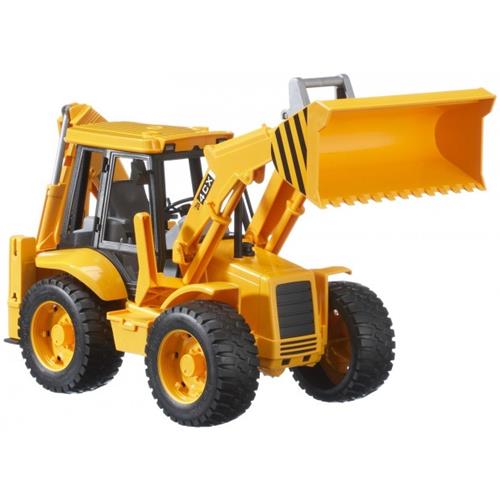
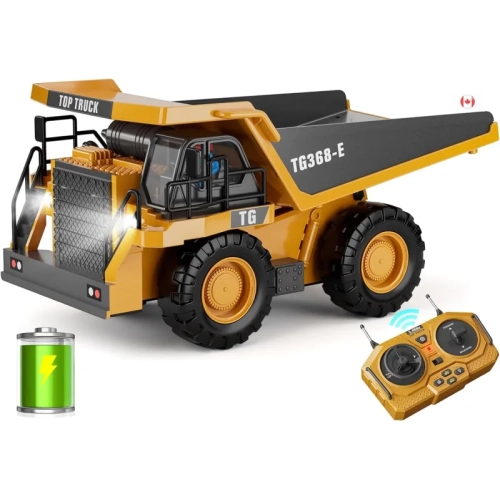


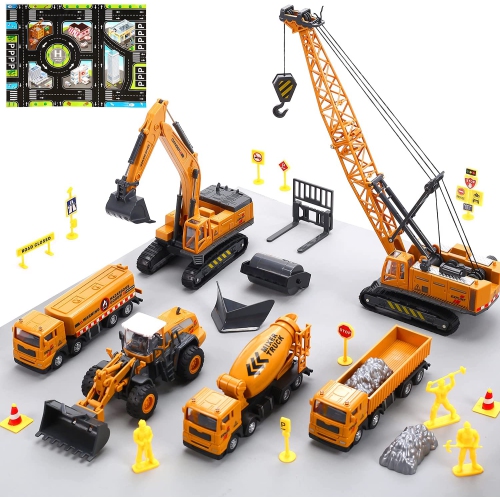
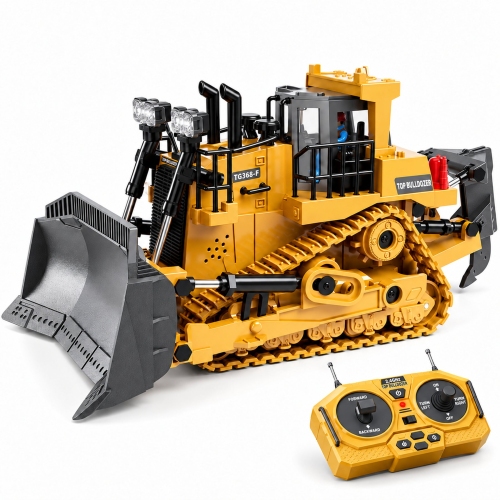
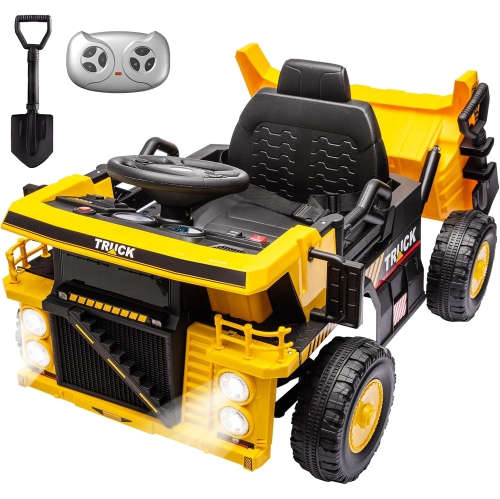

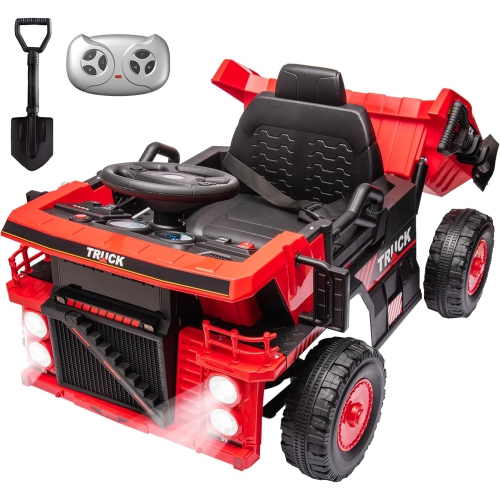
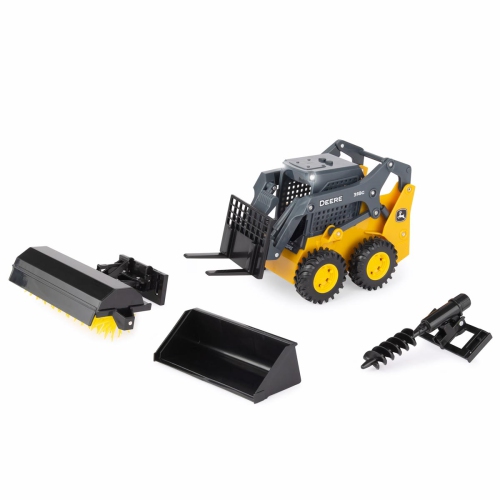
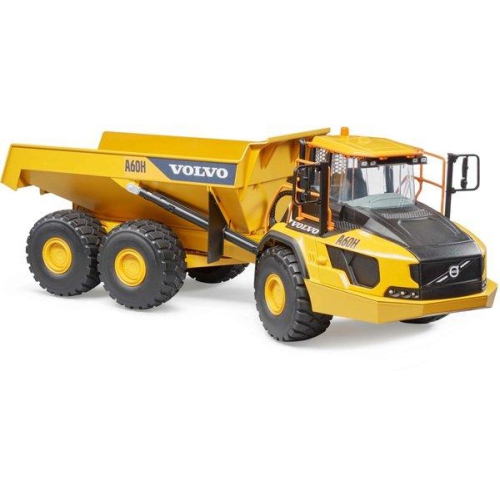
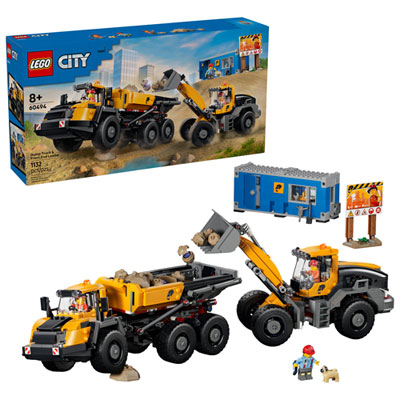
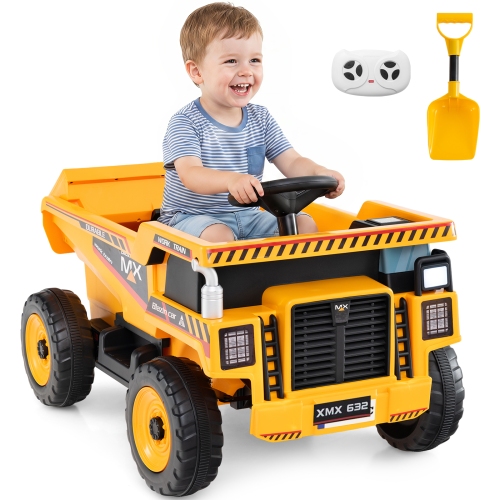
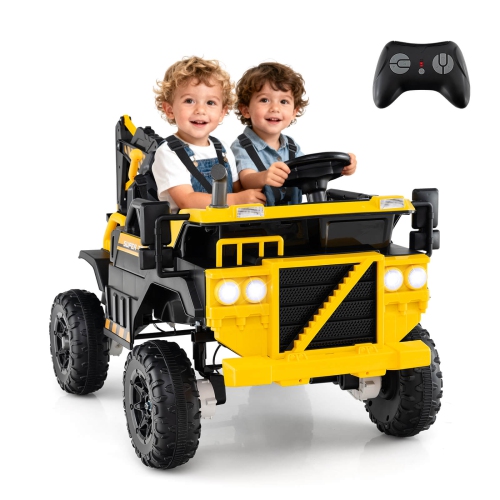

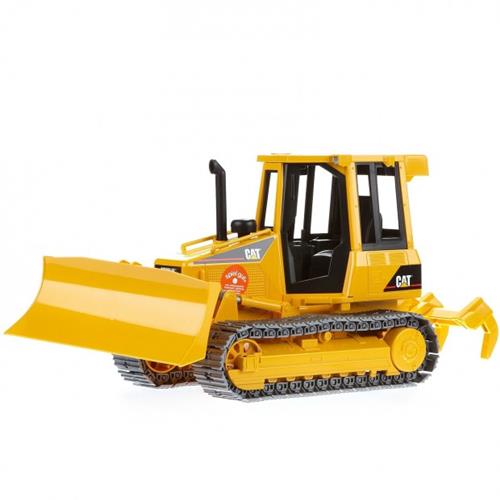
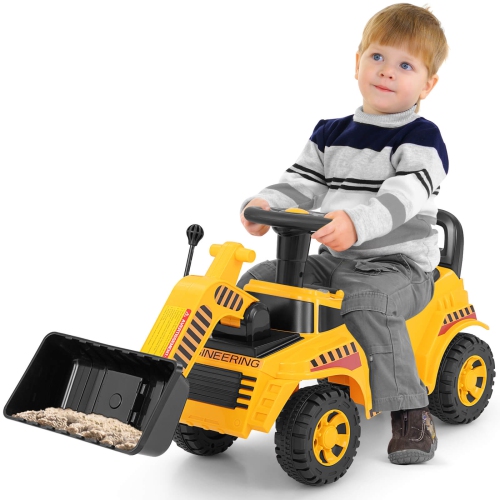
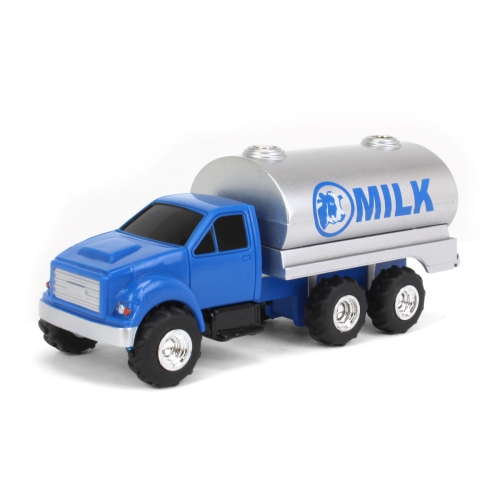
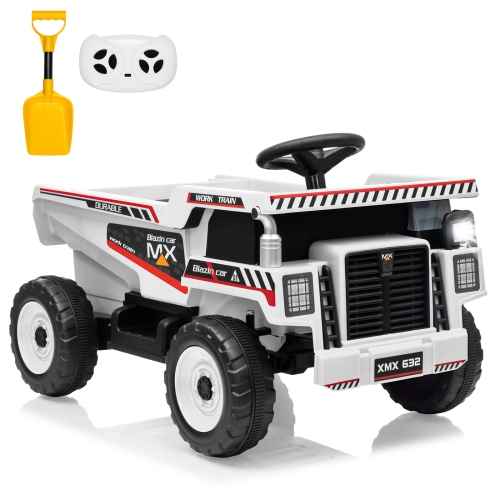
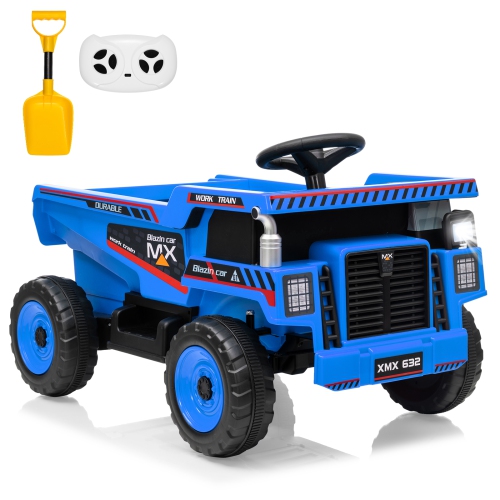
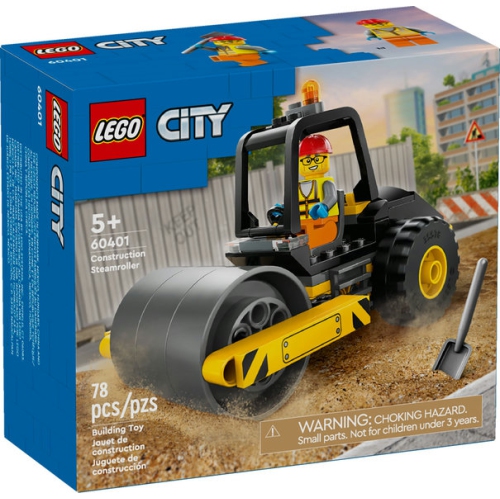

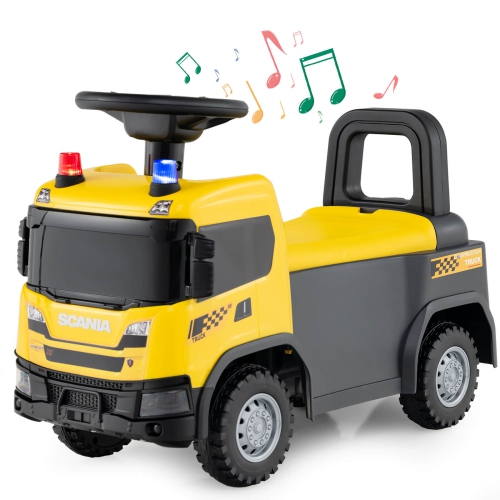
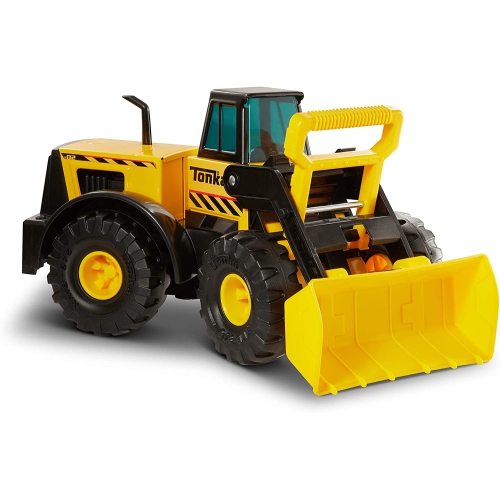
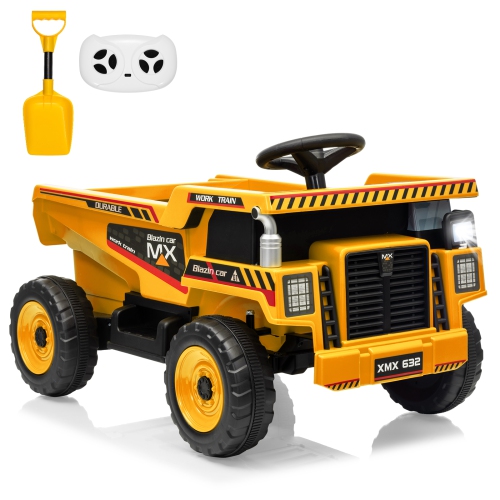
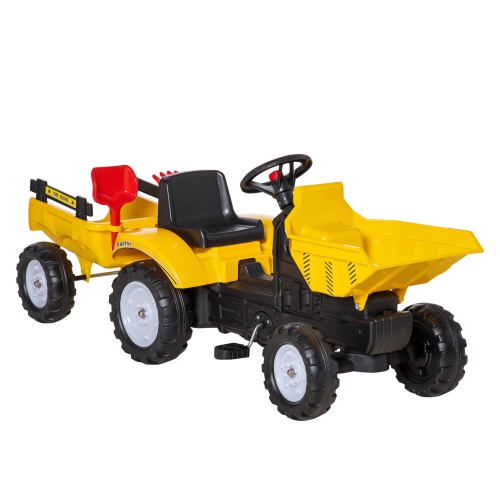
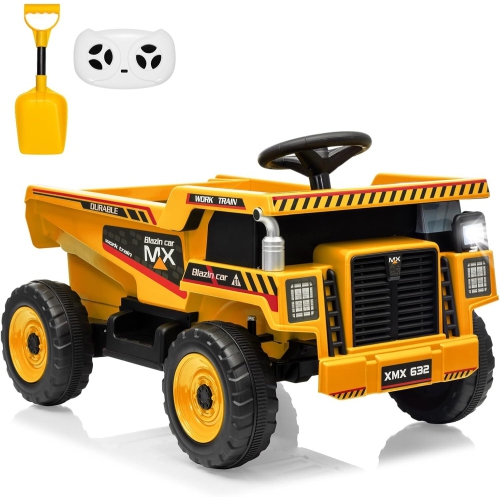
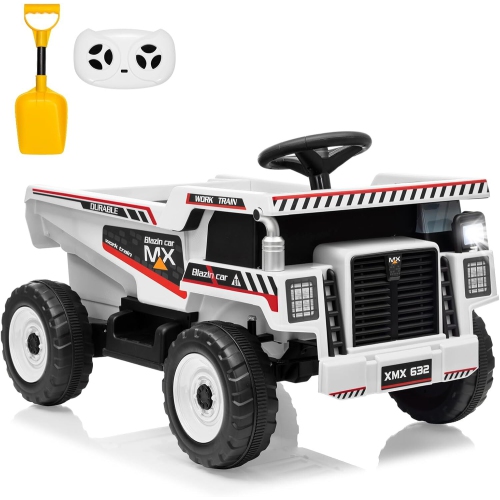
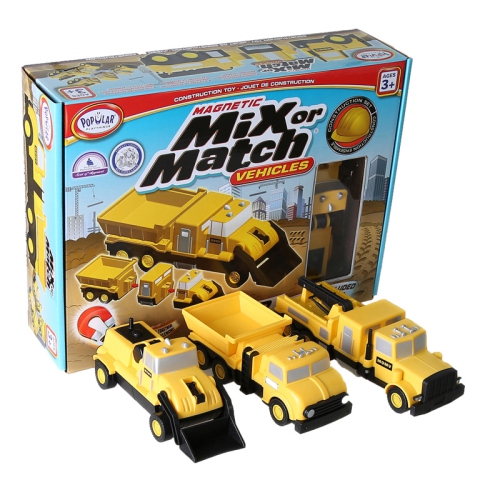
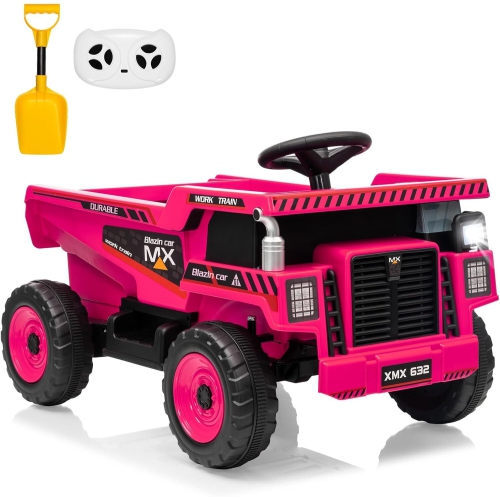
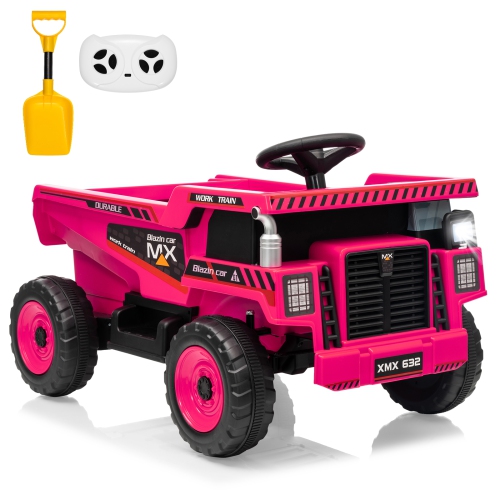
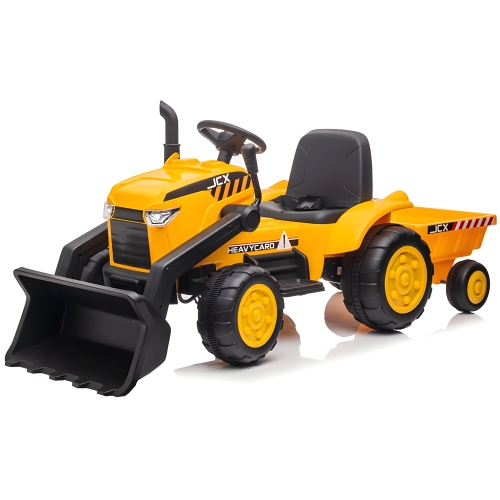
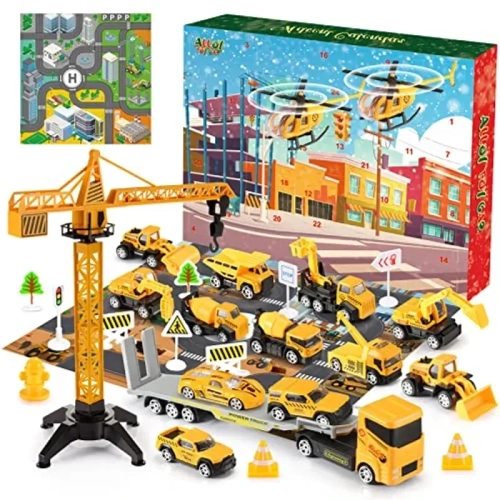

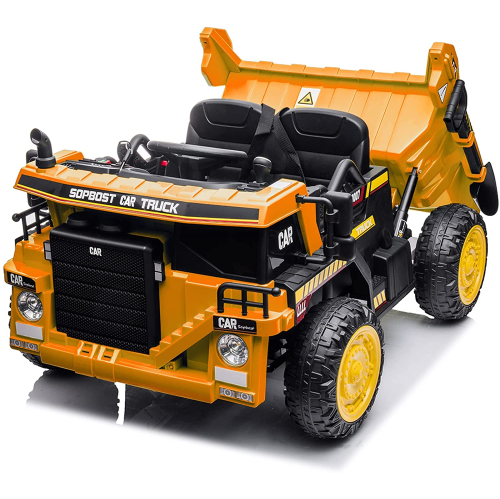
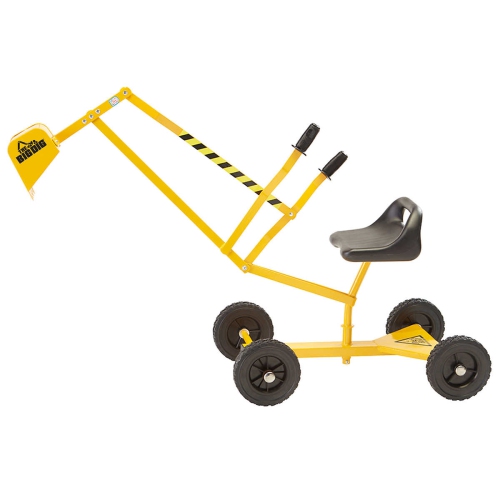
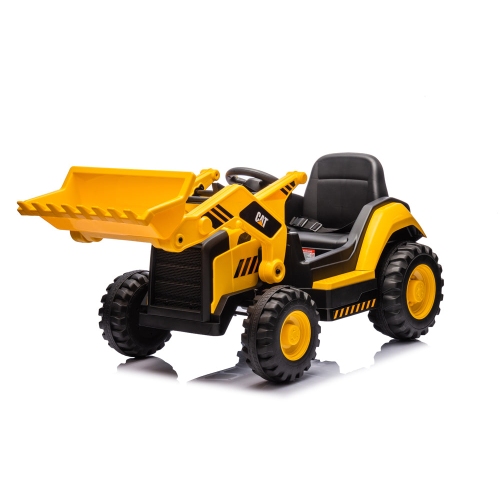
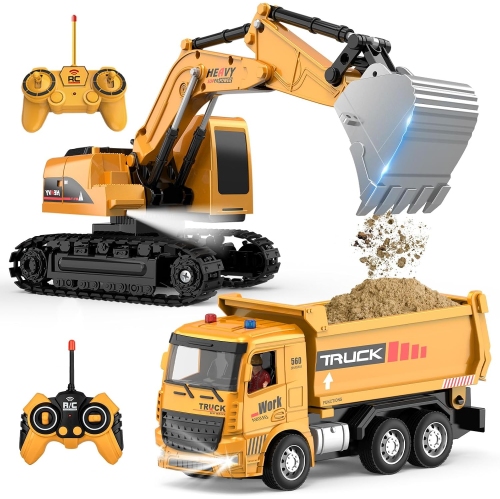

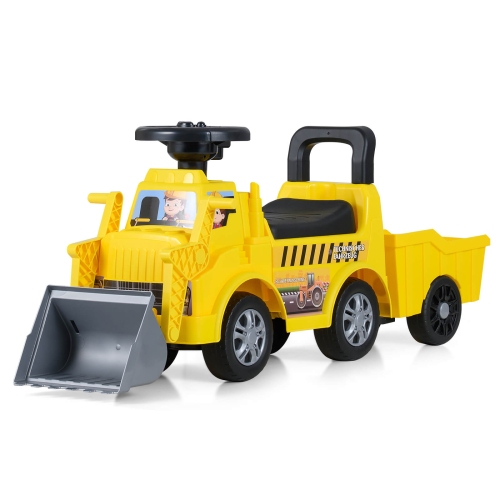
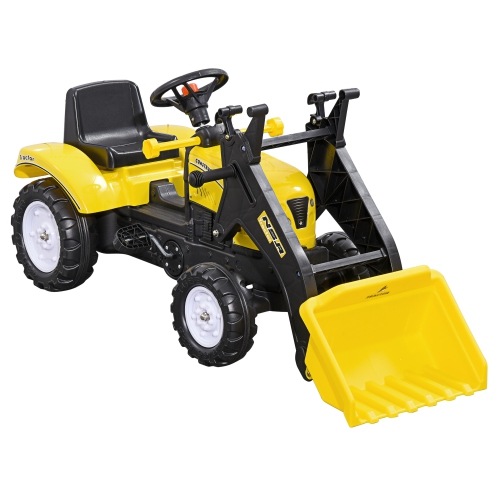
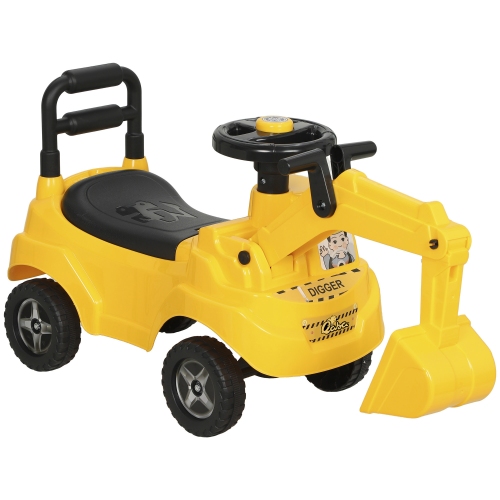
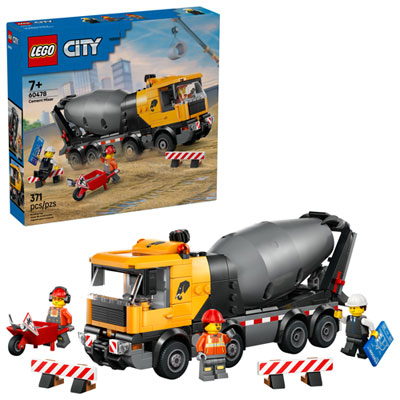
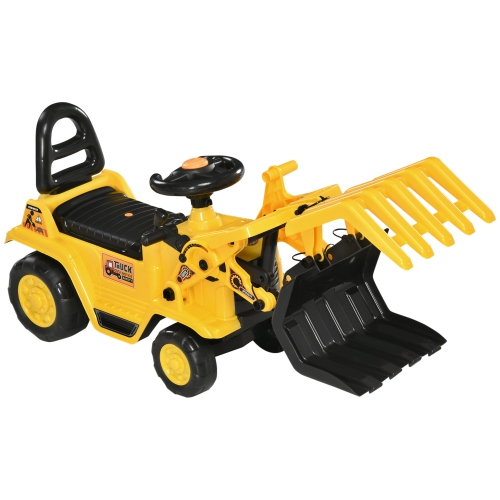
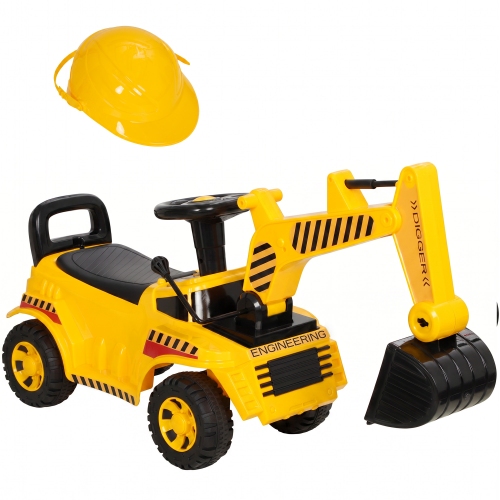
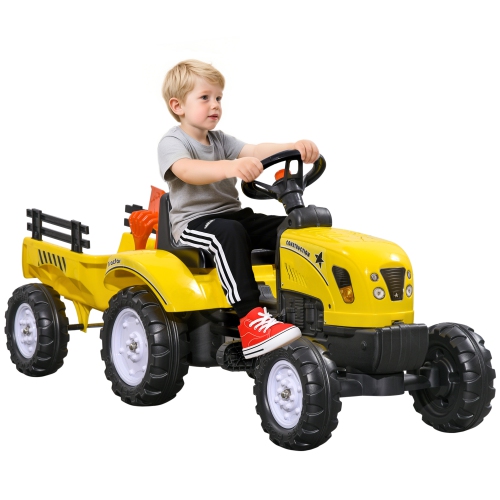
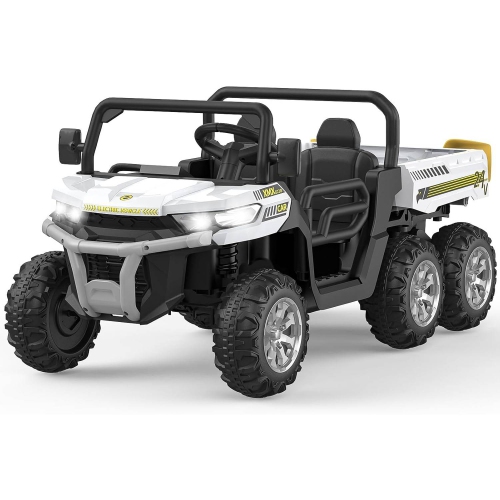
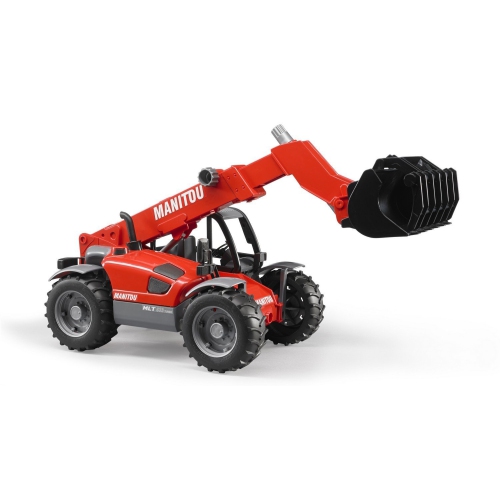
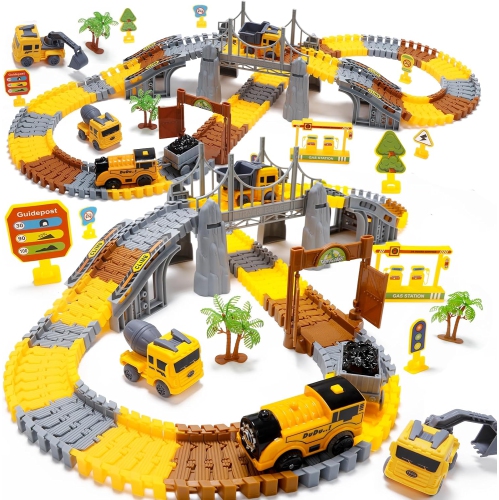

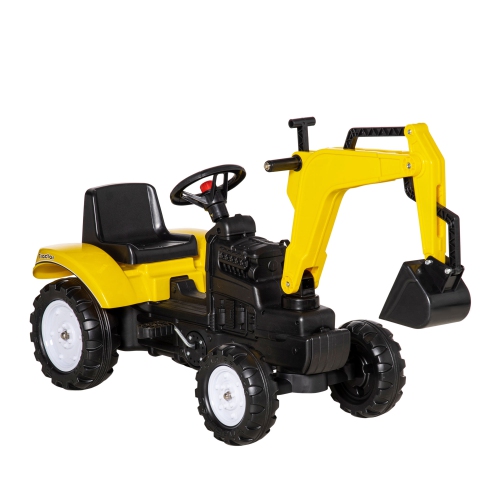
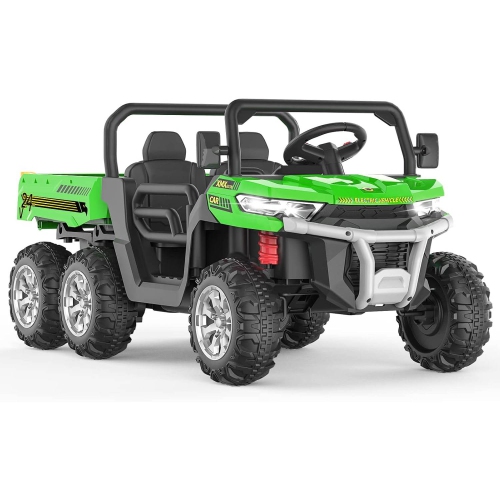
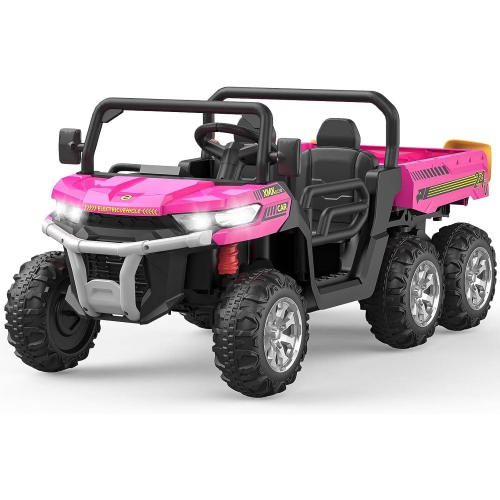
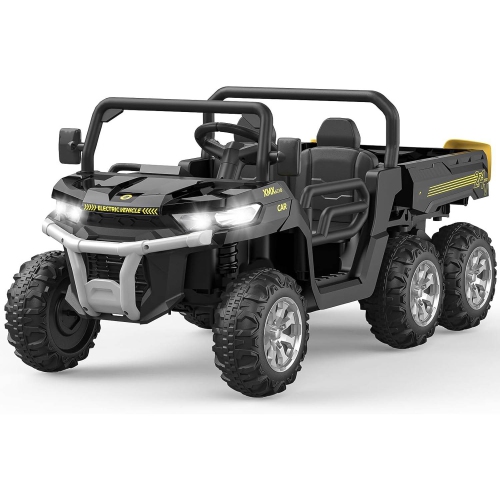
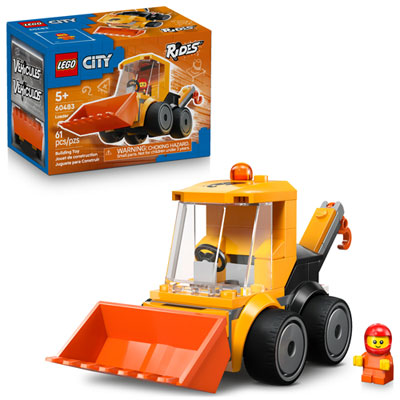
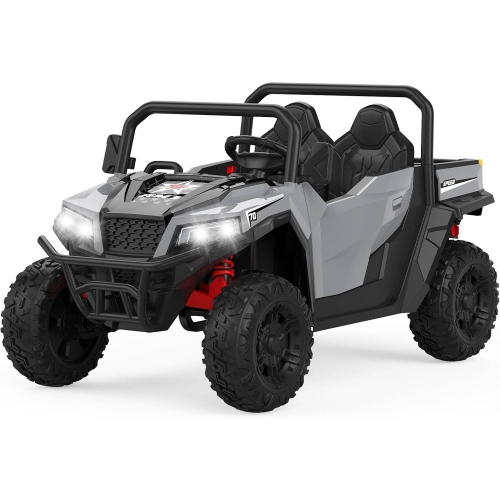
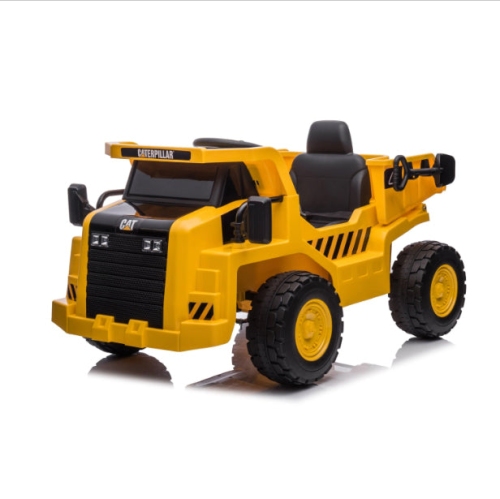
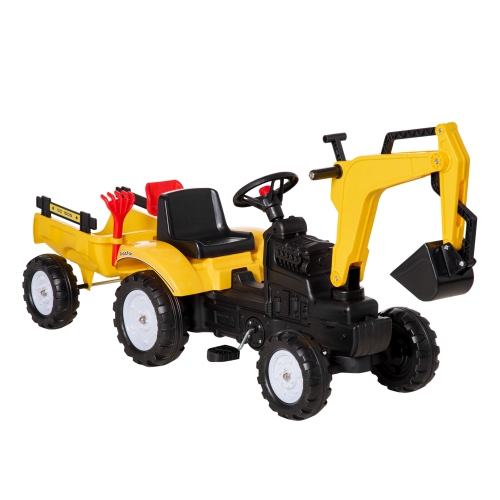
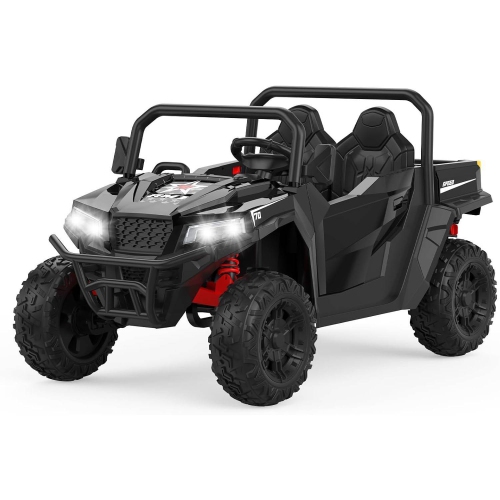
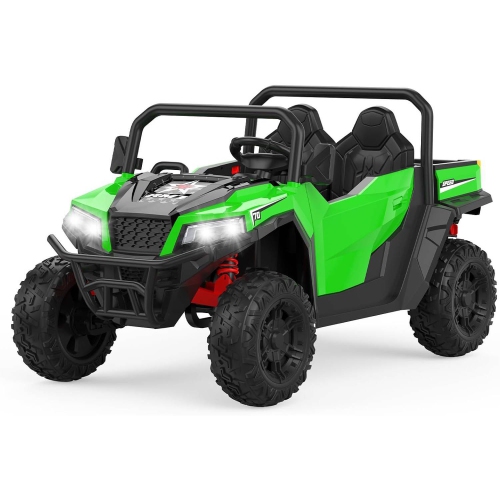
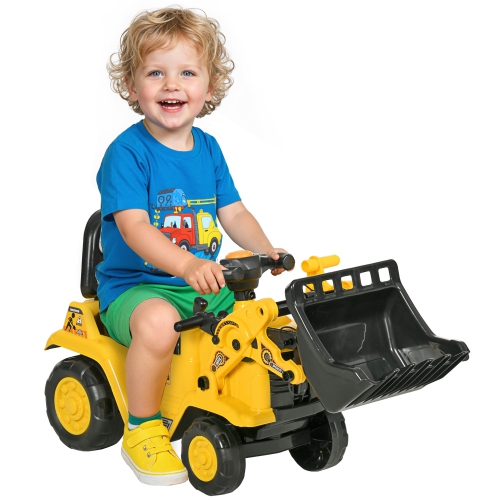
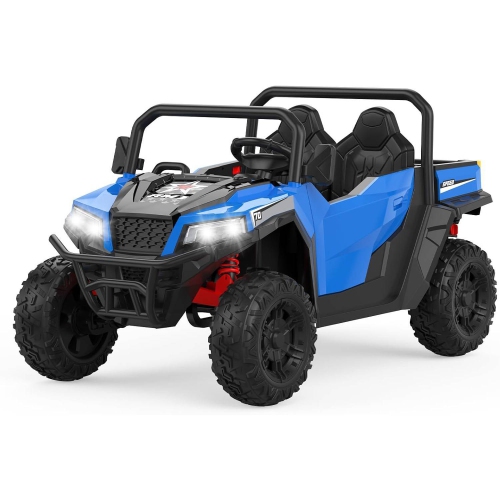
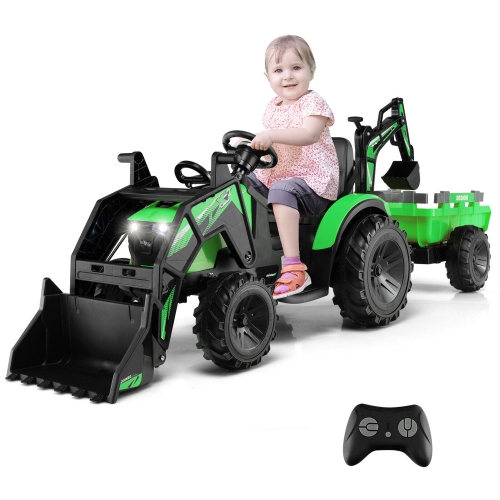

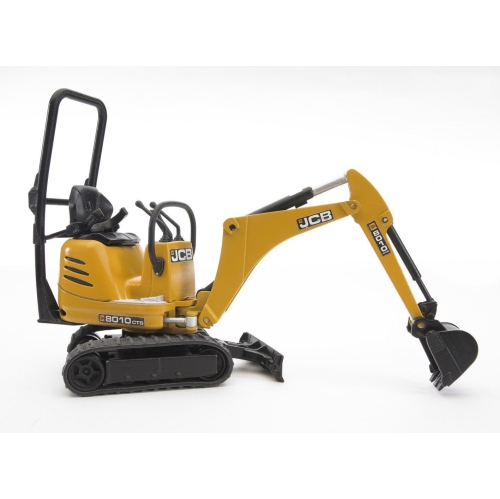

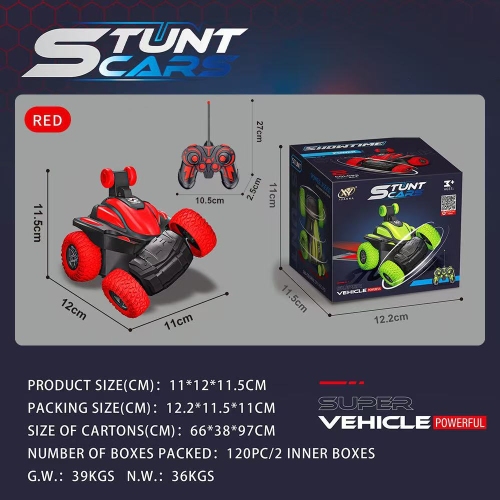
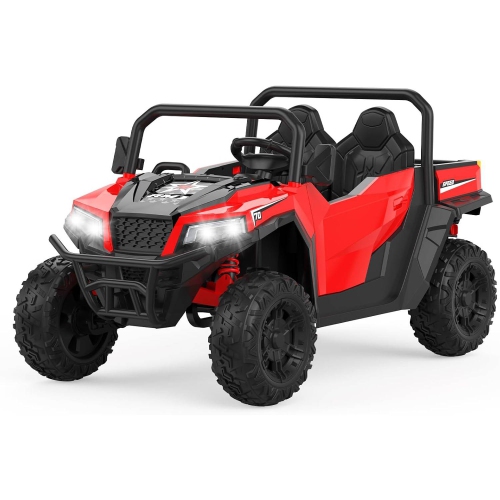
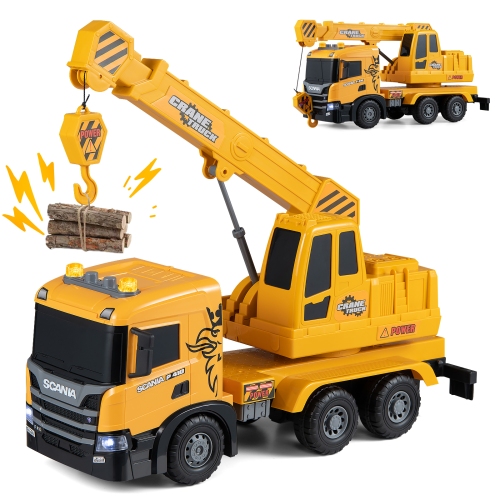
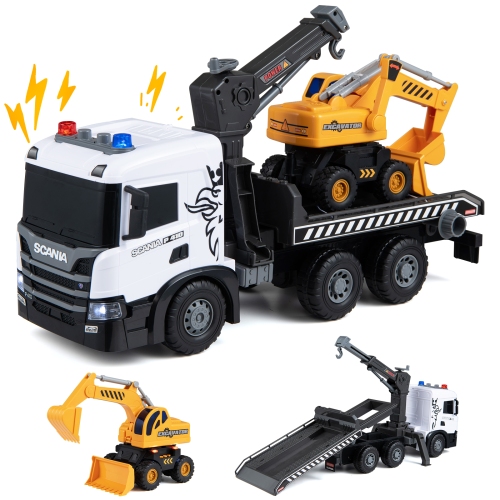
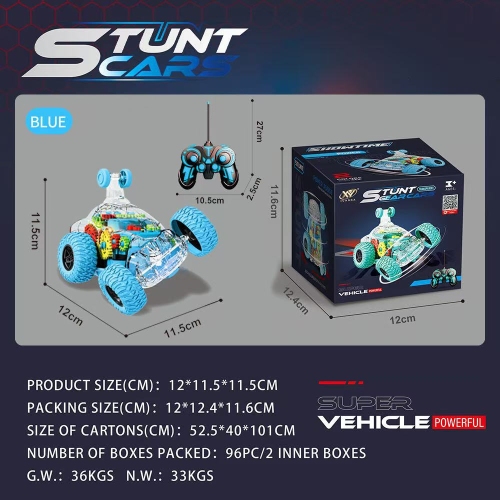
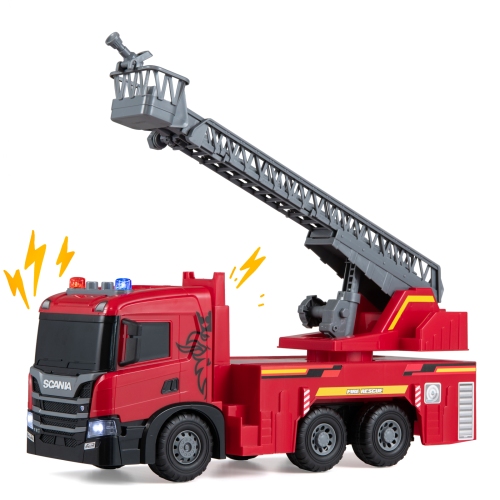
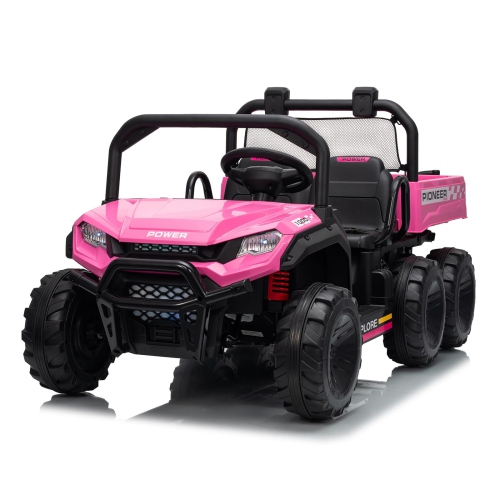
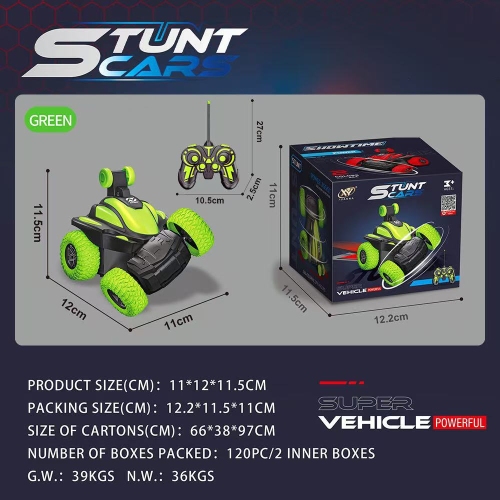
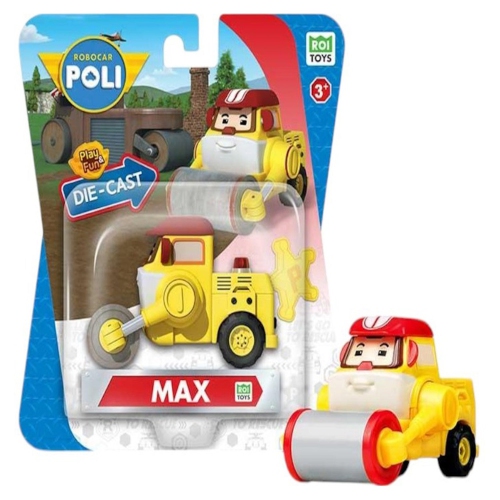
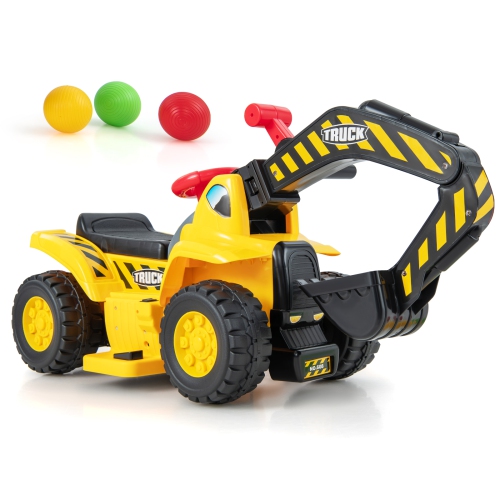
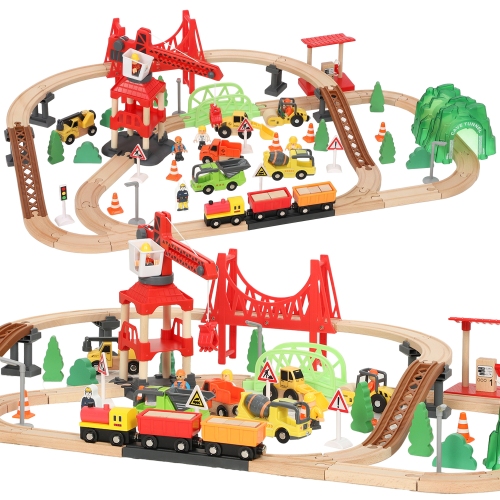
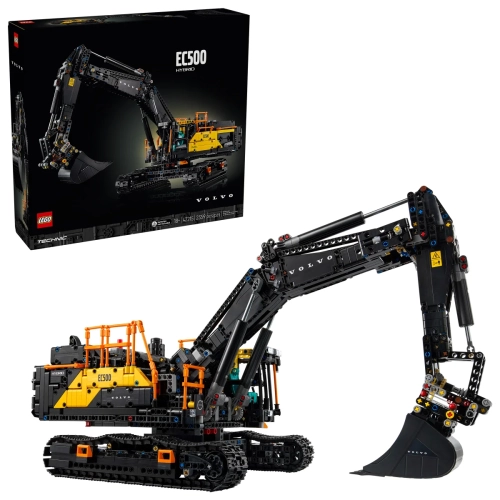
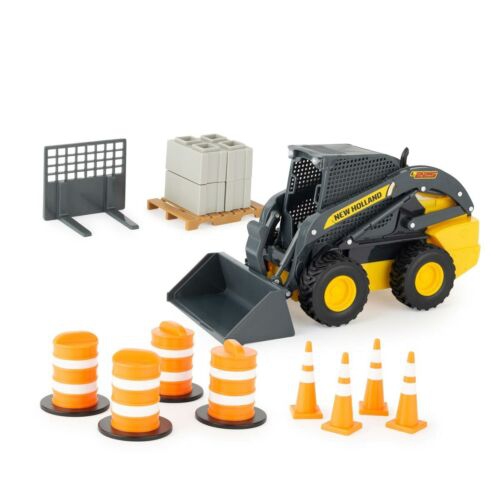
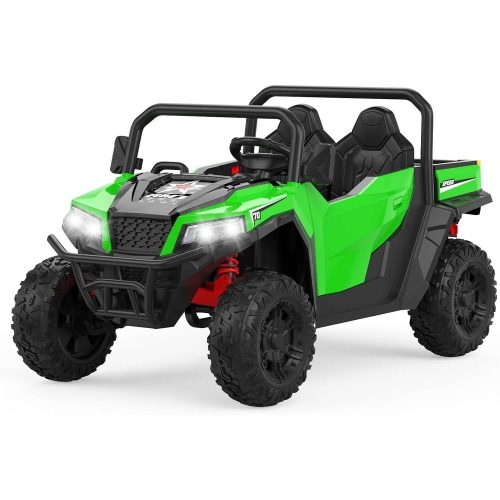
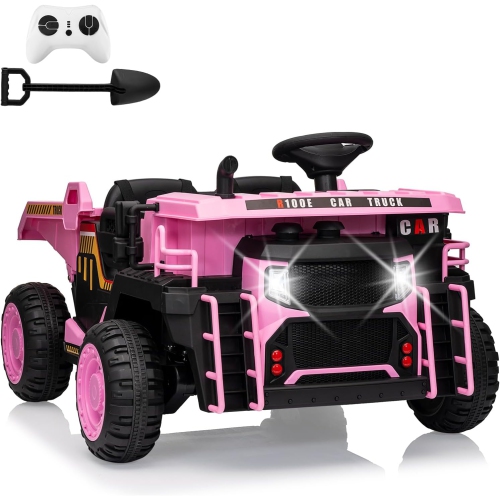
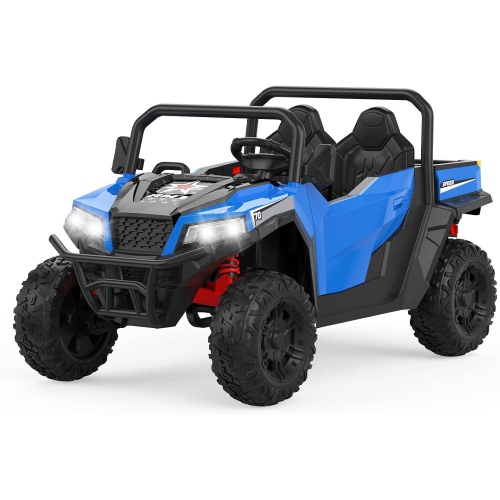
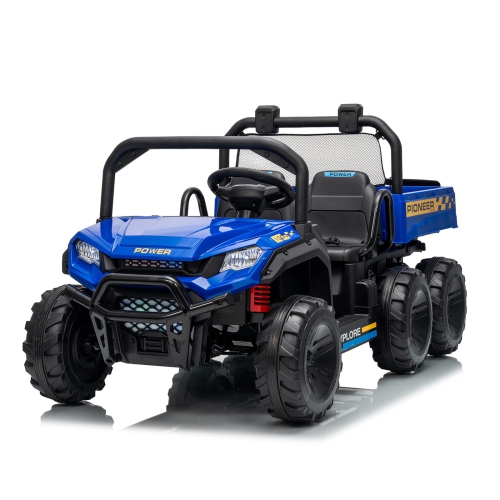
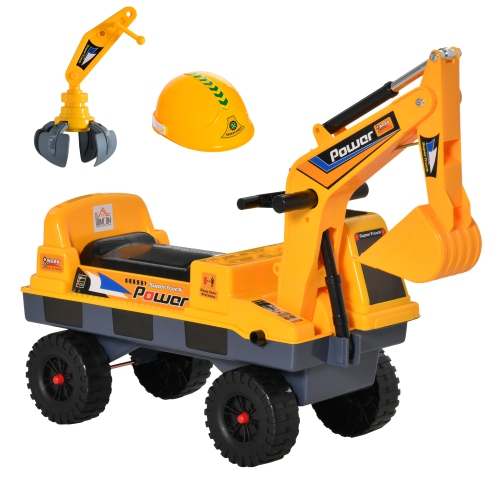
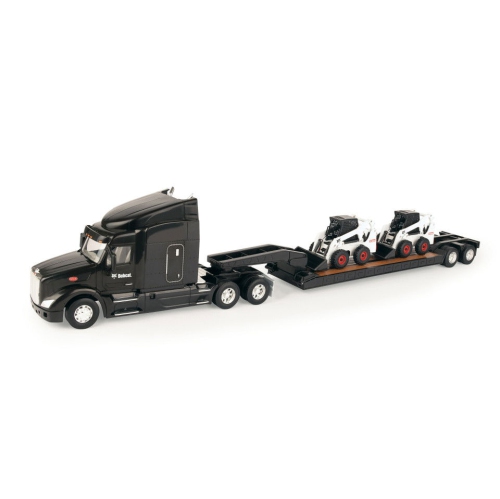

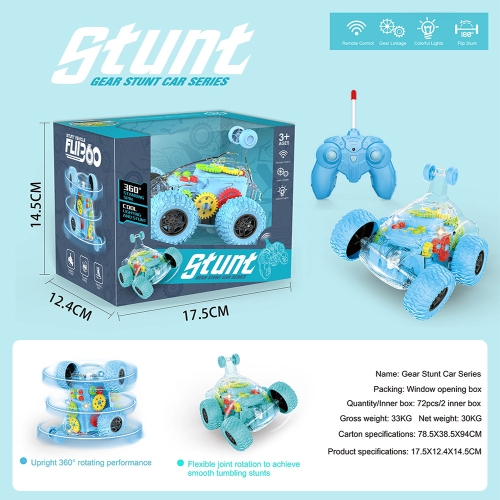
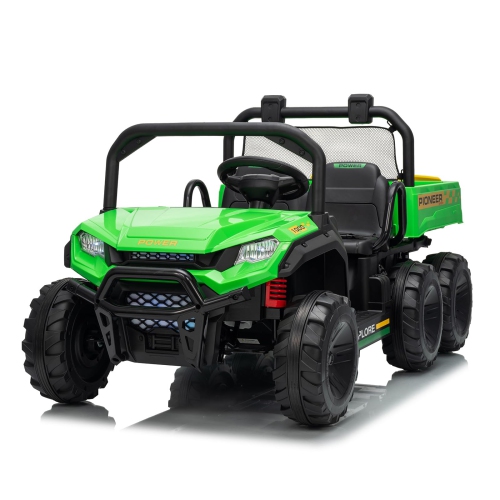
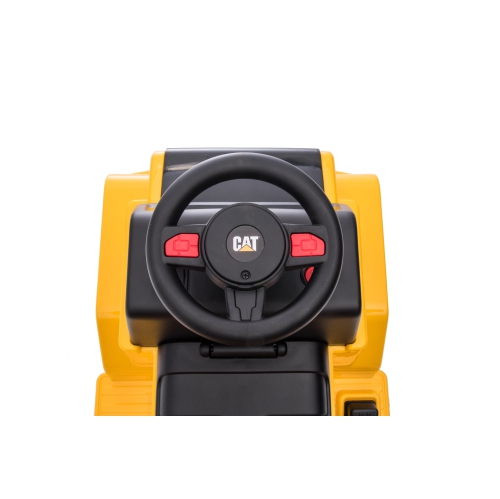
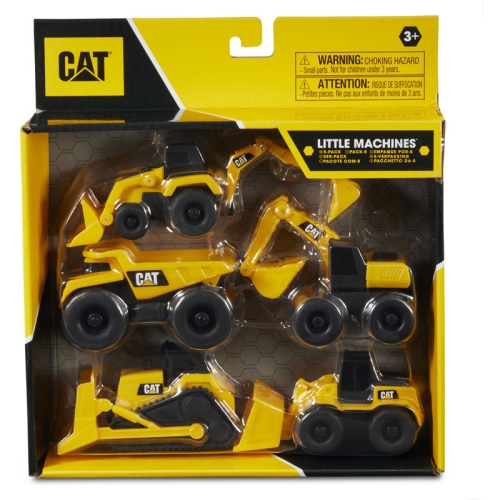
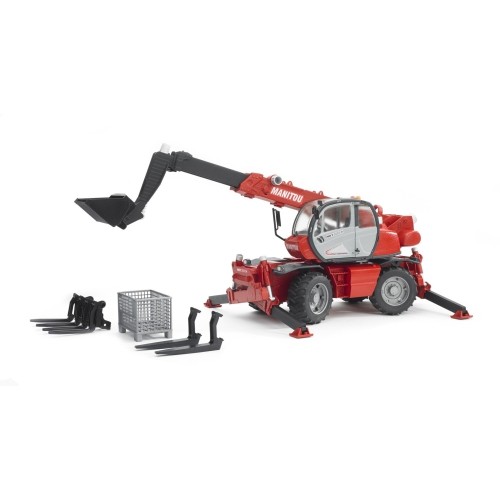
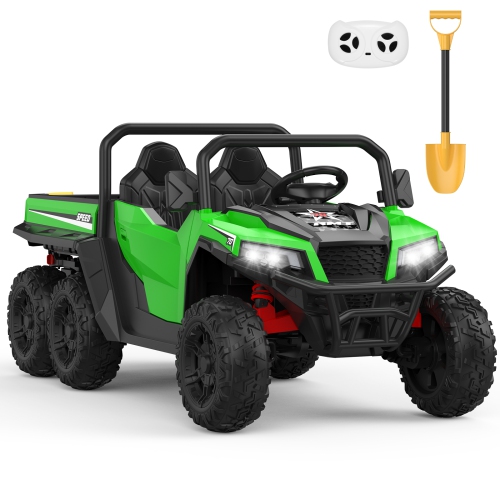
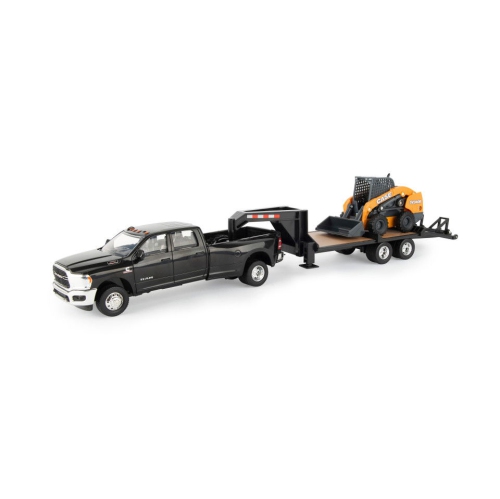
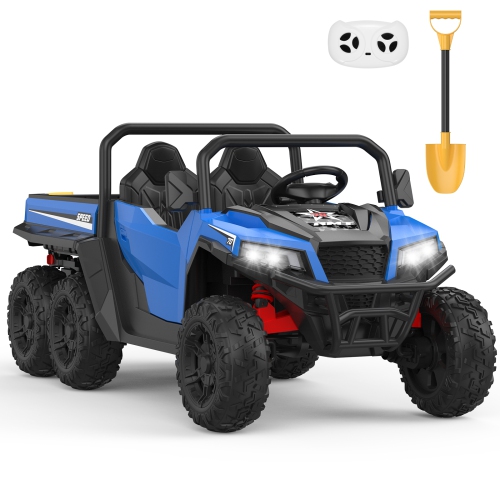
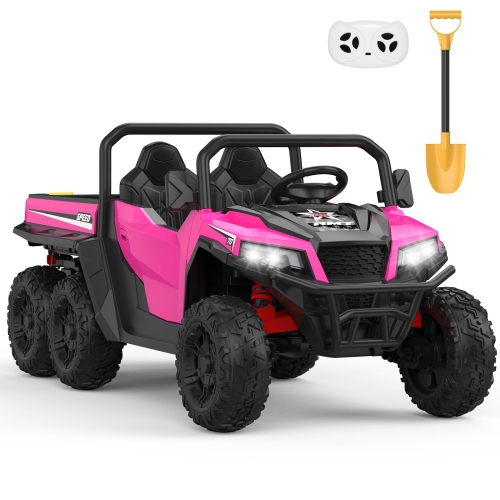
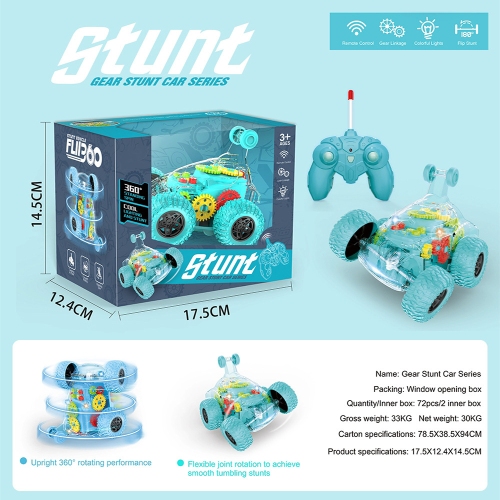
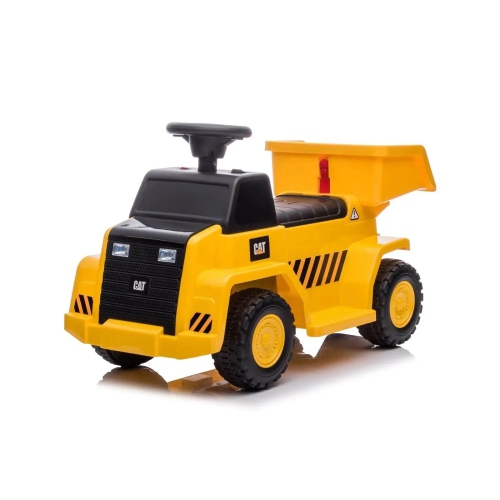

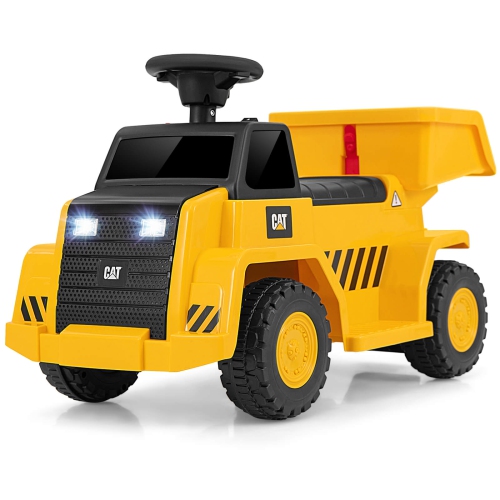
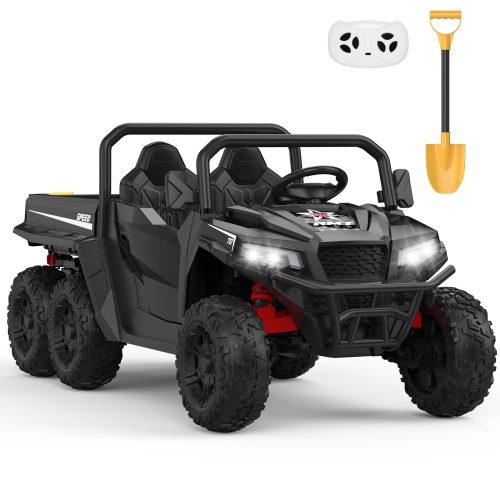

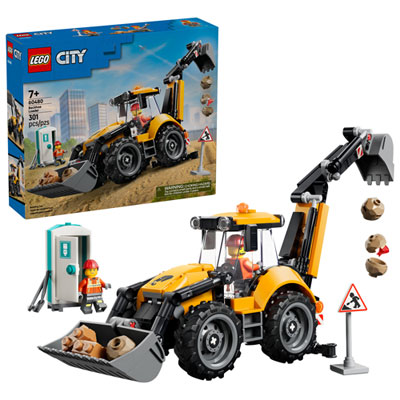
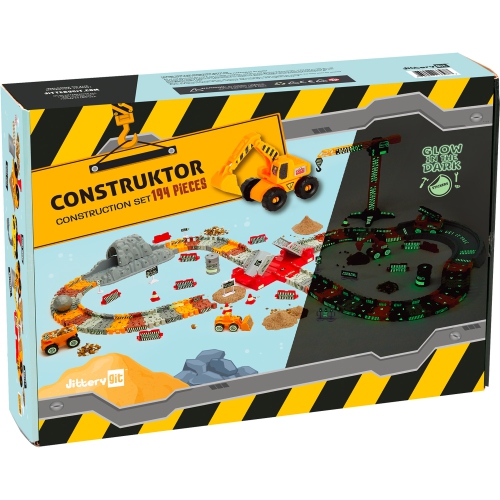

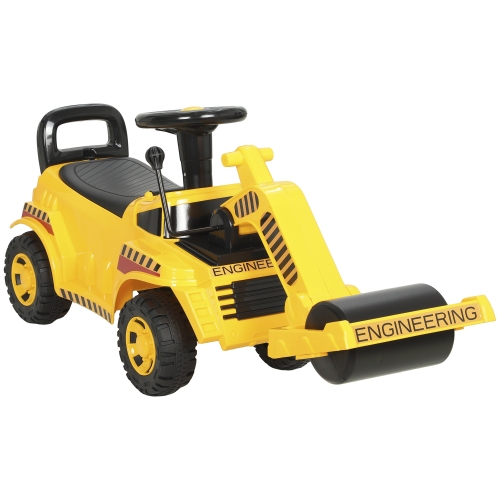
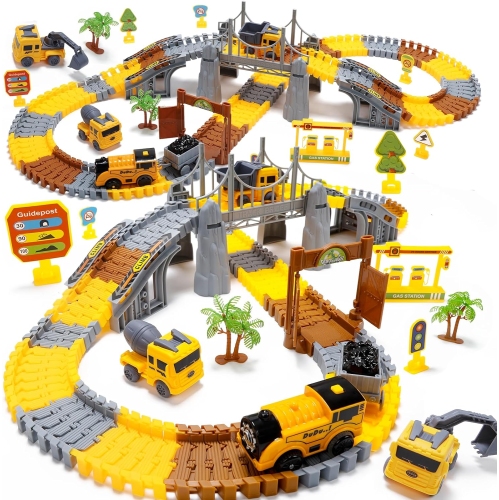

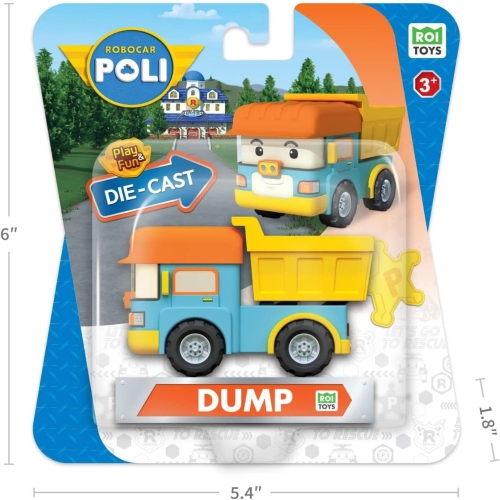
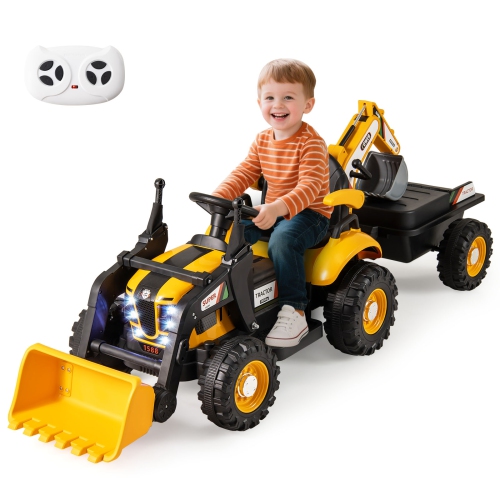
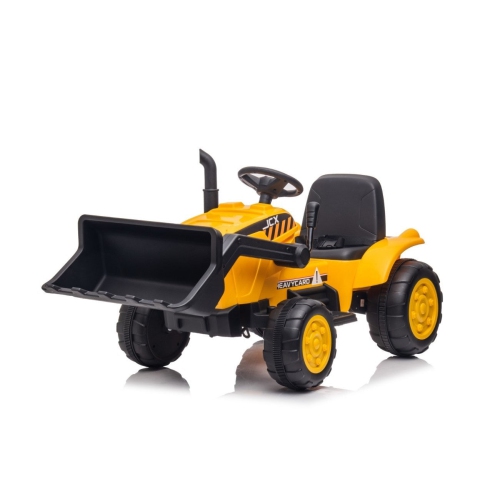
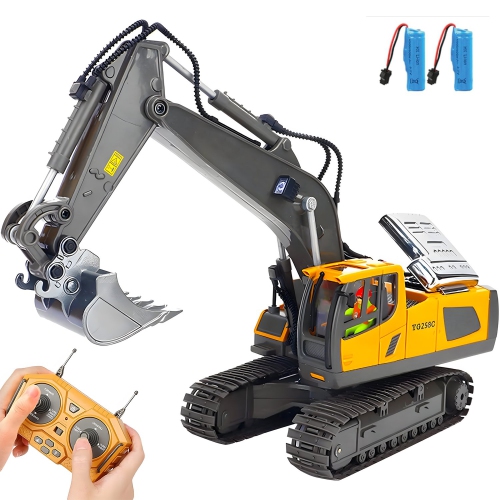
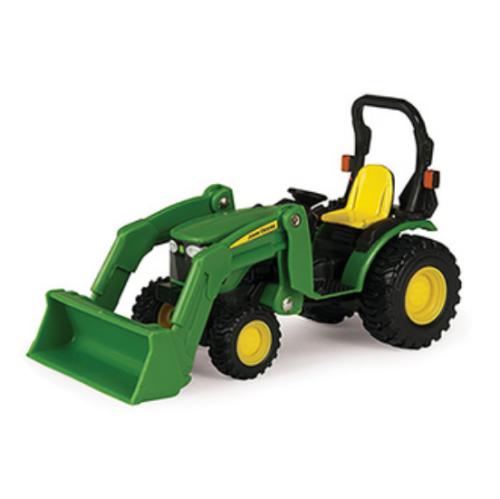
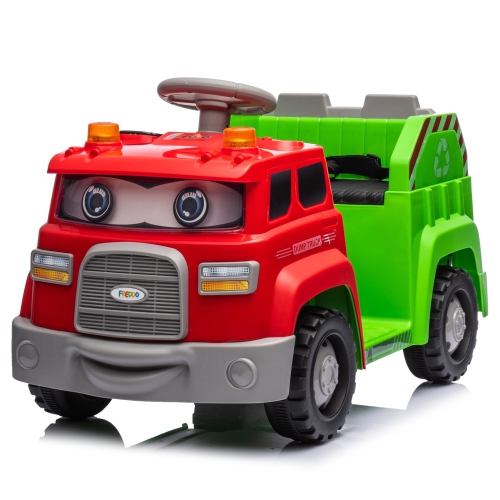
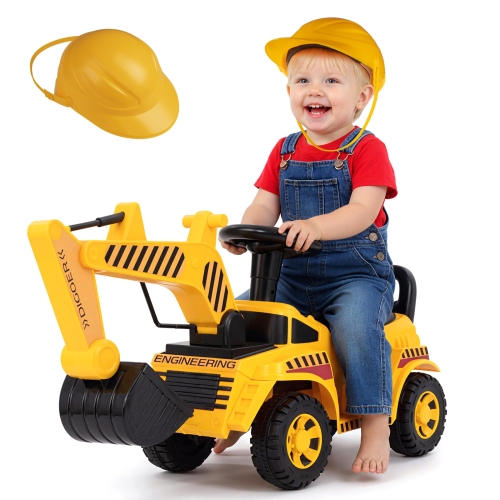
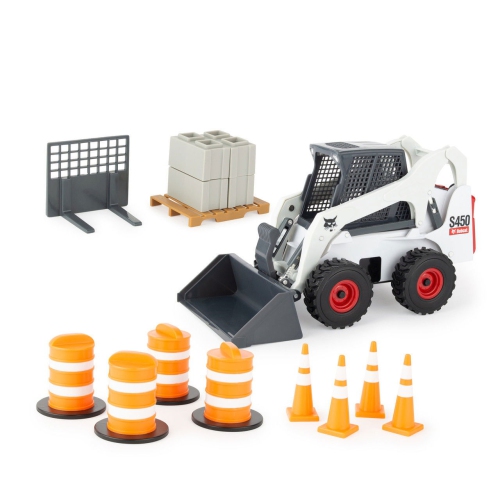
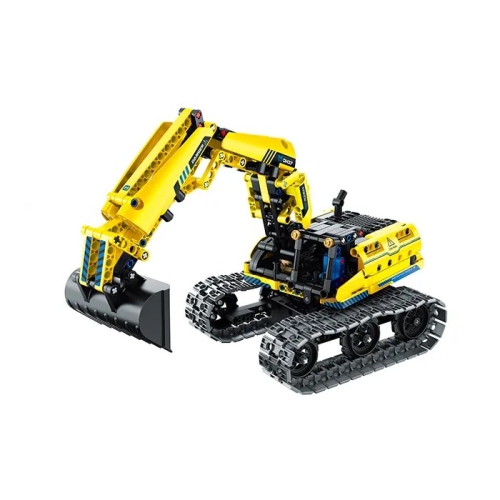
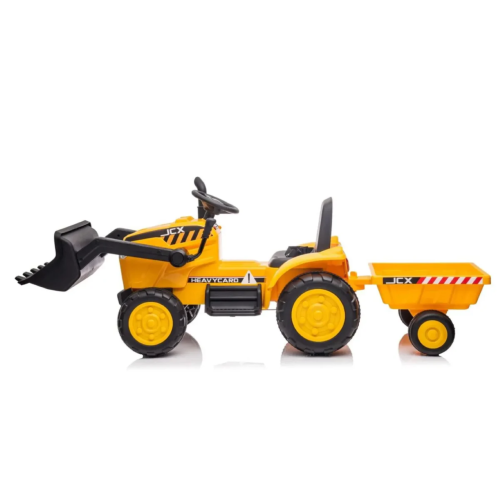

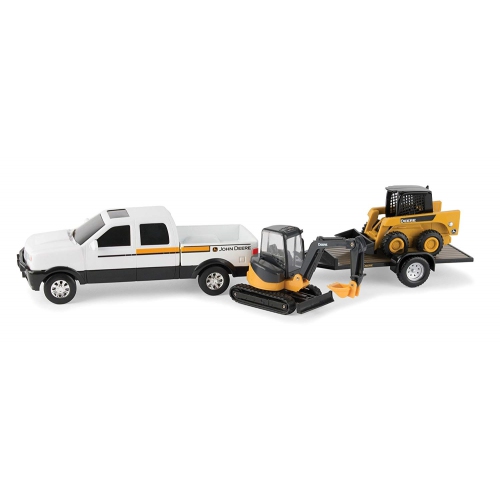
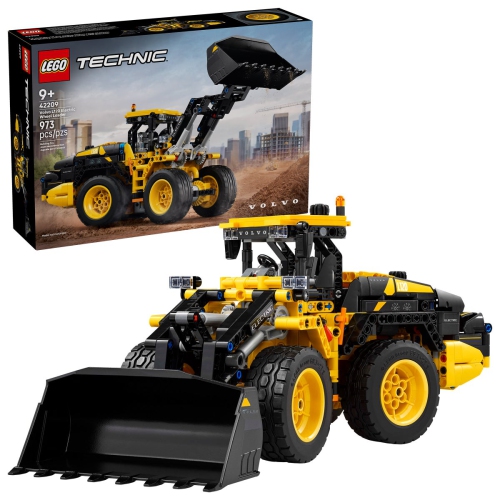
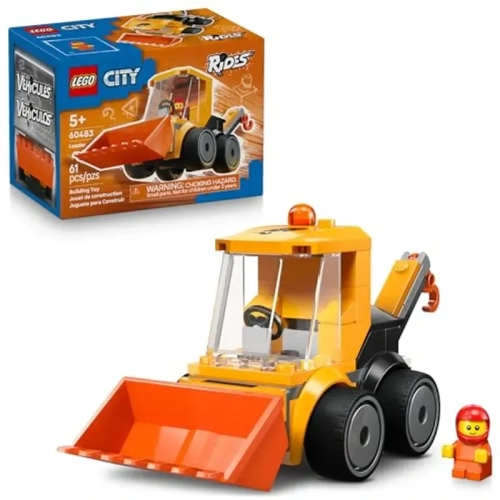
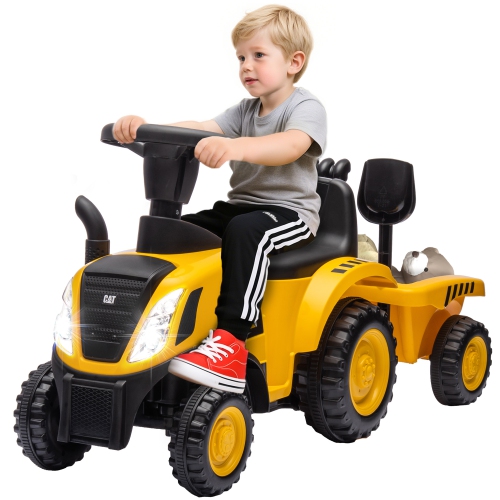
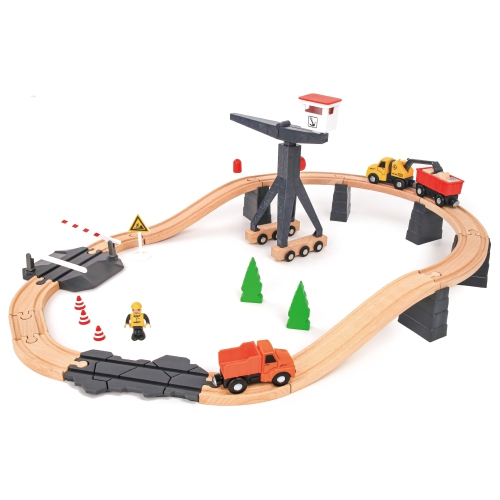
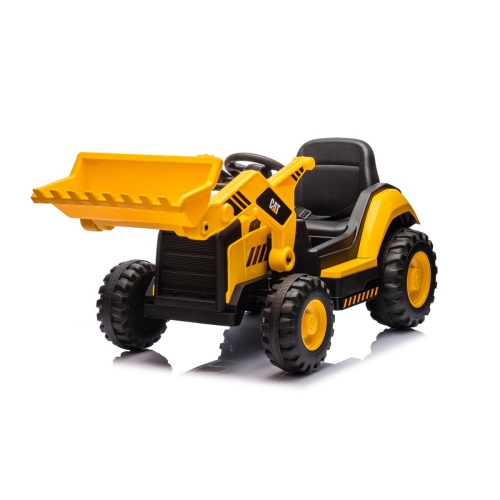
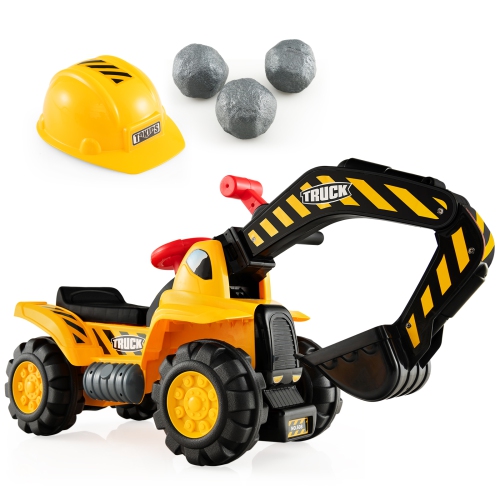
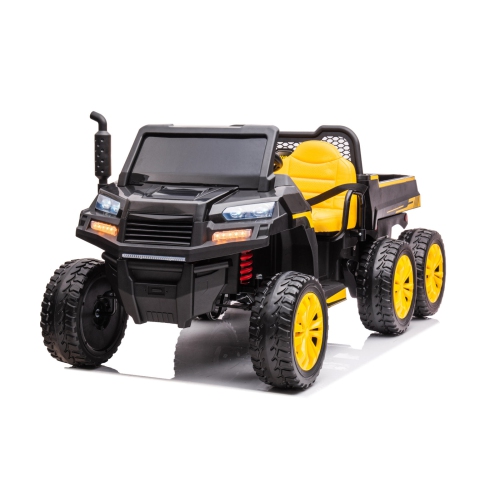
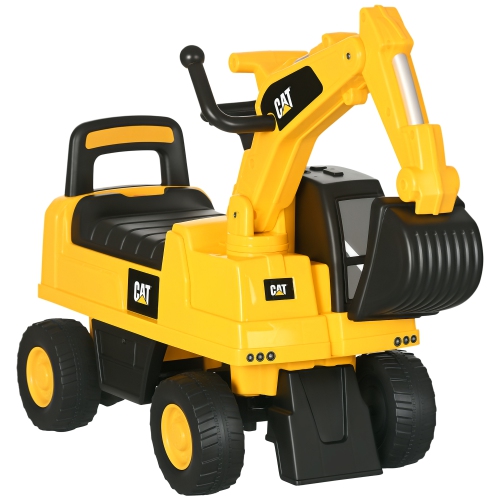
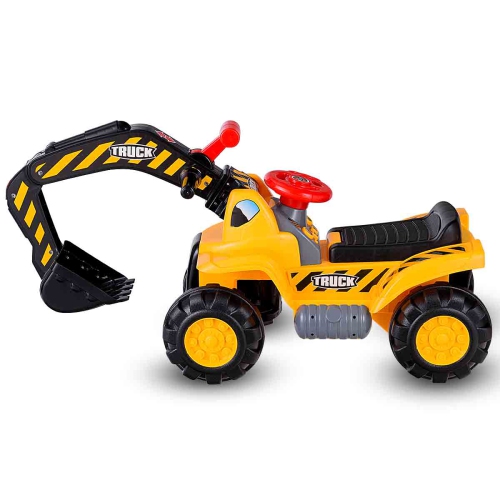
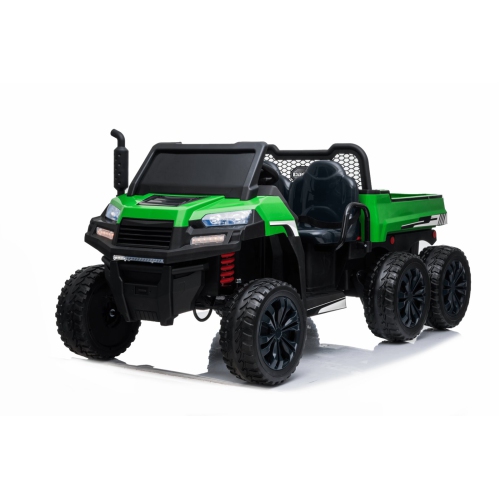
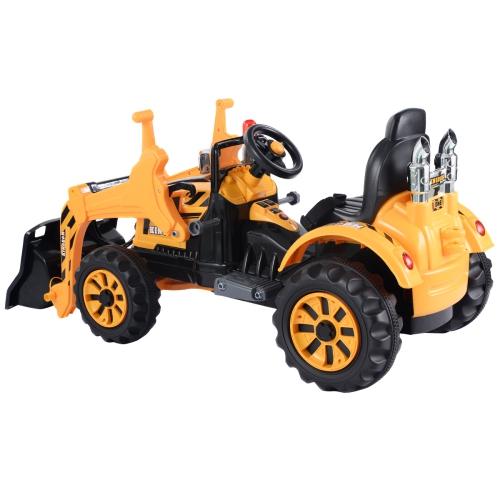
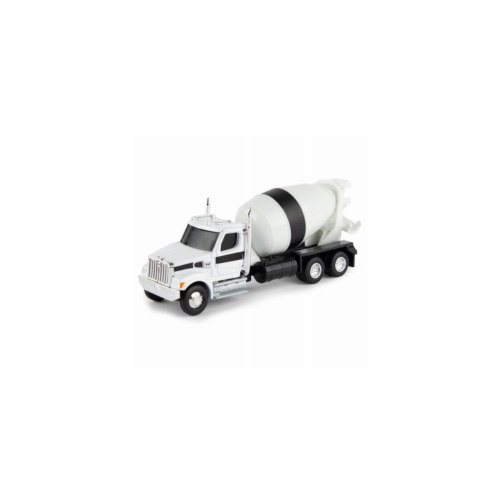
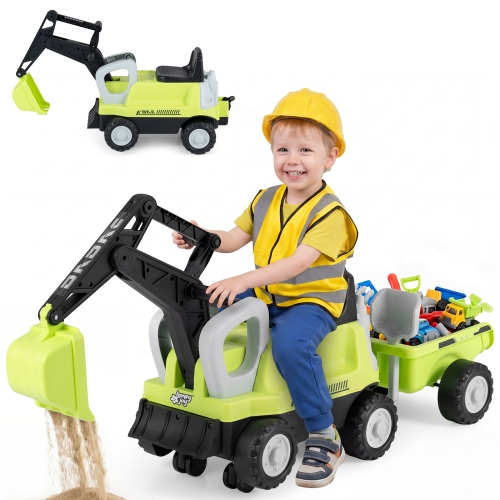
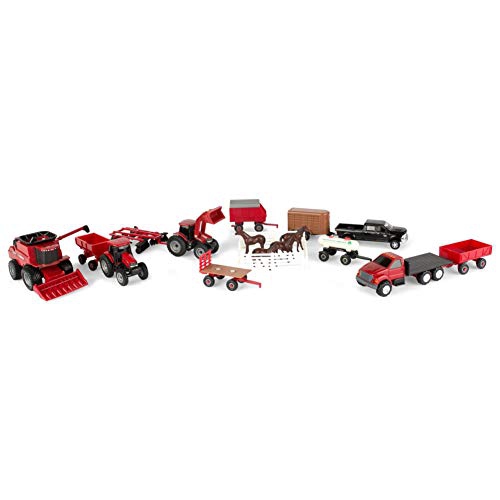
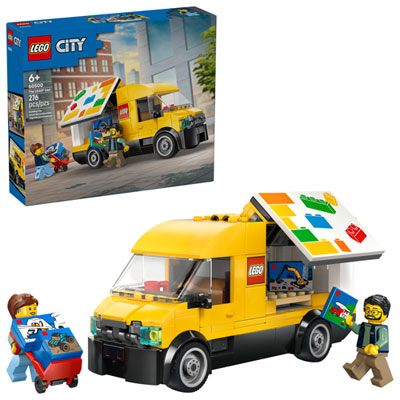
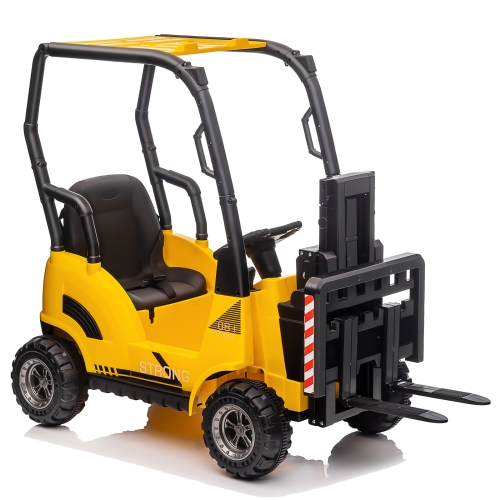
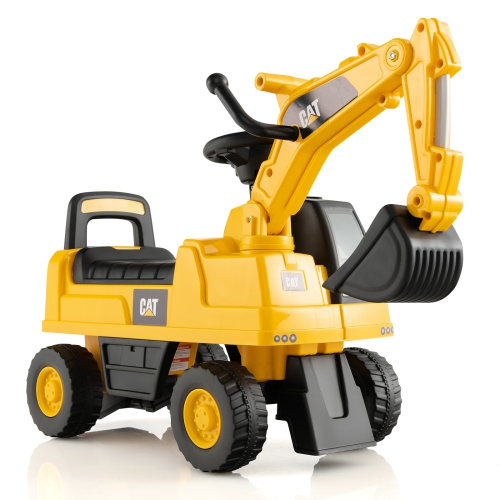
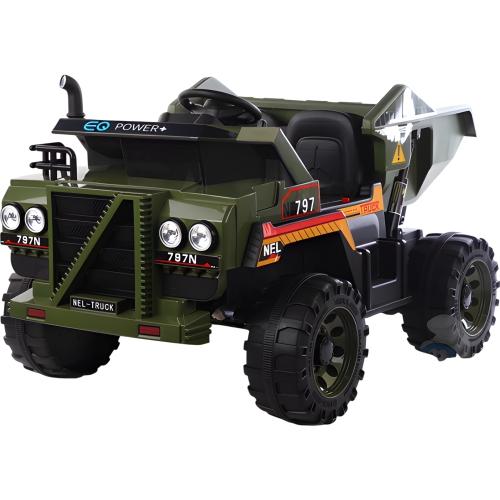

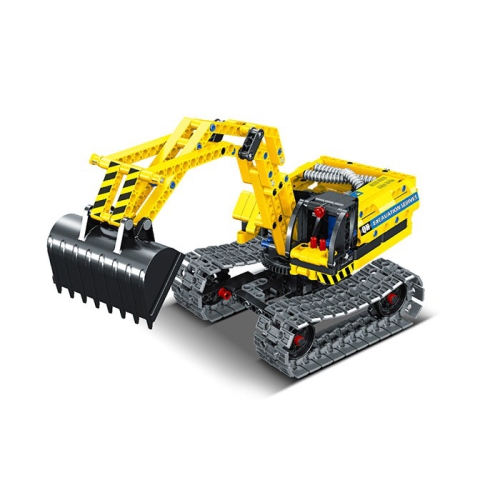
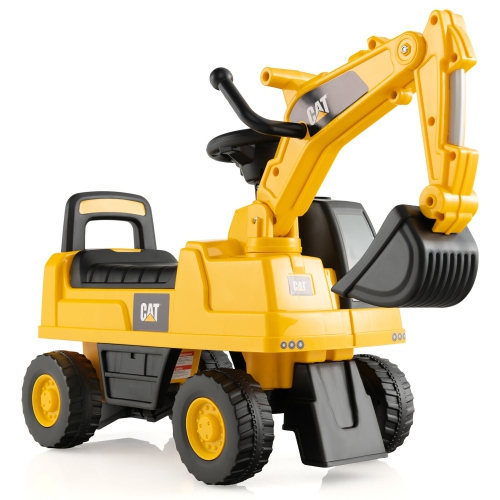
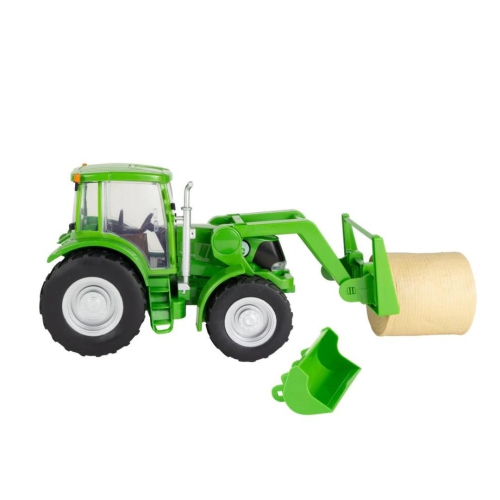
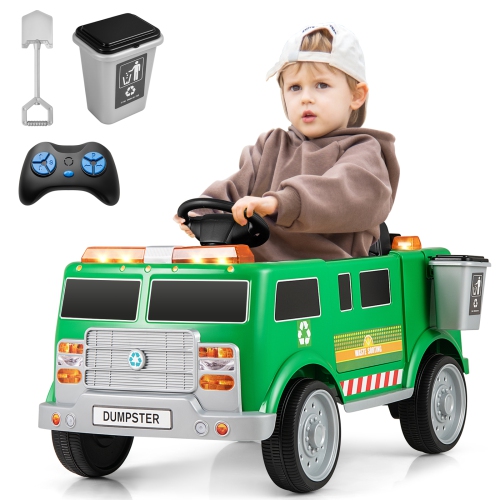

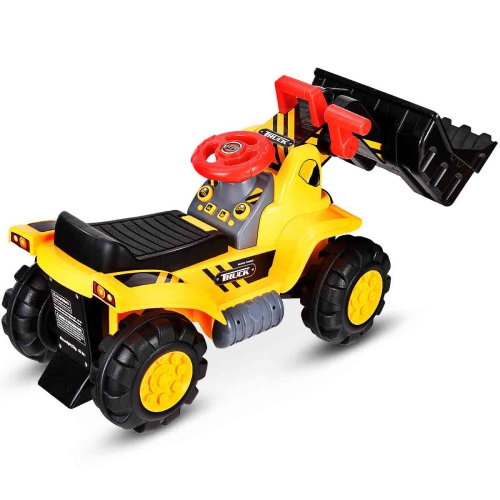
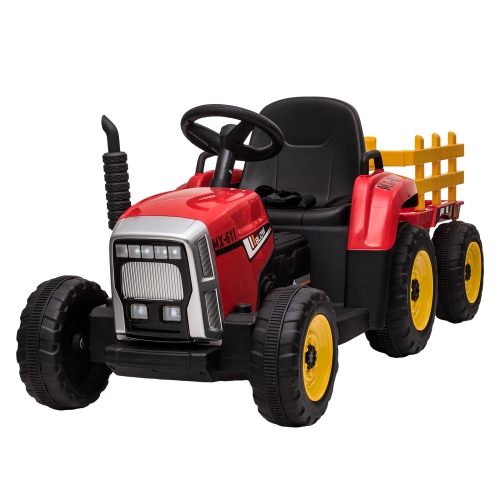
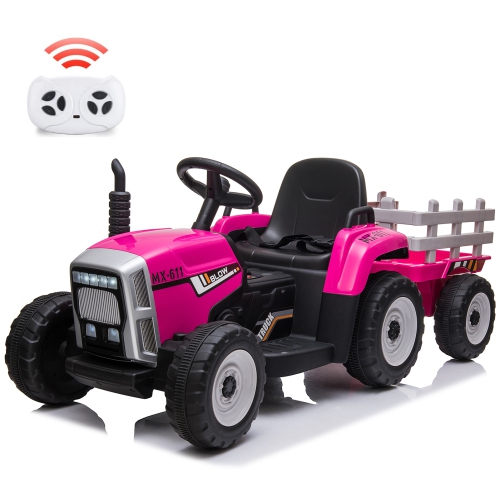
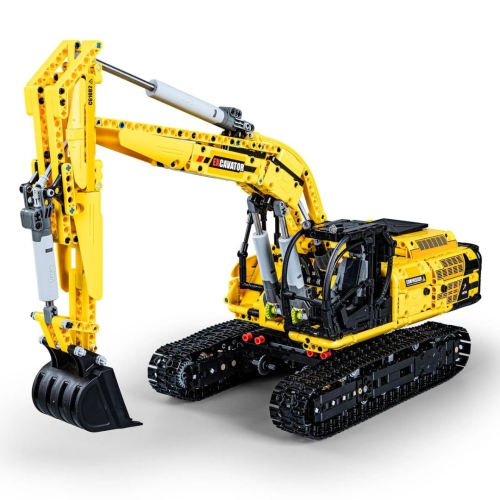

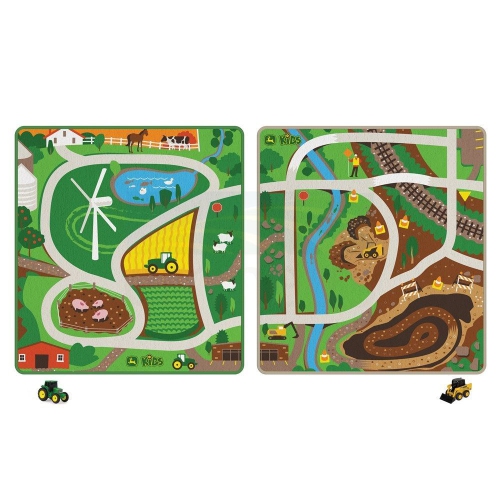
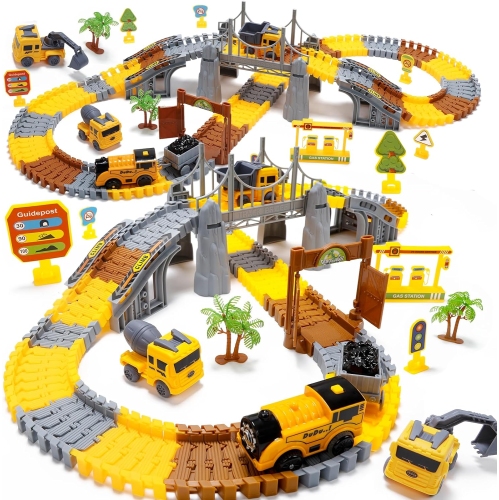
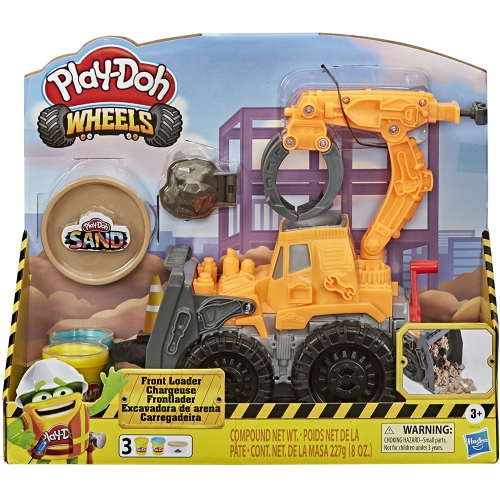
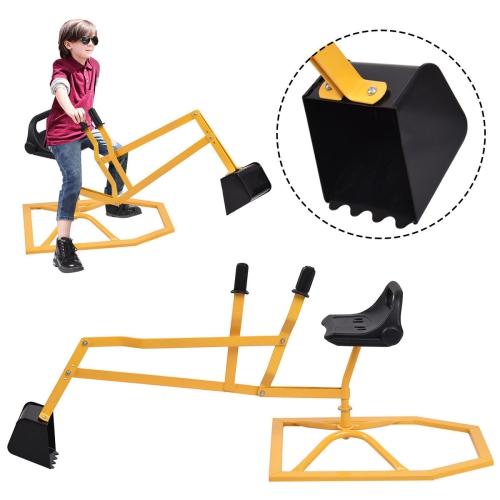
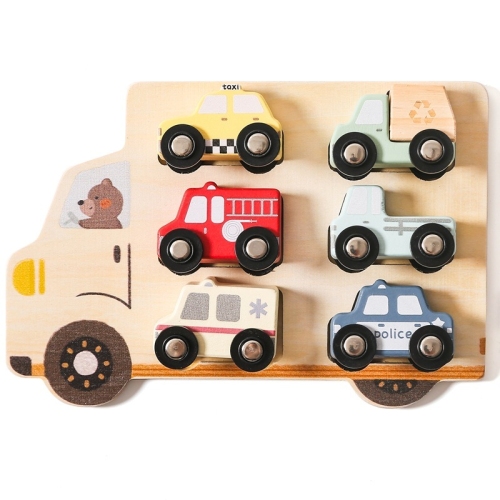
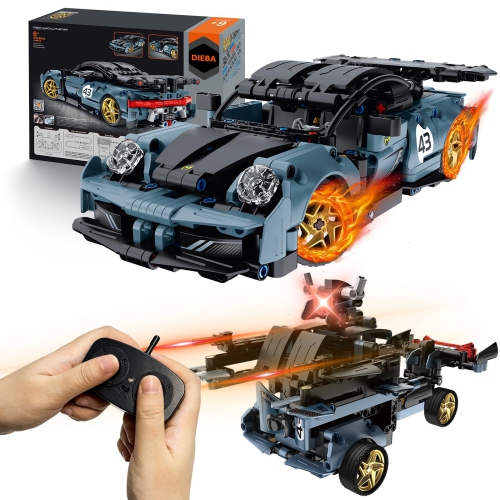
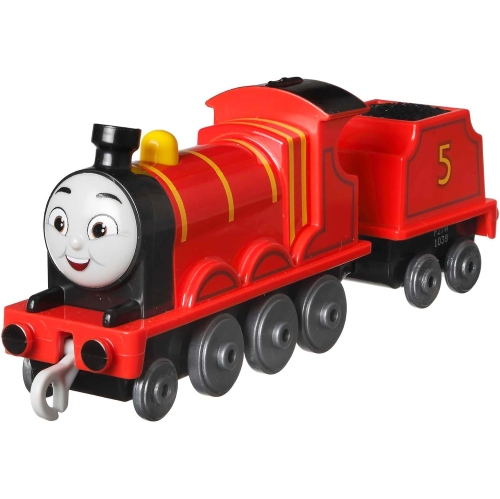


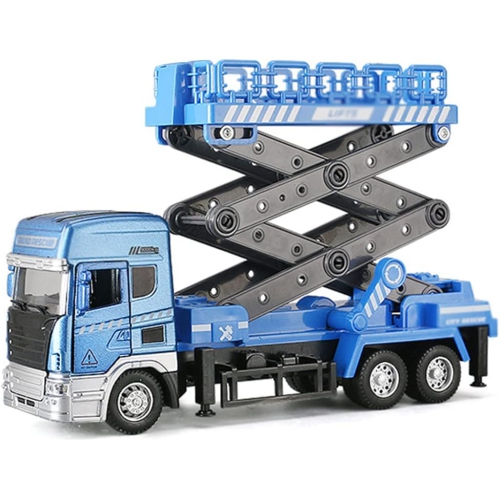
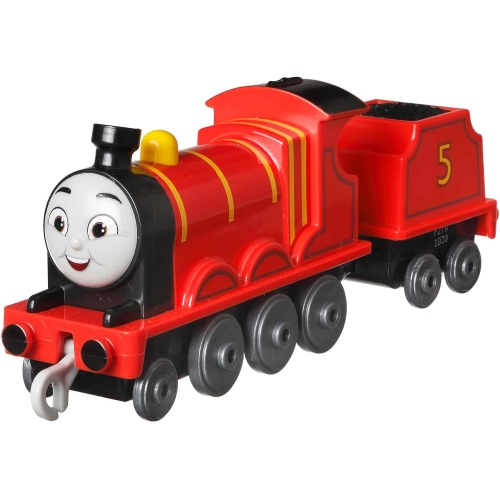
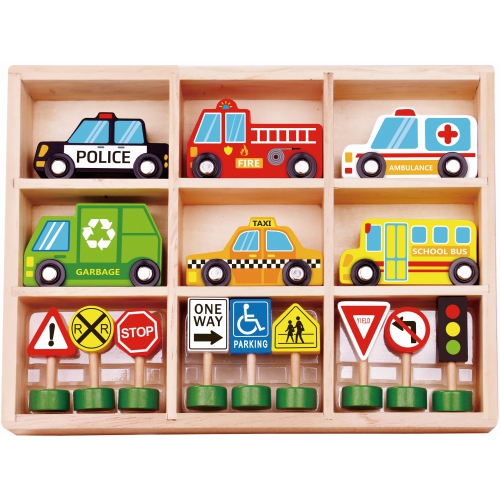
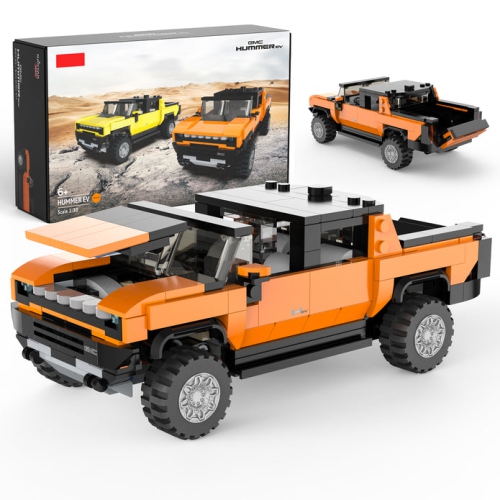
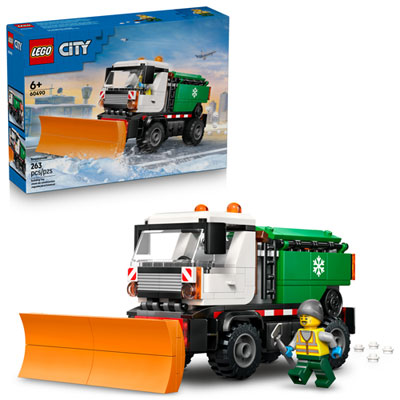
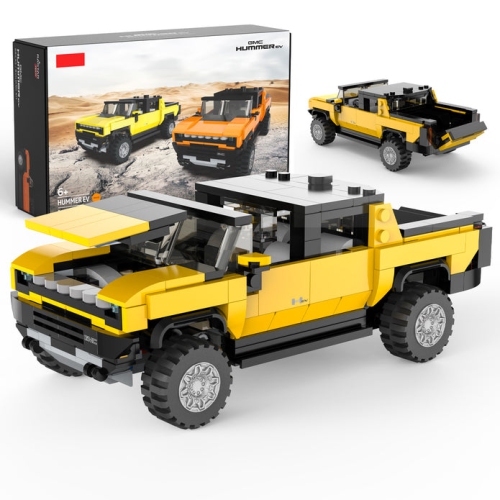

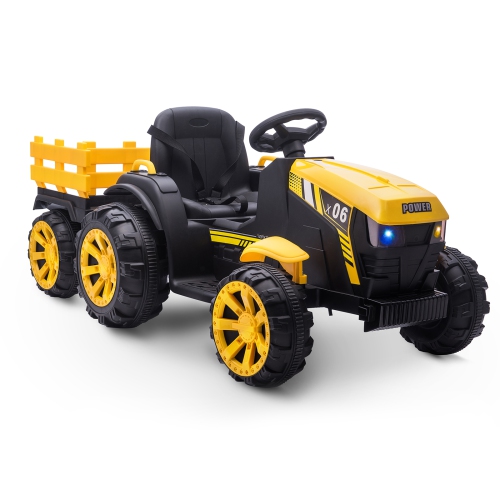
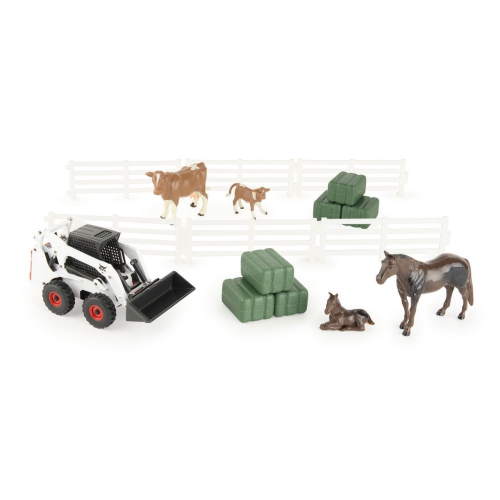
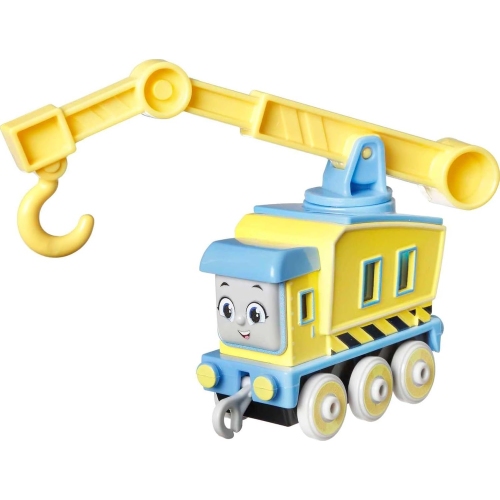
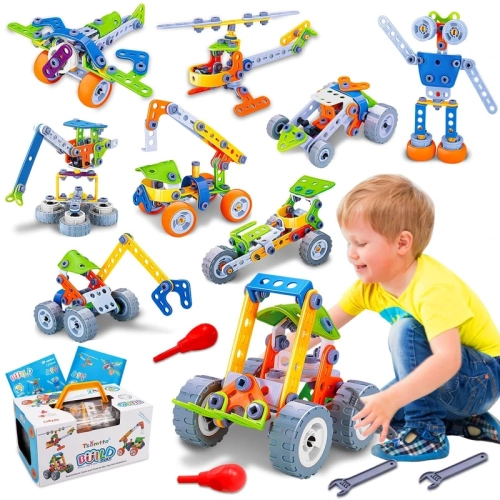
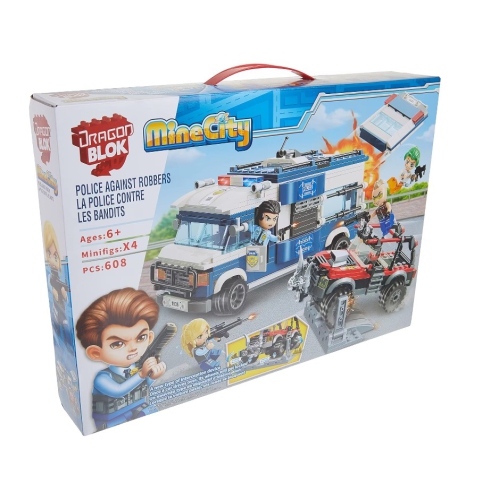
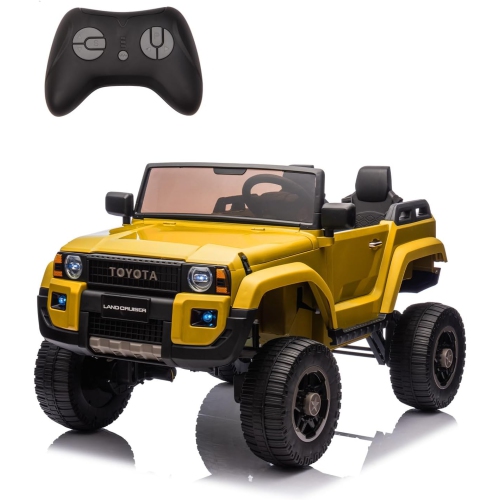
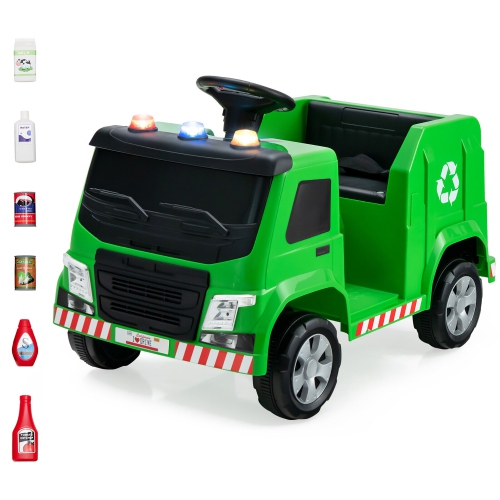
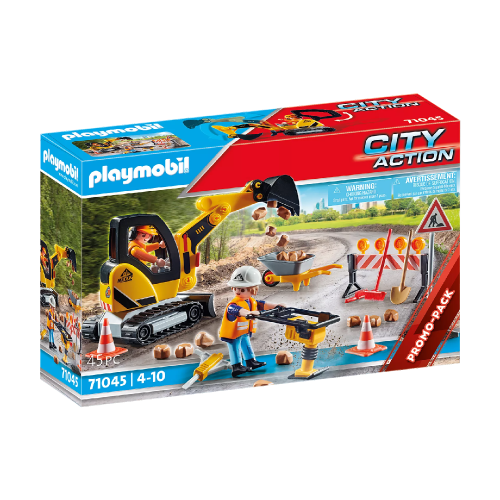
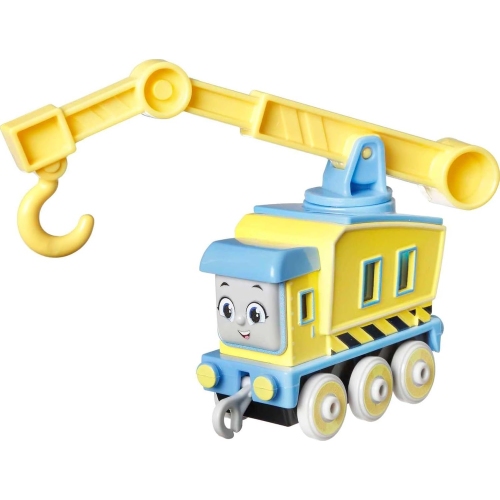
Little building sites with a job for every vehicle
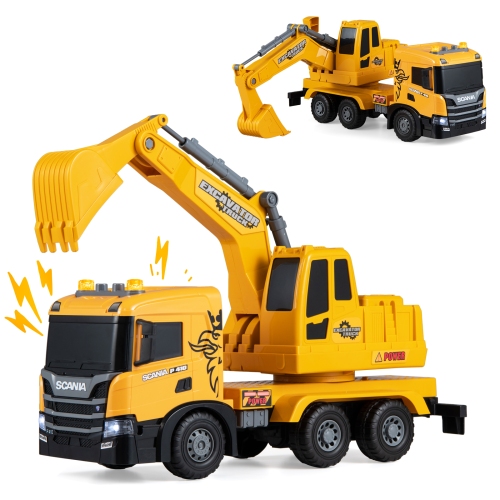
Construction vehicle toys bring the movement and machinery of a building site into hands-on play, from scooping a first bucketful of sand to planning a miniature road network across the playroom floor. Different vehicle types give each task a distinct purpose. Excavators typically have a pivoting arm and bucket for digging and transferring loose material, while wheel loaders scoop from the front and carry a load over short distances. Dump trucks move that material between locations and unload through a tipping bed. Bulldozers push and spread material with a front blade, road rollers add a road-building role, and cranes introduce lifting and positioning where their mechanisms allow. These differences give children a reason to move between vehicles rather than simply drive them along the same route. A loader can fill a truck with large play blocks, the truck can deliver them beside a pretend building, and a crane can help position suitable pieces. Construction toy sets can also become the starting point for stories about drivers, road crews, deliveries, and repairs. Turning a cab, lining up a bucket, and controlling a slow unload offer opportunities to practise hand movements and judge space through play, without needing a complicated setup. For children most interested in hauling and tipping, Construction Toy Trucks connect naturally with pretend deliveries, loading areas, and roadwork scenes. A few reusable play props, such as blocks, cardboard ramps, and clearly marked parking spaces, can give the vehicles different jobs each time. The appeal can extend beyond younger children, too: older enthusiasts may enjoy working mechanisms, construction sequences, or carefully detailed scale models. The distinction between a play vehicle and a display model matters, since intricate details and small fittings are not necessarily built for repeated digging or energetic floor play. Vehicle functions, recommended ages, and intended use provide a more useful picture of how a toy will fit into everyday play than appearance alone.
Materials and construction affect how these toys feel in the hand, how easily they move, and where they are best used. Plastic bodies can make larger vehicles easier to lift and carry, while metal components may add weight and a more substantial feel. Mixed-material designs often combine a rigid body with plastic wheels, buckets, or interior details, so a metal exterior does not mean every part can tolerate the same treatment. Durability depends on the whole design, particularly the axles, hinges, attachment points, and moving arms that receive repeated handling. A dump bed should move through its intended range without being forced, and a digging arm needs enough room to extend without striking nearby furniture. For younger children, age-appropriate vehicles with broad grips and straightforward push-along movement can be easier to manage than models with several small levers. Rounded shapes and securely attached components are useful considerations, but they do not replace the manufacturer's age recommendation or warnings about small parts. More detailed toys may suit children who enjoy careful manipulation, while collectors may prefer proportions and cab details over a large carrying capacity. Size also affects the play experience. A large truck might comfortably carry chunky blocks but need a generous turning area; a compact vehicle may fit a small road layout yet struggle with the same load. Scale ratios describe proportions relative to the full-size machine, not a guarantee that two different vehicles will have identical dimensions or matching features. Actual measurements are especially helpful when fitting vehicles onto existing ramps, shelves, or play mats. For shared play, separate hauling, digging, and building roles can give each child something to do without everyone needing the same controls at once. As a gift, a construction vehicle is most useful when its complexity matches the recipient's interests and abilities, whether that means an easy-to-tip truck, a more involved lifting mechanism, or a model intended primarily for display. Storage space and the household's tolerance for lights and sound are practical considerations as well.
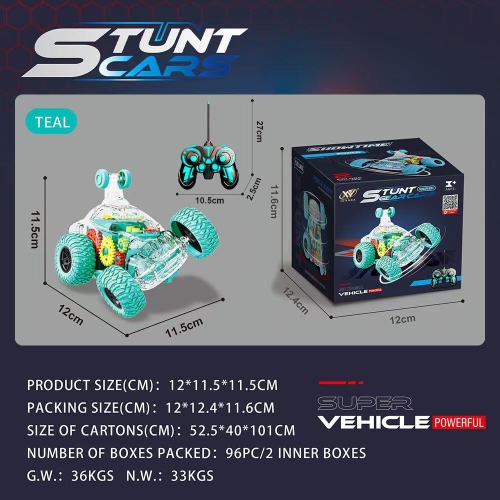
The way a construction toy is powered changes the pace and feel of play. Push-powered vehicles let children control movement directly and often make it easy to switch between driving, loading, and arranging a work site. Some toys add friction-driven movement, lights, or sound effects, while remote-controlled vehicles may offer separate commands for steering, travelling, and operating a bucket or lifting arm. The number of advertised functions does not, by itself, show how smoothly those actions work together. Controller layout, steering response, turning space, and the ability to operate mechanisms independently all influence the experience. A child manoeuvring a loader between two block walls may value slow, predictable movement more than speed. Battery requirements also deserve attention: the vehicle and controller may use different power sources, and rechargeable designs have their own charging instructions and play-time limits. Motorized movement does not necessarily mean a toy is suitable for digging compacted soil or carrying heavy objects. Sand, water, and fine debris can interfere with gears and electronics, so outdoor or sandbox use should match the manufacturer's stated purpose. On indoor floors, clean wheels and a suitable play surface help keep grit away from flooring and make movement more predictable. Care is usually simplest when loose material is removed before storage, moving joints are checked for trapped debris, and surfaces are cleaned according to the toy's instructions. A wipe-clean body should not be treated as washable by immersion, and dishwasher cleaning is appropriate only when expressly permitted. Non-powered toys may also have metal axles or enclosed spaces that need thorough drying after approved cleaning. Buckets, beds, and crane hooks are best used within their intended limits rather than forced through resistance or used to lift unsuitable loads. Keeping accessories together in a bin and leaving space for extended arms can make the next play session easier to start. With a suitable match between age, size, controls, and play setting, construction vehicle toys can support anything from a quick delivery across the carpet to an elaborate building project that takes shape over many sessions.
Top selling and popular products
-
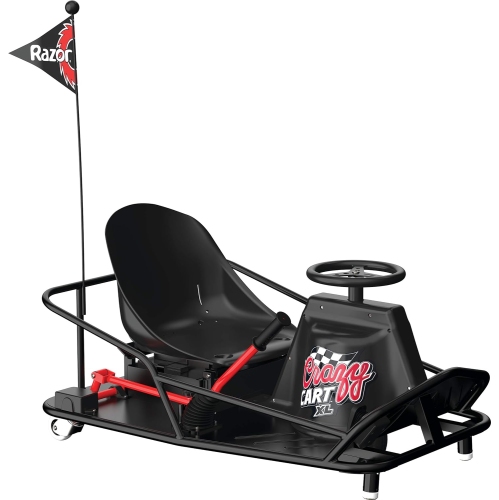 Your price for this item is $1829.99
-
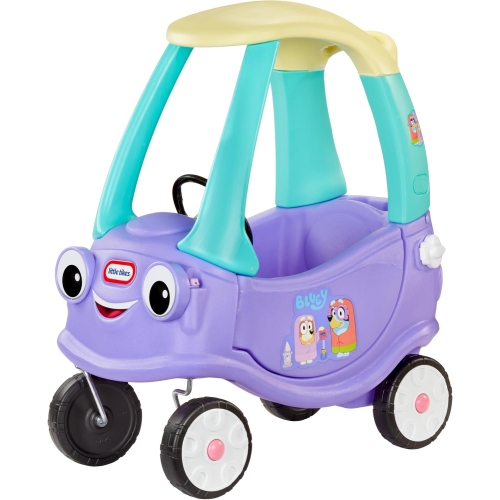 Your price for this item is $207.99
-
 Your price for this item is $191.99
-
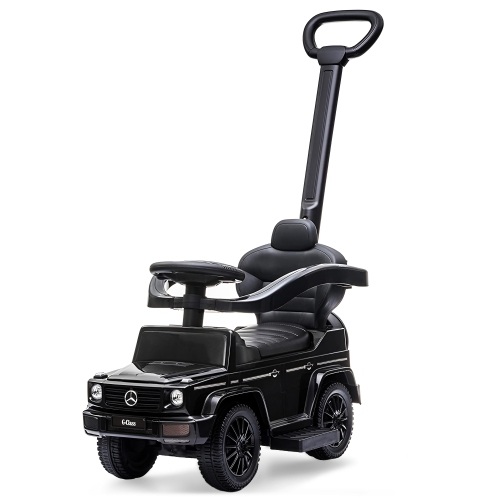 Your price for this item is $176.99
-
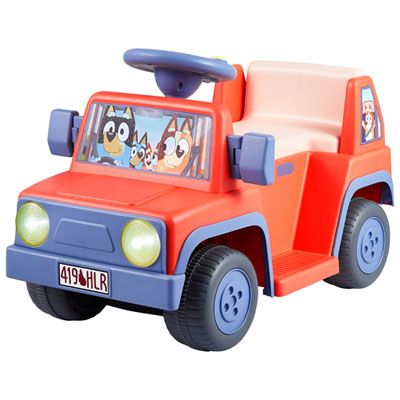 Your price for this item is $199.99
-
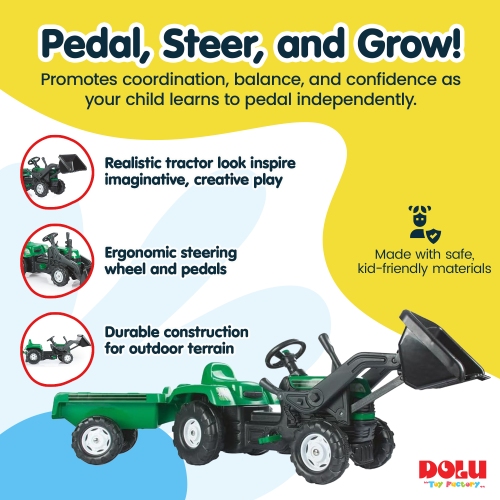 Your price for this item is $279.99
-
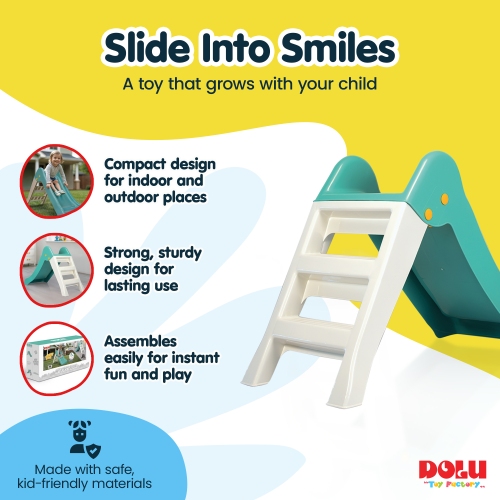 Your price for this item is $177.99
-
 Your price for this item is $99.99
Discover more categories related to Construction Vehicle Toys

Top Collections:
Best Black Friday Deals This Year, Best Black Friday Deals On Electronics, Kindle Devices, Dyson Airwrap, Best Cameras for Sports Photography, Best Budget Office Chairs, Canon G7X Cameras, PS5 Pro Consoles, Best Black Friday Deals On Apple Products, XBOX One S Consoles
Some products may be subject to Environmental Handling Fees
(EHF) depending on your province.
Learn more about EHFs.