Cricut Machines
Elevate your creative projects with a Cricut Machine, the perfect addition to any craft room or workspace. Whether you’re designing personalized gifts, custom home décor, or unique apparel, these versatile machines make it easy to bring your ideas to life. Find the right Cricut Machine to suit your crafting needs and enjoy endless possibilities for creativity and customization.
Sort

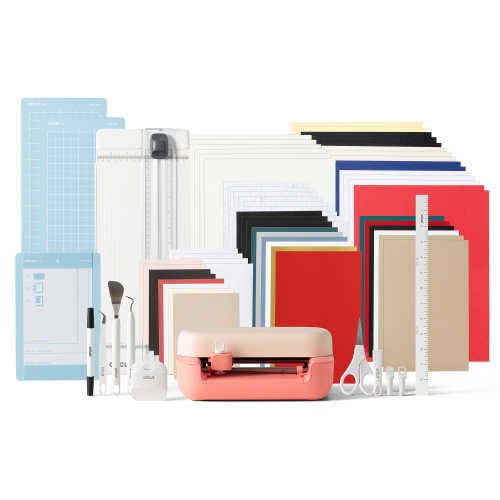
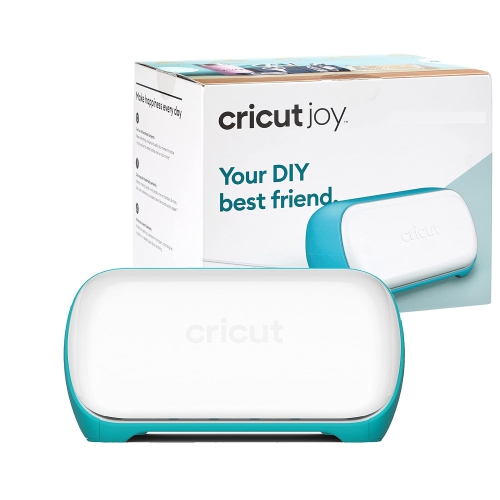
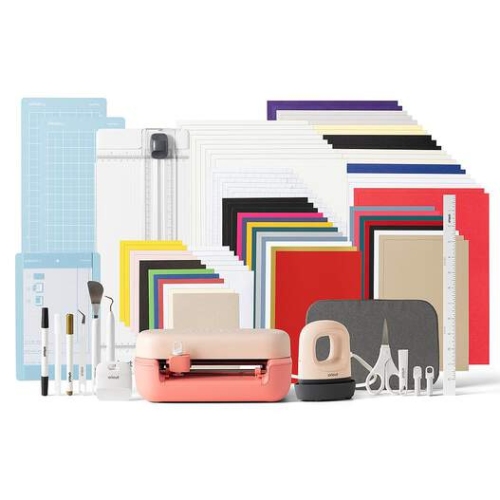
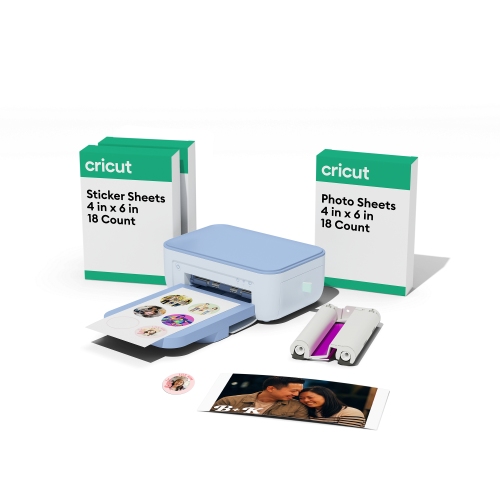
The details behind clean cuts and personalized projects
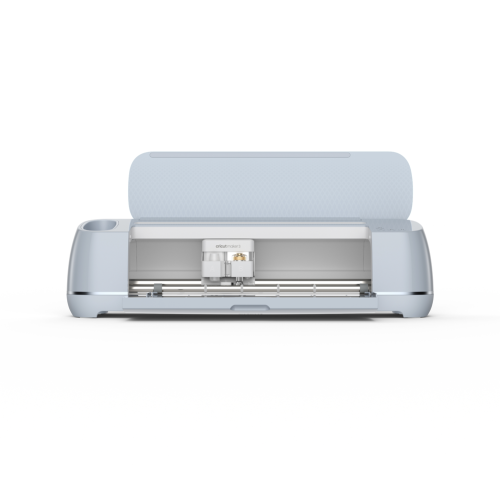
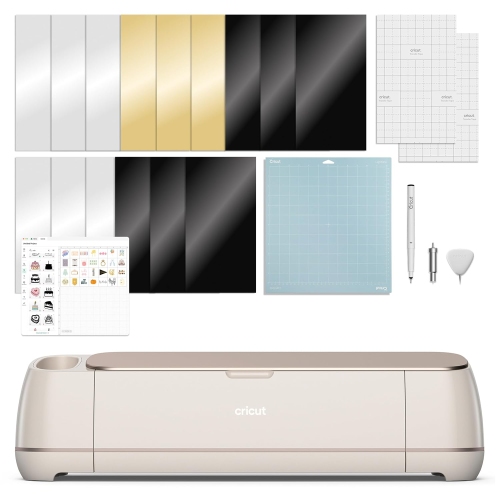
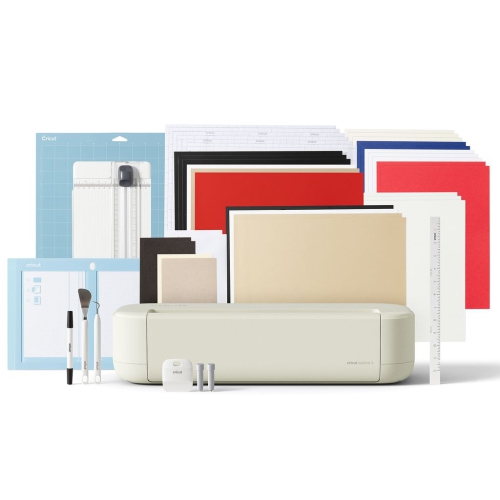
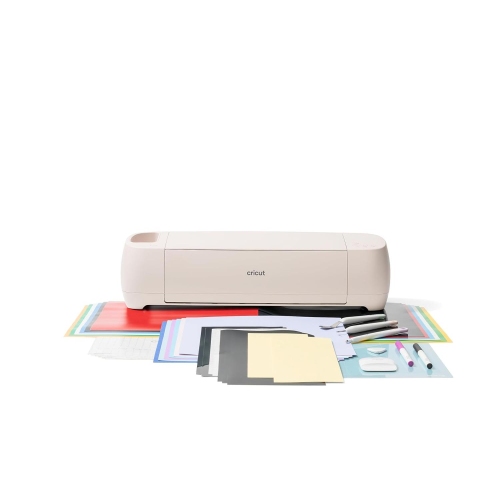
Electronic cutting machines turn digital designs into precisely cut shapes, lettering, and patterns for crafts, home organization, personalized gifts, and small-business projects. These machines use a controlled blade to follow a design through materials such as adhesive vinyl, iron-on material, paper, and cardstock. Depending on the machine and its compatible tools, additional functions may include drawing with pens, scoring fold lines, or applying foil details. Some machines can also handle selected fabrics, leather, or thin wood sheets, although material thickness, backing, and tool requirements vary. A simple name label and an intricate paper invitation place different demands on a machine: lettering needs clean edges and enough space between small details, while layered paper designs benefit from consistent alignment across several cuts. Compact formats suit smaller labels, cards, and portable craft setups, while larger cutting areas accommodate wider designs or more repeated shapes on a single sheet. For someone making pantry labels or occasional birthday decorations, a small footprint may matter more than a broad range of specialty tools. A frequent crafter or small-business owner may place greater value on usable cutting width, supported materials, and the ability to repeat a design consistently. Companion design software generally handles text, shapes, layout, and cut settings, with connection options depending on the machine and the computer or mobile device being used. File compatibility and design licensing also matter, particularly when finished projects will be sold. The physical workspace extends beyond the machine itself: material needs room to feed through without catching on a wall, and longer cutting mats may move both forward and backward during operation. A stable table, nearby power connection, and clear area for preparing materials make these machines easier to integrate into a craft room, home office, or shared work surface. Together, cutting capacity, software compatibility, and working space shape how comfortably a machine fits into everyday making.
Material choice has as much influence on a finished project as the design itself. Adhesive vinyl is commonly used for labels, signs, and smooth-surface decoration, but its suitability depends on the surface texture and the conditions the finished piece will face. A removable label for a storage bin serves a different purpose from lettering intended to stay on a frequently handled container. Iron-on material is designed for application to suitable fabrics using controlled heat and pressure; the fabric composition, application instructions, and care requirements determine whether it is appropriate for a tote bag, cushion cover, or garment. Stretch fabrics and textured surfaces can require specialized materials rather than a general-purpose sheet. Cardstock offers another range of possibilities, from folded cards and favour boxes to layered artwork, with paper weight and stiffness affecting the result. Heavier cardstock can provide structure, while lighter paper may be better suited to delicate layers. On supported machines, printable sticker projects combine a separate printer with cutting functions that follow registration marks around the printed artwork. The cutting machine does not replace the printer, and the printable material must suit both the printing method and the intended use. A water-resistant sheet, for example, does not automatically make every printed design suitable for washing or outdoor exposure. Compatible cutting mats, blades, pens, transfer tape, and other Cricut Supplies support different stages of this work, from holding a sheet steady to moving a cut vinyl design onto its final surface. Mat grip matters because delicate paper can tear on an overly strong adhesive, while heavier material may shift if the hold is too light. Small test cuts help establish whether a material releases cleanly before a larger design is attempted. For intricate lettering, removing the excess material around the cut shapes can take longer than the cutting itself, making design complexity an important part of the overall project.
Durability and ease of care depend on both the machine and the tools and materials used with it. A blade that produces crisp cuts in paper may gradually lose performance with frequent use, while fibres and adhesive residue can affect how reliably a cutting mat holds a sheet. Covered mats, protected blade housings, and organized storage for small tools help keep a craft area ready for the next project. Cleaning methods should follow the relevant care instructions, since aggressive scraping or unsuitable cleaners can damage a mat or leave residue behind. Fabric, vinyl, paper, and printable sheets also benefit from flat, dry storage that prevents curling, creasing, or contamination before use. For finished pieces, care follows the material rather than the appearance of the design: a decorated drink container may need handwashing, and a personalized garment may require specific washing and drying settings. These practical details matter for gifts as well as personal projects, especially when the recipient will use the finished piece regularly. A cutting machine itself can be a thoughtful gift for someone who already enjoys paper crafts, sewing, labelling, or making personalized accessories, provided its capabilities suit that person’s interests and available workspace. Beginners may appreciate straightforward setup and familiar materials, while experienced makers may value specialty tool support or room for larger layouts. Teachers, event organizers, and families can use digital cutting for classroom displays, table details, and coordinated party decorations, with adults handling sharp tools and any heat-based application. For a small business, repeatable layouts can help create consistent packaging labels or coordinated gift sets, but finishing, assembly, and quality checks still take time. A sheet of neatly cut lettering becomes a finished sign only after alignment and transfer; a scored card still needs folding and assembly. That hands-on element is part of the appeal: digital precision handles the repeated shapes while colour, texture, placement, and finishing give each project its character.
Top selling and popular products
-
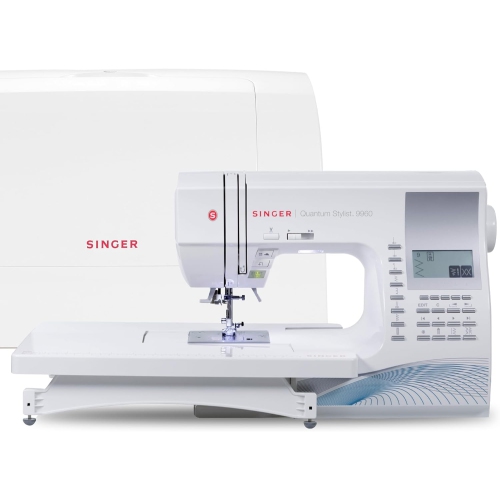 Your price for this item is $911.05
-
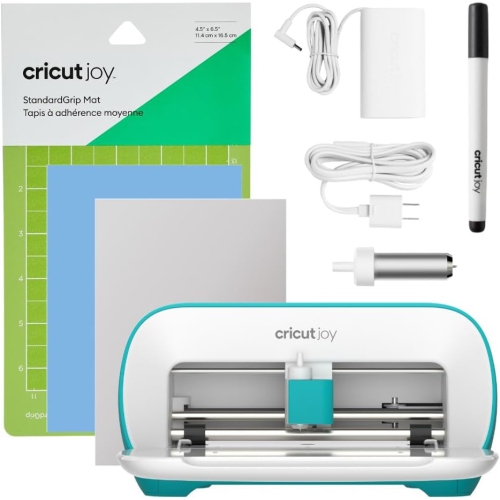 Your price for this item is $238.44
-
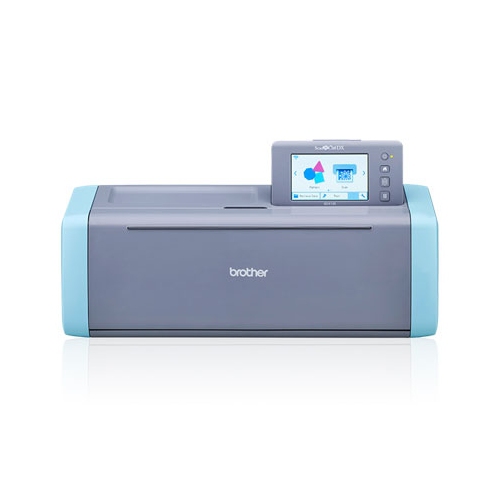 Your price for this item is $685.99
-
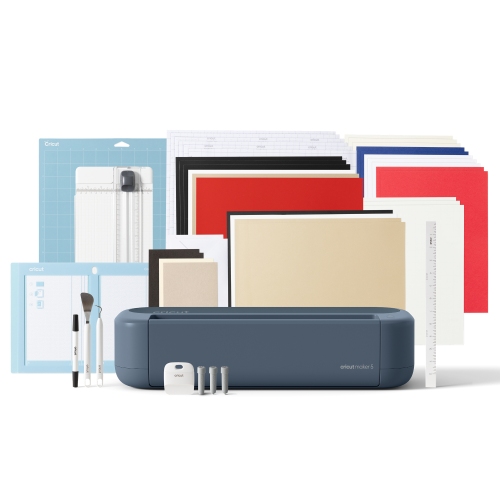 Your price for this item is $549
-
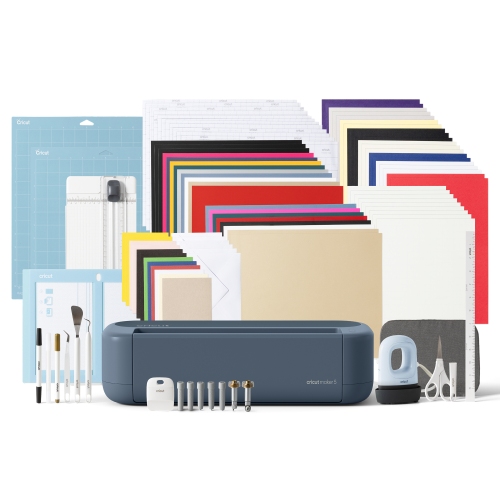 Your price for this item is $679
-
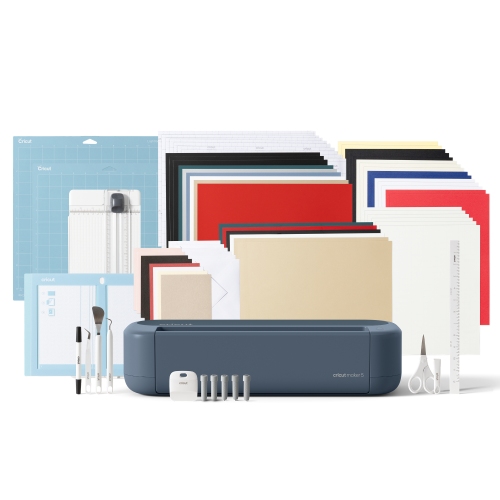 Your price for this item is $599
-
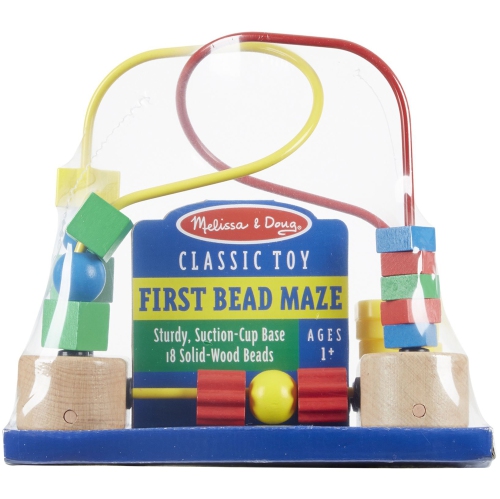 Your price for this item is $39.99
-
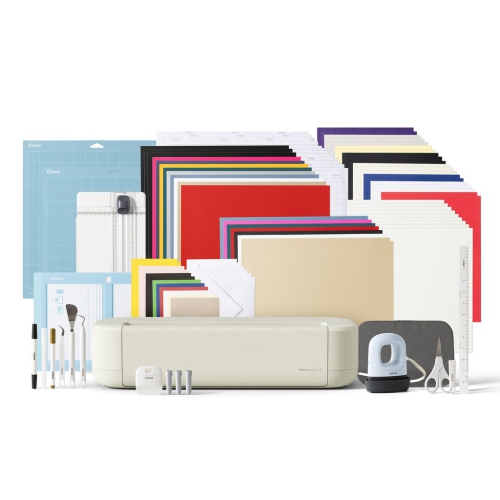 Your price for this item is $429
Discover more categories related to Cricut Machines
Top Collections:
Best Black Friday Deals This Year, Best Black Friday Deals On Electronics, Kindle Devices, Pokemon Centers, Best Black Friday Deals On Apple Products, Best Cameras for Sports Photography, Dyson Airwrap, Pokémon 30th Celebration Cards, Apple iPhone 17 Pro, Canon G7X Cameras
Some products may be subject to Environmental Handling Fees
(EHF) depending on your province.
Learn more about EHFs.