Crime Board Games
Get ready to put your detective skills to the test with our selection of crime board games. Whether you're solving mysteries, catching criminals, or uncovering clues, these games will have you feeling like a real-life detective in no time. From strategy-based gameplay to thrilling plot twists, each game offers a unique and engaging experience for players of all ages. So gather your friends and family, sharpen your wits, and get ready to dive into the world of crime-solving fun with our collection of captivating board games.
Sort
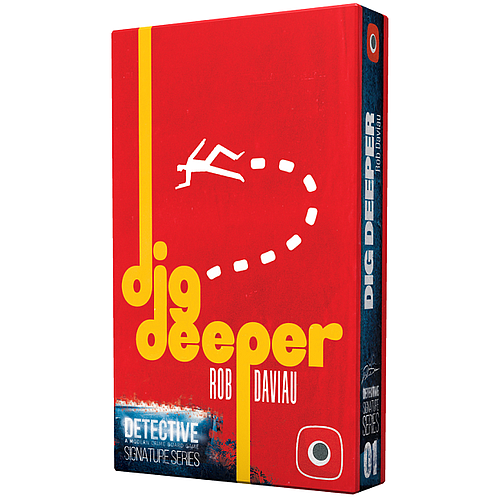

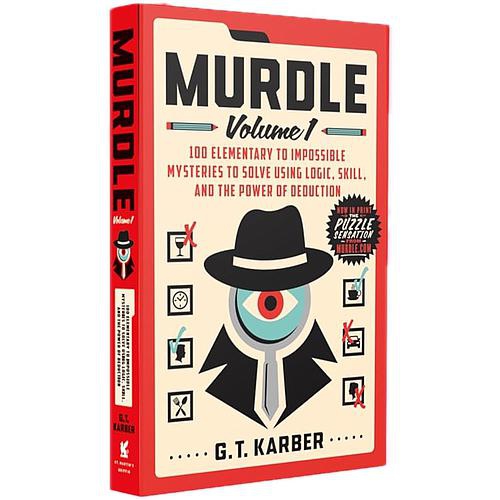
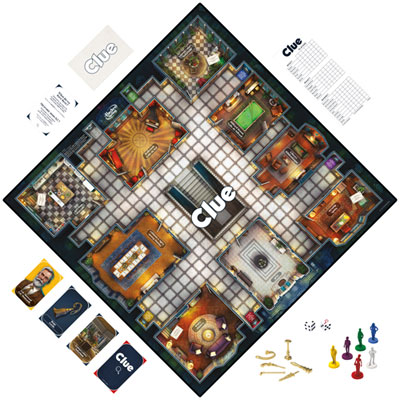


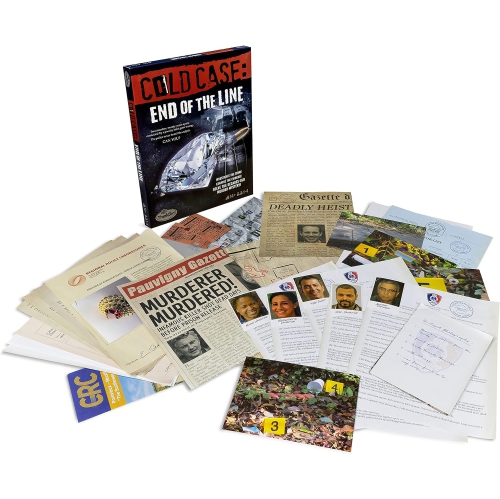


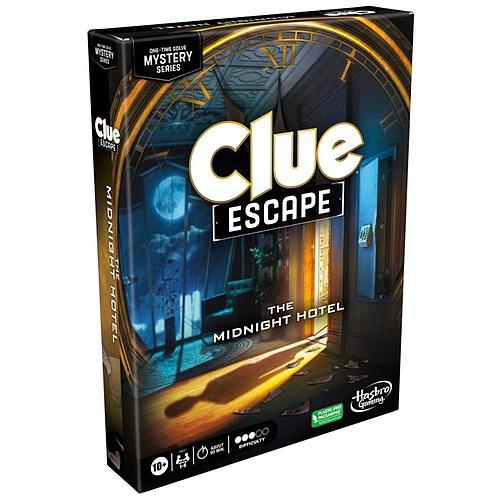


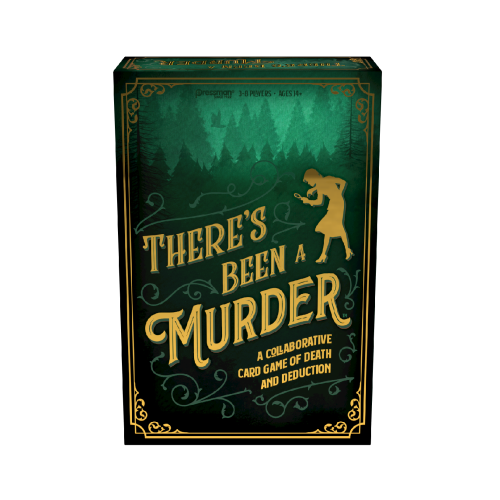
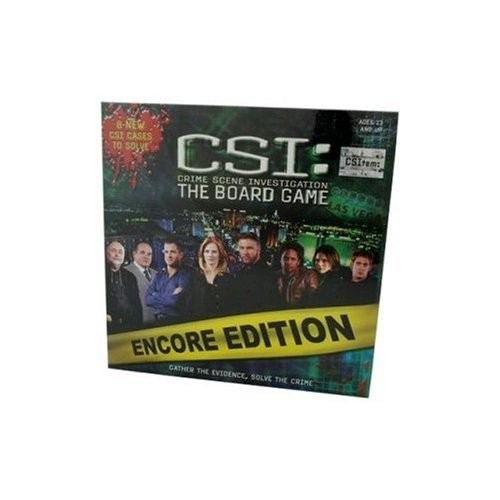


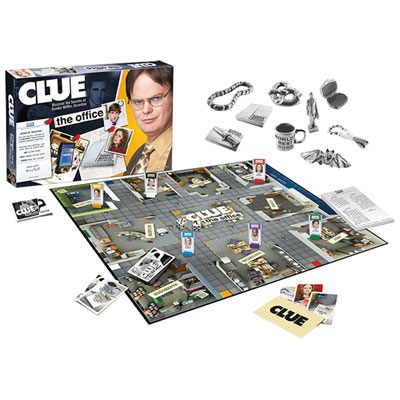


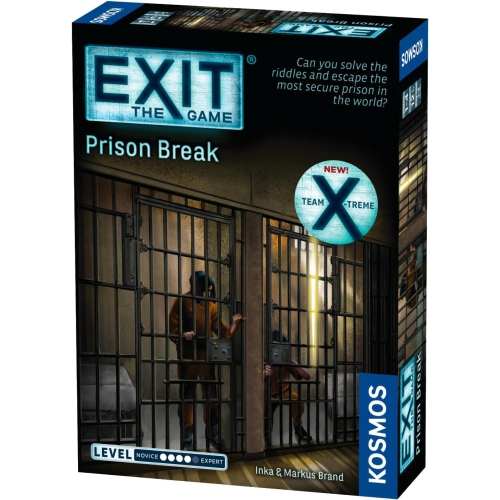
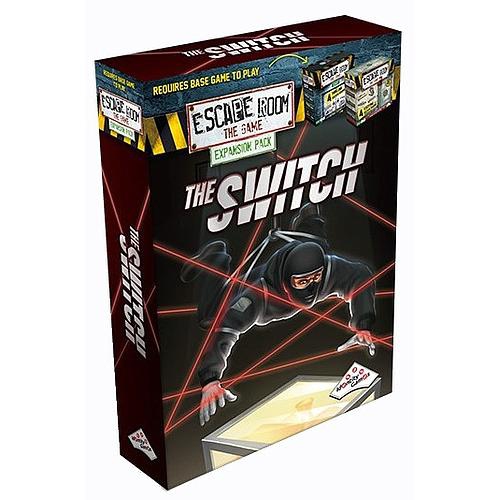
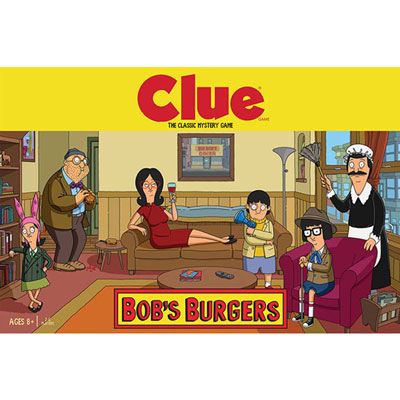

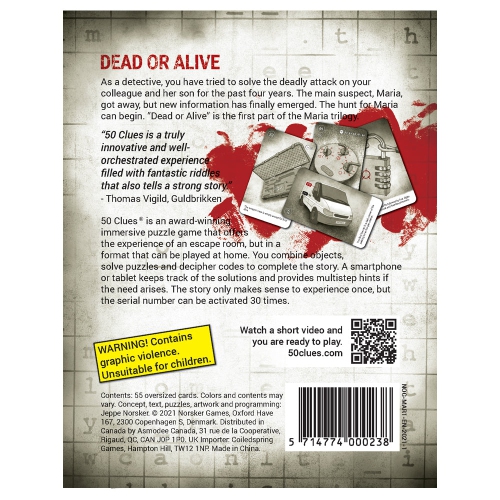

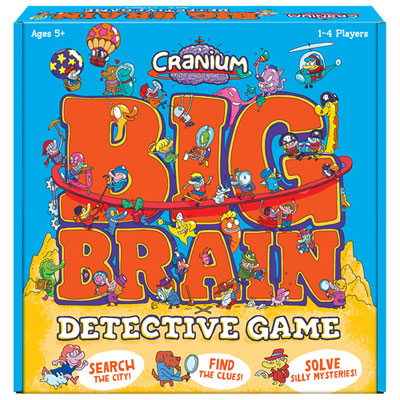
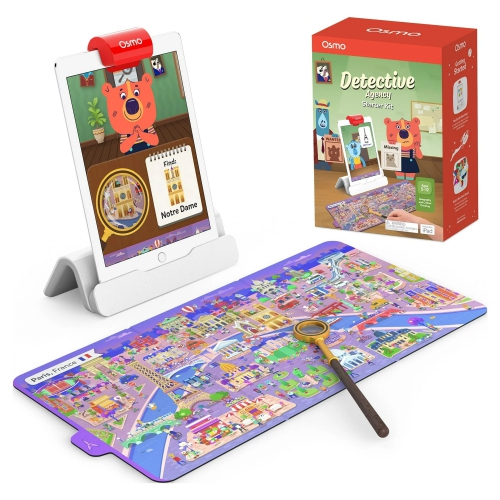
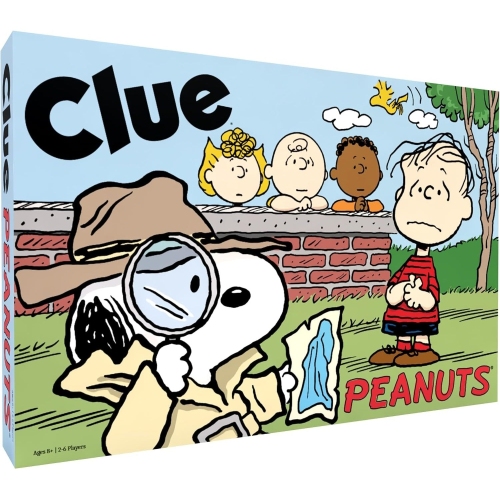
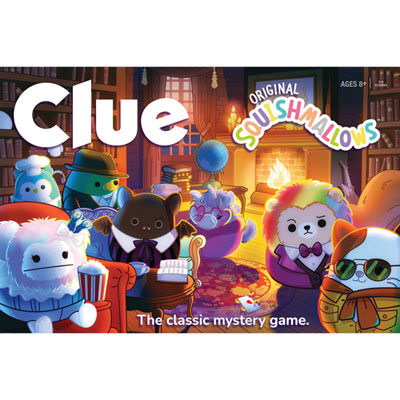

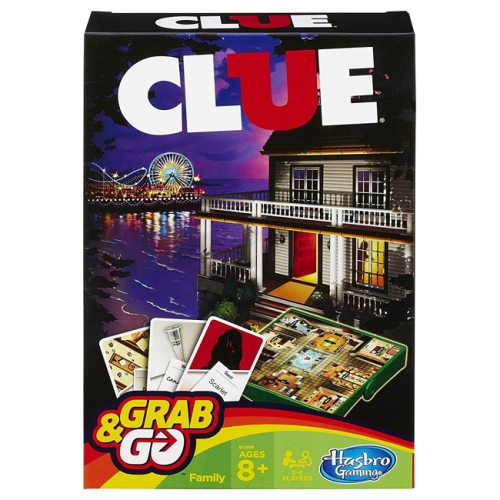
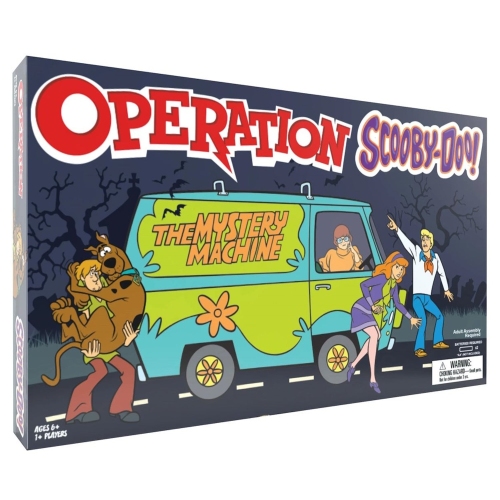
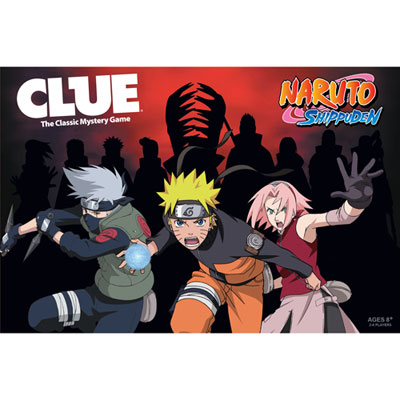

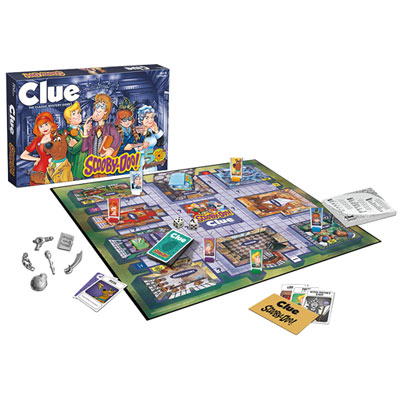

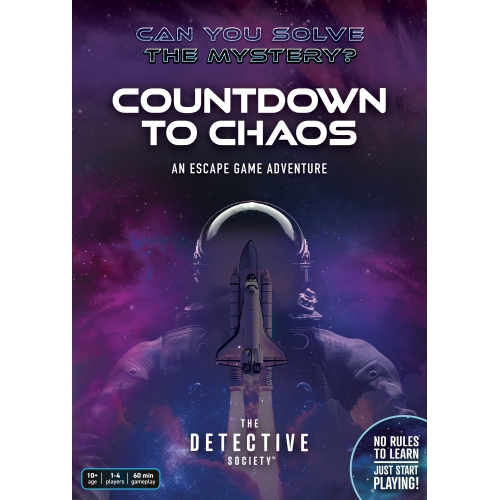

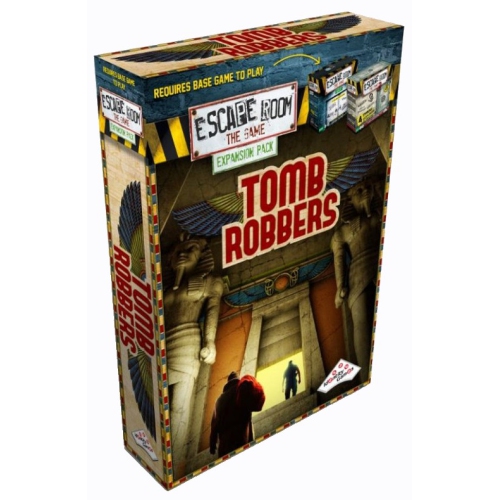





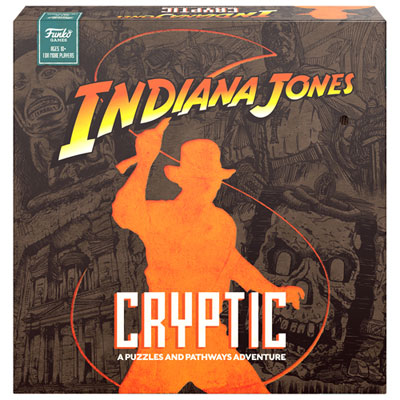
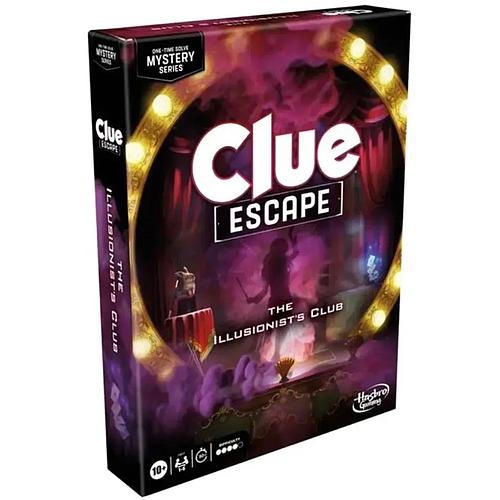














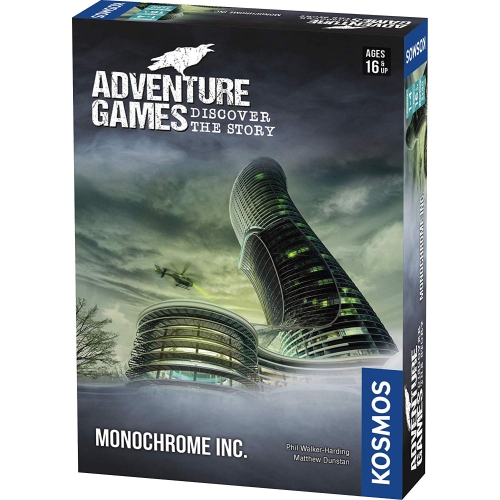


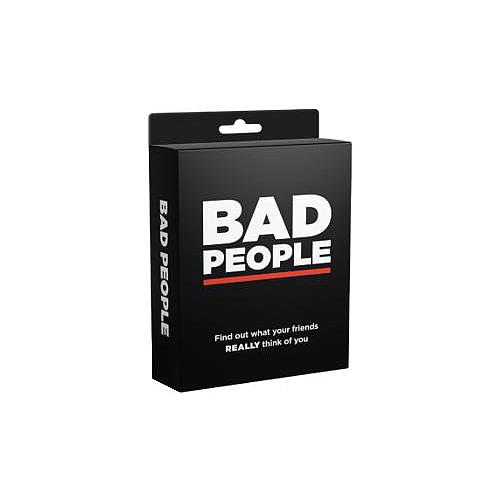
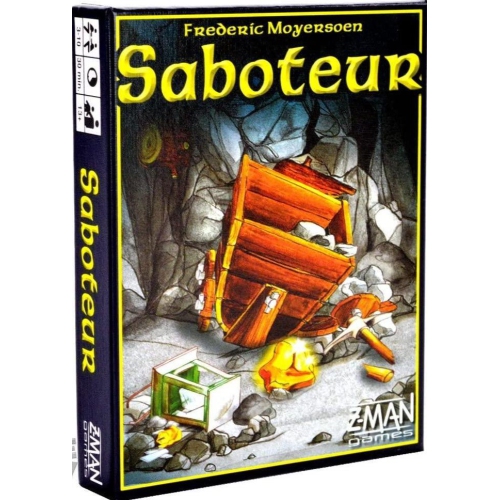
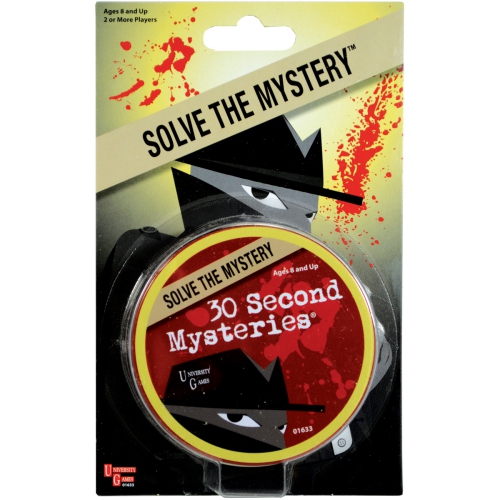


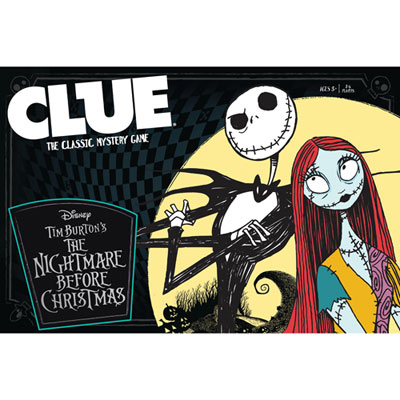


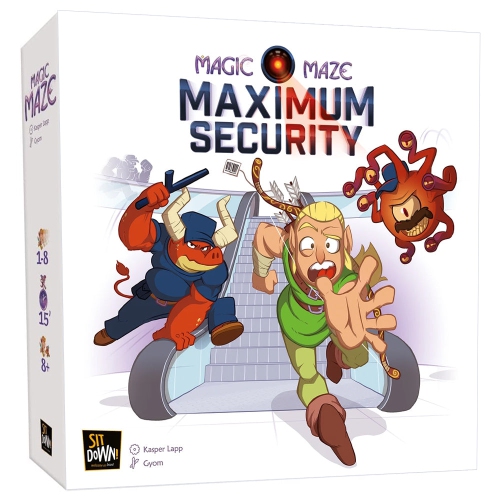
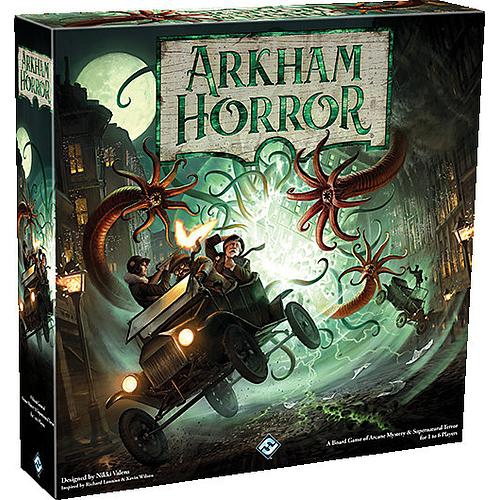
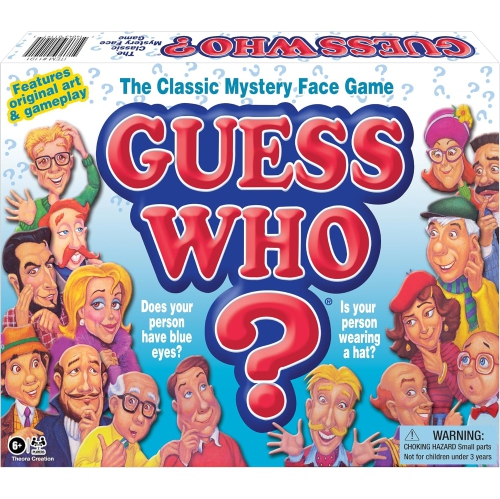

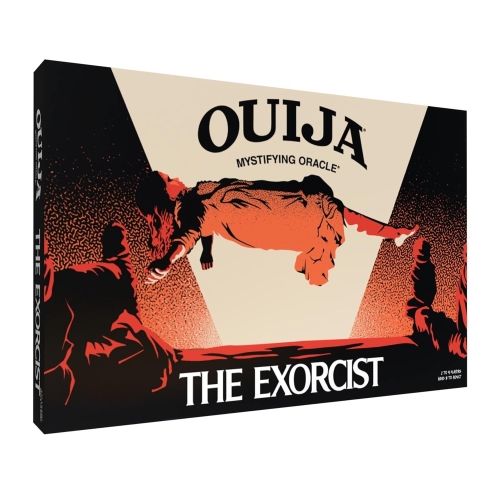
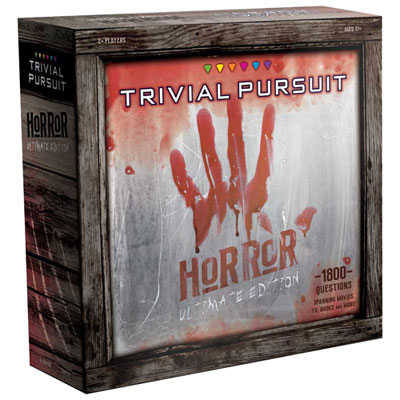


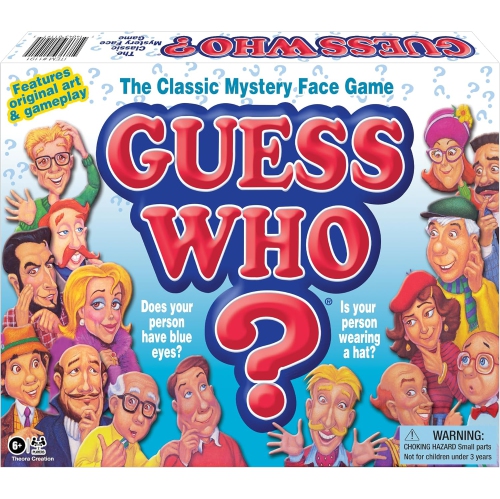
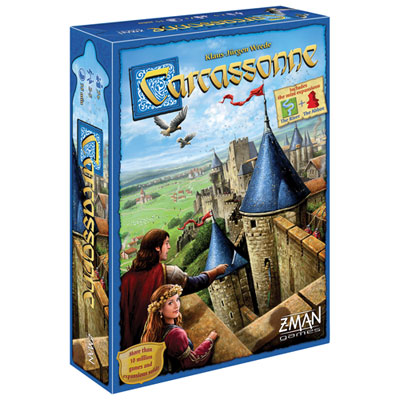
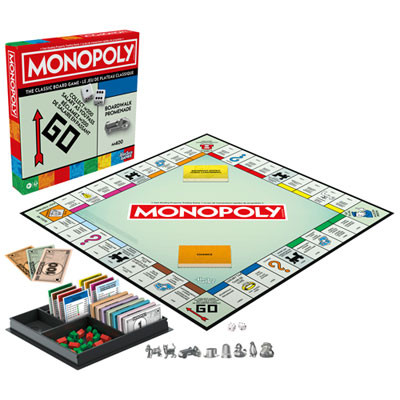

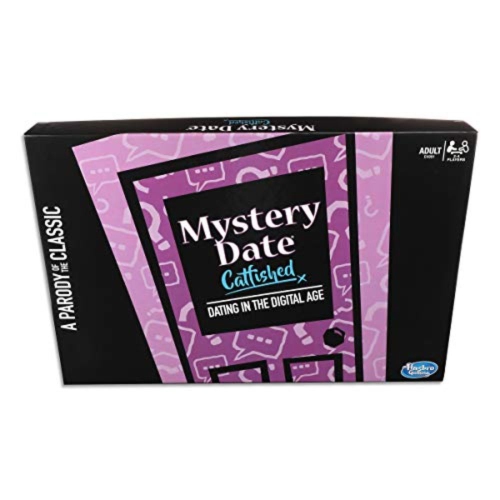



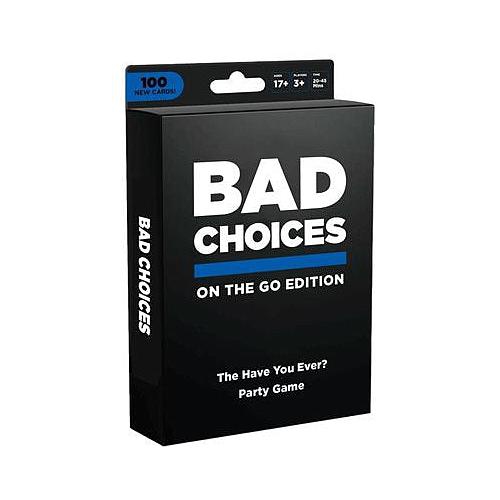

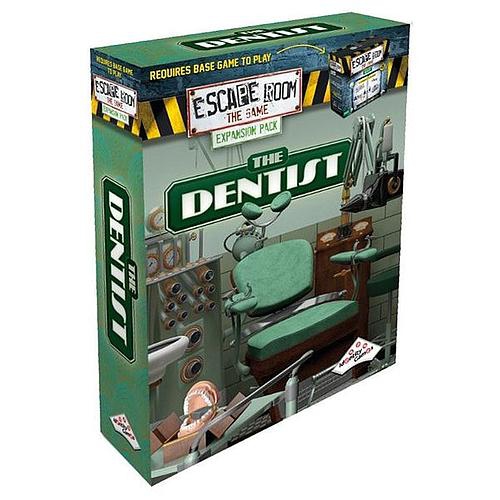


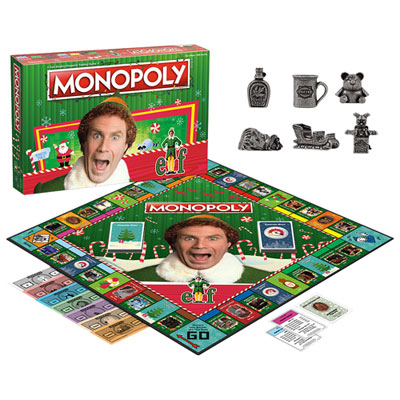
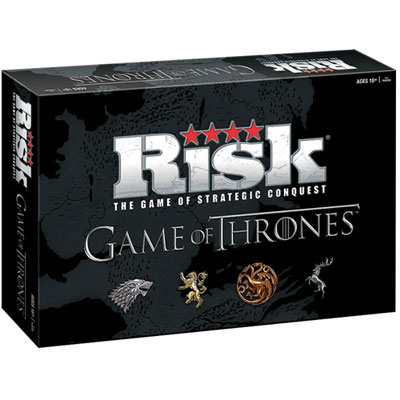
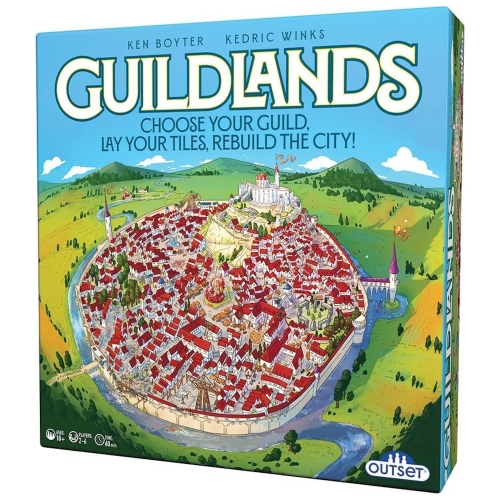

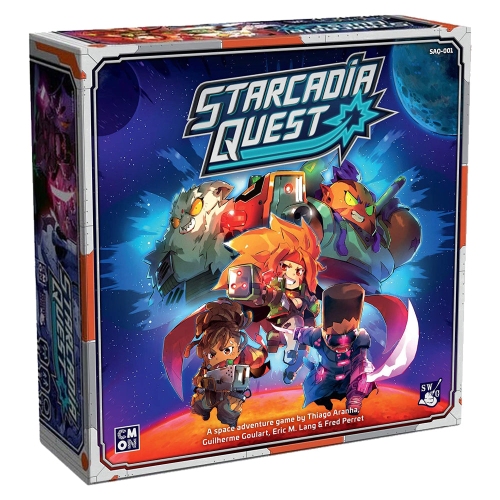
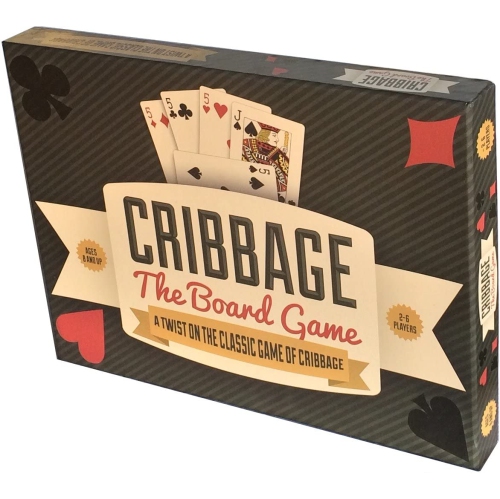
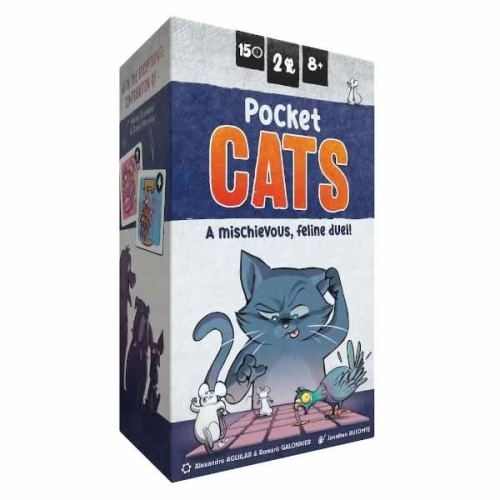

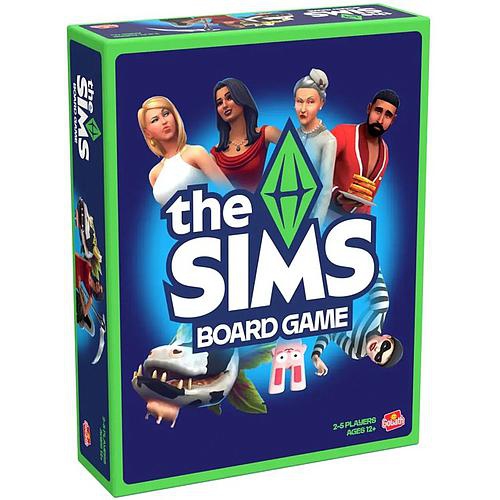
The suspense builds as clues and alibis collide
Crime board games are tabletop games centred on investigating offences, identifying suspects, uncovering hidden motives, or carrying out fictional heists. Common formats include cooperative detective games, competitive deduction games, social deduction games, app-assisted investigations, and cold-case-style evidence files. Each creates a different kind of suspense: a group might trace a suspect’s movements across a map, compare witness accounts for inconsistencies, or decide which player is concealing a crucial piece of information. In a cooperative investigation, everyone typically works towards the same solution, sharing observations and choosing which leads deserve attention. Competitive mysteries may reward the first player to connect the evidence correctly, while social deduction adds bluffing, secret roles, and lively debate. Some games place one participant in a special role, providing limited clues that the rest of the table must interpret. Evidence-file formats often rely more on reading and discussion than on moving pieces around a board, with letters, photographs, transcripts, and other documents forming the heart of the mystery. A seemingly ordinary detail, such as the time printed on a receipt, can become important when it conflicts with an alibi. App-assisted crime games may combine physical cards or boards with digital interviews, searchable records, audio, or virtual locations; the exact balance depends on the game. These formats appeal to different interests, from careful logic and narrative discovery to quick exchanges and convincing performances. Crime themes can also extend beyond murder mysteries to stolen valuables, missing objects, organized criminal schemes, and capers in which players coordinate a plan rather than solve a case. The setting helps establish the tone, whether the investigation unfolds through a sprawling city, a contained gathering of suspects, or a collection of archived records. Urban maps and linked locations can be part of that appeal; players who enjoy exploring how streets, districts, and landmarks connect may also be interested in City Board Games. Across these styles, the central attraction is the moment when separate observations fit together and a plausible explanation emerges.
The best fit for a game night depends on how the players like to think, talk, and spend time together. A pair who enjoys discussing a mystery at length may appreciate a shared investigation with plenty of documents to examine, while a larger, talkative group may prefer hidden roles and opportunities to challenge one another’s claims. Player-count recommendations matter because some mechanisms need enough participants to keep identities uncertain, whereas other games offer rules designed for solo play or smaller groups. Session length is equally important: a compact deduction game can suit a casual gathering, while a detailed case may involve sustained reading, note-taking, and discussion over a longer sitting. Campaign formats can connect several sessions through an ongoing story, making them a different commitment from a self-contained mystery. The printed age recommendation and content description help distinguish family-friendly puzzling from stories involving violence, disturbing subject matter, or mature language. Reading demands also vary; a game with lengthy witness statements can feel quite different from one built around symbols, short clues, and visual matching. For mixed-experience groups, clearly explained rules and an introductory scenario can make it easier for everyone to contribute. Participation is often most satisfying when evidence can circulate around the table rather than remain in front of one person. One player might notice a geographical inconsistency, another might remember an earlier statement, and someone else might spot a pattern in the timeline. Social deduction places more emphasis on speaking, persuasion, and reading behaviour, so its appeal depends partly on whether the group enjoys bluffing and being challenged. For gifting, the recipient’s preferred mystery experience is a useful reference point: a puzzle enthusiast may enjoy connecting detailed clues, while a regular party-game host may favour shorter rounds and broader participation. A crime-themed game can also suit couples who enjoy shared problem-solving, friends with a recurring game night, or readers who like detective fiction and want a more hands-on way to follow a story.
The physical design of a crime board game influences how comfortably that story unfolds at the table. Components may include printed cards, folded boards, maps, cardboard tokens, standees, booklets, envelopes, and replica documents, with some formats adding wooden or plastic pieces. Card thickness, legible printing, and clear visual organization are practical considerations when the same evidence needs to pass between several players. Maps and larger boards require enough surface area to remain visible alongside clue cards, notes, and any shared reference material. A document-heavy mystery may benefit from room to spread out papers by suspect, location, or sequence of events, while a compact card-based game can be easier to accommodate on a smaller table. Good contrast, readable text, and symbols that do not rely on colour alone can help make evidence easier to interpret. If digital features are involved, device compatibility, internet requirements, account requirements, and the way a screen is shared are worth checking in the game’s description. A shared phone or tablet may support discussion, but it also changes how players access clues. Durability depends partly on handling and storage: clean, dry hands help protect paper components, drinks kept away from the play area reduce the risk of spills, and dry storage helps prevent boards and documents from warping. Suitable card sleeves can protect frequently handled cards when their dimensions and the game’s mechanics allow, though sleeves may affect how components fit inside an insert. Sorting tokens and keeping case materials together makes setup easier and reduces the chance of an important clue going missing. Replay value deserves particular attention in this category. A fixed mystery usually loses much of its surprise once the solution is known, even if the materials remain intact, whereas variable setups, changing roles, or multiple cases may support repeated play. Some formats ask players to write on, alter, or open components, which can affect whether a case can be reset or shared afterwards. Keeping personal notes separate and avoiding marks on reusable evidence helps preserve the game where its rules permit. These practical details support the experience that makes crime board games distinctive: examining the evidence closely, comparing interpretations, and earning a solution together or through a well-timed deduction.
Top selling and popular products
-
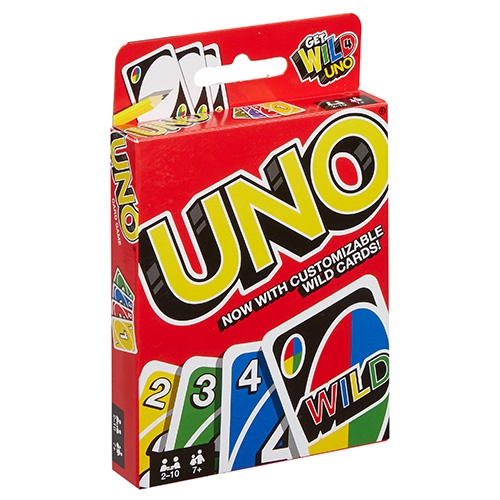 Your price for this item is $14.99
-
 Your price for this item is $34.99
-
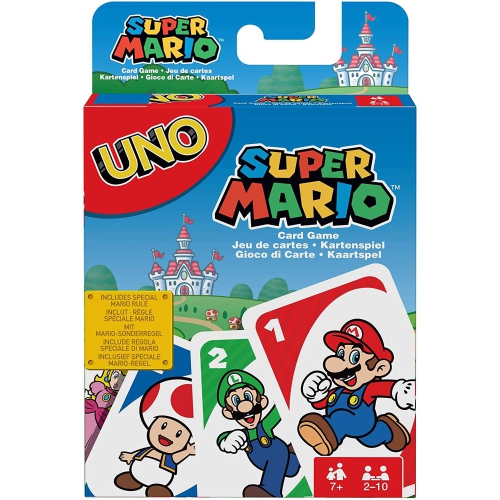 Your price for this item is $15
-
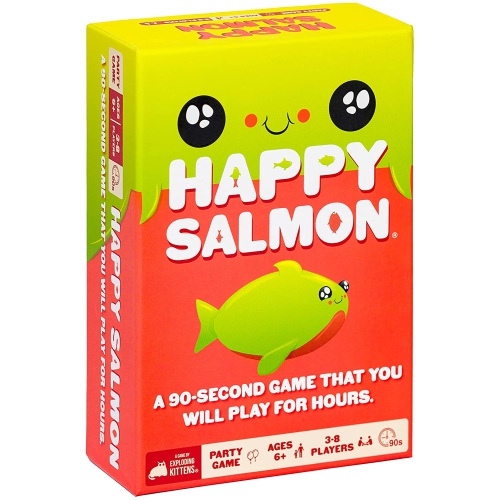 Your price for this item is $21.99
-
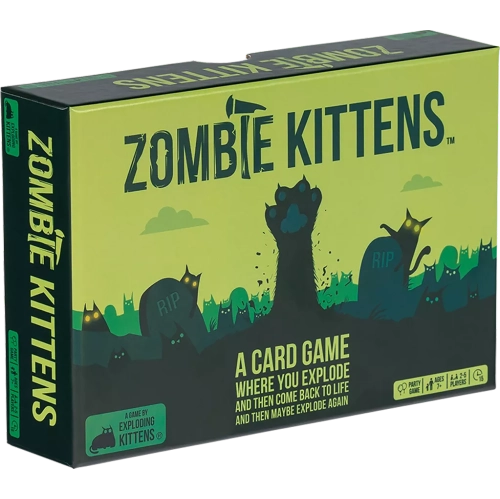 Your price for this item is $34.99
-
 Your price for this item is $24.99
-
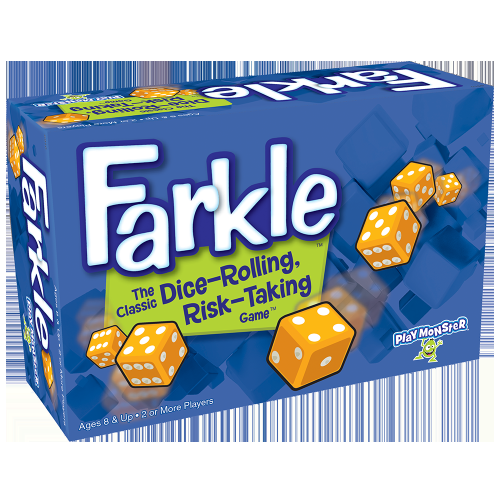 Your price for this item is $20.93
-
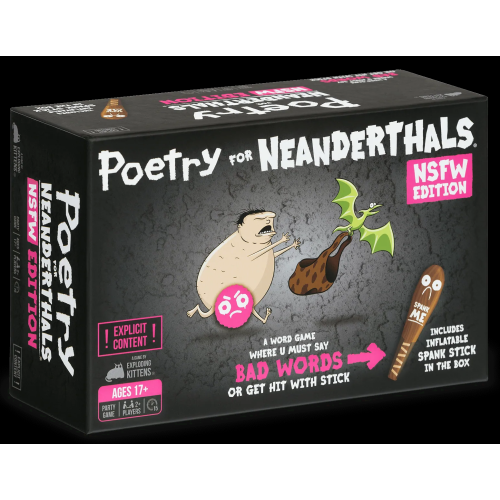 Your price for this item is $31.99
Discover more categories related to Crime Board Games

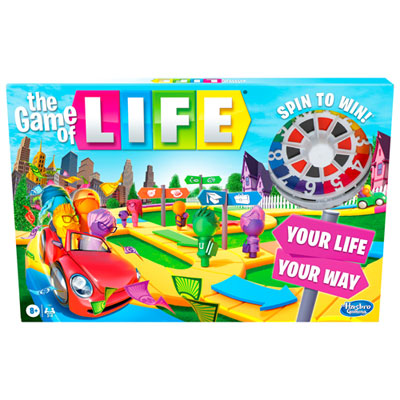

Top Collections:
Pokemon Centers, Best Cameras for Sports Photography, Kindle Devices, Samsung Galaxy Phones, Canon G7X Cameras, Pokémon 30th Celebration Cards, Refurbished Apple Laptops, iPhone 15 Apple, Laptops for Students, Budget Smartphones
Some products may be subject to Environmental Handling Fees
(EHF) depending on your province.
Learn more about EHFs.