Critical Thinking Games
Elevate your cognitive skills and sharpen your mind with our diverse selection of critical thinking games. Designed to challenge and engage, these games offer a fun way to enhance problem-solving abilities, improve decision-making processes, and boost creativity. Whether you're looking for a solo challenge or a group activity, our collection caters to all ages and skill levels. Dive into an immersive experience that combines entertainment with education, fostering a love for learning while developing essential life skills. Explore the possibilities and discover how critical thinking games can transform playtime into a valuable mental workout.
Sort





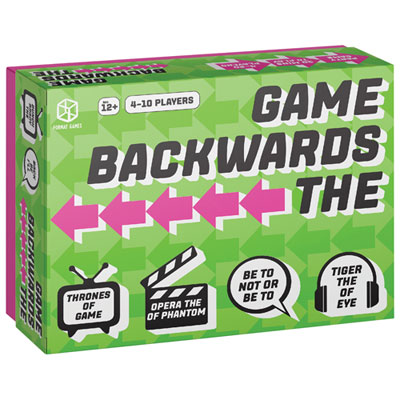
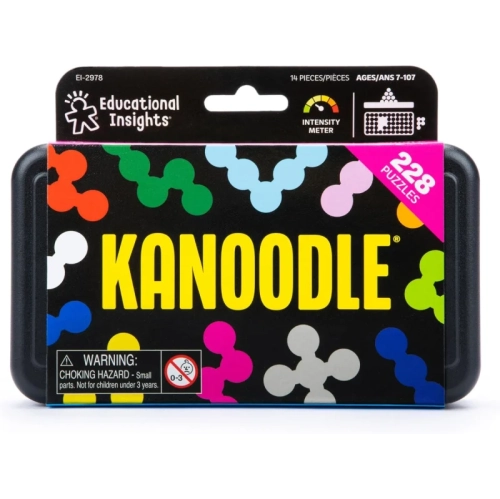
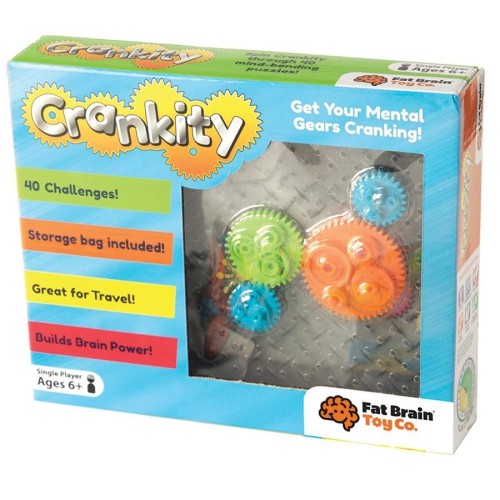
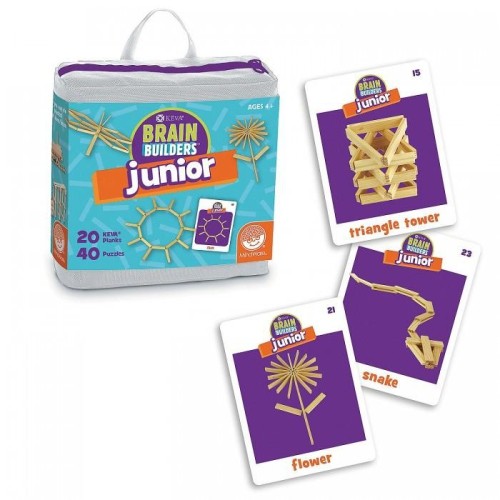
![BRAIN GAMES Deductio [Board Game, 2-4 Players]](https://multimedia.bbycastatic.ca/multimedia/products/500x500/198/19814/19814650.jpeg)
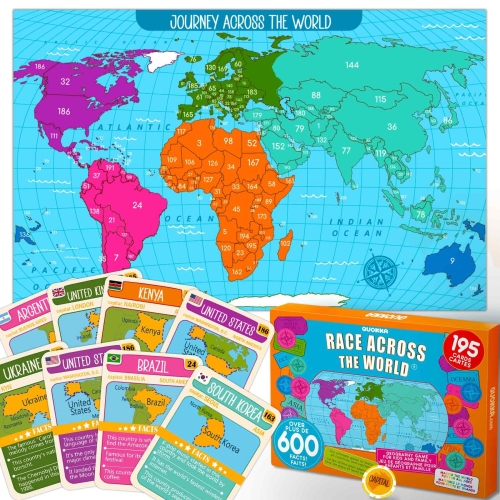
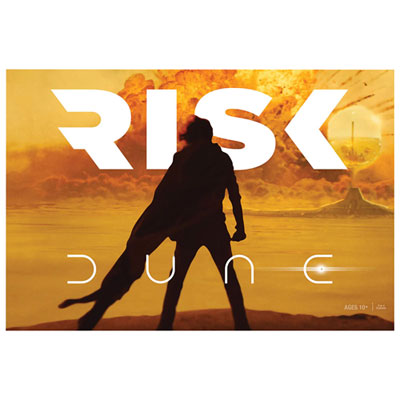
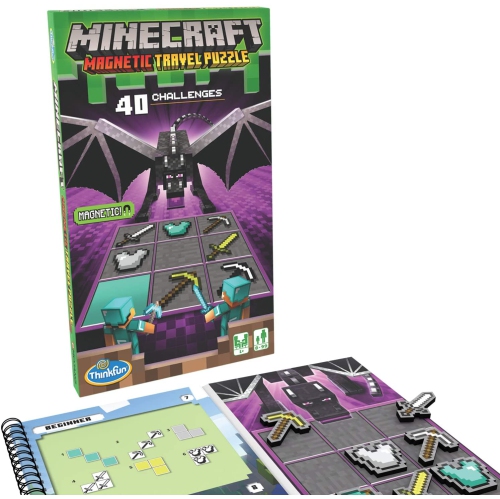
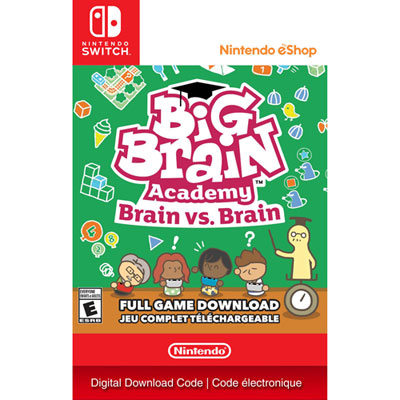
![CITY INTERACTIVE Logic Machines [Nintendo Ds Dsi]](https://multimedia.bbycastatic.ca/multimedia/products/500x500/193/19382/19382554.jpeg)



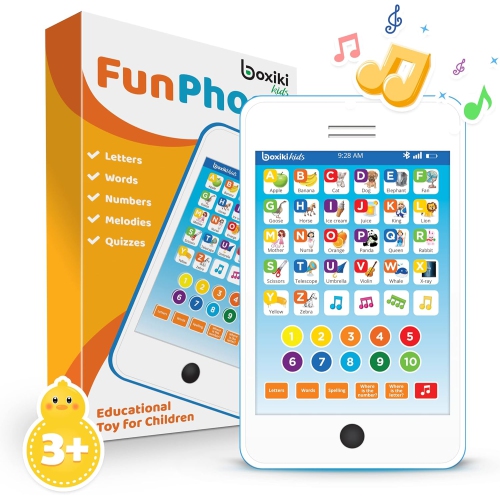


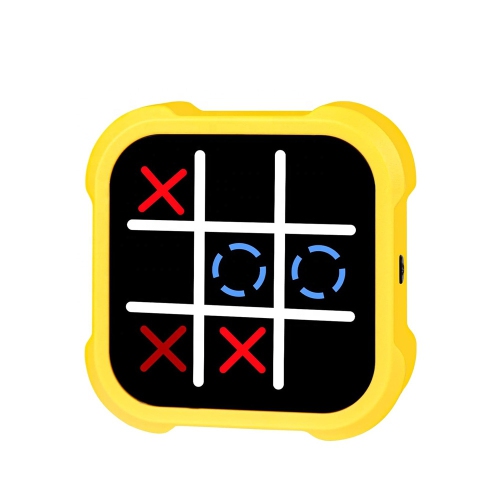

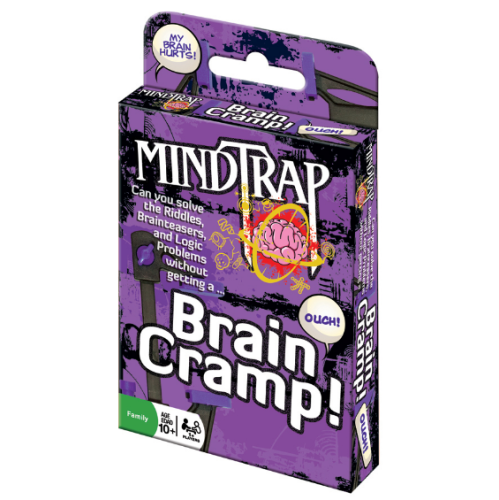
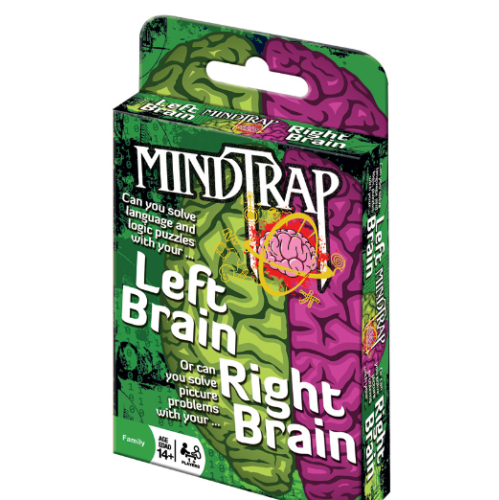
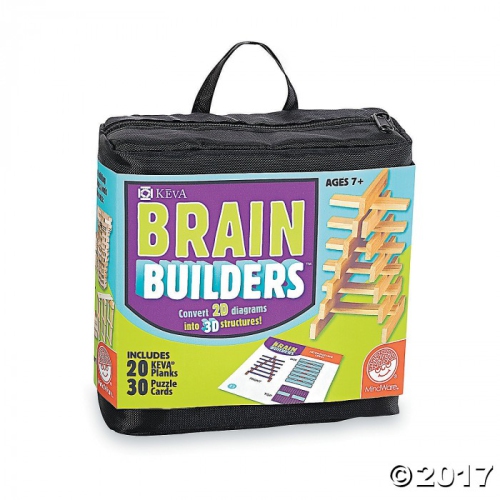
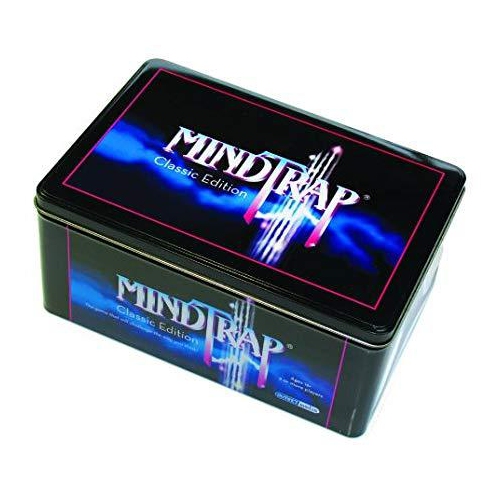
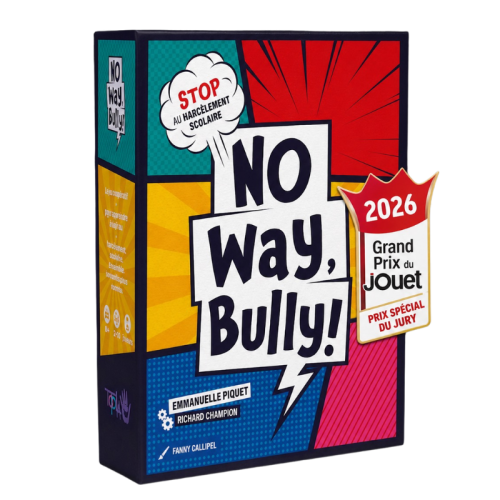
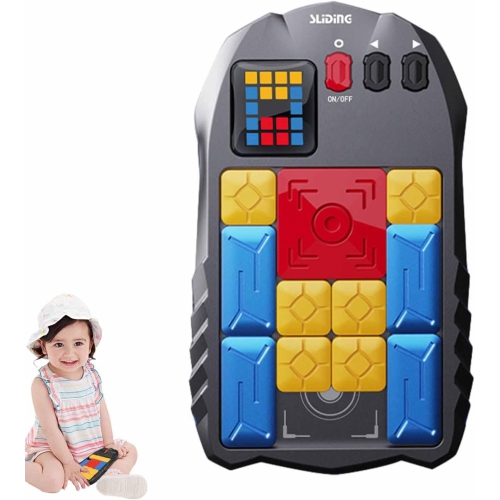
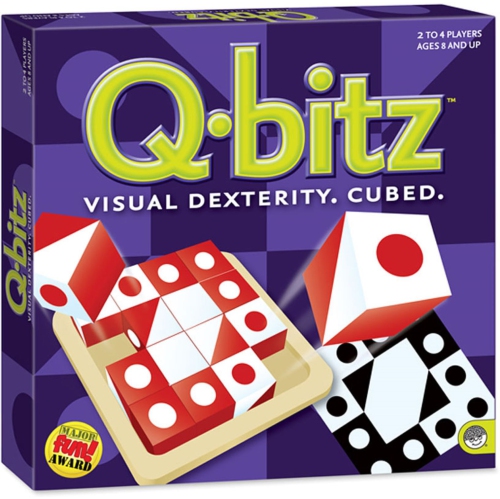
![PLAYSTATION Industry Giant Ii: HD Remake [ 4]](https://multimedia.bbycastatic.ca/multimedia/products/500x500/148/14828/14828244.jpeg)
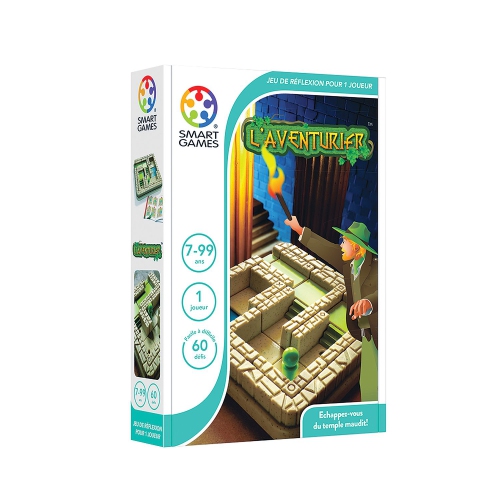
![CLEAR RIVER GAMES Q.u.b.e. - 10Th Anniversary [Nintendo Switch]](https://multimedia.bbycastatic.ca/multimedia/products/500x500/192/19284/19284303.jpeg)
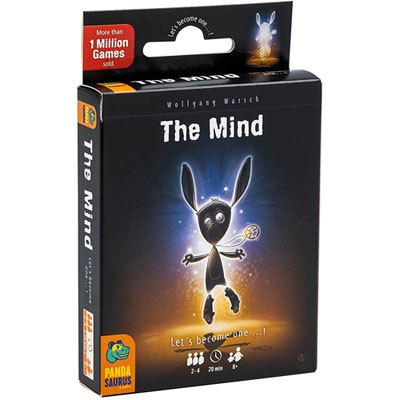
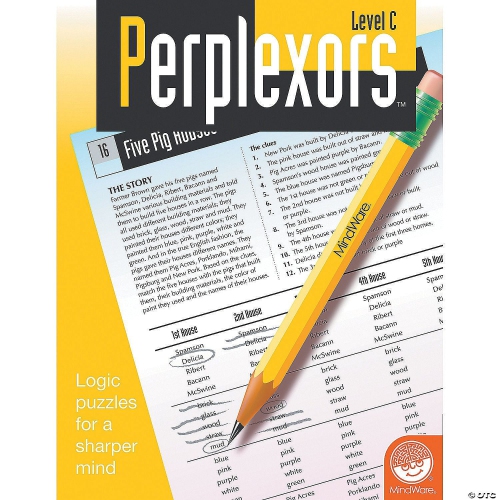
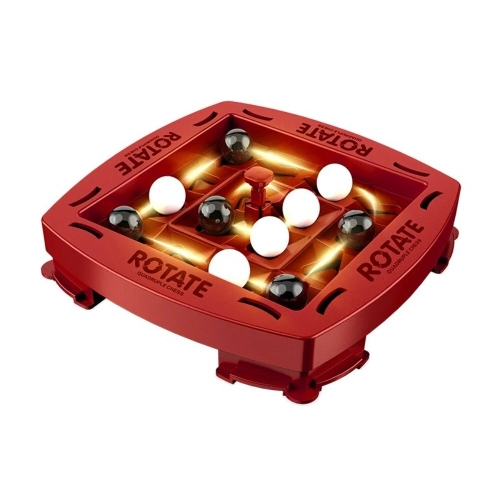
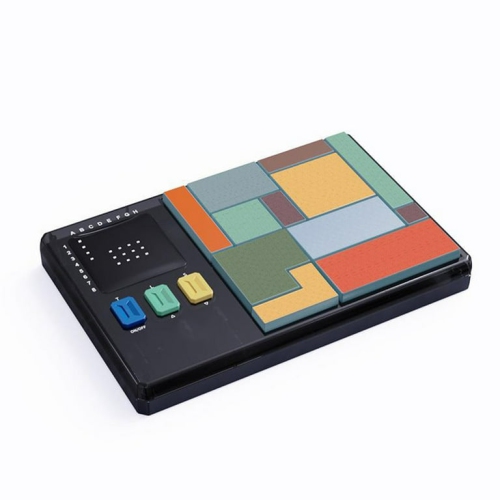
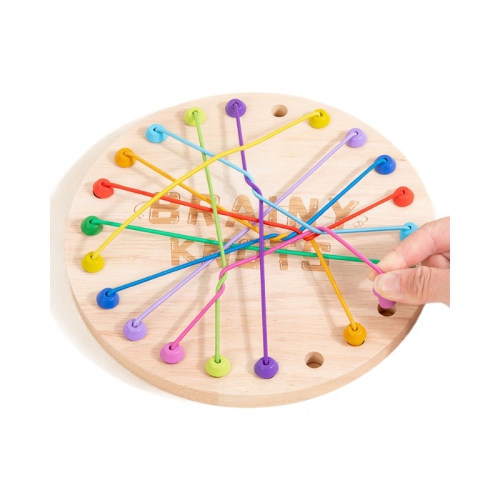
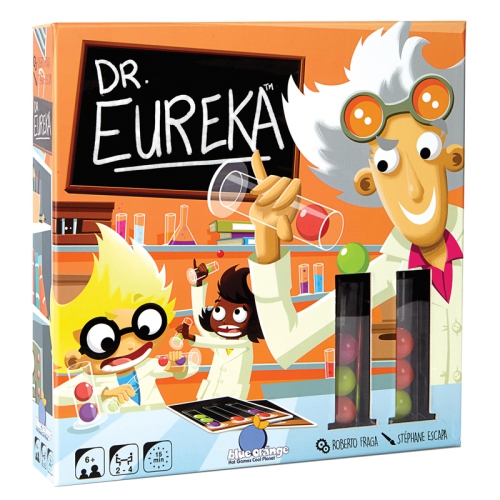
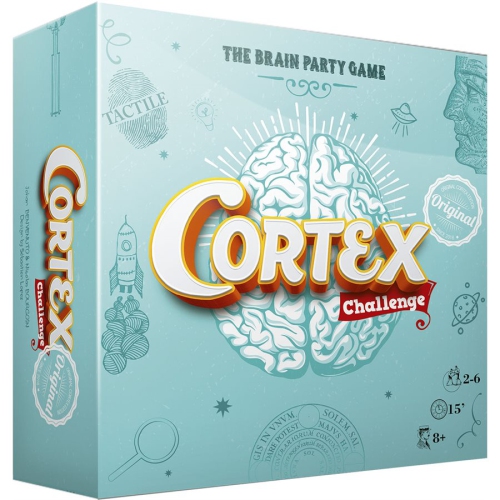
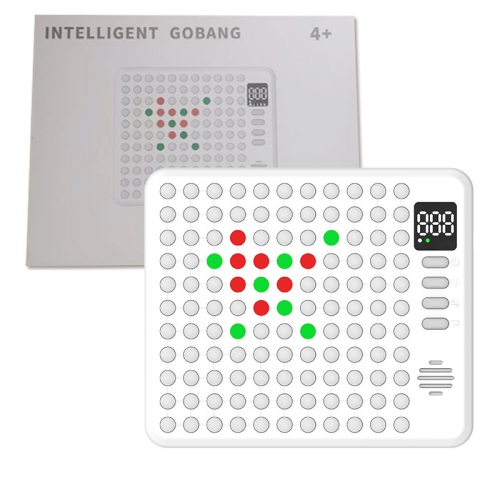
![LIMITED RUN GAMES Valkyria Chronicles 4 Complete Edition - Limited Run #255 [Nintendo Switch]](https://multimedia.bbycastatic.ca/multimedia/products/500x500/198/19842/19842076.jpeg)
![GS2 GAMES Math Masters [Board Game, 2-4 Players]](https://multimedia.bbycastatic.ca/multimedia/products/500x500/198/19839/19839386.jpeg)
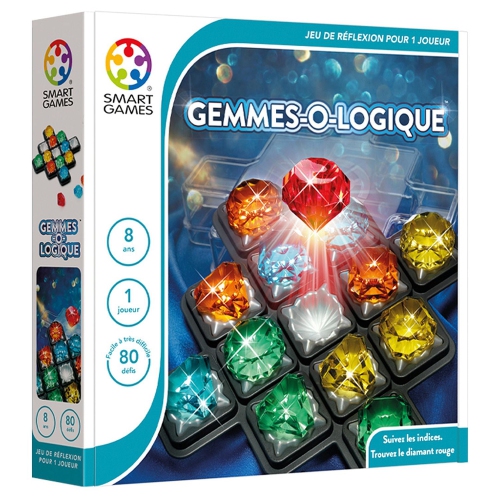
![RED ART GAMES Beholder 2 [Nintendo Switch]](https://multimedia.bbycastatic.ca/multimedia/products/500x500/193/19384/19384098.jpeg)
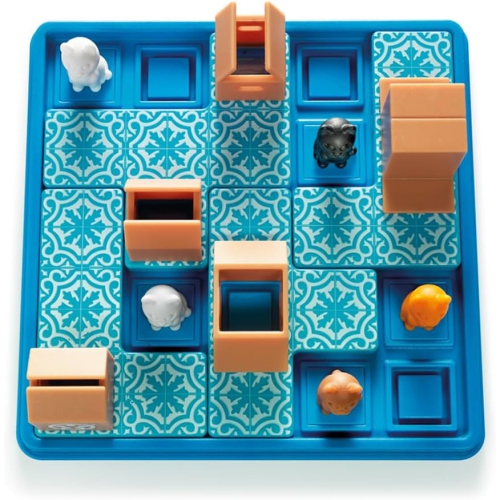
![LIMITED RUN GAMES Valkyria Chronicles 4 Complete Edition - Limited Run #570 [Playstation 4]](https://multimedia.bbycastatic.ca/multimedia/products/500x500/198/19842/19842095.jpeg)
![UIG ENTERTAINMENT Industry Giant Ii [Playstation 4]](https://multimedia.bbycastatic.ca/multimedia/products/500x500/165/16590/16590756.jpeg)
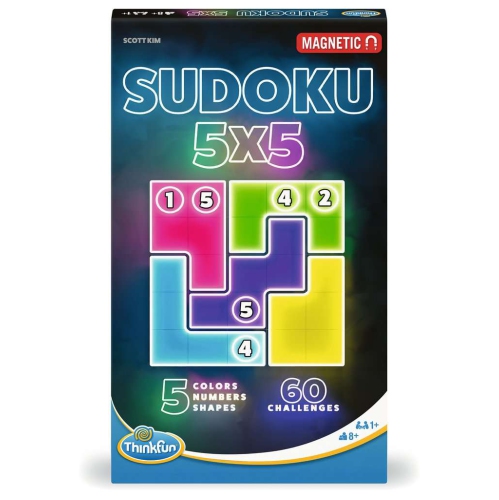
![BANDAI NAMCO The Dark Pictures Anthology: Little Hope [Xbox One]](https://multimedia.bbycastatic.ca/multimedia/products/500x500/193/19382/19382938.jpeg)
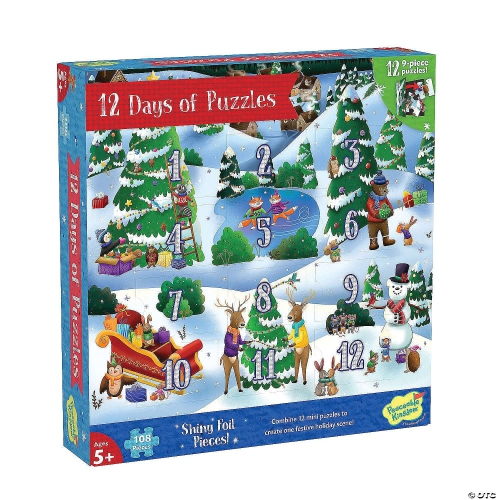
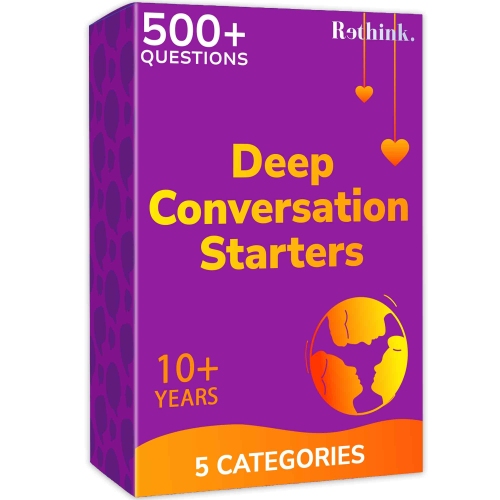
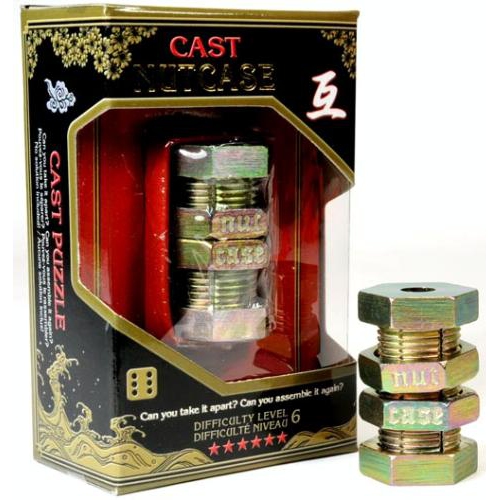
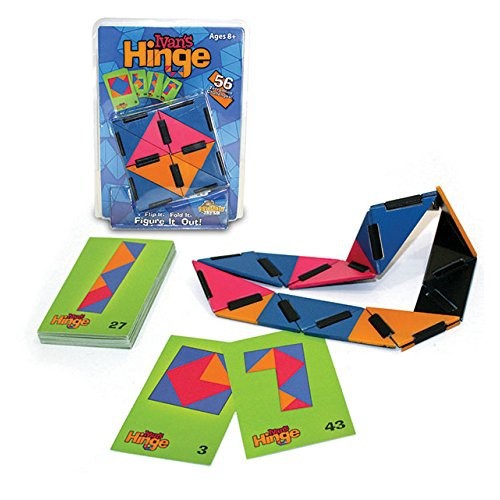


![KALYPSO MEDIA Commandos Origins - Deluxe Edition [Playstation 5]](https://multimedia.bbycastatic.ca/multimedia/products/500x500/194/19477/19477085.jpeg)

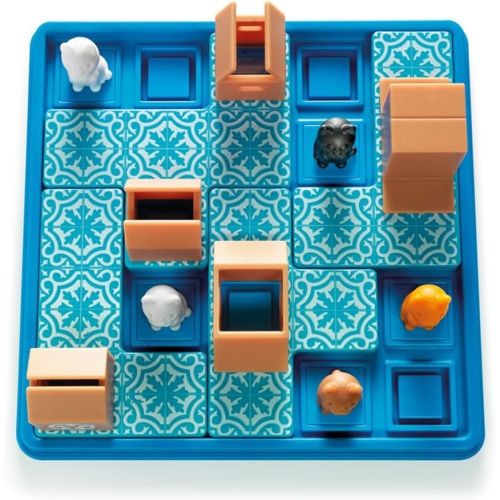
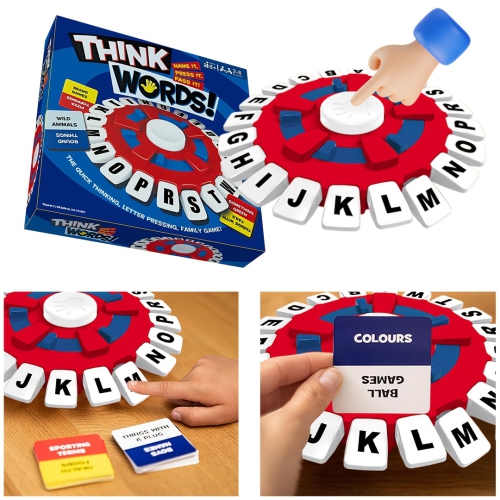
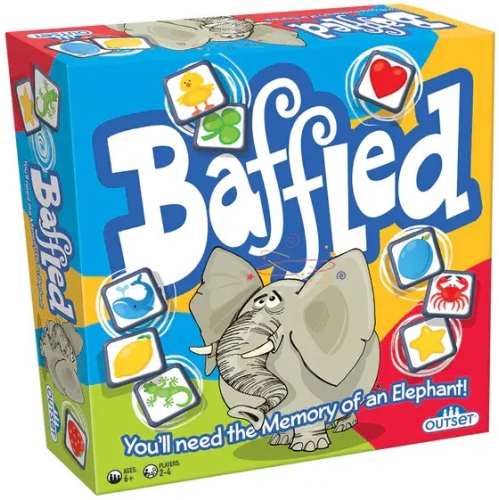
![AMC The Walking Dead: Destinies [Nintendo Switch] Great game](https://multimedia.bbycastatic.ca/multimedia/products/500x500/194/19477/19477132.jpeg)
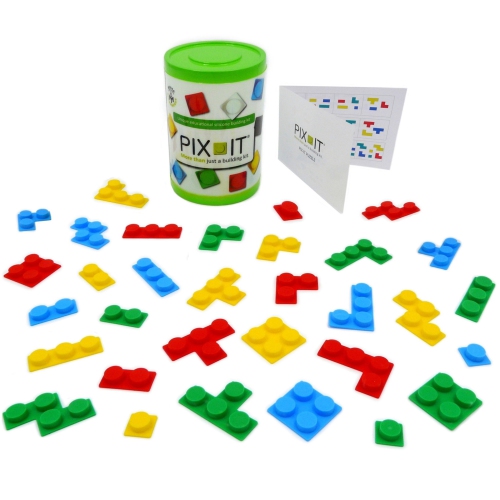
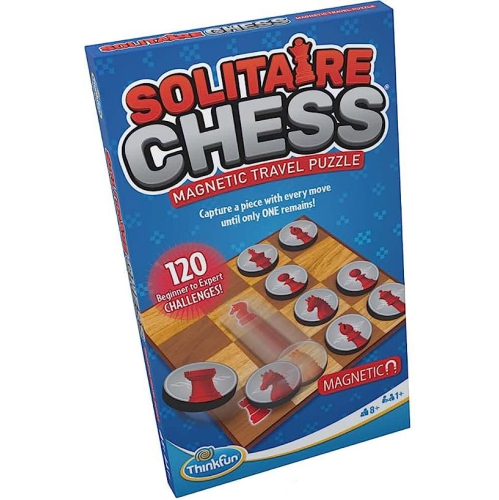
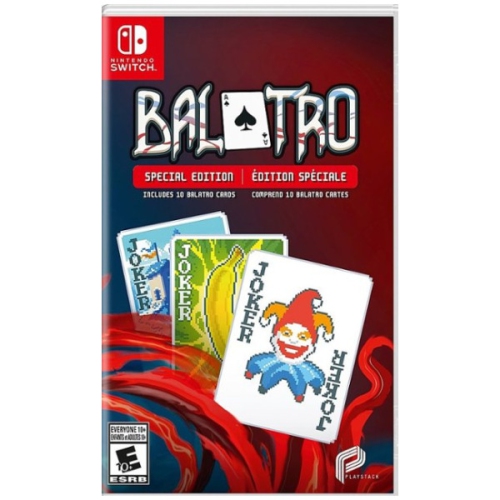
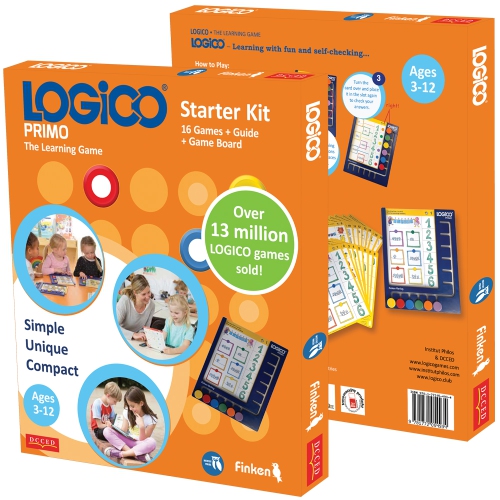
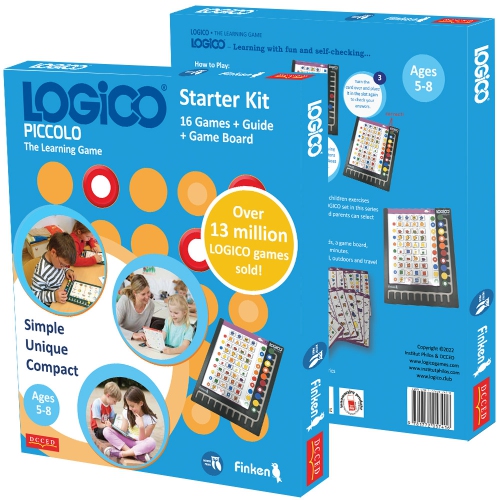
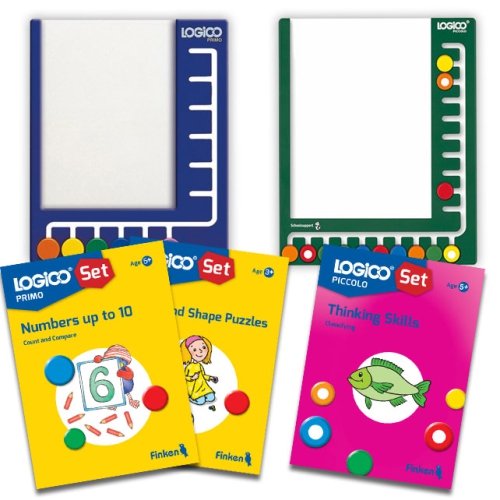
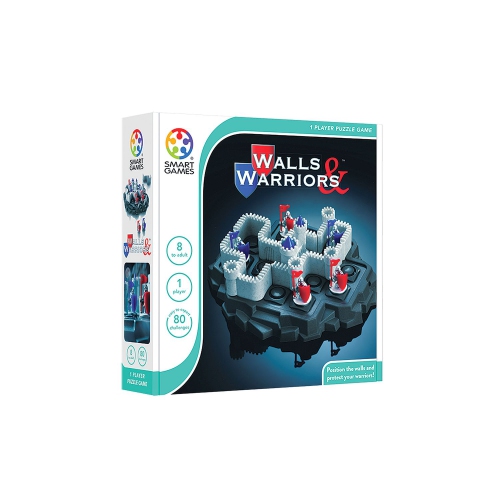
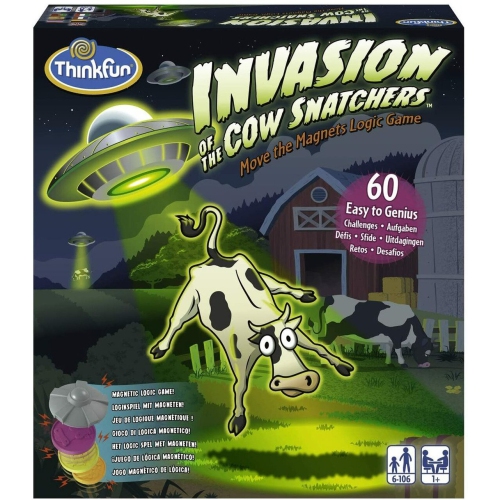
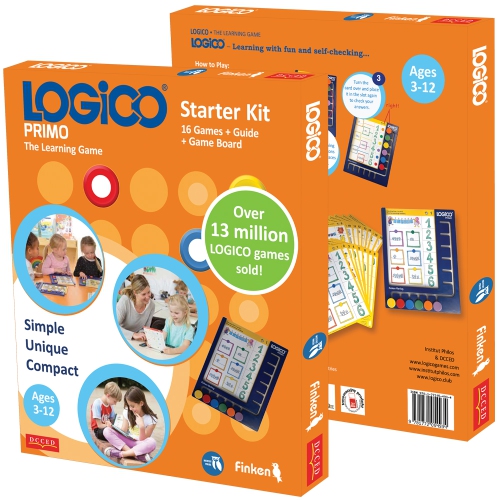
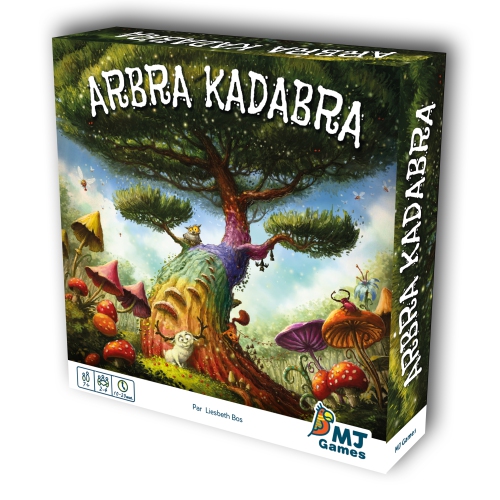
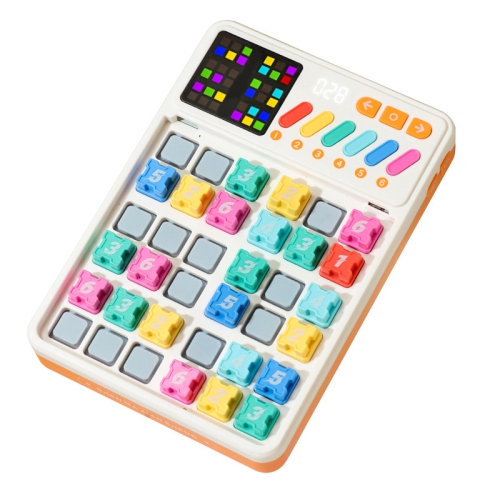
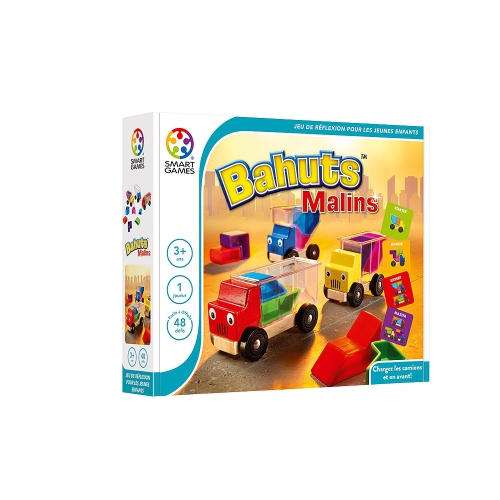
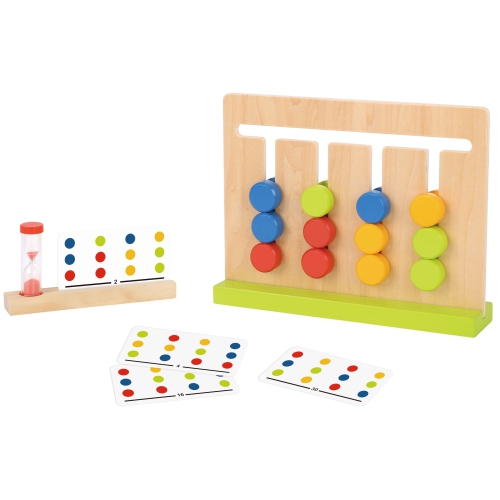
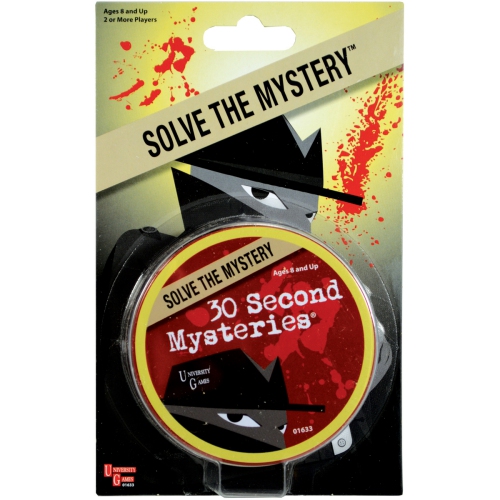
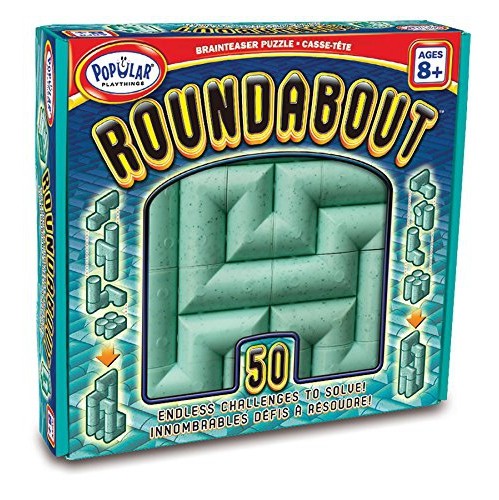
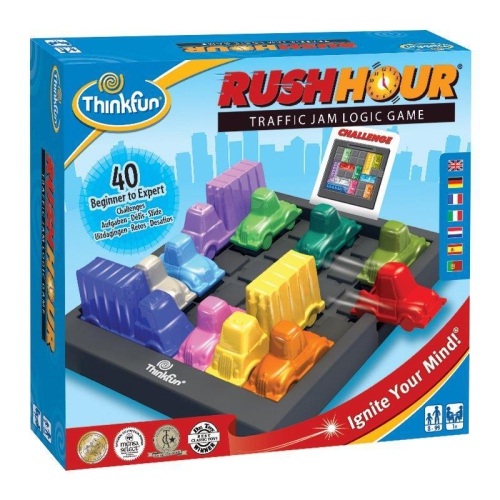
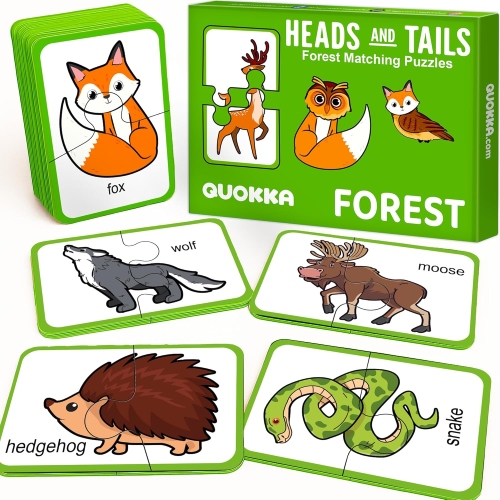

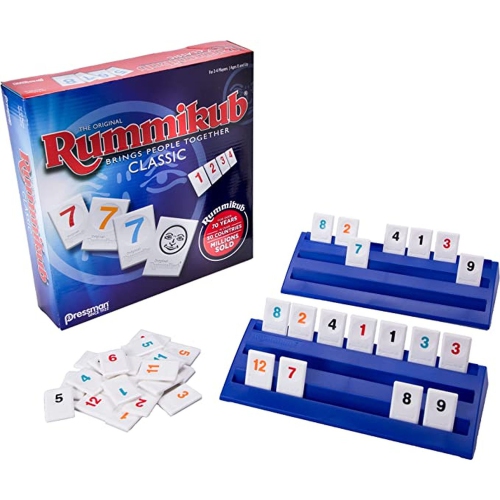

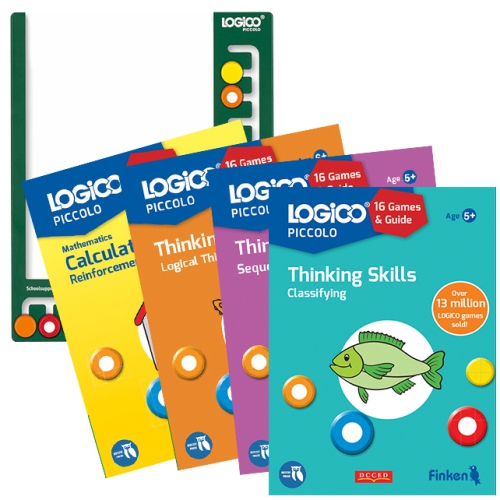

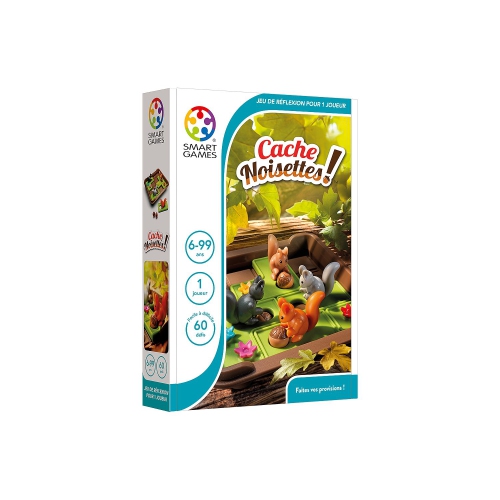
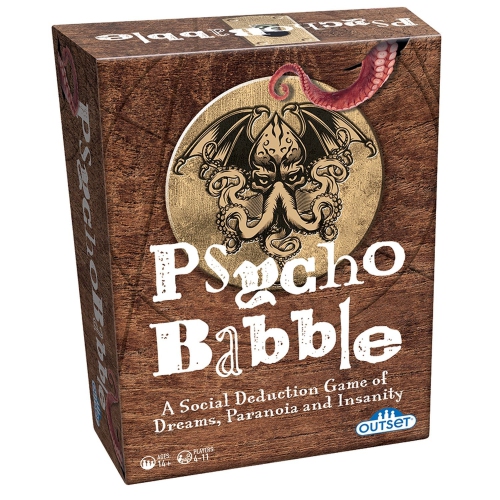
![LIMITED RUN GAMES The Isle Tide Hotel - Limited Run #131 [Playstation 5]](https://multimedia.bbycastatic.ca/multimedia/products/500x500/198/19871/19871915.jpeg)
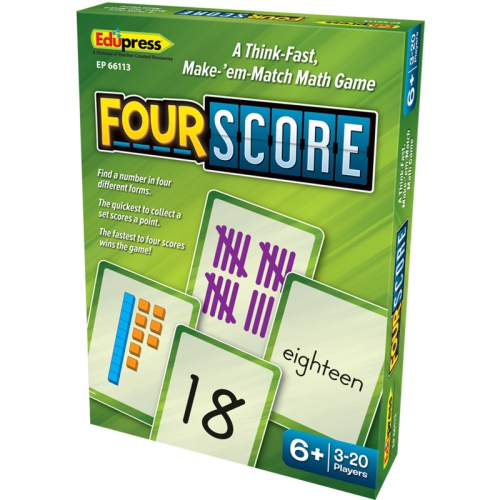
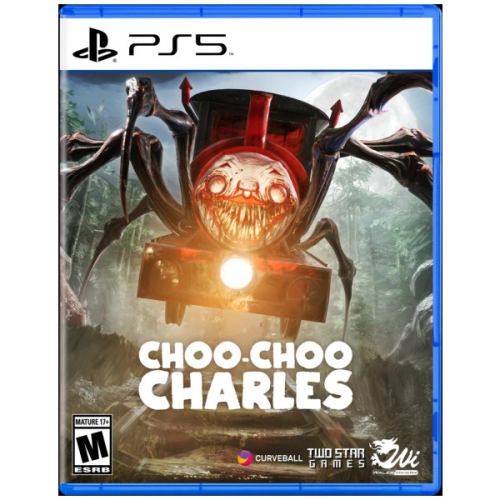
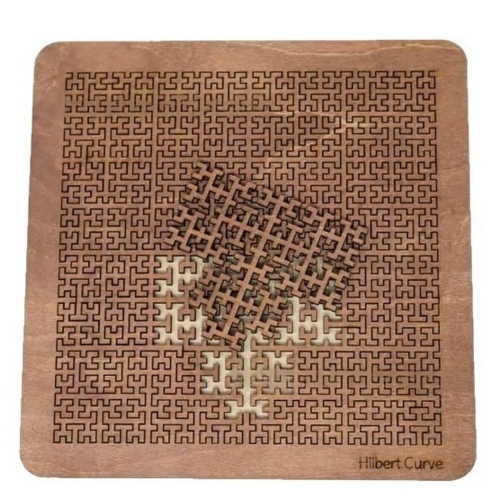
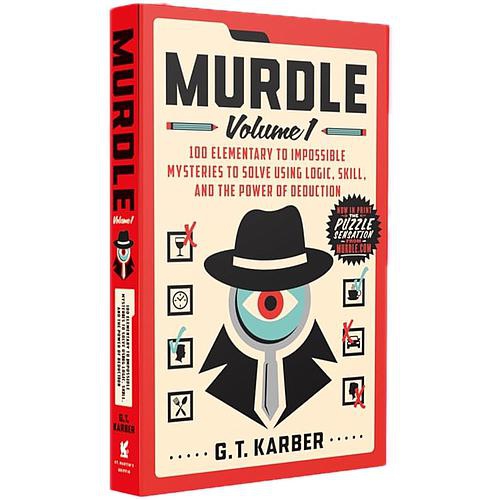

![RED ART GAMES Pillar [Playstation 4]](https://multimedia.bbycastatic.ca/multimedia/products/500x500/160/16011/16011591.jpeg)
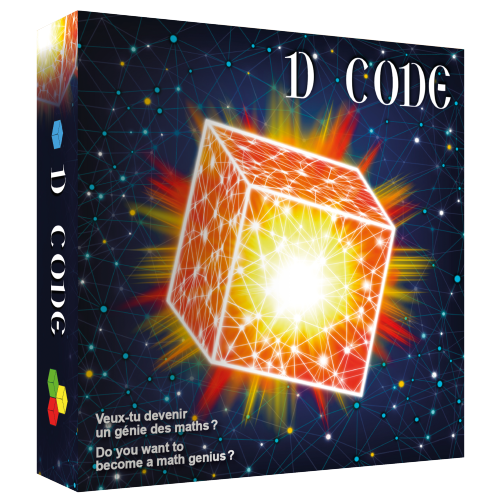

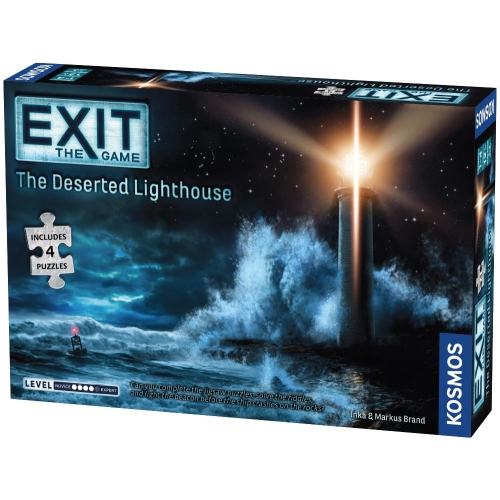
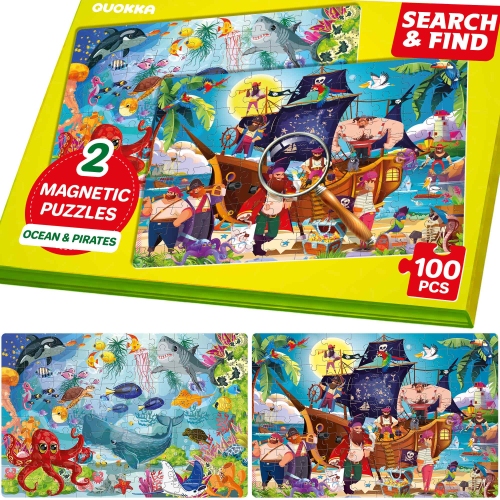
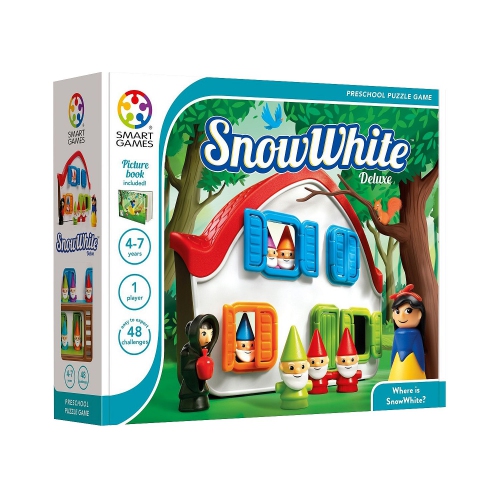
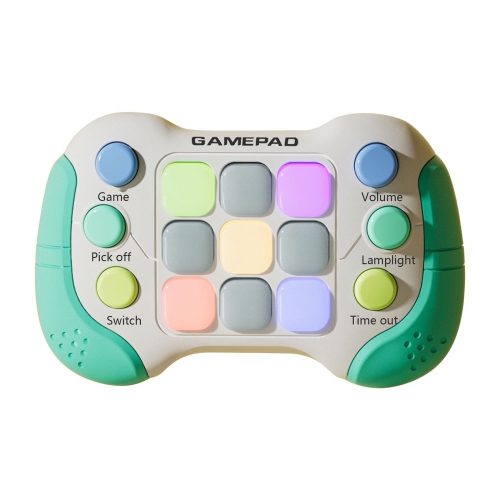
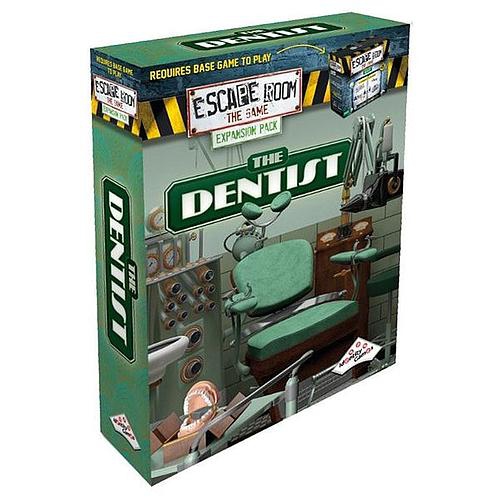
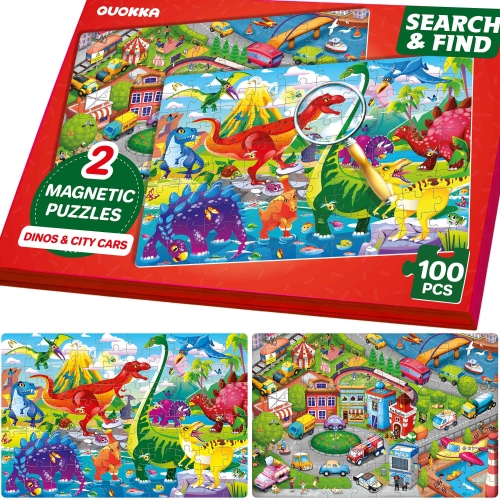
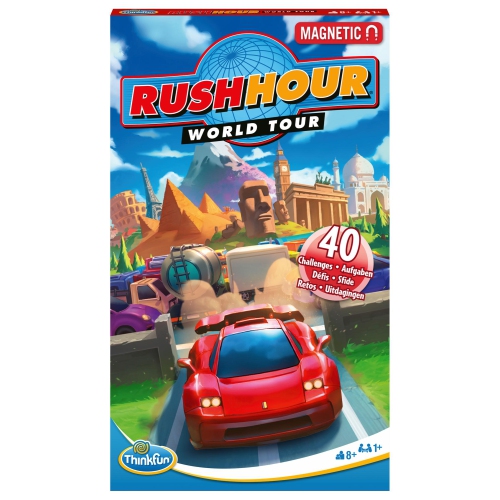
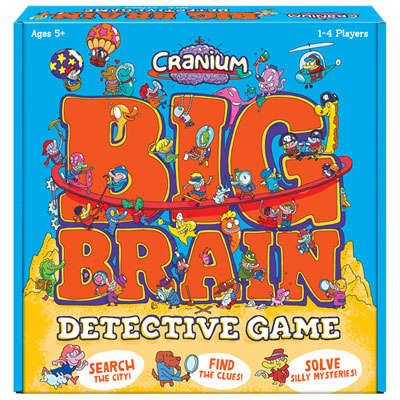
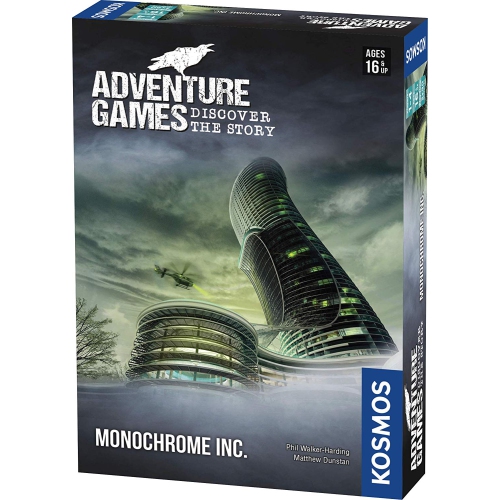
![OPGAMES Guess Who? Dog Man [Board Game, 2 Players]](https://multimedia.bbycastatic.ca/multimedia/products/500x500/201/20186/20186124.jpeg)
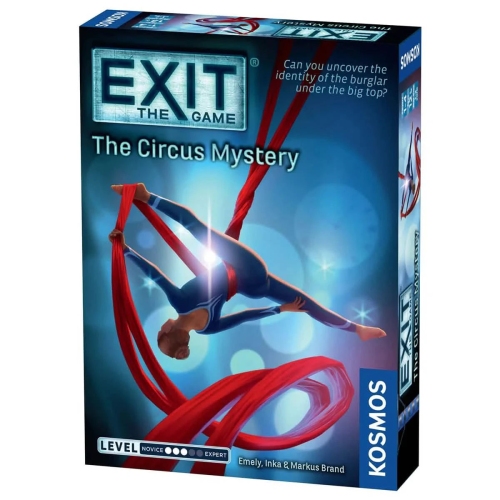
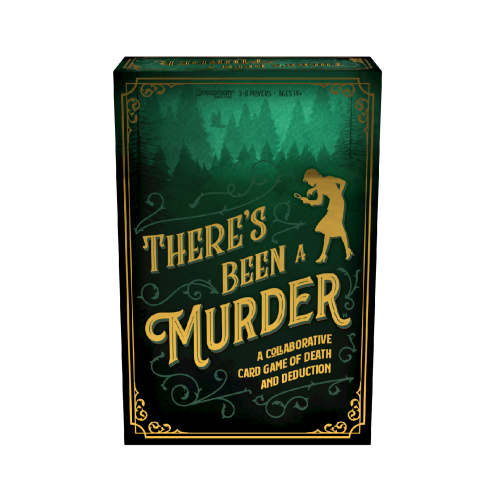

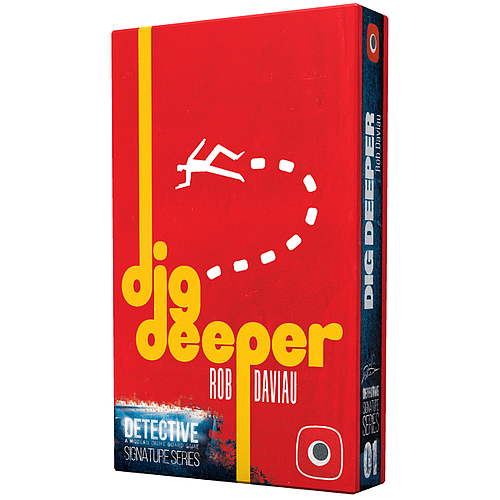
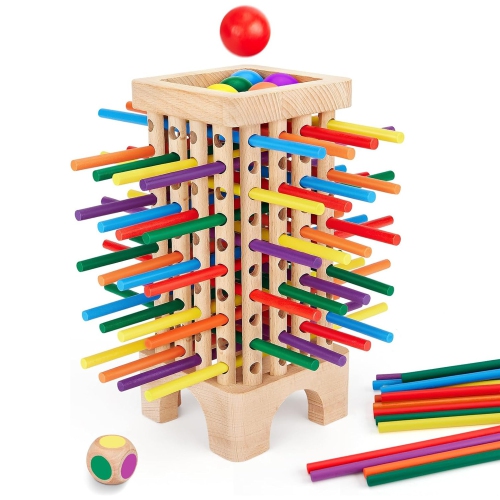

![BOOM! Boom Taxi - 2020 Edition [Board Game, 2-6 Players]](https://multimedia.bbycastatic.ca/multimedia/products/500x500/193/19383/19383493.jpeg)
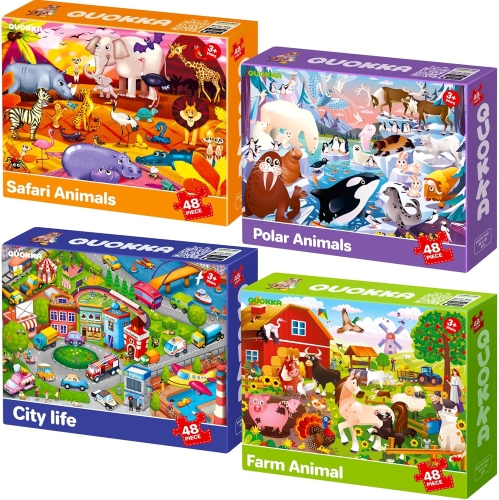
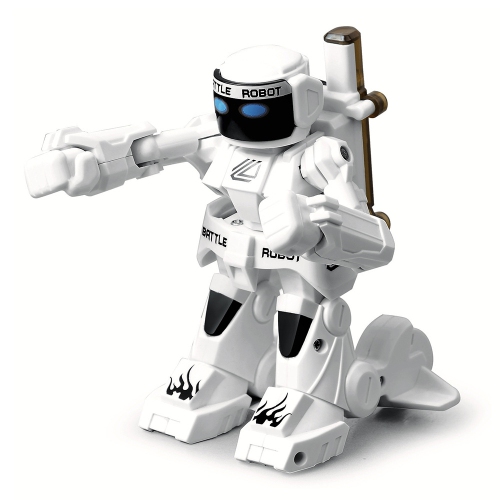
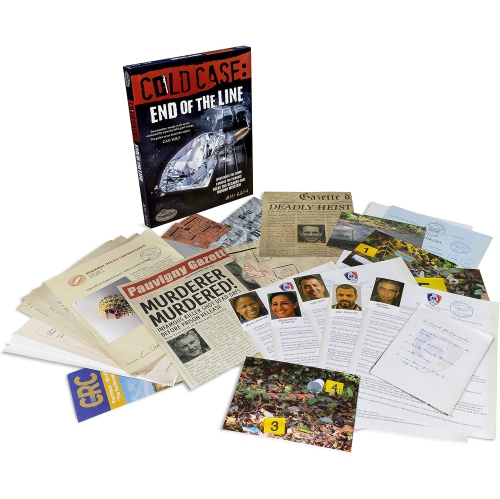
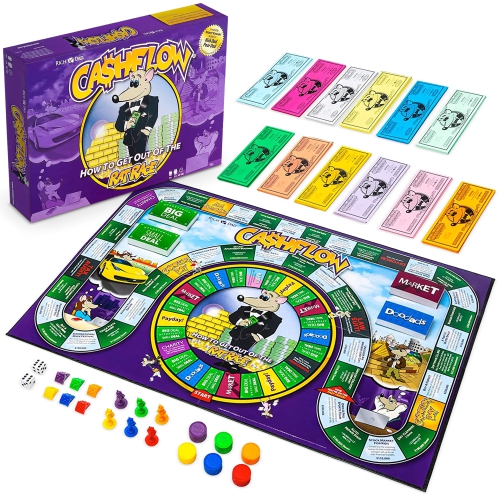
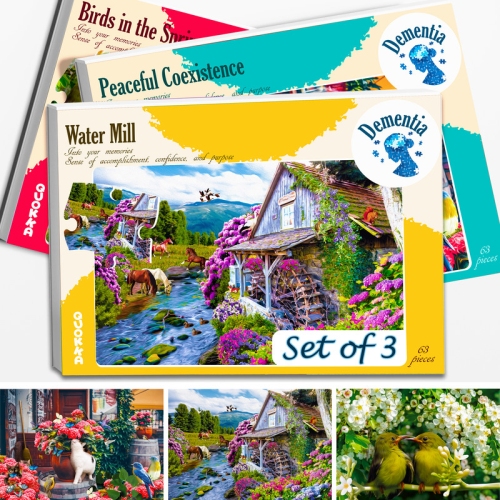
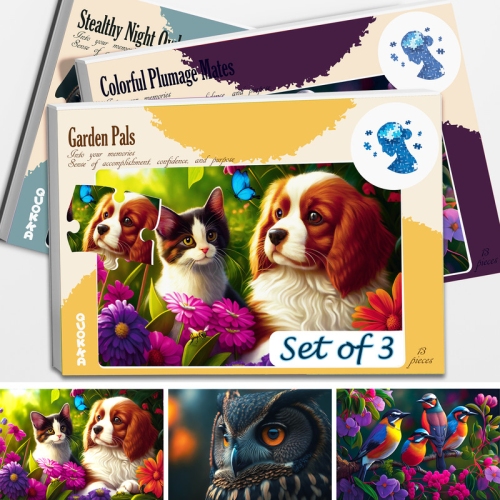
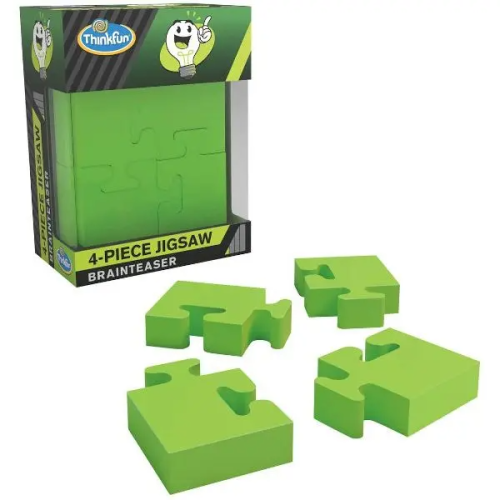
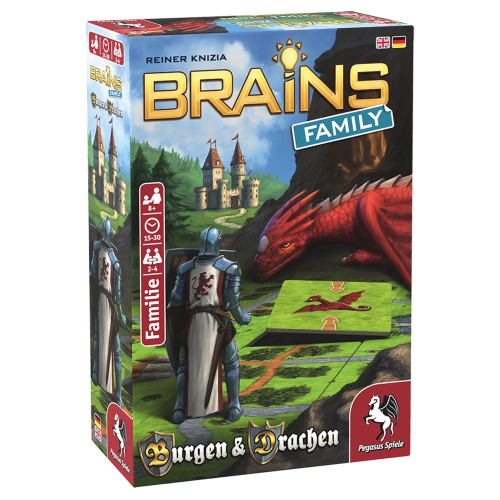
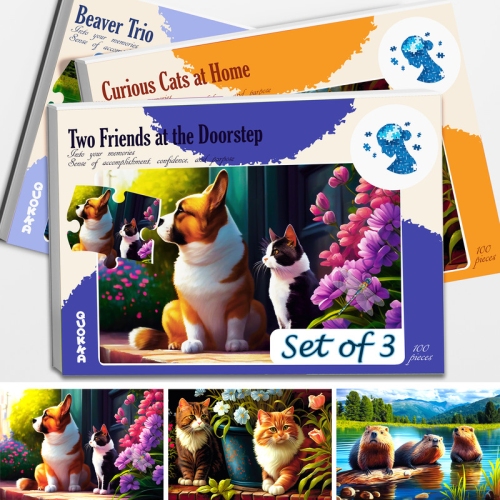
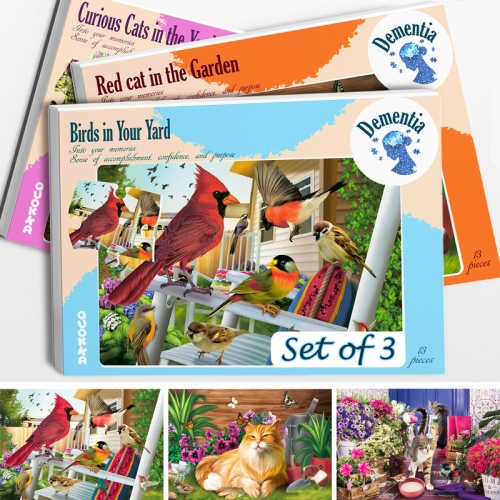
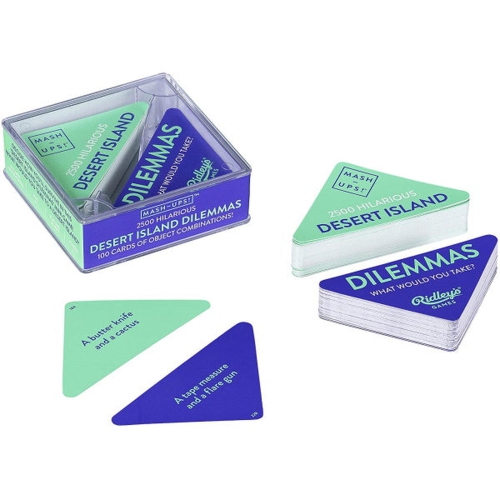

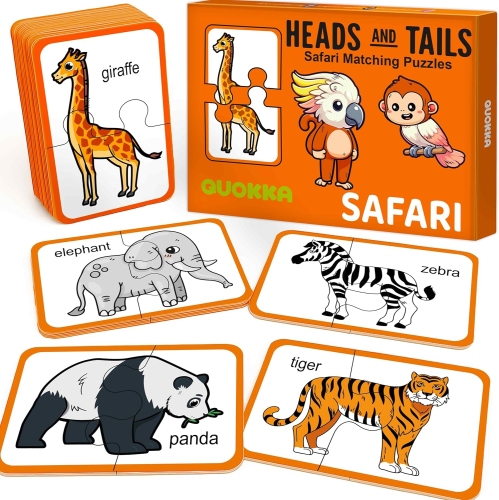

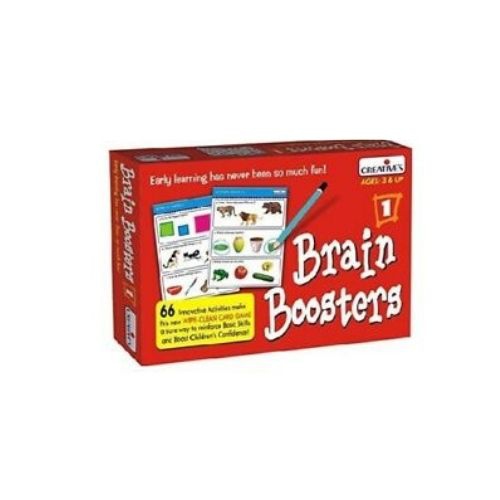
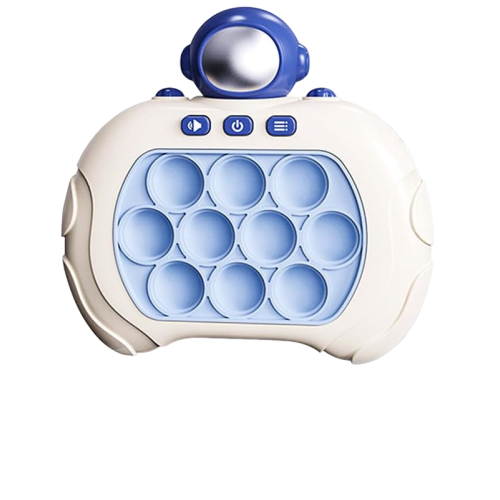
![LEGO Card Game Set [Board Game, 2-4 Players]](https://multimedia.bbycastatic.ca/multimedia/products/500x500/196/19693/19693774.jpeg)
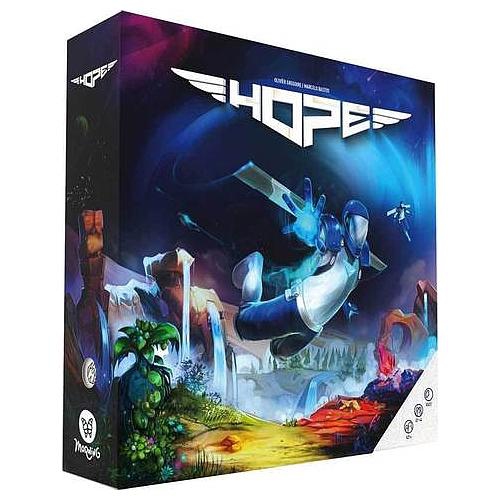
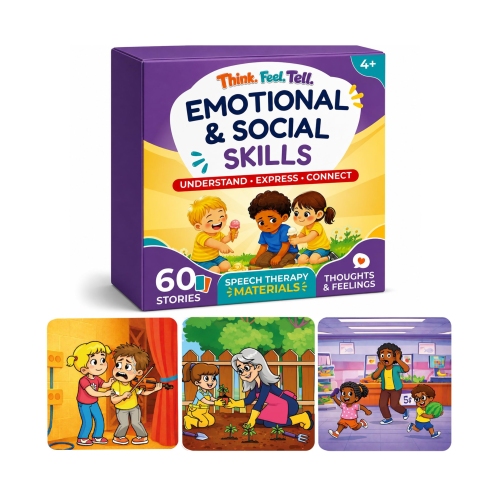
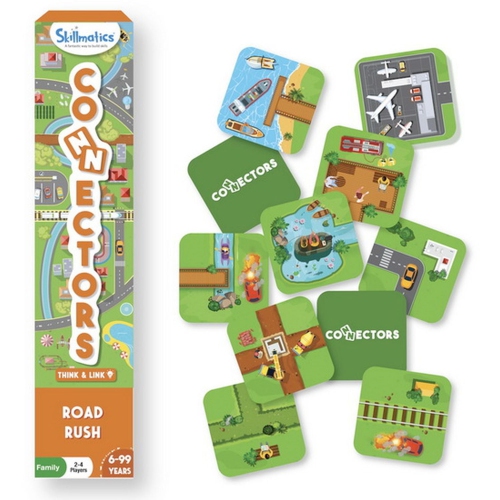
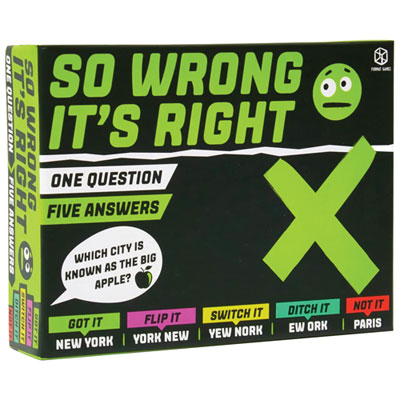
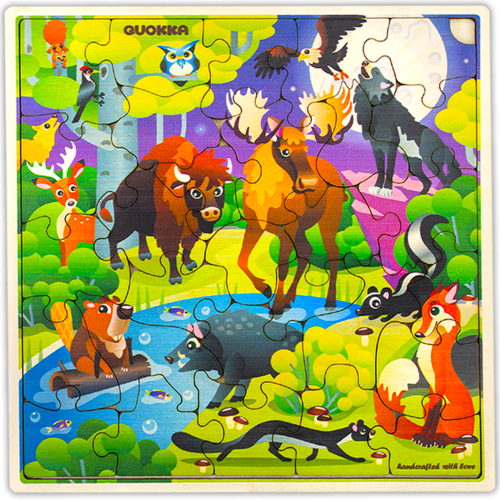
![BRIGHT EYES GAMES Termite Tower [Board Game, 1 - 4 Players]](https://multimedia.bbycastatic.ca/multimedia/products/500x500/196/19679/19679686.jpeg)
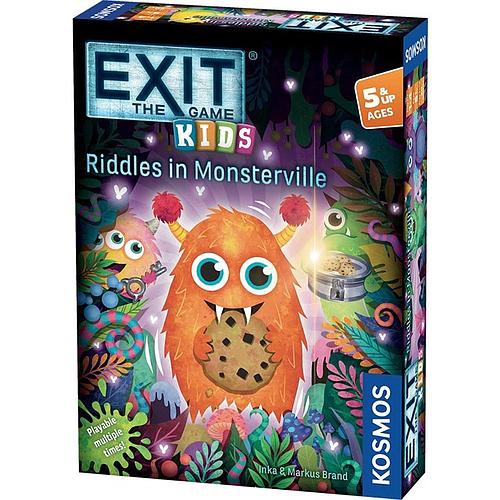
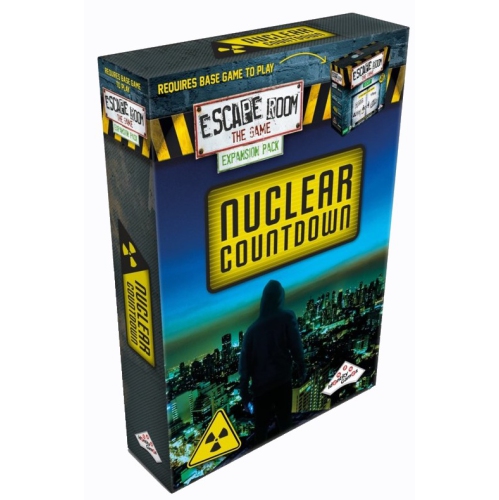
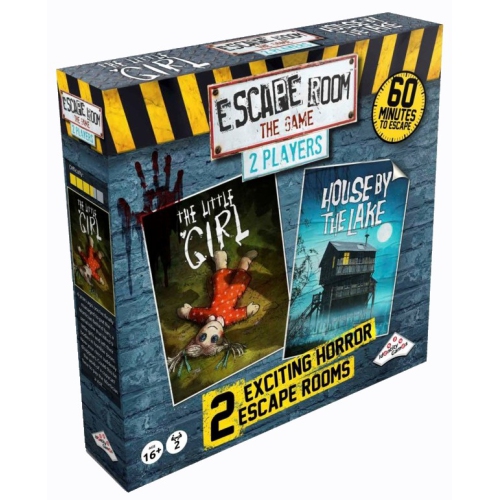
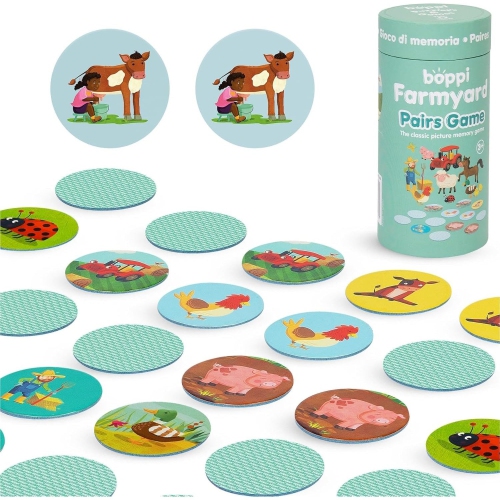
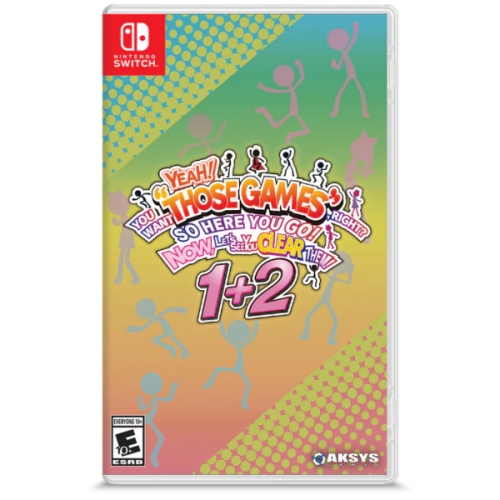

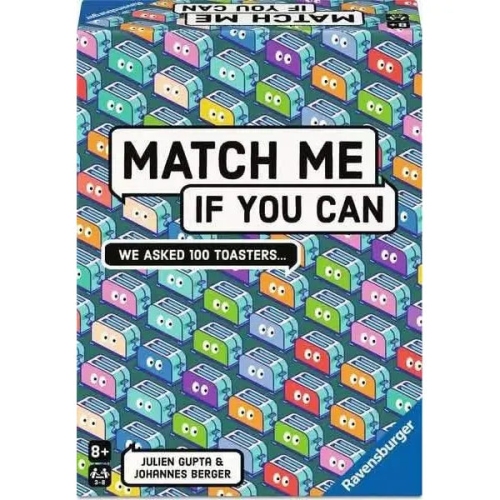
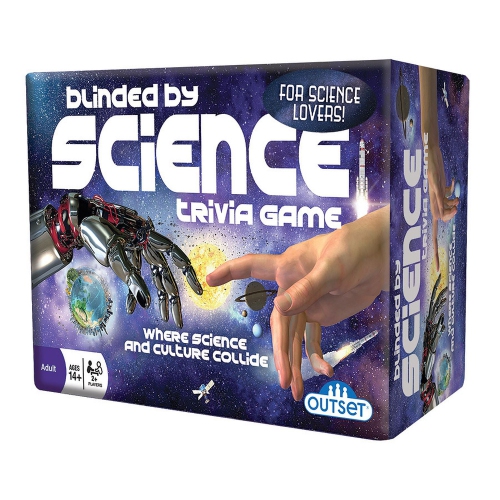
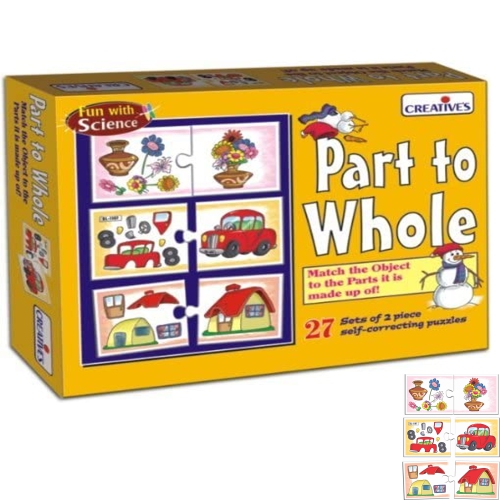
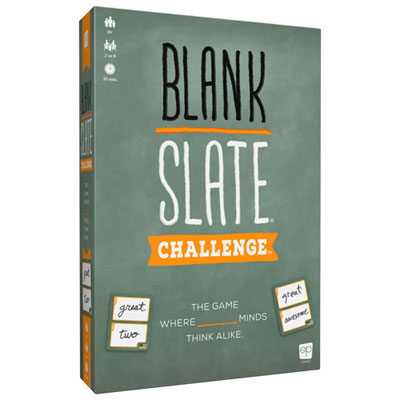
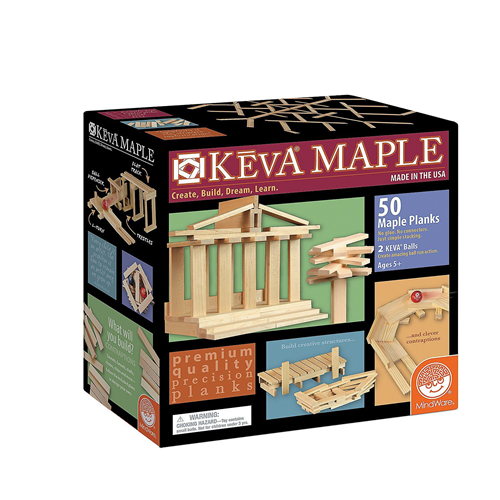
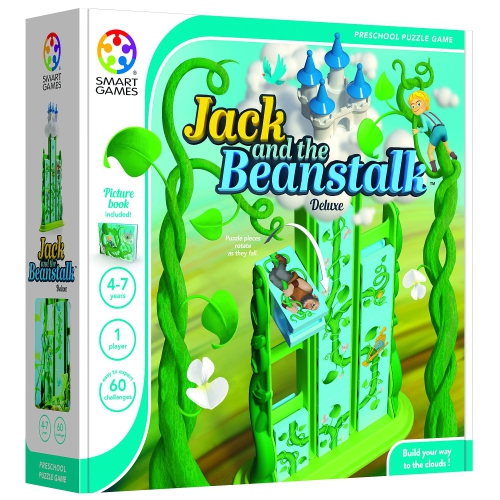
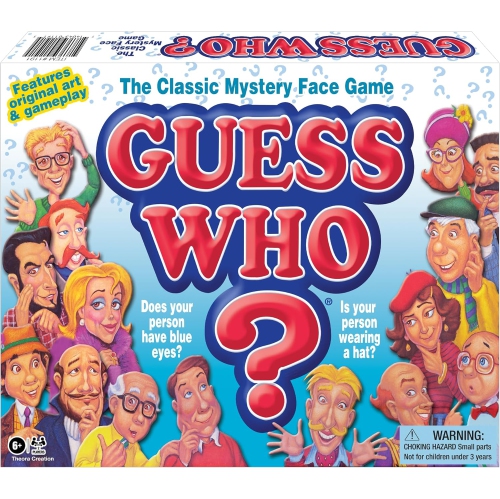
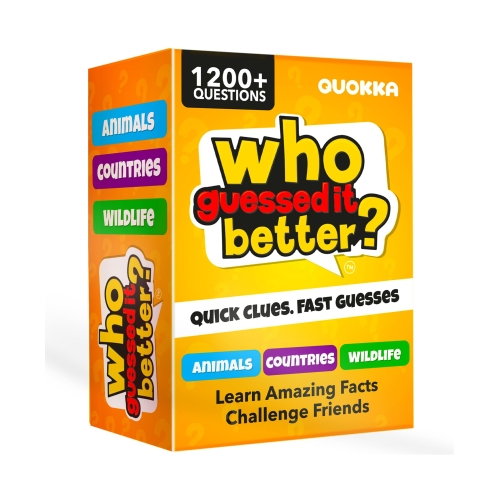

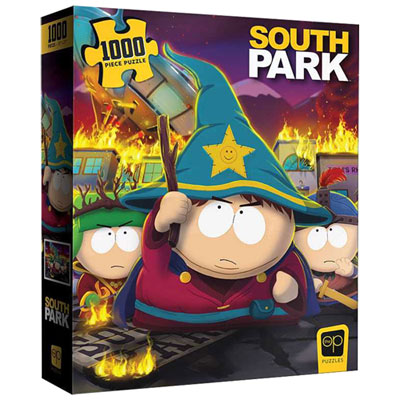
![WIRED PRODUCTION Deliver Us The Moon [Playstation 5]](https://multimedia.bbycastatic.ca/multimedia/products/500x500/201/20167/20167834.jpeg)
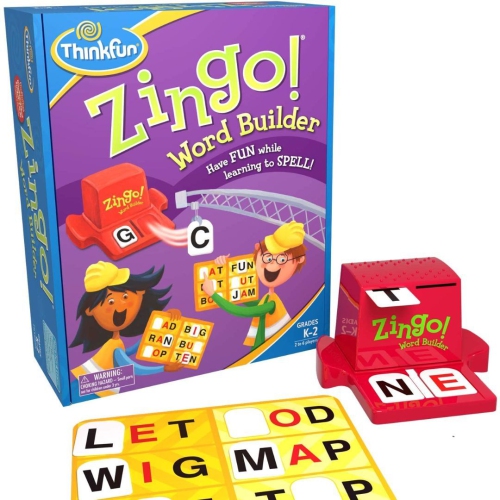
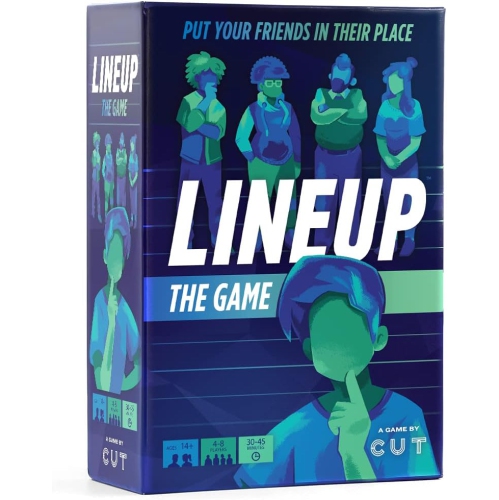
![RIDLEY'S GAMES This And That Game, Mash UPS - [Board Game]](https://multimedia.bbycastatic.ca/multimedia/products/500x500/194/19478/19478022.jpeg)
![GEARBOX PUBLISHING Hello Neighbor 2 [Playstation 5] Amazing service fast shipping thank you Best Buy y’all the best](https://multimedia.bbycastatic.ca/multimedia/products/500x500/193/19382/19382692.jpeg)
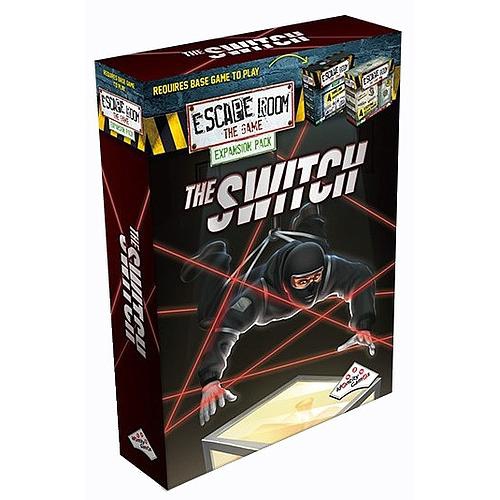
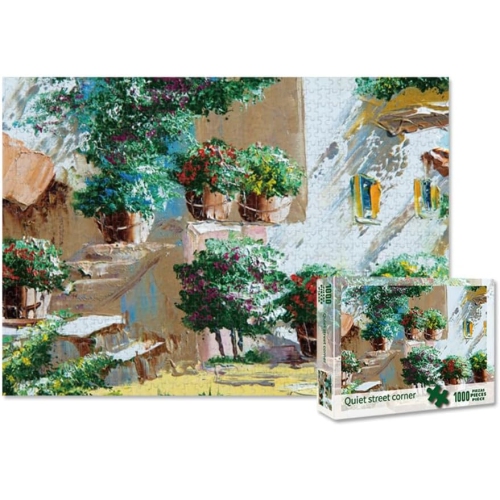
Logic, deduction and strategy shape engaging, screen-free play
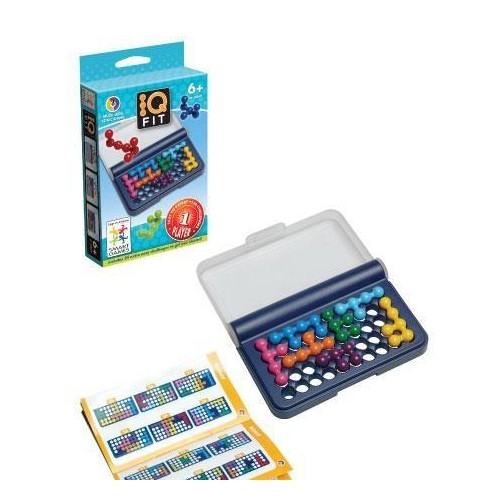
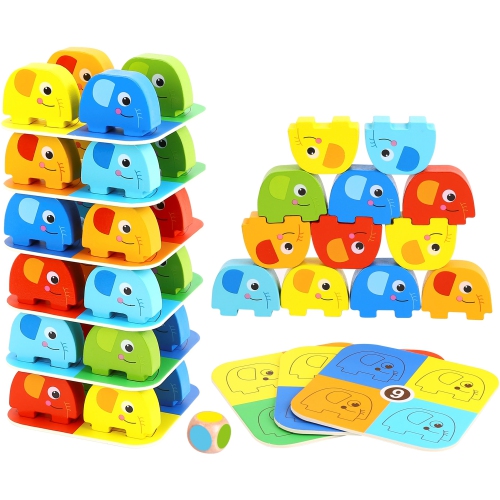
Critical thinking games turn careful thought into an engaging activity, giving players opportunities to practise logic, reasoning, planning, deduction and problem-solving while they play. Rather than relying only on speed or luck, these games often ask players to examine information, identify patterns, weigh possible outcomes and make decisions with a clear purpose. Some involve arranging pieces within limited space, while others focus on number sequences, word clues, visual relationships, memory or strategic choices. A strong choice may have simple rules that are easy to explain but offer plenty of depth as players gain experience. This balance helps keep the activity approachable for beginners while giving experienced players new challenges to explore. Look for games that encourage players to think several steps ahead, compare different solutions or adapt when an initial plan does not work. Deduction-based activities can help develop the habit of eliminating unlikely answers and using available clues carefully. Strategy games can introduce resource management, probability, negotiation and spatial awareness in a setting that feels social rather than instructional. Logic puzzles and sequence-based activities can support attention to detail and flexible thinking without requiring advanced mathematics. Riddles, lateral-thinking challenges and word-based puzzles can encourage players to reconsider assumptions and approach a familiar problem from an unexpected angle. Together, these formats make Critical Thinking Games useful for families, educators, children, teens and adults who enjoy an absorbing challenge. They can be played at a kitchen table, in a classroom, at a community programme or during a quiet afternoon at home, with many options offering a satisfying activity that does not require a screen.
When choosing Critical Thinking Games, start with the player’s age, reading ability, attention span and previous experience. Younger children may benefit from large, easy-to-handle components, visual instructions, short rounds and challenges that can be solved through matching, sorting or basic pattern recognition. For older children and teens, consider activities with layered rules, branching decisions, tactical planning or puzzles that become more demanding over time. Adult players may appreciate longer sessions, intricate deduction, abstract strategy or cooperative challenges that invite thoughtful discussion. The number of players also matters. A solo puzzle can provide a calm way to concentrate, while a two-player challenge may create a focused contest in which every decision has a visible consequence. Group games can encourage communication, negotiation and the ability to explain a line of reasoning, making them suitable for family gatherings, learning spaces and friendly get-togethers. Cooperative formats are especially helpful when the goal is to solve a shared problem rather than compete, as players can compare ideas, divide tasks and learn from different approaches. Before purchasing, check the recommended age range, estimated play time, player count, language requirements and storage needs. A compact format may be convenient for travel, waiting rooms or taking to a cottage, whereas a larger tabletop activity may be better suited to a dedicated game night. If the game is intended as a gift, consider the recipient’s interests as well as their skill level. A child who enjoys building may prefer spatial challenges, someone fascinated by stories may respond to mystery and deduction, and a numbers enthusiast may enjoy sequences and logical grids. For classroom or family use, replay value is important; games with changing layouts, multiple strategies or different challenge levels can remain engaging long after the first session. Adults can also look for activities that make it easy to pause and resume, especially when play is shared among people with different schedules.
Critical thinking develops through practice, conversation and reflection, so the way a game is used can be just as important as the game itself. Encourage players to describe what they noticed, explain why they selected a particular move and consider what they might try differently in the next round. Avoid treating every mistake as a failure; an incorrect assumption can reveal a useful clue and help players understand how evidence supports a conclusion. In a family setting, adults can model patient reasoning by thinking aloud without taking control of the activity. In a classroom, educators can use a short challenge as an opening activity, a small-group exercise or a way to extend learning after a lesson. Younger players may need help reading instructions or organizing pieces, while older players can take turns leading the explanation and checking whether a solution follows the rules. During the warmer days of late summer, these games can accompany travel, visits with relatives or relaxed evenings outdoors, provided the pieces can be kept together. As the weather cools and people spend more time indoors, they can bring focus and conversation to weekend gatherings, after-school routines and quiet evenings. They also pair naturally with other kinds of imaginative play: players who enjoy puzzles involving patterns, reasoning and solutions may also like Creative Thinking Games that encourage open-ended ideas and new possibilities. Whether selected for independent practice, family time, a learning environment or a thoughtful gift, the best choice is one that feels inviting at the beginning and rewarding as players become more observant, strategic and confident.
When choosing Critical Thinking Games, start with the player’s age, reading ability, attention span and previous experience. Younger children may benefit from large, easy-to-handle components, visual instructions, short rounds and challenges that can be solved through matching, sorting or basic pattern recognition. For older children and teens, consider activities with layered rules, branching decisions, tactical planning or puzzles that become more demanding over time. Adult players may appreciate longer sessions, intricate deduction, abstract strategy or cooperative challenges that invite thoughtful discussion. The number of players also matters. A solo puzzle can provide a calm way to concentrate, while a two-player challenge may create a focused contest in which every decision has a visible consequence. Group games can encourage communication, negotiation and the ability to explain a line of reasoning, making them suitable for family gatherings, learning spaces and friendly get-togethers. Cooperative formats are especially helpful when the goal is to solve a shared problem rather than compete, as players can compare ideas, divide tasks and learn from different approaches. Before purchasing, check the recommended age range, estimated play time, player count, language requirements and storage needs. A compact format may be convenient for travel, waiting rooms or taking to a cottage, whereas a larger tabletop activity may be better suited to a dedicated game night. If the game is intended as a gift, consider the recipient’s interests as well as their skill level. A child who enjoys building may prefer spatial challenges, someone fascinated by stories may respond to mystery and deduction, and a numbers enthusiast may enjoy sequences and logical grids. For classroom or family use, replay value is important; games with changing layouts, multiple strategies or different challenge levels can remain engaging long after the first session. Adults can also look for activities that make it easy to pause and resume, especially when play is shared among people with different schedules.
Critical thinking develops through practice, conversation and reflection, so the way a game is used can be just as important as the game itself. Encourage players to describe what they noticed, explain why they selected a particular move and consider what they might try differently in the next round. Avoid treating every mistake as a failure; an incorrect assumption can reveal a useful clue and help players understand how evidence supports a conclusion. In a family setting, adults can model patient reasoning by thinking aloud without taking control of the activity. In a classroom, educators can use a short challenge as an opening activity, a small-group exercise or a way to extend learning after a lesson. Younger players may need help reading instructions or organizing pieces, while older players can take turns leading the explanation and checking whether a solution follows the rules. During the warmer days of late summer, these games can accompany travel, visits with relatives or relaxed evenings outdoors, provided the pieces can be kept together. As the weather cools and people spend more time indoors, they can bring focus and conversation to weekend gatherings, after-school routines and quiet evenings. They also pair naturally with other kinds of imaginative play: players who enjoy puzzles involving patterns, reasoning and solutions may also like Creative Thinking Games that encourage open-ended ideas and new possibilities. Whether selected for independent practice, family time, a learning environment or a thoughtful gift, the best choice is one that feels inviting at the beginning and rewarding as players become more observant, strategic and confident.
Top selling and popular products
-
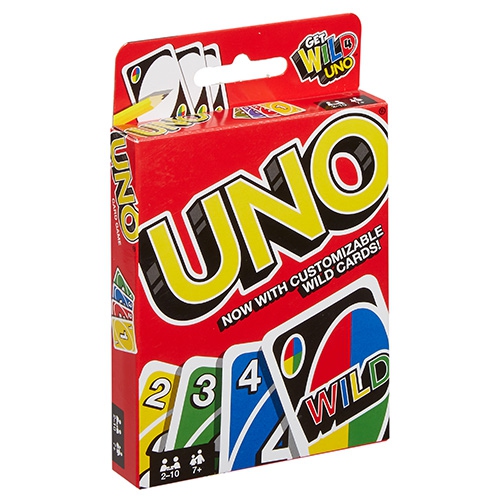 Your price for this item is $14.99
 -
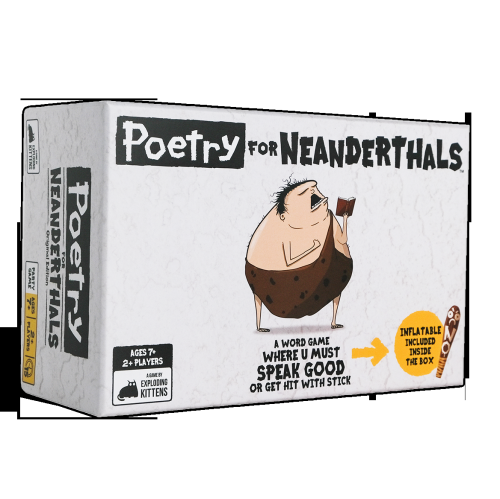 Your price for this item is $34.99
 -
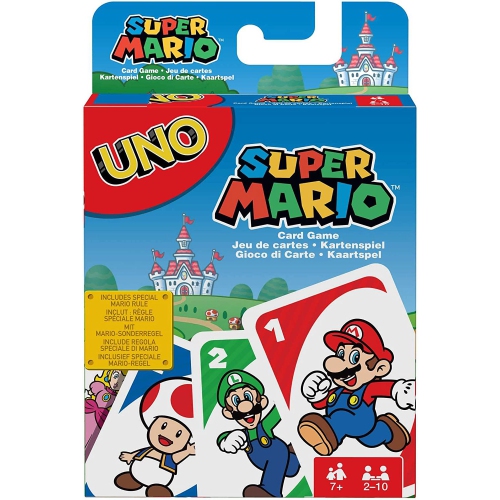 Your price for this item is $15
 -
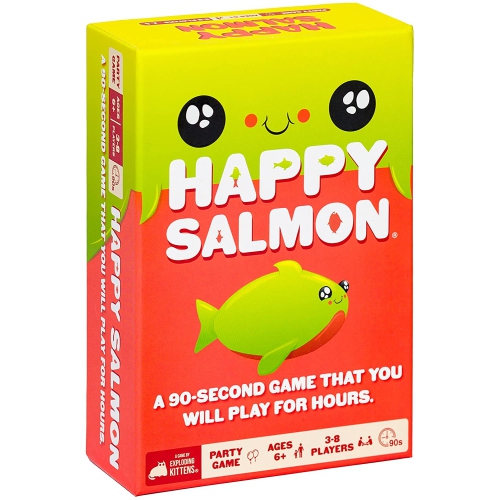 Your price for this item is $21.99
 -
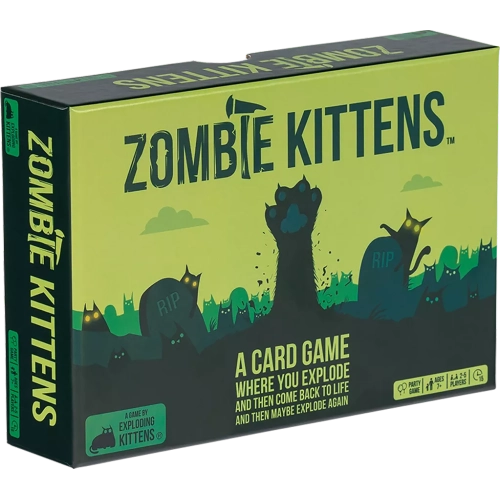 Your price for this item is $34.99
 -
 Your price for this item is $24.99
 -
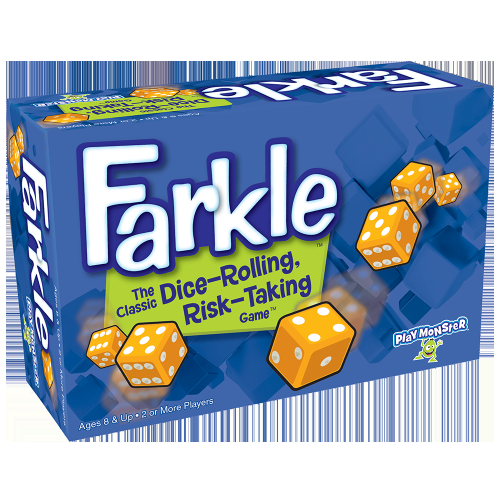 Your price for this item is $20.93
 -
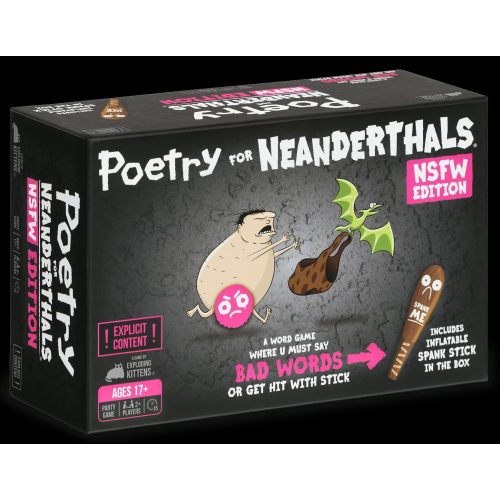 Your price for this item is $31.99
Discover more categories related to Critical Thinking Games
Top Collections:
Pokemon Centers, Best Cameras for Sports Photography, Kindle Devices, Samsung Galaxy Phones, Canon G7X Cameras, Pokémon 30th Celebration Cards, Refurbished Apple Laptops, iPhone 15 Apple, Laptops for Students, Budget Smartphones
Some products may be subject to Environmental Handling Fees
(EHF) depending on your province.
Learn more about EHFs.