DIY Kits
Dive into the world of creativity and innovation with our diverse range of DIY kits, perfect for hobbyists and enthusiasts alike. Whether you're looking to build, craft, or explore new skills, these kits offer an exciting opportunity to unleash your imagination and bring your ideas to life. From intricate model assemblies to fun crafting projects, each kit is designed to provide a rewarding hands-on experience that caters to all skill levels. Discover the joy of making something uniquely yours and embark on your next creative adventure today!
Sort
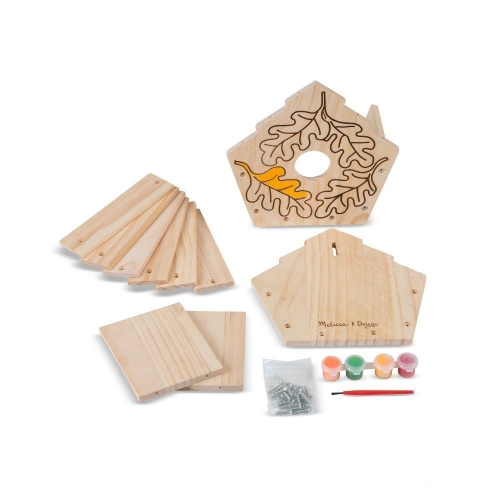
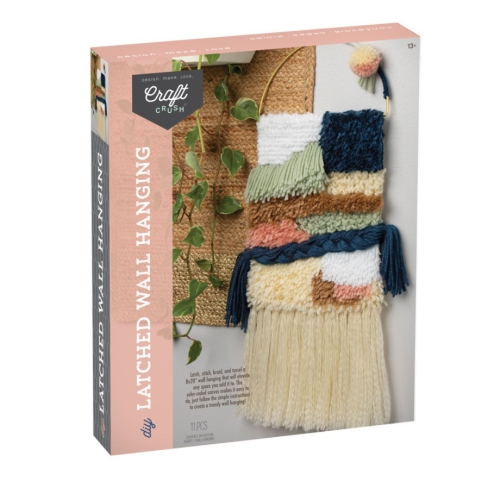
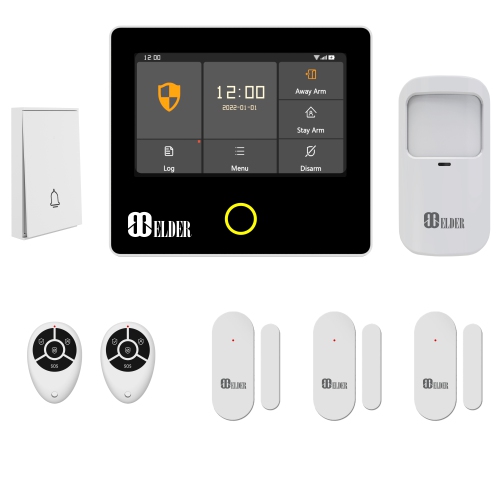
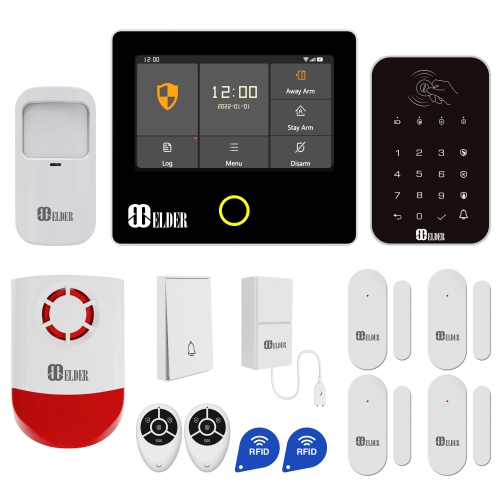
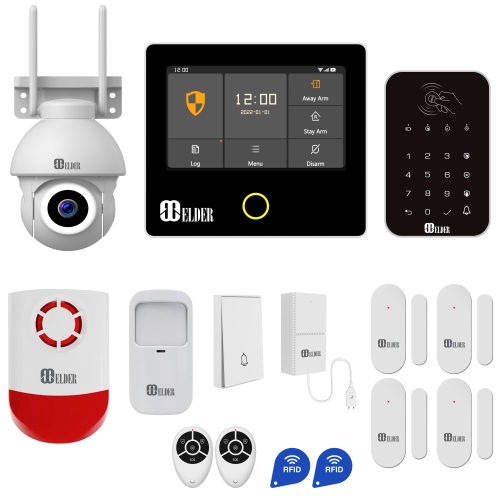
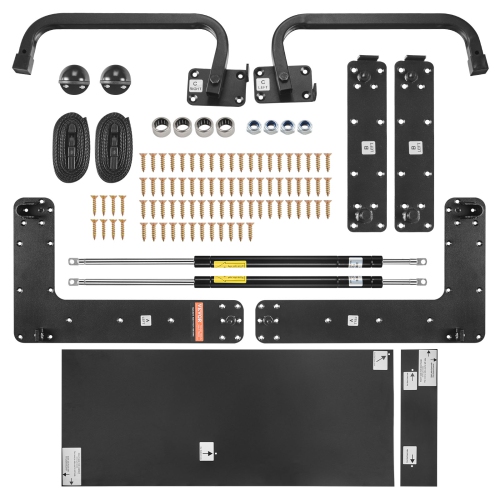
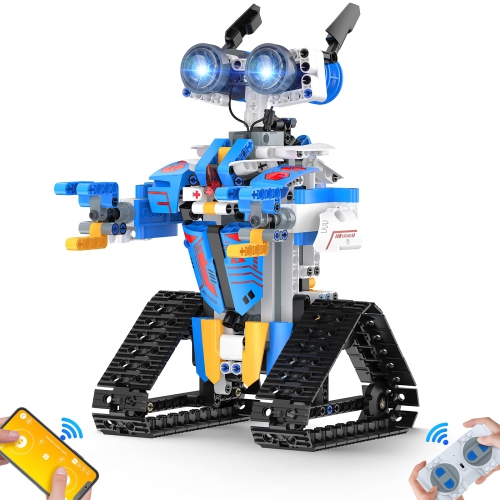
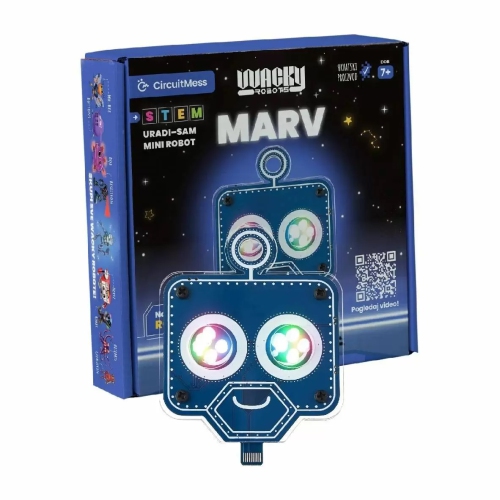

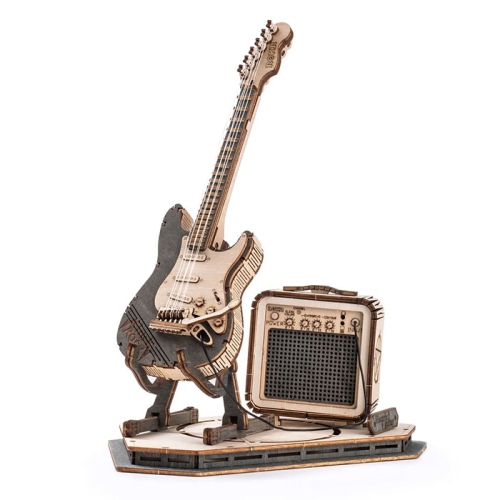
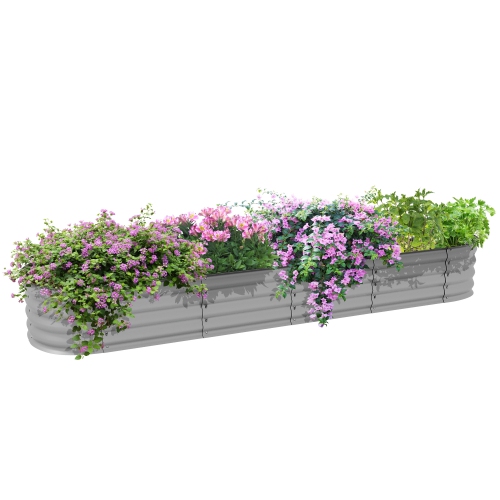

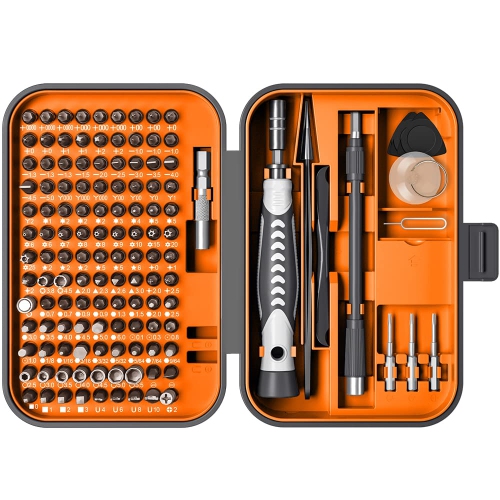
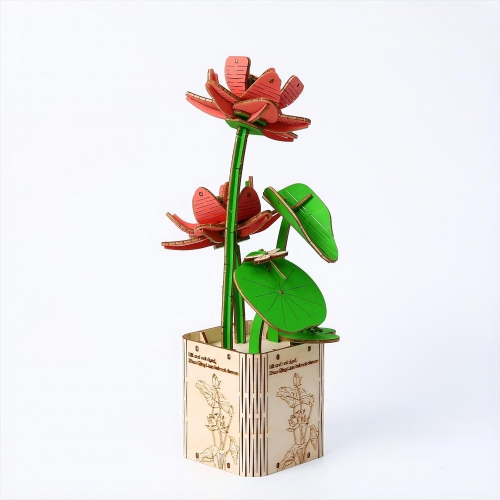
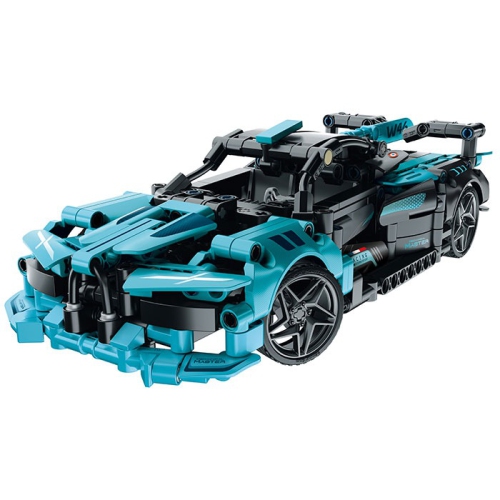
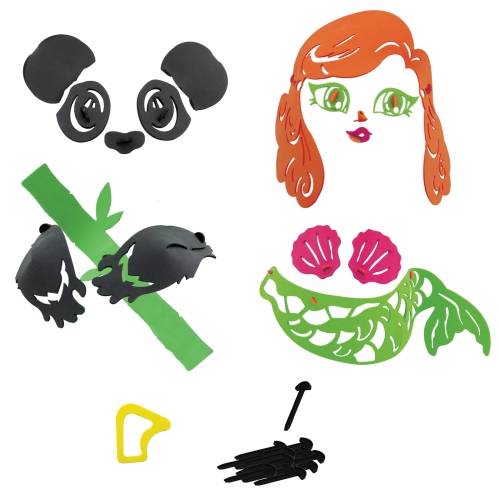
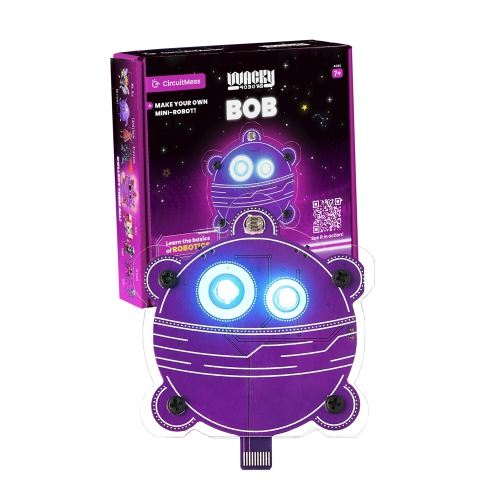

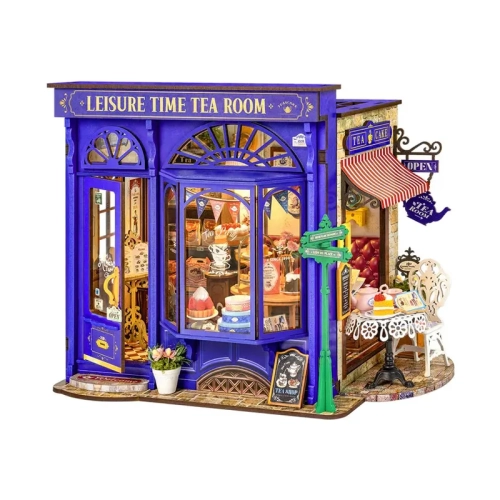
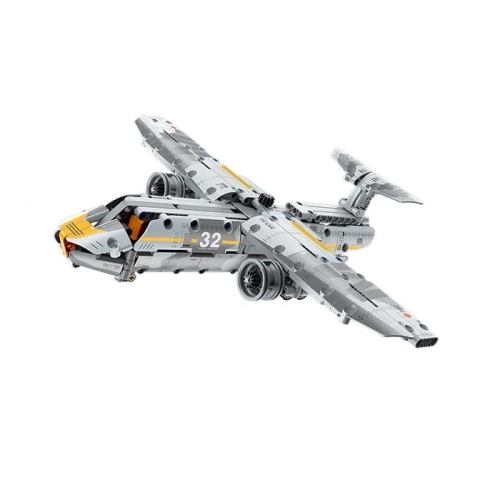
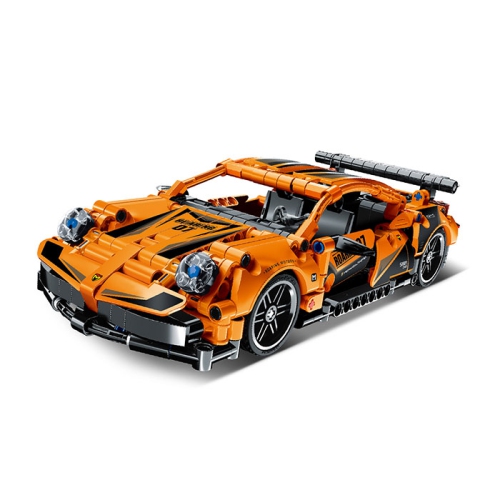
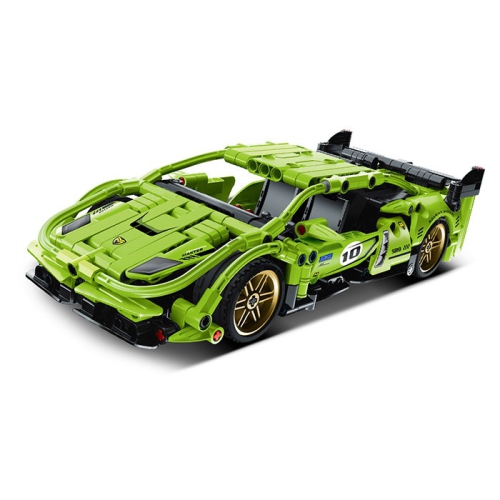
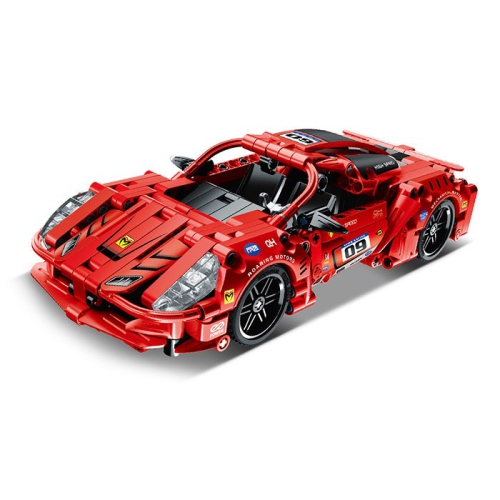
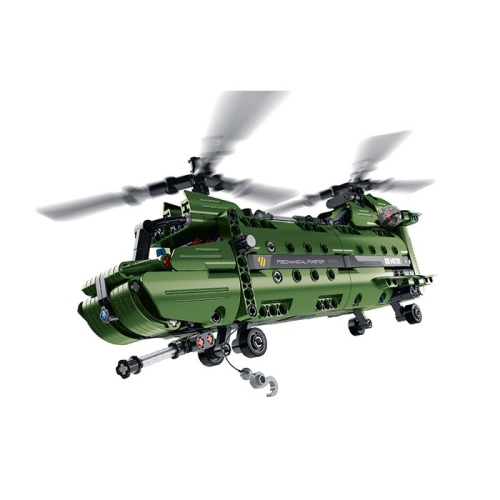
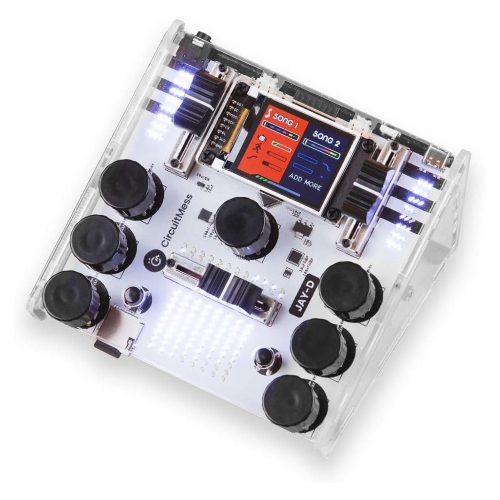

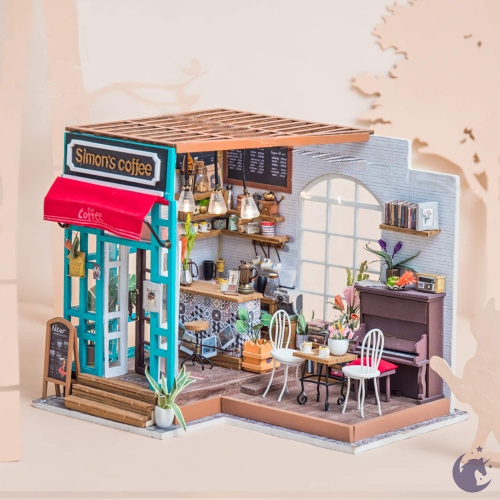
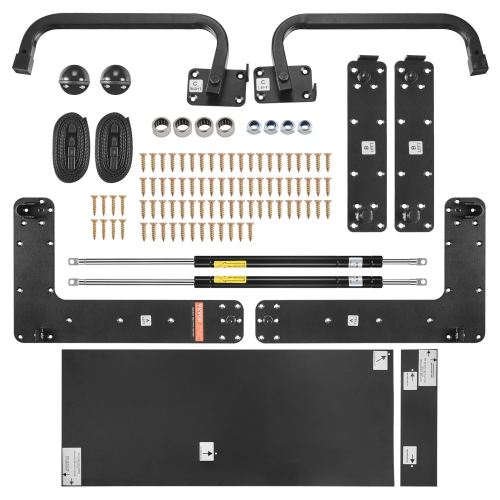
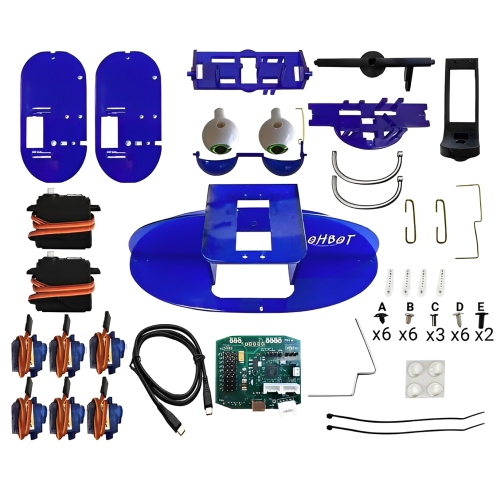
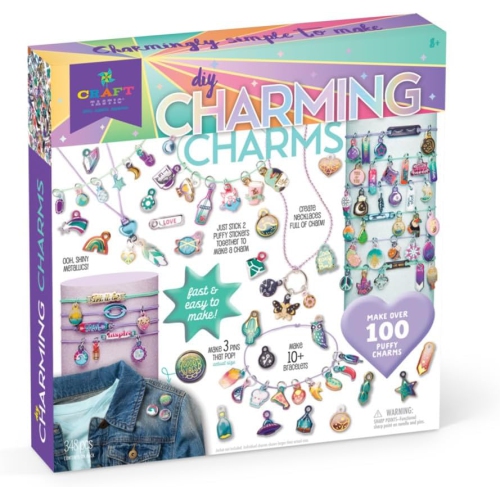

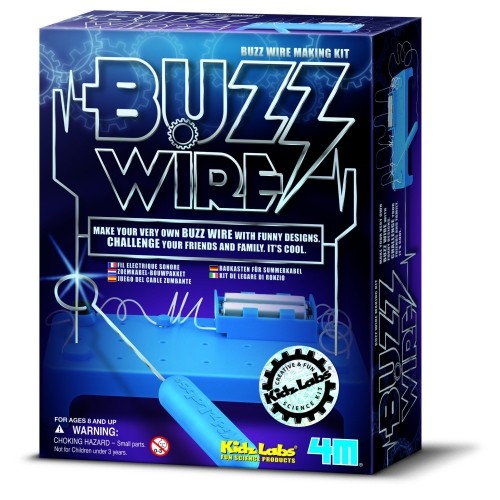
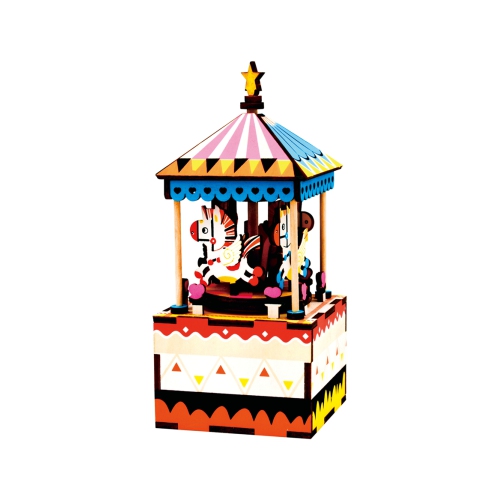
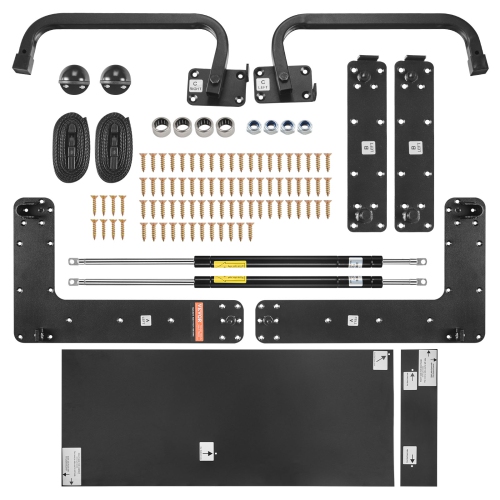
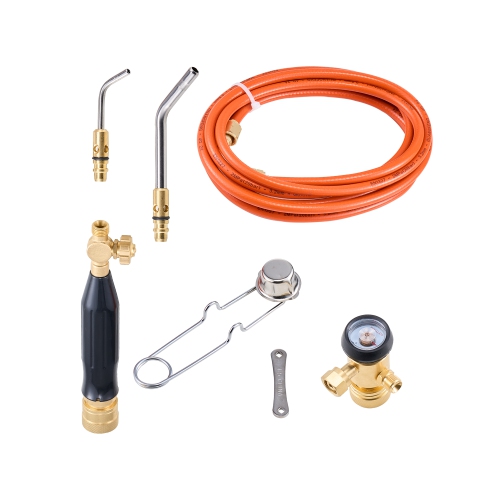
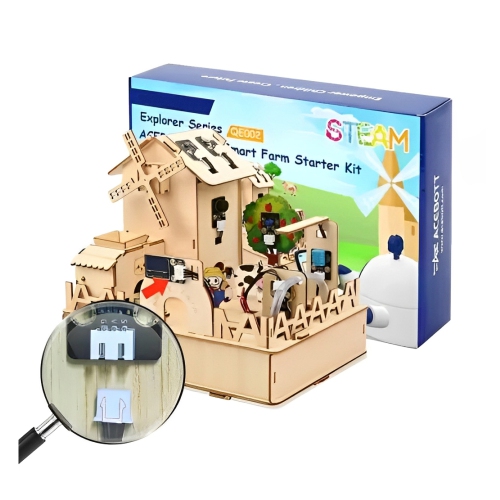
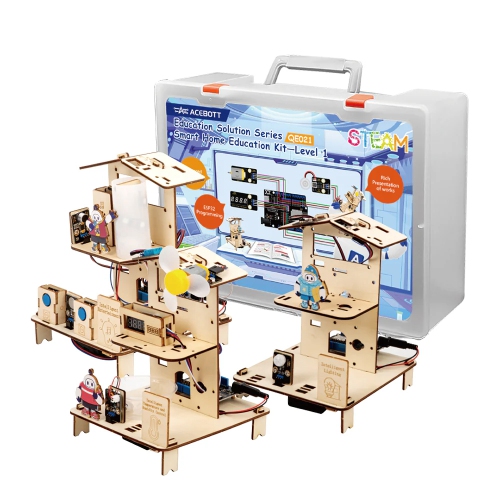
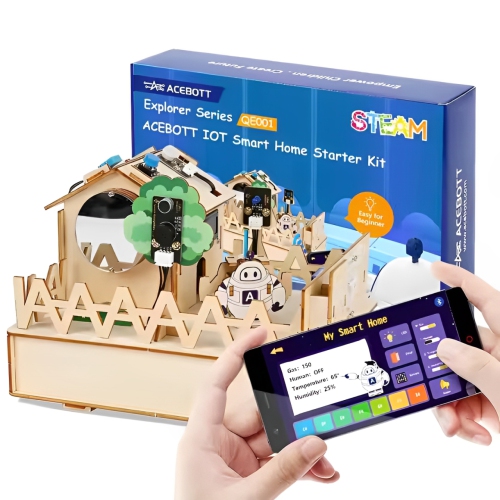
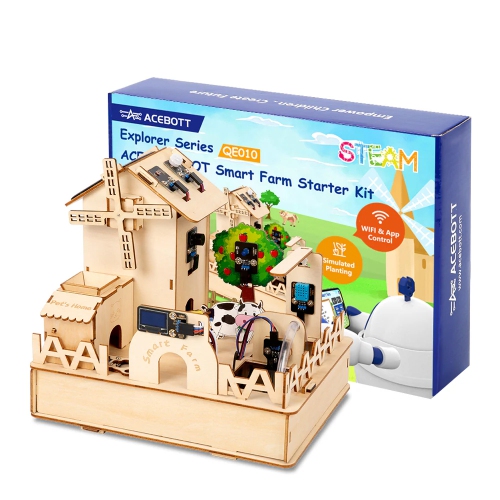
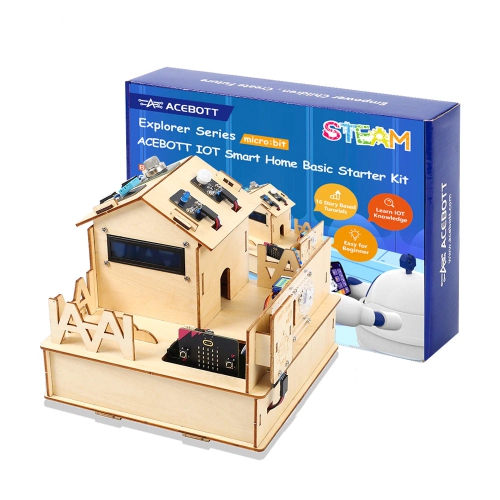
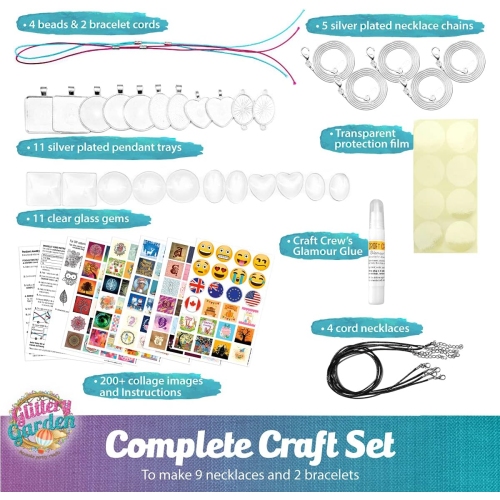
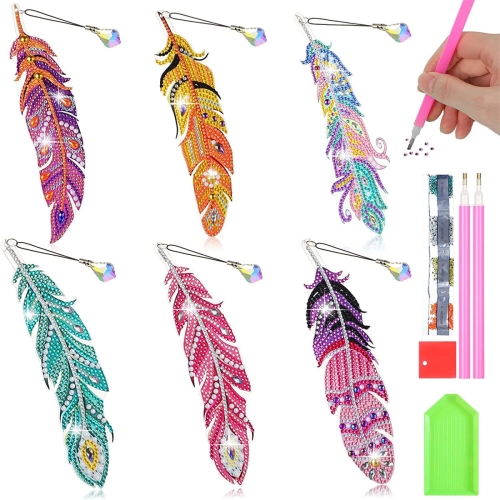
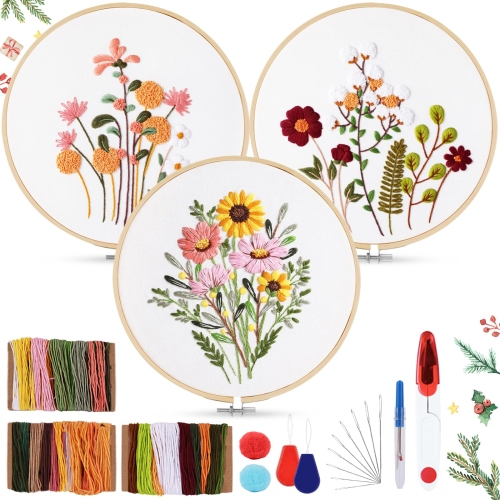
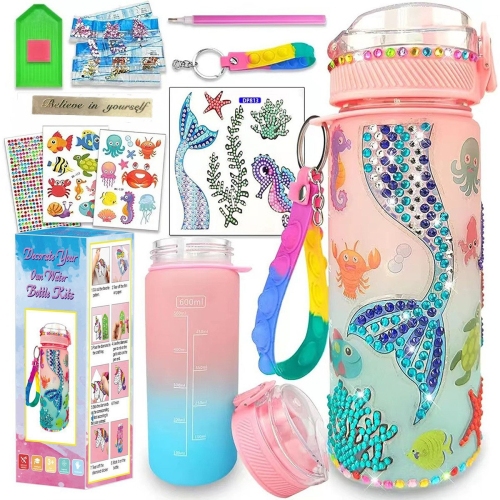
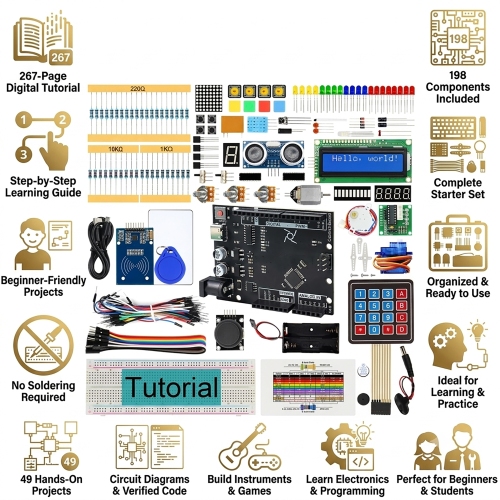
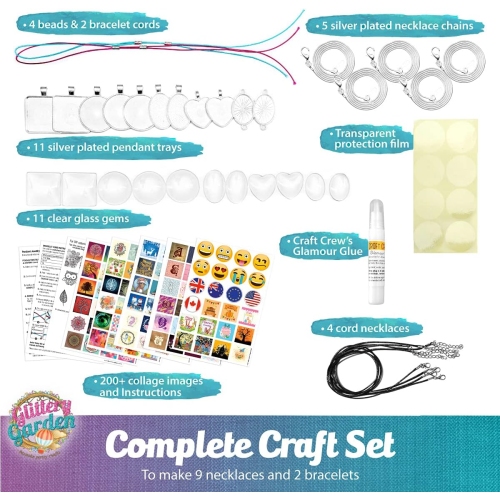
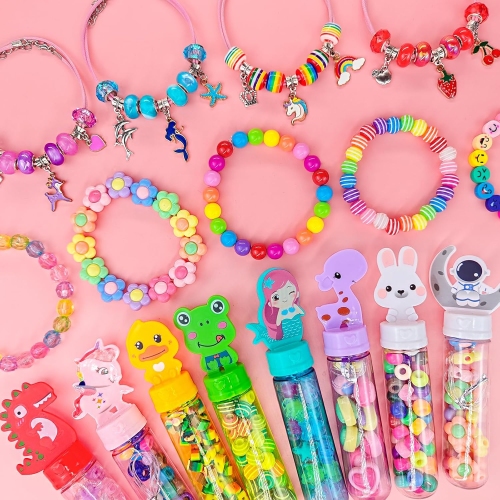
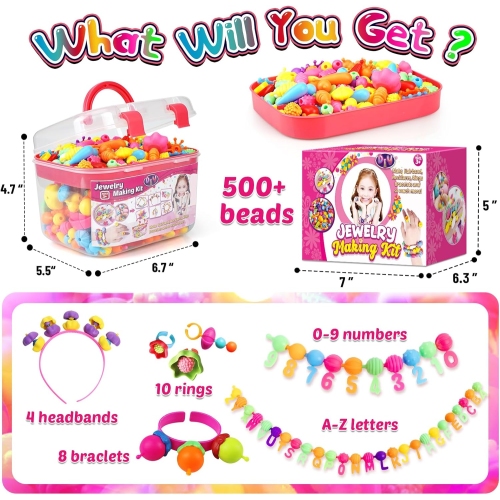
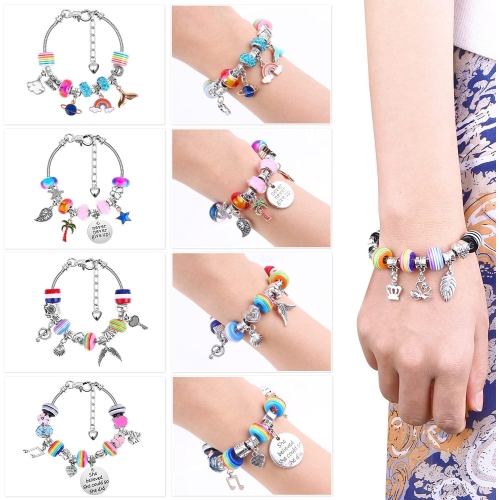
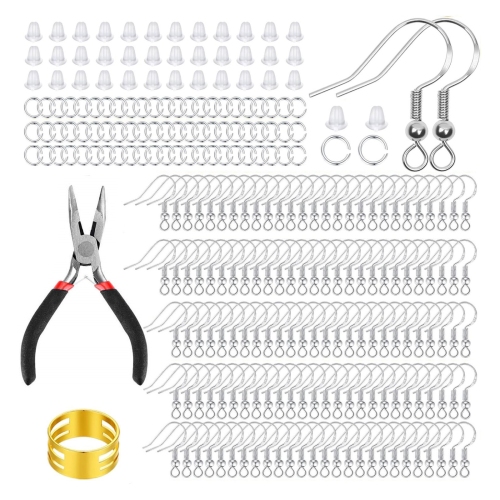

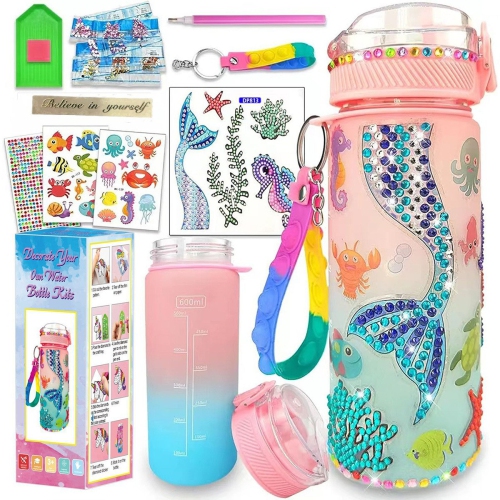
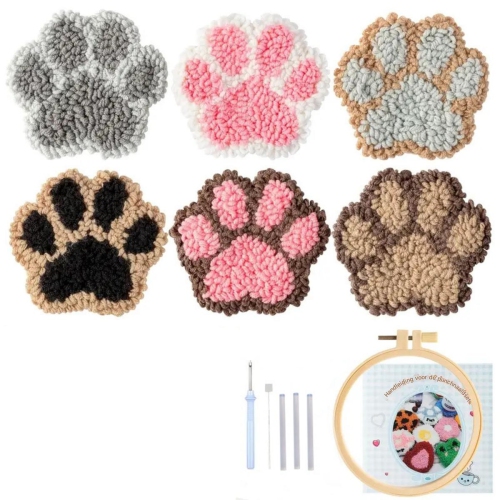
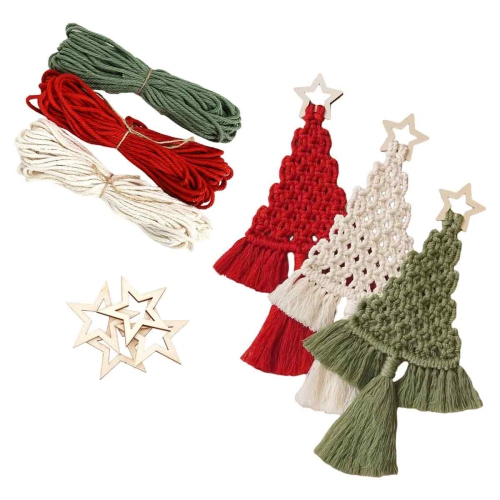
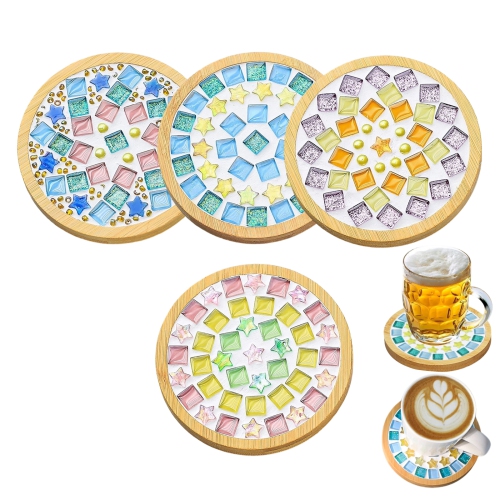

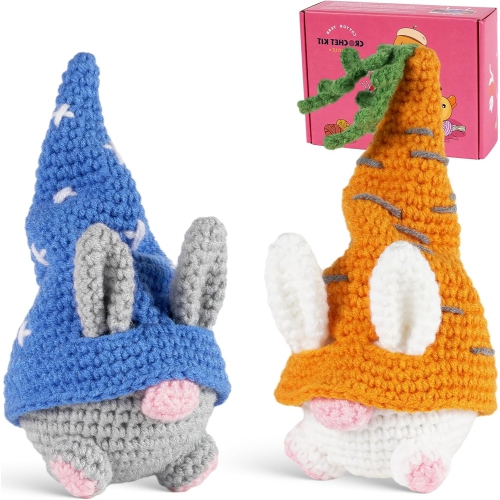
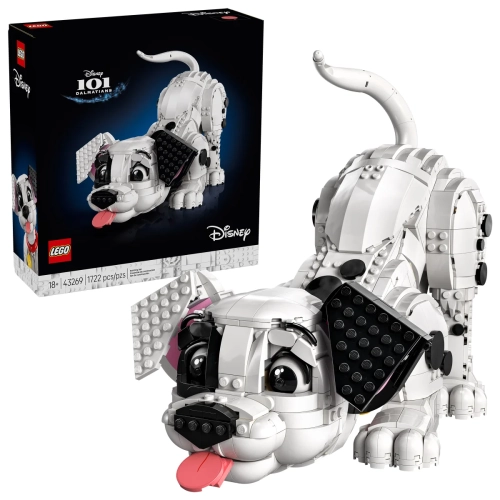
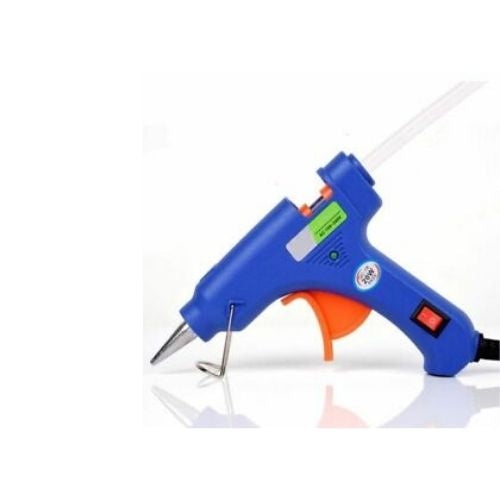
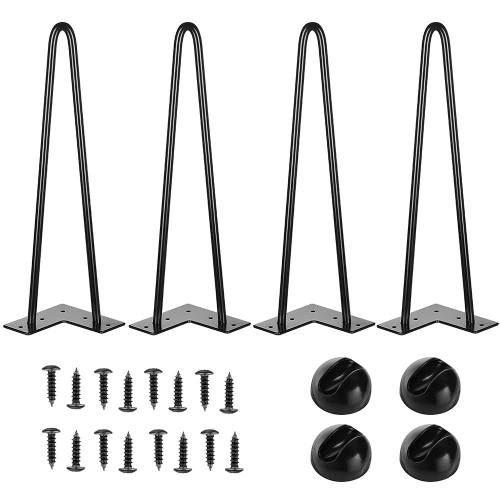
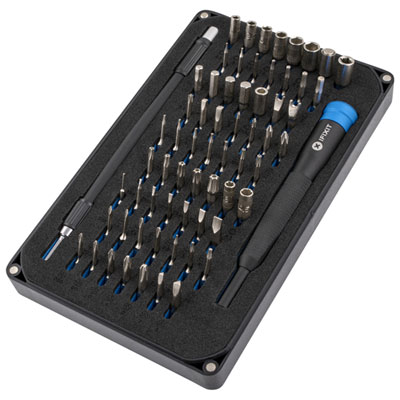
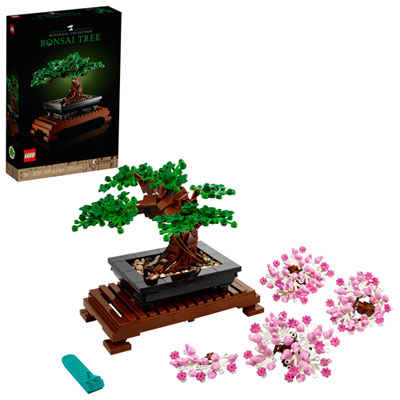
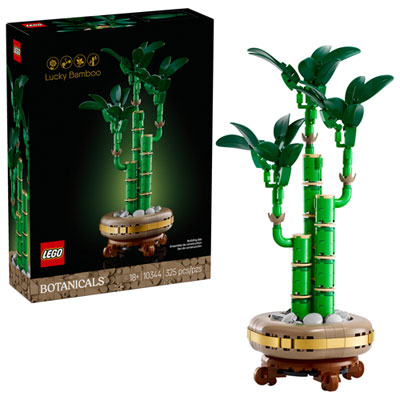
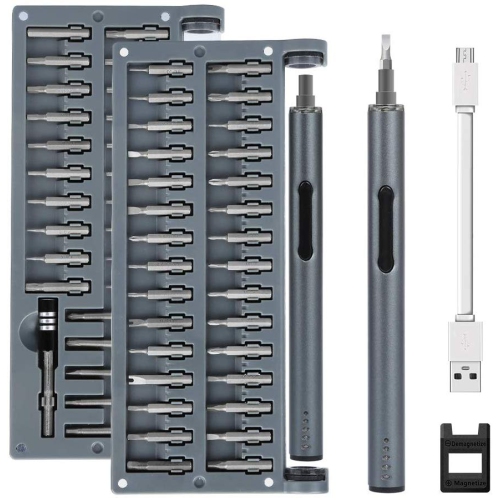
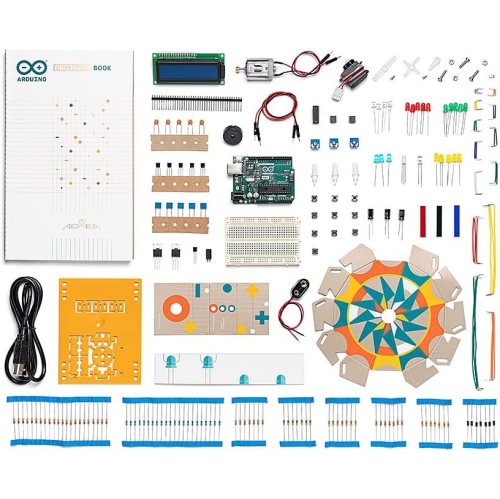
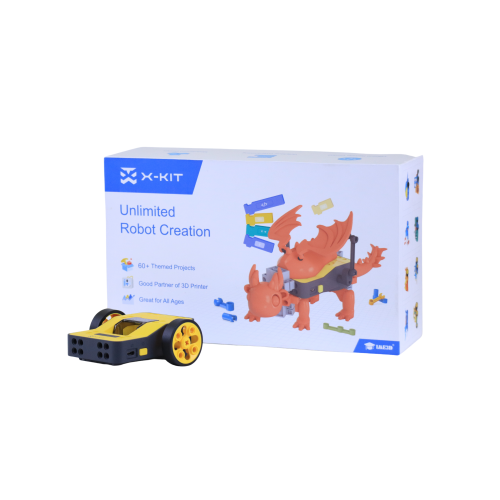
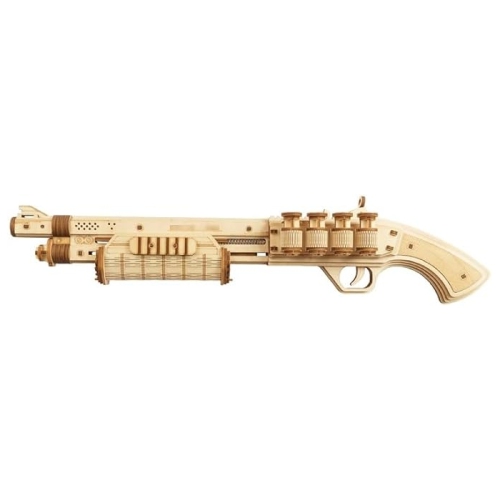
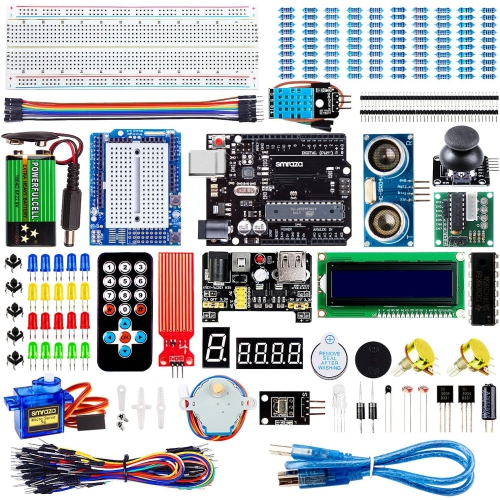
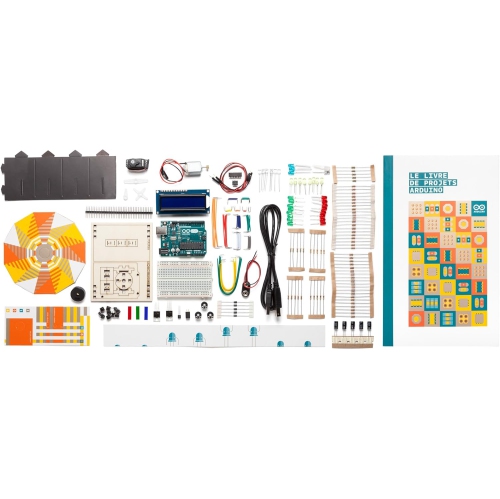
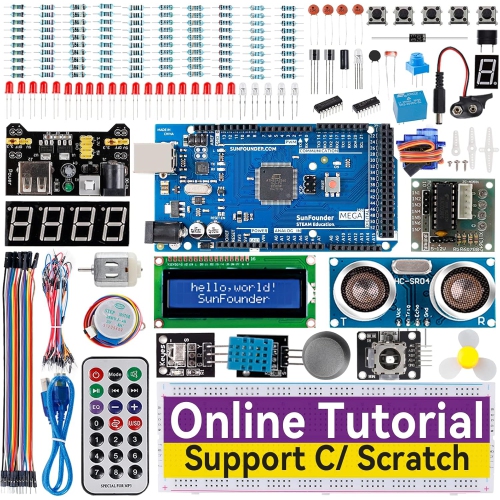
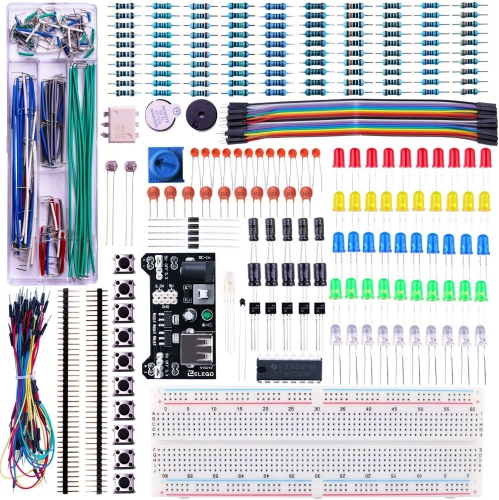
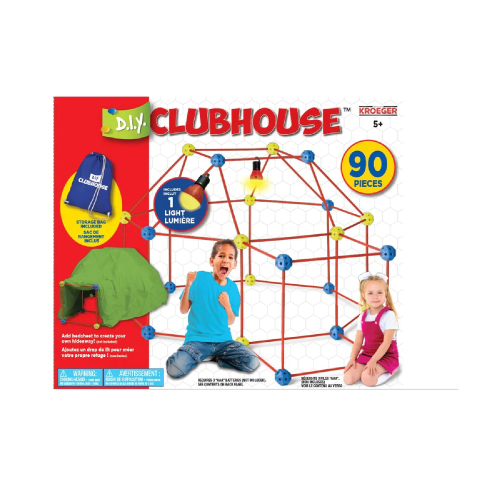
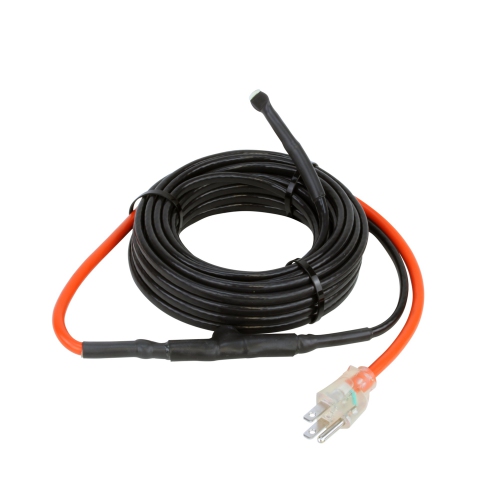
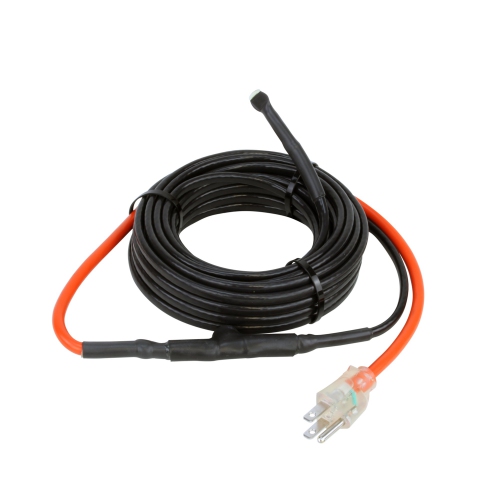
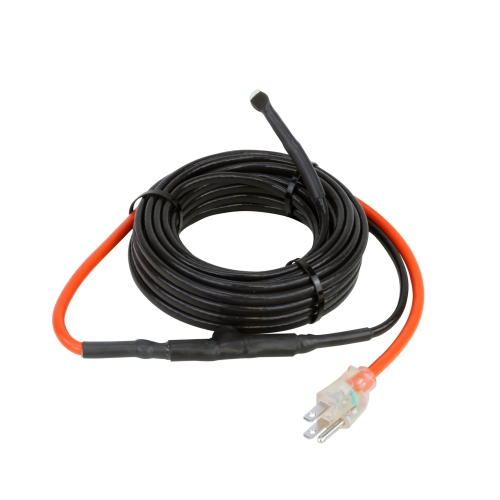
Hands-on projects with structure or room to experiment
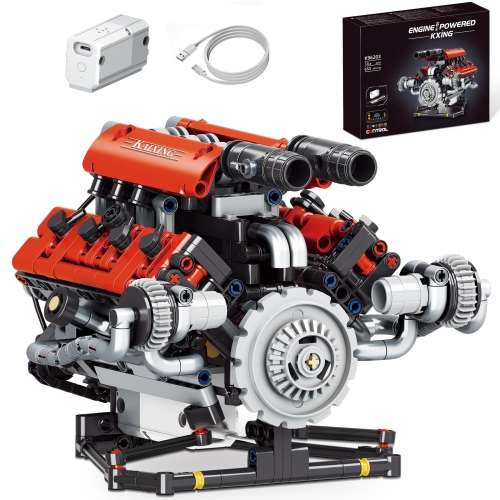
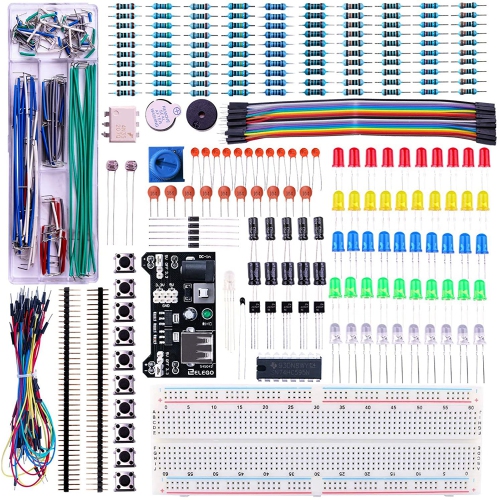
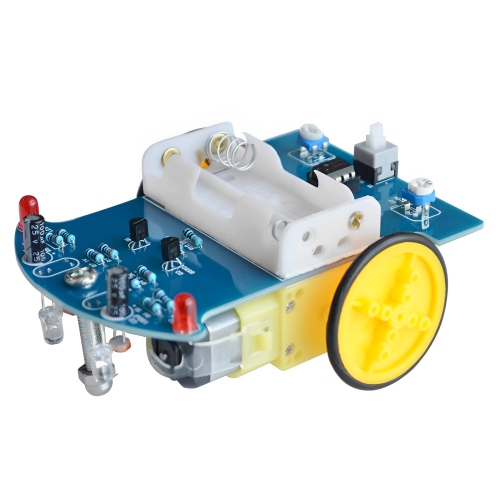
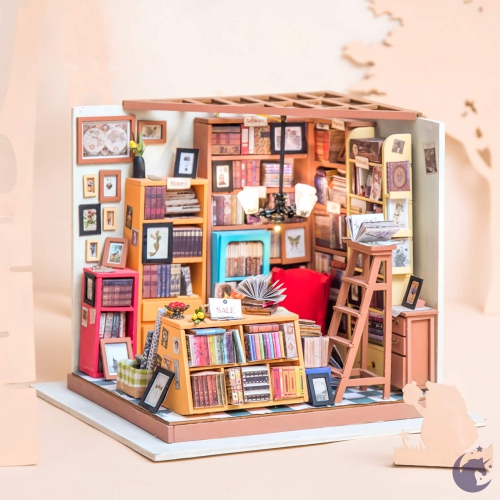
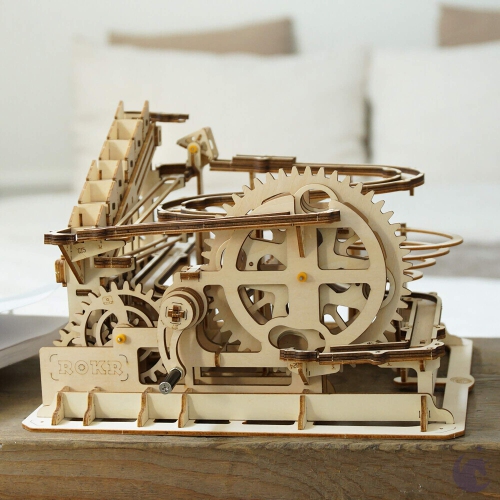
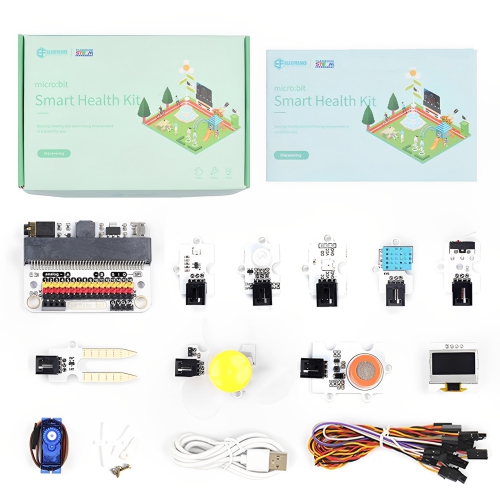
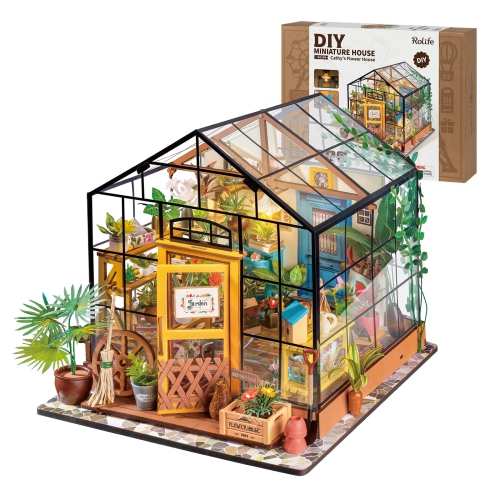
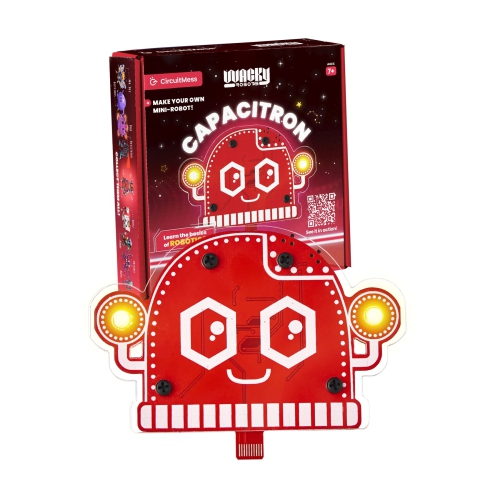
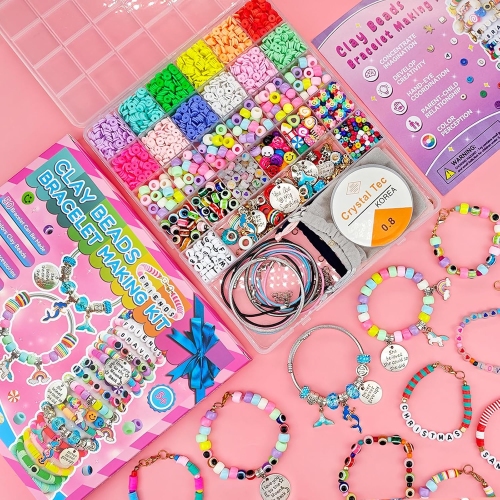
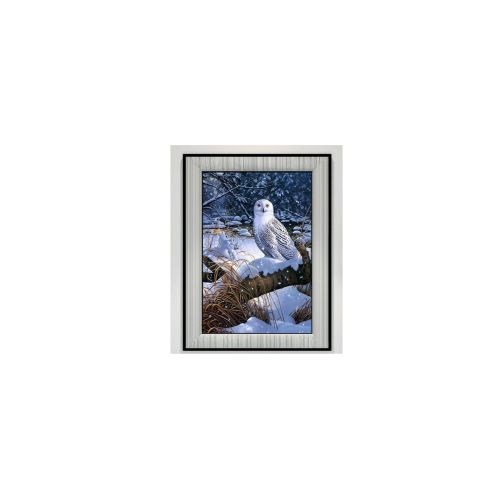
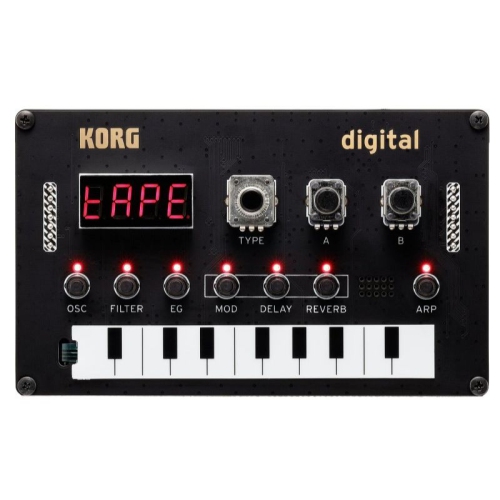
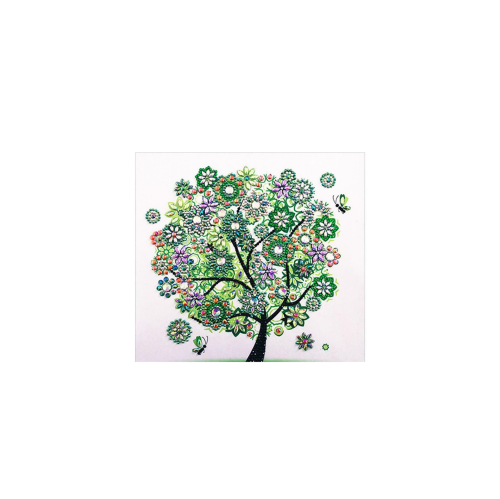
DIY kits bring the materials, components, and instructions for a hands-on project together in one package, giving a hobby a clear starting point and a finished result to work towards. The category spans craft kits, model-building sets, painting projects, needlework, jewellery making, and introductory electronics, with different levels of preparation and assembly. Some focus on following a pattern closely, while others leave room to choose colours, arrange details, or personalize the final piece. That distinction matters as much as the finished design: someone who enjoys fitting tiny wooden parts together may prefer a different project from someone who wants broad brushstrokes and an open-ended composition. Paint-by-number kits offer a structured approach to filling a canvas, while stitching projects build an image through repeated movements and careful placement. Wooden models and miniature scenes appeal to people who enjoy seeing separate pieces take shape as a three-dimensional object. Beaded crafts and other small assembly projects can offer shorter stages, making them easier to pause between sessions. Beginner DIY kits generally benefit from clearly labelled components, readable diagrams, and a manageable number of techniques. More involved projects may require close alignment, precise measurements, or several stages of drying and assembly. Age recommendations, expected completion time, and the tools required give useful context, although an estimated time is not a deadline; careful work and personal touches can extend the experience. The package contents also deserve attention because a kit may include its main materials without every supporting supply. Adhesive, scissors, batteries, a frame, or a protective work surface may need to be supplied separately. For someone exploring a hobby, a clearly defined project makes it easier to understand the process before committing to a larger collection of supplies. For an experienced maker, the appeal may lie in an intricate design, an unfamiliar technique, or the satisfaction of completing something outside their usual routine.
Materials influence how a DIY kit feels to work with, how its parts fit, and how the completed project holds up. Wooden components can vary in thickness, grain, and surface finish, and finely cut tabs usually need gentle handling rather than force. A snug fit can help an assembled model stay aligned, but whether glue is needed depends on the design. Cardstock and paper elements suit detailed miniature work, although they are more vulnerable to bent corners and moisture than sturdier components. Fabric-based kits differ in weave, weight, and how easily the material can be held taut; those details affect visibility, stitch placement, and comfort during longer sessions. Thread quality and colour consistency also influence the appearance of a finished piece, particularly in areas filled with repeated stitches. For painting projects, the painting surface, brush sizes, and type of paint shape the experience. Small numbered sections call for controlled brushwork and good task lighting, while larger areas leave more room for relaxed movement. Jewellery-making kits involve another kind of fit, with bracelet lengths, fastening styles, and component sizes affecting how comfortably a finished piece can be worn. Listed metal compositions are worth checking for anyone with known sensitivities. Intended use is equally important across the category: an object designed for display is not necessarily suitable for play, regular handling, food contact, or washing. Finished dimensions help establish whether a model belongs on a narrow shelf or needs more substantial display space. Care should follow the materials and any supplied directions, rather than assuming every handmade object can be cleaned the same way. A soft brush may suit dusting a delicate assembly, while washable fabric projects need their own laundering instructions. Unused paints and adhesives generally need tightly closed containers, and loose beads or tiny fittings benefit from divided storage. These practical details help keep a partially completed project organized and protect the work already invested in it.
Choosing DIY kits for adults, teens, or children is often about matching the activity to the person’s interests, patience, and preferred way of working rather than simply choosing the most elaborate result. Someone who enjoys methodical tasks may appreciate a repeating stitch pattern or a carefully sequenced build. A person who likes experimenting may get more enjoyment from a kit with flexible design choices and materials that allow variation. Physical comfort matters too: very small parts, fine print, firm snap-fit connections, and extended close-up work can make an otherwise appealing project less suitable. Clear illustrations, larger components, and a work area with enough room to spread out can make participation more comfortable. For children, the stated age range and supervision requirements take priority over the appearance of the finished project. Small pieces can present choking hazards, and activities involving sharp tools, heated materials, chemicals, or electrical components require the precautions specified by the manufacturer. A shared project can work well when the tasks divide naturally, with one person sorting pieces while another assembles, or each participant completing a separate section. For solo use, a tray or lidded organizer can make a dining-table workspace easier to clear without losing progress. As gifts, DIY kits suit birthdays, housewarmings, and other occasions when the recipient would enjoy making something as much as receiving a finished object. The strongest match reflects an existing interest without assuming specialist equipment or a dedicated workshop. A compact stitching project might suit someone who likes quiet, focused activities, while a detailed model may appeal to a patient builder with display space. Craft and hobby kits are also distinct from kits intended to maintain or mend existing belongings; for projects focused on fixing rather than making, DIY Repair Kits covers a separate purpose. Across creative projects, the most satisfying choice balances an appealing result with a process the maker actually wants to spend time on, whether that means a few focused sessions or a longer build completed one careful detail at a time.
Materials influence how a DIY kit feels to work with, how its parts fit, and how the completed project holds up. Wooden components can vary in thickness, grain, and surface finish, and finely cut tabs usually need gentle handling rather than force. A snug fit can help an assembled model stay aligned, but whether glue is needed depends on the design. Cardstock and paper elements suit detailed miniature work, although they are more vulnerable to bent corners and moisture than sturdier components. Fabric-based kits differ in weave, weight, and how easily the material can be held taut; those details affect visibility, stitch placement, and comfort during longer sessions. Thread quality and colour consistency also influence the appearance of a finished piece, particularly in areas filled with repeated stitches. For painting projects, the painting surface, brush sizes, and type of paint shape the experience. Small numbered sections call for controlled brushwork and good task lighting, while larger areas leave more room for relaxed movement. Jewellery-making kits involve another kind of fit, with bracelet lengths, fastening styles, and component sizes affecting how comfortably a finished piece can be worn. Listed metal compositions are worth checking for anyone with known sensitivities. Intended use is equally important across the category: an object designed for display is not necessarily suitable for play, regular handling, food contact, or washing. Finished dimensions help establish whether a model belongs on a narrow shelf or needs more substantial display space. Care should follow the materials and any supplied directions, rather than assuming every handmade object can be cleaned the same way. A soft brush may suit dusting a delicate assembly, while washable fabric projects need their own laundering instructions. Unused paints and adhesives generally need tightly closed containers, and loose beads or tiny fittings benefit from divided storage. These practical details help keep a partially completed project organized and protect the work already invested in it.
Choosing DIY kits for adults, teens, or children is often about matching the activity to the person’s interests, patience, and preferred way of working rather than simply choosing the most elaborate result. Someone who enjoys methodical tasks may appreciate a repeating stitch pattern or a carefully sequenced build. A person who likes experimenting may get more enjoyment from a kit with flexible design choices and materials that allow variation. Physical comfort matters too: very small parts, fine print, firm snap-fit connections, and extended close-up work can make an otherwise appealing project less suitable. Clear illustrations, larger components, and a work area with enough room to spread out can make participation more comfortable. For children, the stated age range and supervision requirements take priority over the appearance of the finished project. Small pieces can present choking hazards, and activities involving sharp tools, heated materials, chemicals, or electrical components require the precautions specified by the manufacturer. A shared project can work well when the tasks divide naturally, with one person sorting pieces while another assembles, or each participant completing a separate section. For solo use, a tray or lidded organizer can make a dining-table workspace easier to clear without losing progress. As gifts, DIY kits suit birthdays, housewarmings, and other occasions when the recipient would enjoy making something as much as receiving a finished object. The strongest match reflects an existing interest without assuming specialist equipment or a dedicated workshop. A compact stitching project might suit someone who likes quiet, focused activities, while a detailed model may appeal to a patient builder with display space. Craft and hobby kits are also distinct from kits intended to maintain or mend existing belongings; for projects focused on fixing rather than making, DIY Repair Kits covers a separate purpose. Across creative projects, the most satisfying choice balances an appealing result with a process the maker actually wants to spend time on, whether that means a few focused sessions or a longer build completed one careful detail at a time.
Top selling and popular products
-
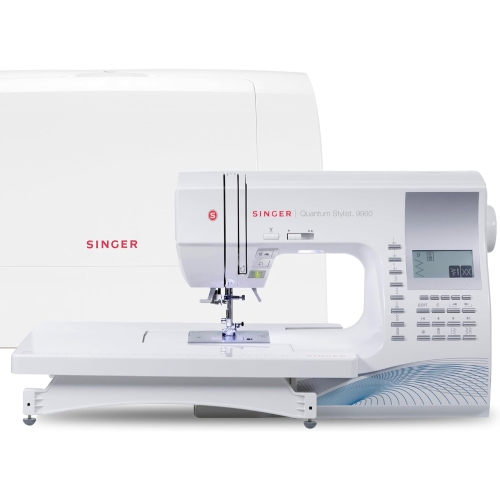 Your price for this item is $911.05
 -
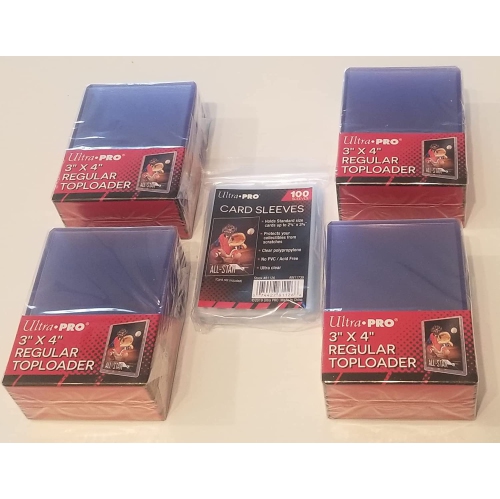 Your price for this item is $6.84
 -
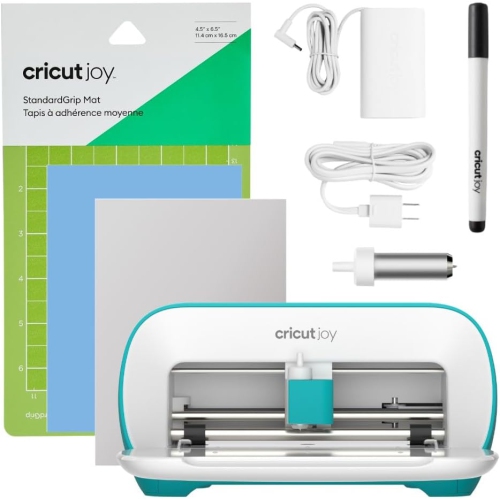 Your price for this item is $238.44
 -
 Your price for this item is $680.99
 -
 Your price for this item is $229
 -
 Your price for this item is $109
 -
 Your price for this item is $39.99
 -
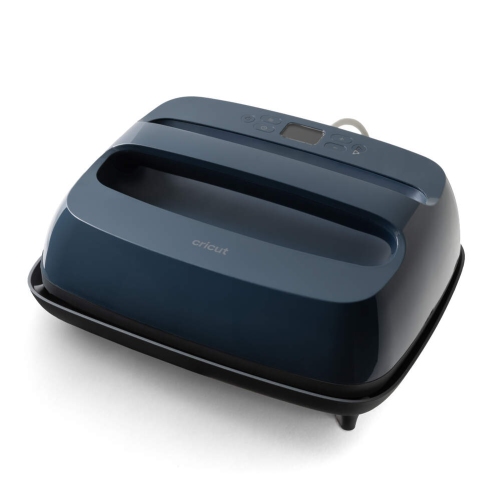 Your price for this item is $179
Discover more categories related to DIY Kits

Top Collections:
Pokemon Centers, Kindle Devices, Best Budget Office Chairs, Apple iPhones 16, Best Laptops for Writers, iPhone 15 Apple, Canon G7X Cameras, Refurbished Apple Laptops, Alarm Clock, Motorola Razr Phones
Some products may be subject to Environmental Handling Fees
(EHF) depending on your province.
Learn more about EHFs.