DIY Craft Kits
Get ready to unleash your creativity with this wide selection of DIY craft kits. Whether you're a seasoned crafter or just starting out, these kits are perfect for bringing your artistic vision to life. From jewelry making to painting, knitting to scrapbooking, we have something for everyone. Each kit is carefully curated with all the materials and instructions you need to create stunning handmade masterpieces.
Sort
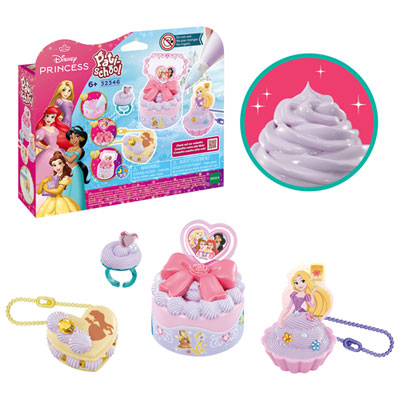
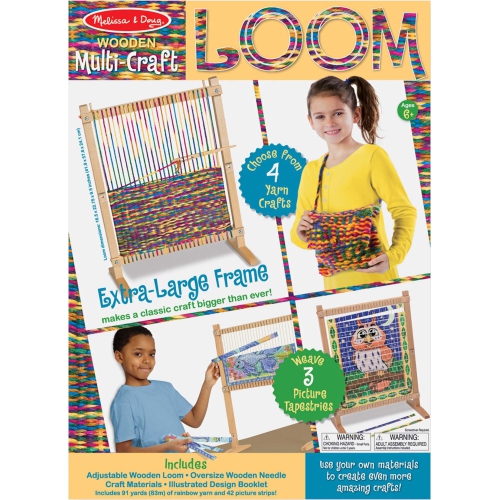
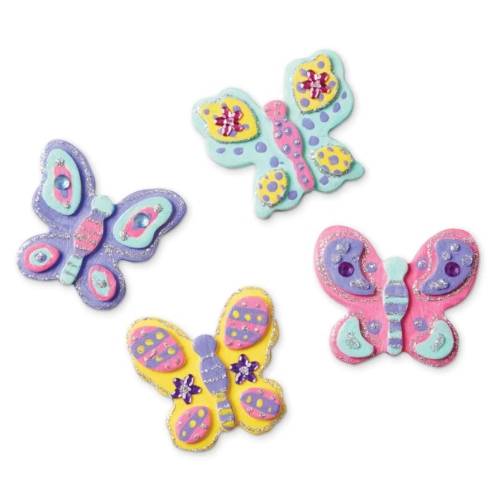

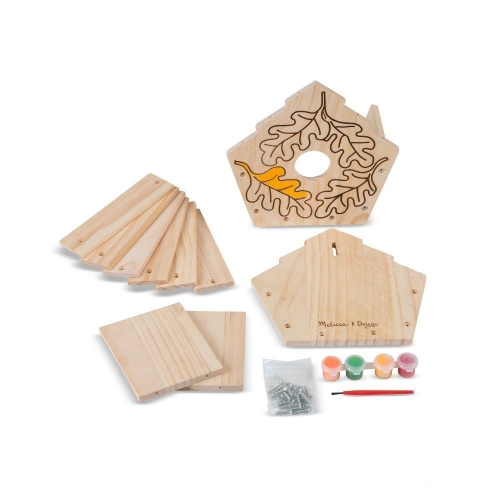
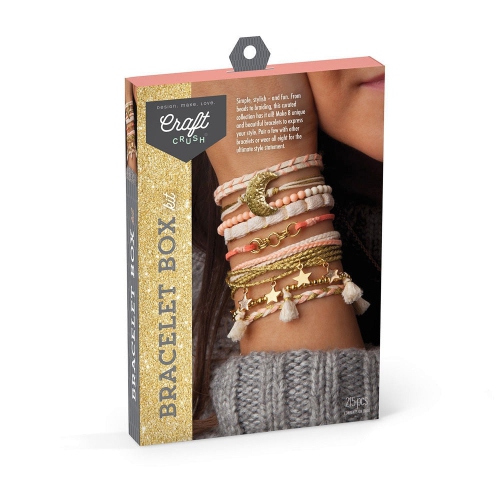
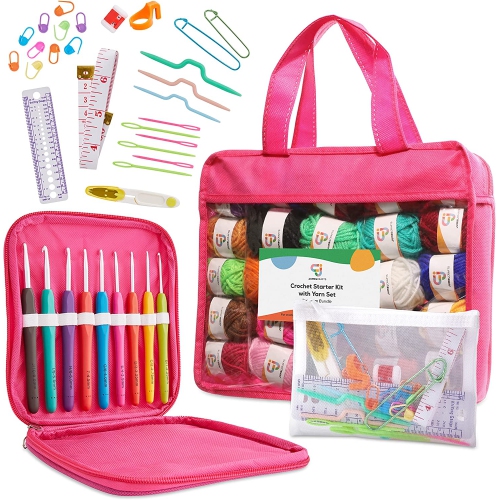


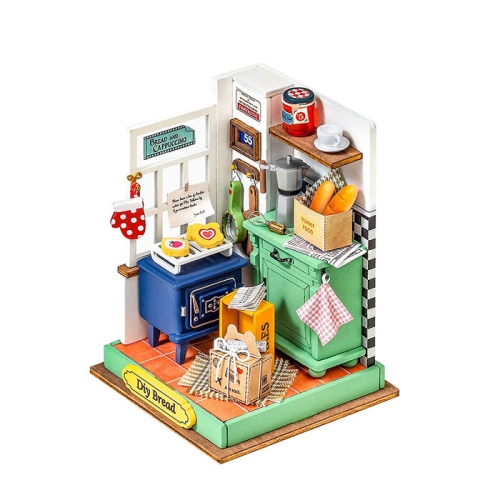
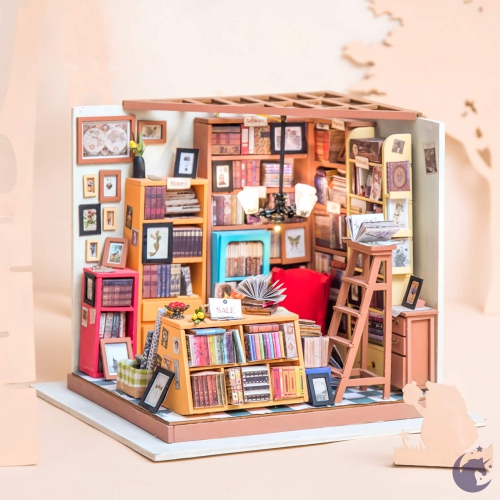
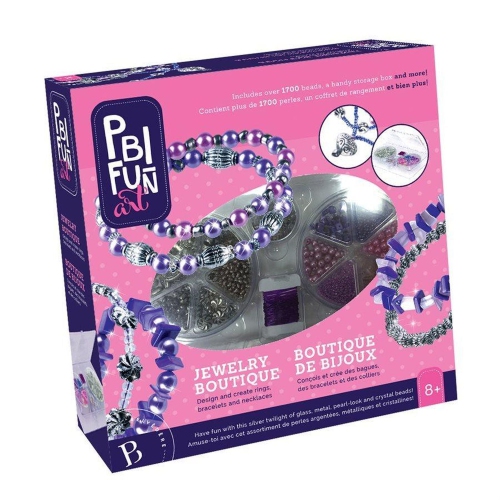
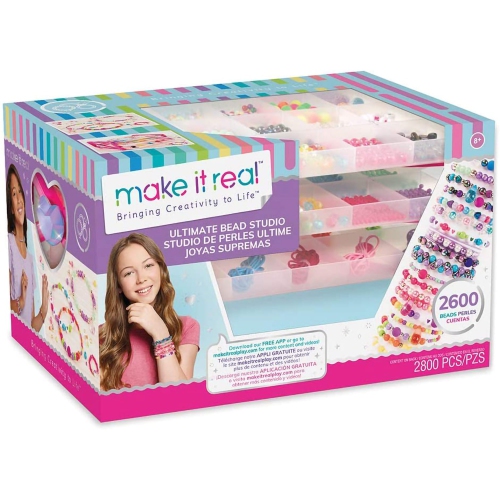

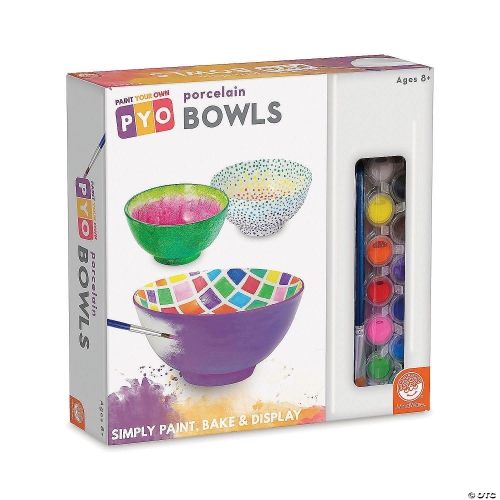
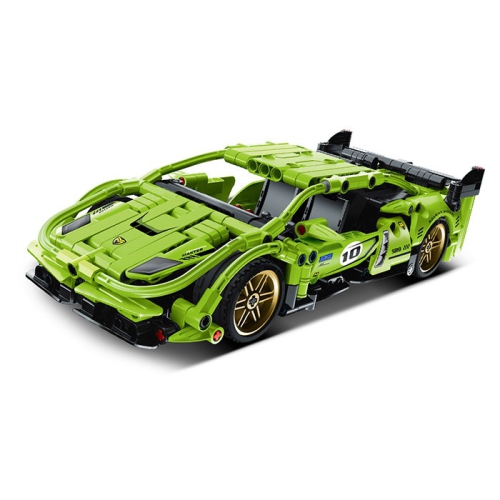
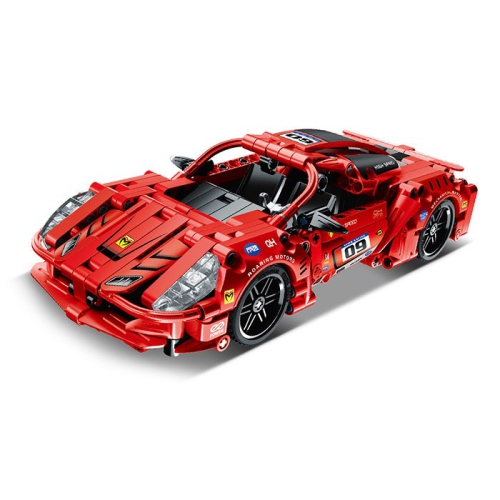

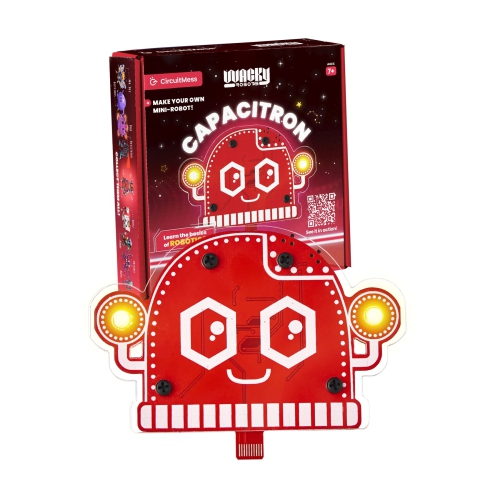
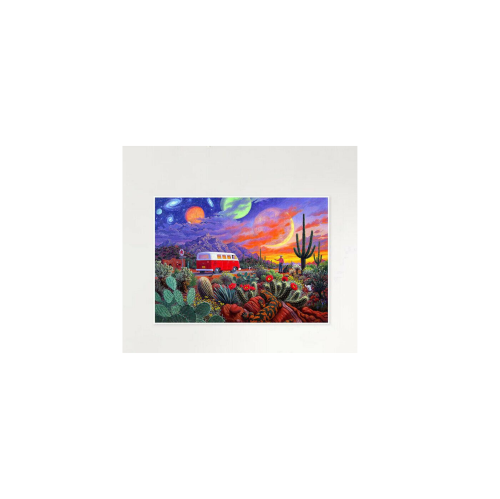
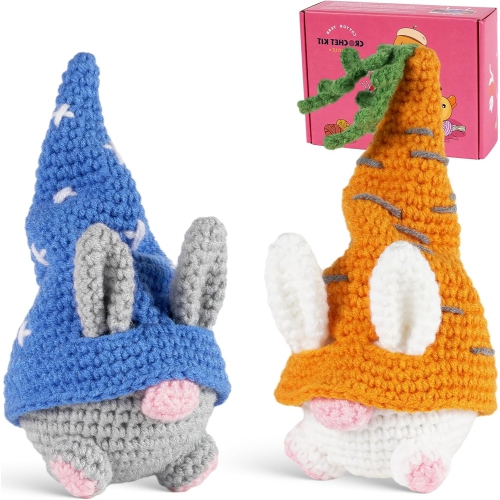
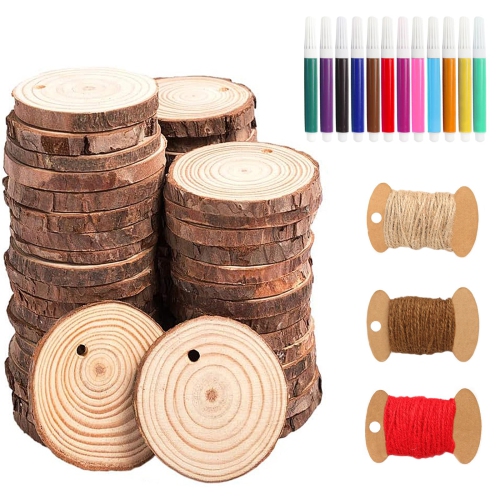
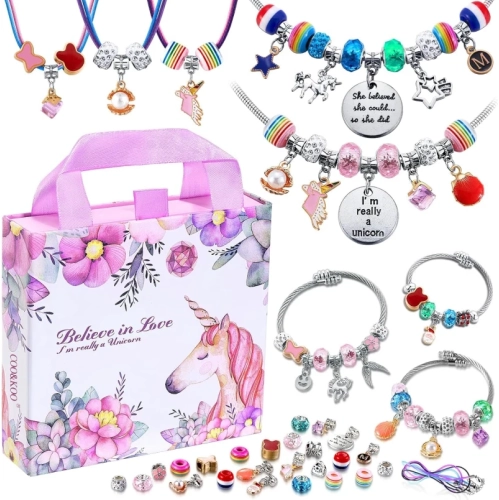
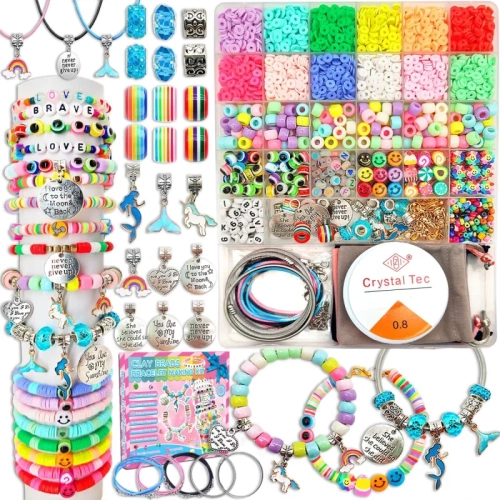
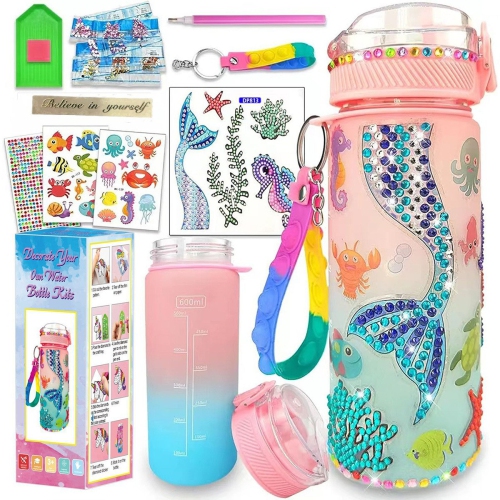


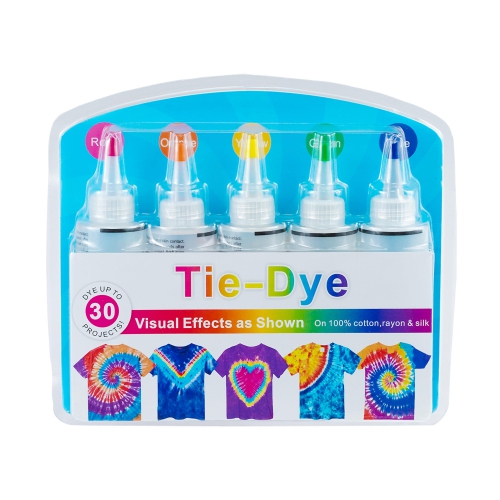
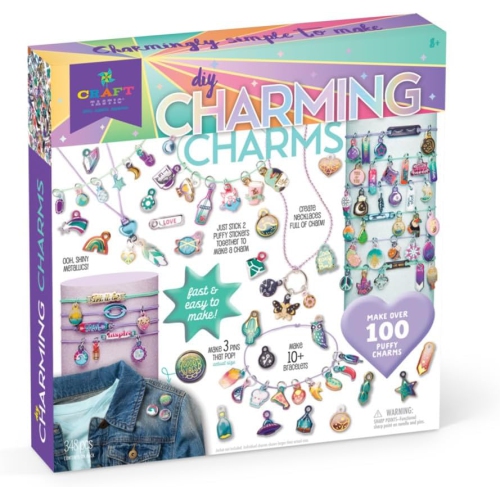
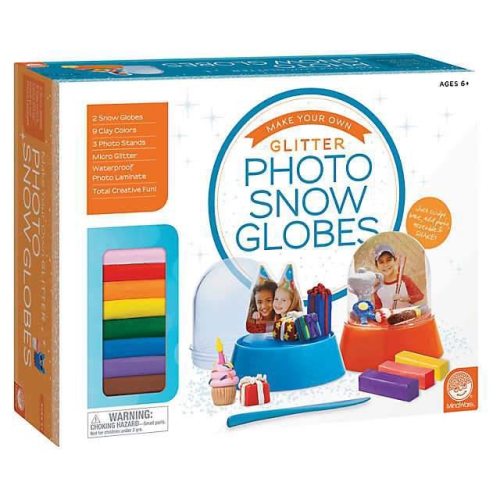


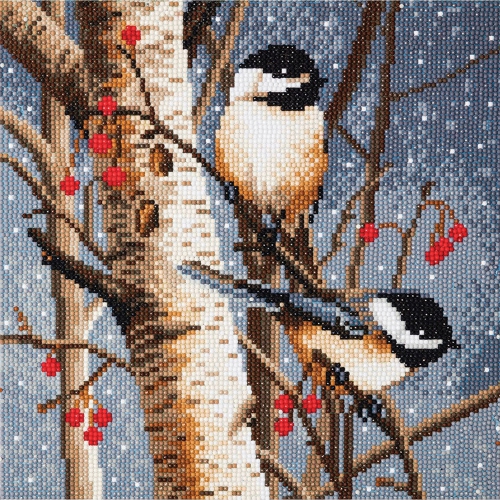
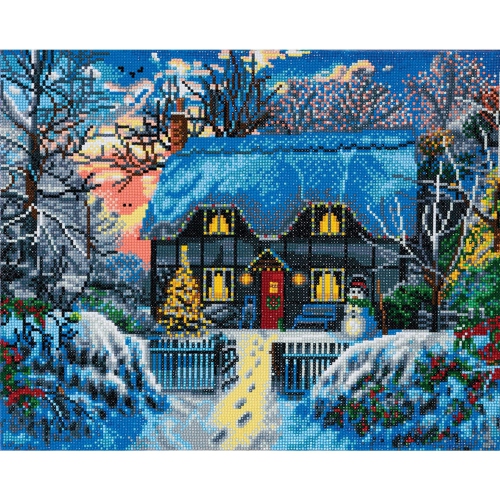

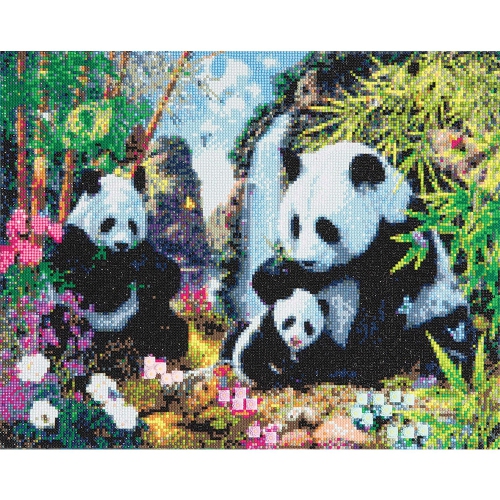
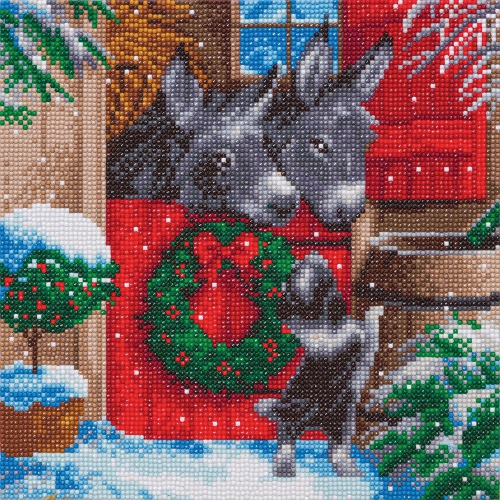



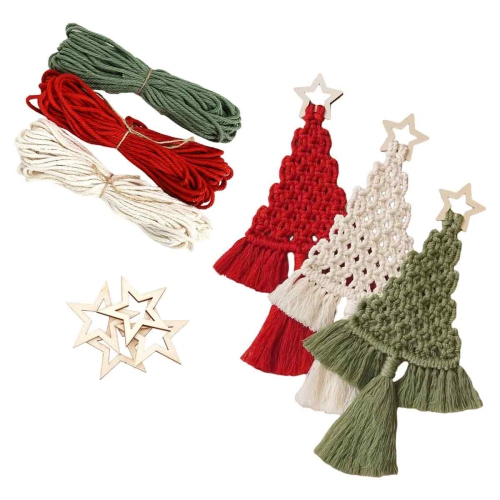
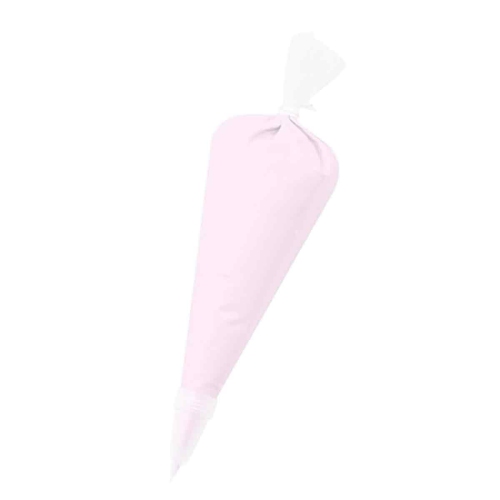
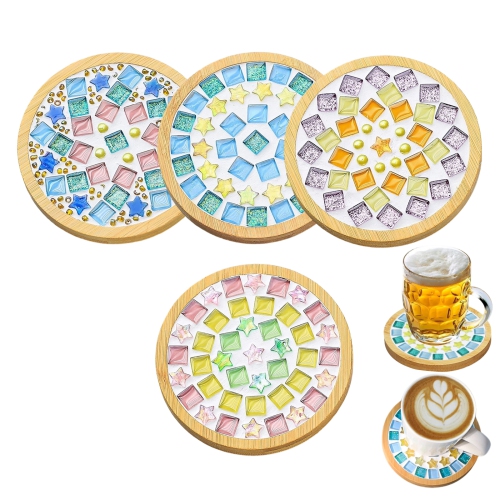
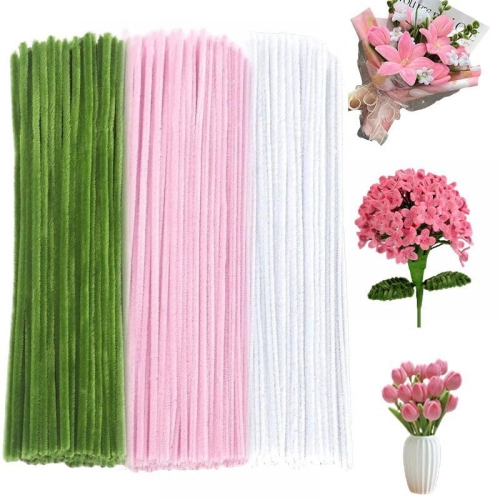
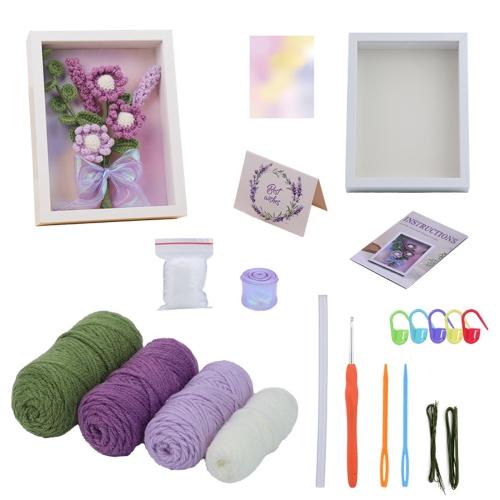
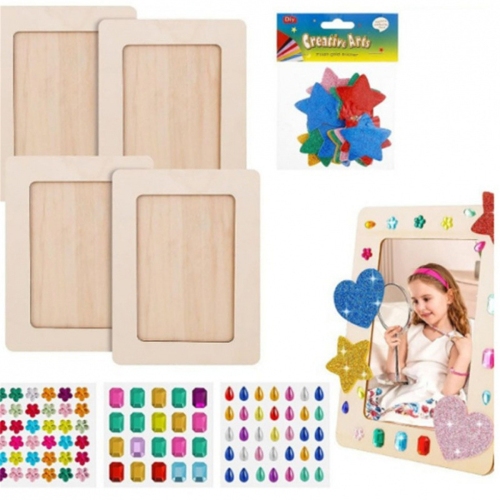
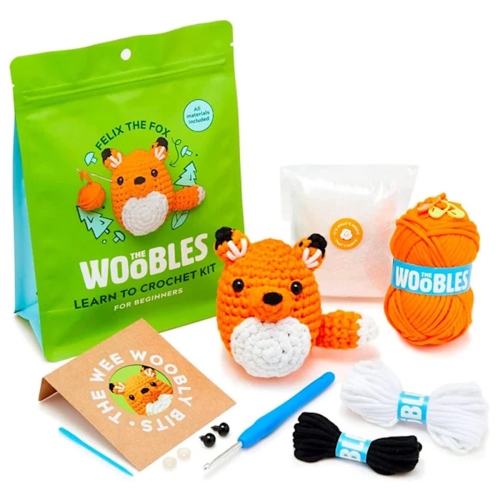
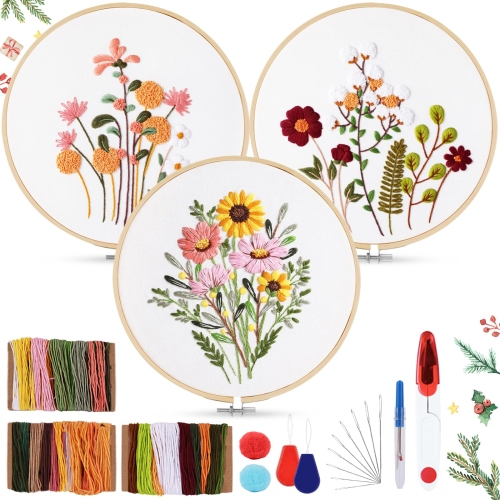
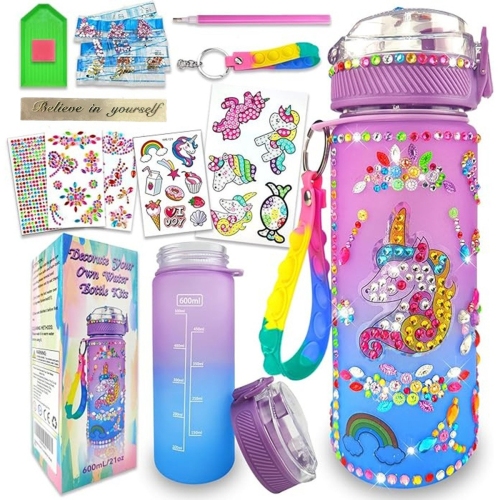
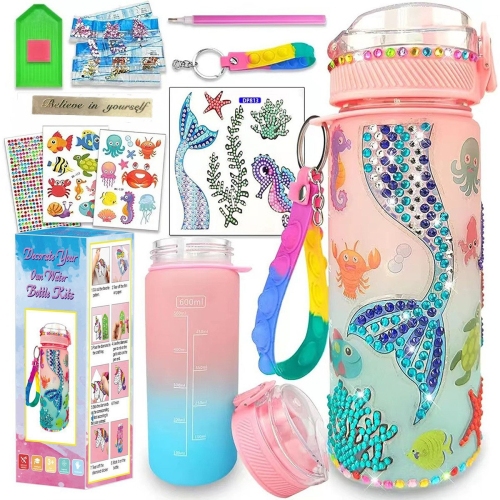
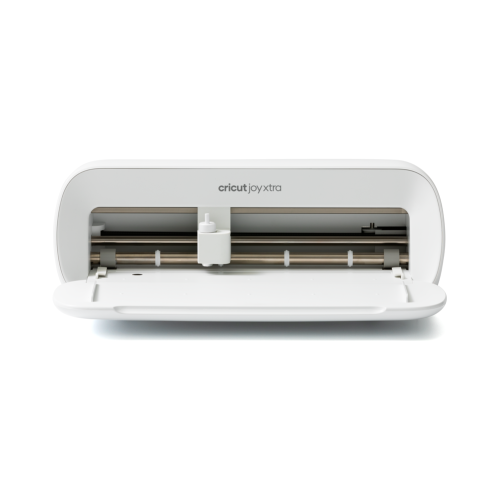
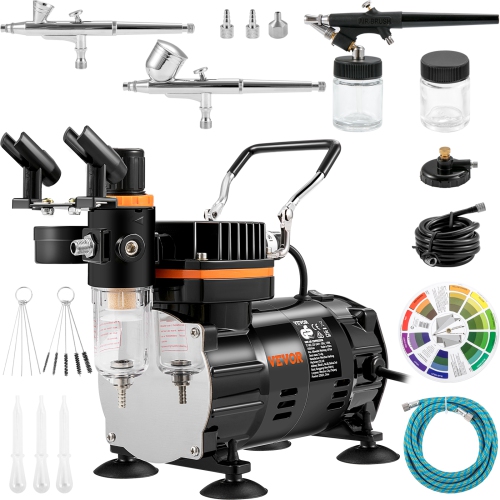


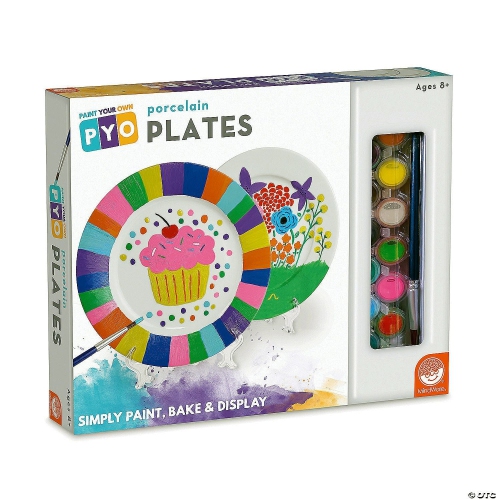
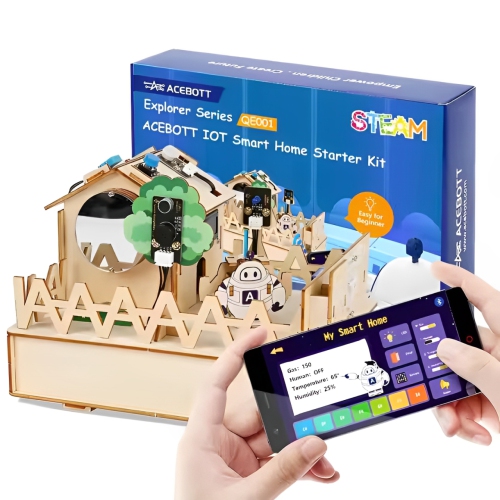
The right craft project fits how you work
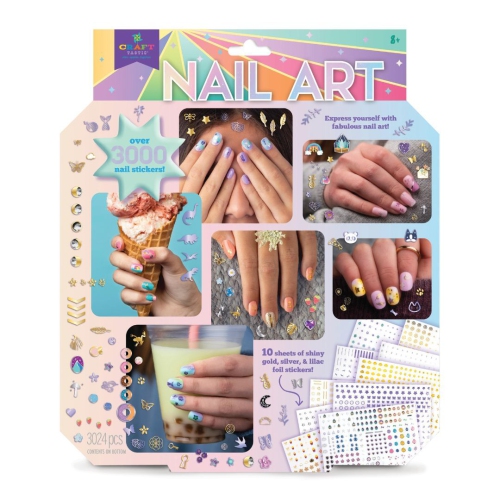
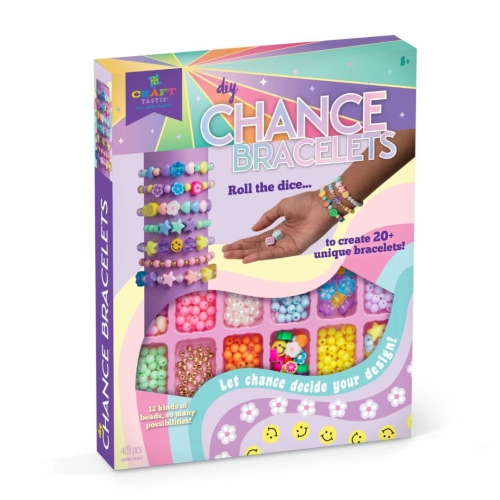
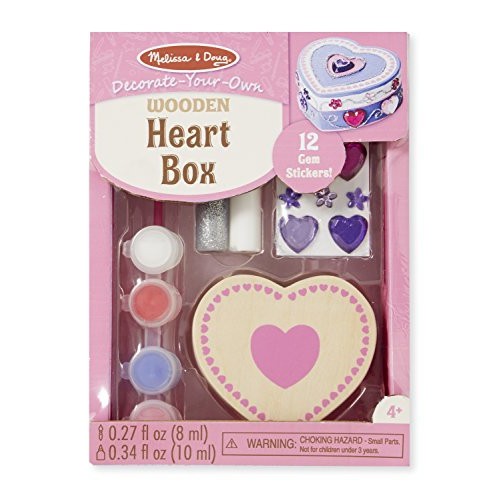
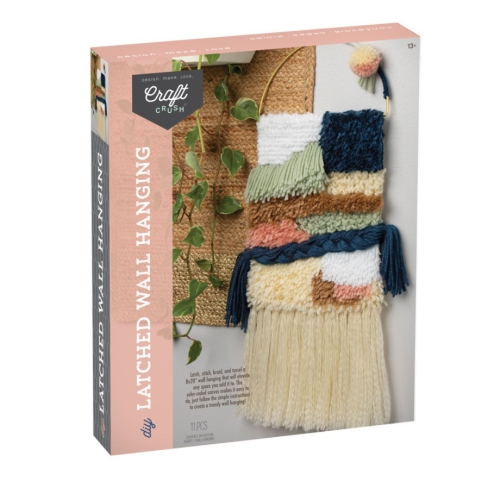
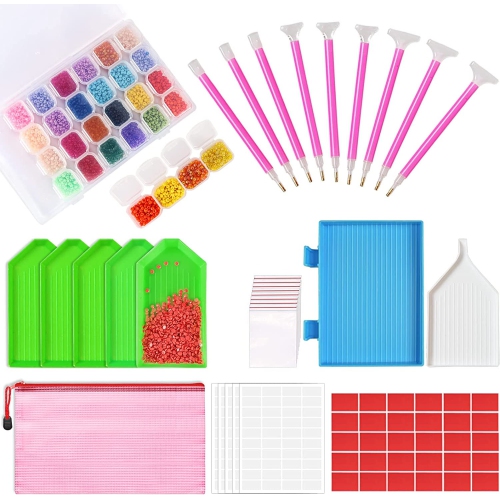
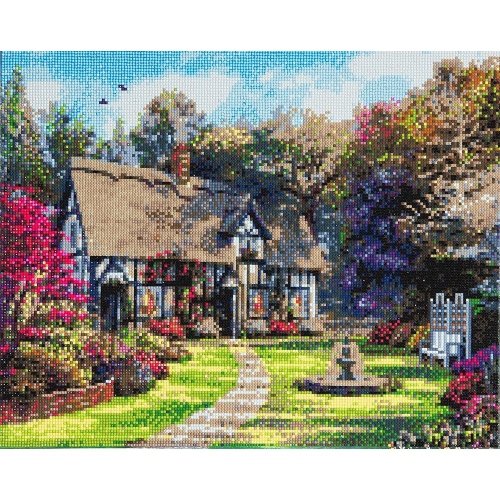
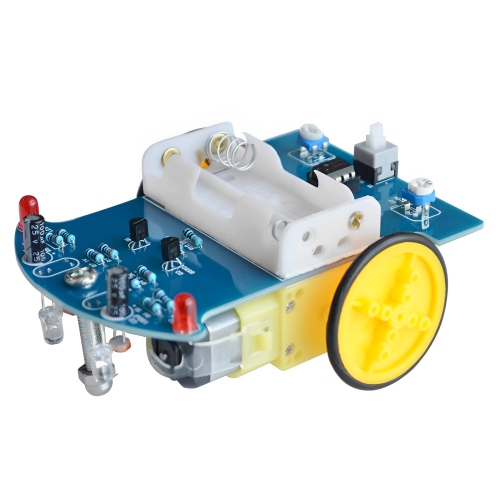
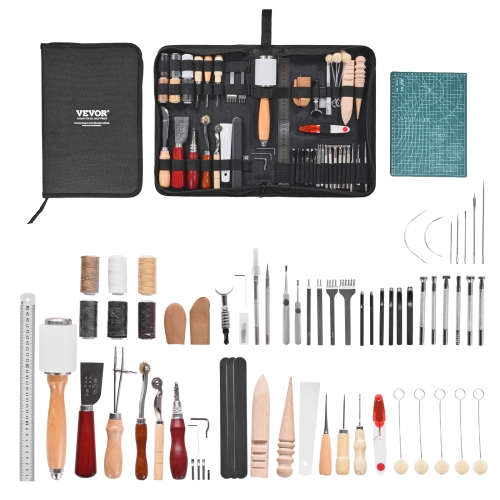
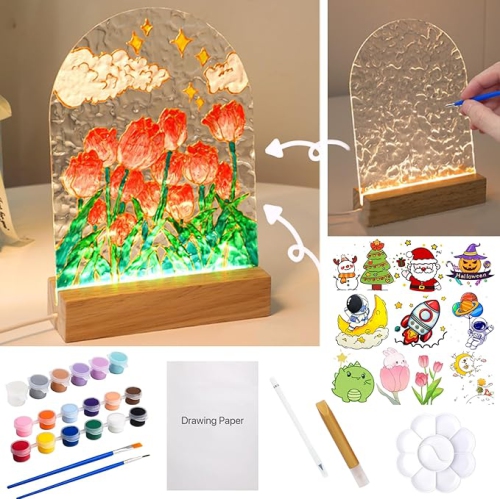
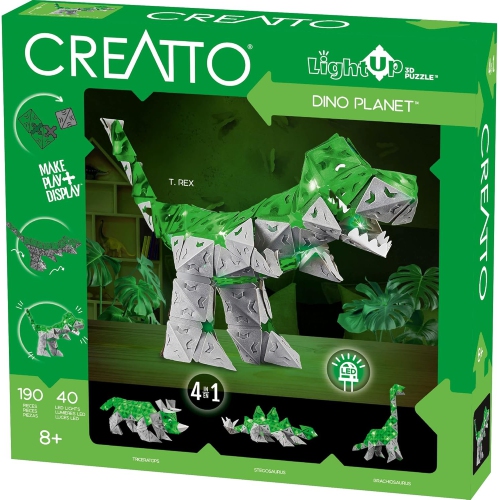
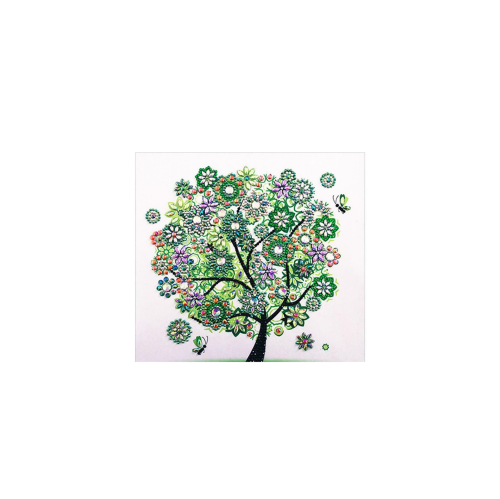
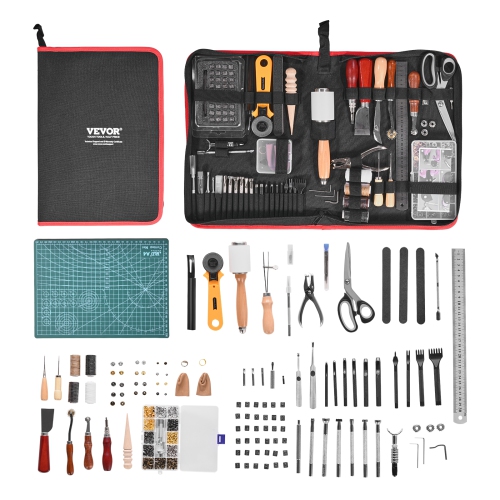
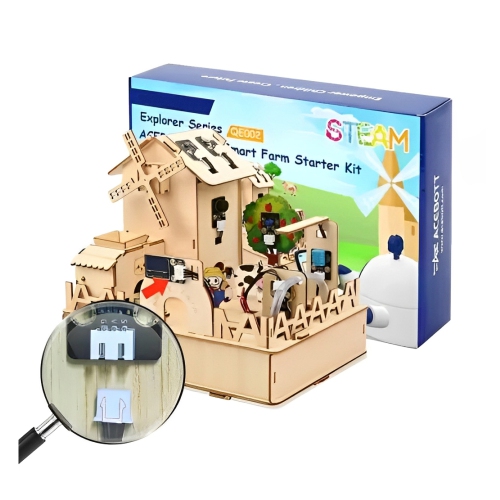
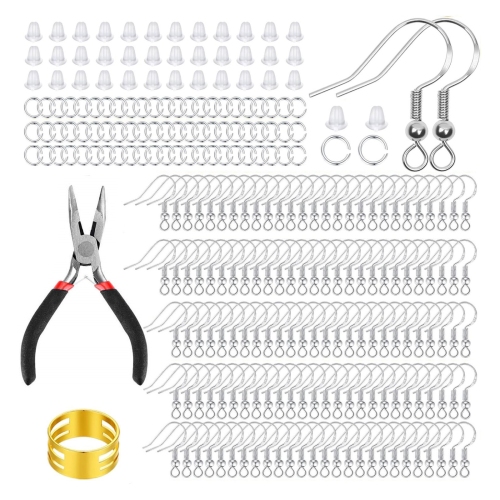
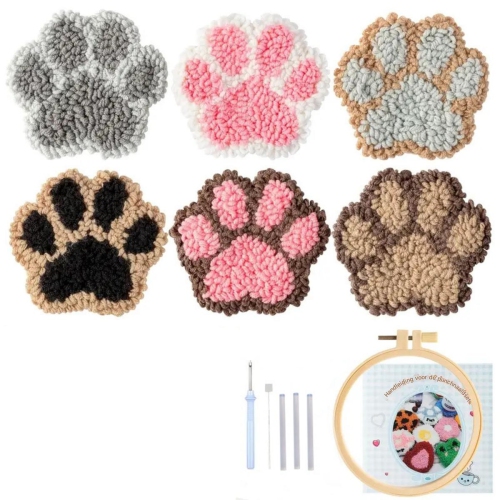
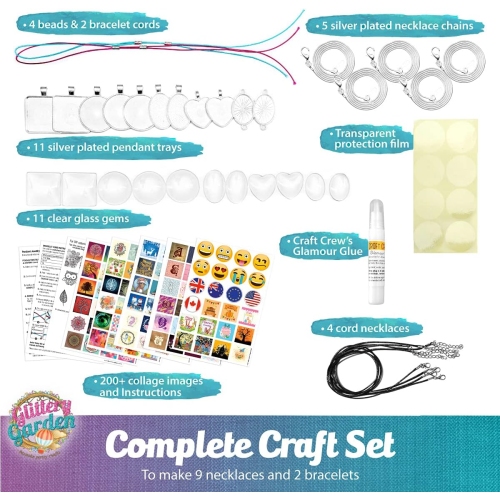
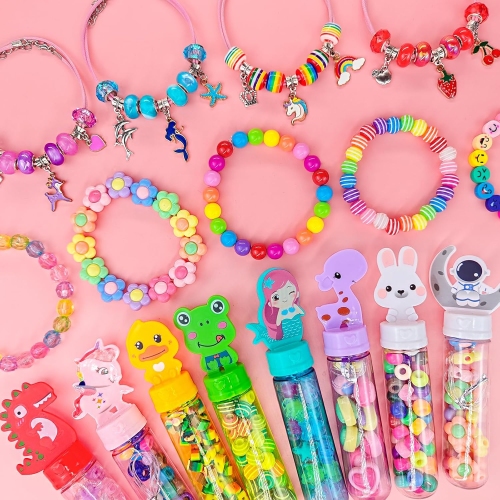
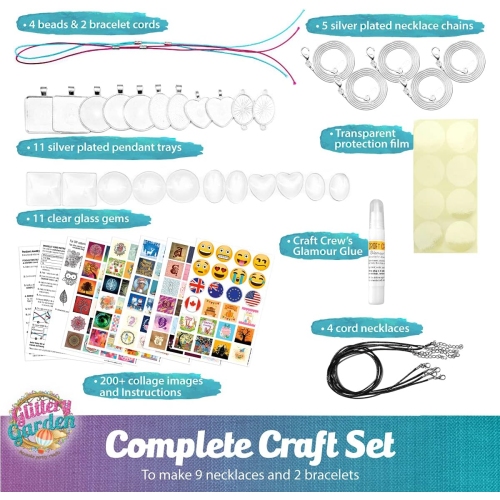
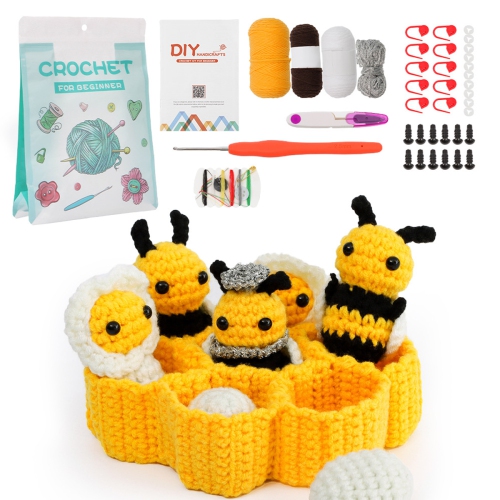
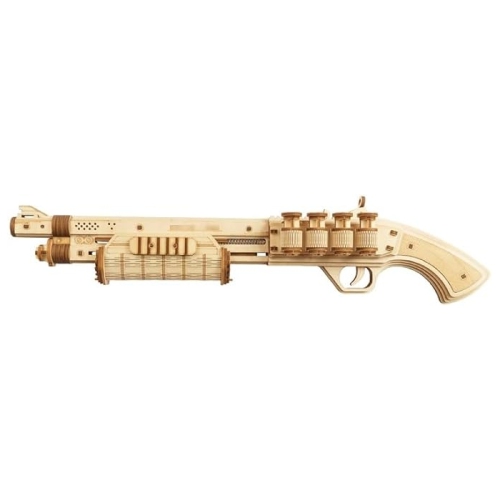
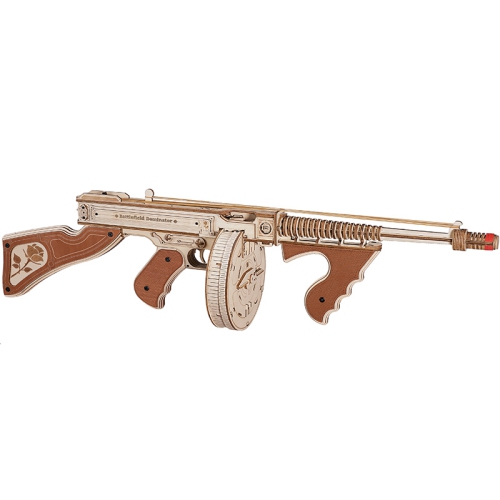
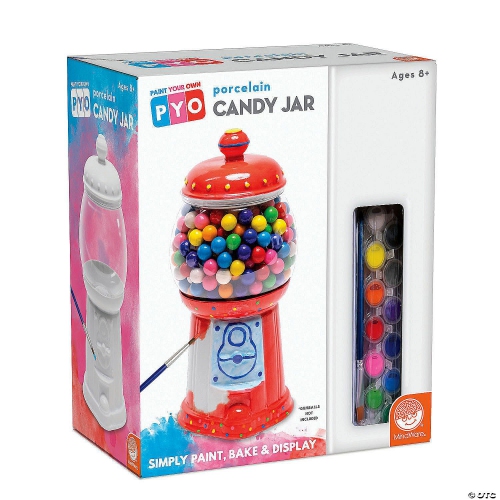
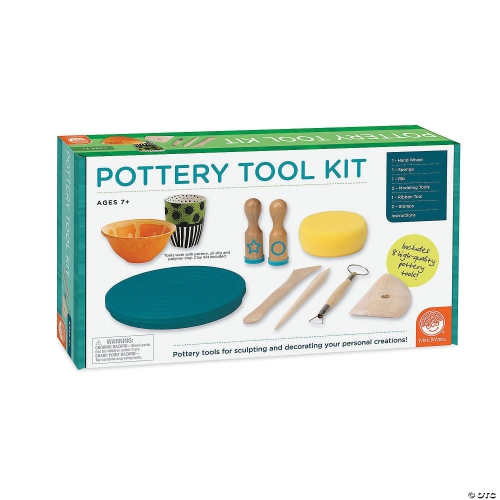
DIY craft kits bring together materials and project instructions for making something by hand, from stitched artwork and painted designs to beadwork, paper creations, and assembled wooden models. They give a creative idea a clear starting point, which can be especially helpful when learning an unfamiliar technique or returning to a hobby after a break. Rather than choosing every component separately, a crafter can work with materials selected for a particular result and concentrate on the satisfying details: pulling thread through fabric, arranging colours, or fitting small pieces together. The contents vary, so a kit should not automatically be treated as a complete set of everything needed. Some include tools and finishing supplies, while others require household basics such as scissors, a ruler, or glue. The most useful distinction is often between a project designed to teach a technique and one designed mainly to produce a finished object. A beginner may appreciate pre-marked fabric, numbered pieces, or clear illustrations that make each stage easy to follow. Someone with more experience may prefer finer detail, more freedom over the layout, or materials that allow for experimentation. Painting and drawing projects emphasize colour and surface effects; needlework introduces repeated stitches and texture; beadwork involves patterns, threading, and small connections; and model-building focuses on shape, fit, and assembly. Each offers a different kind of hands-on experience, even when the suggested completion times are similar. Intended use matters as well. A piece made for display has different requirements from something intended to be worn, handled regularly, or carried on a bag. Finished dimensions help set expectations, particularly when photographs make a small project appear larger than it is. For a satisfying match, consider both the making process and the finished result: whether the recipient enjoys careful repetition or open-ended choices, and whether the completed work suits their space, personal style, or everyday routine.
Materials influence how a craft project feels to make and how well it holds up afterwards. Cotton fabric with a visible weave can make stitch placement easier to follow, while closely woven cloth may suit finer detail. Yarn thickness affects the scale and texture of a finished piece, and fibre content influences washing and drying requirements. Paper weight matters for folding, layering, and shaping: lighter sheets bend readily, while thicker card provides more structure but may need careful scoring. With wooden assembly projects, accurately cut parts and smooth edges help pieces fit without unnecessary force. Some designs rely on snug joints, while others need adhesive, so the assembly method is worth checking before starting. Bead size, hole width, and cord thickness need to work together, particularly when a pattern sends the thread through the same opening more than once. For wearable projects, finished length, fastening style, and any metal components deserve attention, especially for someone with sensitivities to particular materials. Age recommendations and supervision requirements are just as important as creative appeal. Small beads and loose components can pose choking hazards, while needles, cutting tools, heated materials, and certain adhesives need handling appropriate to the crafter’s age and ability. A project labelled for children may still involve steps that require an adult’s help. For projects intended for younger makers, Kid Craft Kits offers a more focused starting point, with the individual age guidance and contents helping determine suitability. Workspace also shapes the experience. A shallow tray can keep beads from rolling away, good lighting makes fine markings easier to see, and a protective covering helps separate paint or adhesive from the table beneath it. Projects involving resin, heated wax, or other materials with specific handling requirements call for careful attention to the supplied safety directions, including ventilation and protective equipment where specified. Clear instructions should identify preparation, assembly, drying, and finishing stages rather than leaving those details to guesswork.
The best fit for a crafting session depends on more than the number of pieces in the box. A compact project with tiny components may demand greater concentration than a larger one built around simple, repeated steps. Completion estimates also need context: hands-on time may not include waiting for paint to dry, adhesive to set, or a shaped material to cure. For someone working at a shared dining table, a project that packs neatly into a lidded container can be easier to enjoy over several short sessions. A larger assembly may need a stable surface where it can remain undisturbed. Keeping instructions, unused materials, and unfinished sections together makes it easier to resume without retracing earlier work. Once a project is complete, care should follow the needs of its materials rather than a single rule for all handmade objects. Textile pieces may need gentle cleaning or reshaping; paper creations generally need protection from moisture and crushing; and painted surfaces should be cleaned only in ways compatible with the paint and finish. A finished piece is not necessarily washable, waterproof, food-safe, or suitable for outdoor use simply because it looks sturdy. Those uses need to be supported by the materials and the kit’s directions. Durability also comes from small finishing details, such as securing thread ends, allowing adhesive to set fully, and checking that fastenings close properly. As gifts, DIY craft kits can suit curious beginners, established hobbyists trying a different medium, or people who enjoy making personal keepsakes. Matching the project to the recipient’s interests is more meaningful than choosing by complexity alone. Someone drawn to precise patterns may enjoy counted or numbered work, while someone who likes choosing colours may prefer a less prescribed design. For shared activities, separate projects or clearly divided tasks can give each participant room to contribute without crowding a single workspace. A thoughtful choice balances challenge with achievable progress, leaving space for individual touches while providing enough structure to turn loose materials into something worth keeping, using, or giving.
Materials influence how a craft project feels to make and how well it holds up afterwards. Cotton fabric with a visible weave can make stitch placement easier to follow, while closely woven cloth may suit finer detail. Yarn thickness affects the scale and texture of a finished piece, and fibre content influences washing and drying requirements. Paper weight matters for folding, layering, and shaping: lighter sheets bend readily, while thicker card provides more structure but may need careful scoring. With wooden assembly projects, accurately cut parts and smooth edges help pieces fit without unnecessary force. Some designs rely on snug joints, while others need adhesive, so the assembly method is worth checking before starting. Bead size, hole width, and cord thickness need to work together, particularly when a pattern sends the thread through the same opening more than once. For wearable projects, finished length, fastening style, and any metal components deserve attention, especially for someone with sensitivities to particular materials. Age recommendations and supervision requirements are just as important as creative appeal. Small beads and loose components can pose choking hazards, while needles, cutting tools, heated materials, and certain adhesives need handling appropriate to the crafter’s age and ability. A project labelled for children may still involve steps that require an adult’s help. For projects intended for younger makers, Kid Craft Kits offers a more focused starting point, with the individual age guidance and contents helping determine suitability. Workspace also shapes the experience. A shallow tray can keep beads from rolling away, good lighting makes fine markings easier to see, and a protective covering helps separate paint or adhesive from the table beneath it. Projects involving resin, heated wax, or other materials with specific handling requirements call for careful attention to the supplied safety directions, including ventilation and protective equipment where specified. Clear instructions should identify preparation, assembly, drying, and finishing stages rather than leaving those details to guesswork.
The best fit for a crafting session depends on more than the number of pieces in the box. A compact project with tiny components may demand greater concentration than a larger one built around simple, repeated steps. Completion estimates also need context: hands-on time may not include waiting for paint to dry, adhesive to set, or a shaped material to cure. For someone working at a shared dining table, a project that packs neatly into a lidded container can be easier to enjoy over several short sessions. A larger assembly may need a stable surface where it can remain undisturbed. Keeping instructions, unused materials, and unfinished sections together makes it easier to resume without retracing earlier work. Once a project is complete, care should follow the needs of its materials rather than a single rule for all handmade objects. Textile pieces may need gentle cleaning or reshaping; paper creations generally need protection from moisture and crushing; and painted surfaces should be cleaned only in ways compatible with the paint and finish. A finished piece is not necessarily washable, waterproof, food-safe, or suitable for outdoor use simply because it looks sturdy. Those uses need to be supported by the materials and the kit’s directions. Durability also comes from small finishing details, such as securing thread ends, allowing adhesive to set fully, and checking that fastenings close properly. As gifts, DIY craft kits can suit curious beginners, established hobbyists trying a different medium, or people who enjoy making personal keepsakes. Matching the project to the recipient’s interests is more meaningful than choosing by complexity alone. Someone drawn to precise patterns may enjoy counted or numbered work, while someone who likes choosing colours may prefer a less prescribed design. For shared activities, separate projects or clearly divided tasks can give each participant room to contribute without crowding a single workspace. A thoughtful choice balances challenge with achievable progress, leaving space for individual touches while providing enough structure to turn loose materials into something worth keeping, using, or giving.
Top selling and popular products
-
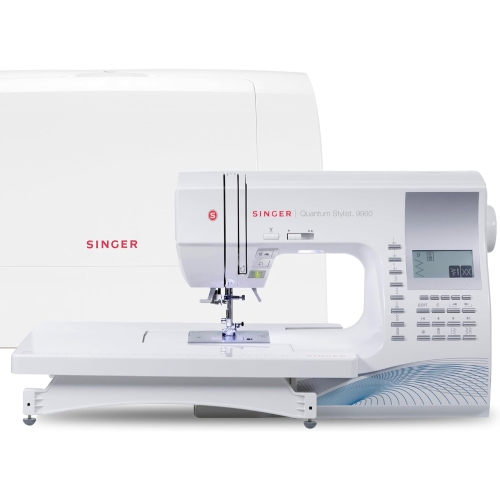 Your price for this item is $911.05
 -
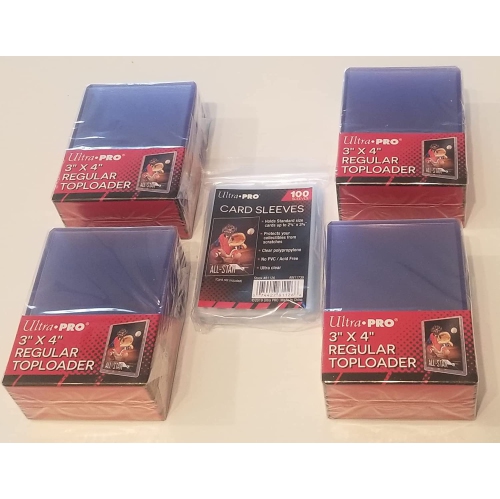 Your price for this item is $6.84
 -
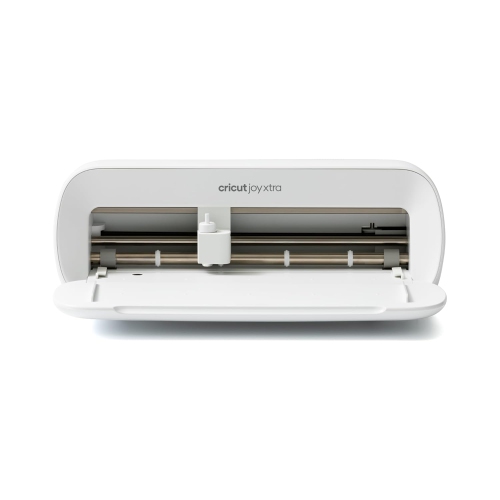 Your price for this item is $274.55
 -
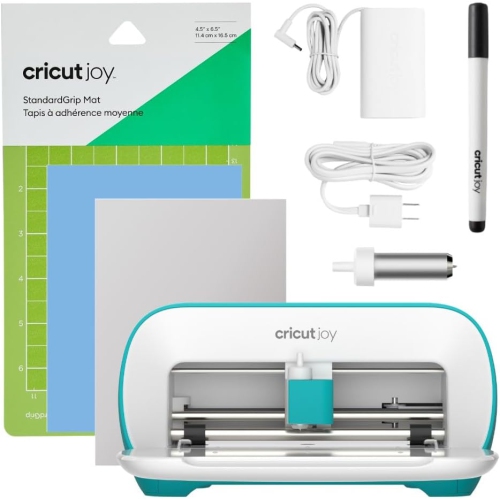 Your price for this item is $238.44
 -
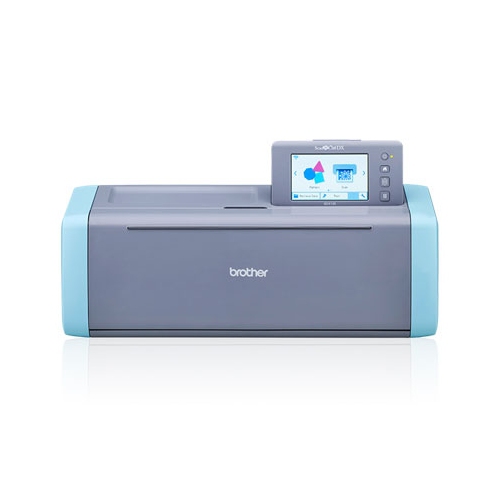 Your price for this item is $685.99
 -
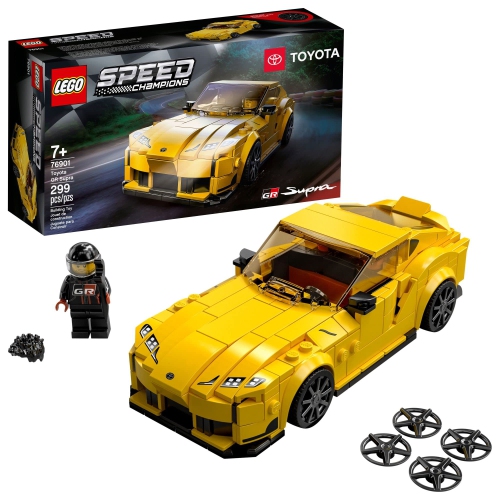 Your price for this item is $109
 -
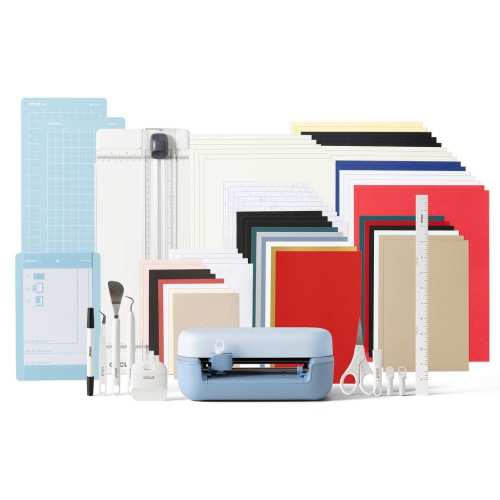 Your price for this item is $229
 -
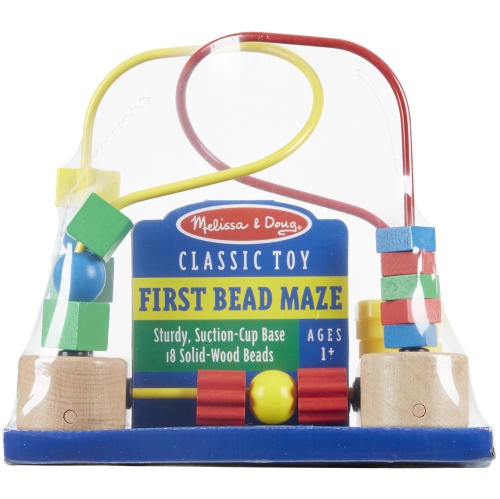 Your price for this item is $39.99
Discover more categories related to DIY Craft Kits

Top Collections:
Pokemon Centers, Budget 4K TVs, Best Budget Office Chairs, Kindle Devices, Canon G7X Cameras, Apple iPhones 16, iPhone 15 Apple, Laptops for Business Work, Xiaomi Phones, Flip Phones
Some products may be subject to Environmental Handling Fees
(EHF) depending on your province.
Learn more about EHFs.