Dragon Bloks
Dragon Bloks offer a world of imaginative play and creative construction for builders of all ages. With endless possibilities for building, stacking, and designing, Dragon Bloks inspire hands-on fun that encourages problem-solving and fine motor skills. Whether you're looking to spark creativity or add a new dimension to playtime, Dragon Bloks provide the perfect solution for hours of engaging entertainment. Explore a wide selection of vibrant sets designed to captivate and delight every aspiring builder.
Sort

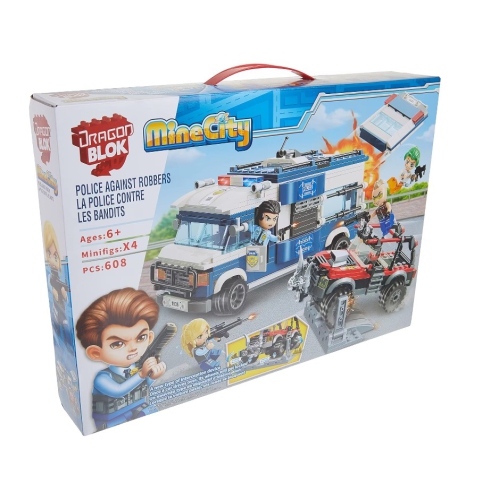

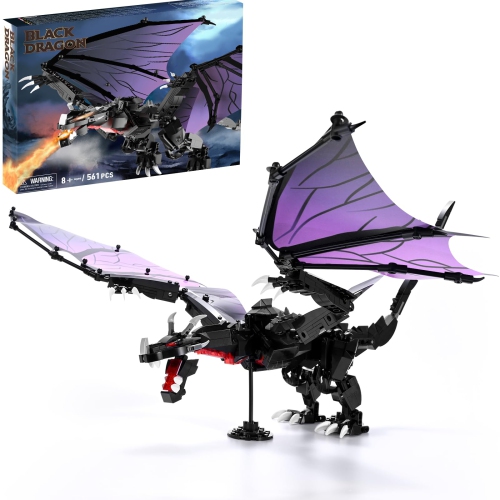

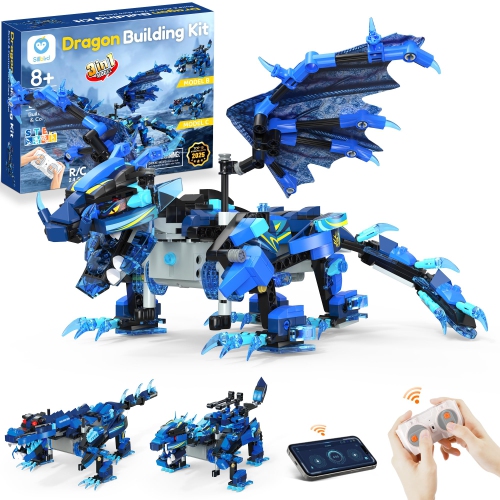


Architectural details take shape one brick at a time
Interlocking plastic construction sets bring architecture, landmarks, and miniature city scenes into a hands-on building experience. Individual bricks connect to form walls, columns, windows, roofs, and structural details, turning a collection of small pieces into a recognizable model. Architecture-themed sets place particular emphasis on proportion and silhouette: a narrow tower, a symmetrical façade, or a carefully layered roof can give a compact build its distinctive character. Their appeal extends beyond children’s play to teens and adults who enjoy model-making, travel, design, or the satisfaction of completing a detailed project. Some builds suit an afternoon at the table, while more involved designs lend themselves to several shorter sessions. Piece count provides a useful indication of scale, but it does not tell the whole story. A smaller model with repeated tiny elements can demand more concentration than a larger structure built from straightforward sections. Recommended ages, assembly complexity, and finished dimensions provide a fuller picture of the experience. The main material is typically moulded plastic, with connecting studs and receiving surfaces designed to hold the structure together. Fit matters because pieces need to remain secure without making assembly unnecessarily difficult. A firm connection can help preserve straight walls and aligned layers, although narrow sections still need careful handling. Compatibility is another consideration for households with an existing brick collection. Sets described as compatible with major interlocking brick systems may support creative rebuilding, but that claim should be checked in the individual description rather than assumed across every piece type. Similar-looking bricks can differ in size, connection geometry, or how tightly they hold. For builders interested in architecture, the finished model offers a small-scale way to examine how an entrance anchors a façade, how repeated windows establish rhythm, or how a prominent roofline makes a building recognizable from a distance. Those details give the construction process a focus beyond simply reaching the last step.
The building experience depends as much on the layout of the project as on its size. Clear illustrations, visible colour differences, and manageable assembly stages make it easier to understand how one section supports the next. On an architectural model, a layer that looks unimportant early in the process may establish the spacing for an entire upper storey. A well-lit table with enough room for both loose pieces and the growing structure helps keep those relationships visible. Shallow sorting trays are useful for separating small tiles, window elements, and similar-looking connectors, especially when several colours appear close together in the instructions. Shared building can work well for a child and an adult, siblings, or two model enthusiasts, with one person locating pieces while the other assembles a section. Taking turns gives both builders a chance to follow the sequence rather than leaving one person with all the sorting. The activity involves observation, spatial reasoning, and fine motor control, although the level of challenge varies considerably between designs. Where a bilingual booklet is included, background on a landmark’s history and architecture can add context to the shapes taking form on the table. Such material can connect a model with a place remembered from a trip, a building seen in photographs, or an interest in how cities develop. Booklet contents and language options should be confirmed in the set description. Intended use also matters: a model made for display may have small rooftop features or projecting details that are less suited to repeated handling than a build intended for active play. Children need sets appropriate to their age and abilities, and loose small parts must be kept away from younger children who may put them in their mouths. For a shared household space, a tray or dedicated work surface allows an unfinished build to move aside without dismantling the sections already completed.
A completed architectural model needs a display space that suits its footprint and construction. Height alone can be misleading: a low, wide building may require more shelf space than a slender tower, while projecting bases, bridges, or side sections can extend beyond the central structure. A stable, level surface helps protect the model from accidental knocks, and a position away from the edge of a shelf is particularly useful in a busy room. Plastic bricks are generally durable under ordinary indoor handling, but thin connections and projecting features can separate if a model is lifted by its roof or a narrow upper section. Supporting the base distributes the load more evenly. Long-term appearance also benefits from care that follows the manufacturer’s directions. Dust can often be lifted with a soft, dry brush, while deeper cleaning depends on the materials, printed details, stickers, and any special components included. Soaking an assembled model can trap moisture in enclosed spaces, and abrasive cleaners can mark surfaces. Direct sunlight and excessive heat may affect plastic or applied details, making placement part of ongoing care. Keeping the instructions and spare pieces together makes later repairs or rebuilding much easier. For gifting, these sets suit recipients who enjoy patient, tactile projects and the pleasure of displaying something they have assembled themselves. A landmark-inspired model can carry a personal connection to travel or an interest in architecture without requiring the recipient to be an experienced builder. The best fit depends on their available space, comfort with small pieces, and preference for a short project or a more involved build. When a recipient is more interested in mythical creatures than miniature buildings, Cool Dragon Toys is a related theme with a different focus. Architectural construction sets centre instead on recreating built forms, combining the step-by-step enjoyment of assembly with a finished object that can invite a closer look at design.
Top selling and popular products
-
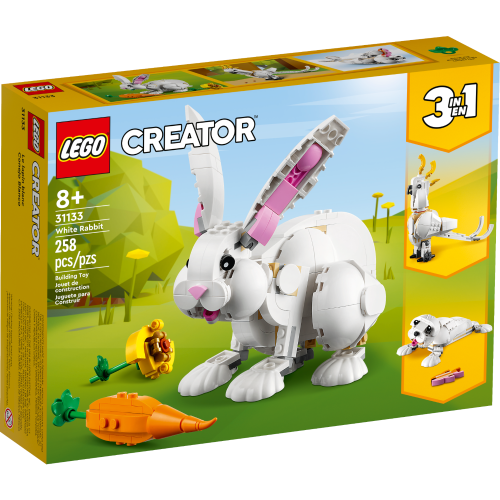 Your price for this item is $38.53
-
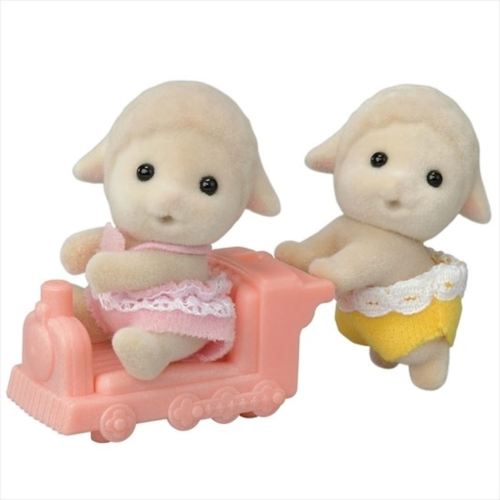 Your price for this item is $93.99
-
 Your price for this item is $59
-
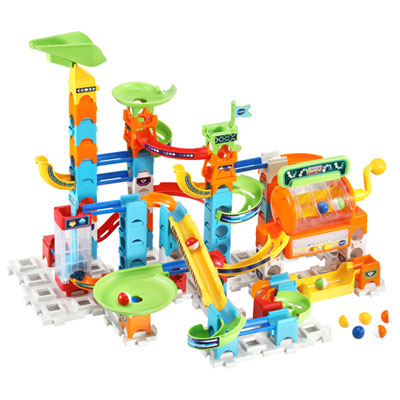 Your price for this item is $59.99
-
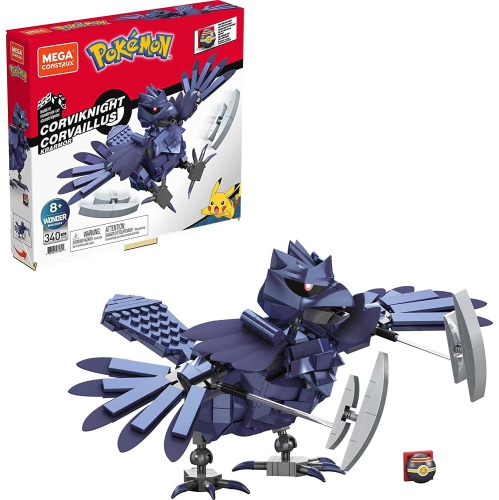 Your price for this item is $51
-
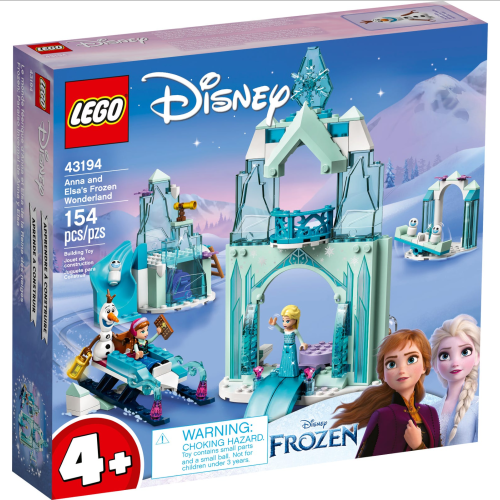 Your price for this item is $108.48
-
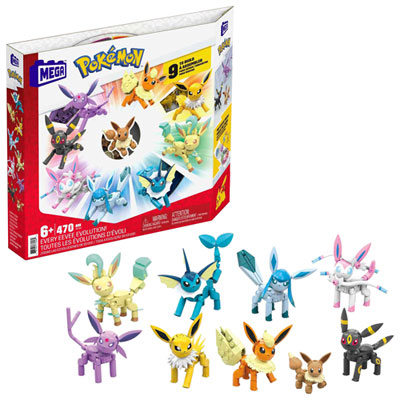 Your price for this item is $82.99
-
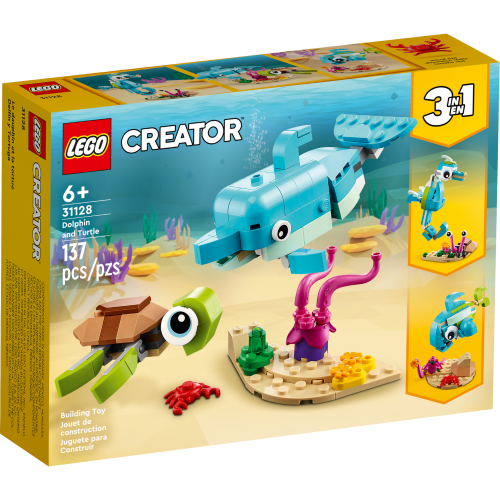 Your price for this item is $55.78
Discover more categories related to Dragon Bloks


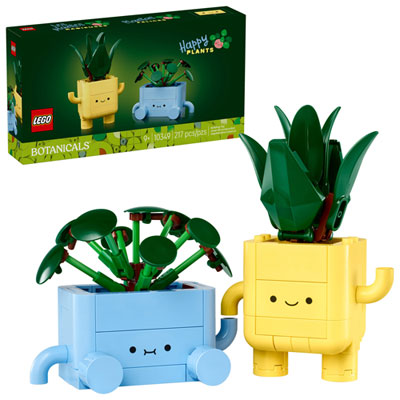

Top Collections:
Pokemon Centers, Best Budget Office Chairs, Kindle Devices, Best Cameras for Sports Photography, Pokémon 30th Celebration Cards, Best Laptops for Writers, Canon G7X Cameras, iPhone 15 Apple, Best Cell Phones Under $300, Apple iPhones 16
Some products may be subject to Environmental Handling Fees
(EHF) depending on your province.
Learn more about EHFs.