Drawing Sketch Kits
Elevate your artistic creations with a Drawing Sketch Kit, designed to inspire creativity and support every stage of your drawing journey. Whether you are a beginner exploring new techniques or an experienced artist refining your skills, these kits offer a convenient way to access essential tools in one package. Find the perfect Drawing Sketch Kit to match your artistic needs and enjoy the flexibility to sketch, shade, and experiment with confidence.
Sort







Why drawing materials matter more than piece count
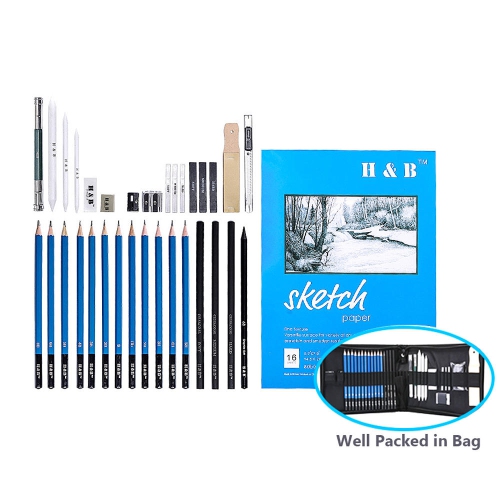
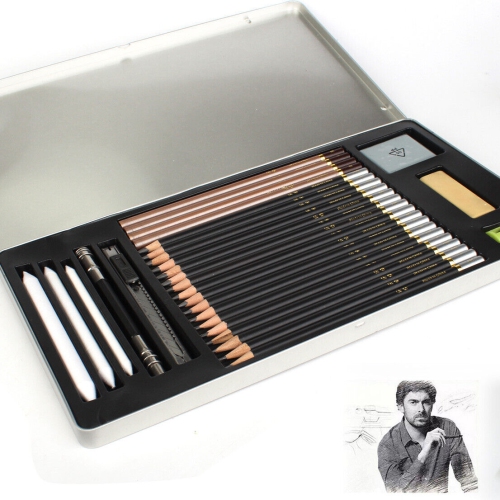
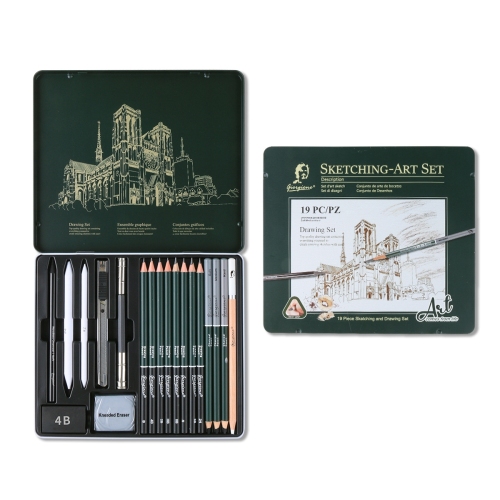
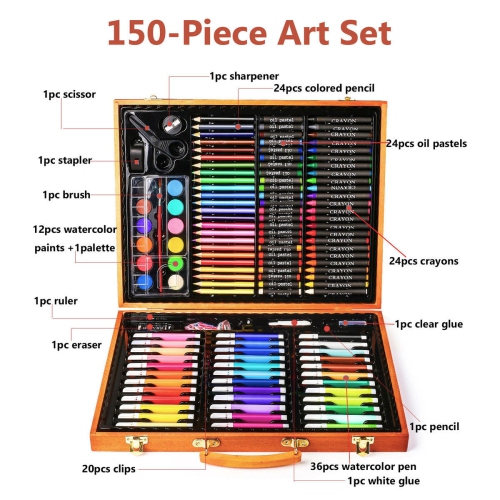
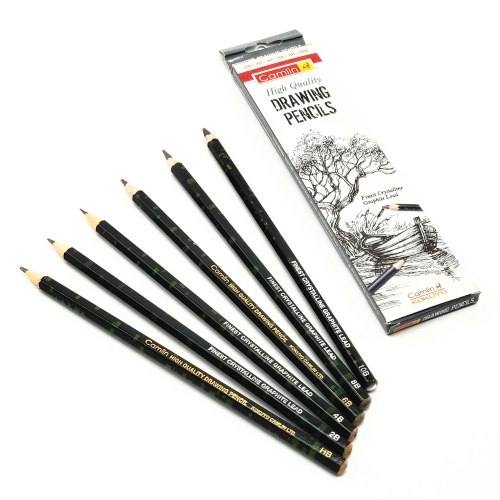
Drawing sketch kits bring together tools for creating everything from quick pencil studies to carefully shaded portraits, giving beginners and experienced artists a coordinated starting point for work on paper. Typical contents may include graphite pencils in several grades, charcoal pencils or sticks, erasers, a sharpener, and blending tools, while some sets also contain coloured pencils, sketch paper, or a carrying case. The combination of materials matters more than the total piece count: a compact graphite set can suit detailed line work, while a broader assortment may appeal to someone exploring tone, texture, and colour. Graphite grades help explain how different pencils behave. H grades generally produce lighter, firmer marks, B grades are softer and darker, and HB sits between them for everyday sketching. A range of grades makes it easier to move from a light outline to deeper shadows without relying entirely on pressure. Charcoal creates rich dark areas and expressive marks, making it useful for figure studies, dramatic portraits, and loose compositions, though it smudges more readily than graphite. Coloured pencils add another approach, allowing layered colour, fine details, and gradual transitions without the setup associated with paint. Paper also affects the result. A smoother surface supports crisp lines and small details, while paper with more tooth catches drawing material and can give shading a visible texture. A kit intended for monochrome drawing does not need to include every medium; a focused assortment can make tools easier to understand and keep organized. For someone who enjoys drawing buildings, controlled pencil points and a range of graphite grades may be particularly useful. Someone sketching faces or fabric may appreciate softer drawing materials and tools for gentle blending. These differences give drawing sets distinct purposes, even when their cases look similar, and help match the contents to the kind of marks an artist enjoys making.
The physical design of a sketch kit influences how comfortably it fits into a drawing routine, whether that means a permanent place on a desk or a small pouch carried to a class. Pencil barrels vary in shape, thickness, and finish, and a comfortable grip can matter during longer sessions. Round barrels allow easy rotation as a point wears down, while hexagonal barrels are less likely to roll across a tabletop. Wood-cased pencils protect the drawing core during handling, but drops and heavy pressure can still cause internal breaks. A well-fitting case with individual slots helps keep tools separated and makes it easier to notice a missing pencil or eraser before packing up. Zipped pouches can fit neatly inside a backpack, while rigid cases offer more structure for storage; the best fit depends on how often the kit travels and how much workspace is available. Accessories add practical value when they suit the included materials. A kneaded eraser can lift graphite or charcoal gently and be shaped for small highlights, while a firm eraser can help with more defined corrections on suitable paper. Blending stumps soften transitions without transferring skin oils from fingertips, although they gradually collect pigment and may need cleaning or replacement. Sharpeners should accommodate the pencil diameter and drawing medium, particularly when softer cores need a gentler touch. Keeping points protected and avoiding forceful sharpening helps limit breakage. Paper care matters as well: clean hands, a smooth support surface, and a spare sheet beneath the drawing hand can reduce accidental marks. Finished charcoal work needs careful handling because loose material can transfer to nearby pages. A protective interleaving sheet can reduce contact during storage, and any fixative should be appropriate for the medium and used according to its label. Closing the case after use and keeping paper dry helps protect both the tools and unfinished work between sessions.
Drawing sketch kits suit a wide range of users because drawing can be as simple as recording a shape or as involved as building a detailed composition over several sittings. A beginner may benefit from a manageable selection with clearly marked pencil grades, an eraser, and suitable paper rather than a large assortment of unfamiliar materials. Students attending art classes may need a particular range of graphite grades or charcoal formats, so the contents of a set should correspond with any course supply list. Hobbyists might use a kit for sketchbook practice, illustrated journals, still-life arrangements, or studies based on personal photographs. For an experienced artist, a smaller travel set can serve a different purpose from a larger collection kept at a drawing table. The same kit might support a ten-minute study of a coffee cup, a page of hand gestures, or a more patient rendering of light falling across a chair. For children, age recommendations and the handling requirements of sharpeners, pointed pencils, and loose drawing materials are important considerations; child-focused sets should be assessed on their stated suitability rather than appearance alone. As a gift, a drawing kit can be thoughtful for a student starting an art course, a friend returning to a favourite hobby, or a family member who already fills notebook margins with sketches. Matching the medium to the recipient’s interests makes the gesture more personal: graphite suits someone drawn to fine detail, charcoal encourages bold tonal work, and coloured pencils appeal to those who enjoy building colour gradually. Complementary Sketching Supplies, such as additional paper or replacement erasers, can extend the usefulness of a kit as frequently used materials wear down. A set with clear organization and tools that suit the artist’s habits can become part of regular creative practice, ready for both spontaneous observations and more considered drawings.
Top selling and popular products
-
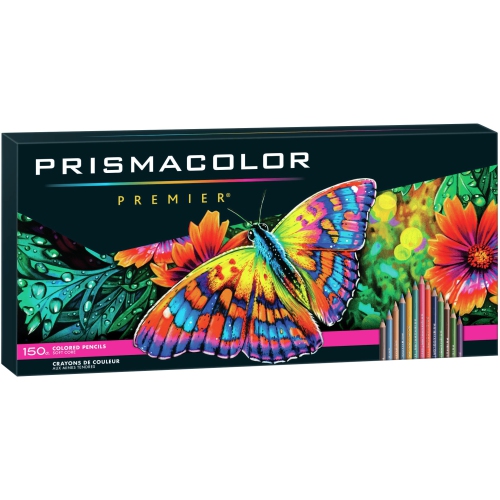 Your price for this item is $179.99
-
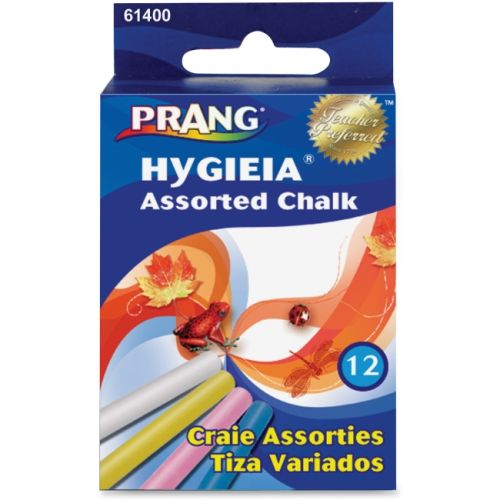 Your price for this item is $2.99
-
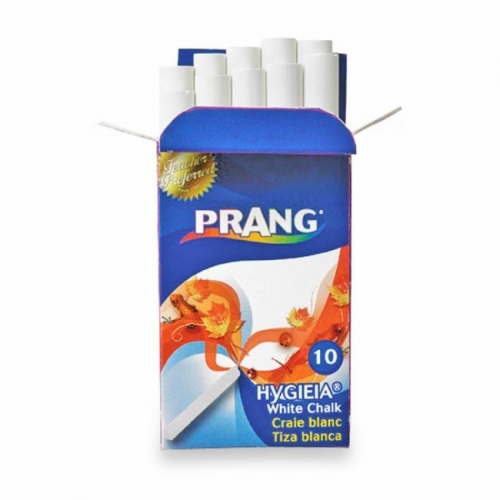 Your price for this item is $1.99
-
 Your price for this item is $10.49
-
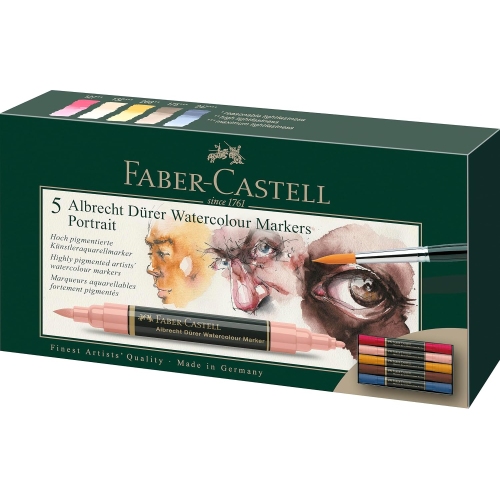 Your price for this item is $29.99
-
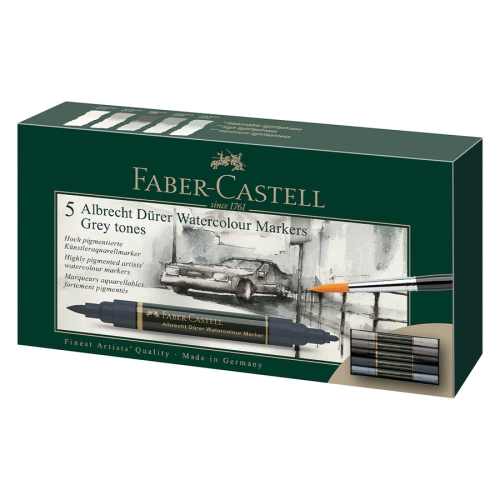 Your price for this item is $22.99
-
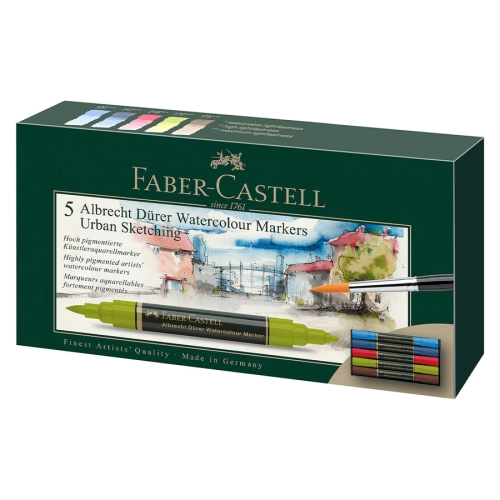 Your price for this item is $26.99
-
 Your price for this item is $37.94
Discover more categories related to Drawing Sketch Kits

Top Collections:
Pokemon Centers, Kindle Devices, Best Cameras for Sports Photography, Pokémon 30th Celebration Cards, Apple iPhones 16, Canon G7X Cameras, iPhone 15 Apple, Flip Phones, Samsung Galaxy Phones, Alarm Clock
Some products may be subject to Environmental Handling Fees
(EHF) depending on your province.
Learn more about EHFs.