Electric Atv Canada
Explore the exhilarating world of electric ATVs, where adventure meets innovation. Perfect for both thrill-seekers and eco-conscious riders, these all-terrain vehicles offer a sustainable way to enjoy the great outdoors. Whether you're navigating rugged trails or cruising through serene landscapes, electric ATVs provide a smooth, quiet ride with zero emissions. Discover the range of options available in Canada, designed to suit various skill levels and preferences. Embrace the future of off-roading with cutting-edge technology that ensures safety and performance without compromising on excitement.
Sort
What to consider before choosing an electric ATV
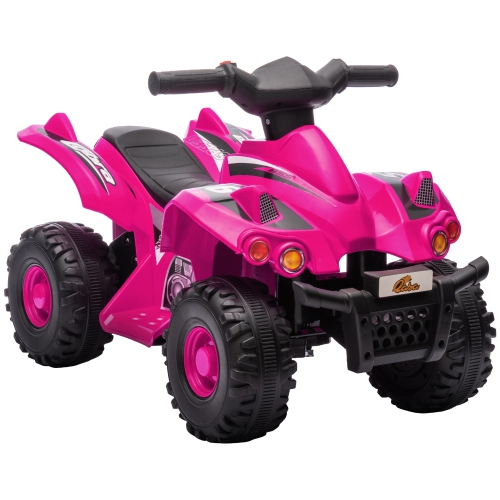
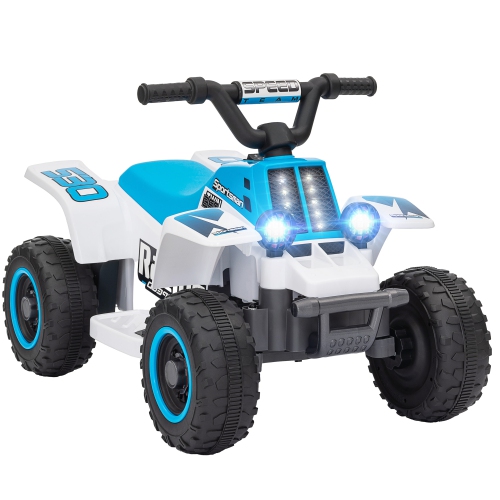
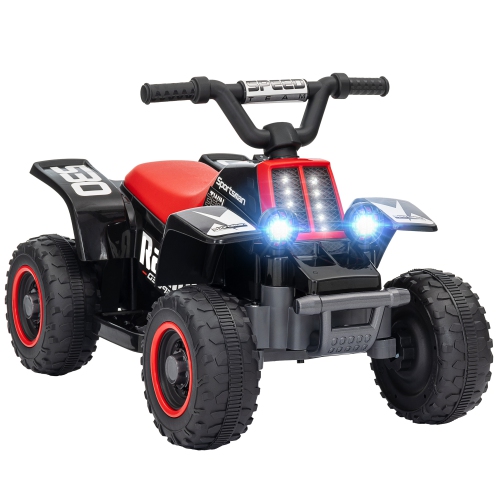
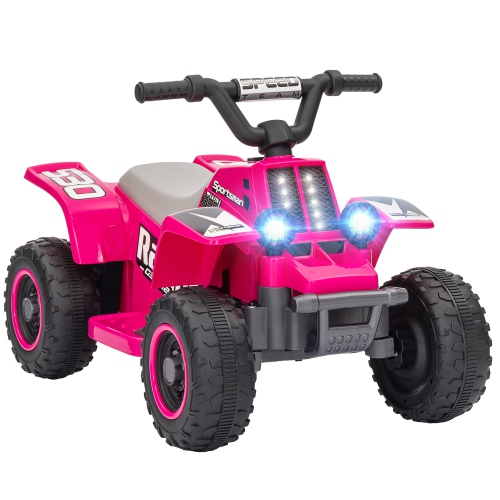
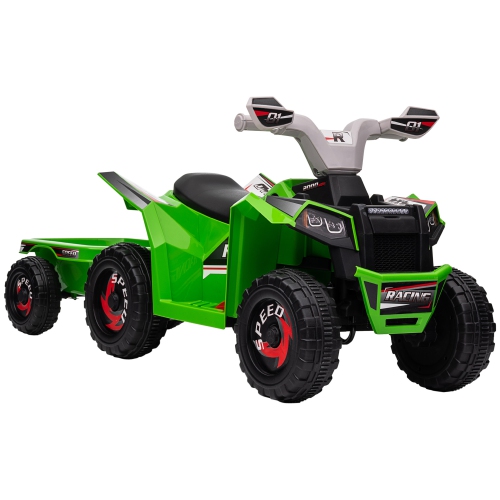
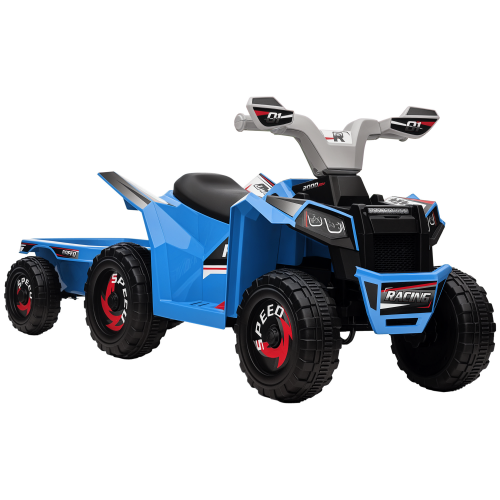
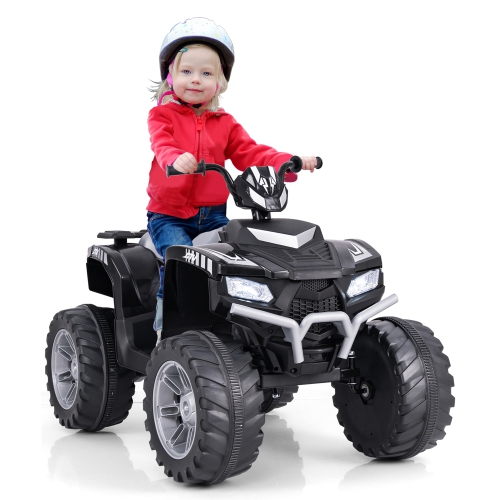
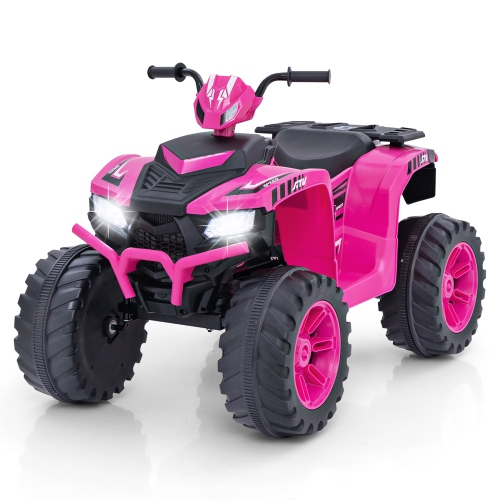
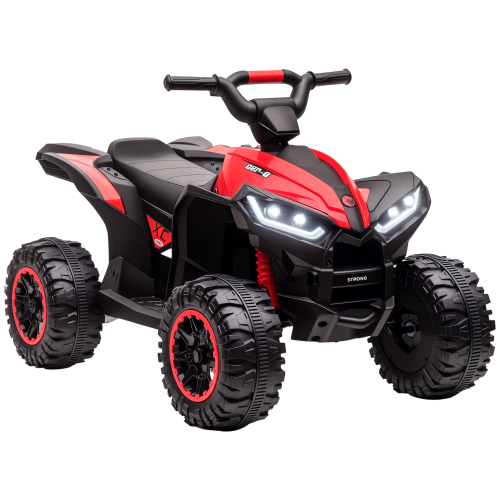
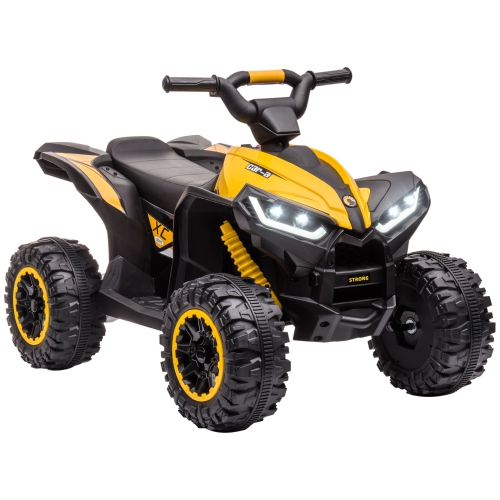
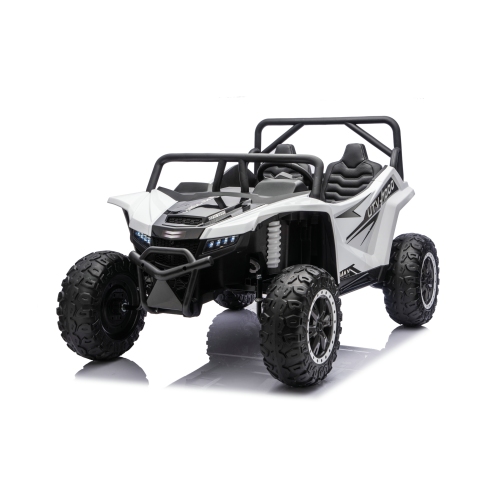
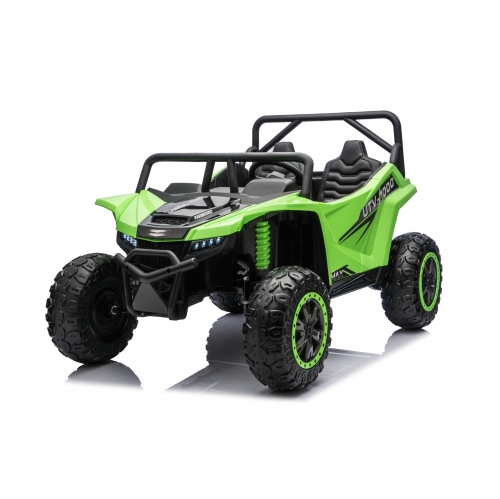
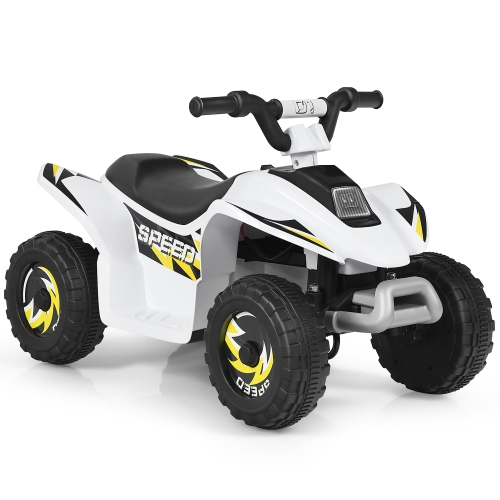
Electric ATVs in Canada offer a quieter, simpler way to explore private land, manage light property tasks, or enjoy off-road riding without the fuel, oil changes, and engine noise associated with many traditional quads. The selection ranges from compact youth-oriented machines to larger utility and recreation models designed for adult riders, so the right choice depends on who will use it, where it will be ridden, and how much power and carrying capacity are needed. A smaller electric ATV can be a memorable gift for an older child or teen who is ready to develop riding skills under close adult supervision, while a full-size model may suit a property owner, cottage user, or recreational rider looking for a practical vehicle for trails, gravel lanes, fields, and around-the-property chores. Before choosing, consider the rider’s age, height, weight, experience, and confidence level, along with the ATV’s recommended load capacity and speed settings. Youth models commonly include lower top speeds, simpler controls, and compact dimensions that are easier to manage, but they still require the same thoughtful approach to protective equipment and supervision as any other off-road vehicle. Adult models may offer stronger motors, selectable riding modes, larger tires, hydraulic disc brakes, suspension travel, racks, and towing capability for moving tools or supplies. Electric drive systems deliver immediate torque, which can make an ATV feel responsive on inclines and loose ground, while quiet operation can be useful around a cottage, acreage, or rural property where riders want to hear surrounding activity. That quietness also means pedestrians, pets, and other riders may not notice the ATV approaching, so controlled speeds and careful awareness remain essential. Battery capacity, motor output, charging time, ground clearance, and drivetrain design are important specifications to compare, but they should be considered alongside the terrain and distance you expect to cover. A model intended for smooth private paths may not be appropriate for deep mud, steep rocky trails, or regular hauling. Manufacturer range estimates are generally measured under ideal conditions and can change with rider weight, temperature, tire pressure, hills, surface conditions, payload, and riding style. During the cooler months, battery performance and charging times may be affected, particularly if the ATV is stored in an unheated shed or garage. Keeping the battery and charger within the manufacturer’s recommended temperature range, using the correct charging equipment, and following storage instructions can help support dependable operation from one outing to the next.
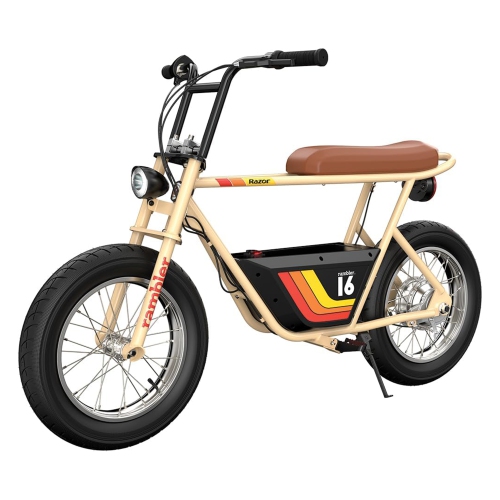
When shopping for an electric ATV in Canada, it is also important to think beyond the machine itself. A suitable helmet, eye protection, gloves, sturdy footwear, and protective clothing should be part of the riding plan, with additional equipment selected for the terrain and weather. Parents and caregivers should review the controls with young riders in a clear, open area before moving onto trails, establish boundaries, and match the speed setting to the rider’s ability rather than treating the highest setting as a goal. Adults can benefit from the same gradual approach, especially when moving from level ground to slopes, wet grass, gravel, snow, or uneven woodland paths. Check the braking system, tire condition, steering, lights, battery connections, and fasteners before each ride, and remove mud or debris after use so it does not interfere with moving parts. Electric ATVs generally have fewer routine engine components to service because they do not use spark plugs, motor oil, or a conventional fuel system, although the battery, charger, brakes, tires, suspension, belts or chains, and electrical connections still require attention. Storage is another practical consideration: a dry, secure location with access to an approved outlet is ideal, and chargers should be used exactly as directed rather than left connected in unsuitable conditions. Rules for off-road vehicles vary considerably across Canada. Many electric ATVs are intended for private property, farms, cottages, and designated off-road areas, while access to municipal land, conservation areas, provincial trails, and public roads may be restricted or subject to registration, insurance, age, equipment, and licensing requirements. Confirm the rules in your province and the requirements of the specific trail or property before riding, and remember that a machine being electric does not automatically make it street legal. Range planning is especially useful on unfamiliar routes: allow extra capacity for hills, soft ground, colder weather, and the return journey, and never assume that a standard electrical outlet or public charging station will be available nearby. For shoppers comparing different types of electric personal transportation, browsing related options such as Ebike Toronto can also help clarify whether an ATV, e-bike, or another vehicle better fits the intended trips. Whether selected for family recreation, property maintenance, or a thoughtful gift for an experienced rider, an electric ATV is best matched to realistic riding conditions, responsible supervision, and the everyday details of charging, storage, safety, and local access.
When shopping for an electric ATV in Canada, it is also important to think beyond the machine itself. A suitable helmet, eye protection, gloves, sturdy footwear, and protective clothing should be part of the riding plan, with additional equipment selected for the terrain and weather. Parents and caregivers should review the controls with young riders in a clear, open area before moving onto trails, establish boundaries, and match the speed setting to the rider’s ability rather than treating the highest setting as a goal. Adults can benefit from the same gradual approach, especially when moving from level ground to slopes, wet grass, gravel, snow, or uneven woodland paths. Check the braking system, tire condition, steering, lights, battery connections, and fasteners before each ride, and remove mud or debris after use so it does not interfere with moving parts. Electric ATVs generally have fewer routine engine components to service because they do not use spark plugs, motor oil, or a conventional fuel system, although the battery, charger, brakes, tires, suspension, belts or chains, and electrical connections still require attention. Storage is another practical consideration: a dry, secure location with access to an approved outlet is ideal, and chargers should be used exactly as directed rather than left connected in unsuitable conditions. Rules for off-road vehicles vary considerably across Canada. Many electric ATVs are intended for private property, farms, cottages, and designated off-road areas, while access to municipal land, conservation areas, provincial trails, and public roads may be restricted or subject to registration, insurance, age, equipment, and licensing requirements. Confirm the rules in your province and the requirements of the specific trail or property before riding, and remember that a machine being electric does not automatically make it street legal. Range planning is especially useful on unfamiliar routes: allow extra capacity for hills, soft ground, colder weather, and the return journey, and never assume that a standard electrical outlet or public charging station will be available nearby. For shoppers comparing different types of electric personal transportation, browsing related options such as Ebike Toronto can also help clarify whether an ATV, e-bike, or another vehicle better fits the intended trips. Whether selected for family recreation, property maintenance, or a thoughtful gift for an experienced rider, an electric ATV is best matched to realistic riding conditions, responsible supervision, and the everyday details of charging, storage, safety, and local access.
Top selling and popular products
-
 Your price for this item is $160.99
 -
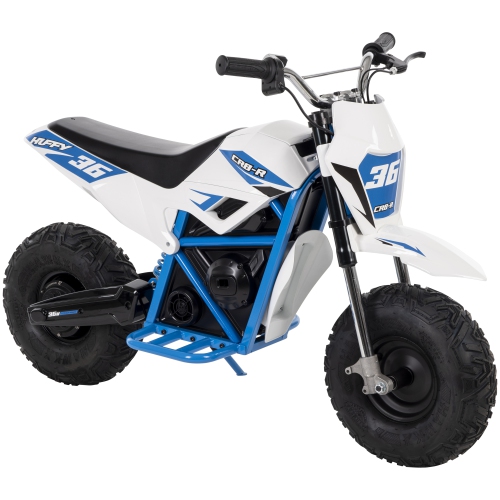 Your price for this item is $799.99
 -
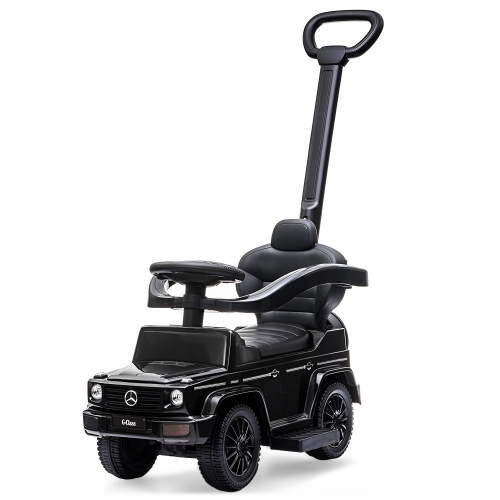 Your price for this item is $128.99
 -
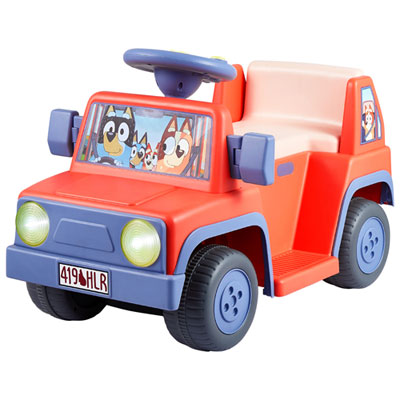 Your price for this item is $199.99
 -
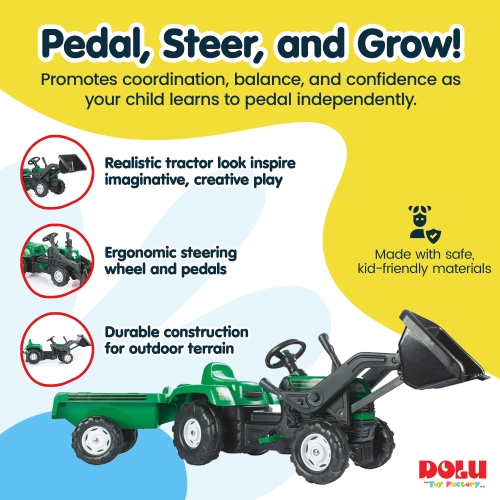 Your price for this item is $206.99
 -
 Your price for this item is $99.99
 -
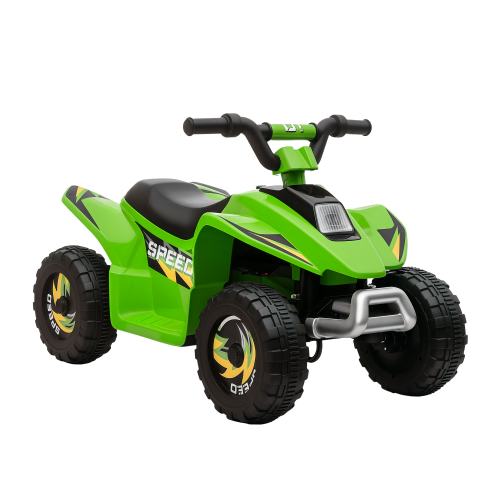 Your price for this item is $89.99
 -
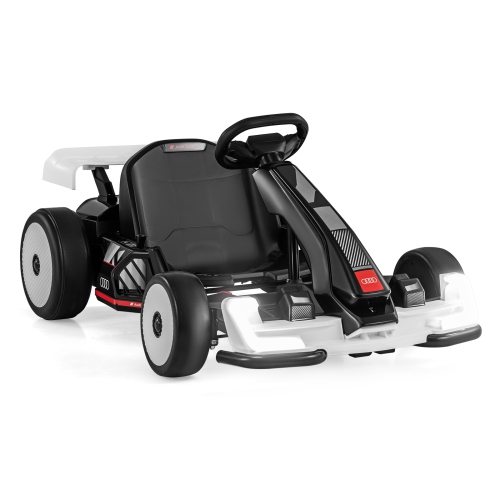 Your price for this item is $449.99
Discover more categories related to Electric Atv Canada
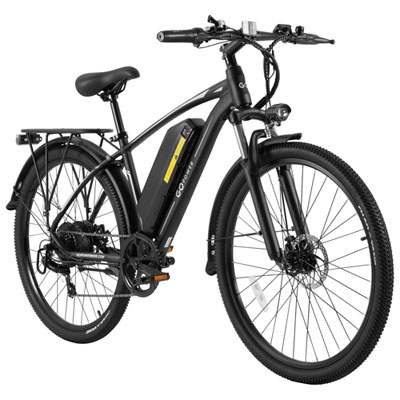
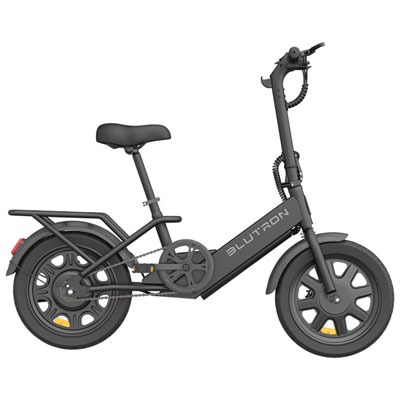
Top Collections:
Pokemon Centers, Kindle Devices, Best Budget Office Chairs, Apple iPhones 16, Best Laptops for Writers, iPhone 15 Apple, Canon G7X Cameras, Refurbished Apple Laptops, Alarm Clock, Motorola Razr Phones
Some products may be subject to Environmental Handling Fees
(EHF) depending on your province.
Learn more about EHFs.