Emergency Vehicles
Discover the world of emergency vehicles, where innovation meets safety to ensure you’re prepared for any situation. Whether you're equipping your home, workplace, or vehicle, our selection offers a range of options designed to provide peace of mind when it matters most. From compact solutions for on-the-go readiness to comprehensive kits for more robust needs, you'll find everything necessary to stay proactive and protected. Explore versatile and reliable choices that prioritize functionality, helping you navigate unexpected challenges with confidence and ease.
Sort
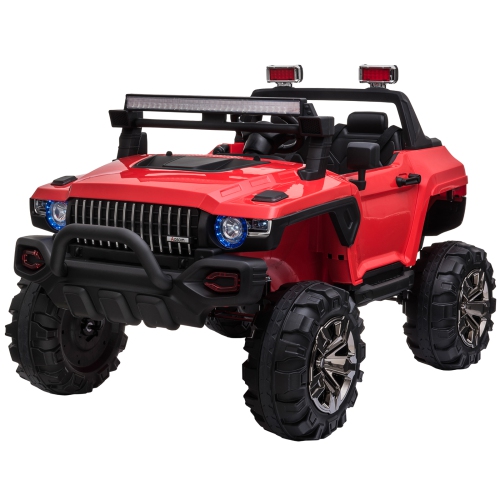
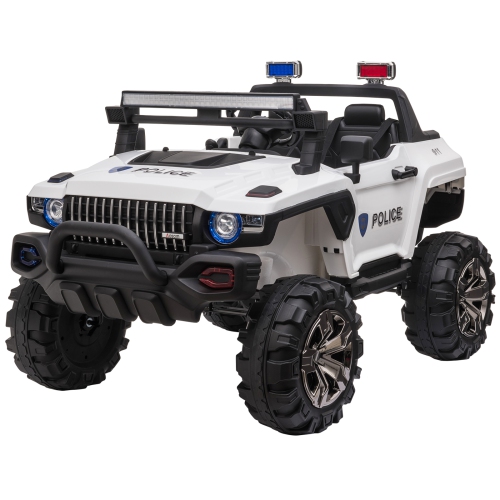
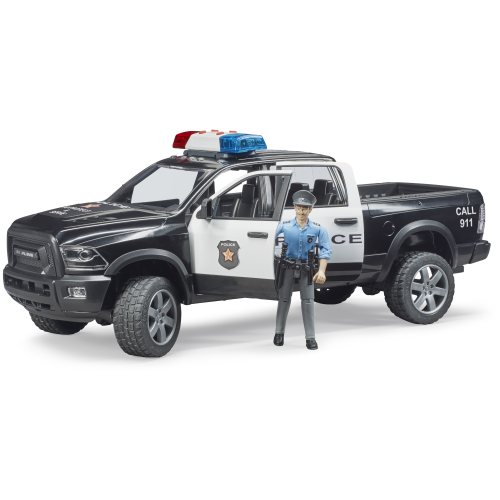
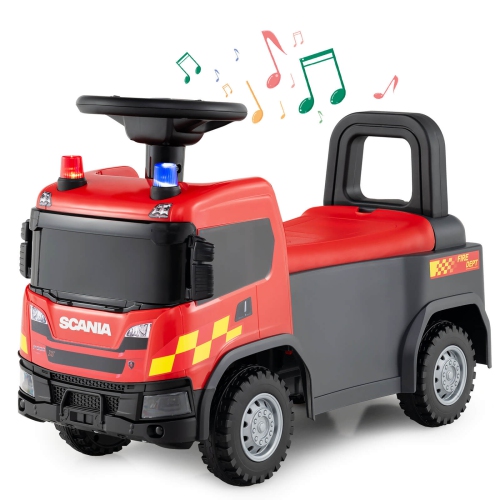
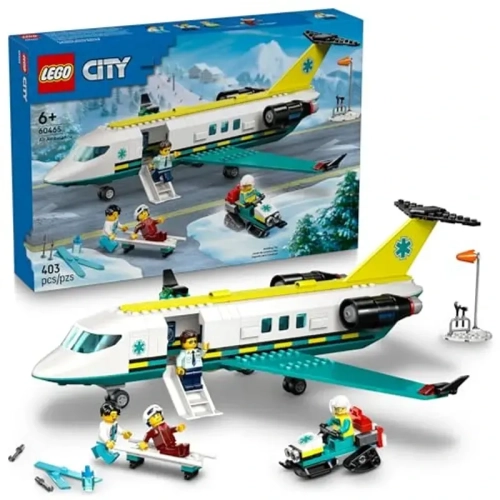
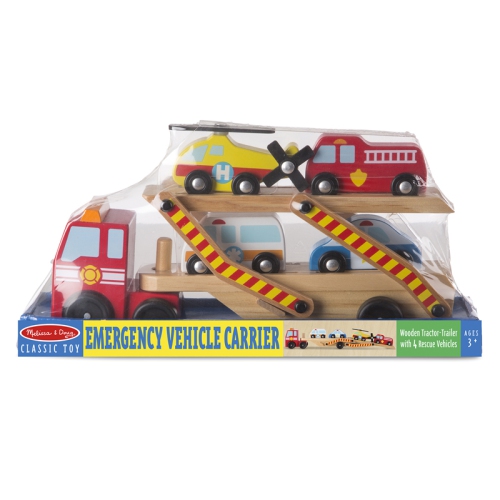
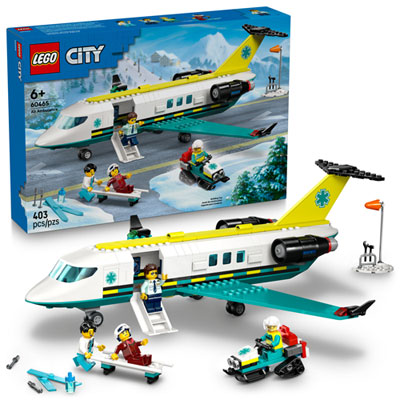
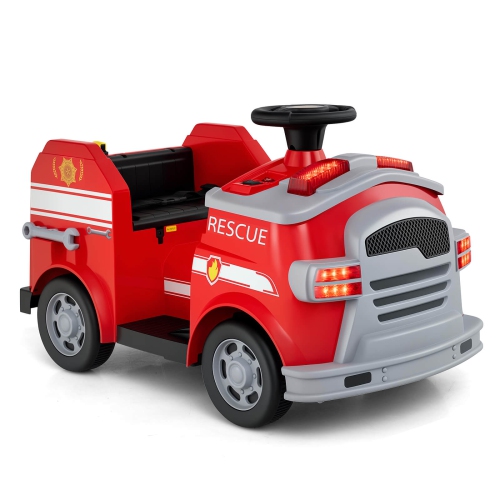
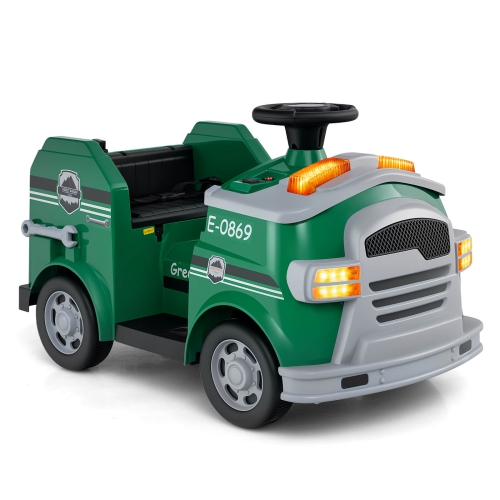
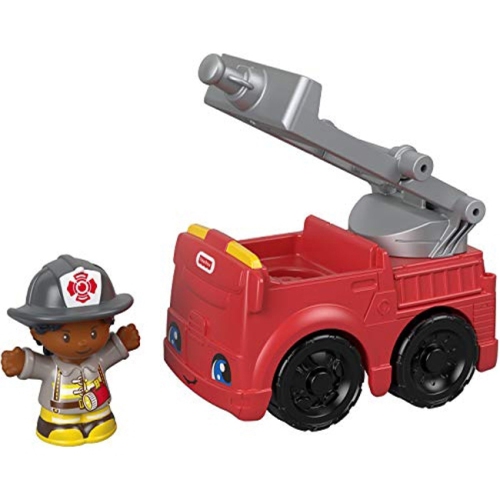
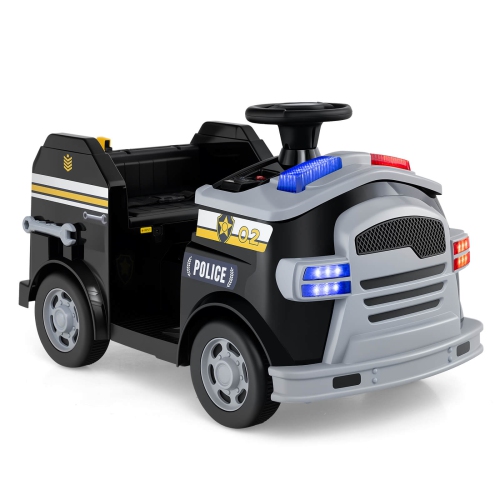
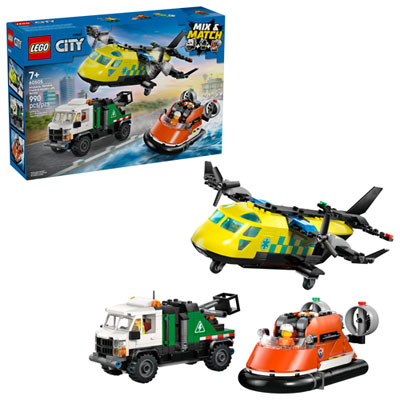
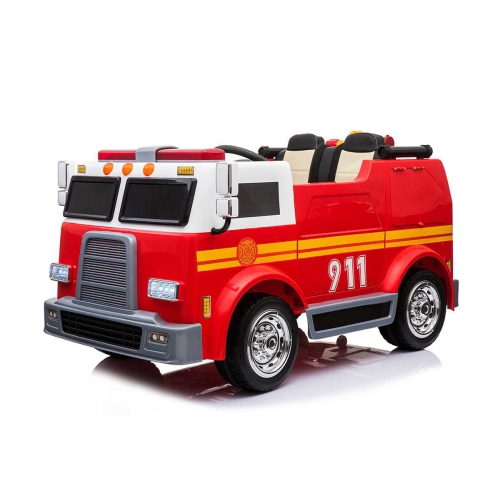
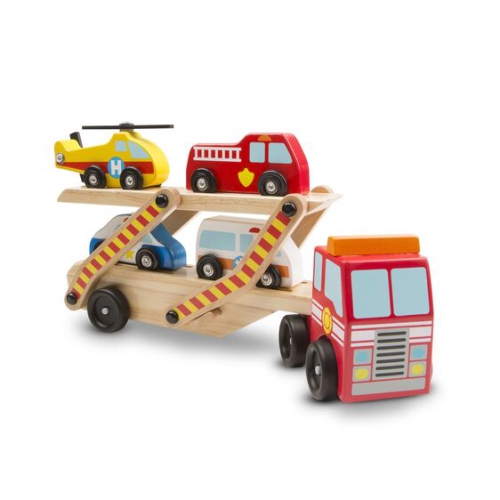
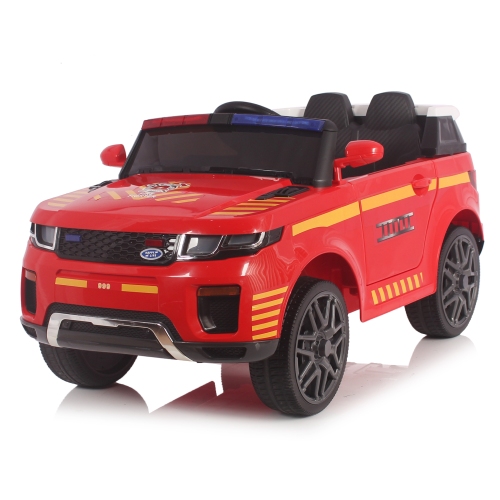
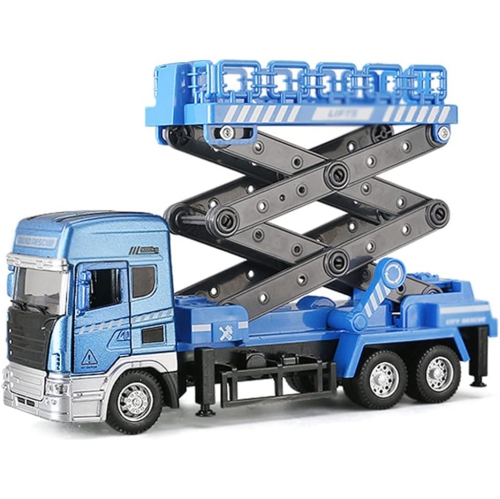
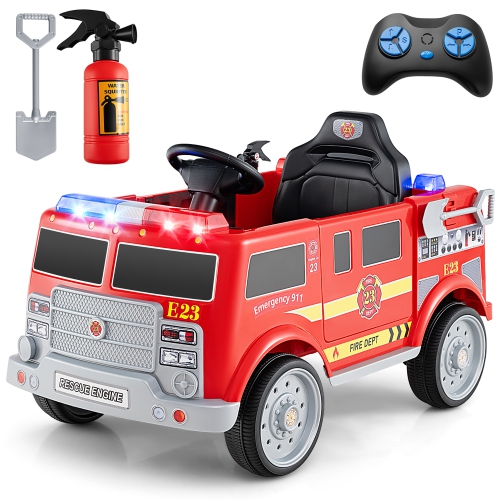
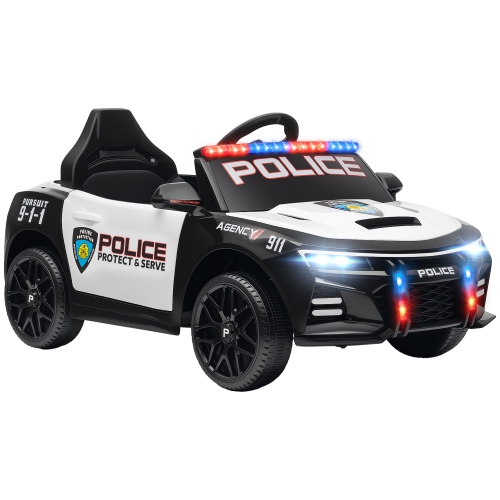
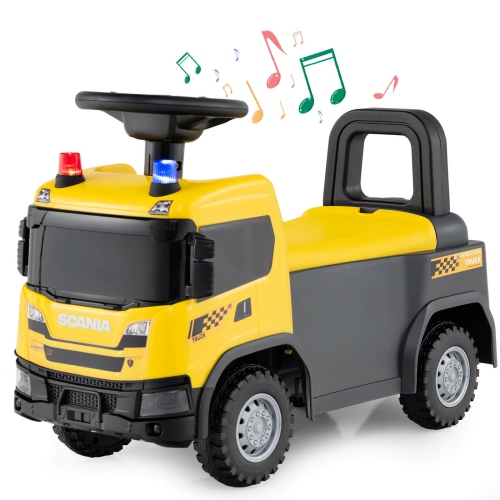
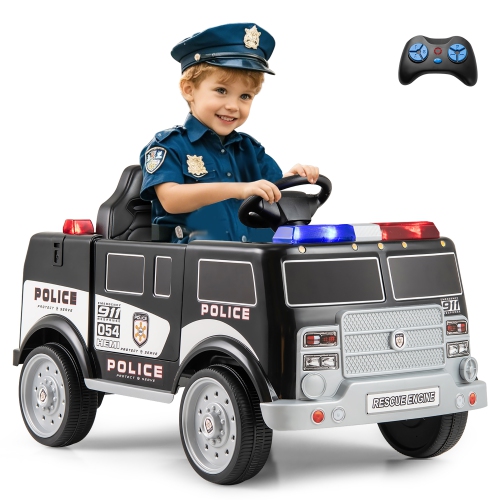
Emergency responders inspire imaginative play, teamwork and safety awareness
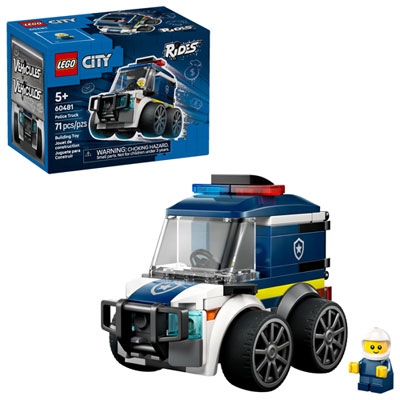
Emergency vehicles are specialized vehicles designed to help police, fire and medical teams reach people quickly, manage dangerous situations and provide assistance where it is needed most. Ambulances transport sick or injured patients and carry essential medical equipment for care on the way to a hospital. Fire engines bring firefighters, water hoses, ladders and other tools to fires, collisions and rescue scenes, while additional fire and rescue units may be equipped for flood response, technical rescues or hazardous materials incidents. Police cars are used for patrols, traffic control, public safety and emergency response. In remote or difficult-to-reach areas, rescue helicopters can provide rapid transport for patients, emergency crews and equipment. These vehicles are recognizable by their high-visibility markings, flashing lights and sirens, features that help other road users identify an active response and make space safely. Emergency vehicle products can bring these familiar details into imaginative play, display collections, classroom activities and gift-giving, giving children an approachable way to explore the different roles involved in keeping communities safe. A child who has watched a fire crew arrive on a nearby street may enjoy recreating the scene with a toy vehicle, while another may be fascinated by the teamwork behind an ambulance call or an air rescue. For more options designed around this theme, browse Emergency Vehicle Toys.
When choosing emergency vehicle products, consider the intended age range, the child’s interests and where the item will be used. Younger children often benefit from larger, easy-to-handle designs with rounded edges, simple controls and sturdy construction that can withstand being pushed across a playroom floor or carried from one room to another. Older children may appreciate more detailed vehicles, movable parts, lights, sounds or features that support longer, more involved stories. Check the manufacturer’s recommended age, supervision notes and any small-part warnings before making a purchase, especially when the item is intended for a household with toddlers or younger siblings. Size also matters: a compact vehicle may be convenient for travel, a bedroom shelf or a small play area, while a larger design can make a stronger impression in a dedicated collection or pretend-play setup. If the vehicle includes electronic effects, consider whether the volume can be adjusted and whether the controls are easy for the child to understand. A set or assortment that includes different emergency roles can encourage cooperative play, with one child directing traffic, another helping an imaginary patient and another organizing a rescue response. These products can make thoughtful gifts for birthdays, special occasions or a child who has expressed interest in becoming a firefighter, paramedic, police officer or pilot. They can also complement books, costumes, building toys and play mats without requiring a large amount of space. For collectors and enthusiasts, visual accuracy, markings, scale and moving details may be more important than sound or interactive features, so comparing photographs and descriptions carefully can help match the product to the recipient’s preferences.
Emergency vehicle play can also help children understand the importance of communication, patience and safe behaviour around real responders. Adults can explain that flashing lights and sirens signal an urgent response and that emergency crews use them to request the right-of-way, allowing them to reach people in need as efficiently as possible. When driving, follow the rules that apply in your province or territory: move safely toward the right side of the road when an emergency vehicle approaches, stop when required, avoid blocking an intersection and allow the vehicle to pass. If an emergency vehicle is stopped on the roadside, slow down and give the scene as much room as conditions permit, watching for responders, equipment and changing traffic patterns. Never follow closely behind an emergency vehicle to move through traffic, and do not stop in a way that prevents other vehicles or responders from moving. These real-world reminders can be introduced naturally during play, without turning imaginative time into a formal lesson. A pretend fire call might involve keeping a roadway clear, an ambulance scene might focus on helping calmly and a helicopter rescue story might highlight how crews coordinate from the air and the ground. During the warmer part of the year, emergency vehicle products can travel to a backyard, cottage or family visit, while during the cooler months they offer an engaging indoor activity when outdoor play is limited. Whether selected for open-ended play, a growing collection or a child’s first introduction to emergency services, the right choice can turn familiar vehicles into stories filled with teamwork, problem-solving and care for the community.
When choosing emergency vehicle products, consider the intended age range, the child’s interests and where the item will be used. Younger children often benefit from larger, easy-to-handle designs with rounded edges, simple controls and sturdy construction that can withstand being pushed across a playroom floor or carried from one room to another. Older children may appreciate more detailed vehicles, movable parts, lights, sounds or features that support longer, more involved stories. Check the manufacturer’s recommended age, supervision notes and any small-part warnings before making a purchase, especially when the item is intended for a household with toddlers or younger siblings. Size also matters: a compact vehicle may be convenient for travel, a bedroom shelf or a small play area, while a larger design can make a stronger impression in a dedicated collection or pretend-play setup. If the vehicle includes electronic effects, consider whether the volume can be adjusted and whether the controls are easy for the child to understand. A set or assortment that includes different emergency roles can encourage cooperative play, with one child directing traffic, another helping an imaginary patient and another organizing a rescue response. These products can make thoughtful gifts for birthdays, special occasions or a child who has expressed interest in becoming a firefighter, paramedic, police officer or pilot. They can also complement books, costumes, building toys and play mats without requiring a large amount of space. For collectors and enthusiasts, visual accuracy, markings, scale and moving details may be more important than sound or interactive features, so comparing photographs and descriptions carefully can help match the product to the recipient’s preferences.
Emergency vehicle play can also help children understand the importance of communication, patience and safe behaviour around real responders. Adults can explain that flashing lights and sirens signal an urgent response and that emergency crews use them to request the right-of-way, allowing them to reach people in need as efficiently as possible. When driving, follow the rules that apply in your province or territory: move safely toward the right side of the road when an emergency vehicle approaches, stop when required, avoid blocking an intersection and allow the vehicle to pass. If an emergency vehicle is stopped on the roadside, slow down and give the scene as much room as conditions permit, watching for responders, equipment and changing traffic patterns. Never follow closely behind an emergency vehicle to move through traffic, and do not stop in a way that prevents other vehicles or responders from moving. These real-world reminders can be introduced naturally during play, without turning imaginative time into a formal lesson. A pretend fire call might involve keeping a roadway clear, an ambulance scene might focus on helping calmly and a helicopter rescue story might highlight how crews coordinate from the air and the ground. During the warmer part of the year, emergency vehicle products can travel to a backyard, cottage or family visit, while during the cooler months they offer an engaging indoor activity when outdoor play is limited. Whether selected for open-ended play, a growing collection or a child’s first introduction to emergency services, the right choice can turn familiar vehicles into stories filled with teamwork, problem-solving and care for the community.
Top selling and popular products
-
 Your price for this item is $150.99
 -
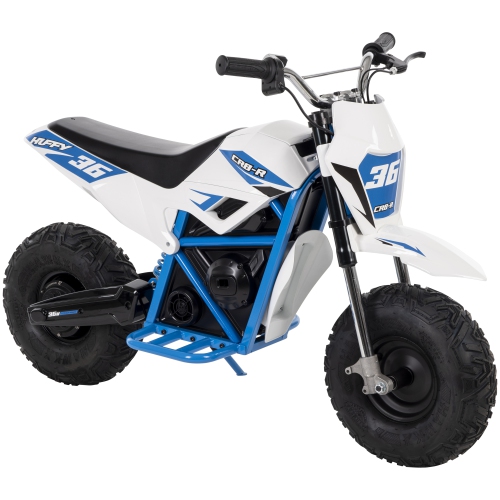 Your price for this item is $799.99
 -
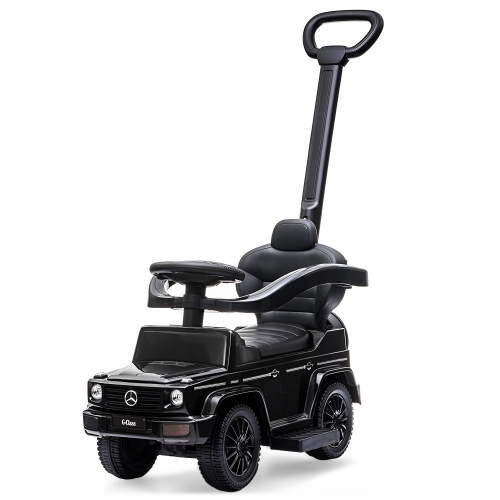 Your price for this item is $141.99
 -
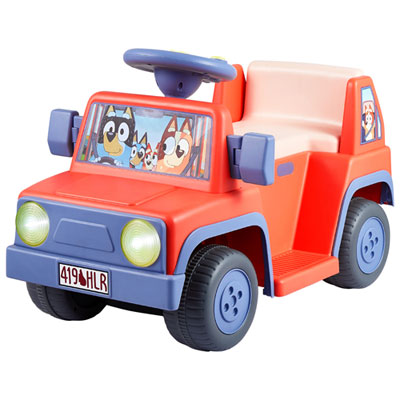 Your price for this item is $199.99
 -
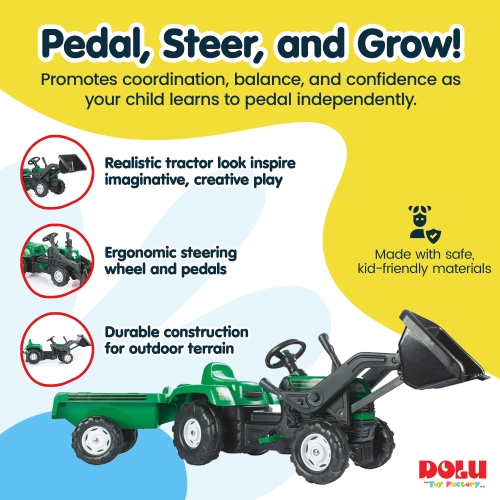 Your price for this item is $205.99
 -
 Your price for this item is $199.99
 -
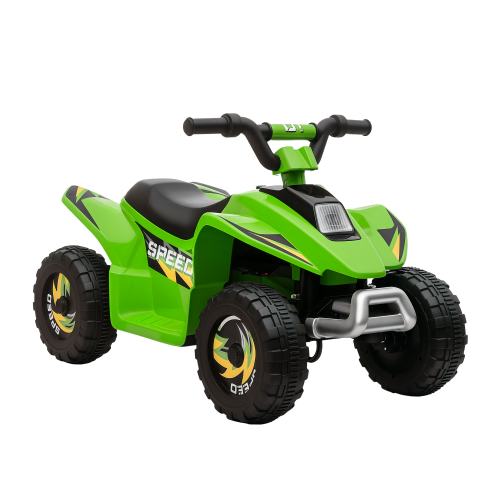 Your price for this item is $82.95
 -
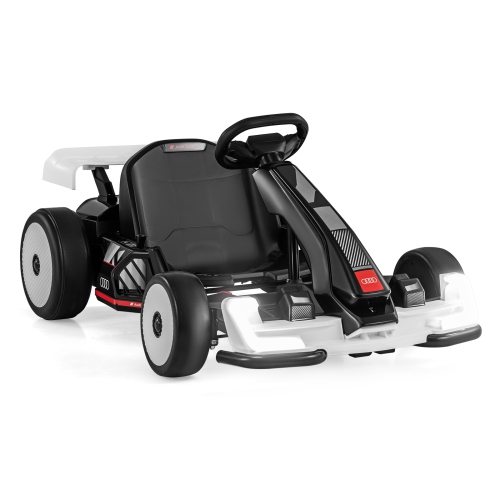 Your price for this item is $449.99
Discover more categories related to Emergency Vehicles
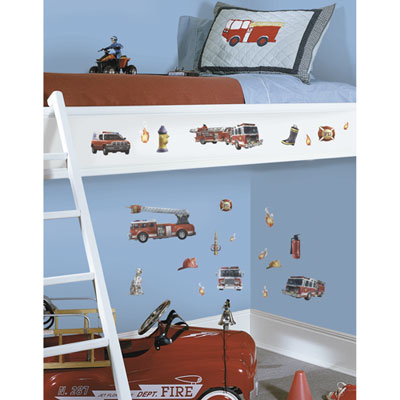

Top Collections:
Pokemon Centers, Kindle Devices, Best Budget Office Chairs, Canon G7X Cameras, Apple iPhones 16, Samsung Galaxy Phones, Refurbished Apple Laptops, Laptops for Students, iPhone 15 Apple, Budget Smartphones
Some products may be subject to Environmental Handling Fees
(EHF) depending on your province.
Learn more about EHFs.