Emergency Equipment
Prepare yourself for any unexpected situation with our selection of emergency equipment. From first aid kits to emergency blankets, flashlights, and more, we have everything you need to stay safe and prepared for any emergency that comes your way. Whether you're an outdoor enthusiast, a frequent traveler, or simply want to be ready for any scenario at home, our range of emergency equipment is designed to provide you with peace of mind in times of need. Browse through our collection and ensure you are equipped to handle any unforeseen circumstances with confidence.
Sort

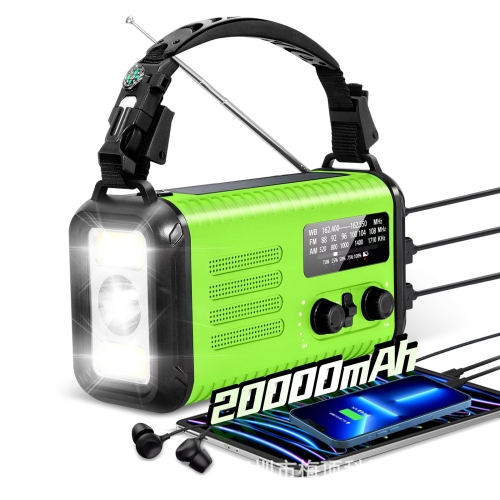
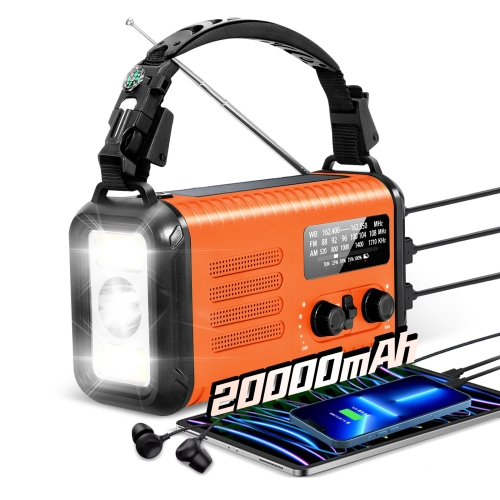
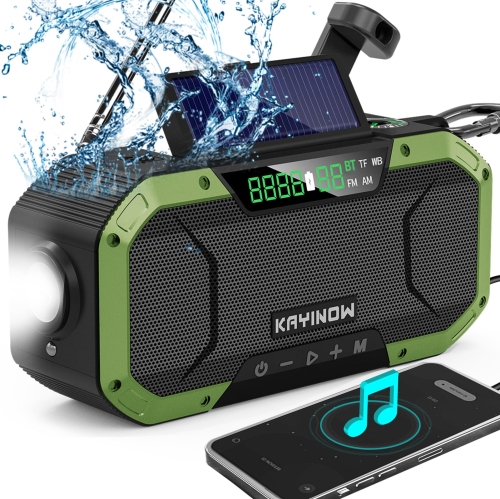
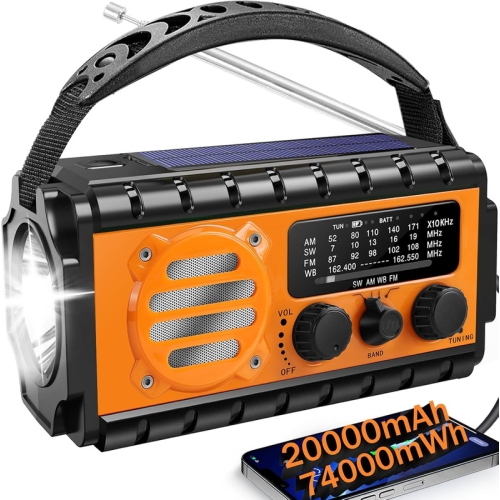




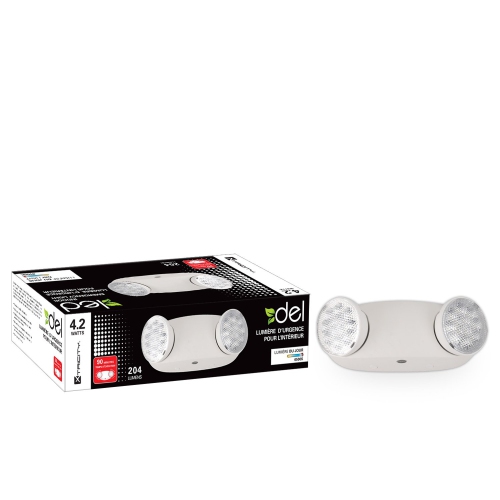
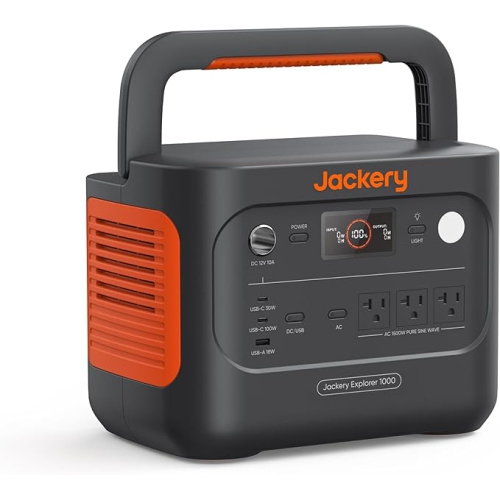
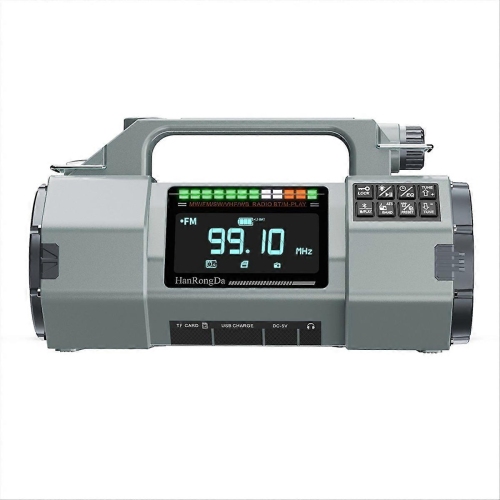
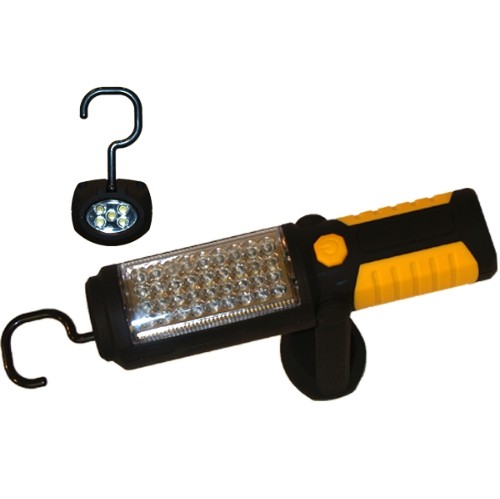


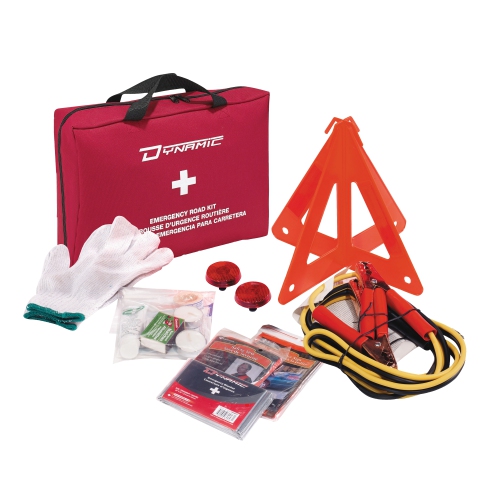
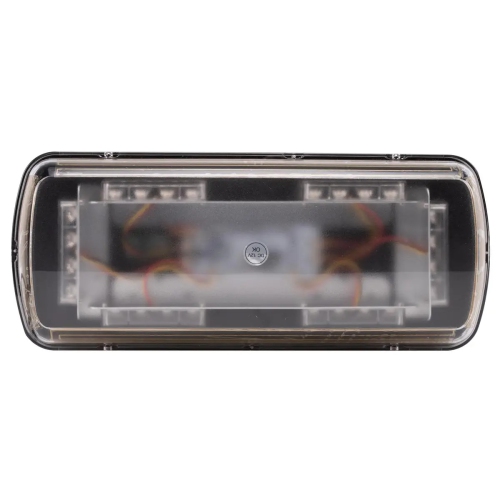
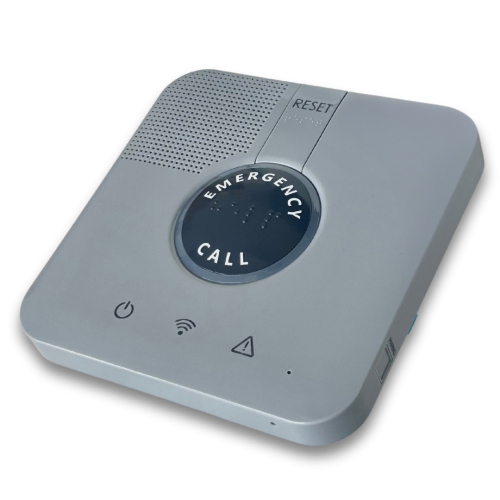
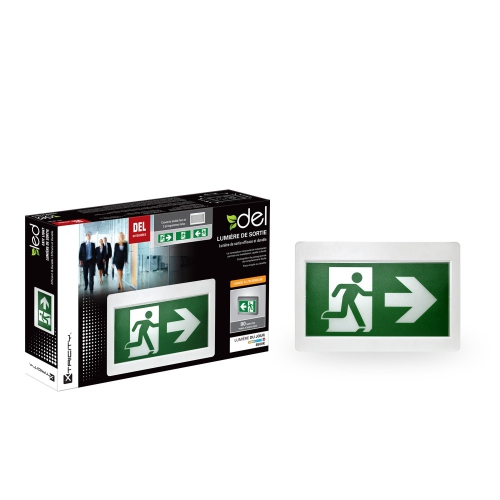

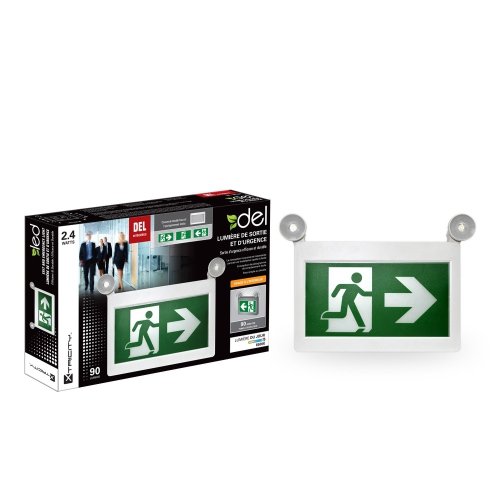
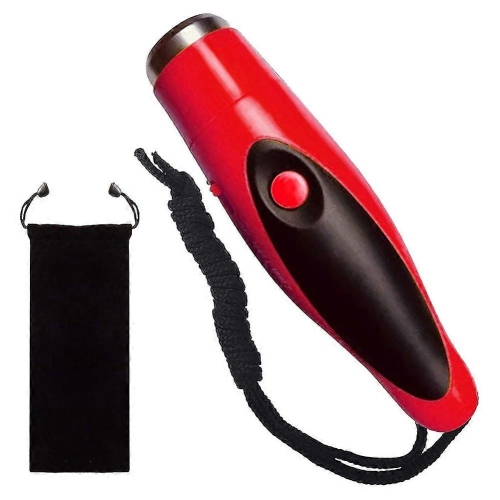
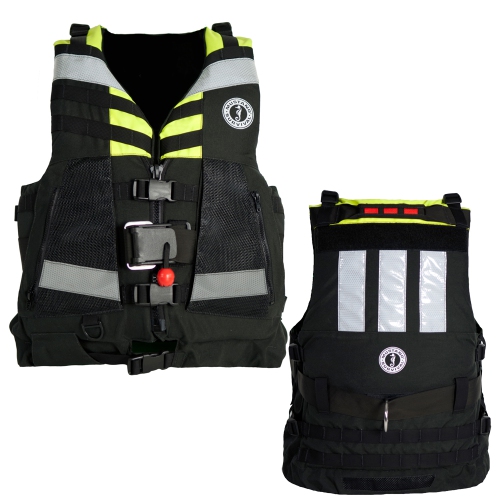
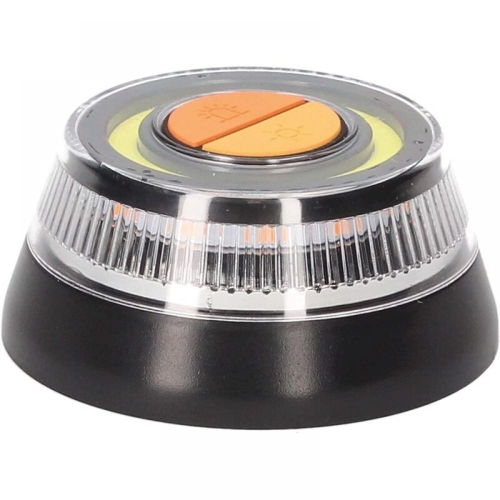


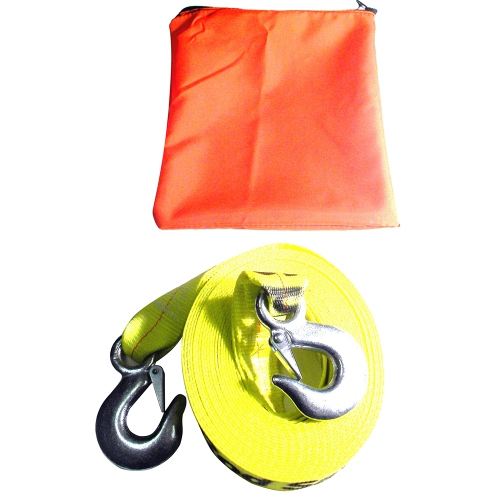
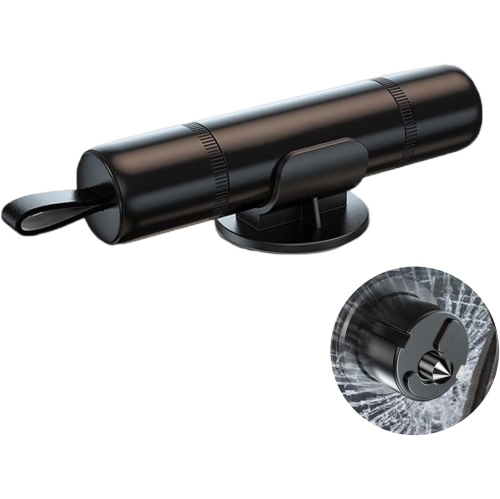
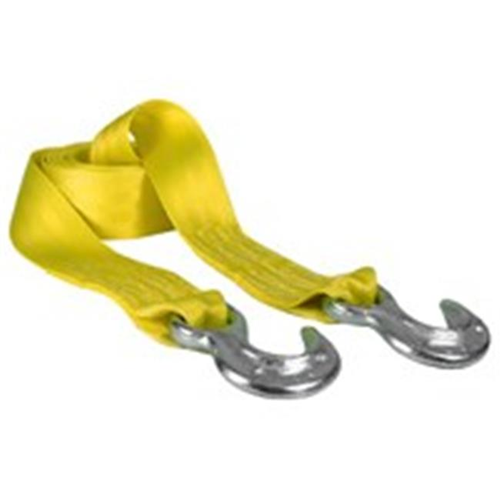
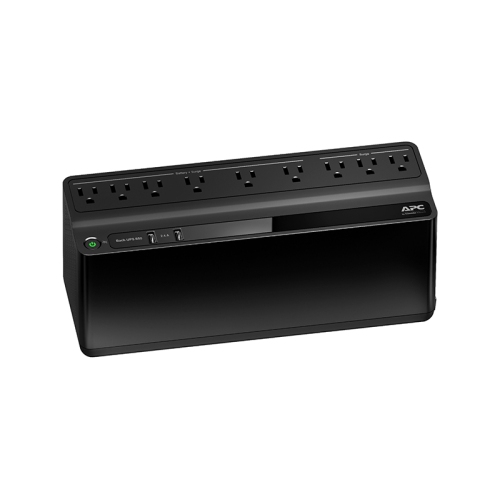


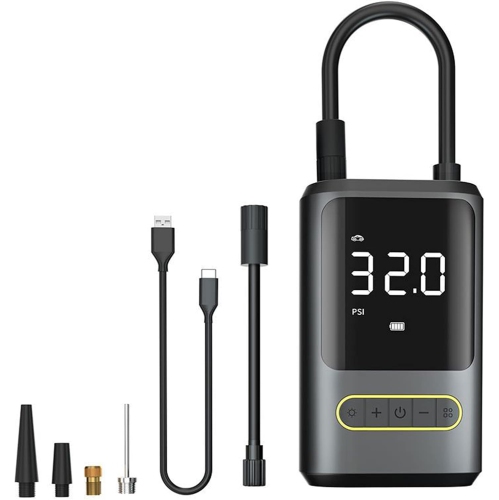
Practical essentials for outages, severe weather, and travel delays
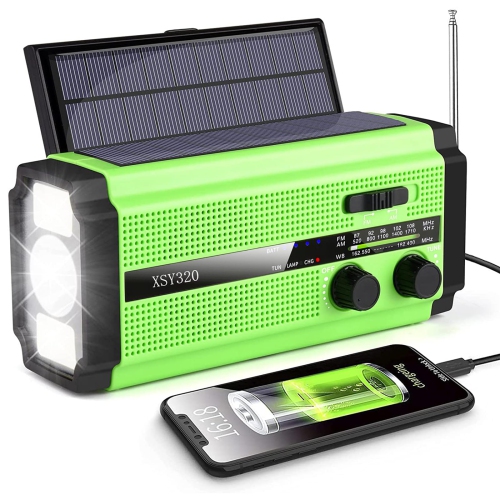
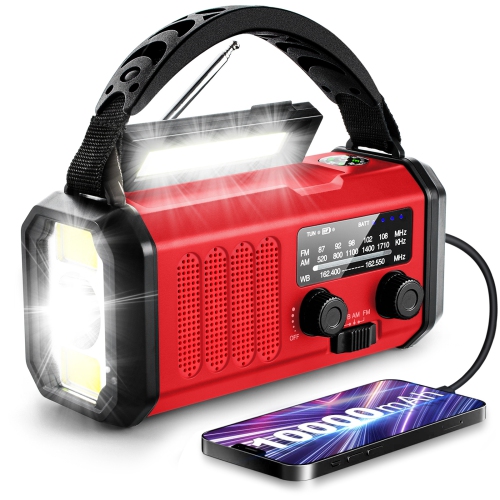
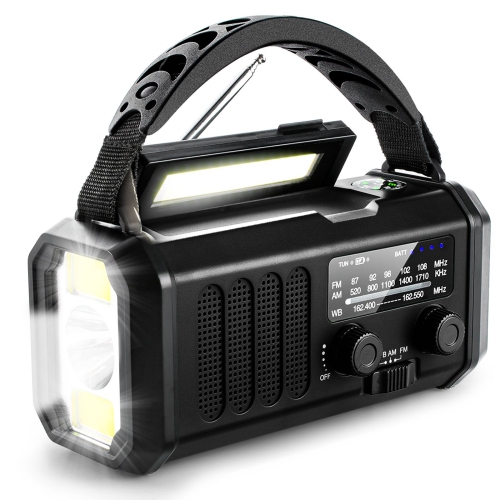
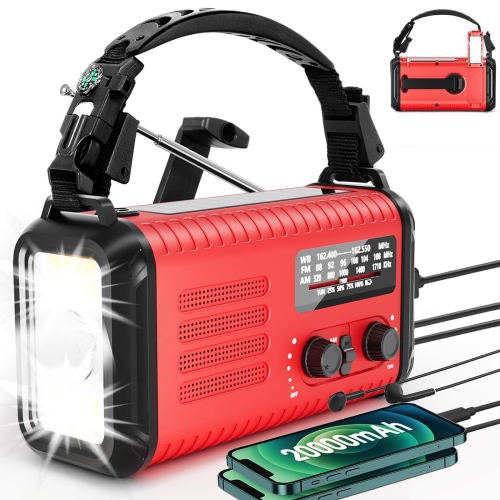
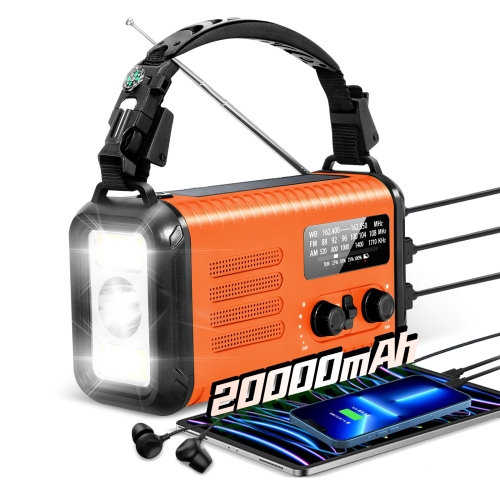
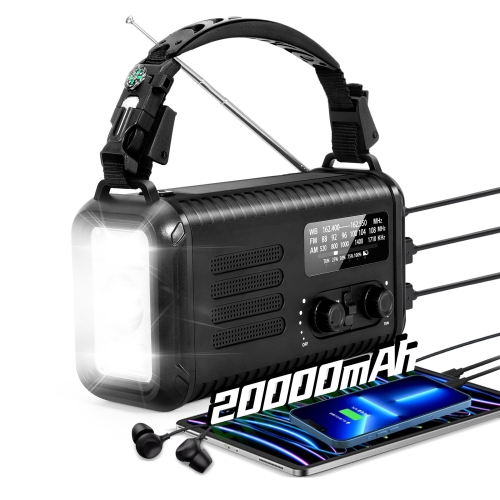
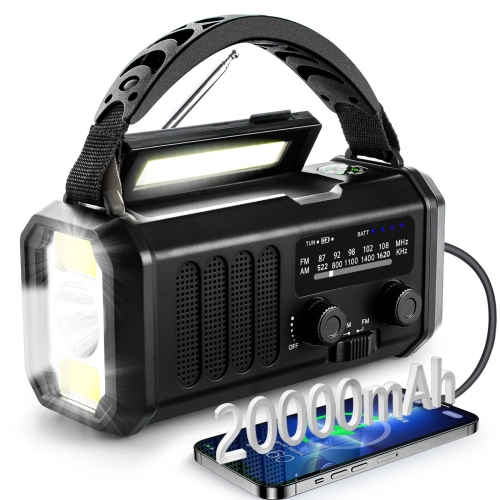
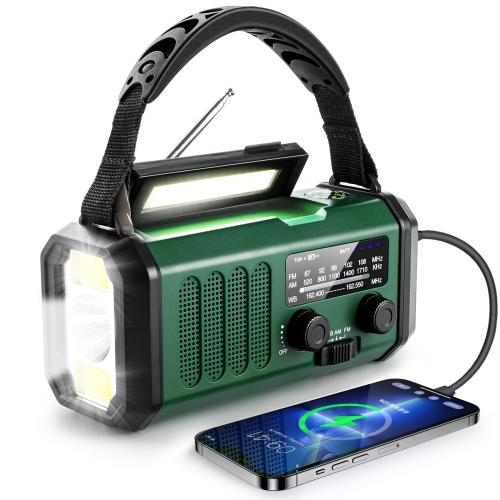
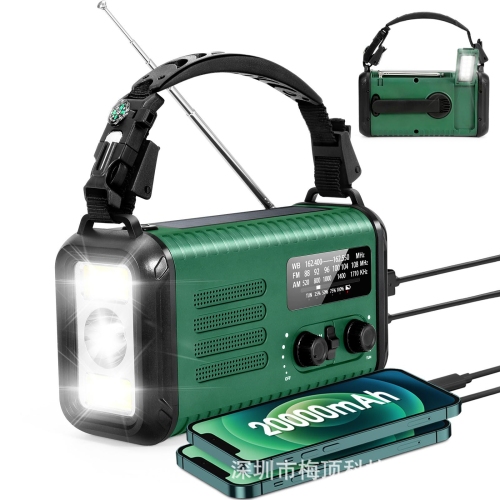
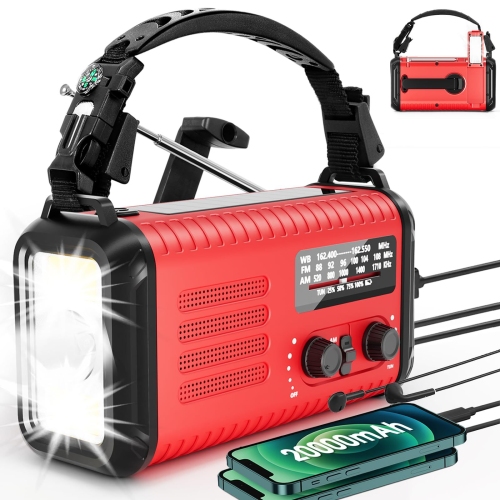
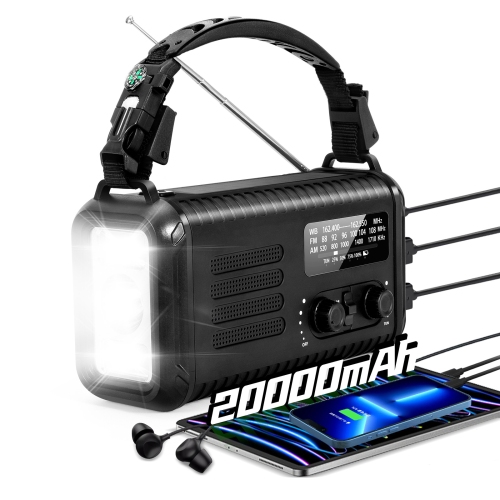
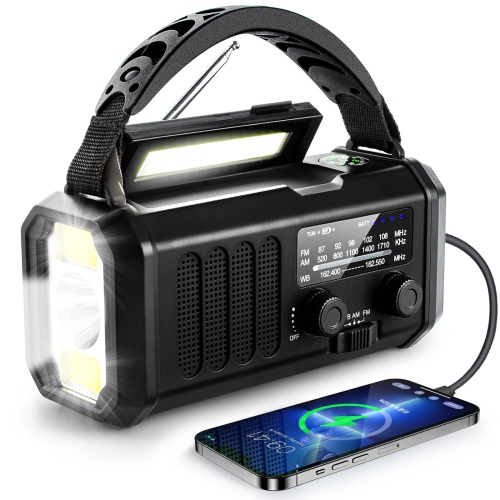
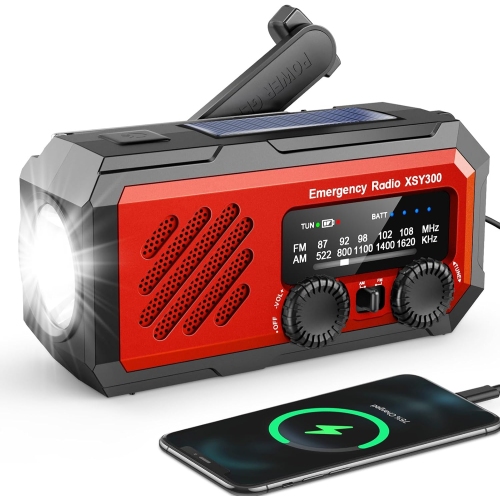
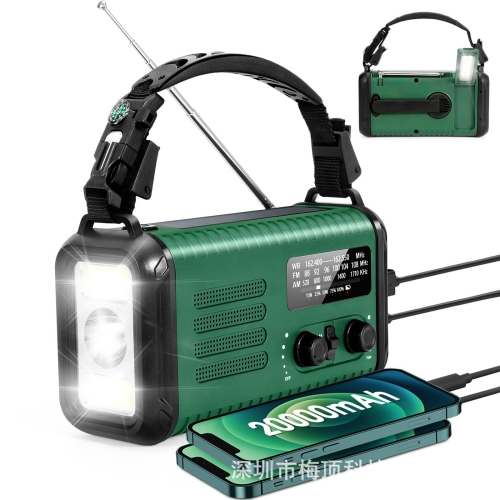
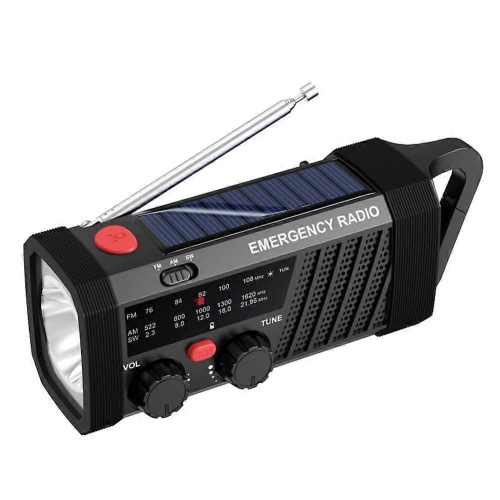
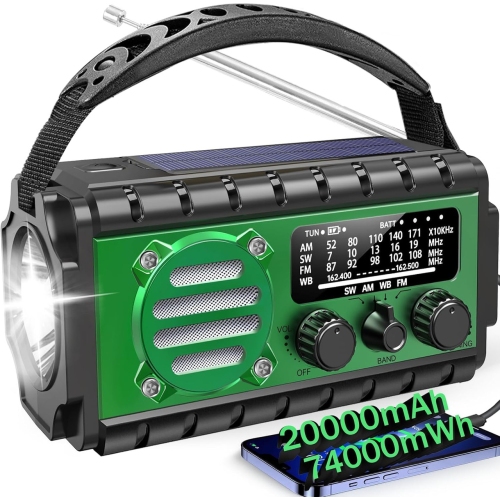
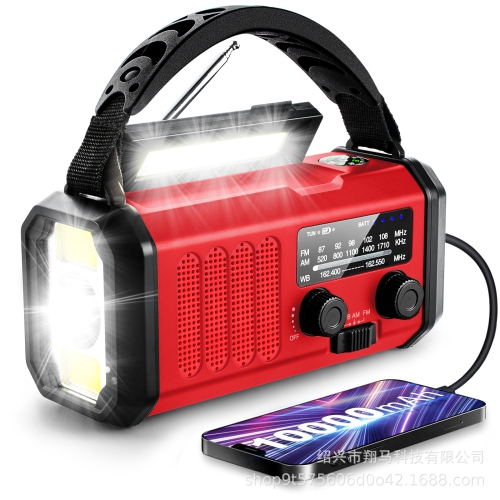
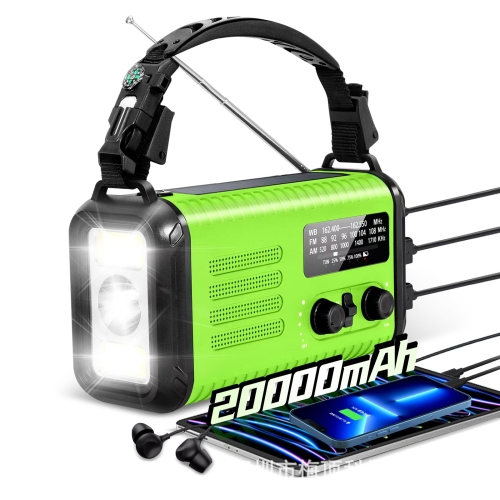
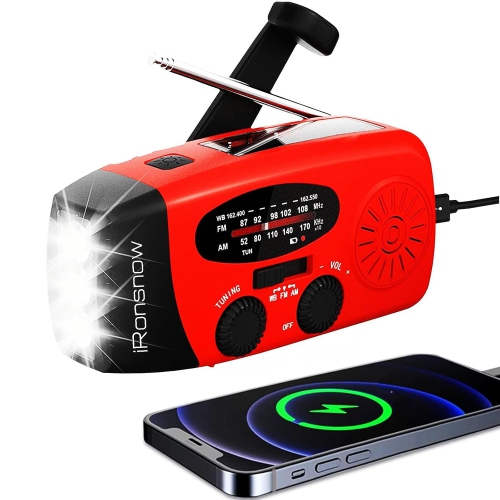
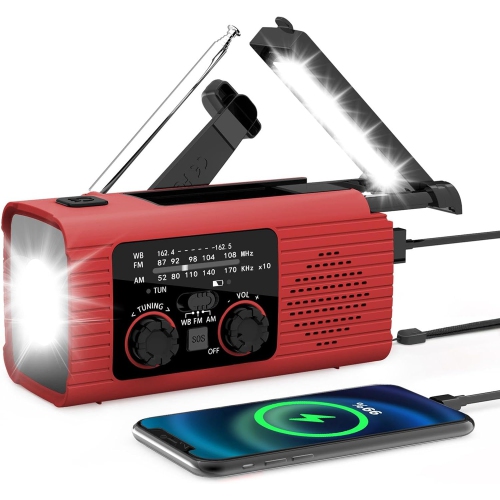
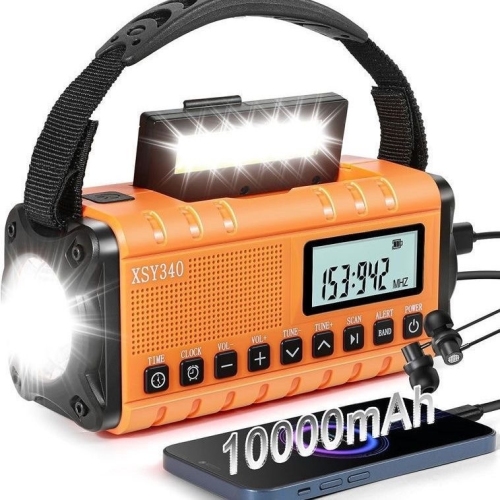
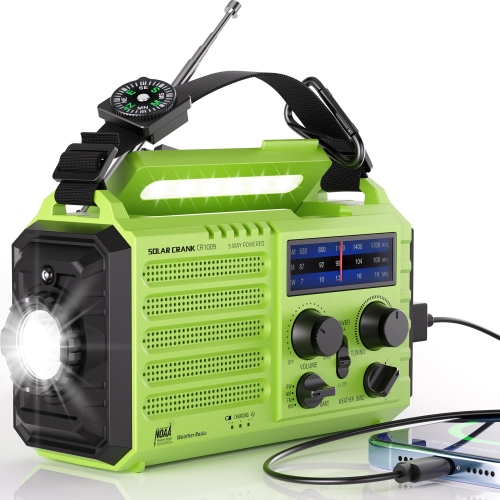
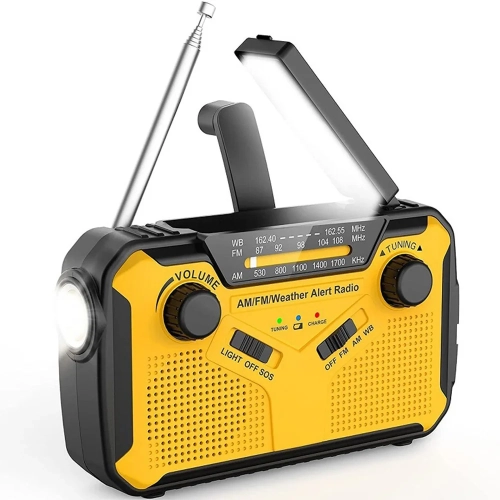
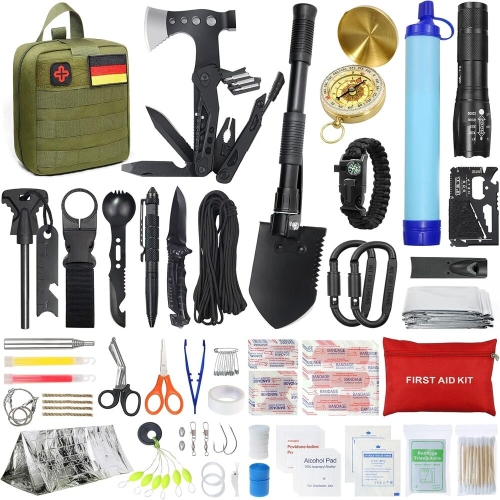
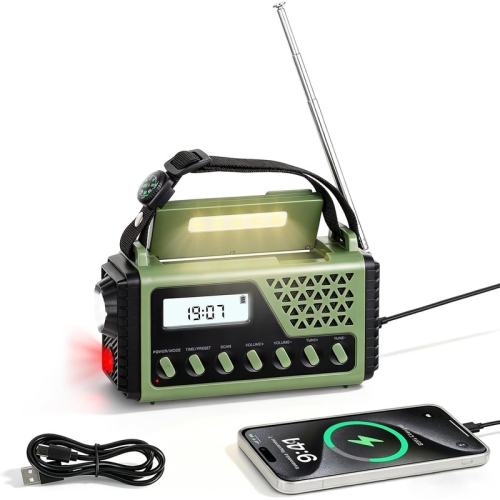
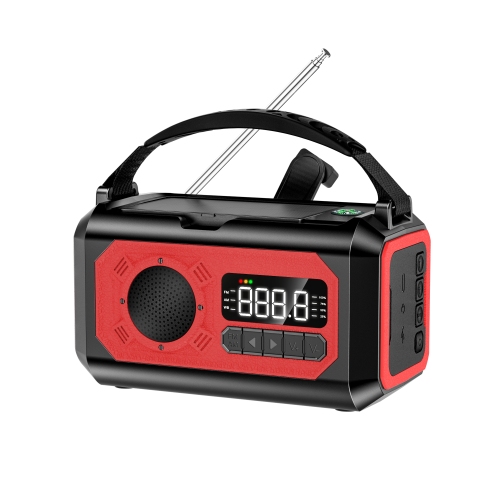
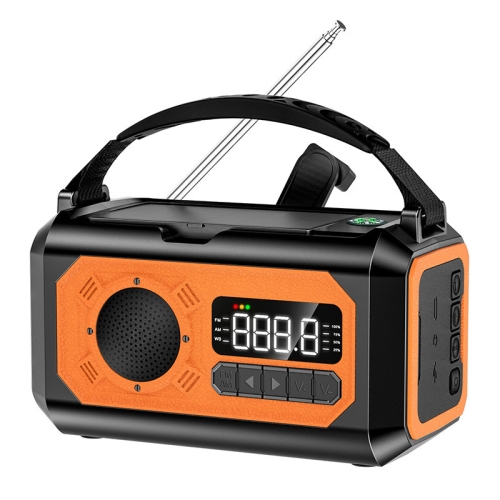
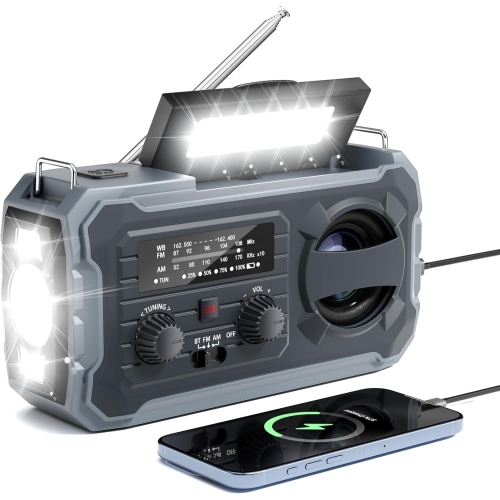
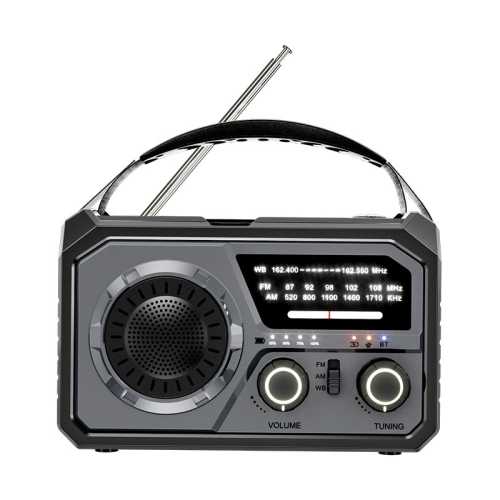
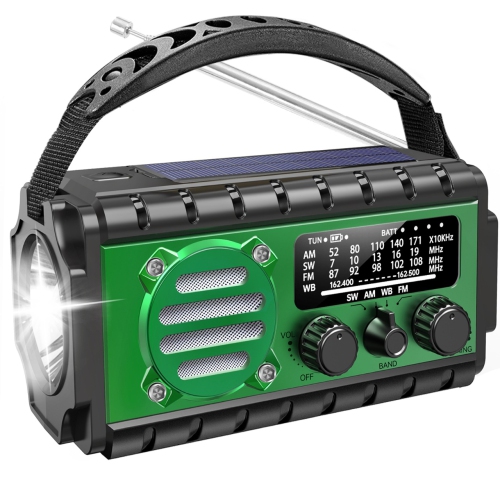
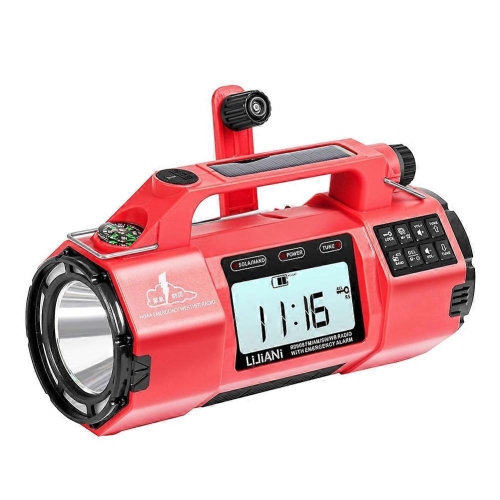
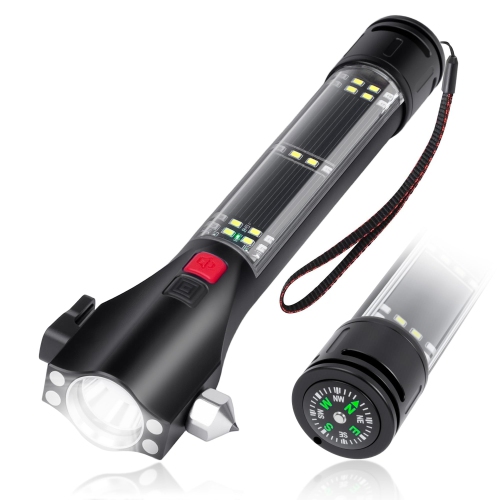
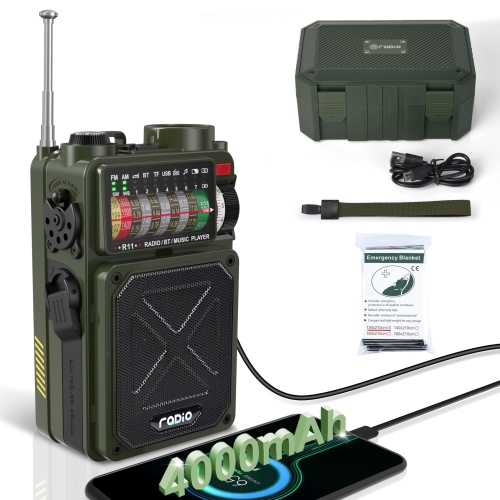
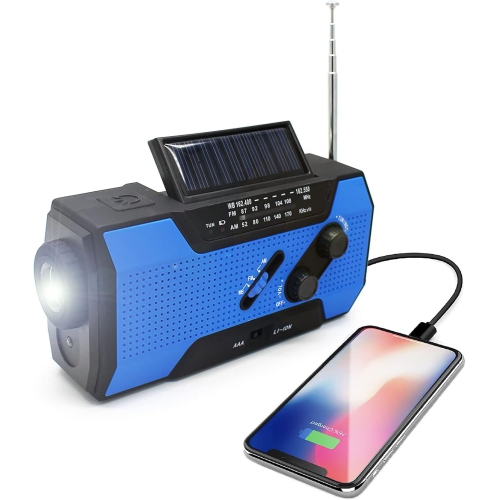
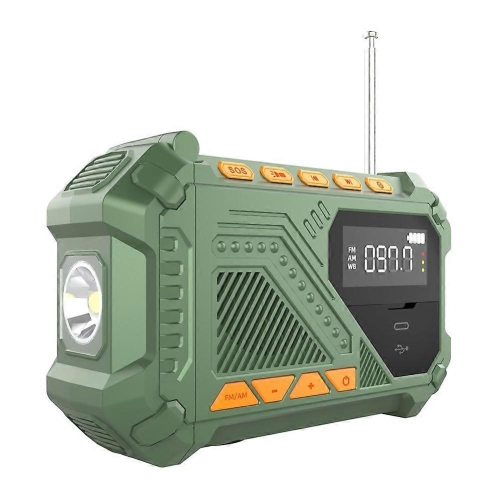
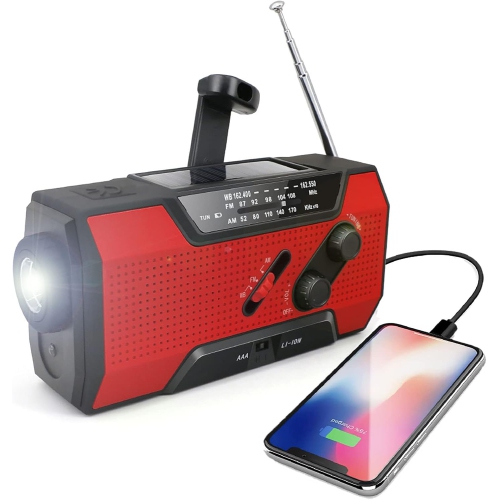
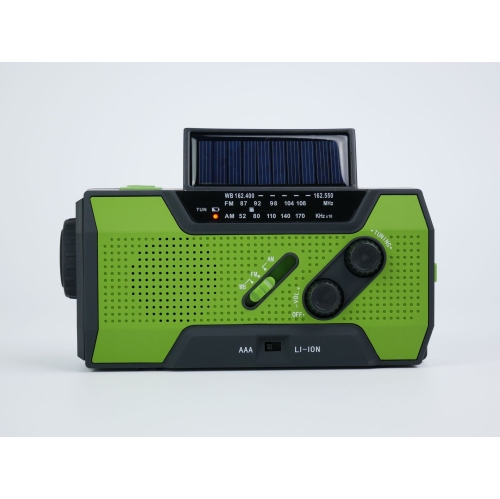
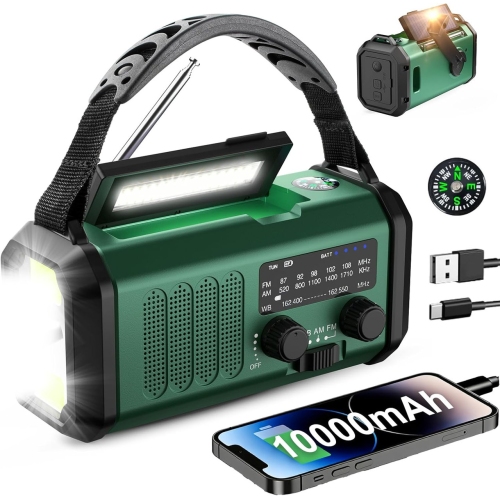
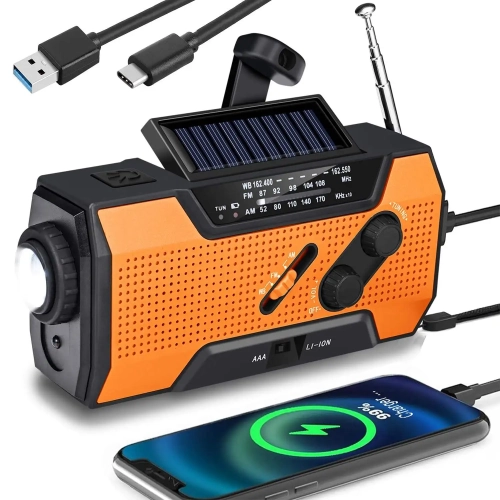
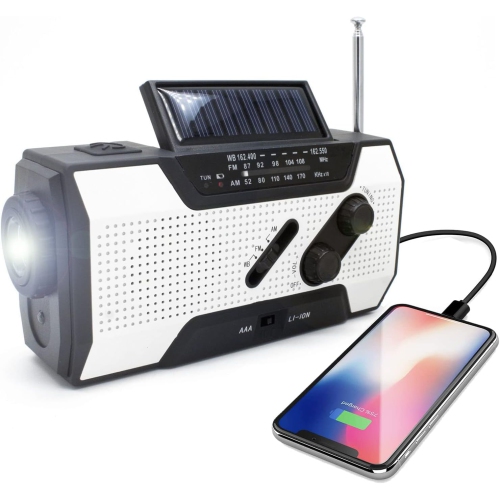
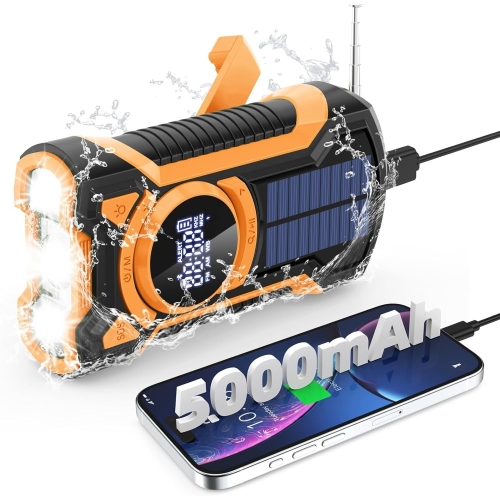
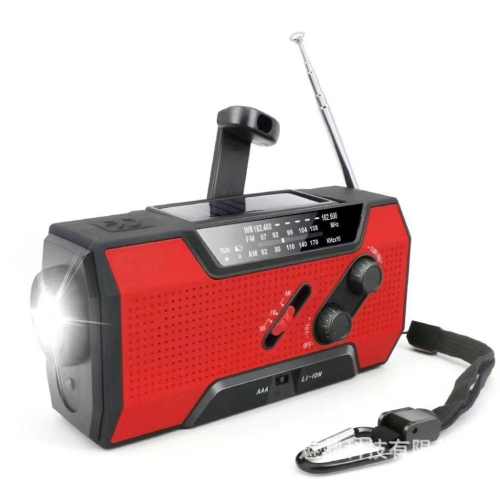
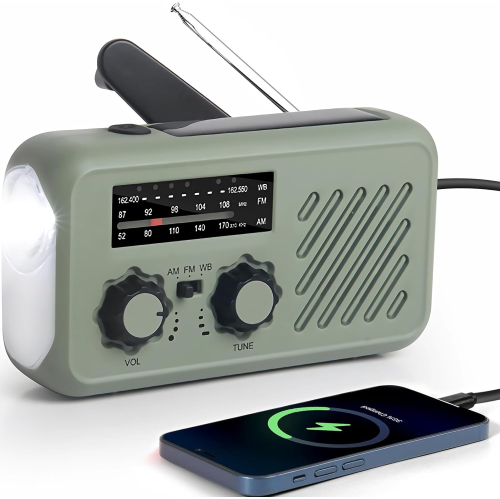
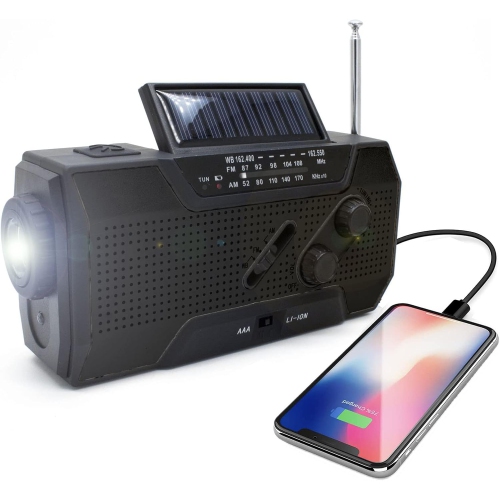
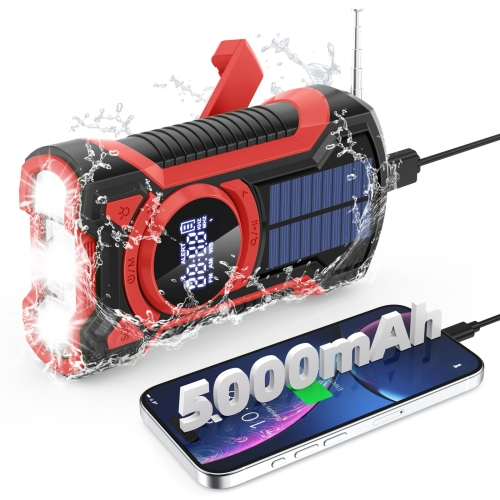
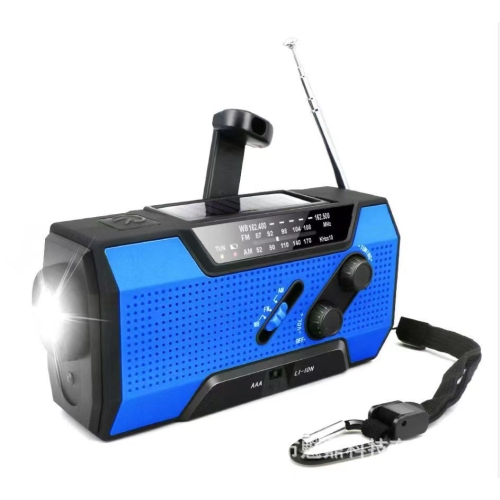
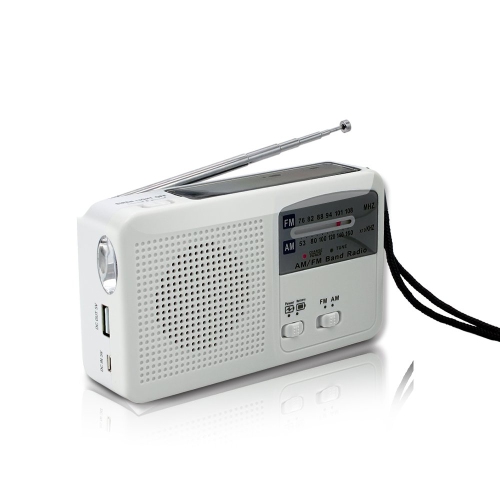
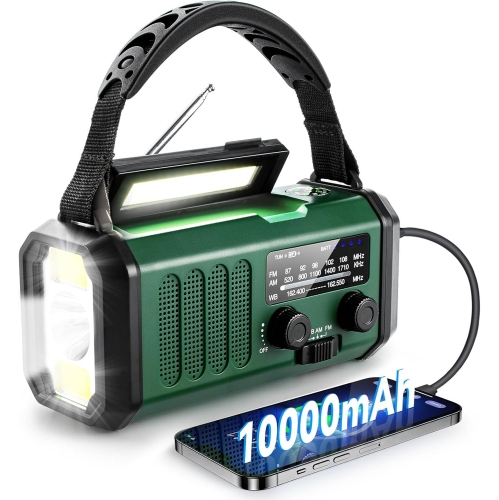
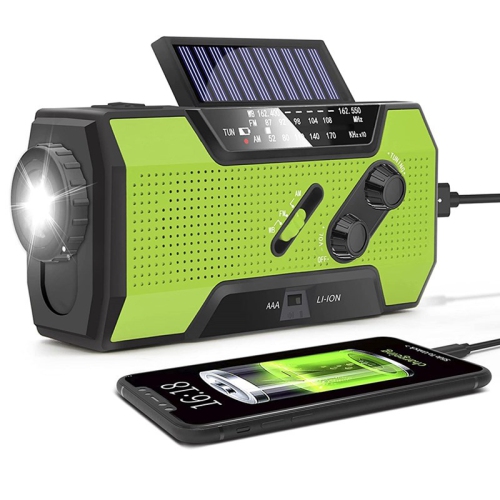
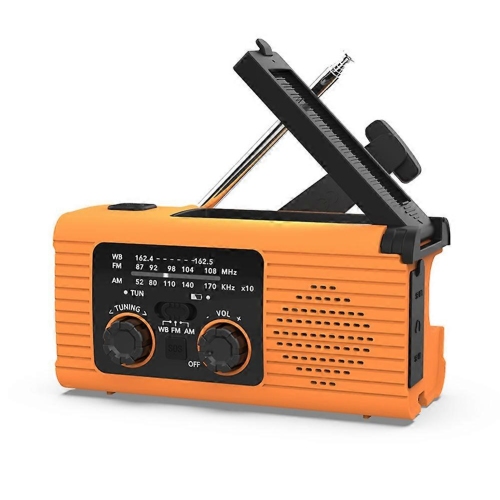
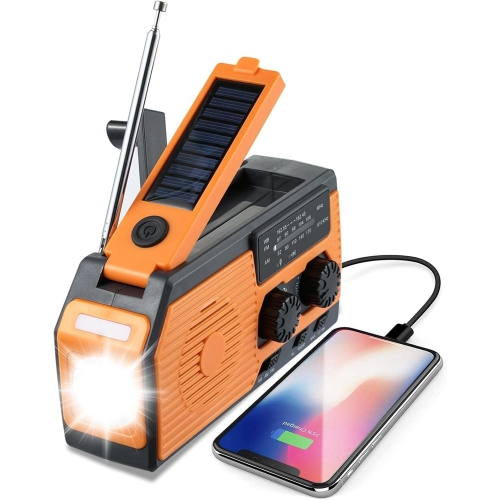
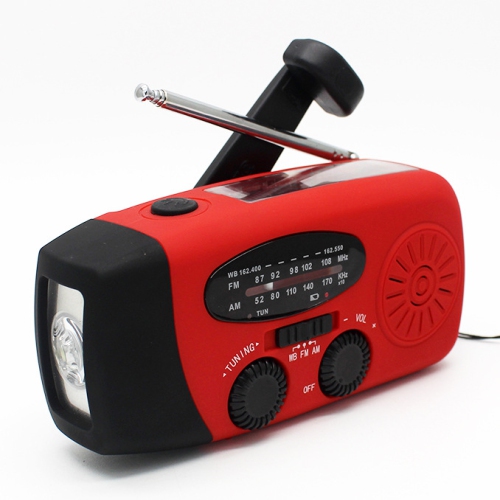
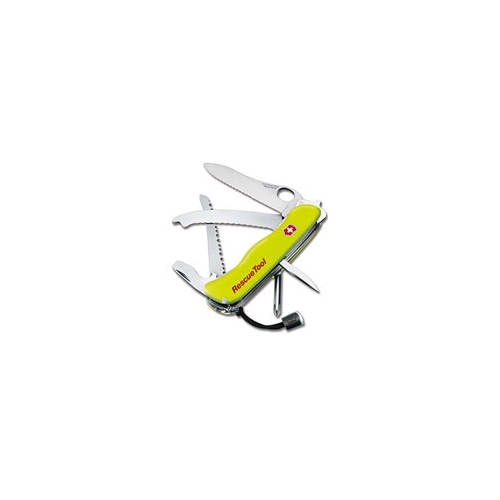
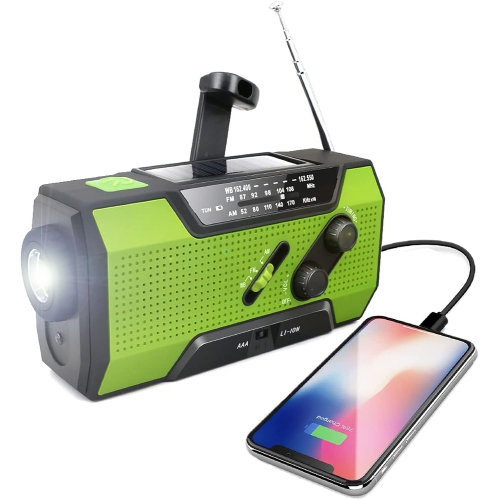
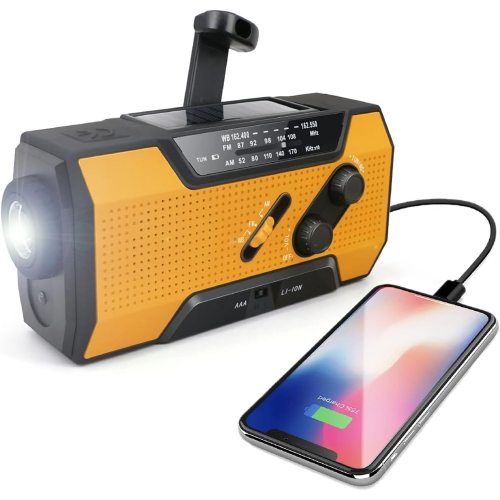
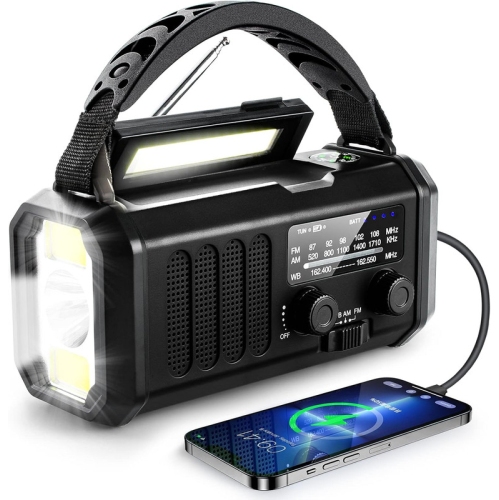
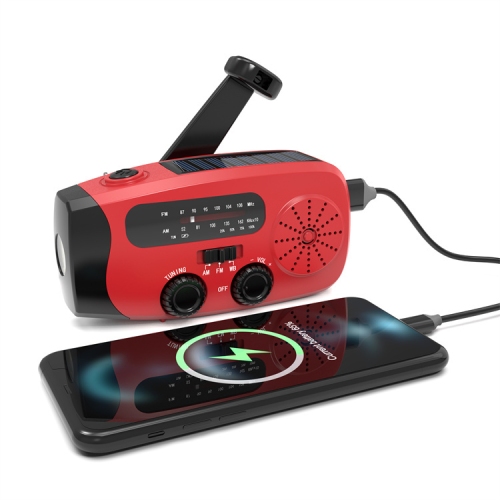
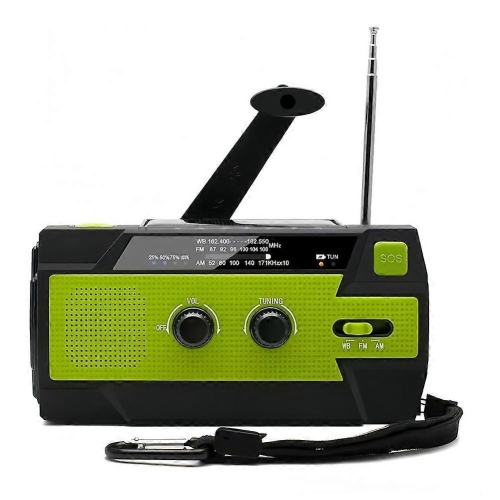
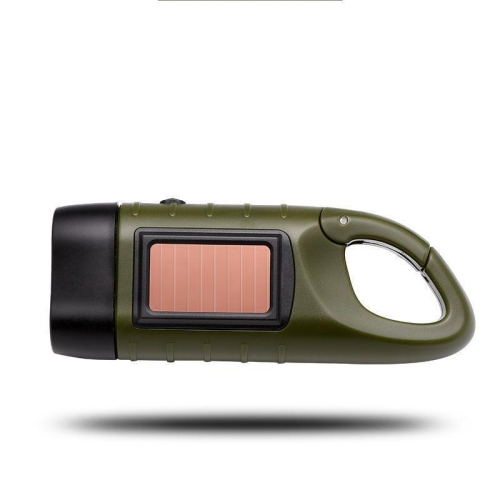
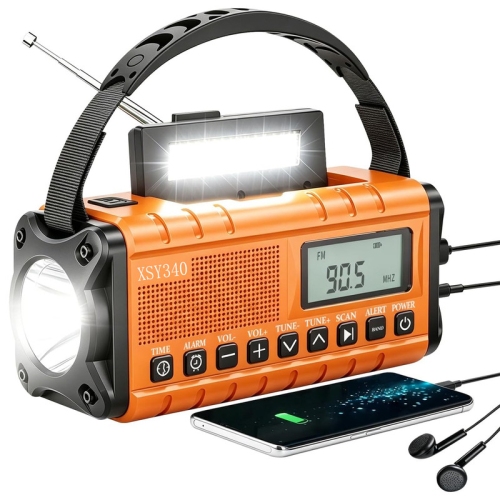
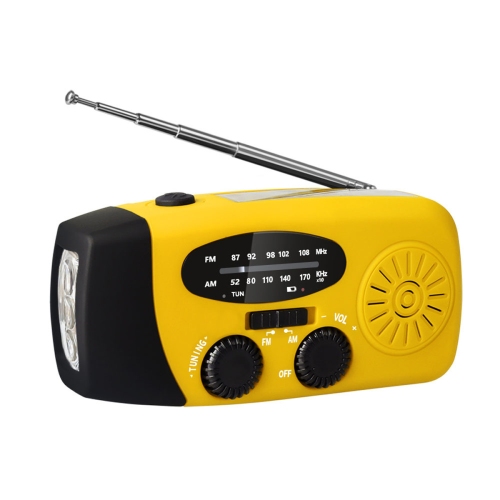
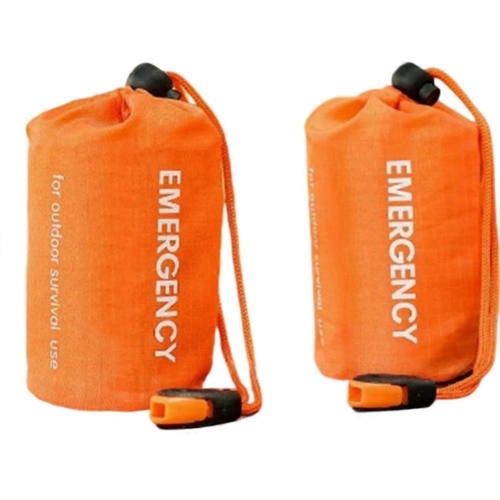
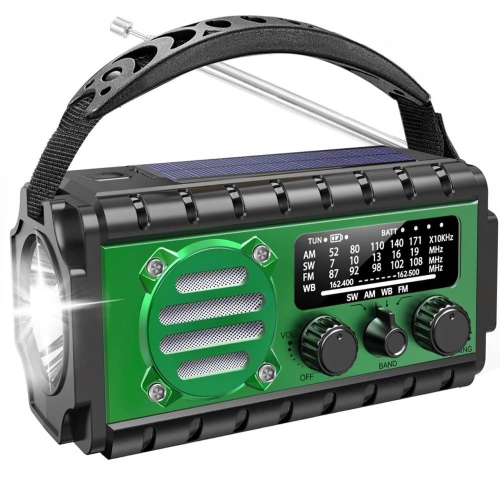
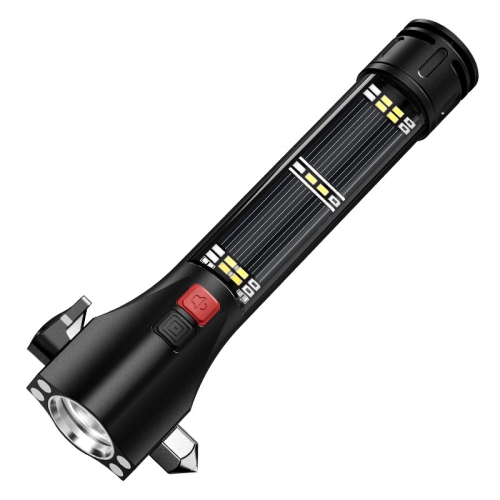
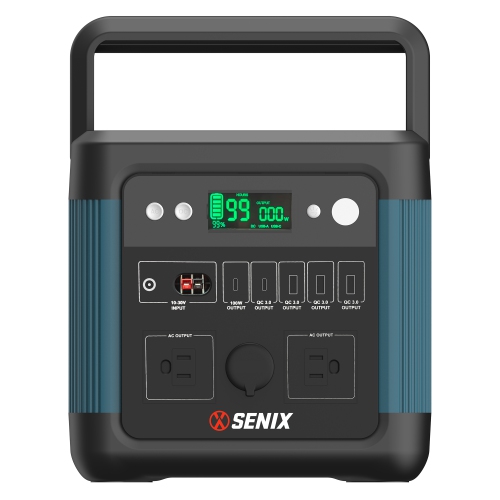
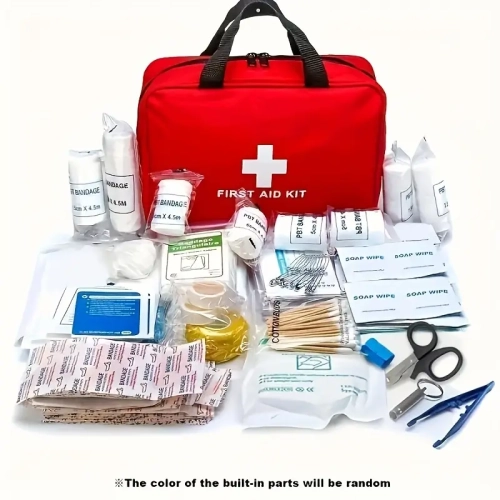
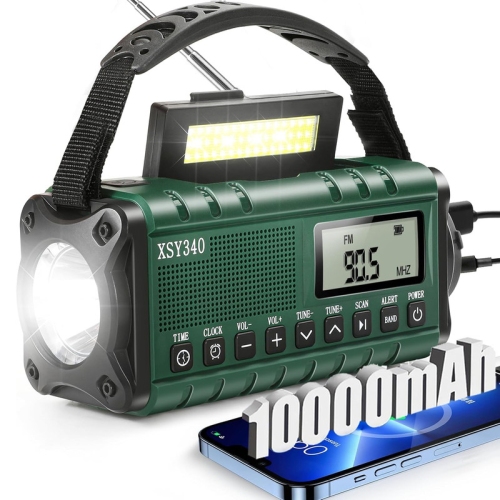
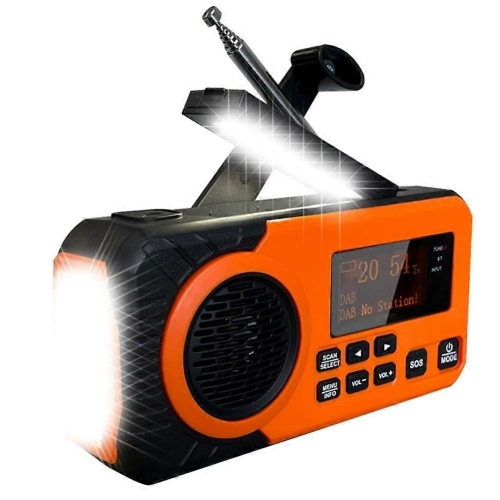
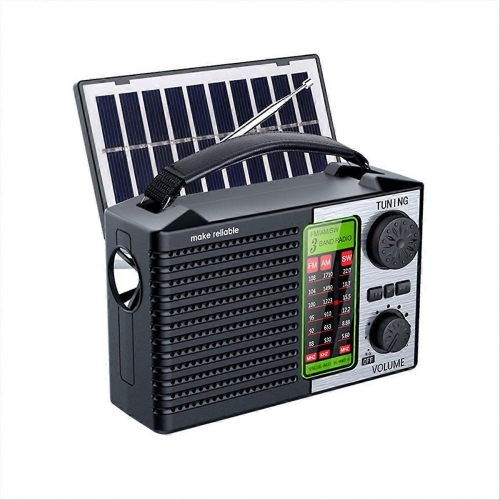
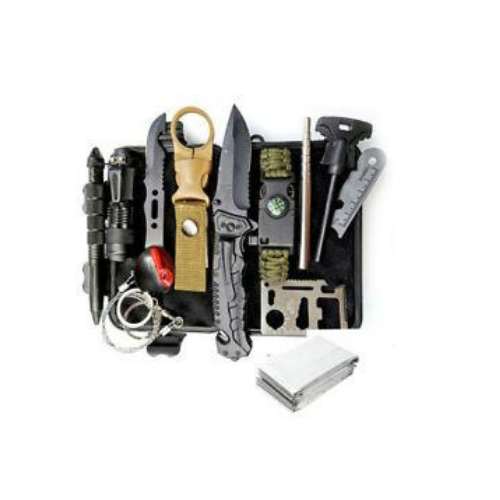
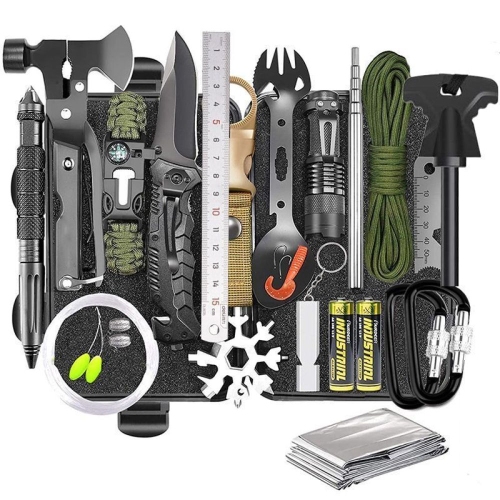
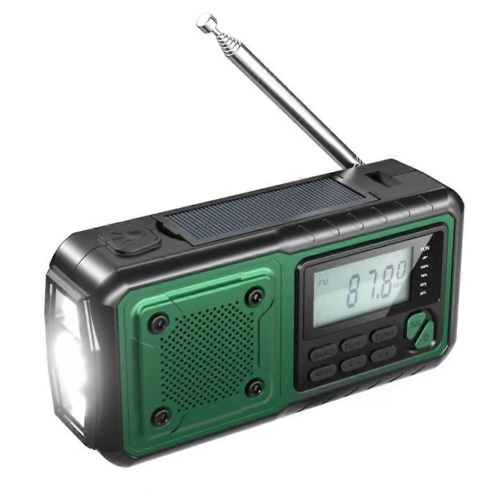
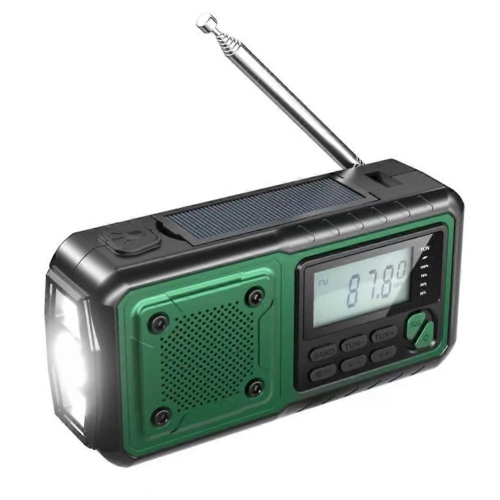
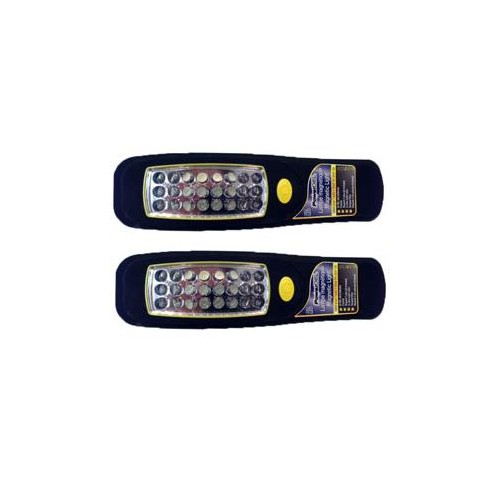
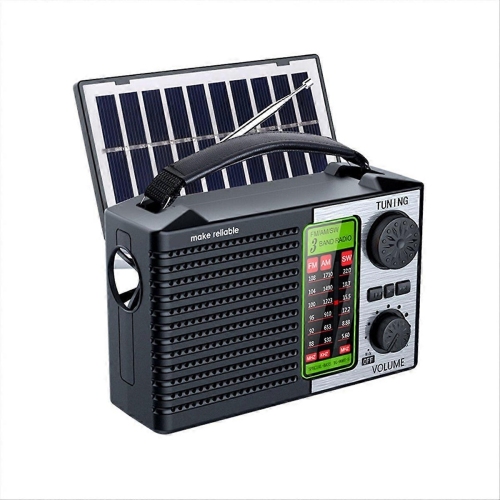
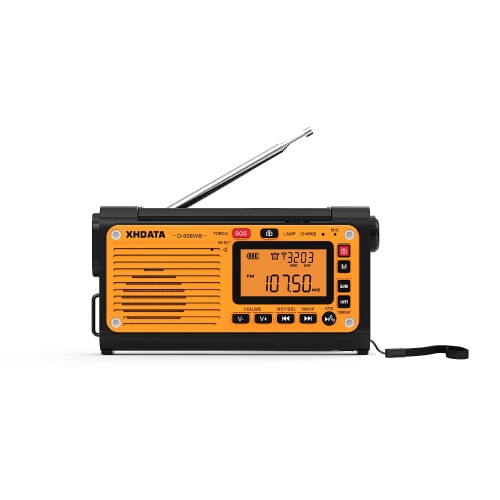
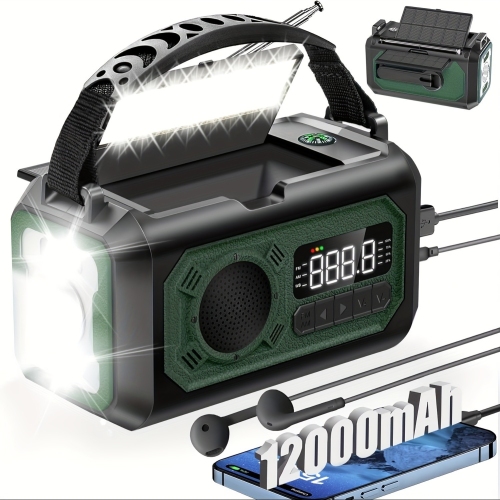
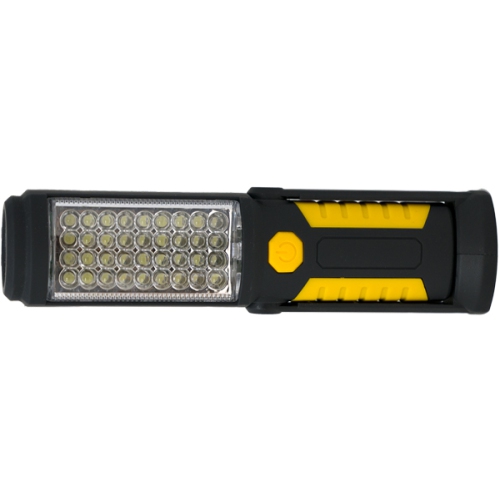
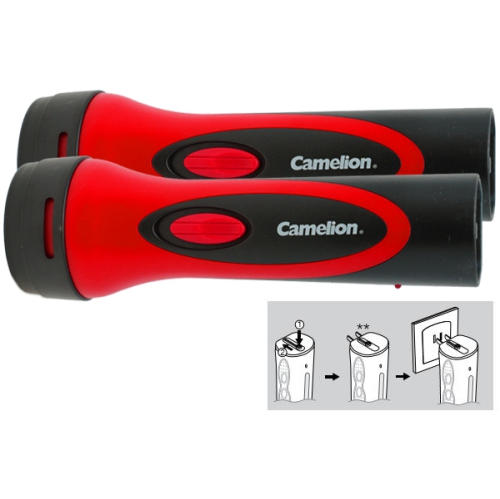
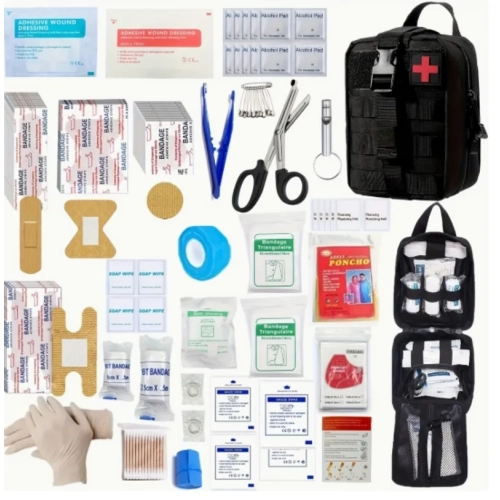
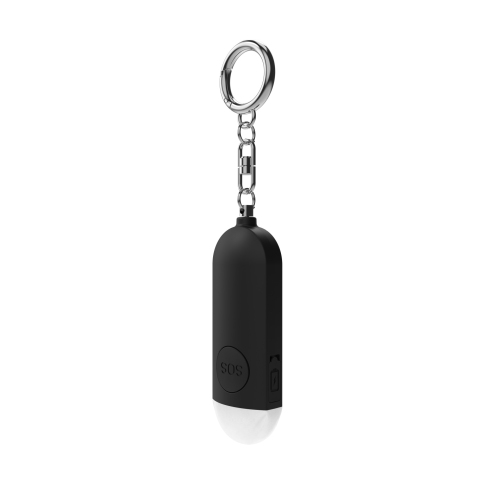
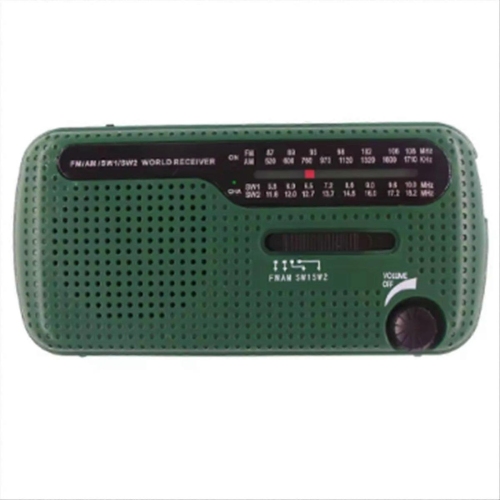
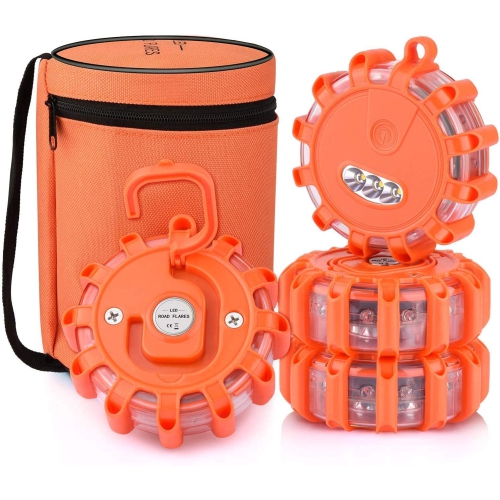
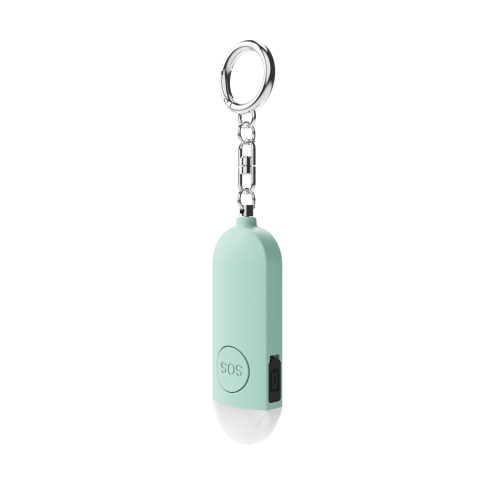
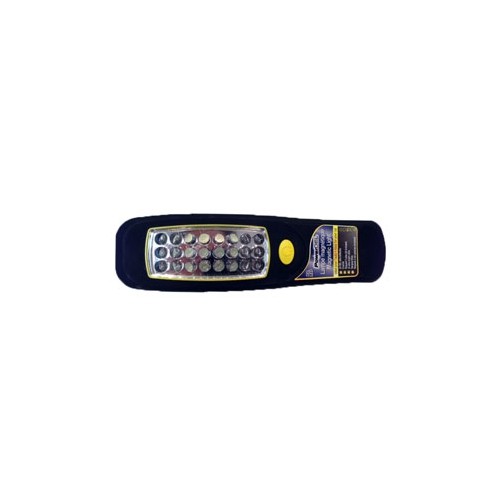
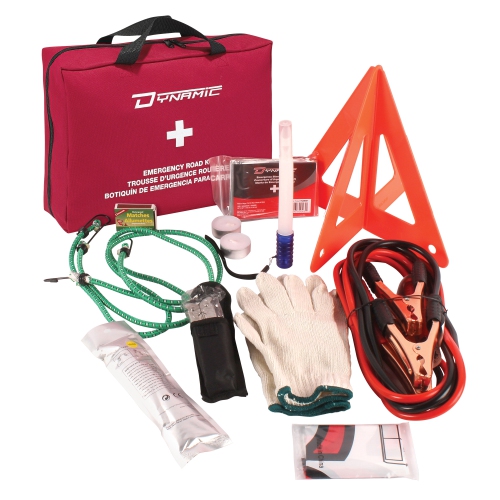
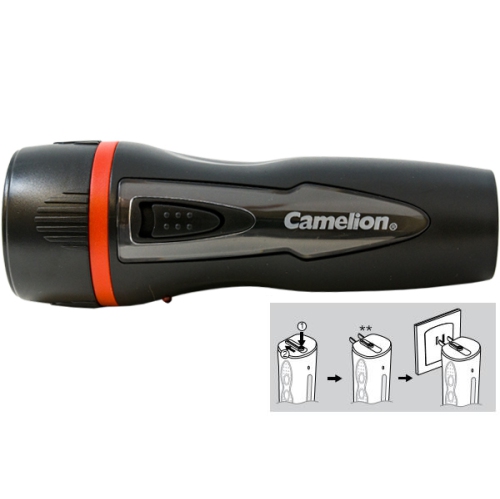
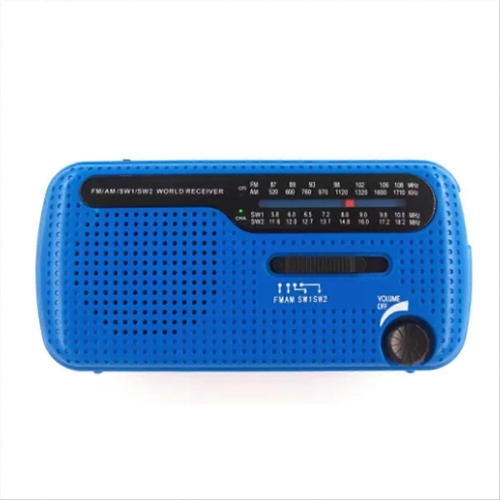
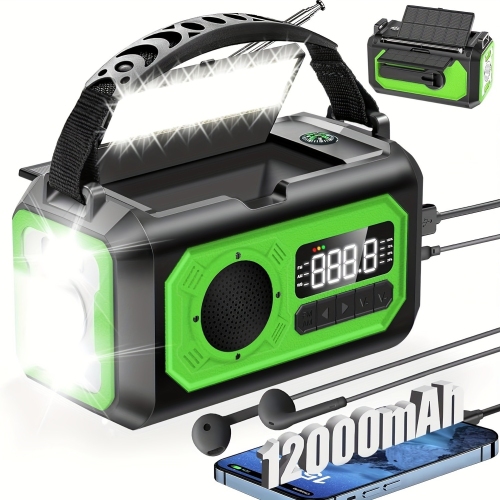
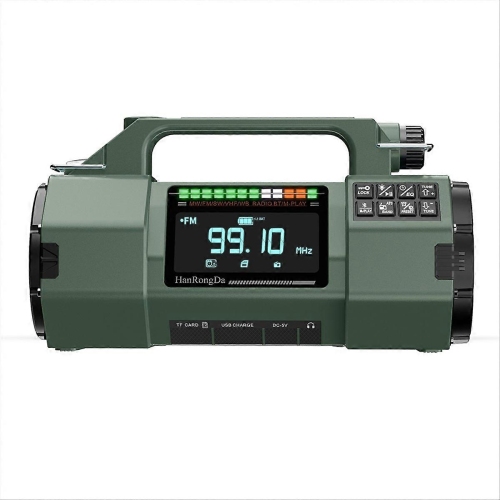
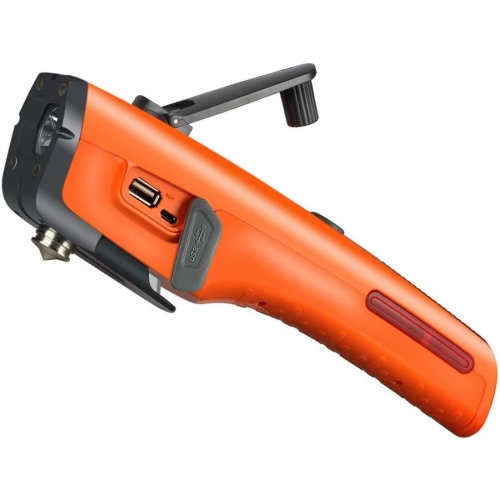
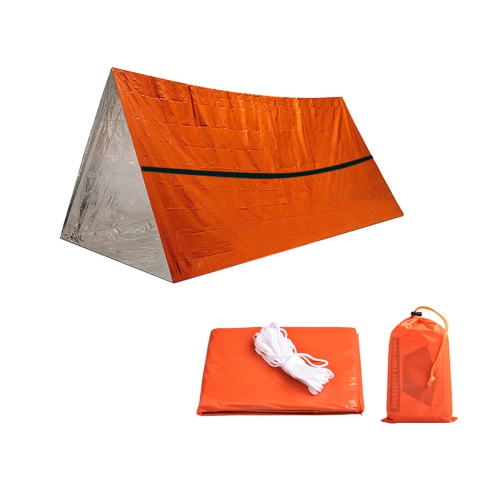
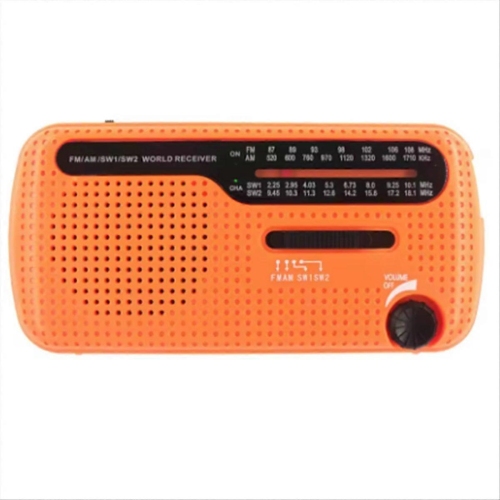
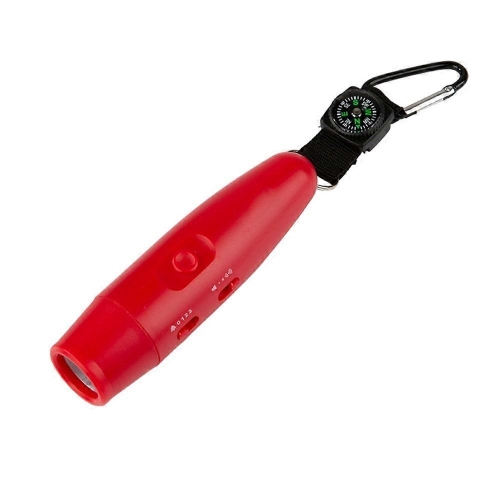
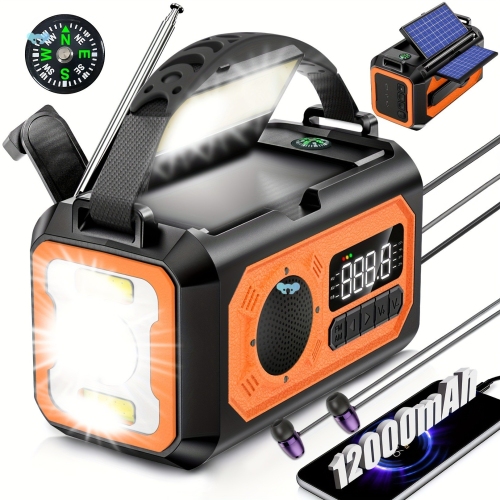
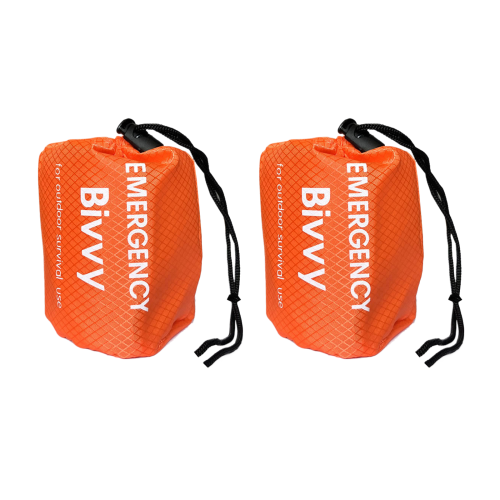
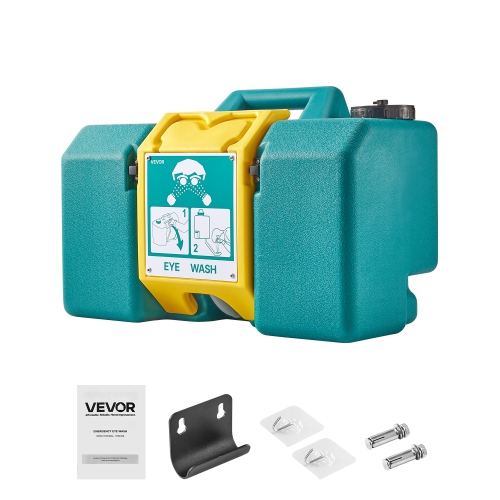
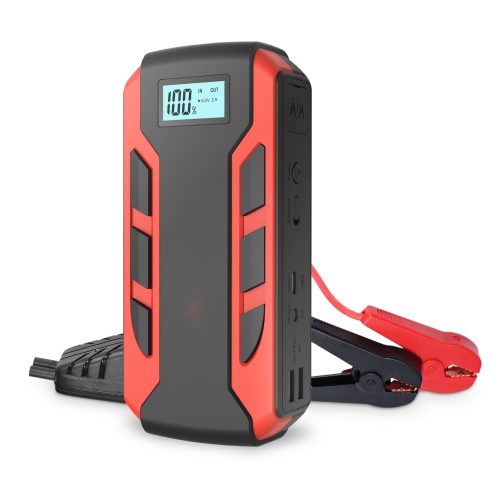
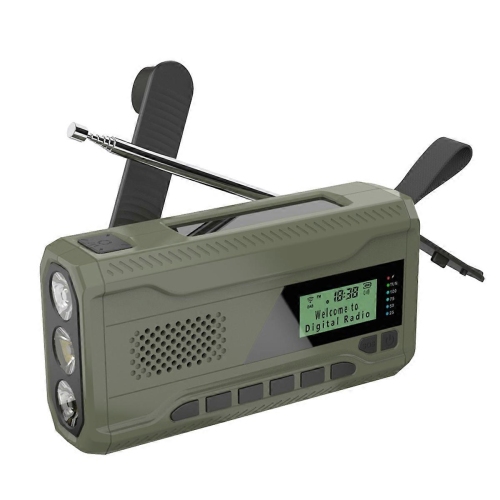
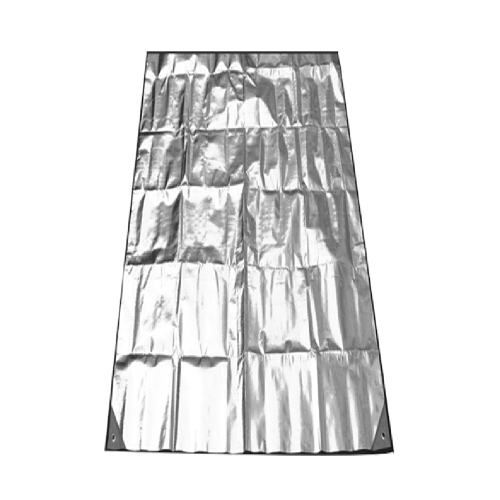
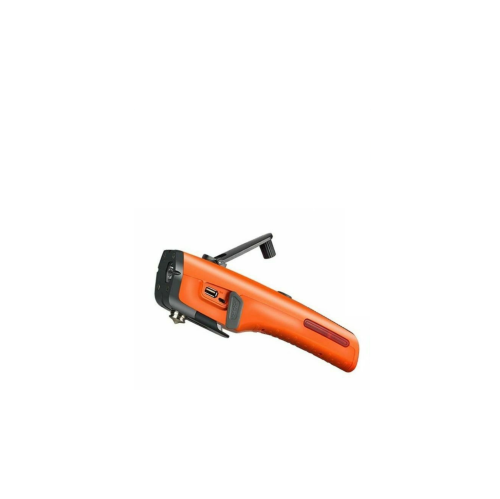
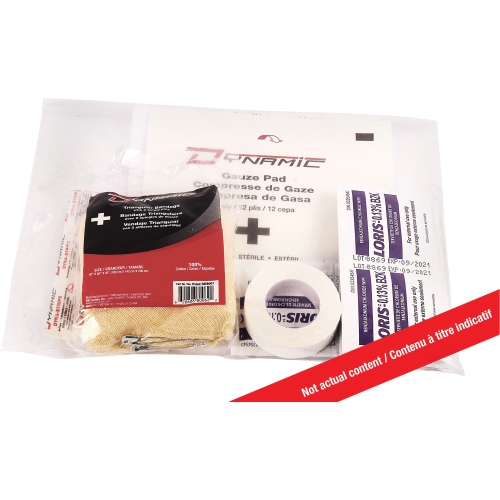
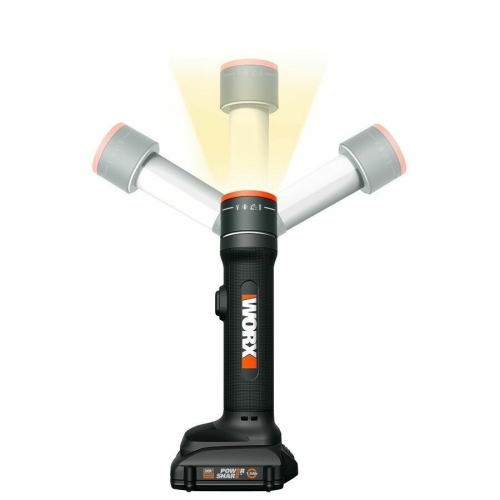
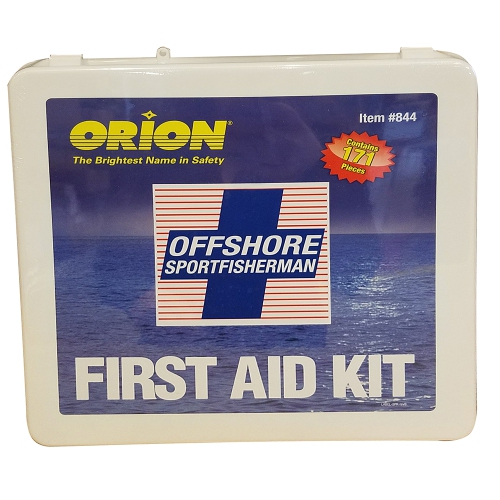
Emergency equipment helps households, drivers, workplaces, and community spaces stay prepared when an ordinary day is interrupted by a power outage, severe weather event, communications disruption, or another unexpected situation. A practical emergency kit should support the people who may rely on it for at least 72 hours, with supplies chosen for the number of people, their ages, health needs, and the place where the kit will be stored. Water is one of the first priorities: plan for approximately two litres per person per day for drinking and cooking, while keeping additional water available for basic hygiene where possible. Non-perishable foods such as canned goods, dried foods, and energy bars can provide dependable nourishment without refrigeration, but remember to include a manual can opener if any food is packed in cans. A battery-powered or hand-crank radio can help you follow local instructions when internet or mobile service is unavailable, while a flashlight and spare batteries make it easier to move through a dark hallway, search a vehicle, or check on someone safely. A charged power bank can help maintain phone access, although it should be stored and recharged as part of a regular routine rather than left forgotten in a drawer. First-aid supplies, including bandages, gauze, adhesive tape, antiseptic supplies, and disposable gloves, are useful for minor cuts, scrapes, and other everyday injuries. Add prescription medications, personal care items, copies of important information, a whistle, dust masks, and a basic multi-tool according to the needs of your household. Families with infants may also need formula, bottles, nappies, wipes, and comfort items, while households with pets should set aside food, water, medication, and a secure leash or carrier. During the warmer part of the year, emergency equipment may be useful for dealing with storms, heat, wildfire smoke, or travel delays; as the weather turns cooler, the same kit can provide reassurance during snow, freezing rain, road closures, or heating interruptions.
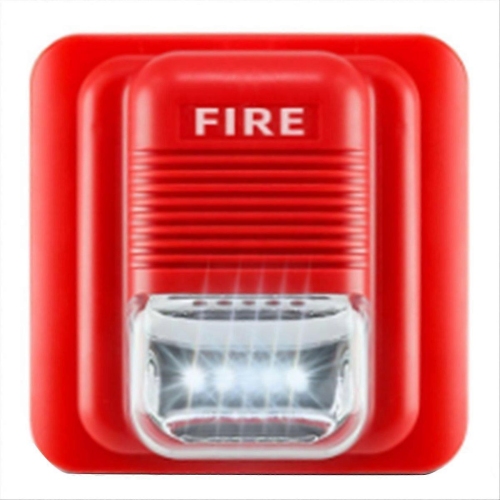
The best emergency equipment is easy to find, simple to use, and suited to the place where it will be needed. A home kit can be kept in a clearly marked bin near an accessible exit, but avoid storing it somewhere that could become difficult to reach during a fire, flood, or blocked passage. A smaller kit for a vehicle should account for cold conditions and long waits, with items such as warm layers, blankets, a high-visibility accessory, drinking water, shelf-stable snacks, a flashlight, basic first-aid supplies, and charging equipment. In a workplace, building, cottage, classroom, or shared living space, consider how many people might need assistance and whether anyone has mobility, hearing, vision, dietary, or medical requirements. Keep a written list of emergency contacts and meeting places with the supplies, since a phone may not be available or may have a depleted battery. It is also worth placing a small flashlight and whistle where they can be reached from a bed or main living area, rather than keeping every item in one large container. An emergency radio should be tested occasionally, and batteries should be checked for corrosion or low charge. Food and medication expiry dates deserve regular attention, especially when a kit has been packed away through several seasons. Even simple practice can make a difference: knowing how to turn off utilities, identifying two exits, and agreeing on a way to contact family members can reduce confusion when alarms are sounding or the lights go out. Fire prevention deserves its own attention as well, and supplies such as alarms, extinguishing equipment, protective accessories, and related household safety items can be found with Fire Safety Equipment. Select equipment that matches the type of risk in your space, read the instructions before an emergency occurs, and make sure every household member knows where it is stored and when to call for professional help.
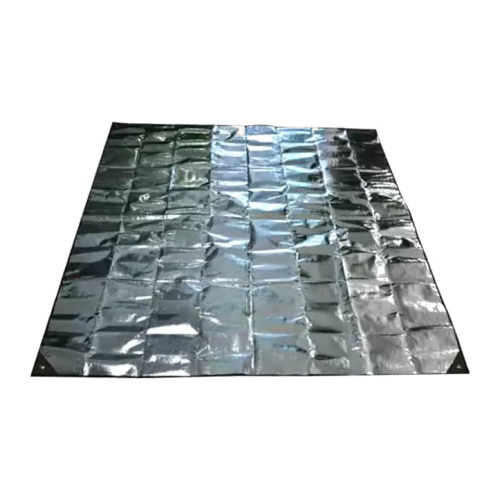
Emergency equipment can also be a thoughtful, practical gift for someone moving into a first home, setting up a new apartment, travelling by car, opening a small office, or spending more time at a cottage. A compact collection of essentials may be especially helpful for students, older family members, new parents, outdoor enthusiasts, and relatives who live in areas where storms or outages can affect roads and services. For a gift, focus on useful items that complement the recipient’s routine rather than adding equipment they may not know how to operate. A first-time homeowner may appreciate a clearly organized home kit; a frequent driver may benefit from supplies designed for the vehicle; and a family may prefer a larger setup that can be divided between the kitchen, hallway, and car. Think through the details that are easy to overlook, including spare batteries in the correct sizes, a manual way to open food, comfortable gloves, sanitation supplies, and a list of medications or allergies. Keep emergency food and water separate from everyday supplies so they are not accidentally used, but store them in a place that remains easy to access. After a late-summer storm, a flickering light and a charged radio can make a dark evening feel more manageable; during the cooler months, warm clothing, reliable lighting, and ready-to-eat food can be just as valuable while waiting for roads or utilities to reopen. Revisit the kit whenever your household changes, before a long drive, or when seasonal conditions shift. Choosing emergency equipment with these practical details in mind creates a dependable foundation for staying informed, treating minor injuries, maintaining communication, and meeting basic needs until normal services return.
The best emergency equipment is easy to find, simple to use, and suited to the place where it will be needed. A home kit can be kept in a clearly marked bin near an accessible exit, but avoid storing it somewhere that could become difficult to reach during a fire, flood, or blocked passage. A smaller kit for a vehicle should account for cold conditions and long waits, with items such as warm layers, blankets, a high-visibility accessory, drinking water, shelf-stable snacks, a flashlight, basic first-aid supplies, and charging equipment. In a workplace, building, cottage, classroom, or shared living space, consider how many people might need assistance and whether anyone has mobility, hearing, vision, dietary, or medical requirements. Keep a written list of emergency contacts and meeting places with the supplies, since a phone may not be available or may have a depleted battery. It is also worth placing a small flashlight and whistle where they can be reached from a bed or main living area, rather than keeping every item in one large container. An emergency radio should be tested occasionally, and batteries should be checked for corrosion or low charge. Food and medication expiry dates deserve regular attention, especially when a kit has been packed away through several seasons. Even simple practice can make a difference: knowing how to turn off utilities, identifying two exits, and agreeing on a way to contact family members can reduce confusion when alarms are sounding or the lights go out. Fire prevention deserves its own attention as well, and supplies such as alarms, extinguishing equipment, protective accessories, and related household safety items can be found with Fire Safety Equipment. Select equipment that matches the type of risk in your space, read the instructions before an emergency occurs, and make sure every household member knows where it is stored and when to call for professional help.
Emergency equipment can also be a thoughtful, practical gift for someone moving into a first home, setting up a new apartment, travelling by car, opening a small office, or spending more time at a cottage. A compact collection of essentials may be especially helpful for students, older family members, new parents, outdoor enthusiasts, and relatives who live in areas where storms or outages can affect roads and services. For a gift, focus on useful items that complement the recipient’s routine rather than adding equipment they may not know how to operate. A first-time homeowner may appreciate a clearly organized home kit; a frequent driver may benefit from supplies designed for the vehicle; and a family may prefer a larger setup that can be divided between the kitchen, hallway, and car. Think through the details that are easy to overlook, including spare batteries in the correct sizes, a manual way to open food, comfortable gloves, sanitation supplies, and a list of medications or allergies. Keep emergency food and water separate from everyday supplies so they are not accidentally used, but store them in a place that remains easy to access. After a late-summer storm, a flickering light and a charged radio can make a dark evening feel more manageable; during the cooler months, warm clothing, reliable lighting, and ready-to-eat food can be just as valuable while waiting for roads or utilities to reopen. Revisit the kit whenever your household changes, before a long drive, or when seasonal conditions shift. Choosing emergency equipment with these practical details in mind creates a dependable foundation for staying informed, treating minor injuries, maintaining communication, and meeting basic needs until normal services return.
Top selling and popular products
-
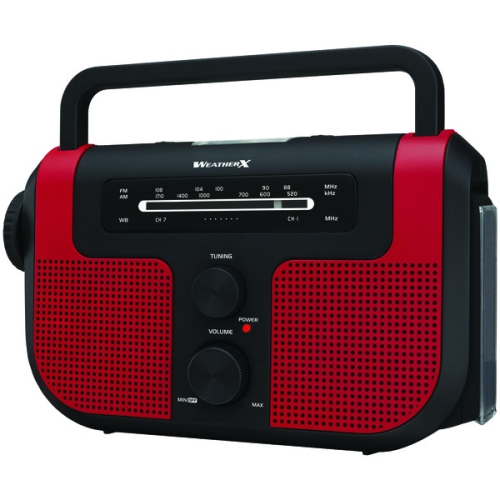 Your price for this item is $76.59
 -
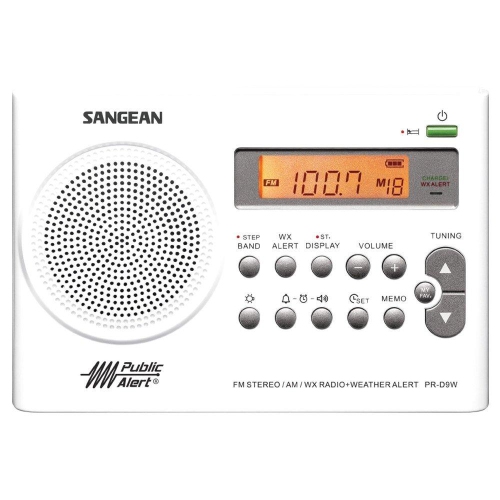 Your price for this item is $99.99
 -
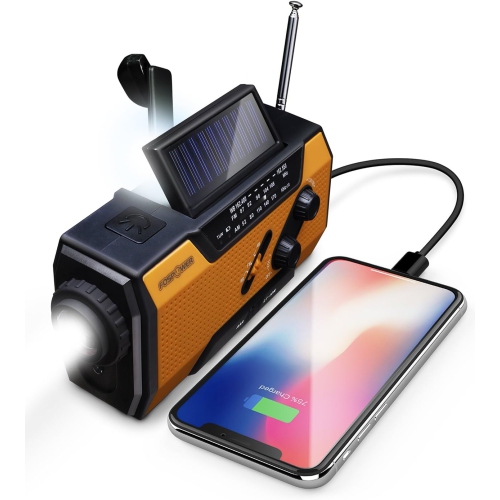 Your price for this item is $80.99
 -
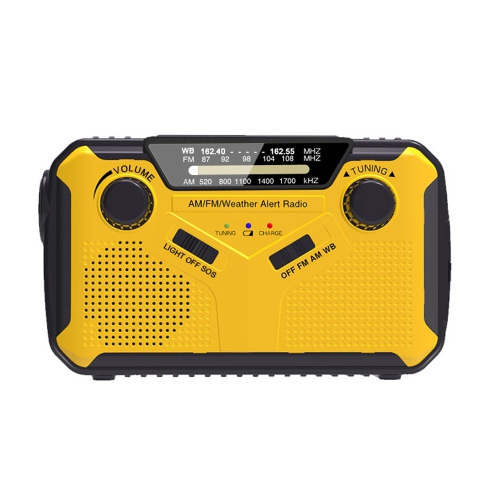 Your price for this item is $40.99
 -
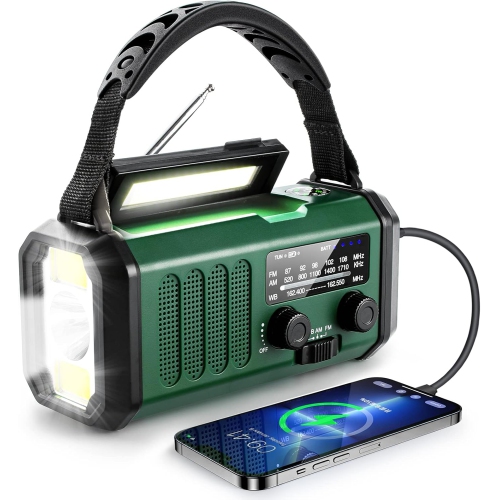 Your price for this item is $59.99
 -
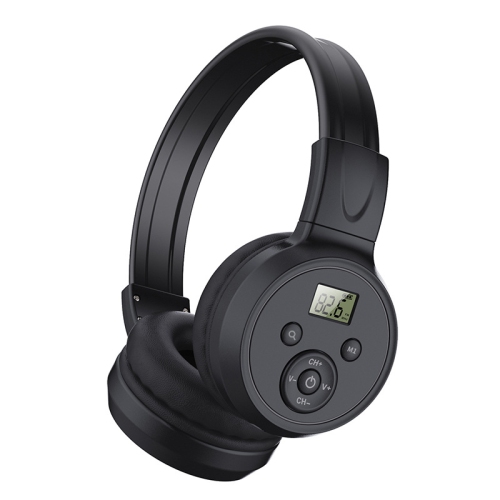 Your price for this item is $44.99
 -
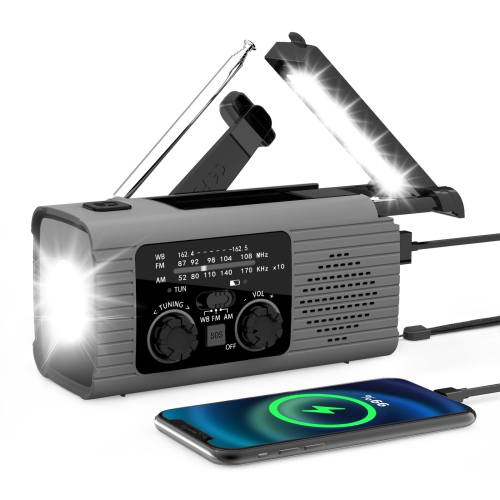 Your price for this item is $86.99
 -
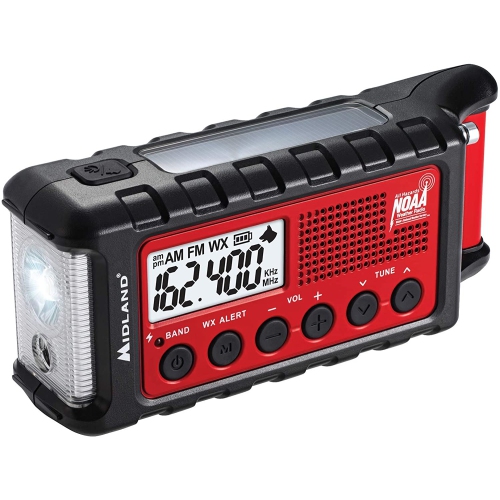 Your price for this item is $139.95
Discover more categories related to Emergency Equipment

Top Collections:
Pokemon Centers, Kindle Devices, Best Budget Office Chairs, Canon G7X Cameras, Apple iPhones 16, Samsung Galaxy Phones, Refurbished Apple Laptops, Laptops for Students, iPhone 15 Apple, Budget Smartphones
Some products may be subject to Environmental Handling Fees
(EHF) depending on your province.
Learn more about EHFs.