Equipment for Preschool Classrooms
Equip your learning space with everything needed to inspire growth and creativity using equipment for preschool classrooms. Explore a wide selection of items designed to support early childhood development, encourage hands-on play, and foster a safe, engaging environment. From furniture and storage solutions to interactive tools and activity essentials, find the perfect options to help young learners thrive every day. Create a vibrant classroom that meets the needs of both students and educators with quality equipment for preschool classrooms.
Sort



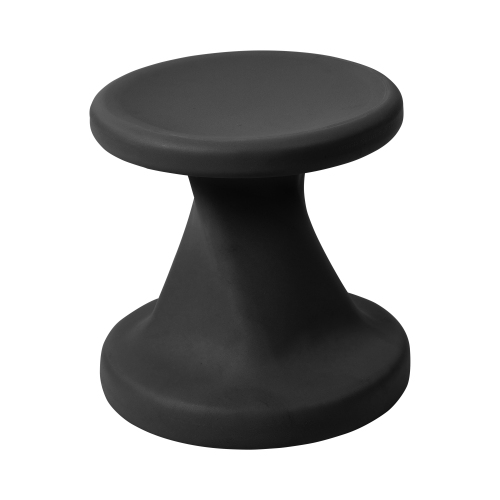
Why child-sized furniture matters for play and independence
Equipment for preschool classrooms includes child-sized furniture, accessible storage, and hands-on learning materials that support play, early learning, and everyday routines. In preschools, childcare centres, and early years programs, these furnishings and resources give children places to build, draw, look at books, practise new skills, and spend time together. Furniture scaled to young children makes a noticeable difference: a chair that allows feet to rest comfortably and a table at a suitable height can make drawing or working with puzzles easier. Rounded edges, stable bases, and surfaces suited to frequent cleaning are important considerations in spaces where children move between activities throughout the day. Solid wood offers a substantial feel, while laminated surfaces and moulded plastic can be practical for wiping away everyday marks; the construction, finish, and manufacturer’s care instructions matter as much as the material itself. Upholstered seating adds comfort to a reading corner, particularly when covers are removable or surfaces can be cleaned as directed. Fit also means considering the room, not just the child. Tables need enough surrounding space for chairs to move without blocking walkways, and low shelving can define activity areas while helping educators maintain clear sightlines. Open cubbies and bins positioned within reach allow children to find materials and return them after play. Picture labels can make that routine easier for children who are not yet reading, while separate spaces for personal belongings help distinguish shared resources from individual possessions. Mobile storage can offer flexibility in rooms used for several activities, provided wheels can be secured and units remain stable. Tall or tip-prone furniture needs appropriate anchoring according to its instructions. A thoughtfully arranged classroom leaves space for group gatherings, quieter activities, and movement between them, rather than filling every available corner. Equipment that works well for this age group balances independence with adult oversight, allowing a child to choose a book or put away a puzzle while keeping materials that require supervision under an educator’s control.
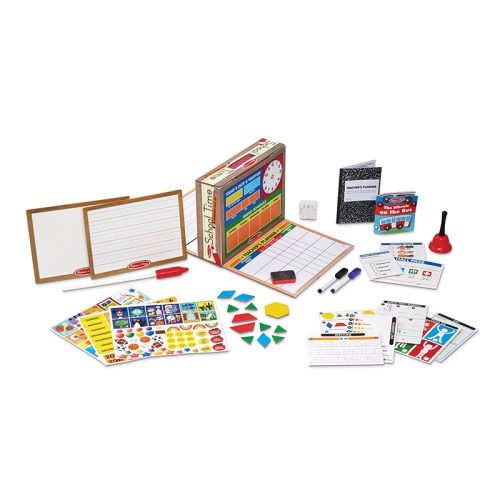
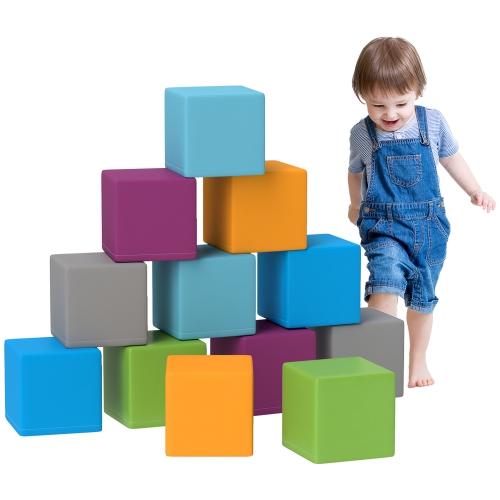
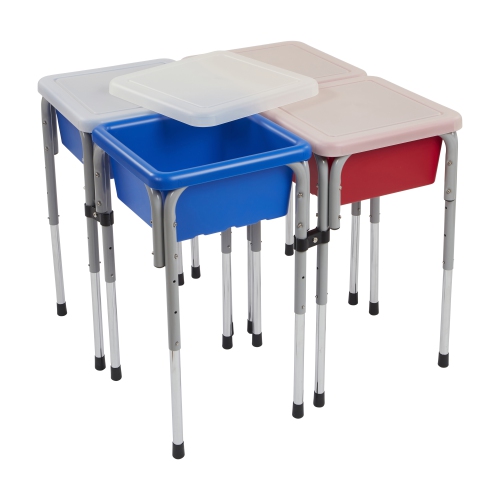
Hands-on learning materials bring those classroom spaces to life. Building, sorting, matching, and fitting pieces together give children opportunities to explore shape, quantity, balance, and cause and effect through play. For a child arranging objects by colour, the learning is in noticing similarities and making decisions; for another constructing a tall structure, it may be in testing what holds steady and what falls. Materials with comfortably sized pieces, varied textures, and clear visual differences can support a range of abilities without making every activity depend on spoken instructions. Age suitability remains essential, particularly in mixed-age groups or where children still mouth objects. Small components, accessible magnets, and damaged pieces need particular attention, and materials should be used within the manufacturer’s age recommendations and with suitable supervision. Early literacy resources can include inviting book displays, storytelling materials, and opportunities to explore letters through touch and movement. Books positioned with their covers visible are easier for children to recognize and choose independently, while a comfortable reading area gives an educator room to share a story with a small group. Creative spaces benefit from washable work surfaces and enough room for children to experiment without crowding one another. Easy-grip tools and accessible work areas can make mark-making more comfortable, whether a child is producing broad strokes or beginning to form recognizable shapes. Sensory activities offer opportunities to pour, scoop, compare textures, and describe discoveries, with suitable materials, manageable quantities, and cleaning routines planned around their intended use. Pretend-play areas encourage children to act out familiar experiences, negotiate roles, and use language in context. Open-ended resources leave room for several interpretations rather than prescribing a single way to play. Alongside larger furnishings, Preschool Classroom Supplies can support these everyday activities and help keep learning areas equipped for regular use. A balanced mix gives children opportunities for solitary exploration, shared projects, and imaginative play without requiring every station to be active at once.
Durability in a preschool classroom is about repeated handling as much as appearance. Equipment may be moved for group activities, used by several children in succession, and cleaned between sessions, so secure joints, sound edges, and well-fitted components deserve attention. Storage that holds its shape under regular use and furniture with finishes appropriate for their cleaning requirements can make daily care more manageable. Washable does not always mean suitable for every cleaning product: wood, fabric, plastic, and electronic components may each need different treatment, and following the stated care directions helps protect their condition. Routine checks can identify loose fasteners, splintered edges, torn upholstery, or missing parts before those issues affect use. Classroom equipment also needs to accommodate children with different heights, mobility needs, sensory preferences, and developing skills. Clear routes through the room, reachable materials, and seating options with appropriate support can make participation easier. A quiet corner with uncluttered displays may suit a child who needs a break from busy group play, while a generously sized activity surface can allow children to work alongside one another without constantly jostling elbows. Where technology supports a planned activity, simple controls, secure placement, and adult-managed cables help it fit into the room without becoming its focus. Audio used for stories or movement activities should allow comfortable volume control, and any accessible battery compartments should remain securely closed. Educators and childcare operators also benefit from equipment that fits their routines: storage close to the activity it serves reduces unnecessary carrying, and clearly separated clean and used materials make transitions easier to manage. Flexible layouts are particularly useful when one room accommodates art, snack time, reading, and group play. The strongest choices are not necessarily the largest or most elaborate; they are those that suit the children’s ages, the available space, the level of supervision, and the activities taking place. Together, well-proportioned furnishings, purposeful learning materials, and straightforward care requirements create a classroom that is comfortable to use and easier to keep organized.
Top selling and popular products
-
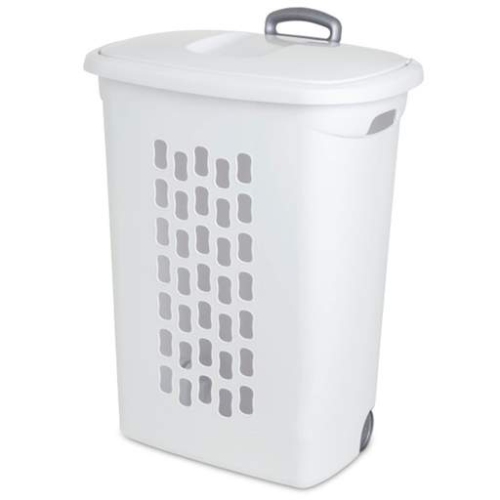 Your price for this item is $517.99
-
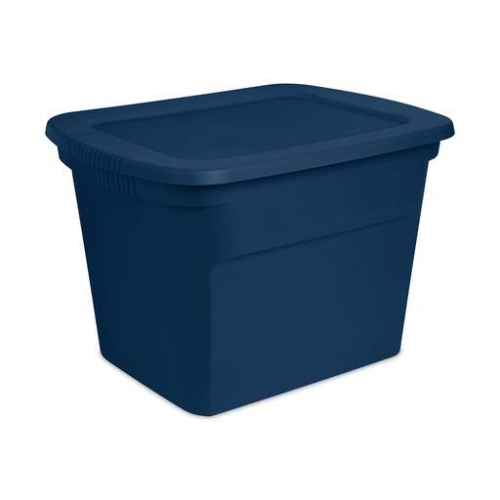 Your price for this item is $881.99
-
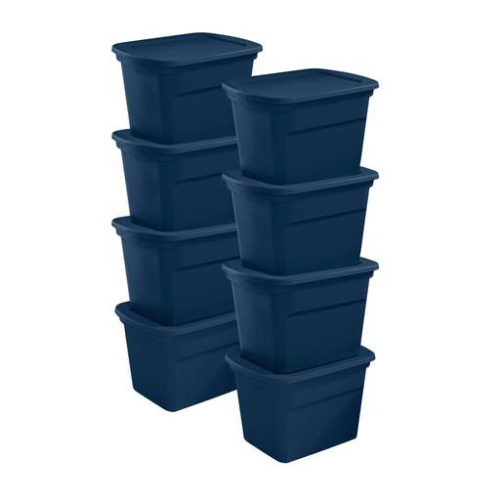 Your price for this item is $227.99
-
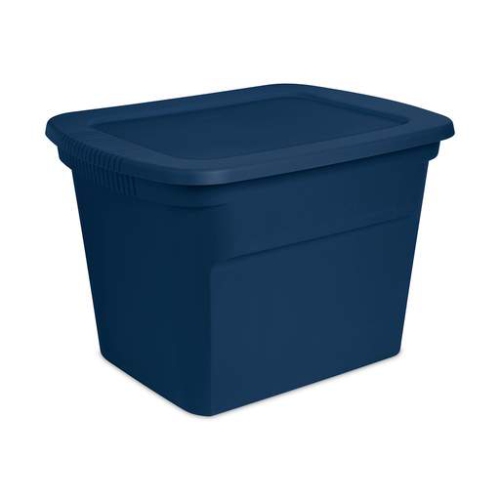 Your price for this item is $661.99
-
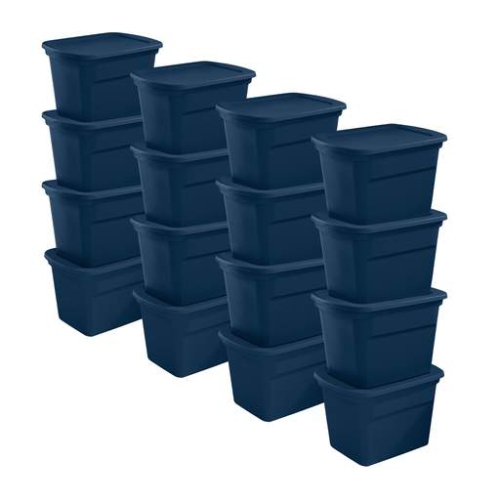 Your price for this item is $440.99
-
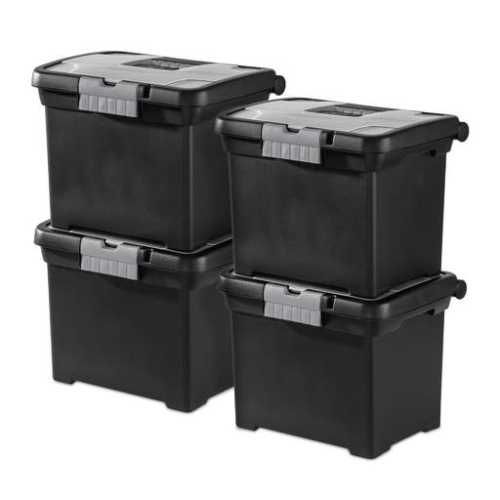 Your price for this item is $132.99
-
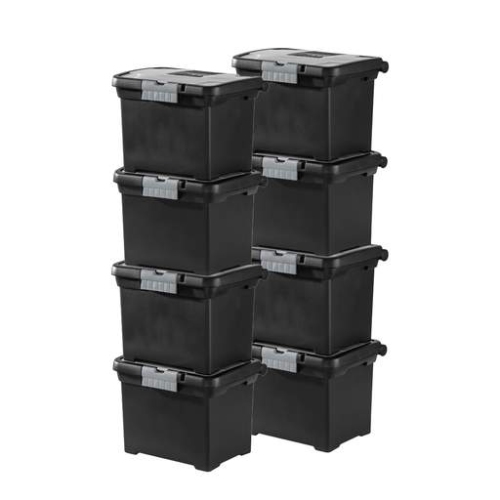 Your price for this item is $260.99
-
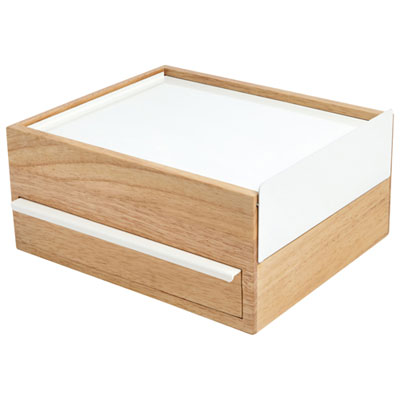 Your price for this item is $64.98
Discover more categories related to Equipment for Preschool Classrooms
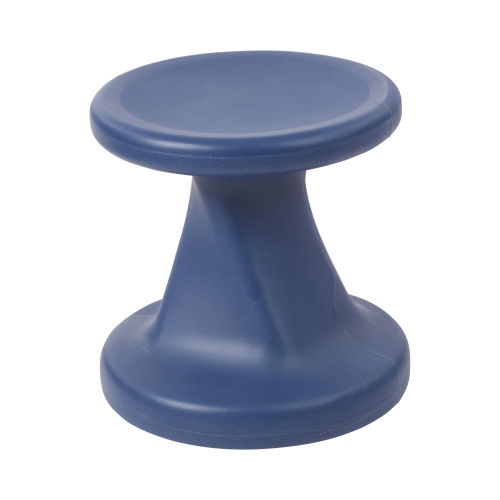
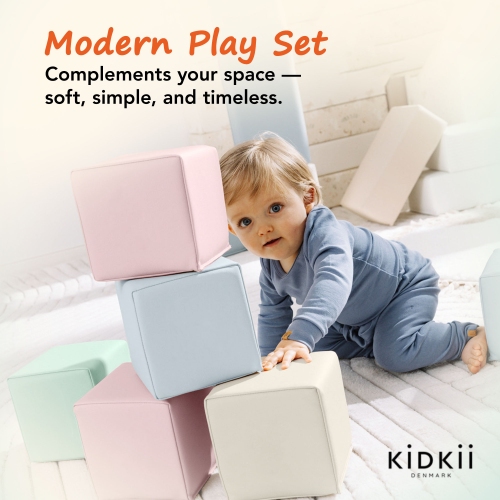
Top Collections:
Pokemon Centers, Best Cameras for Sports Photography, Kindle Devices, Samsung Galaxy Phones, Canon G7X Cameras, Pokémon 30th Celebration Cards, Refurbished Apple Laptops, iPhone 15 Apple, Laptops for Students, Budget Smartphones
Some products may be subject to Environmental Handling Fees
(EHF) depending on your province.
Learn more about EHFs.