Escape Games
Looking for an exhilarating and immersive experience that will put your problem-solving skills to the test? Look no further than our collection of escape games. These thrilling adventures are designed to transport you to another world, where you'll be challenged to unravel mysteries, decode clues, and work together with your team to escape before time runs out. Whether you're a seasoned escape room enthusiast or new to the concept, our selection of escape games offers something for everyone.
Sort
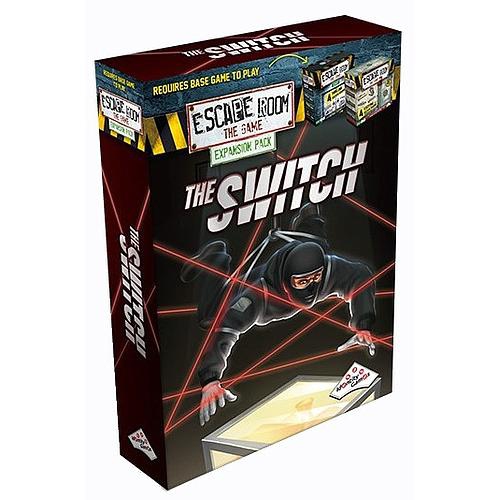

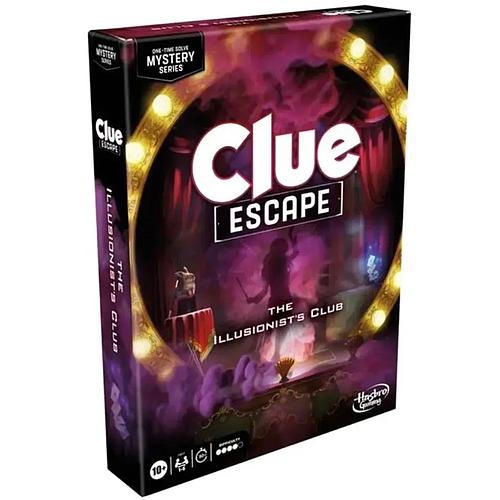
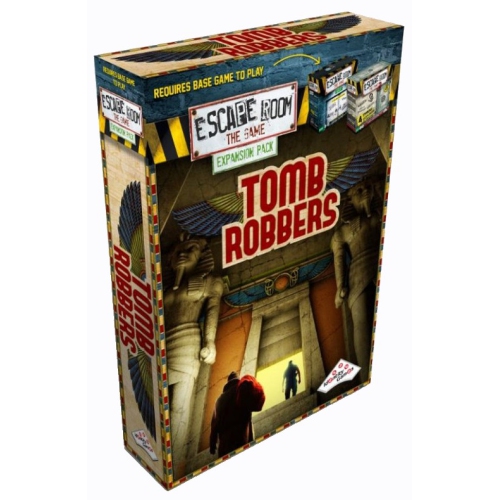


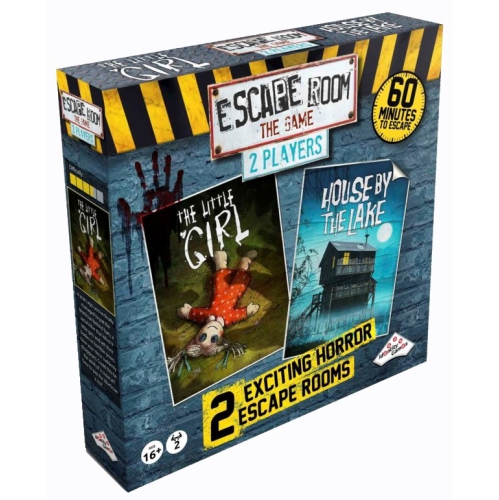

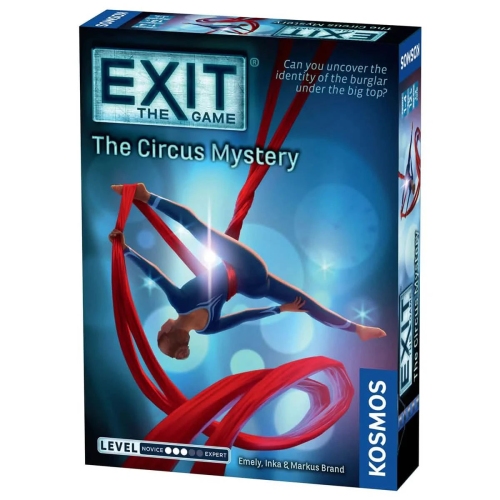
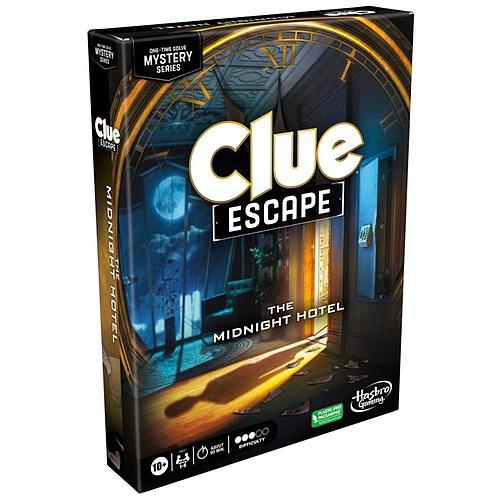
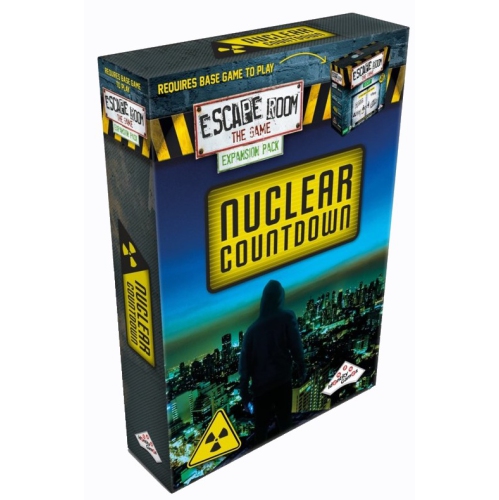
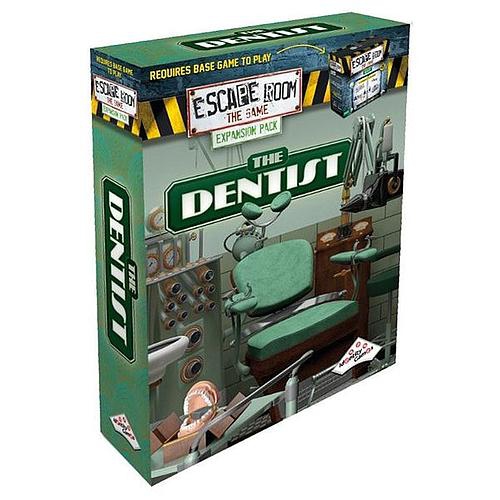
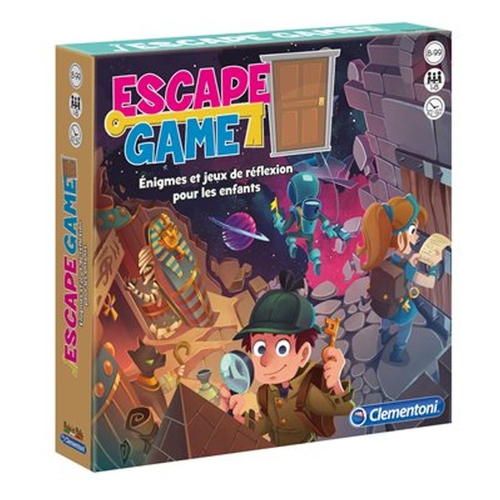

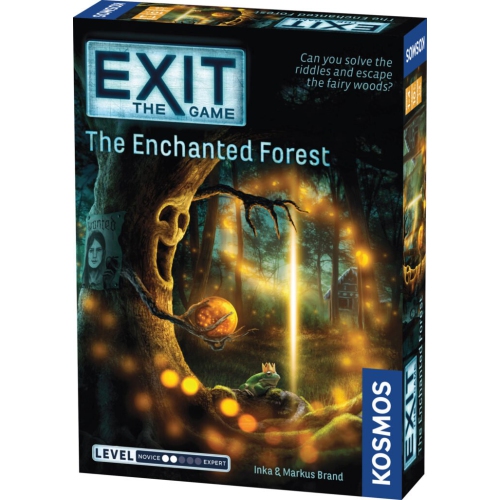





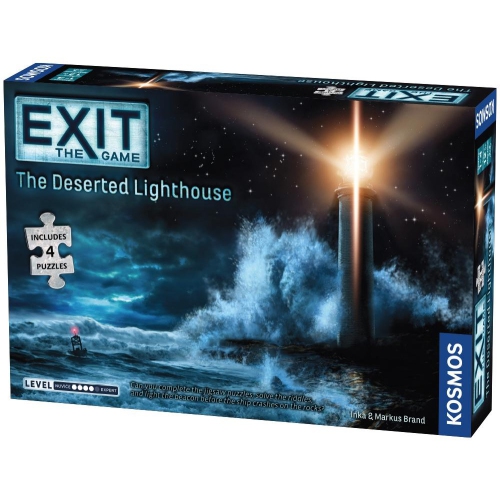
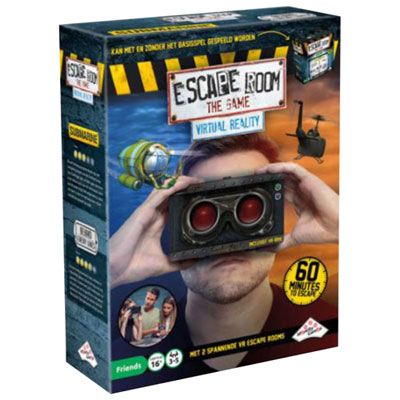

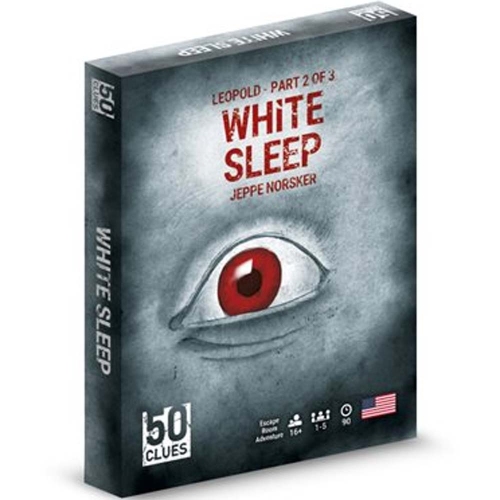

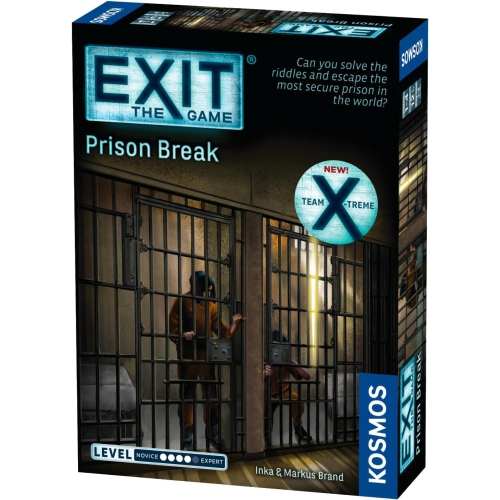
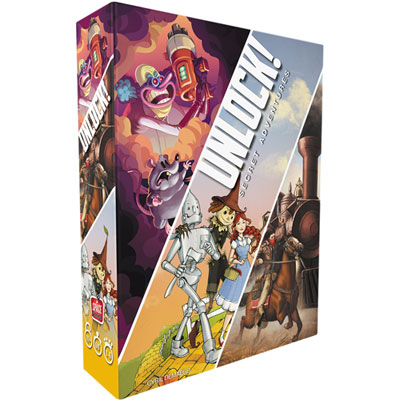

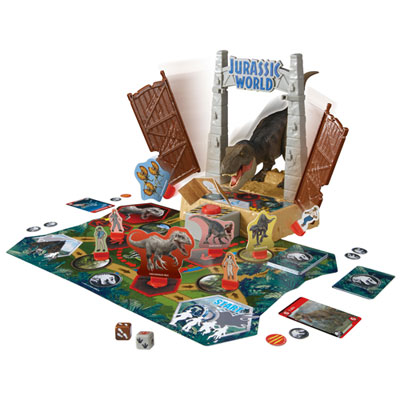
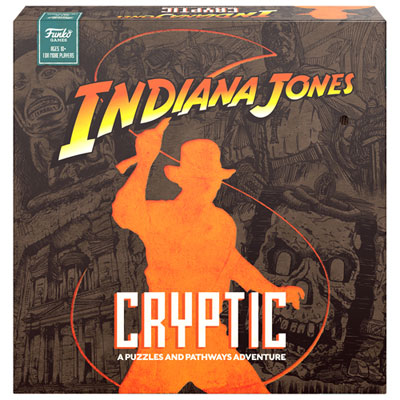



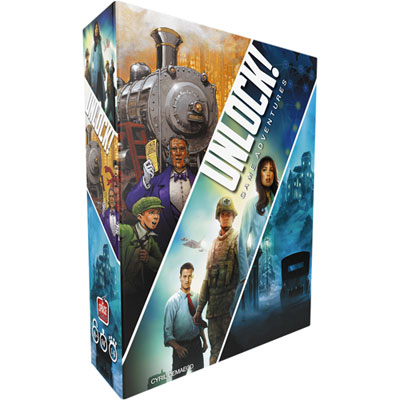
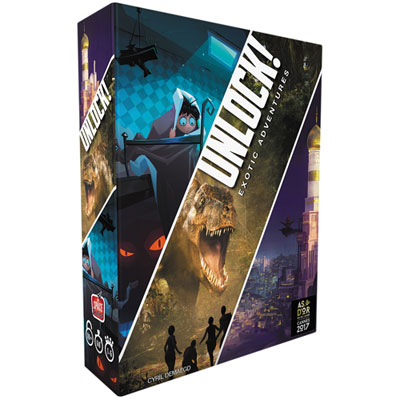

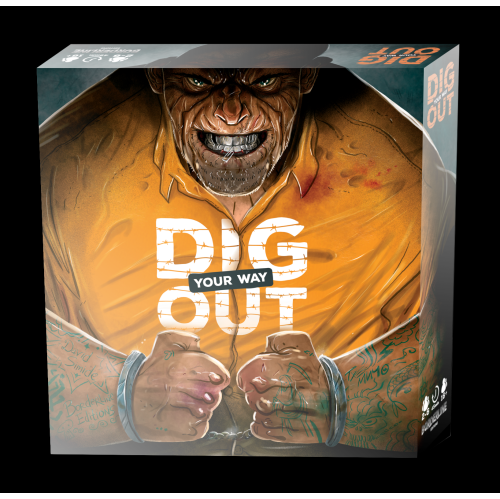
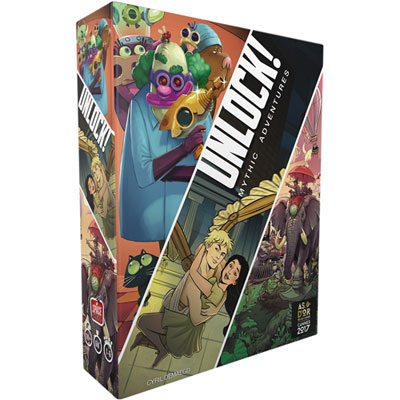


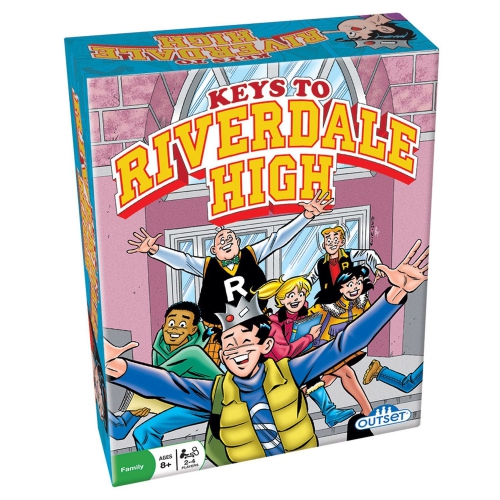
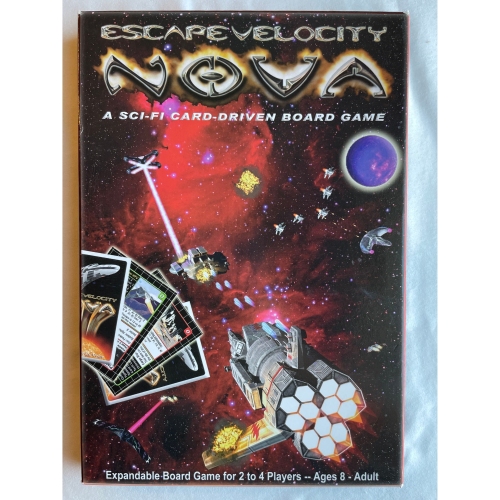




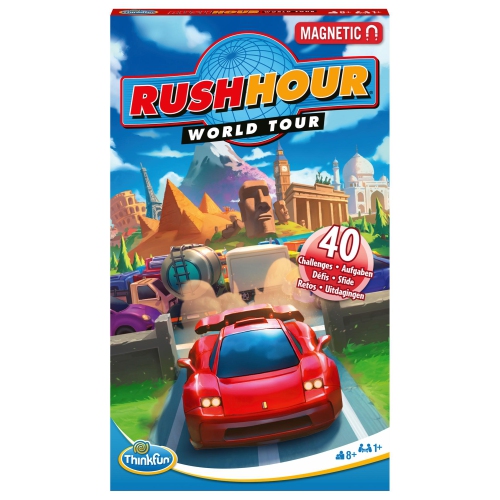


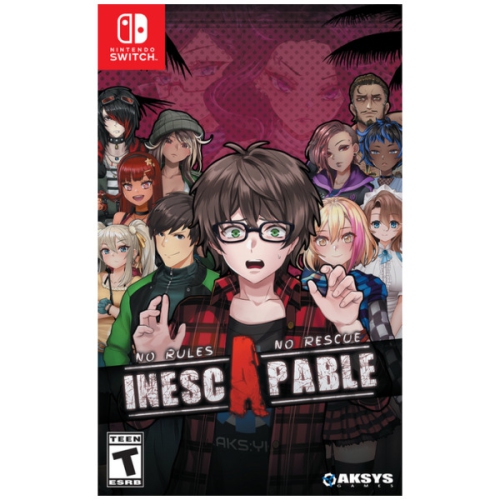


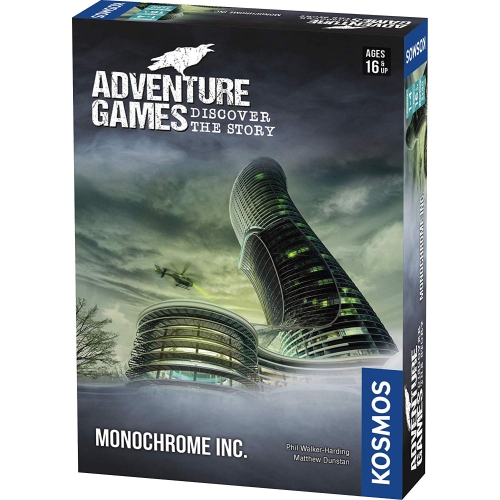

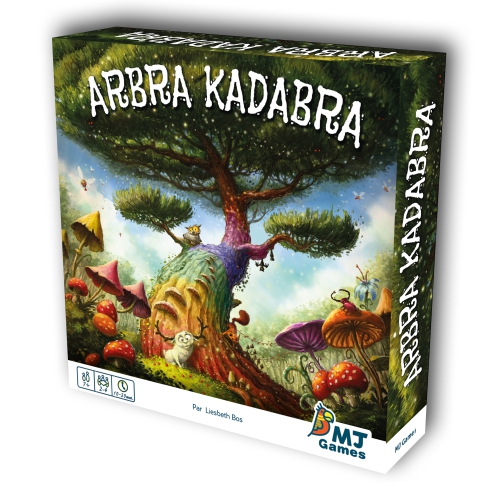
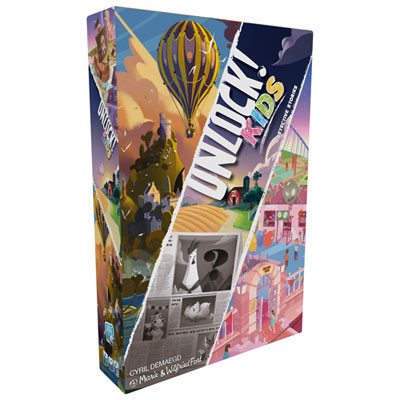


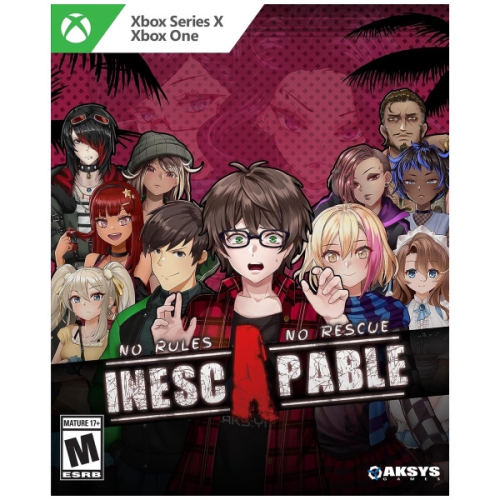

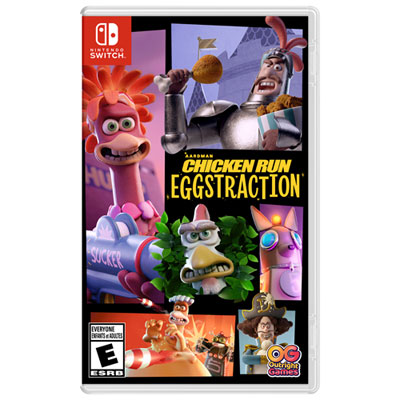


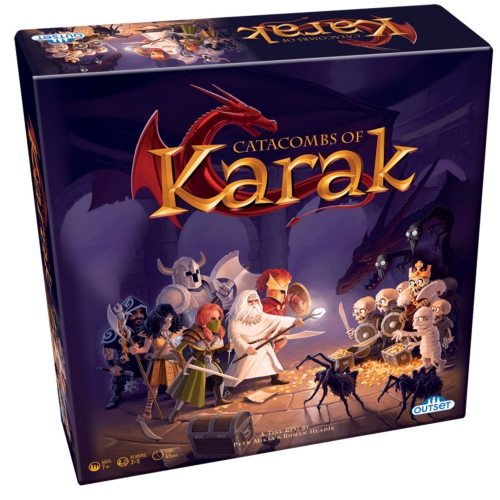


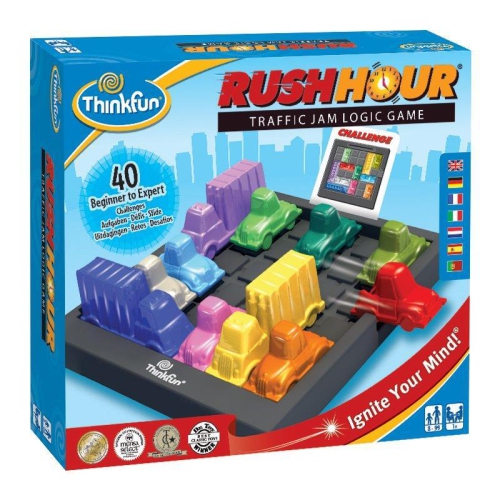


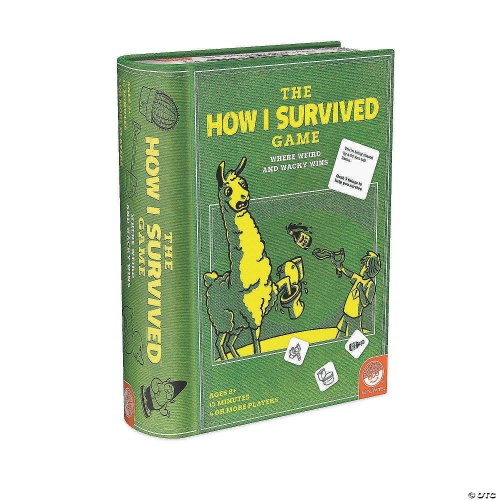


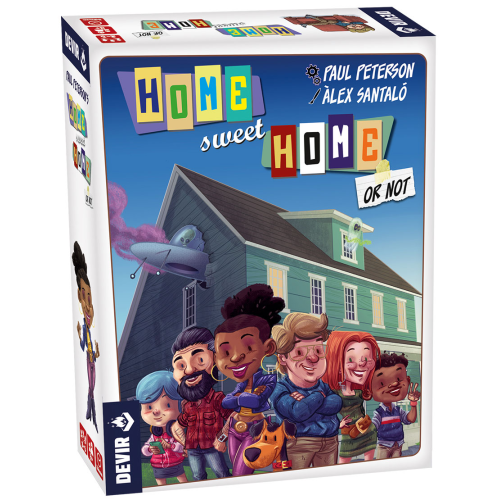

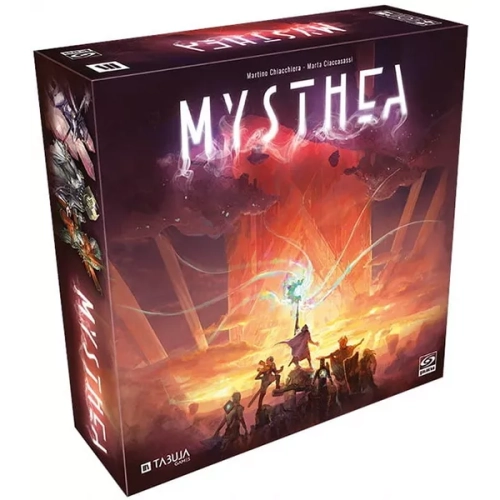




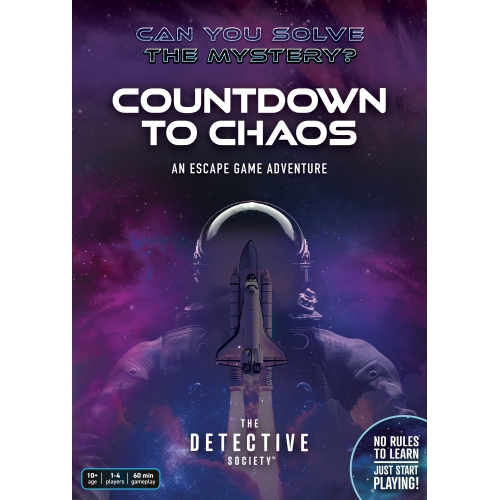
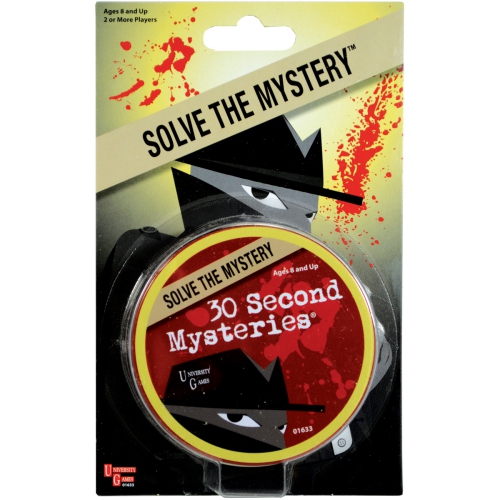
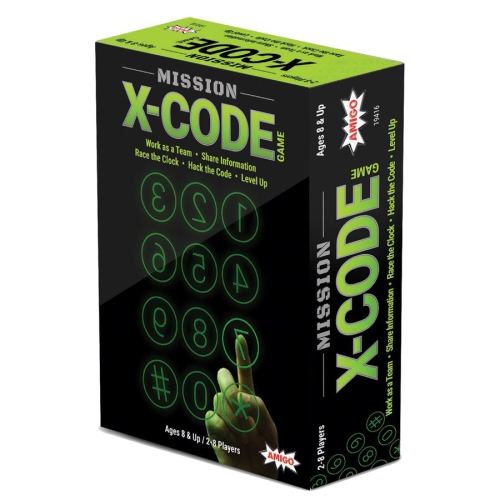


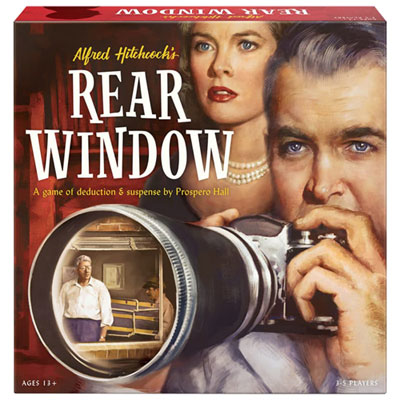


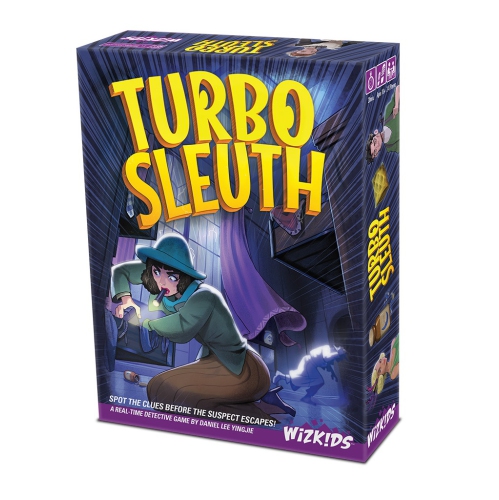


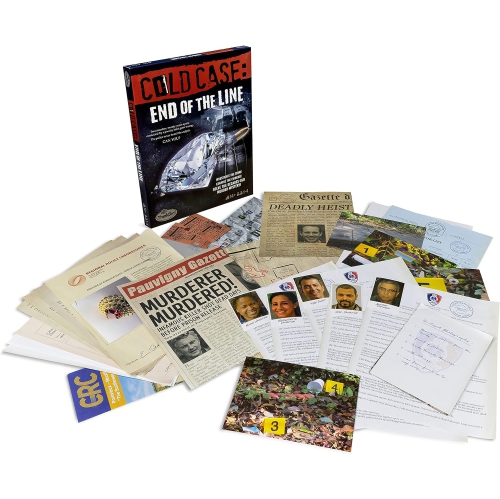


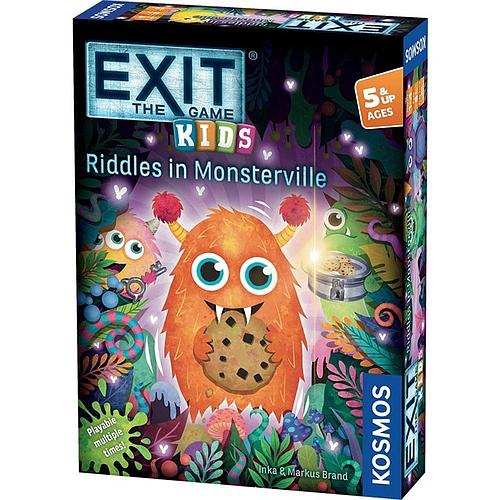





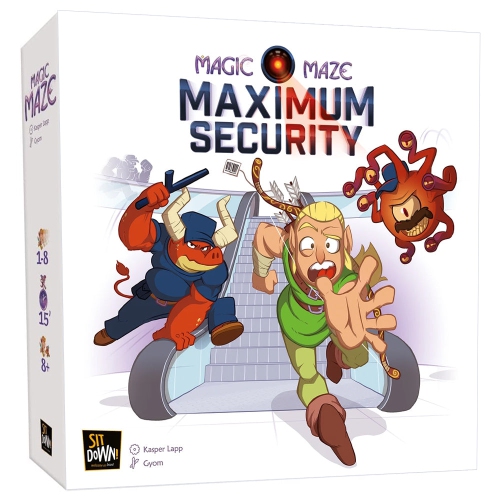


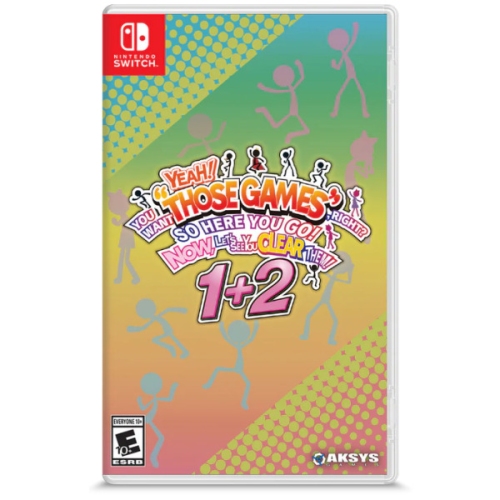


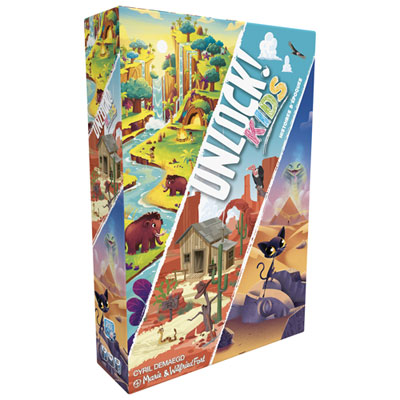





A locked-room mystery unfolds around your table
Escape games bring the tension of a locked-room mystery to the table, with clues, concealed connections, and a shared objective that gives every discovery a purpose. Rather than competing to finish ahead of one another, players often work together to open a fictional vault, unravel a disappearance, or find a way out before a story’s deadline. A cryptic message might point to a symbol on a map, while an illustration that seemed decorative at first turns out to hold part of a combination. The appeal lies in that shift from uncertainty to understanding: someone notices a repeating pattern, another person connects it to an earlier clue, and the whole group suddenly has a new direction. Tabletop escape games can use cards, booklets, envelopes, puzzle pieces, and other physical components to create this experience at home. Some follow a clear sequence, with each solution revealing the next challenge; others let players investigate several leads before bringing their findings together. Themes range from adventurous expeditions and curious inventions to detective stories and suspenseful settings, so the mood matters as much as the difficulty. A playful treasure hunt can suit a relaxed family gathering, while a more intricate mystery may appeal to adults who enjoy making notes and debating possible explanations. Unlike a traditional board game built around repeated turns, an escape game often centres on a story that unfolds through discovery. Progress may depend less on moving pieces and more on reading carefully, looking closely, and sharing information. That makes these games a natural fit for people who enjoy puzzles but also want a social experience, whether the occasion is a quiet evening for two, a birthday gathering, or a regular game night with friends. Players drawn especially to investigating evidence and connecting story details may also enjoy Mystery Solving Games, where the satisfaction often comes from explaining what happened and why.
The right fit depends on how a group likes to play, not simply how many puzzles a game contains. Suggested ages, player counts, and difficulty descriptions help set expectations, particularly when children and adults will be sharing the same clues. Reading-heavy stories can ask a lot of younger players, while visual patterns, matching tasks, and hands-on puzzles may give them more opportunities to contribute. An age rating can also reflect unsettling imagery or mature story elements rather than puzzle complexity alone. For mixed-experience groups, a gradual opening and a structured hint system can make the session more welcoming without removing the challenge. Hints that reveal a small nudge before offering a full answer allow players to keep control over how much help they receive. Playing time deserves similar attention: a stated duration may describe the intended challenge, but reading the introduction, sorting components, and discussing theories can extend the evening. Timed formats add urgency, whereas games that allow pauses can be easier to fit around family routines or a more conversational gathering. Group size affects the feel of play, too. Two players can examine every detail together, while a larger group benefits from puzzles that offer several things to investigate at once. When all the information sits on one small card, a crowded table may leave some players waiting for a look. Clear printing, readable text, and illustrations that remain easy to interpret under ordinary indoor lighting all contribute to a comfortable session. Puzzles that rely heavily on colour, small symbols, audio, or fine hand movements may also affect who can participate comfortably. Language requirements matter when a story depends on wordplay or precise phrasing. Some escape games use a companion app, website, audio track, or digital timer, adding atmosphere or checking answers as play progresses. In those cases, device compatibility, internet requirements, and whether everyone can hear or see the shared content are part of the experience. Fully physical formats offer a different rhythm, keeping attention on the table and the conversation around it.
Materials and construction matter because escape games invite close inspection and frequent handling. Cards may pass from person to person, booklets may stay open beside a page of notes, and small pieces may need to line up accurately for a clue to make sense. Sturdy card stock, clear illustrations, well-fitted pieces, and legible folds help components hold up throughout a session. A flat, uncluttered playing surface gives maps and documents room to spread out, while keeping drinks away from paper components helps protect information that may be needed later. Returning pieces to their labelled compartments or envelopes can preserve the intended order when a game supports pausing between chapters. The distinction between reusable and single-play formats is especially important. Some escape games require writing on, folding, cutting, or otherwise altering components as part of the puzzles; others are designed to be reset, provided the pieces stay intact and the original arrangement is restored. Even a resettable game may offer limited replay value for the same players once its solutions are known, although it can still be enjoyable to pass an intact challenge to another group. Story-led formats suit people who value a memorable shared evening rather than expecting the same experience every time they open the box. As gifts, escape games can appeal to puzzle enthusiasts, couples who enjoy collaborative activities, families building a game-night collection, or friends who like discussing mysteries together. The recipient’s preferred tone is a useful consideration: suspense does not have to mean horror, and a demanding puzzle does not have to come with a dark storyline. Familiarity with escape rooms can create interest, but many home formats are also approachable for players trying this style of game for the first time. The most rewarding sessions give everyone a chance to notice something useful, from a tiny inconsistency in a picture to a phrase that finally makes sense when read alongside another clue. That shared moment of discovery is what gives escape games their distinctive character: a contained adventure shaped by curiosity, conversation, and the pleasure of working something out together.
Top selling and popular products
-
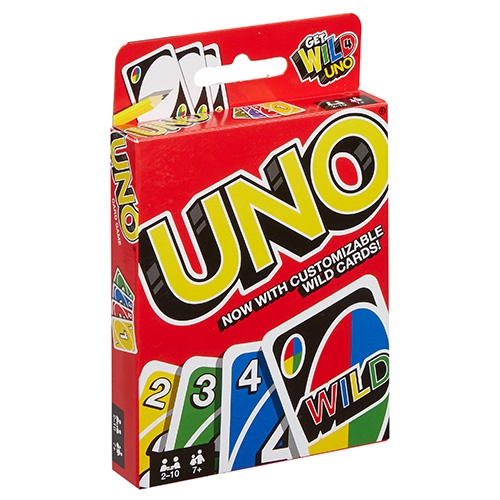 Your price for this item is $14.99
-
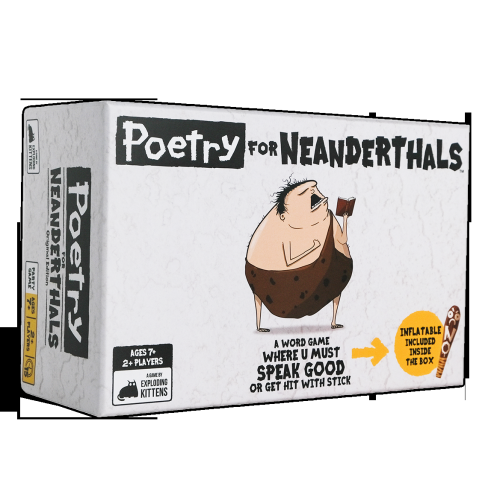 Your price for this item is $34.99
-
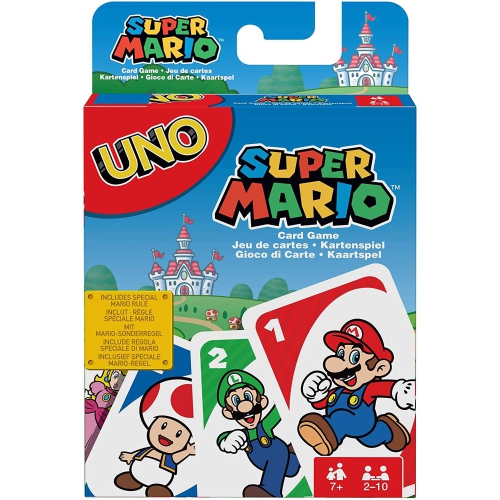 Your price for this item is $15
-
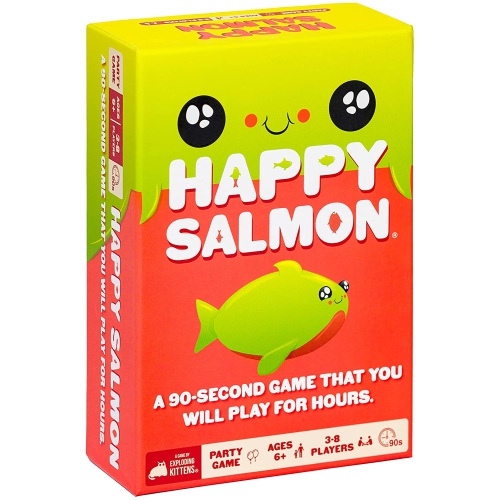 Your price for this item is $21.99
-
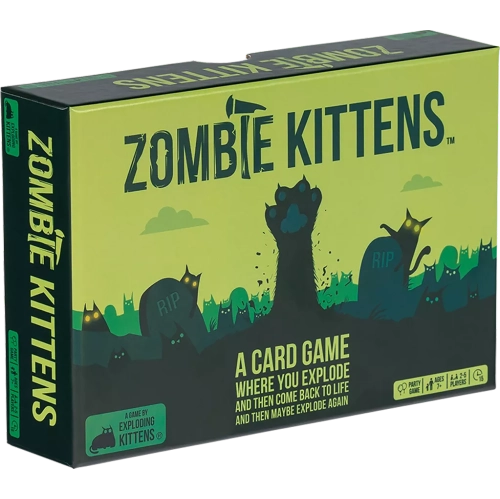 Your price for this item is $34.99
-
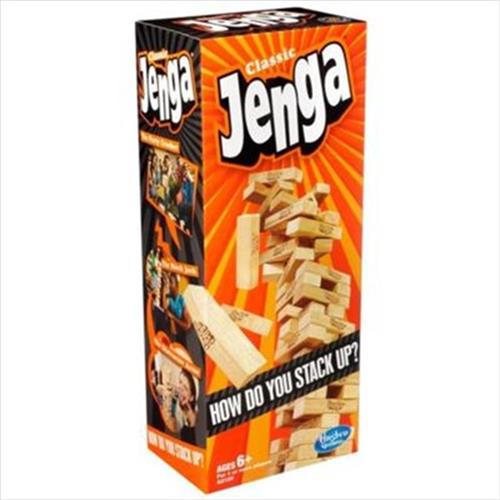 Your price for this item is $24.99
-
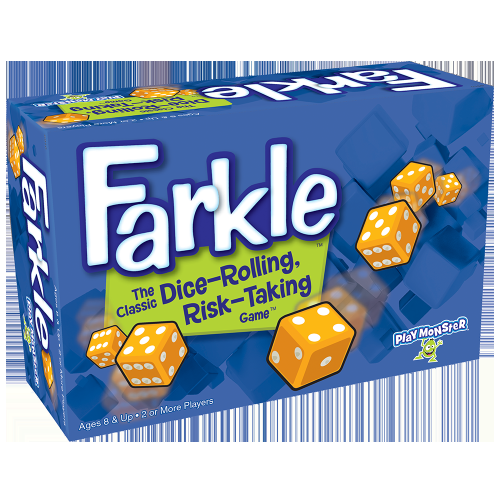 Your price for this item is $20.93
-
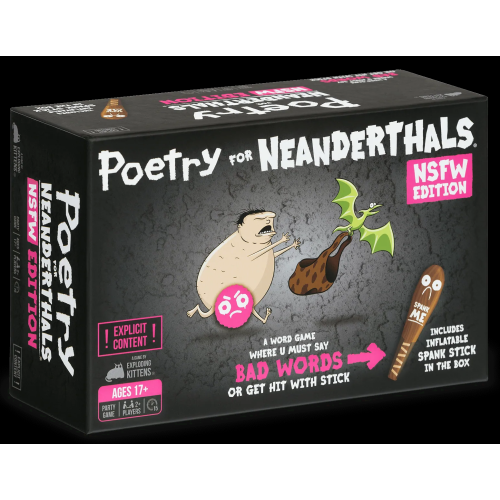 Your price for this item is $31.99
Discover more categories related to Escape Games


Top Collections:
Pokemon Centers, Best Cameras for Sports Photography, Kindle Devices, Samsung Galaxy Phones, Canon G7X Cameras, Pokémon 30th Celebration Cards, Refurbished Apple Laptops, iPhone 15 Apple, Laptops for Students, Budget Smartphones
Some products may be subject to Environmental Handling Fees
(EHF) depending on your province.
Learn more about EHFs.