Family Board Games
Gather around the table and dive into hours of fun with our selection of family board games. Perfect for creating cherished memories, these games offer something for everyone, from strategy enthusiasts to those who love a good laugh. Whether you're planning a cozy night in or looking to liven up your next family gathering, our diverse range of board games is sure to bring joy and excitement to players of all ages. Explore options that challenge the mind, encourage teamwork, or simply provide a delightful escape from the everyday routine. Discover the perfect game to spark creativity and connection with your loved ones.
Sort
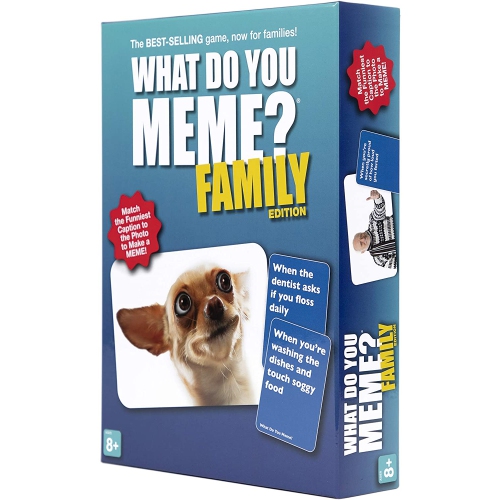
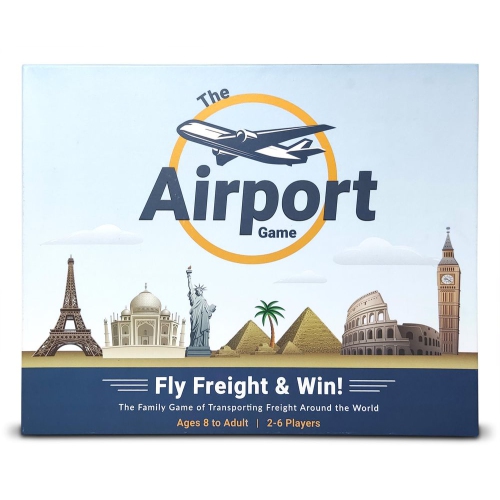
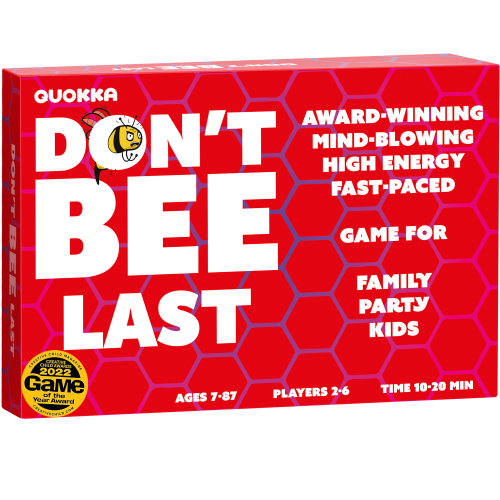
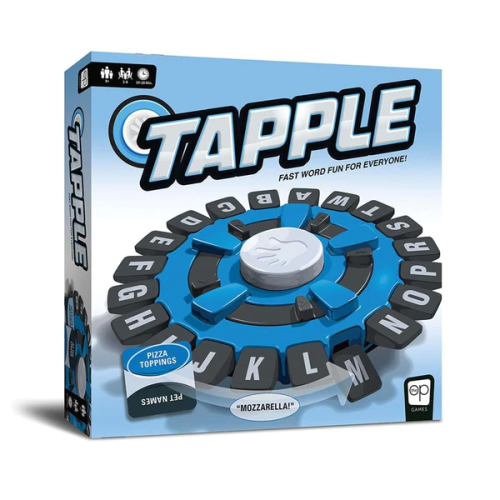
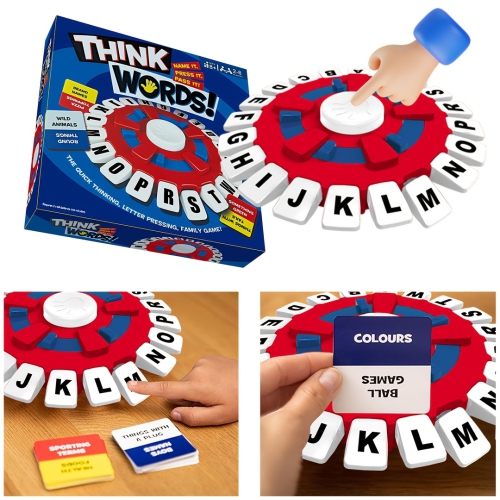
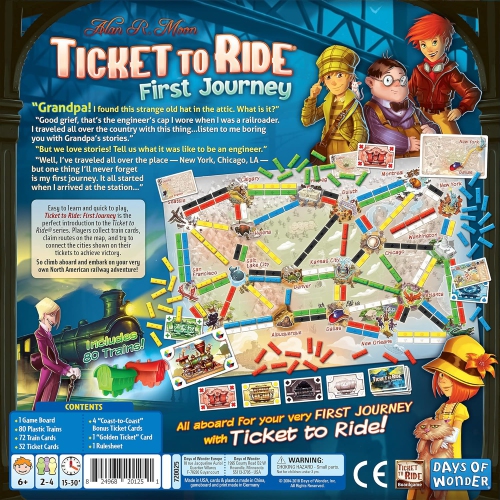
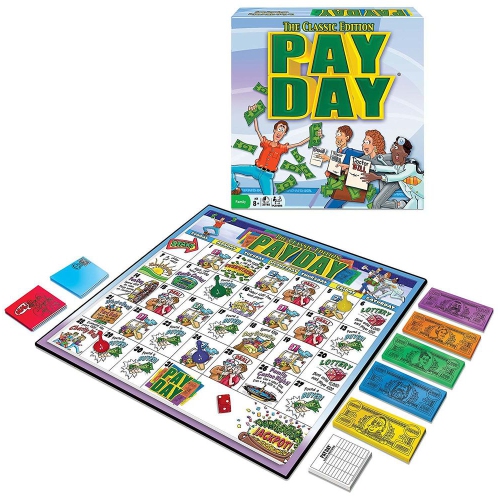





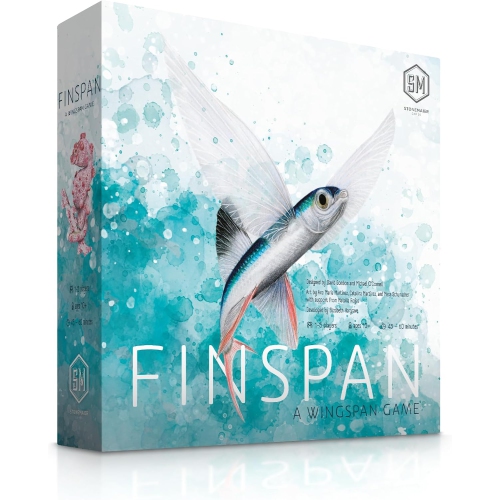
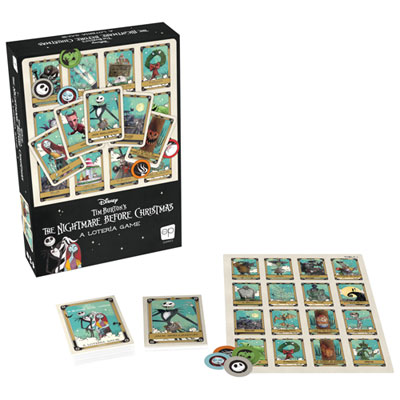

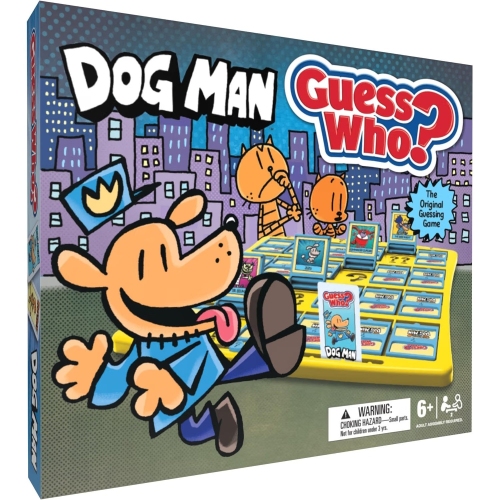
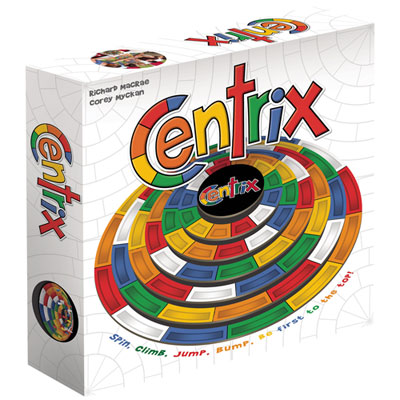


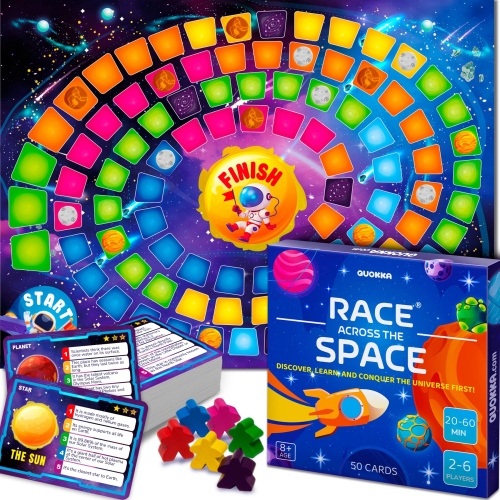


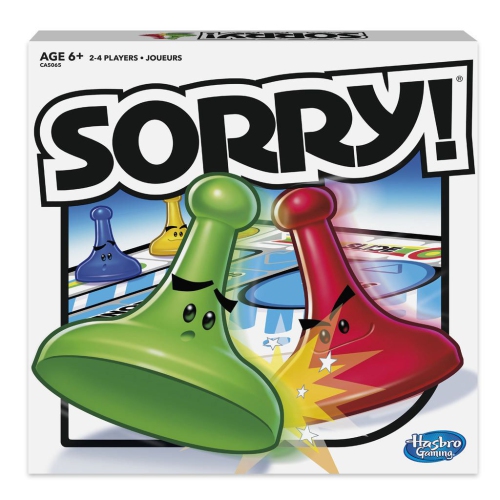

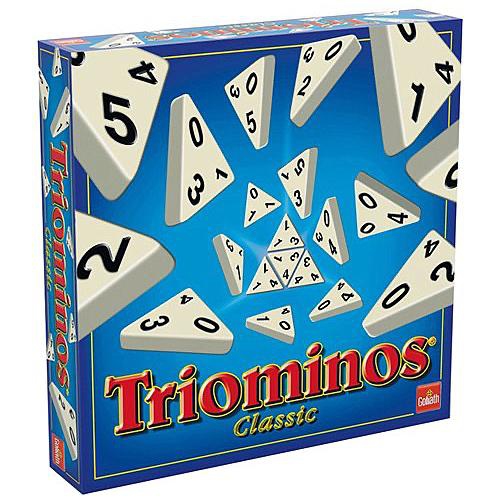
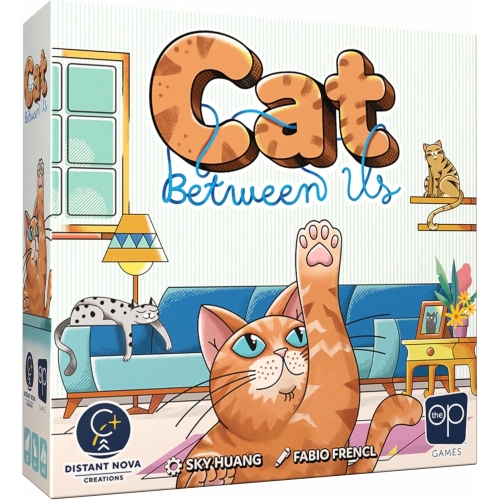






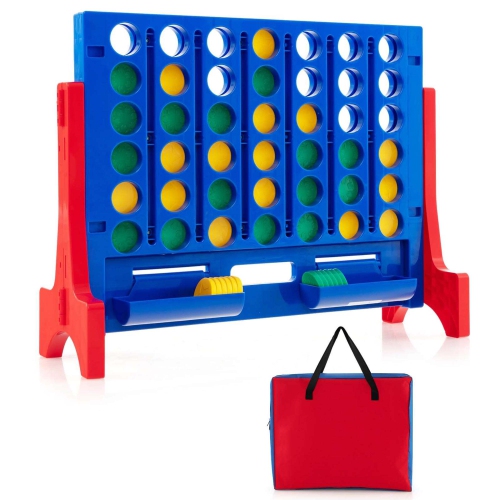
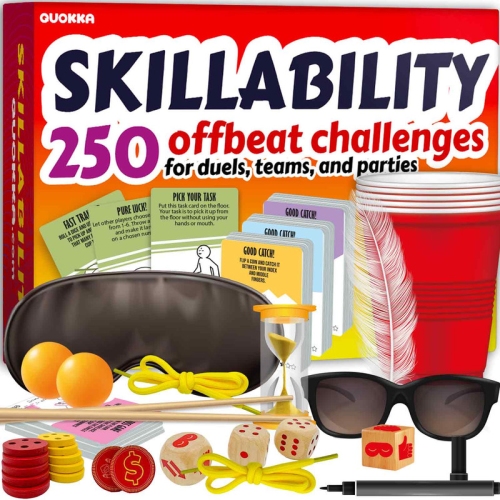
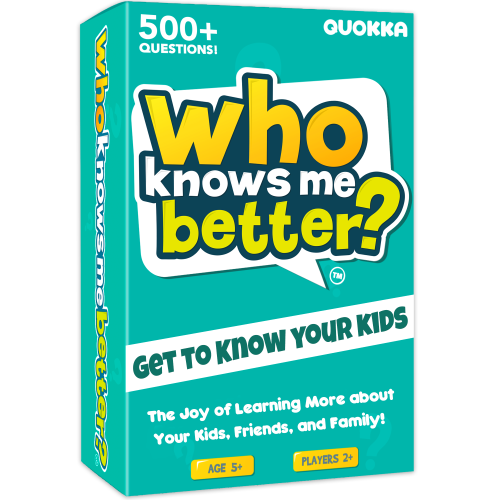


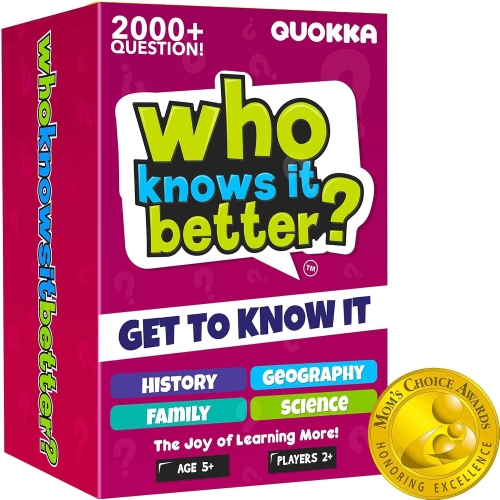

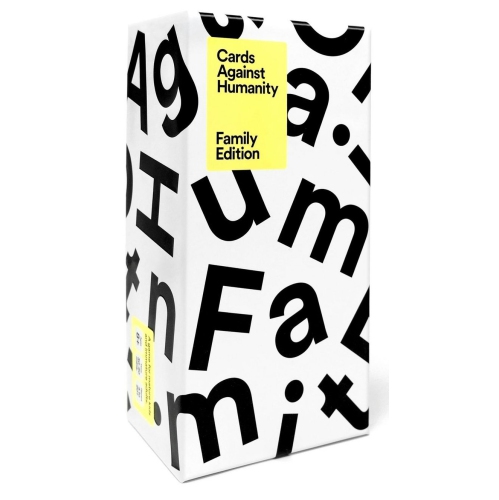

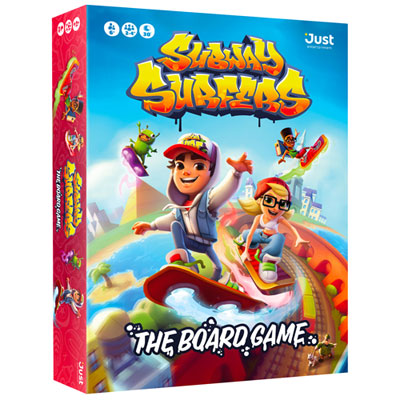


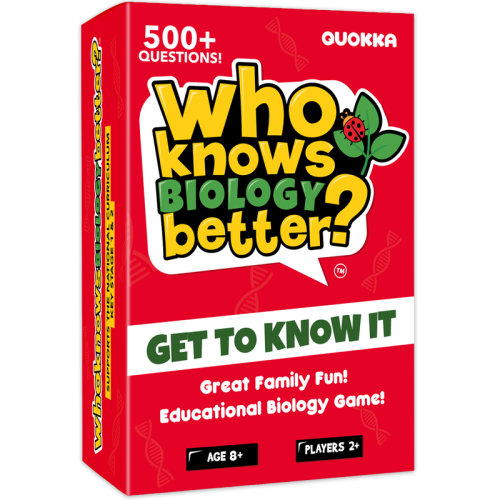
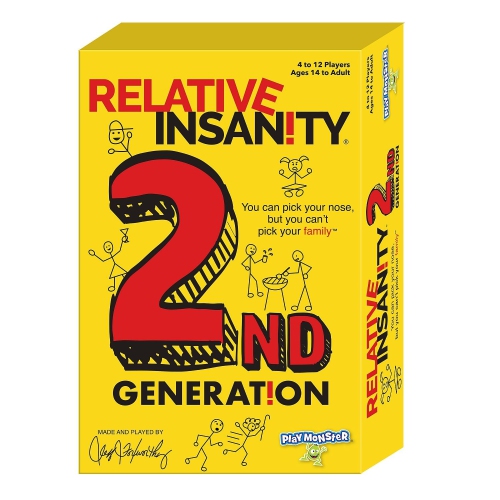




















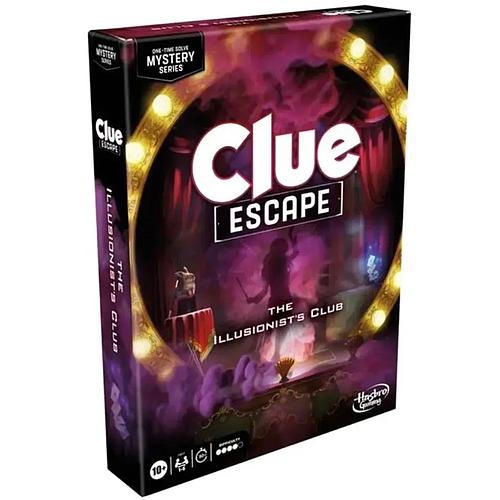
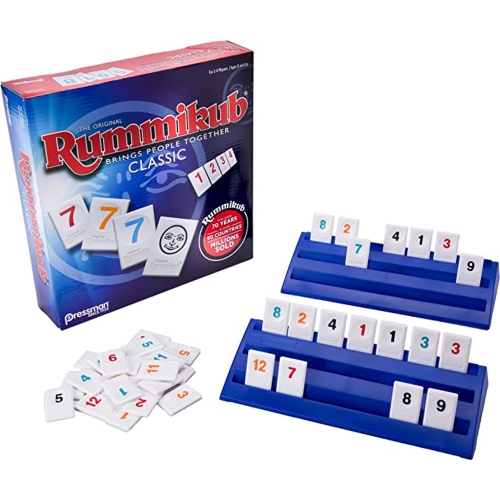
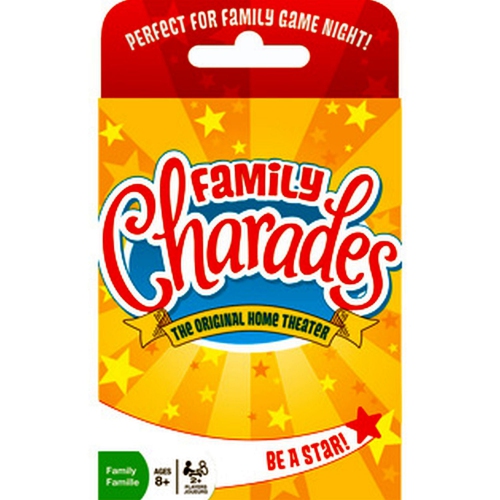
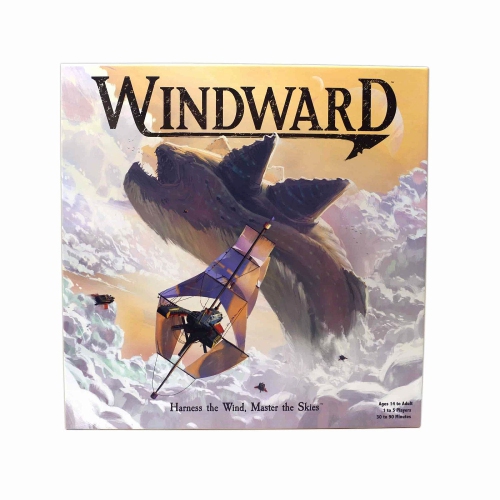









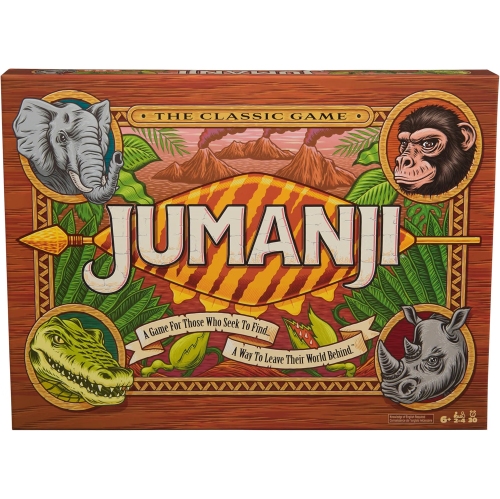
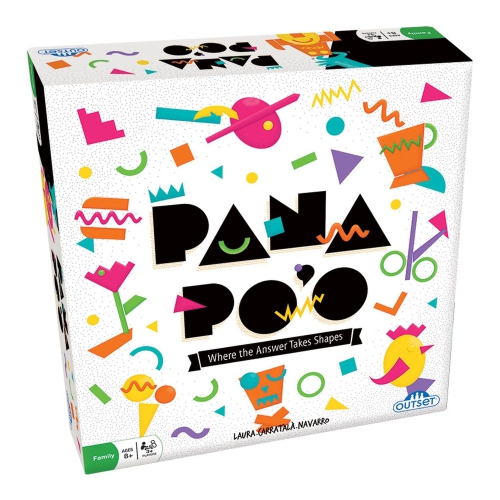

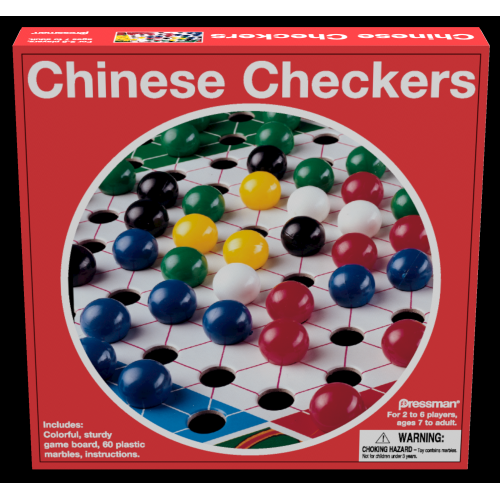

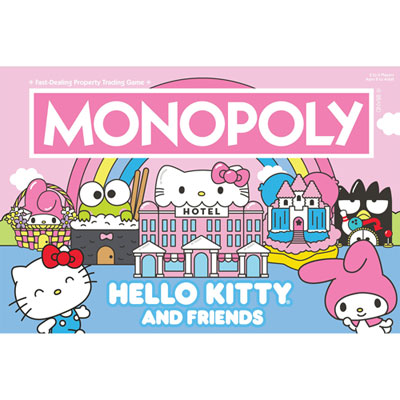
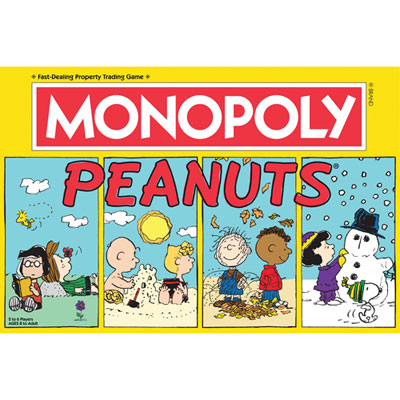
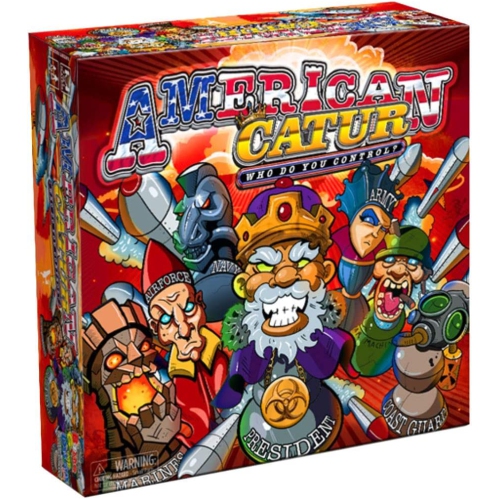


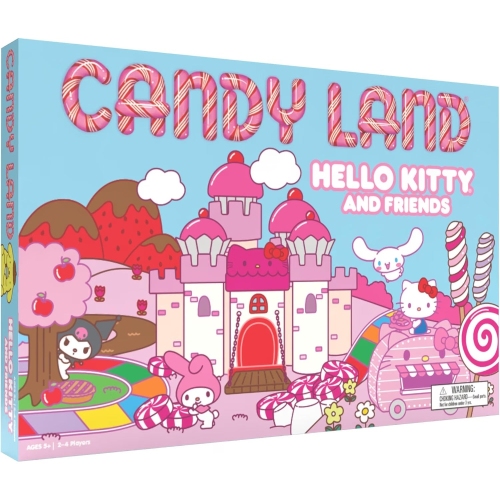

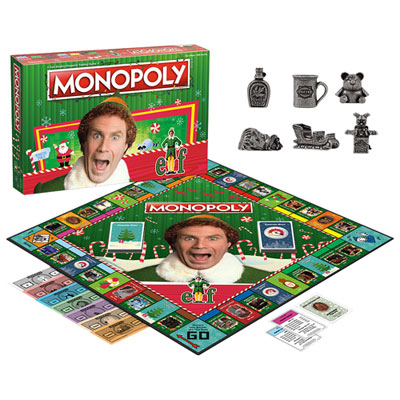


What keeps every age involved at the table
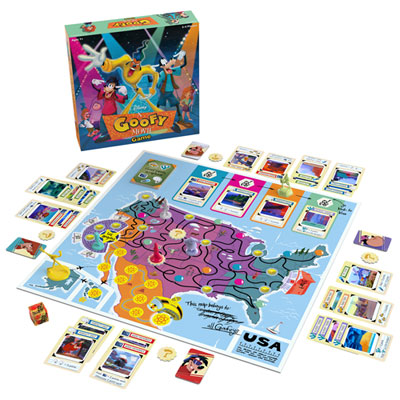
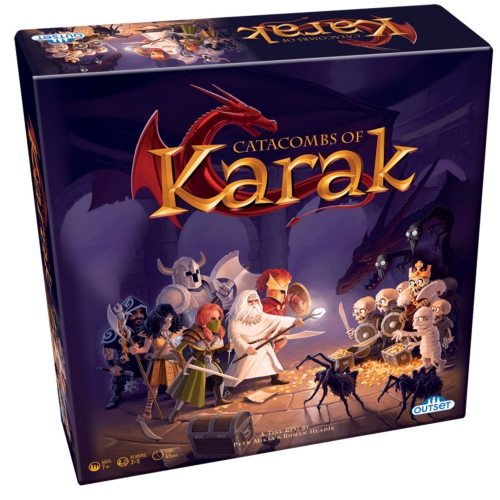
Family board games bring children, teens, and adults together around a shared activity, with rules that are approachable enough to learn at the table and choices that keep different ages involved. The category spans cooperative adventures, light strategy games, word and picture challenges, tile-laying puzzles, and familiar race-to-the-finish formats. Some centre on working towards a common goal; others invite friendly competition through building, trading, matching, or collecting. The best fit for a household depends less on a single style of play than on the people gathering around the board. Younger children may enjoy clear pictures, short turns, and an immediate connection between a move and its result, while older players often appreciate several possible paths to victory. Games that combine a little luck with meaningful decisions can help bridge that gap, giving beginners a chance to stay involved without making every outcome feel random. Suggested ages offer a useful starting point, but reading requirements, number skills, and the number of rules to remember also affect how comfortably someone can participate. A child who enjoys puzzles may take readily to spatial play, while a confident reader may prefer clues or word-based challenges. Player count matters just as much: a game intended for a full table may feel quite different with only two participants, and a larger gathering benefits from turns that keep everyone engaged. Playing time includes more than the minutes spent moving pieces. Opening the box, explaining the rules, arranging the board, and putting everything away all shape how easily a game fits into everyday life. A short session can fill the gap between dinner and bedtime, while a longer game gives a family gathering a shared focus. Clear turn sequences, helpful reference cards, and a manageable setup make repeat play easier, especially when one adult is helping several children get started. Those practical details often determine which box gets brought back to the table.
The physical design of family board games has a noticeable effect on how they feel to use and how well they stand up to repeat play. Folding boards and cardboard tiles are common, often paired with printed cards, wooden tokens, plastic playing pieces, or dice. Thick tiles can be easier to pick up from a smooth tabletop, and clearly printed symbols help players identify pieces without repeatedly checking the rules. Card readability depends on more than large lettering: contrast, spacing, and the amount of text on each card can make a difference when several people are sharing the same play area. Games that distinguish pieces through both colour and shape offer useful visual cues for players who find similar shades difficult to tell apart. Piece size and handling also deserve attention, particularly when young children or people with limited hand dexterity will join in. Small components require careful consideration in homes with children under three; the age label and safety warnings take priority over whether an older sibling is ready to play. Table fit is another everyday consideration. A board may leave little room for individual card displays, token piles, or a shared draw area, so the full layout matters more than the folded board alone. Compact layouts suit smaller tables, while larger arrangements give everyone space to organize their pieces. Durability depends on construction and handling together. Cards shuffled often can show wear along their edges, board folds benefit from gentle opening, and loose pieces are easier to keep track of when stored in separate compartments or resealable bags. Suitable card sleeves can help protect frequently handled cards, provided they still fit the storage insert. Care should follow the manufacturer’s directions; paper-based components are generally best kept dry, and spills should be avoided rather than treated with household cleaners. A clean table, drinks set away from the playing area, and a quick piece count before closing the box help keep the next session ready to begin.
Different play styles create different kinds of family time. Cooperative board games let participants discuss possibilities and share the outcome, which can suit mixed-age groups or players who prefer not to compete directly. They work especially well when each person has a meaningful role, leaving room for a younger player’s idea rather than allowing the most experienced participant to make every decision. Competitive games offer their own pleasures: spotting an overlooked space, completing a pattern, or choosing the right moment to use a saved resource. For families with a wide range of experience, limited reading demands and no early player elimination can help everyone remain part of the activity until the end. Team formats can also bring grandparents, cousins, and siblings into the same conversation, although the amount of discussion and any timed elements will affect the pace. Beyond entertainment, play provides opportunities to practise counting, planning, turn-taking, and explaining a choice, without every game needing to feel like a lesson. A child weighing two possible moves or an adult laughing over an unexpected result is part of the appeal. Replay value may come from changing board layouts, varied objectives, different starting positions, or simply the decisions of the people at the table. Some households enjoy returning to a familiar set of rules; others prefer a little variation each time. As gifts for birthdays or family celebrations, board games can offer an activity to share, with the recipient’s interests, household size, and usual attention span helping shape a thoughtful match. Storage space and portability matter for families who bring games to relatives’ homes or take them on trips. The smaller boxes and space-conscious layouts associated with Travel Board Games are worth considering for play away from home, alongside how securely the pieces pack away. Whether the routine involves a quick two-player match or several generations around one table, an inviting family board game gives everyone something to contribute and a reason to play again.
Top selling and popular products
-
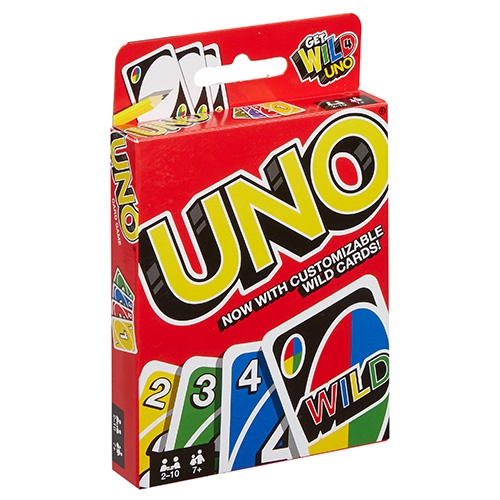 Your price for this item is $14.99
-
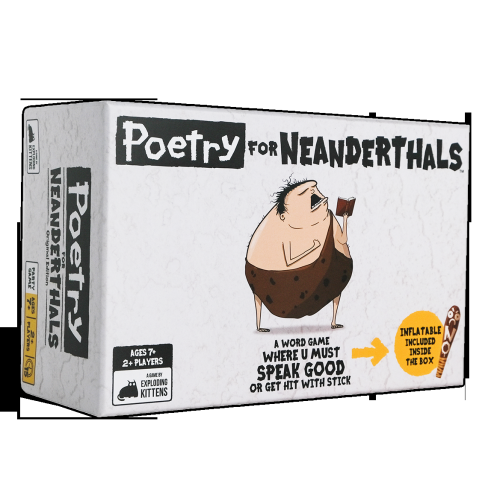 Your price for this item is $34.99
-
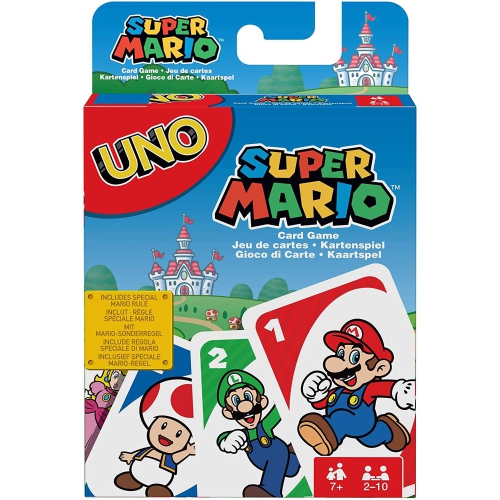 Your price for this item is $15
-
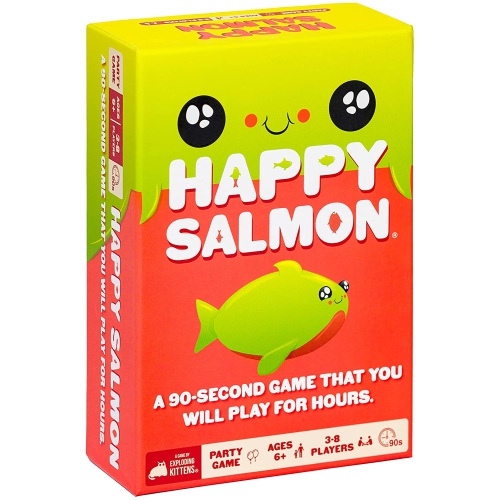 Your price for this item is $21.99
-
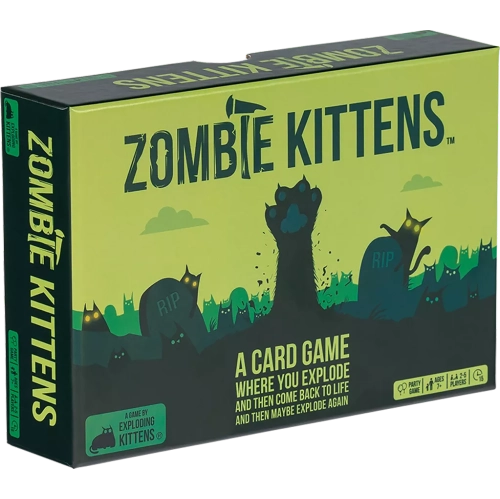 Your price for this item is $34.99
-
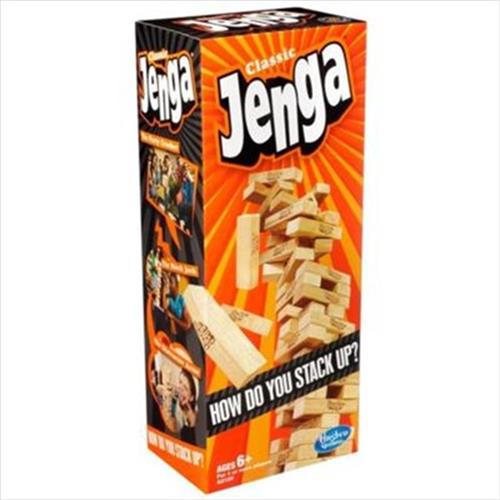 Your price for this item is $24.99
-
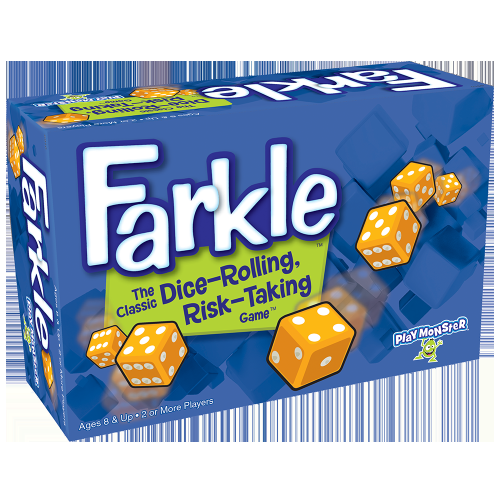 Your price for this item is $17.8
-
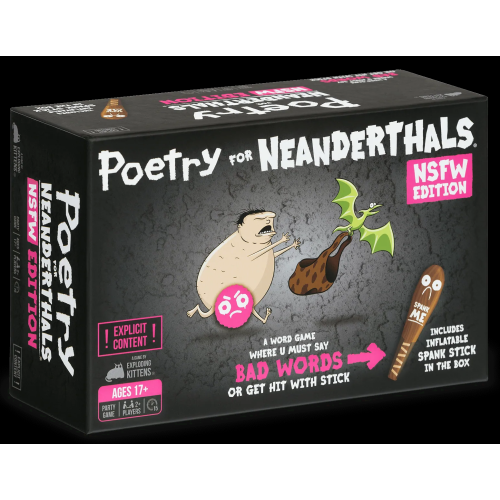 Your price for this item is $31.99
Discover more categories related to Family Board Games
Top Collections:
Pokemon Centers, Kindle Devices, Best Budget Office Chairs, Canon G7X Cameras, Apple iPhones 16, Samsung Galaxy Phones, Refurbished Apple Laptops, Laptops for Students, iPhone 15 Apple, Budget Smartphones
Some products may be subject to Environmental Handling Fees
(EHF) depending on your province.
Learn more about EHFs.