Family Fantasy Board Games
Family Fantasy Board Games bring everyone together for hours of imaginative adventure and fun. Dive into magical realms, embark on epic quests, and spark creativity with games designed to entertain players of all ages. Whether hosting a lively game night or looking to add excitement to family gatherings, these board games offer the perfect blend of challenge and enjoyment. Explore a wide selection of Family Fantasy Board Games and create unforgettable memories with every roll of the dice.
Sort
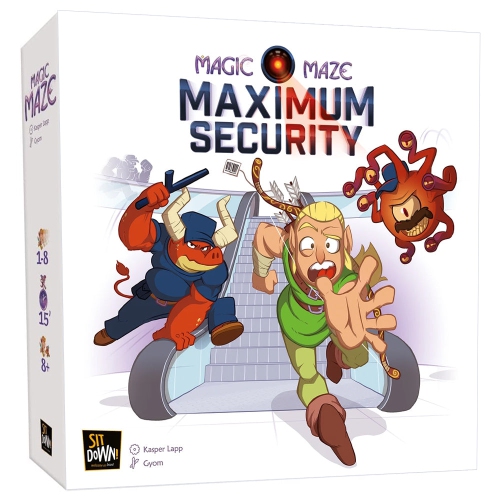

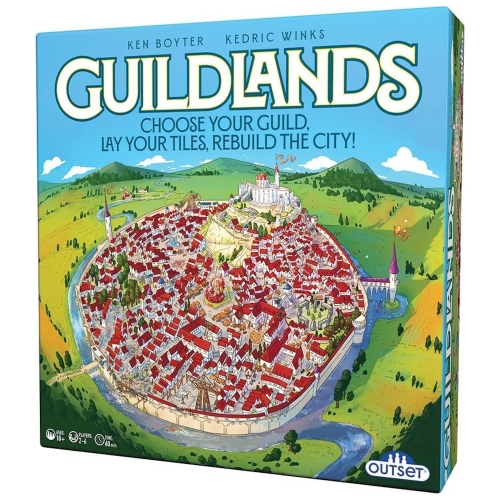

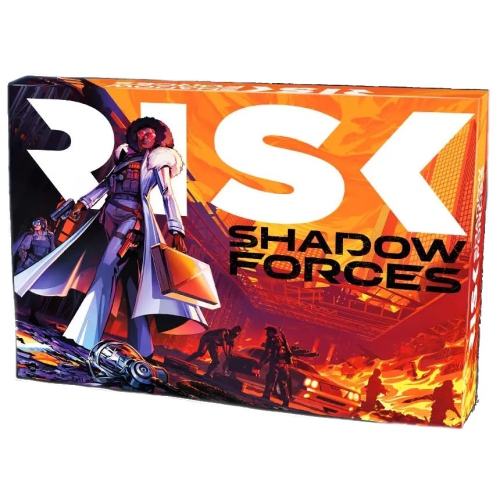

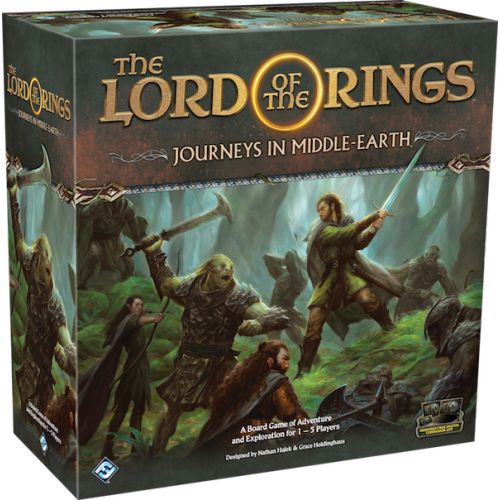
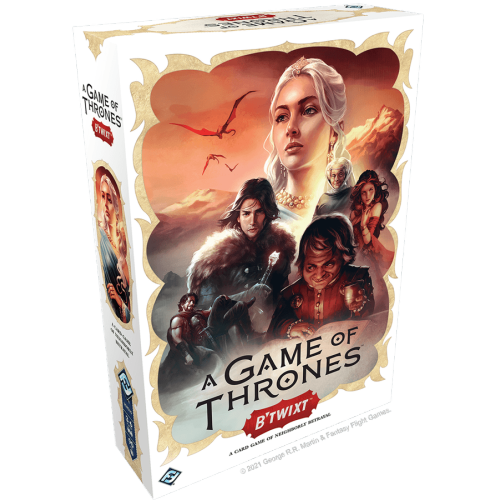


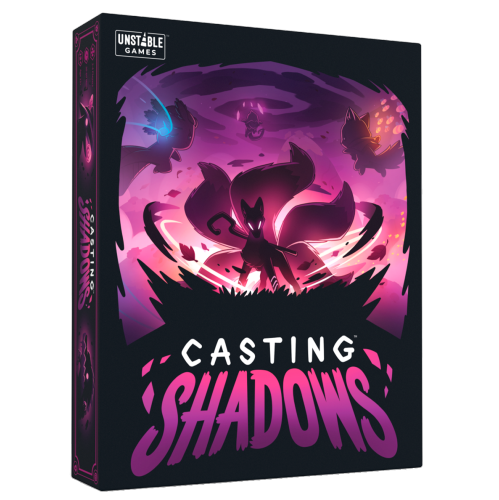
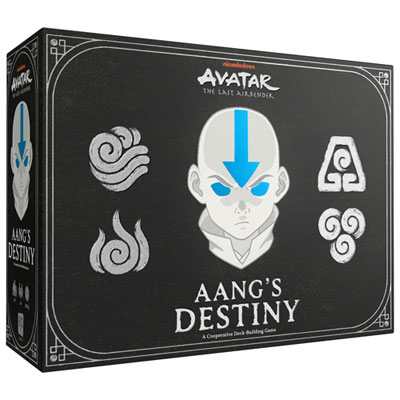
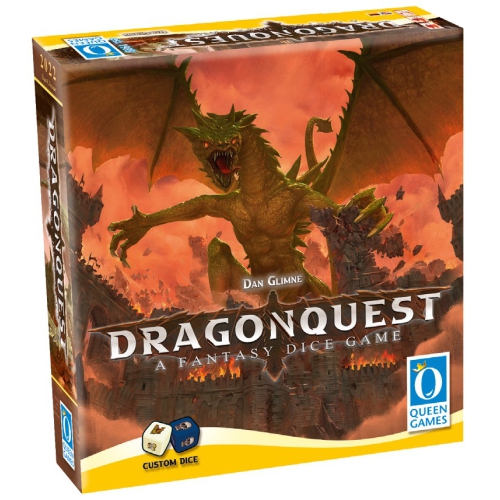

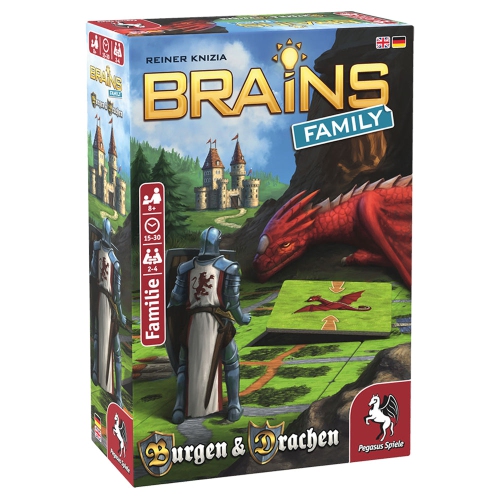
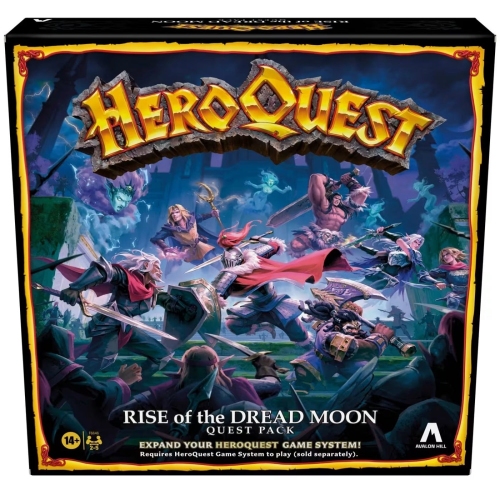

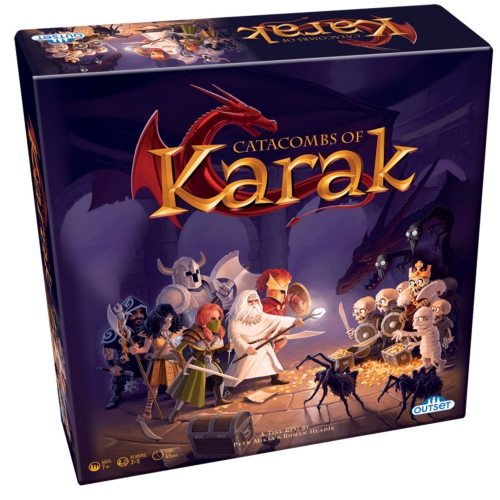
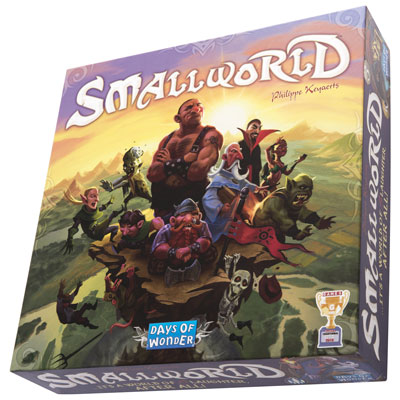
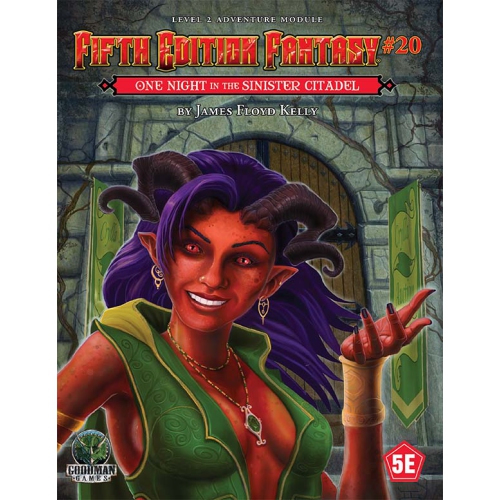

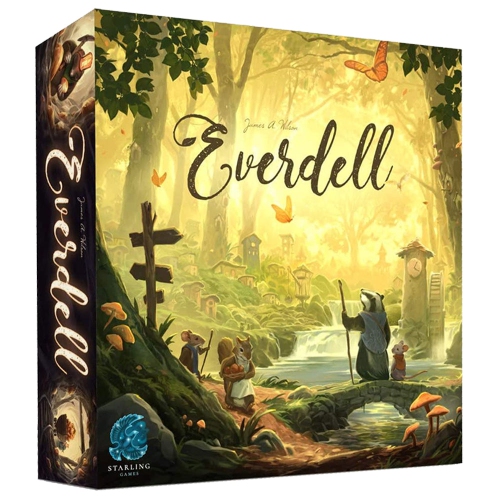

Shared quests and cooperative adventures for every age
Family fantasy board games bring storytelling, exploration, and shared play to the table in a format that can appeal to children, teens, and adults alike. Instead of simply moving pieces from one space to the next, players may travel through enchanted forests, discover hidden paths, gather useful items, complete quests, solve mysteries, or defend a village from an approaching threat. Many family-focused fantasy games use colourful artwork, imaginative characters, and approachable rules to create a sense of adventure without requiring extensive tabletop gaming experience. Some are cooperative, encouraging everyone to work toward a common goal, while others use friendly competition as players collect treasure, develop a magical town, complete objectives, or earn the most points. For families playing with a wide range of ages, cooperative games can be especially welcoming because experienced players can help younger participants understand the rules without taking over the entire game. A shared victory also keeps the focus on conversation, planning, and the story unfolding around the table. Competitive fantasy games can be a good fit for groups that enjoy making individual decisions, taking calculated risks, and seeing how different strategies lead to different outcomes. When comparing options, consider the recommended age range first, since a game designed for older children may include longer reading sections, more detailed card effects, or multi-step planning that younger players may find difficult. A game intended for younger players may use simpler turns, visual symbols, and shorter objectives, making it easier for the whole family to join in. It is also helpful to check the player count and playing time. A compact game for two to four players may be ideal for a quiet evening, while a game that accommodates five or more can suit larger families, sleepovers, and gatherings with friends. For another selection of games built around planning, problem-solving, and shared family play, explore Family Strategy Board Games.
The style of fantasy adventure can make a noticeable difference to the overall experience. Some games focus on gentle exploration, charming creatures, and imaginative town-building, creating a relaxed atmosphere that works well for mixed-age groups. Others offer a more dramatic quest with monsters, hidden rooms, magical powers, and treasure to discover. Light dungeon-crawling games often invite players to explore a modular board or connected map, reveal new areas, collect equipment, and overcome challenges together. These games can be exciting for children who enjoy pretend play and for adults who appreciate a little tactical decision-making, especially when the rules remain easy to explain. Story-driven games place more emphasis on character choices and unfolding chapters, making them a strong choice for families that enjoy reading aloud, discussing what to do next, and returning to the same adventure over several sessions. Deck-building and card-based fantasy games may be a better match for players who like improving their abilities as they play, combining cards, and refining their approach from one turn to the next. Resource-management games add another layer by asking players to balance materials, actions, and objectives while building a thriving settlement or completing a magical project. Before choosing, look at the amount of reading, setup, and ongoing bookkeeping involved. A large board, many tokens, and several decks can create an immersive experience, but they may take longer to organize and pack away. A smaller box with a straightforward setup can be more convenient for families that want to begin playing soon after dinner or bring a game along during visits. It is also worth considering whether the game supports independent choices for every player. Children often enjoy having their own character, hand of cards, or special ability, while adults may prefer a game that gives everyone meaningful decisions rather than assigning one player the role of the group’s unofficial leader.
Family fantasy board games can be thoughtful gifts for birthdays, winter celebrations, family game nights, or anyone beginning to explore tabletop play. They are particularly well suited to households that enjoy imaginative stories, puzzles, maps, and hands-on activities that do not depend on screens. A cooperative adventure may make a memorable gift for siblings who enjoy working together, while a competitive game can be a lively choice for cousins or friends who like friendly rivalry. For a child, the appeal may begin with the artwork and the chance to play as a brave explorer, clever spellcaster, helpful animal companion, or builder of a fantastical village. For an adult, the lasting appeal may come from discovering new strategies, guiding a story, or seeing how a child reacts to an unexpected twist on the board. During the cooler months, a fantasy game can turn an ordinary afternoon into an expedition across an imagined landscape, with snacks nearby and the table filled with cards, colourful pieces, and unfolding plans. To make the experience enjoyable for everyone, set aside enough time to explain the objective and demonstrate a sample turn before beginning. Younger players may benefit from open discussion and a little guidance, while older players may prefer to discover the possibilities for themselves. If the family includes players with different confidence levels, choose a game with adjustable difficulty, individual powers, or a forgiving cooperative mode. Replay value is another useful consideration: variable boards, changing objectives, multiple characters, branching story choices, or different ways to earn points can help a game feel fresh after the first playthrough. Storage matters as well, particularly when a game contains many small components; an organized insert, resealable bags, or a dedicated shelf can make future sessions easier to start. Whether the group prefers a gentle magical journey, an exciting quest through mysterious ruins, or a strategic challenge filled with clever choices, the right family fantasy board game creates a shared space for conversation, creativity, and memorable adventures at home.
Top selling and popular products
-
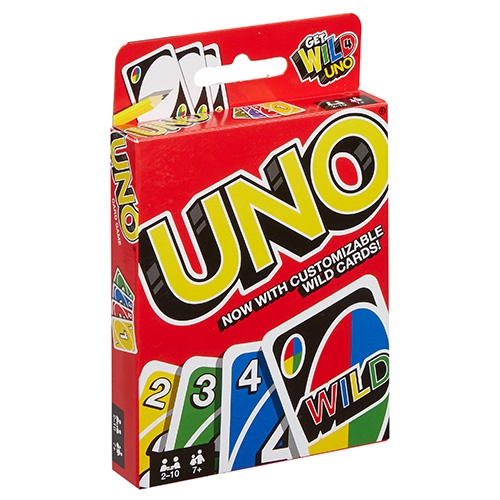 Your price for this item is $14.99
-
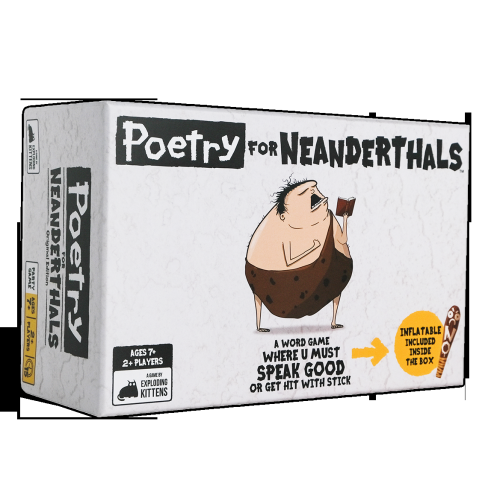 Your price for this item is $34.99
-
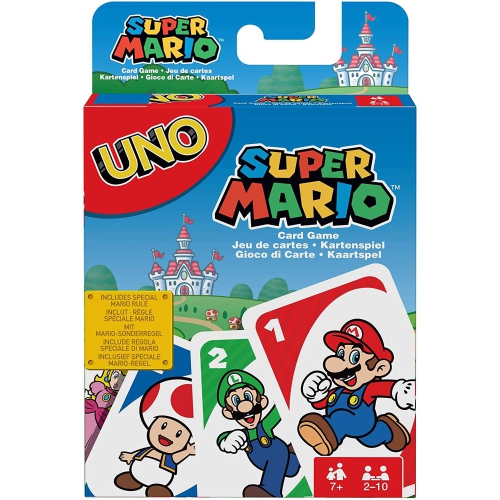 Your price for this item is $15
-
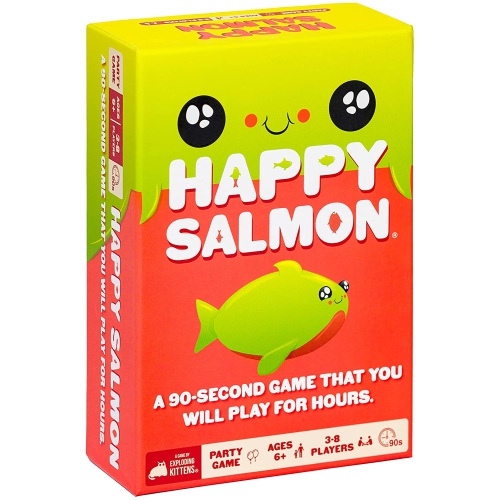 Your price for this item is $21.99
-
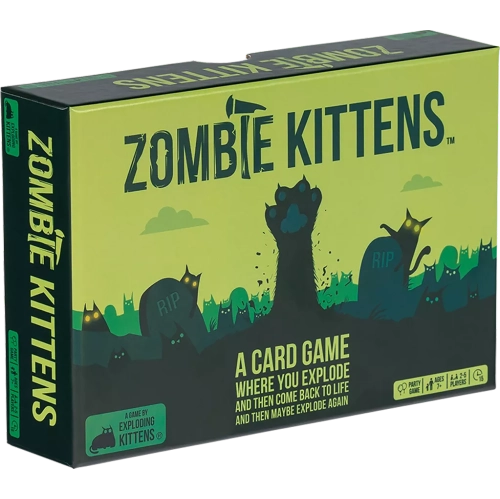 Your price for this item is $34.99
-
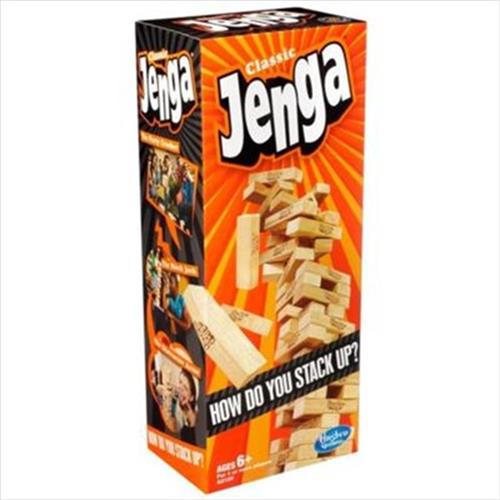 Your price for this item is $24.99
-
 Your price for this item is $20.93
-
 Your price for this item is $31.99
Discover more categories related to Family Fantasy Board Games
Top Collections:
Pokemon Centers, Best Cameras for Sports Photography, Kindle Devices, Samsung Galaxy Phones, Canon G7X Cameras, Pokémon 30th Celebration Cards, Refurbished Apple Laptops, iPhone 15 Apple, Laptops for Students, Budget Smartphones
Some products may be subject to Environmental Handling Fees
(EHF) depending on your province.
Learn more about EHFs.