Family Day Board Games
Family day board games are the perfect way to bring everyone together for hours of laughter and friendly competition. Whether you're planning a cozy evening at home or hosting a lively get-together, these games offer engaging experiences that appeal to all ages. Explore a variety of options designed to create memorable moments, spark conversation, and keep the fun going strong. Find the ideal family day board games to make your next gathering unforgettable.
Sort

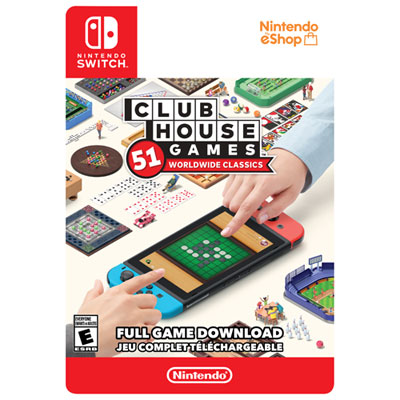
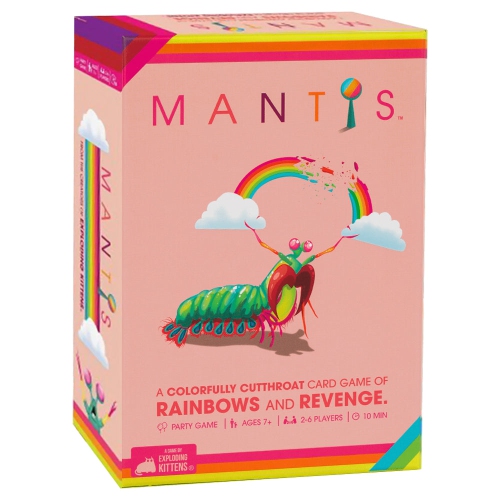
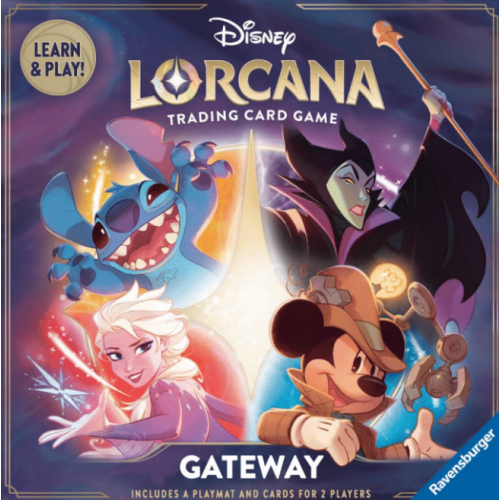
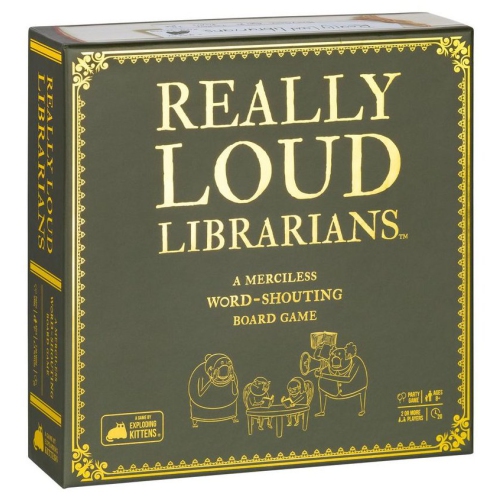
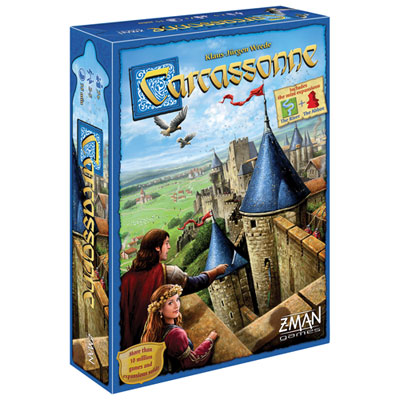
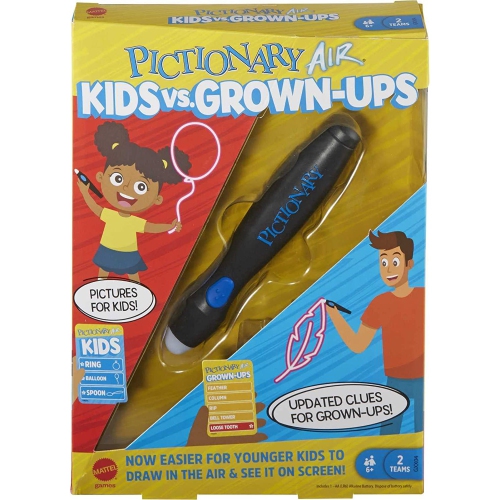
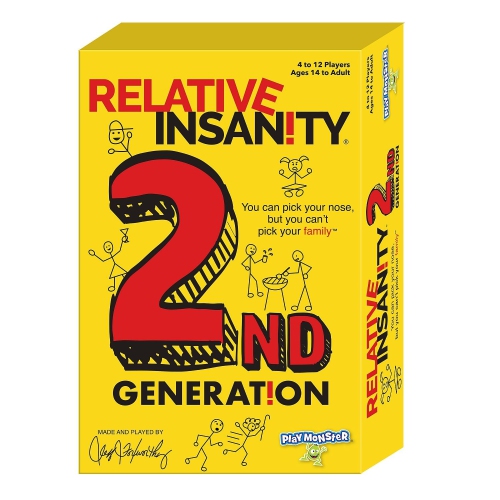
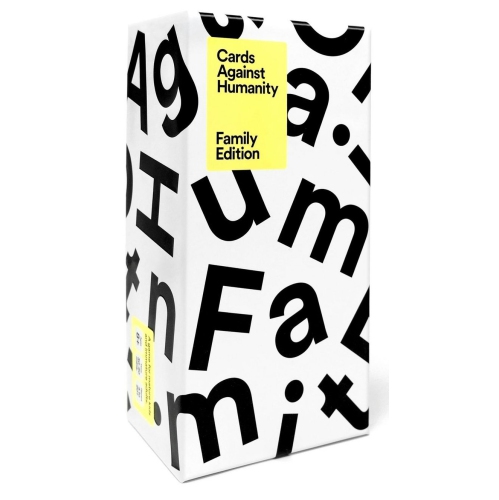
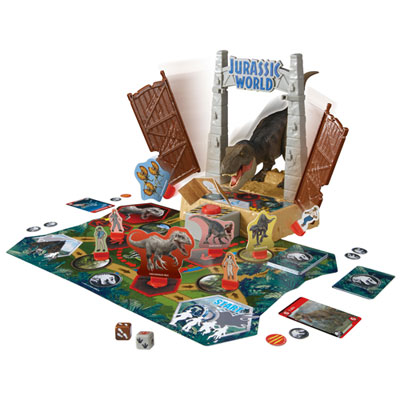

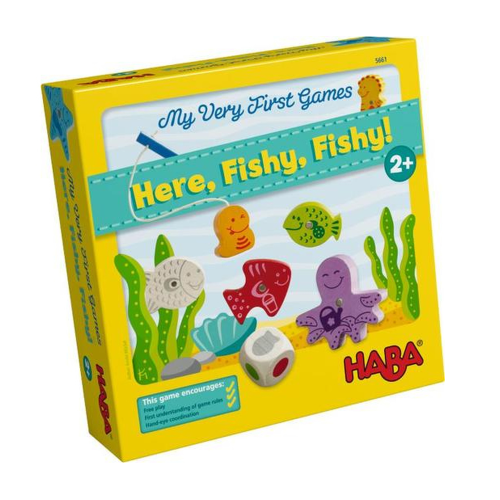
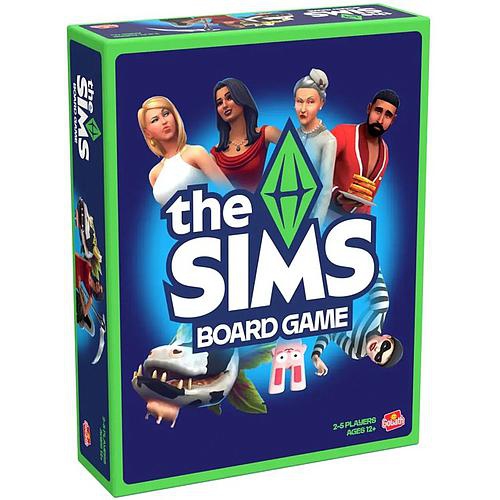

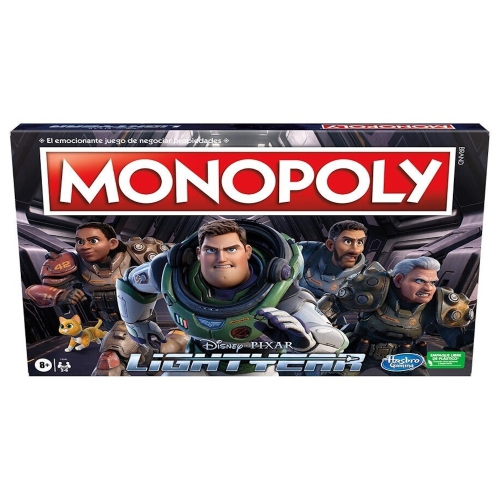

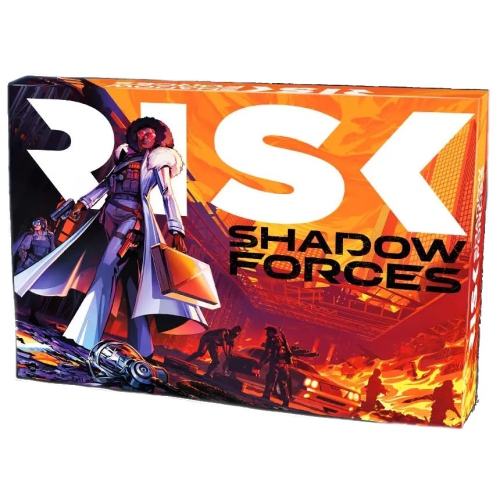
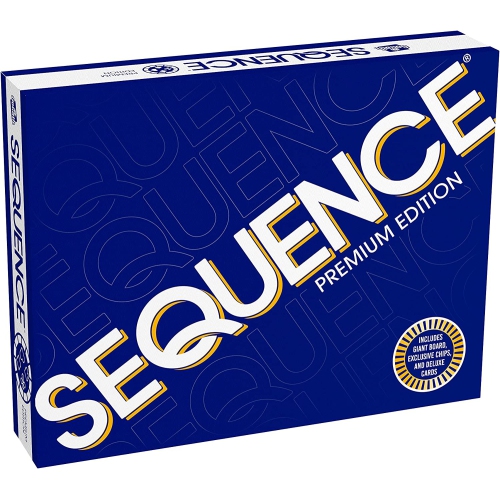

Simple rules and shared challenges for every generation
Family Day board games bring children, teens, parents, and grandparents around the same table for shared challenges, friendly competition, and plenty of conversation. The best fit for a mixed-age gathering usually combines easy-to-learn rules, a manageable playing time, and choices that keep everyone involved. A colourful board and straightforward turns can appeal to younger children, while a little planning, problem-solving, or unexpected luck gives older players something to enjoy. Age recommendations are a useful starting point, but reading ability, comfort with numbers, and experience with games also matter. A child who recognizes pictures but cannot yet read may participate more independently in a game with illustrated spaces and matching symbols than in one built around written clues. For families with a wider age range, team play can let an adult handle the reading while a younger partner chooses the next move. Player count is another important consideration: a game designed for a small group offers a different experience from one that accommodates a table of visiting relatives. Games with simultaneous choices or short turns help keep larger groups engaged without long stretches of waiting. Cooperative board games give everyone a shared goal, making them appealing when a family prefers working together rather than choosing a single winner. Competitive games can be equally welcoming when the rules are clear, setbacks are manageable, and players remain involved until the end. A balance of chance and decision-making can create moments when a newcomer has a genuine opportunity to do well against a more experienced player. For a Family Day gathering, that balance often matters more than elaborate rules or a lengthy setup. The most enjoyable game is one that suits the people playing, whether that means a quick round before a meal, a relaxed afternoon activity, or a longer challenge for family members who love thinking several moves ahead.
Different styles of family board games offer different ways to spend that time together. Matching and memory games centre on recognizing patterns, remembering positions, and noticing details, often with little reading required. Movement games built around a path or a series of spaces provide a clear sense of progress and an easy way to follow whose turn comes next. Tile-placement and building games let players watch a shared layout take shape, with each new piece changing the possibilities on the table. Strategy games may involve collecting resources, planning routes, or deciding how to use a limited number of actions, giving older children and adults room to develop an approach over several rounds. Word, drawing, trivia, and storytelling games bring a more conversational feel, although their suitability depends on the reading level, subject matter, and interests of the group. A family that enjoys sketching silly pictures may prefer a creative challenge to a test of general knowledge, while a quieter group may appreciate a puzzle that rewards observation rather than quick answers. Games that rely on speed, detailed text, or colour alone can present different barriers, so features such as distinct symbols, readable type, and clearly separated playing areas are useful considerations. Playing time also means more than the duration printed on a box: learning the rules, arranging pieces, and helping first-time players can make an initial session longer. Shorter games leave room for repeat rounds and changes in teams, while longer games suit gatherings where everyone is happy to settle into one activity. Table space affects the experience, too. A broad board with several personal playing areas needs more room than a compact layout, especially when drinks, snacks, and extra chairs are part of the gathering. Families who enjoy alternating between board-based play and smaller tabletop activities can also explore Card Games for Family Day for another way to bring a mixed-age group together.
The physical construction of a board game helps determine how comfortably it handles repeated family use. Sturdy cardboard boards and tiles should lie flat and be easy to lift, while cards benefit from a finish that allows them to slide apart without feeling overly slippery. Smooth wooden pieces and moulded plastic tokens offer different textures and weights; the important details are how easily players can grasp them, identify them, and keep them in place. Larger pieces can be more comfortable for small hands or players who find tiny components difficult to handle, although size alone does not establish whether a game is suitable for a young child. The labelled age guidance and small-parts warnings remain important, particularly in a household where toddlers may be nearby even if they are not playing. Clear illustrations, contrasting markings, and a readable rulebook can make setup and play less demanding for everyone. A well-organized box with space for separate components helps reduce lost pieces and makes it easier to bring the game out again. Cards and cardboard generally benefit from dry hands, a clean tabletop, and storage away from moisture and direct sunlight; wooden and plastic pieces may have different care requirements depending on their finish. Following the maker’s care directions helps protect printed surfaces and keeps components in good condition. Drinks set away from the playing area and pieces returned to their compartments after a session make a practical difference in a busy household. As gifts, family board games can suit siblings, cousins, grandparents, or hosts who enjoy activities that visitors can share. The recipient’s usual group size, available storage, and preferred pace of play are more useful considerations than complexity alone. A compact game may suit a family that takes activities to relatives’ homes, while a more involved tabletop game may appeal to a household with a regular game night. Although Family Day provides a special occasion to gather, a well-matched board game can become part of birthday celebrations, weekend visits, and ordinary evenings spent together.
Top selling and popular products
-
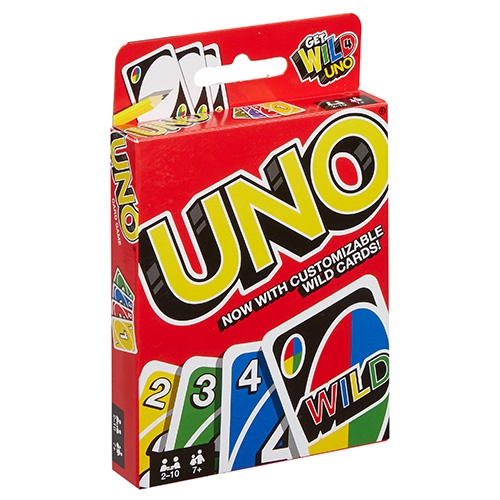 Your price for this item is $14.99
-
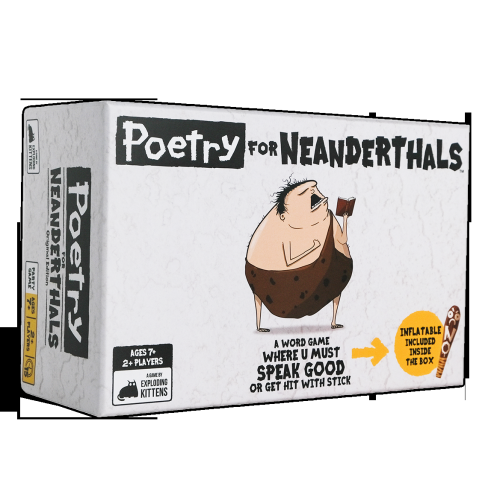 Your price for this item is $34.99
-
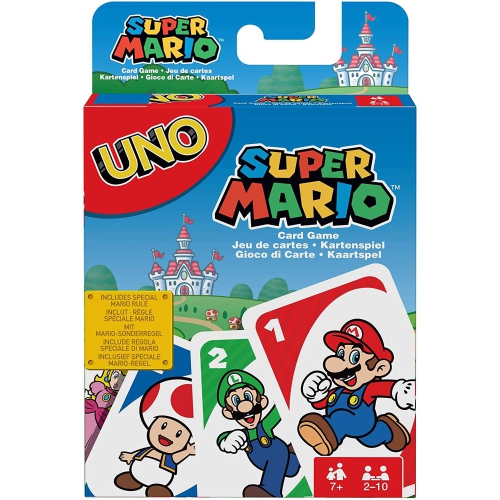 Your price for this item is $15
-
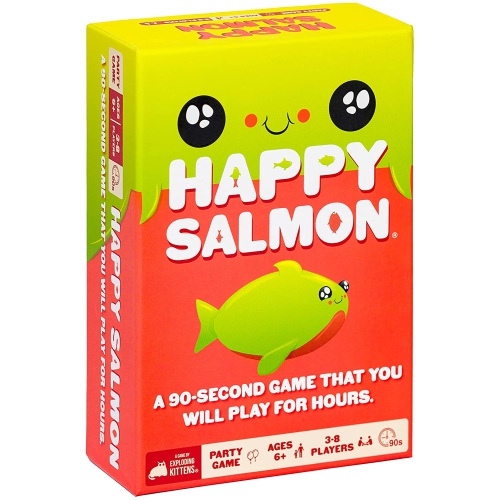 Your price for this item is $21.99
-
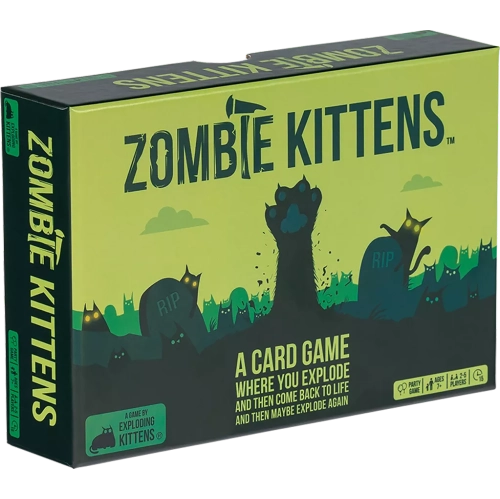 Your price for this item is $34.99
-
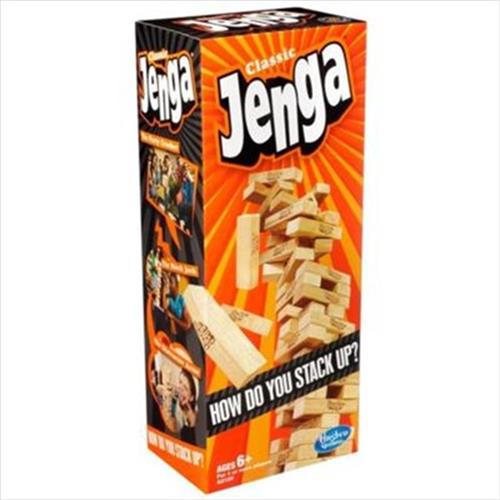 Your price for this item is $24.99
-
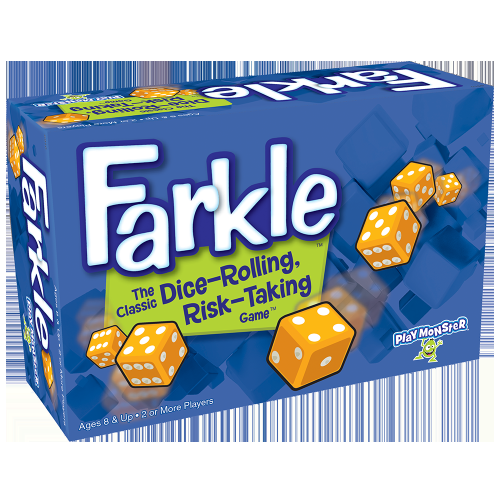 Your price for this item is $20.93
-
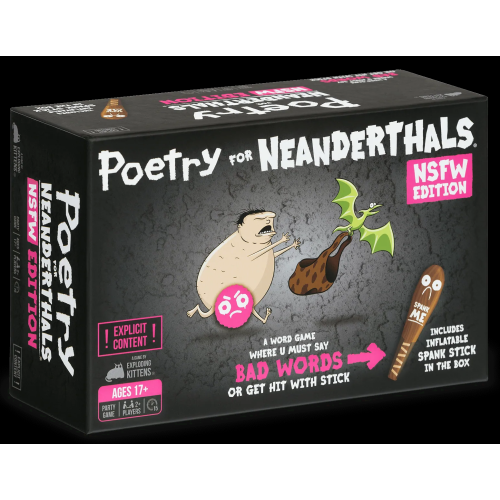 Your price for this item is $31.99
Discover more categories related to Family Day Board Games
Top Collections:
Pokemon Centers, Best Cameras for Sports Photography, Kindle Devices, Samsung Galaxy Phones, Canon G7X Cameras, Pokémon 30th Celebration Cards, Refurbished Apple Laptops, iPhone 15 Apple, Laptops for Students, Budget Smartphones
Some products may be subject to Environmental Handling Fees
(EHF) depending on your province.
Learn more about EHFs.